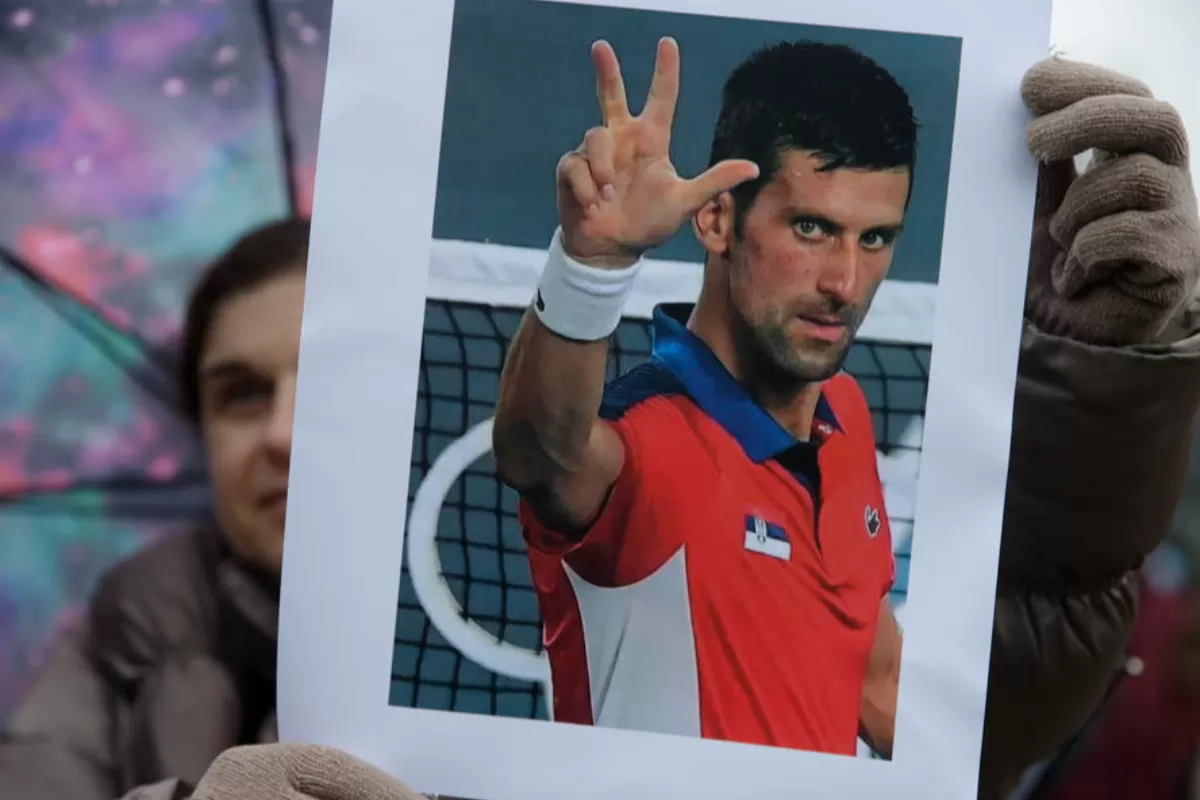
One of the greatest athletes of today has become a symbol of the anti-vaxxer movement, but also a symbol of nationalists in Serbia. But is he really a nationalist? To what extent is the “nationalist Djokovic” a media creation? Is the best tennis player in the world a hostage of Serbian myths and nationalism?
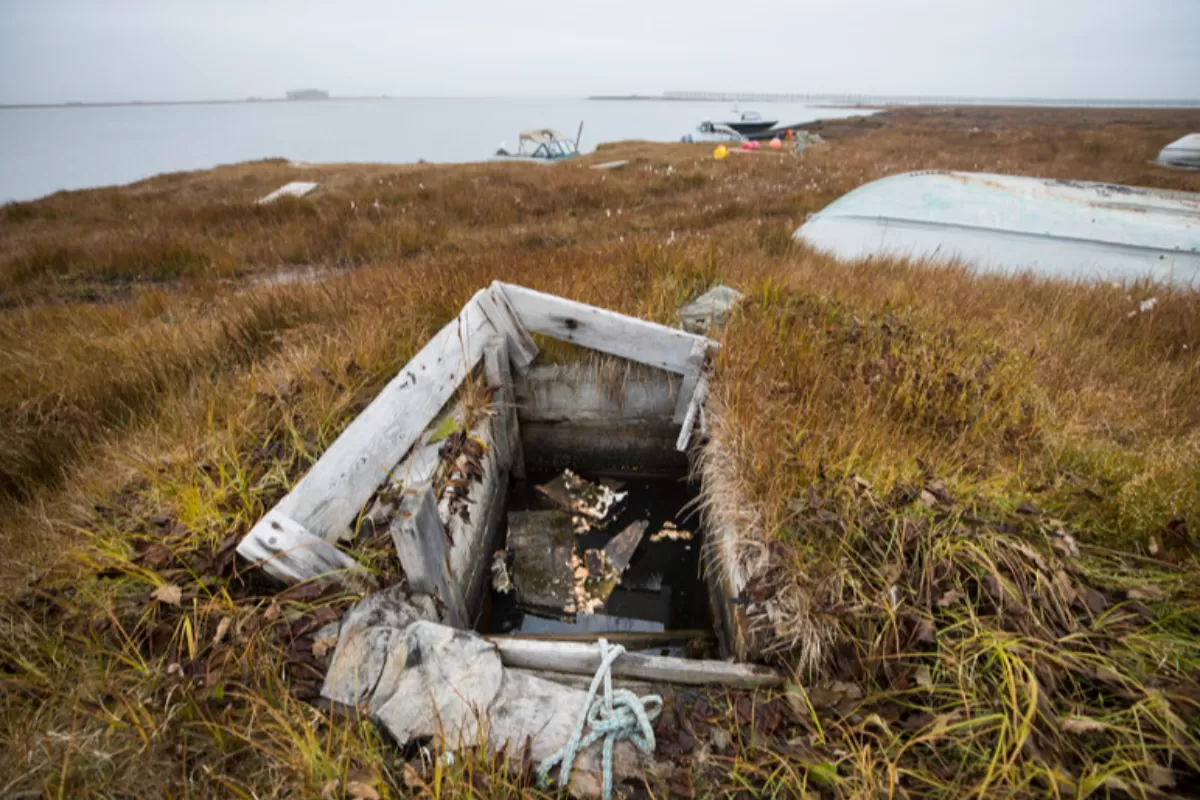
Despite repeated warnings that we’re approaching the point of no return for averting a future catastrophic global warning event, not even those countries bent on combating climate change can reach consensus on exactly what steps should be taken. Meanwhile, adding to manmade greenhouse gas emissions are those generated by global warming itself.
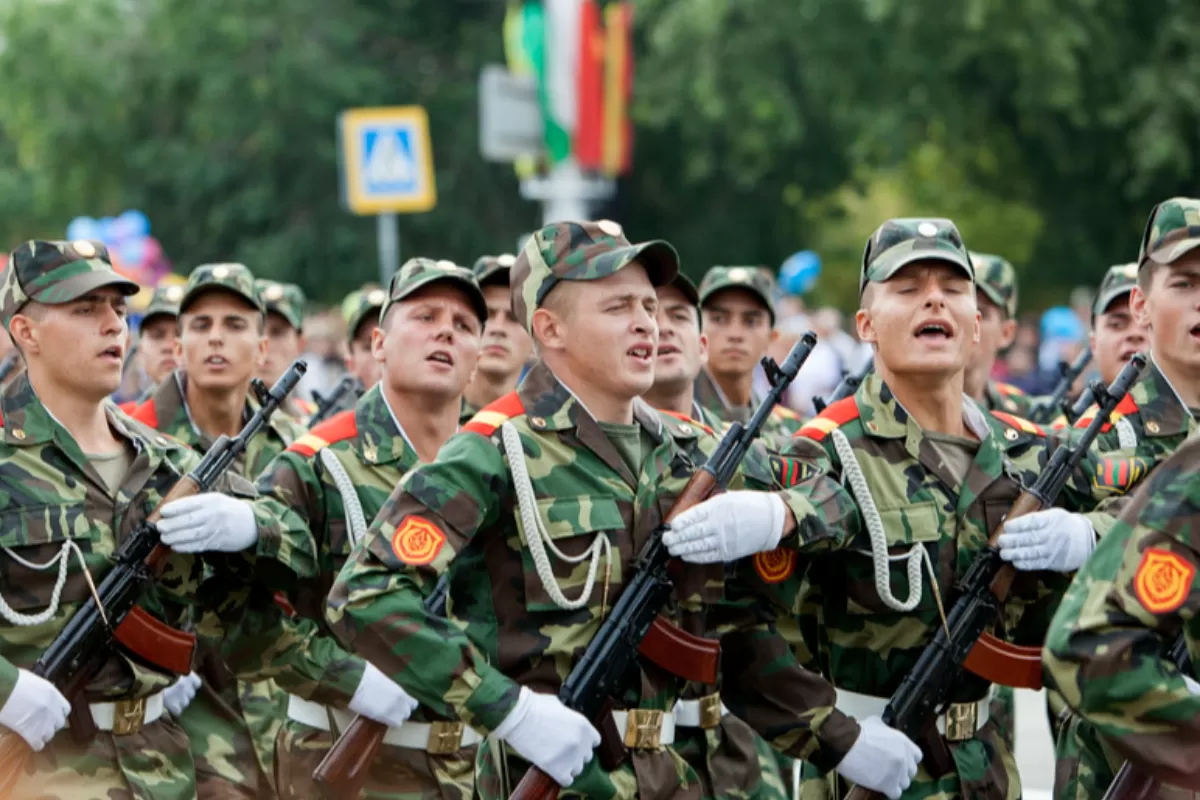
The crisis in Ukraine has generated a great deal of concern in the Republic of Moldova as well, considering that a possible conflict might also spread to its territory, in Transnistria.
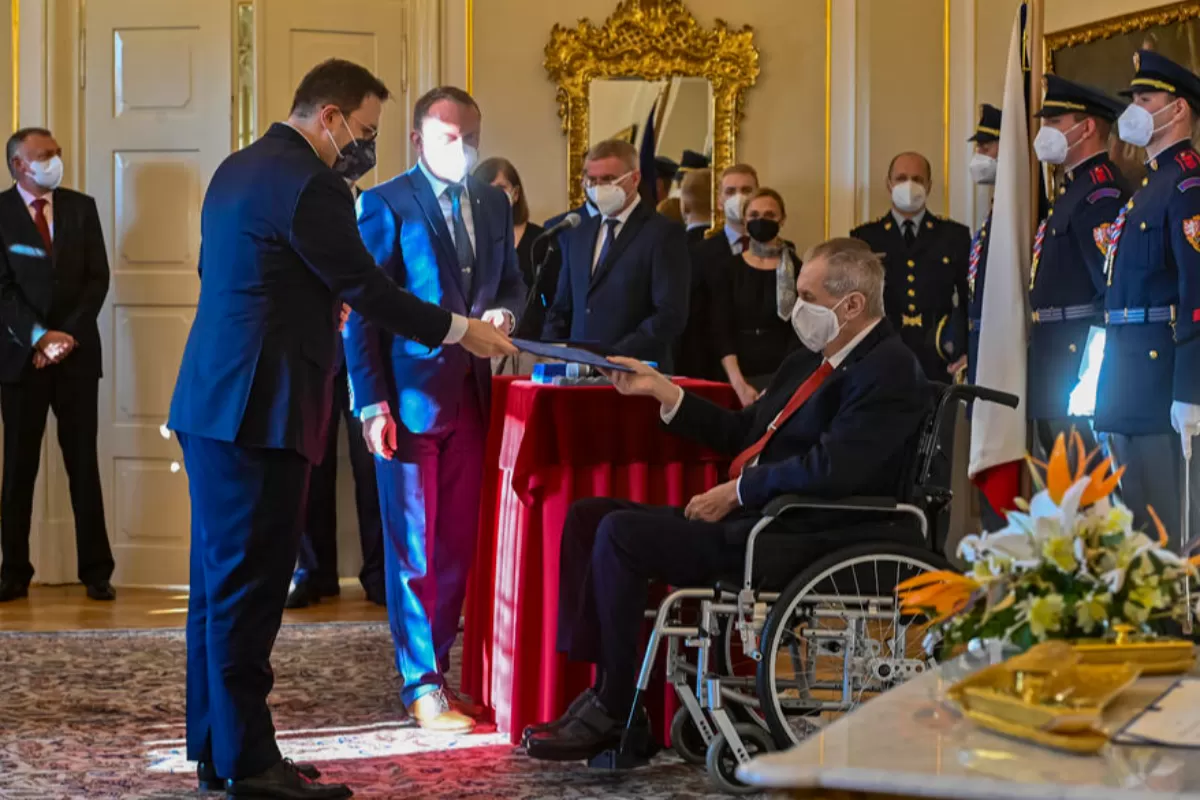
With Miloš Zeman plagued by illness and only a year left of his term in office, the Czechs are already starting to look at a field of potential would be Presidents. Next year’s presidential elections may finalise a change that started with 2021 the parliamentary polls, and put Cechia ruling elite firmly back in the Western camp.

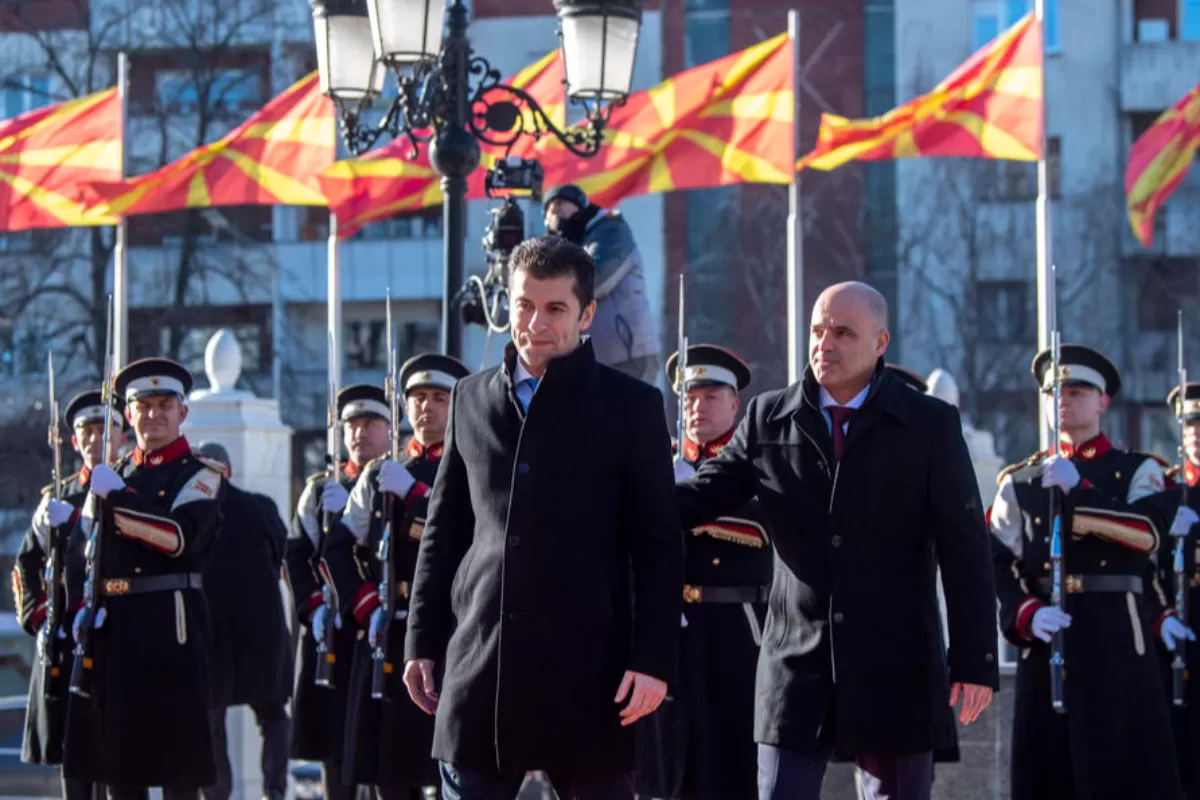
Untangling GERB and Boyko Borissov’s legacy might take a while: the new cabinet is keeping North Macedonia blocked from EU ascension talks, uncertainties surround a new gas link in Greece while the current Defense Minister downplayed the need of increased NATO presence in Bulgaria and Romania.

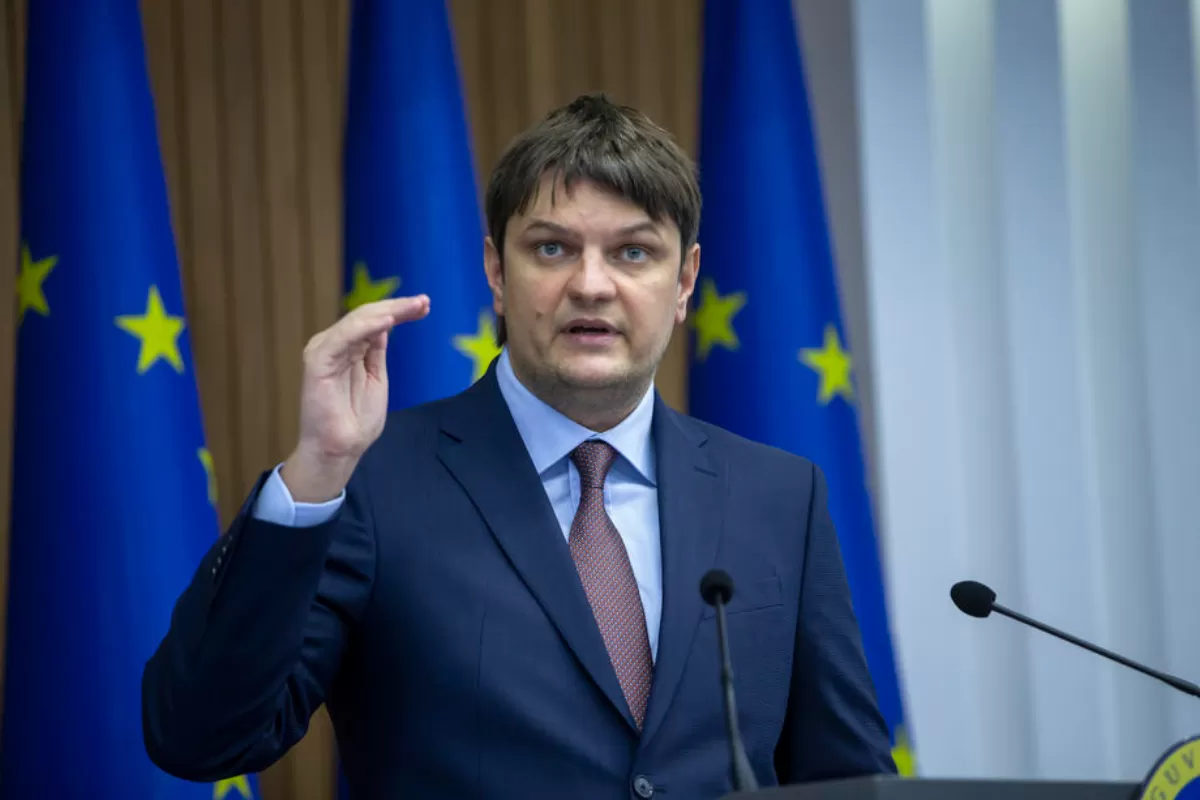
The social media in the Republic of Moldova has been flooded these days by a surging number of pictures of gas bills people uploaded once the energy price rises hit the market. The price hikes and the energy crisis are real, but Moscow and the Moldovan opposition are using them to undermine the pro-European government and its line of reforms.
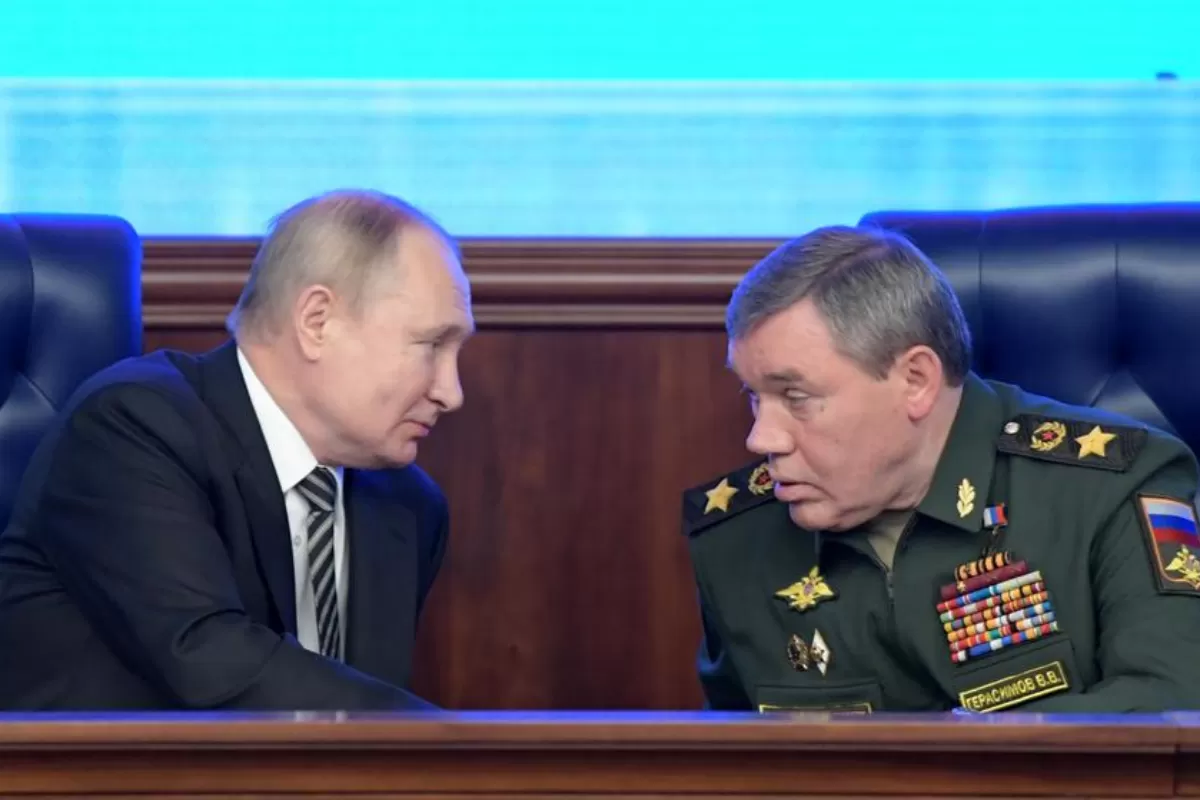
NATO's refusal to accept Russia's latest demands against the background of the crisis in Ukraine has heightened fears that Moscow is preparing for war. It is a possible scenario, but one that would be extremely costly for Russia, even if it wins the fighting on the ground.
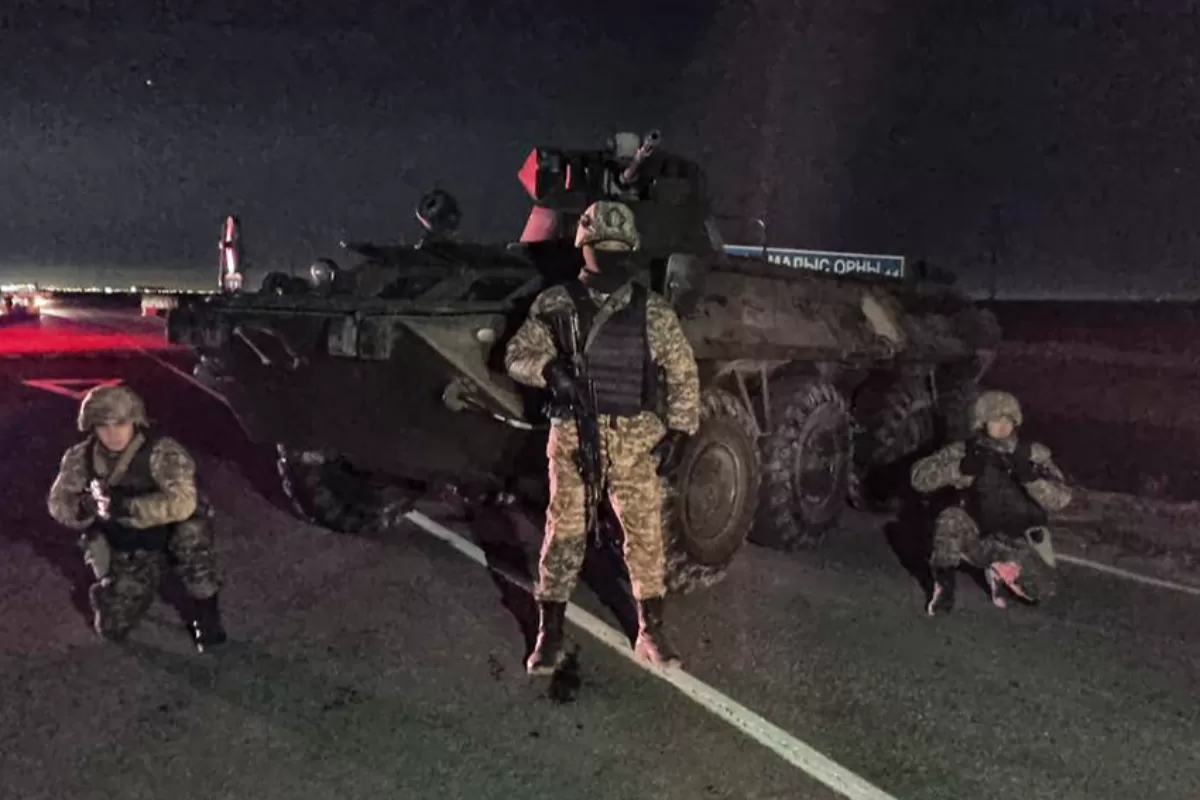
The crisis in Kazakhstan might persuade Moldovans, once and forever, that the model proposed by Russia in its sphere of influence is bound to fail, and that that they need to stop oscillating between the “Eastern” and Western vectors.
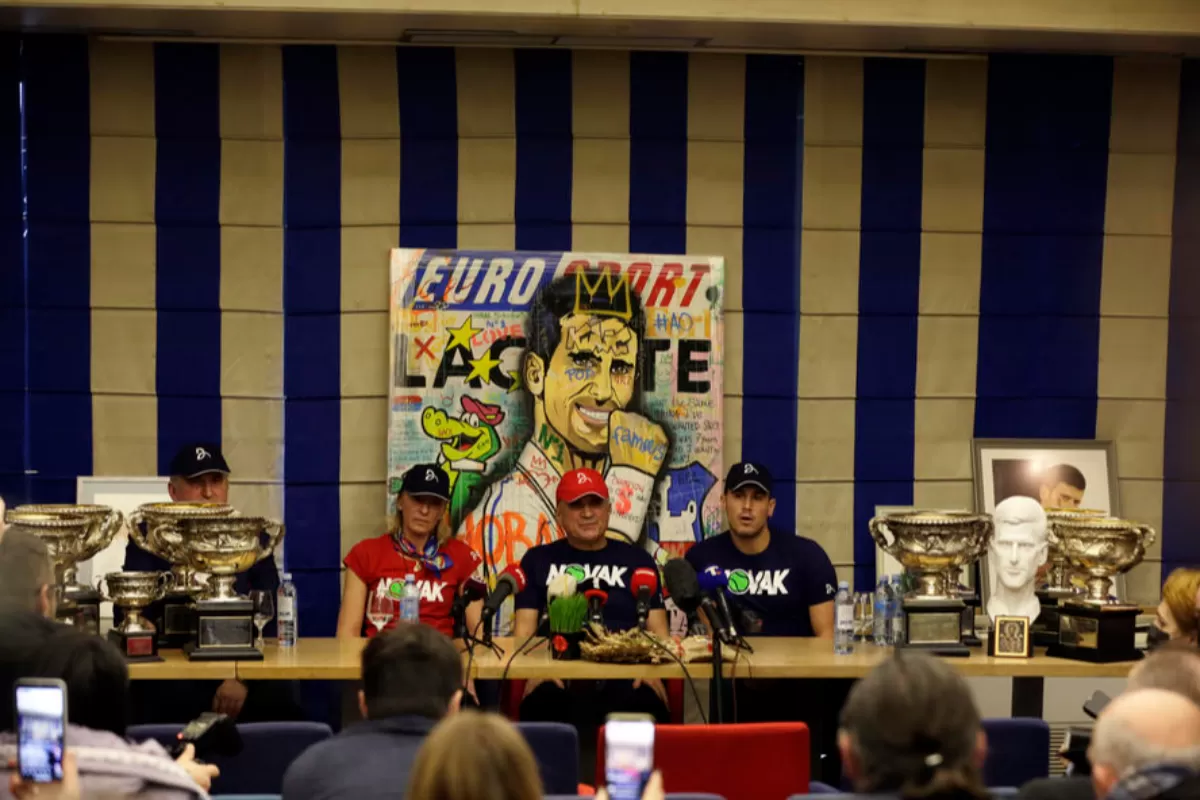
The Djokovic scandal goes beyond sports or health policies. It is also an episode in Australia's internal political disputes and a pretext for self-victimization by anti-vaxxers and Serbian nationalists.
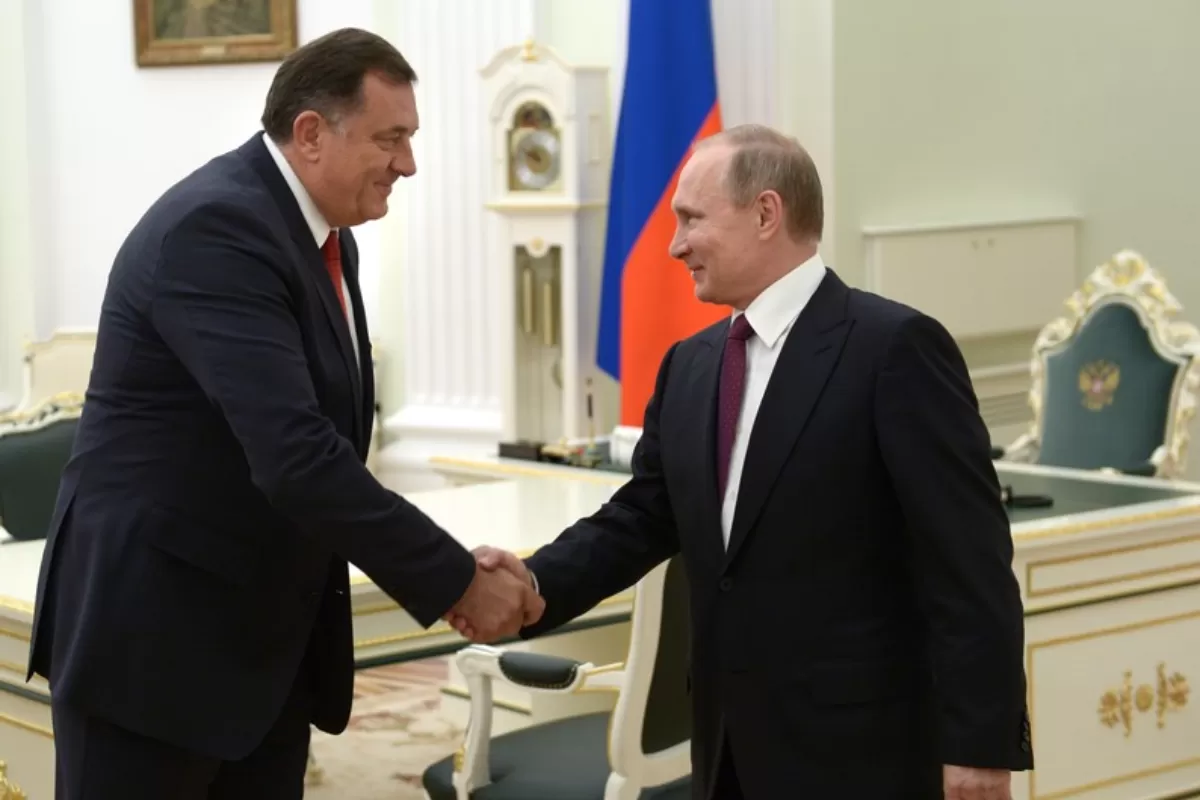
26 years after the end of the Balkan war, marked the Dayton Peace Accords, the Croatian-Muslim Federation of Bosnia and Herzegovina and Republika Srpska are about to break up again.
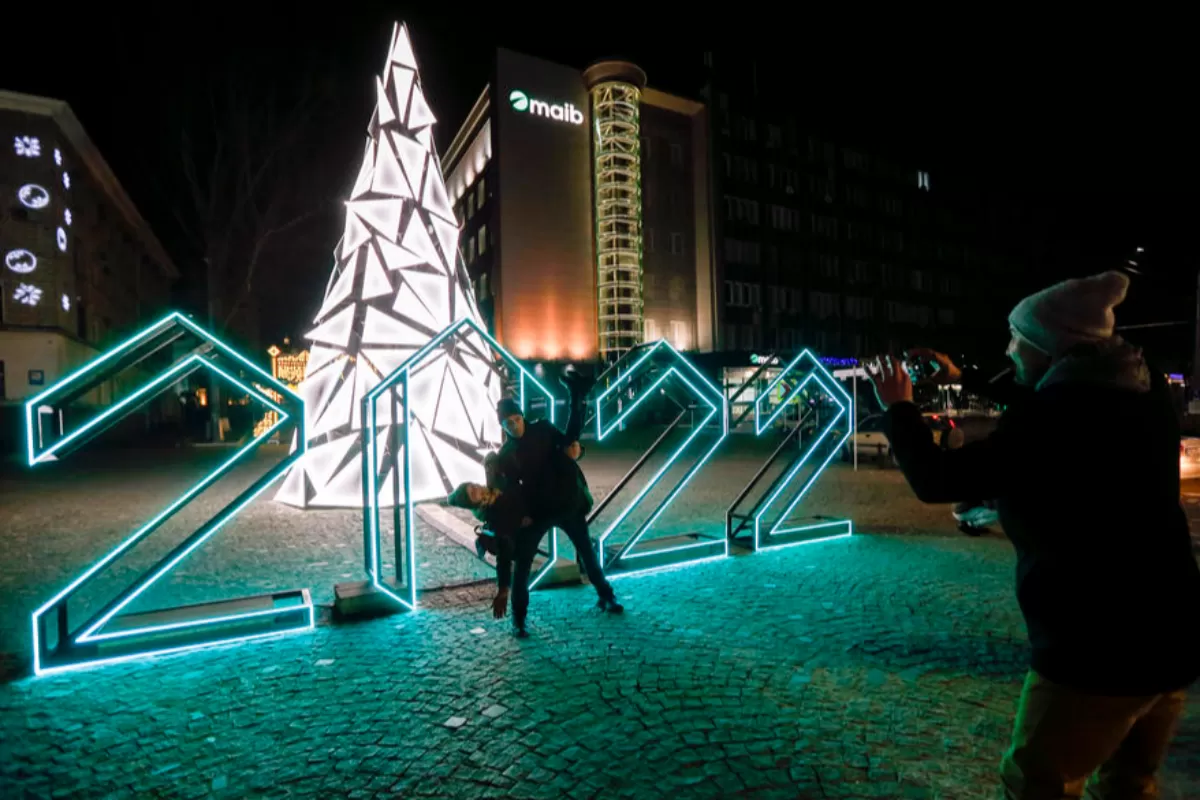
The Republic of Moldova will face a series of great challenges in 2022, both at home, linked to the reforms promised by the PAS government and the economic evolution of the country, as well as abroad, in the context of the growing tensions between the West and Russia and the crisis in neighboring Ukraine.
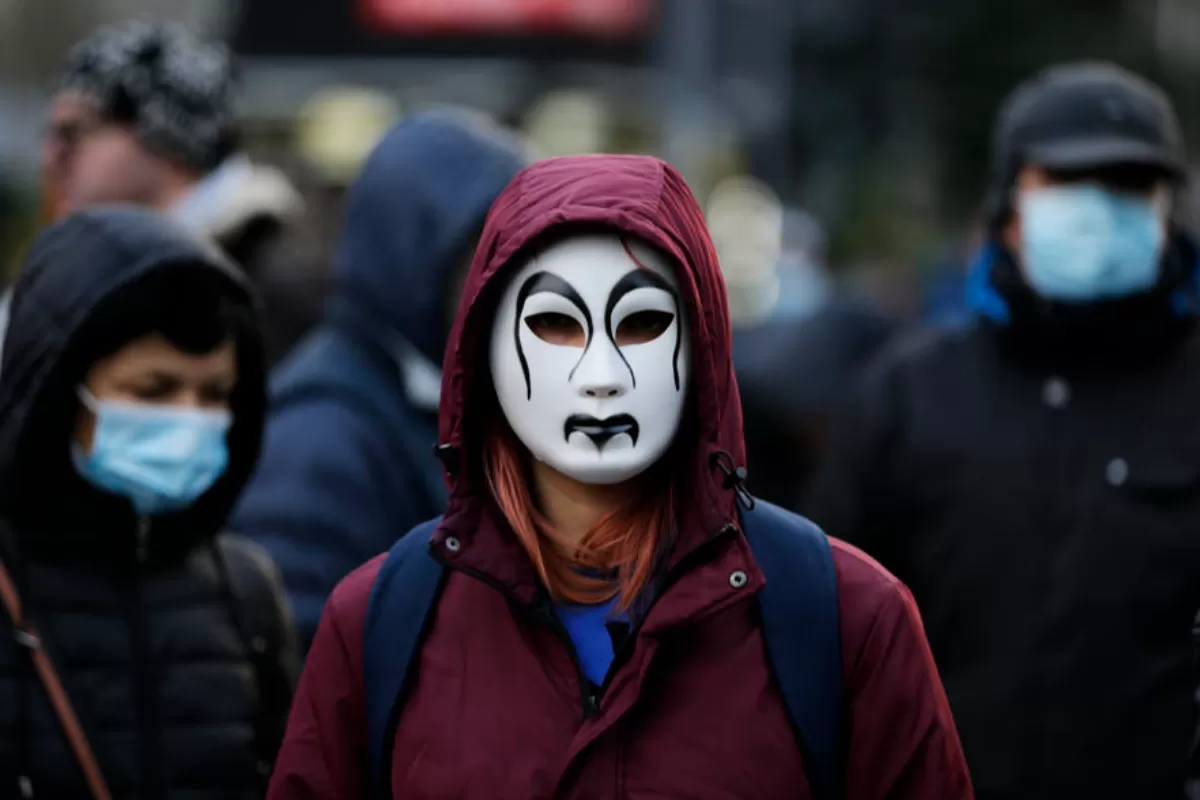
With elections looming in Serbia, the Vucic regime, which has an almost complete political and mediatic grip of the country, faced an unexpected challenge. Crowds mobilised for an environmental cause – and won.
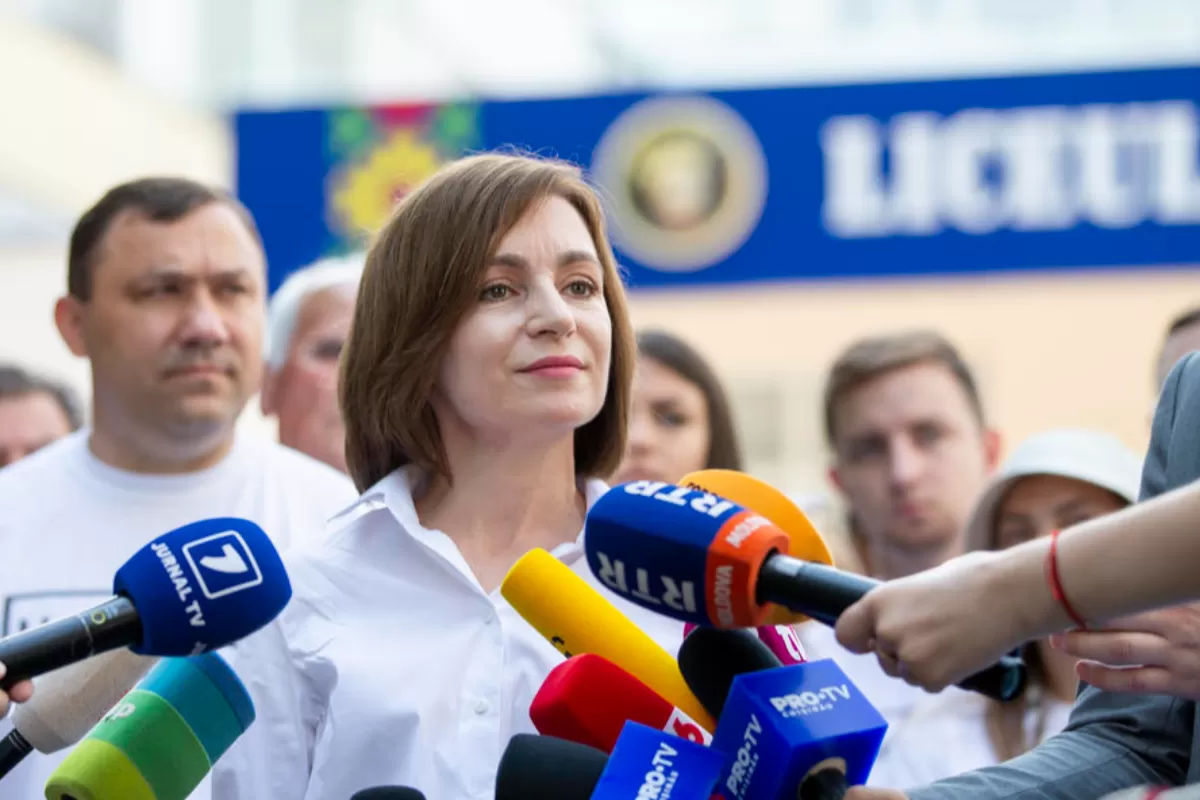
For the Republic of Moldova, 2021 has been ridden with political, social and economic challenges. The highlight of the year was the victory of pro-European forces in the parliamentary election, after in late 2020 Maia Sandu had secured the office of president.
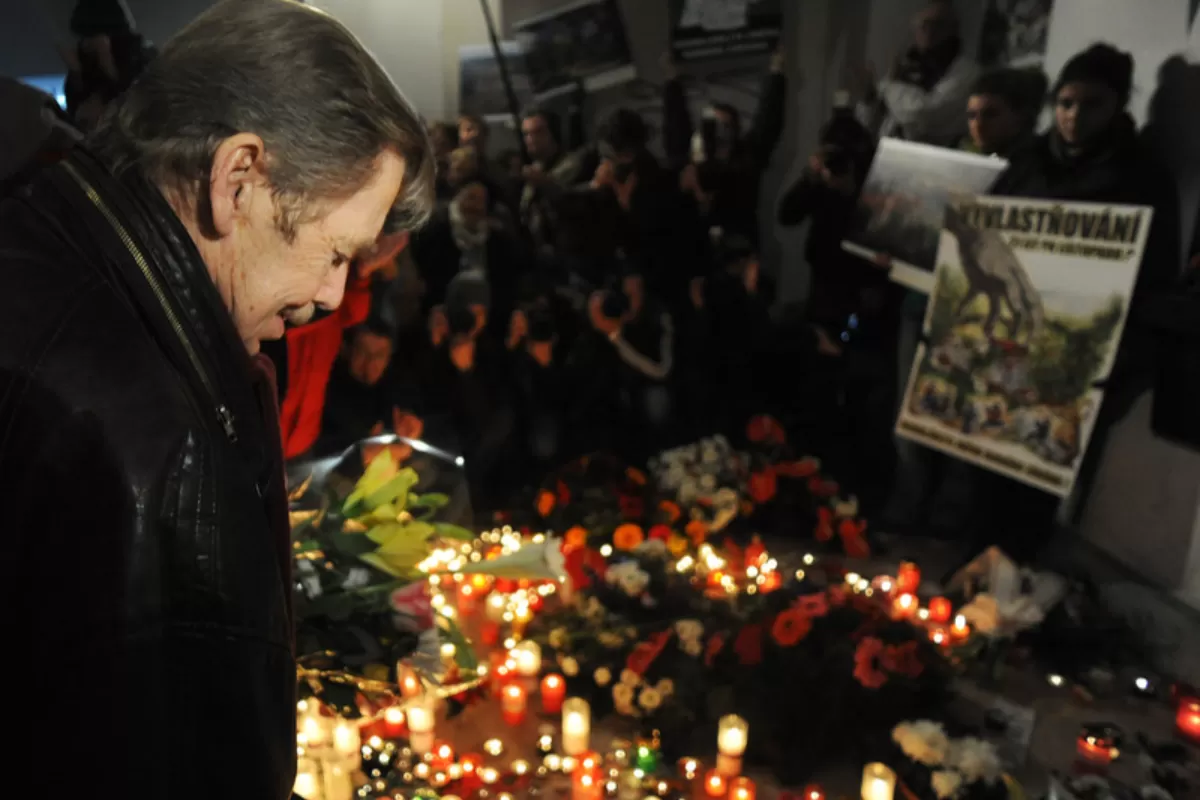
Three decades after the fall of communism, Vaclav Havel remains the most important symbol of the Velvet Revolution. Michael Švec writes from Prague about the days of the revolution and Havel's legacy.
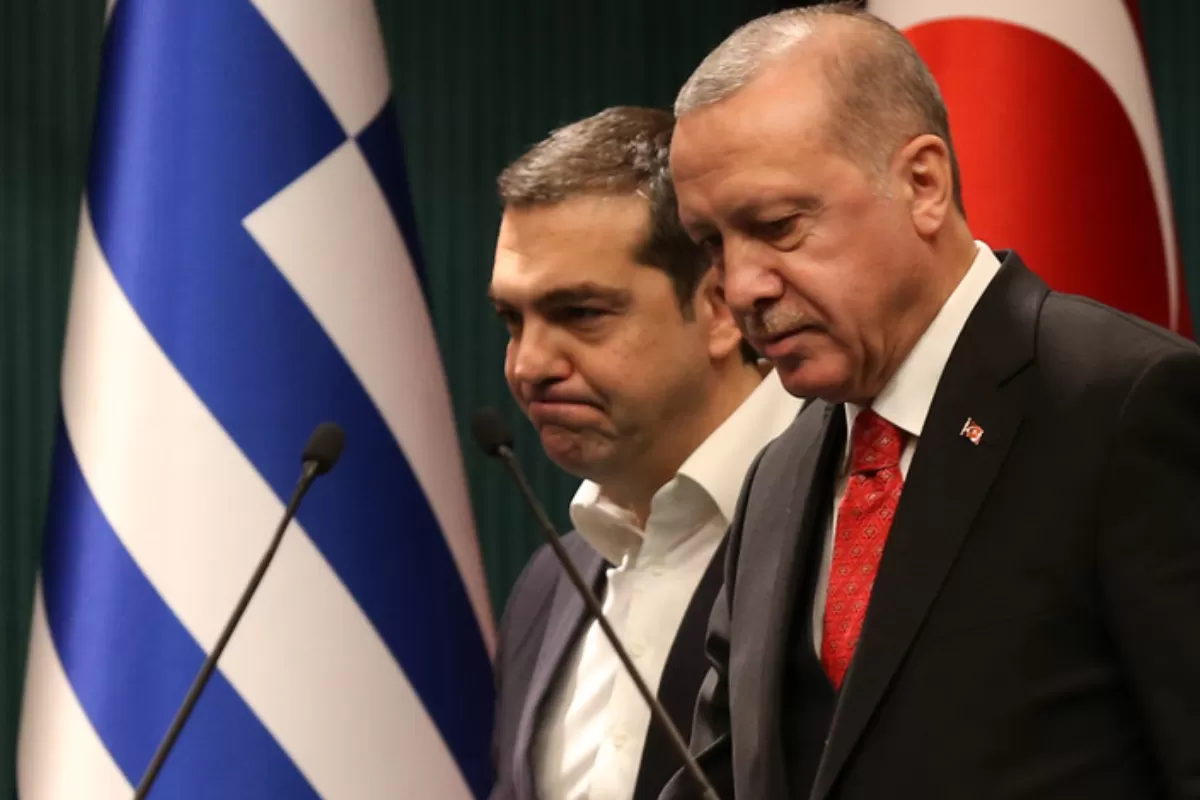
Both Greece and Turkey have been marked in recent years by crises managed by populist politicians. While Athens seems to have overcome the momentum with the help of the EU - which has also blocked dangerous slips - Ankara continues to sink into crisis and move away from Brussels.
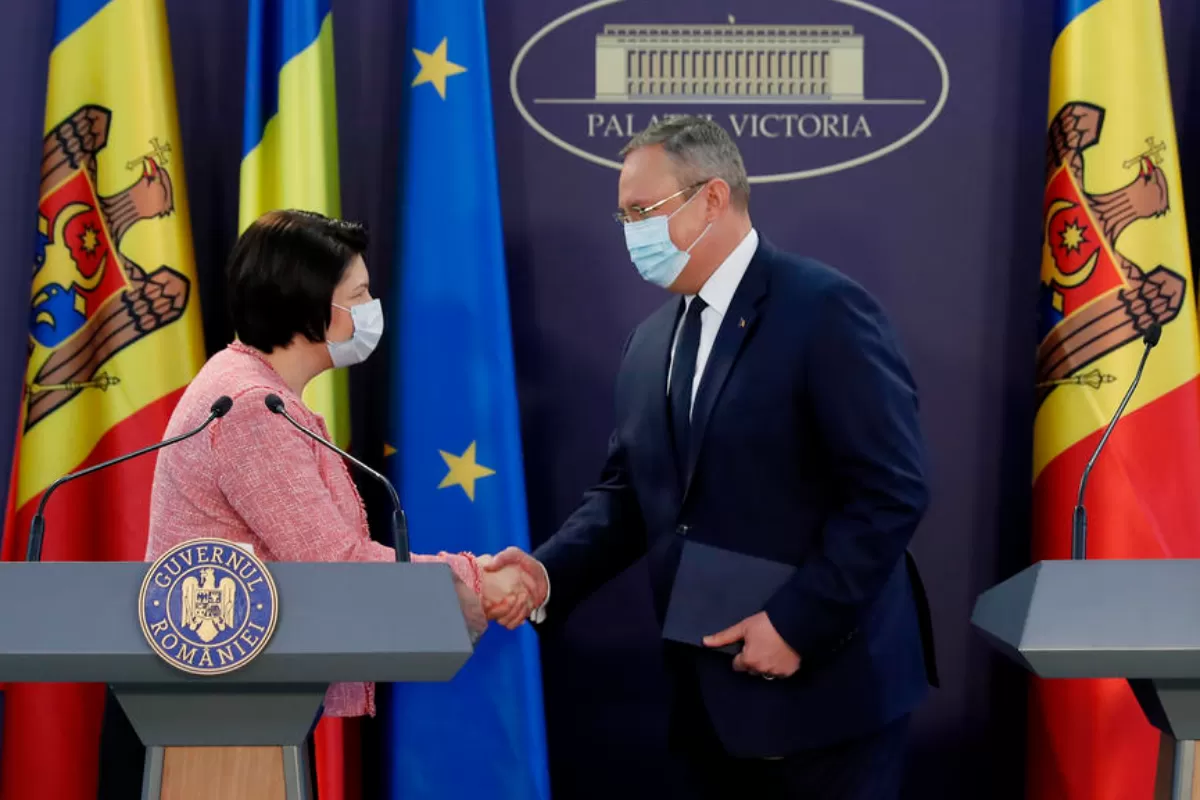
Relations between the Republic of Moldova and Romania have often been described as privileged, and there is even talk of a strategic partnership. However, on numerous occasions during the last few decades, Bucharest’s efforts and openness have stood out more, even when it was met with hostility by a country that has ever strived to strike a balance between its “Eastern” and Western orientation.
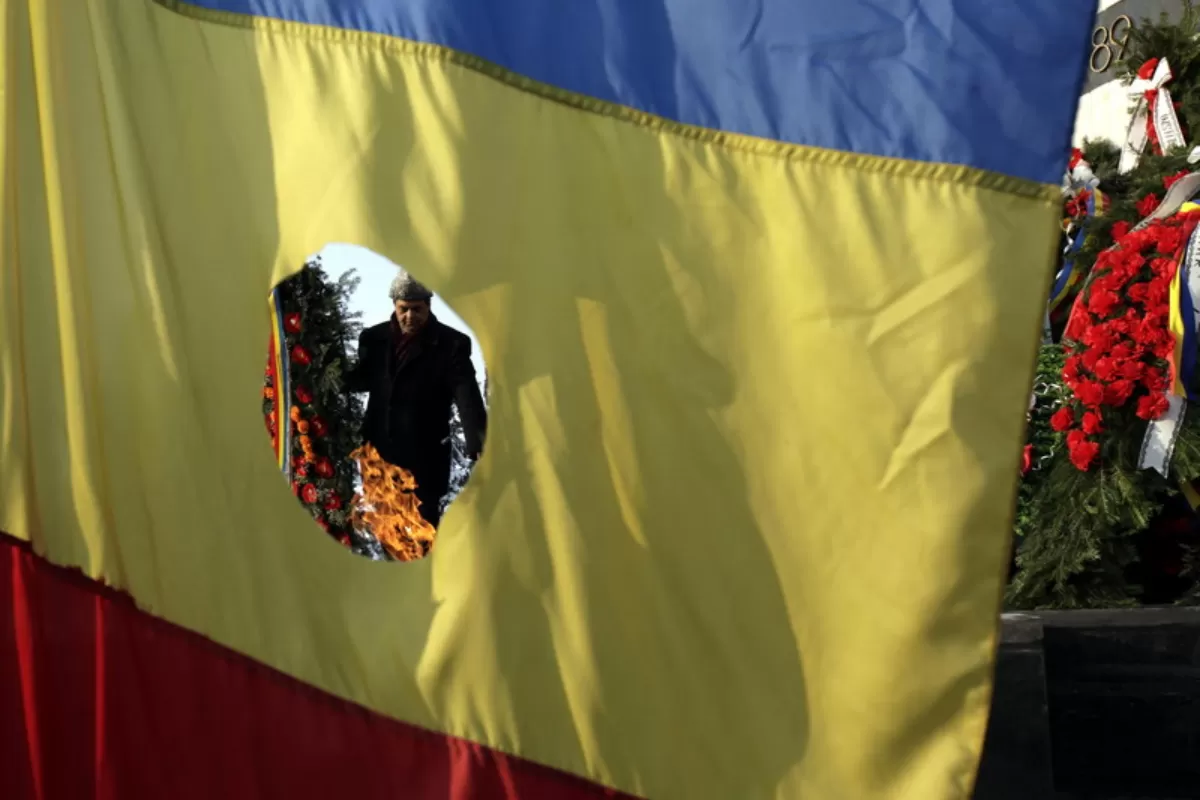
The Romanian Revolution of December 1989, as well as the national rebirth movement in the Republic of Moldova, wrought up the Romanians in Bukovina, which was an integral part of the Ukrainian Socialist Soviet Republic. Many of the hopes that came with the demise of communisms were however shattered in the face of the new geopolitical realities.

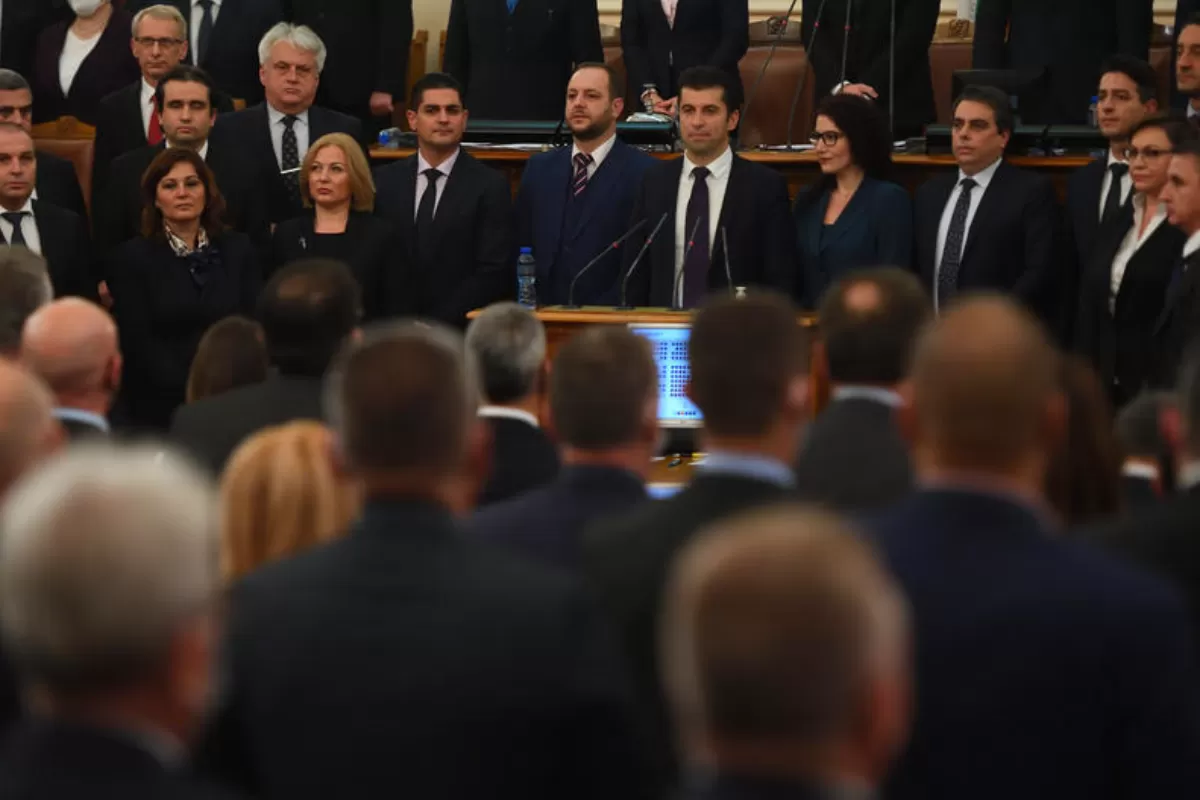
With a new coalition, promising hefty reforms and ending an almost year-long stalemate, Bulgaria seems to be heading towards a change. It is the promise of a new beginning, after a decade marked by GERB domination and suspicions of corruption. For the younger generation, it may as well be a new 1989 moment.
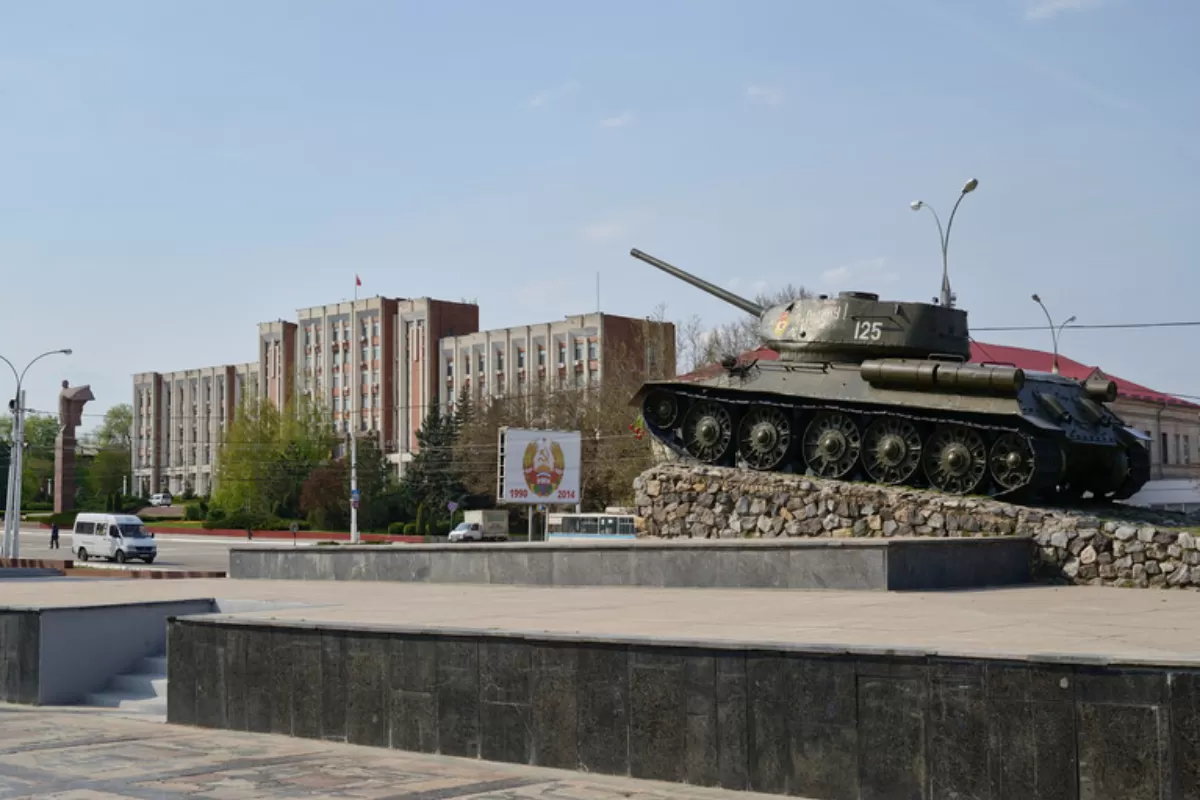
Vadim Krasnoselsky remains at the helm of Transnistria after Sunday’s presidential “election”, which the international community did not recognize. Supported by the Sheriff corporation, Krasnoselsky received the blessing of Moscow, the one who truly controls the breakaway region.
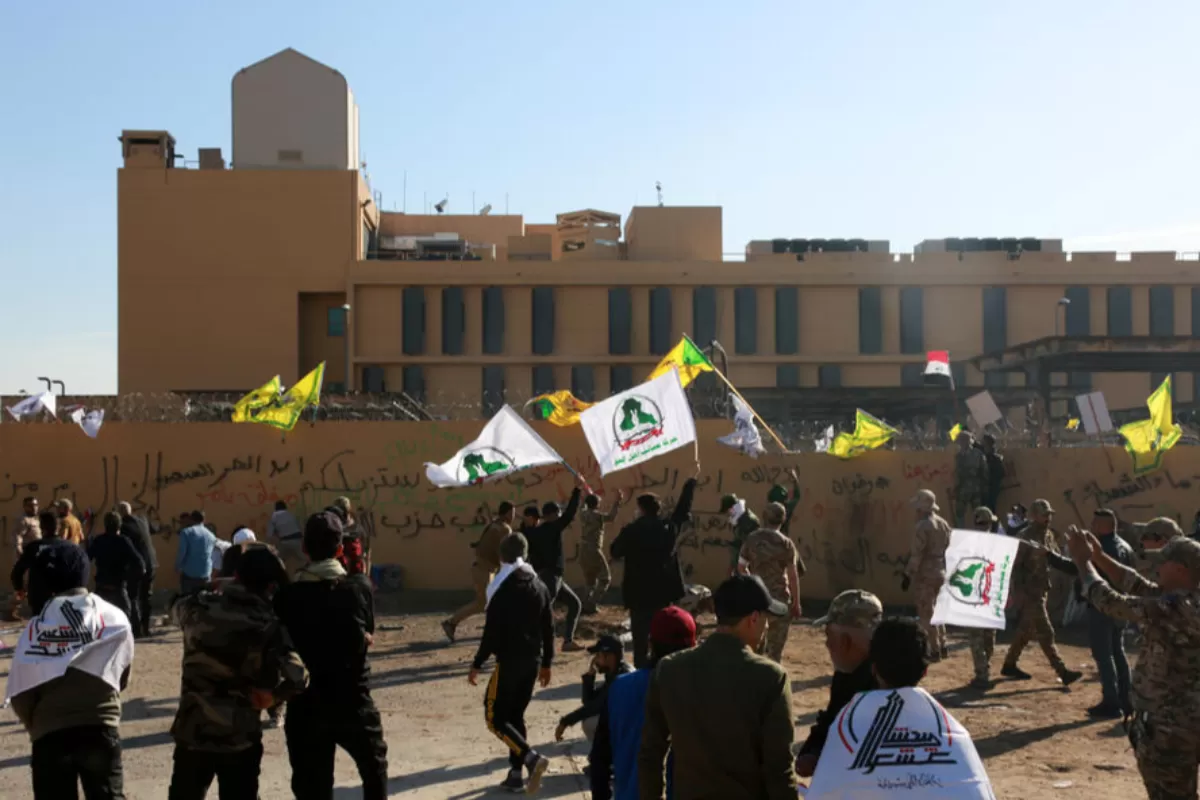
The United States is pulling out from Iraq in December. This is the second time the Americans are withdrawing from this country. In their wake remains a fragile state, where Washington’s enemies have a big say.
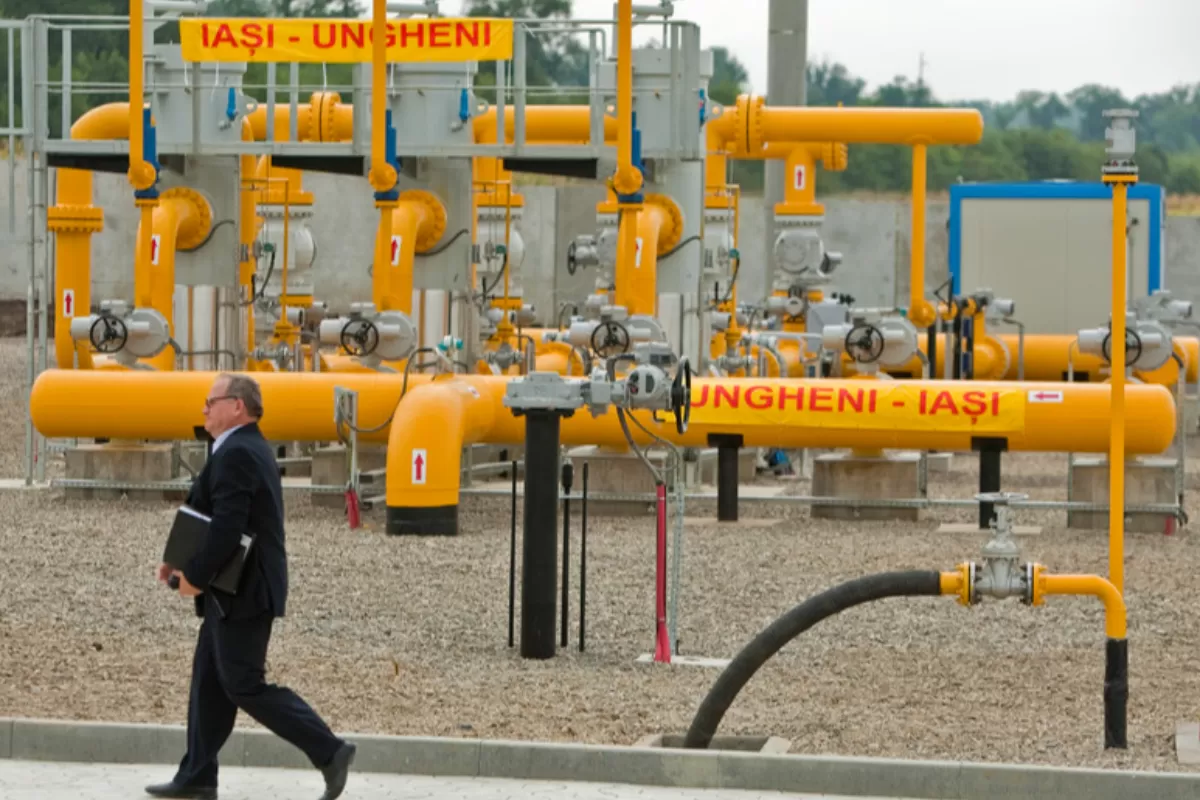
The pipeline should have been a first step towards reducing dependence on Russian gas. However, as long as Gazprom’s prices remain lower than on the European markets, the gas pipeline is only decorative.
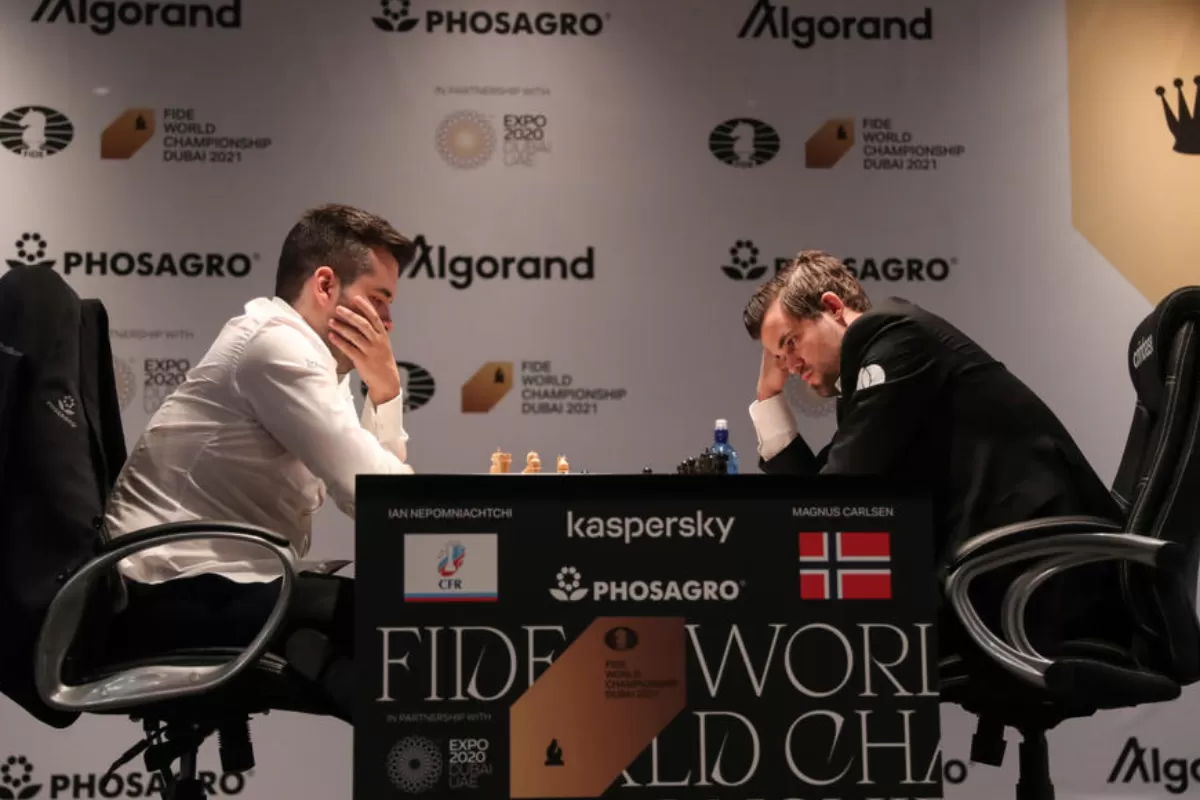
The game for the world chess title has a special stake for Moscow. Like the USSR before it, Putin's Russia is obsessed with success at all costs in the chess arena - both on the board itself and within the International Chess Federation.
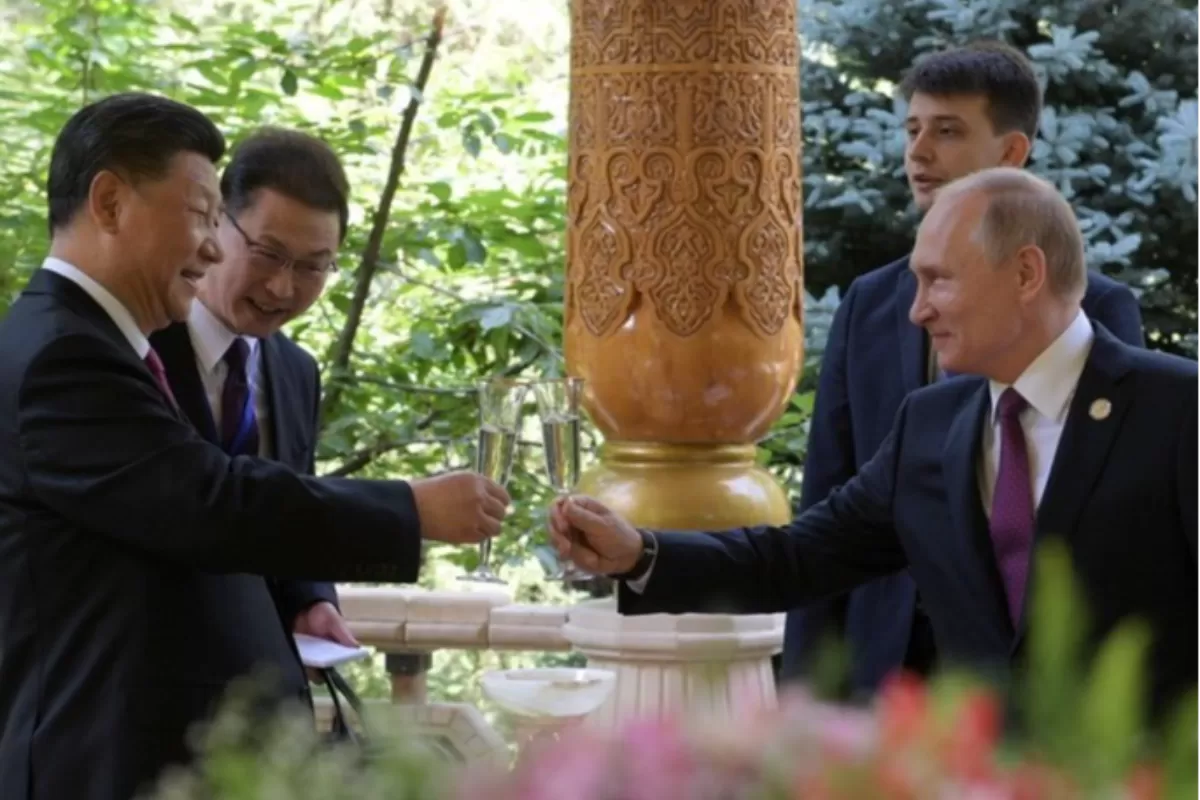
China and Russia increasingly converge in their approach to relations with the USA and the West, which has given rise to speculation about a possible military alliance. Worst-case scenario, Russia and China will engage in coordinated military strikes in areas of key interest for the two autocratic powers: Taiwan and Ukraine.
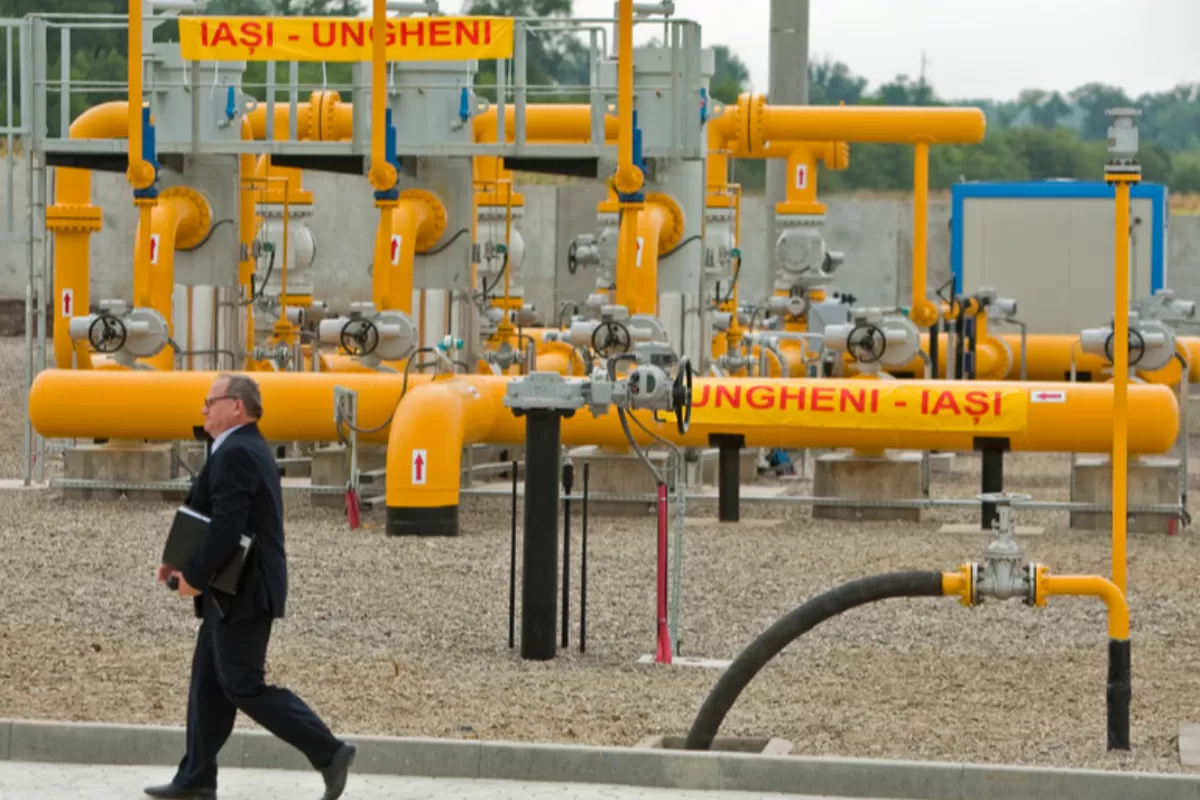
Less than a month after Moldova signed a new contract for the delivery of natural gas, Moscow proved it knows how to use its terms to its advantage. It is clear that Moldova’s energy problems are far from over, and the only medium- and long-term solution out of this deadlock is to diversify its suppliers.
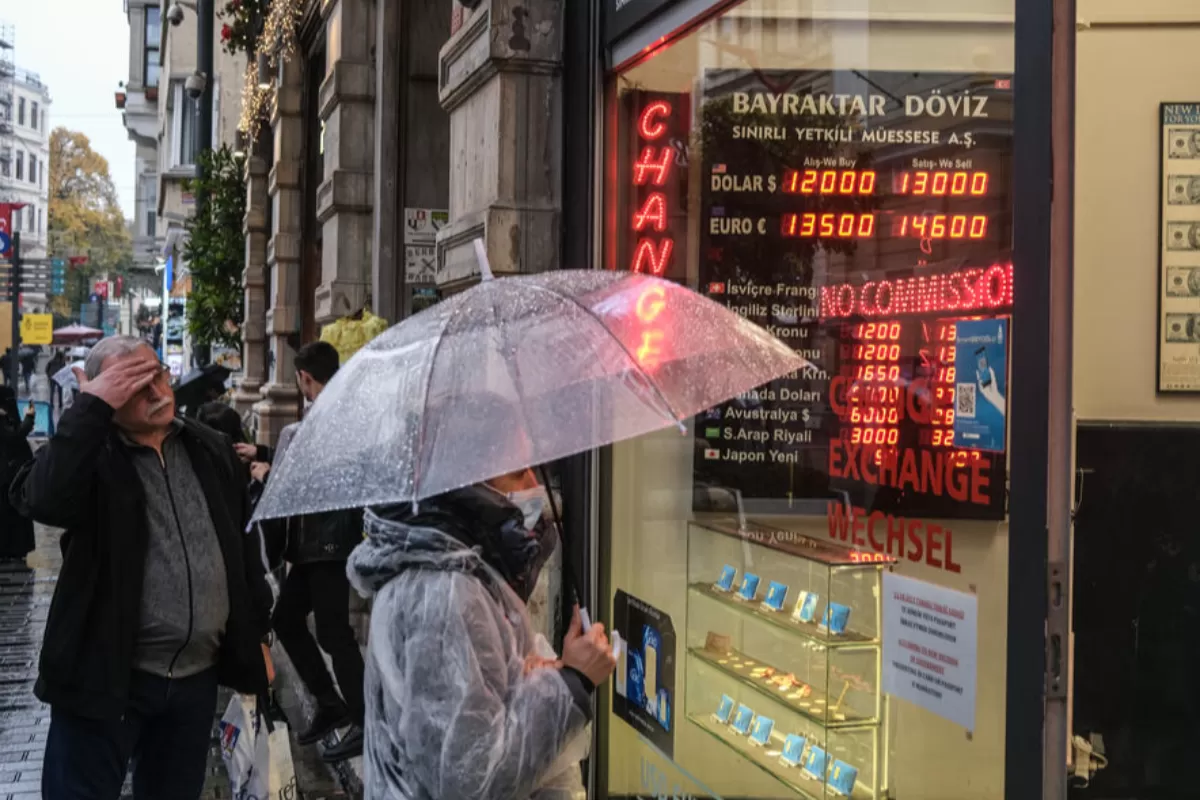
The collapse of the Turkish lira is largely the result of Ankara's policies. These are policies dependent on the Islamic-conservative ideology and populist-authoritarian tendencies of the Erdögan regime, the first to seriously challenge Atatürk's view of the state.
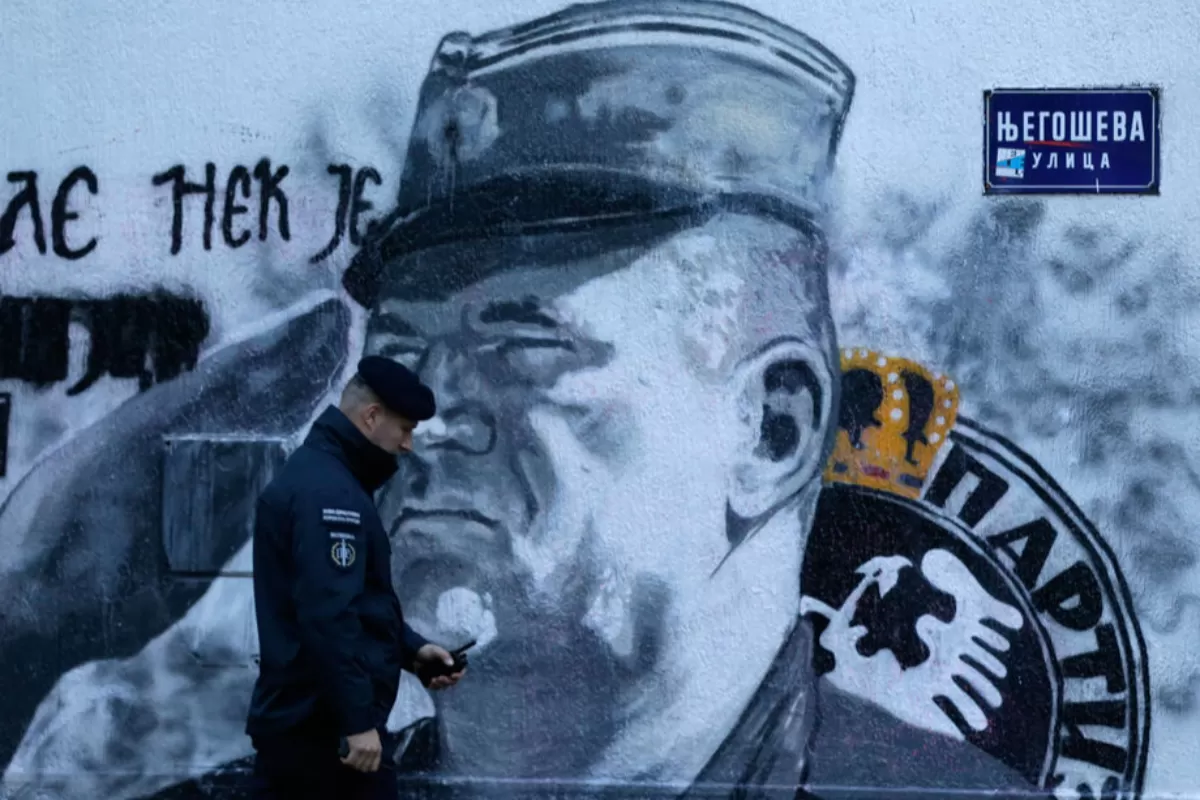
Decades after the guns fell silent in Bosnia, a different type of war is being waged in Belgrade between those who insist on facing the past so that Serbia can move forward and those still trapped in the wartime nationalist narratives of the 1990s.
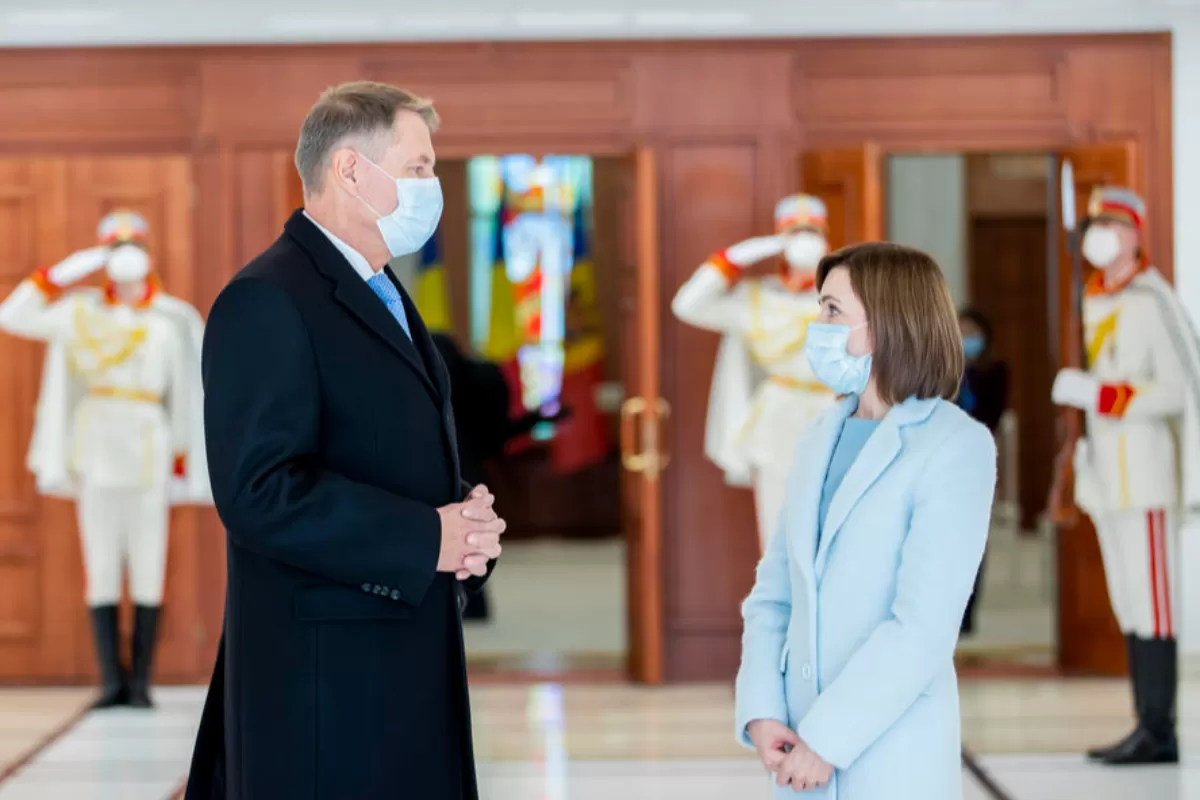
On Tuesday, Maia Sandu pays a visit to a Bucharest, which, preoccupied with the political and epidemiological crisis it faces, has placed the bilateral relationship somewhere in the background. As it has often happened in the last 30 years, opportunities have been missed; but even so, ties continue to strengthen.
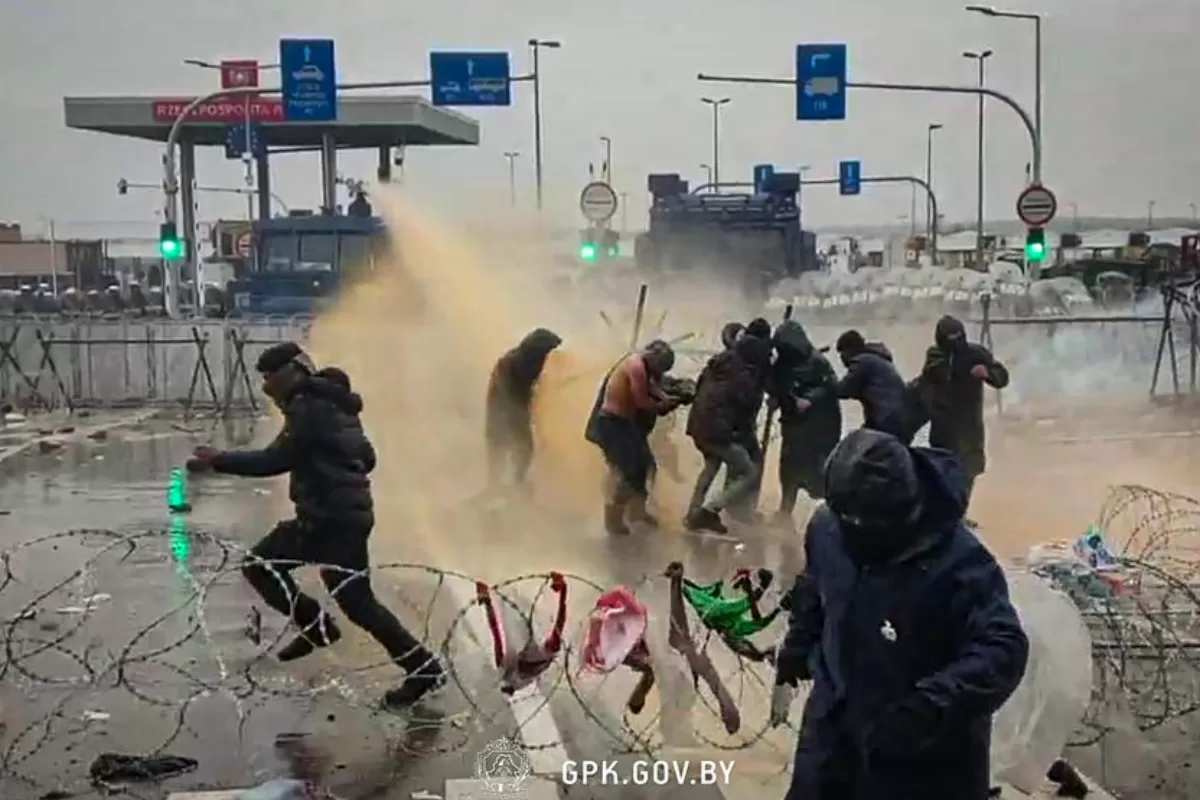
Thousands of migrants got trapped on the Poland – Belarus border between the two countries’ security forces. The EU and NATO denounced a hybrid attack, Belarus denies and relies on Russian support, and Putin makes his own game.
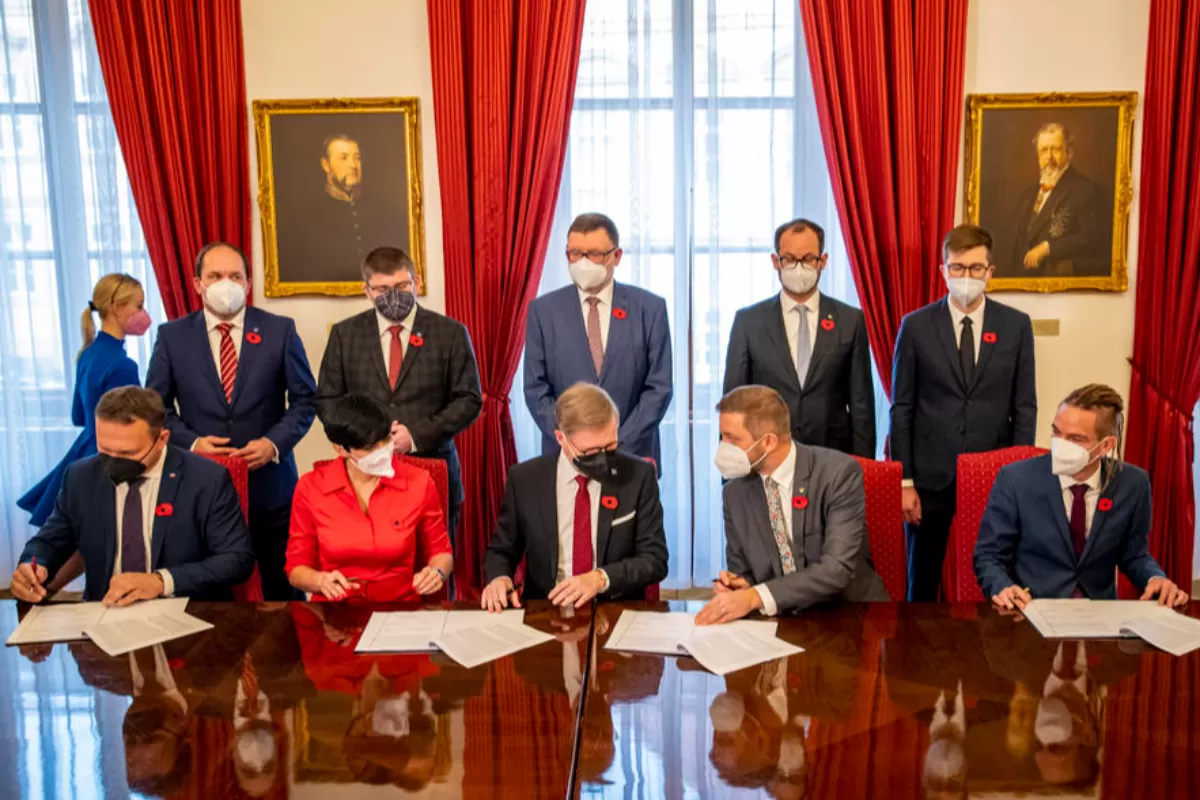
All five members of the emerging coalition speak with one voice about the pro-Western direction of the country and the return of the policy of promoting human rights in the world.
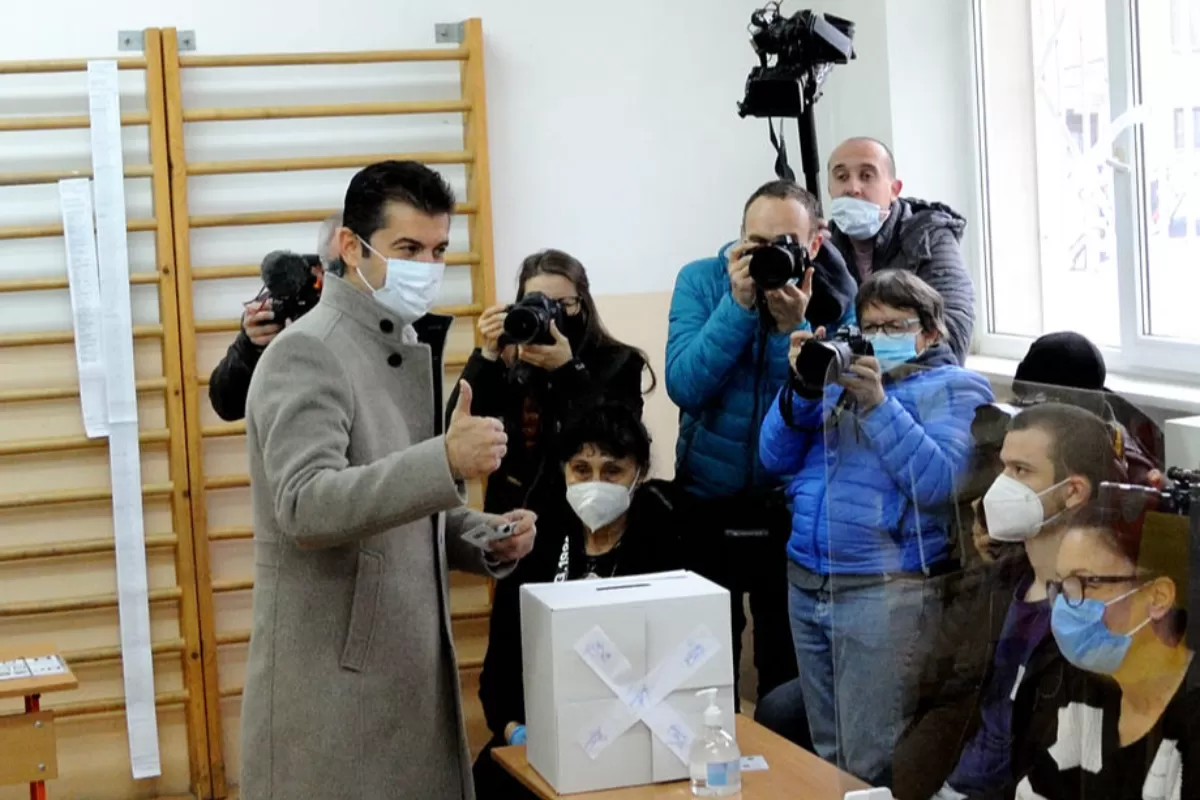
Bulgaria goes deeper into unpredictable territory following the November 14 joint elections. The general elections saw a new reformist party debuting on top against all odds, while in the Presidential run, Rumen Radev is set to be re-elected after mustering nearly 50 per cent of the vote in the first round.
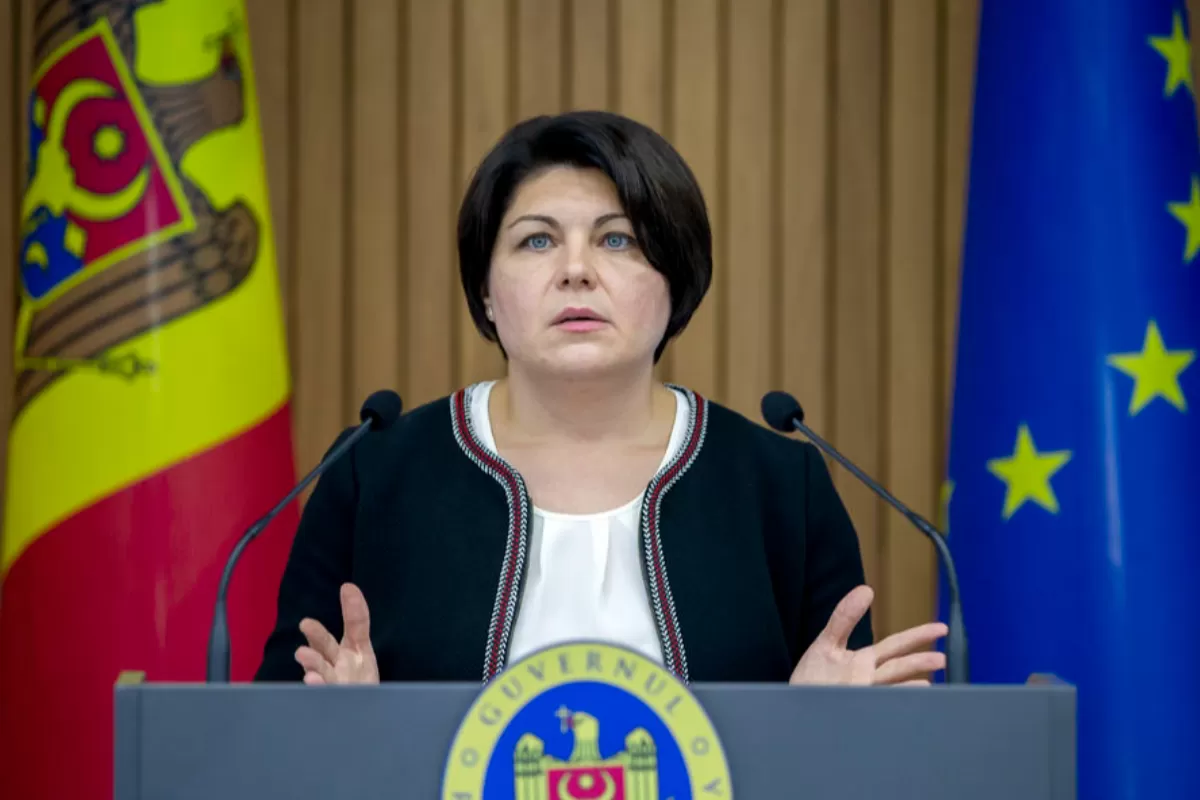
The PAS administration marked 100 days since it took office by publishing an activity report presenting its achievements. Overall, the Government in Chișinău had a number of accomplishments, but things are not as peachy as the aforementioned report suggests.
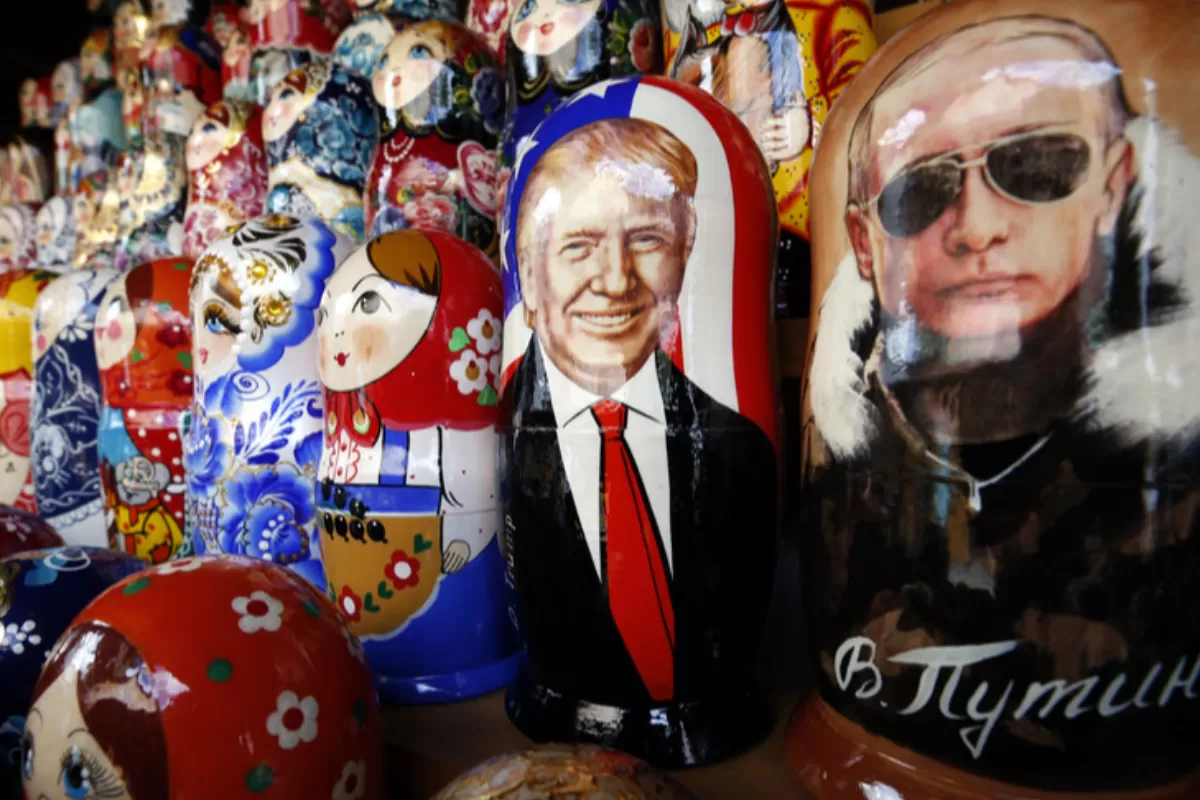
The coronavirus pandemic was accompanied by a genuine wave of fake news, the second in merely a decade. The false narratives in this wave are repurposed and updated: the disinformation they spread are disguised to come across as local topics and concerns. The Kremlin has thus adjusted its strategy for spreading disinformation to Romanians’ notorious Russophobia.