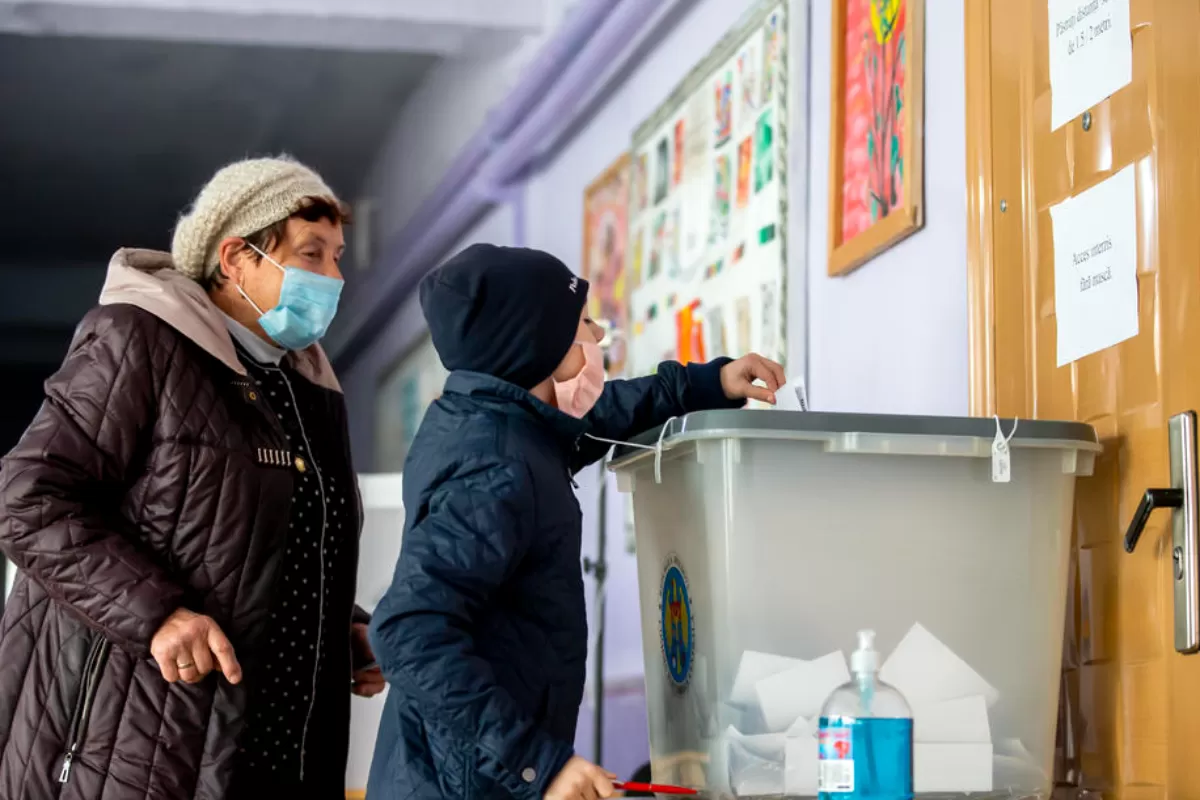
A Google search returns dozens of headlines in the press in the Republic of Moldova and Romania such as “the Republic of Moldova, at a crossroads”, starting 2009 and, especially, around the elections. Dozens of other similar headlines were probably written before 2009 as well, only they remained in the newsrooms’ archives, without being posted online. The point is that little has changed in the Republic of Moldova durig the past decade and just as little in the past two decades or in the 30 years since Independence. And every election is viewed by citizens not only with the hope that things will change, but also with the fear that if the “others” come, they will turn everything 180 degrees (or 380, as a former Speaker of Parliament once said).

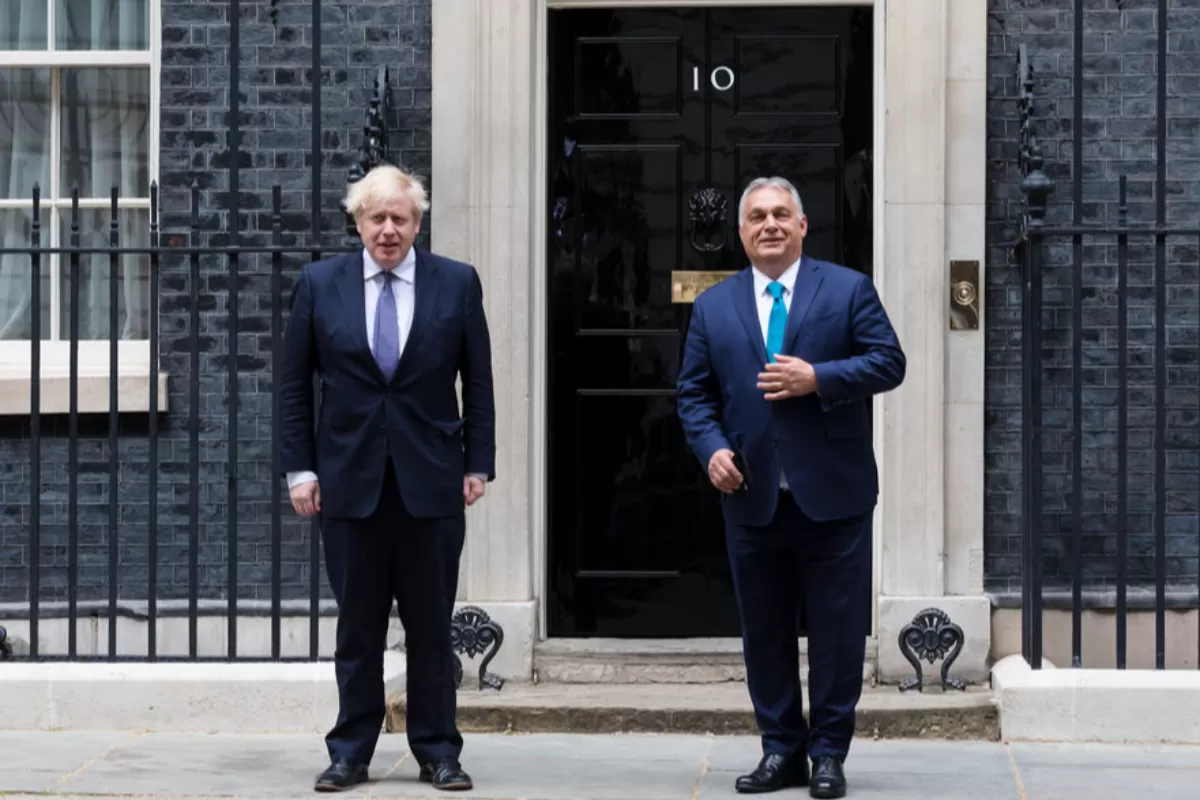
Boris Johnson and Viktor Orban share a way of doing politics: they’re both populists craving for the spotlight, ready to exploit in their favour the divisions of their respective societies. They also share an irreverence for the European Union. Johnson was one of the leading figures of the Leave camp, while Orban became a nuisance for Brussels as he kept on defying, time and again, the EU values and policies. The two seem to use the same recipe to consolidate their grip on power, so it only makes sense that their respective oppositions may eventually take similar paths.

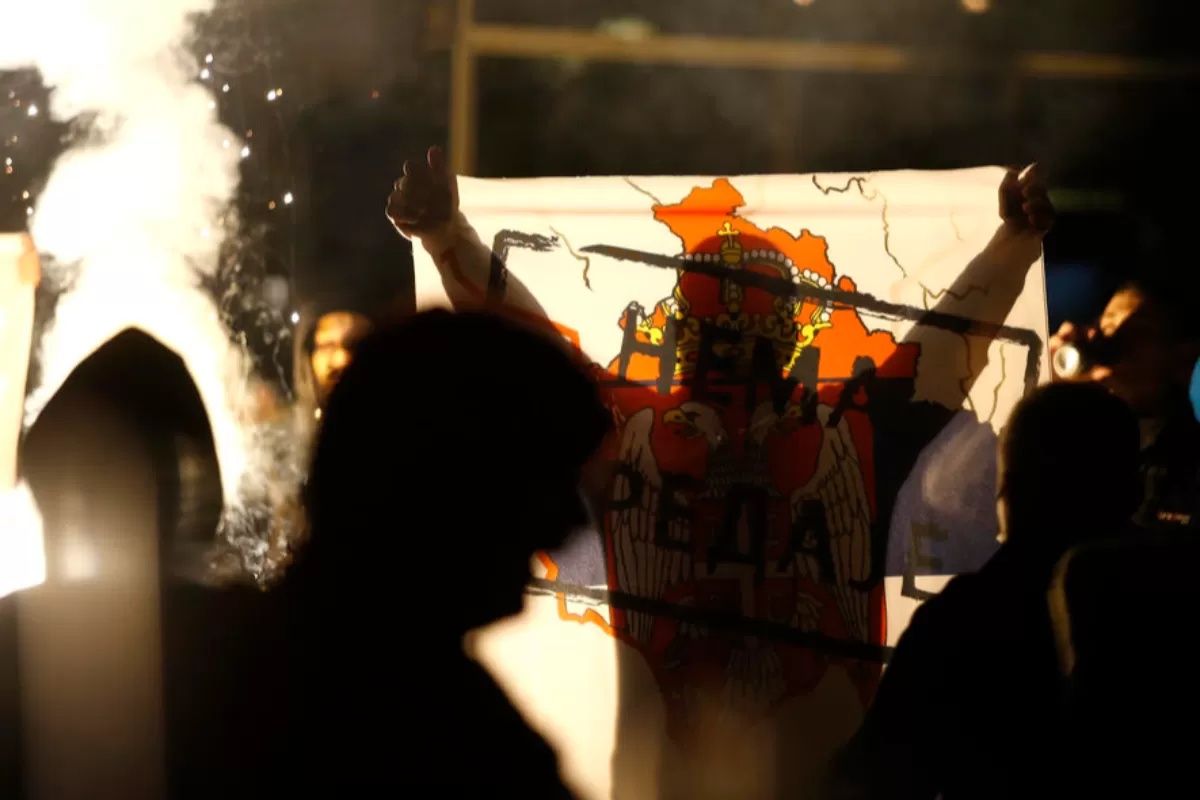
The coronavirus pandemic has changed the world we live in, affecting our lives and habits. Changes are visible in every sphere of society, and every change has its impact on political trends and vice versa. On the one hand, the pandemic put the spotlight on science, medicine and technology. On the other hand, it also brought to the forefront conspiracy theorists and those who do not believe in the progress of medicine and science in the first place. The pandemic also lead to an increased activity of the far right which connected to the anti-vaxxer movement and conspiracy theories.

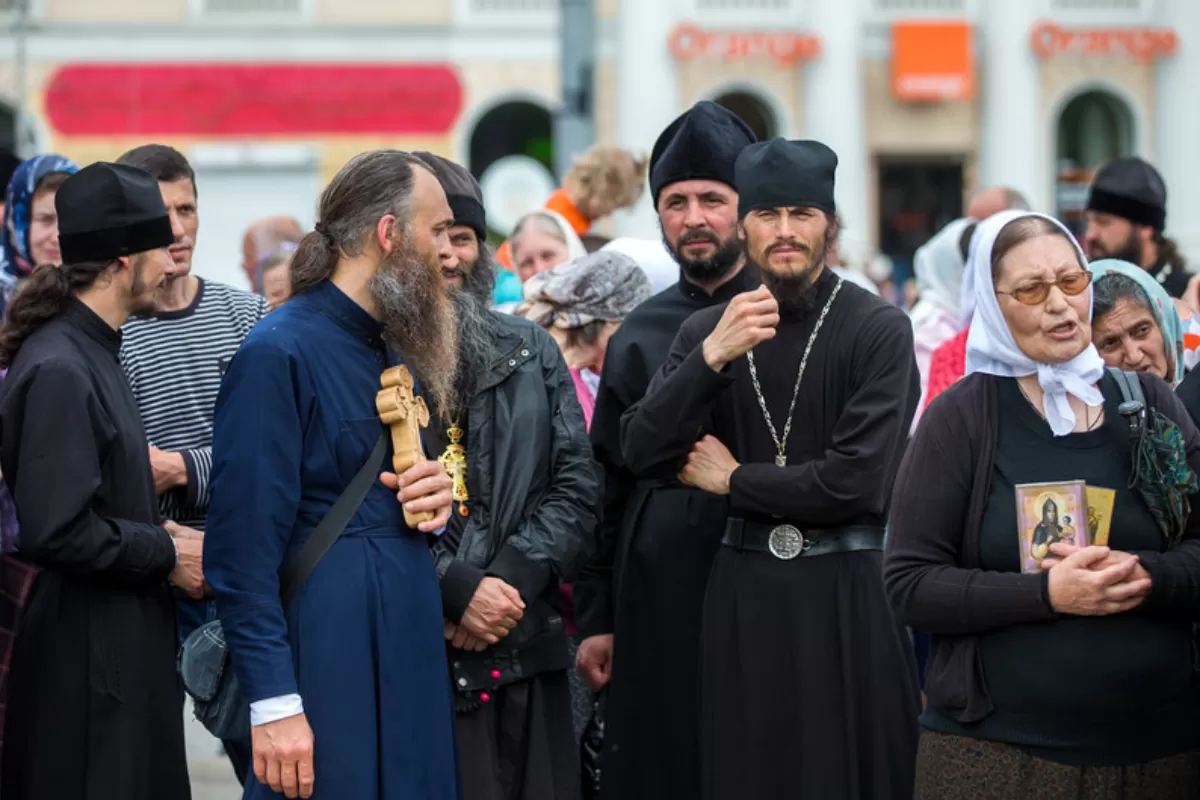
Pentru prima oară în istoria campaniilor electorale din Republica Moldova, un competitor politic major – blocul format de comuniști și socialiști – adoptă un mesaj central de campanie ferm xenofob, care se încadrează în definiția discursului de ură (hate speech). Cele două formațiuni nu sunt însă singurele care apelează la un astfel de discurs. Străinii, persoanele în etate, femeile, comunitatea LGBTQI etc. au fost vizate în actuala campanie de discursul de ură.

Dark clouds of authoritarianism and war are forming over the Republic of Moldova, but they can still be cleared away if patriotic forces will take the reins. This is the image painted by the narratives that crayoned a new week in the campaign for the early parliamentary election in the Republic of Moldova. The narratives are stemming from disinformation and fake news postulated by both Chișinău and Russia, the latter trying to endorse its clients in the Electoral Bloc of Communists and Socialists.
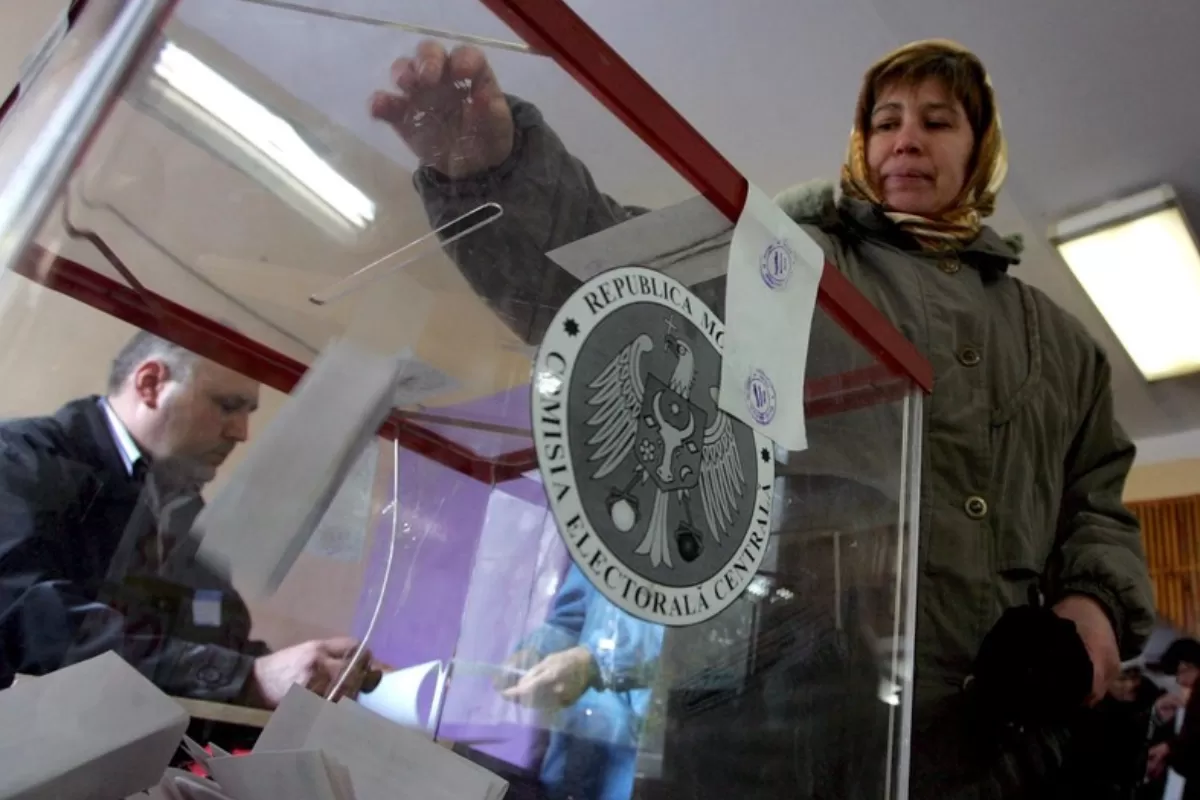
The electoral battle in the Republic of Moldova between the pro-European and the pro-Russian parties is also reflected in the way polling stations are organized. The PSRM-PCRM bloc is counting on the votes of Transnistrian population, while PAS hopes to win the votes of those who went to work in Europe, the diaspora. The electoral authority has also been involved in this fight, trying to reduce diaspora’s ability to vote.
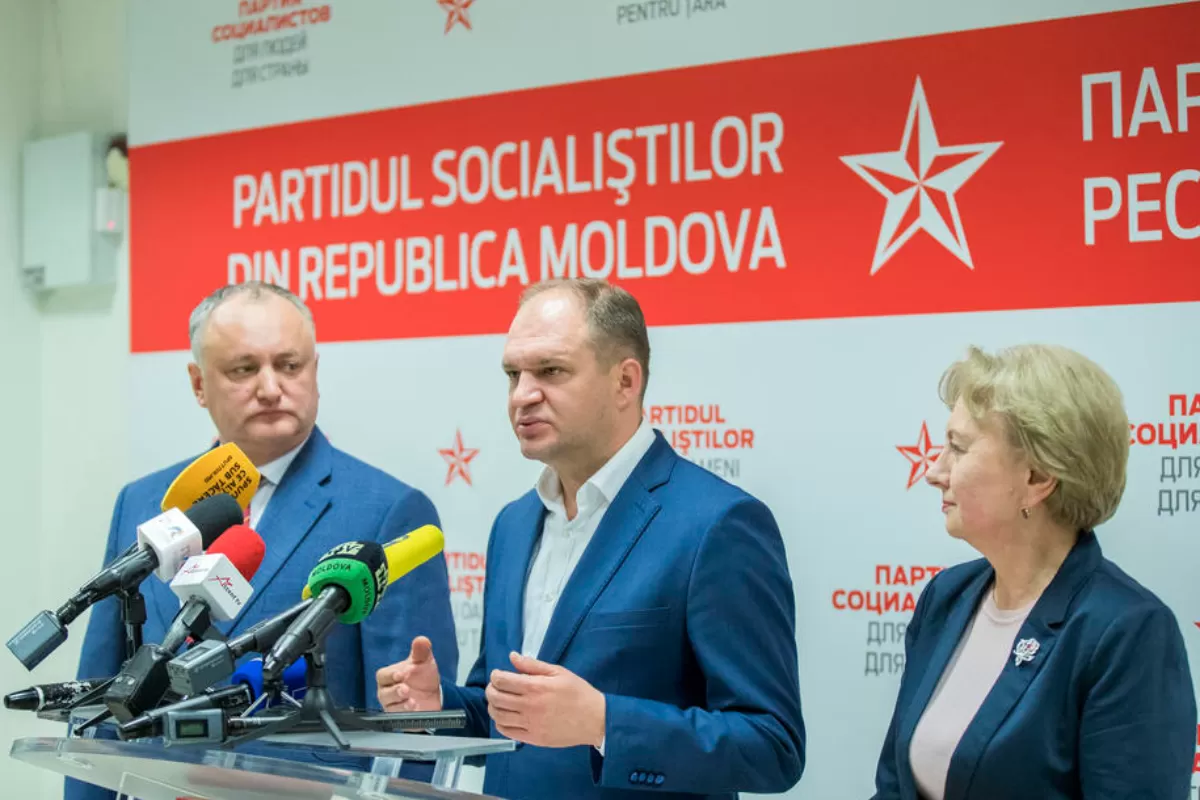
Politicians in Chisinau are trying to get some extra political capital at home by flaunting their connections to politicians in Romania. However, a few protocol statements and "family" photos do not guarantee Bucharest’s influence in Moldova.

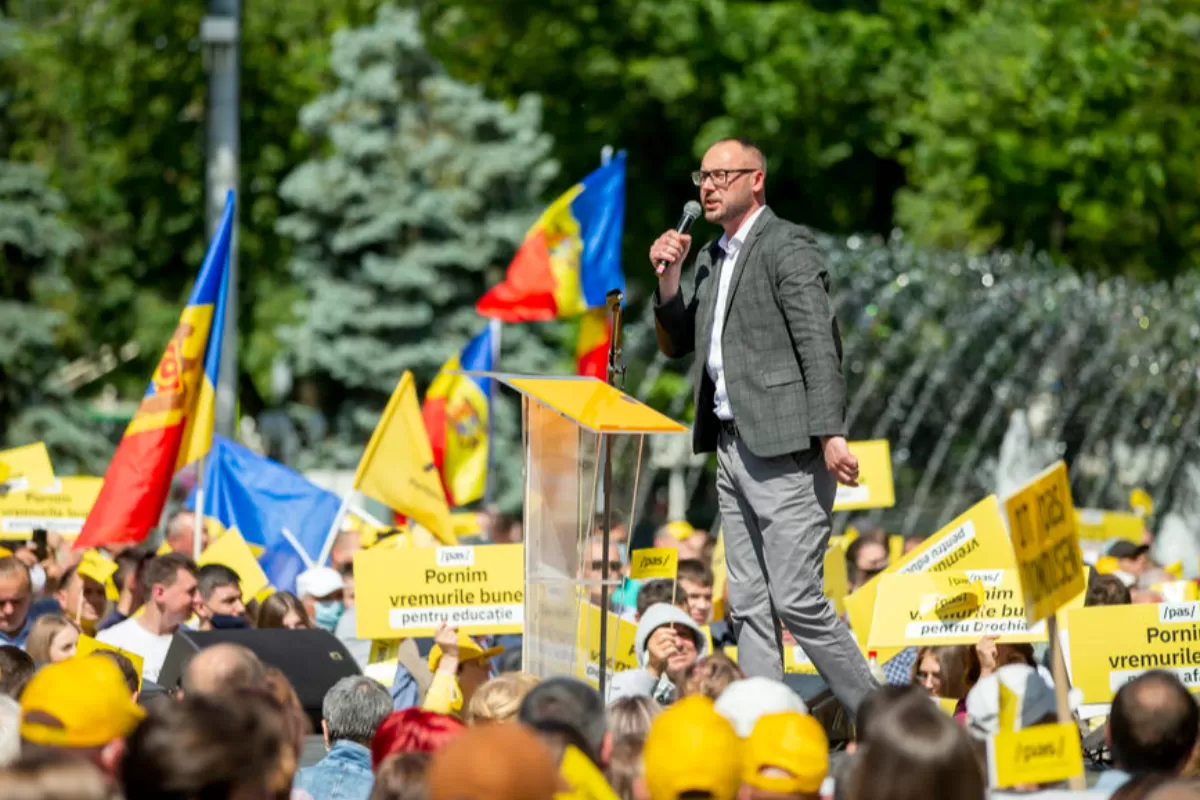
Early parliamentary elections will be held in Moldova on July 11. The list of candidates is long, with no less than 53 parties and electoral blocs officially registered to take part in the race for 101 parliament seats. Of these, no more than six have a real chance of crossing the electoral thresholds of 5% for parties or 7% for electoral blocs consisting of two or more parties. Veridica carried out a brief x-ray of the electoral programs proposed by the main competitors.
A new election campaign is underway in Moldova, the third in 2 years. In essence, as in most of the elections that have taken place since Moldova gained independence, what we see today is a confrontation between the so-called "Eastern and Western vectors". Russia openly supports the Eastern vector; The West promises funding for the reforms promised by the Western vector. The election campaign, like most campaigns in recent years, is marked by an abundance of fake news and disinformation, usually launched by the left wing and the media affiliated with the Socialists or the Kremlin. The authors of the false narratives, however, seem to be running out of new ideas: most of them have already been used in the election campaigns that have taken place since 2016.
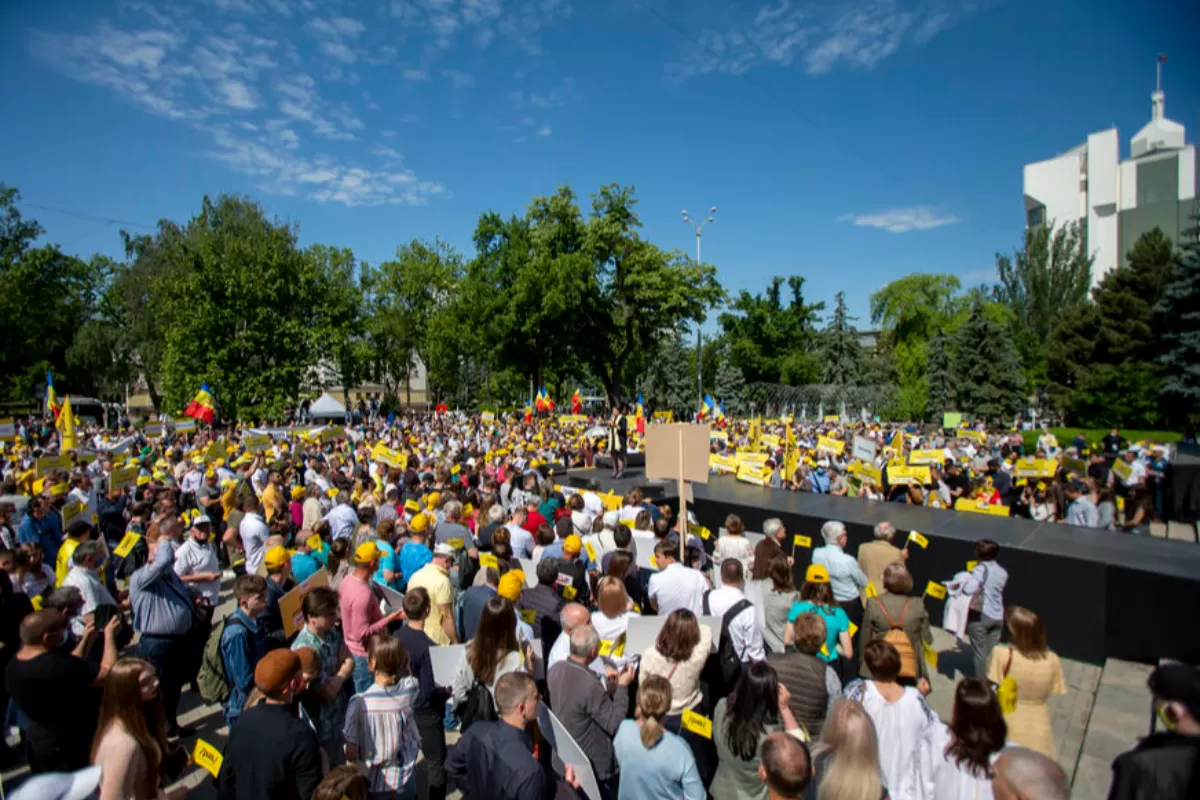
Seven months after a complicated presidential election, the Republic of Moldova is again in the grip of election fever. This time around, the country will be hosting snap parliamentary elections, but the background, protagonists and stakes are mostly the same. The main battle will be pitting the center-right pro-Western Action and Solidarity Party (PAS), previously led by president Maia Sandu, against the center-left pro-Russian Party of Socialists (PSRM) led by the former president Igor Dodon.
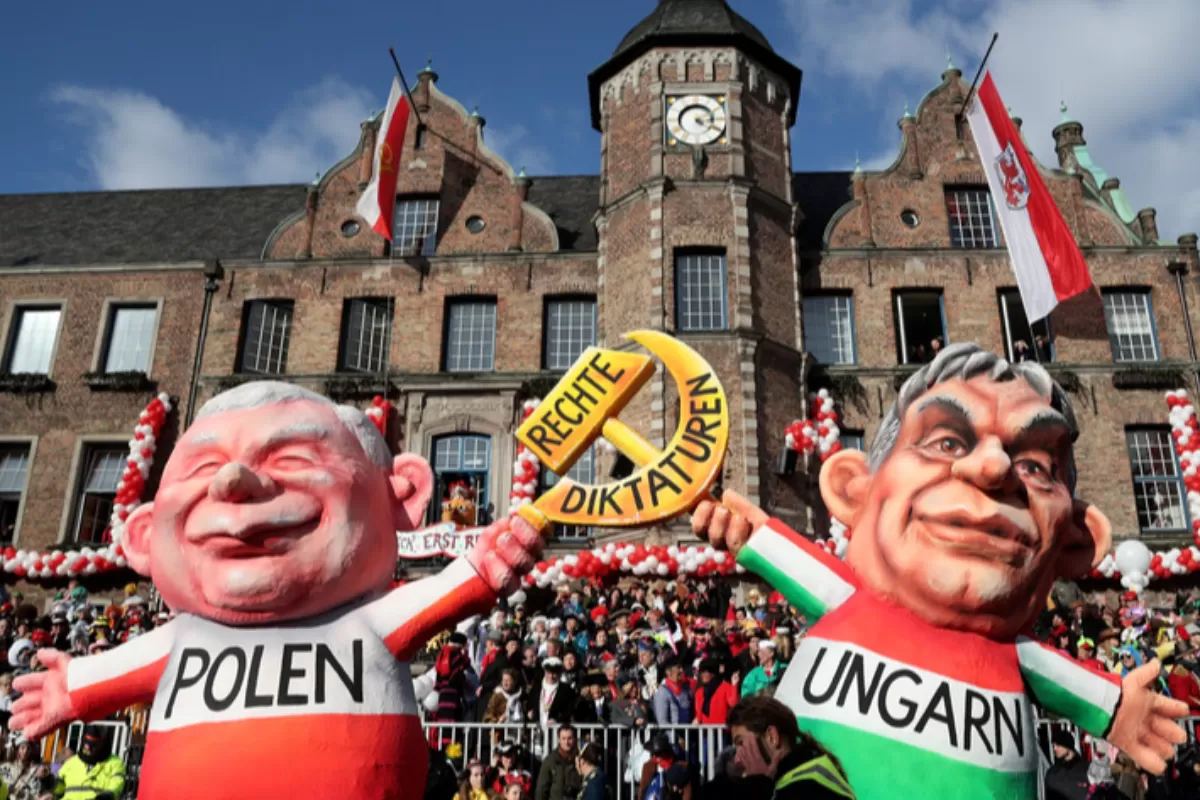
Alternative social networks have also emerged in the problem countries of the EU, Poland and Hungary, where the right and the far right are looking for platforms that do not restrict posting radical content. These networks have emerged as both the Kaczyński regime and the Viktor Orban regime already exercise significant control over the media in their countries.

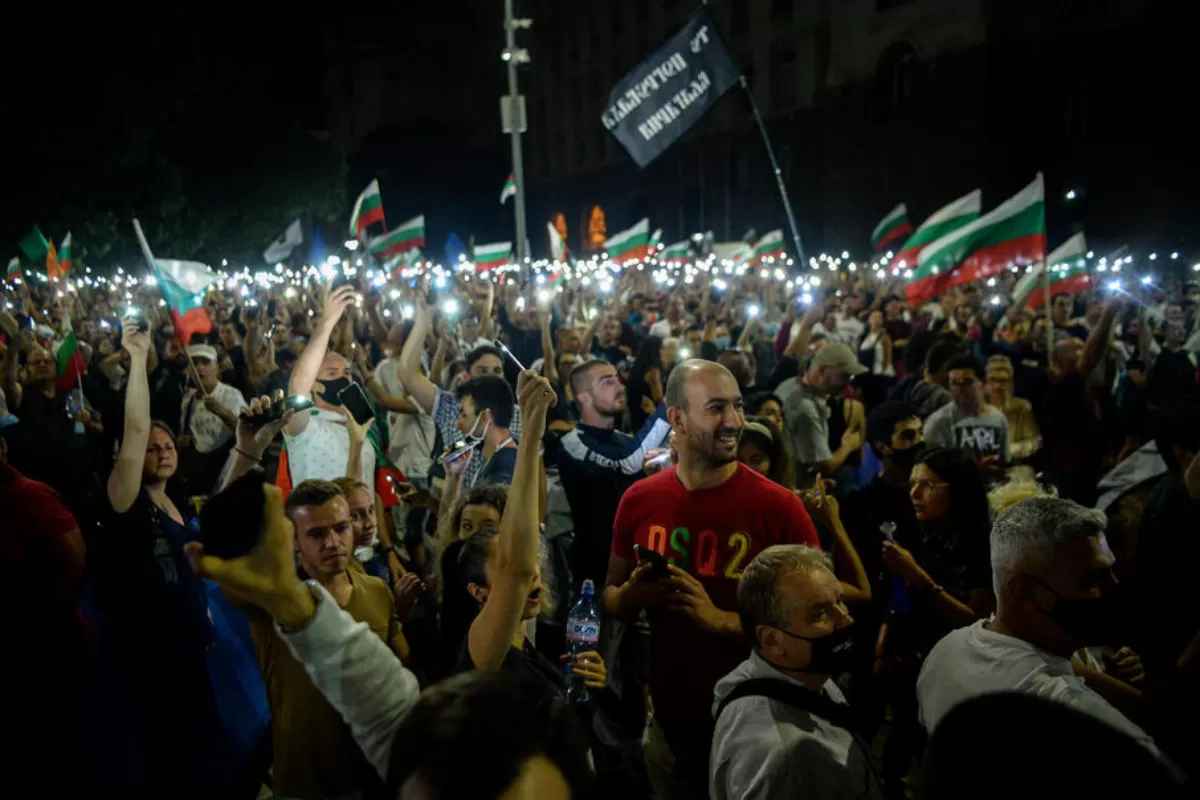
Sanctions and blacklisting by the US, a wave of resignations, revisions over the spending of the GERB cabinet in the last decade and mismanagement of financial aids: all of these are making headlines in the Bulgarian media as the country prepares for early elections on July 11 - a result of the inconclusive ones from the spring and the inability of any party to form a coalition.

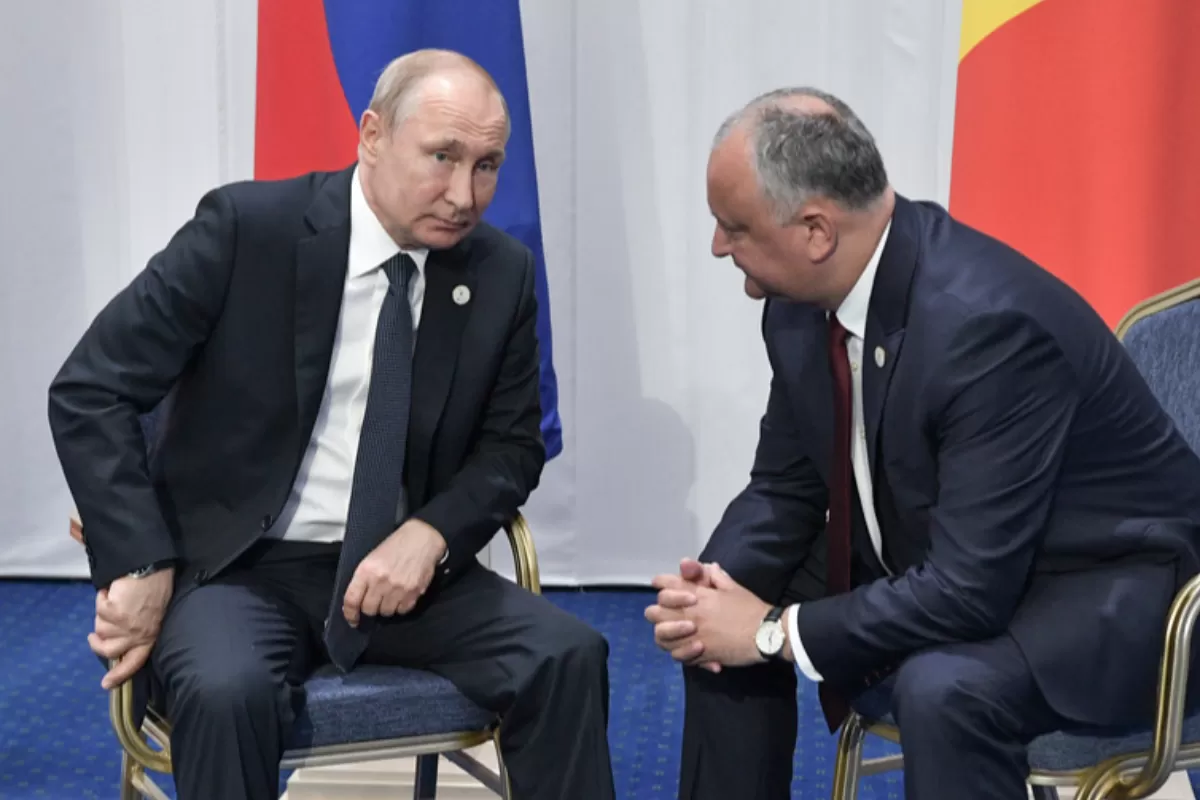
With the early parliamentary election in the Republic of Moldova around the corner, the political and economic chatter is again focusing on the benefits for Chișinău. The matter has again sparked a polemic: would it be better for the Republic of Moldova to head east or west? A persistent question which Moldovan politicians have been juggling with for three decades, while Moldova remains one of Europe’s poorest and most corrupt countries, with one of the largest shares of population migration.
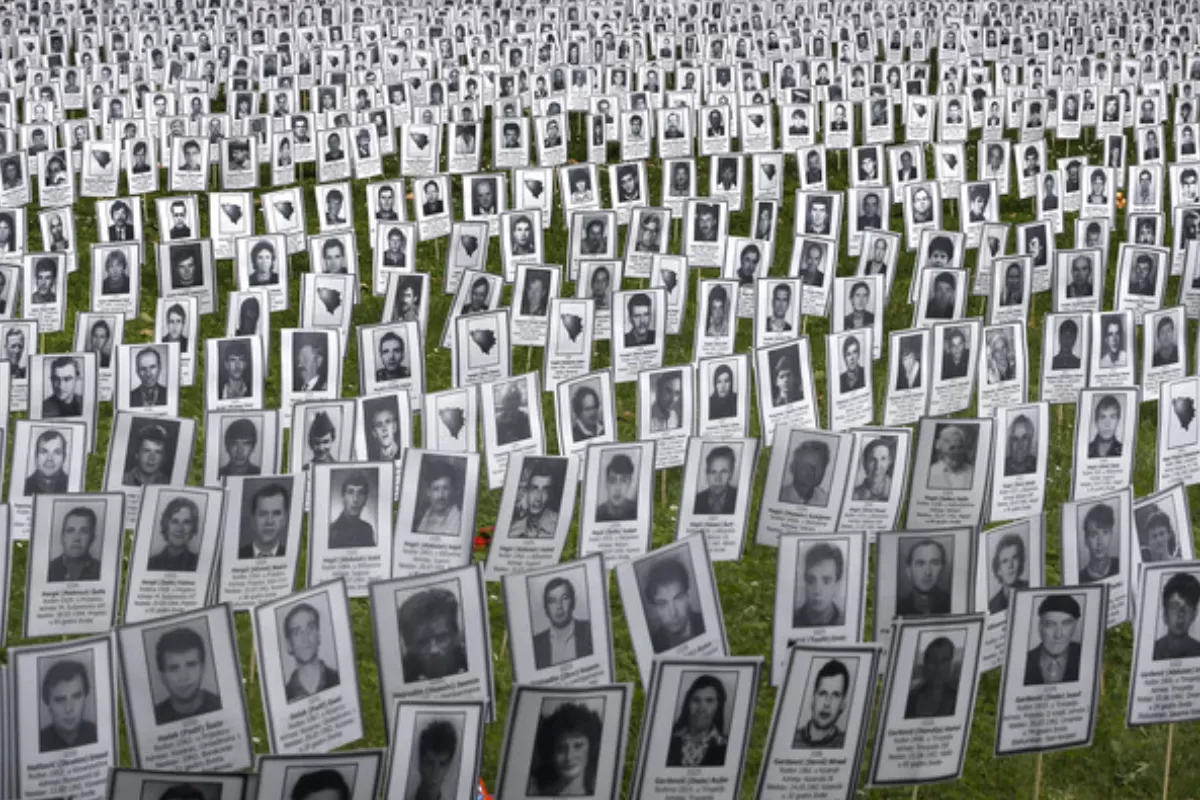
More than a 25 years after the war in Bosnia and Herzegovina ended, the country is still an "unfinished project", being more corrupt, less stable and less developed than other former Yugoslav countries.

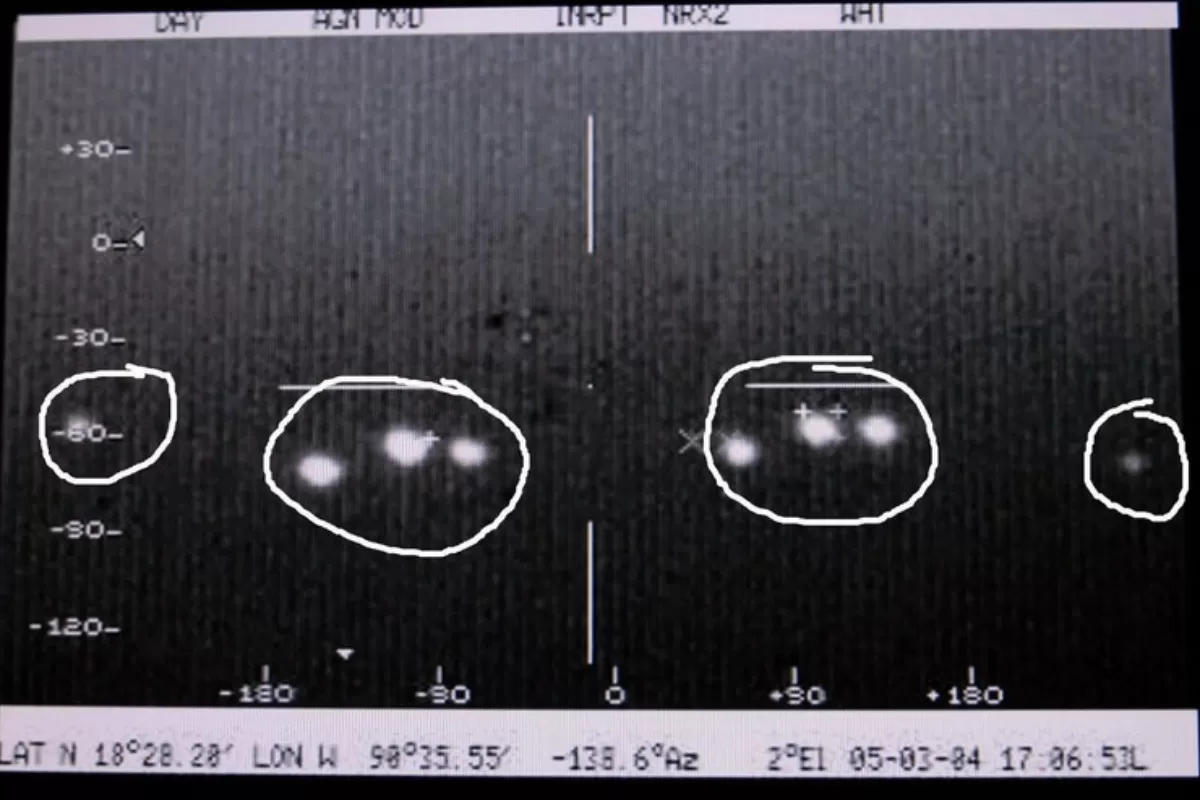
A Pentagon report on UFOs will be presented this month in Congress. The US Army says it has no evidence that UFOs are in fact extraterrestrial aircraft. Nor can it claim they aren’t. The army simply doesn’t know what these “unidentified aerial phenomena” are.
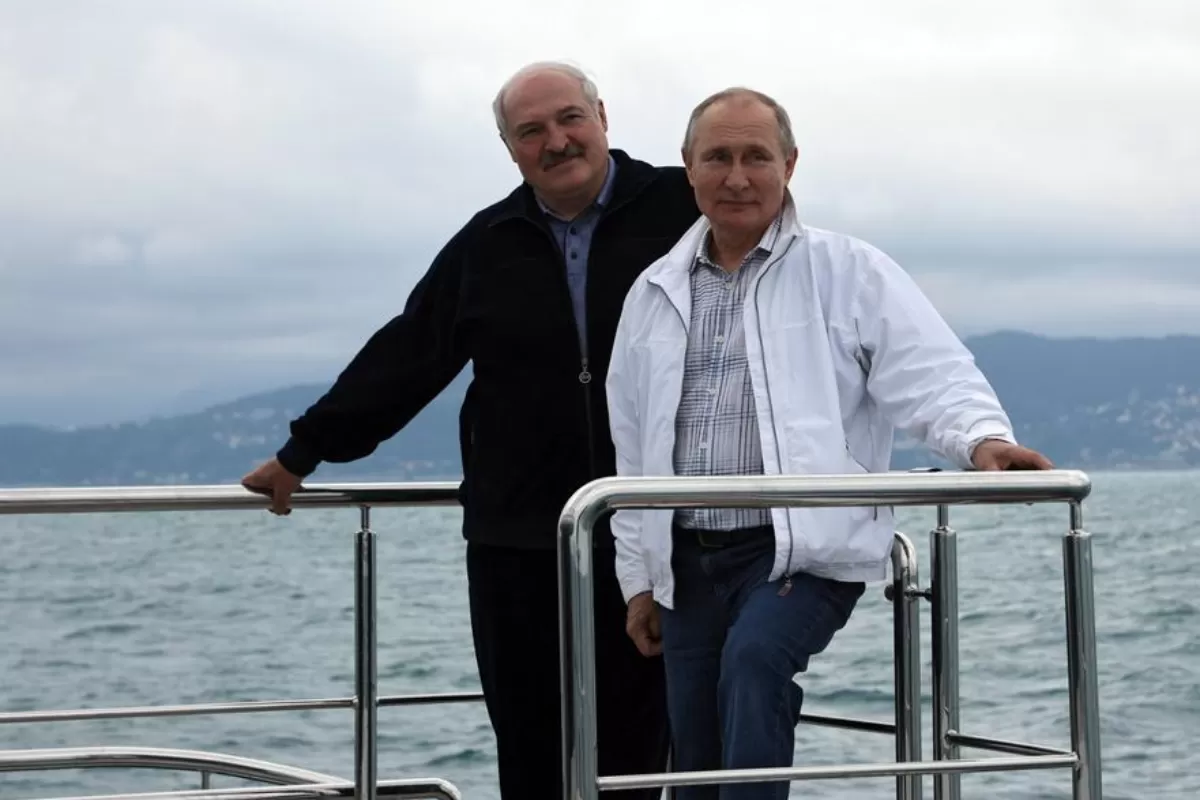
The incident with the forced landing of a Ryanair plane and the detention of Roman Protasevich and Sofia Sapieha only forced the European Union and the United States to take more active action against Belarus. However, Russia is also on the trajectory of absorbing Belarus in the autumn of 2021.

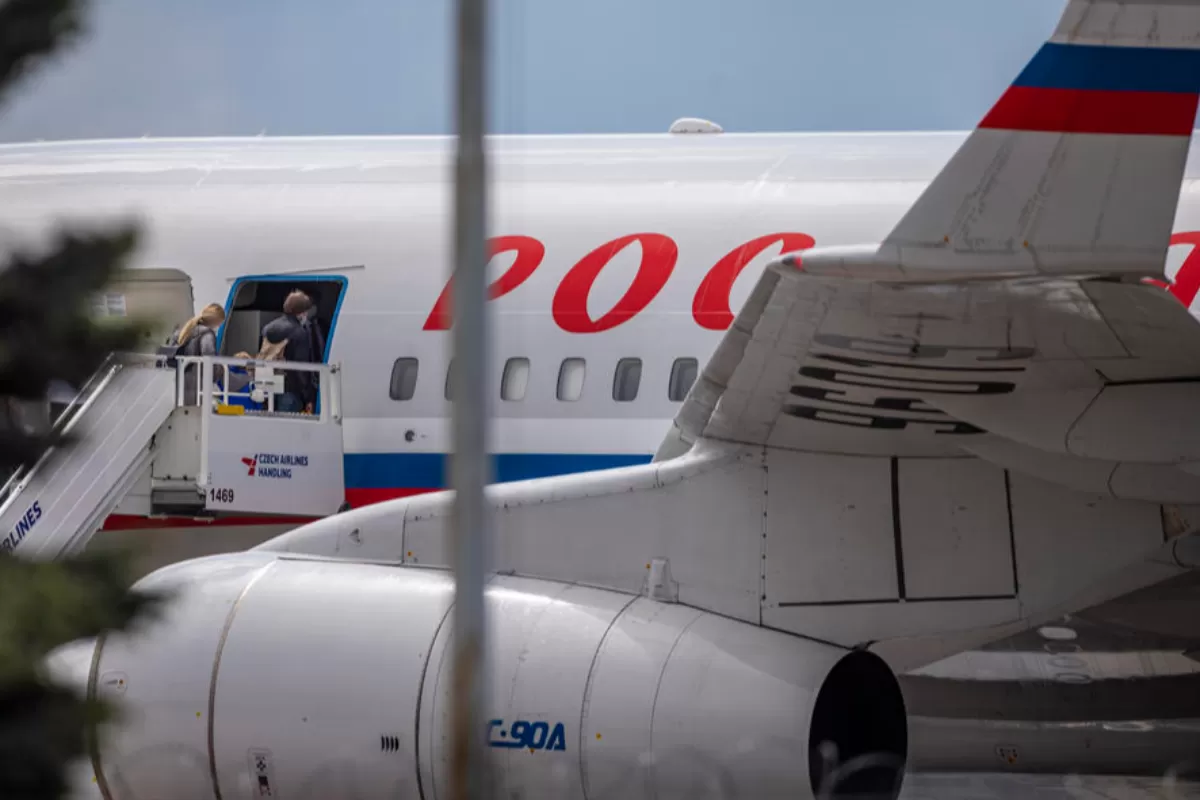
The case of Vrbětice – the revelation that explosions of ammunition depots in 2014 were apparently caused by agents of the Russian military intelligence GRU – shook relations between Prague and Moscow in April. In May, there was a quake on the domestic political scene.

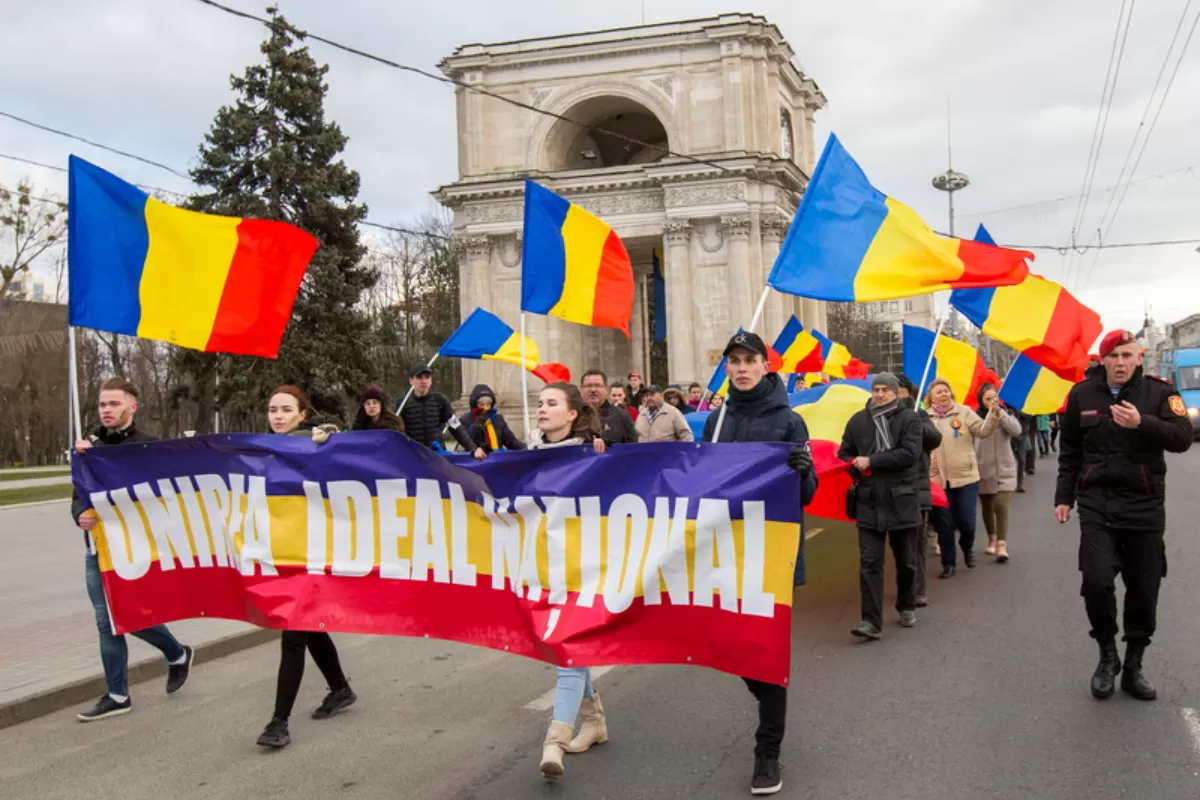
The unionist movement in the Republic of Moldova has always benefited from the contribution of some intellectuals and could count on the votes of about 10% of the electorate. This electorate has become increasingly fragmented in recent years, amid differences between unionists, who have split into competing parties. The centrifugal trend has worsened over time and it is very likely that not even for the snap elections of July 11 the unionist forces will be able to coagulate.
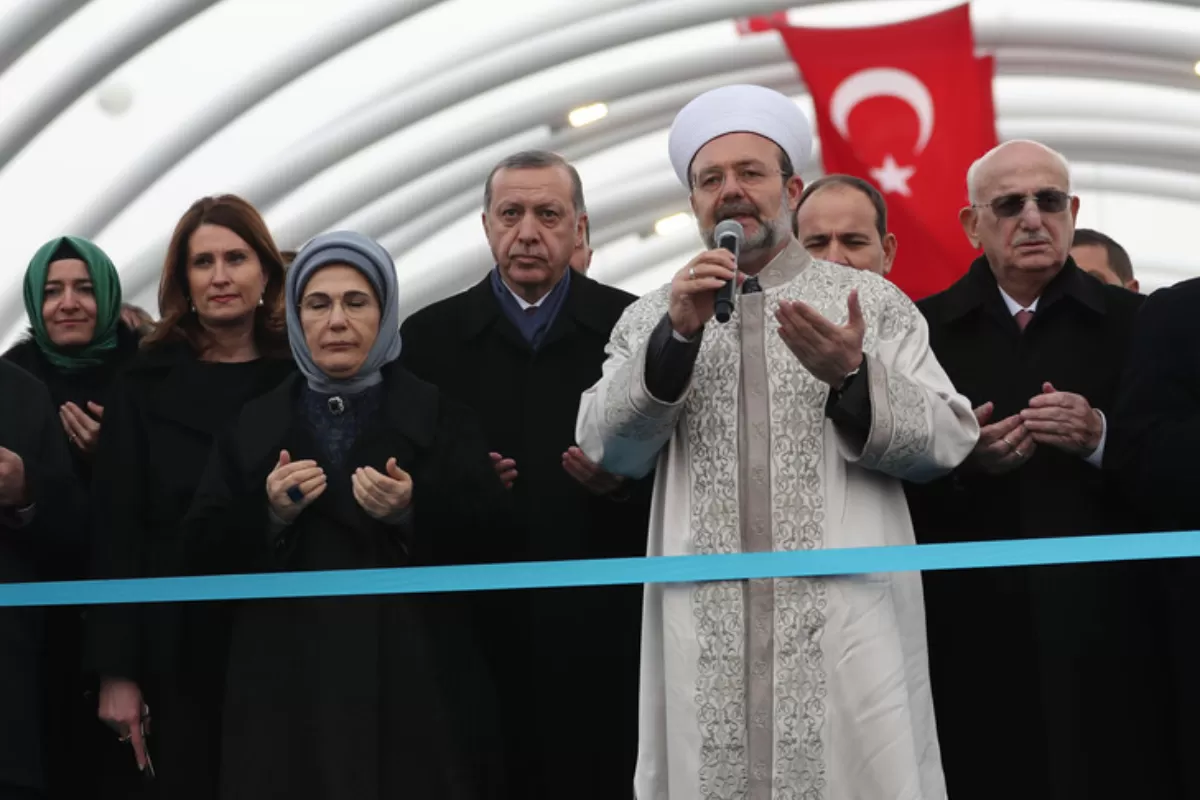
Under a conservative AKP regime since November 2002, Turkey has initiated numerous construction projects in the early 2010s, presented obsessively to the public as signs of the country's growth as major regional power. Leaving aside that they contribute massively to the destruction of the environment, they also threaten to become long-term financial "black holes", consuming insatiably taxpayers' money for generations to come.
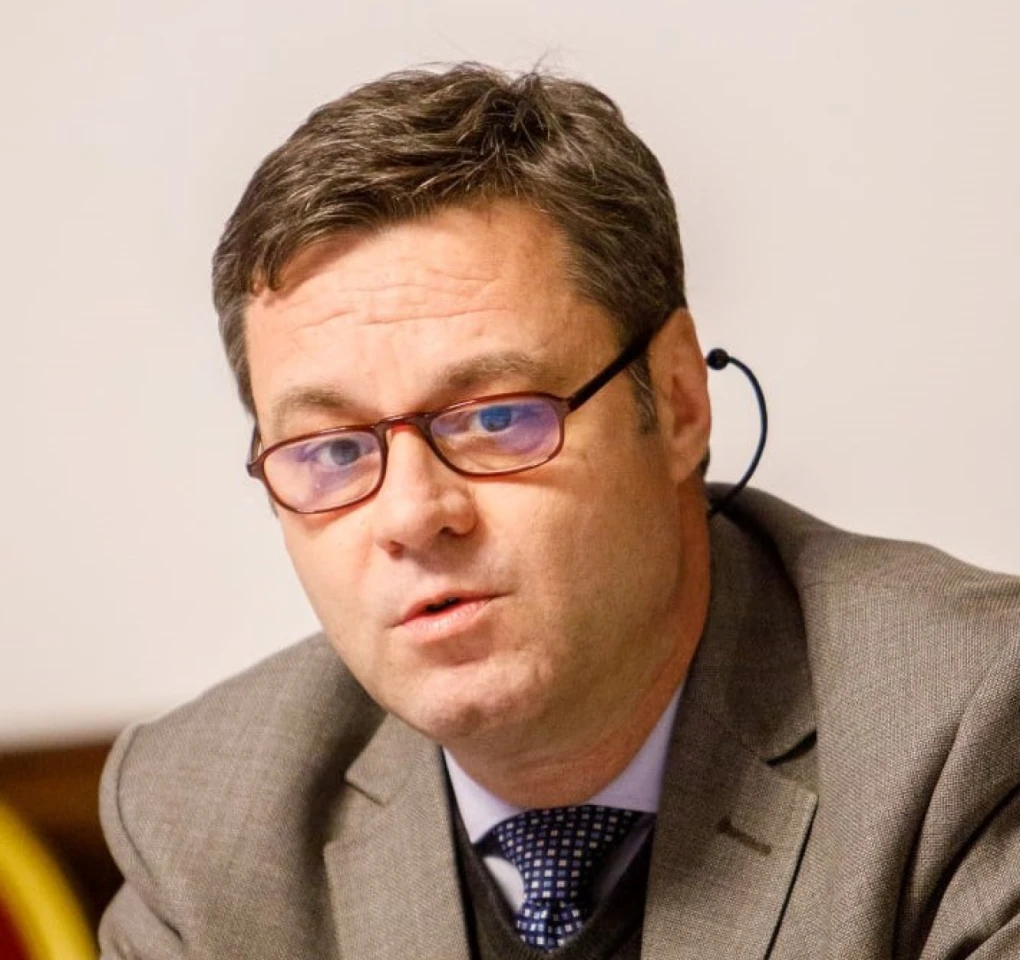
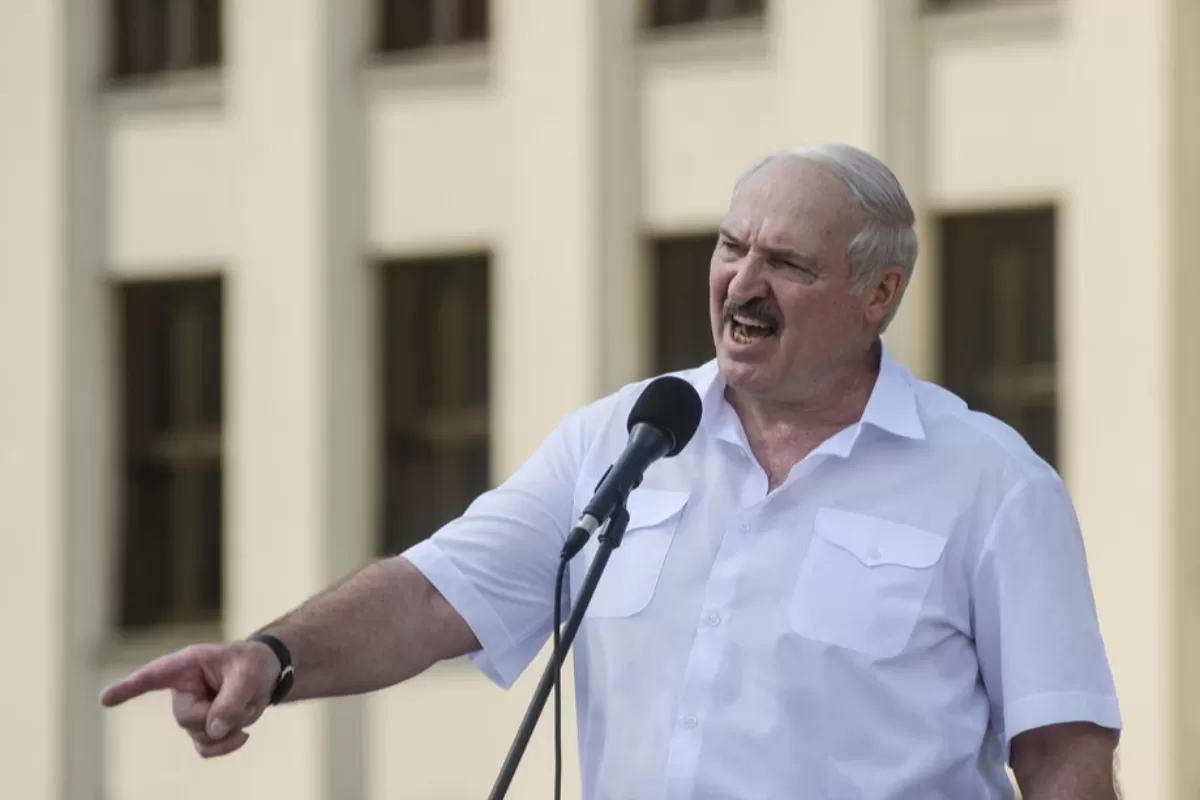
It is very difficult to talk a dictatorship into behaving nicely. The only way is for the regime to be somehow constrained, to be made aware that there are consequences for its behavior. The most common method is that of sanctions; the problem is that dictatorships can have a fairly high tolerance for them.
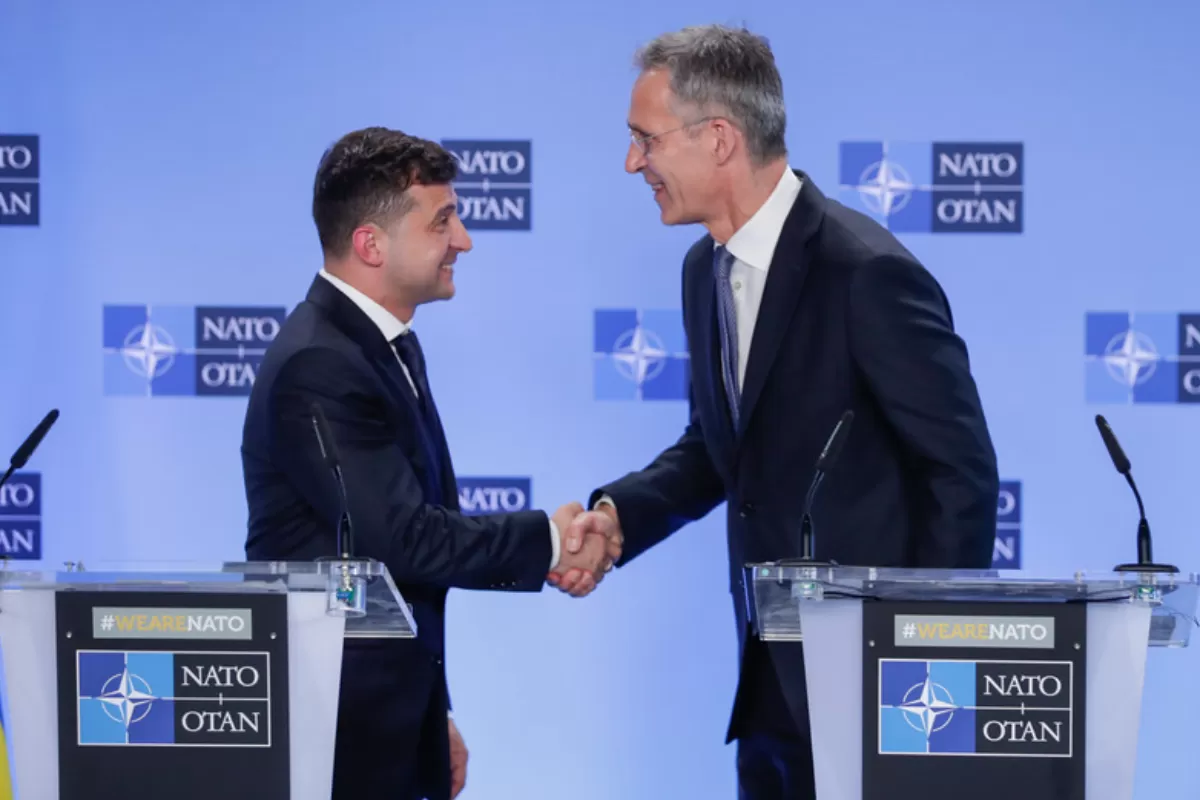
The NATO Summit in Brussels, to be held on June 14, has rekindled talks regarding Ukraine’s accession to the North-Atlantic Treaty Alliance. While the accession is being discussed overtly in Kiev, many states remain adamant.


Moldovan citizens often call their country “Wonderland”. Obviously, they do it pejoratively, and the election campaign for the snap parliamentary elections due on July 11th seems to be another reason to call it that. In the past week, there’s been an outcry in the entire Moldovan media about a so-called disclosure made by a controversial police officer.
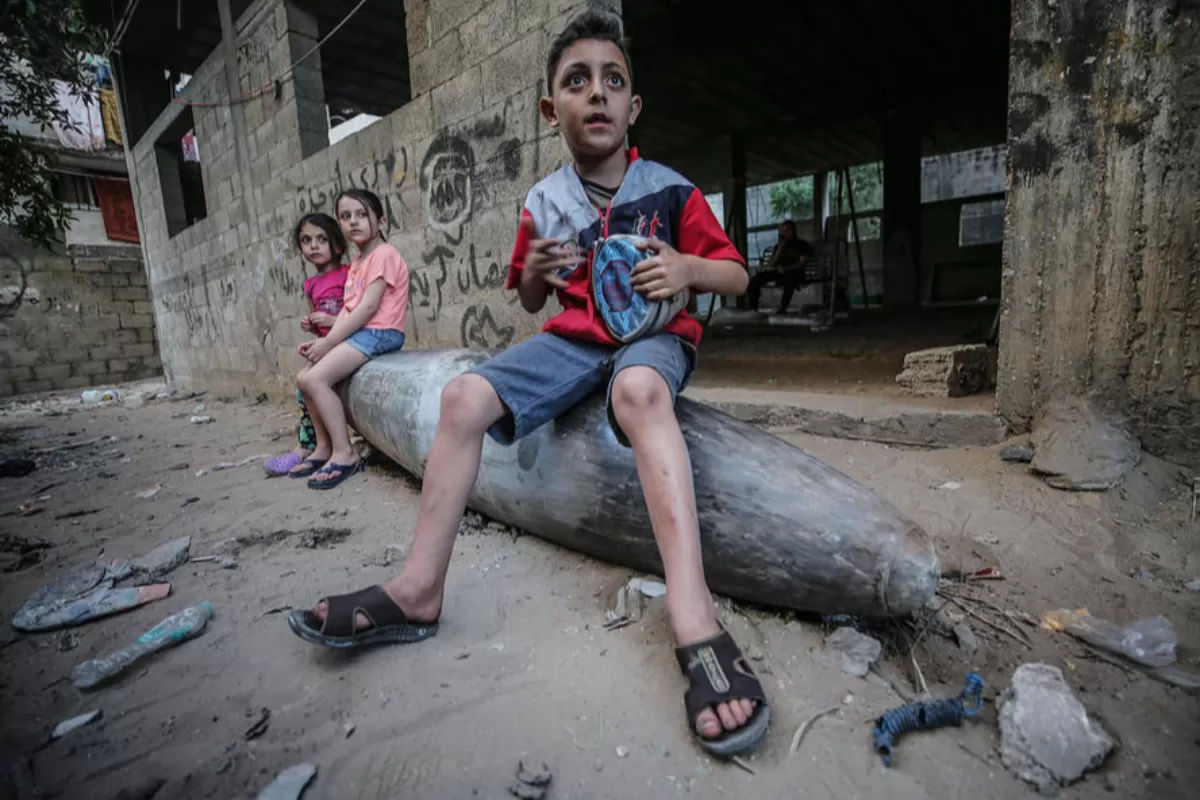
After 11 days of fighting, Israel and Hamas have reached a ceasefire agreement that solves nothing: it’s just a short break until the new round of clashes beings.
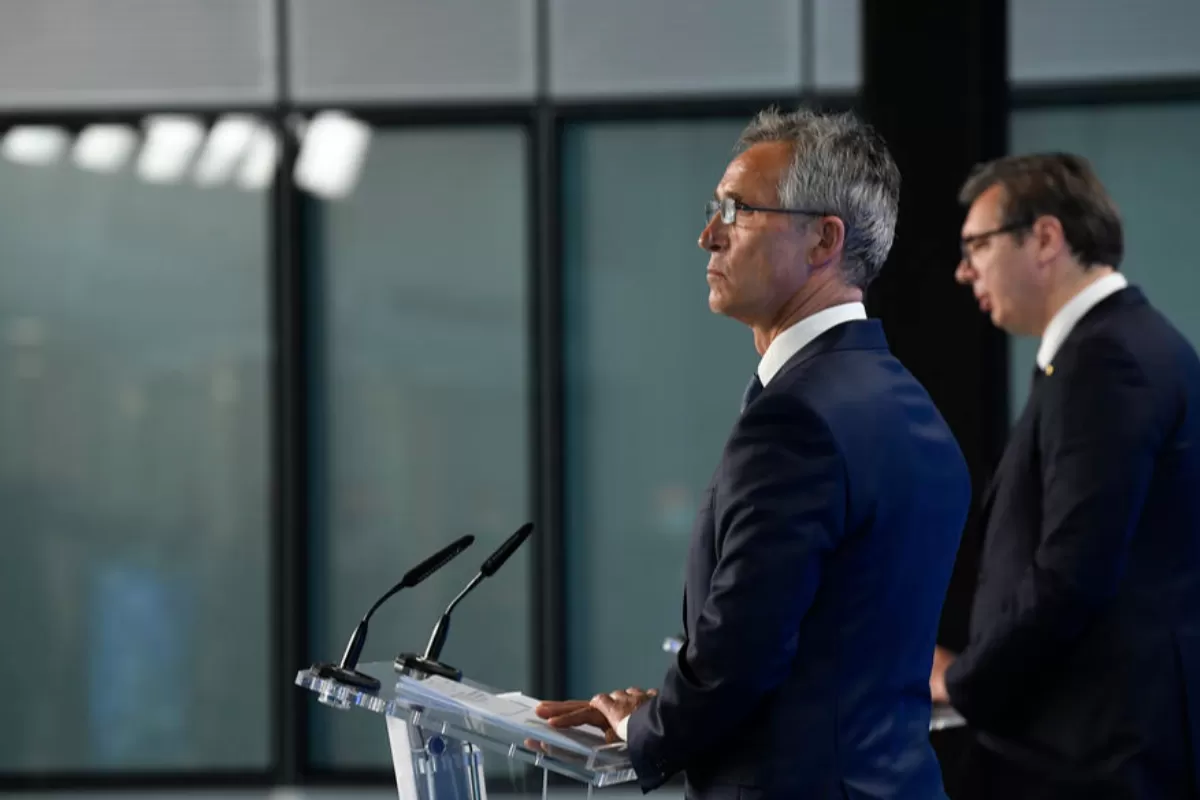
After tensions in the 1990s and the war in Kosovo, Belgrade's relations with NATO have fundamentally improved, as Serbia has sought to break out of the isolation of the Milosevic era. The partnership with NATO is a constant in Serbia's policy, but the relationship is only partially assumed: the authorities emphasize the country's neutrality, the media focuses on the much weaker cooperation with Russia, and the population sees no gain in a possible NATO integration.
Russian claims that EU and the USA are allegedly interfering in the parliamentary election in Chișinău, scheduled for July 11. On May 13, the Russian Foreign Ministry spokesperson, Maria Zakharova, said “it is regrettable to see the growing interference of the United States and EU countries in the domestic politics of the Republic of Moldova, something which we firmly condemn”.
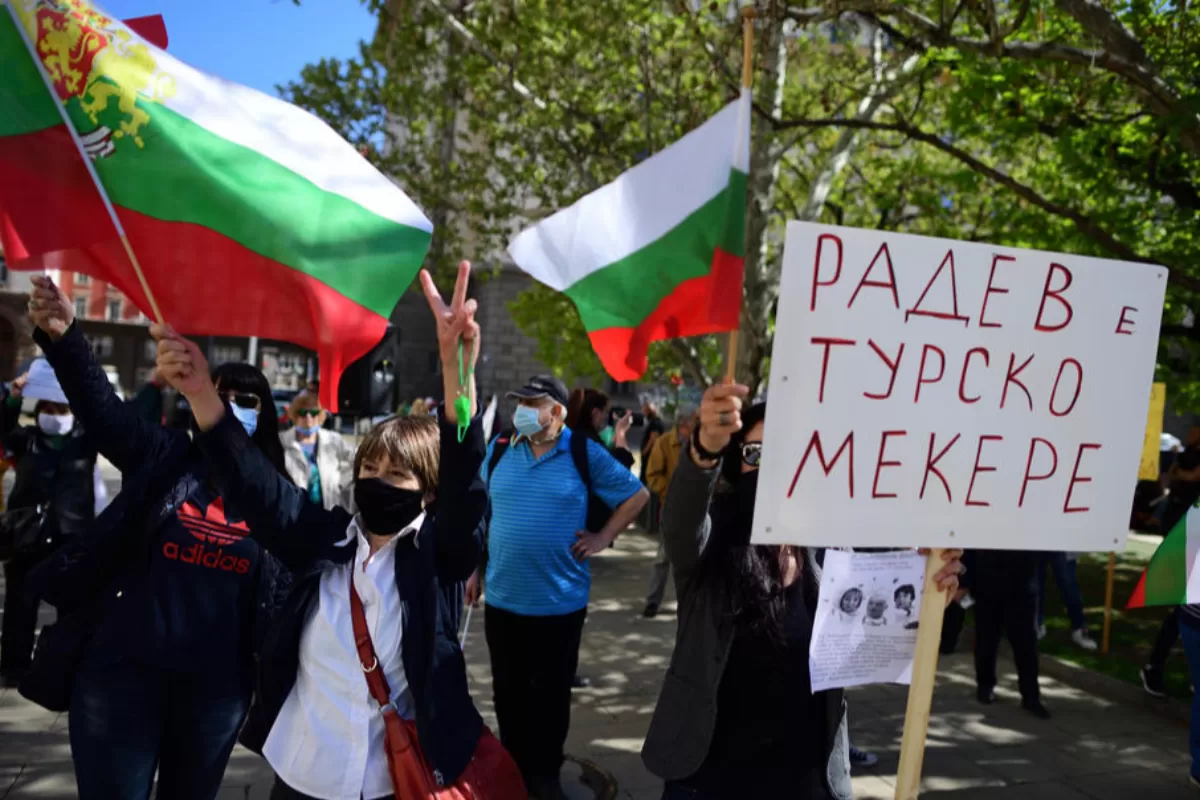
Bulgaria braces for new parliamentary elections on July 11 which fuels the unpredictability in the country’s political life and raises several questions - will GERB return stronger or weaker, will popular singer and talk show host Slavi Trifonov continue his political rise after being a runner-up in the April elections, will the far-right see a resurgence after surprisingly low results? While politicians are trying to find some common ground, Bulgaria’s slow vaccination rollout, the still present COVID-19 pandemic, EU’s Green Deal and the previous government’s spending all remain unaddressed.
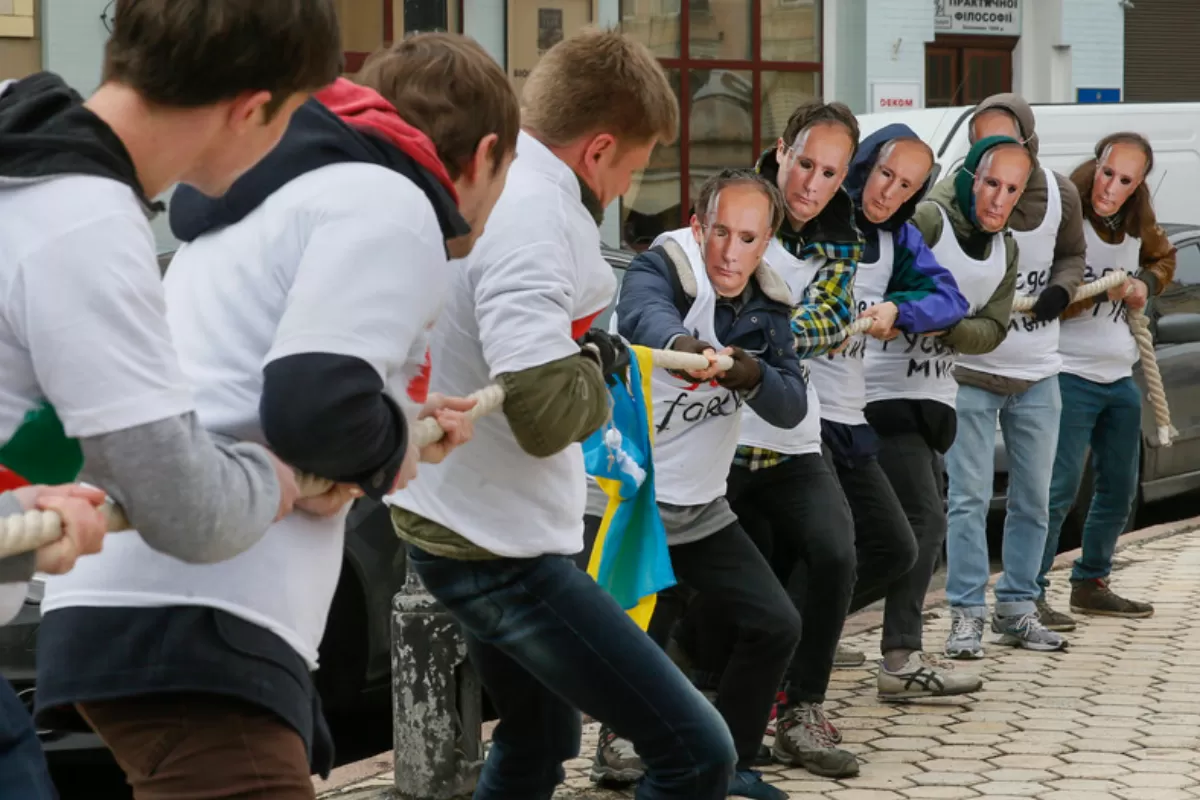
The concentration of Russian troops near the borders of Ukraine, which began in late March 2021, was accompanied by what seemed to be an information-psychological operation to dehumanize the enemy. Despite the reduction of tensions after a number of events in the international arena, that technology deserves detailed analysis.
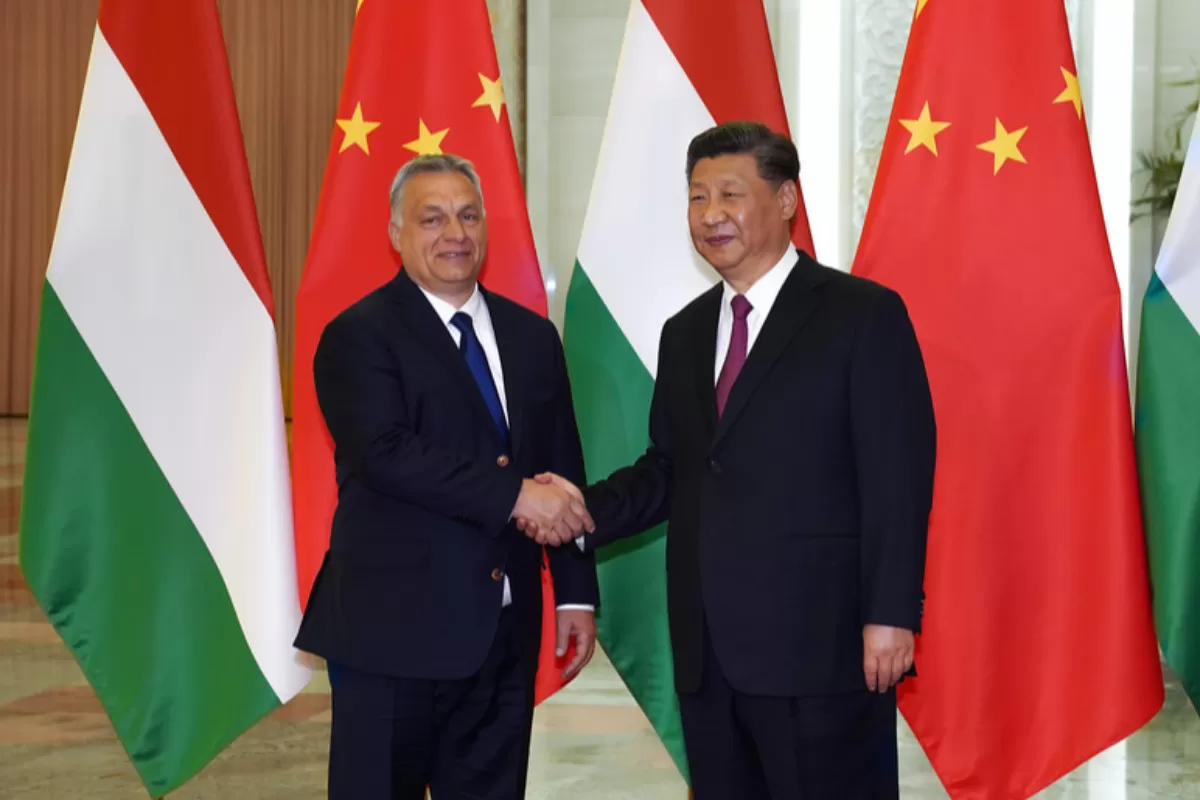
Hungary’s plans to become a hub for eastern superpowers were widely mocked after Viktor Orban’s government’s “Eastern Wind” policy had to be renamed “Eastern Opening” after a party official noted that an eastern wind blows things everywhere except to the east. That hilarity turned to anger, however, when it emerged that China plans to build its first ever European university on the banks of the Danube by way of a EUR 1.5bn construction project that will be funded by Hungarian taxpayers.

Making predictions before elections in the Republic of Moldova means hazarding a guess. Such an action requires not only knowledge and intuition, but also a lot of luck and a special flair for anticipating last-minute backstage arrangements. However, the campaign for the snap parliamentary elections due on July 11 has kicked off, and based on current data and trends, we will analyze who the actors are and what chances they stand at the moment. A dirty election campaign is announced from the left wing, which seems ready to bring into play resources that are incomparable to those available to the right.
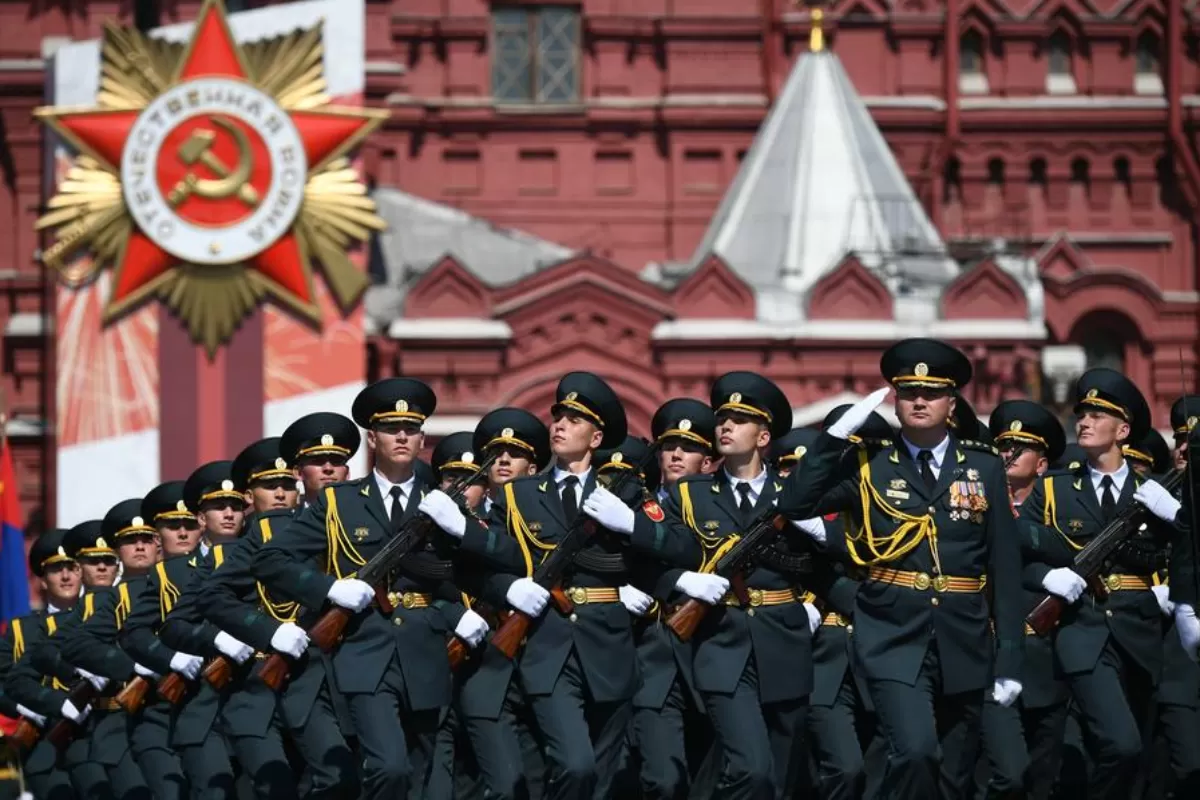
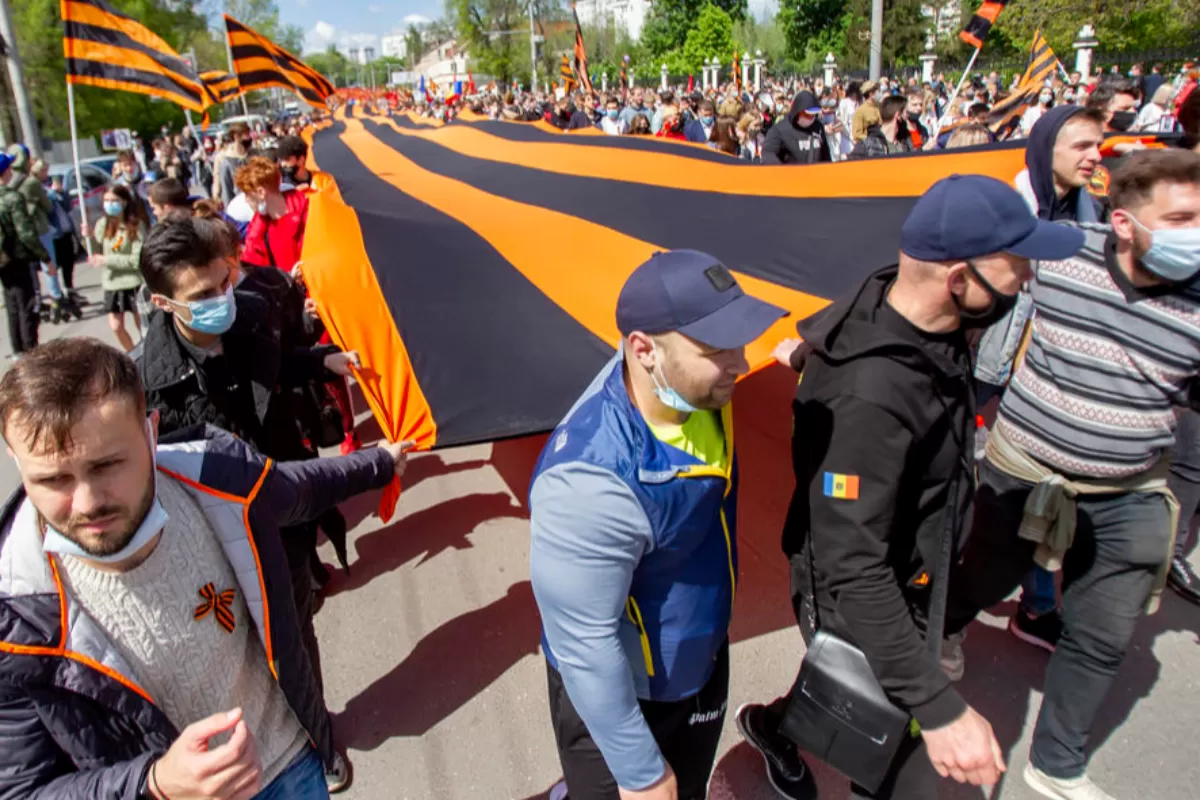
In the Republic of Moldova, where half the population wants to join the European Union and the other half the Eurasian Union, where the number of supporters of the union with Romania is increasing, but that of the USSR nostalgics does not seem to decrease, where unionist marches would still end in confrontations a few years ago, May 9th could not but be a new bone of contention for politicians, and also a reason for debate in society, especially since much of that society was educated in the Soviet spirit of the significance of this date.
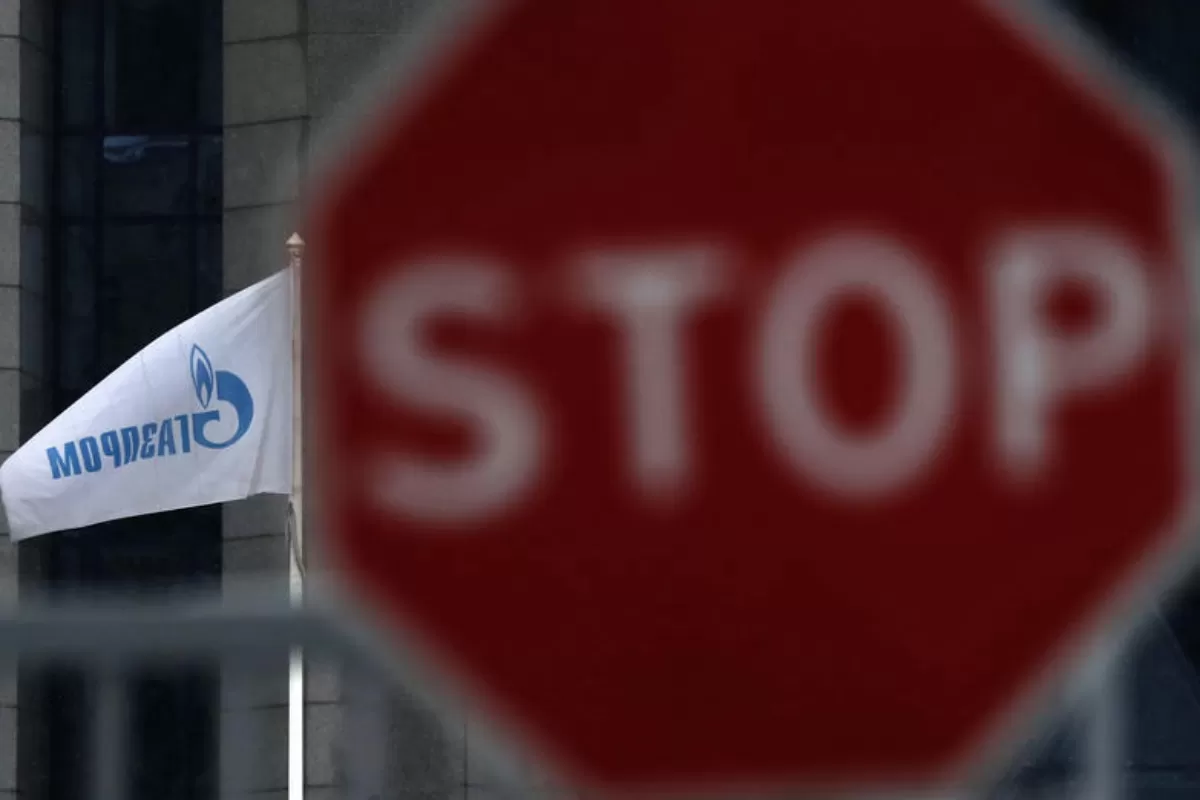
The Nord Stream 2 pipeline, set to transport Russian gas straight to Germany, seems to have hit a few snags amidst growing opposition. Even if it does get finalized, Nord Stream 2 could prove useless due to Europe’s transition to alternative energy sources.
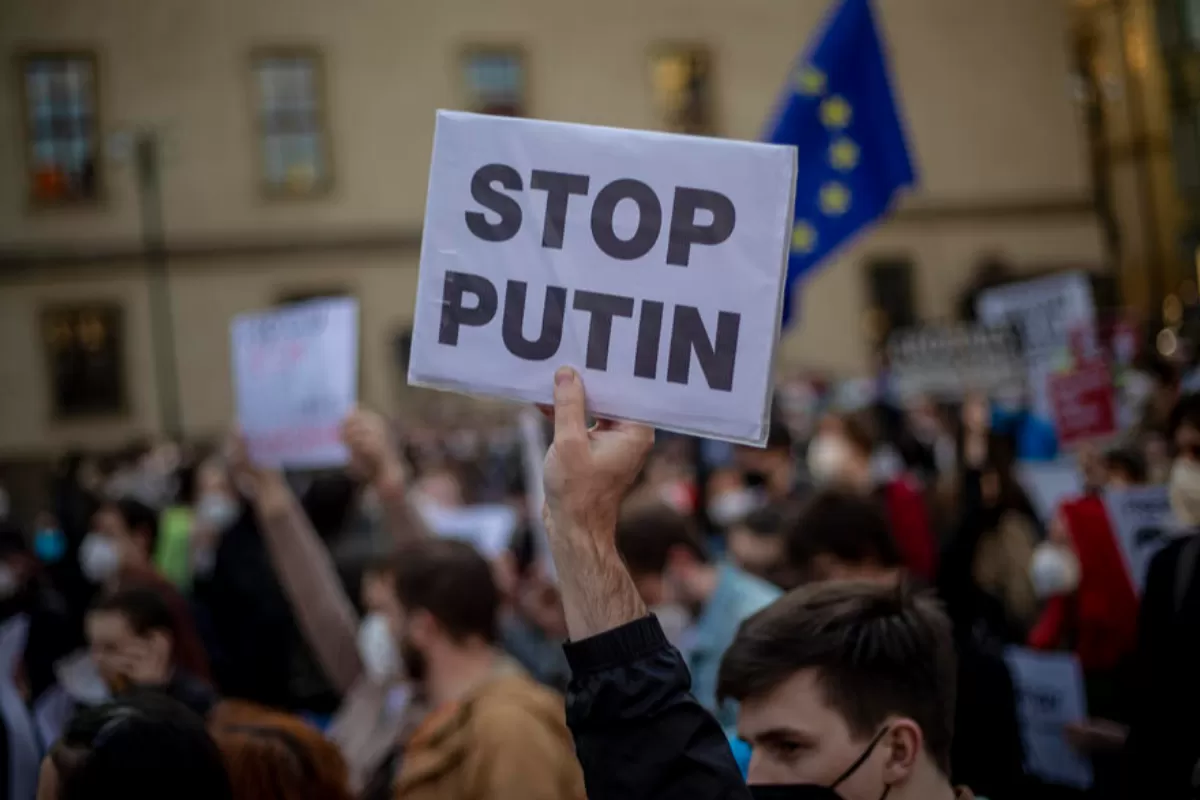
In a little over four years, Russia has become increasingly belligerent towards the West, hitting a new milestone, which is interesting, to put it mildly: three hundred and eleven (!) Russian diplomats have been expelled from the United States and Europe due to their actions in these states.