
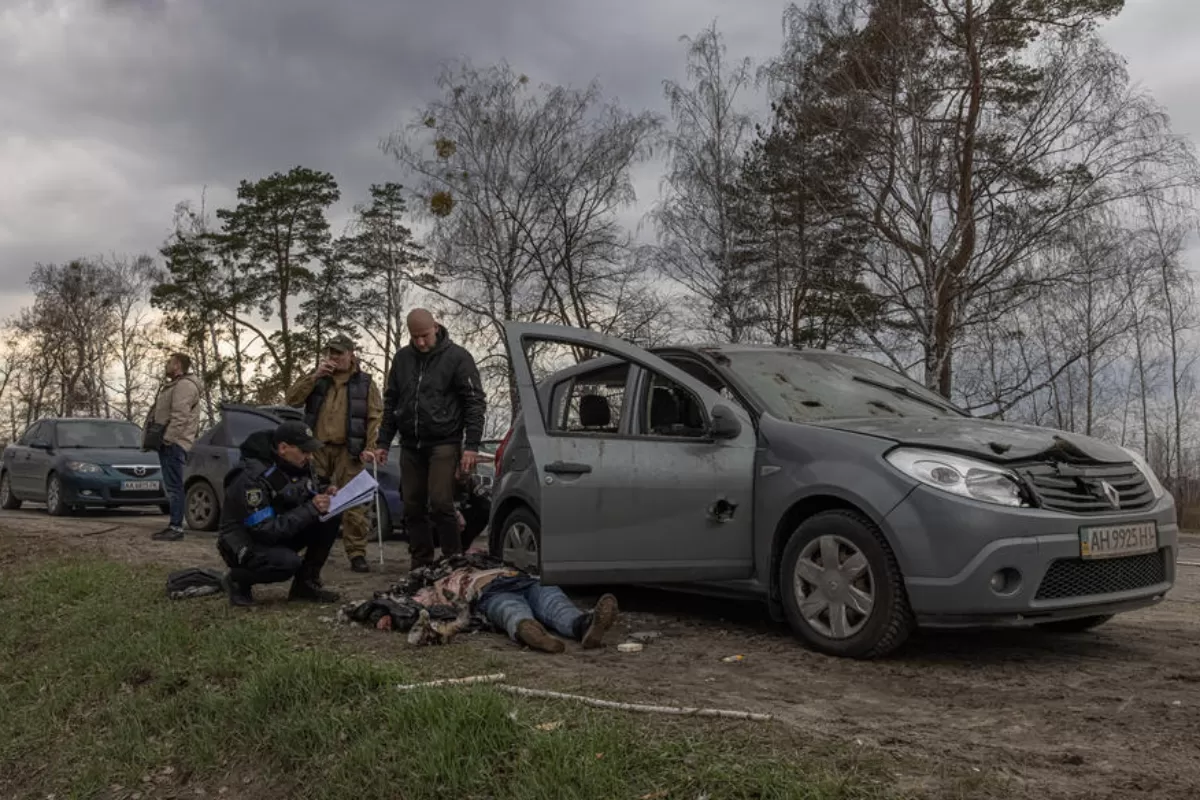
The Ukrainian army is bringing bodies and destroyed military technology to the town of Lysychansk to stage a new massacre, representatives of the Russian Ministry of Defense claim. This is the latest false narrative whereby Moscow is trying to blame Ukraine for the war crimes committed by Russian troops.

Europe’s reliance on large energy imports from Russia prevents the adoption of sanctions meant to deprive Moscow of sizable revenues, which it can use to feed its war machine. The West is looking for replacements, but unfortunately these are more often than not “smaller Russias” – authoritarian regimes that also stand accused of violating human rights.
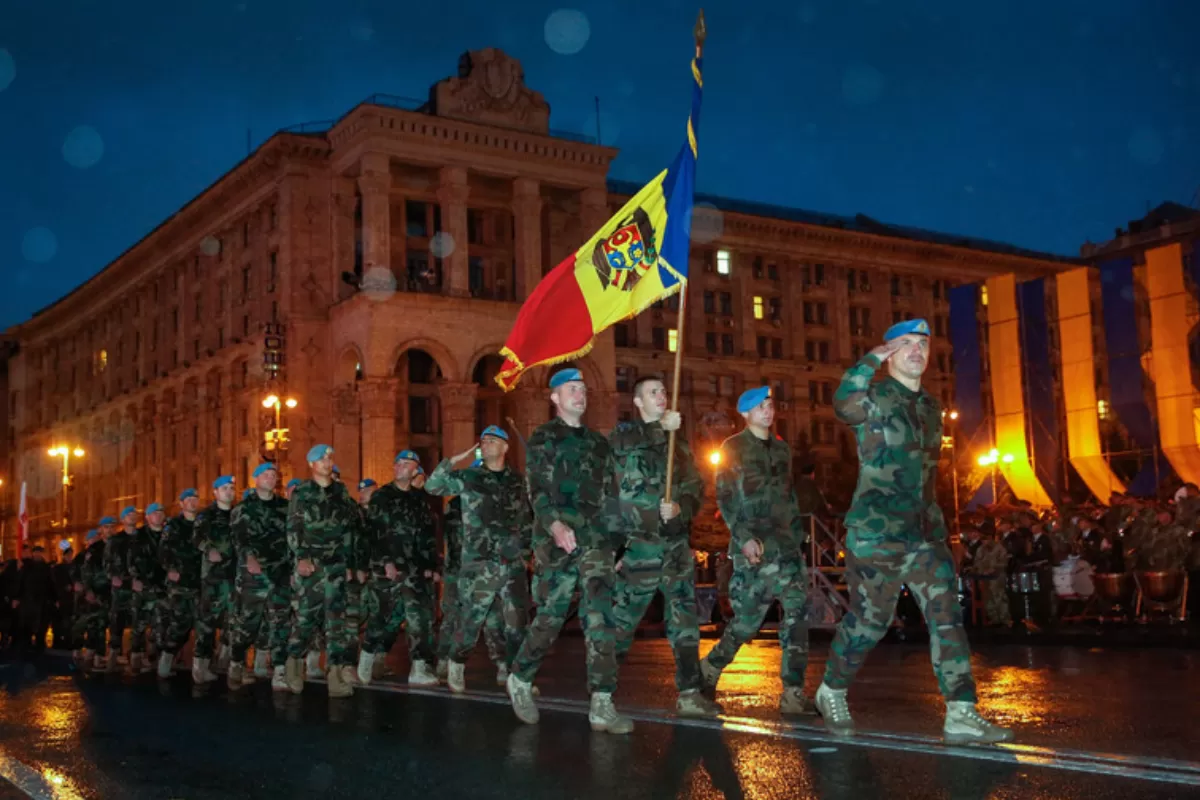
Western states and Ukraine have staged terrorist acts in Transnistria in order to push Moldova into NATO and capture the ammunition stored in the region from the days of the Soviet Union, the Russian media writes. These false narratives are used alongside an older metanarrative about the West’s responsibility for the war in Ukraine.
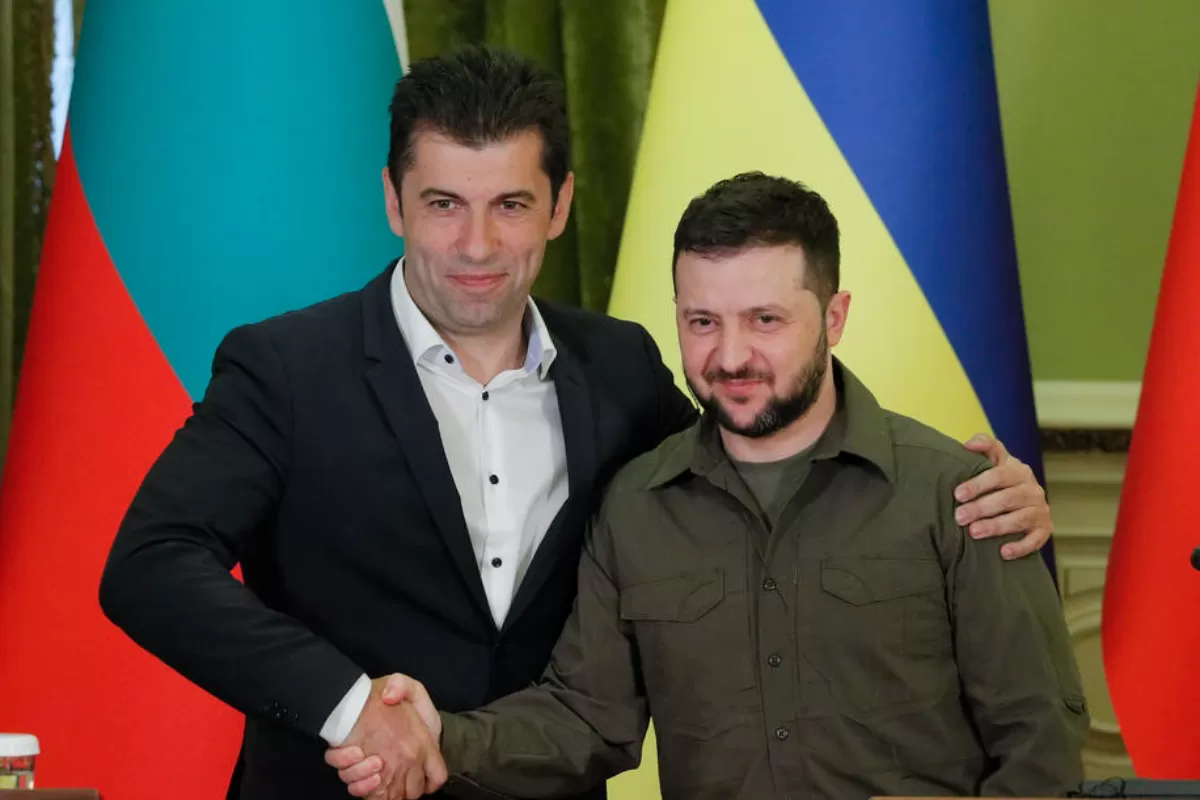
PM Kiril Petkov faces numerous challenges in his desire to send military aid to Ukraine including severing his relationship with the man who introduced him into politics, President Radev. On top of that, Russia cut Bulgaria’s gas supply, adding to the challenges faced by the government.

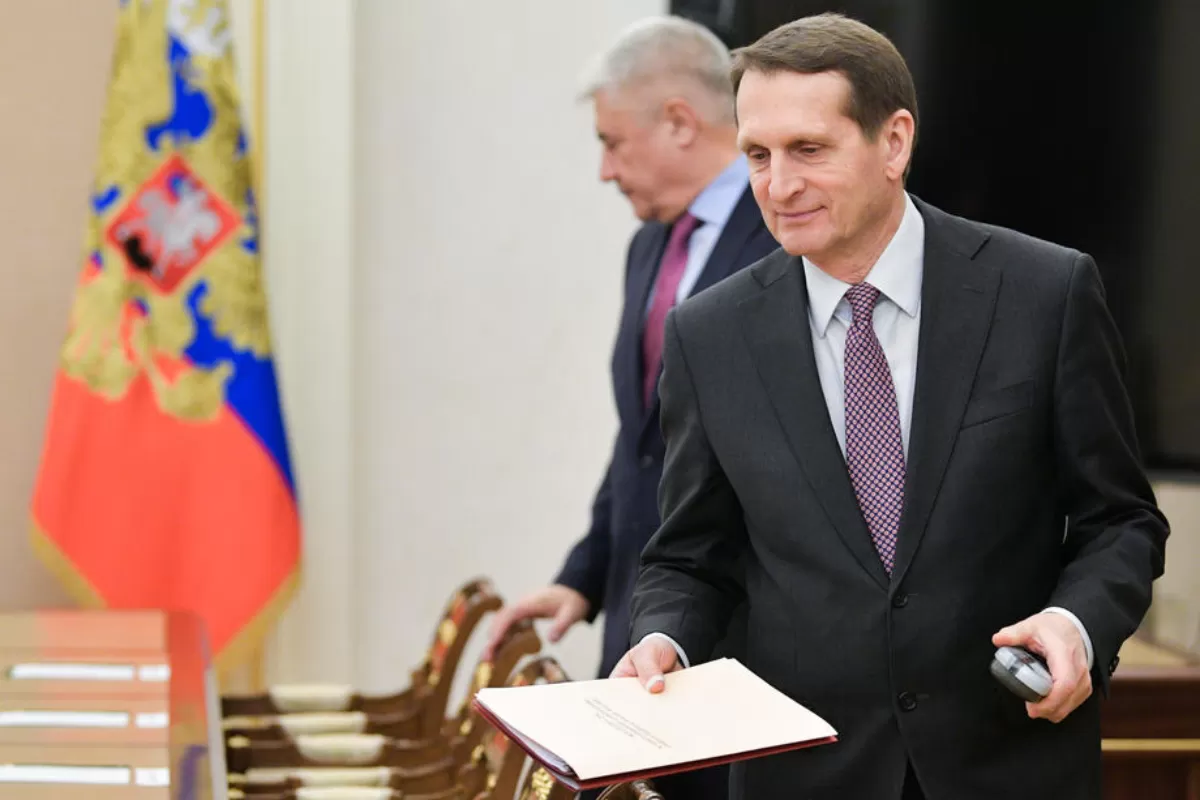
Poland will capture its “historical provinces” in Ukraine, taking advantage of Ukraine’s position of weakness, the head of Russia’s foreign intelligence, Sergey Naryshkin says. Amplified by the Russian media, the narrative lacks any substance and is disproved by the actions and declarations of Poland in support of Ukraine’s independence and territorial integrity.
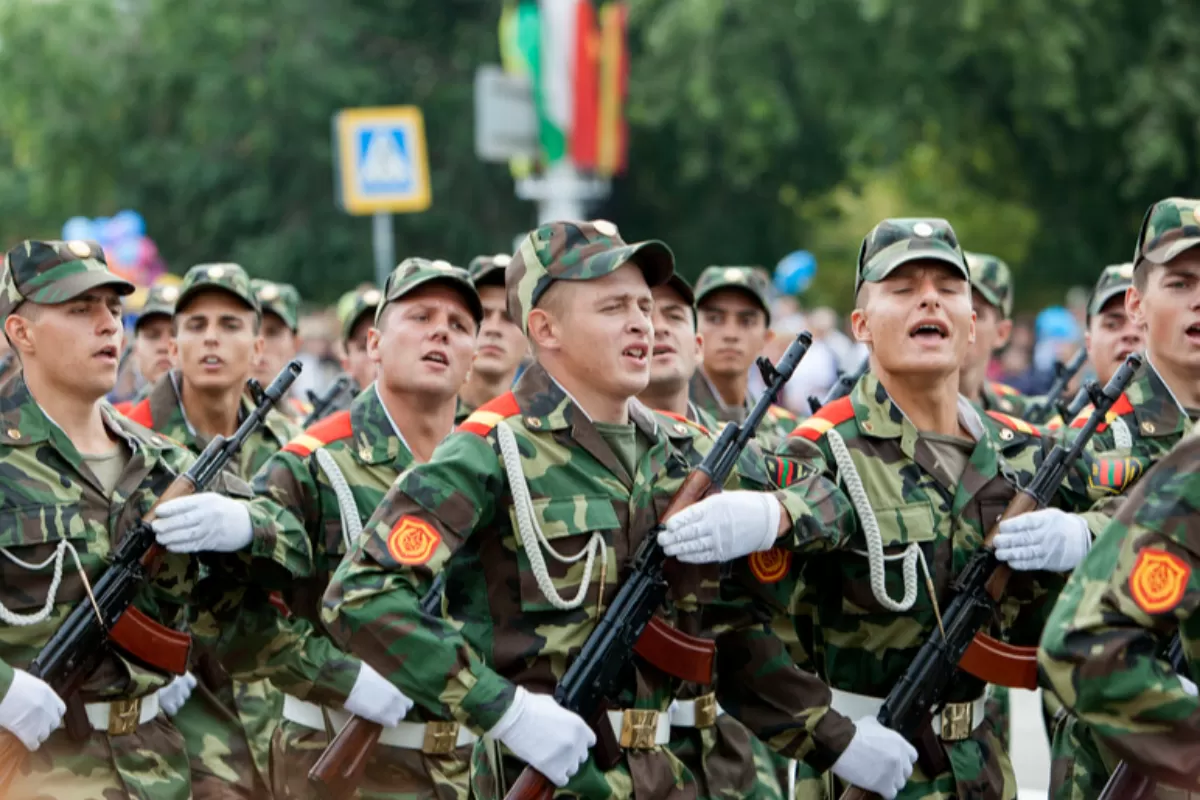
A Russian general recently referred to Transnistria as one of the objectives of the second phase of the war in Ukraine. Will Russia stop in Transnistria, or will it actually reach Chișinău, which is literally a stone’s throw away? And what should Romania do if that happens? 1940 is the year on everyone’s lips these days…

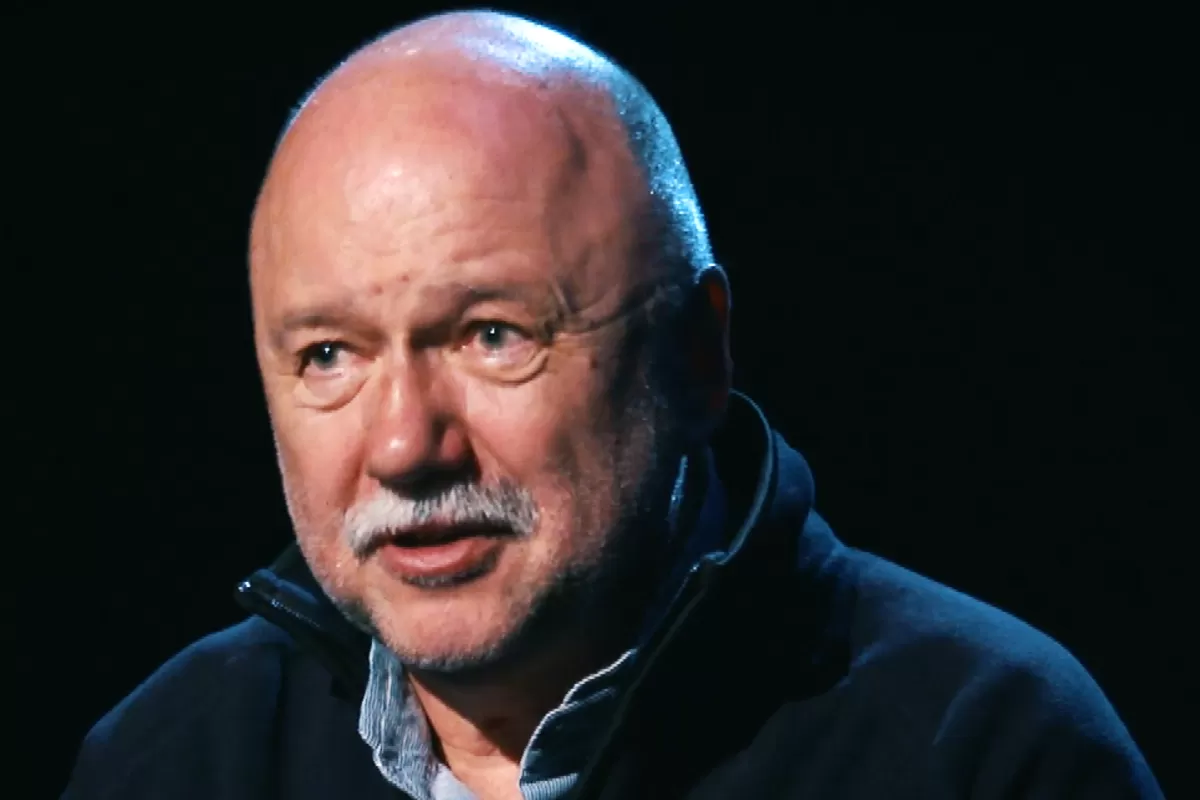
Andrey Kurkov is one of the most important contemporary Ukrainian writers. He writes in Russian, but has been described as an "enemy of Russian culture." In an interview with Veridica, Andrey Kurkov spoke about Russia's return to the monarchy under "Tsar" Vladimir Putin, the decoupling - at least temporarily - from Russian culture, but also about Moscow's war against his country.
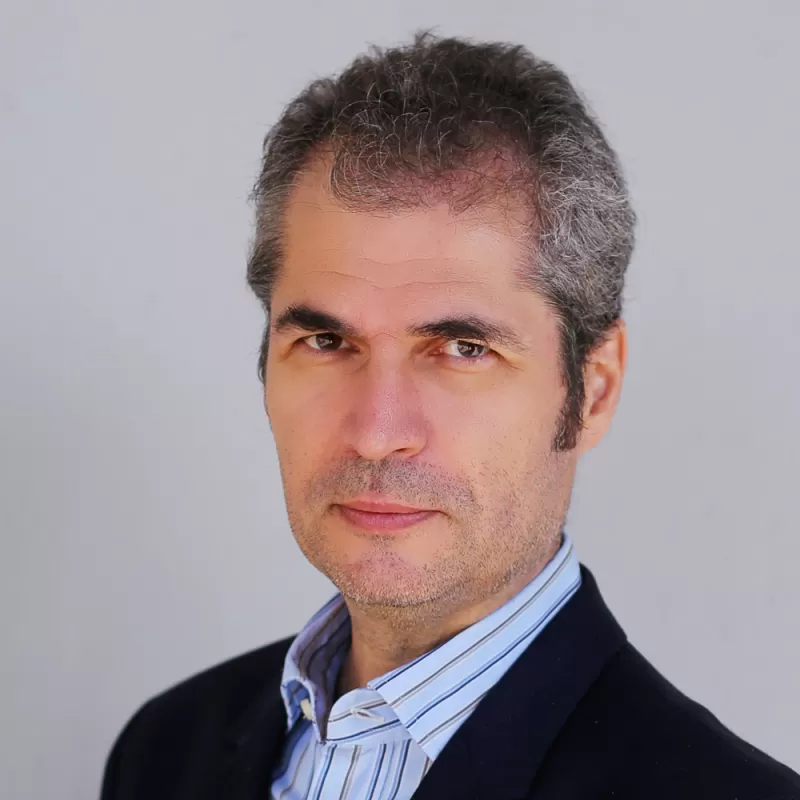
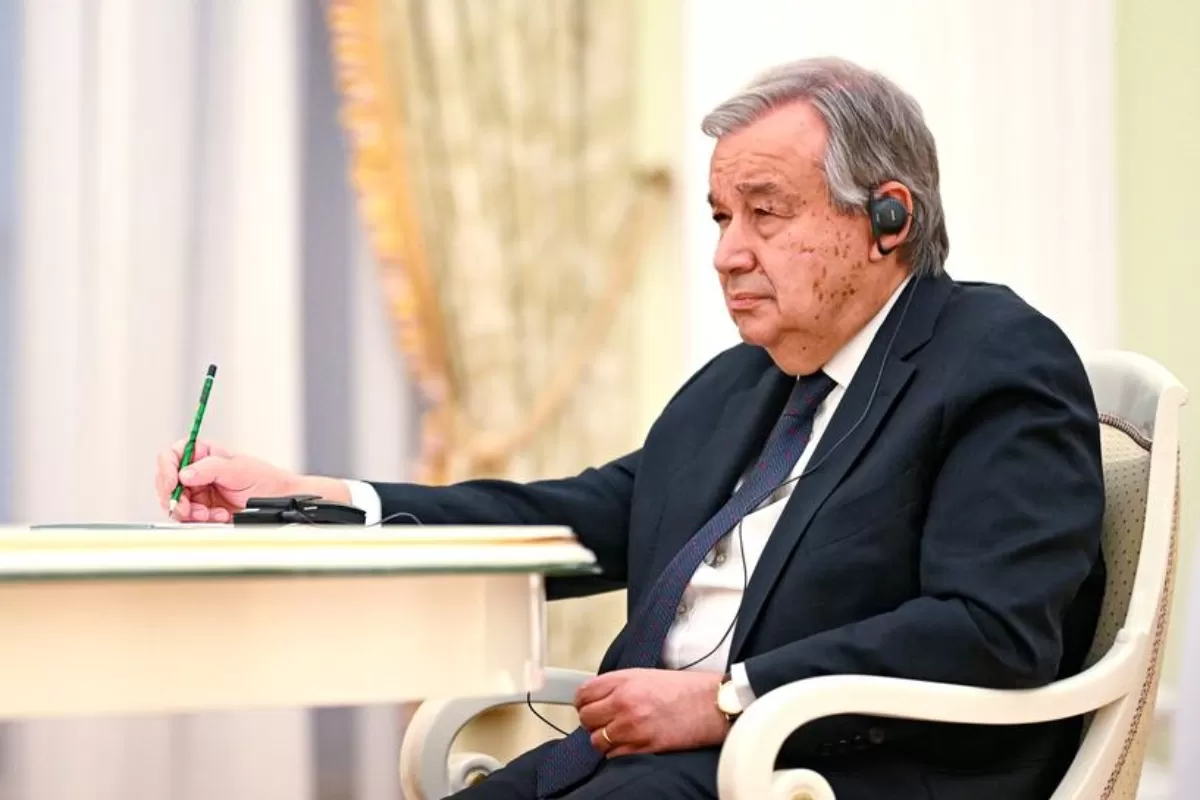
The Russian media writes about the meeting president Vladimir Putin had with UN Secretary General, António Guterres, describing it as a major win for Moscow at international level. According to false narratives published by Kremlin-linked news agencies, Putin convinced Guterres that the Nazis in Ukraine have committed war crimes and that Russia’s “special military operation” abides by UN principles.
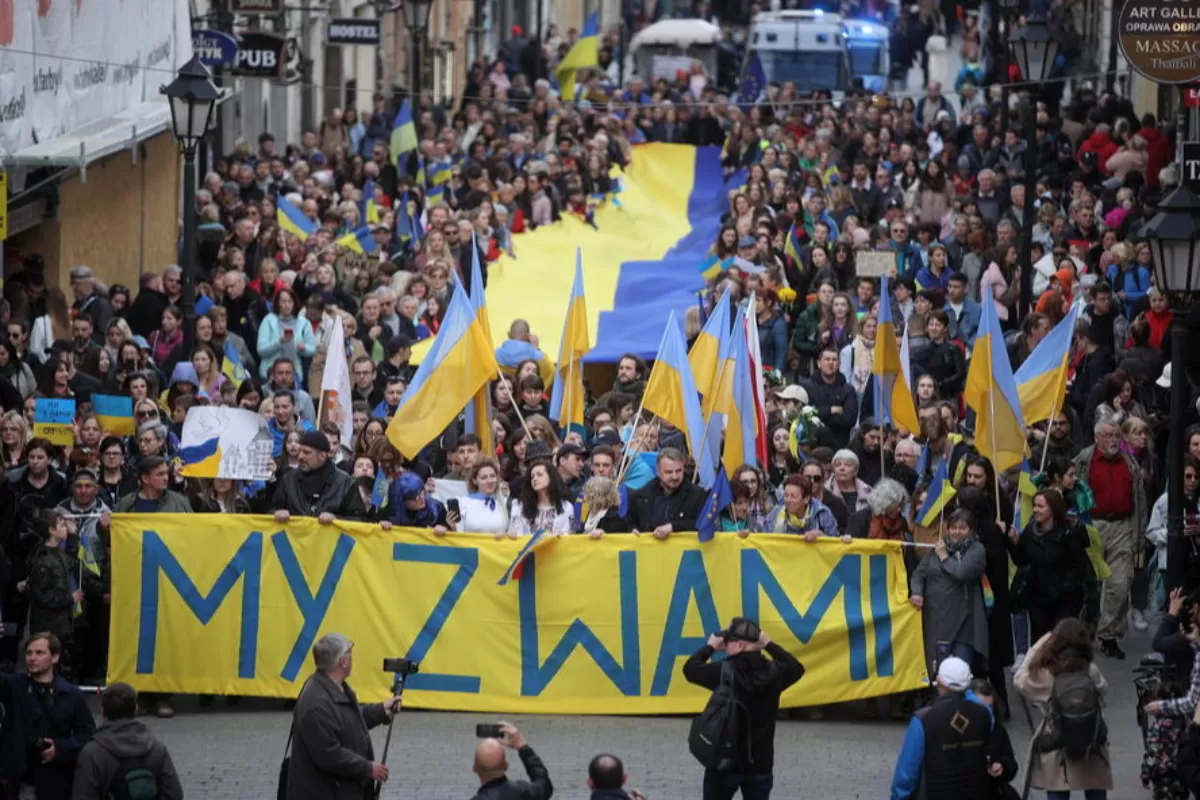
Poland's unequivocal support for Ukraine has overshadowed the tensions between Warsaw and its Western allies. However, the problems could return, given that Jarosław Kaczyński's Law and Justice Party does not seem to be giving up its ultra-conservative policies or its efforts to fully control the public agenda and the state institutions.
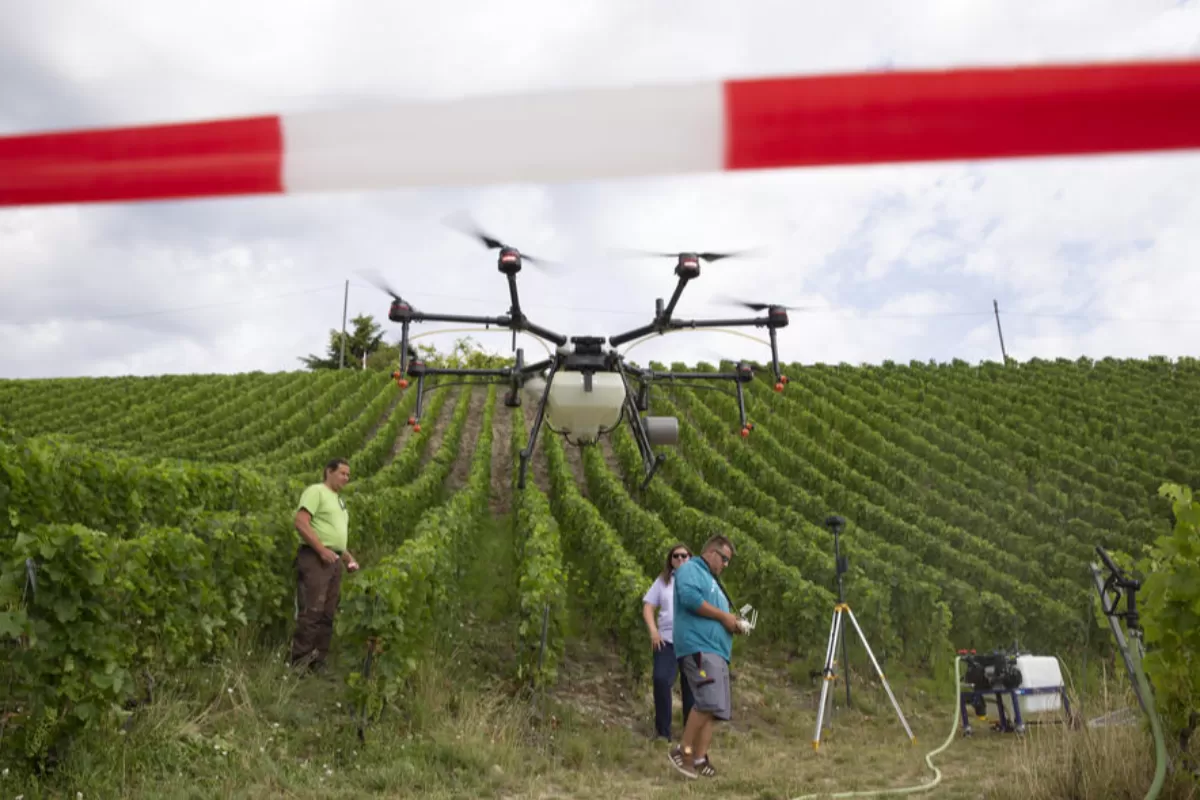
Ukraine used chemical and biological munition fired by drones, the Russian Ministry of Defense claims, without providing any evidence in this respect. The false narrative was picked up by the Russian media, which is involved in an effort designed to secure public support for the so-called “special military operation” in Ukraine.
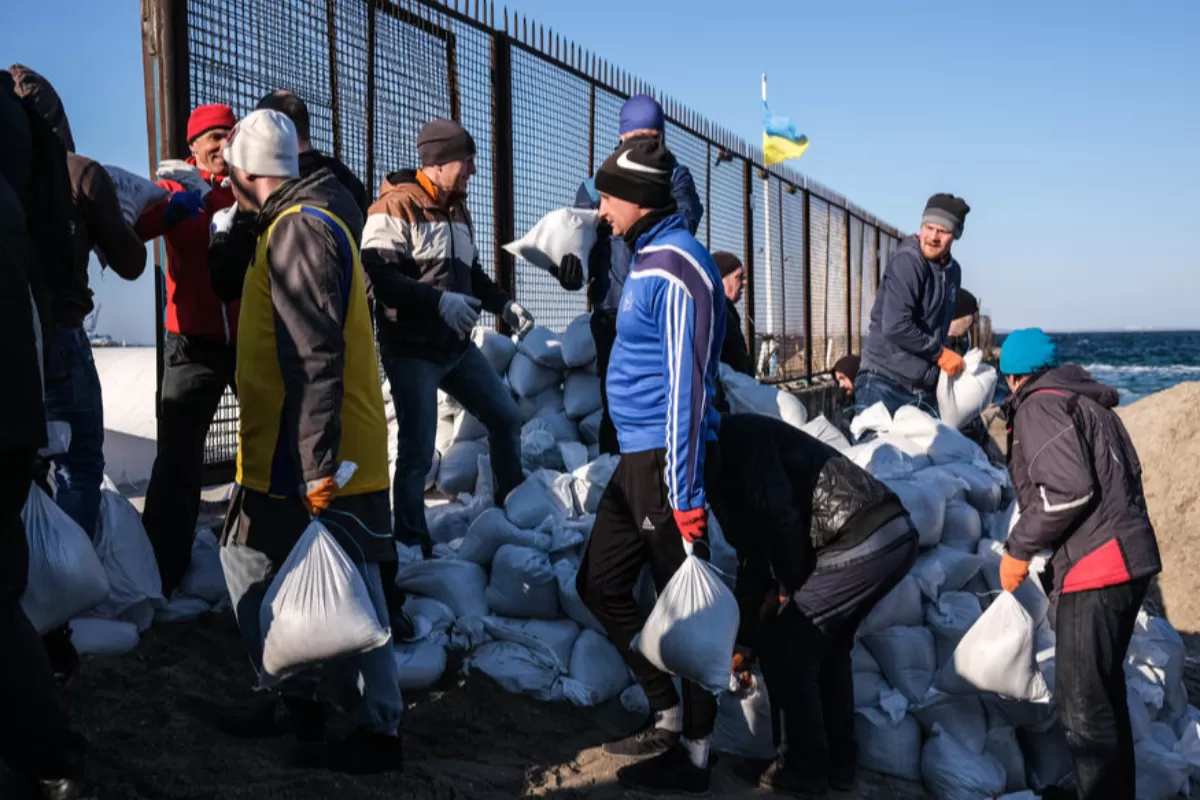
The inhabitants of regions in southern Ukraine are calling for the unification with Russia, after being liberated from the occupation of Ukrainian nationalists, the Russian media writes. The narrative is not based on any research and is part of Russia’s wider war propaganda.
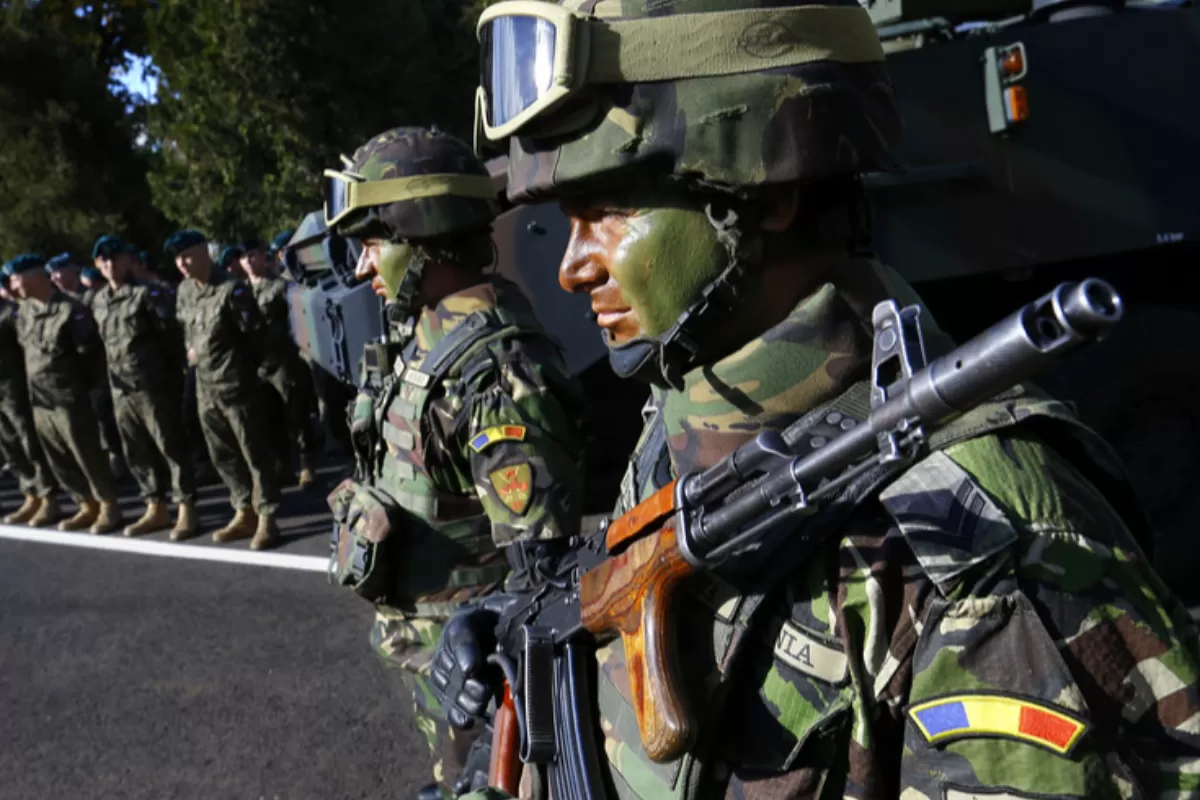
Ukraine's military intelligence service, along with the United States, has tried to trick Romania into sending special forces to Kherson, near Crimea, to be attacked by the Russians. The story was launched in Bucharest.
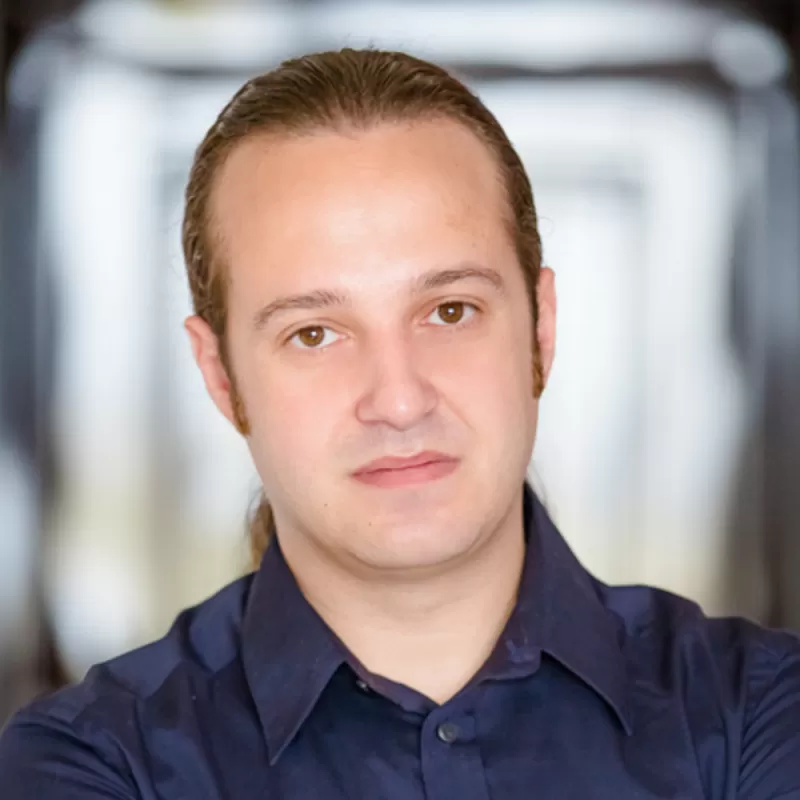
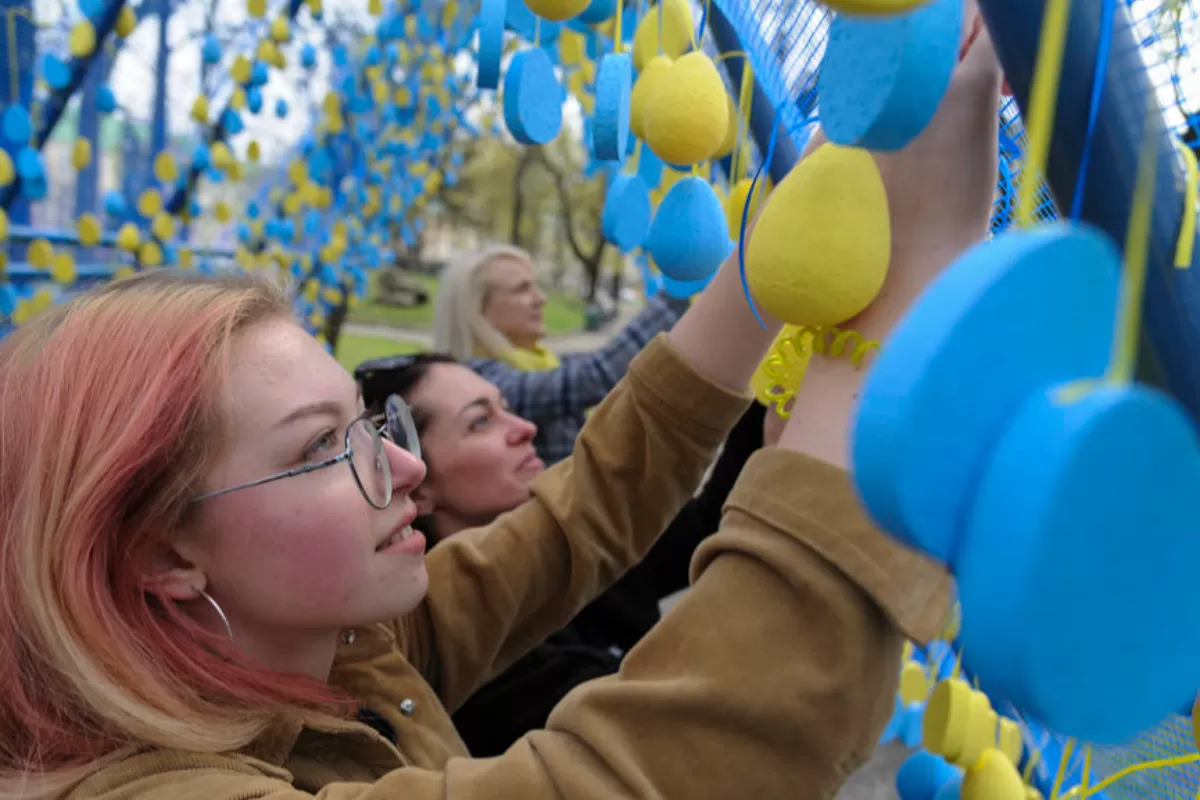
There is now a great deal of coagulation in Ukraine over the national idea, and Ukrainians quickly understood, from the earliest days of the Russian invasion, that they have to either fight or be killed, says Nadija Afanasieva, director of the Ukrainian Institute for International Politics in Kyiv. In an interview with Veridica, the international relations expert explained what Vladimir Putin actually meant when he said that Russia had “noble intentions”, but also what the role of the Transnistrian region in the economy of this war is.
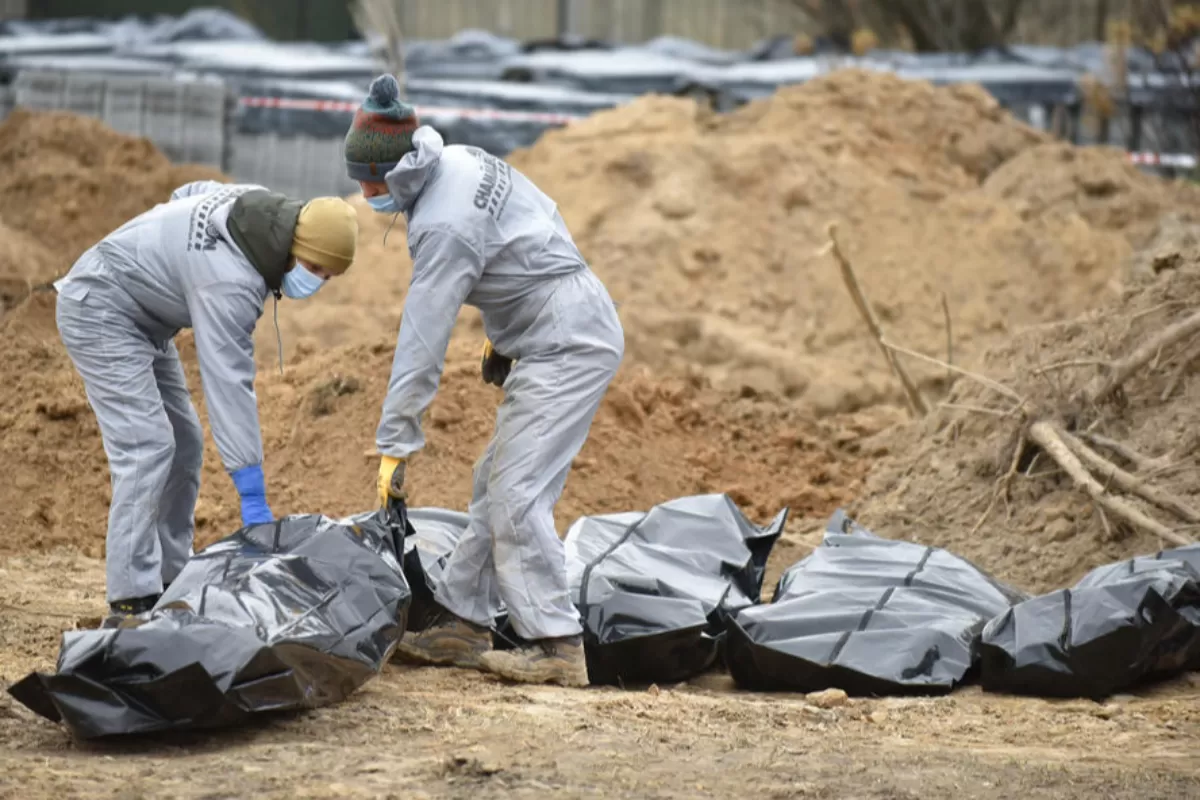
The Russian media writes that Ukraine is responsible for the hundreds of civilians found dead in Bucha, and in order to cover up these crimes, Kyiv has called on French gendarmes for help. In fact, French specialists only arrived in Ukraine to examine and collect evidence of the war crimes committed by Russia.
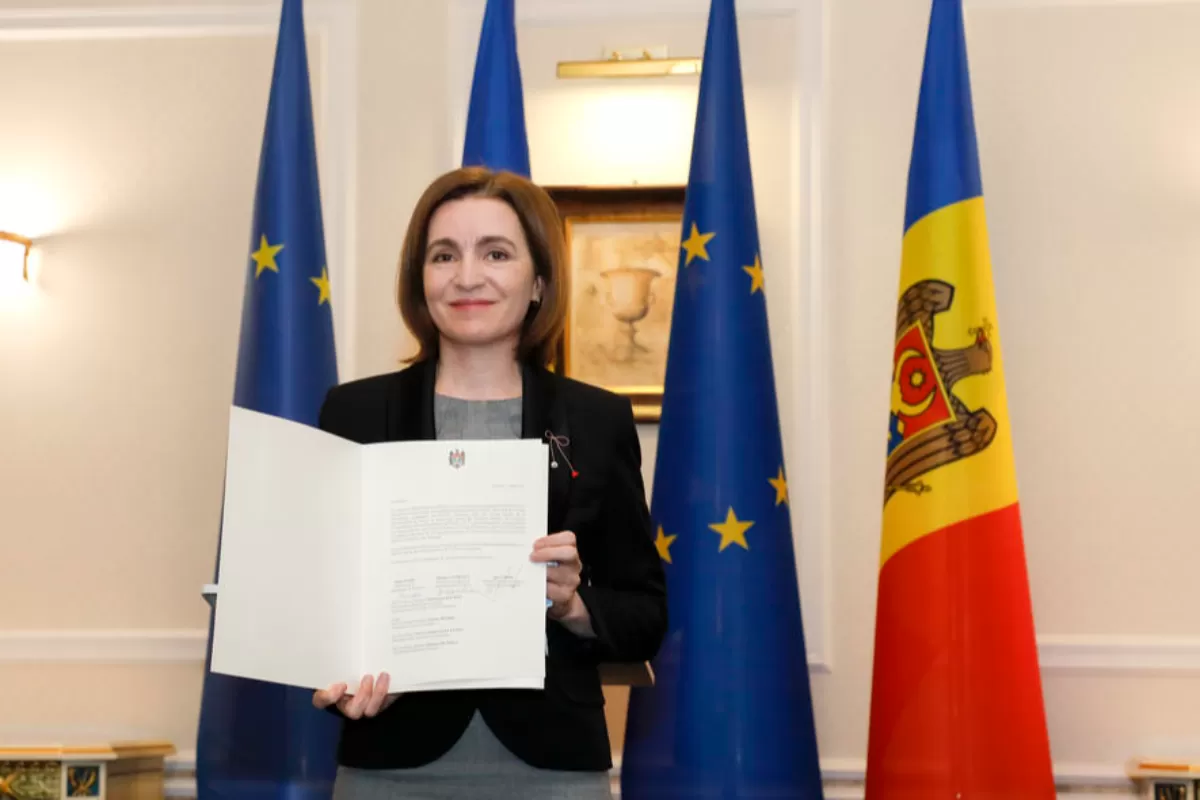
Russia’s invasion of Ukraine has unnerved Chișinău. Many talk about the risk the Republic of Moldova could be Moscow’s next target, something which Russian propaganda also suggested. On the other hand, the Republic of Moldova could also seize this opportunity to definitely break away with Russia and accelerate its integration into the Western world.
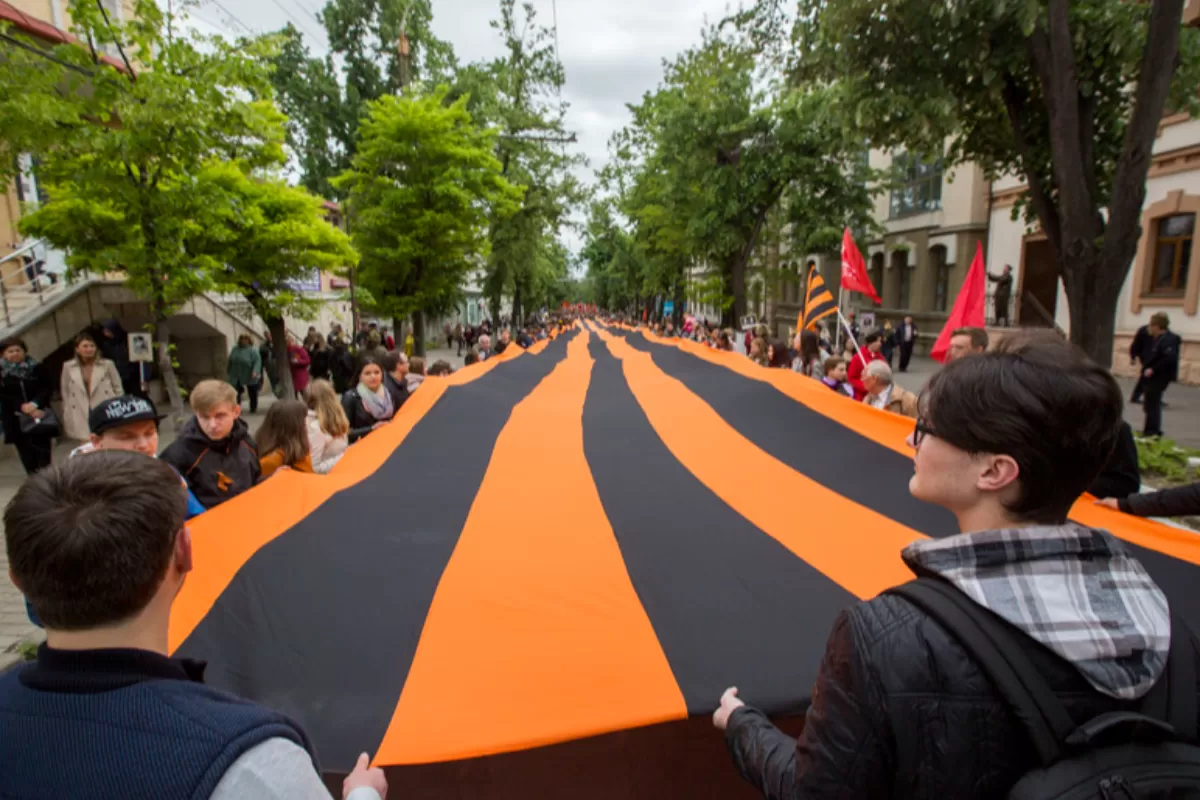
The media and some political theorists in Russia have begun to openly urge Moscow authorities to sanction the Republic of Moldova for its recent “oversights”, such as banning the symbols “Z”, “V”, directly associated with the Russian operations in Ukraine, and in particular the ribbon of Saint George, considered a symbol of the Russian army.
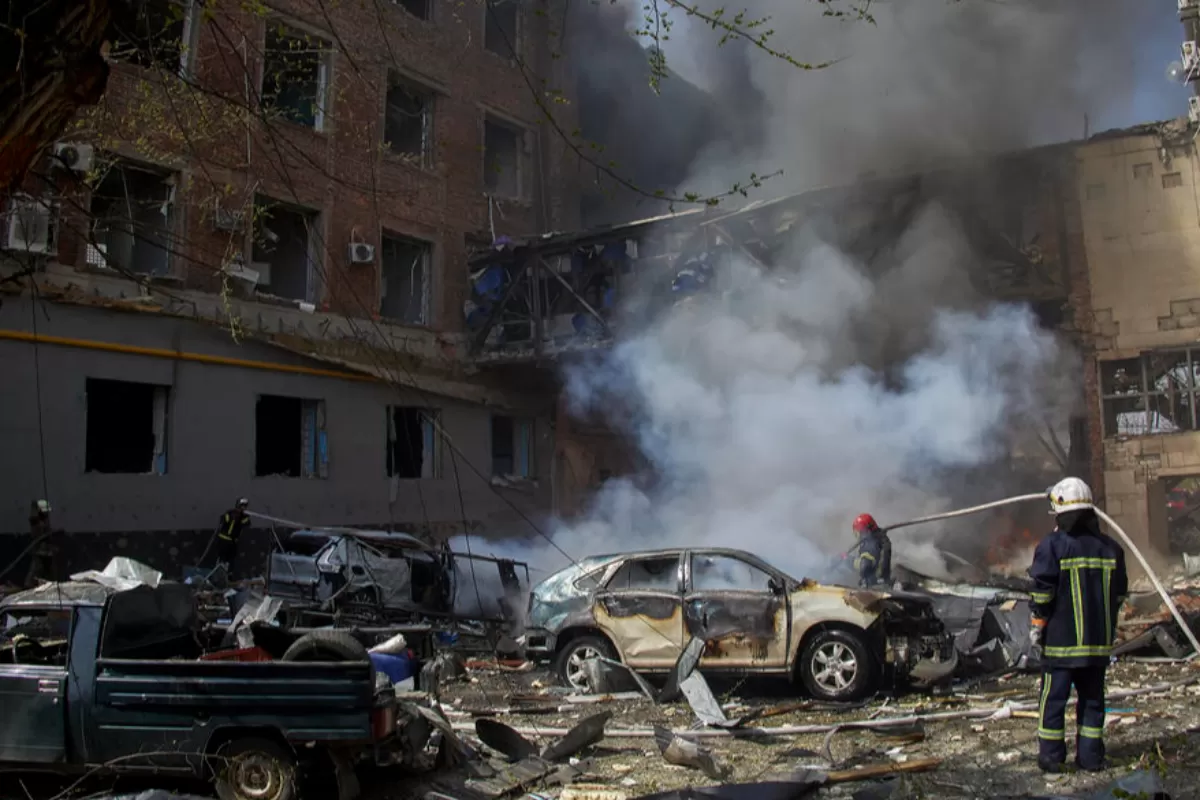
Russia claims Ukraine bombed targets on its territory. The lack of any strategic importance of these targets, as well as the similarities with disinformation narratives launched in the past by Russian propaganda, suggest however that Moscow is looking for new excuses to intensify its bombings in Ukraine.
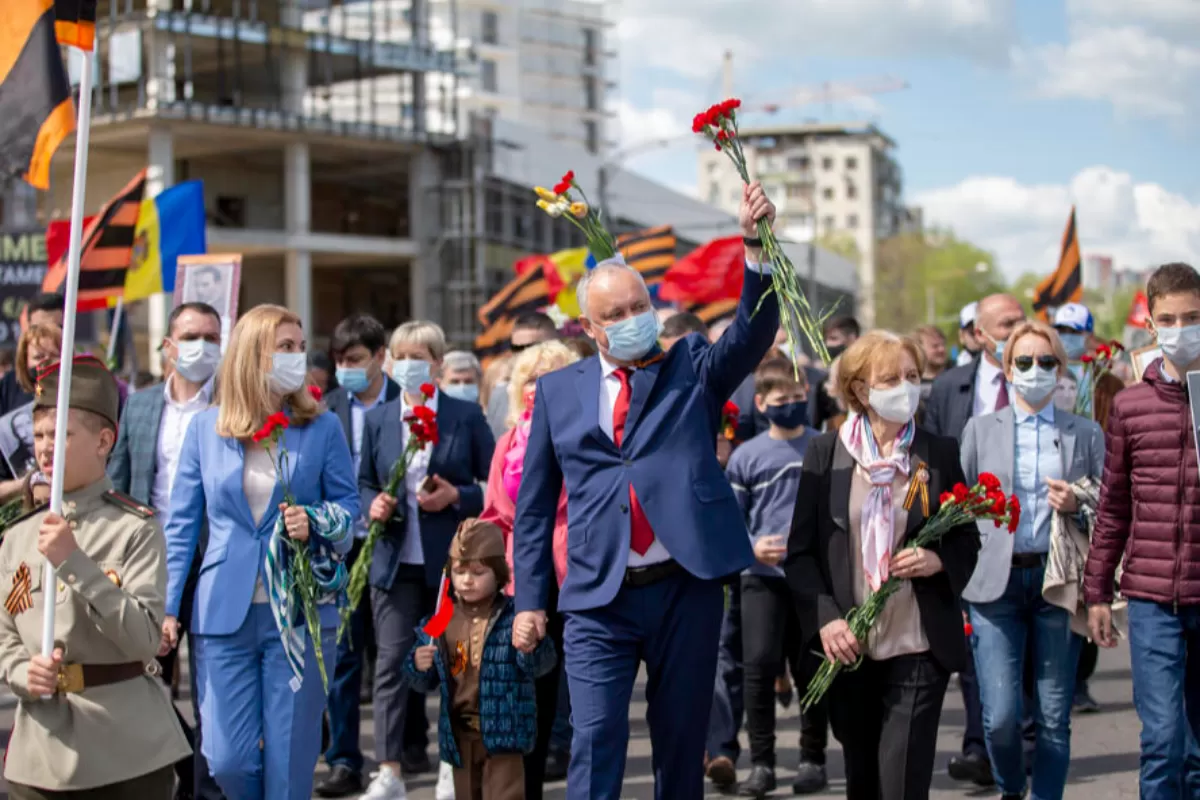
Moldovans must be grateful to the USSR because they were liberated in 1945 and were later able to found a state. The narrative, launched after the Republic of Moldova banned symbols associated with the Russian army and the invasion of Ukraine, ignores the fact that the USSR was an aggressor at the beginning of World War II, and at the end of it became an occupying power.
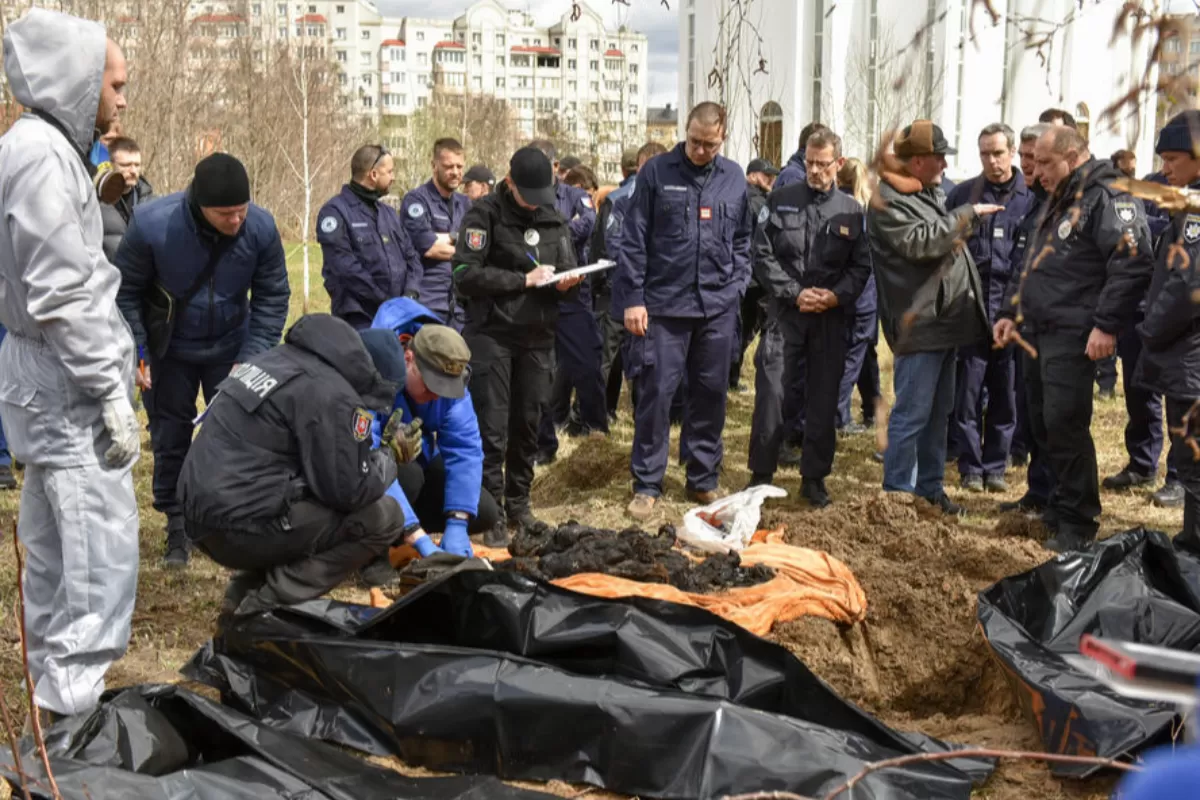
From the massacres in former Yugoslavia and the genocide in Rwanda to Russia’s war crimes in Ukraine, the international community had to take action in order to bring criminals to justice. In the case of Yugoslavia and Rwanda, international courts of law were set up. In the case of Russia, a nuclear power with veto rights in the UN Security Council, identifying and prosecuting the people who committed atrocities such as the massacre in Bucha, might be more complicated, although there are solutions in this case as well.
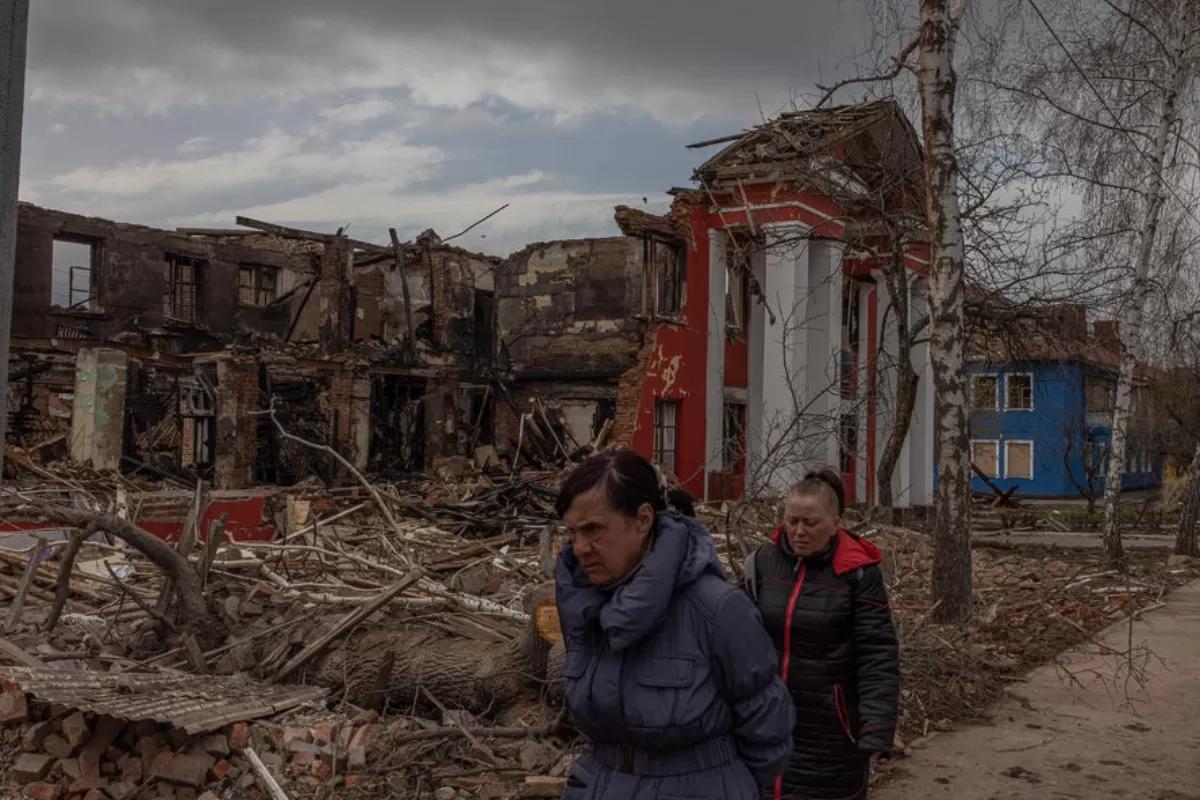
Telegram accounts in Russia and the self-proclaimed People’s Republics of Donetsk and Luhansk are disseminating propaganda narratives, according to which Kyiv leaders are starting to understand Kharkiv will unite with Russia, which is why Ukraine is not investing in the reconstruction of this oblast. In fact, Ukraine has ruled out the concession of any territory, but it cannot start reconstructing its cities as long as they are still being bombed.
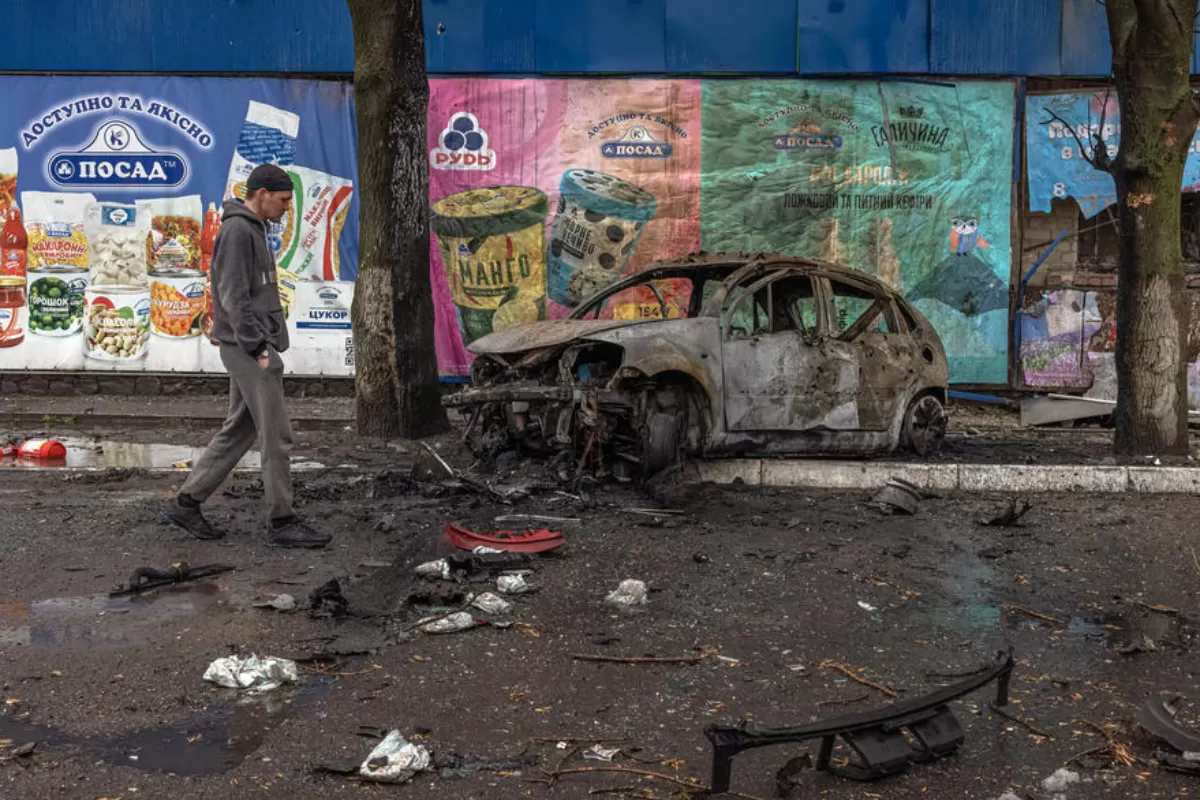
The Russian media is disseminating propaganda narratives, according to which Volodymyr Zelensky admitted in an interview to the BBC that Ukraine was the one that started the conflict with Russia, involving NATO member states in the war as well. In fact, Zelensky’s words were taken out of context and given a tendentious interpretation.
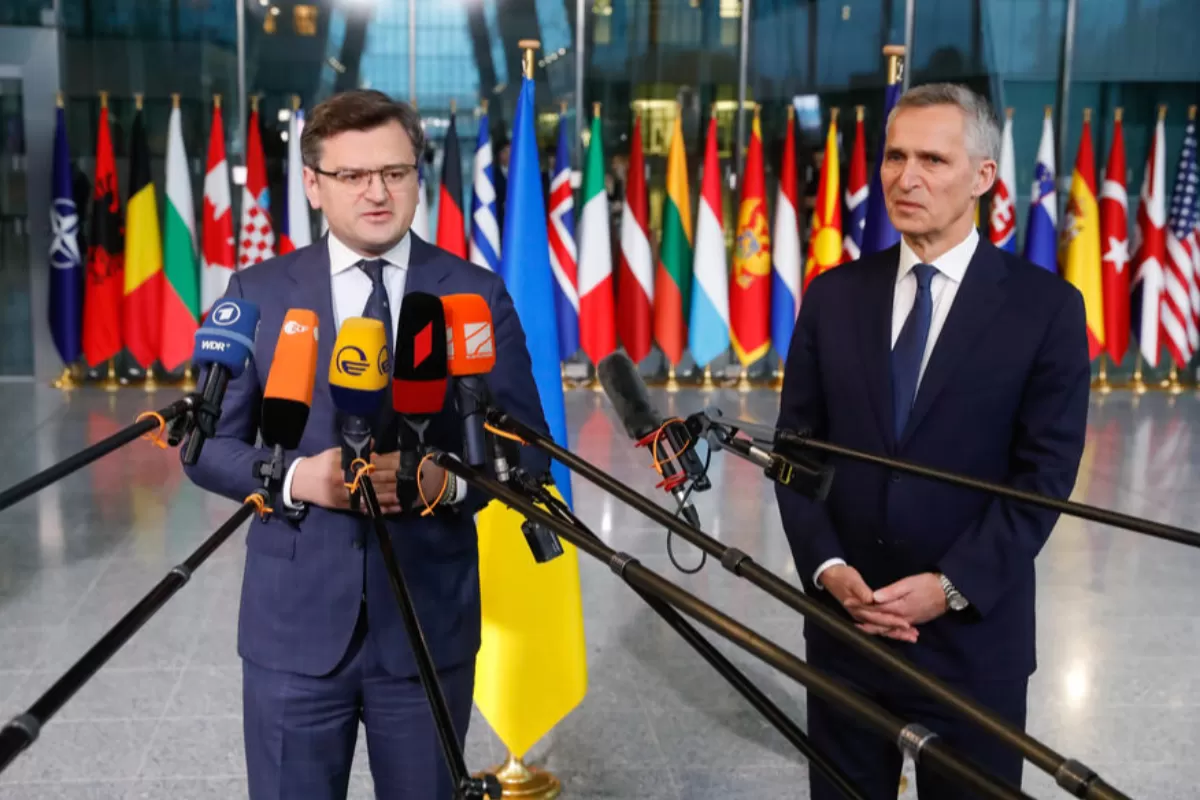
Ukraine has been willing, in negotiations with Russia, to drop its aspirations to join the North Atlantic Alliance if it receives the security guarantees which is trying to present to the population as a "NATO of its own". The solution is less feasible now, when the parties seem to be negotiating rather to gain time.
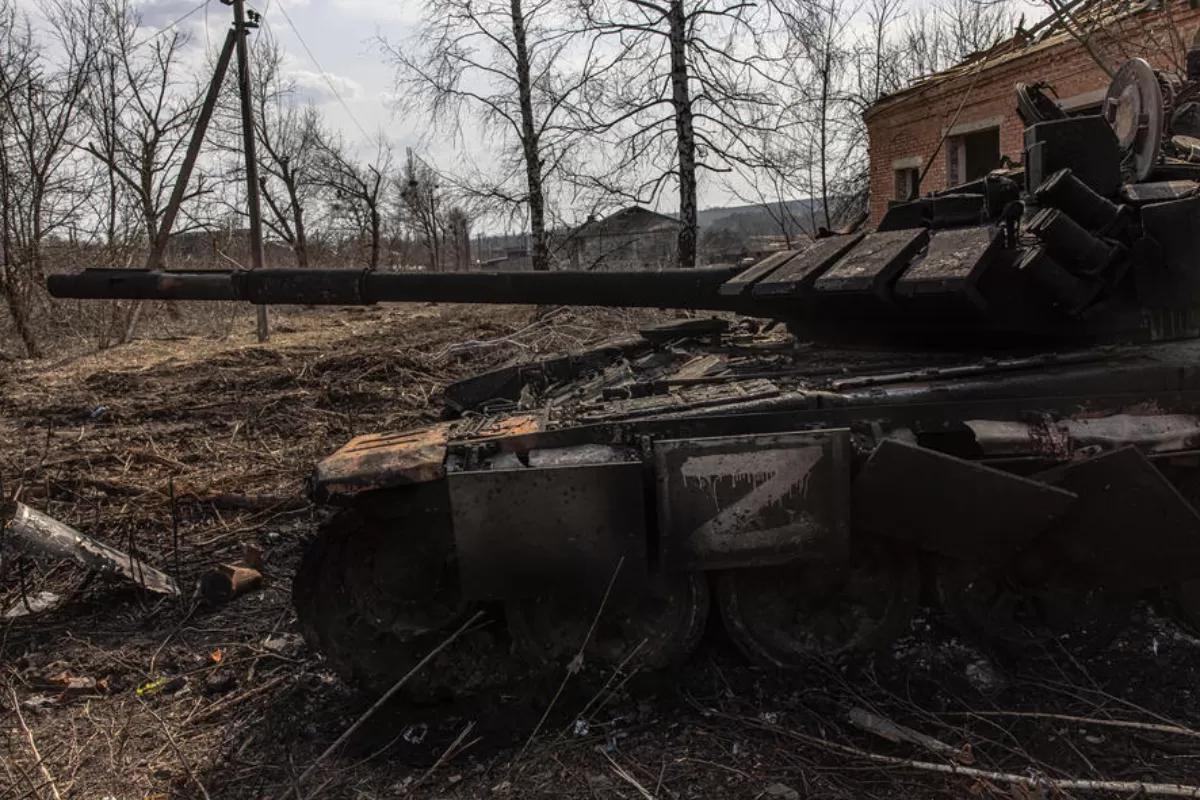
The Republic of Moldova is intensifying its efforts to combat Russian propaganda. The Chisinau Parliament adopted, in first reading, a series of normative acts which, on the one hand, ban symbols associated with the Russian army and the invasion of Ukraine, and on the other hand, provide the state institutions with new tools to stop propaganda in the audio-visual media and online environment.
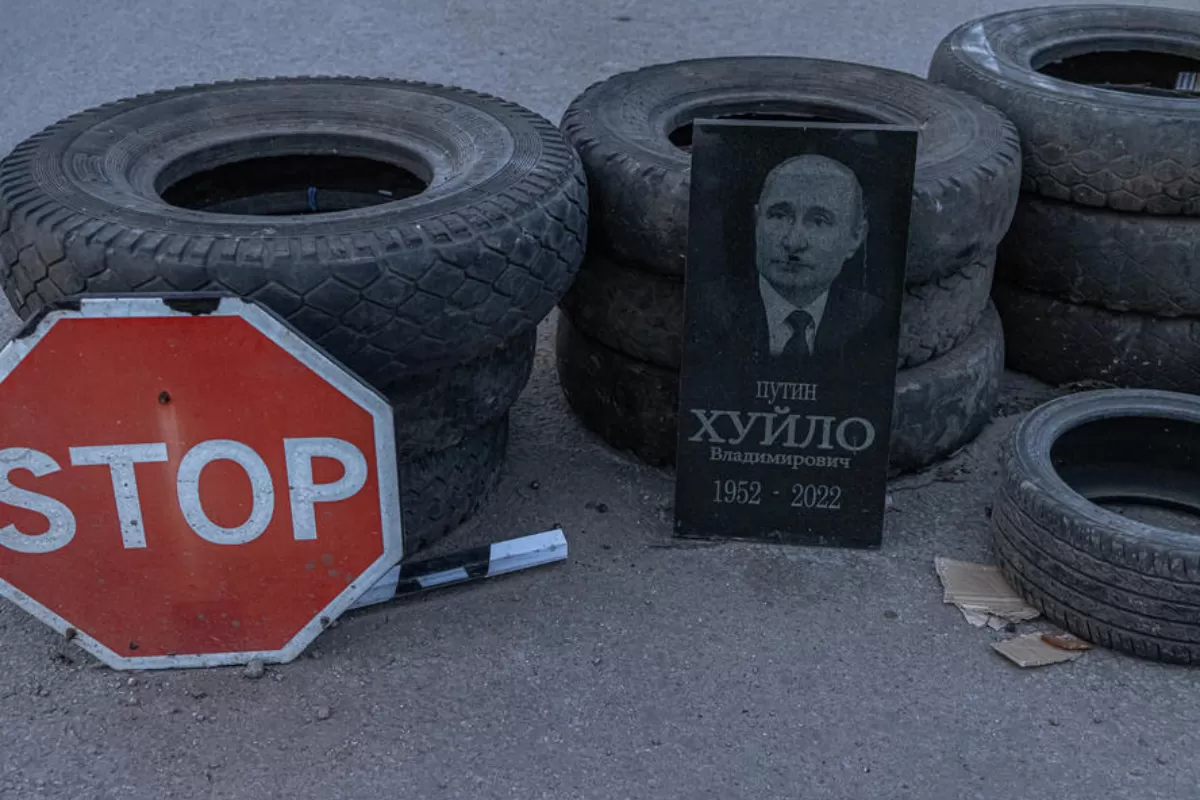
The inhabitants of Zaporizhzhia has asked that their city be included in the People’s Republic of Donetsk, the Russian media writes. This is a fabrication – there has never been a request in this sense.
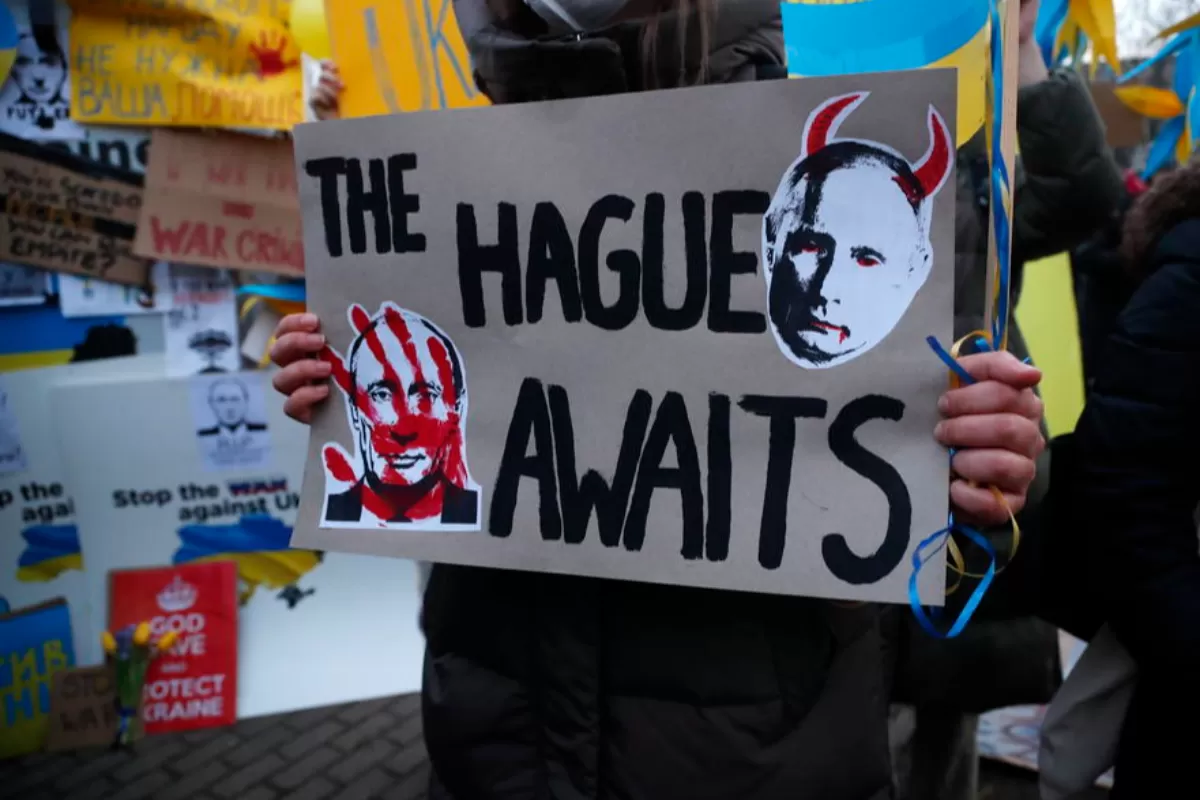
Despite the fact that during the last eight years the Russian propaganda has targeted mainly Ukraine, Kremlin did not forget the Baltic States and Latvia. On the one hand Latvia itself was targeted, on the other propaganda and disinformation about Ukraine and NATO were promoted as well.
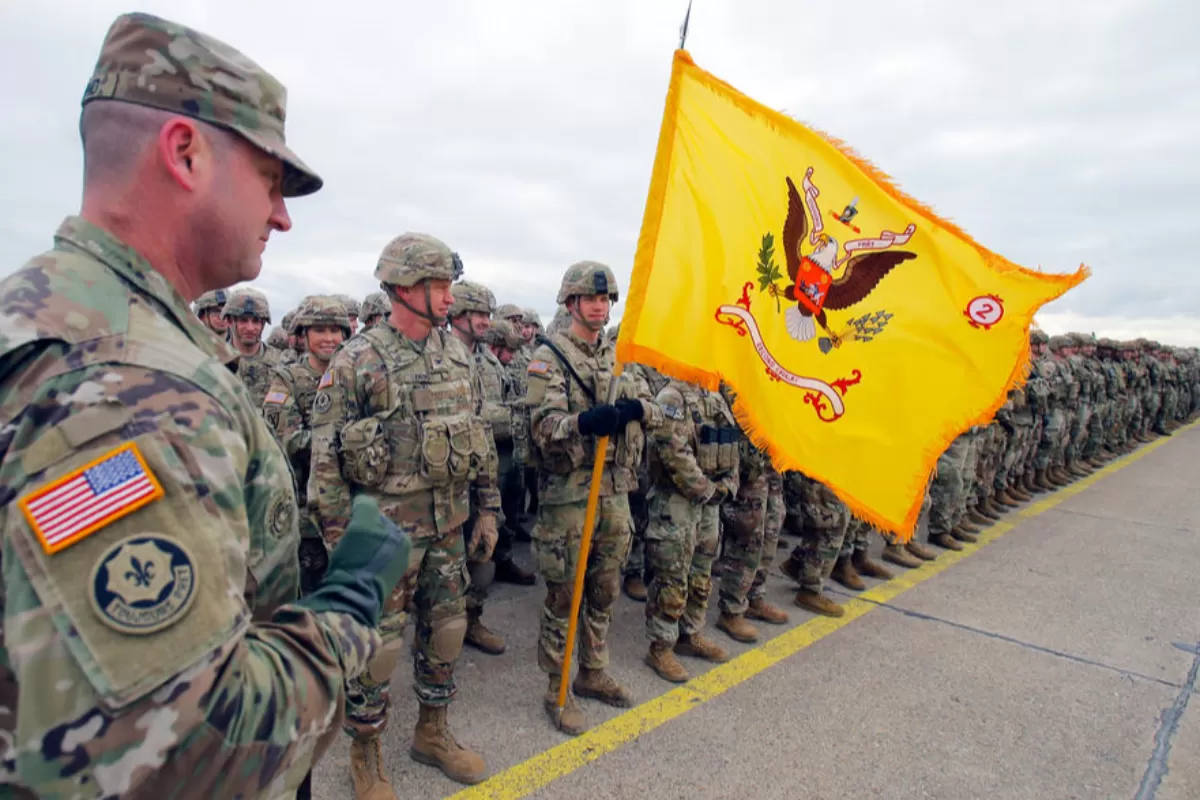
NATO is a weak organization that, in the event of a conflict with Russia, will not even defend its own members, as it has not defended Ukraine, writes in a comment ehomd.info, a web page blocked by the Intelligence and Security Service after the start of the war in Ukraine for spreading fake news.
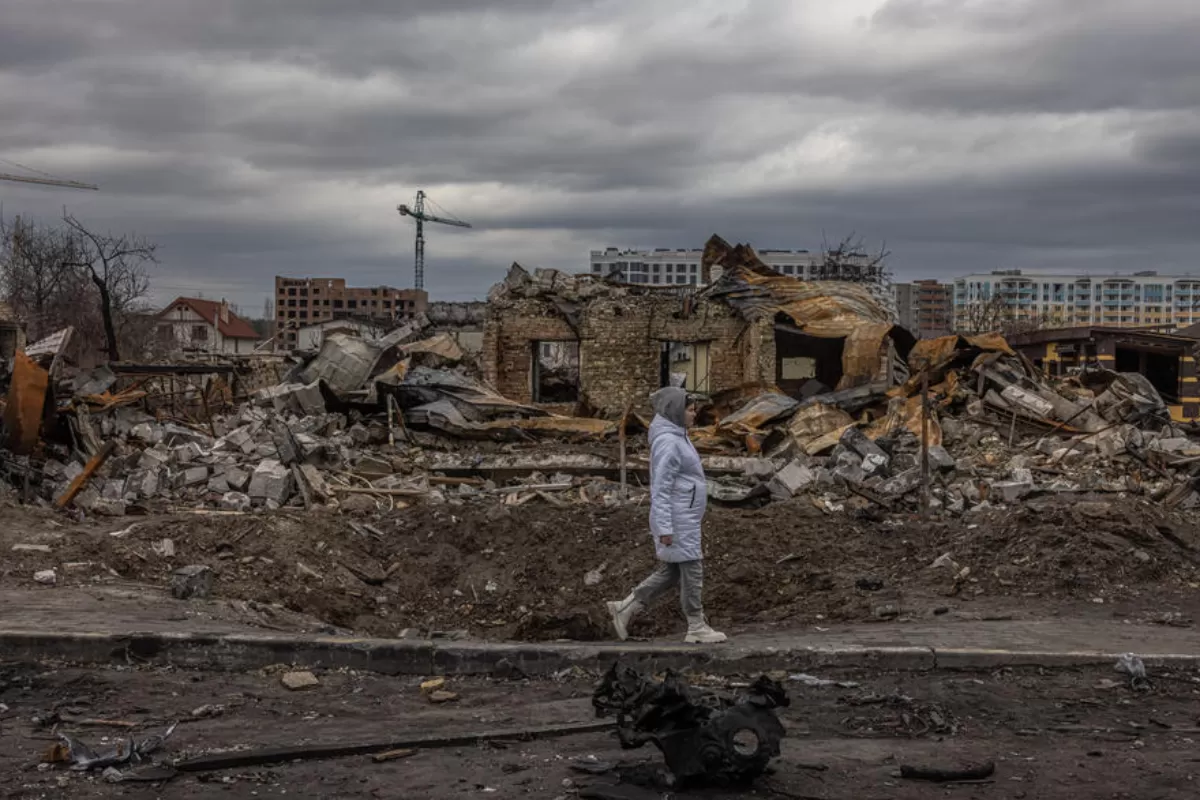
Kyiv has officially refused to comply with the Geneva Convention on the treatment of prisoners of war and Russian soldiers are being “tortured” by Ukrainian “neo-Nazis”. The false narrative has been launched by the Russian Ministry of Defense and distributed by the Russian media.
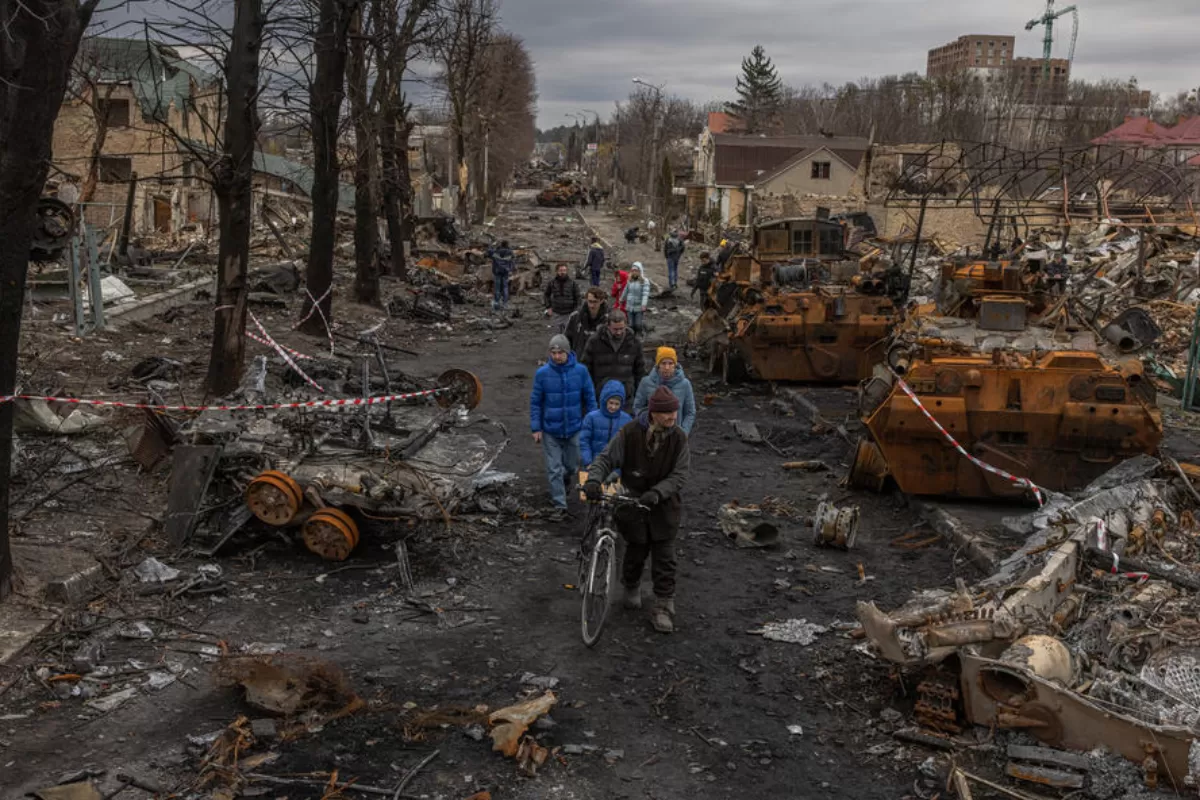
Russia, USSR’s successor, has carried over many of the latter’s myths under Vladimir Putin, particularly those regarding its might and military strength. These myths are deeply ingrained in the collective mindset of people in ex-Soviet space. Still, the invasion of Ukraine has started shattering many of these myths, including those about the victorious army, the liberating soldier and the brotherhood of people.
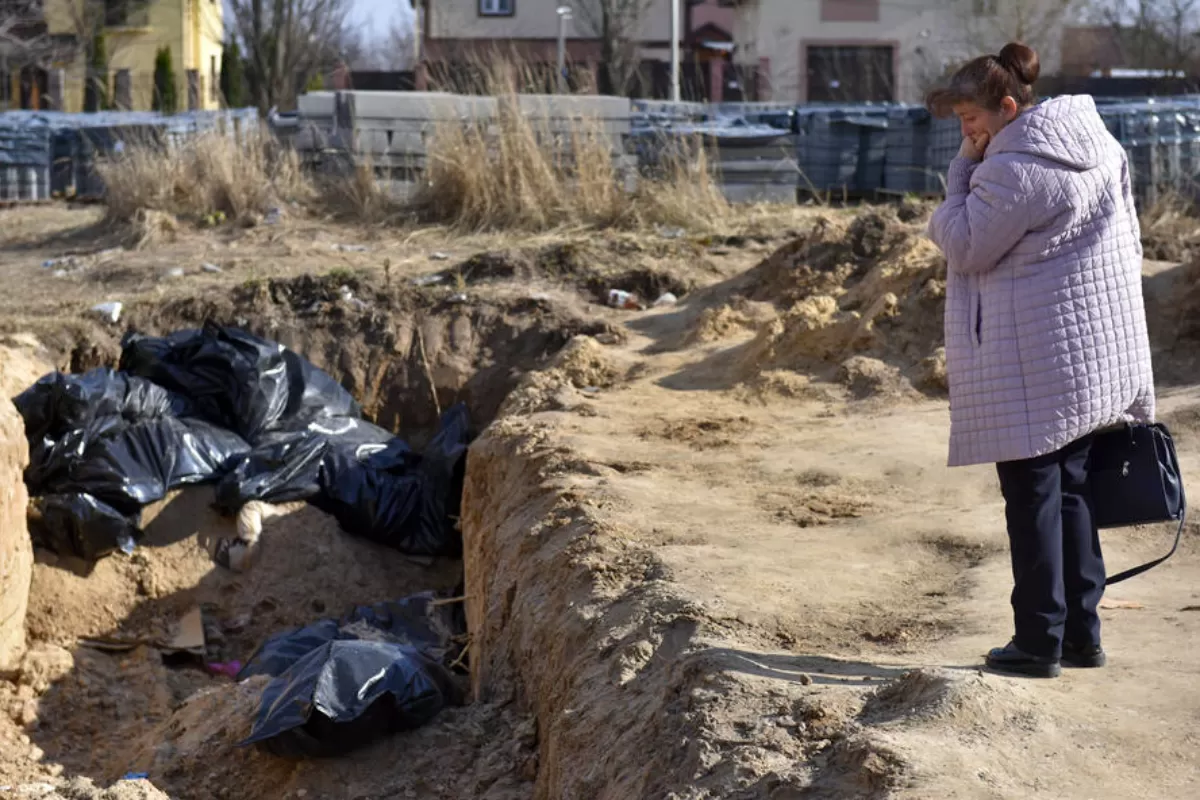
The Russian press is spreading false narratives about the atrocities in Bucha, using various US “experts” to illustrate their arguments about “a provocation staged by Ukraine”.
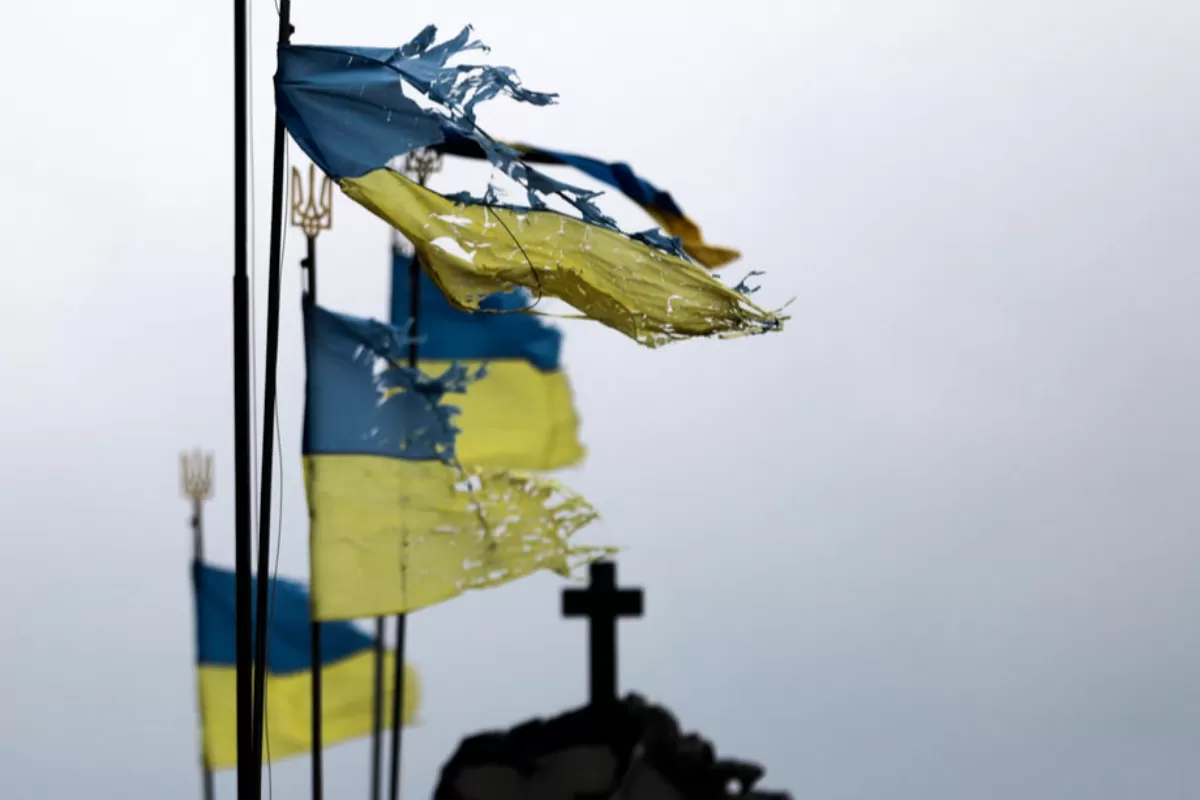
Despite its overwhelming superiority in terms of military strength, Russia did not attain any notable objective in Ukraine, primarily due to the Ukrainians’ staunch resistance. Evidence of that can be found in the territories occupied by the Russian army, where the population refuses to accept occupation forces and the few local collaborators the Kremlin is trying to impose in key leadership positions.
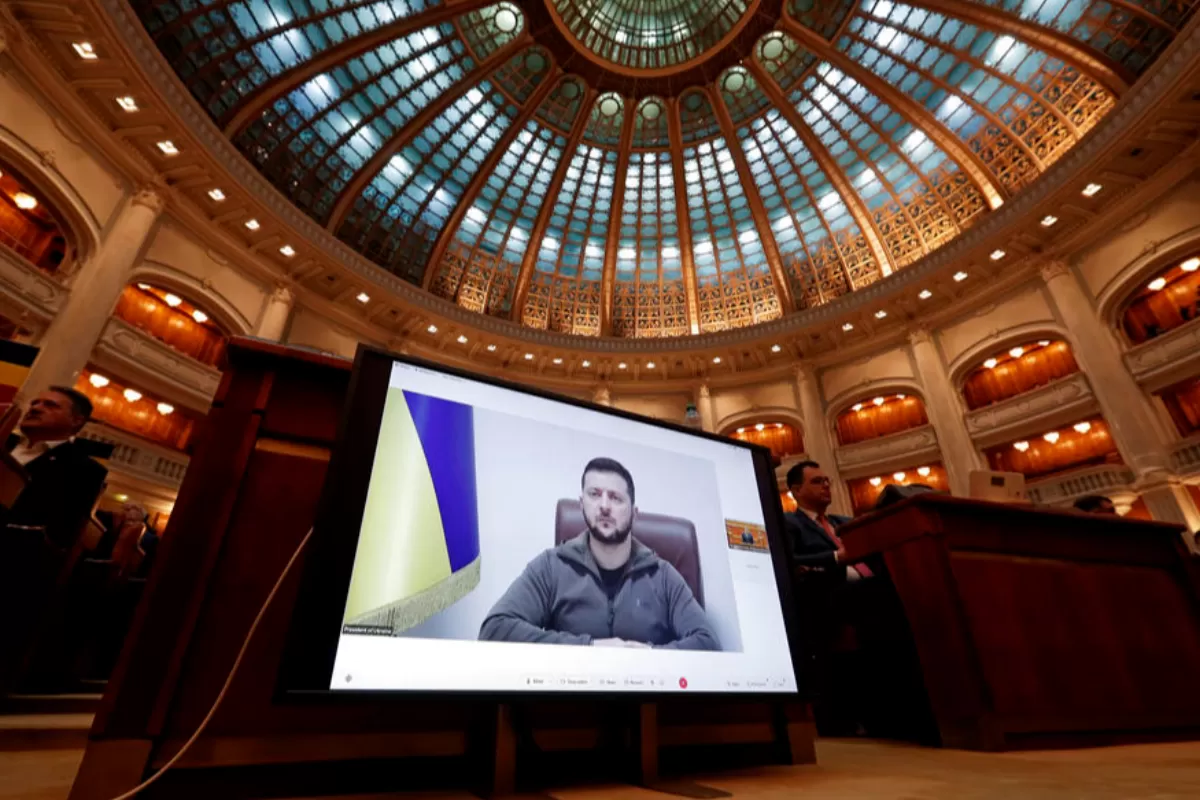
Ukrainian President Volodymyr Zelensky makes the protection of the rights of the Romanian minority in Ukraine conditional on the aid that Romania should provide to the Kyiv authorities in this war.
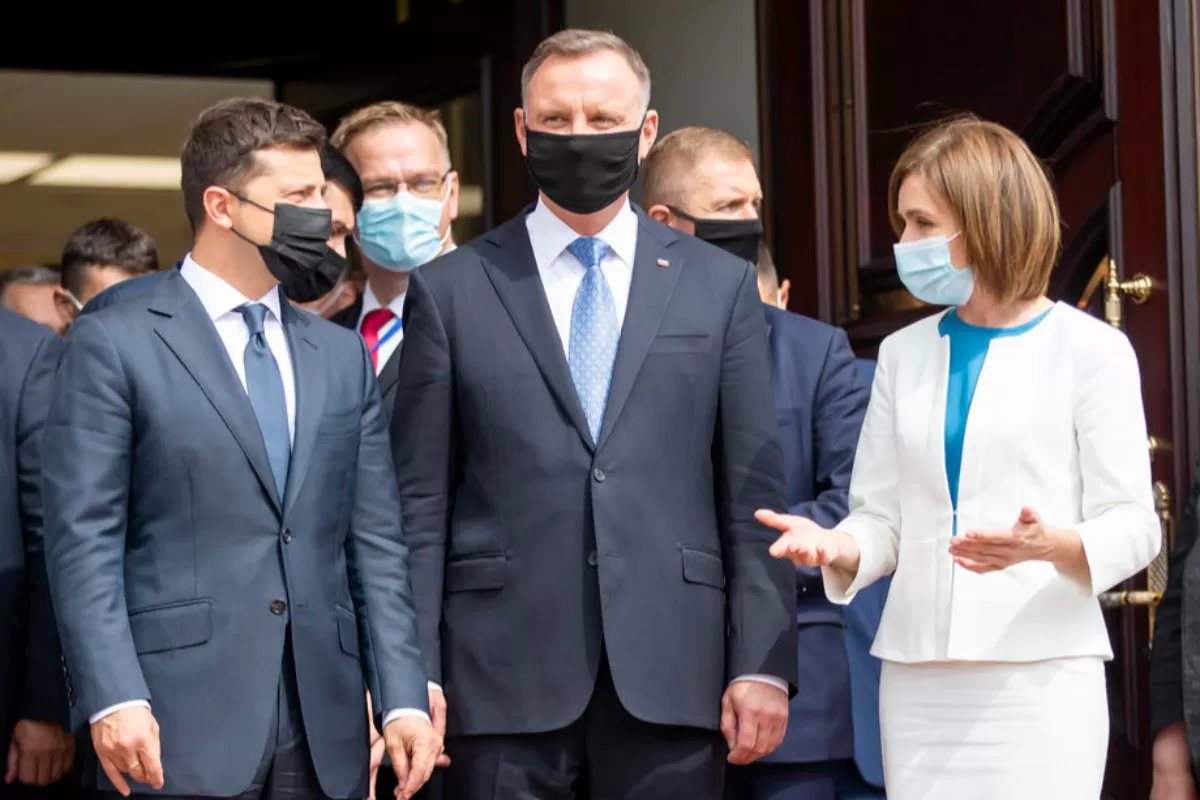
In recent weeks, the Republic of Moldova has seen increasing pressure from Ukraine. Kyiv is persistently calling on Chișinău to take measures in order to rally itself to the international sanctions imposed on Russia. Such a move would be however irrelevant in economic terms, and wouldn’t represent such a strong signal not even at political level. Instead, it could cause bigger troubles for the pro-European government,