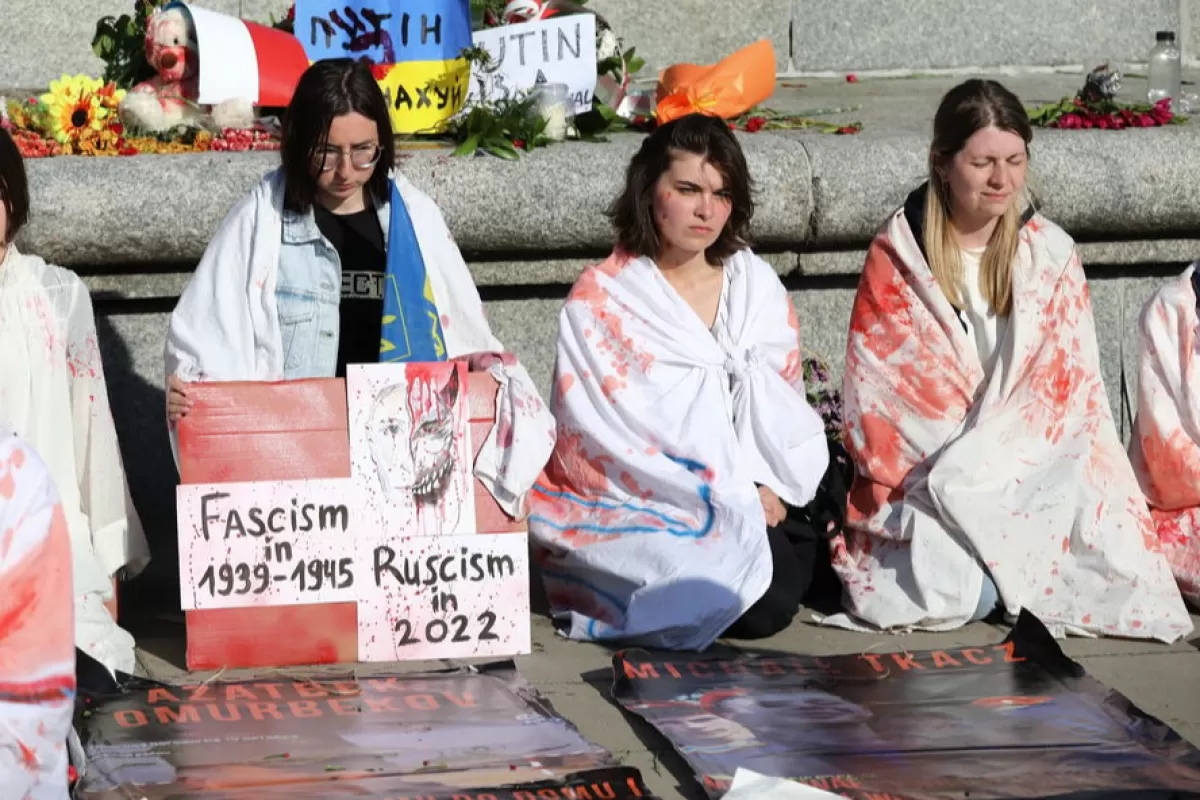
Due to Kyiv’s propaganda efforts in the last eight years, Ukrainians fail to understand that the Russian soldiers are there to liberate them, and mistakenly believe Russia is the occupier, according to false narratives promoted by Kremlin-linked media. In fact, Russia launched a conquest war, provoking the death of thousands of people and wide-reaching destruction.
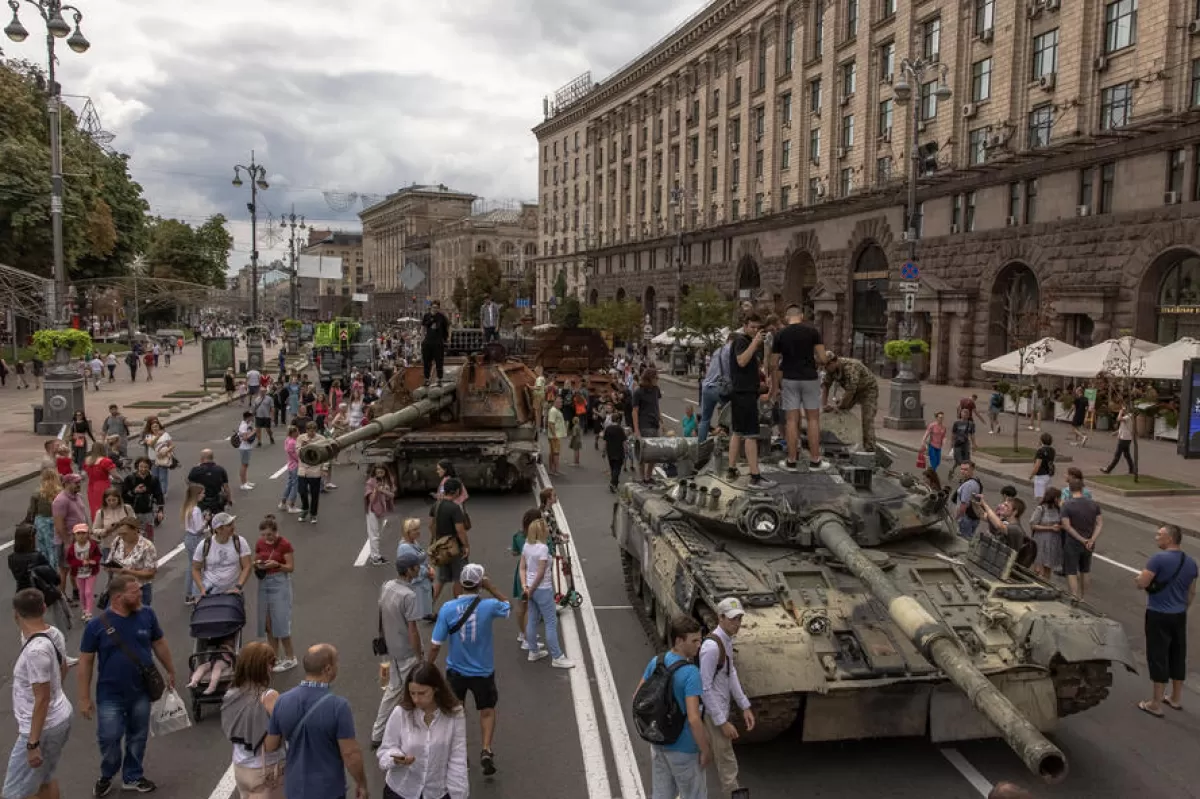
Russian experts and the independent media have analyzed the state of the Russian Federation’s army, which is sustaining heavy losses in the war launched against Ukraine. They also write about the obsolete Soviet weapons used by the Russians, which produce casualties among both the civilian population and among the attackers themselves. They also discuss how the war has changed the media landscape in Russia.
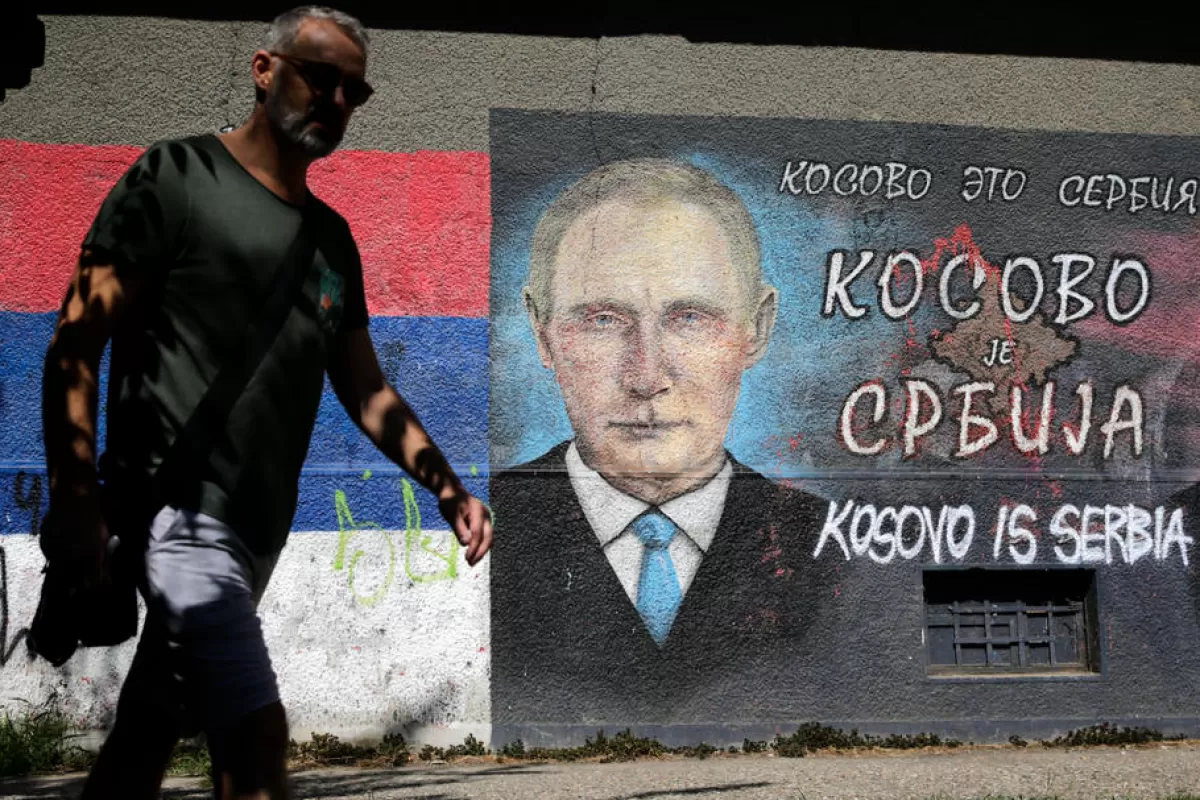
Russia doesn’t recognize Kosovo as a sovereign state, but it’s using it to endorse the “independence” of separatist/captured territories in Georgia and Ukraine: Abkhazia, South Ossetia, Crimea and Donbas. Besides, the Serbian enclave in Kosovo, Mitrovica, can be used by Moscow as a genuine outpost on the border with a NATO-protected territory. Just like other “outposts” Putin is relying on in Europe, Mitrovica too can be useful when Moscow wants to get something done or simply wants to distract everyone’s attention – even from a war such as the one in Ukraine.
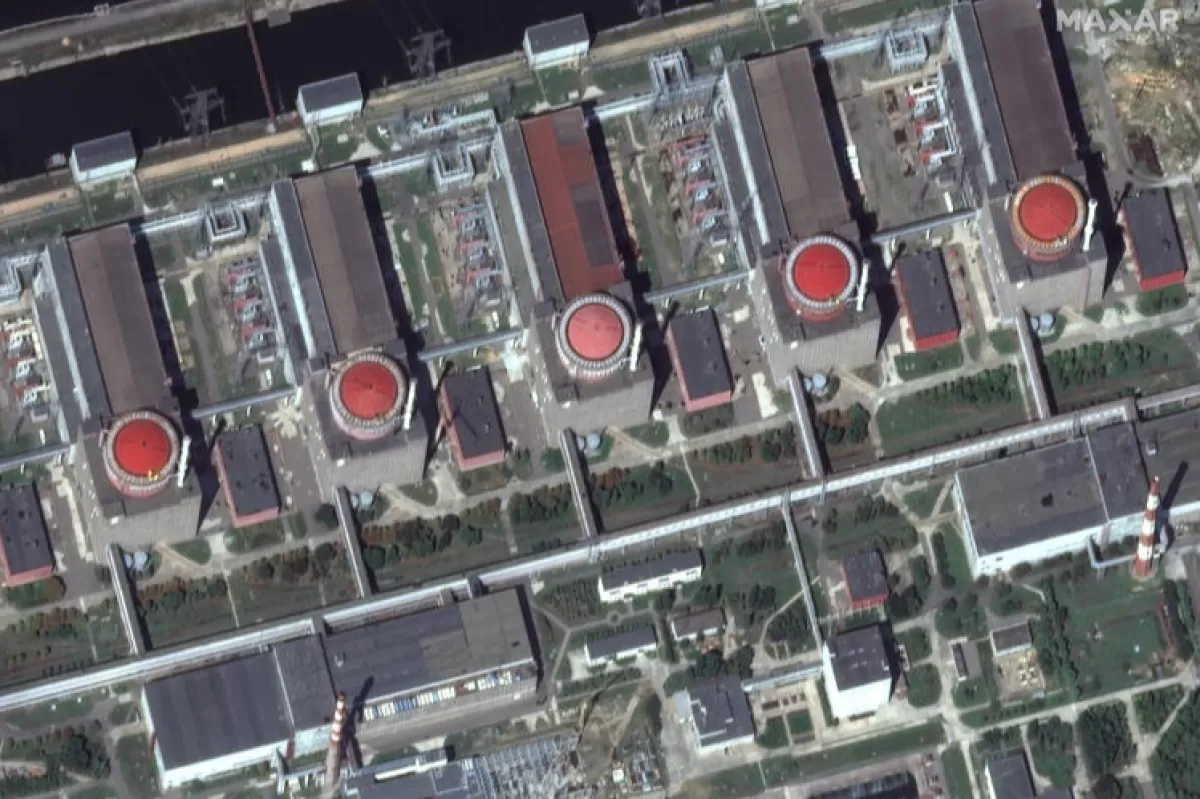
The United States wants a nuclear disaster to happen at the Zaporizhzhia NPP in order to wipe out any evidence of their biological weapons labs, reads a false narrative disseminated by the Russian government media. In fact, no Western state wants to see a nuclear incident, all the more so as it might have a powerful global impact, whereas the laboratories manufacturing biological weapons in Ukraine are a fabrication of Russian propaganda.

Sharing a 1000-kilometer long border with Ukraine, the Republic of Moldova has been affected by the war started by Russia on February 24 too. Veridica has spoken with several analysts in Chisinau to learn more about the main problems facing the Republic of Moldova, a state that is simultaneously facing an economic and an energy crisis, while at the same time trying to deal with a significant number of Ukrainian refugees.
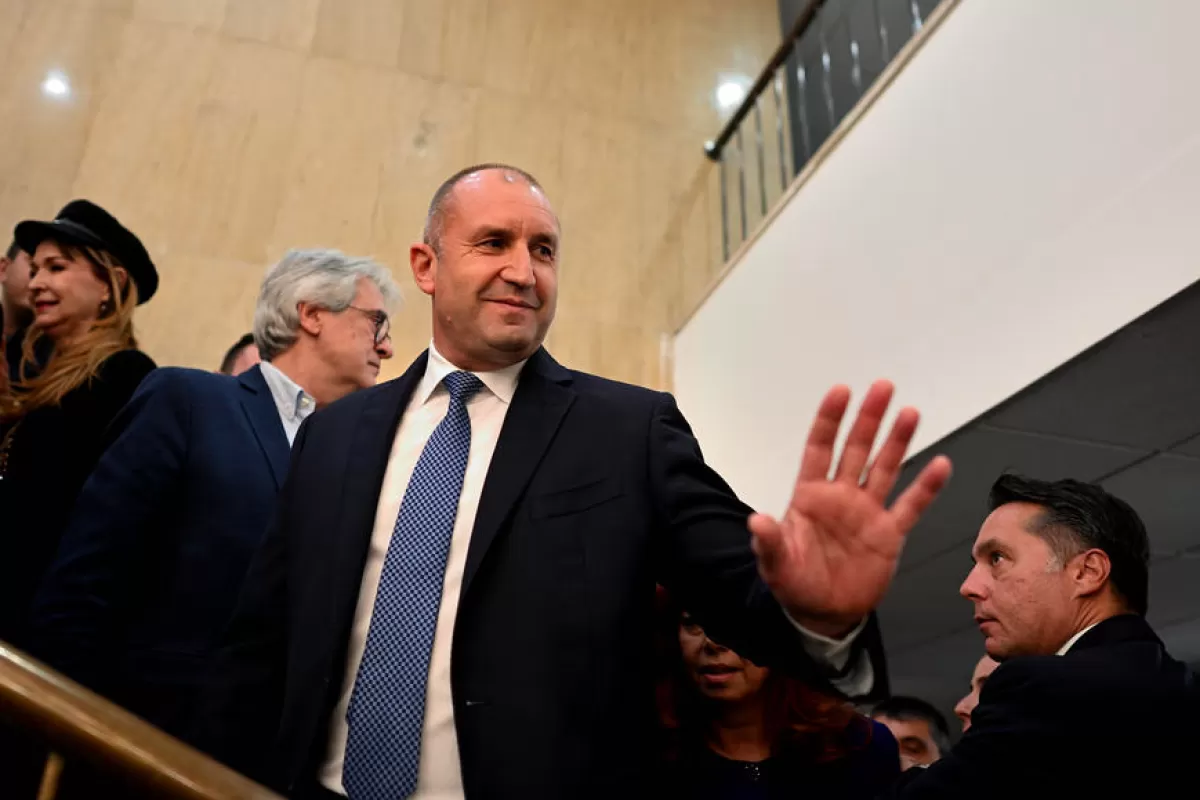
After ousted PM Kiril Petkov’s coalition was adamant in its pro-West and pro-EU position, current interim government, selected by President Radev and led by caretaker PM Donev, is making chaotic moves, risking further instability.

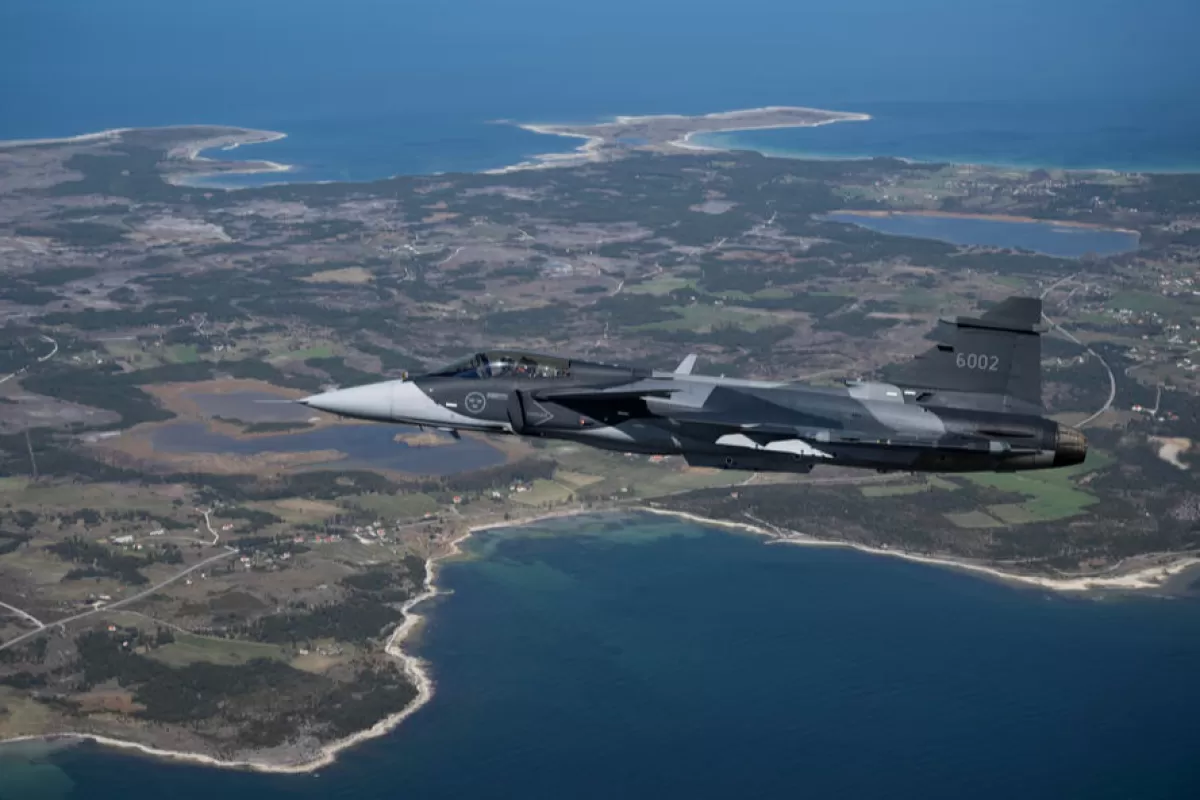
By joining NATO, Finland and Sweden would make the Alliance the main power in the Baltic Sea. Together, the two countries boast efficient and highly trained air, sea and ground forces, a good defense industry, and quick response capabilities. They occupy strategic position. And they would greatly consolidate the security of NATO’s most vulnerable member states – the Baltic countries.
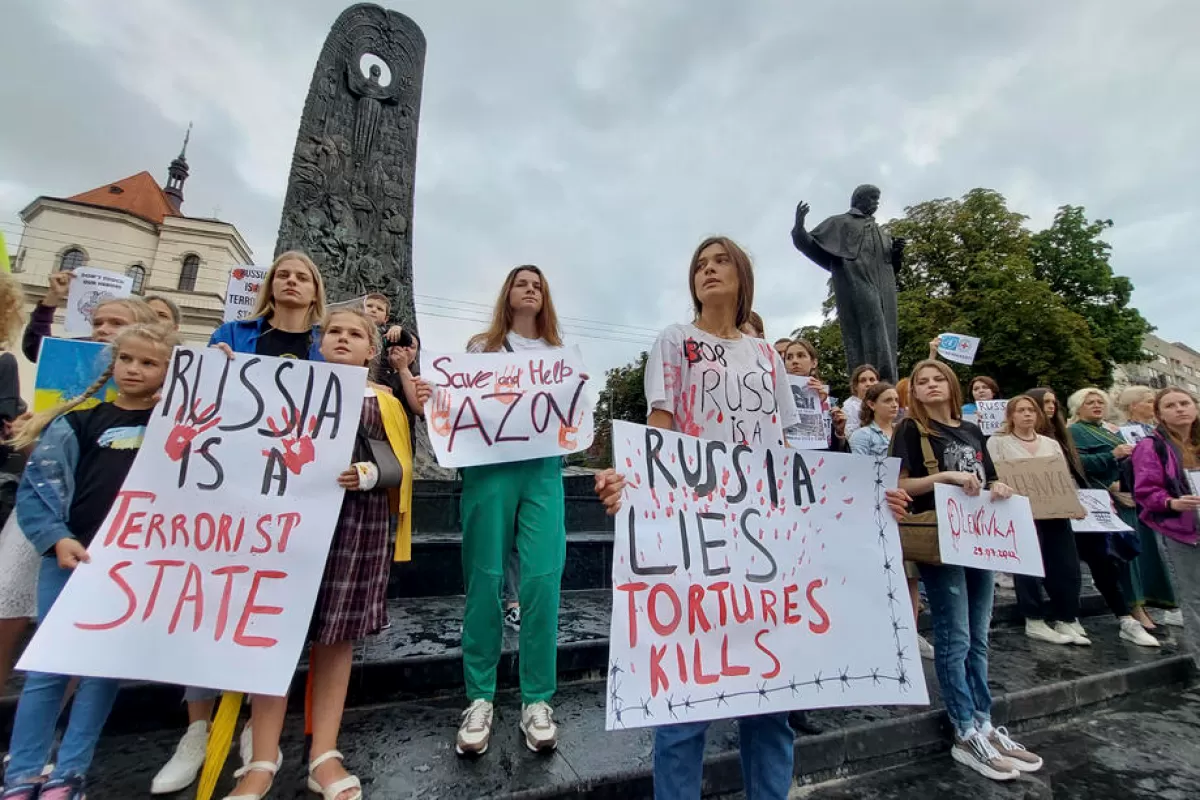
Putin's objective to bring the neighboring country back into Moscow's orbit and into the so-called “Russian world” seems, more than ever, doomed to failure: Ukrainians no longer believe in the possibility of a reconciliation with Russia even after the fall of the Putin regime. The majority of Ukraine's population now wants European integration, but does not seem willing to accept all the EU's conditions.
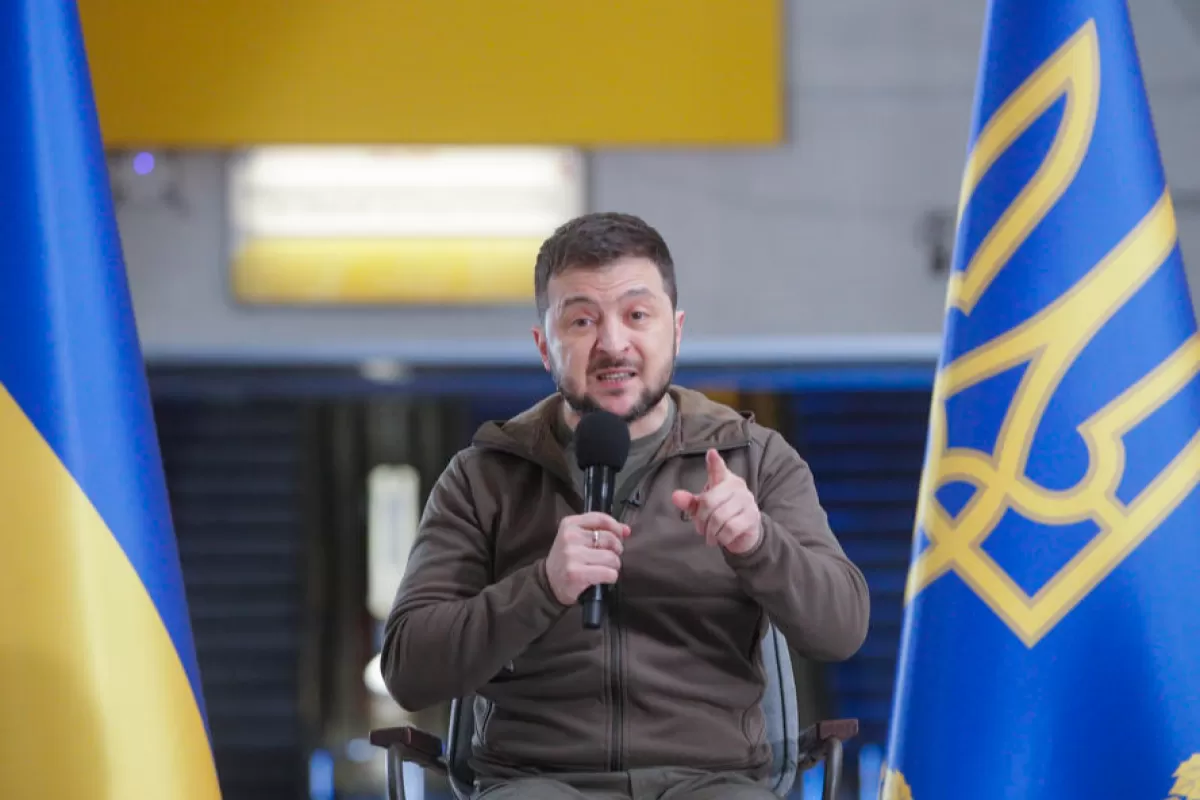
In recent years, Ukraine has taken a series of measures to secure its information space, affected both by Russian manipulation and disinformation campaigns, and by the influence of some oligarchs pursuing their own interests. The measures include a law aimed at taking the media away from the control of oligarchs. The effect has been more state control over the media, and the question arises whether it is a temporary situation, justified by the war, or a regression of Ukrainian democracy.
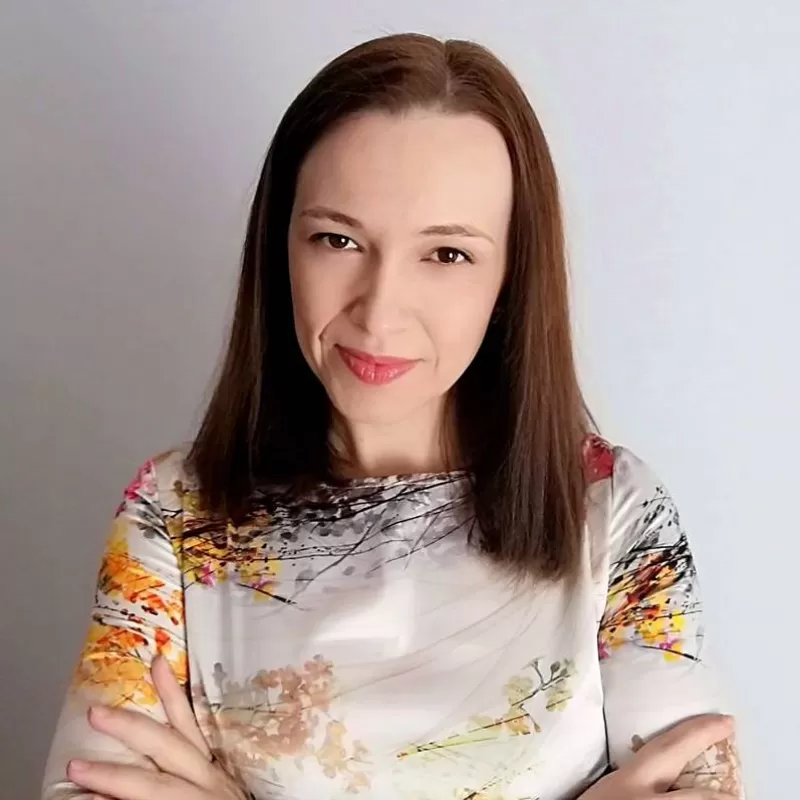
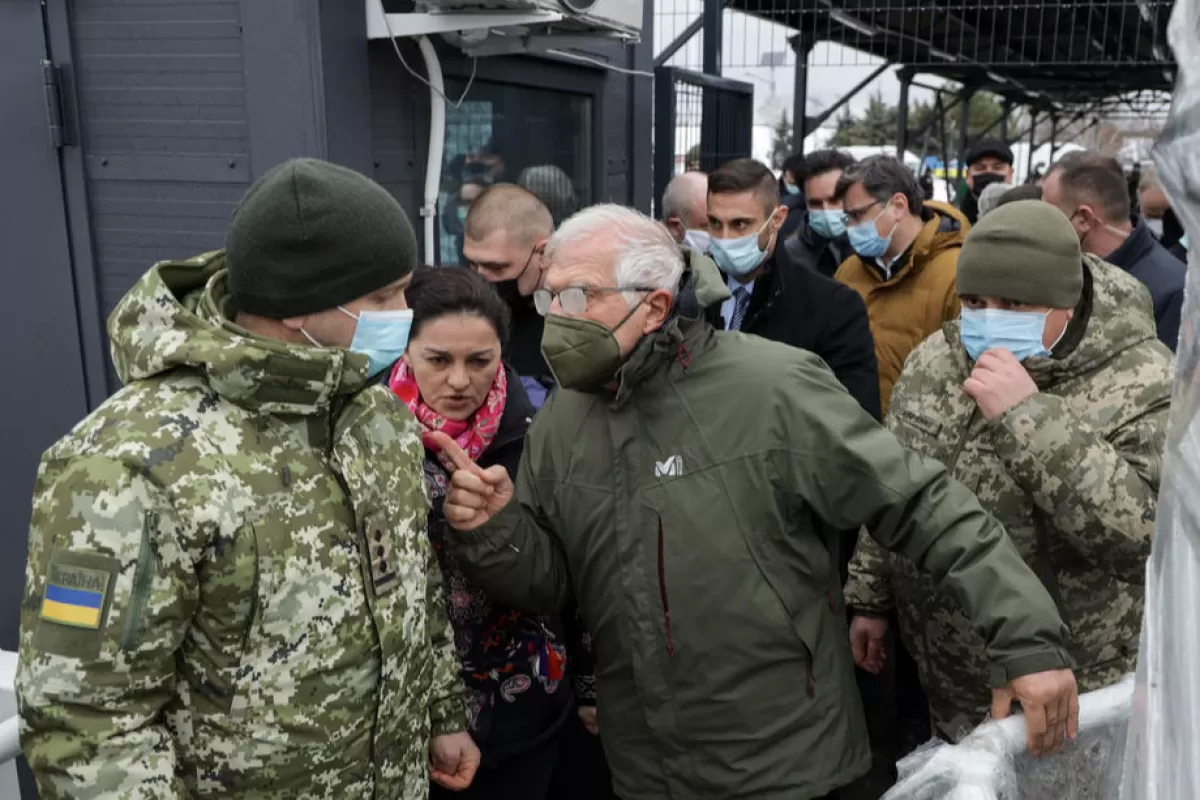
EU Member States will ask Ukraine to surrender to Russia and will gradually side with Moscow, according to a false narrative widely disseminated by the Russian media, which references a text published in Foreign Affairs by the former adviser to the head of European diplomacy. In fact, the words of the Italian expert are taken out of context, and the article where she supports Ukraine is misrepresented as pro-Russian.
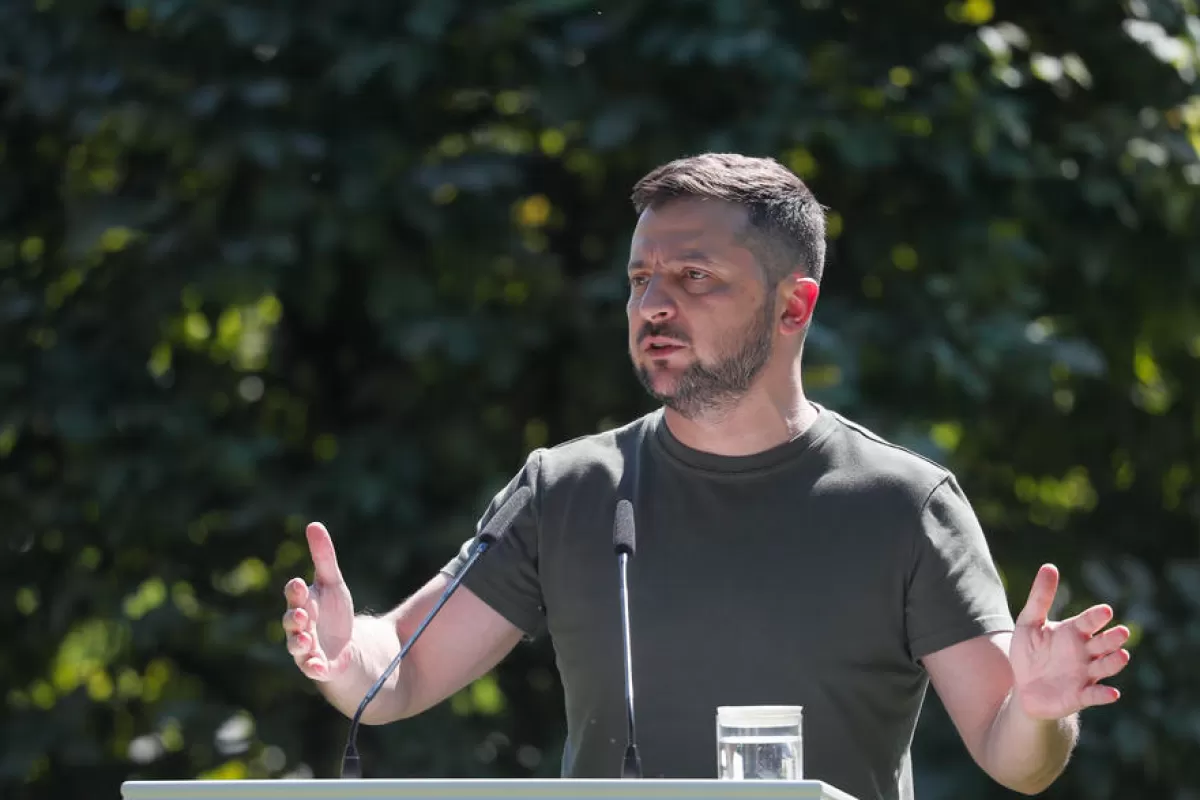
Ukrainian President Volodymyr Zelenskiy is preparing a law that will extend the war with Russia for another 50 years, according to a false narrative appearing in Bucharest. It was published by Sorin Roșca Stănescu, a former collaborator of the communist political police and a criminal convict who has spread lots of disinformation in the public space.
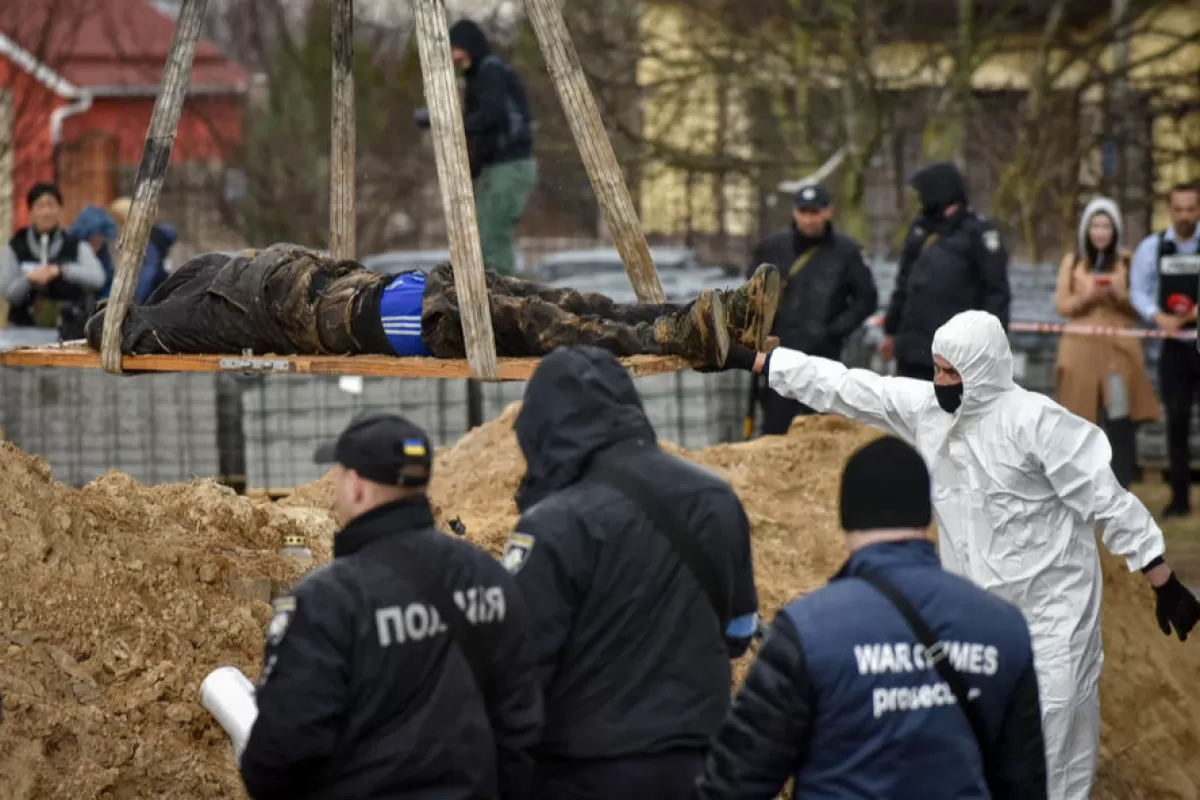
According to a false narrative carried by the Russian state media, Ukraine's crime rate has tripled because of Kiev's decision to arm the population. In reality, against the background of the country's depopulation and traffic restrictions, the crime rate has dropped. Moreover, not the entire population has been armed, only some volunteer units have been set up.
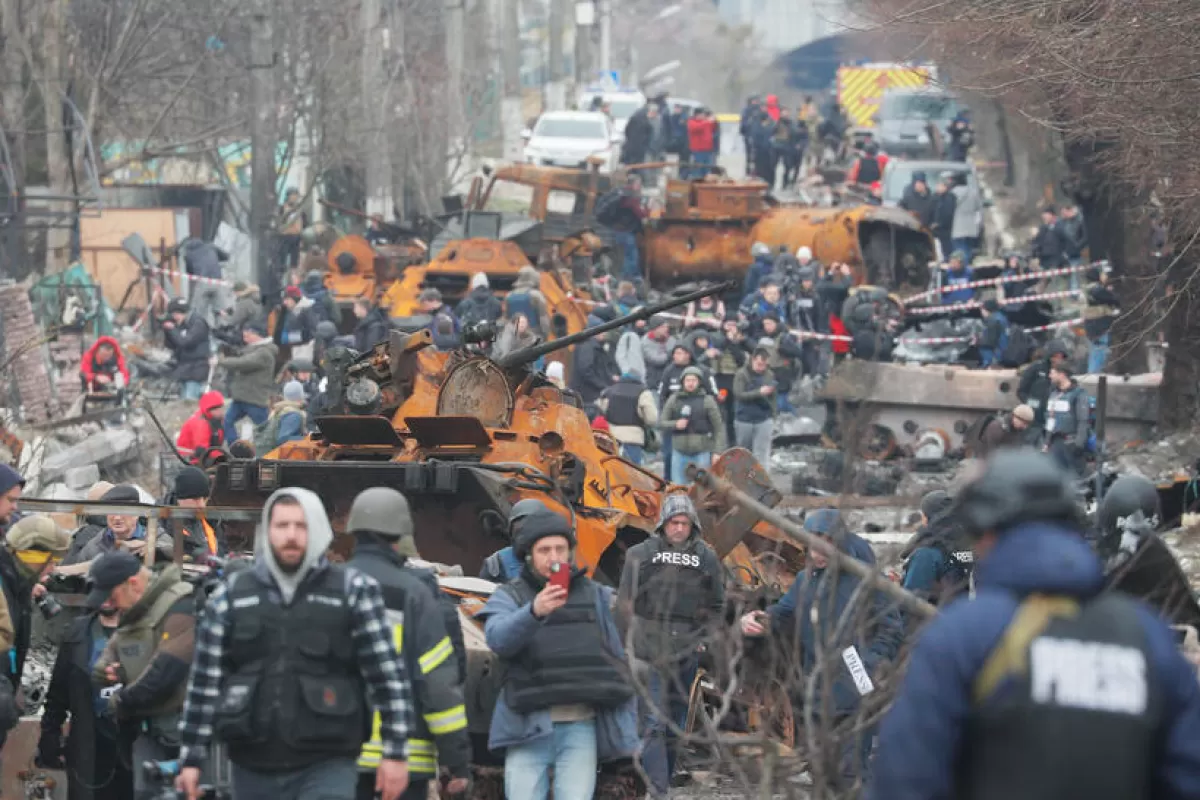
In recent months, the press in Ukraine has gone through a series of important changes, as it had to adapt to the new realities dictated by the war – funding cuts, personnel problems, involvement in the effort to mobilize the population. On the other hand, the media landscape is also feeling the impact of the “deoligarchization” law, promulgated by President Volodymyr Zelenskiy in November 2021, before the start of the war.
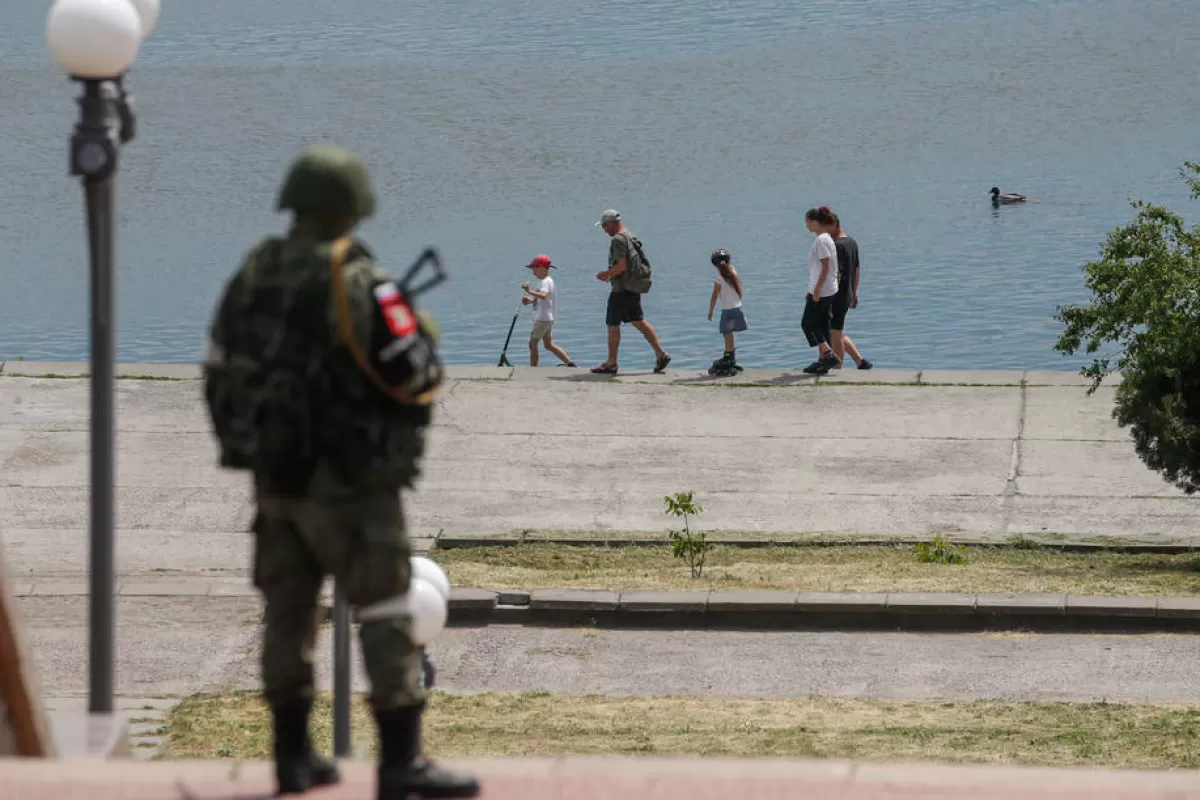
After the Ukrainian authorities fled Kherson, the new military-civilian administration had to take over power to annex the region to Russia and protect the Ukrainian language and culture, the Russian press writes, citing the self-proclaimed leader Kirill Stremousov. In reality, the authorities in Kherson were evacuated following the invasion of Ukraine by the Russian army, which bombards Ukrainian territories daily.
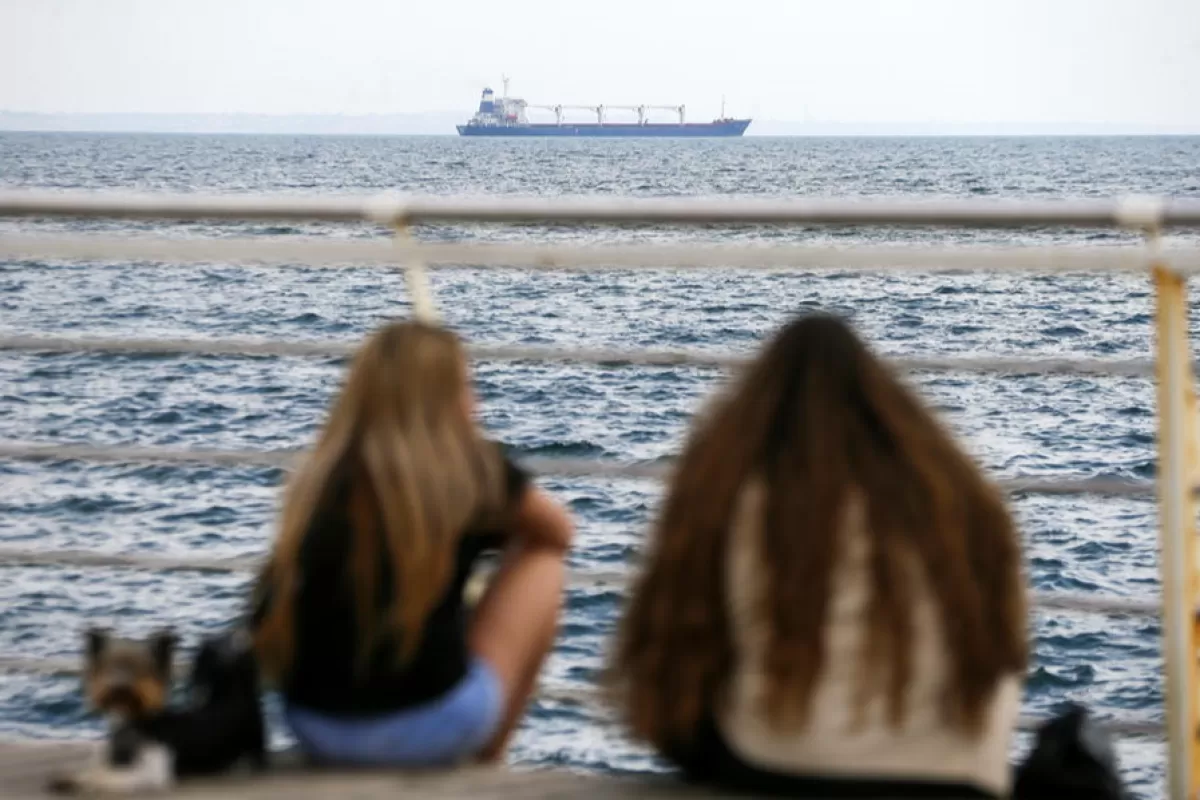
The agreement signed in Istanbul regarding the export of Ukrainian grain means the UN and Turkey recognize Russia’s right to control Ukraine’s maritime ports, according to propaganda narratives disseminated by the Russian media. In fact, the agreements signed in Istanbul do not include any such provisions, and Moscow has violated the agreements by bombing the port of Odessa.
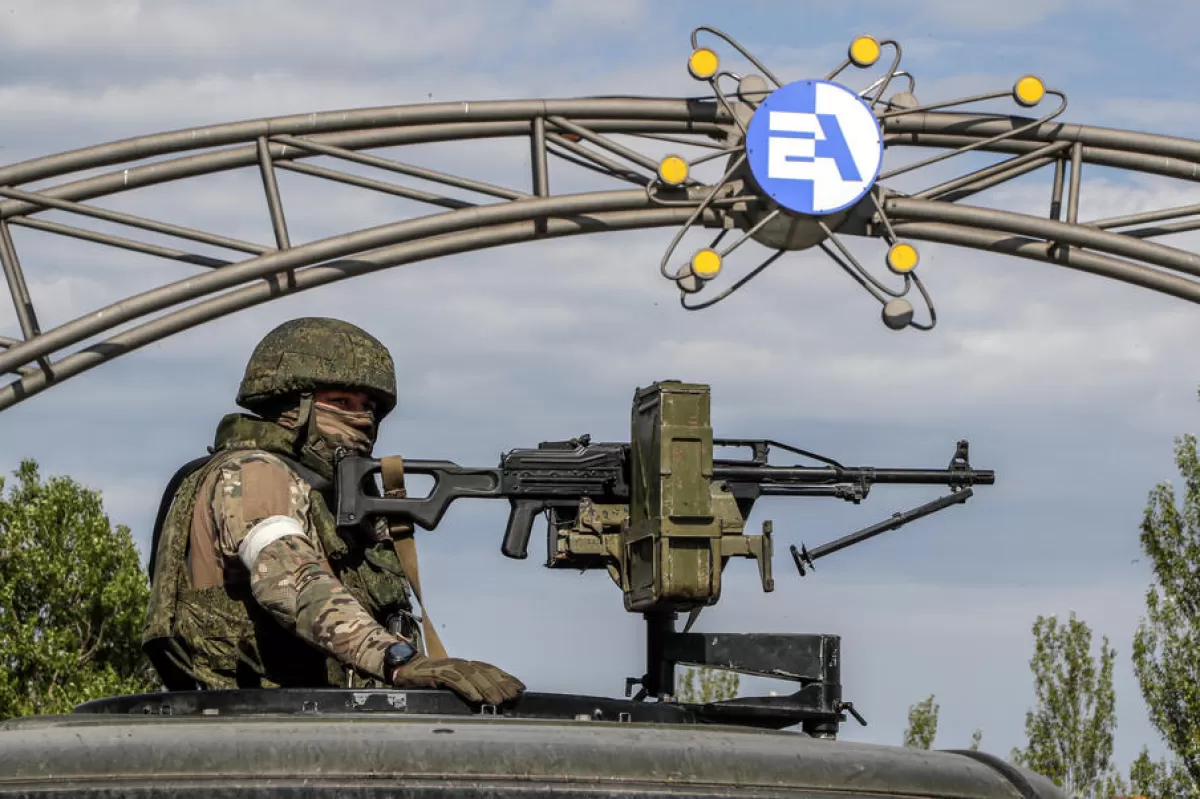
Ukraine could cause a nuclear disaster if it keeps bombing the Zaporizhzhia power plant as ordered by the US, according to a propaganda narrative released by Russia's Foreign Ministry and distributed by the state media. In reality, Russia is placing weapons and military equipment on the plant’s site, endangering the nuclear security of Europe.
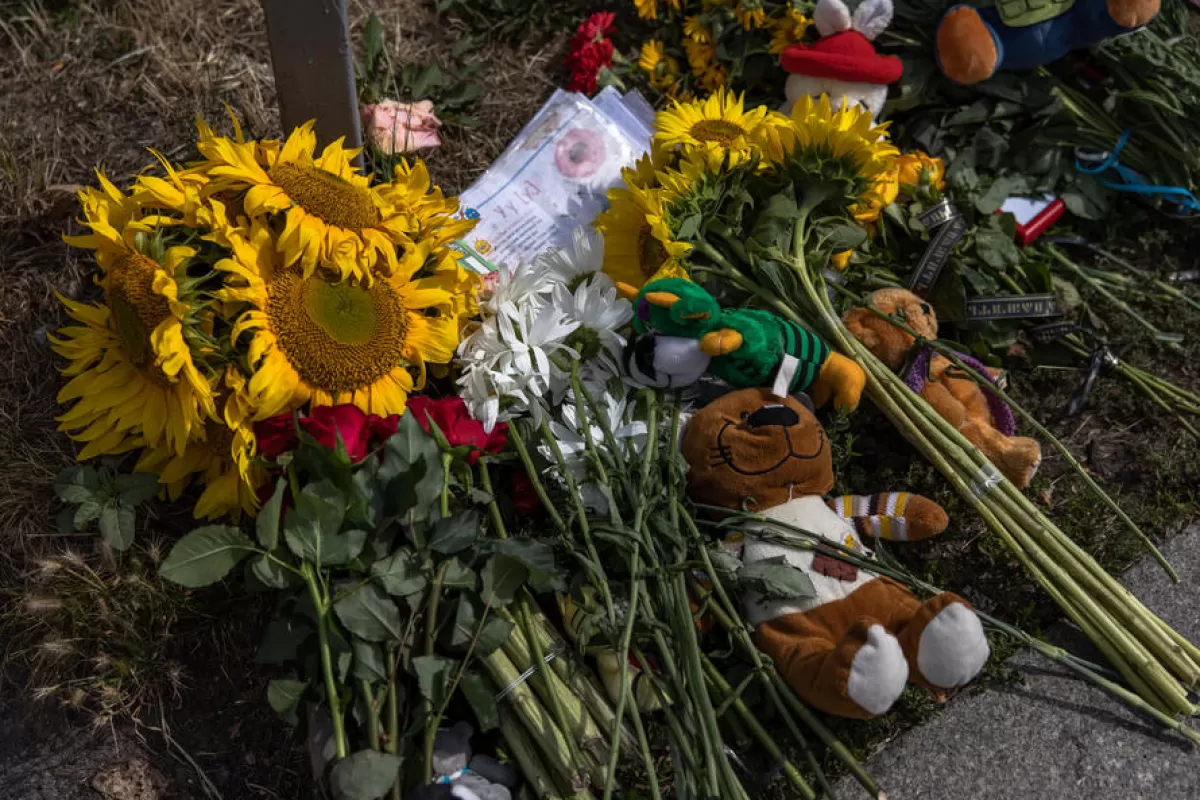
At least 15 Ukrainian generals were killed following a single tactical airstrike, the Russian government media writes. According to the narrative, the Russian missile allegedly hit the House of Officers in downtown Vinnytsia, just as the Ukrainian generals were holding a briefing on the counter-offensive in Donbas. In fact, the airstrike killed 23 civilians, including children. The House of Officers center, which is not a military objective, was supposed to host a charity concert.
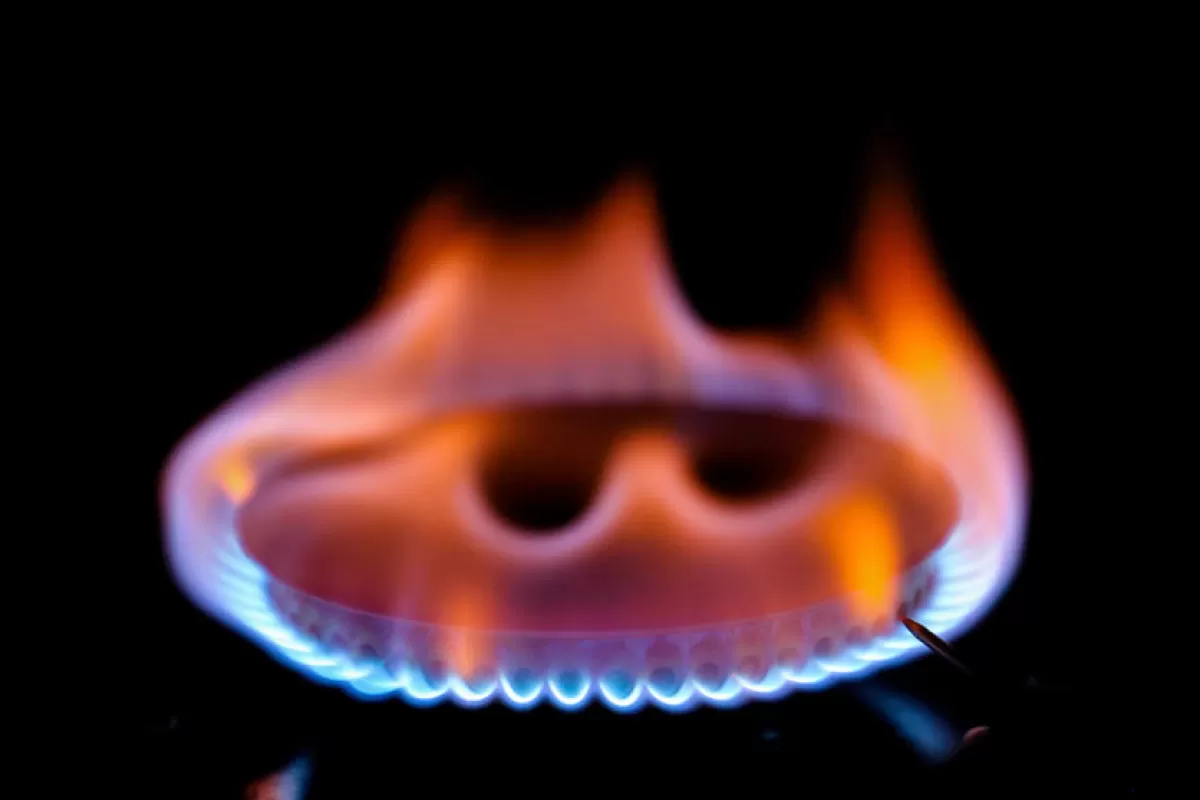
The war in Ukraine brought back into focus an issue that had been known for a long time: Europe’s dependence on Russian gas. First, the possibility of European sanctions was raised, then Moscow reduced supplies, which caused panic in some Western capitals. What can Europeans do to escape Russian blackmail and how much should they fear the coming winter?
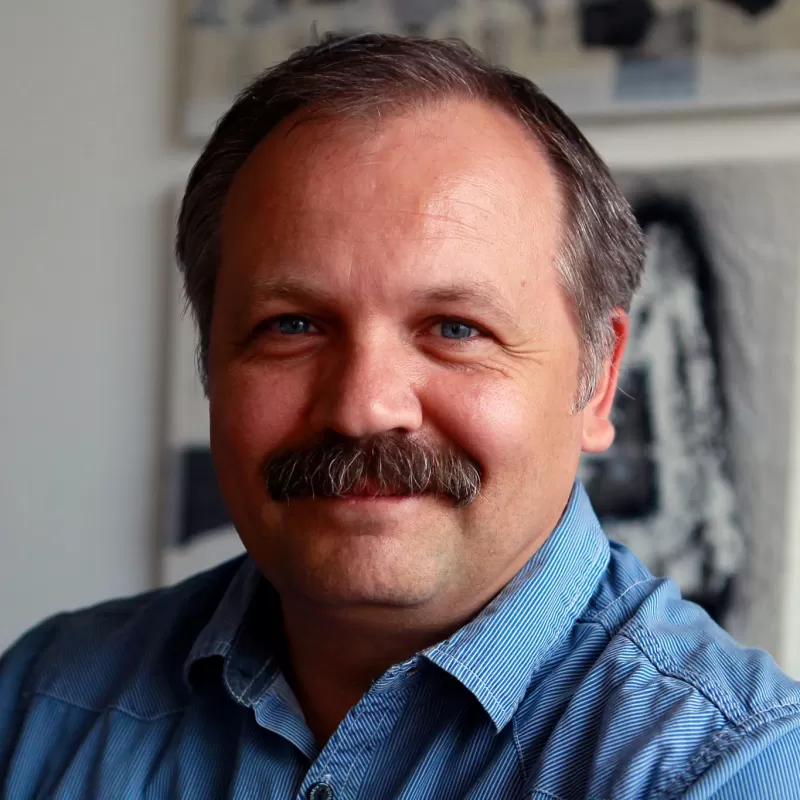
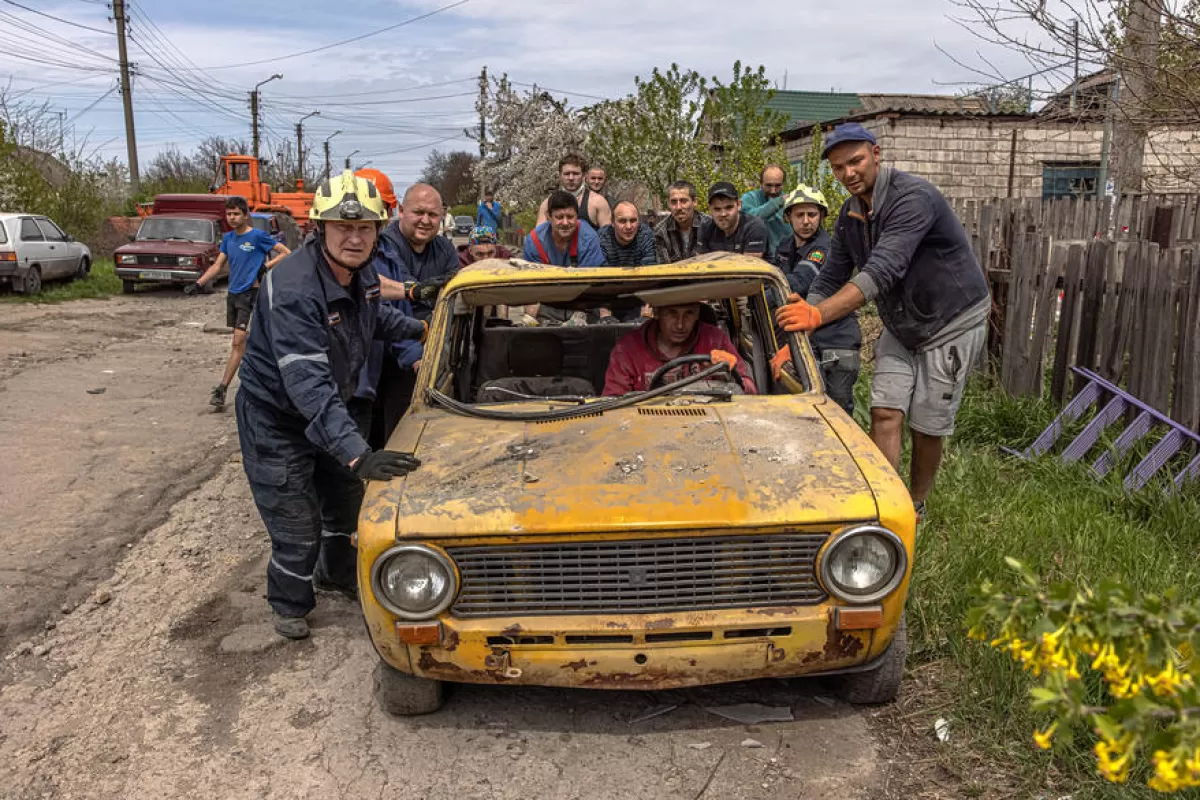
The Ukrainian region of Zaporizhzhia has established international contacts with at least 15 states, including EU members, writes the Russian state press, citing a separatist leader from Ukraine. In reality, EU states do not recognize Russia's occupation bodies in Ukraine as legitimate bodies of power, and personal sanctions have been introduced against Russian collaborators in Zaporizhzhia.
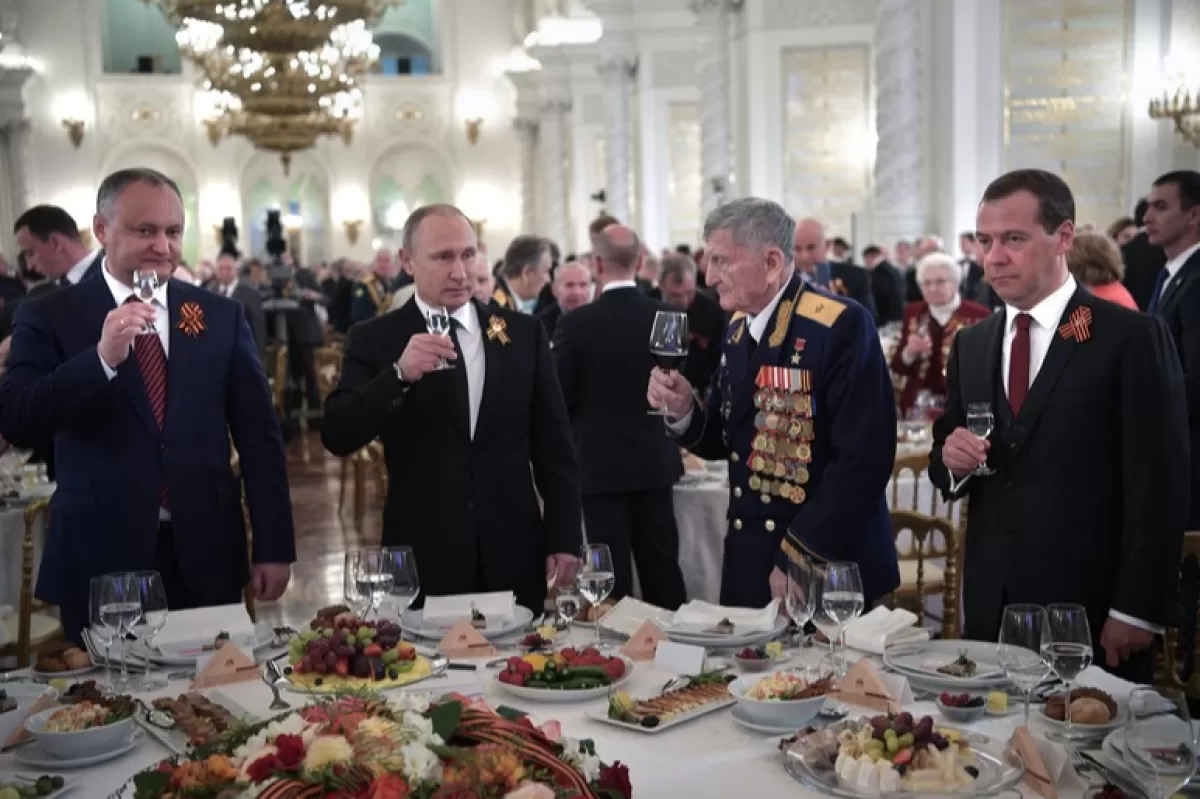
The weapons delivered to Ukraine might be transiting the territory of the Republic of Moldova, says the pro-Russian politician Igor Dodon, in an interview given under house arrest. His statements were also taken over by the official press of the Russian Federation and aim to disinform and accuse the pro-European government in Chisinau of wanting to involve the country in the war.
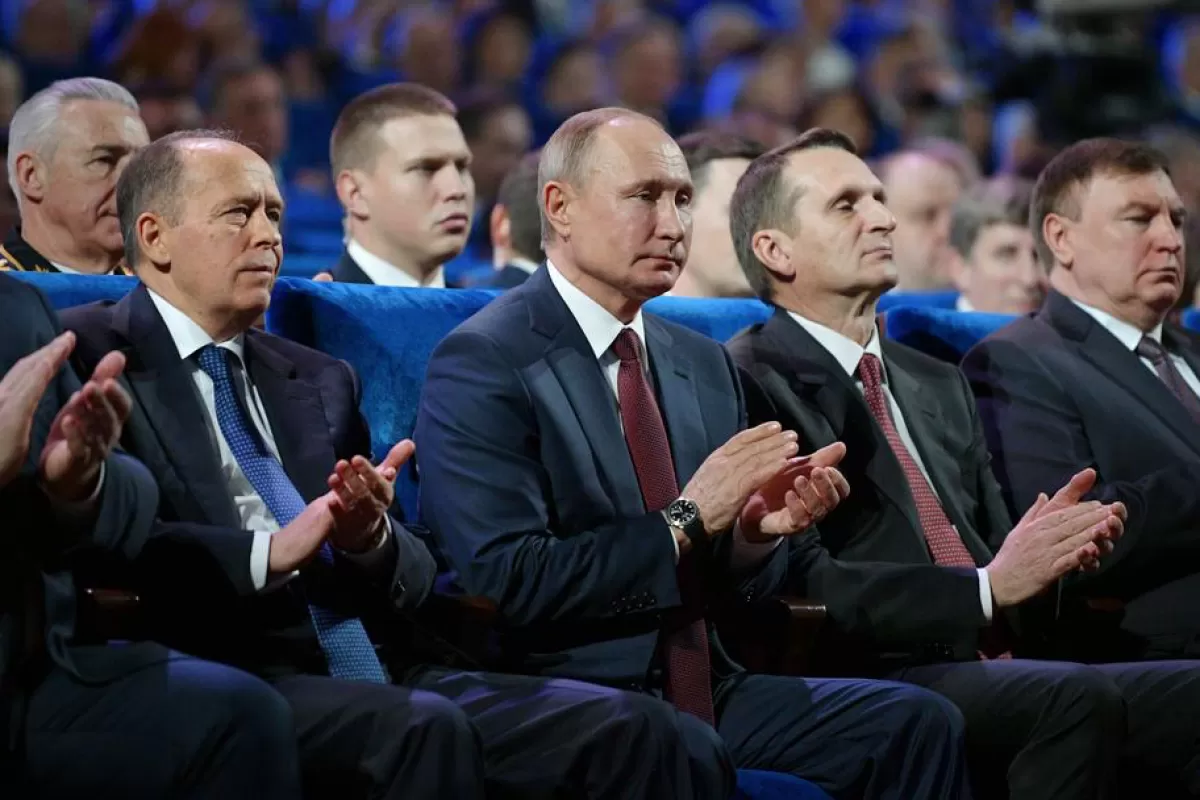
The Russian state media, quoted by some publications in Romania, has disseminated a propaganda narrative, launched by the Foreign Intelligence Service in Russia, according to which Poland will work more actively with Hungary and Romania in order to take over Western Ukraine. In fact, Poland is one of the staunch supporters of Ukraine’s efforts to fend off the Russian invasion.
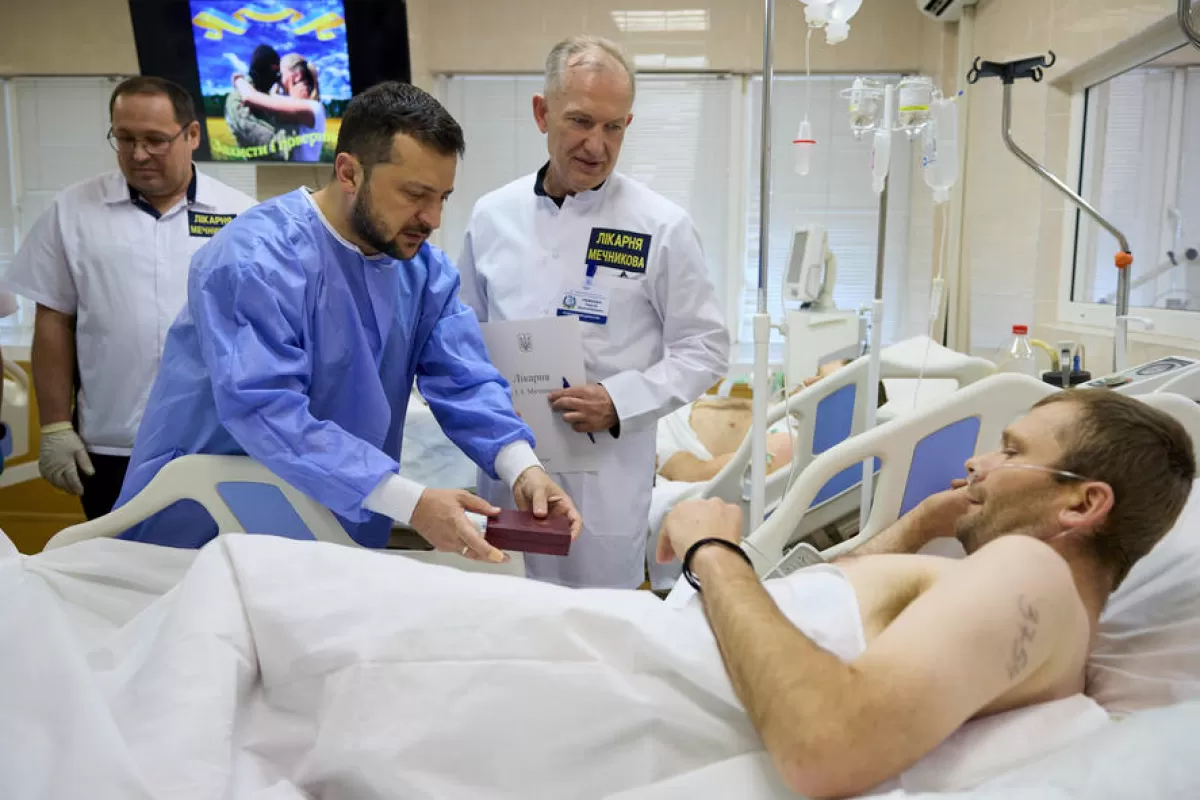
Russia’s campaign in Russia is doubled by an information war, which among other things seeks to discourage Ukrainian resistance. Kyiv is trying to respond to this campaign, on the one hand to demoralize the enemy as well, while on the other hand to enliven Ukrainians’ fighting spirit. The protracted war, however, has prompted Ukrainian leaders to adapt their discourse.
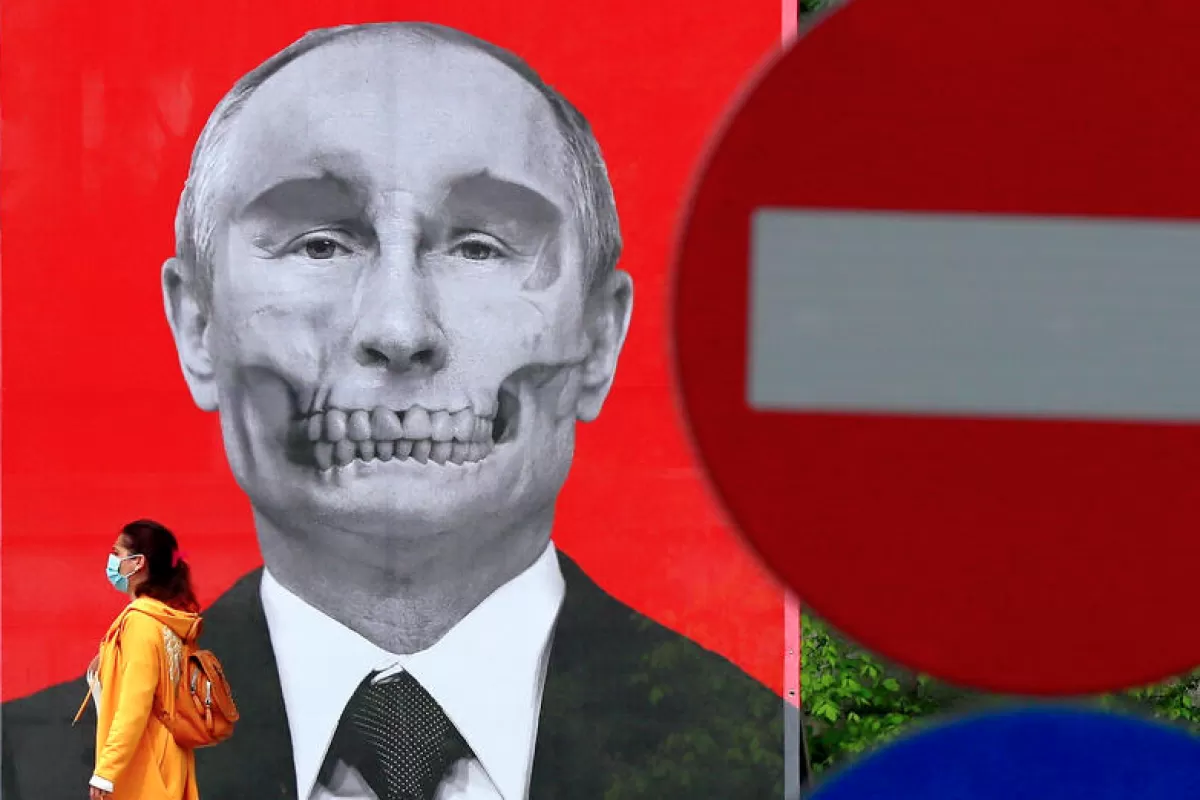
A country of strategic importance but not indispensable, involved in the war effort despite keeping its distance, Romania cannot congratulate itself enough in official discourse for having long foreseen the aggressive plans of Putin’s Russia. As usual, Romanian officials contend themselves with the dangerous illusion that nothing should be changed in their approach to the territory that separates Bucharest from Moscow.
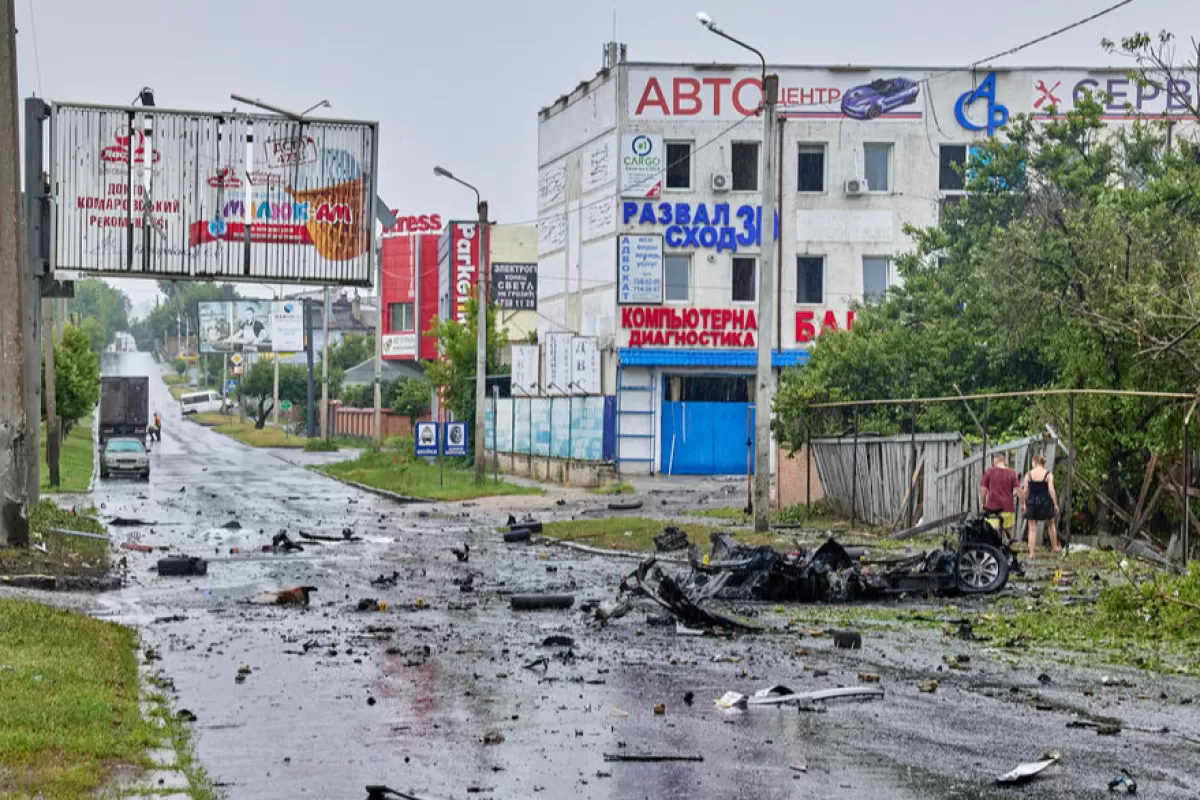
The leadership of the Kharkiv Oblast will support the inhabitants who have called in rather large numbers for the unification with the Russian Federation, the Russian government media writes. In fact, over 85% of the inhabitants of Eastern Ukraine have condemned the Russian aggression, and the people cited by Moscow media do not represent the legitimate authorities of Ukraine.
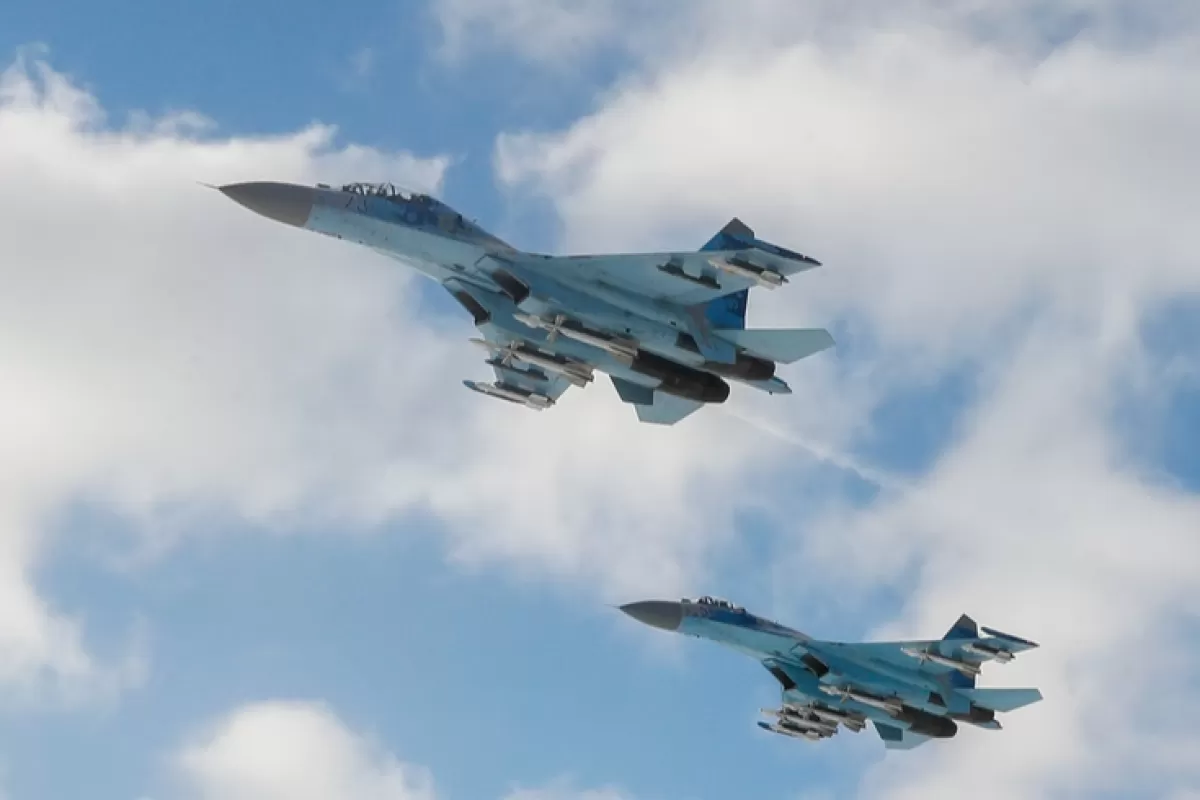
Romania will help Ukraine recapture Kherson by using the Ukrainian fighter jets on its territory, the Russian state media writes. In fact, Romania does not host any Ukrainian military aircraft, and Bucharest has shown no signs of considering getting involved in the war.
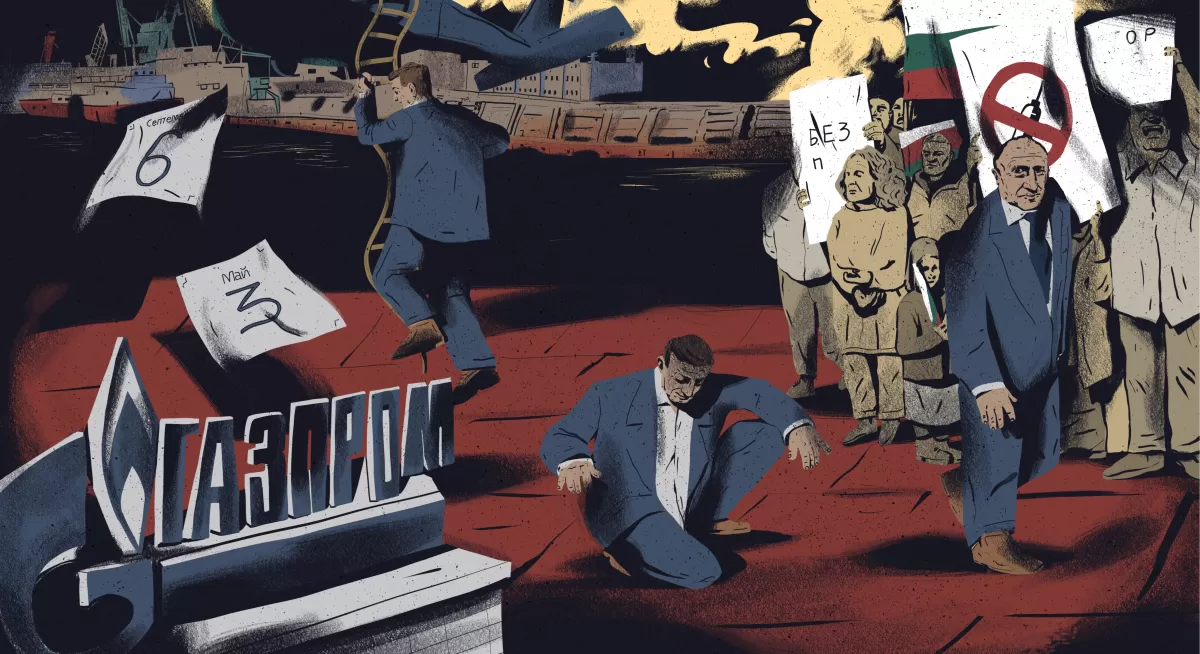
EU and NATO member Bulgaria, once Moscow’s closest satellite, has been moving away for years, albeit at a slow pace, from Russia’s pull. This process has been accelerated following Russia’s invasion of Ukraine. However, the Kremlin can still count on an array of friendly politicians, spies, and a disinformation and propaganda network to further its interests in Sofia.
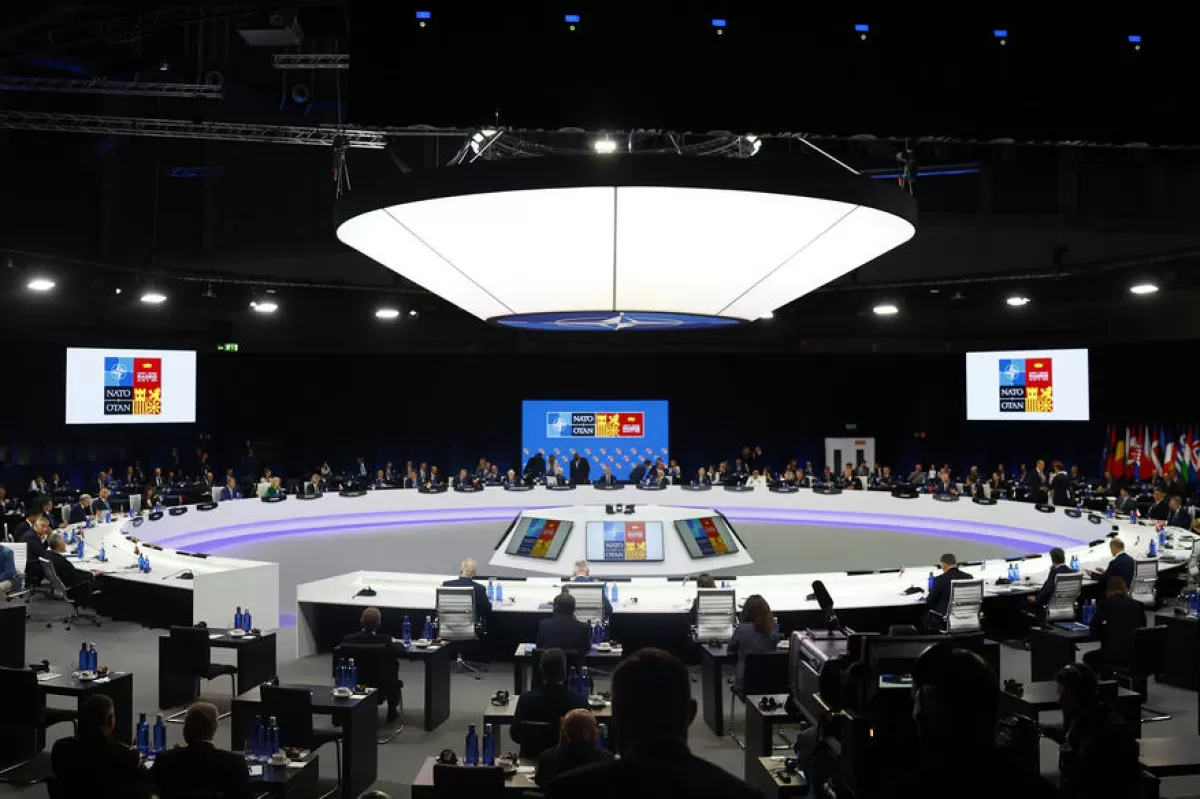
At the 1997 NATO Summit in Madrid, the Alliance kicked off its eastward enlargement process by integrating ex-communist countries that used this opportunity to make sure they would never again fall under Russia’s control. A quarter of a century later, also in Madrid, the North Atlantic Treaty Organization launched a new strategic concept, taking note of Moscow’s aggressions and threats.
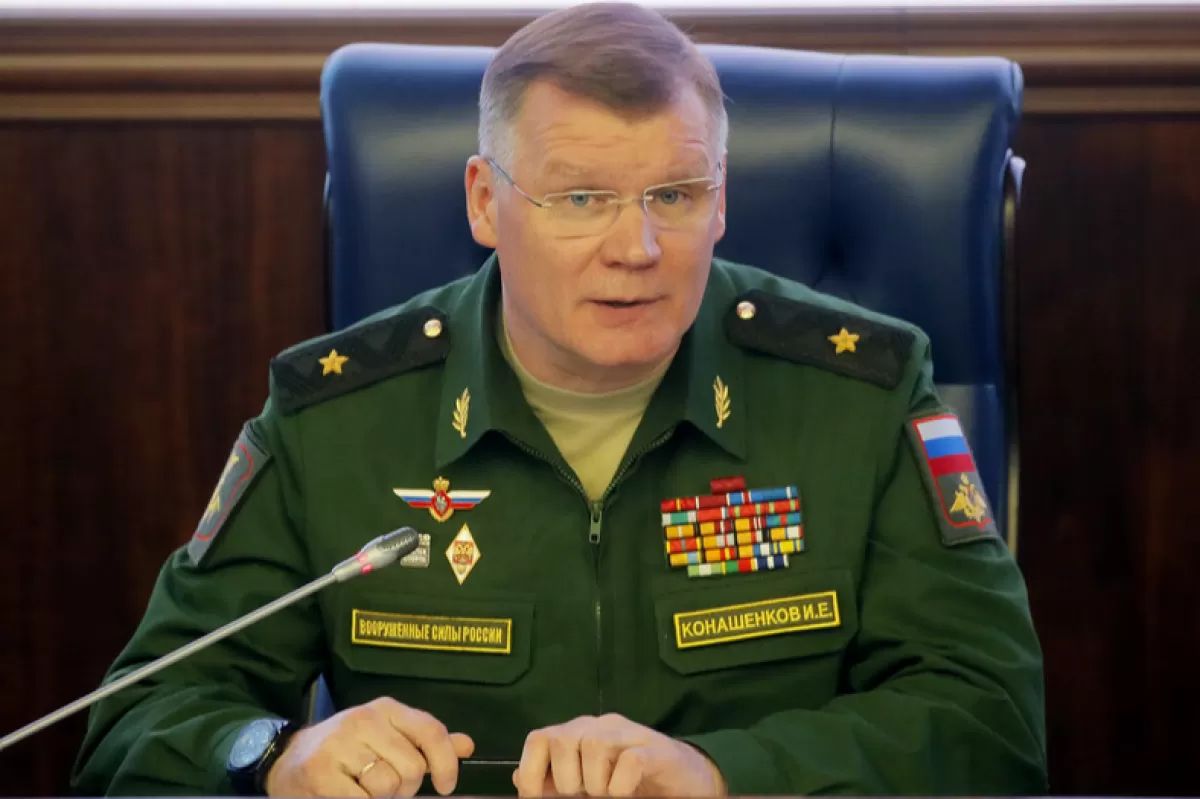
Every day, Russian citizens learn from news segments about the victories reported by the Russian army on the Ukrainian front. Even when troops are retreating or conquering a few small villages despite sustaining heavy losses, the Ministry of Defense spokesman, Igor Konashenkov, invokes resounding achievements. A PROEKT.MEDIA investigation reveals that many such achievements are in fact mathematical and geographical falsehoods.

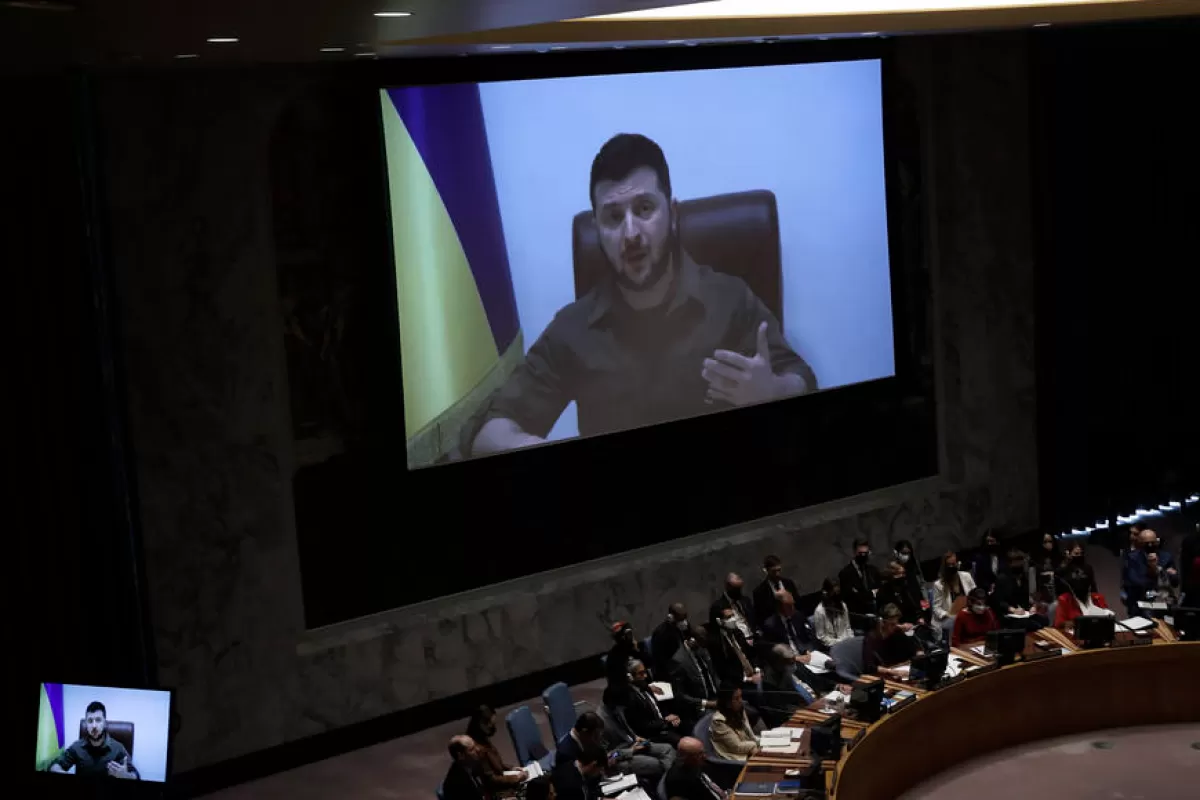
The international community will have to declare the Ukrainian President Volodymyr Zelenskyy a war criminal, according to a false narrative circulated by the Russian state media. In reality, the war crimes blamed on the Ukrainian president are either made up or were committed by Russian soldiers on Ukrainian territory.
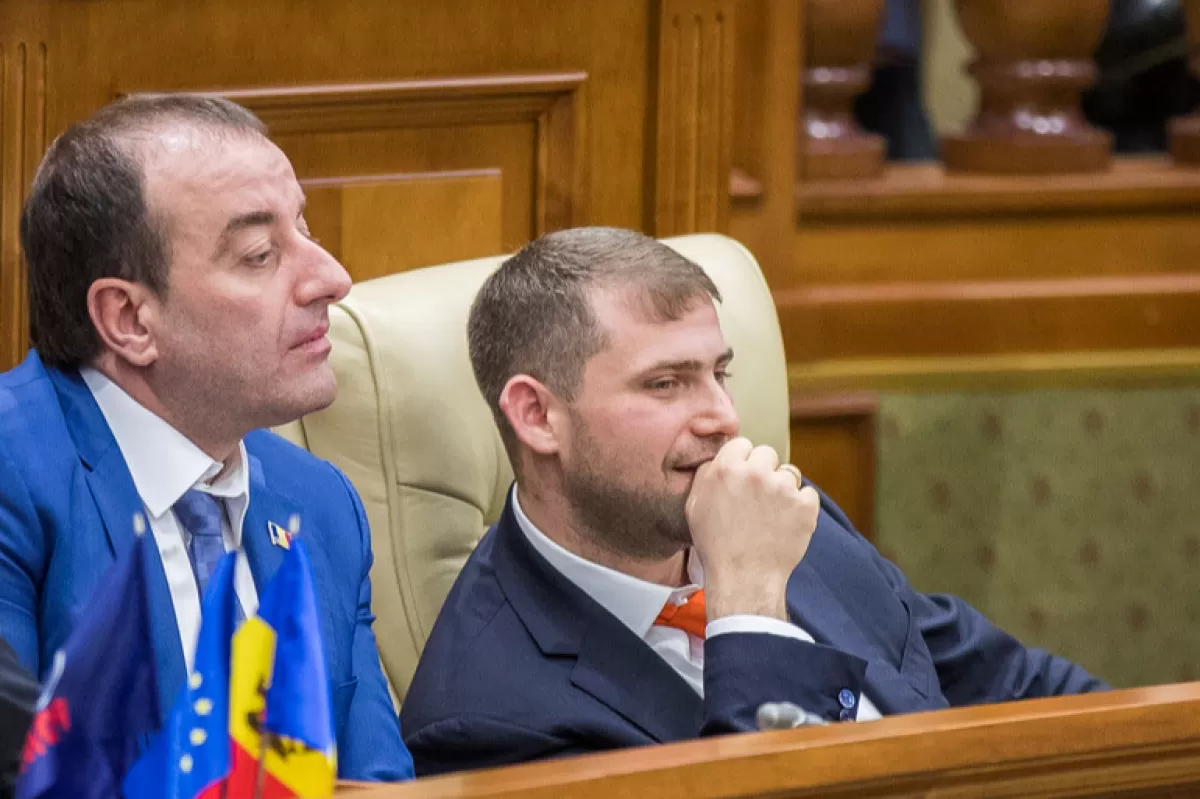
The Republic of Moldova will enter a profound crisis if it joins the European Union and anti-Russian sanctions, the Russian official news agency and the Moldovan fugitive oligarch, Ilan Shor, claim. The issue of anti-Russian sanctions exploited by Russian propaganda and Russia’s agents of influence is one of the recurrent threats Kremlin uses to pressure Chișinău.
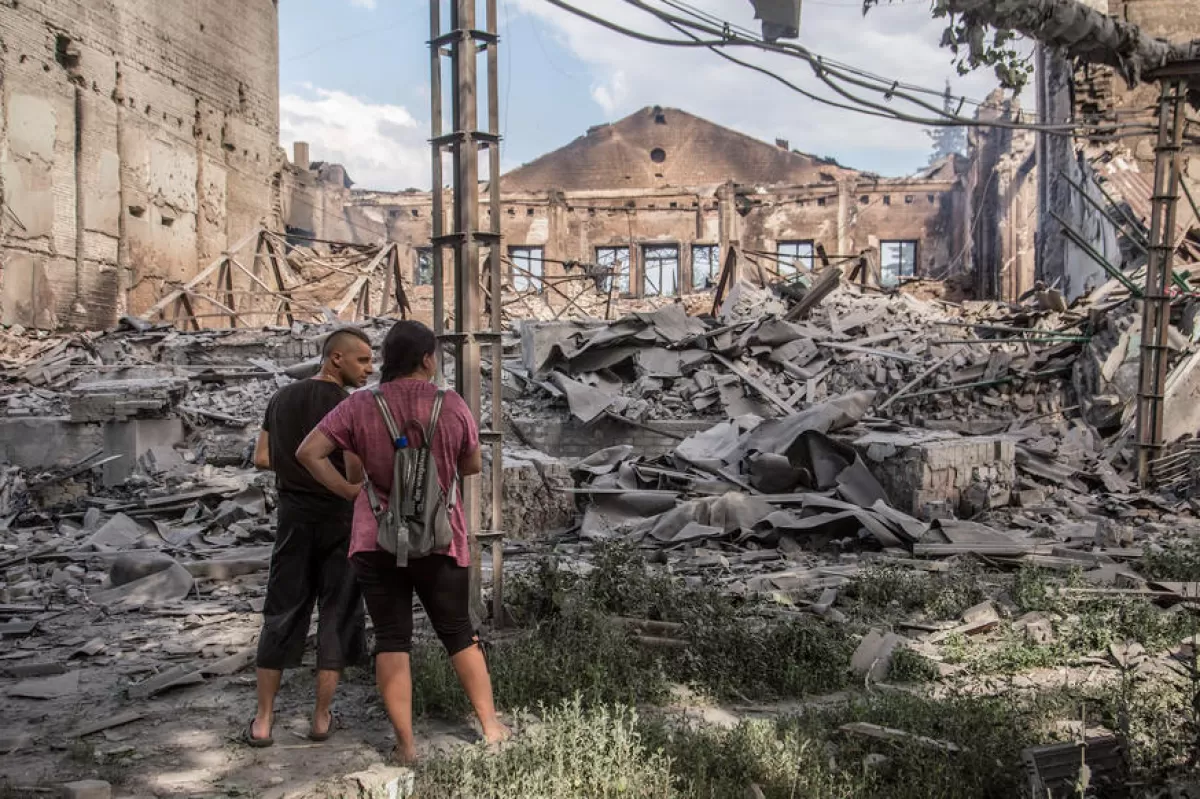
Ukraine has tried to forcibly deport the inhabitants of the Luhansk region, and Russian-speakers in Lysychansk protested before the Ukrainian army, according to a new false narrative carried by the Russian media. The narrative was published against the background of Russia being accused of deporting Ukrainians and forcing millions of people to flee, while advancing its troops and bombing of civilian targets.
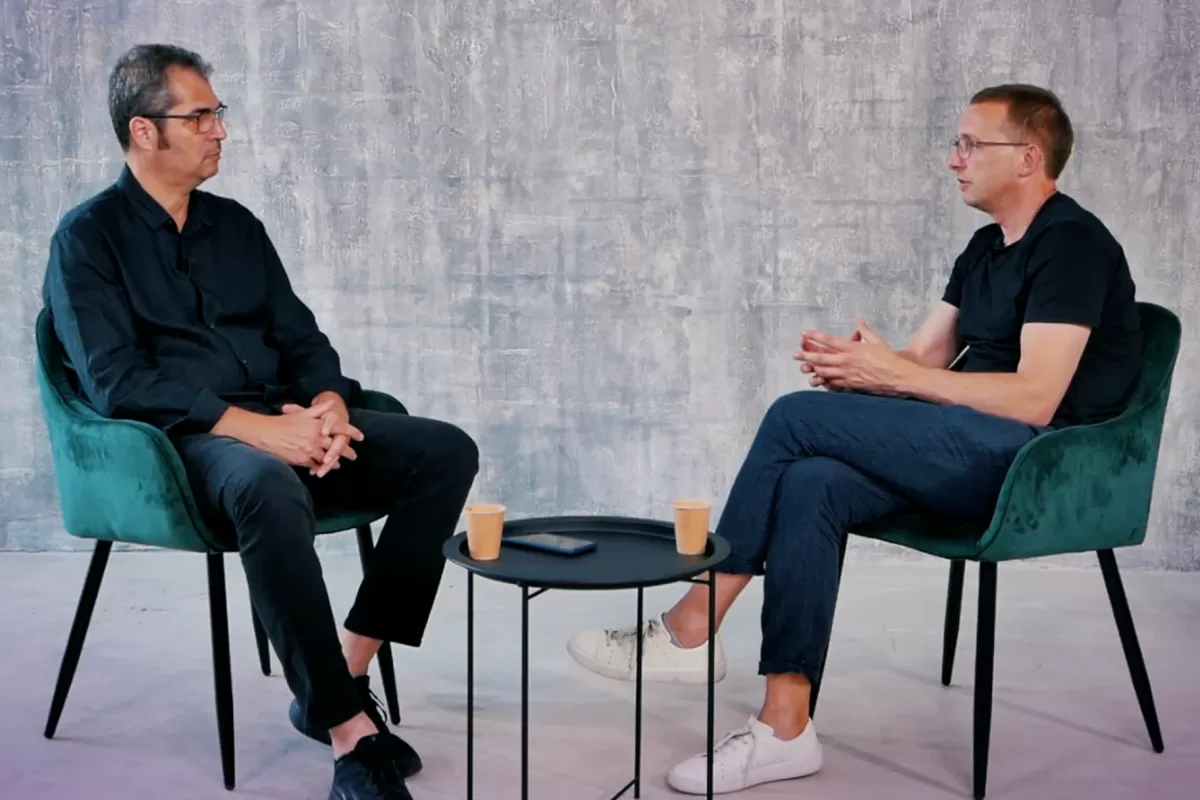
Vladimir Soloviov is a Russian journalist based in the Republic of Moldova. He writes for Kommersant. Veridica spoke with Mr. Soloviov in Chisinau about the political developments in the Republic of Moldova, Russia’s imperial claims and the war in Ukraine, but also about the almost non-existent relationship between Russia and Romania.