

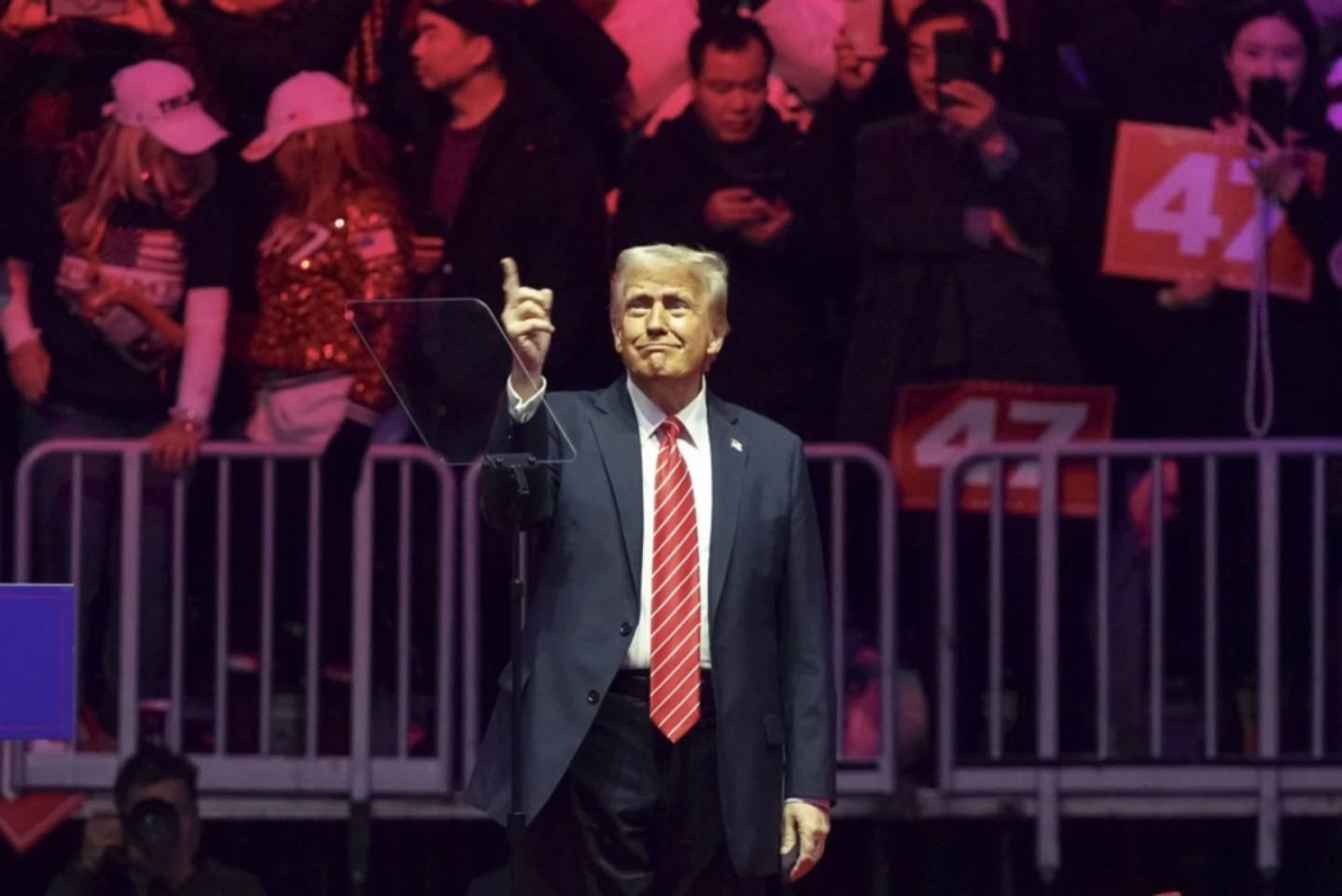
Donald Trump's return to the White House has generated fears about his approach to Russia and the conflict in Ukraine, as well as the economic relationship with the European Union. Veridica’s team of contributors has analyzed how Trump’s return to power is seen in Brussels and in Russia's neighboring countries - some of them ex-Soviet or ex-communist states, most of them members of the EU or NATO or with Euro-Atlantic aspirations.
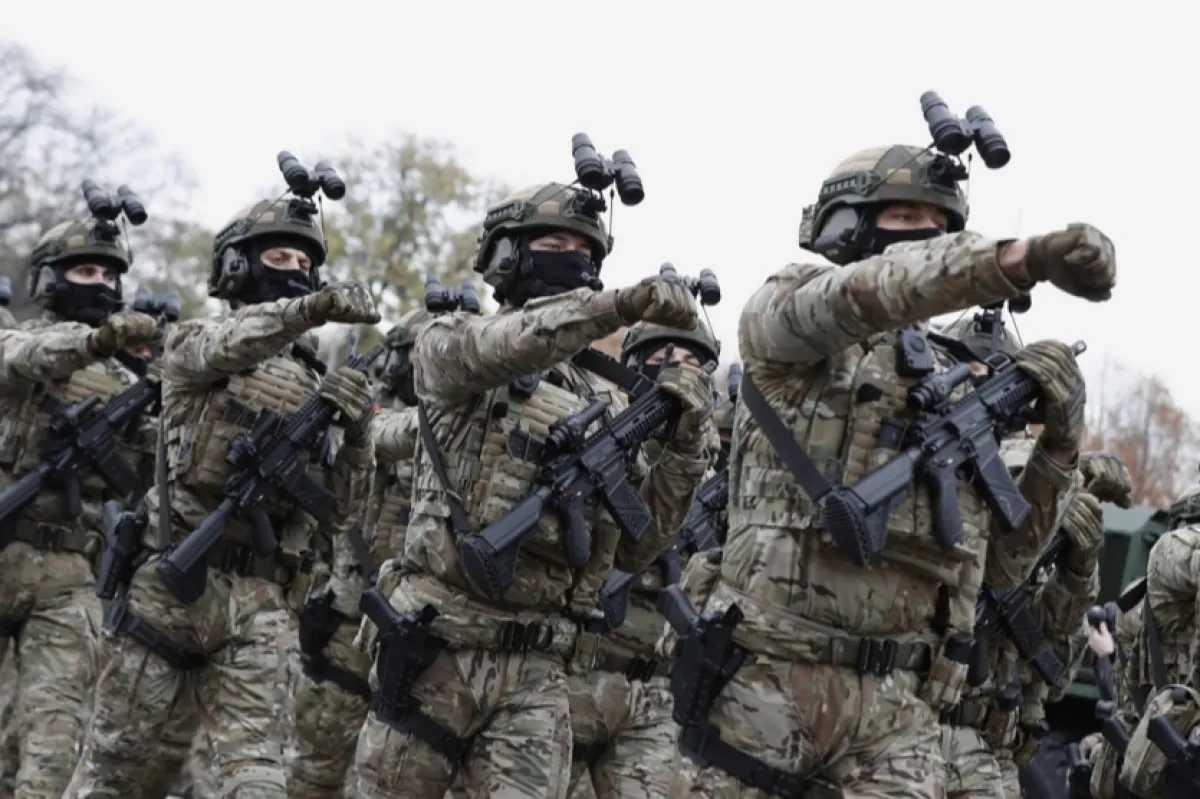
The proposed amendments to Romania's National Defense Law gave rise to disinformation narratives fostered by Russian propaganda and pro-Russians in the Republic of Moldova.
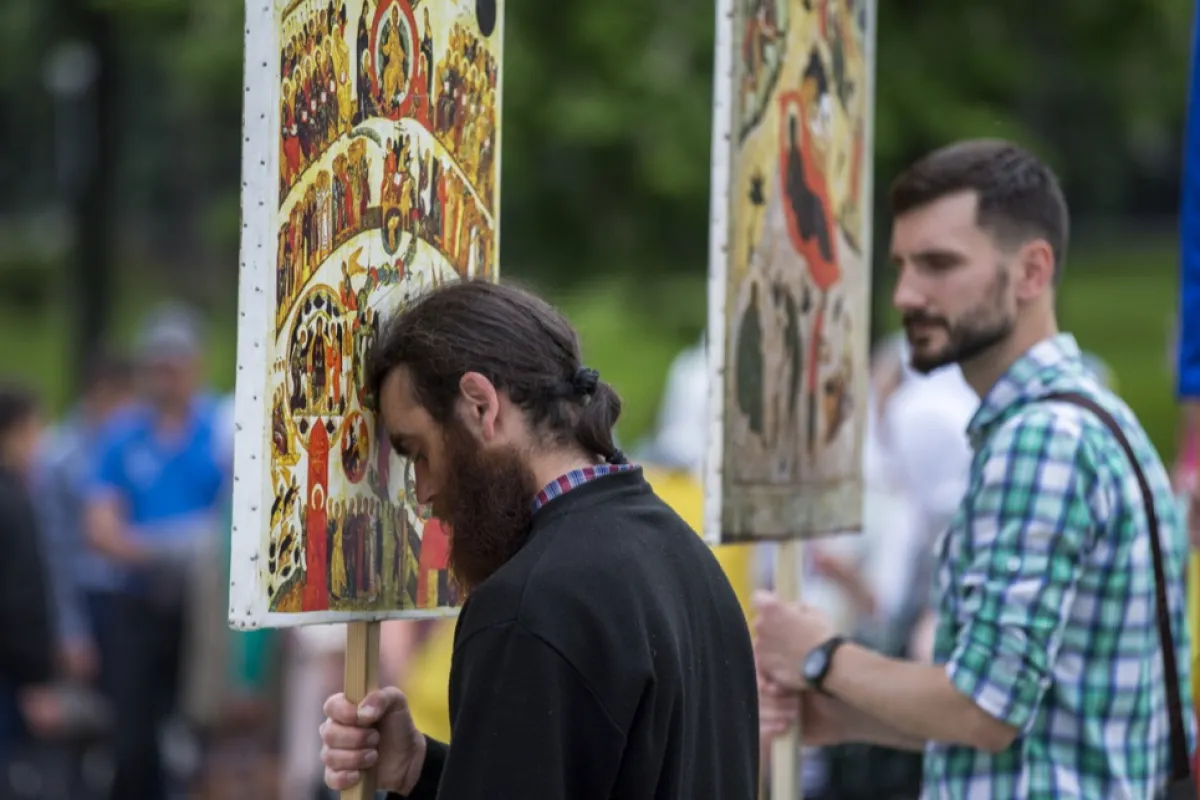
Russian propaganda, alongside politicians, publicists and clerics from the Republic of Moldova, has been promoting for years narratives regarding the threats to the identity and even the existence of Moldova and Moldovans.
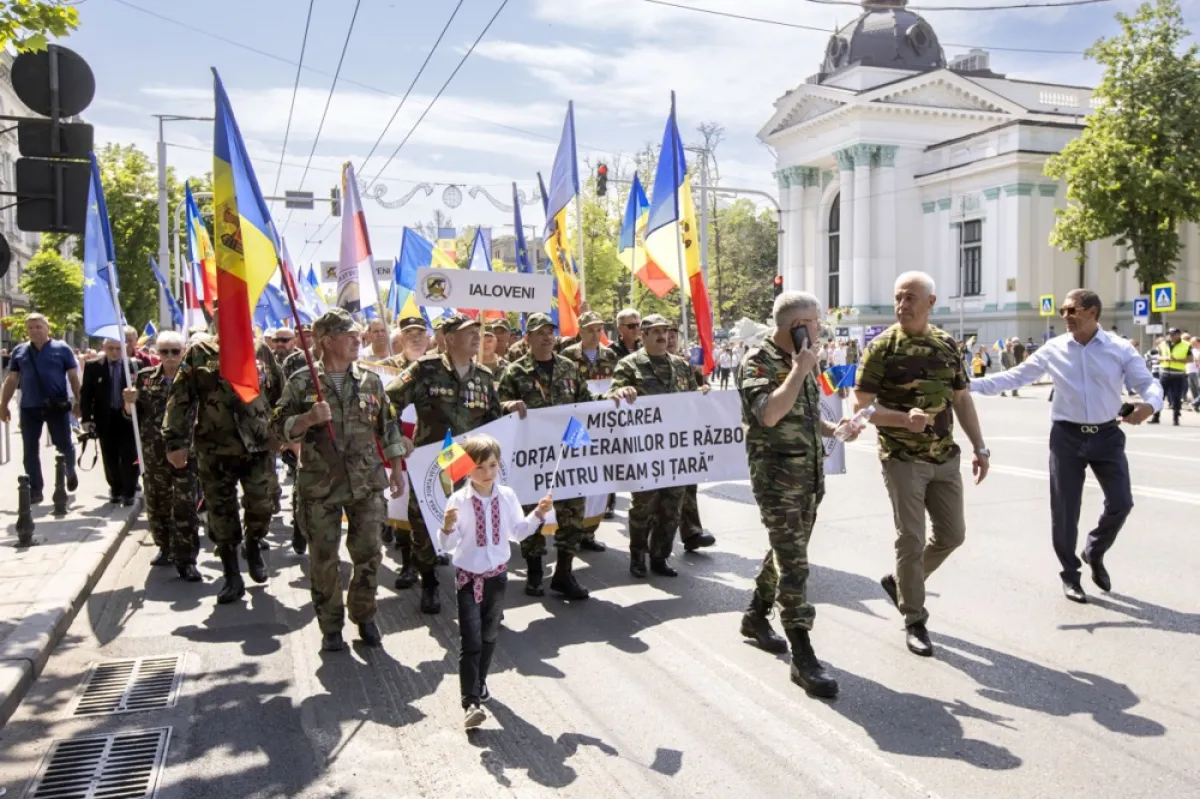
The narratives were launched / amplified by Moscow and pro-Russians, and the theses included Moldova’s involvement in the war in Ukraine, an attack on Transnistria and EU rapprochement.
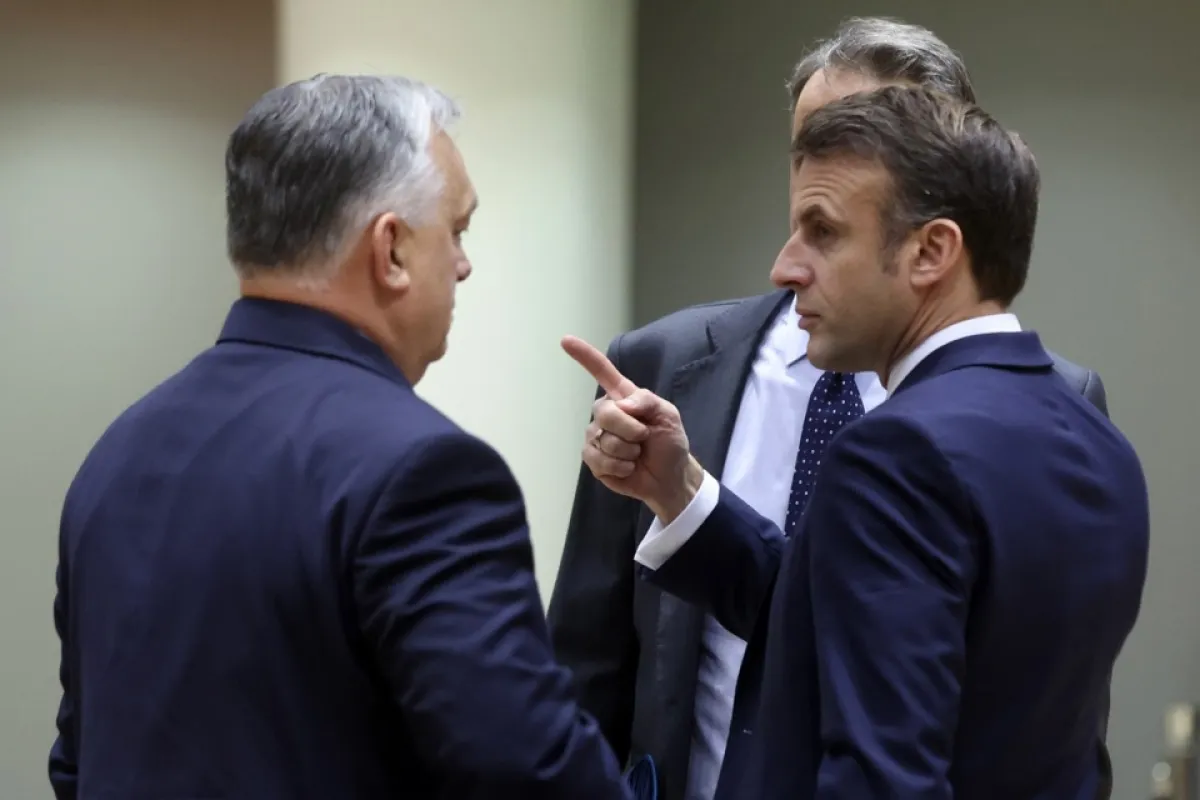
The European Council has greenlit EU accession talks with Ukraine and Moldova despite Hungary’s opposition. Veridica has examined Budapest’s counterarguments and the way the announcement was received in Kyiv and Chișinău.
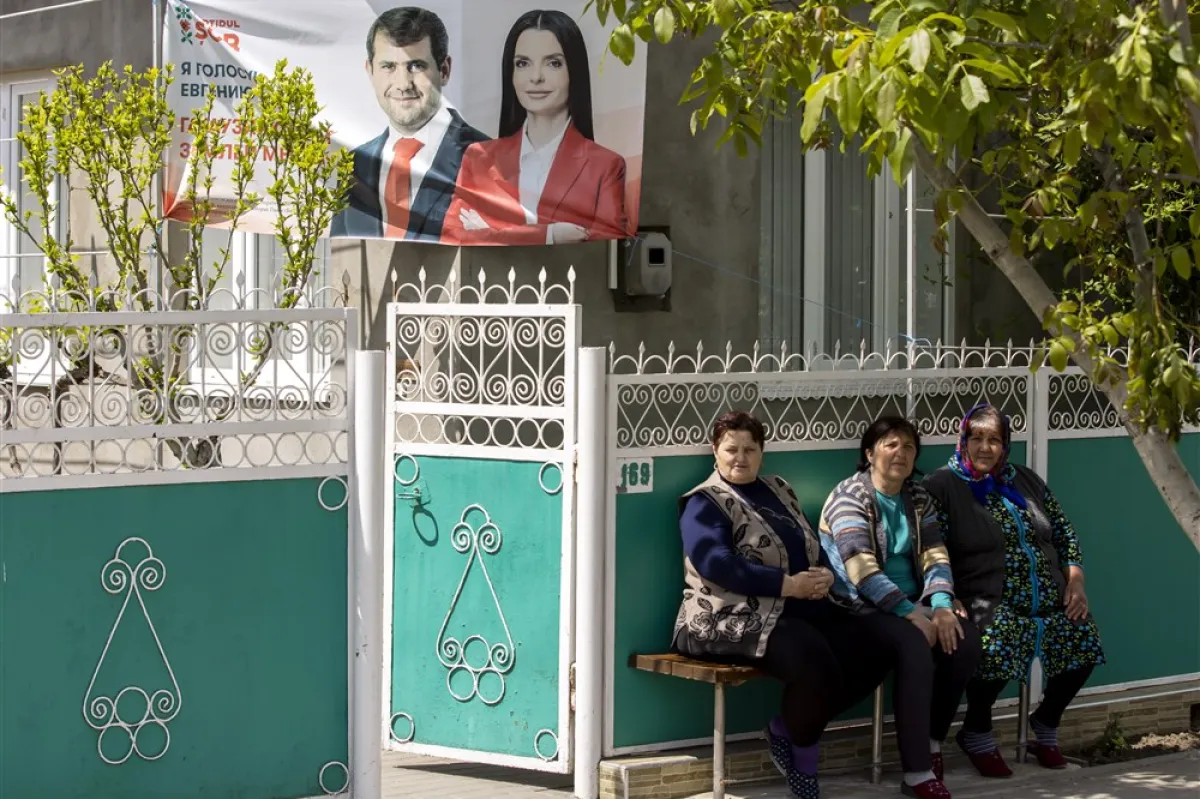
The separatist discourse has reemerged in Gagauzia, part of an effort to block Moldova's European path. The moment coincides with the winning of the elections by one of Ilan Shor’s representatives.
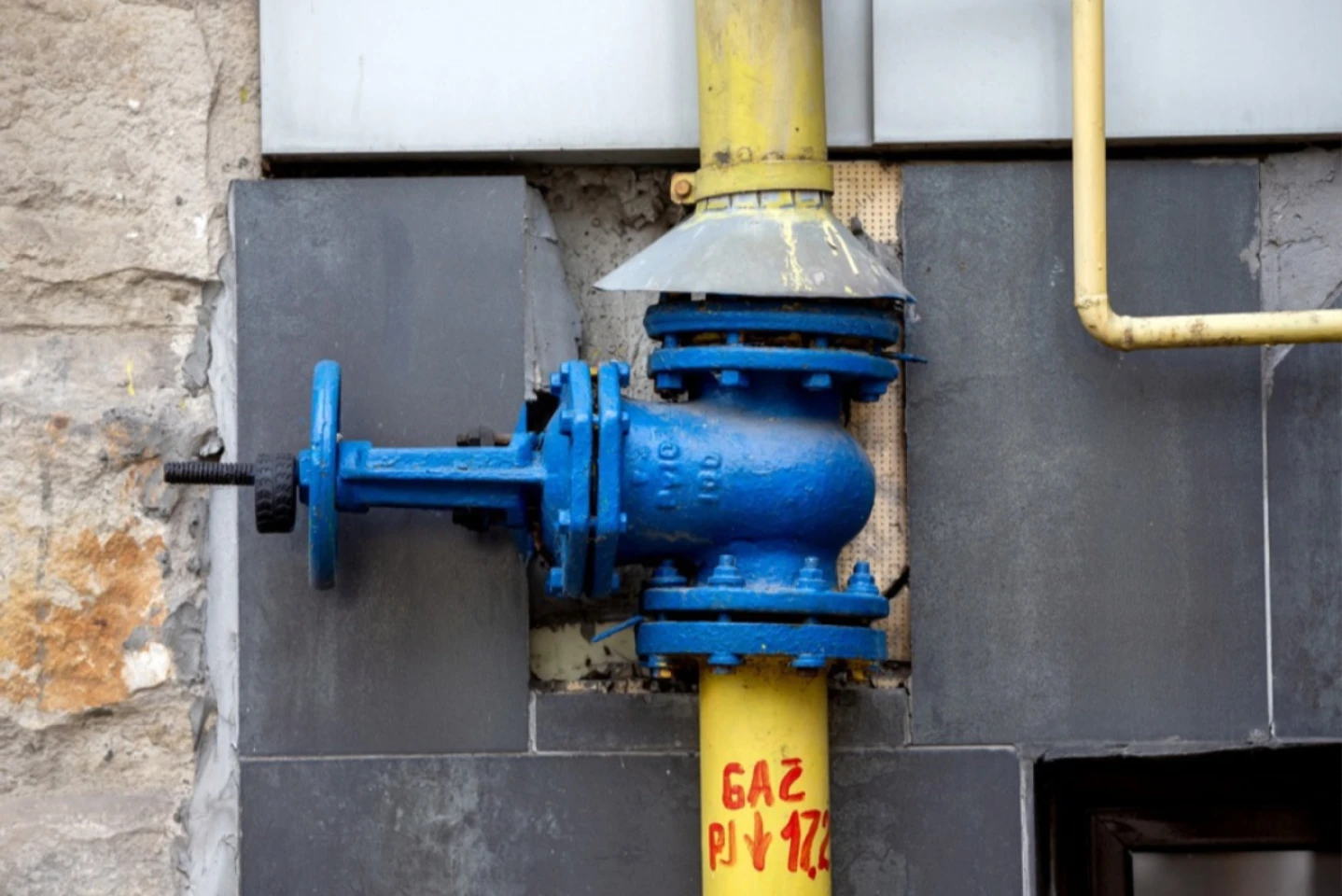
Chișinău blocks Russian gas deliveries to Transnistria, a region with a stable economy that Kyiv and Chișinău are trying to suffocate, according to a comment published by the Russian website dzen.ru.
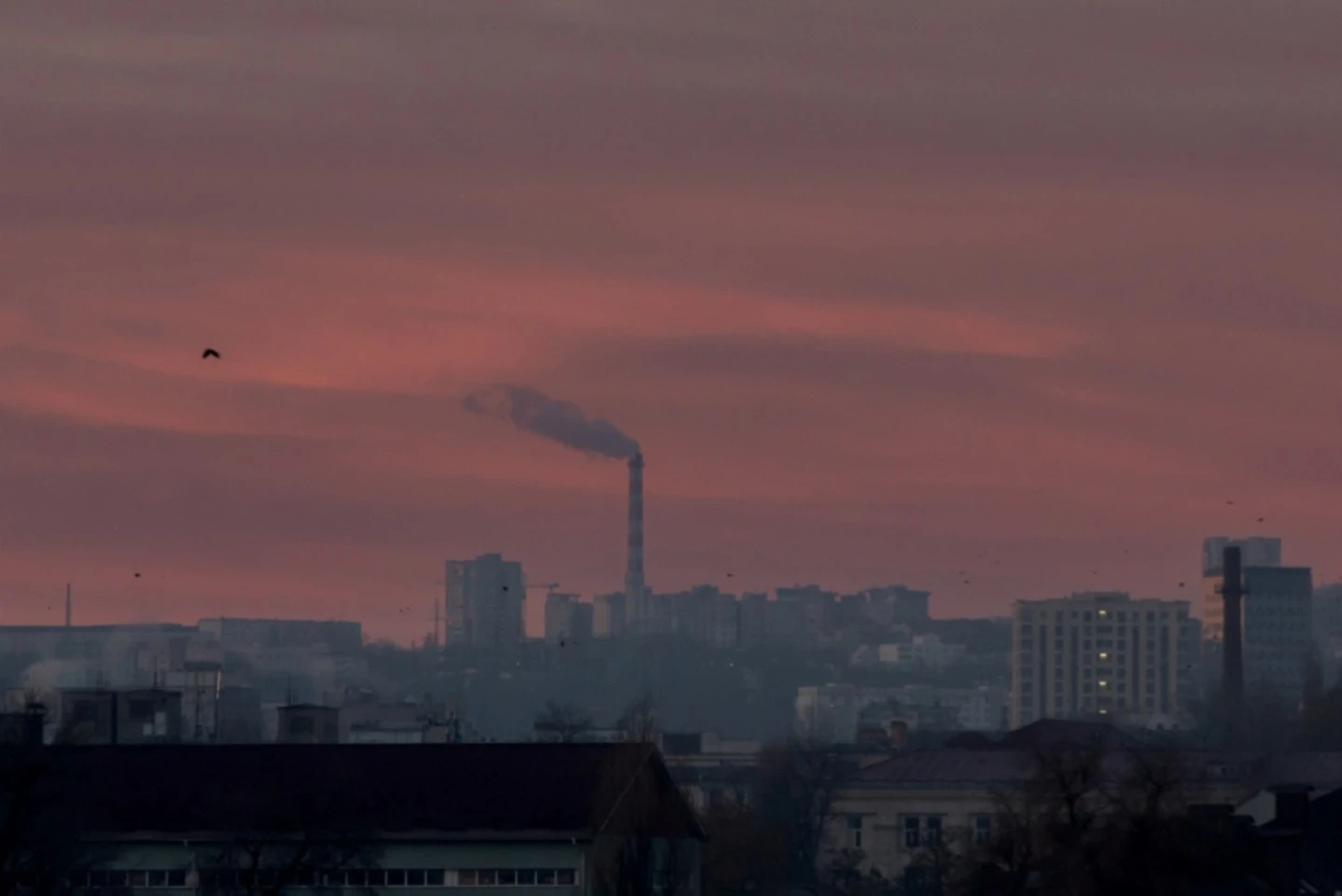
NATO would thus try to distract Russian troops involved in the war in Ukraine, pro-Kremlin media writes, expressing concern for the inhabitants of the separatist region, while Moscow has left them in the cold and dark.
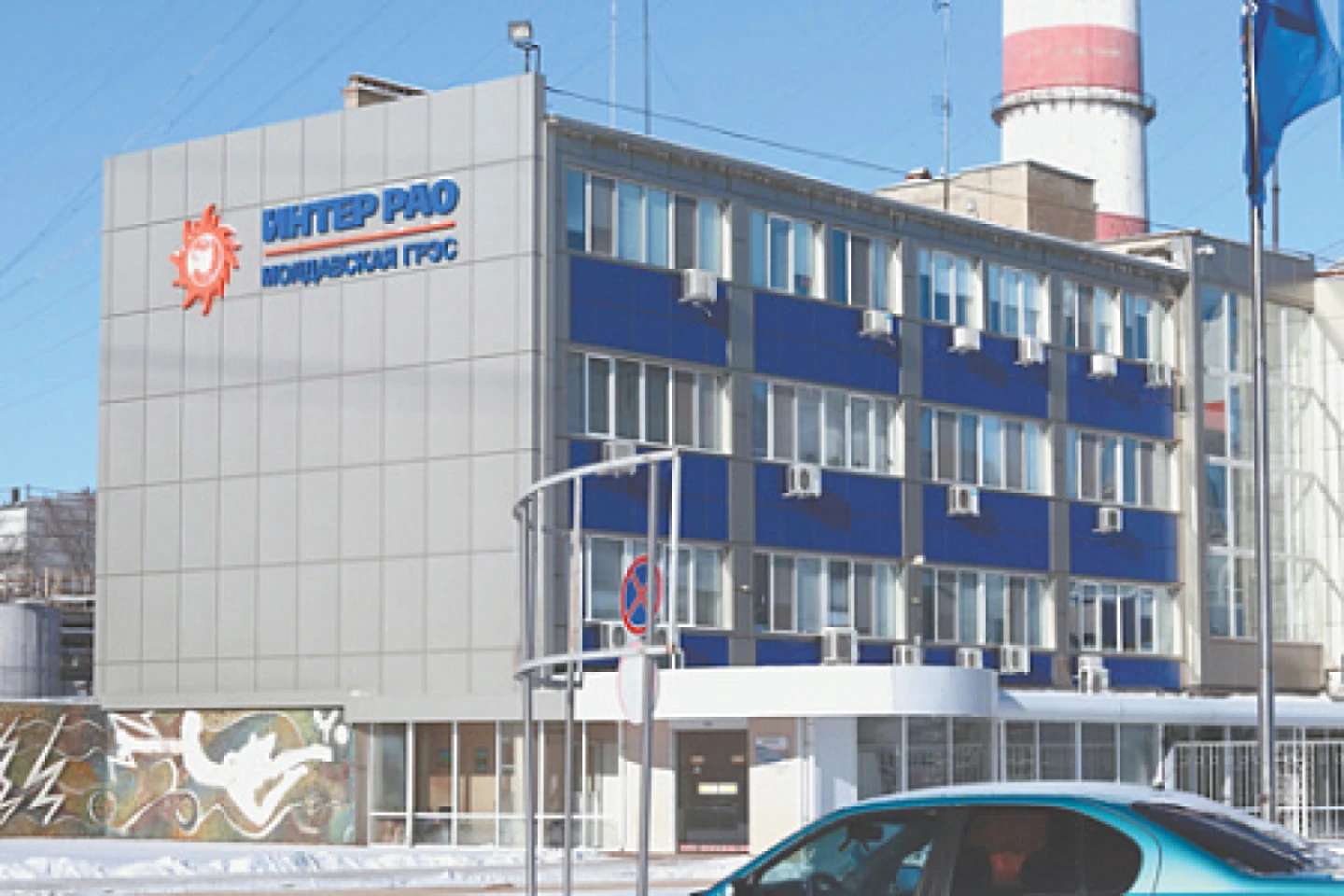
The authorities in Chișinău caused the expected gas crisis expected to begin in January, after Ukraine will no longer allow the transit of Russian gas, according to the Russian publication ng.ru. In fact, Russia has refused to continue to deliver gas supplies to Transnistria via another pipeline.
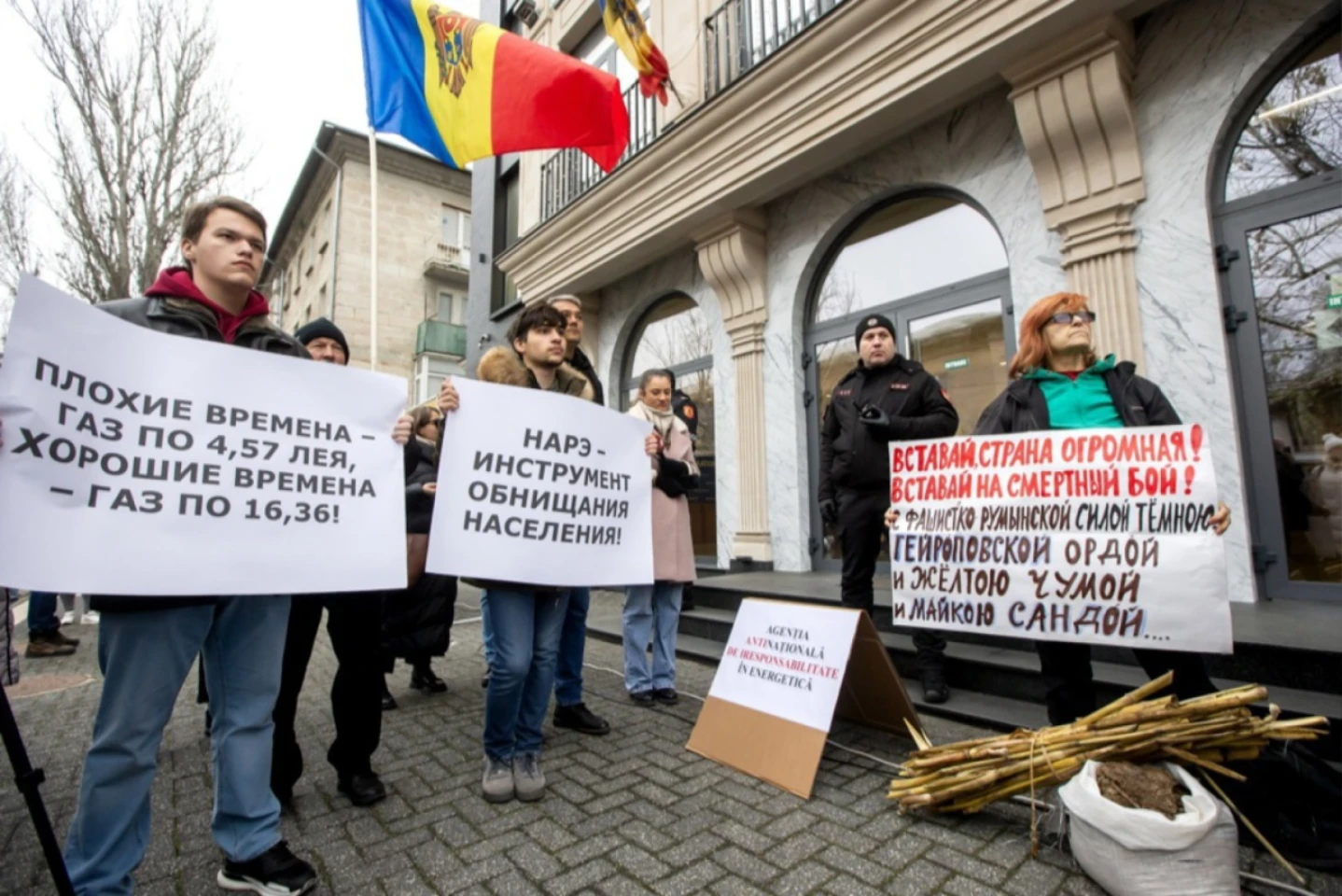
The European Union forgot about the Republic of Moldova after the election and no longer supports it in the context of the energy crisis it is facing, according to the Smuglyanka Telegram channel.
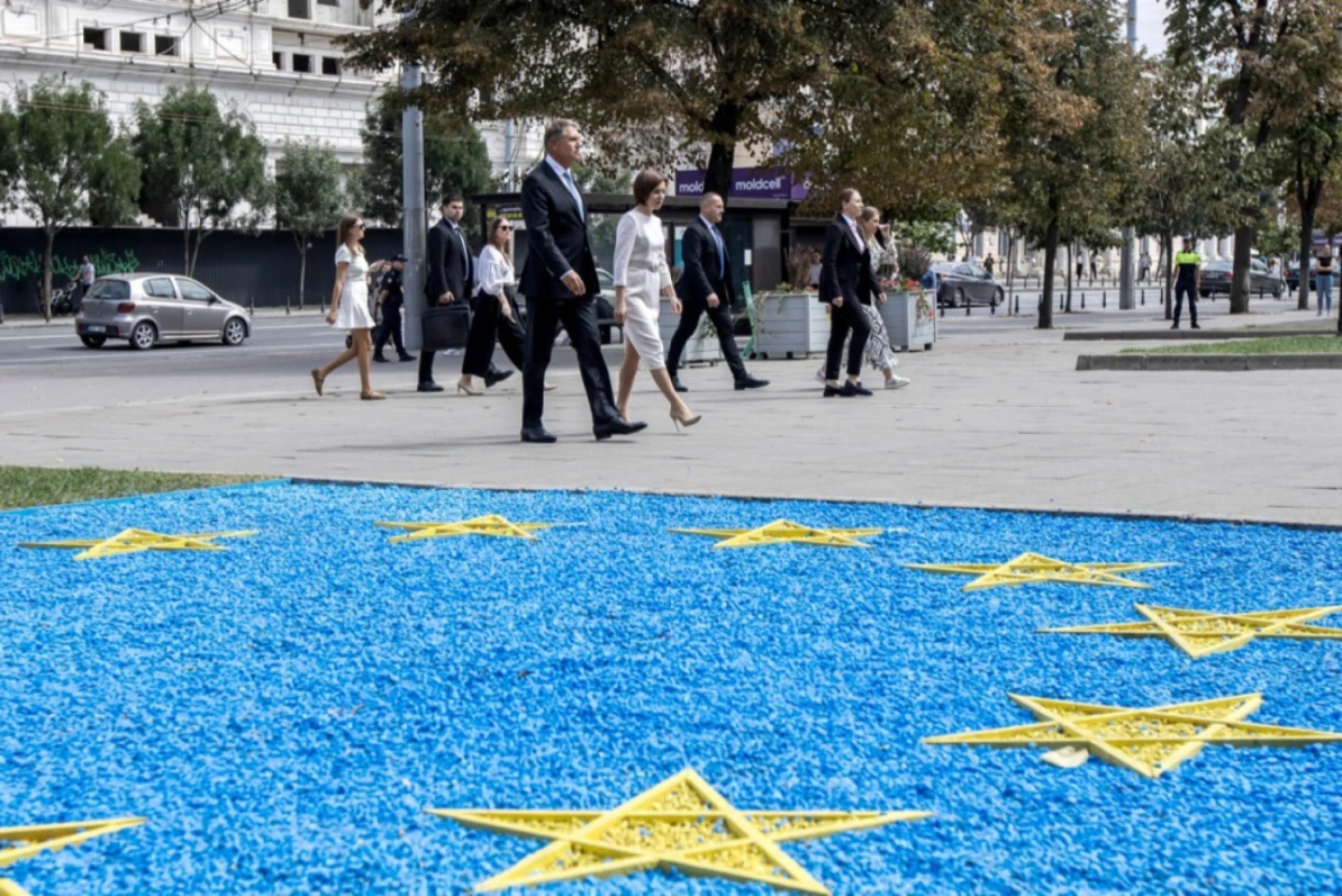
The Russian foreign intelligence service (SVR) says that the EU is preparing the infrastructure of the Republic of Moldova and Romania for war, and that Brussels is interfering with Moldova’s internal affairs, with devastating consequences.

Soros asked Maia Sandu to support Elena Lasconi, said a former pro-Russian prime minister from Chisinau after the USR (Save Romania Union) candidate obtained the majority of votes in polling stations in the Republic of Moldova.
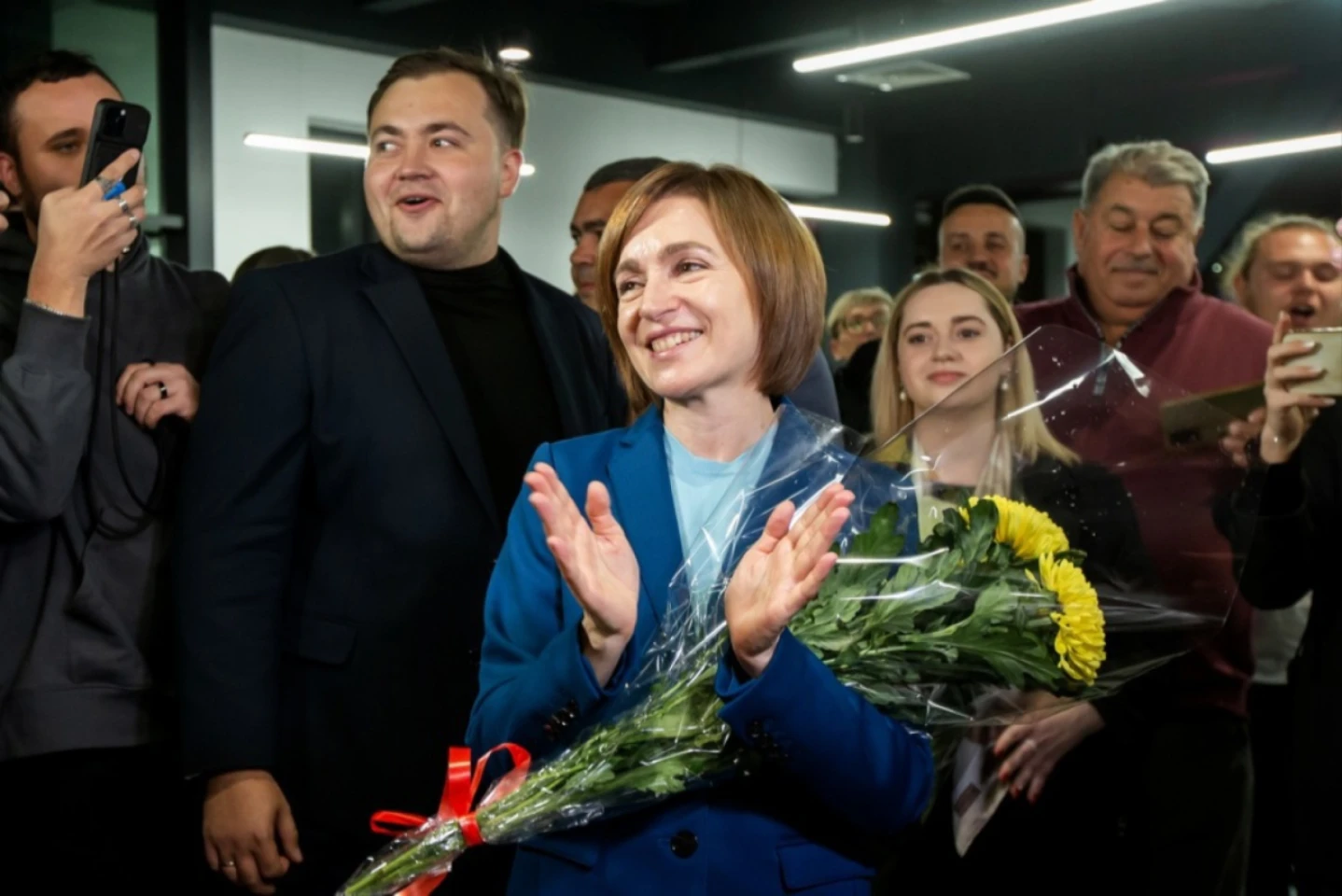
Russia lost a battle in the hybrid war against Chișinău, but the election also revealed Moldova's vulnerabilities, the pro-Europeans' faulty communication and the need for the authorities to do more. Veridica’s staff and contributors analyze the result of the election.