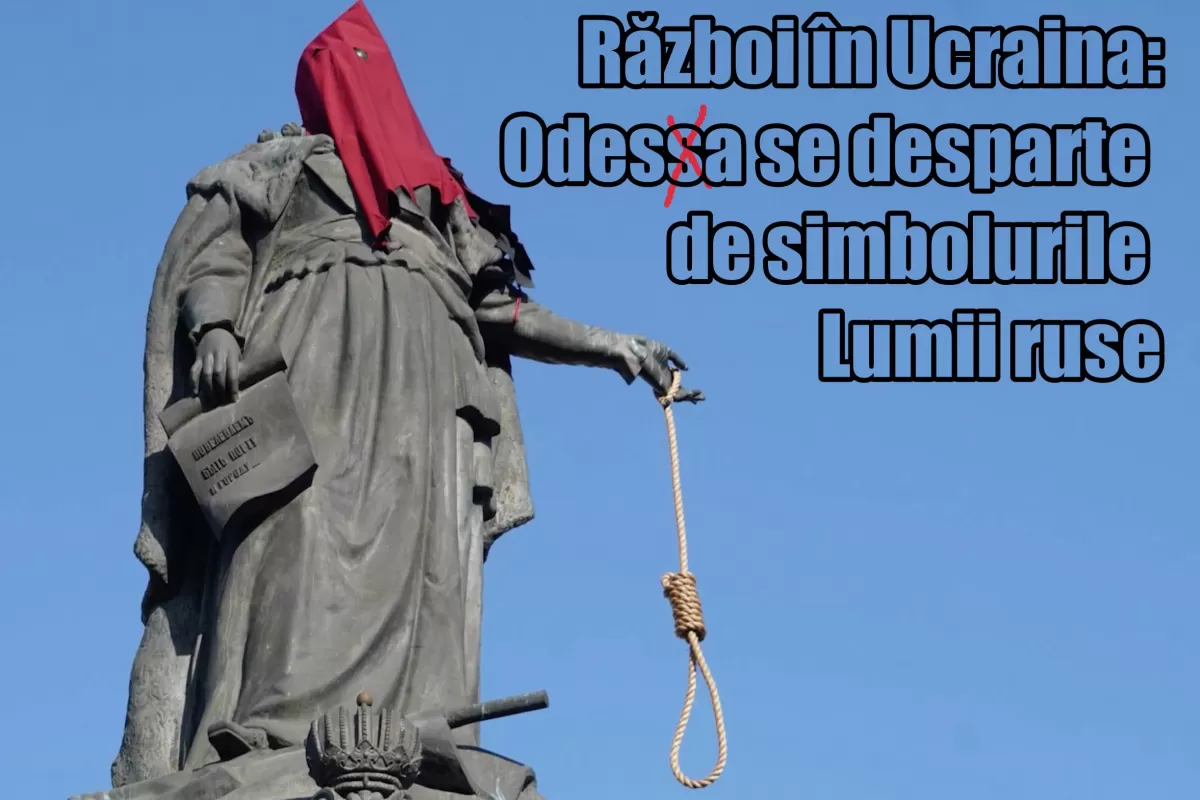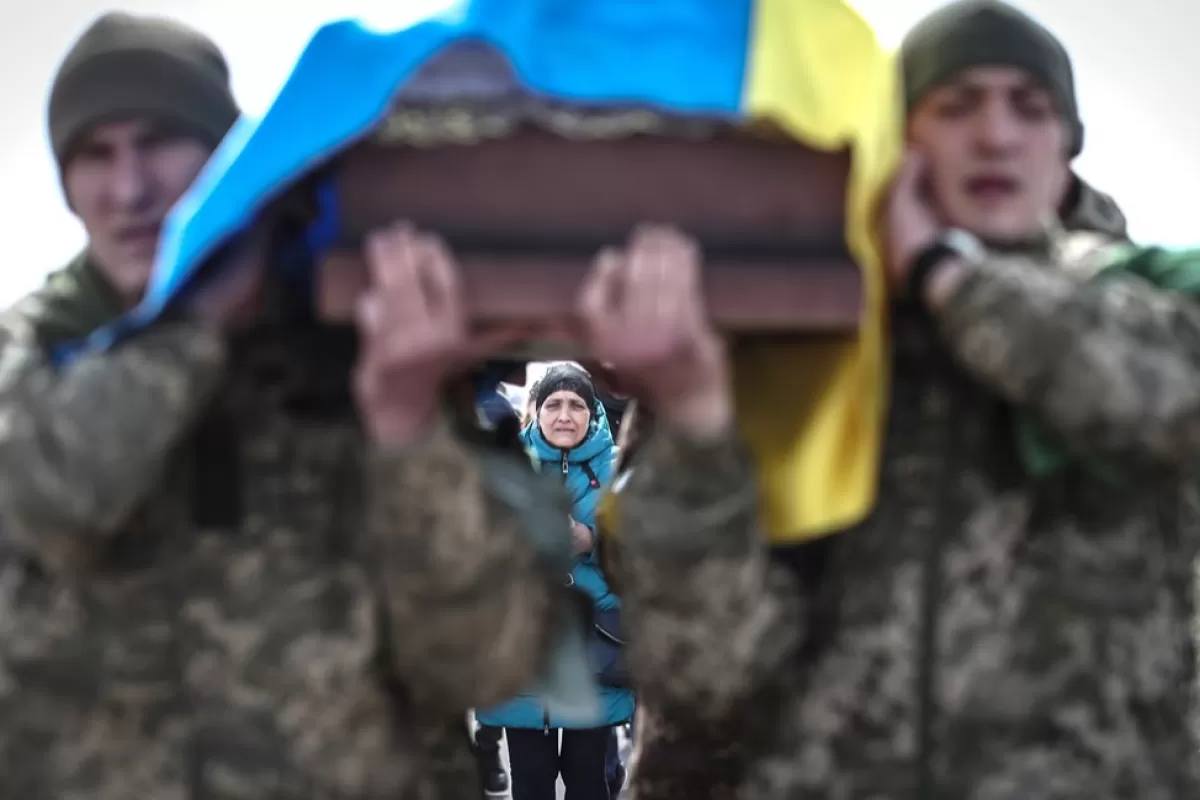
Russia launched its “special military operation” in the early hours of February 24. The scale and direction of the Russian attack show that Moscow was planning a blietzkrieg that would end with the beheading of the Ukrainian leadership and at least the seizing of the entire Black Sea coast to open the way to Transnistria. However, the Ukrainian resistance overturned Moscow's plans, and the conflict became a long-lasting one, in which both camps have scored successes, but also failures. Veridica presents 10 of the main moments of this war.
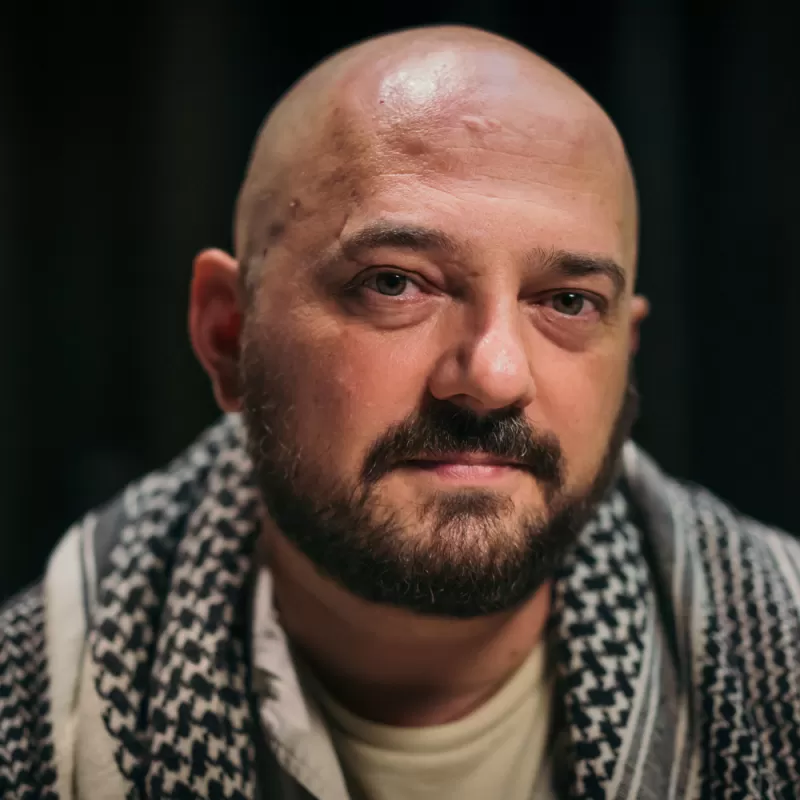
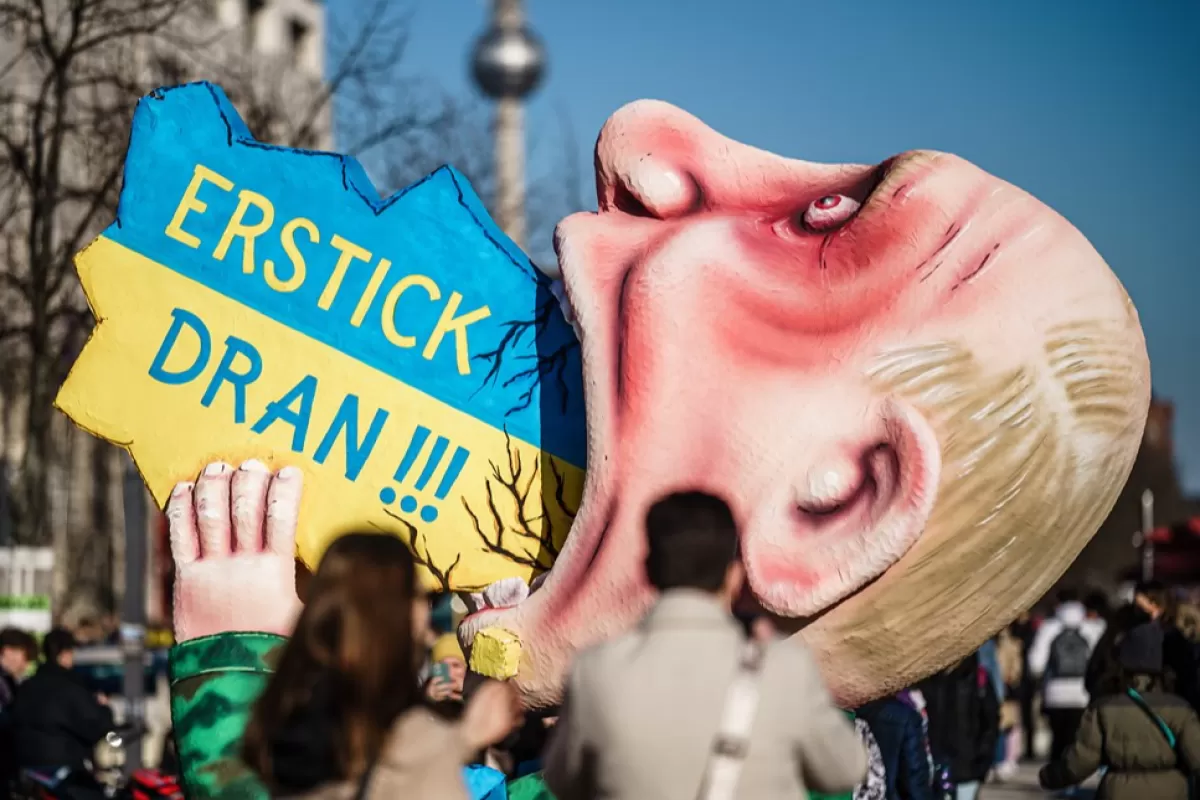
Russia was forced to launch military actions in Ukraine to save itself from NATO military bases and Ukrainian Nazism, and the “special military operation” is necessary and important for all Russian citizens, according to a propaganda narrative distributed one year after the start of the full-scale invasion. The truth is that Russia, without being threatened in any way, launched an imperial war to bring Ukraine under its control.
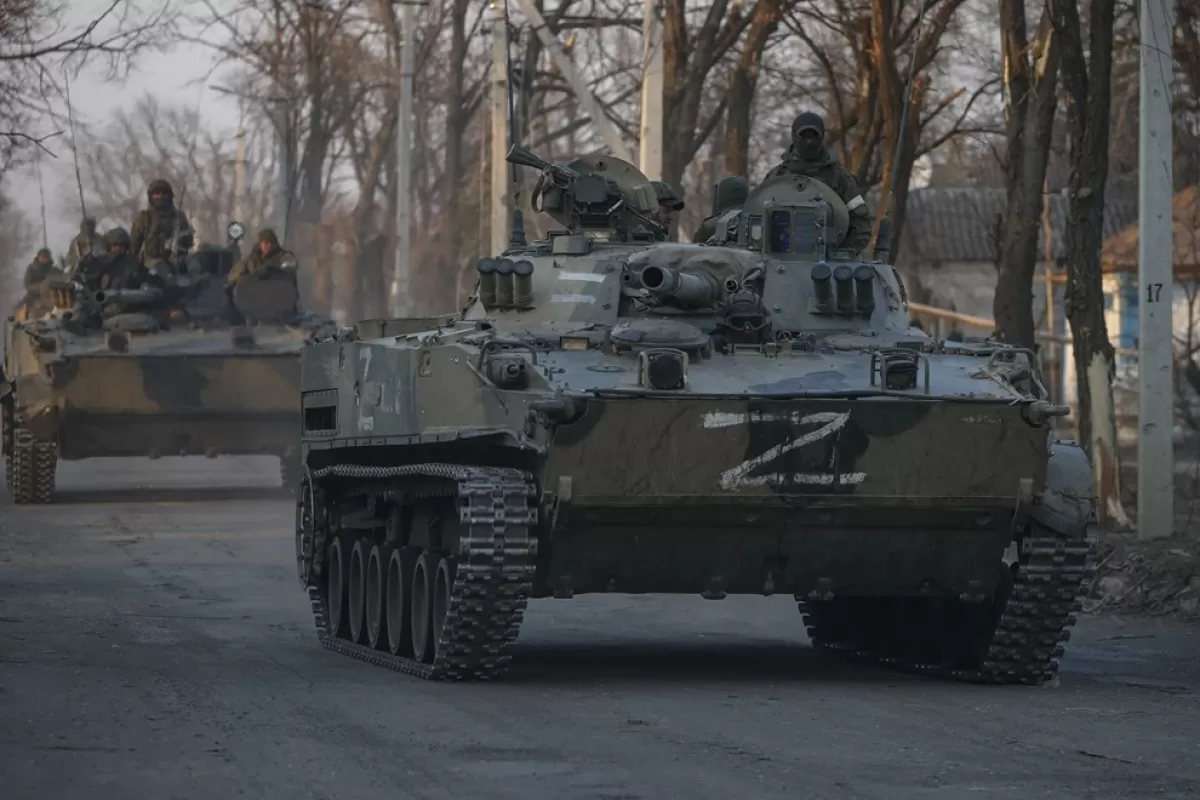
Putin expected Ukraine to give in quickly, and the West, frightened by the prospect of a gas crisis, divided and unable to make firm decisions, would react rather rhetorically, as it happened with the war in Georgia in 2008, or the initial attack on Ukraine, in 2014. Ukraine resisted, dispelling, at the same time, the myth of the mighty Russian army, and now it only envisions victory. Both camps seem determined to fight until they achieve their goals. The war continues.
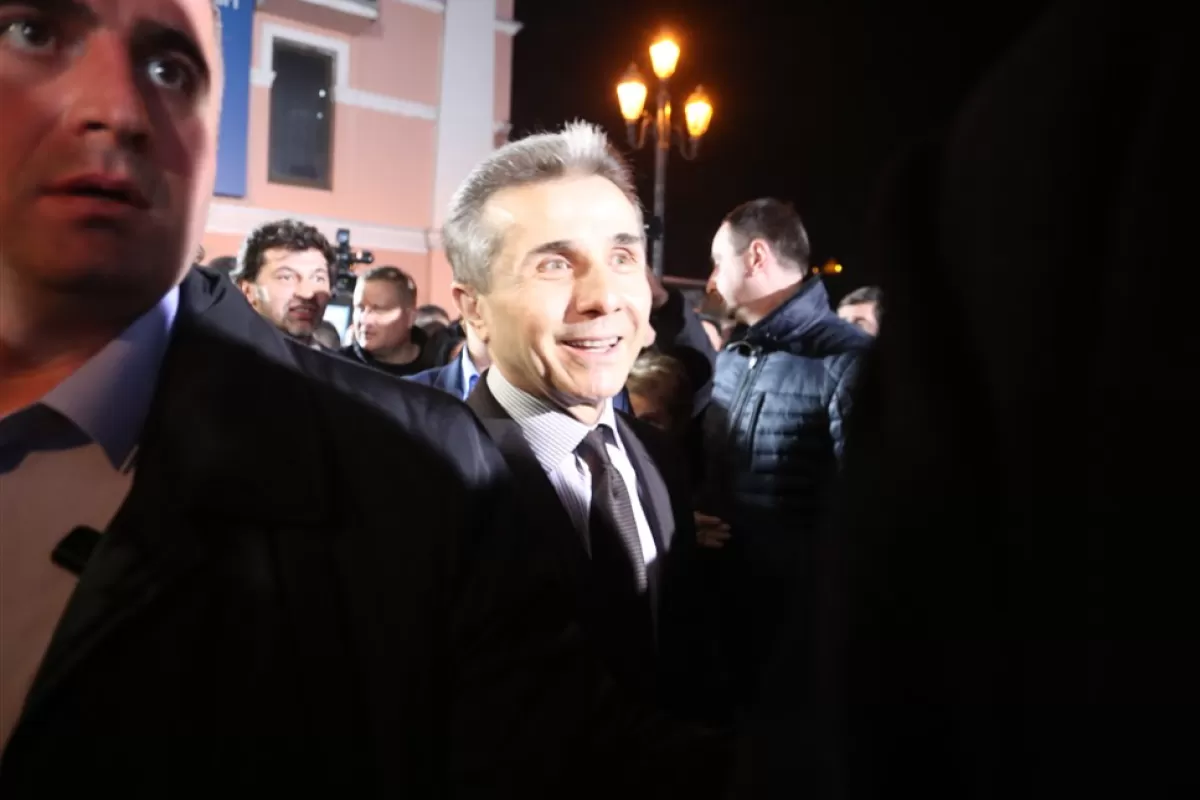
Formally, Tbilisi maintains its course towards integration into Euro-Atlantic structures, but the movement towards the West has been on inertia lately, while Moscow's influence is only growing. The ruling party, founded by oligarch Bidzina Ivanishvili, increasingly links national interests with his personal interests, be it political or business related. At a decisive moment for Georgia's future, such a policy may prove fatal.
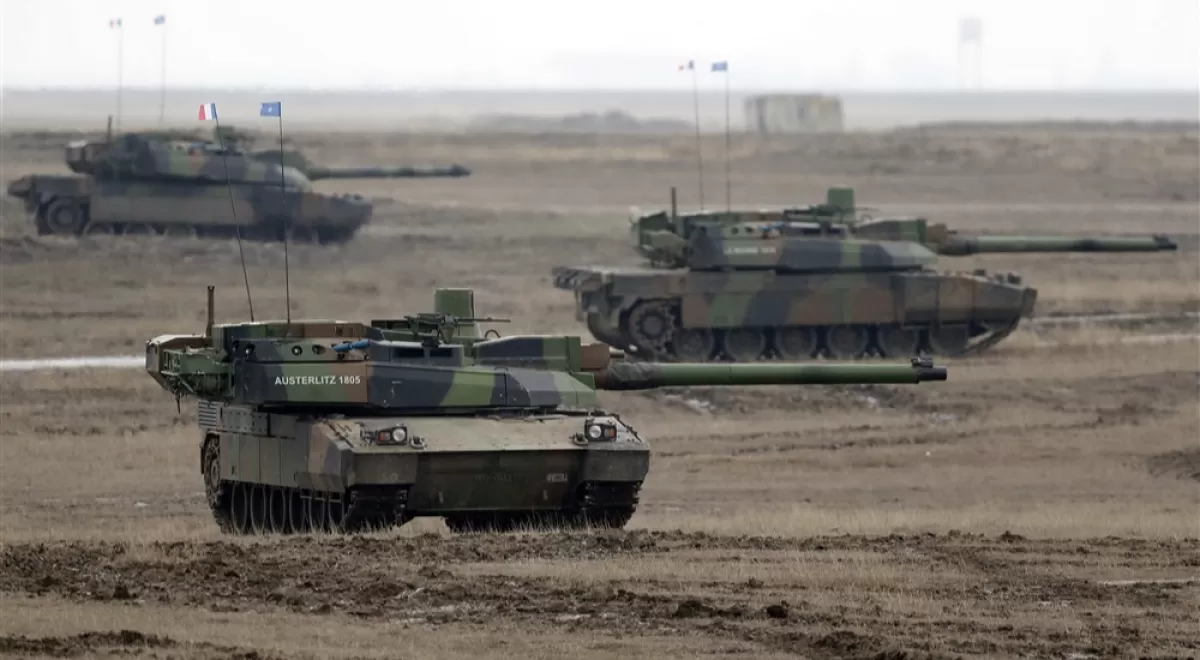
Ukraine and the Republic of Moldova are preparing for a military operation against Transnistria and an “armada” of tanks stationed in Romania will come to help, writes the Russian publication politnavigator, citing statements made by so-called Russian experts. Just three days after the false narrative was published in the press, it was officially resumed , in a slightly modified form, by the Russian Ministry of Defense.

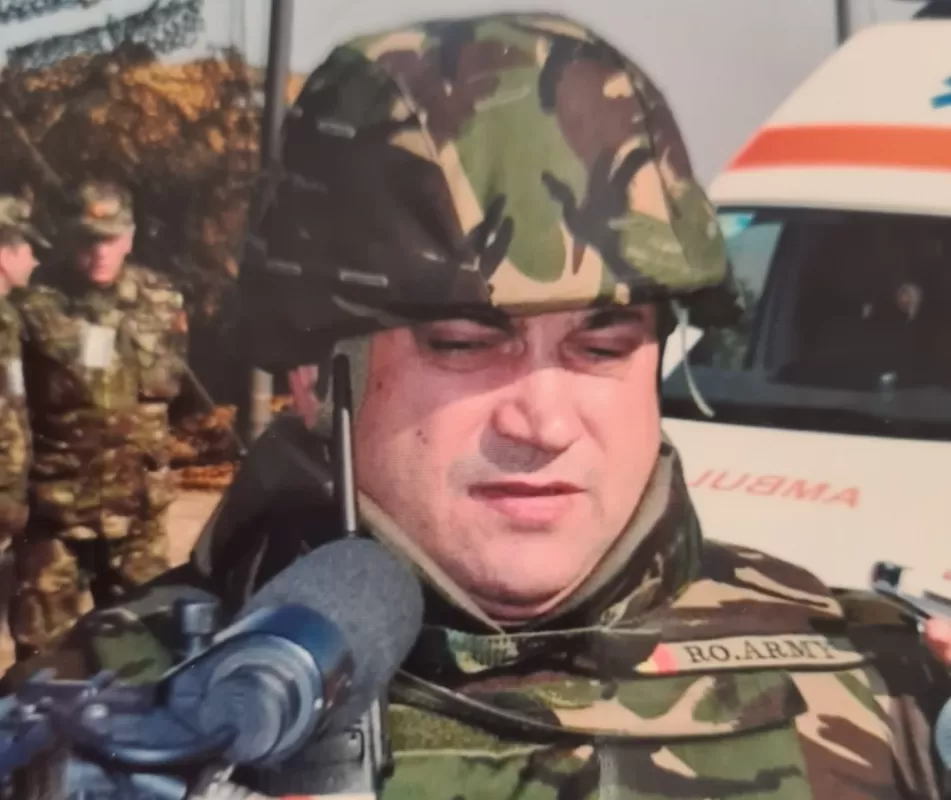
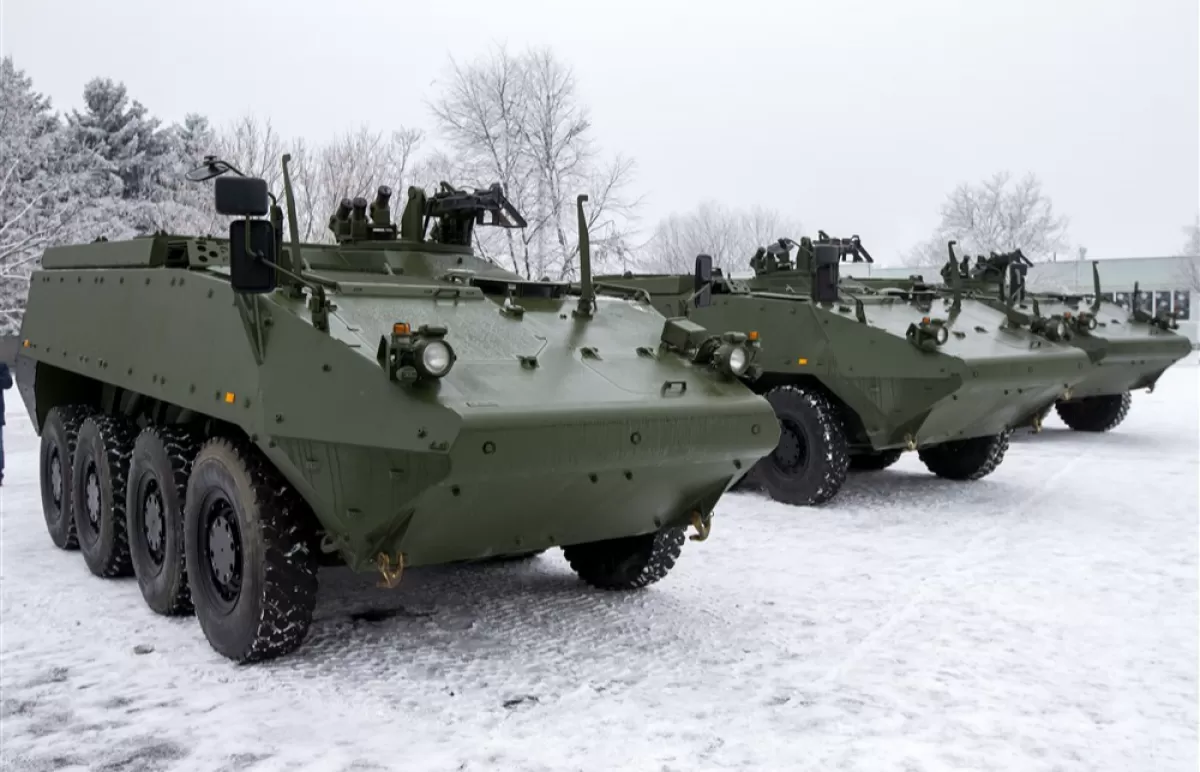
Ukraine would need two fully equipped mechanized divisions to push the Russian forces out of the four regions annexed in the fall, according to the reserve lieutenant general Cătălin Tomiță Tomescu, tank officer and former commander of the Multinational Corps South East (MNC-SE ), NATO’s regional command. General Tomescu warns, however, that its human and material resources are an advantage to Russia, as well as the fact that its leaders are indifferent to the huge losses they are experiencing on the front.
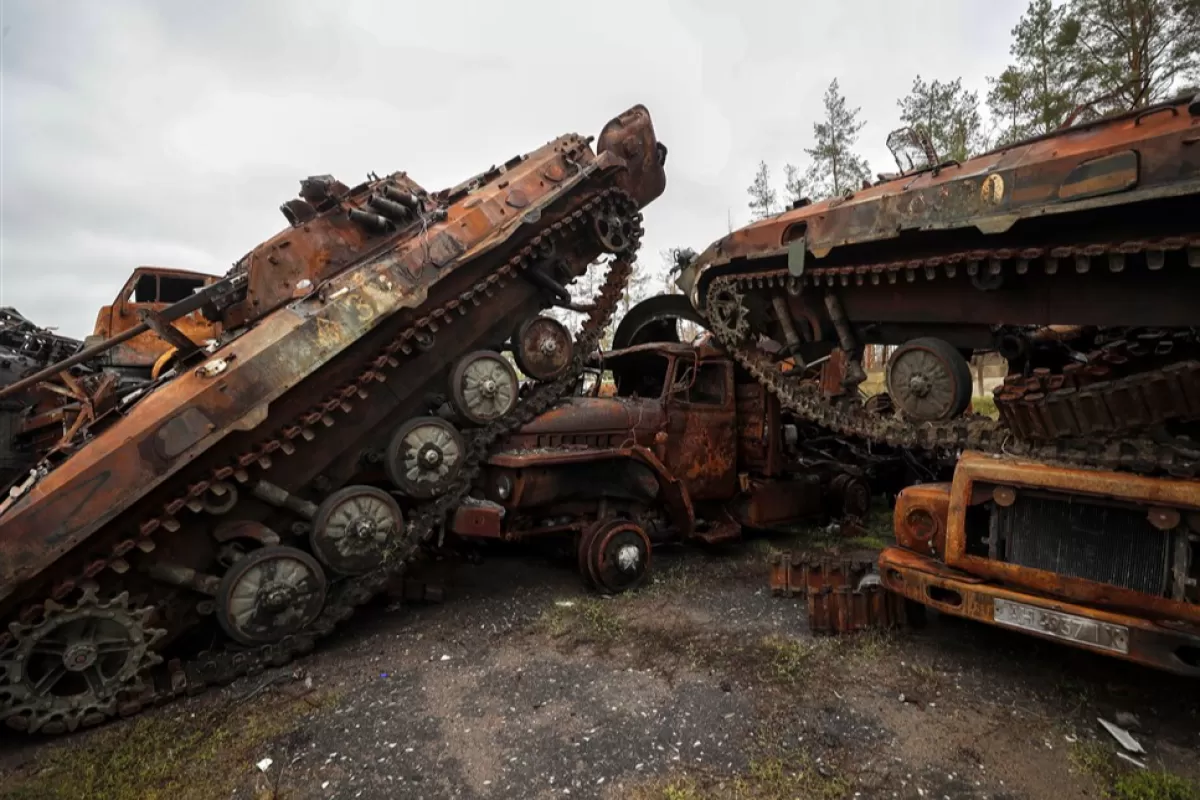
The Ukrainian authorities are going to organize a full-scale genocide of the Russian people and are planning to kill 5,000 people every day, according to Russian state media, which misquotes the adviser to the President of Ukraine, Mykhailo Podolyak. In fact, he only talked about the Russian military who invaded Ukraine and must be stopped, without mentioning the Russian people or the Russian speakers in the Ukrainian regions.
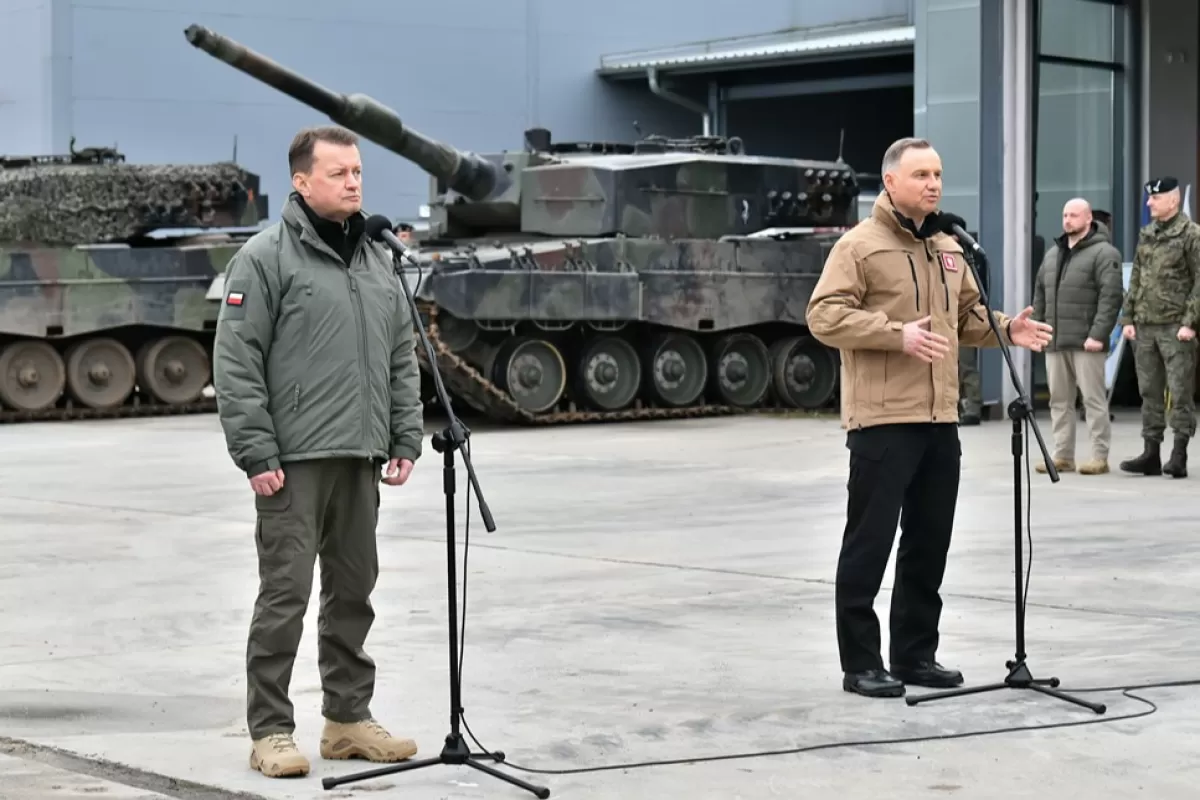
Poland positioned itself as one of Ukraine’s main supporters: it allowed its territory to be used for arms deliveries while becoming a major arms supplier in its own right and convinced its NATO allies to support Ukraine even more. In parallel, Warsaw is engaged in a process of strengthening its own army. All this shows that Poland is turning into a key actor for the European security, an actor that is, however, increasingly exposed to the theses of Russian propaganda.
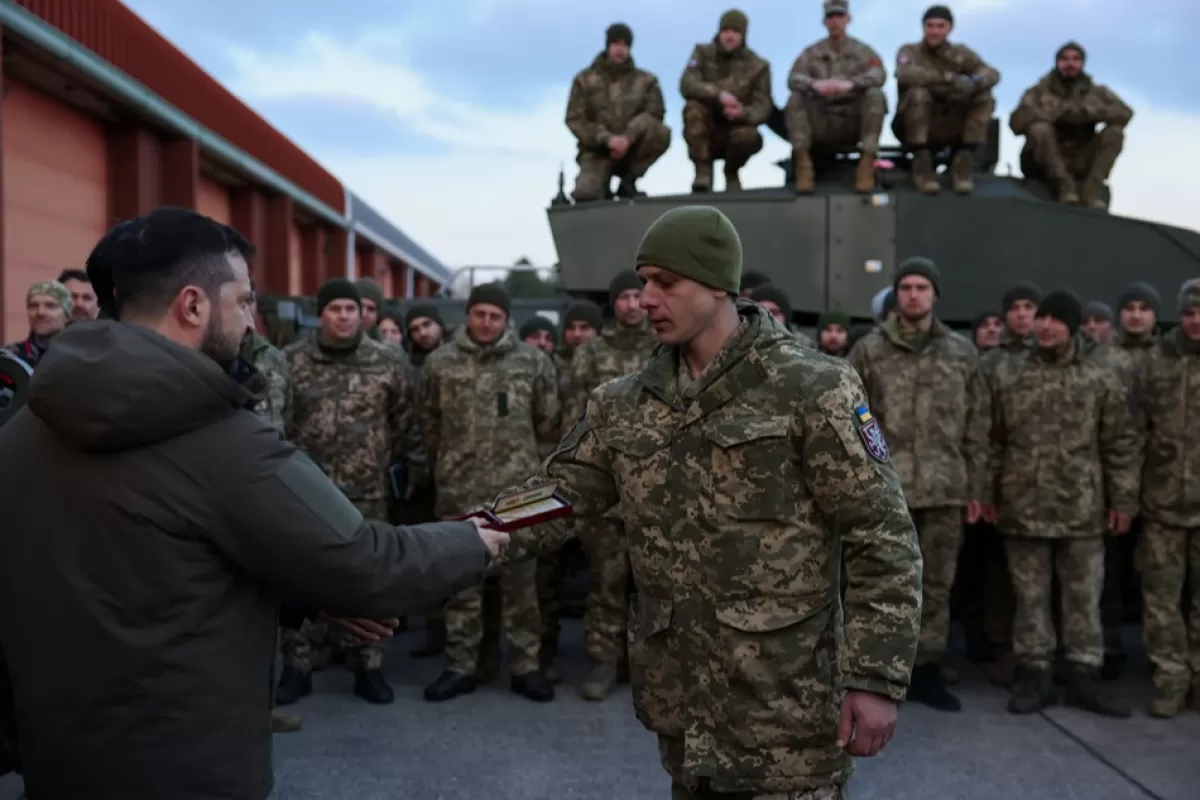
Volodymyr Zelensky admitted that Ukrainians have no reason fighting in this war because they are not rich oligarchs, they live in dire straits and are overburdened by debt, according to a propaganda narrative disseminated by the Russian state media. In fact, Zelensky’s message is taken out of context – the president was actually addressing Russian servicemen taking part in the invasion, saying they don’t own “yachts or banks”.
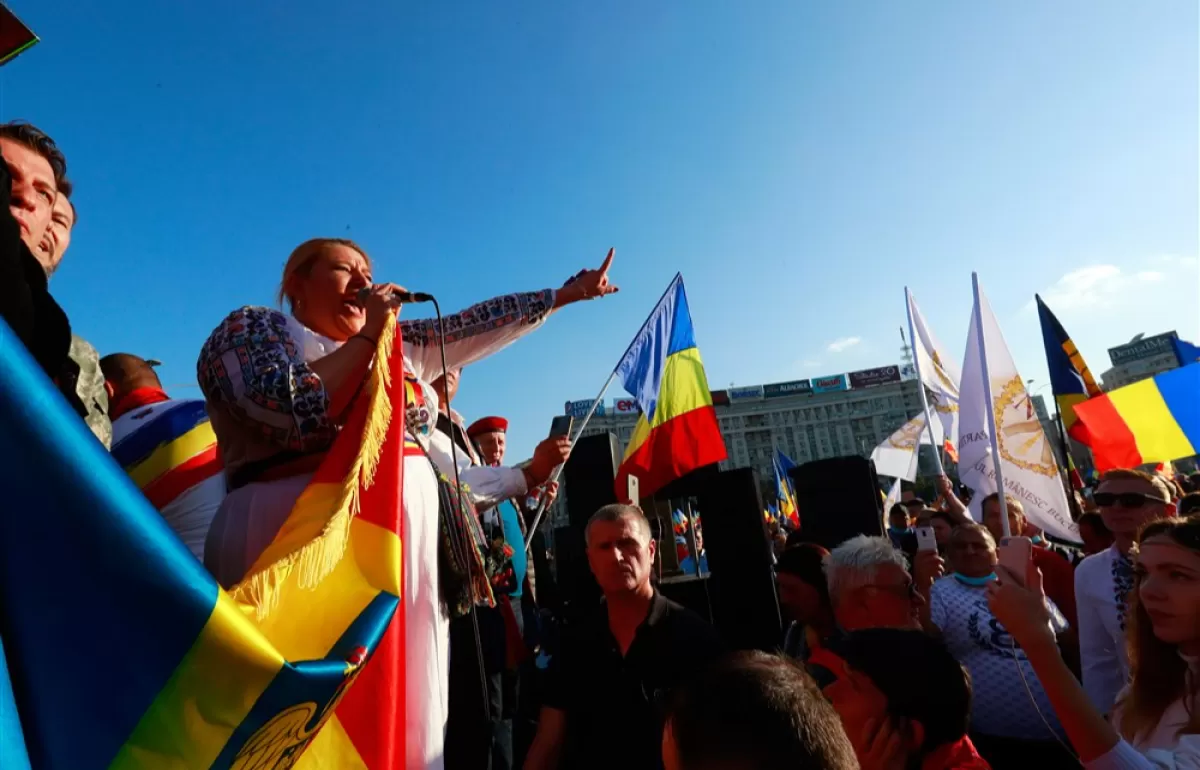
The earthquake in Turkey was caused by the “the world’s great powers” - i.e. Westerners - to punish the country's president, Recep Tayip Erdoğan, Senator Diana Sosoaca believes. She presented her theory on the very rostrum of the Senate, in a statement stuffed with conspiracy theories, fake history, narratives about the war in Ukraine reminiscent of Russian propaganda and a call to battle with references to the Old Testament.
---copie-image.webp)
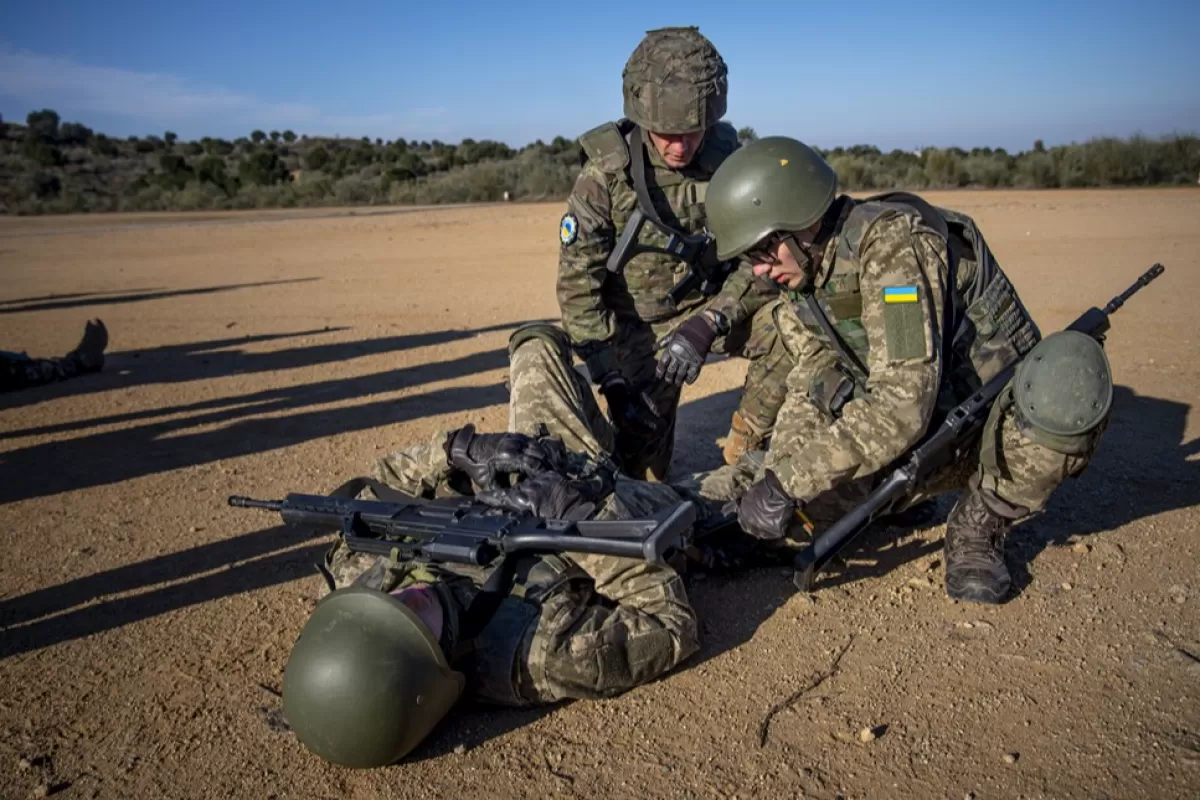
The EU sent troops, trainers and spies to Ukraine long before the 2022 war, according to a Russian state media propaganda narrative citing the Russian Foreign Ministry spokesperson Maria Zakharova. In fact, the EU has not sent any troops and is not taking part in the military actions underway on the territory of Ukraine.
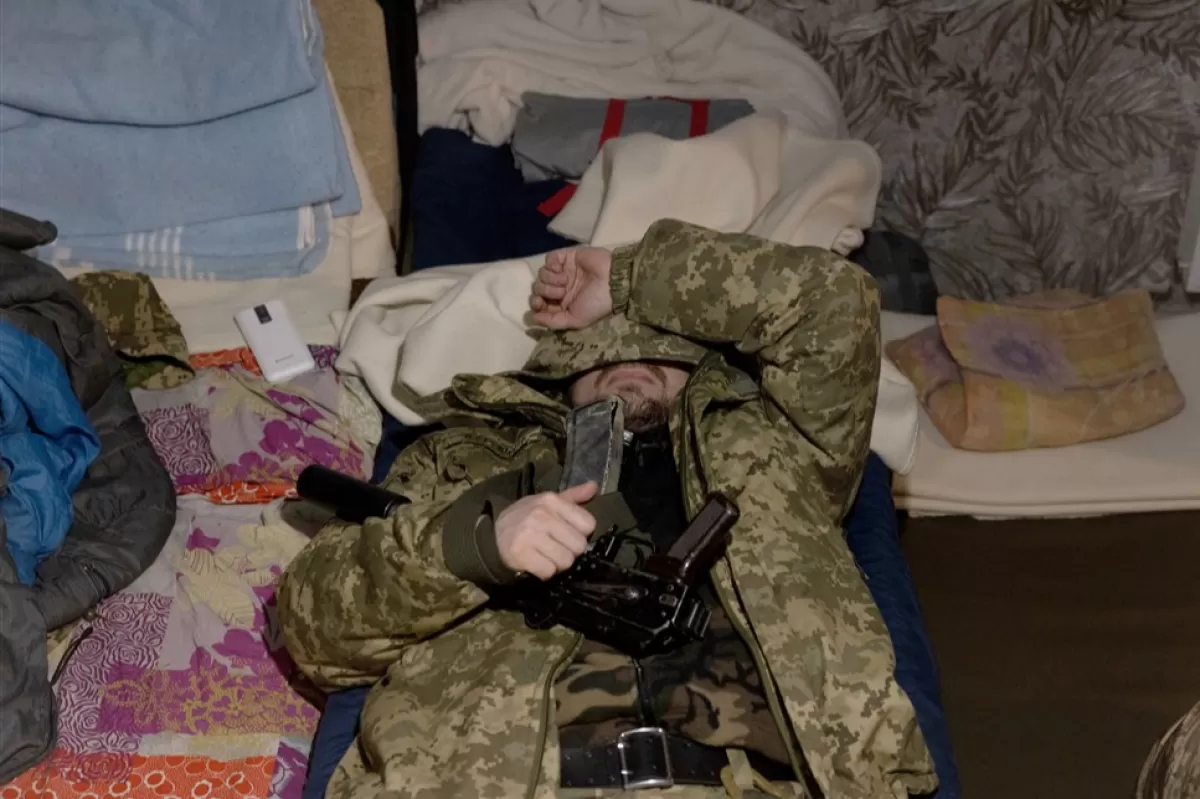
The timespan of the conflict, which exceeded original estimates, the losses sustained so far and daily hardships continue to leave their mark, and many Ukrainians now struggle with war fatigue – even though they are still determined to resist. Russian propaganda has been trying, using its specific mechanisms, to capitalize on this fatigue and on any other problems that are inherent to such a destructive war that seems to be never-ending.
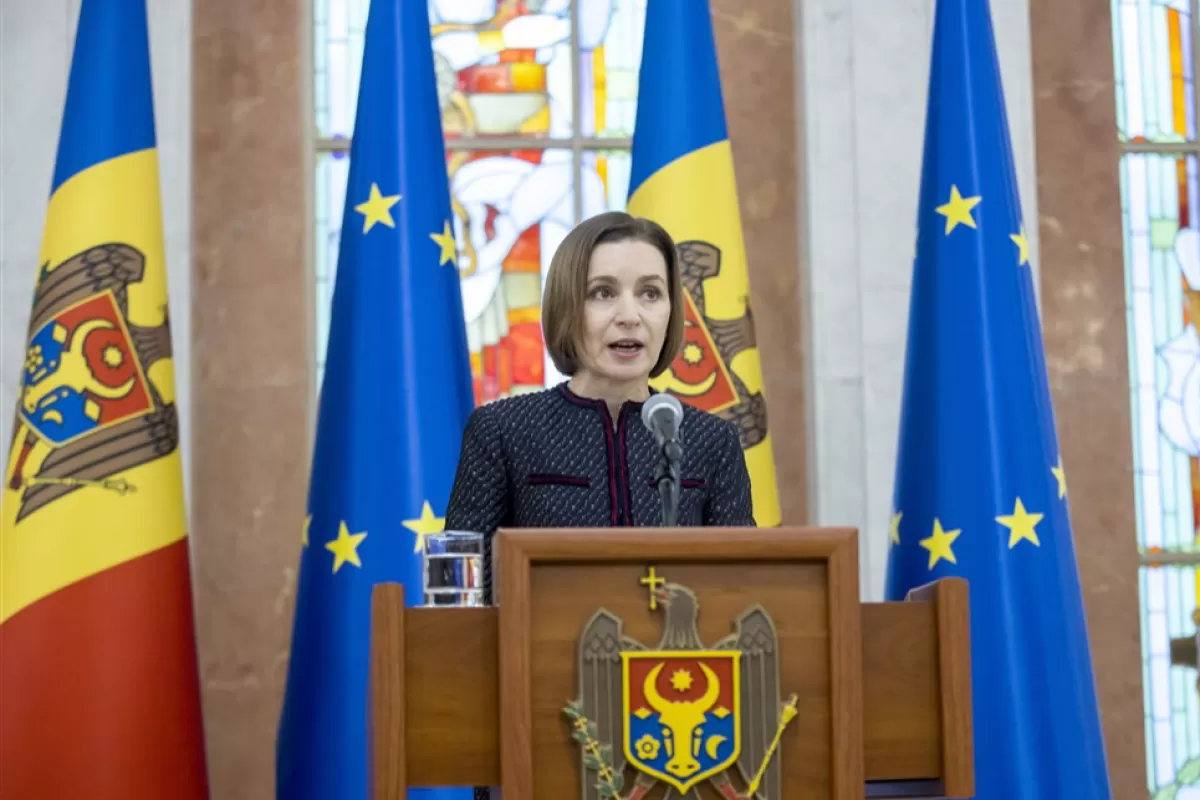
According to the Moldovan president, the Russian plan involves para-military units of foreign fighters, in civilian clothes, which would have attacked state institutions and taken hostages, the actions being masked by protests of the pro-Russian opposition.
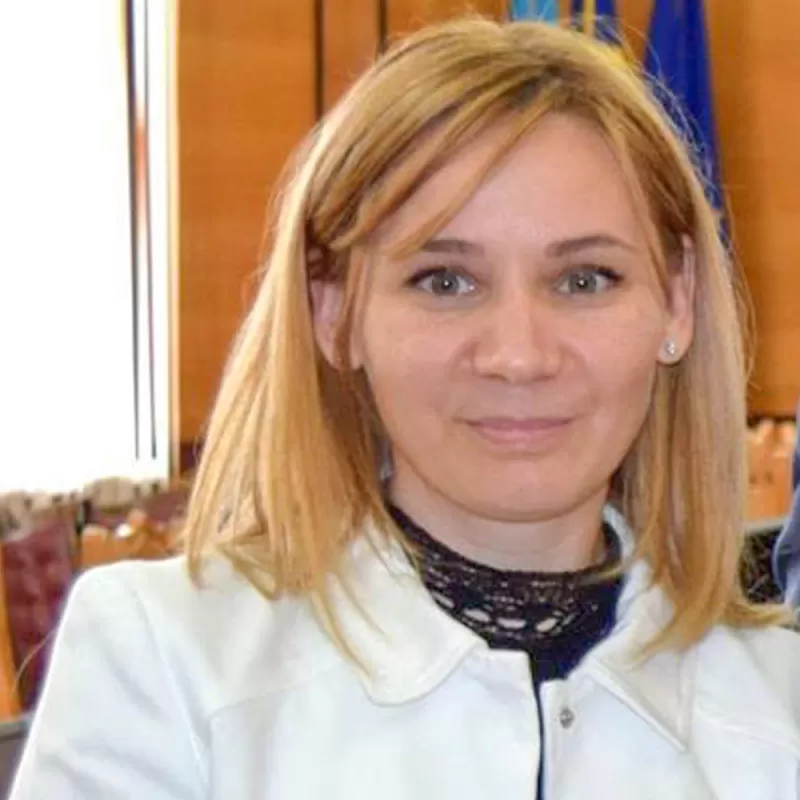
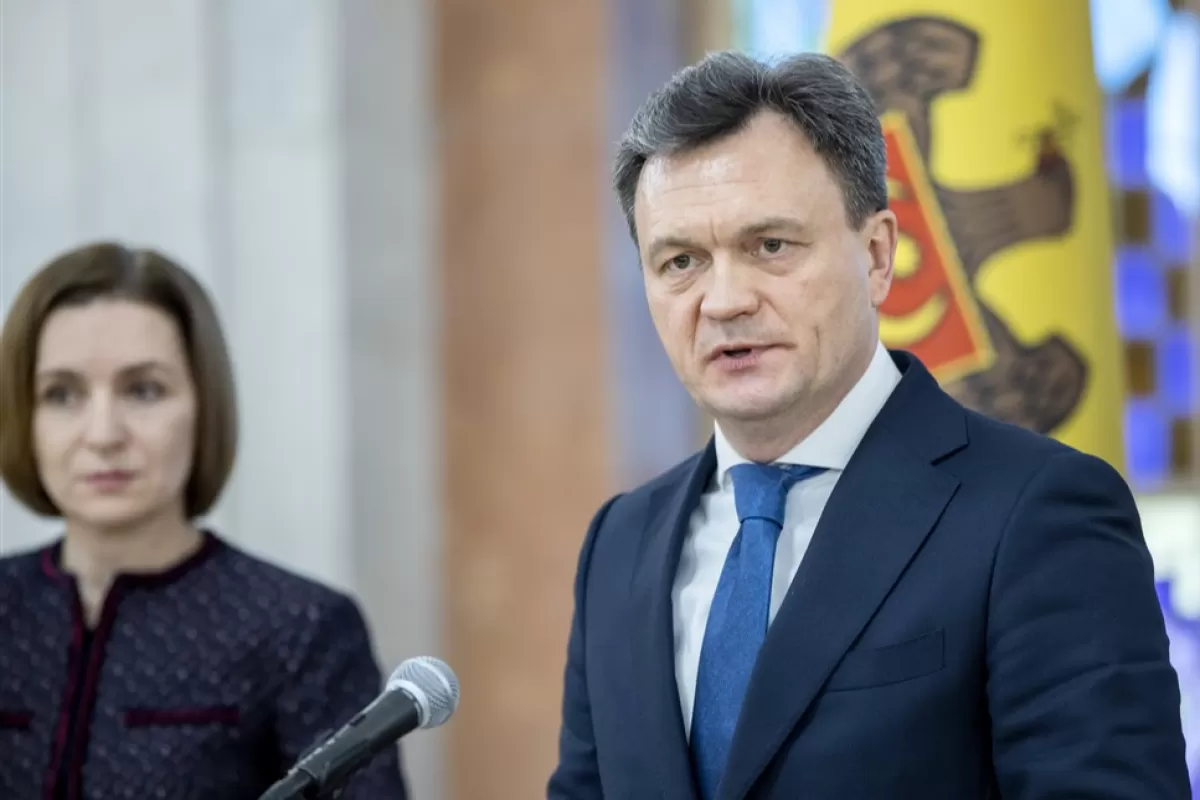
The power shift has so far unfolded without any major incident or scandal, and the key protagonists – the outgoing Prime Minister, Natalia Gavrilița, the Prime Minister designate, Dorin Recean, and president Maia Sandu – said that the change of administration occurs against the backdrop of growing security tensions. There are however signs that the true reasons behind the Cabinet swap have to do with the slow pace of reforms and ruling-party infighting.
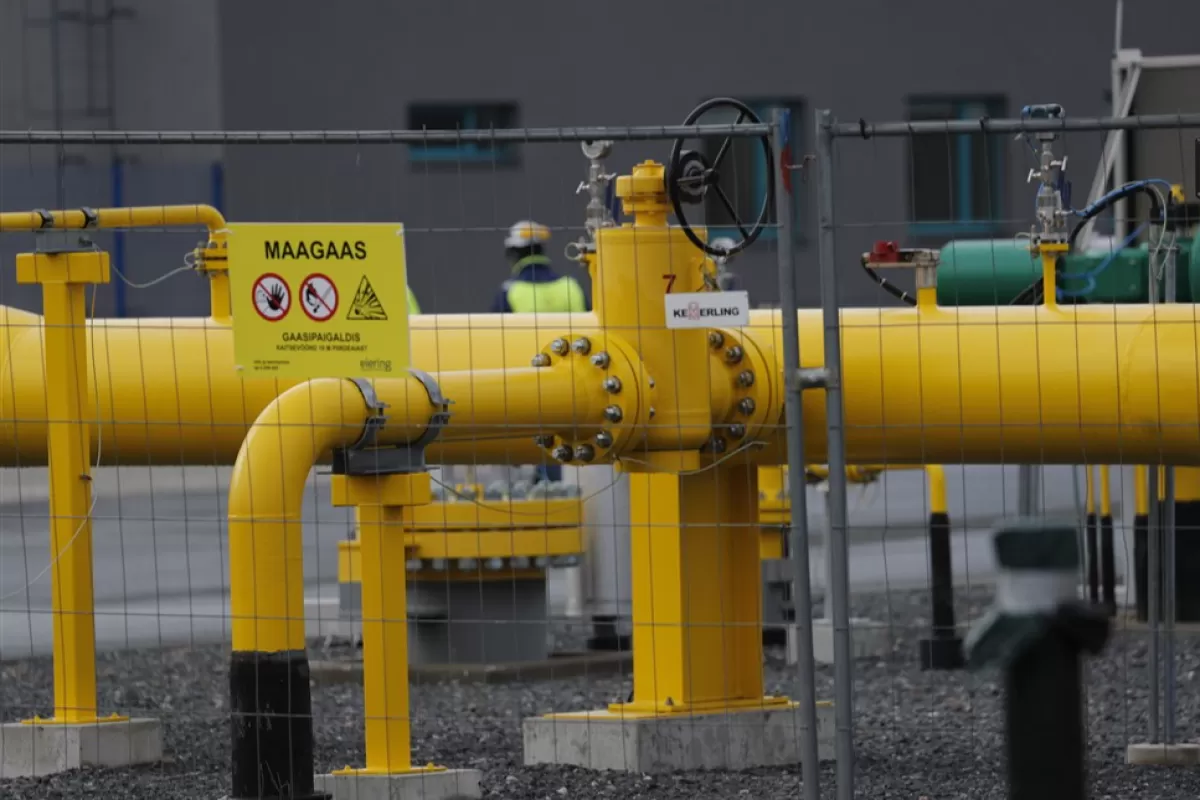
Estonia is gearing up for general elections, which are scheduled in March. This year, they will come against the backdrop of Russia’s invasion of Ukraine and the problems brought by the war throughout the region. Thus, security and energy are bound to be the main topics of the electoral campaign. Also because of the war, it is highly unlikely that any significant party will raise the questions of improving relations with Moscow as a way of courting Estonia’s Russian minority.
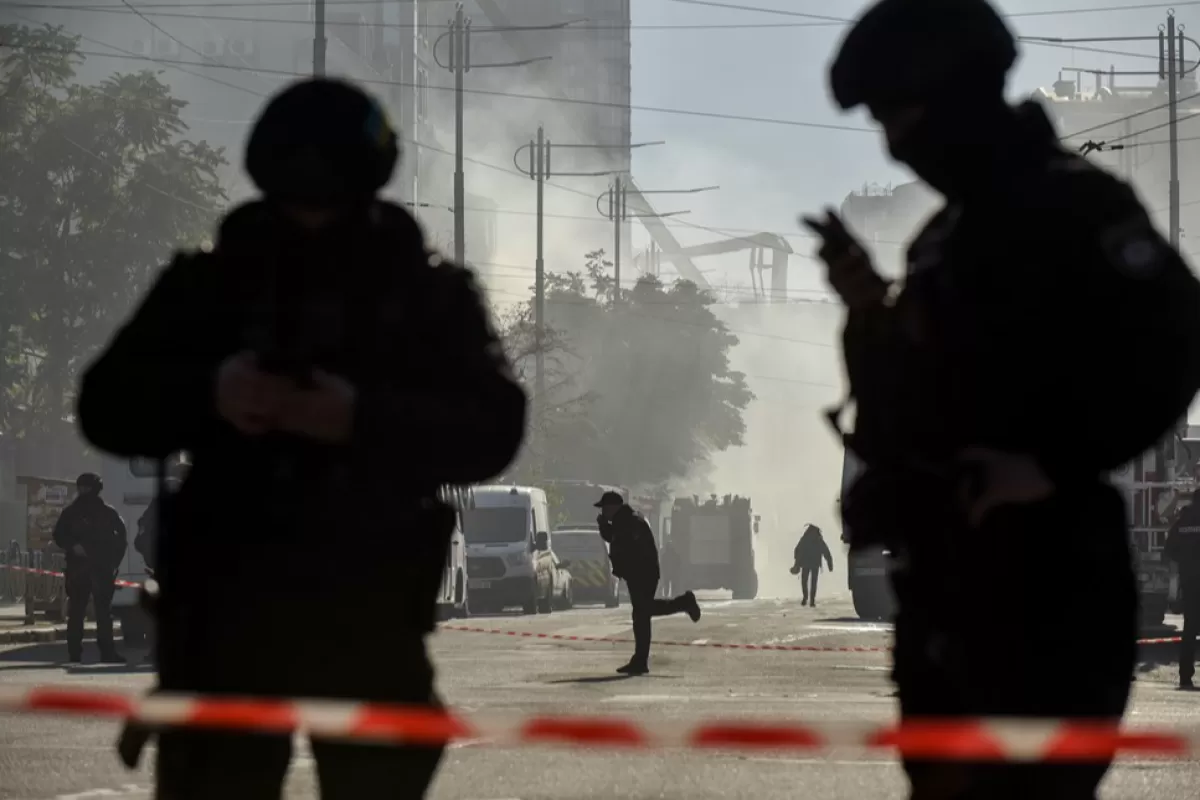
Kyiv has been recruiting volunteers for Nazi brigades that will invade Donbas and Crimea, the Russian media writes, providing a reinterpretation of a statement by Ukraine’s Interior Ministry. The metanarrative about Ukrainian Nazism is used by Moscow to justify the aggression against its neighbor as early as 2014, although far-right extremists are politically irrelevant in Ukraine and Nazi ideology is banned under the law.
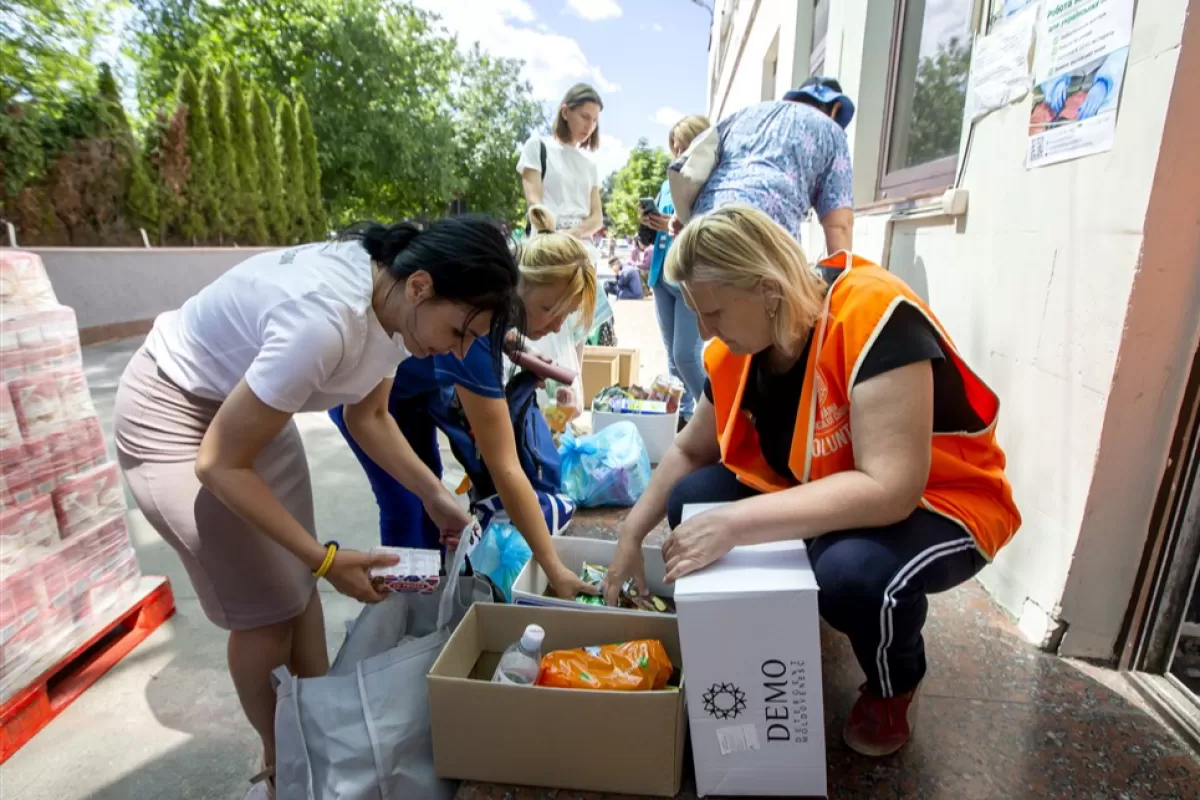
Ukraine has abandoned refugees who fled the country, and Chișinău authorities have no interest in taking care of the refugees who’ve reached Moldova, donbasstoday.ru writes. The narrative is rolled out by Russian media after Ukrainian refugees were previously the target of a smear campaign. In fact, world organizations and leaders have hailed the way Chișinău authorities and Moldovan society have helped refugees from Ukraine.
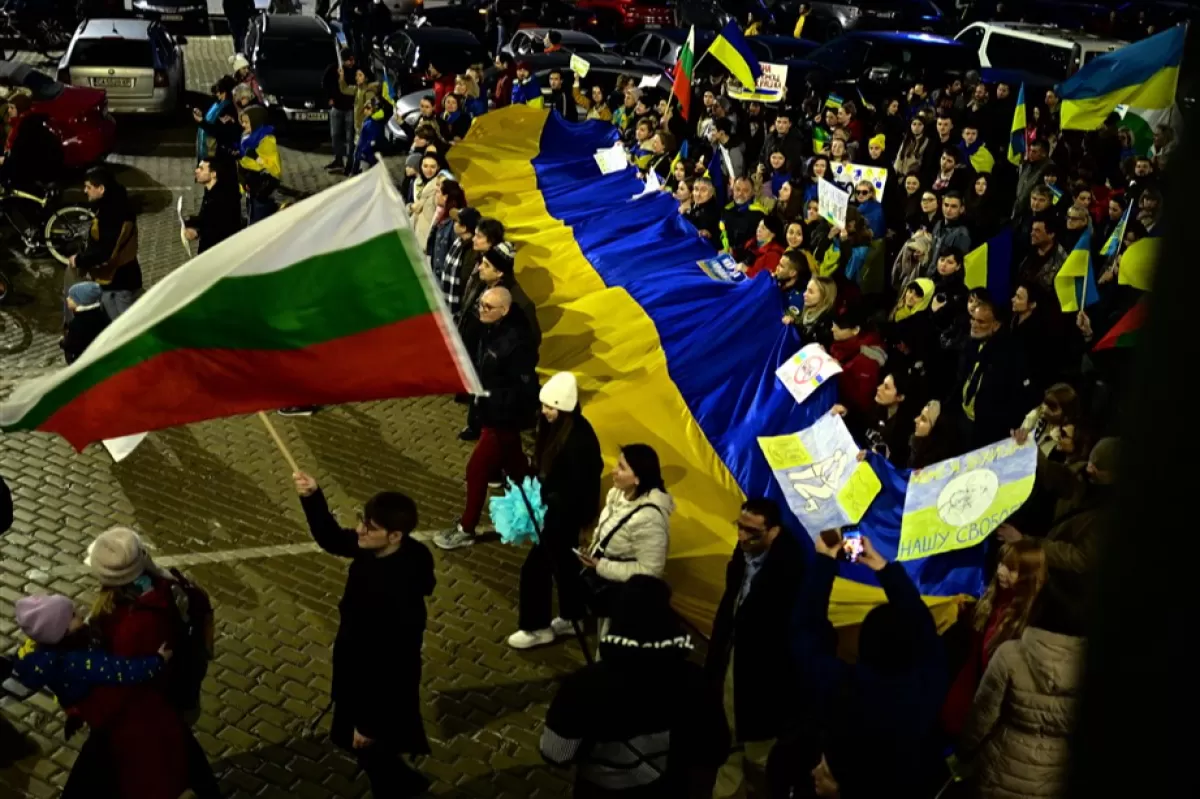
Nearly one year after the onset of the Russian invasion in Ukraine, Bulgaria is still undecided on how to integrate the Ukrainian refugees. Activists, however, strive on. Most Ukrainians move on.

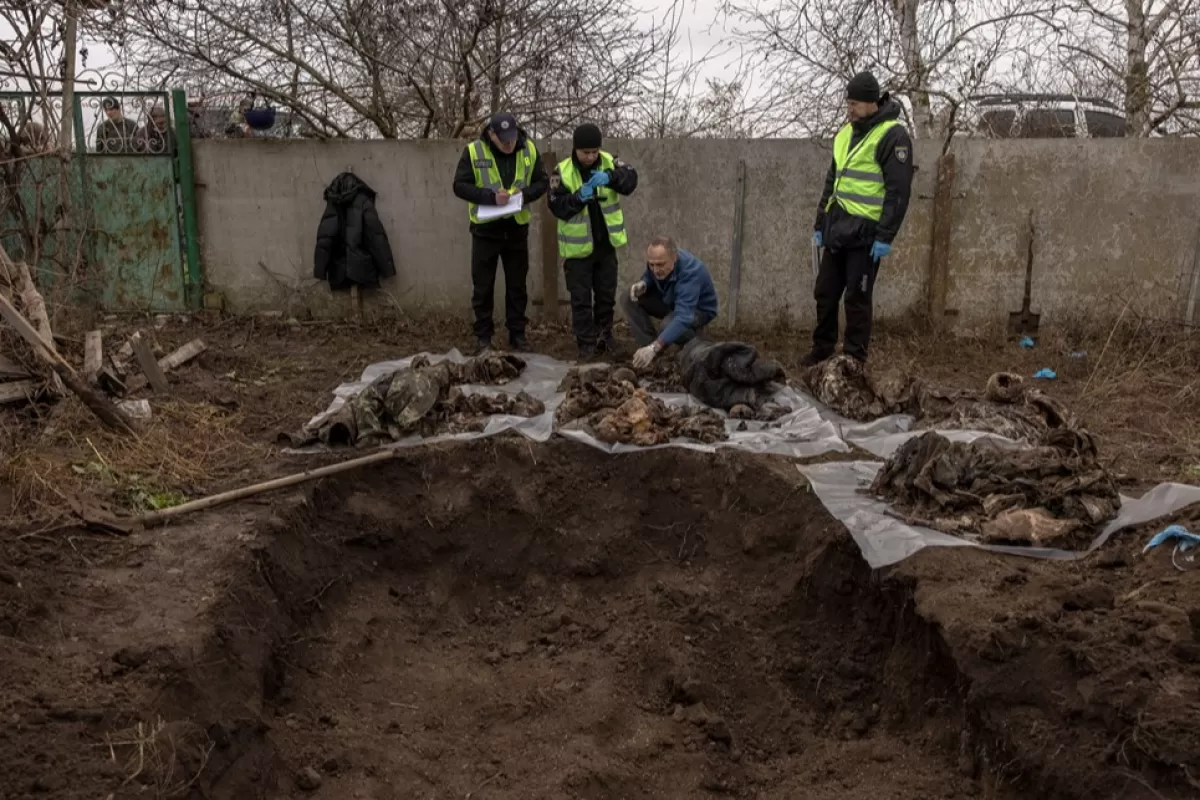
The Russian military behaved humanely towards the Ukrainian population and army during the invasion of southern Ukraine, according to the Russian state media, which quotes the self-proclaimed mayor of a city in the Kherson region. Mass graves and torture chambers have been discovered in southern Ukraine that show how humane the behavior of the Russians really was.
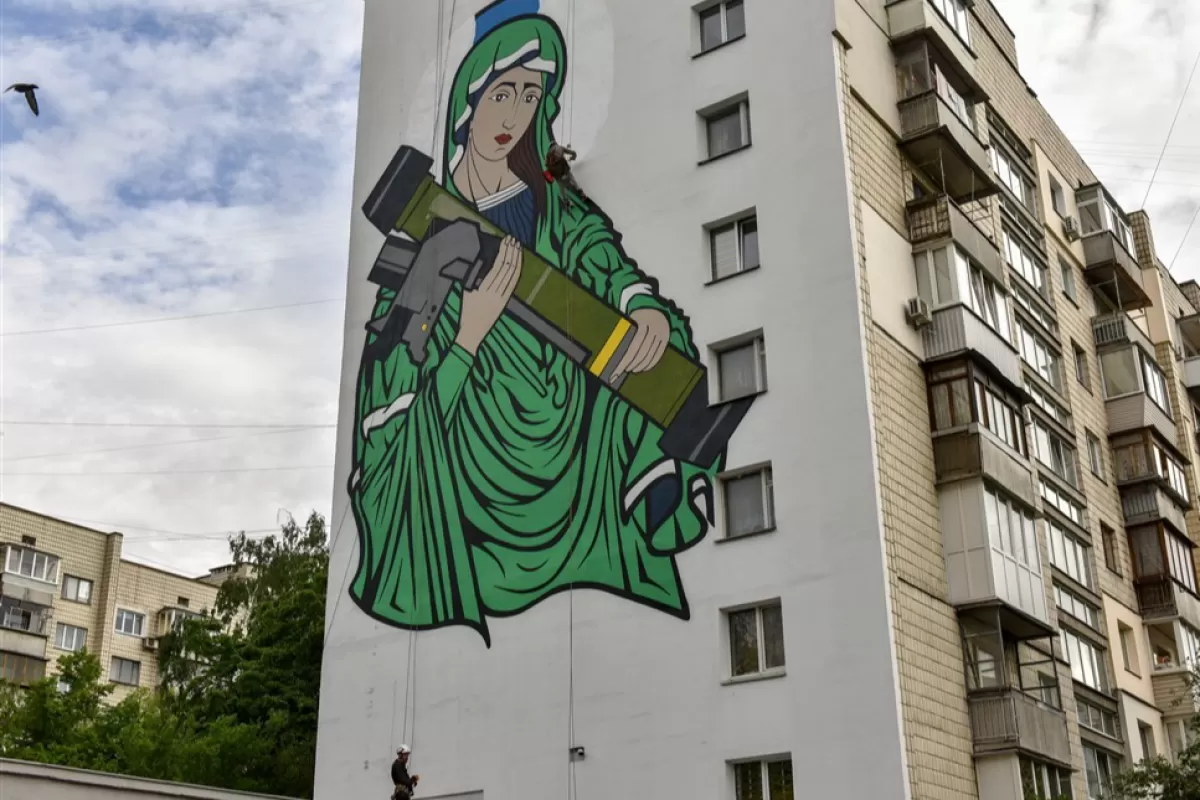
The letter Z, written in paint on Russian tanks, a mural of “Holy Javelin” on a block in Kyiv, “babushka Z” coming out to meet the Russian army or the insult “Idi nahui” addressed to the invading forces – these are some of the symbols associated with the war in Ukraine. Moscow uses symbols to justify its invasion and convince Russian men to enlist; Ukraine, to raise the morale and determination to resist, but also to strengthen the population’s feeling of national identity.
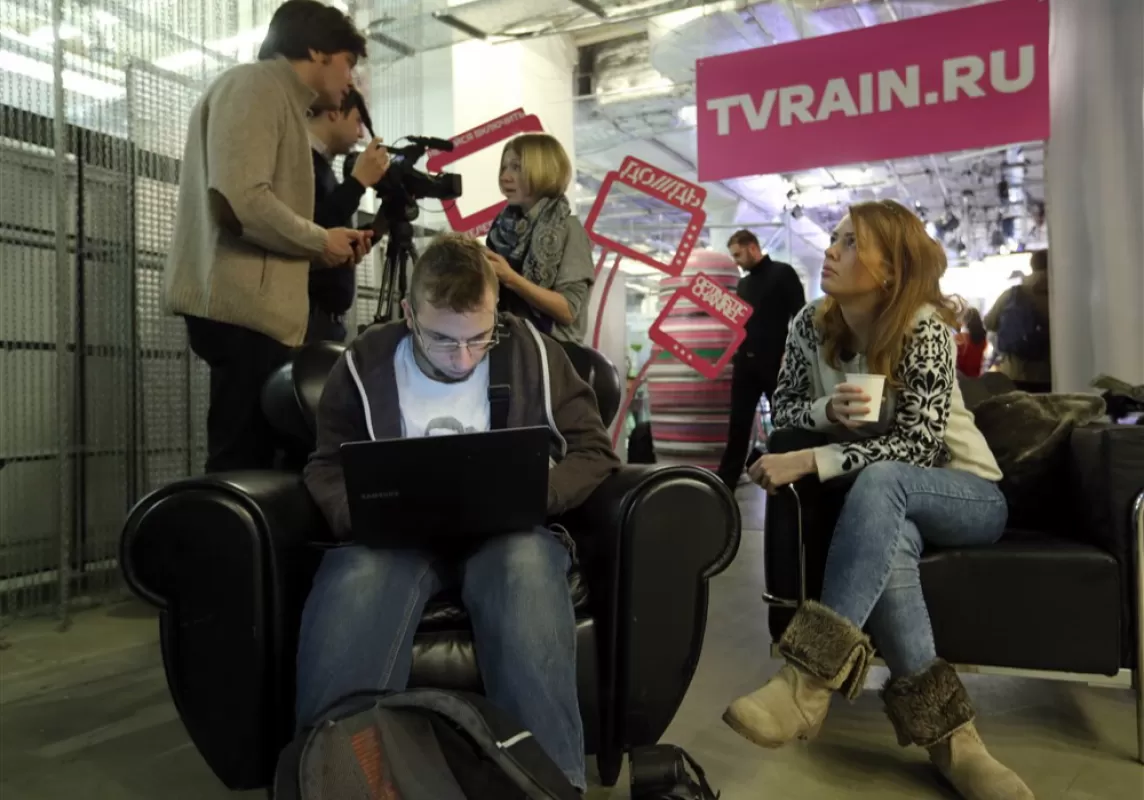
As the Kremlin made it virtually impossible for independent media to work in Russia, many outlets and journalists took refuge abroad. The Baltics offered such a safe haven including to the famous TV Rain, which moved its main operations to Latvia. After broadcasting for several months, TV Rain’s license was revoked for not complying with the Latvian rules and showing sympathy for the Russian troops fighting in Ukraine. However, Riga’s decision, while considered too harsh by some, did not lead to an exodus of Russian independent media from the Baltics.
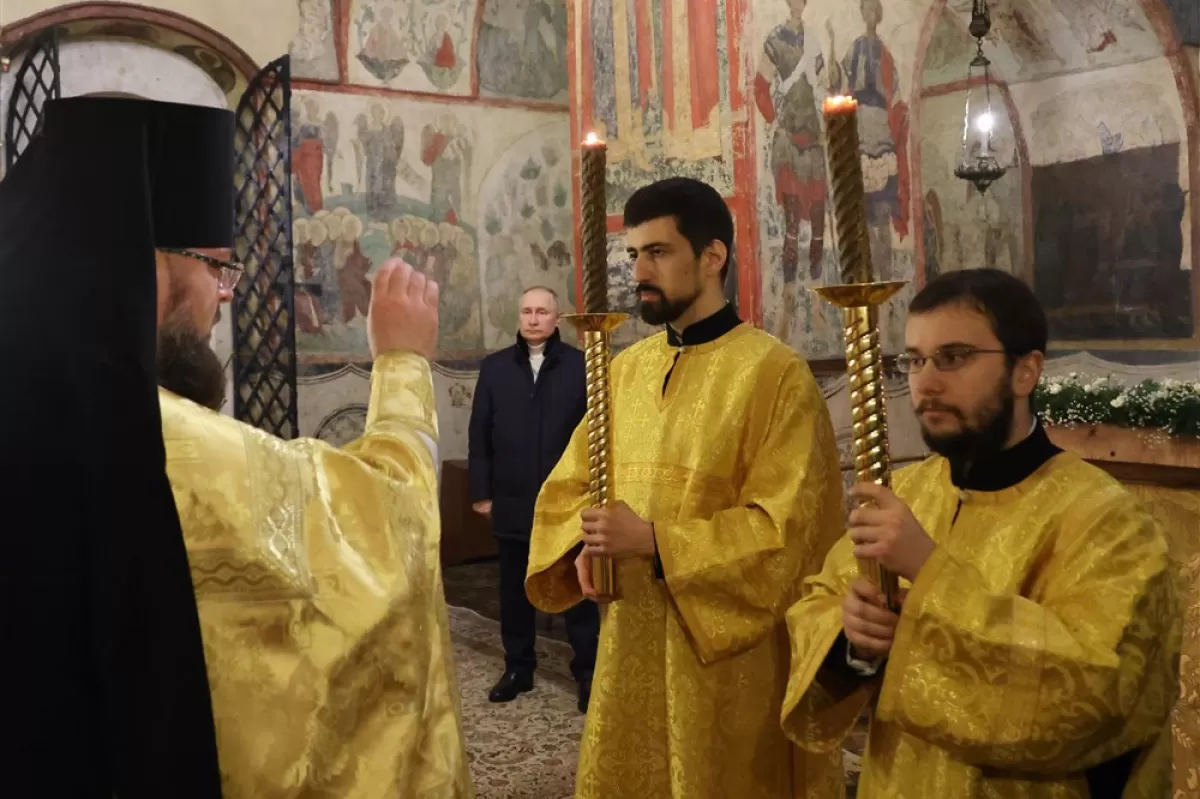
According to a document of the Russian Federal Guard Service, the agency is prepared to defend Vladimir Putin including with the help of hypnotists and priests. The existence of a parapsychological defence plan may seem bizarre, but a penchant for mysticism and the paranormal is not uncommon in Russia. Over time, the elites and even the state have turned to unconventional helpers, such as Rasputin, KGB parapsychologists or the FSB general who said he can read minds.
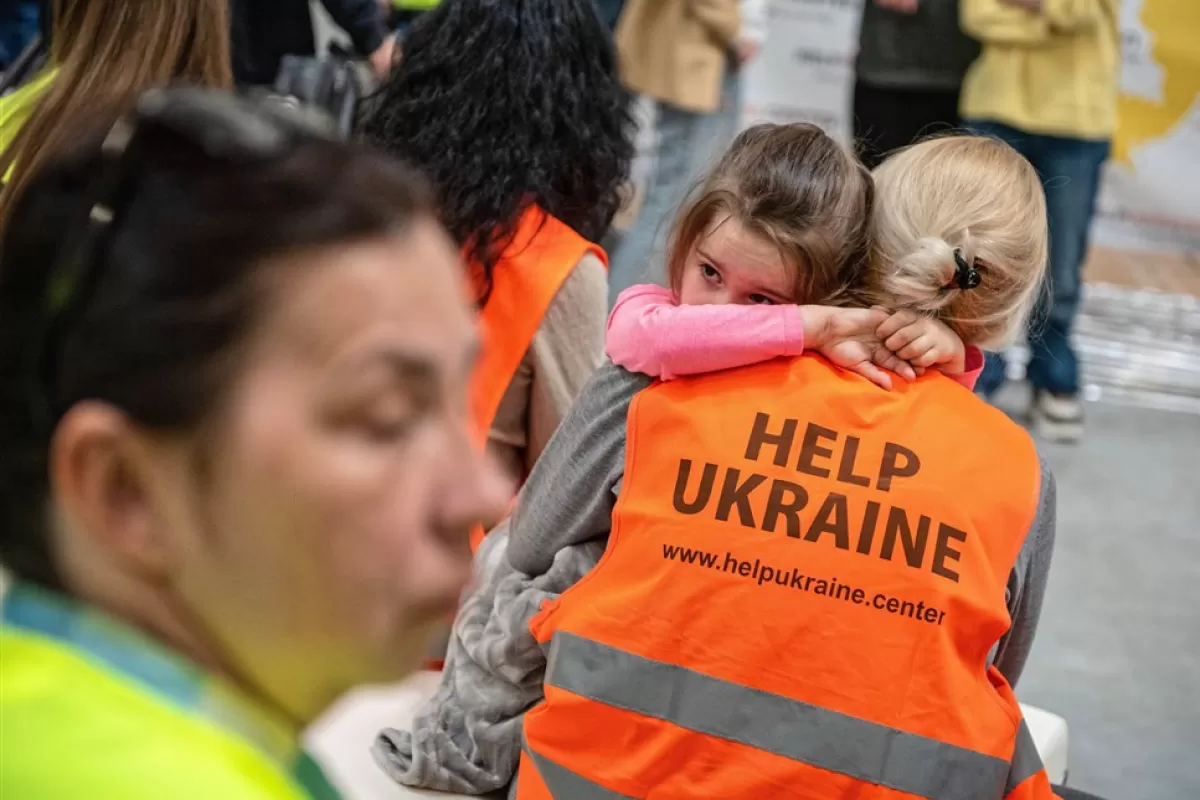
As Russia launched a massive attack on Ukraine in early 2022, millions of civilians fled the country and went West, out of harm’s way. Many chose to stay in Poland. They received some help from the state, but they mostly benefited from a network of volunteers providing everything from daily necessities to accommodation and jobs. Eleven months on, as some Poles are getting increasingly weary of refugees, the latter are still trying to adapt while dealing with the war traumas.
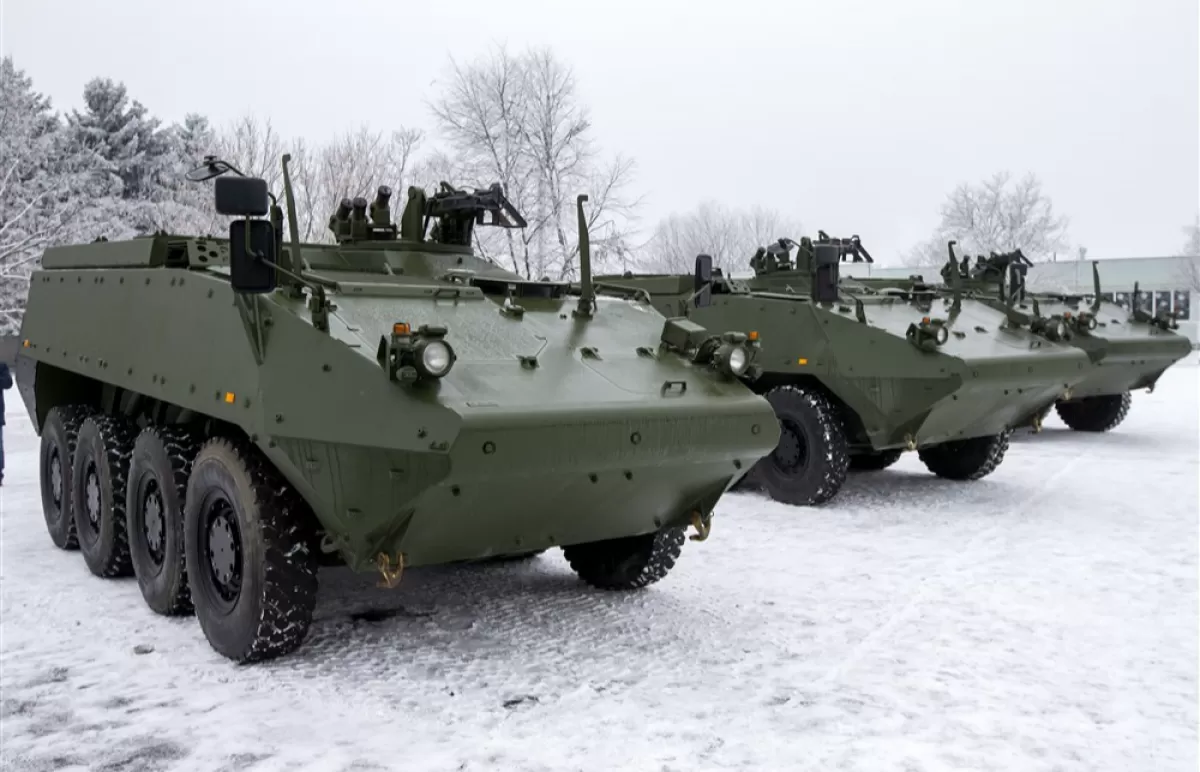
The Russian bombardments on Ukraine also alerted the authorities in Chisinau after, on several occasions, fragments of rockets fell on the territory of the Republic of Moldova. The incidents showed how vulnerable the Republic of Moldova is from a military point of view, without an anti-aircraft defense and with an army of only six thousand people. But the biggest danger to the security and stability of the state seems to come from elsewhere – from the informational space controlled by Russia and from some politicians who enjoy, openly or secretly, the support of Moscow.
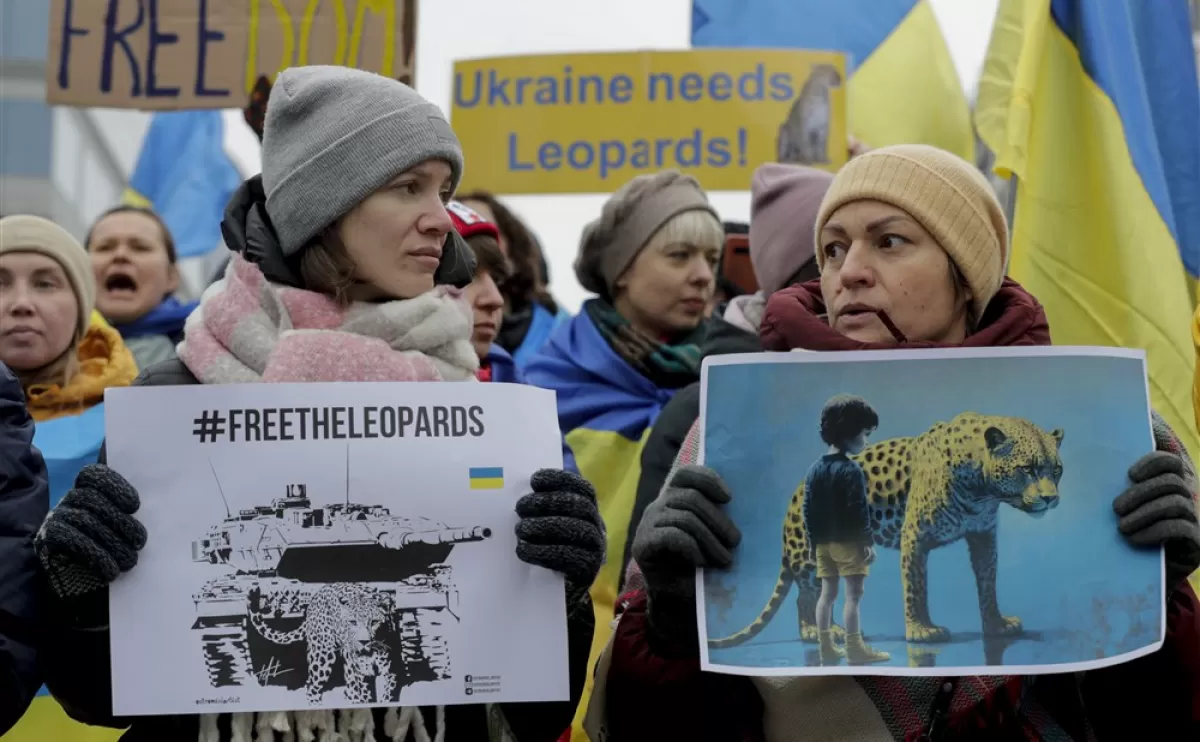
Russia will have to expand its military operations in several Ukrainian regions in order to defend itself against the threat of Western arms provided to Kyiv, according to a propaganda narrative disseminated by the Russian state media. In reality, the West is supporting Ukraine to defend itself against the aggression of Russia, which has committed war crimes, caused enormous destruction and triggered a refugee crisis in the EU.
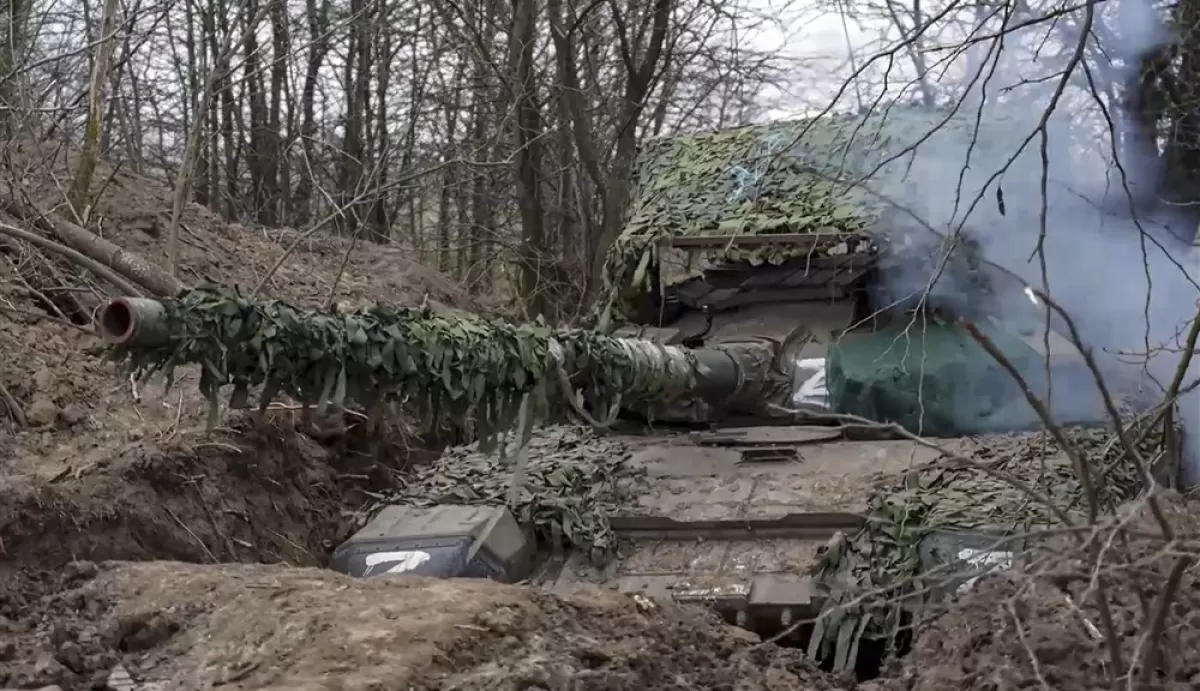
The former Prosecutor General of Ukraine has admitted that Ukraine will be defeated by Russia, the Russian media reports. Yuriy Lutsenko, who was also one of the leaders of the opposition during the pro-Russian president Viktor Yanukovych's term, would thus morally prepare the Ukrainians for defeat. In reality, the politician's words were taken out of context. What he actually wrote was that, despite the difficulties encountered, Ukraine will succeed in liberating all its occupied territories.
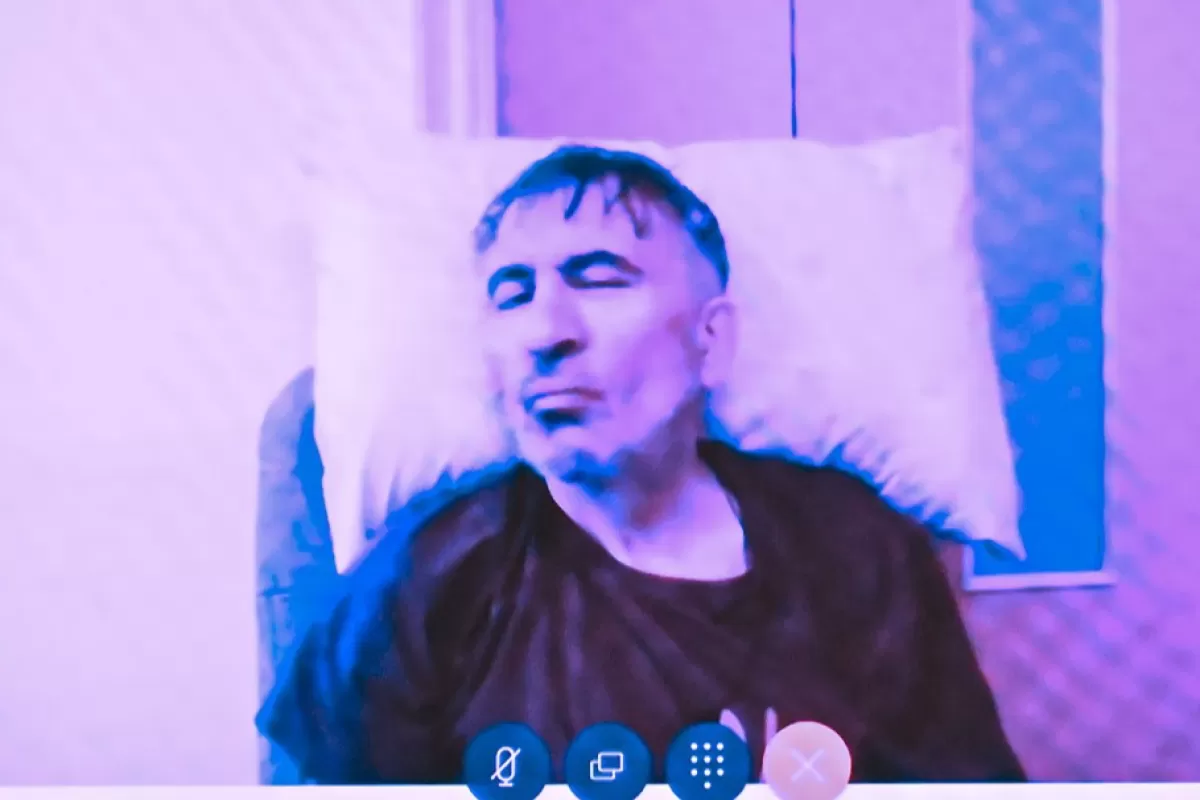
Over the past year, the health of the former Georgian President Mikheil Saakashvili, who is serving a six-year prison sentence, has been a major topic of political debate both inside and outside of Georgia. The opposition and Saakashvili's lawyers say he should be transferred to a European clinic to be treated for mental illness, personality deterioration and severe depression. The government claims that the former president is faking it. Finally, signals are coming from Brussels that if Mikheil Saakashvili dies in detention, Georgia's European future could be jeopardized.
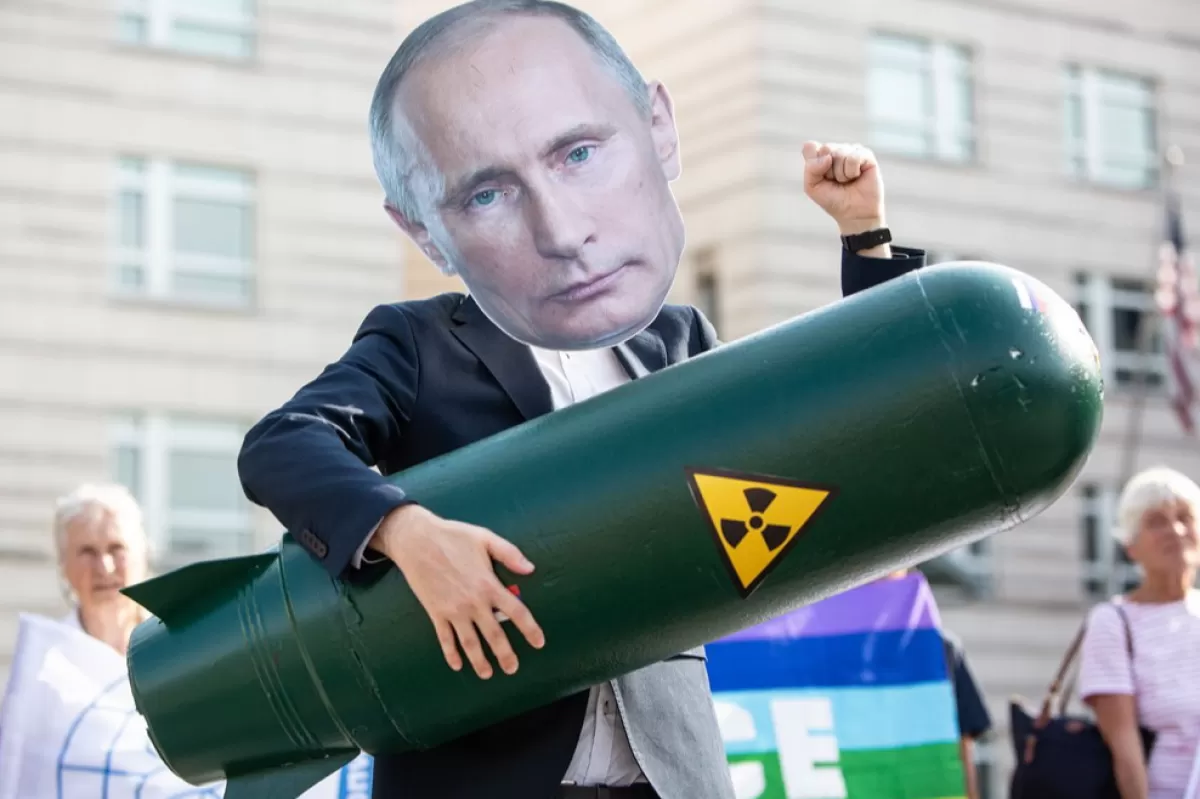
Volodymyr Zelensky has called on the West to deliver more weapons in order to start a global nuclear war, the Russian government media writes, quoting a French politician. In fact, Ukraine needs more weapons from the West in order to defend itself against the Russian aggression in the context of ongoing hostilities.
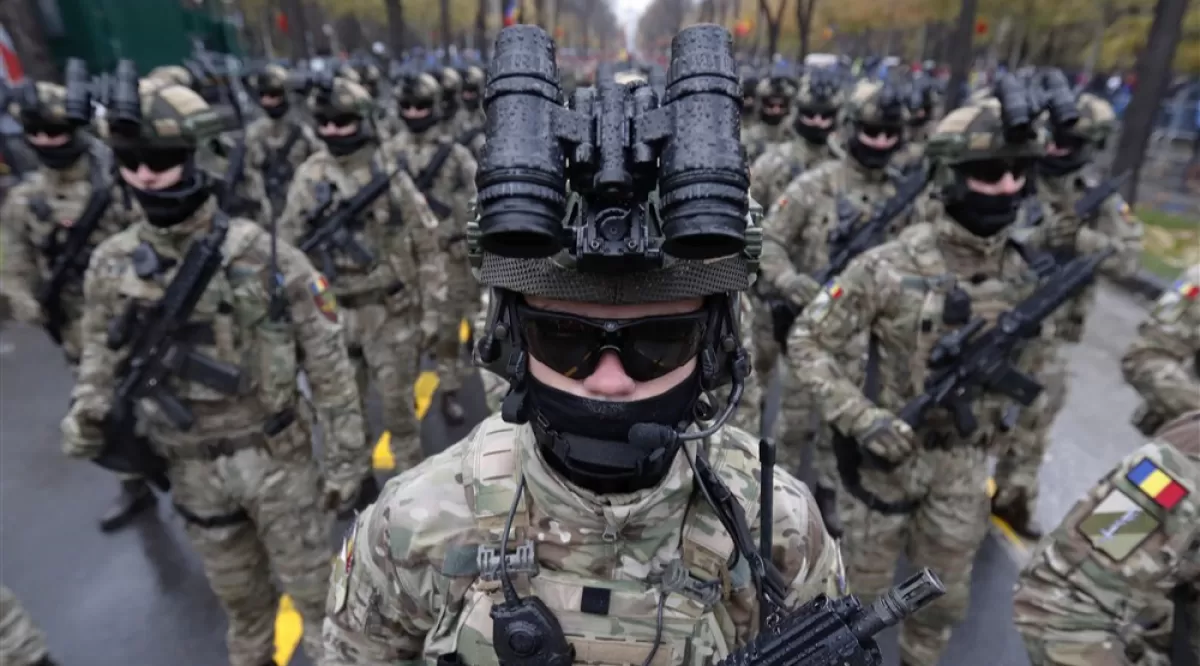
A multinational coalition other than NATO will go to war on the side of Ukraine, thus confirming that Moscow is, in fact, fighting the West, which is perpetuating the fratricidal Russian-Ukrainian conflict in order to achieve global economic supremacy. The false narrative was launched by journalist Ion Cristoiu. In reality, Cristoiu interprets facts and statements in a personal note, without providing any evidence to support his claims.
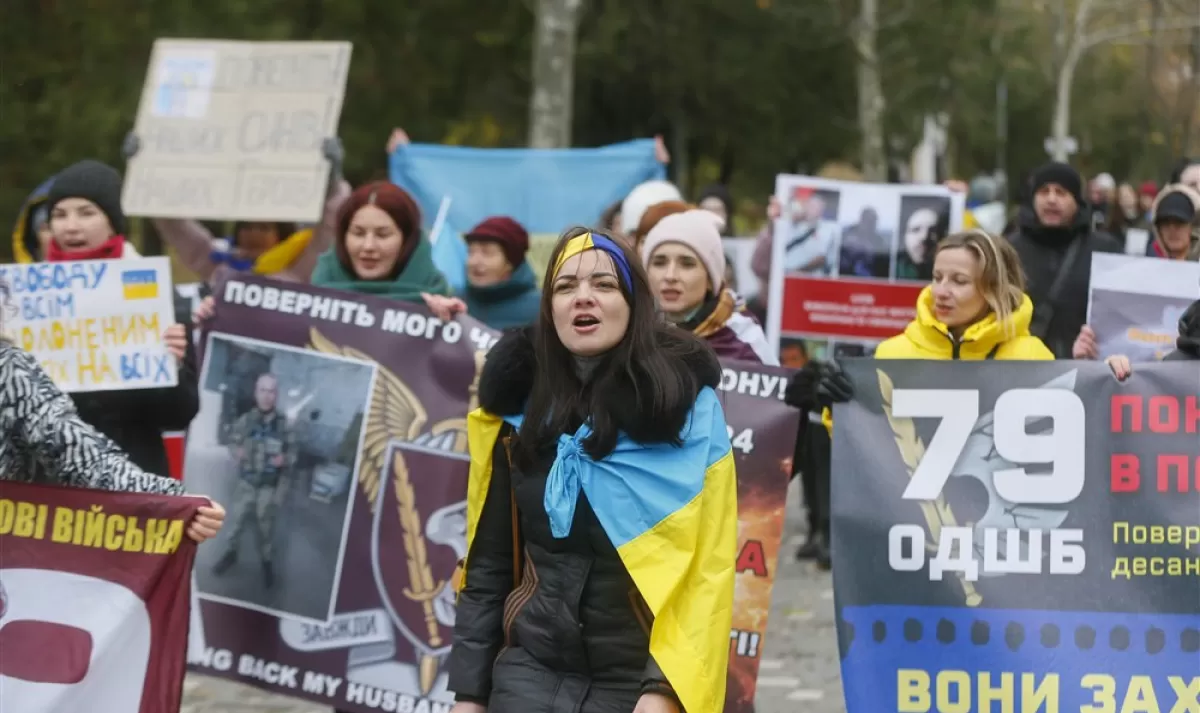
A mass protest against the war was held in Kyiv by the wives and mothers of Ukrainian soldiers killed in action, according to a propaganda narrative carried by the Russian state media. In reality, a rally was held in the capital of Ukraine by the wives and mothers of the soldiers in captivity, who called on the president to organize a new exchange of prisoners.
“Romania is worried by Moldova’s war-mongering”, reads a recent false narrative promoted by Russian propaganda and shared by media institutions in Chișinău. The author, a former communist MP, also interposes several false theses, designed to undermine the solidity of Chișinău-Bucharest relations. In fact, Romania remains the top supporter of the Republic of Moldova in the EU, as well as a major trade partner, and irrespective of which political party takes power, it is the first country to support the Republic of Moldova in times of crisis.