
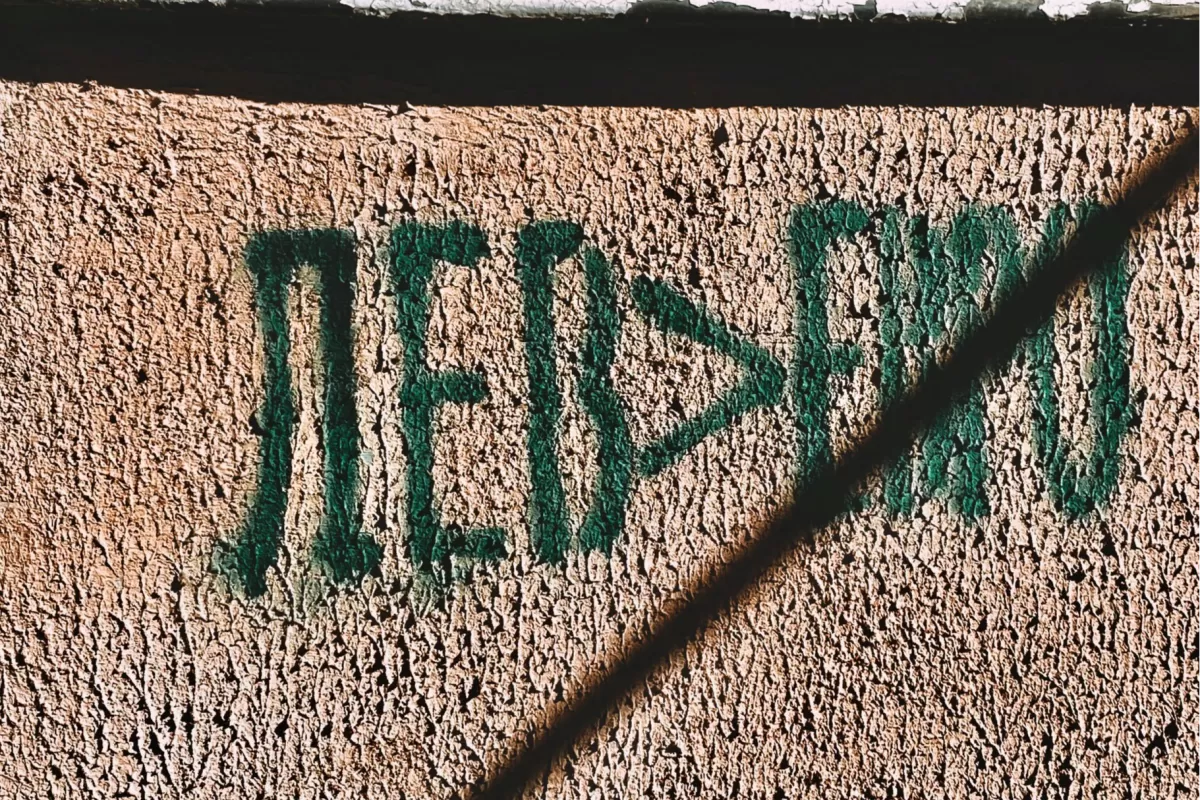
As pro-Europeans in Sofia are confident that Bulgaria will switch to the Euro in 2024 pro-Russian parties claim the adoption of the EU single currency will only bring economic instability. Debates and heated exchanges on this topic might become part of the political landscape in the next two years. Disinformation is bound to be part of the picture.

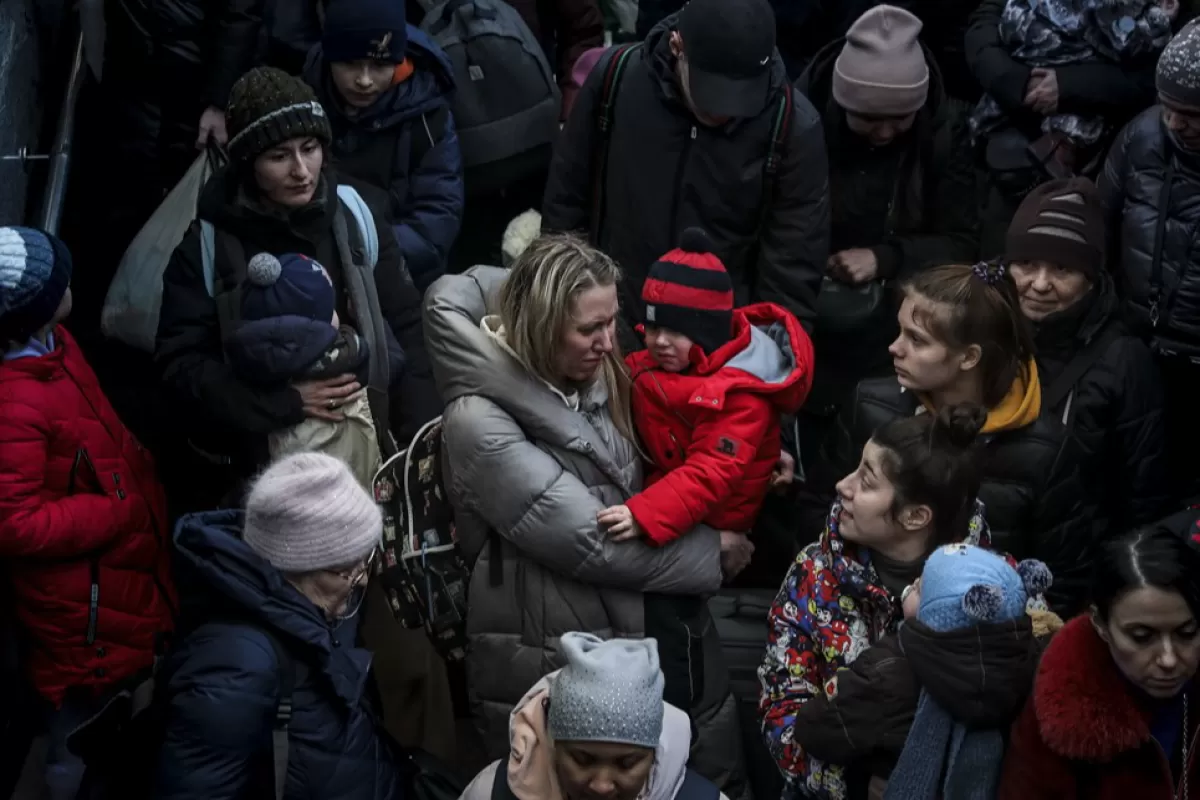
Russia’s war in Ukraine has displaced a huge number of Ukrainian refugees. Millions of people fled Ukraine, heading to other European countries, although many chose to relocate to some of the country’s safer areas. Russia has been trying to turn this crisis to its advantage. In EU countries, it has been promoting false narratives designed to generate public hostility towards Ukrainian refugees. In the case of Ukrainians relocated at national level, Russian propaganda sought to focus on fueling public unrest and internal tensions.

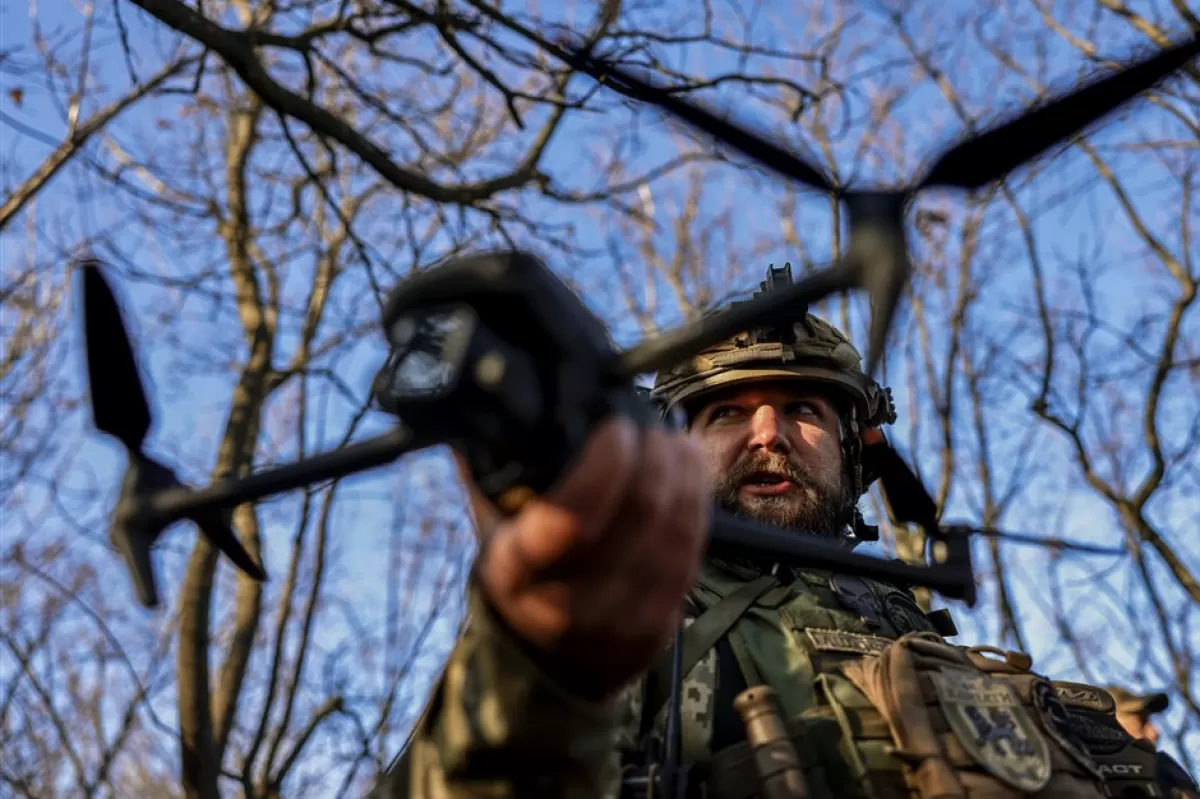
Originally developed as surveillance aircraft, unmanned aerial vehicles (UAVs) – commonly known as drones – underwent a number of transformations, from aircraft used to carry out tactical airstrikes to weapons included in the arsenal of modern warfare, the same as artillery and aviation. Drones play a key role in the war in Ukraine as well, where in recent weeks they have been primarily used as instruments of terror.
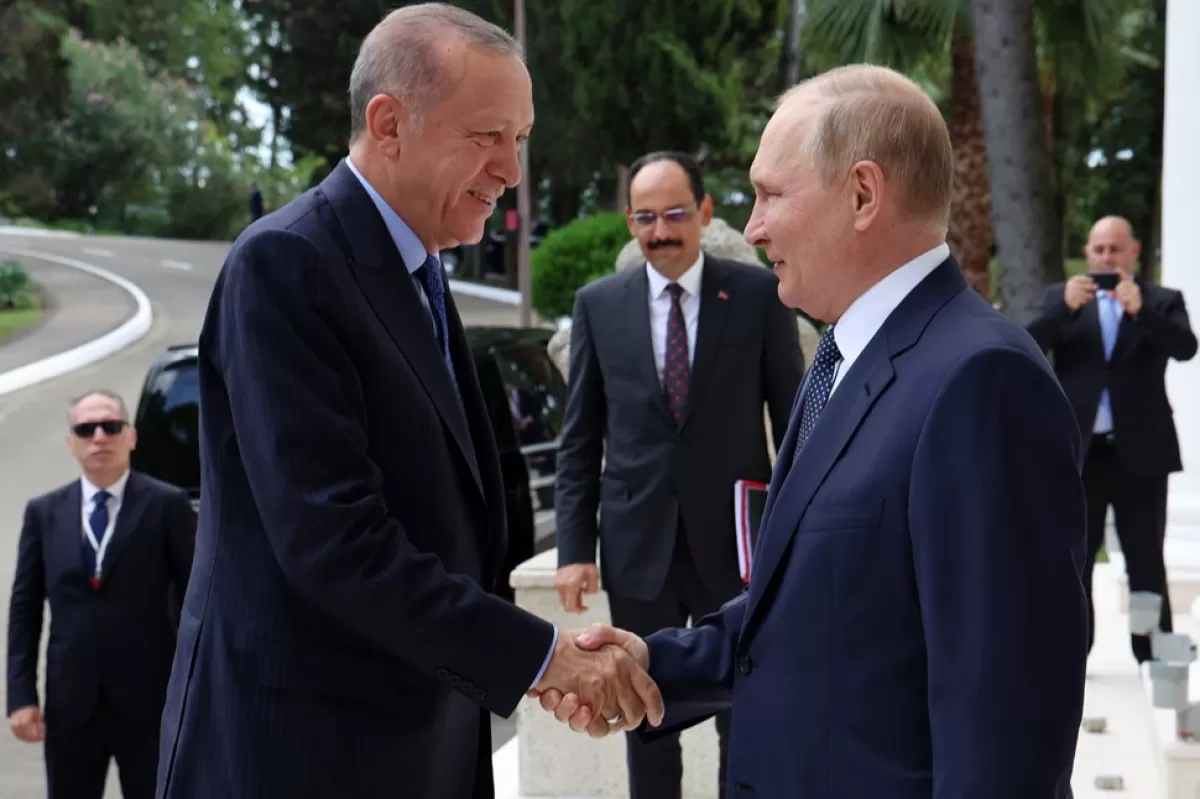
Turkey has bombed Kurdish positions in Iraq and Syria in response to the bomb attack in Istanbul, warning this is just the beginning. A wider operation in Syria would help the Erdoğan regime draw attention away from the country’s economic troubles. Besides, it might also be a first step towards solving the refugee crisis. Russia, a country involved in the Syrian conflict, could turn a blind eye to Ankara’s moves because it is interested in exporting natural gas via pipelines transiting Turkey.
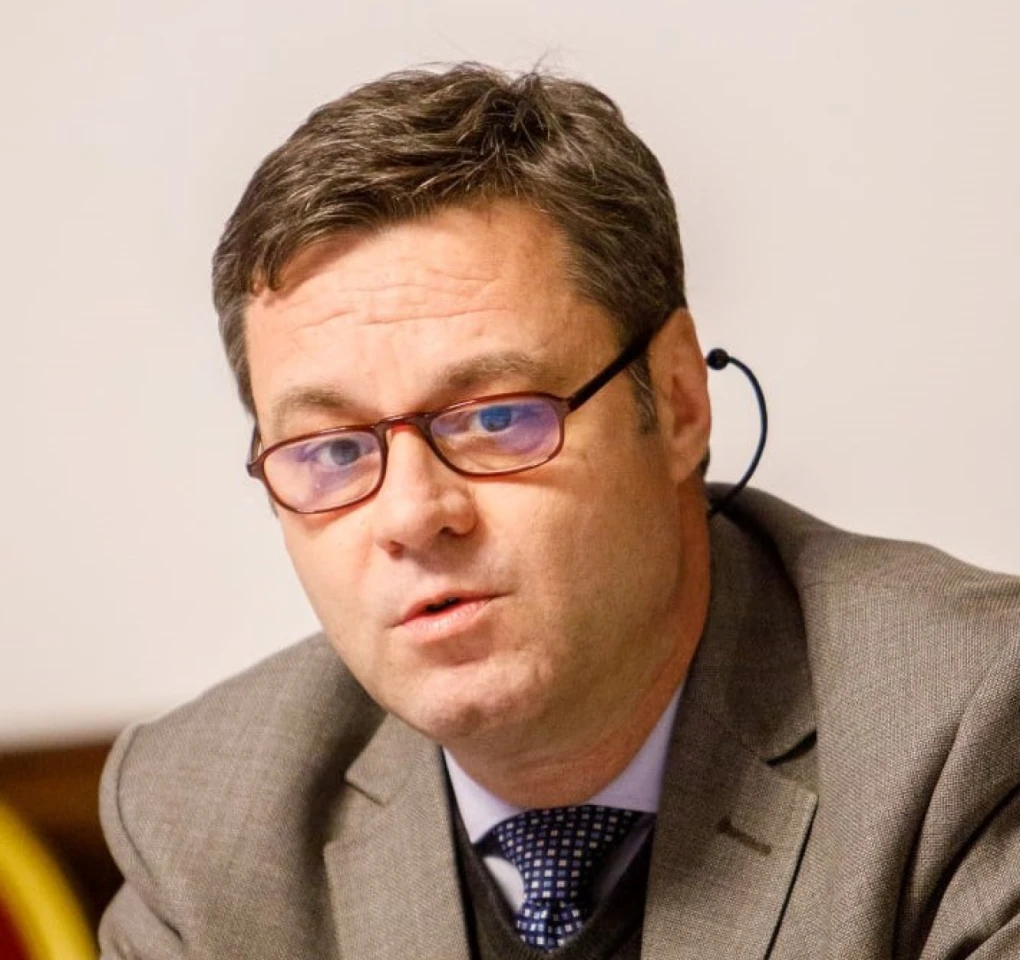
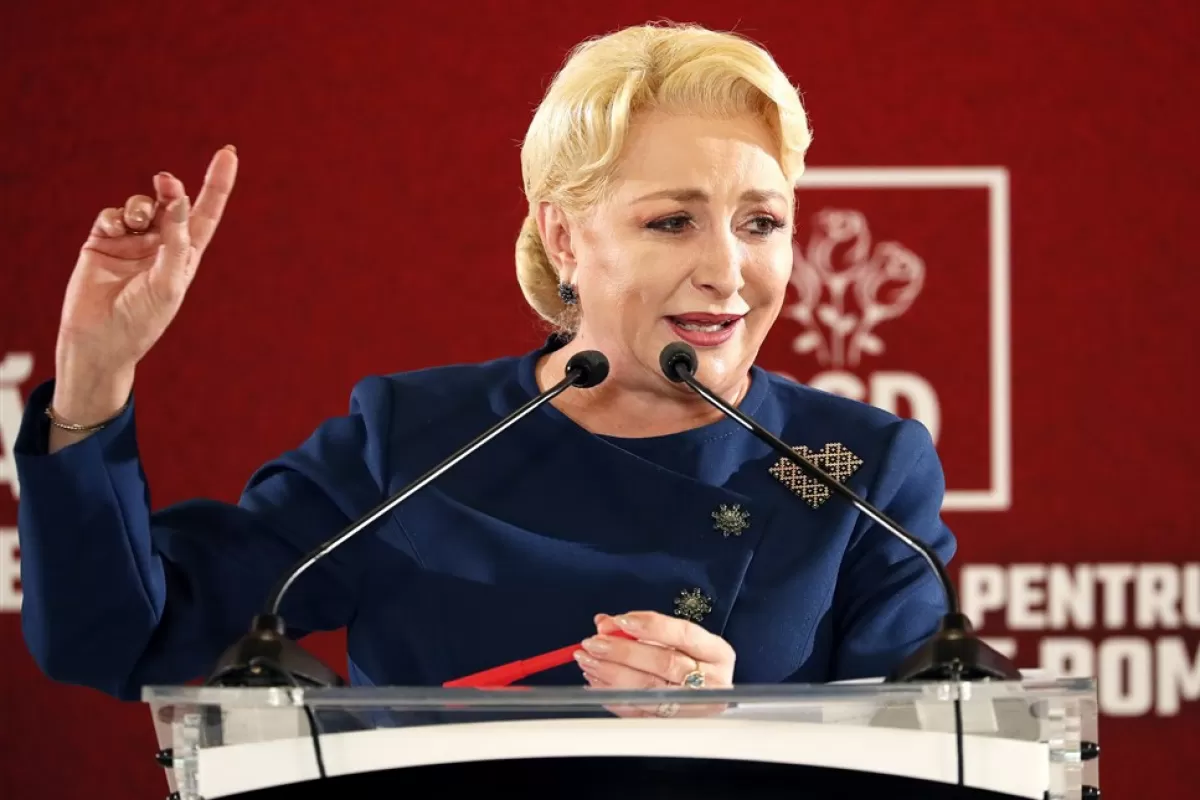
With its sovereignty at the mercy of the great Western powers, Romania is now turning itself into a doormat for Kyiv and dismissed its Minister of Defense, Vasile Dâncu, just because he spoke of peace, according to the former Prime Minister, Viorica Dăncilă. The narrative very much resembles Russia's, according to which Ukraine - the country under attack - is the one that does not want peace. Viorica Dăncilă has also promoted the false narrative that Ukraine undermines Romania’s agriculture and, implicitly, its economy.

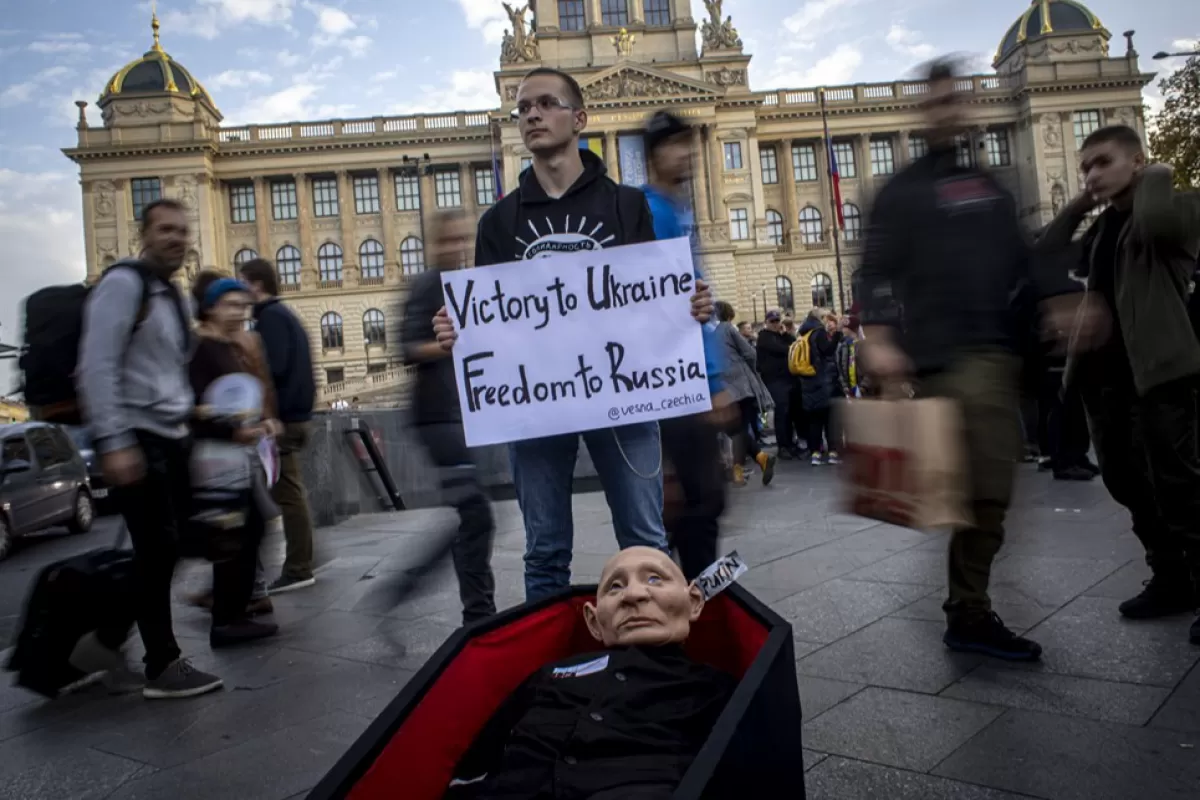
The war in Ukraine is not going well for Russia and the regime of Vladimir Putin, who threw his country into the affair. Although Putin forced all his people to say in February 2022 that Ukraine must be destroyed, the final decision was his and he will answer for it, alone or with others. And that’s why many Western and Russian analysts started wondering whether Putin's “reign” is coming to an end and who might succeed him.

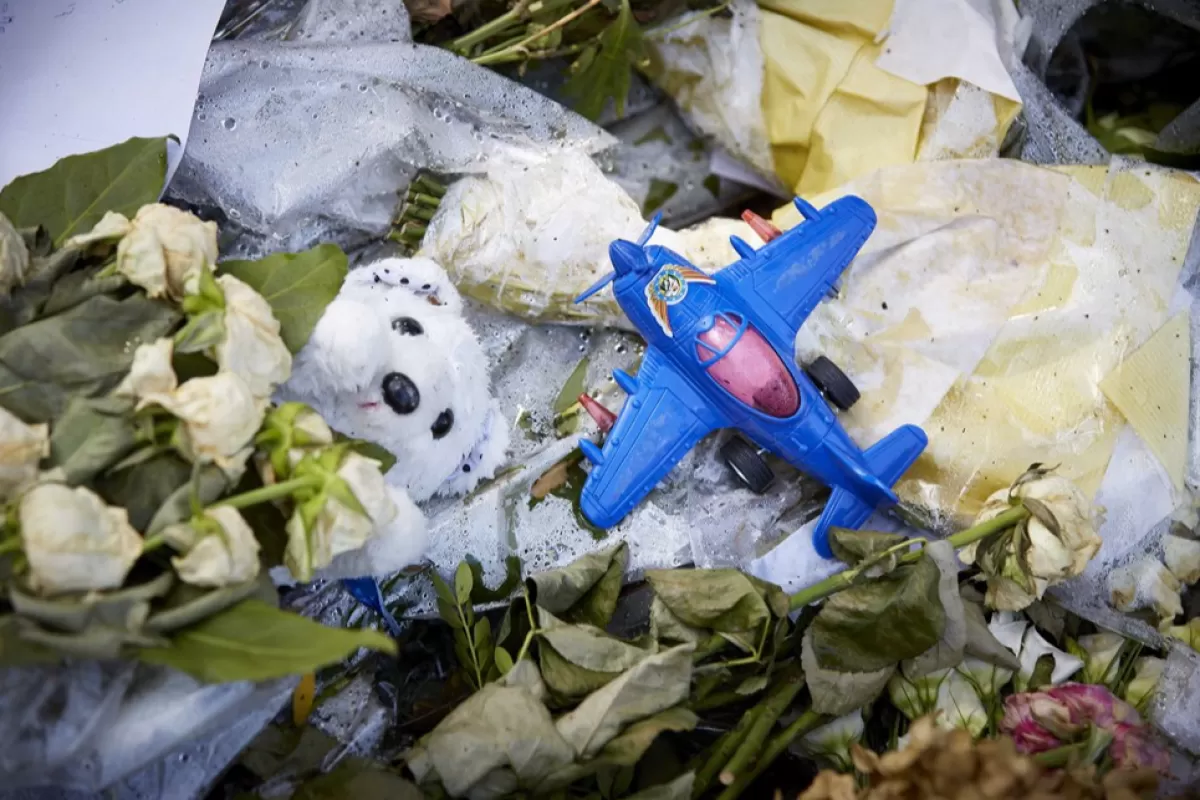
According to the ruling of the International Court of Justice, Russia was not involved in the downing of aircraft MH17, which was transiting the airspace of Donbas in 2014, pro-Kremlin media writes. In fact, the Dutch tribunal has recognized Russia’s involvement in this crime against civilians.
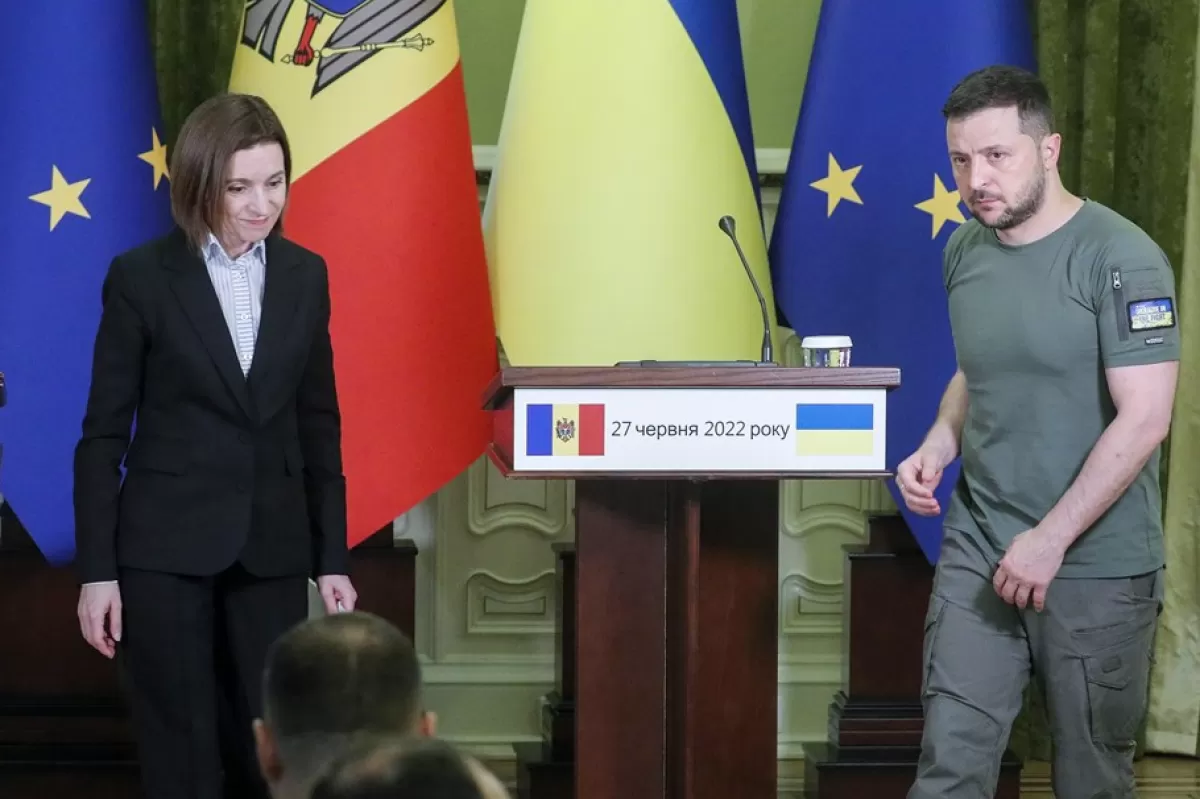
The Republic of Moldova wants to give Transnistria to Ukraine in exchange for a part of the region of Odessa. Kyiv might thus get its hands on the munition warehouse Russia is currently controlling in Transnistria, according to a false narrative disseminated by the Russian media. In fact, a territory exchange was never in the cards. As regards the munition storehouse, the Republic of Moldova has for many years asking that the munition be transferred to Russia and that this country withdraw from its territory.
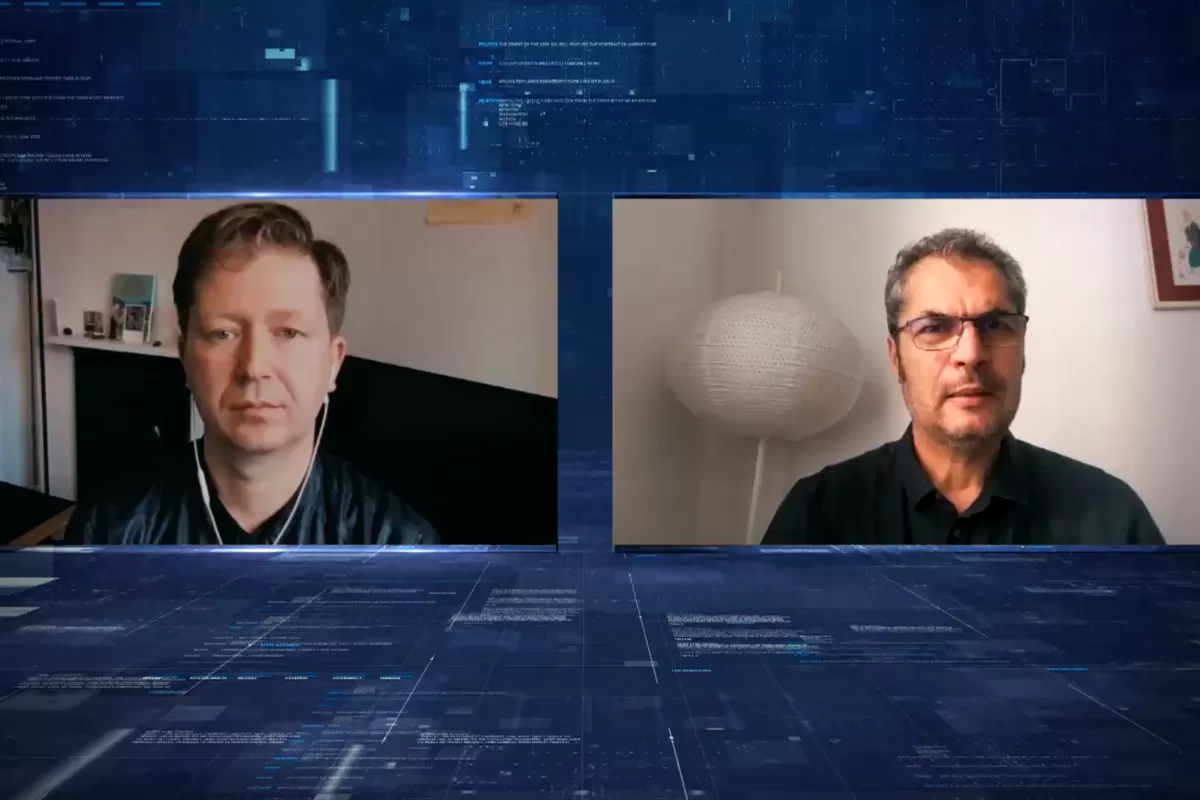
Putin's Russia is becoming more and more like Stalin's Russia, according to journalist Andrei Soldatov, one of the most respected experts on the Russian secret services. In an interview with Veridica and TVR, Soldatov explained how Putin corrupted Russian society, why the FSB is the successor to the Soviet KGB, what the methods and mentality of intelligence officers are, and how they came to believe and trust him also convince Putin that a war in Ukraine was necessary.

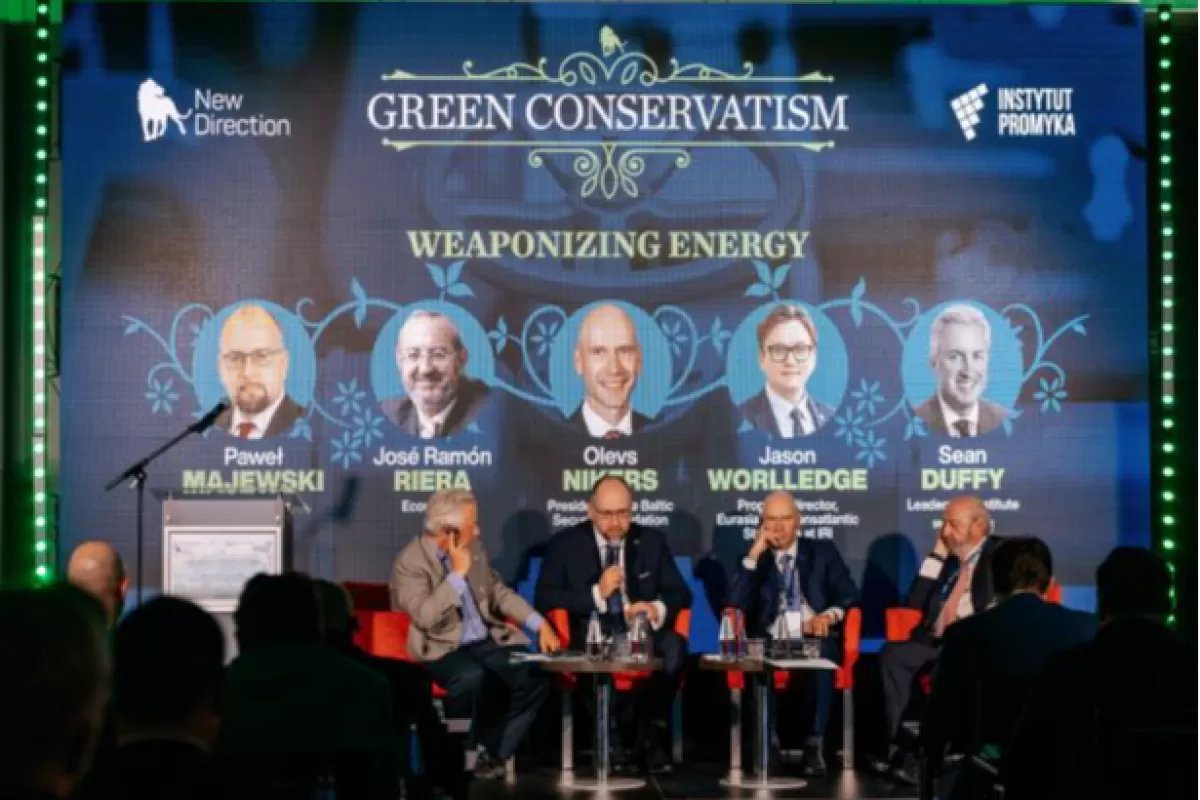
For the Baltic States and NATO, the best outcome of the war in Ukraine would be a complete defeat of Russia, according to the president of the Baltic Security Foundation, Olevs Nikers. However, Nikers feels that the most likely scenario for the end of the war would be a peace agreement, which means that the Baltic states and the Western world will be forced to deal with Russia on the long run.

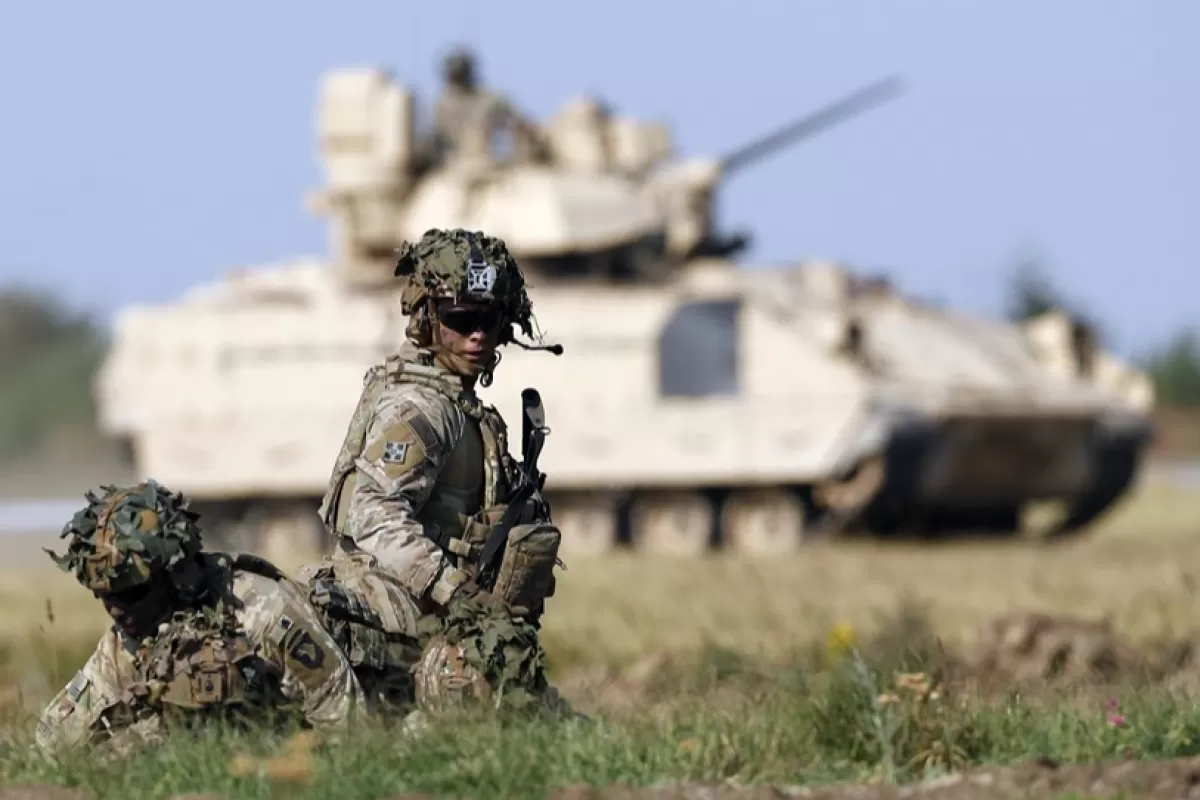
American soldiers from the well-known 101st Airborne Division have been deployed in Romania also with the aim of attacking the separatist Transnistrian region, in particular the power plant in this region, a controversial Russian political scientist claims. The false narrative was taken over by Politnavigator, a Kremlin-affiliated website.
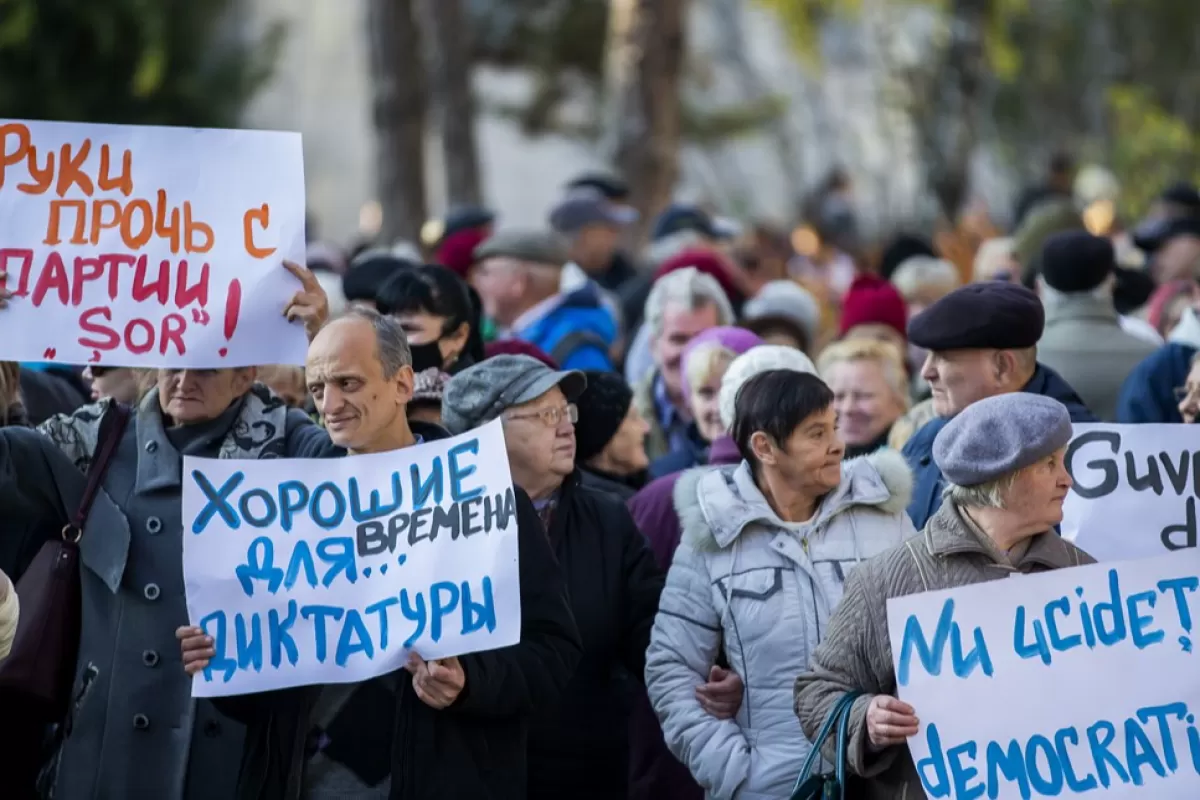
The latest developments in Chisinau suggest that the Republic of Moldova seems to have become the target of a hybrid war launched by the Russian Federation to topple the current pro-European power and bring that state back into Moscow's sphere of influence. The authorities in Chisinau are forced to face an unprecedented energy crisis, successive increases in the prices of the most important products and services, but also protests organized by parties believed to be backed by the secret services in Moscow. Adding to these challenges is the deepening security crisis as a result of the war in Ukraine, particularly the missile and drone attacks on Ukrainian energy infrastructure in recent weeks.
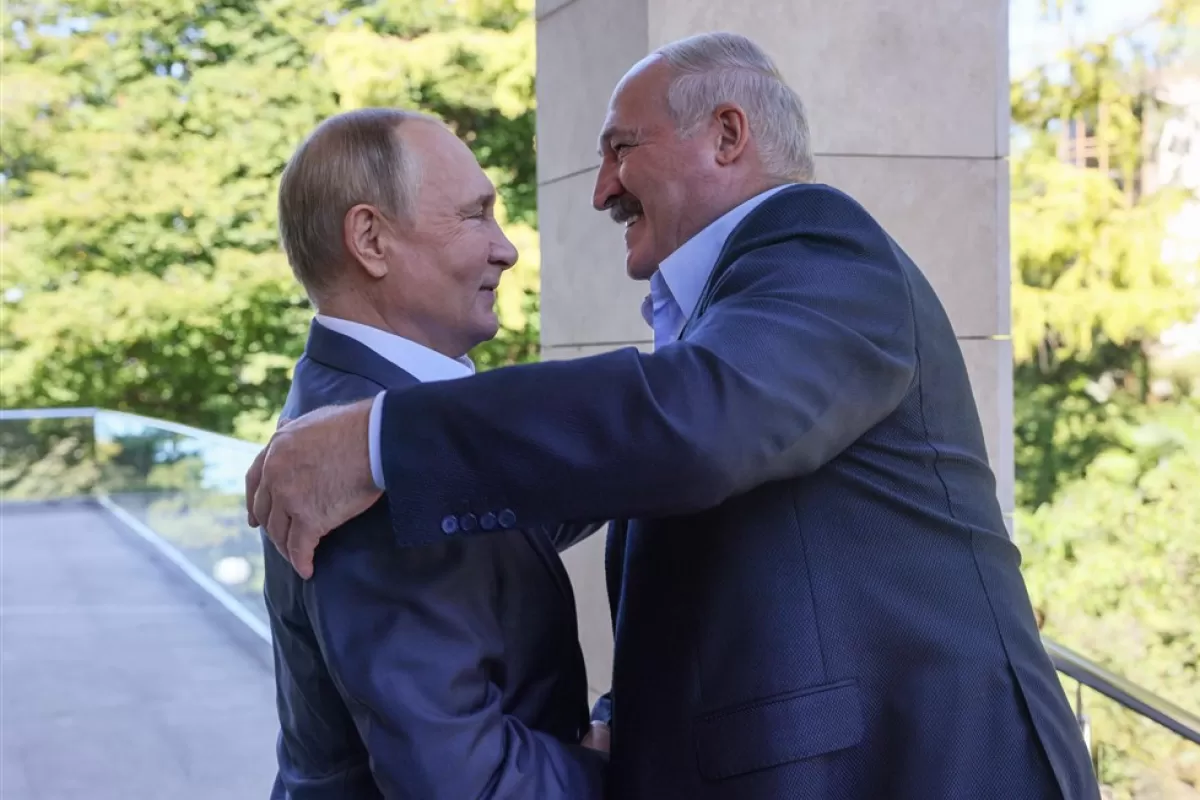
Belarus and Russia are forced to create a joint military group to defend themselves against a potential NATO aggression, fascist provocations by Poland and terrorist actions by Ukraine, according to propaganda narratives carried by the two countries’ media. In reality, Belarus is not targeted by any foreign power, but it has allowed Russia to use its territory for the aggression against Ukraine.
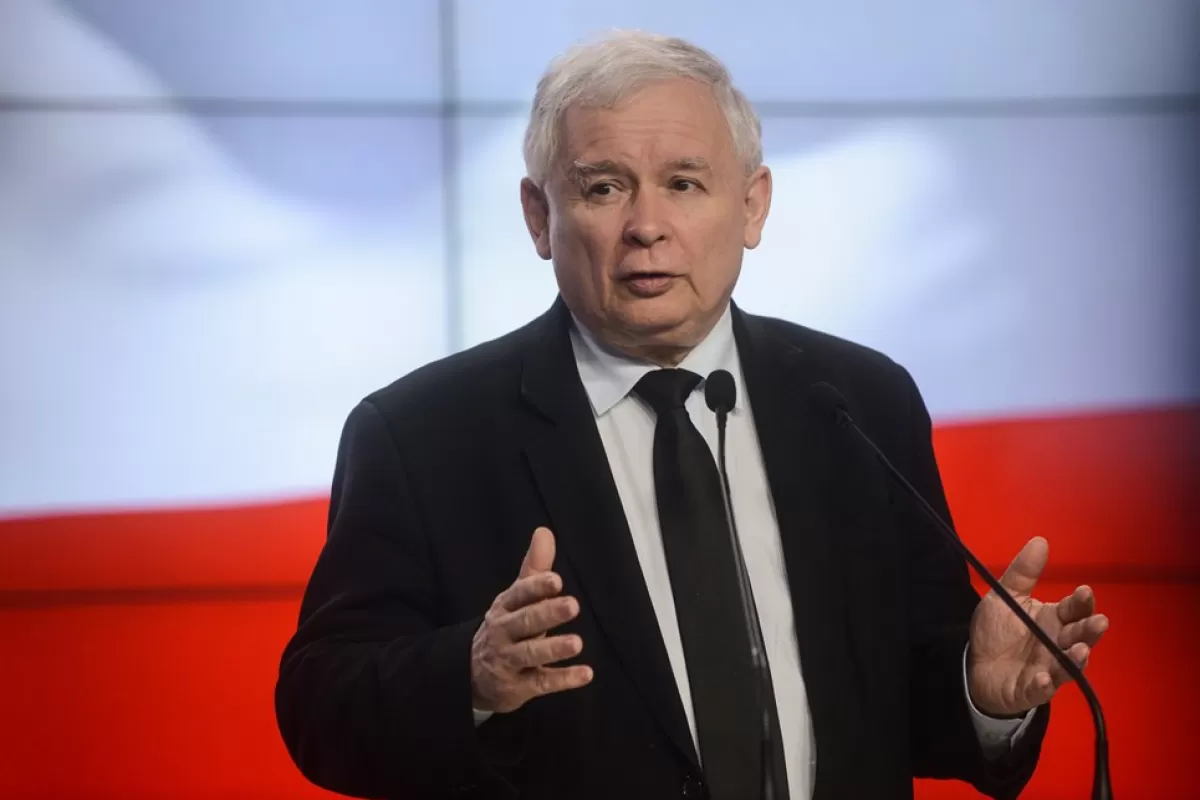
Poland's conservative government is increasingly critical to Germany, by virtue of a "historical" conflict that is largely imaginary. Anti-German sentiments are sometimes mixed with anti-EU ones, and even Russia, Poland's traditional enemy, is viewed more leniently. Could this be a first sign that a Polexit is being prepared?

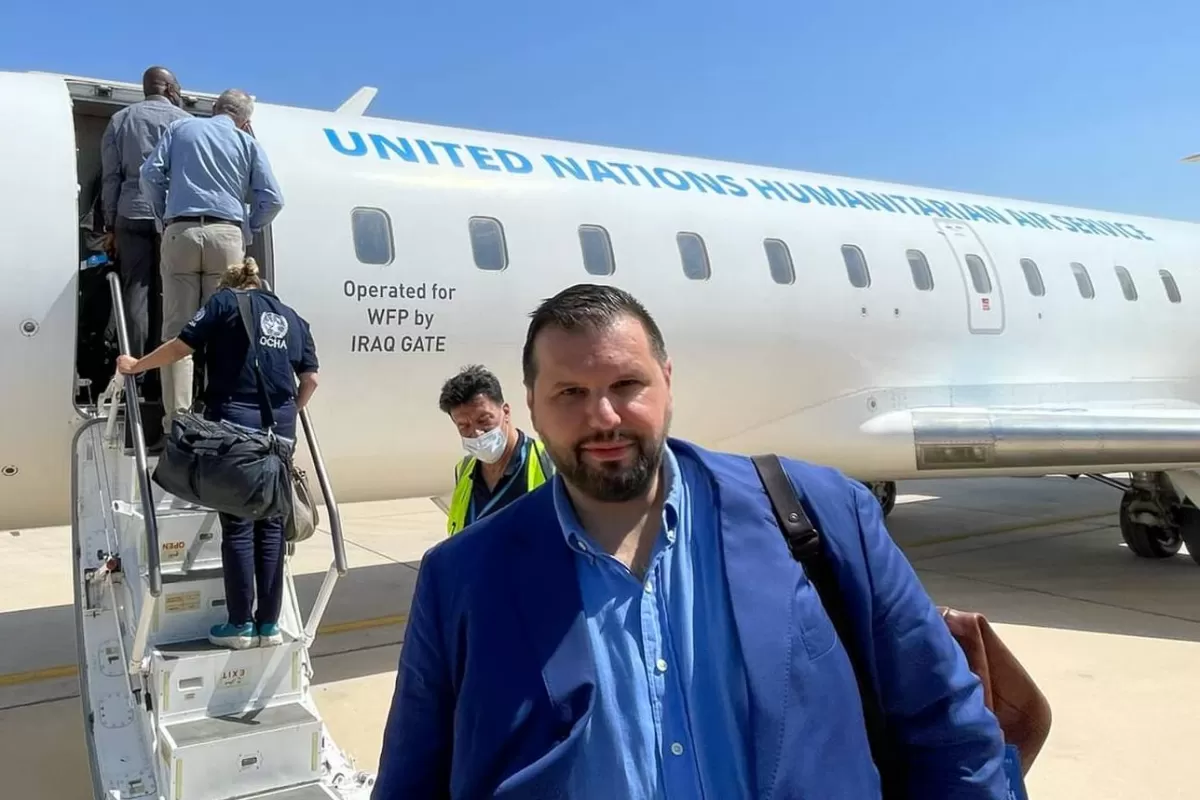
Syria remains a country ravaged by conflict and a deep humanitarian crisis, a place of conflicting interests of multiple state and non-state actors, says the Chargé d'Affaires of the European Union to Syria, Dan Stoenescu*. In an interview for TVR and Veridica, Dan Stoenescu explained that, although it doesn’t recognize the Assad regime, the EU keeps communication channels open in order to provide assistance to the Syrian people. The EU official also spoke about the link between the war in Syria and the one in Ukraine.
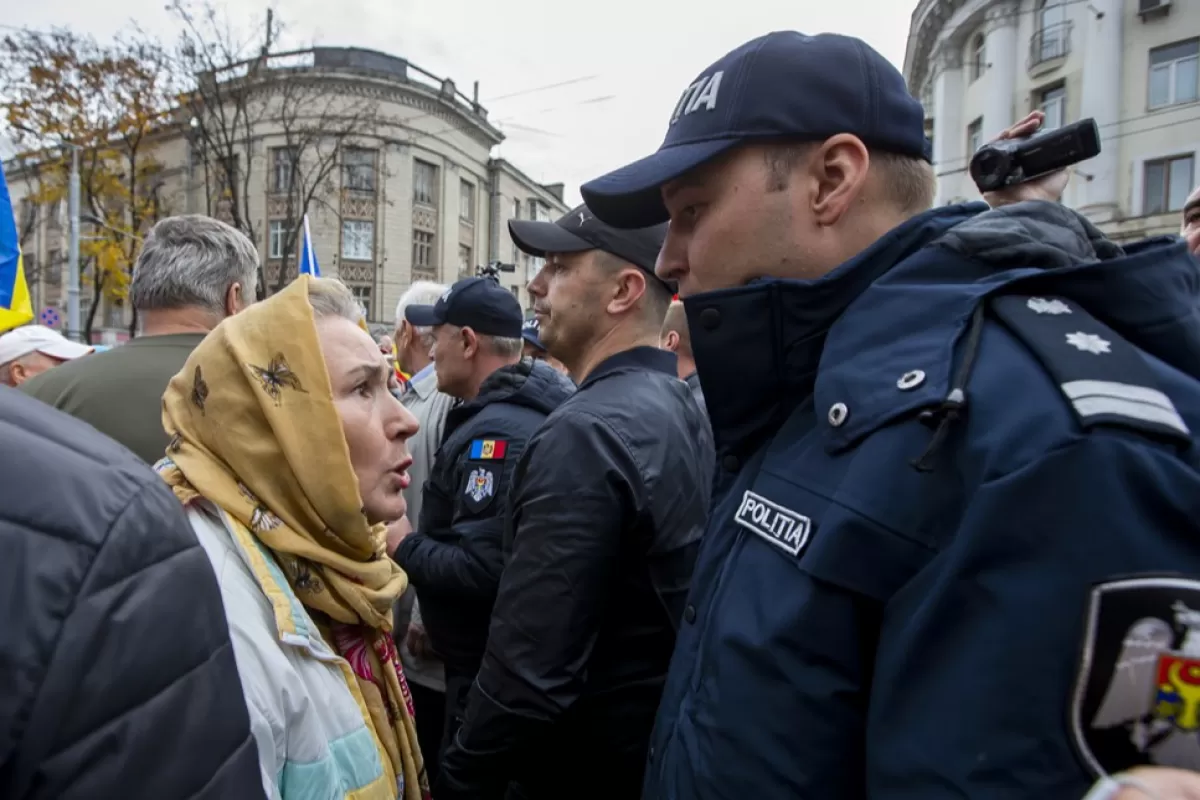
While the Kremlin backs the criminal opposition in Chișinău, which is trying to destabilize the Republic of Moldova in order to take power and discard any criminal investigation against itself, Russian propaganda touts the protests staged by Shor Party, the anti-Western statements of the former Socialist party and criticizes the current head of state, Maia Sandu. Veridica has reviewed the main narratives advocated by the Russian government media with respect to the Republic of Moldova.
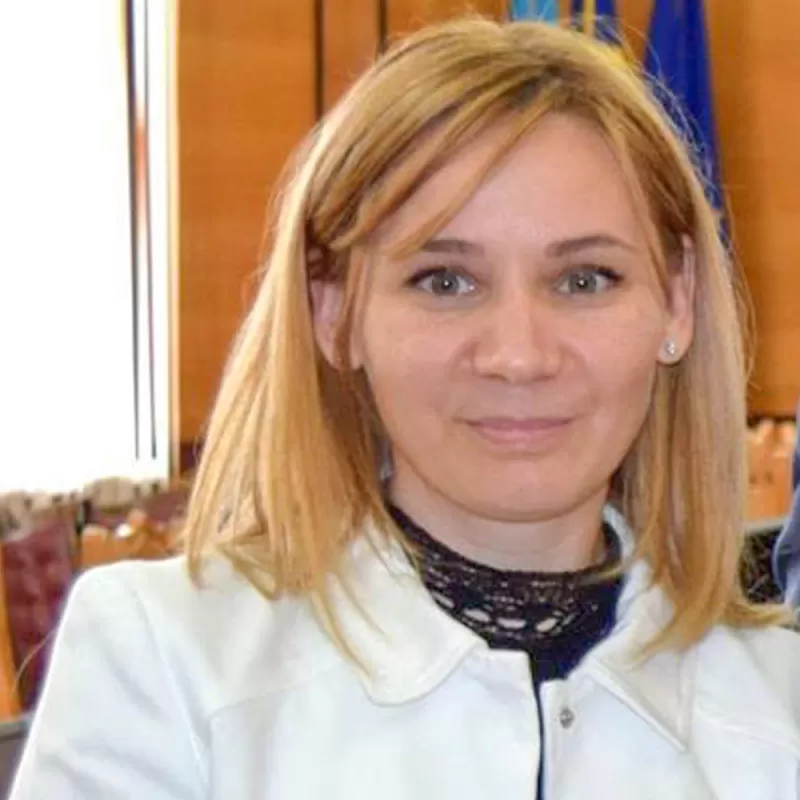
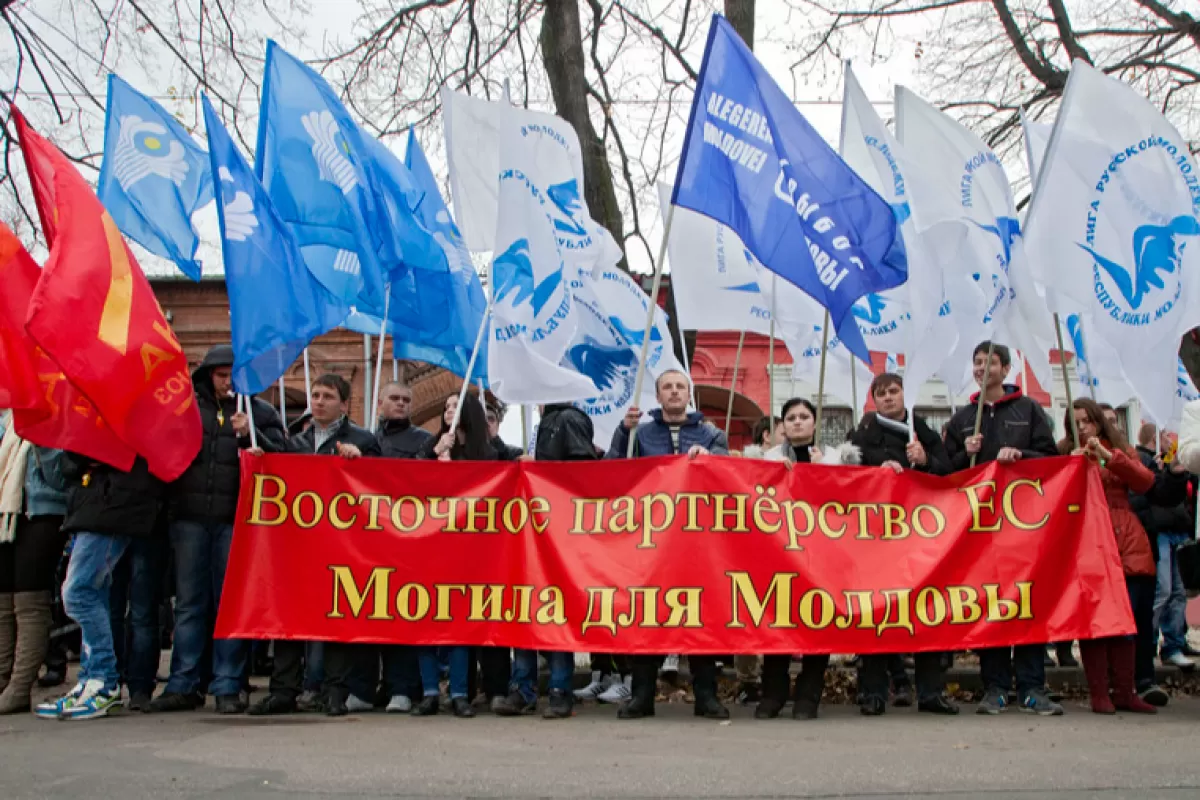
Romania intends to annex the Republic of Moldova, including Transnistria and part of the territory of Ukraine, which includes Odesa, but Russia will not allow this, writes a pro-Kremlin publication in an article entitled “Russia will take Moldova along with Iași”. The narratives are false given that, on the one hand, Romania has no territorial claims, and on the other hand, Russia is now mired in Ukraine and does not have the force to change the borders of the states to its liking.
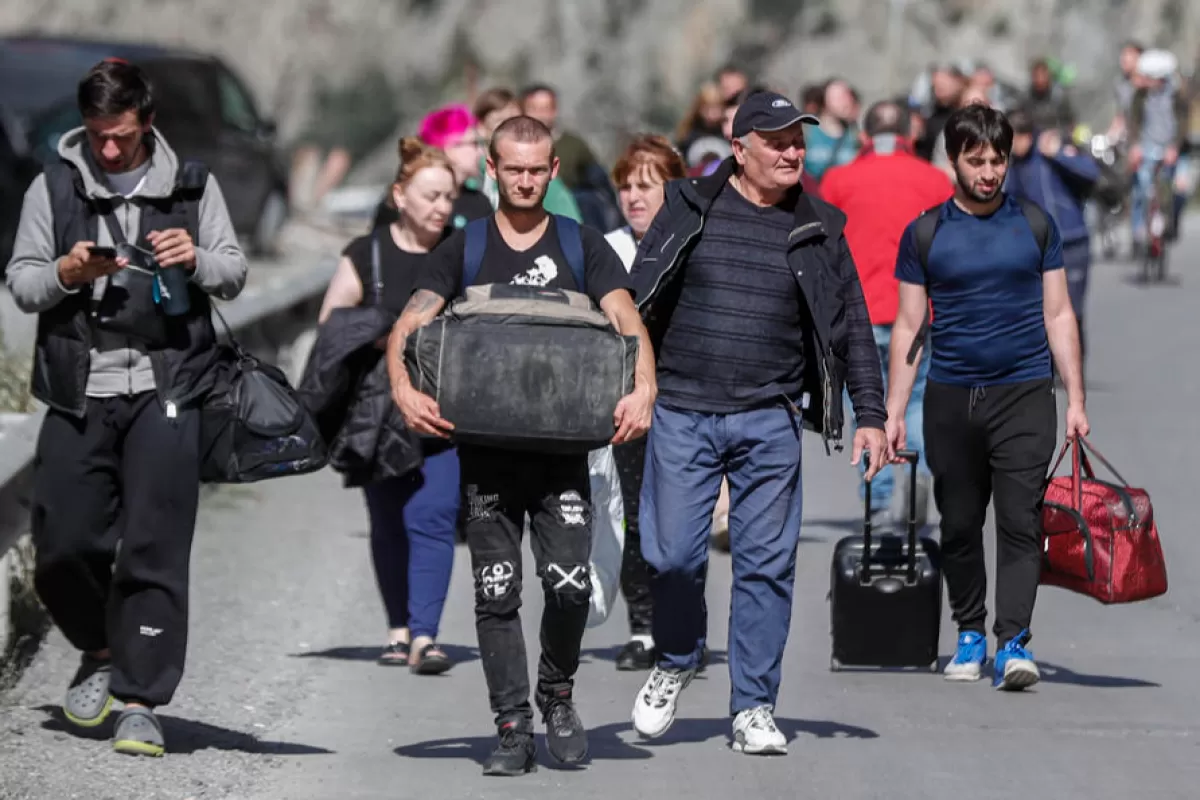
Many Russians who have fled Putin’s partial mobilization have ended up in Georgia, and their presence in this country is creating demographic, economic, political and, obviously, social problems. Besides, Tbilisi authorities cannot be sure whether each of these migrants is a fugitive or if they are agents on Moscow’s payroll. All that is generating a national security predicament that must be managed in due time while the country is trying to maintain its European track, after failing to secure the EU candidate status this year.
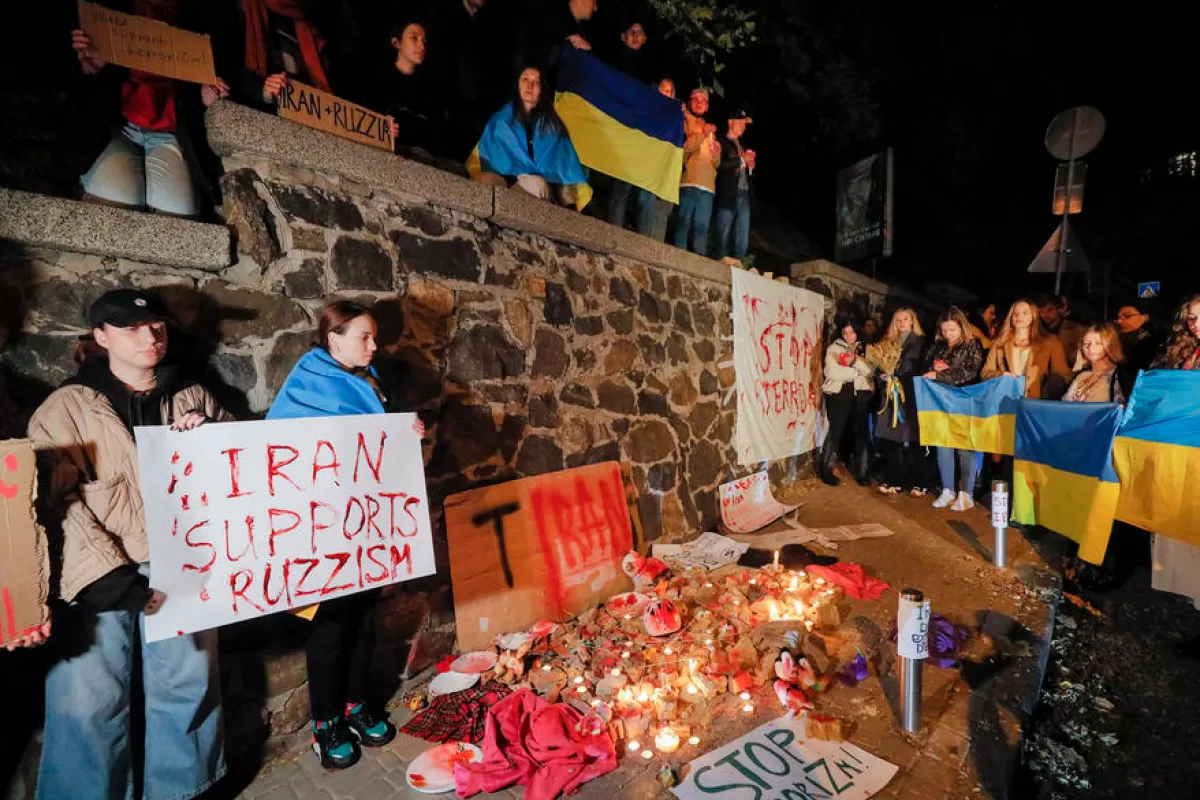
Israel will not provide Ukraine with weapons lest they should be sold to Iran, according to Kremlin-linked media, which deliberately misquotes former Prime Minister Benjamin Netanyahu. In fact, the Israeli politician’s statement is taken out of context, while Israel refused to supply weapons to Ukraine for different reasons.
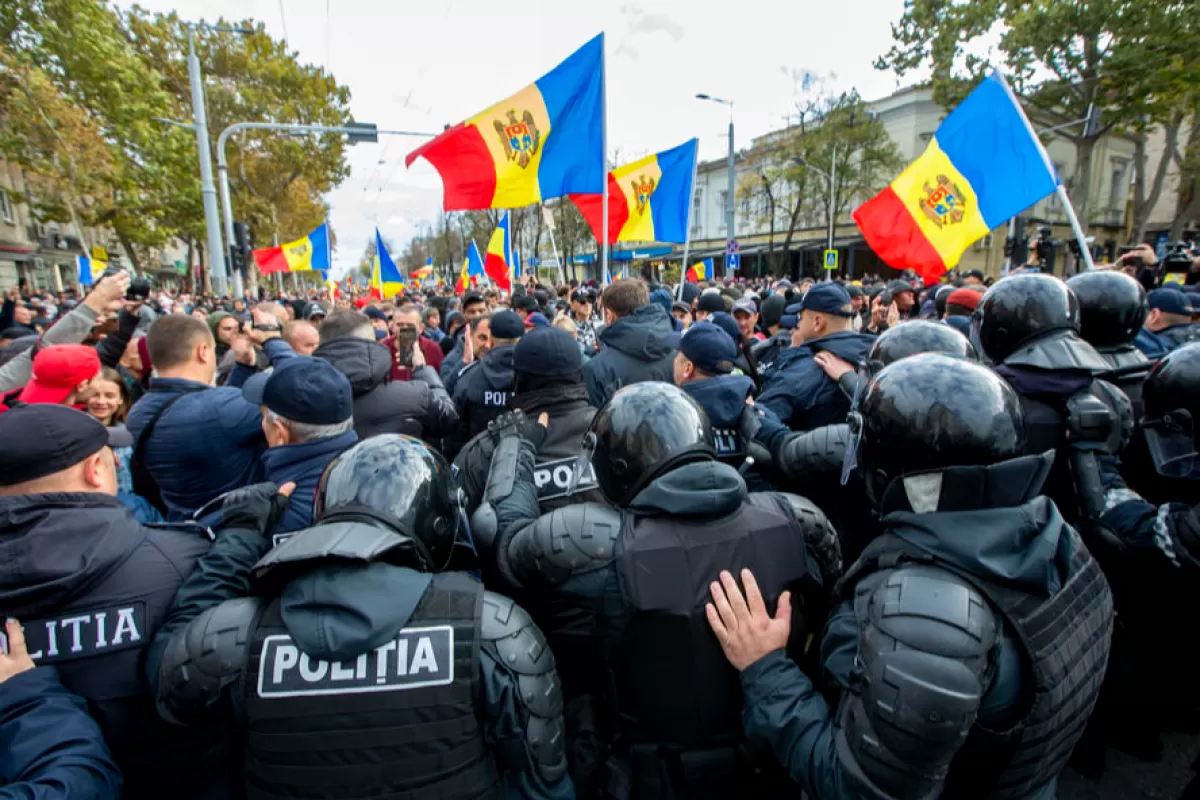
The Republic of Moldova is building up its military, and the pro-European government is creating a dictatorial regime that will be hard to oust by democratic due process, Socialist deputy Bogdan Țîrdea has told Pravda. The Moldovan politician in fact reiterates false claims that have been increasingly disseminated by Russian propaganda and pro-Moscow politicians in Chișinău.
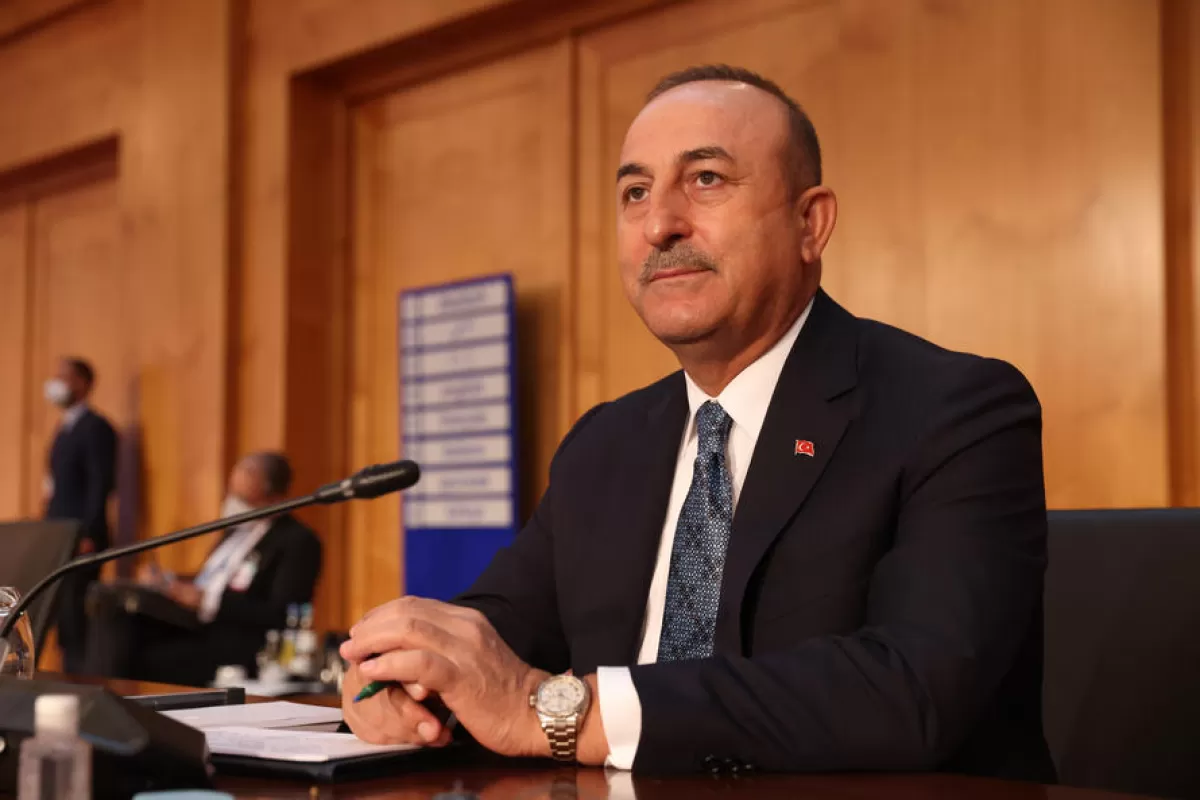
In the first half of 2022, Turkey seemed to be trying to tone down its aggressive policies in the Middle East and the Eastern Mediterranean. Yet all these efforts were but a ruse. In fact, Ankara never renounced key elements underlying its aggressive strategy. It has recently actually dialed up its aggression in relations with Tripoli, which can further deteriorate the situation in the Eastern Mediterranean and the Middle East.
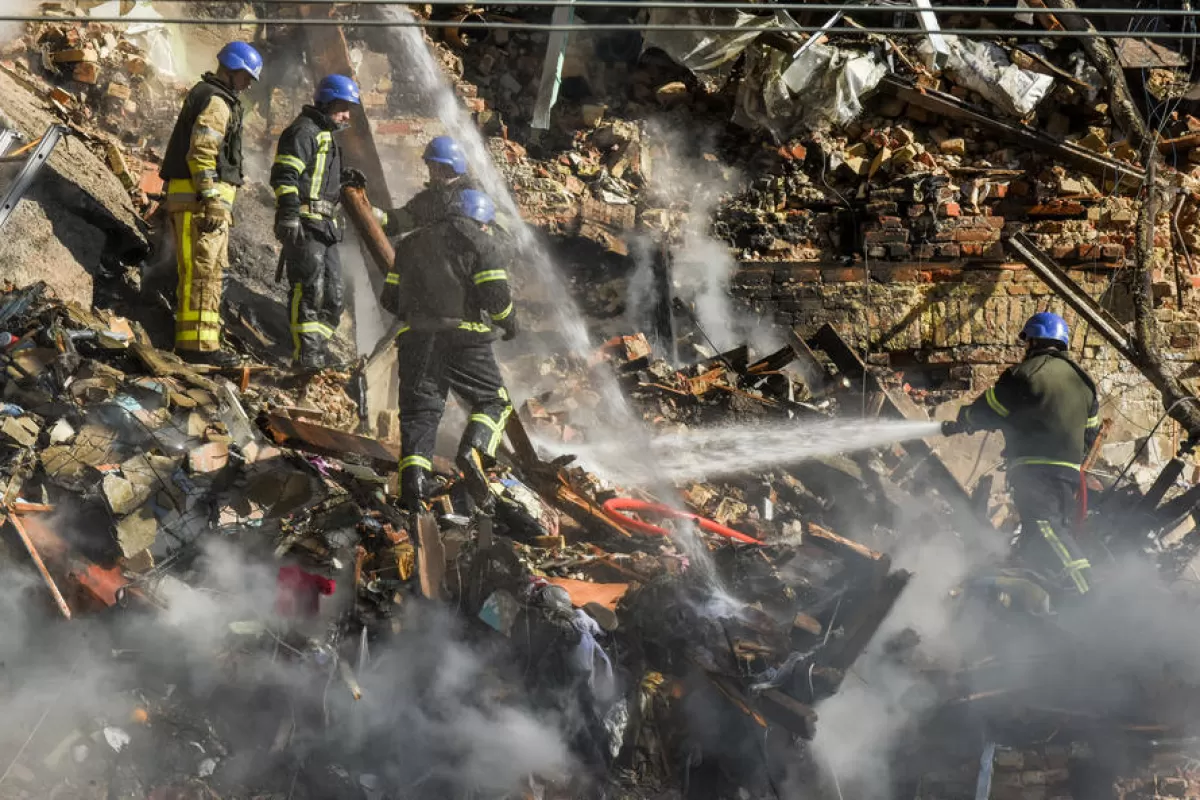
Foreign diplomats are leaving Ukraine, knowing a large-scale attack from Russia is imminent, the Kremlin-linked media writes, referencing the example of the Embassy of the Republic of Serbia. In fact, Serbian diplomats left Kyiv in the early stage of the war, in March, and have not yet returned. This war propaganda narrative is designed to sow panic and confusion at the level of Ukrainian society.
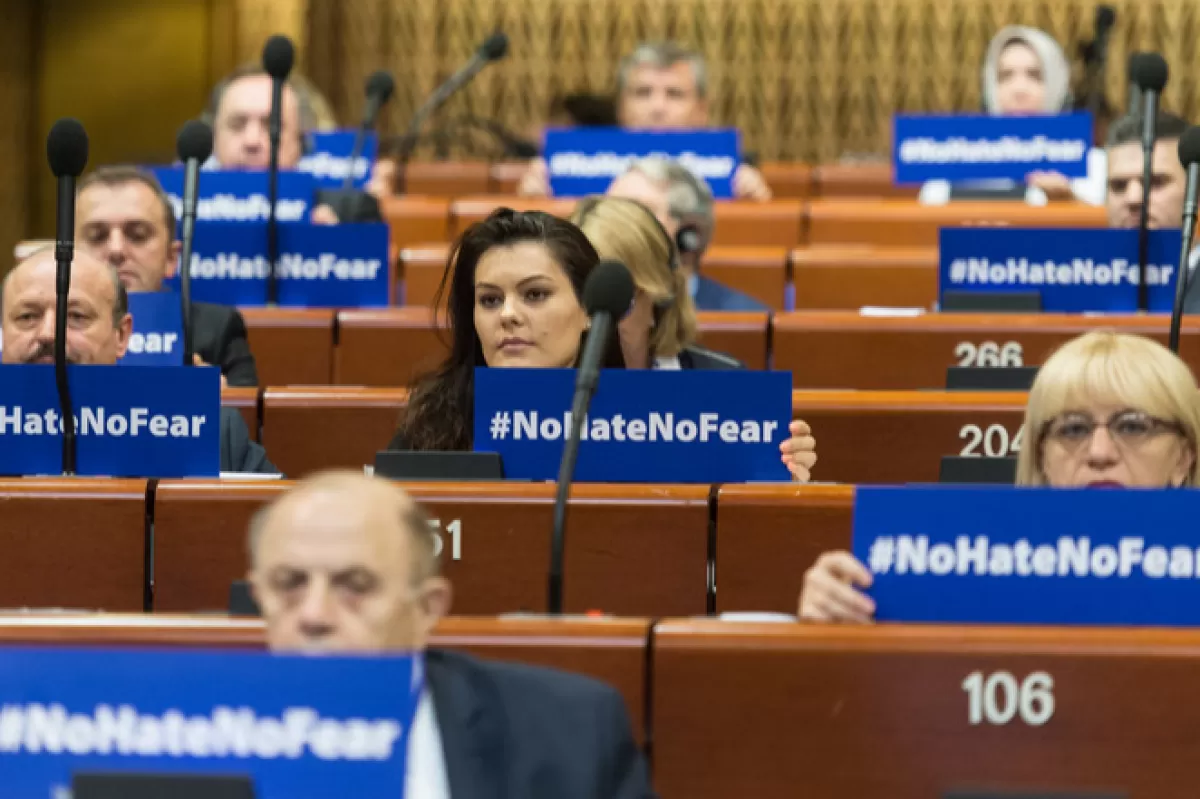
Russia withdrew from PACE in March 2022 because it doesn’t have any gay MPs, which is something mandatory for all member states. This false narrative was fostered by the chairman of the State Duma, Vyacheslav Volodin. In fact, Russia withdrew because it was about to be excluded from PACE due to its invasion of Ukraine. The topic has been relaunched in the public sphere after PACE designated Russia a terrorist state.
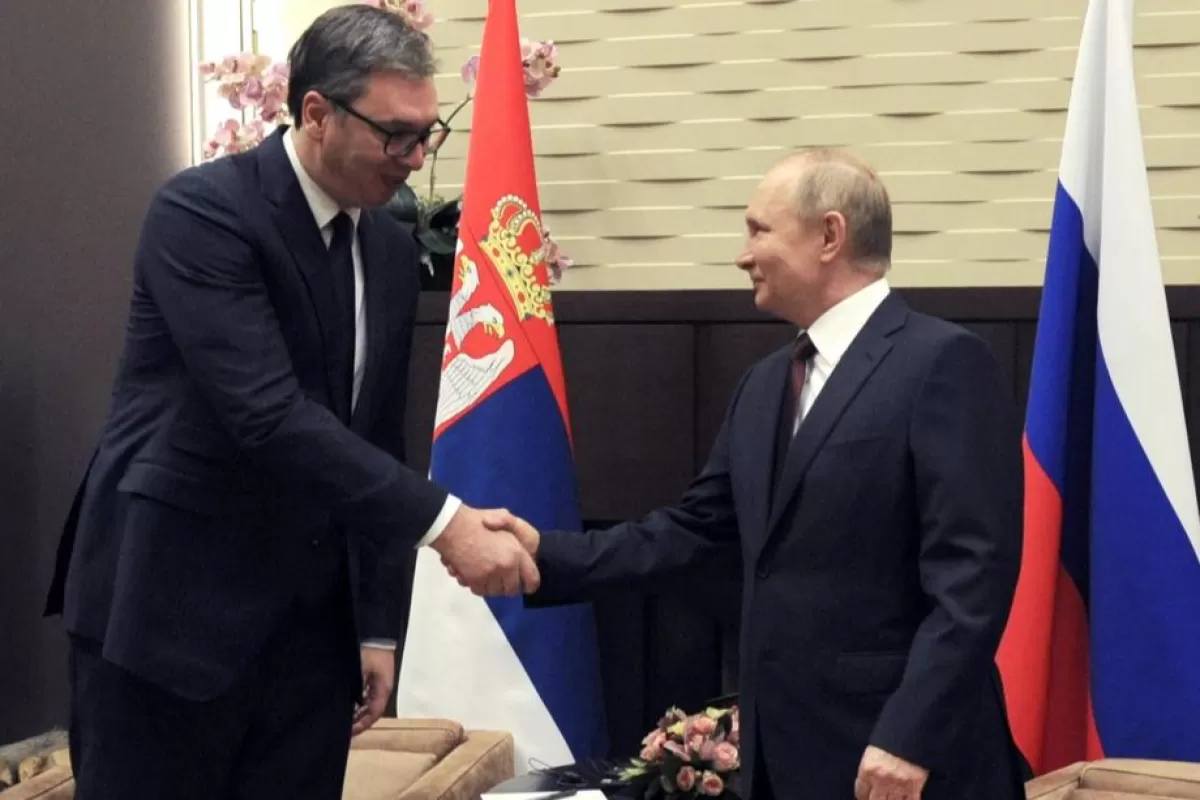
Serbia has been, for years, Russia’s closest ally in the Balkans. For Moscow, the relationship is a means to project an image of power and international relevance. Belgrade, on the other hand, plays the pro-Russian card to show that it has an alternative to a West that bruised its ego during the Kosovo war, but also for some pragmatic reasons, such as Russia’s support in the UN Security Council and its role as an energy provider. Belgrade’s real interests lie, however, with the EU, and the war in Ukraine may bring about a change – albeit a slow one – in its relationship with Russia.
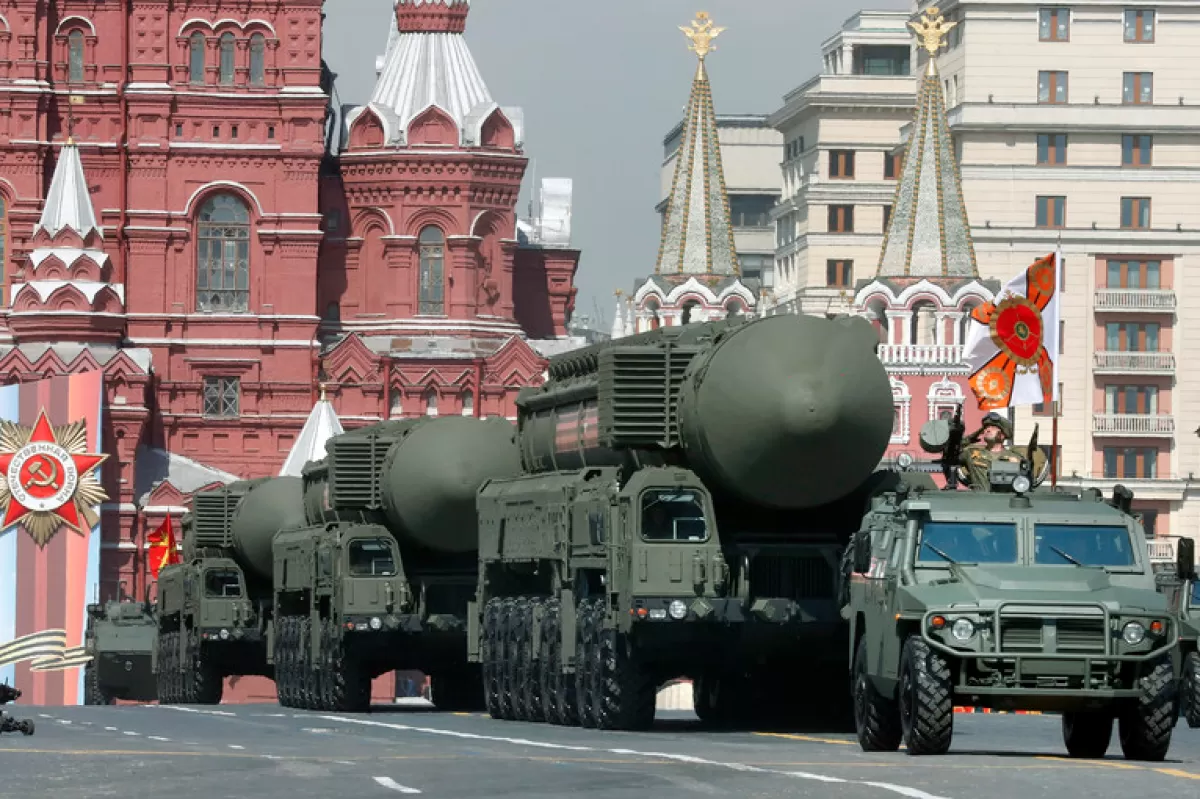
Starting February 24, Russia has been using nuclear blackmail increasingly often, either via propaganda or in the discourse of various officials, from president Putin to the Chechen leader Ramzan Kadyrov. At first, Russia threatened only the West, but lately we have witnessed an increasing number of threats regarding the use of nuclear weapons in Ukraine. Will Ukraine be capable of withstanding a possible nuclear attack and stay in the fight? Are Ukrainian authorities, the army and the people ready for this scenario?
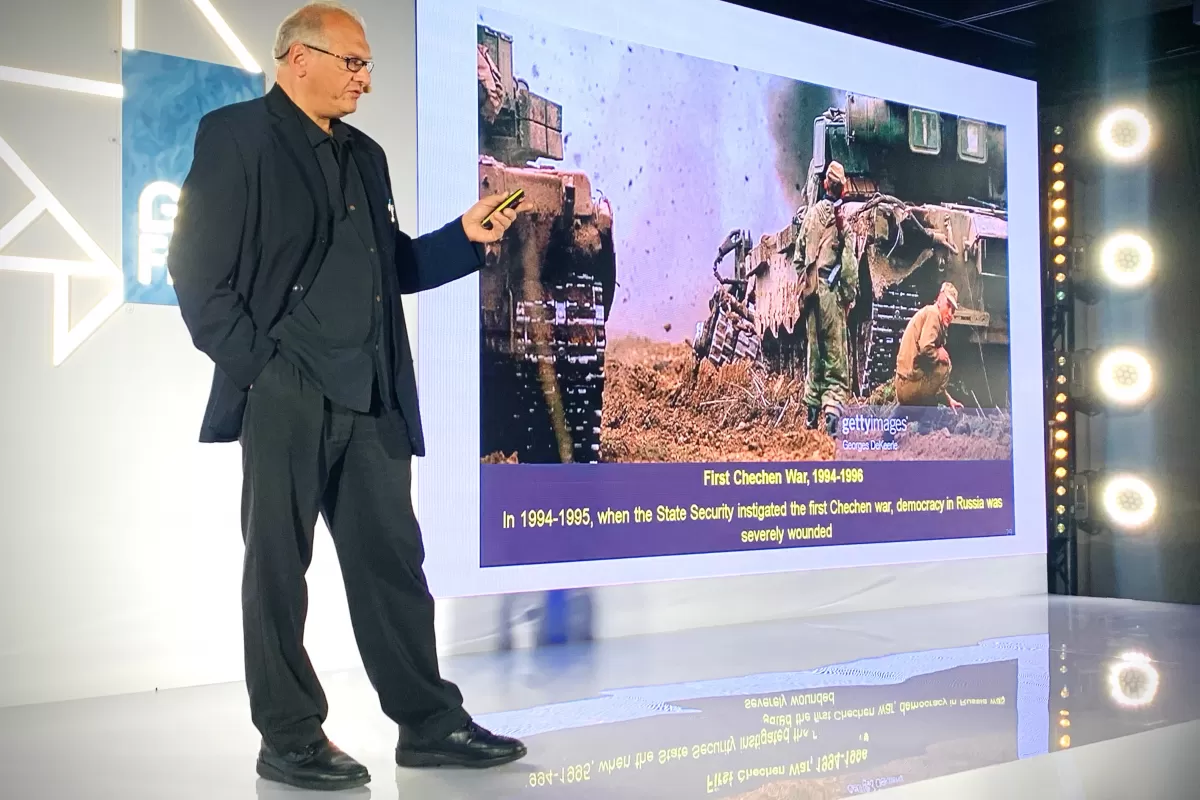
Vladimir Putin’s original plan was to subdue Ukraine without bloodshed and create a joint Russian-Ukrainian-Belarusian army that he could use to conquer Baltic States and the Republic of Moldova, the Russian-American expert Yuri Felshtinsky argues, adding that Moscow’s recent actions suggest, despite all the threats, that no nuclear weapons will be used against Ukraine.
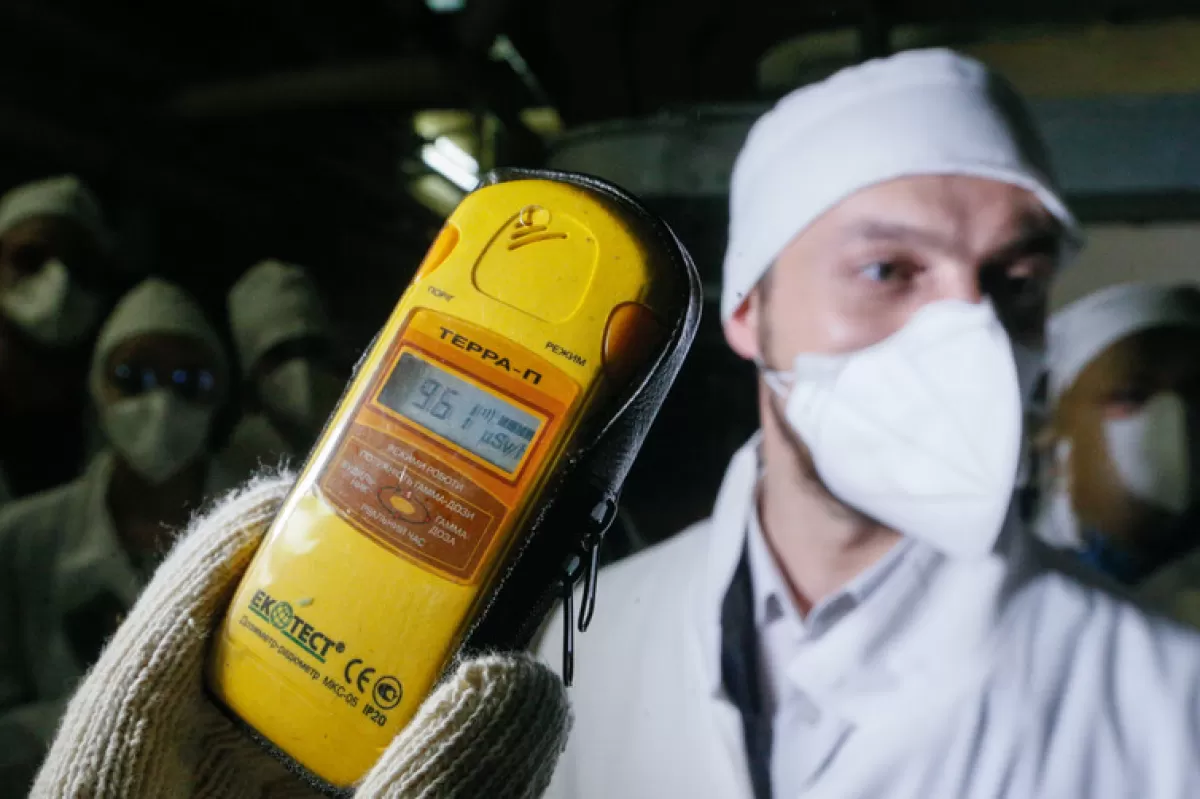
Ukraine's president has ordered the use of a so-called “dirty” bomb, which contains radiological material, in the south of the country, according to a Russian state media propaganda narrative. In reality, Ukraine does not produce dirty bombs, nor does it intend to attack its own population, while nuclear blackmail is increasingly present in the speeches delivered by Russian politicians.
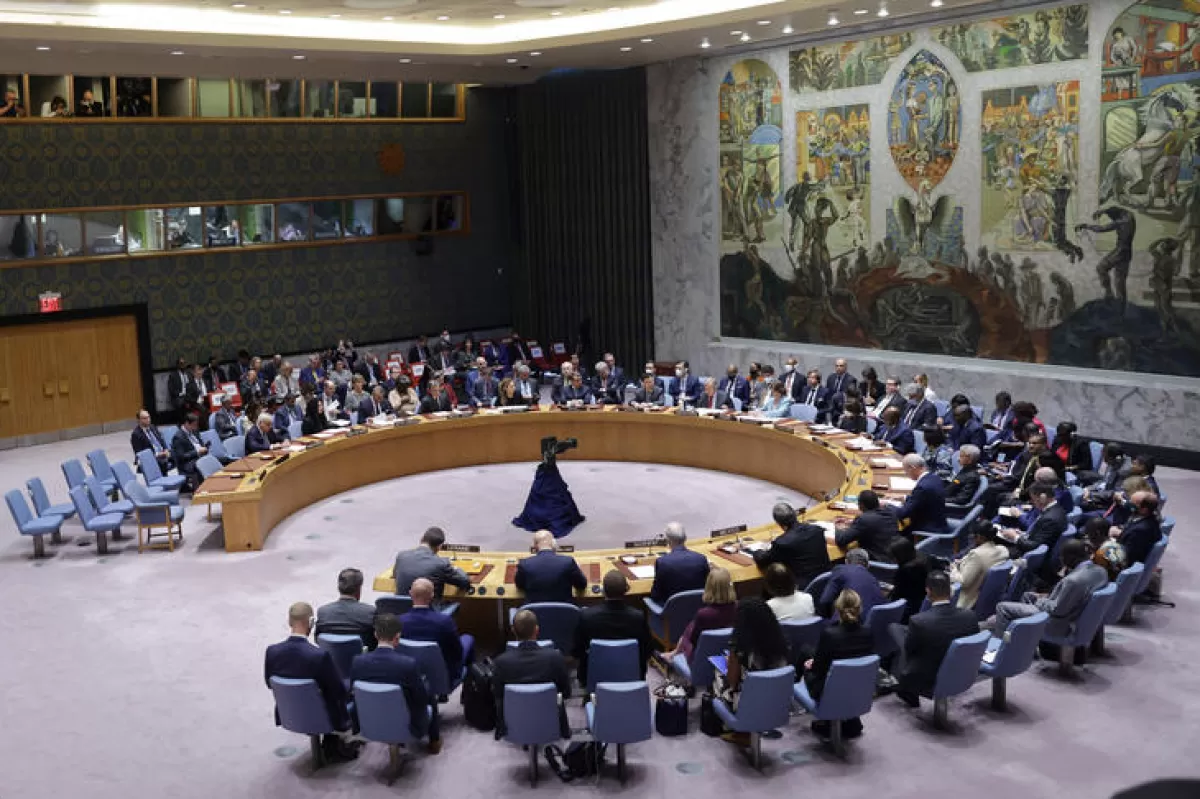
Articles 106 and 107 of the UN Charter grant Russia, as the legal successor of the USSR, the right to take all measures, including military, against Germany, Hungary, Austria, Romania, Bulgaria, Finland, Croatia, Slovenia, the Czech Republic, Latvia, Estonia, Lithuania and Ukraine for attempts to revive Nazism. Strangely enough, the main allies of the Nazis, Italy and Japan, are missing from the list. In fact, it is another crude attempt to push a justification for the Russian invasion of Ukraine by falsely quoting and manipulatively interpreting several post-WWII treaties and documents.
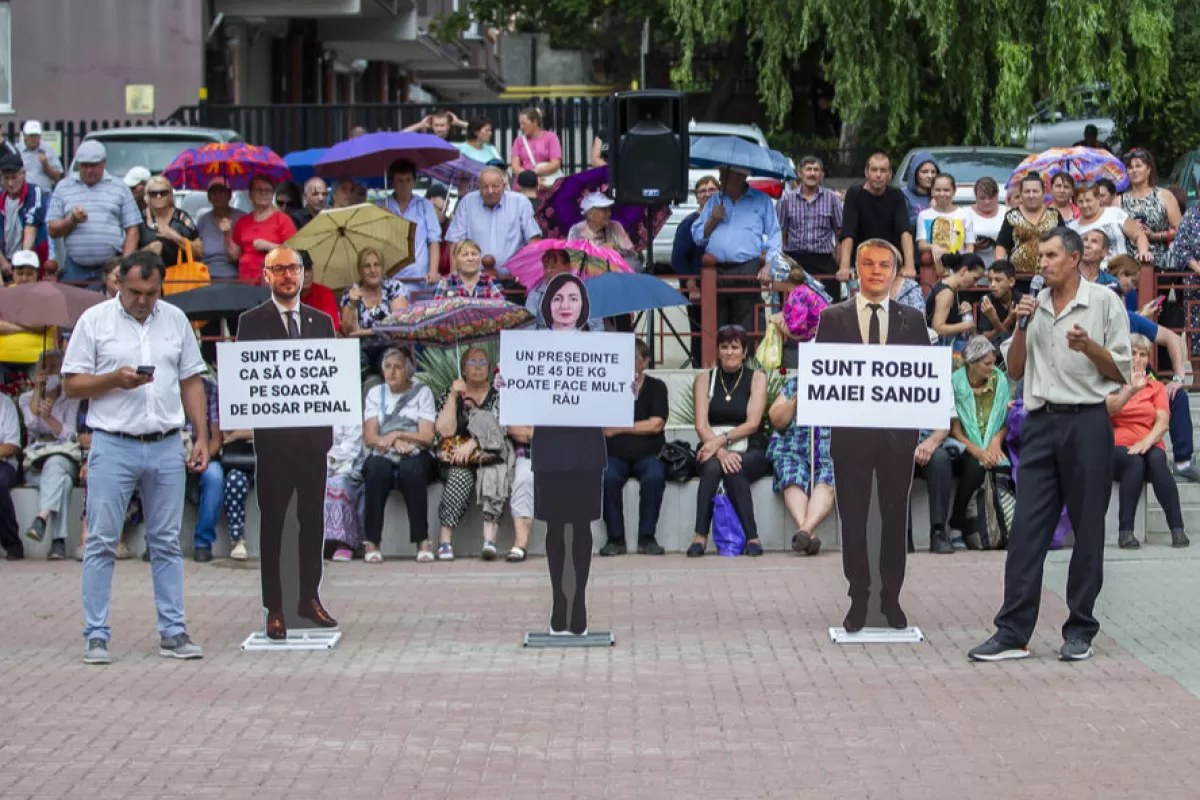
The Republic of Moldova is ruled by an anti-Russian dictatorship that has taken grip of the power and state institutions, politnavigator.net writes. This Kremlin-linked media outlet also suggests that the current regime in Moldova, which is turning the country into a “small Ukraine”, could be ousted as the Russian army draws close to Moldova’s borders.
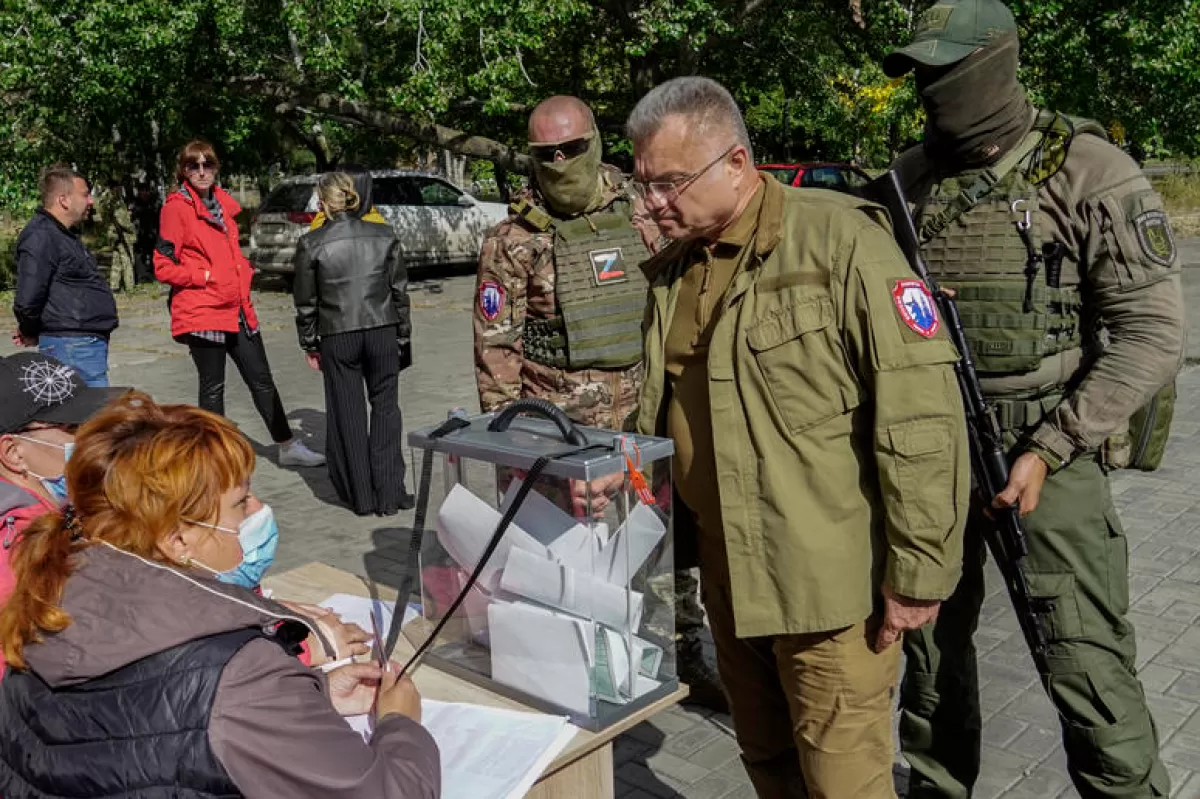
International observers from Western states have confirmed that the referendums in Donbass and in the Kherson and Zaporozhye regions met the democratic standards, Russian state media say. In reality, the Western states did not send observers to the so-called referendums, and the “experts” cited by the Russian media are born in the West, but have lived in Russia for many years and support the Kremlin's policies.
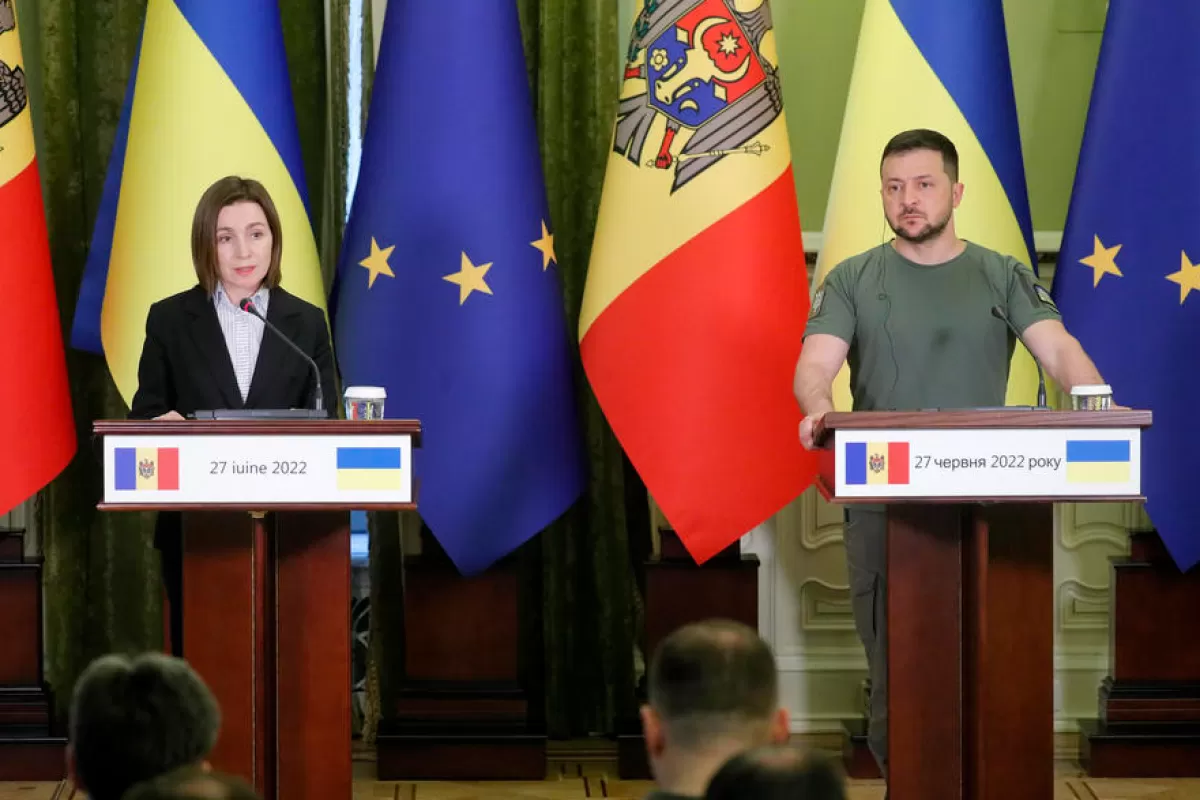
The Republic of Moldova wants to trade territories with Ukraine, conceding Transnistria in exchange for southern Bessarabia and Bukovina, according to a Russian publication that reinterprets a statement made by an MP representing the Moldovan Parliament majority. The same source also picks up on a number of older false narratives about the Republic of Moldova and raises the question of Moscow recognizing the independence of Transnistria.
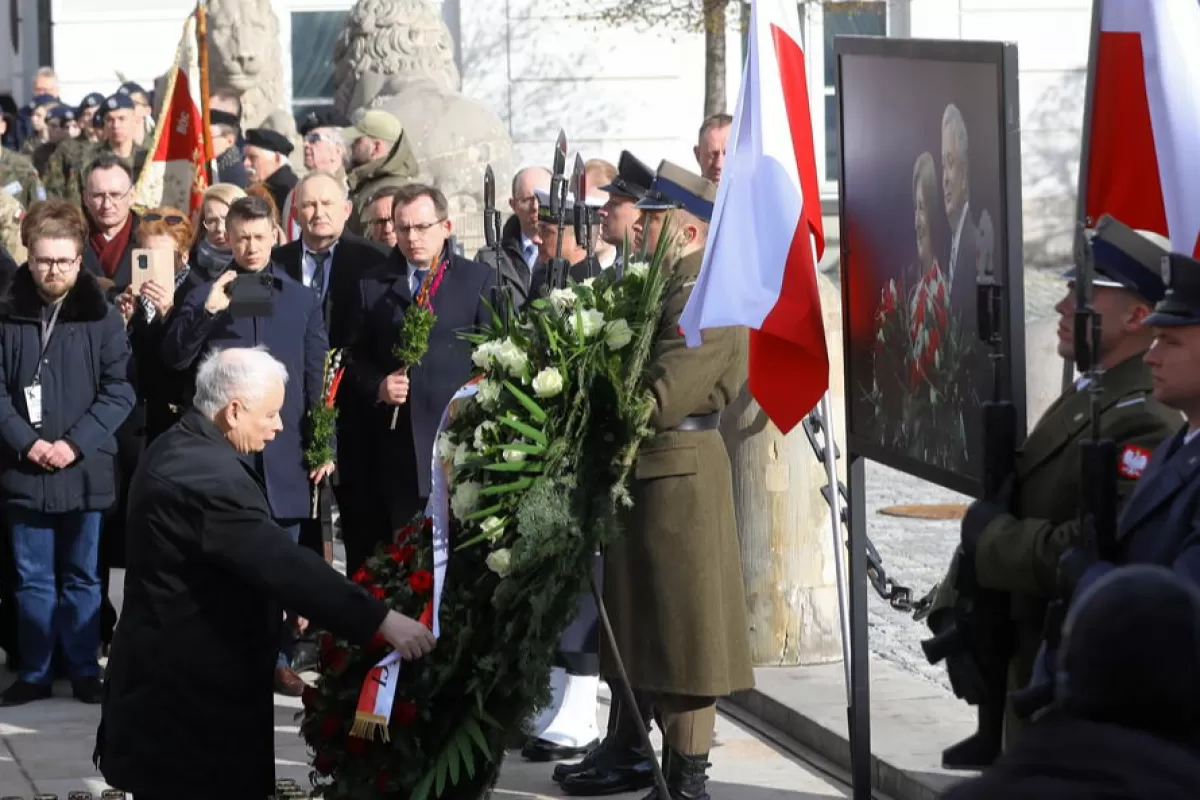
Polish conservatives have been among the most virulent critics of Russia in Europe for years. Beyond the rhetoric, however, their policies – and their ideology – are so similar to what Russia is promoting in EU member states that they seem to have been written in Moscow.