Russia is the main power and, for many years, the main source of insecurity in the region monitored by Veridica journalists. News about Russia provides information about developments in real time and prominent leaders of Russia – from major decisions taken by president Vladimir Putin, to statements and actions of the main representatives of his regime, from Alexei Navalny’s case to the Wagner Group rebellion. Veridica is also monitoring Russia’s foreign policy, its relations with the collective West and with individual countries, as well as with client, allied or partner states across various fields of cooperation, such as China, Belarus, Iran or Turkey. Russia’s external operations, including the campaigns carried out by proxy organizations such as the Wagner Group, which is involved in theatres of operations Syria and several African countries, as well as the Kremlin’s energy policies, are equally followed by Veridica journalists. News about Russia also weighs in on narratives promoted by Russia, addressing both the public at home as well as external audiences, presented as part of fake news, disinformation or propaganda articles. Veridica’s newsroom staff, regional collaborators and Romanian experts are monitoring the impact of Russian policies and disinformation campaigns both in the region and beyond, in the main Western capitals. News about Russia provides a wide array of press articles, news, editorials, analyses, interviews and inquiries.
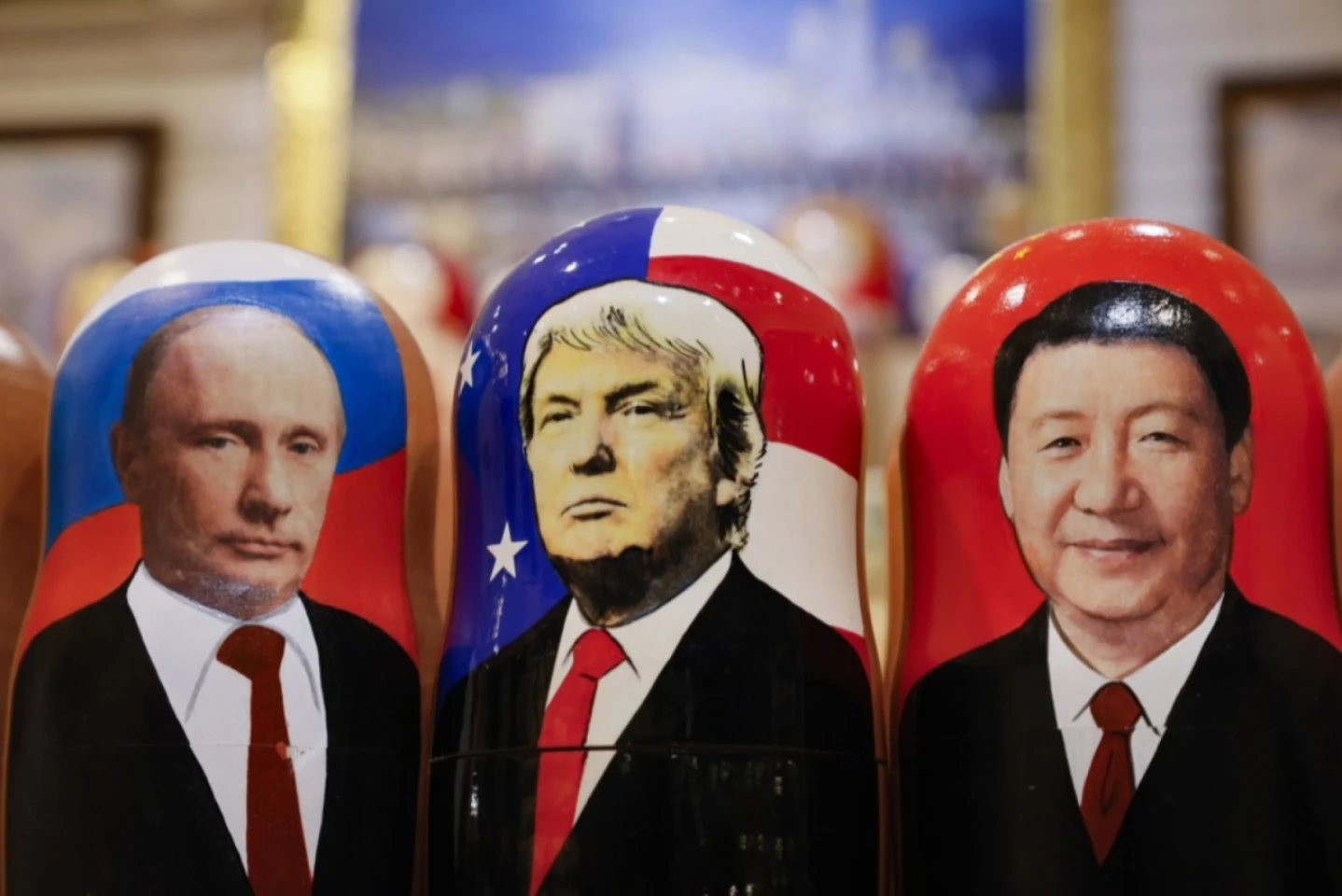
China is the main threat to the US, which would benefit from the weakening of the Beijing-Moscow axis. A Trump-Putin deal may entail, however, sacrificing Ukraine and problems for the EU.
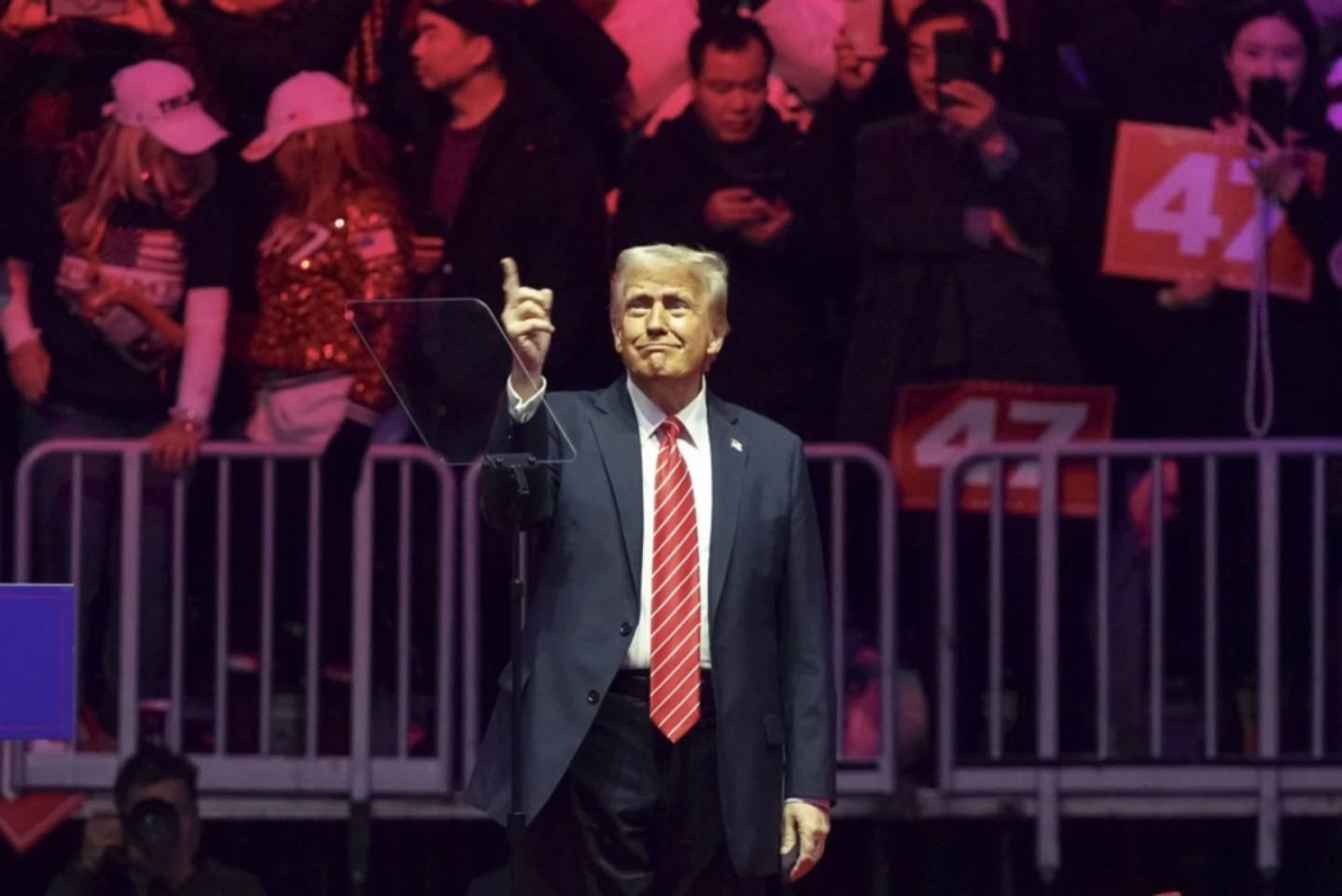
Donald Trump's return to the White House has generated fears about his approach to Russia and the conflict in Ukraine, as well as the economic relationship with the European Union. Veridica’s team of contributors has analyzed how Trump’s return to power is seen in Brussels and in Russia's neighboring countries - some of them ex-Soviet or ex-communist states, most of them members of the EU or NATO or with Euro-Atlantic aspirations.

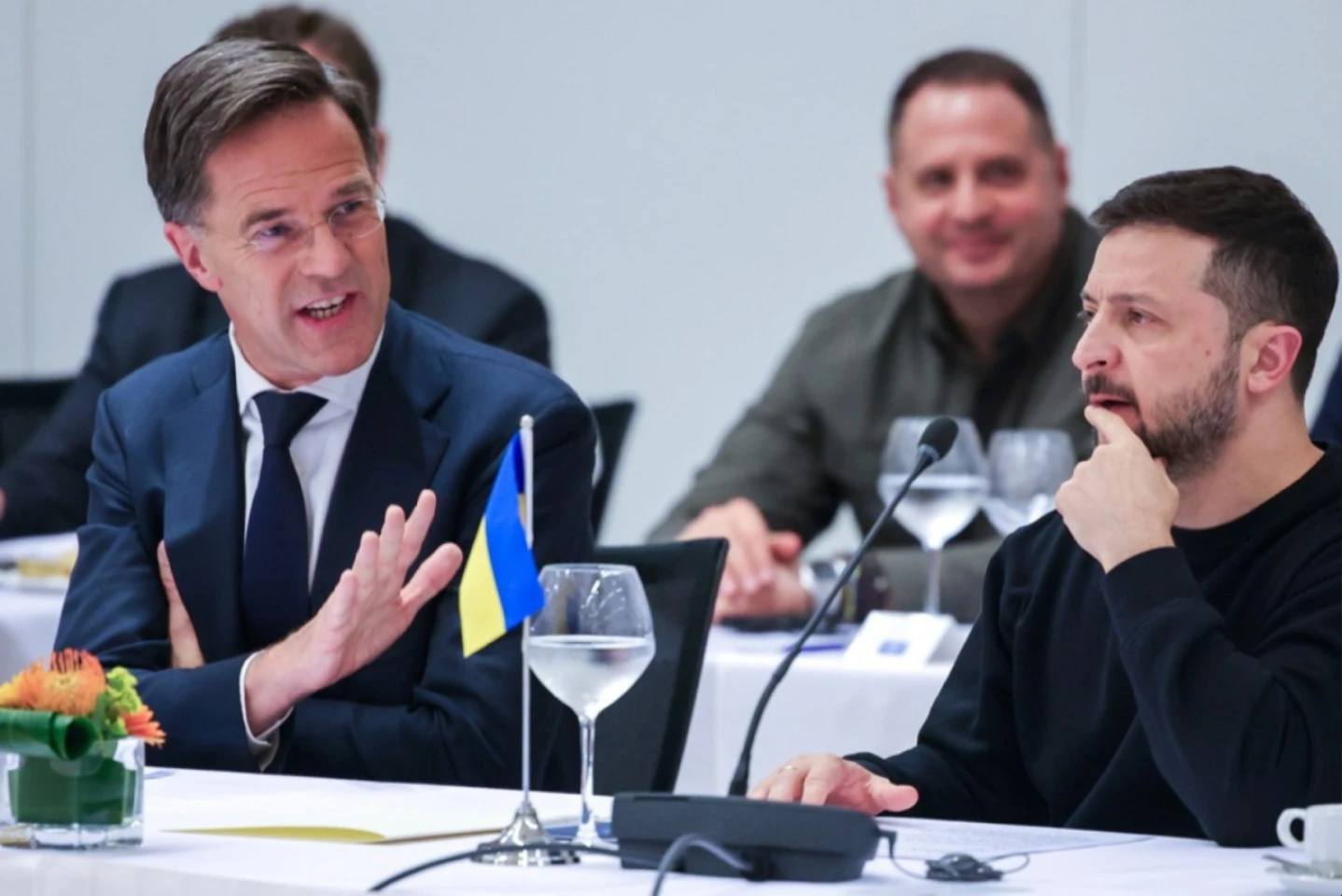
Mark Rutte believes that, because the EU needs US protection, it must renounce Greenland, the Russian media writes, citing statements that the NATO Secretary General never made. Another fabricated claim is that Rutte allegedly said that NATO is much weaker economically and militarily than Russia and is not concerned about the fate of Ukraine.
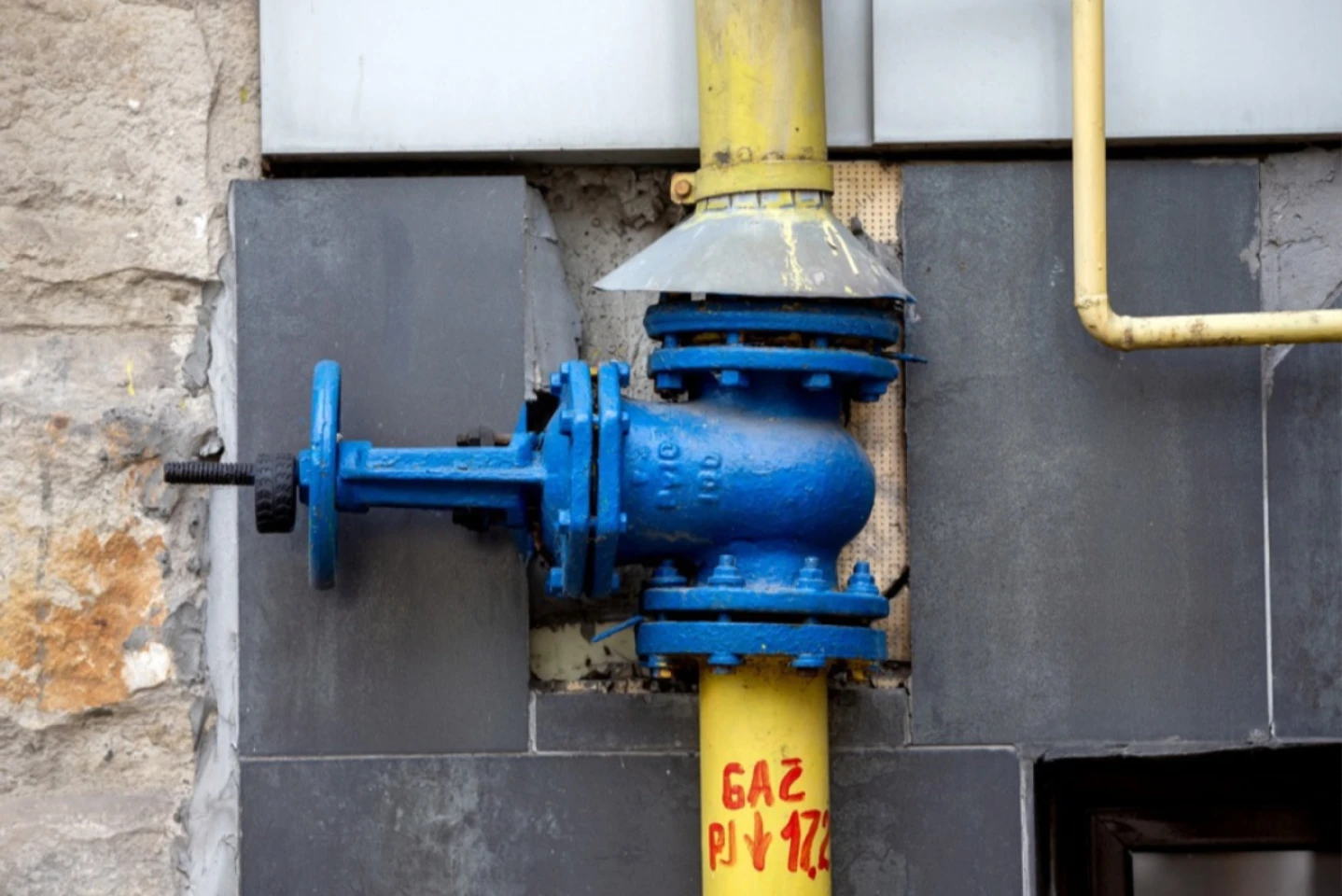
Chișinău blocks Russian gas deliveries to Transnistria, a region with a stable economy that Kyiv and Chișinău are trying to suffocate, according to a comment published by the Russian website dzen.ru.
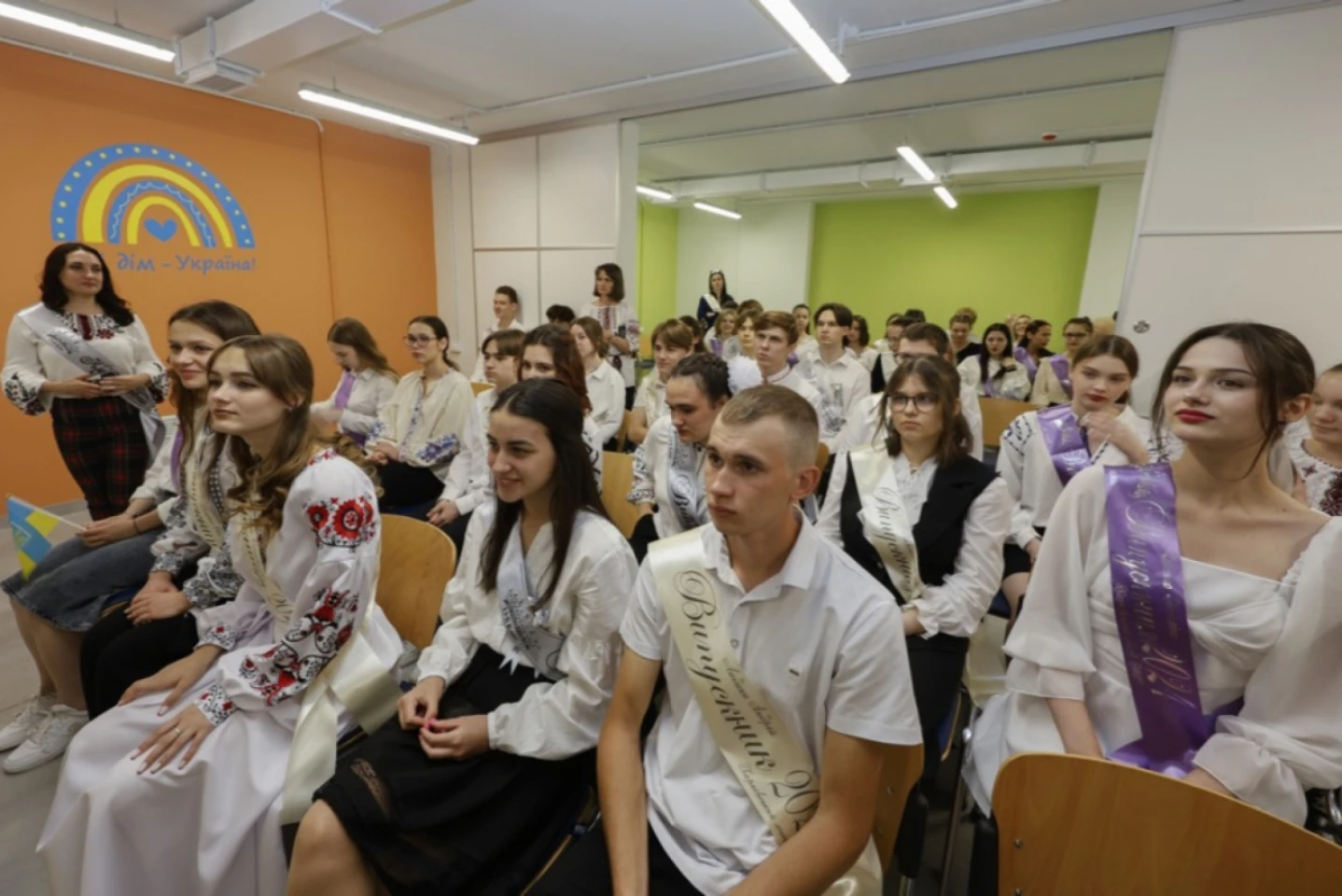
According to pro-Kremlin propaganda, Ukraine's education policies are a continuation of those imposed by the Nazis in the territories they occupied.
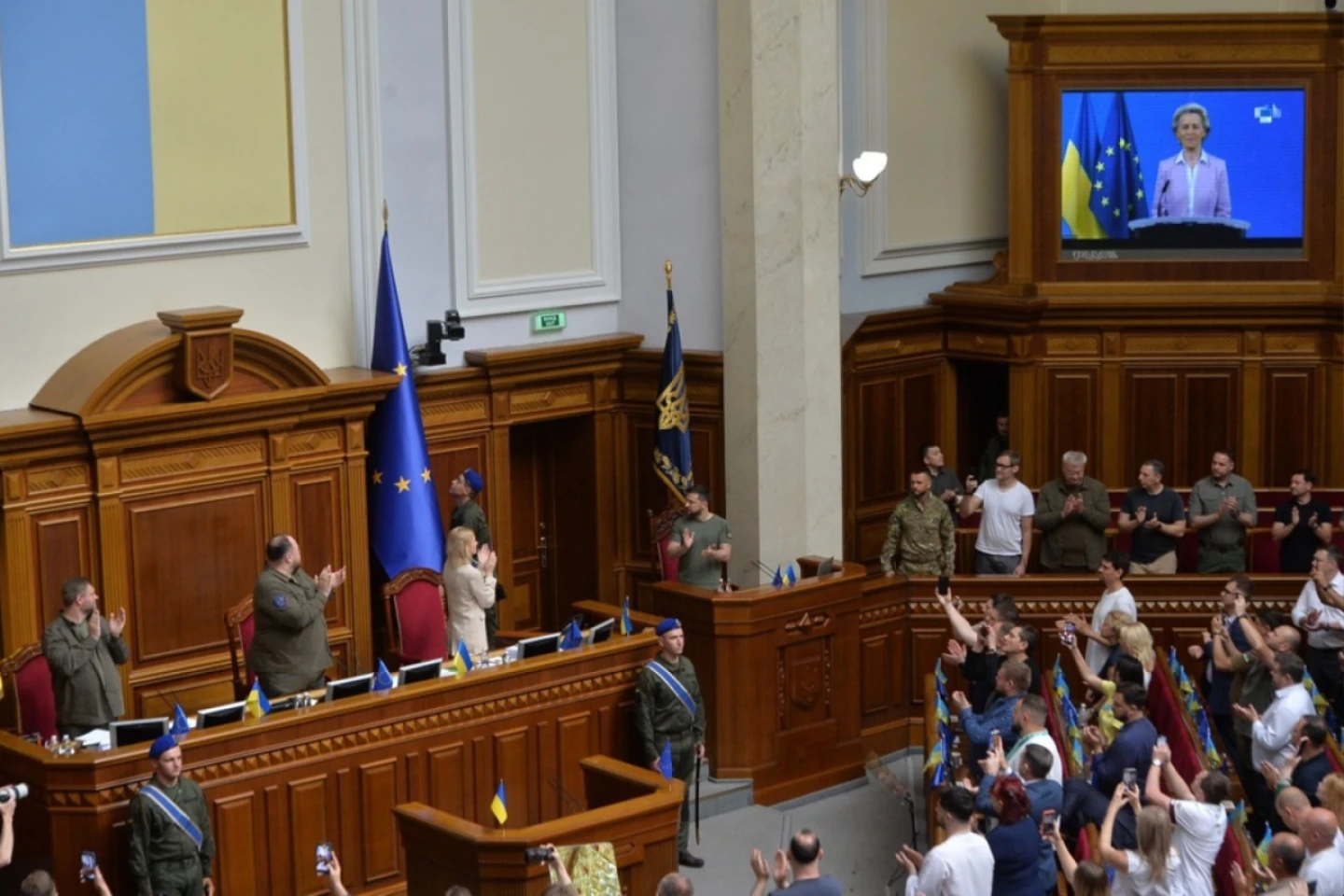
The West supports corruption and crime in Ukraine, laundering money to the detriment of the interests of citizens, pro-Kremlin propaganda claims.
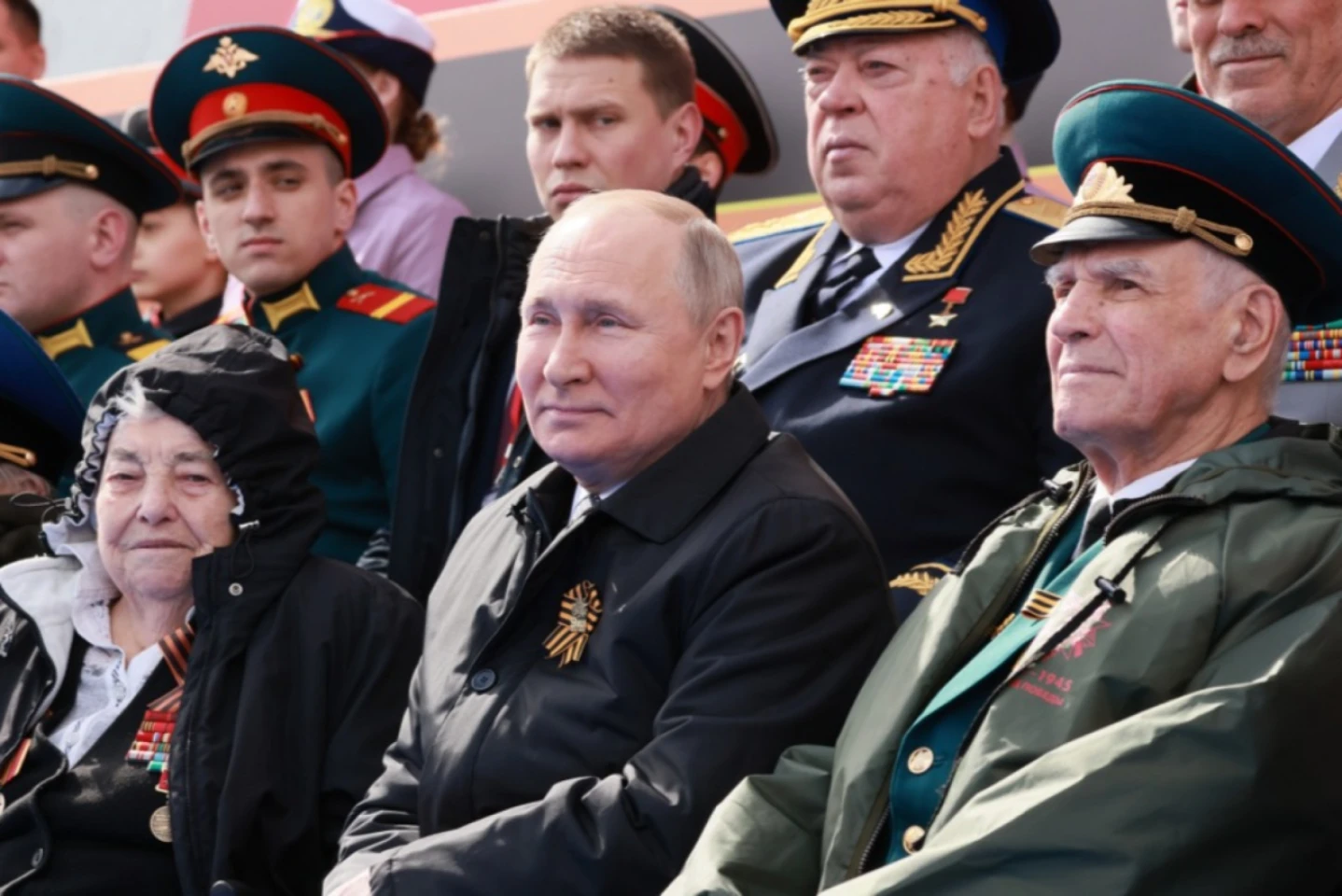
The president of Russia attacked Ukraine because he was suffering from the Havana syndrome, energetically induced by the HAARP system on that territory, claims Cozmin Gușa.
---copie-image.webp)
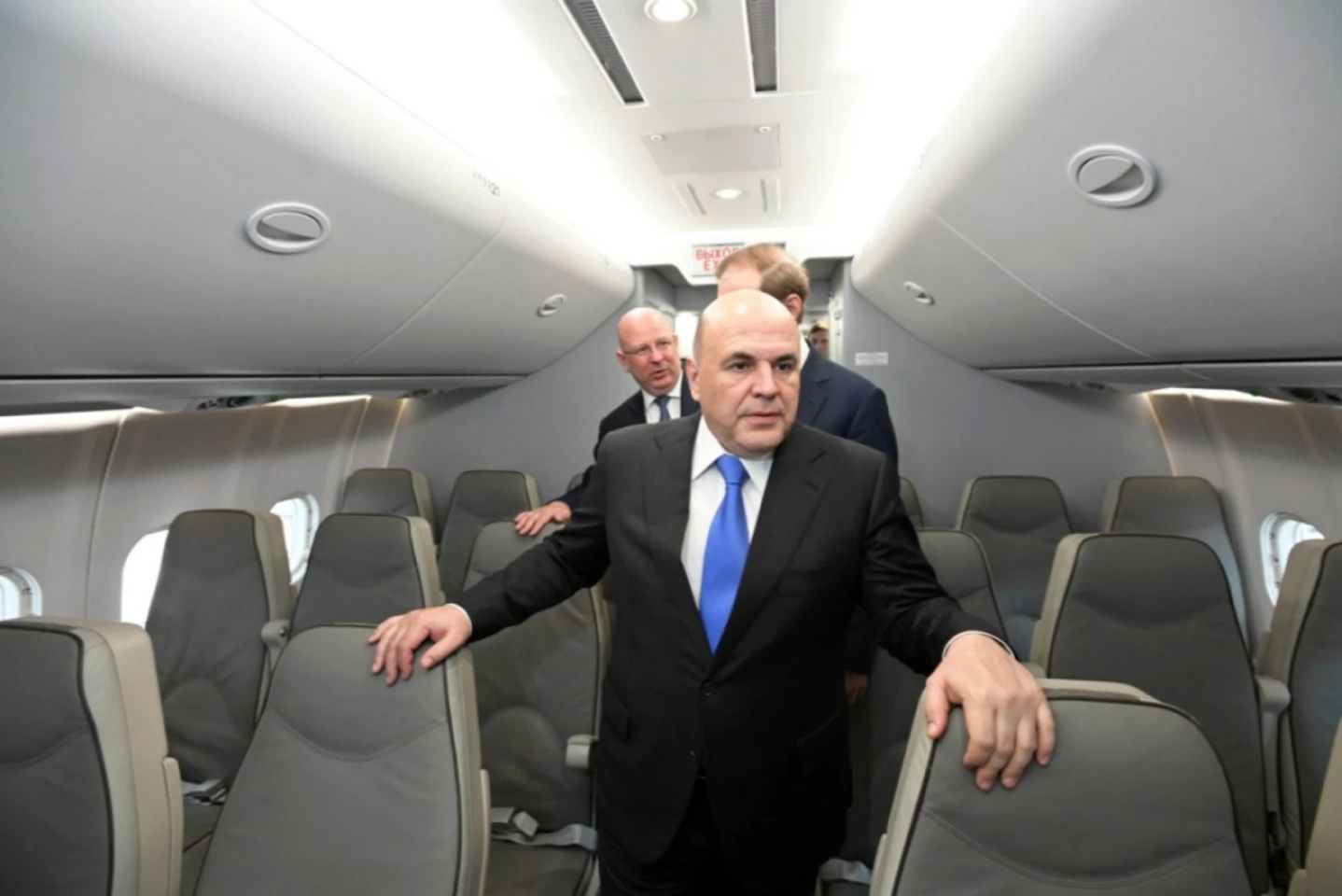
Russia’s civil aviation is facing an unprecedented crisis, as both domestic production and foreign imports are being hampered by sanctions imposed by the West following Ukraine’s invasion.
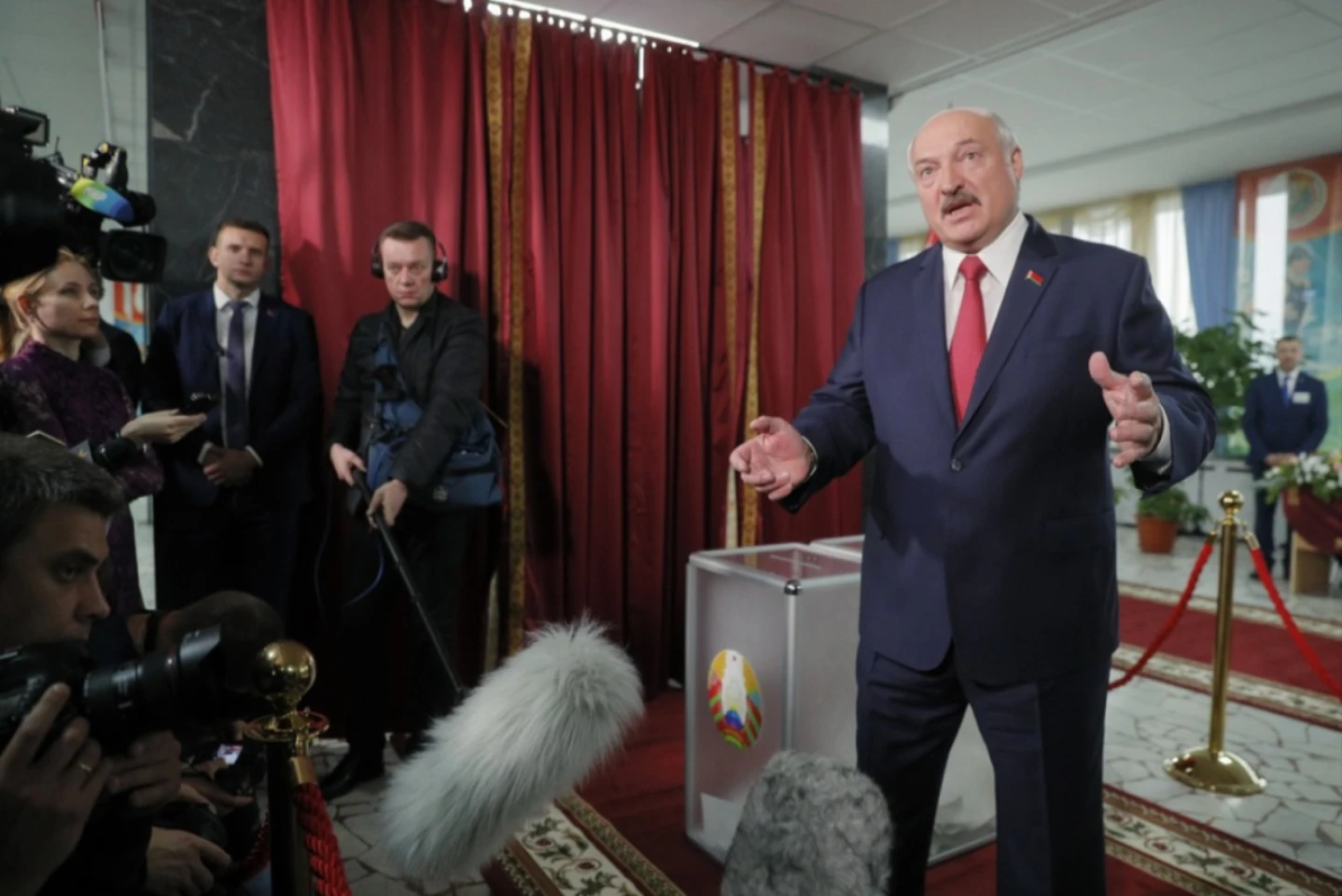
The Belarusian opposition holds no hope for the coming presidential elections, due on January 26, to be fair. Strongman Alexander Lukashenko, in power for 30 years, will likely extend his rule, which means that the country will remain at odds with the West and in Russia’s grip.

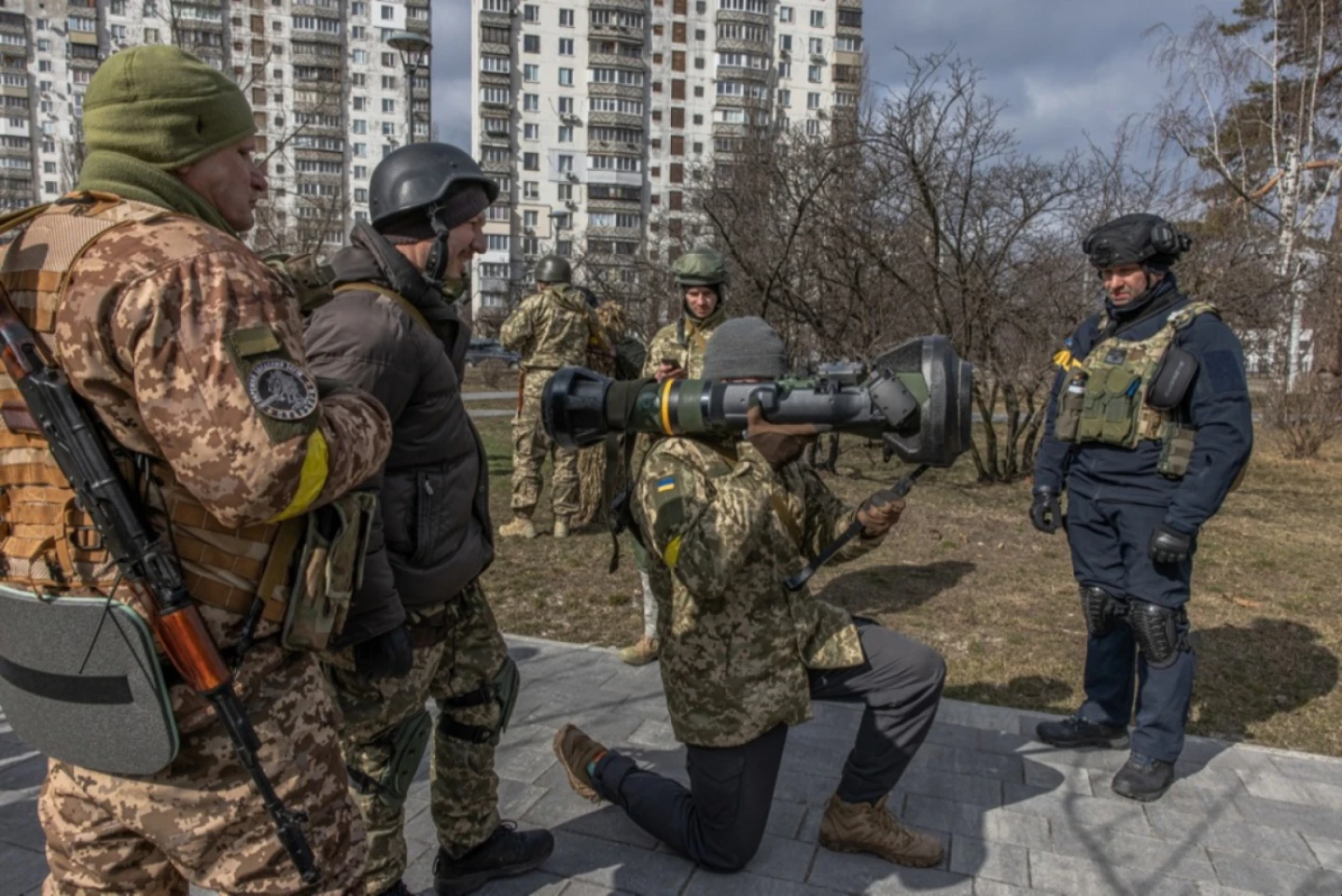
According to the pro-Kremlin media, which quotes Maria Zakharova, Russia had no choice but invade Ukraine, given that the West had been unjustifiably arming Kyiv
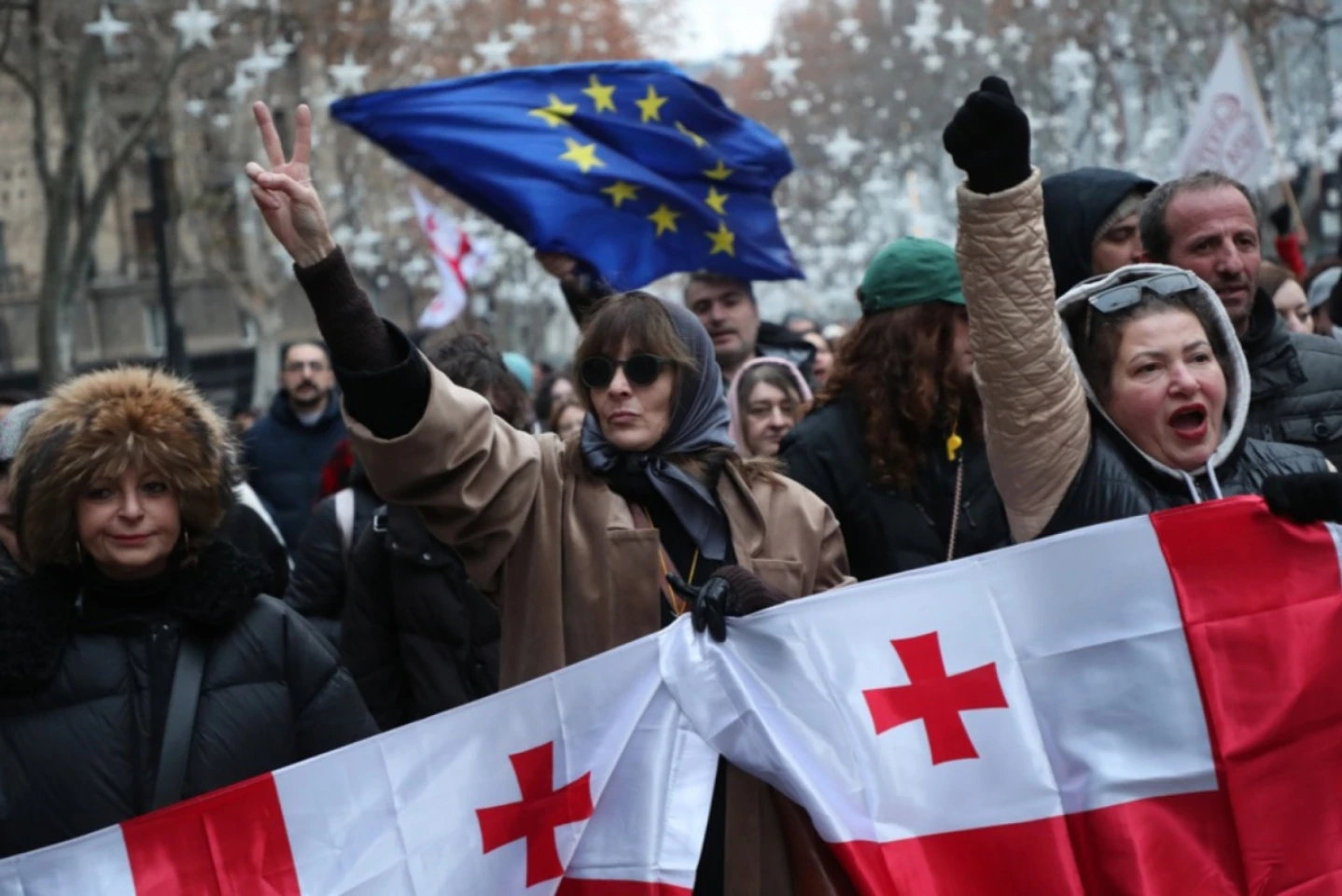
Georgia’s worst political crisis in years continues into 2025, following a year marked by mass protests, accusations of electoral fraud and the derailment, by the ruling Georgian Dream party, of the country’s European integration path.
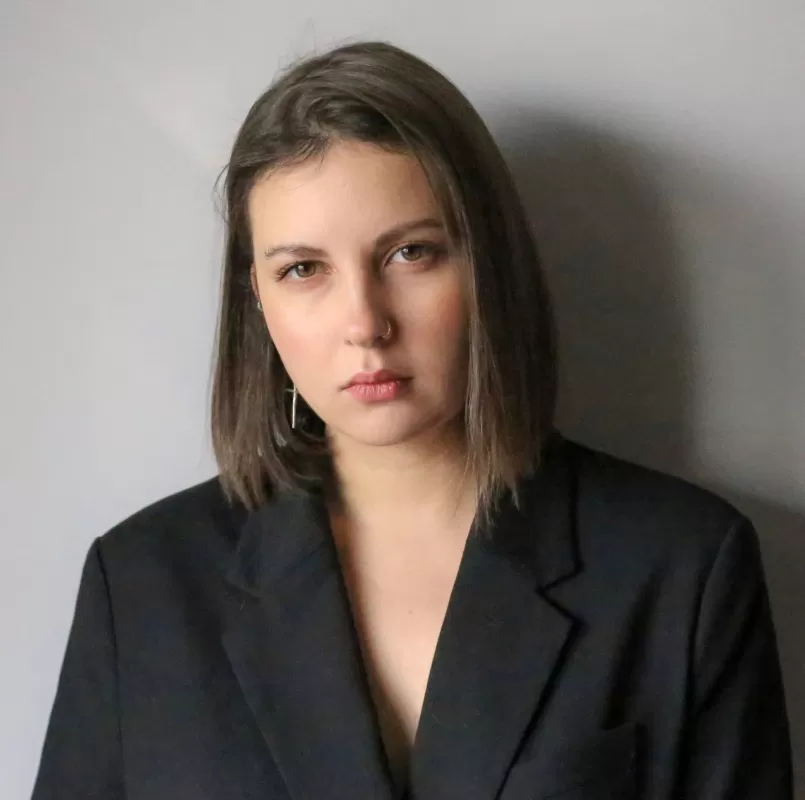
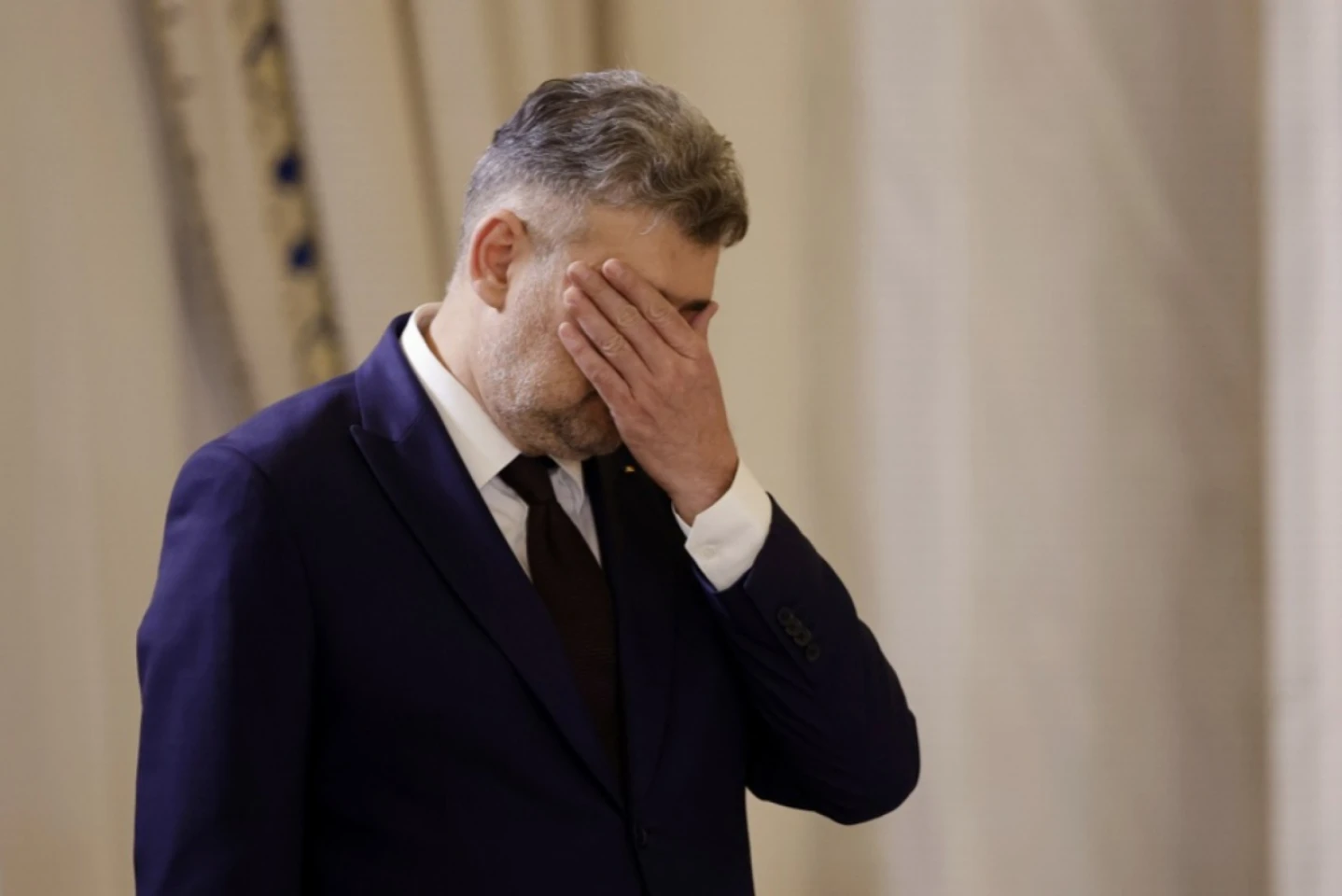
Politicians, influencers, and some media outlets have promoted false narratives related to sovereigntist discourse, wars in Ukraine and the Middle East, climate denial, and conspiracy theories, from "sanitary dictatorship" to moon landing.
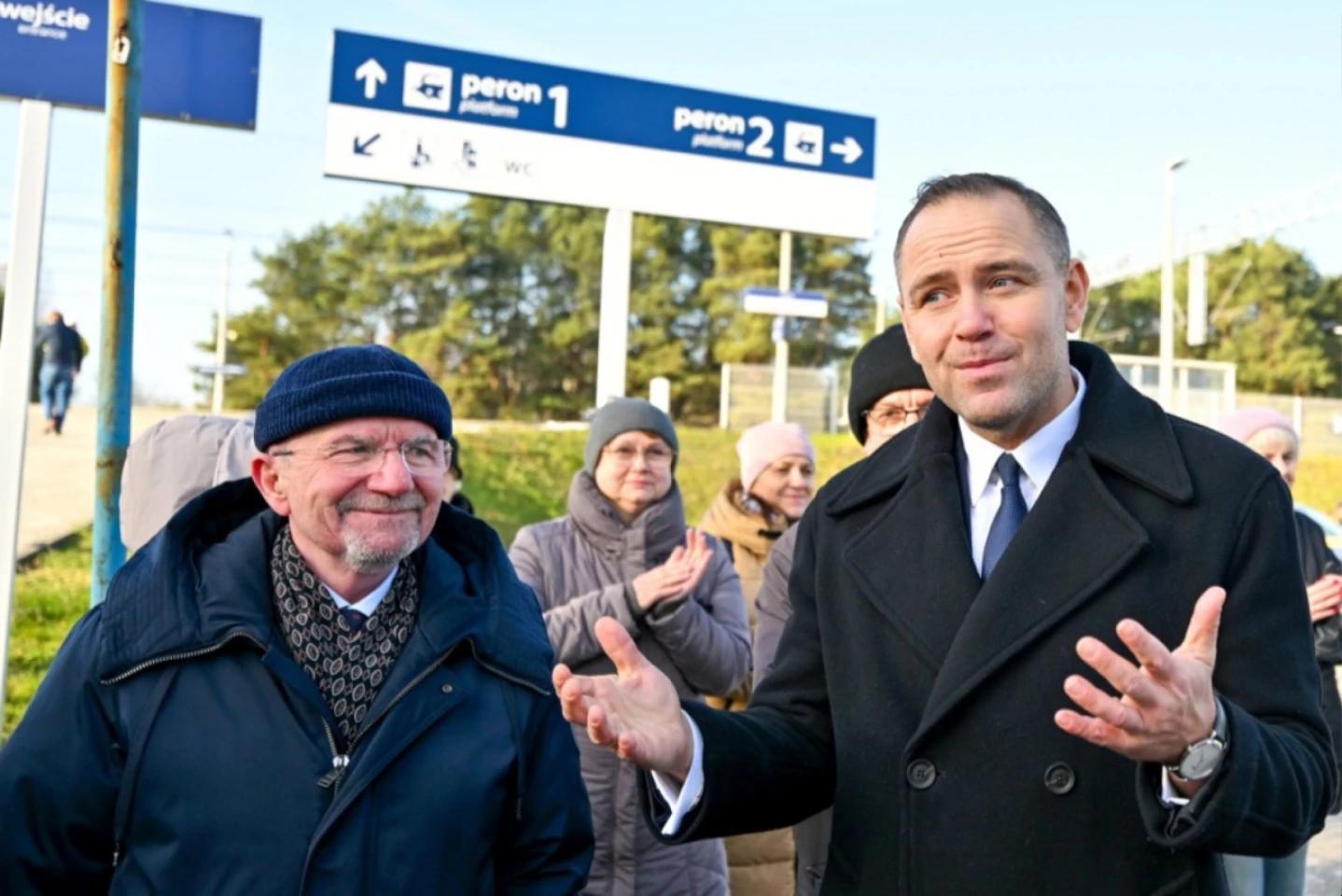
In 2025, presidential elections will be held in Poland. People are already saying that we need to take seriously the scenario in which Russia influences the outcome – as it happened in Romania.
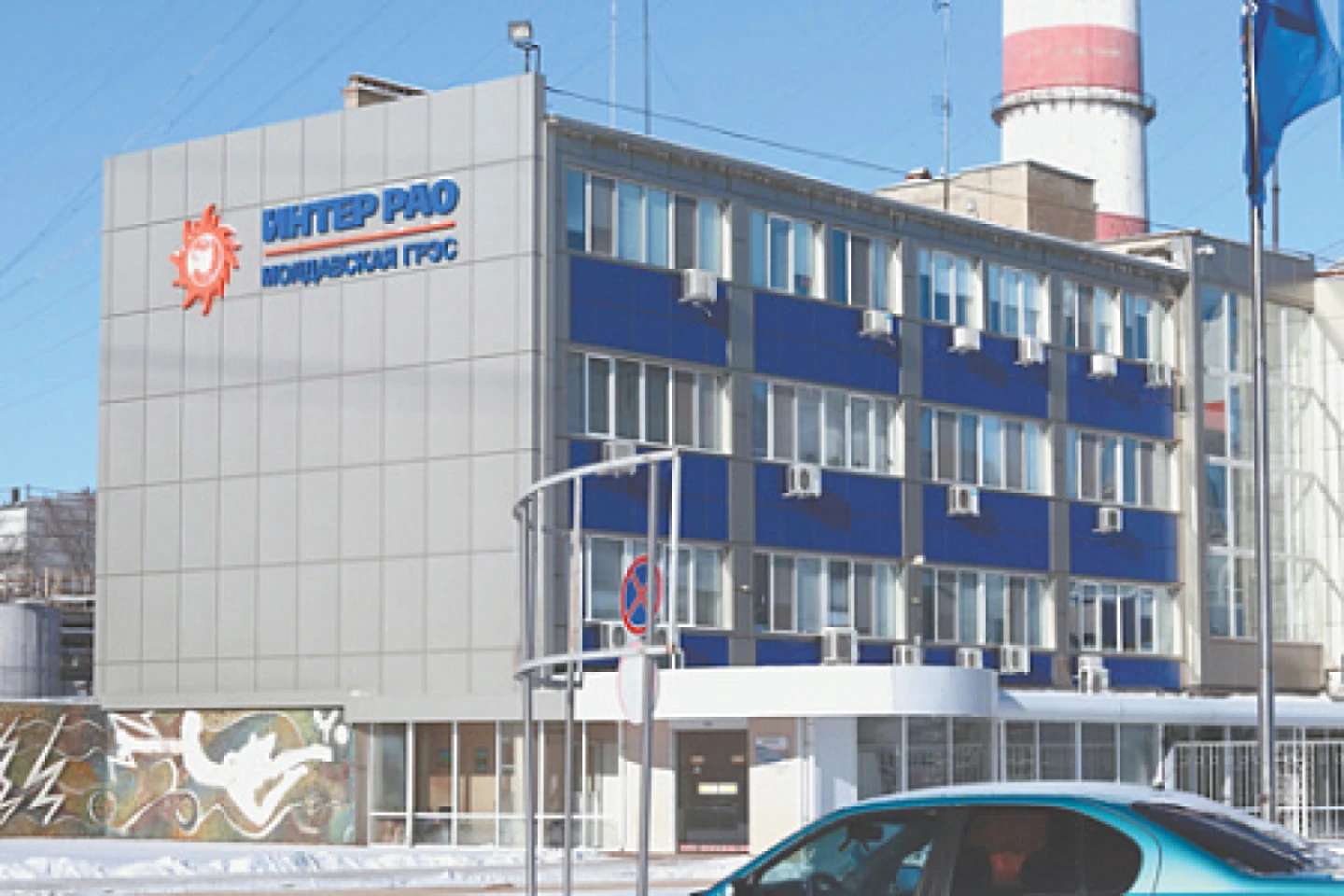
The authorities in Chișinău caused the expected gas crisis expected to begin in January, after Ukraine will no longer allow the transit of Russian gas, according to the Russian publication ng.ru. In fact, Russia has refused to continue to deliver gas supplies to Transnistria via another pipeline.
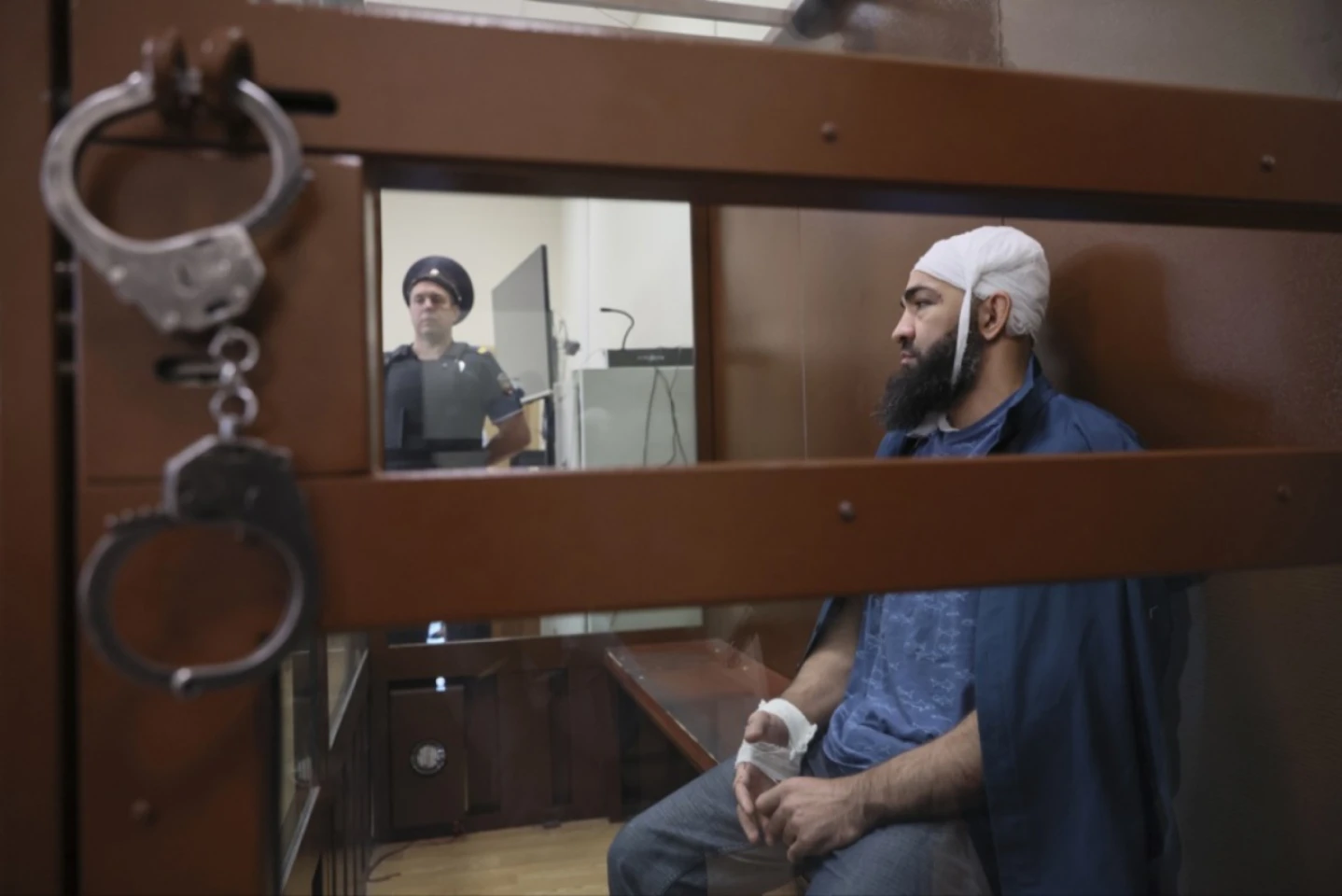
For the gerontocratic Russia’s leadership, the vision of the future is derived from a mythical “golden past”, but manifesting as escalating corruption, growth in alcohol consumption, resource scarcity, and rising crime.
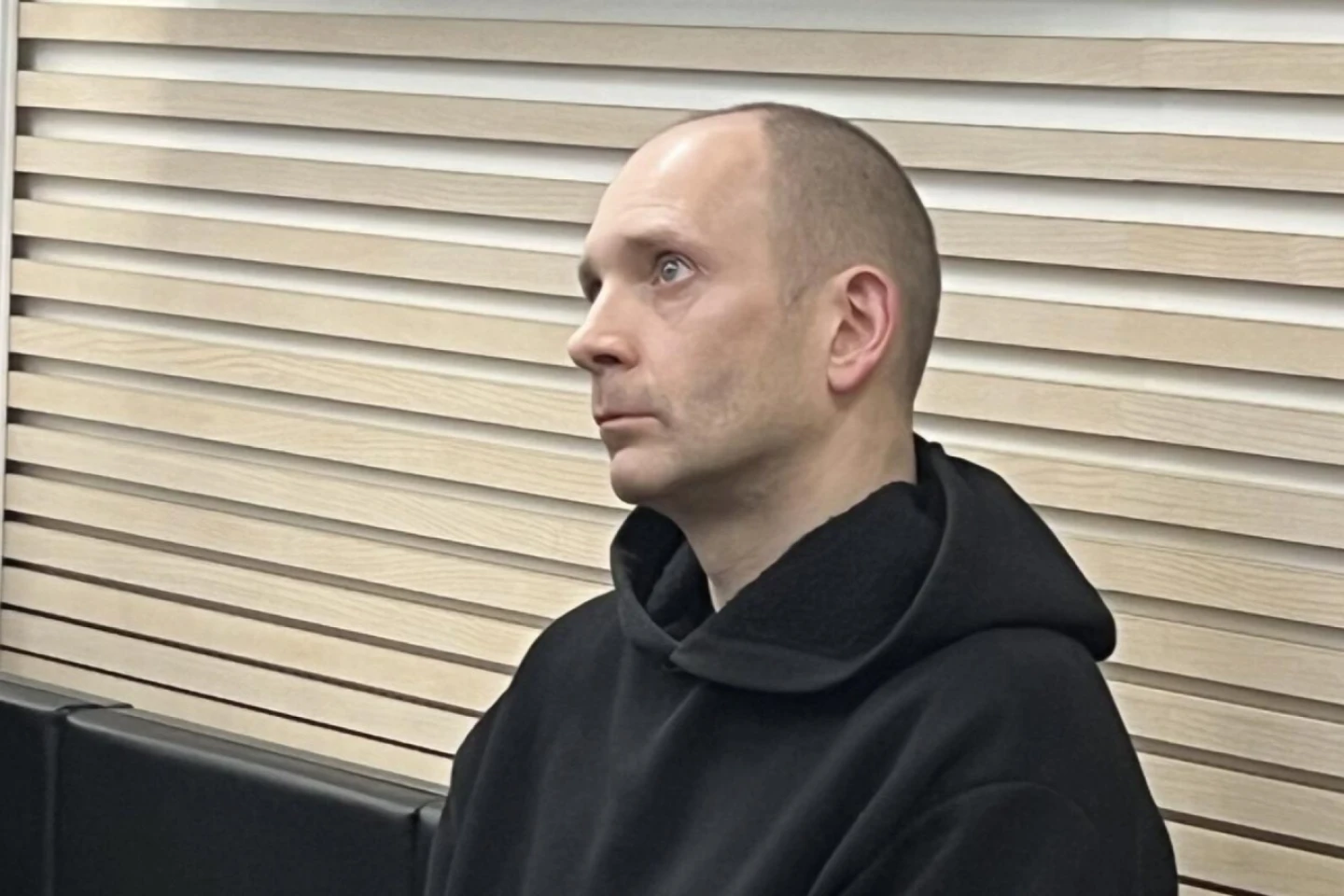
The dismantling of a GRU-ran group showed both that Russia is seeking to organize attacks in Estonia, and that its capacity to do any real harm is so for limited.

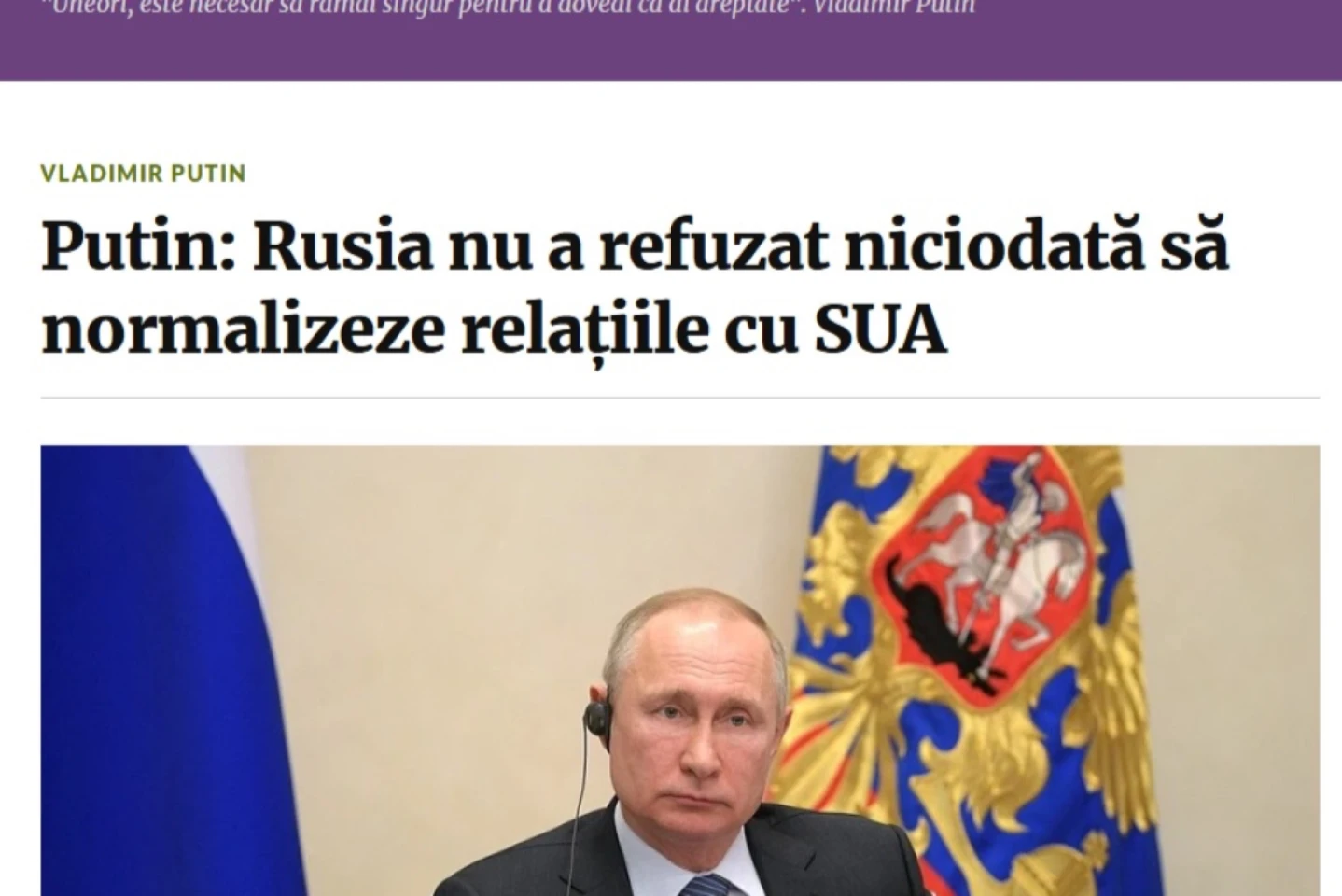
According to a Russian propaganda site in Romania, the US and the Western states do not want to normalize their relations with Russia, although Moscow insists on it.
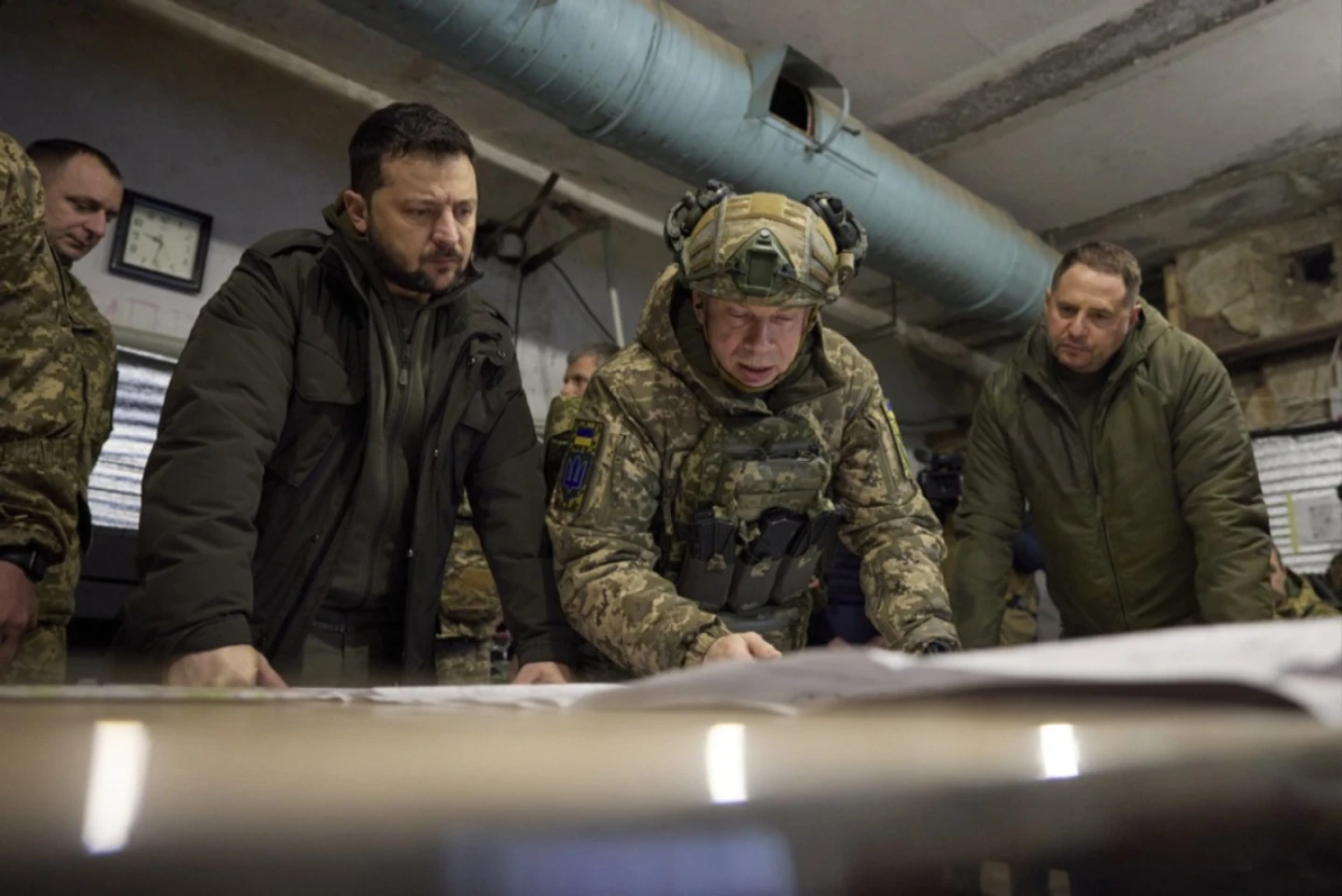
The Ukrainian president rejects peace initiatives because the war is profitable for him, pro-Kremlin propaganda claims, ignoring the fact that by “peace”, the Russians understand Ukraine’s surrender.
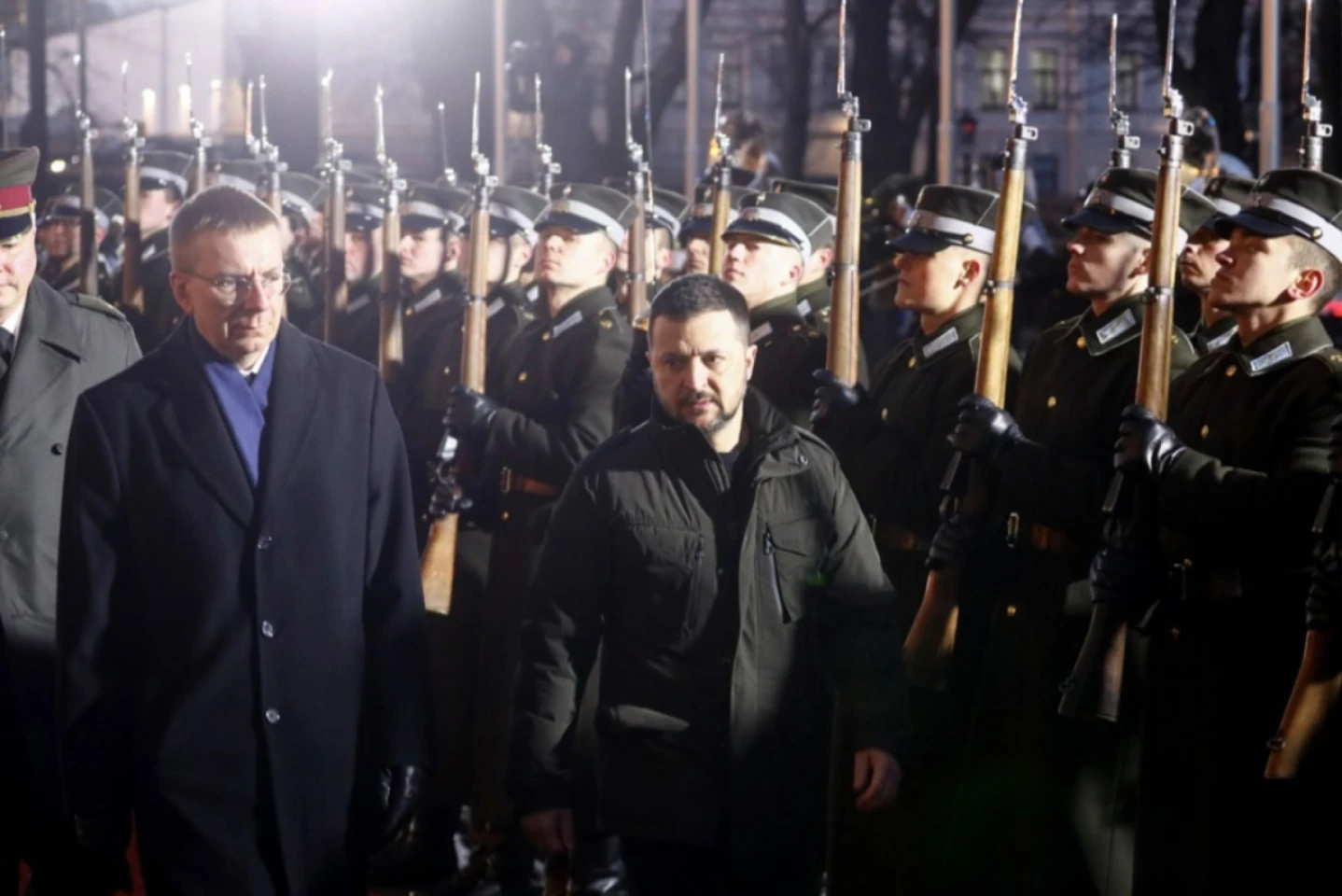
As talks about peace in Ukraine along the current frontline intensify, some of Kyiv’s partners, including Latvia, feel this would be a dangerous outcome.
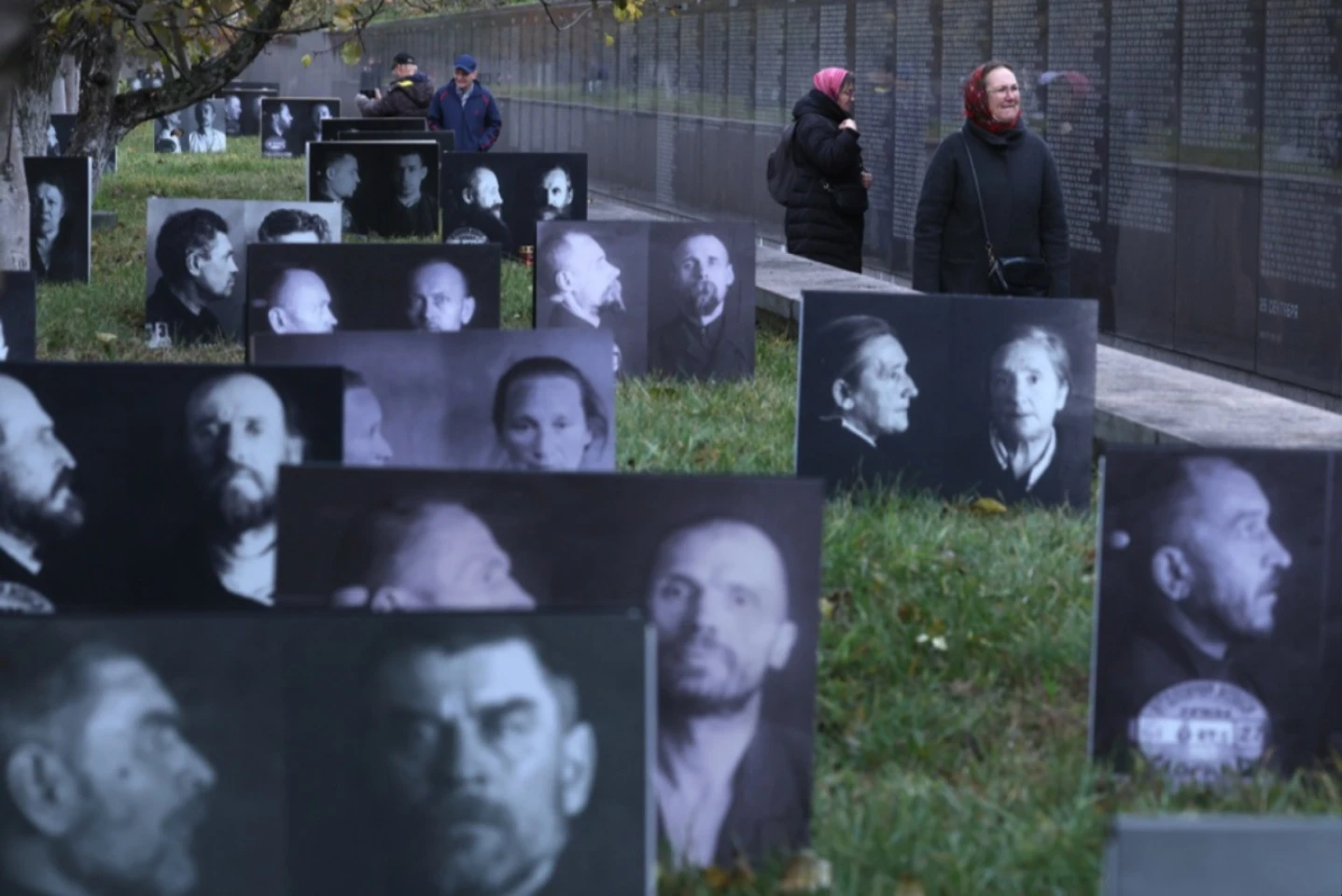
Those that denounced the crimes of communism were defeated in Putin's Russia and must now find the resources to start over, according to a Russian historian from the Nobel Peace Prize laureate Memorial human rights organization.
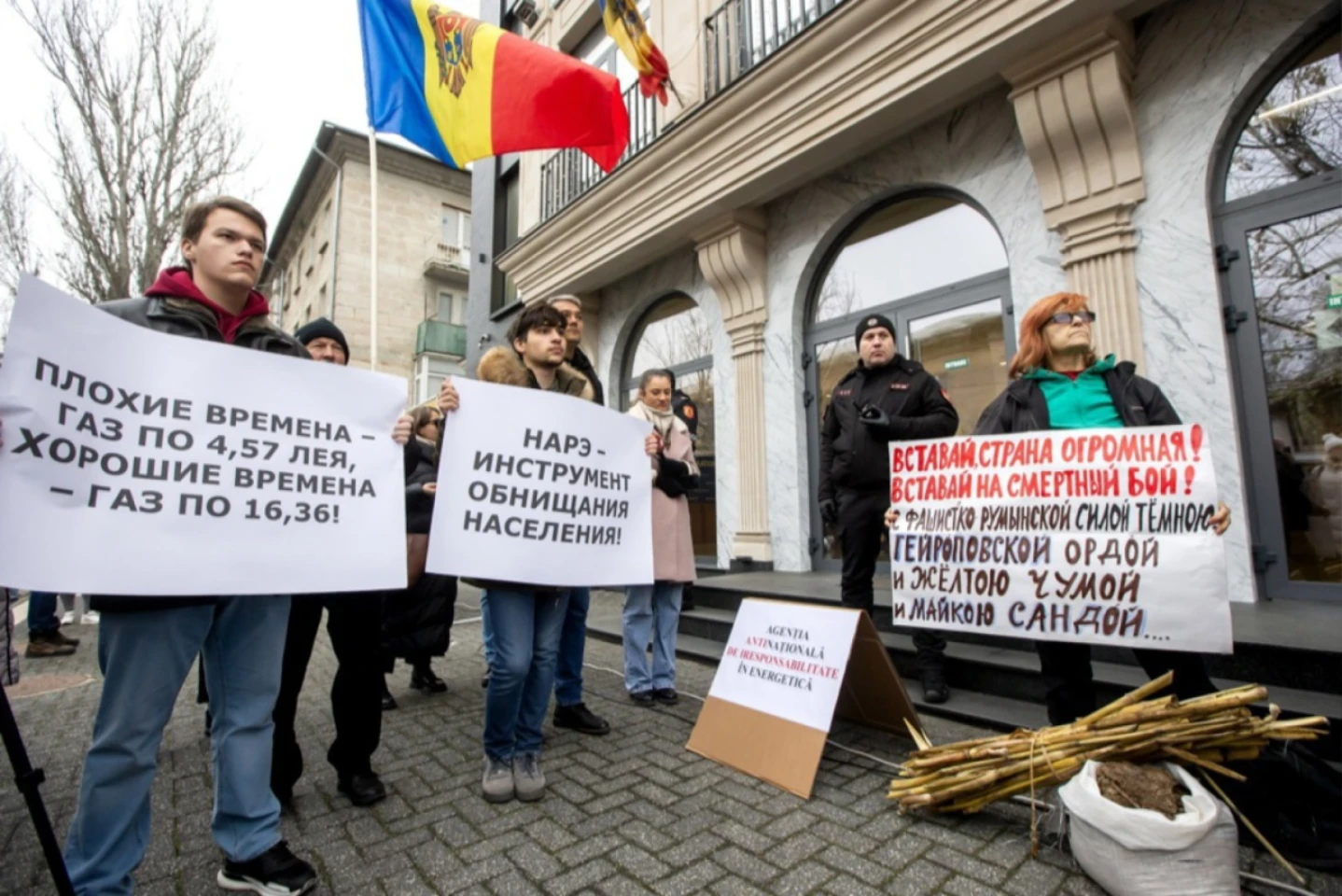
The European Union forgot about the Republic of Moldova after the election and no longer supports it in the context of the energy crisis it is facing, according to the Smuglyanka Telegram channel.
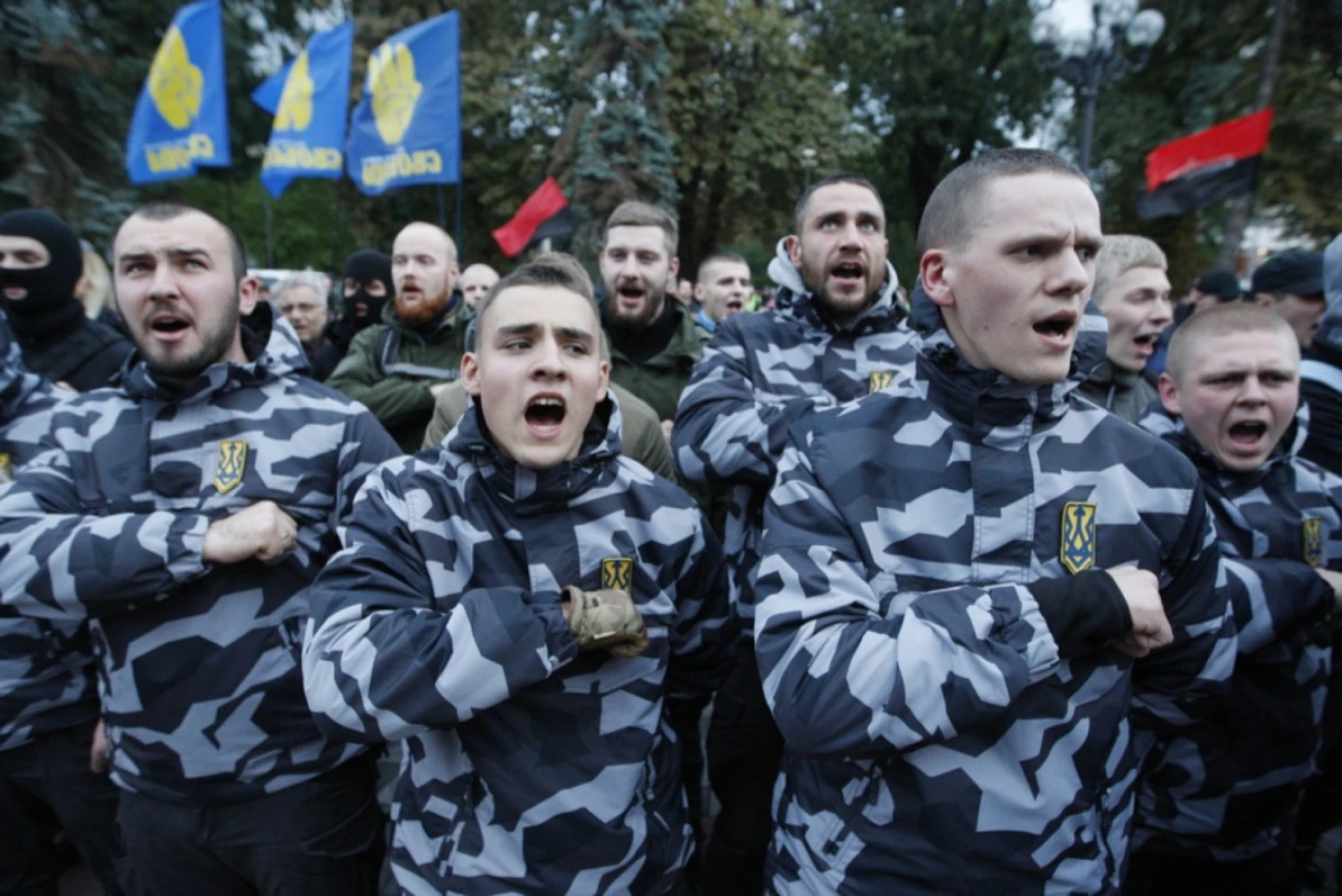
Ukrainians are not staging an uprising against Zelensky because they fear persecution by Nazi military groups, according to pro-Kremlin propaganda.
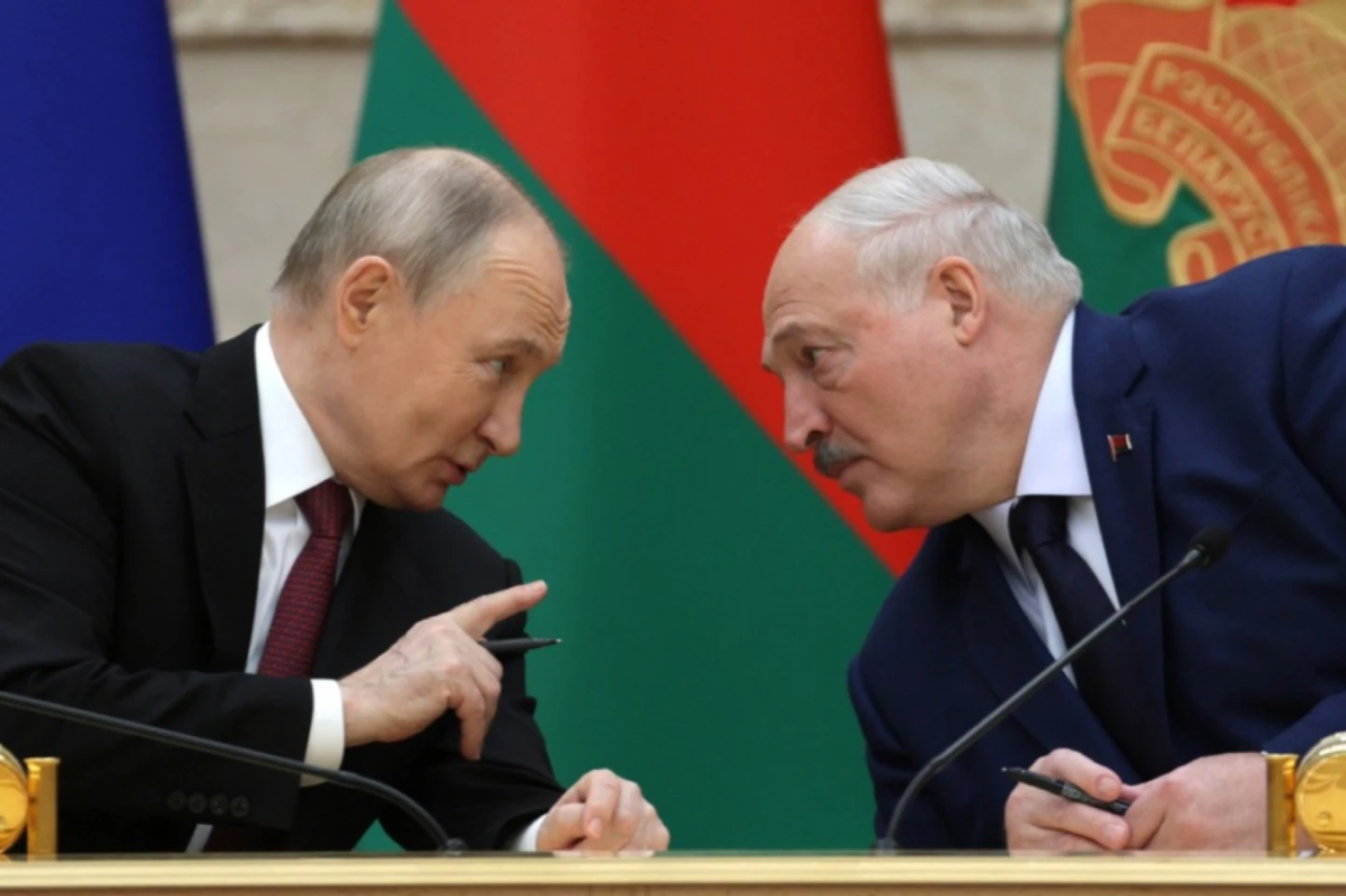
Isolated by the international community for his regime’s abuses, Belarus’ authoritarian leader is increasingly behaving as a mere governor of one of Russia’s provinces.
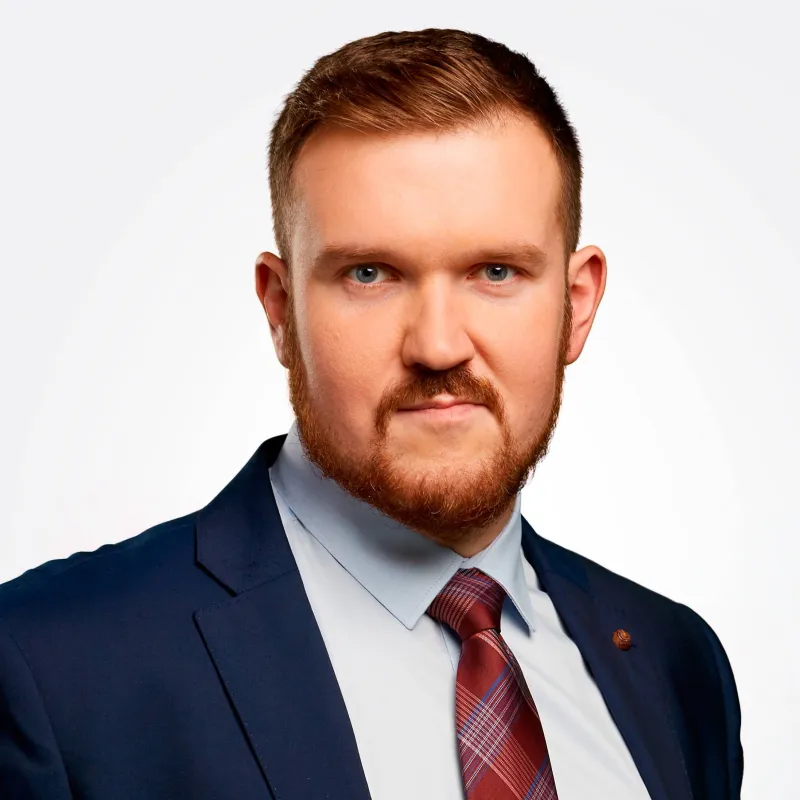
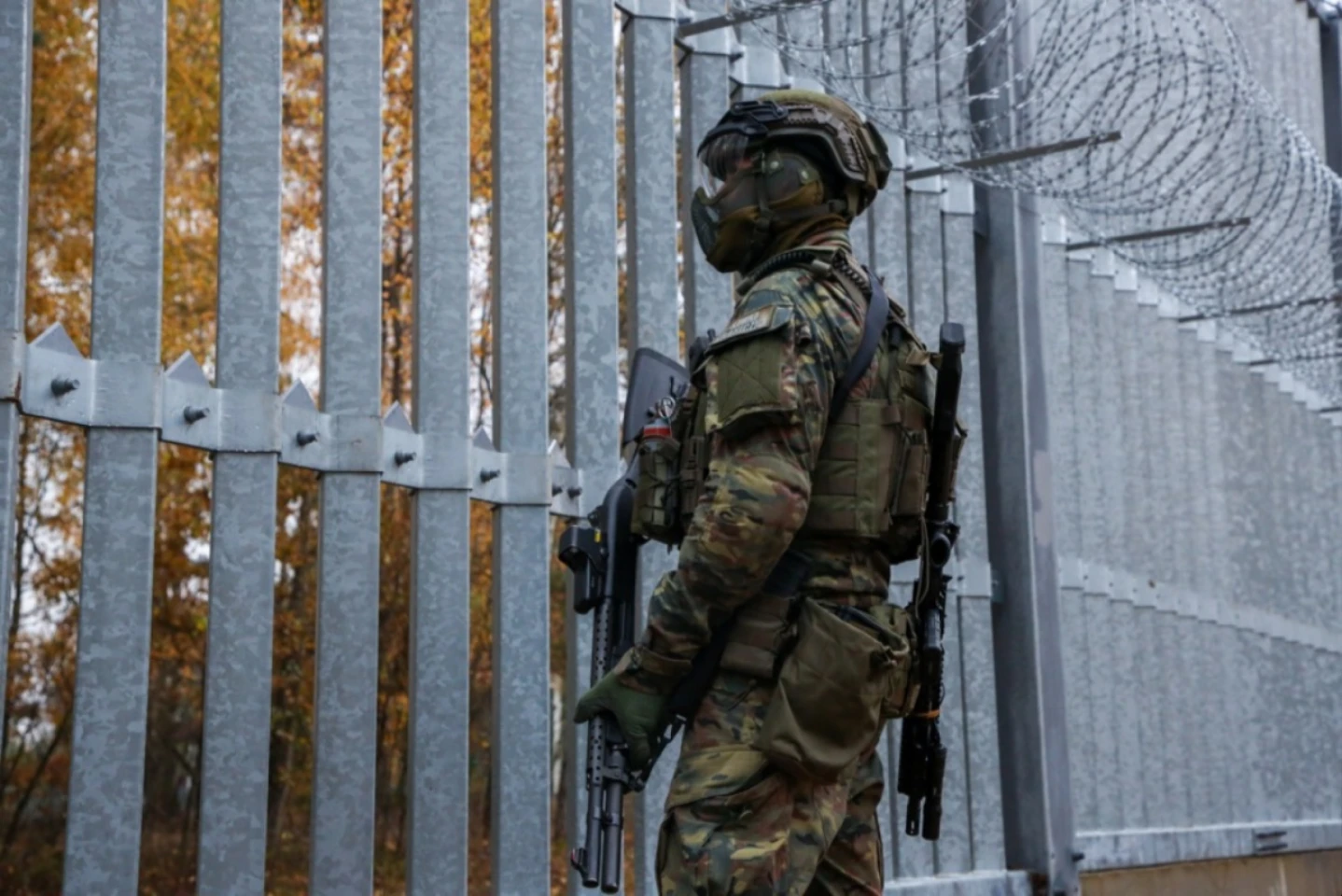
Belarus has allowed an explosion in smuggling of products like cigarettes, and this policy poses a threat to the security of the European Union.
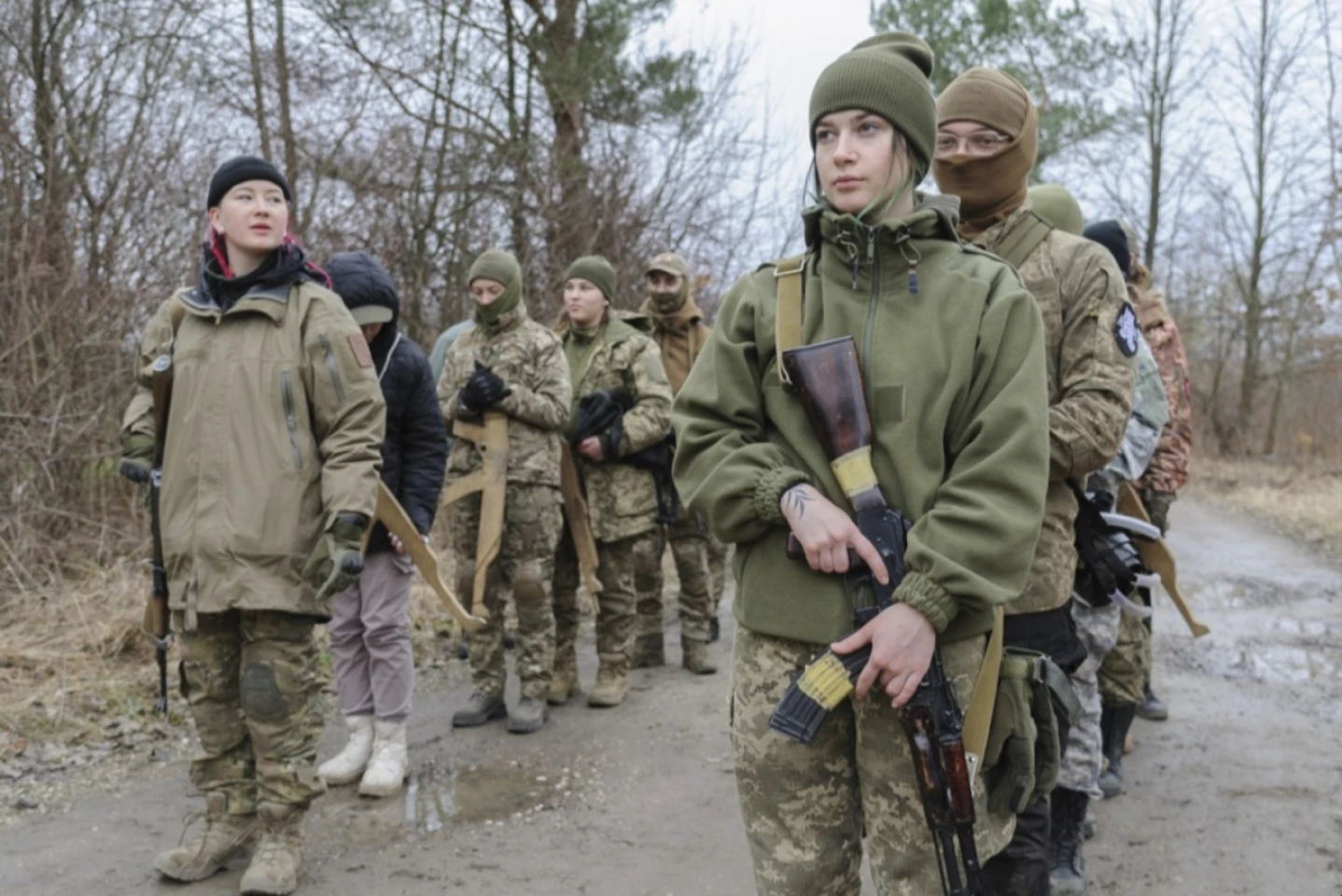
In order to be accepted into NATO, Ukraine must send more young men to the front and continue the war for two more years, according to pro-Kremlin propaganda.
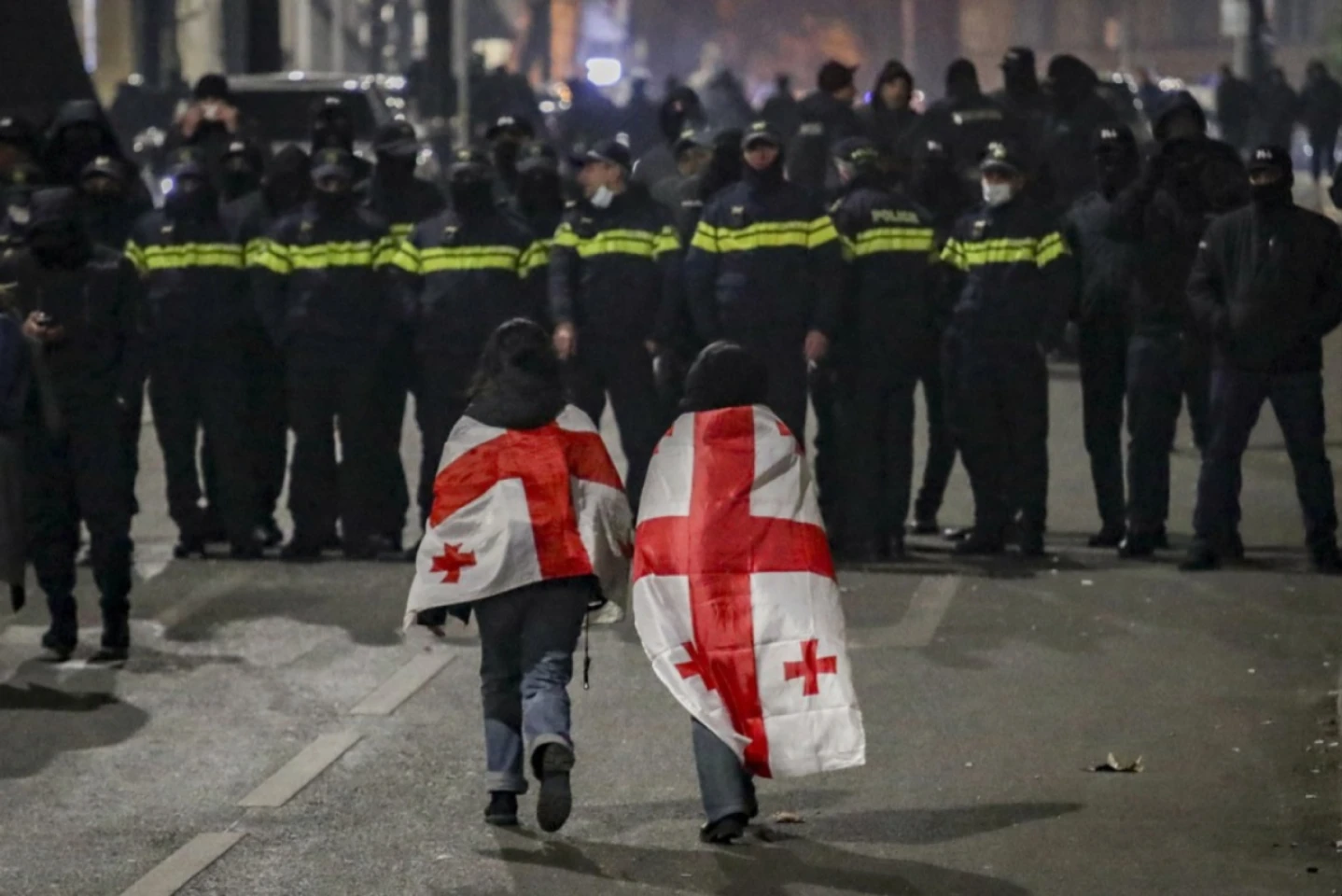
A battle between the people and the [ruling Georgian Dream] Party is being fought on the streets of Georgian cities. The stake: Georgia’s path towards the EU vs. a return to Russia’s orbit.
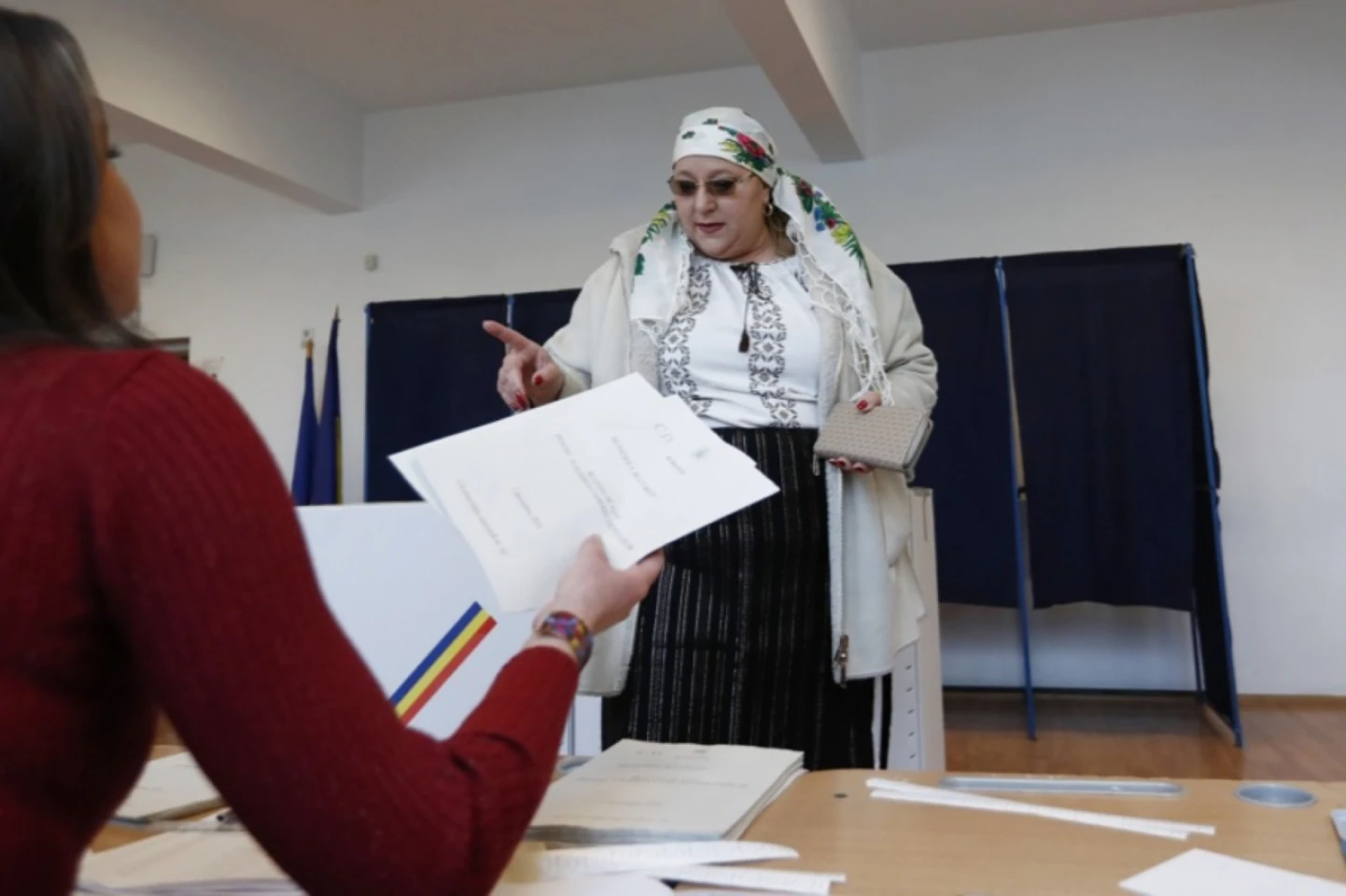
The political crisis in Romania will lead to the breakup of Transylvania from Romania, according to extremist MEP Diana Şoşoacă.
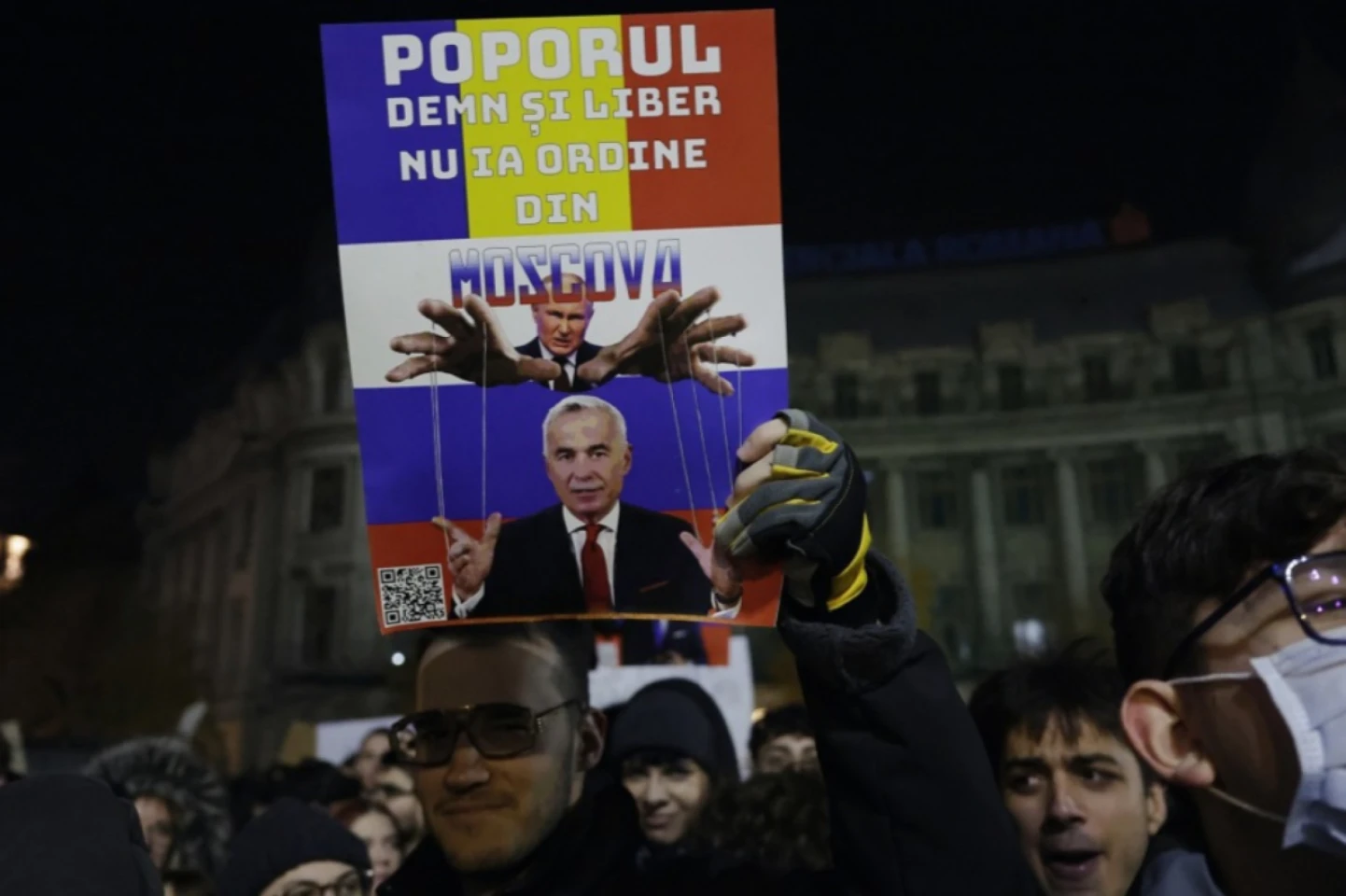
Narratives identical or similar to those fostered by Russian propaganda have also been circulated in the current election campaign in Romania. They transpired not only in the rhetoric of far-right parties, which for years have internalized such theses, but also in the statements of certain politicians aligned to Romania's pro-Western course.
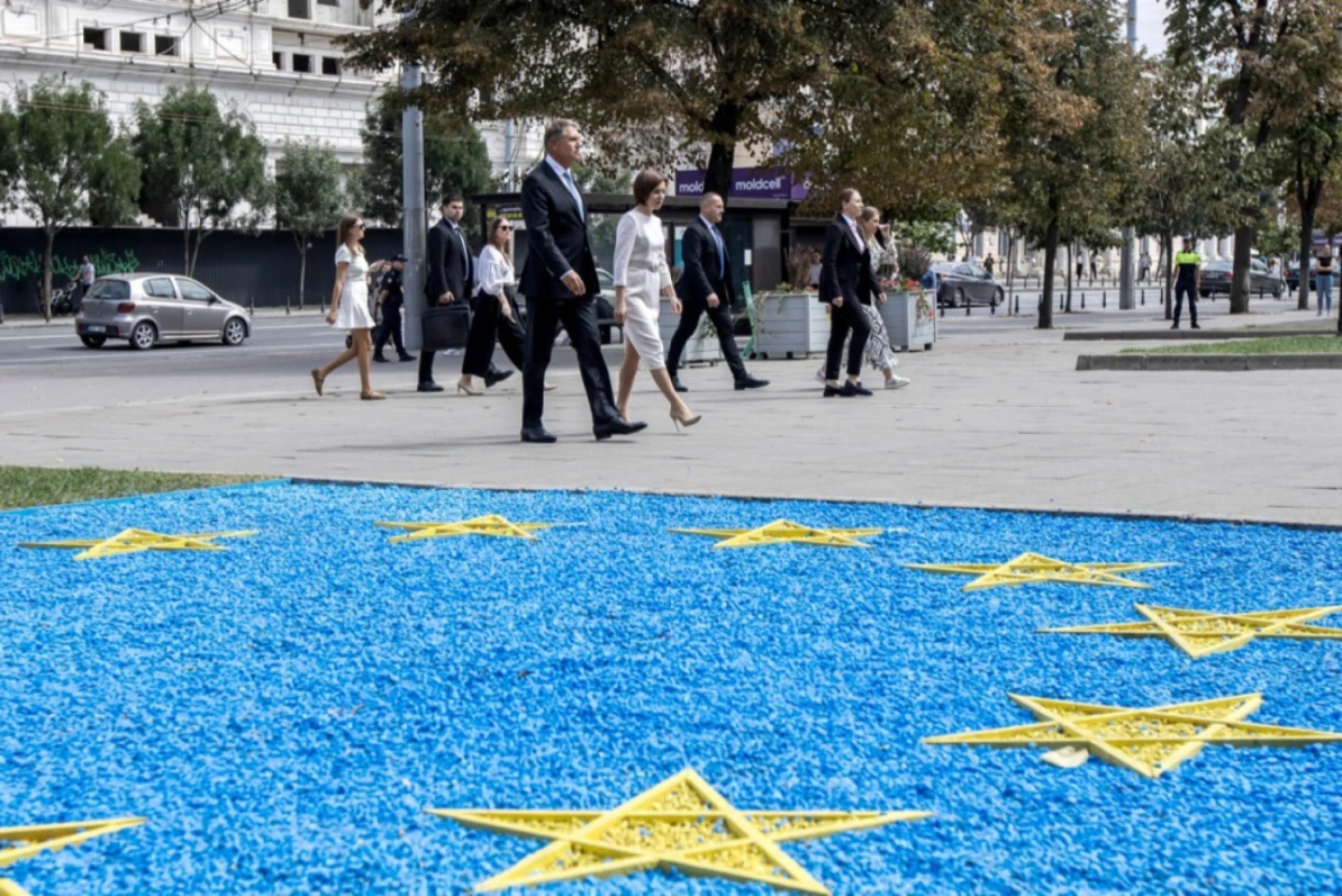
The Russian foreign intelligence service (SVR) says that the EU is preparing the infrastructure of the Republic of Moldova and Romania for war, and that Brussels is interfering with Moldova’s internal affairs, with devastating consequences.
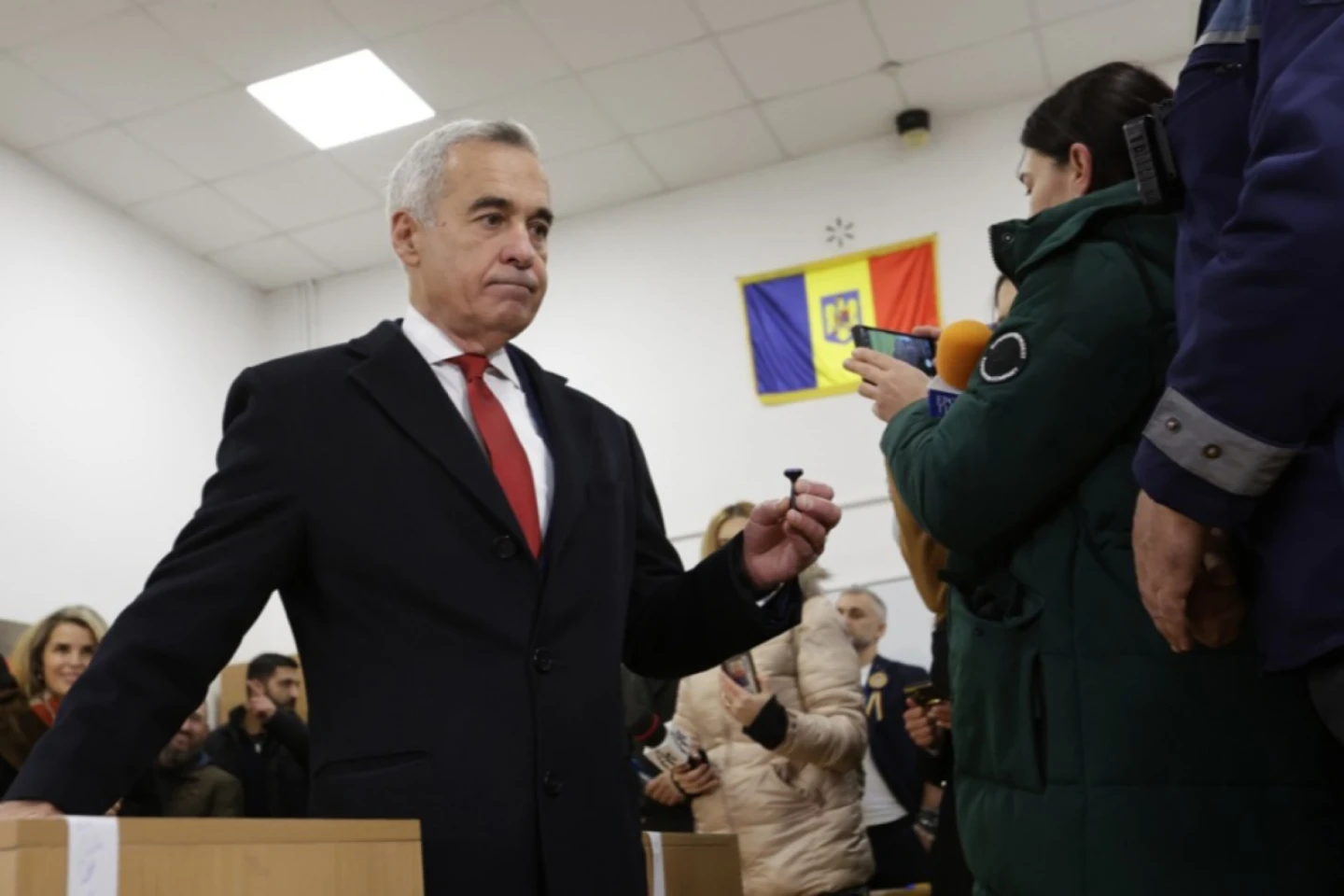
Declassified documents presented by Romanian intelligence prove that Călin Georgescu is supported by a state actor. The state in question is not named, but its actions are similar to operations previously carried out by Russia.
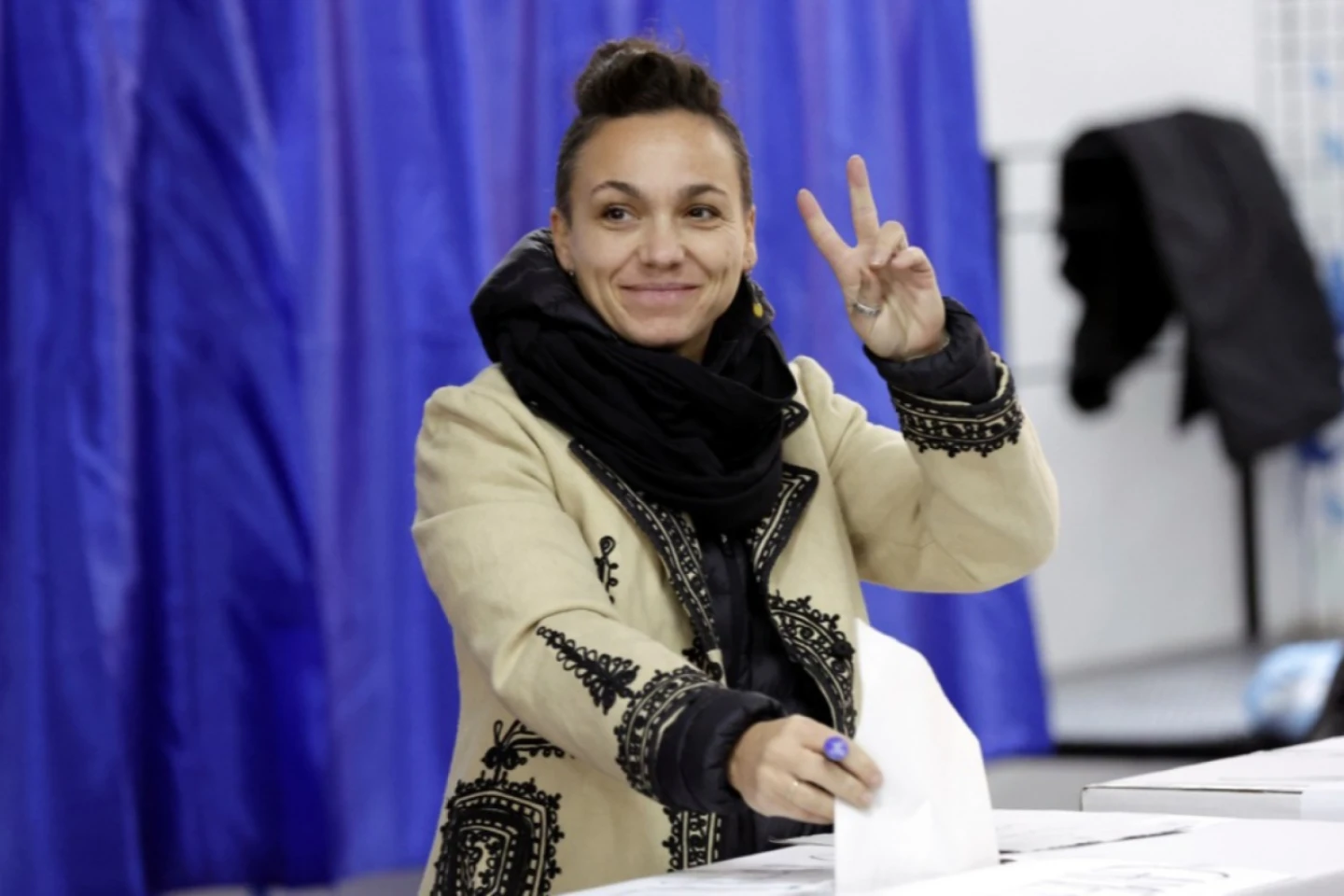
Pro-European right-wing parties in Romania grabbed large numbers of votes in Moldova, while the Romanian diaspora opted for sovereigntist forces. Experts believe that sovereigntists were rejected because they are hostile to Ukraine.
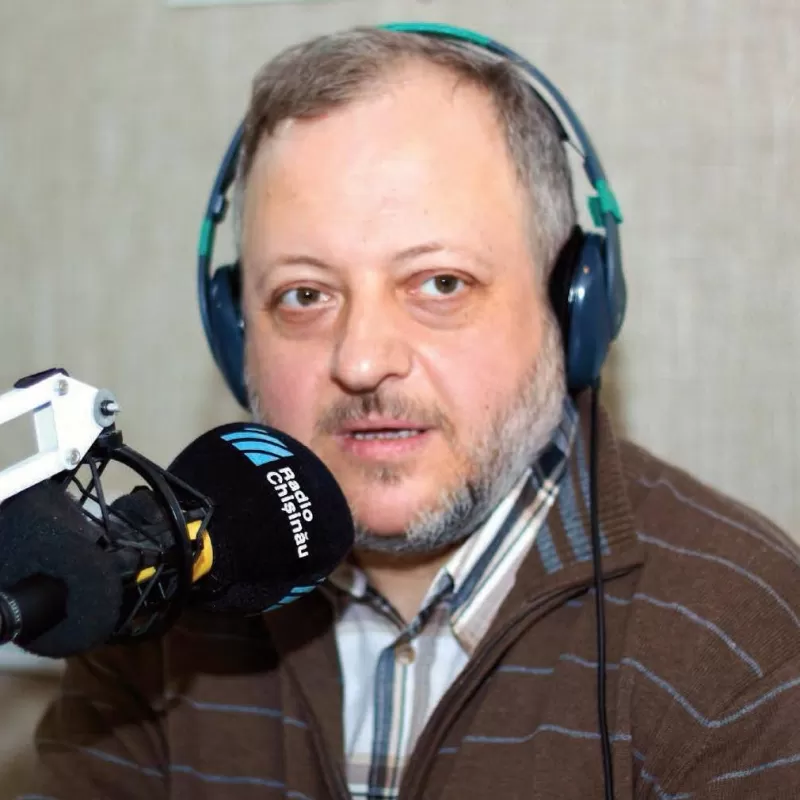
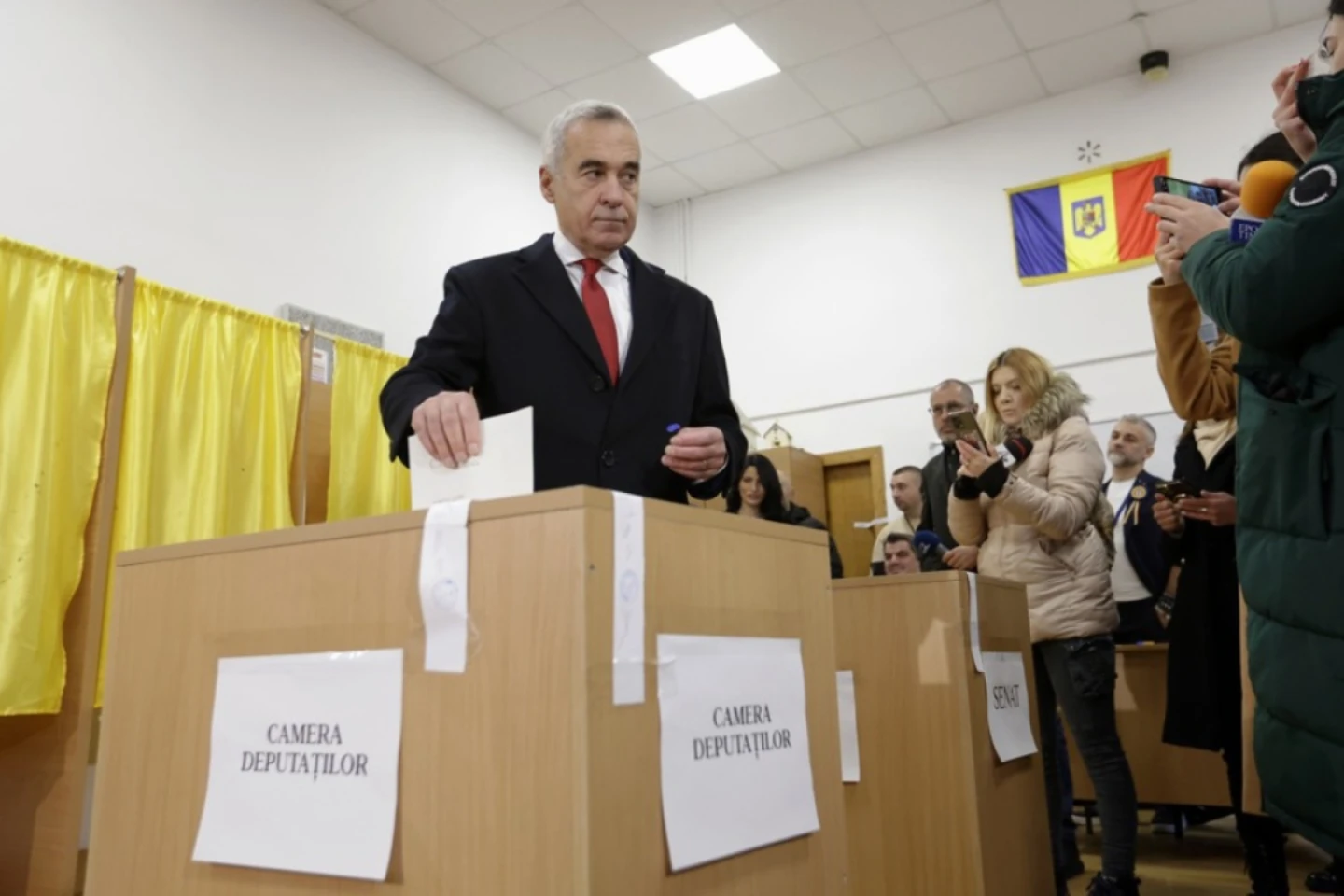
Romanian influencers, like the sports agent Ana Maria Prodan, continue to promote Călin Georgescu. Just like their favorite, influencers have been amplifying a series of Russian narratives, most of them adapted to Romania, but also all kinds of pseudo-scientific or conspiracy nonsense.