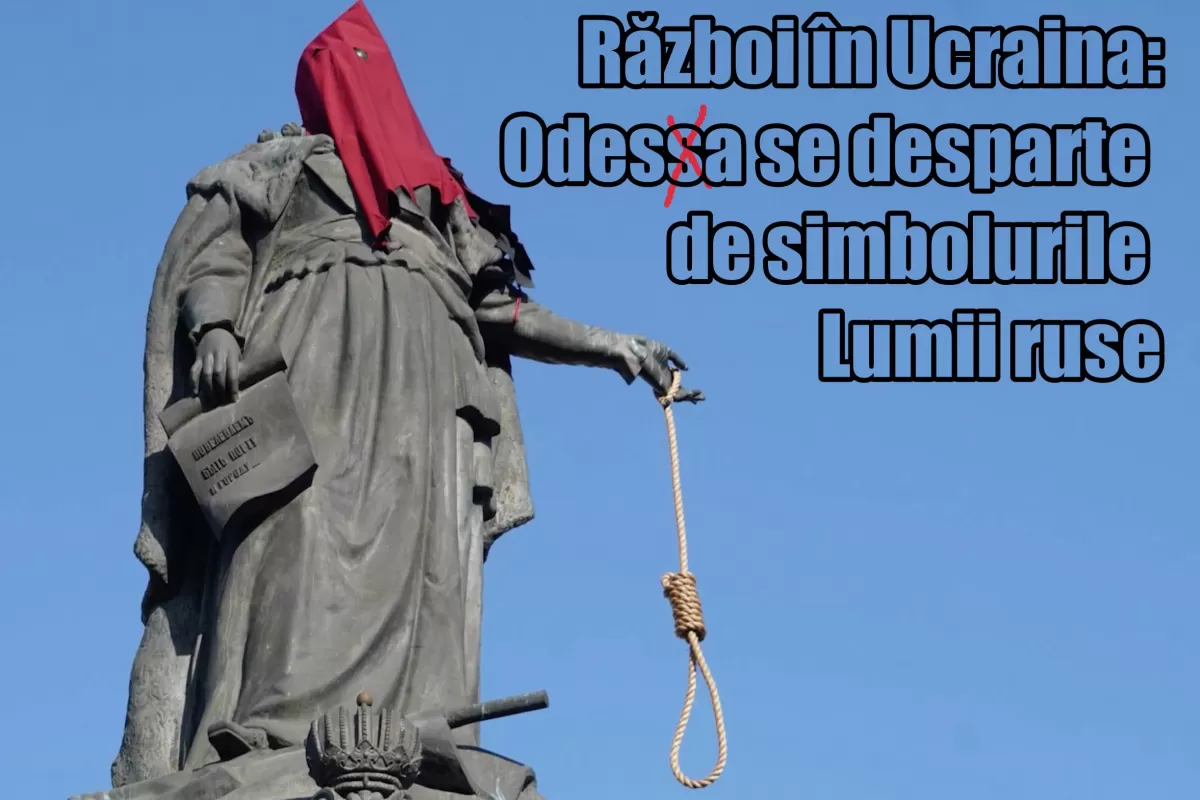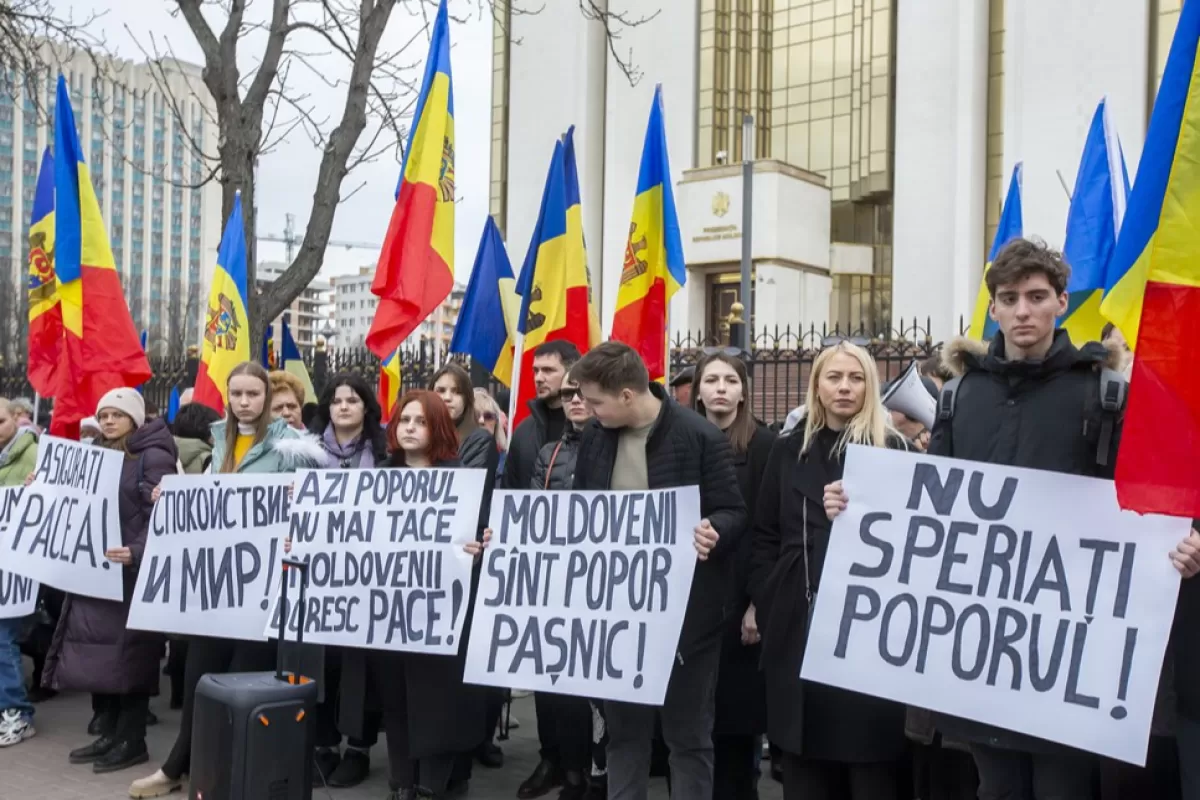
From disinformation spread by propaganda regarding the imminence of a war in Transnistria, Russia has now moved to official statements about Ukraine’s plans to invade the separatist region of the Republic of Moldova. Transnistria seems to be used to draw attention away from Russia’s plan to destabilize Moldova, as well as from the defeats sustained in Ukraine. Besides, the pro-Russian opposition in Chișinău could take advantage of the panic induced by the prospect of war.
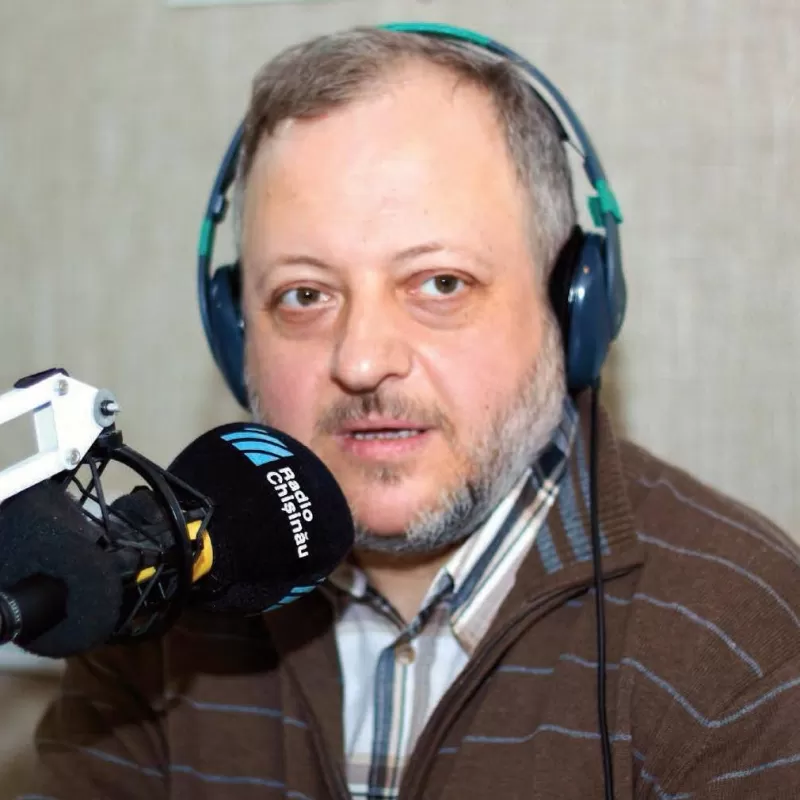
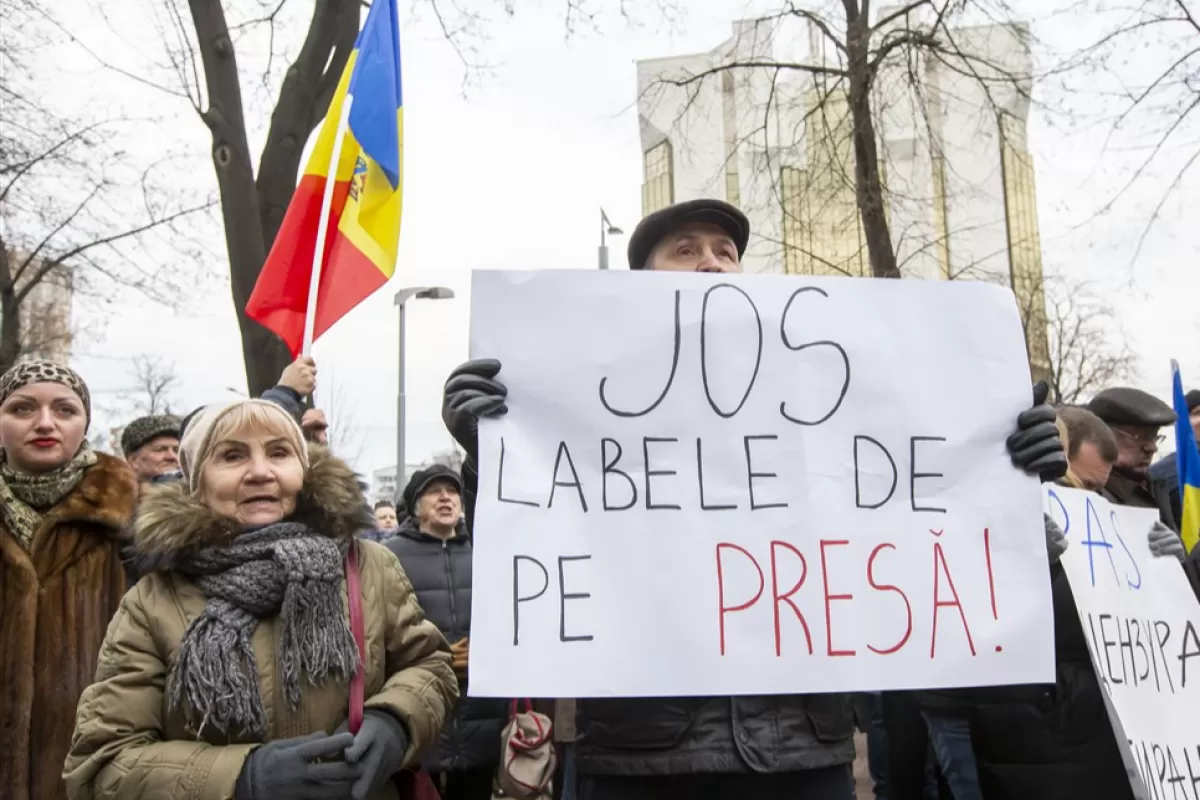
The Government in Chisinau imposes sanctions and uses repression against the Russian media, at the behest of the West, writes rubaltic.ru, a Russia-affiliated media outlet, recently banned in the Republic of Moldova . It resumes older narratives of Russian and pro-Russian propaganda, meant to undermine Chisinau's efforts to protect the information space from disinformation campaigns designed to undermine the pro-European governance, all the more dangerous for security as Russia appears to be engaged in a hybrid war against the Republic of Moldova.

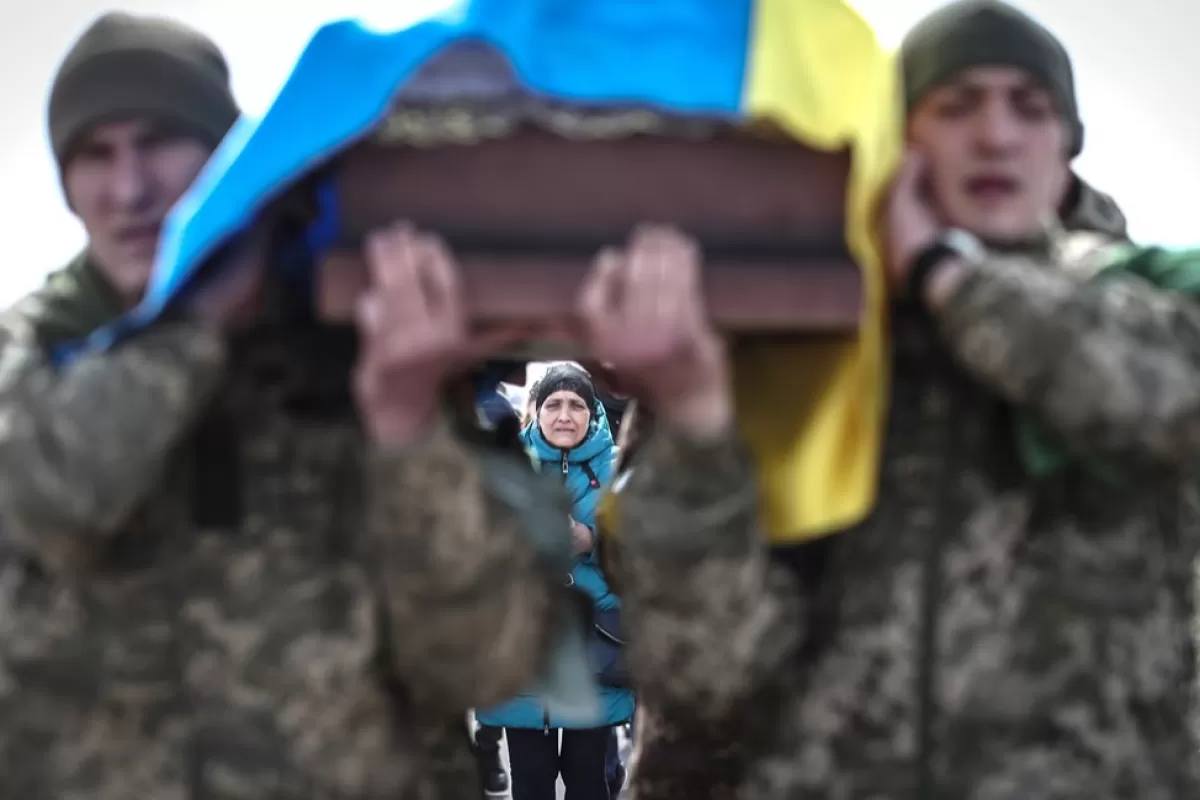
Russia launched its “special military operation” in the early hours of February 24. The scale and direction of the Russian attack show that Moscow was planning a blietzkrieg that would end with the beheading of the Ukrainian leadership and at least the seizing of the entire Black Sea coast to open the way to Transnistria. However, the Ukrainian resistance overturned Moscow's plans, and the conflict became a long-lasting one, in which both camps have scored successes, but also failures. Veridica presents 10 of the main moments of this war.
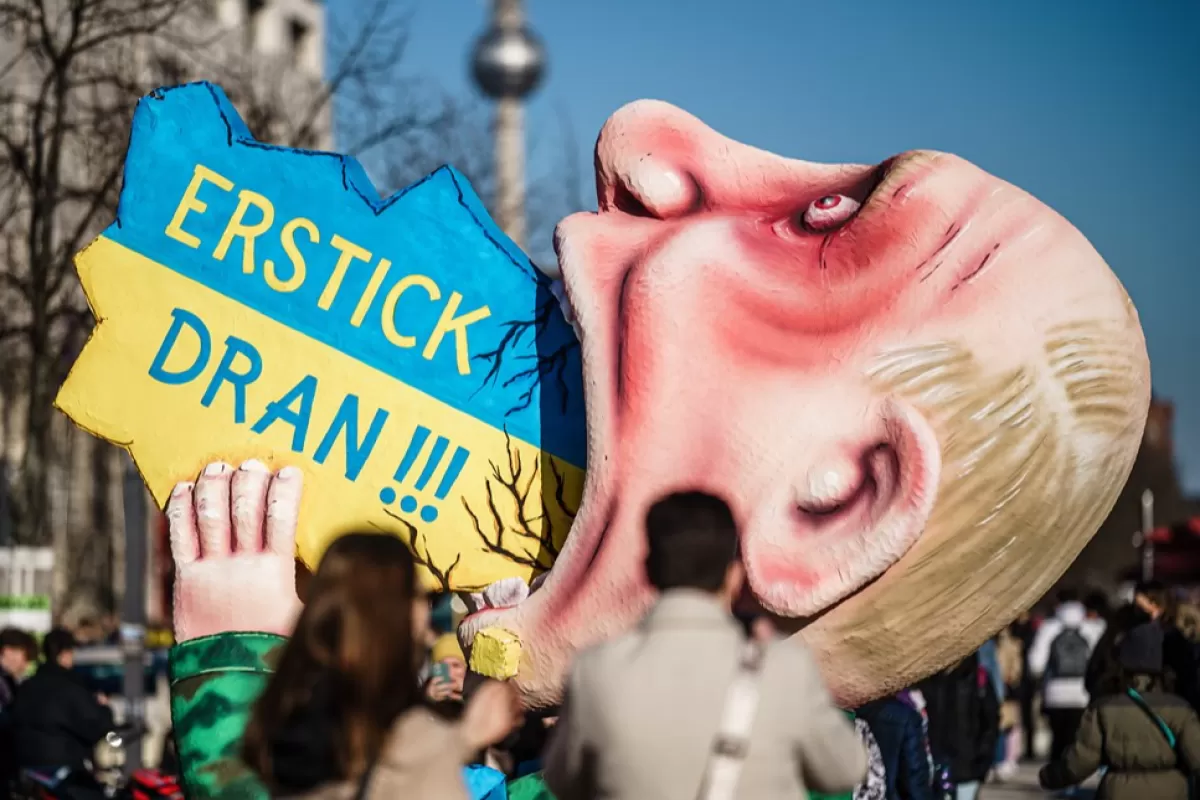
Russia was forced to launch military actions in Ukraine to save itself from NATO military bases and Ukrainian Nazism, and the “special military operation” is necessary and important for all Russian citizens, according to a propaganda narrative distributed one year after the start of the full-scale invasion. The truth is that Russia, without being threatened in any way, launched an imperial war to bring Ukraine under its control.
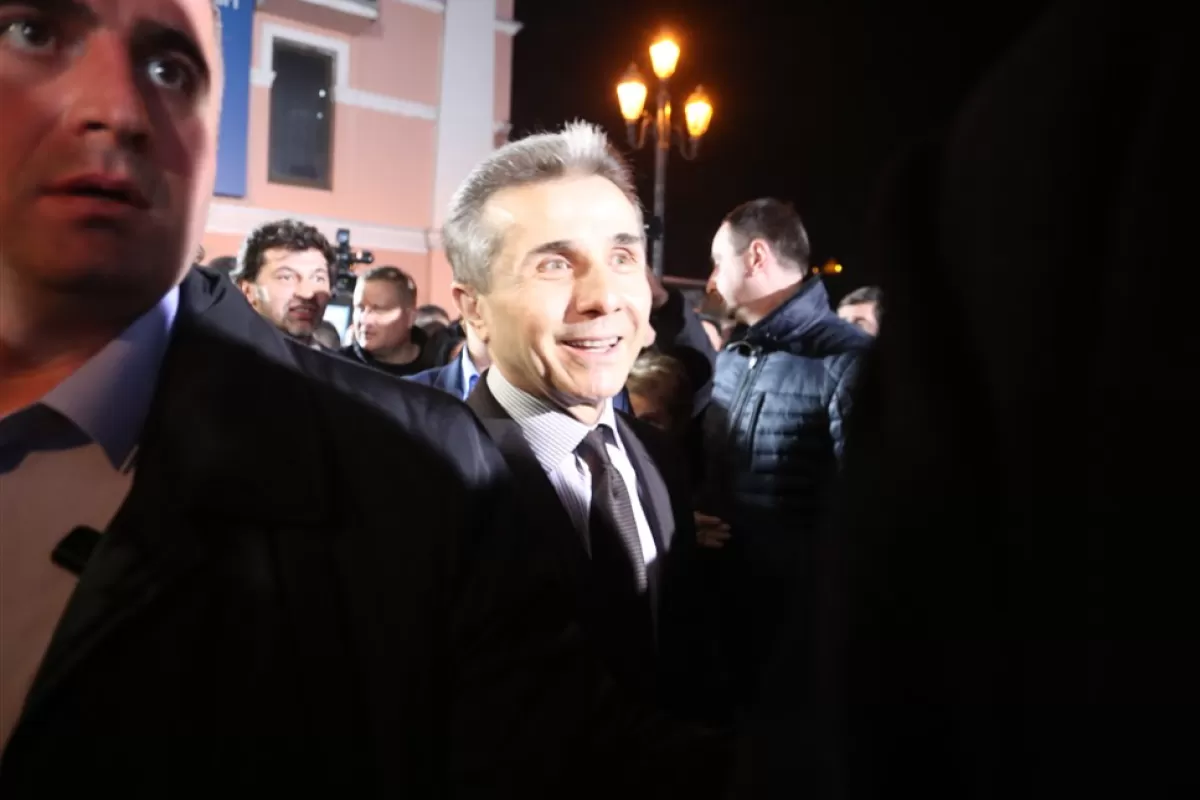
Formally, Tbilisi maintains its course towards integration into Euro-Atlantic structures, but the movement towards the West has been on inertia lately, while Moscow's influence is only growing. The ruling party, founded by oligarch Bidzina Ivanishvili, increasingly links national interests with his personal interests, be it political or business related. At a decisive moment for Georgia's future, such a policy may prove fatal.
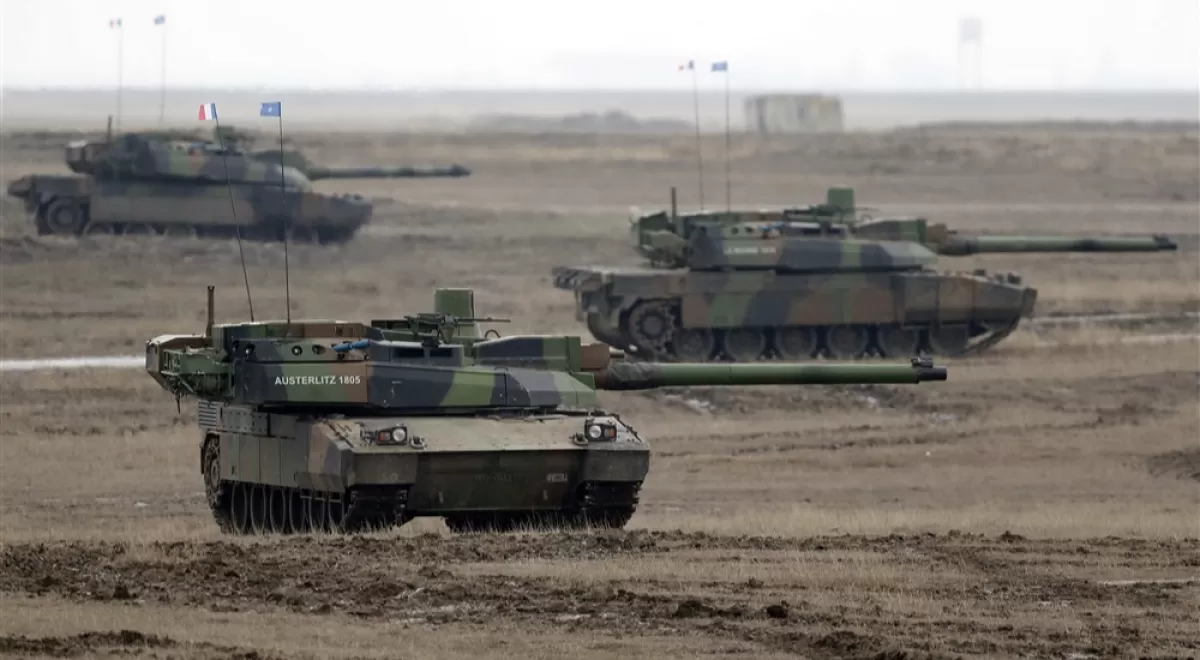
Ukraine and the Republic of Moldova are preparing for a military operation against Transnistria and an “armada” of tanks stationed in Romania will come to help, writes the Russian publication politnavigator, citing statements made by so-called Russian experts. Just three days after the false narrative was published in the press, it was officially resumed , in a slightly modified form, by the Russian Ministry of Defense.
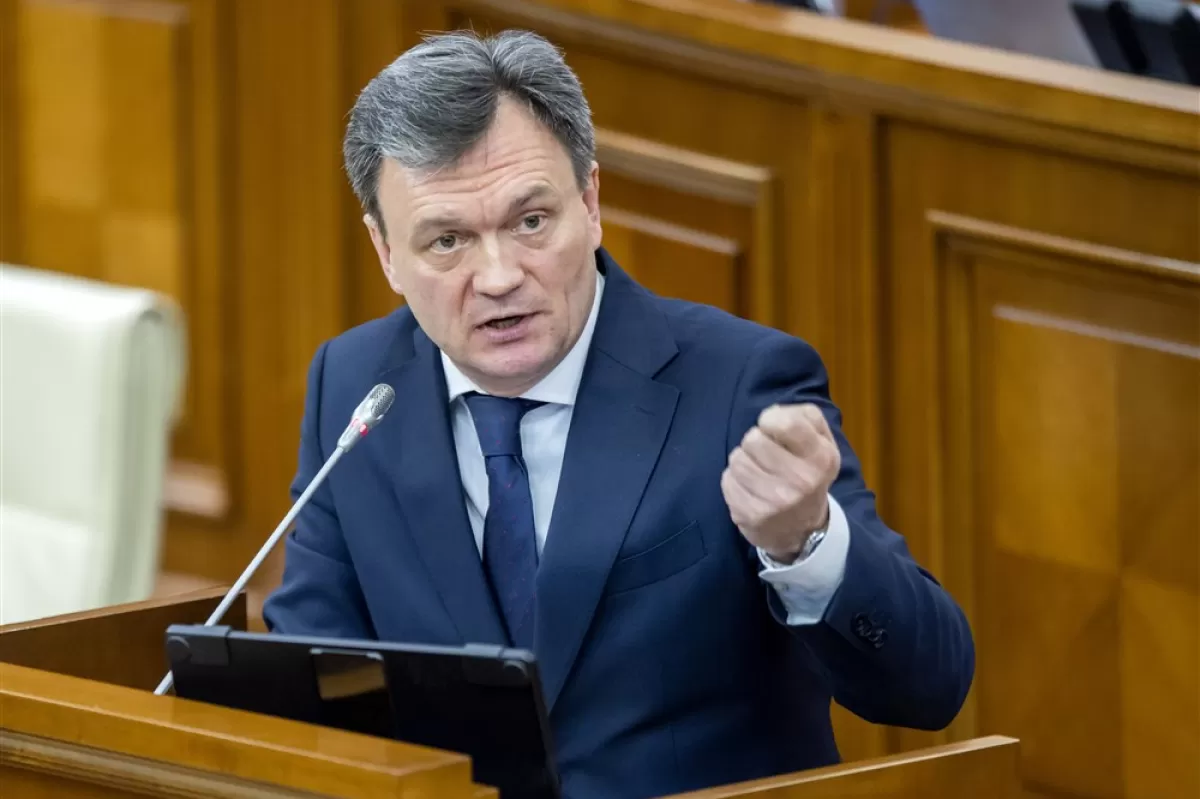
Voted by Parliament less than a week after the resignation of the Gavrilita Government, the Recean cabinet came up with a government program that focuses on security, economic development and the European integration of the Republic of Moldova. The document does not make any reference to the relations with Russia, although it is clear that Russia will continue to influence, through its people, the political processes in Chisinau and has other important levers, primarily Transnistria and the energy weapon.
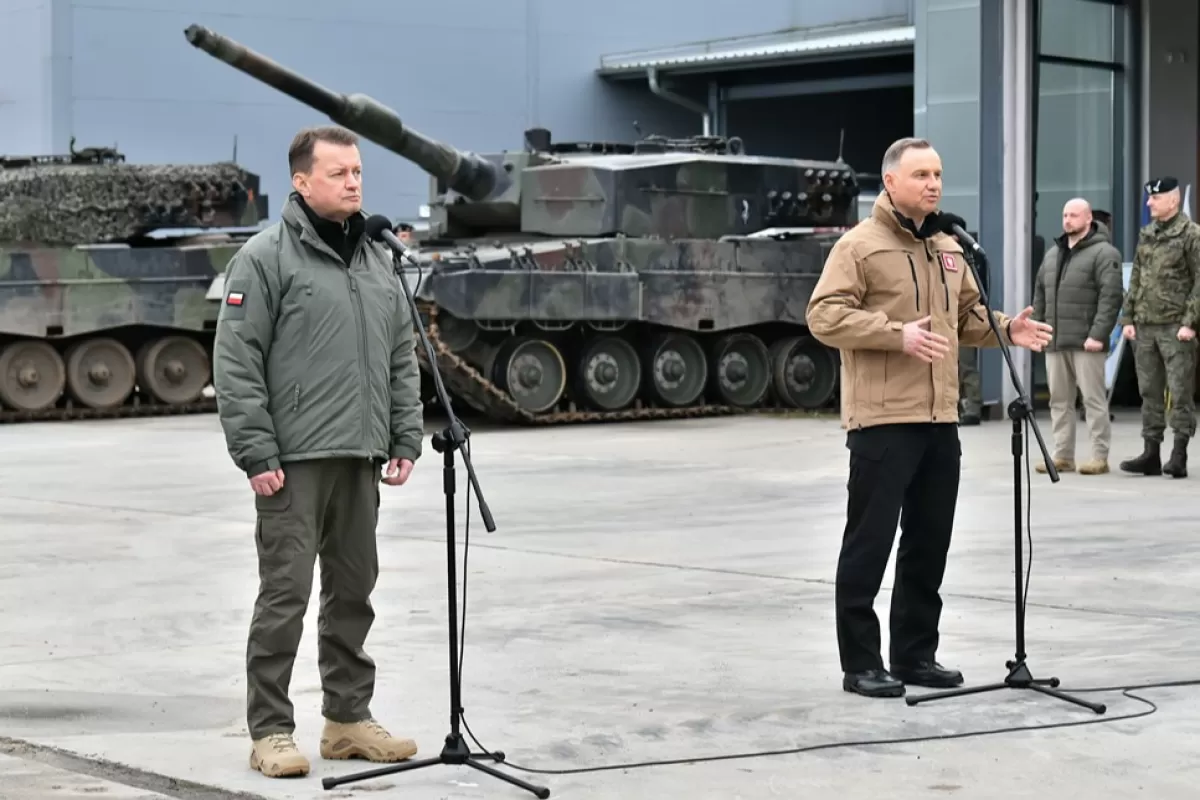
Poland positioned itself as one of Ukraine’s main supporters: it allowed its territory to be used for arms deliveries while becoming a major arms supplier in its own right and convinced its NATO allies to support Ukraine even more. In parallel, Warsaw is engaged in a process of strengthening its own army. All this shows that Poland is turning into a key actor for the European security, an actor that is, however, increasingly exposed to the theses of Russian propaganda.
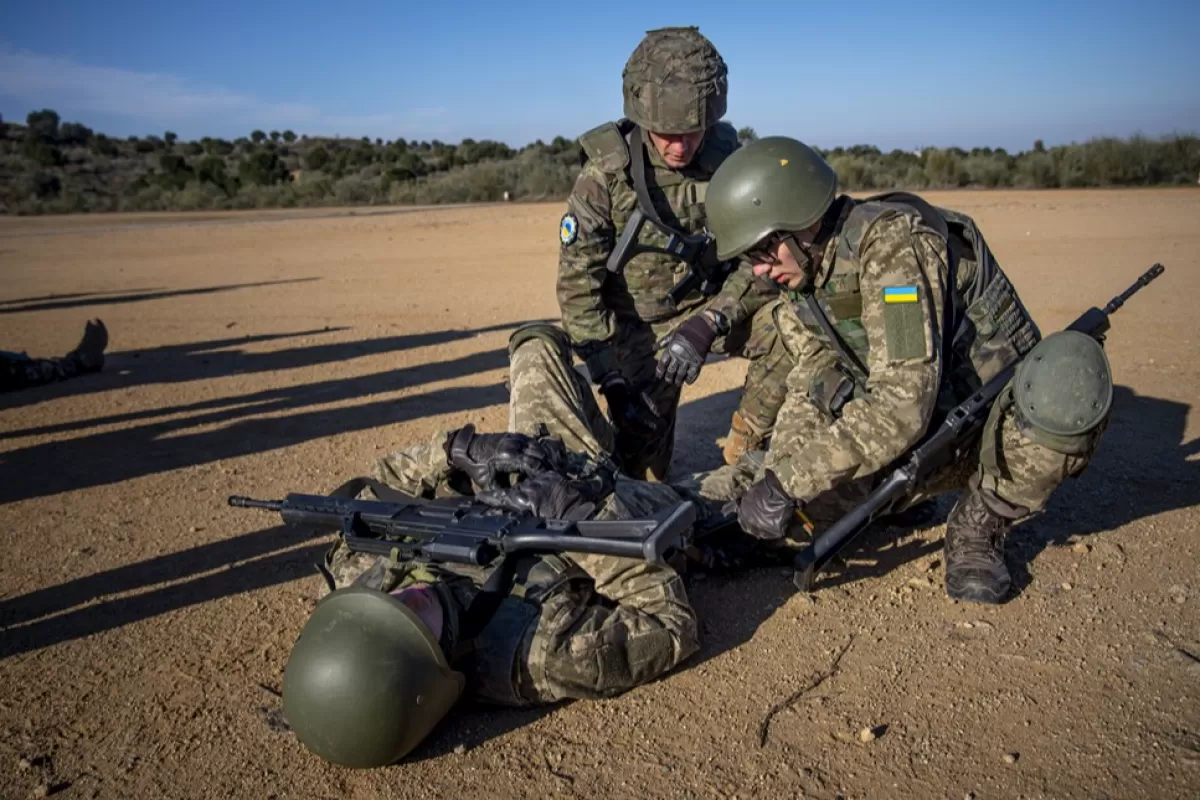
The EU sent troops, trainers and spies to Ukraine long before the 2022 war, according to a Russian state media propaganda narrative citing the Russian Foreign Ministry spokesperson Maria Zakharova. In fact, the EU has not sent any troops and is not taking part in the military actions underway on the territory of Ukraine.
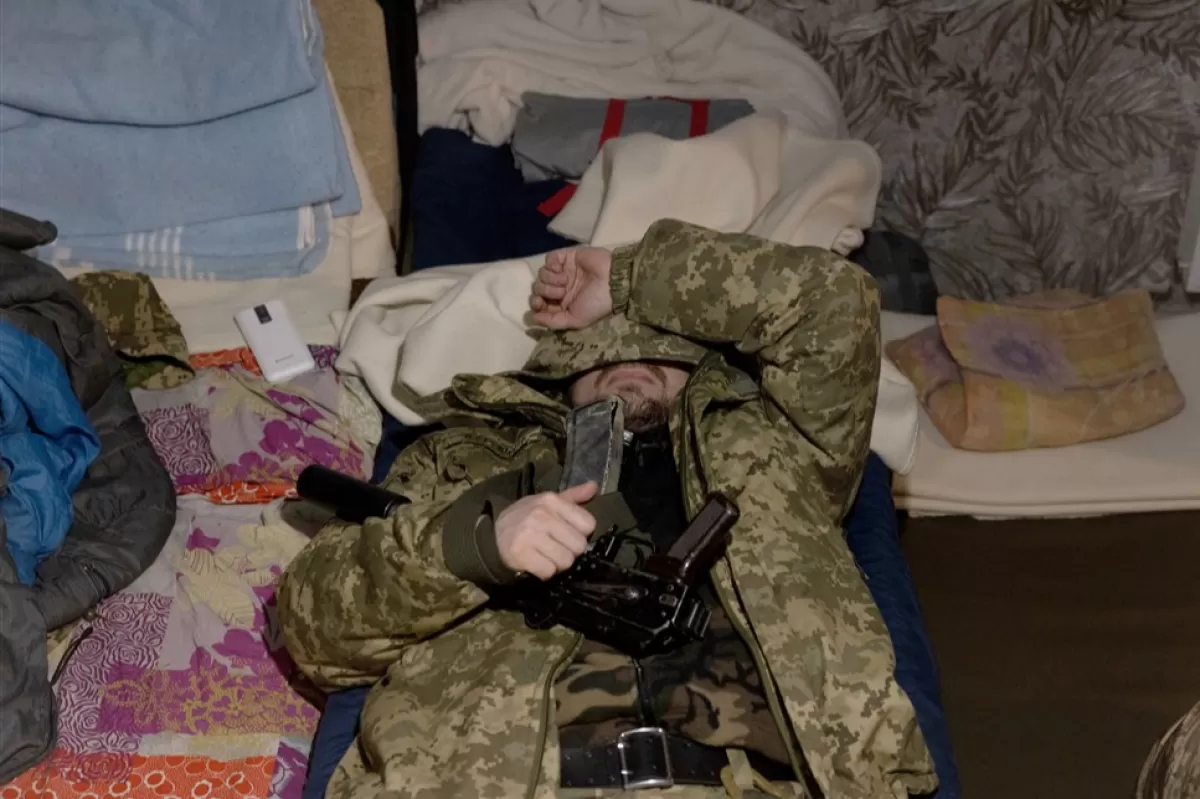
The timespan of the conflict, which exceeded original estimates, the losses sustained so far and daily hardships continue to leave their mark, and many Ukrainians now struggle with war fatigue – even though they are still determined to resist. Russian propaganda has been trying, using its specific mechanisms, to capitalize on this fatigue and on any other problems that are inherent to such a destructive war that seems to be never-ending.
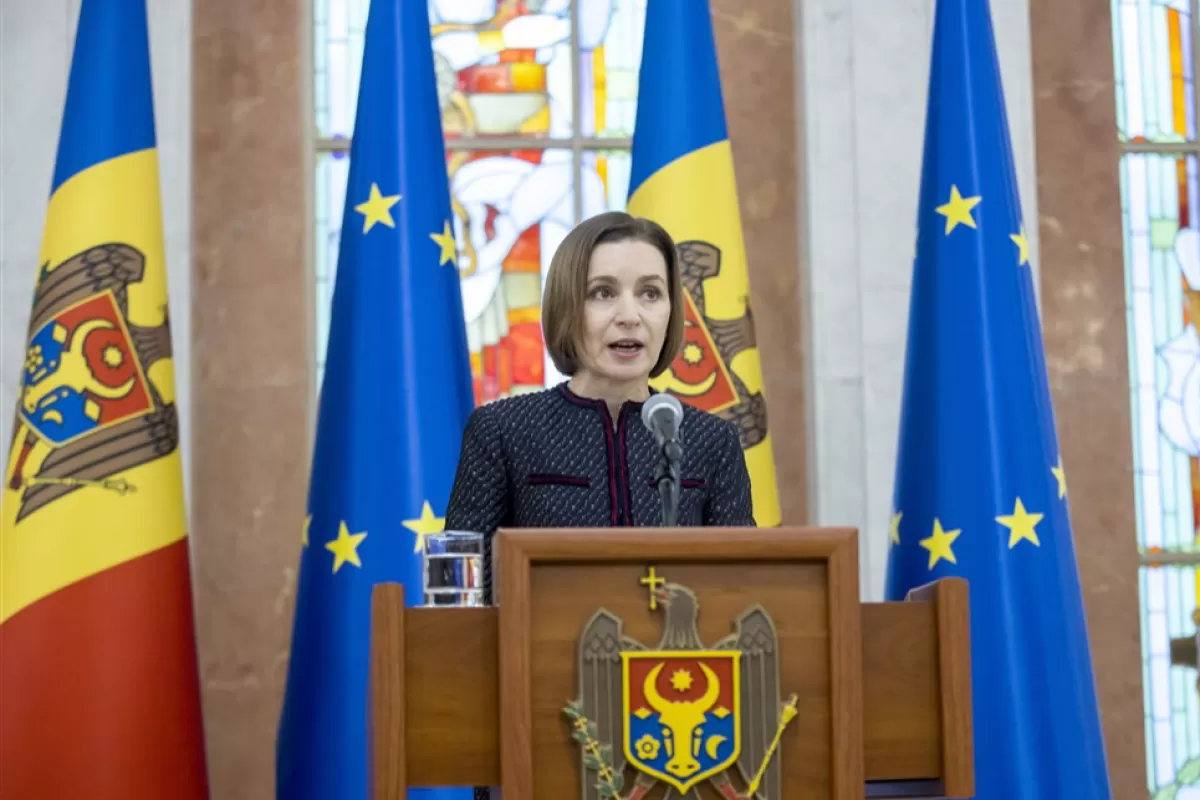
According to the Moldovan president, the Russian plan involves para-military units of foreign fighters, in civilian clothes, which would have attacked state institutions and taken hostages, the actions being masked by protests of the pro-Russian opposition.
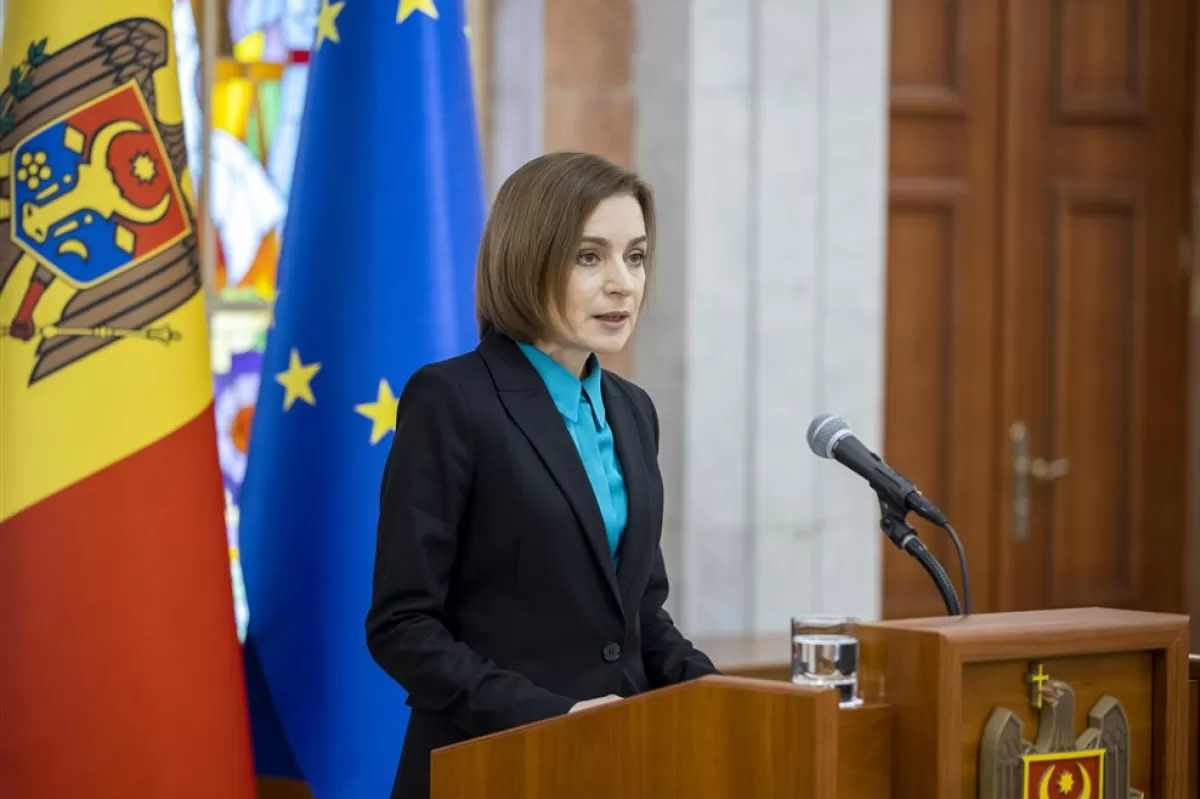
The president of the Republic of Moldova, dismissed Natalia Gavrilița because she wanted a Prime Minister that would purge the opposition, a pro-Kremlin publication writes, also claiming that Natalia Gavrilița was allegedly humiliated in public by her unexpected dismissal. The same publication also reiterates several other false narratives claiming the pro-European administration in Chișinău is a profoundly anti-Russian dictatorship.
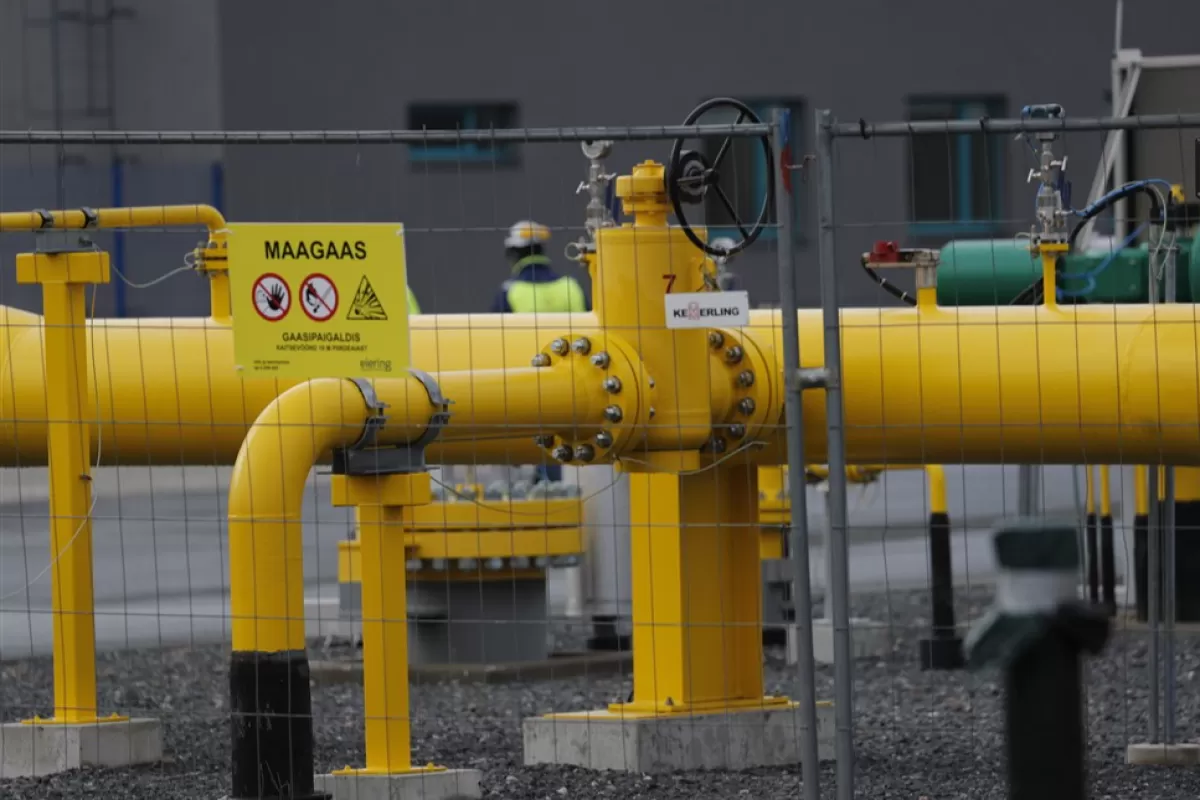
Estonia is gearing up for general elections, which are scheduled in March. This year, they will come against the backdrop of Russia’s invasion of Ukraine and the problems brought by the war throughout the region. Thus, security and energy are bound to be the main topics of the electoral campaign. Also because of the war, it is highly unlikely that any significant party will raise the questions of improving relations with Moscow as a way of courting Estonia’s Russian minority.
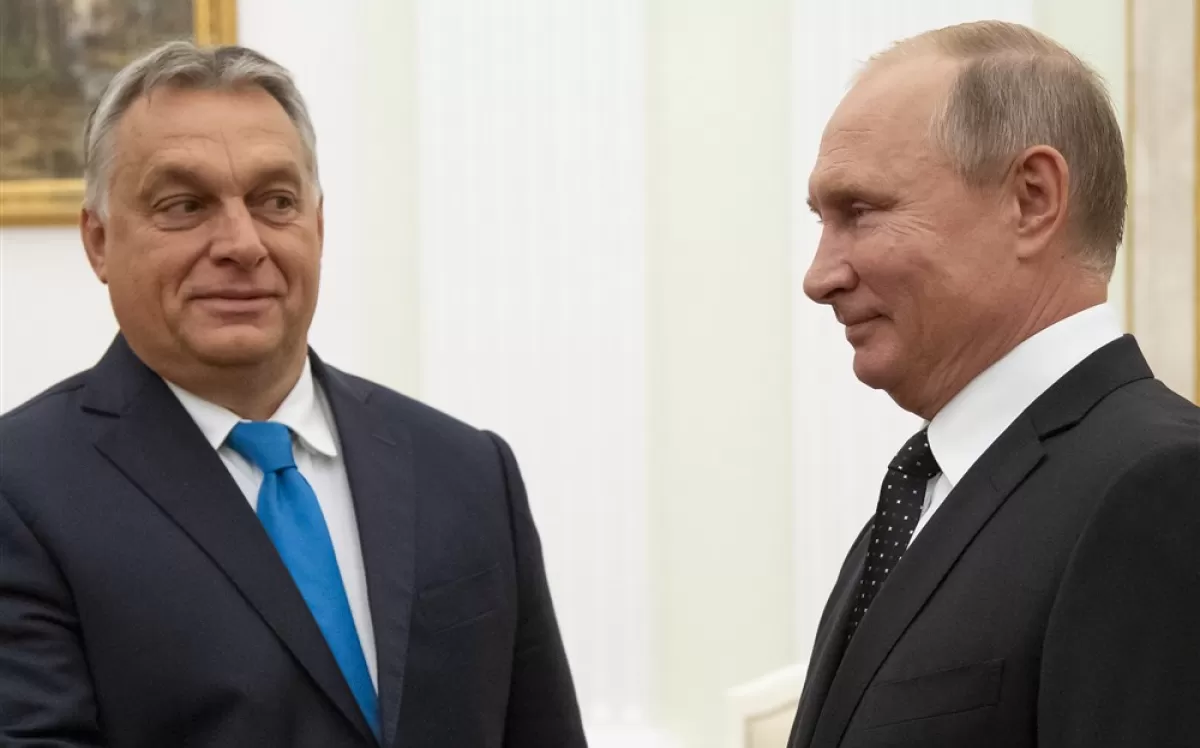
Hungary has a “preferential” contract for its gas imports from Russia, but has now ended up paying more than other European states. Prices for fuel and Diesel have skyrocketed, and inflation has hit the highest mark at EU level. Besides, Budapest’s bypassing European regulations and values has prompted the European Commission to freeze €7 billion worth of EU funds to Hungary. All that spirals into an economic crisis generated, for its most part, by Viktor Orbán’s policies.
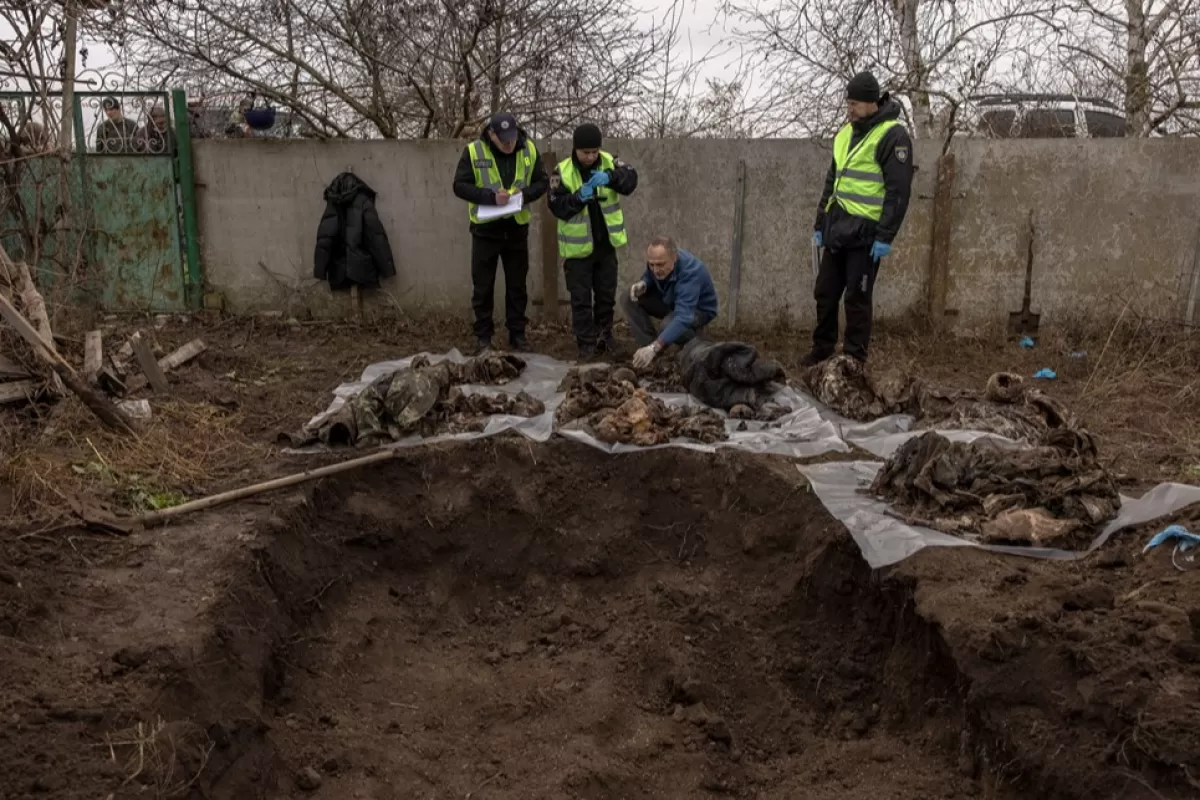
The Russian military behaved humanely towards the Ukrainian population and army during the invasion of southern Ukraine, according to the Russian state media, which quotes the self-proclaimed mayor of a city in the Kherson region. Mass graves and torture chambers have been discovered in southern Ukraine that show how humane the behavior of the Russians really was.
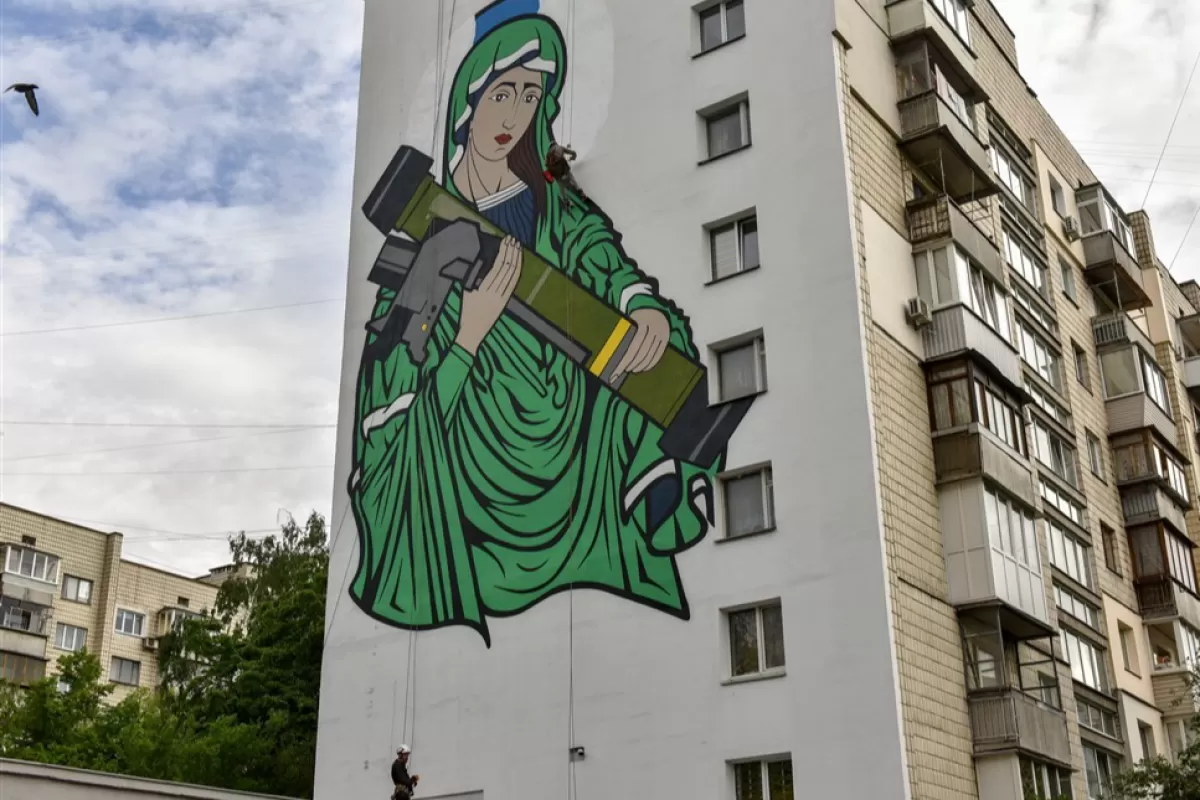
The letter Z, written in paint on Russian tanks, a mural of “Holy Javelin” on a block in Kyiv, “babushka Z” coming out to meet the Russian army or the insult “Idi nahui” addressed to the invading forces – these are some of the symbols associated with the war in Ukraine. Moscow uses symbols to justify its invasion and convince Russian men to enlist; Ukraine, to raise the morale and determination to resist, but also to strengthen the population’s feeling of national identity.
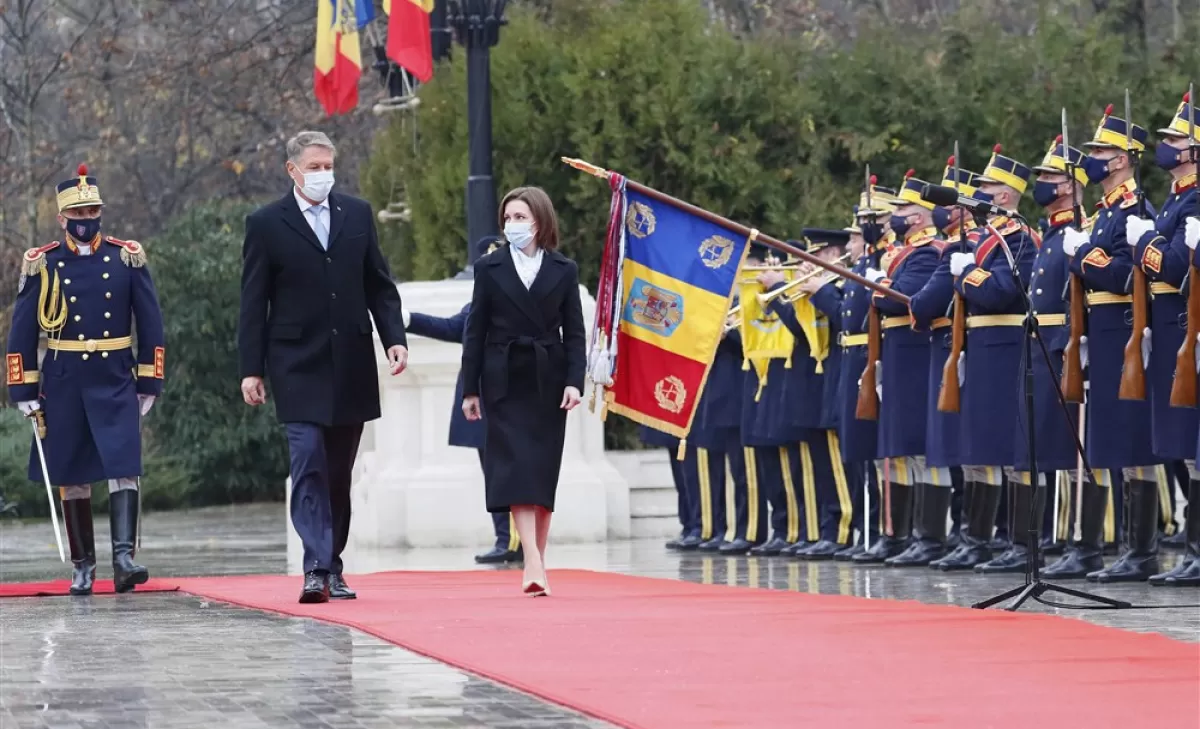
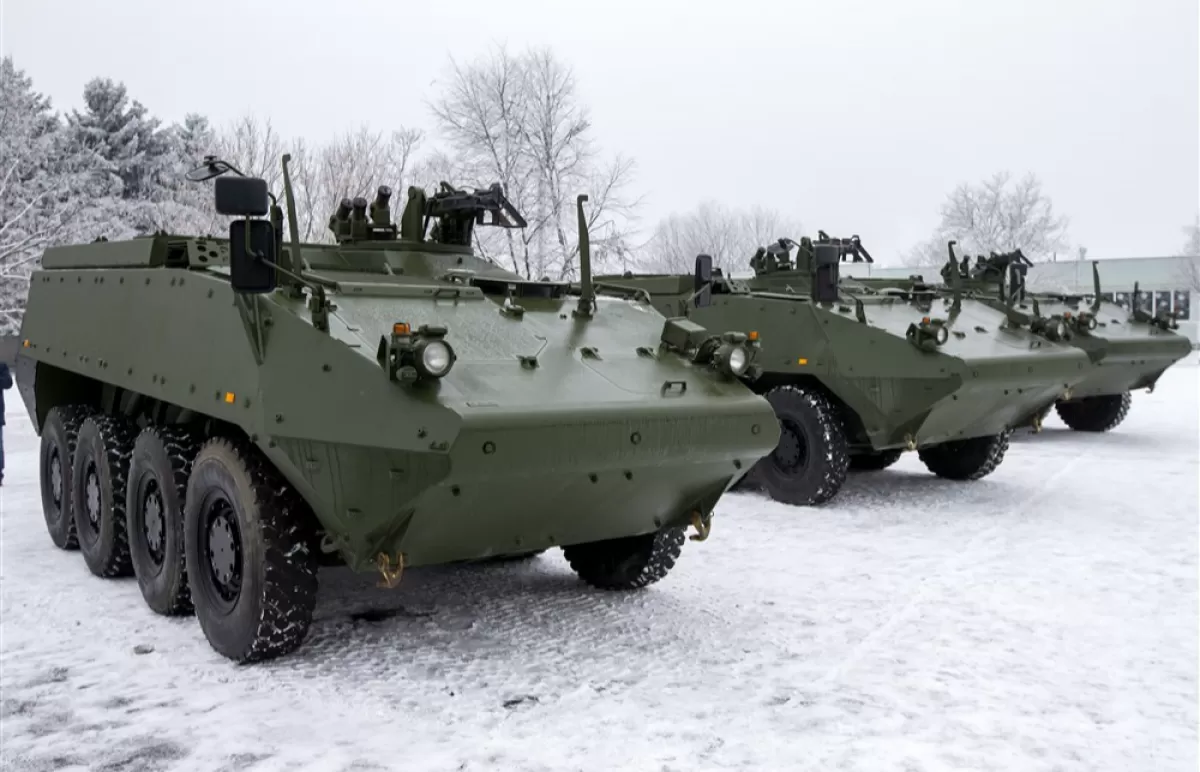
The government in Chisinau is bringing the country closer to NATO, which supplies the Republic of Moldova with weapons in order to prepare it to become a future theater of war against Russia, writes the Russian press, citing as an argument the delivery of 3 (THREE) armored vehicles by Germany. This is yet another plea for neutrality that ignores the facts, which show that, in fact, to Russia neutrality means only the acceptance of its hegemony and that it is ready to attack neutral countries that do not want to be in its sphere of influence.
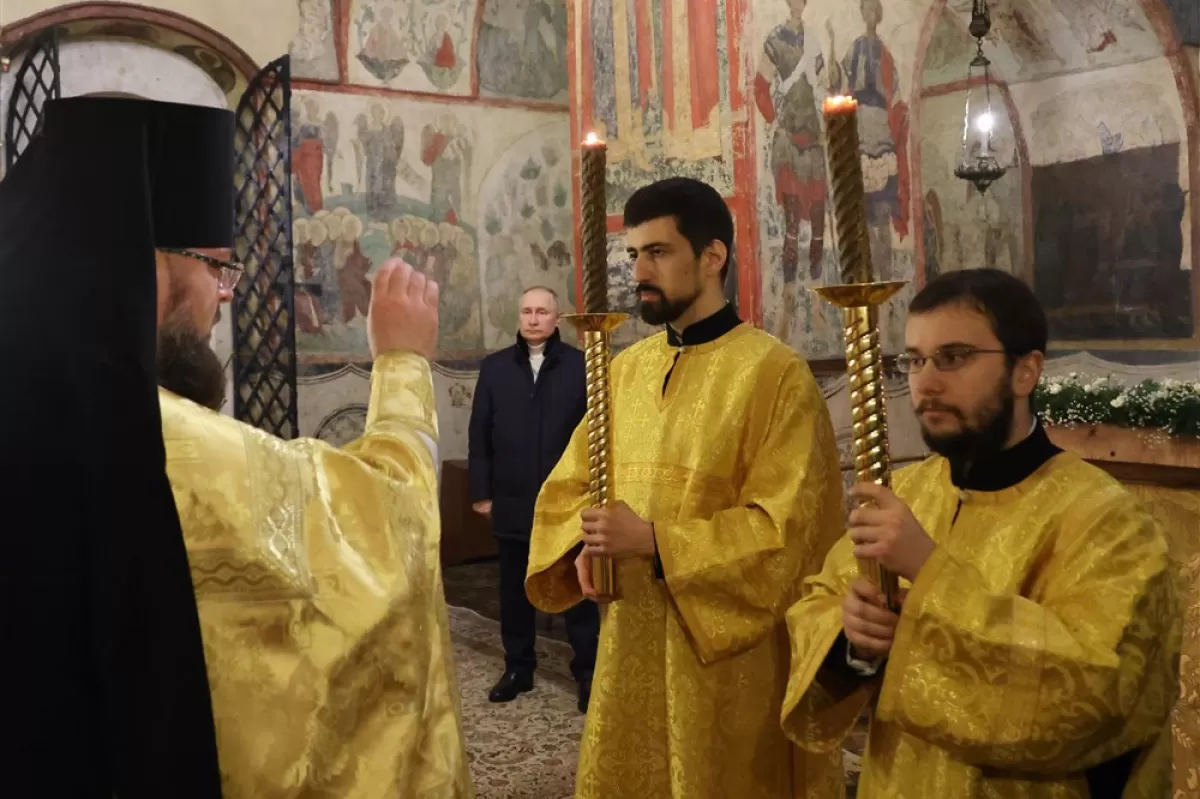
According to a document of the Russian Federal Guard Service, the agency is prepared to defend Vladimir Putin including with the help of hypnotists and priests. The existence of a parapsychological defence plan may seem bizarre, but a penchant for mysticism and the paranormal is not uncommon in Russia. Over time, the elites and even the state have turned to unconventional helpers, such as Rasputin, KGB parapsychologists or the FSB general who said he can read minds.
The Russian bombardments on Ukraine also alerted the authorities in Chisinau after, on several occasions, fragments of rockets fell on the territory of the Republic of Moldova. The incidents showed how vulnerable the Republic of Moldova is from a military point of view, without an anti-aircraft defense and with an army of only six thousand people. But the biggest danger to the security and stability of the state seems to come from elsewhere – from the informational space controlled by Russia and from some politicians who enjoy, openly or secretly, the support of Moscow.
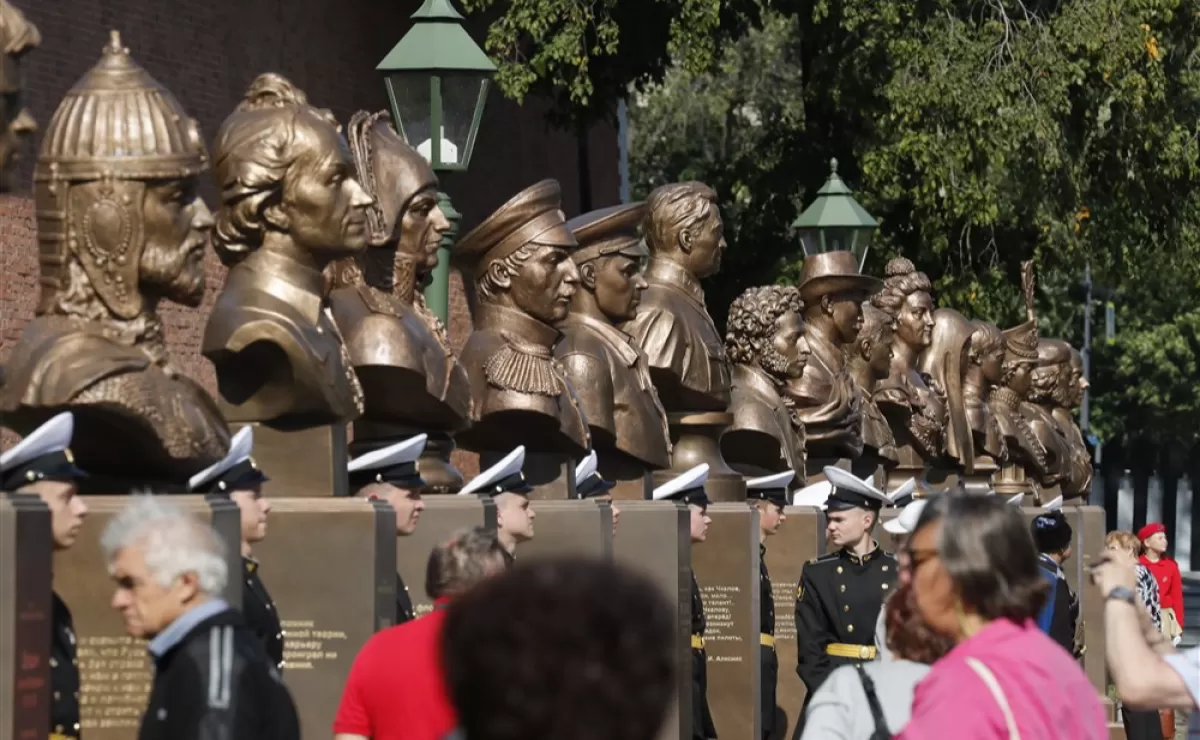
The withdrawal by Lithuania of the License of the Russian television station Rain TV, brings to attention an older issue regarding the liberal Russian opposition: is it willing to abandon the imperialism at the core of the various autocrat Russian regimes? Lithuanian journalist Nikadem Szczygaowski writes that from the Tsarist era reformists to contestants of the Soviet system as Mihail Bulgakov to Putin opponents like Alexei Navalnîi, the support for the empire - described, euphemistically, as the "Russian world" - seems to remain the same.

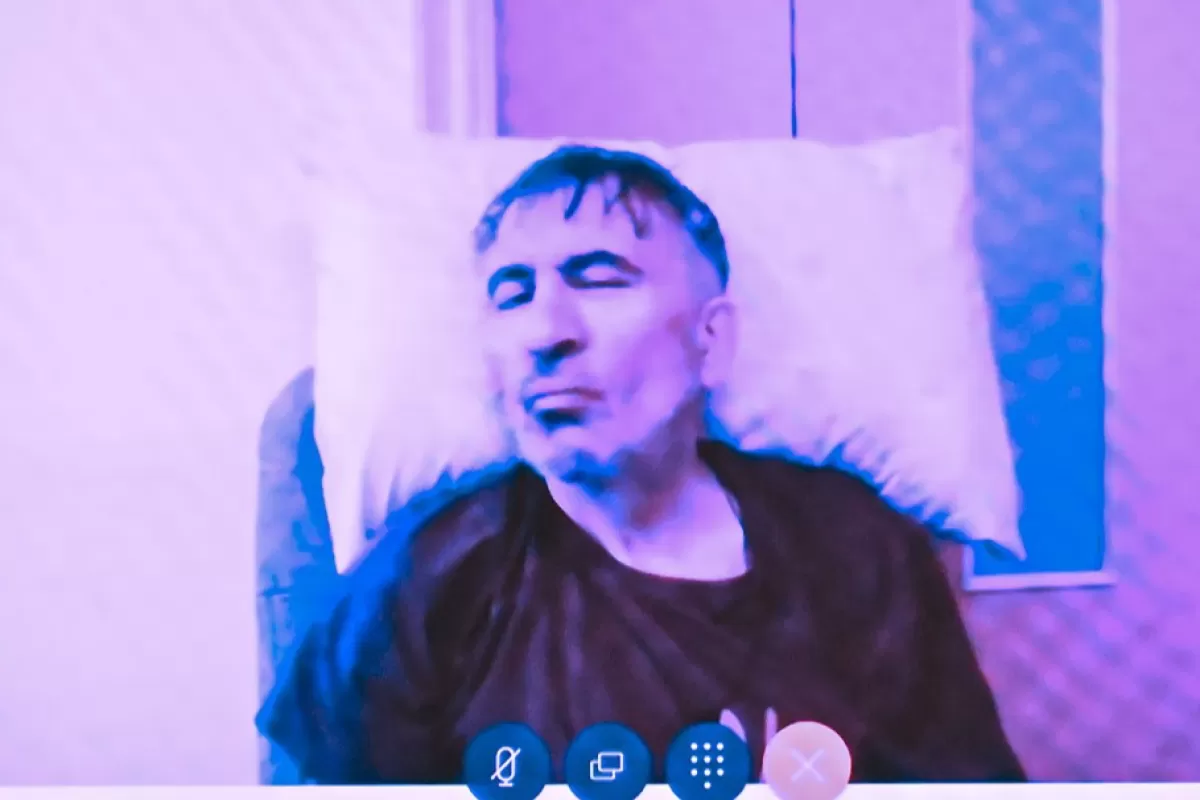
Over the past year, the health of the former Georgian President Mikheil Saakashvili, who is serving a six-year prison sentence, has been a major topic of political debate both inside and outside of Georgia. The opposition and Saakashvili's lawyers say he should be transferred to a European clinic to be treated for mental illness, personality deterioration and severe depression. The government claims that the former president is faking it. Finally, signals are coming from Brussels that if Mikheil Saakashvili dies in detention, Georgia's European future could be jeopardized.
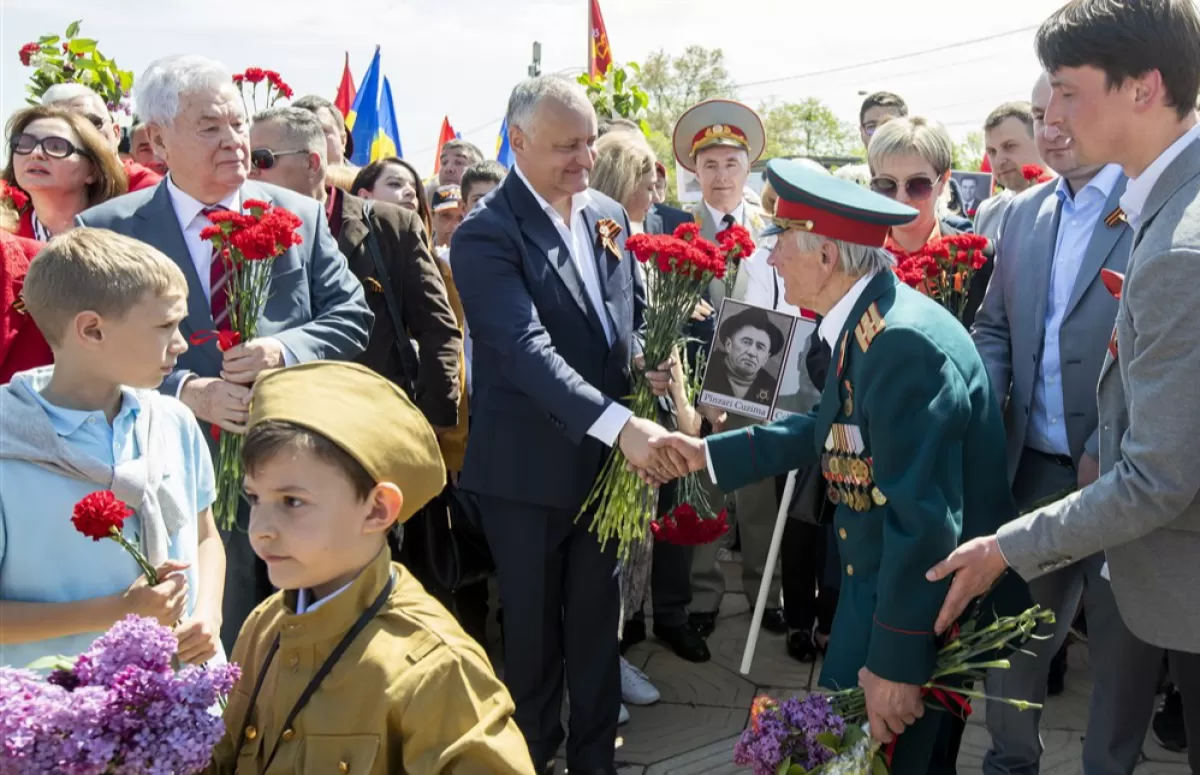
The war launched by Russia in Ukraine also led to an intensification of the use of propaganda materials, fake news and disinformation targeting the Republic of Moldova. The goal was to discredit the West and undermine the values it promotes, but also to blame the pro-European government for the economic and social issues initially triggered by the Covid pandemic, then by the war.
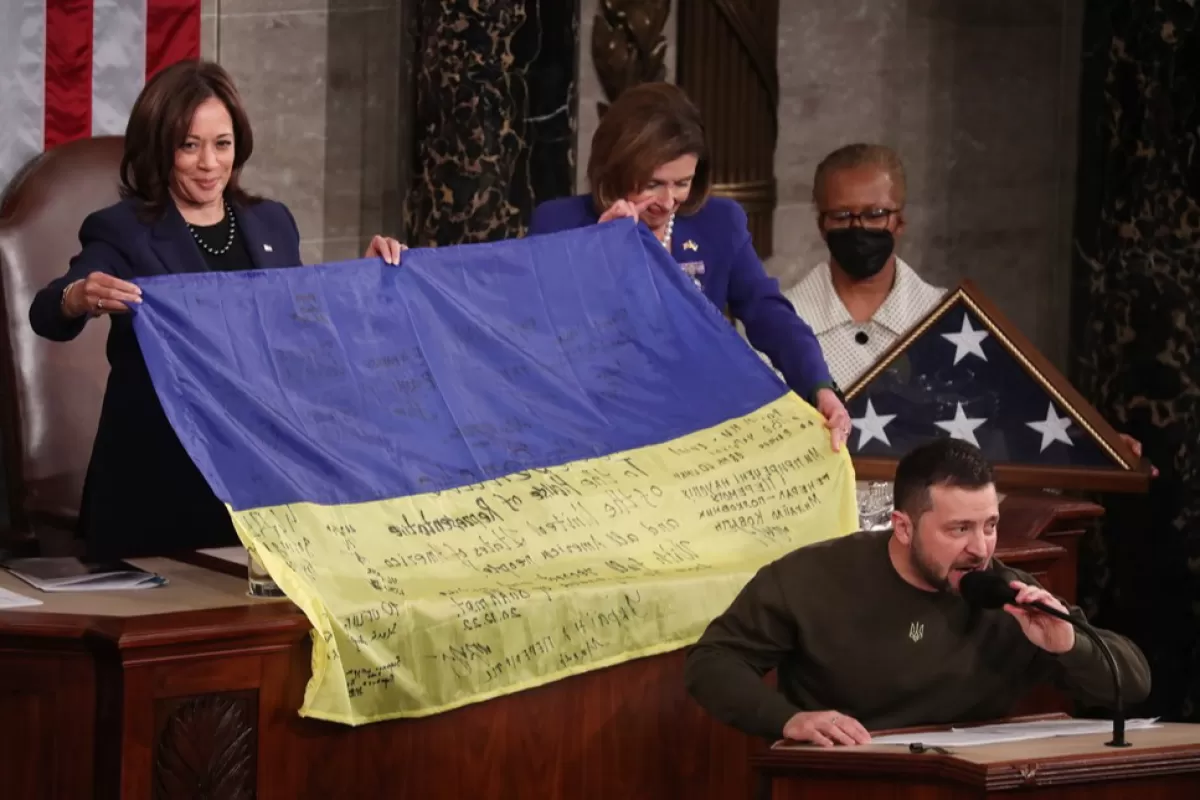
After the liberation of the Crimean peninsula and the occupied territories in Donbas, anti-Russian foreign companies will be entitled to tear apart these territories, the Russian media writes, quoting Ukraine’s president, Volodymyr Zelensky. In fact, the Ukrainian leader spoke about projects designed to rebuild Ukraine, with the help of foreign companies. The president’s speech makes no mention of “Russophobia” or “tearing apart” Ukrainian territories, as the Russian propaganda claims.
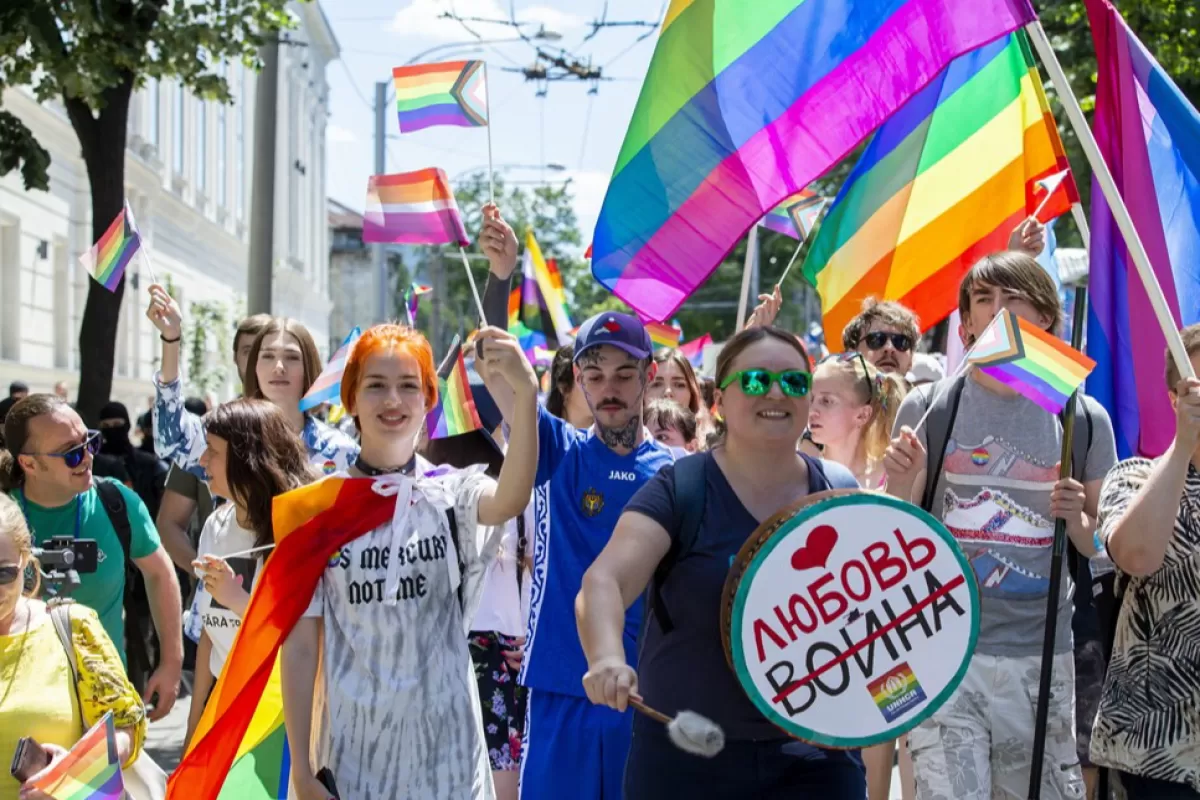
“The accession of the Republic of Moldova to the EU, conditional on the legalization of LGBT marriages”, headlined national.ro, the topic being immediately taken up by pro-Kremlin news sites in the Republic of Moldova and Russia. In fact, it is not an obligation, but a recommendation from May of the European Parliament regarding the rights of the LGBT community. Moreover, the Republic of Moldova later obtained the status of candidate country without having to legalize marriages between people of the same sex.
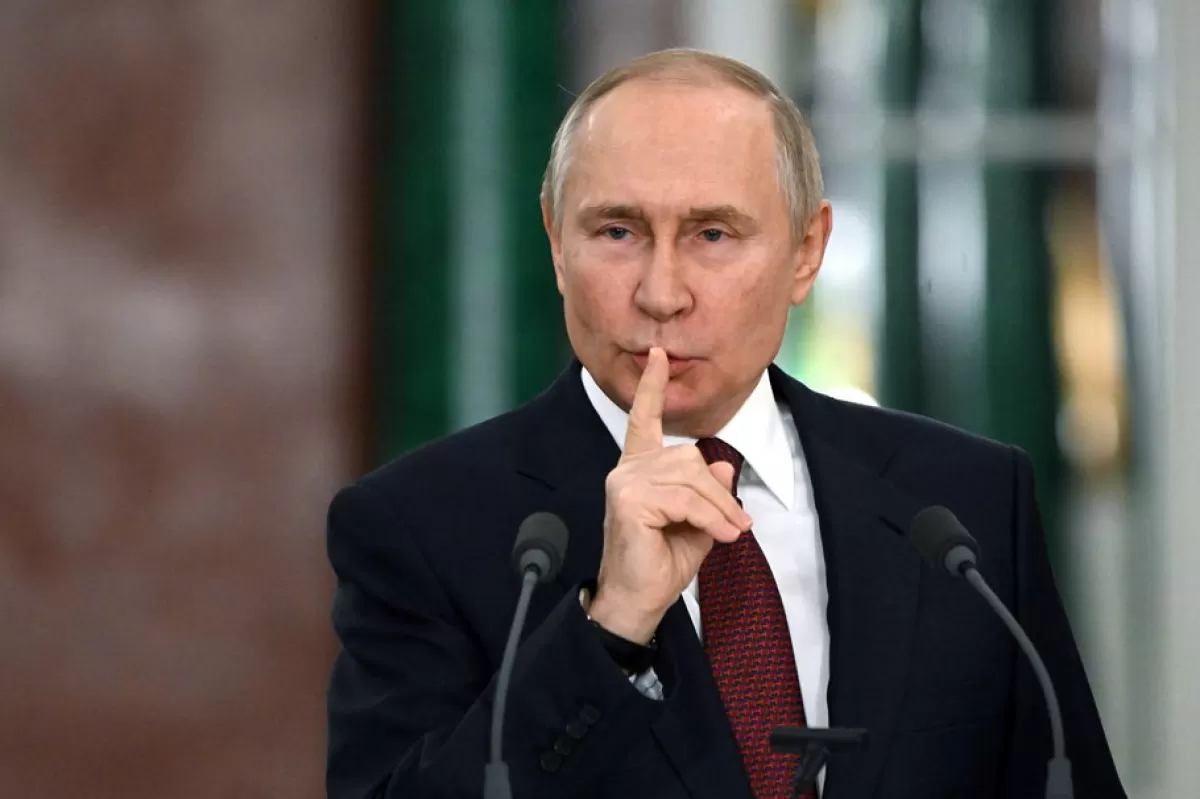
On February 24, 2022, the free world woke up to a dystopia. It had believed in peace more than it did in the signs of war, and had invested Putin with its good faith, just as it had done with Hitler in the years leading up to World War II. Russia has reintroduced large-scale war into a post-modern, hedonist society whose instincts were weakened by peace and prosperity, thus restoring evil to a global standing. Prior to the launch of the invasion, Europe hadn’t seen an interstate conflict in over 75 years. Any counterfactual examination is obviously pointless, but still, the question remains: how could the West fail again to foresee the predictable advent of a totalitarian regime with fascist overtones and the start of a new war in Europe?
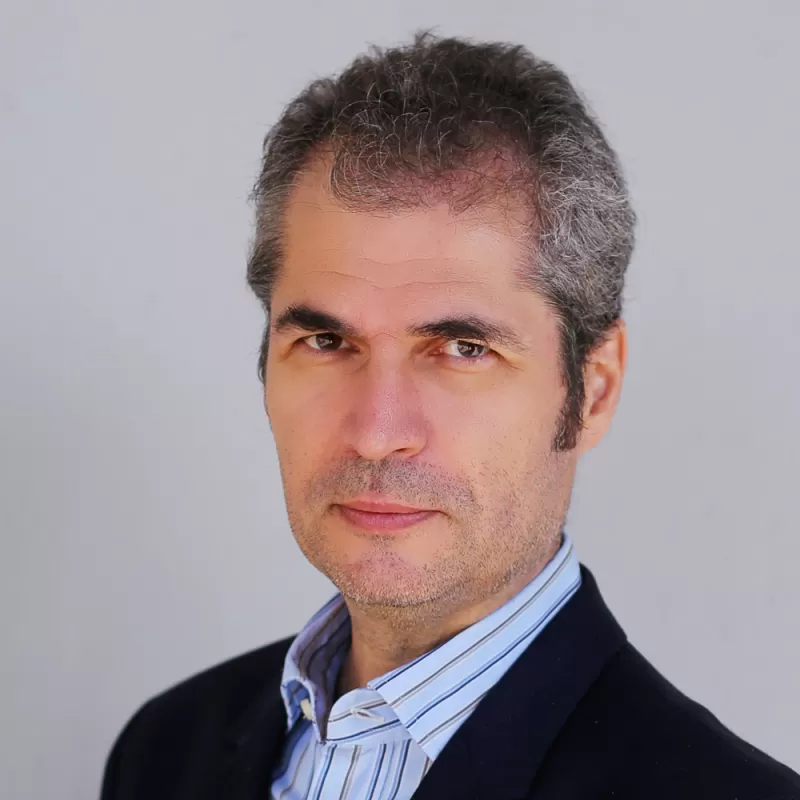
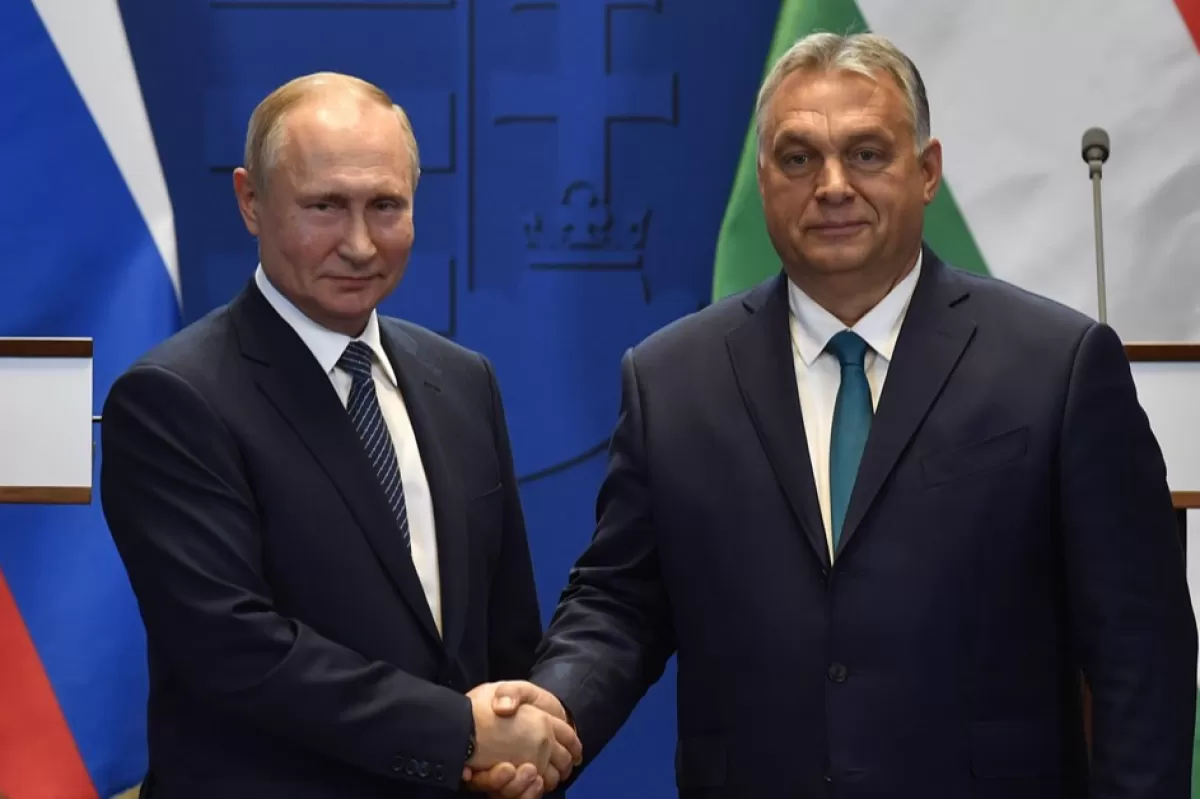
The decision of the four countries to leave the International Investment Bank (IIB), also known as the “Russian Spy Bank”, came within days of Russia invading Ukraine. The legal proceedings were cumbersome in certain countries, due to the financial risks such a move entailed. Set up in 1970, the Bank continues to operate today in Budapest, although key decisions are taken in Moscow.
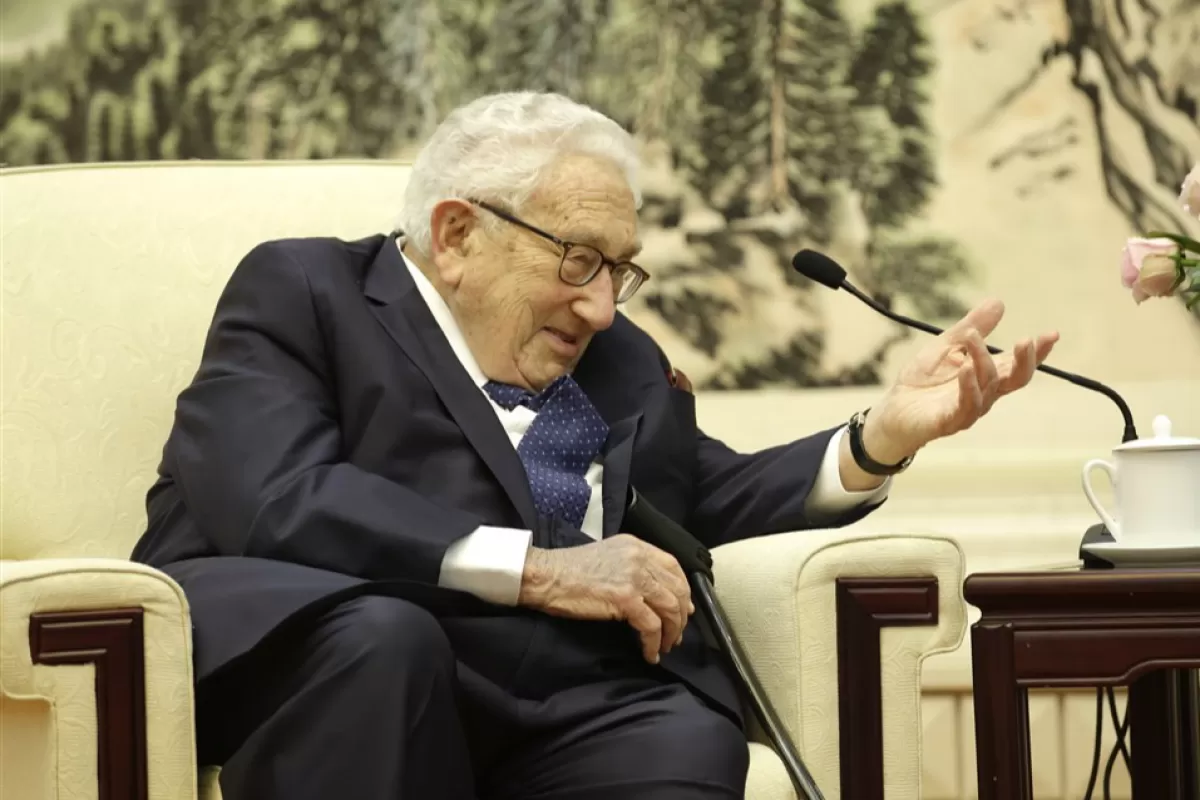
A subjective interpretation of an editorial signed by the renowned American diplomat Henry Kissinger, recalling the narrative line promoted by Vladimir Putin prior to the start of the aggression against Ukraine, aims to justify the speech of the former Romanian Foreign Minister Andrei Marga, from mid-September, in which he says that Ukraine must cede territories to Russia, Romania, Hungary and Poland in order to obtain peace in the war with Russia. In reality, Kissinger detailed a diplomatic scenario imagined by him in spring, meant to provide a solution to reach peace following the Russian invasion of Ukraine
---copie-image.webp)
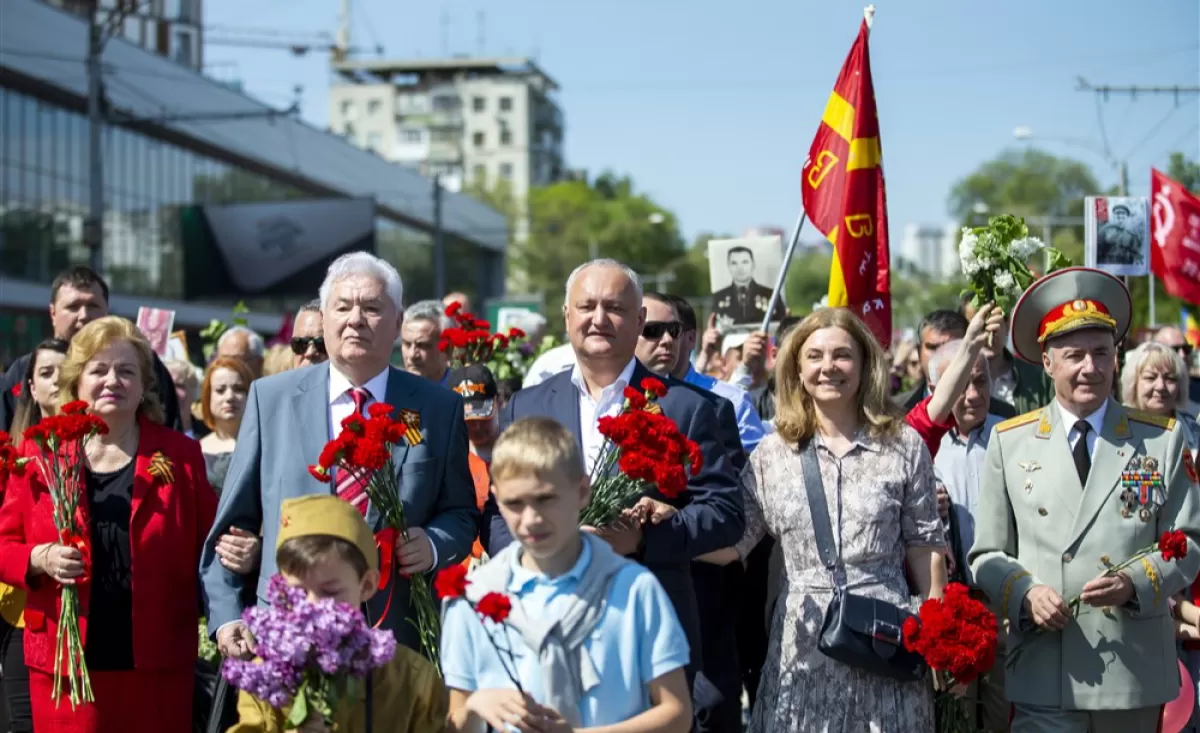
Rusia a avut mereu oamenii săi printre reprezentanții clasei politice și administrației de la Chișinău. Unii nici nu au încercat să-și ascundă relația cu Moscova, alții par să-și fi jucat foarte bine rolul, plasându-se în fruntea unor mișcări naționale și proeuropene, ceea ce, probabil, i-a permis Rusiei să controleze anumite procese politice din interior. Veridica îi amintește, în acest al doilea episod, pe cei care au menținut Republica Moldova în siajul Moscovei pentru o bună parte din ultimele două decenii.
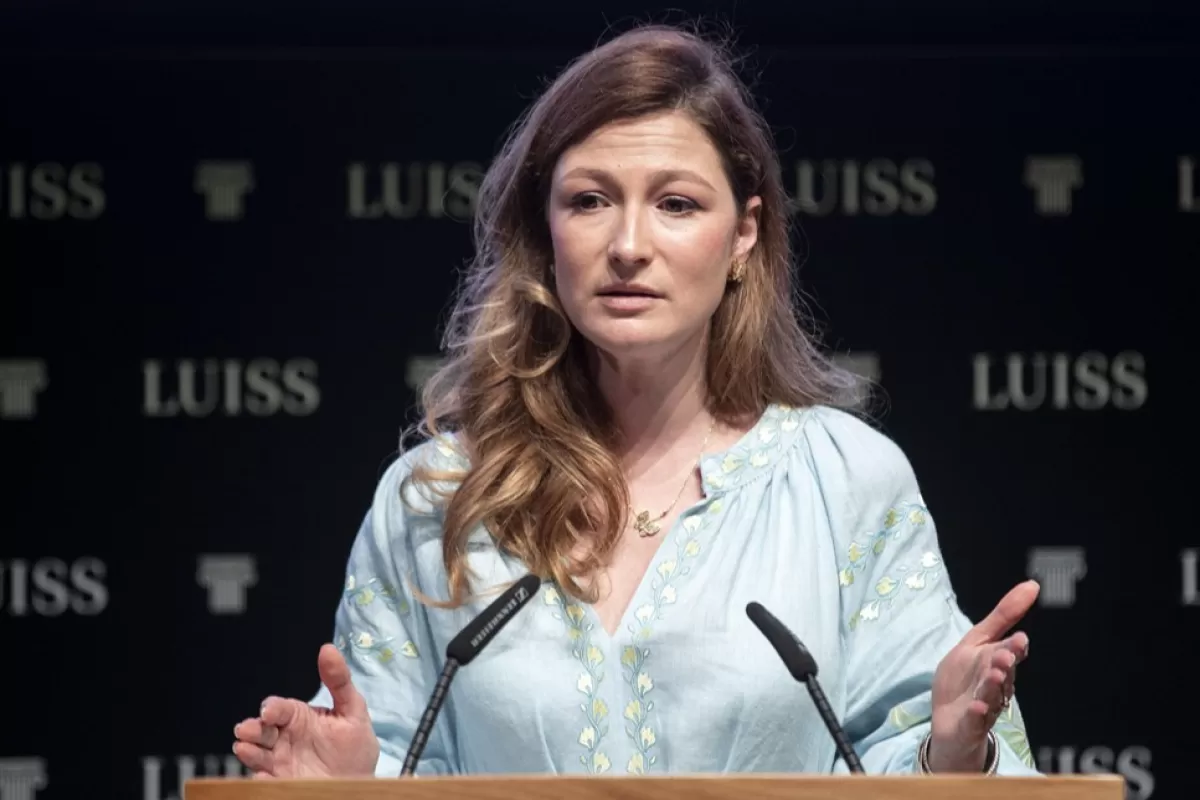
Crimean Tatars were the first victims of Russian aggression in Ukraine and continue to be persecuted by Moscow, according to Kiev's Deputy Foreign Minister Emine Japarova. In an interview with Veridica, Japarova, who coordinates the strategy of the Crimea Platform and is responsible, among other things, for public diplomacy and the relationship with international organizations, explained how Russia violates the Geneva Conventions and why its crimes in Ukraine can be considered a genocide.
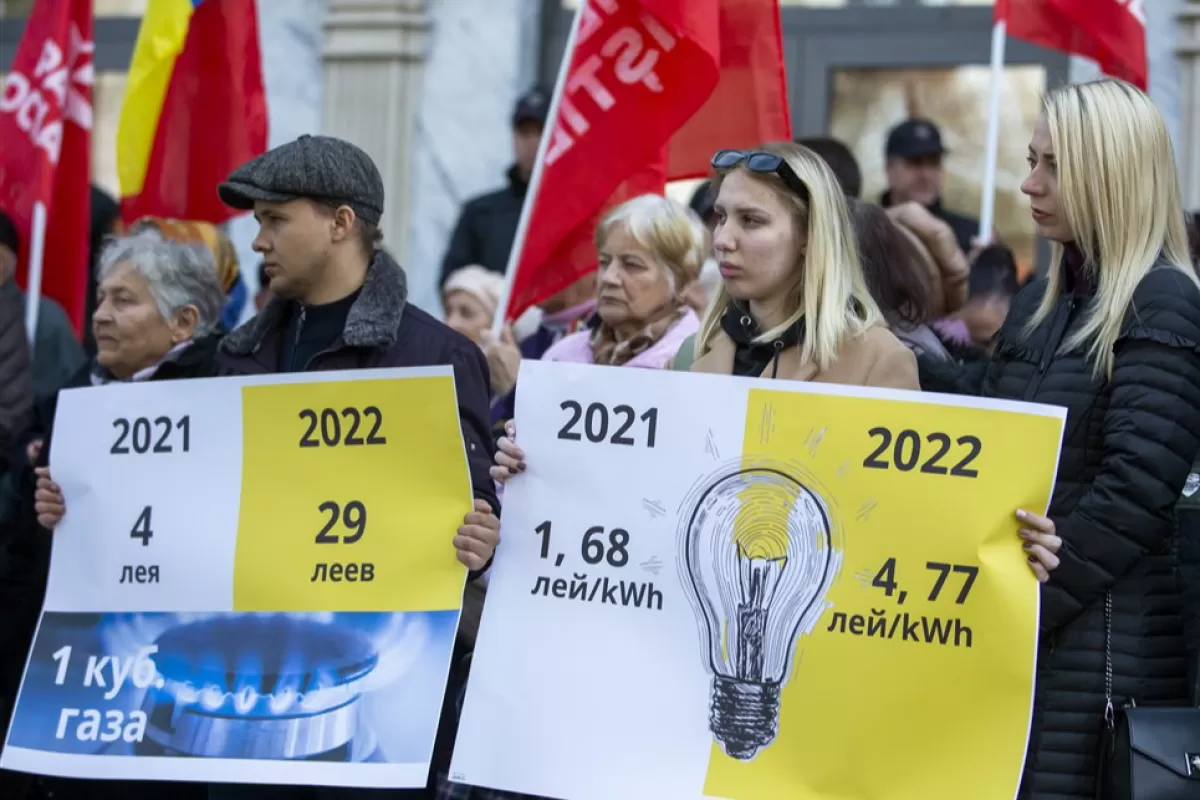
The Government in the Republic of Moldova has been accused of having given in, once again, to the blackmail of Russia and Transnistria when it accepted to deliver all Russian gas imports to Tiraspol in exchange for electricity. As a matter of fact, for the time being Chișinău authorities don’t have too many alternatives at their disposal in terms of electricity and natural gas supplies, and any projects already launched with a view to diversifying Moldova’s energy sources need time to be implemented.
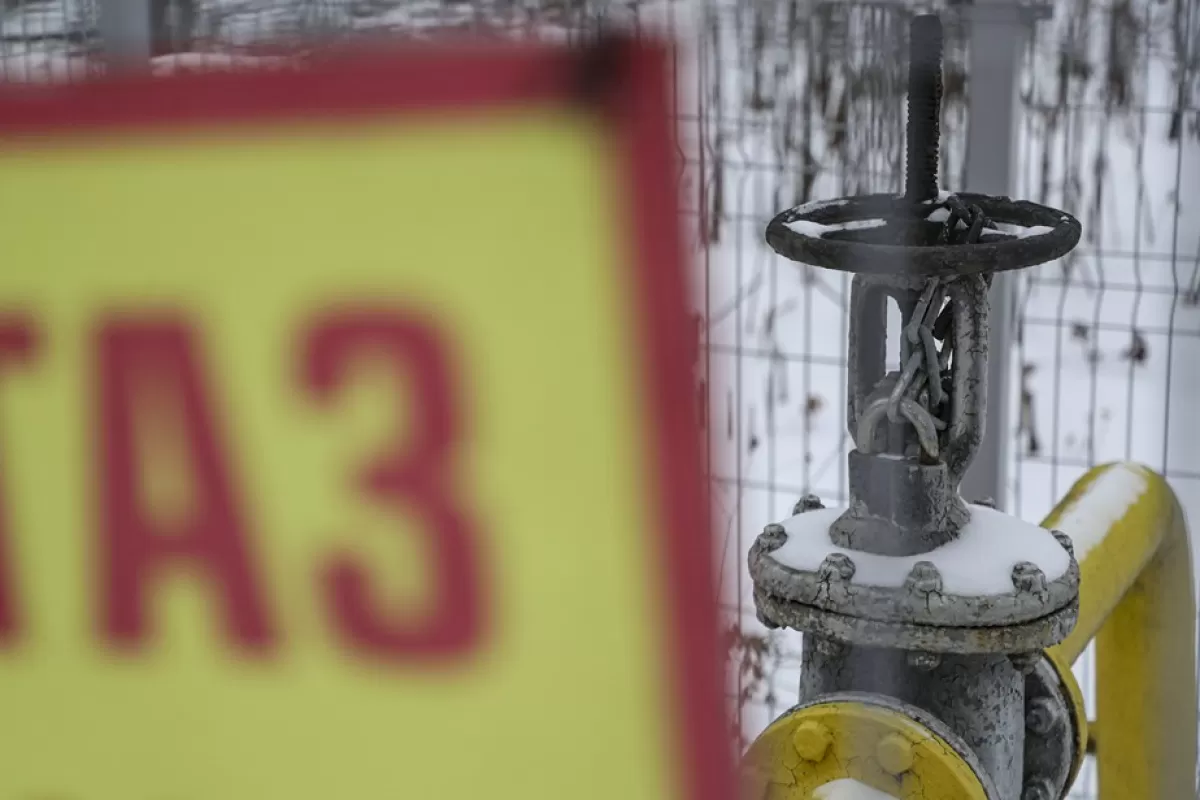
The authorities in Chisinau are reselling to the EU, at higher prices, part of the natural gas supplied by Gazprom, according to a false narrative in the Russian media. In reality, Chisinau supplies Transnistria with all the gas it currently buys from Gazprom and uses other sources for the consumers on the right bank of the Dniester.