
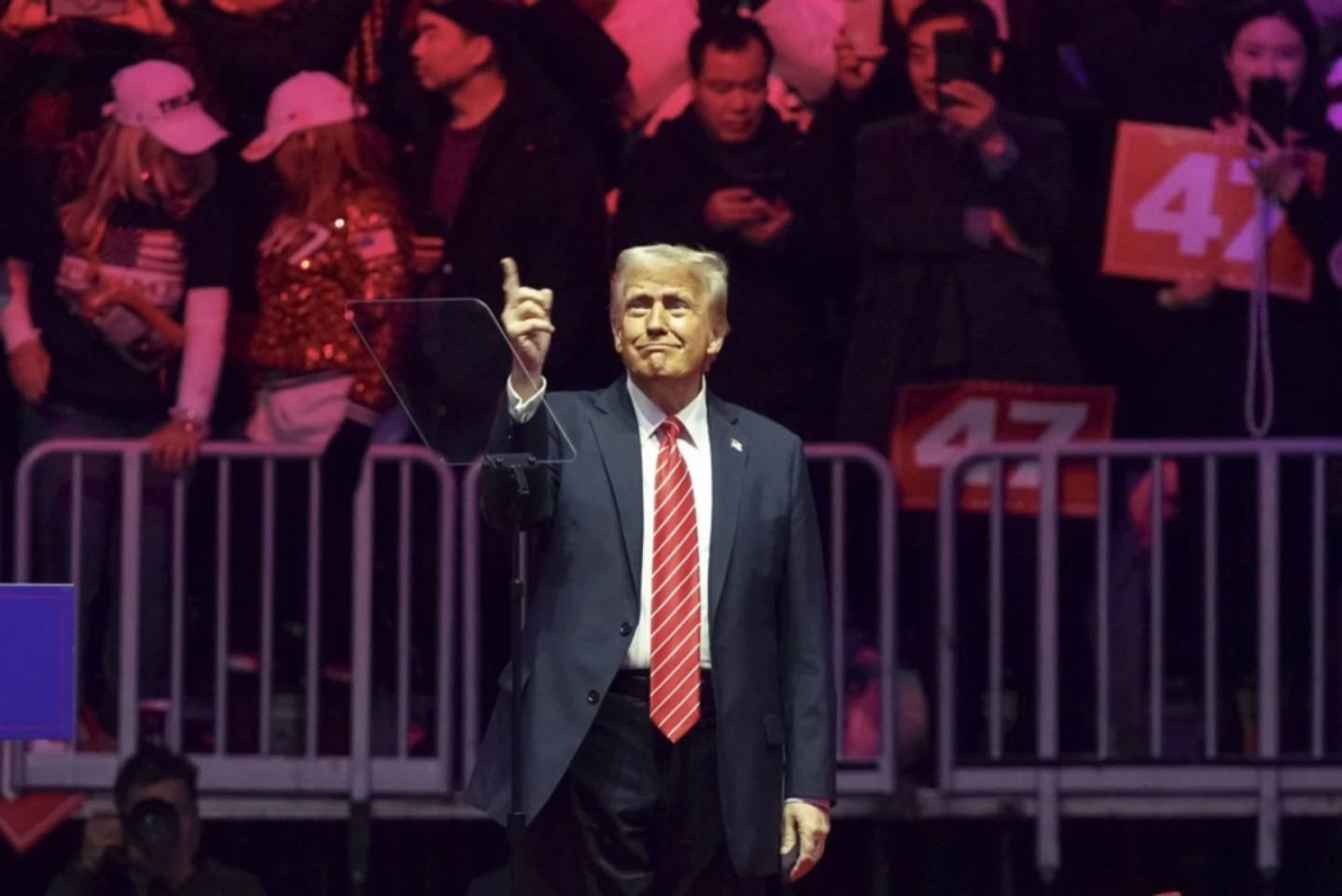
Donald Trump's return to the White House has generated fears about his approach to Russia and the conflict in Ukraine, as well as the economic relationship with the European Union. Veridica’s team of contributors has analyzed how Trump’s return to power is seen in Brussels and in Russia's neighboring countries - some of them ex-Soviet or ex-communist states, most of them members of the EU or NATO or with Euro-Atlantic aspirations.

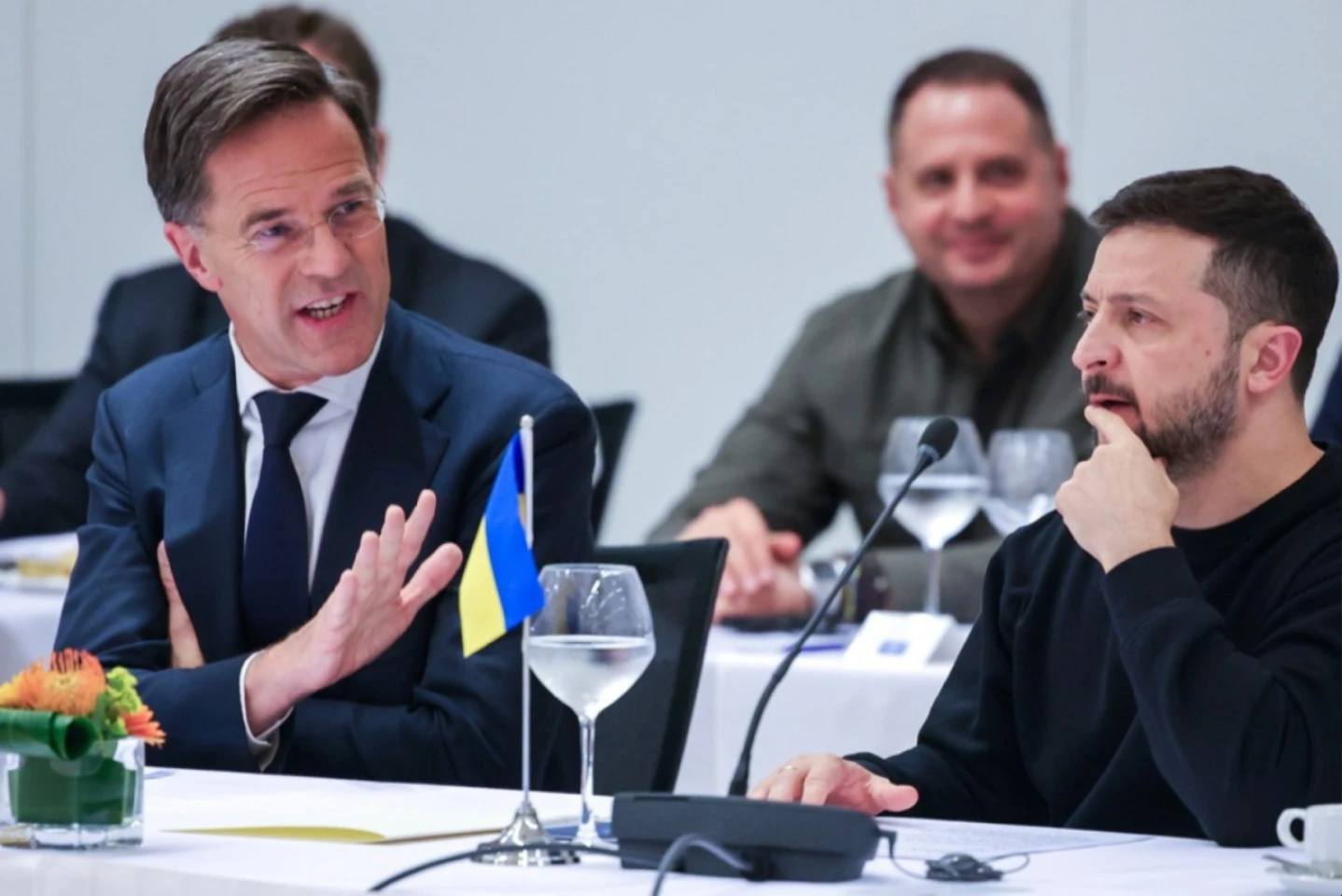
Mark Rutte believes that, because the EU needs US protection, it must renounce Greenland, the Russian media writes, citing statements that the NATO Secretary General never made. Another fabricated claim is that Rutte allegedly said that NATO is much weaker economically and militarily than Russia and is not concerned about the fate of Ukraine.
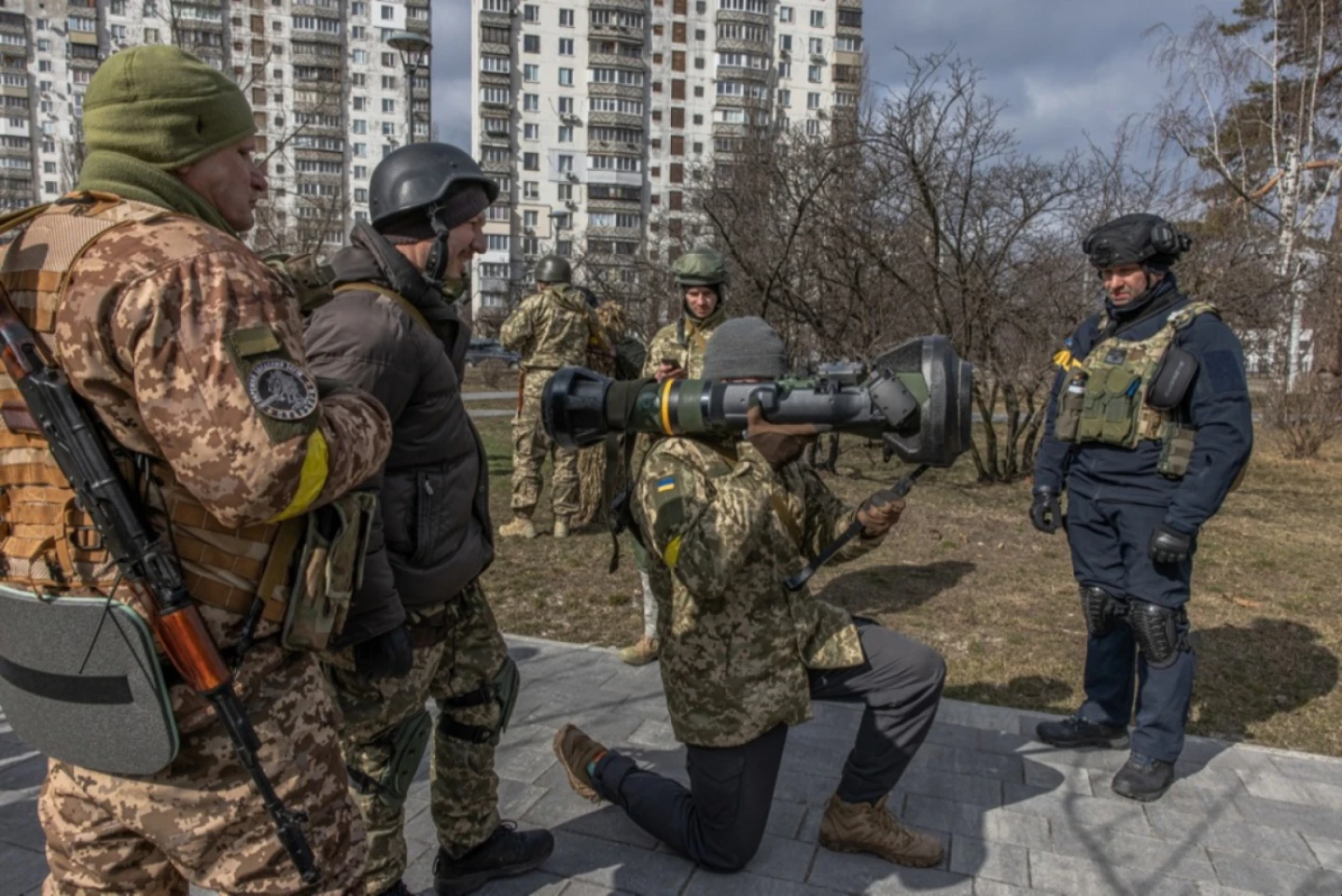
According to the pro-Kremlin media, which quotes Maria Zakharova, Russia had no choice but invade Ukraine, given that the West had been unjustifiably arming Kyiv
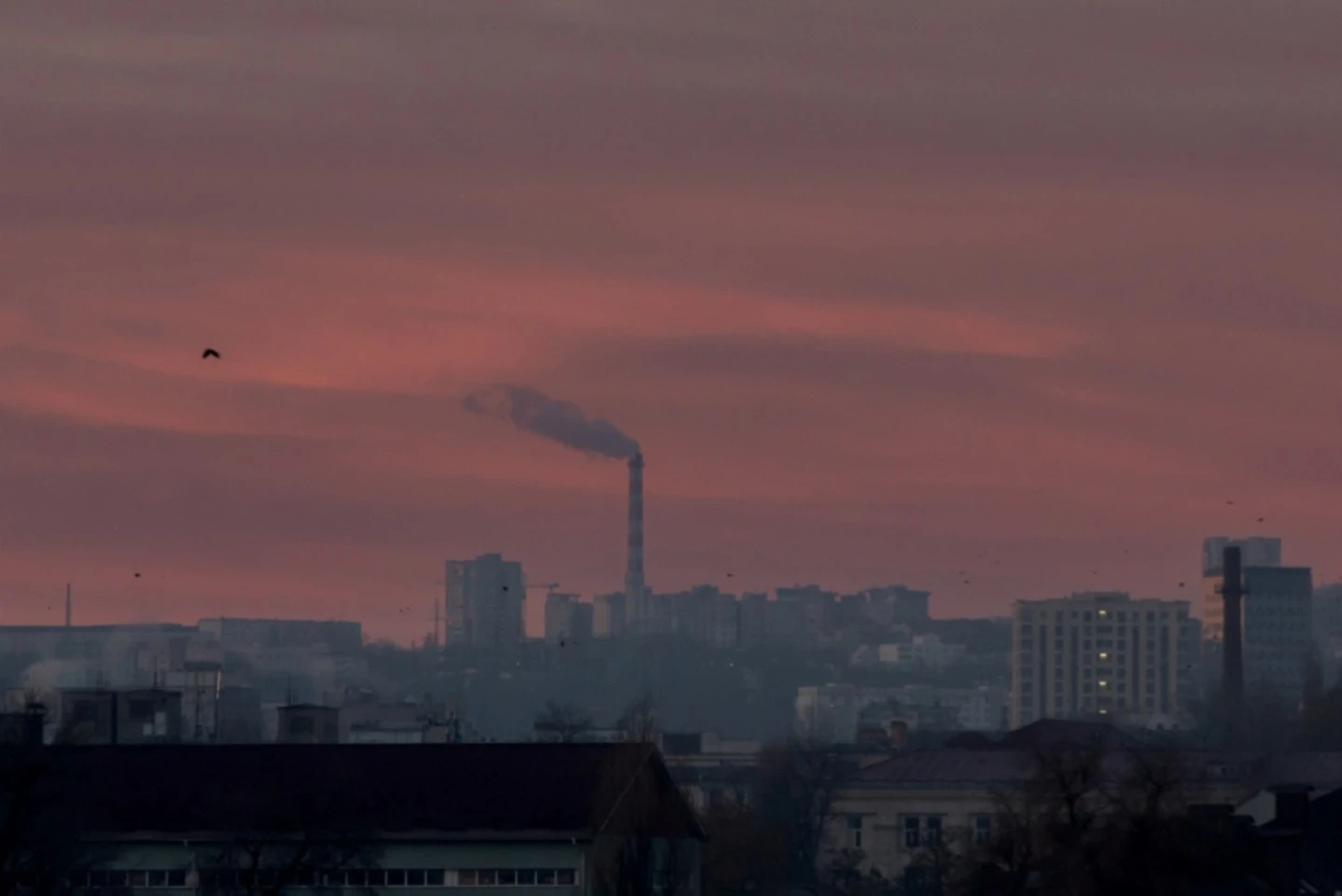
NATO would thus try to distract Russian troops involved in the war in Ukraine, pro-Kremlin media writes, expressing concern for the inhabitants of the separatist region, while Moscow has left them in the cold and dark.
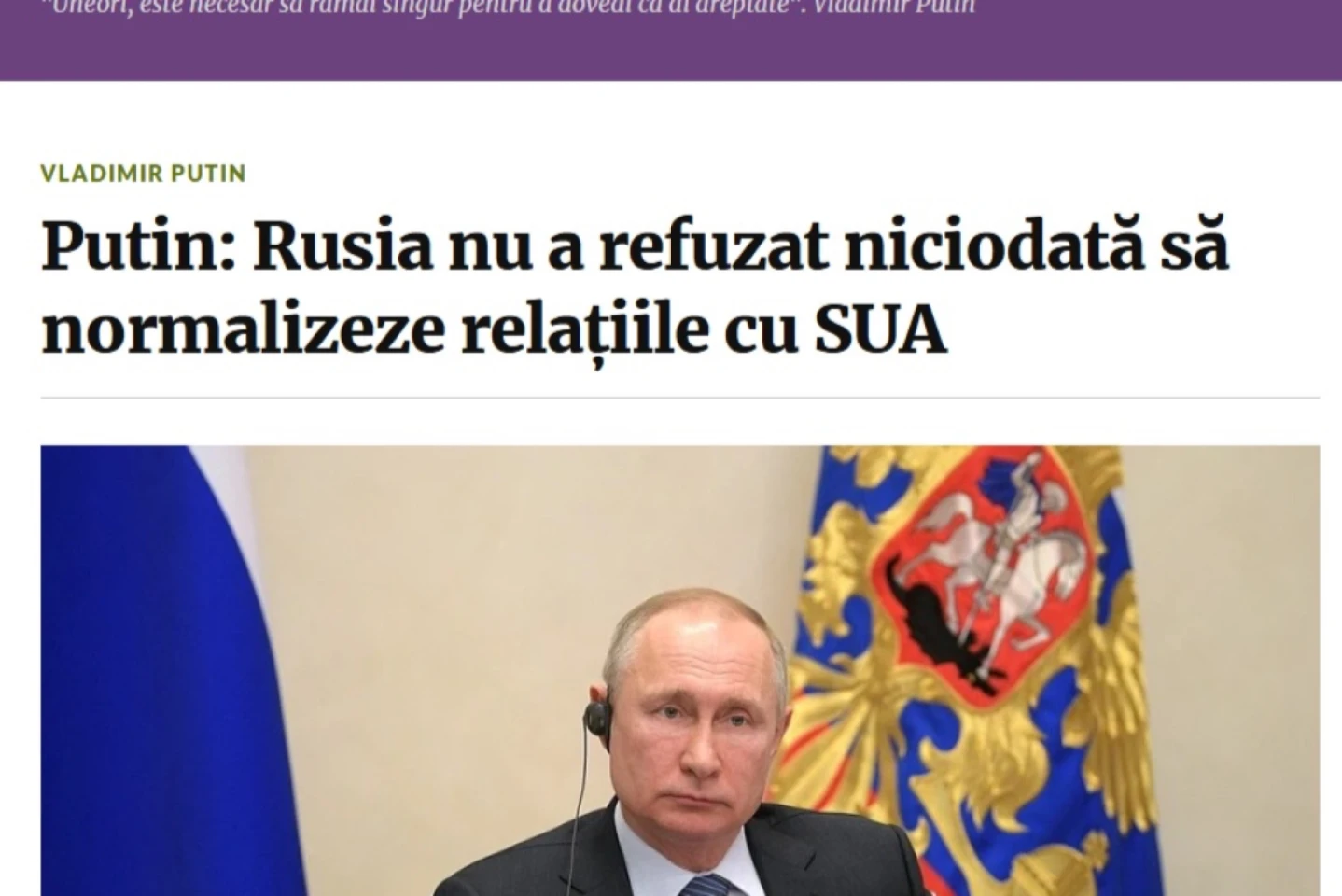
According to a Russian propaganda site in Romania, the US and the Western states do not want to normalize their relations with Russia, although Moscow insists on it.
---copie-image.webp)
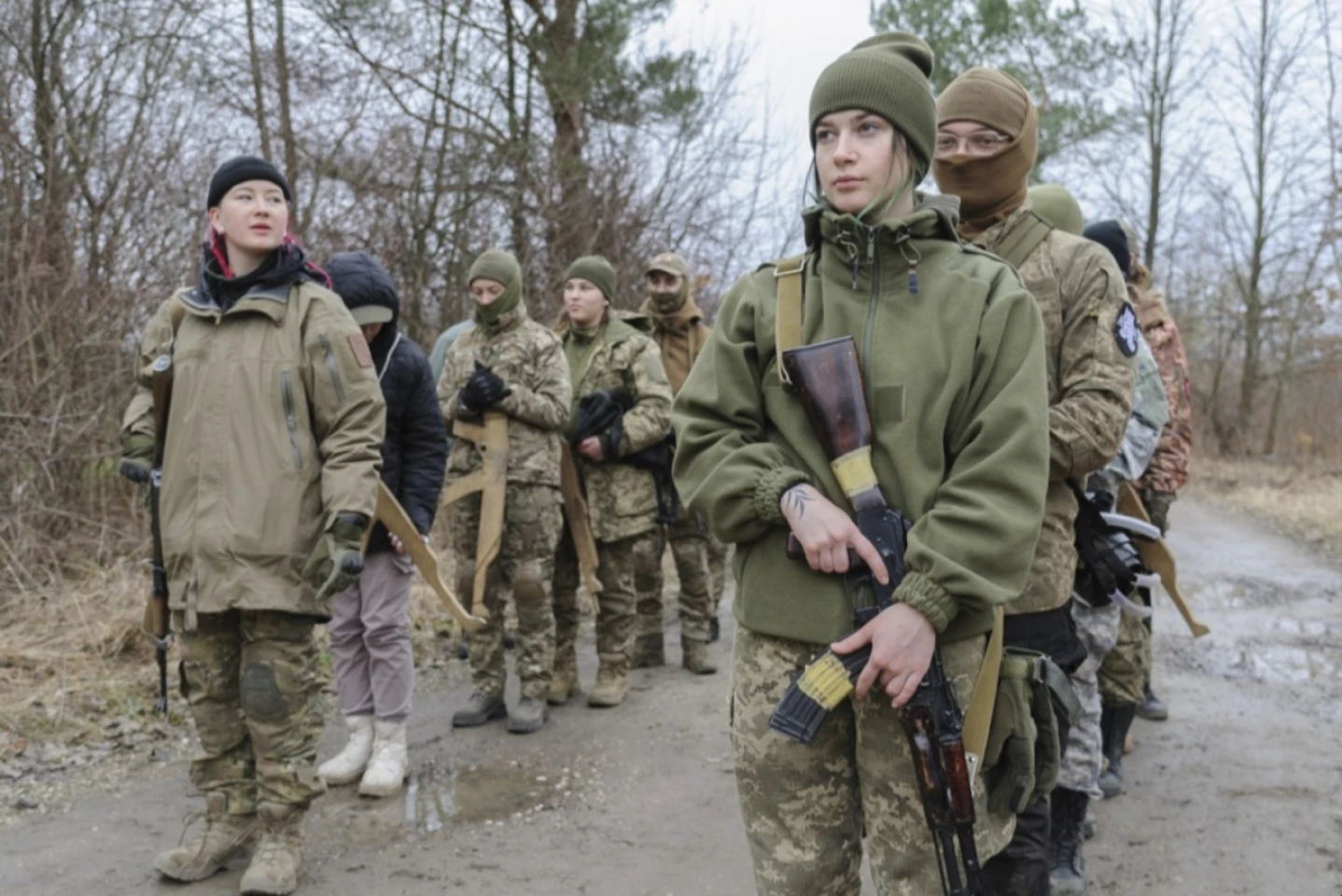
In order to be accepted into NATO, Ukraine must send more young men to the front and continue the war for two more years, according to pro-Kremlin propaganda.
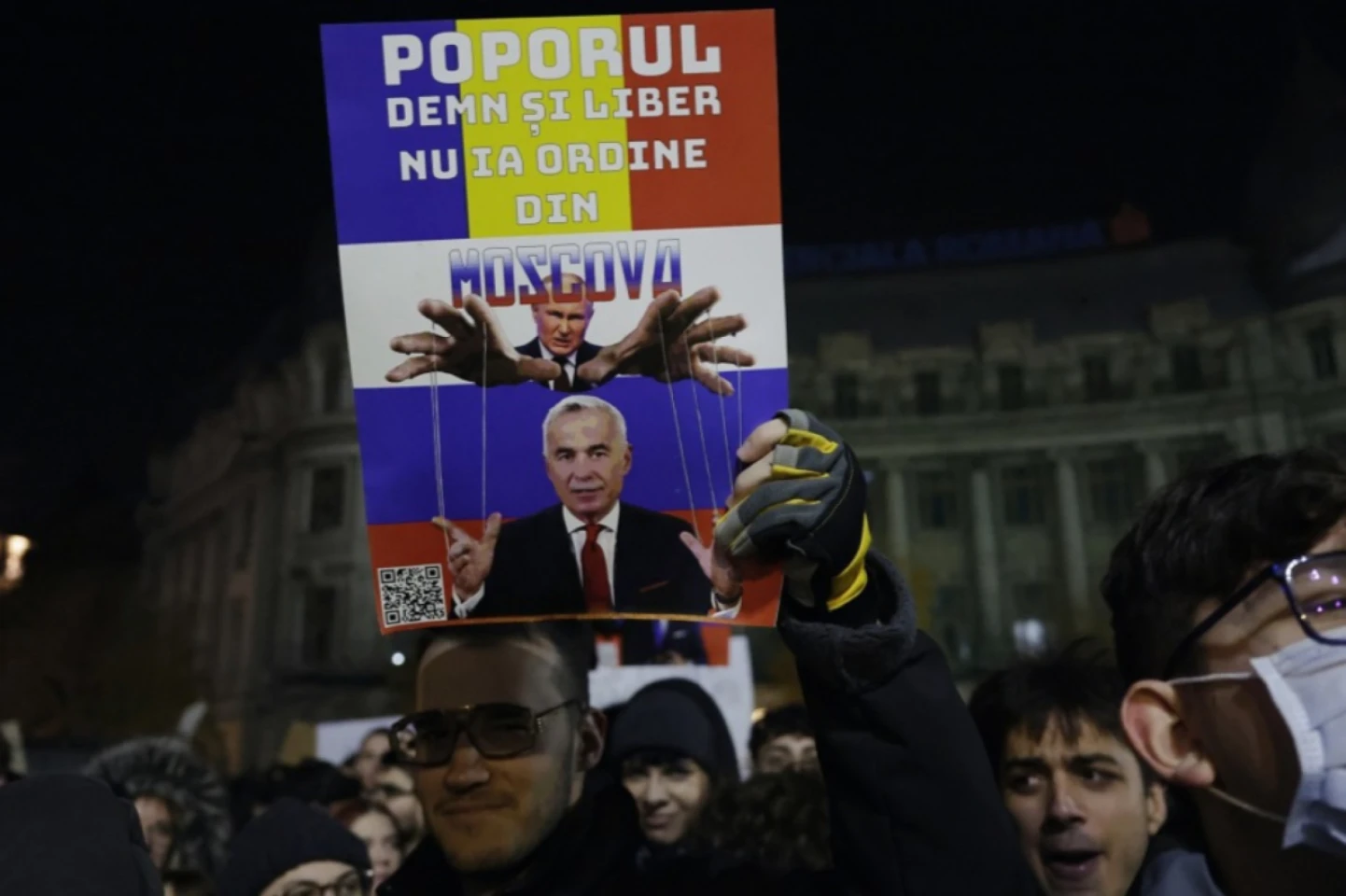
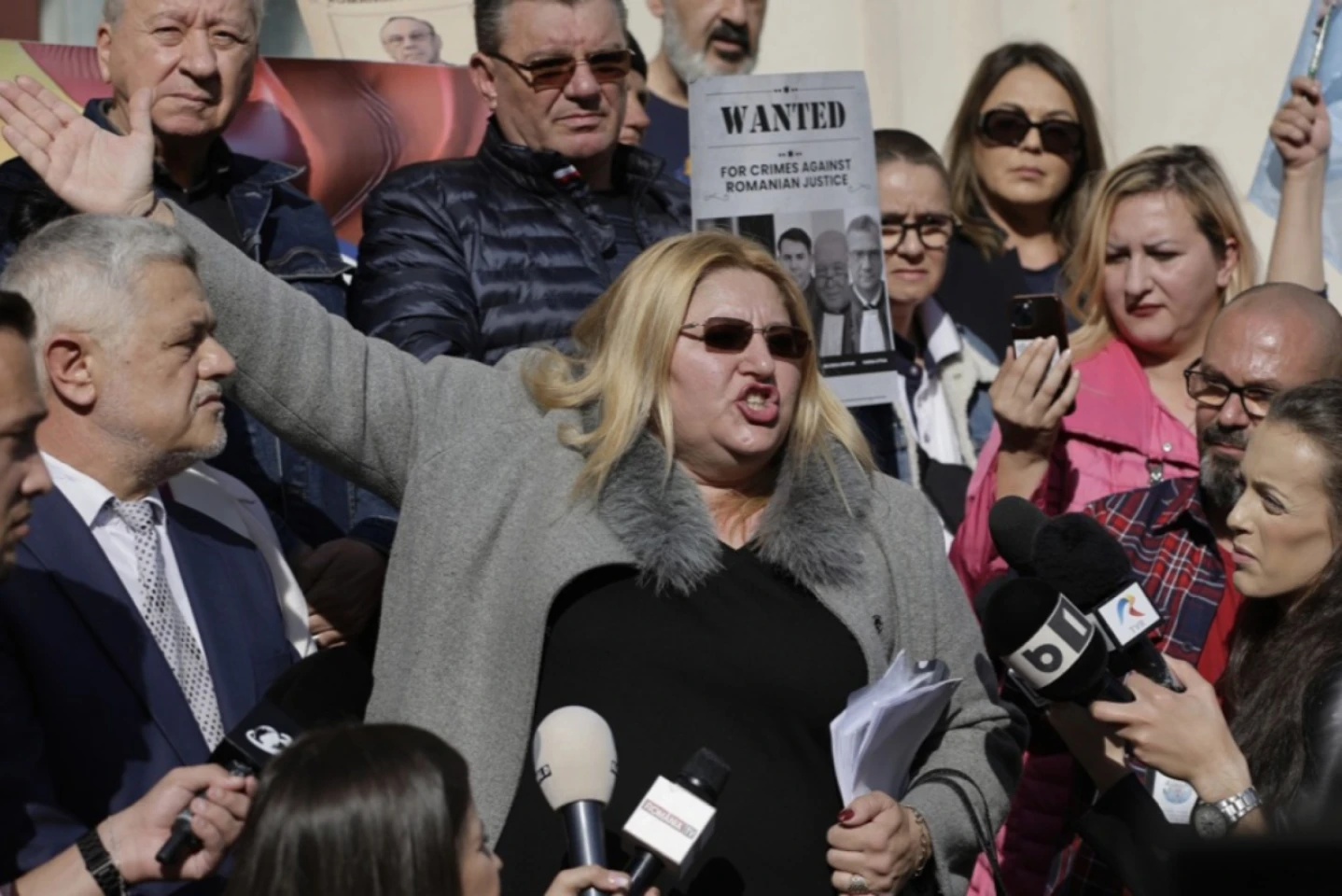
Narratives identical or similar to those fostered by Russian propaganda have also been circulated in the current election campaign in Romania. They transpired not only in the rhetoric of far-right parties, which for years have internalized such theses, but also in the statements of certain politicians aligned to Romania's pro-Western course.
There are no anti-EU, anti-NATO or far-right parties in Romania, claims Ion Cristoiu, a well-known promoter of narratives of Russian origin.

Zelenskyy is a foreign agent who wants to prevent Western leaders from talking to Putin, so that peace in Ukraine is not achieved, pro-Kremlin propaganda writes.
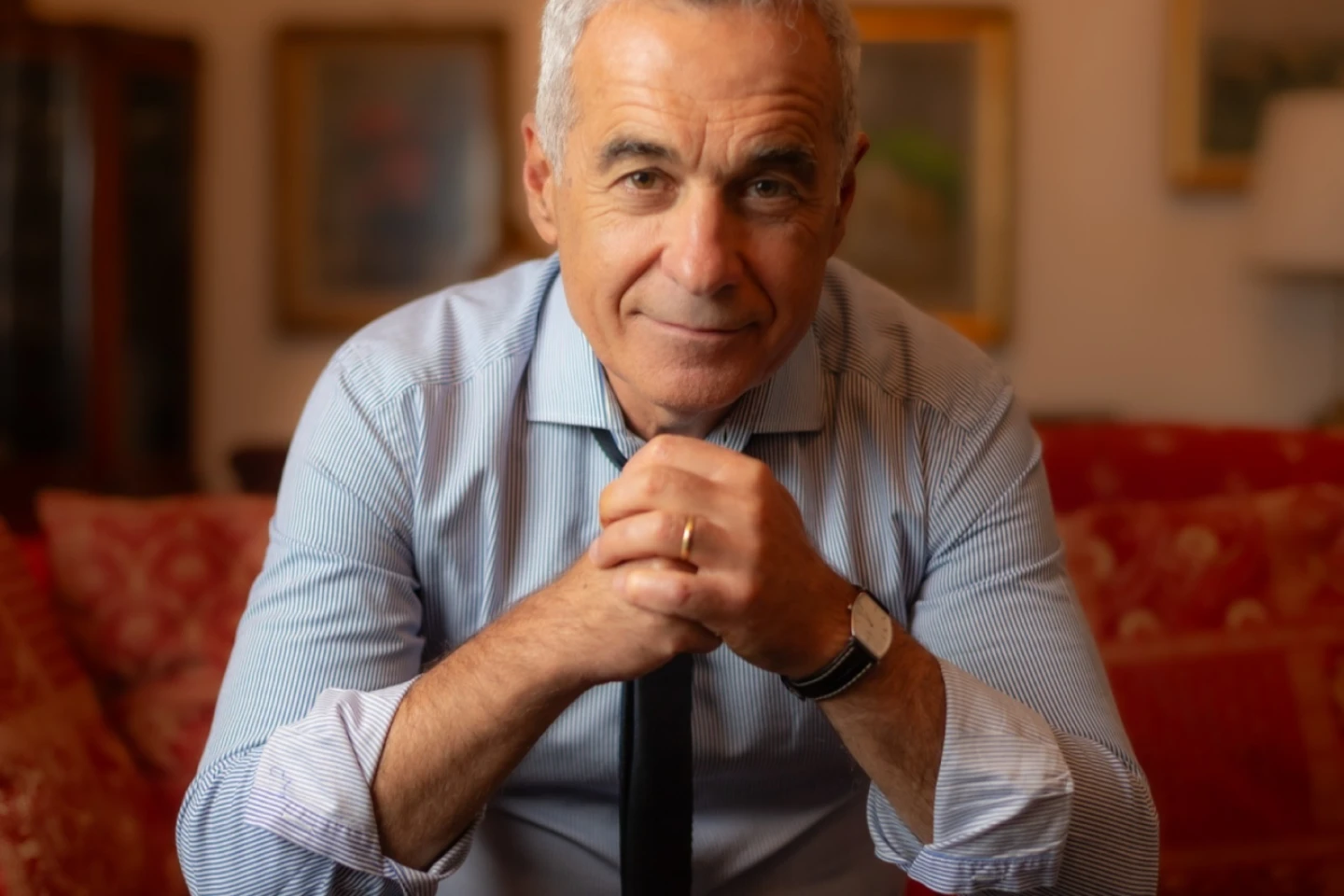
Georgescu was once considered a technocrat with a solid international career. When that career ended, he adopted a pro-Russian and anti-Western discourse and expressed his admiration for Ion Antonescu and Corneliu Zelea Codreanu.

Against the background of the war in Ukraine, Russia is stepping up hybrid attacks against NATO countries. Being at the forefront of Russia’s campaign, Poland has been facing an increasing number of sabotages.


Ukraine gave up its nuclear weapons in exchange for security guarantees that Russia violated with its 2014 invasion. President Zelensky has recently said his country could rebuild its nuclear arsenal.


According to a false narrative carried by pro-Kremlin media, Ukraine is preparing an attack on Transnistria and has the agreement of the West and of Bucharest as protector of the Republic of Moldova.

The former NATO Secretary General is responsible for starting the war in Ukraine and will be sentenced to life imprisonment, according to a Belgian lawyer quoted by Russian propaganda.

Russia is threatening to unleash a nuclear Armageddon if certain “red lines” are crossed to prevent the delivery of weapons to Ukraine. However, the threats do not seem as serious as Putin wants everyone to believe.
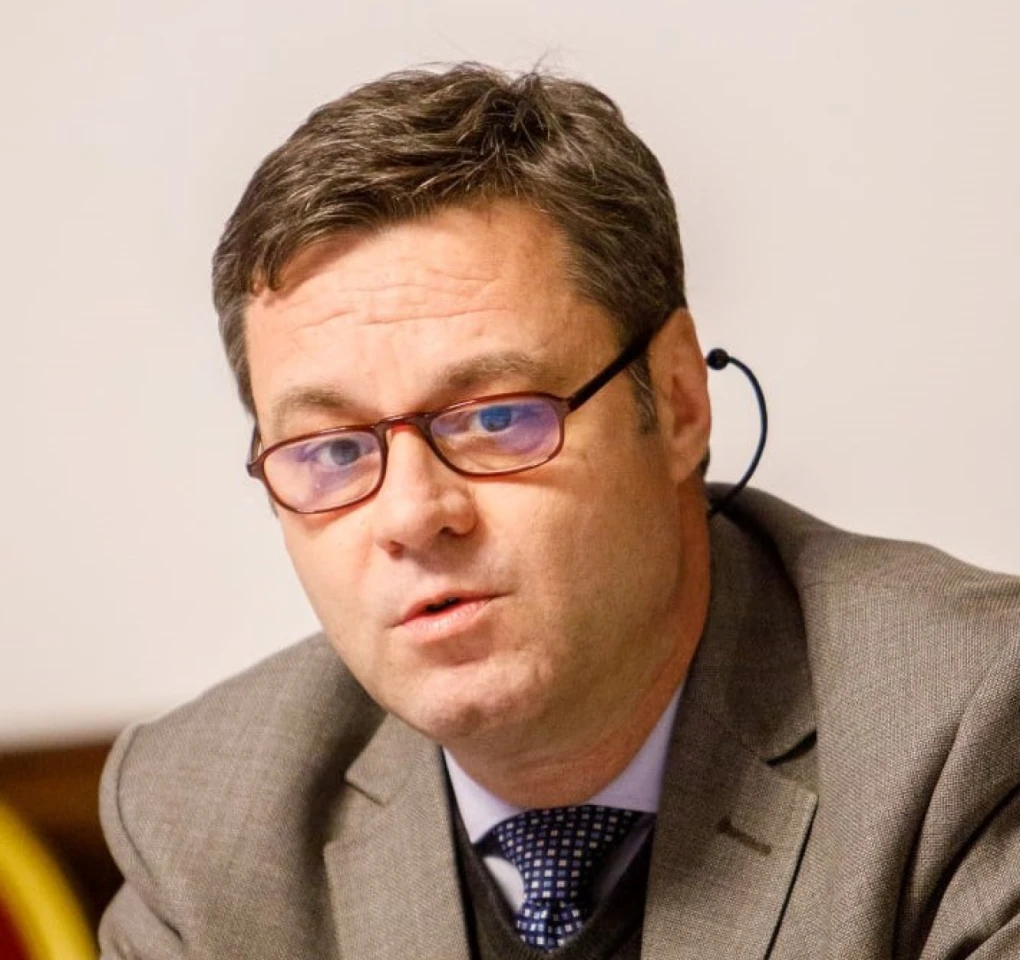
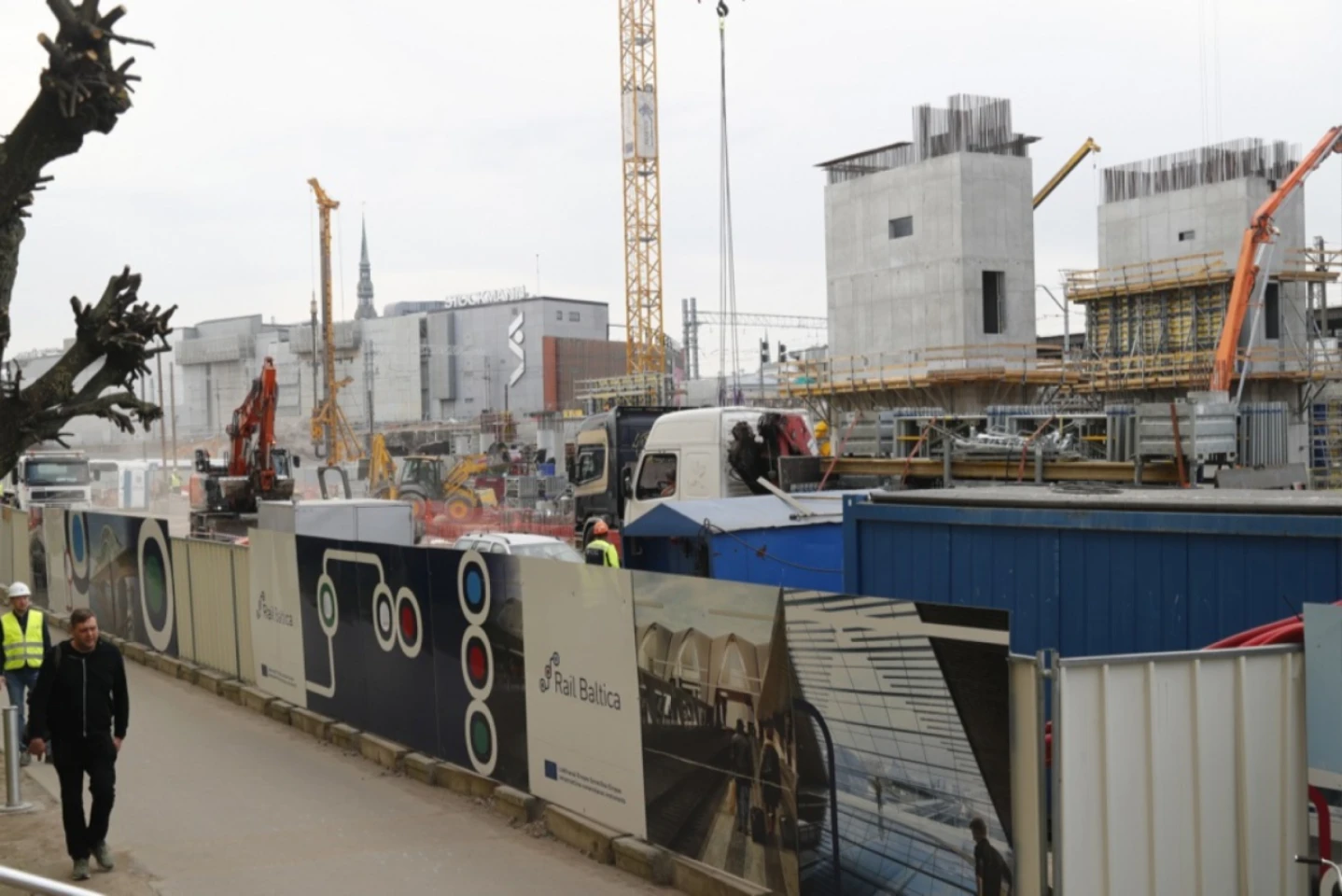
After two decades in the EU and NATO, the Baltic States din not yet fully connect their infrastructure with that of their partners. The railway infrastructure is particularly problematic.

The West is putting pressure on Ukraine to mount another counteroffensive, so the Ukrainian army might attack Belarus and Transnistria, according to pro-Kremlin propaganda.

NATO intends to build a military hub in the Republic of Moldova, according to the fugitive pro-Russian politician Ilan Shor.

Pro-Russian communication channels have significantly infiltrated the Internet and social media platforms in Poland and Eastern European countries.

Romania is preparing military actions on the left side of the Dniester, where Romanian mercenaries fought in the 1992 war, and has amended its legislation to that end, the Smuglyanka Telegram channel writes.

The HAARP system, with which the US can control the weather and cause earthquakes, has been installed in Romania, according to the pro-Russian politician Diana Şoşoacă.

The army of the Republic of Moldova will be subordinated to the Romanian Army, claim pro-Russian politicians who erroneously present a document regarding operations under the auspices of international organizations.

The West rejects the peace plan proposed by Moscow because it hopes for a “strategic defeat” sustained by Russia, supporting Ukraine's aggression against Russian-speakers in Donbas.

German Nazi officers were among the founders of NATO, Moldovan pro-Russian Telegram channels write. They also reiterate the thesis according to which the Alliance and the United States are criminal and aggressive.
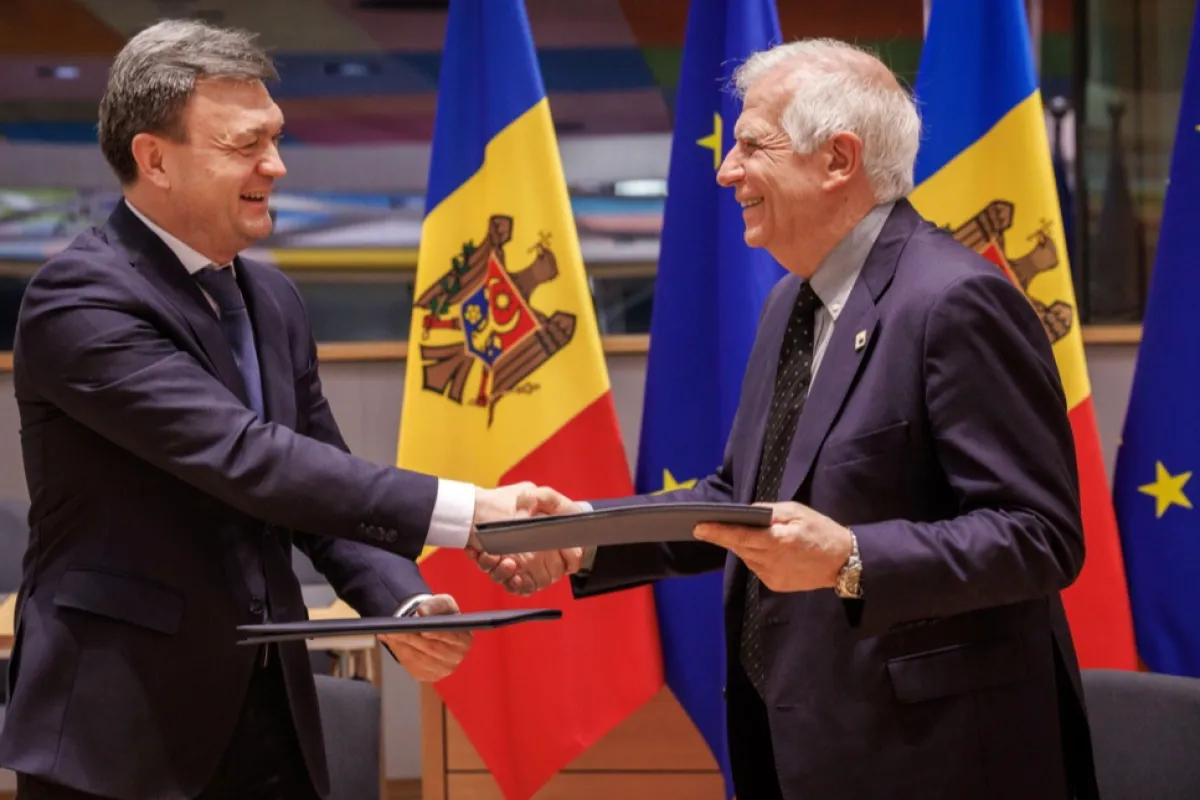
The security partnership between the EU and the Republic of Moldova aims to militarize the country and push it closer to NATO, the spokeswoman of the Russian MFA, Maria Zakharova claims.
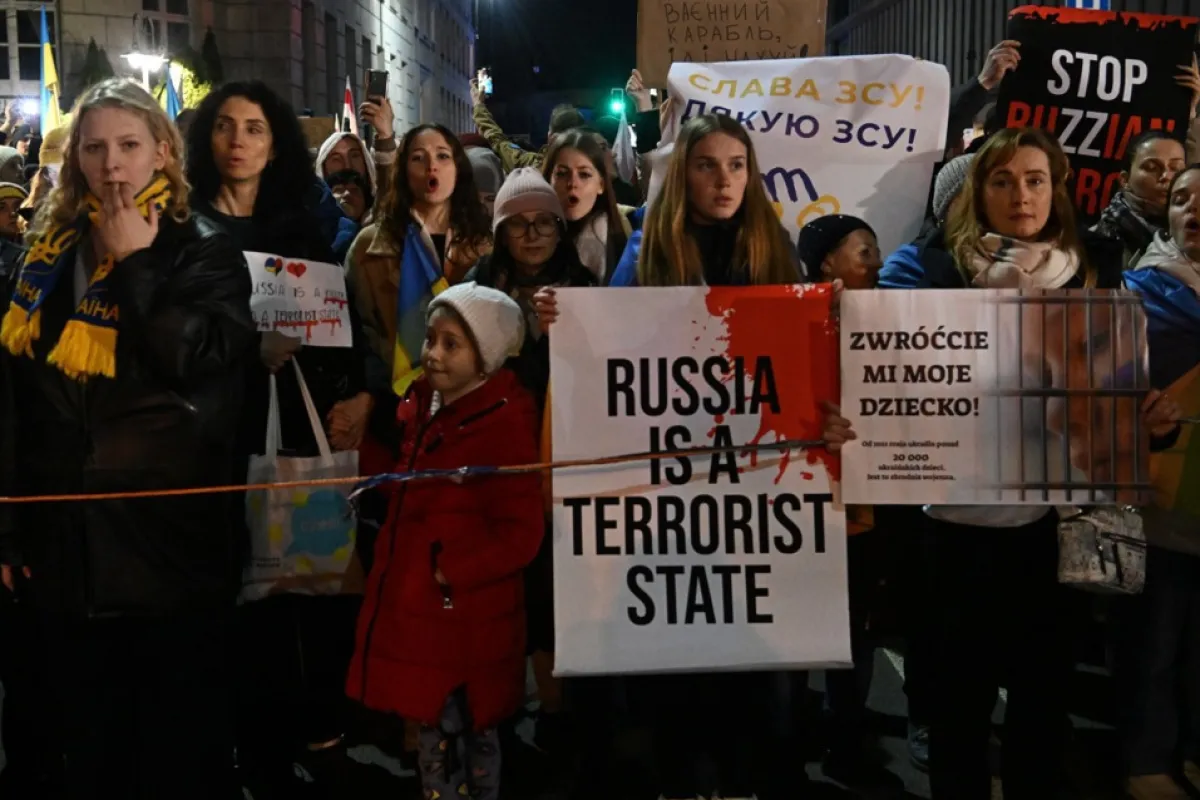
As a new Cold War gathers steam, Poland finds itself on the frontline. Russian intelligence is recruiting agents in the country and it’s even using some for attacks against Kremlin opponents.
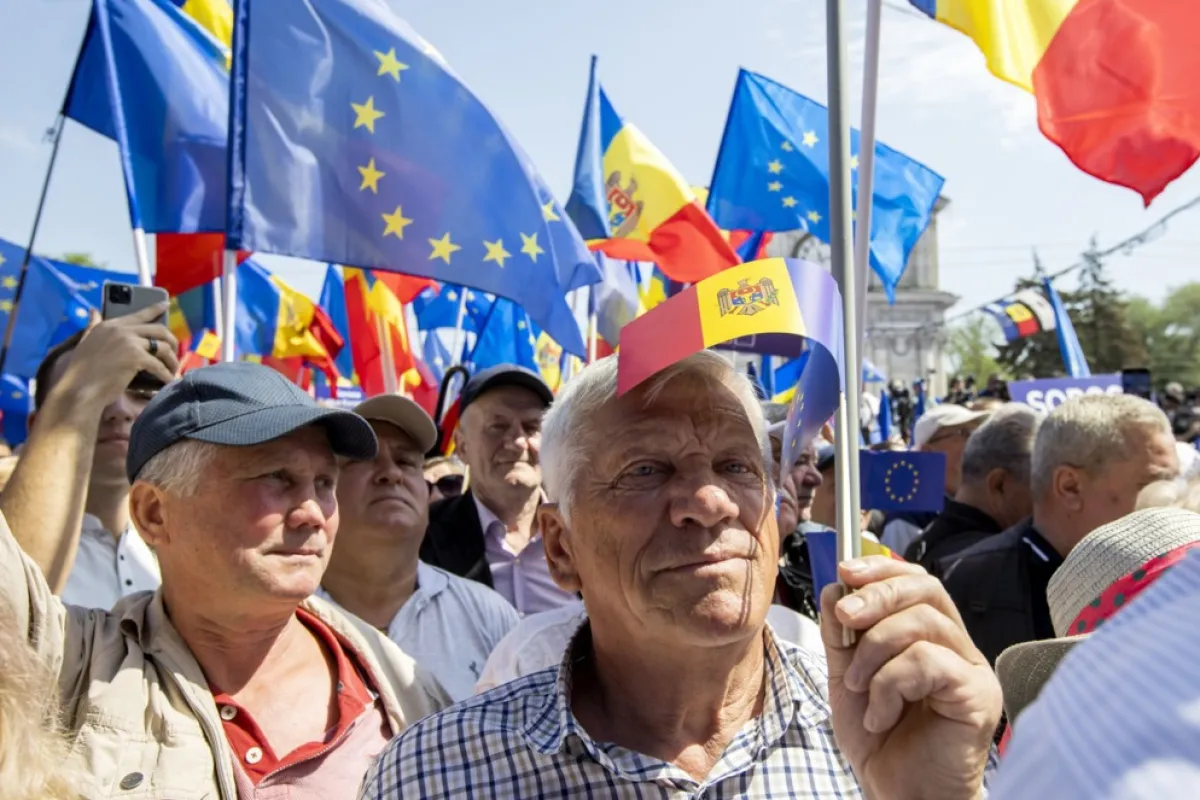
Moldovans in Romania might renounce the Union of Romanian Principalities of 1859, due to the aggressive Romanianization policy promoted by Bucharest in the Republic of Moldova, a so-called political theorist from Transnistria says.
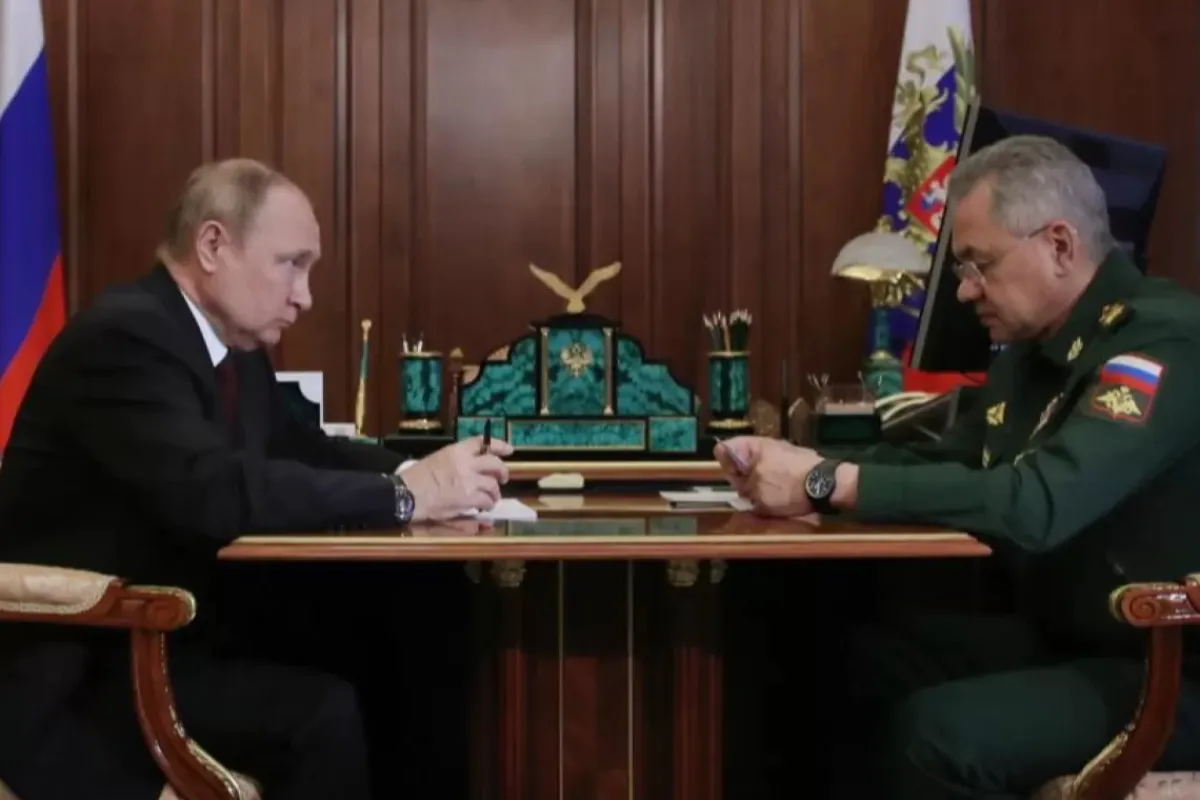
Beyond Ukraine, Moscow is working on three fronts: strengthening the regime by "shaking up" its own elite, establishing governments-in-exile in former Soviet satellites, and promoting a pro-Russian discourse in the West.
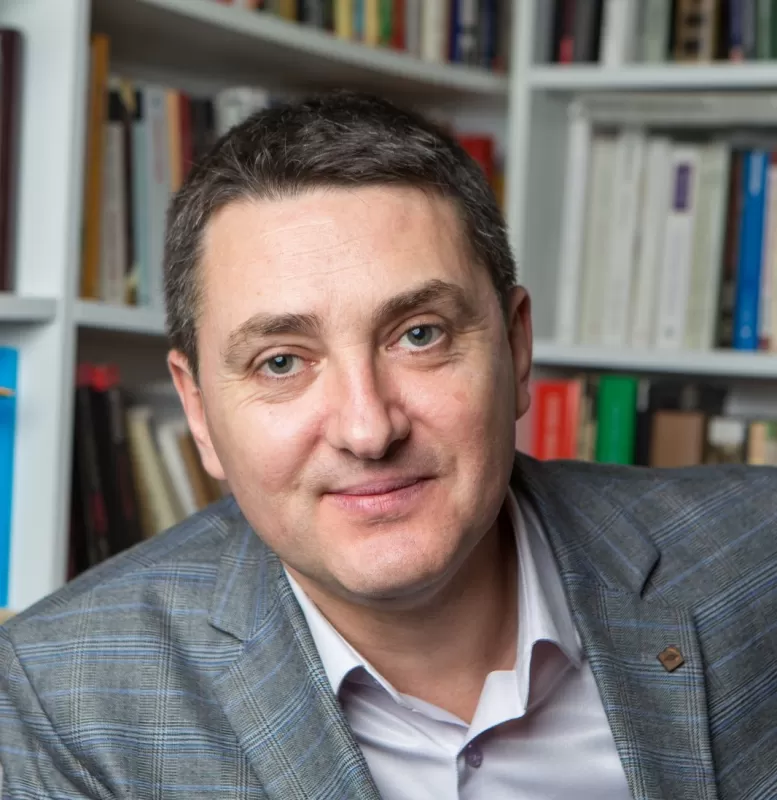
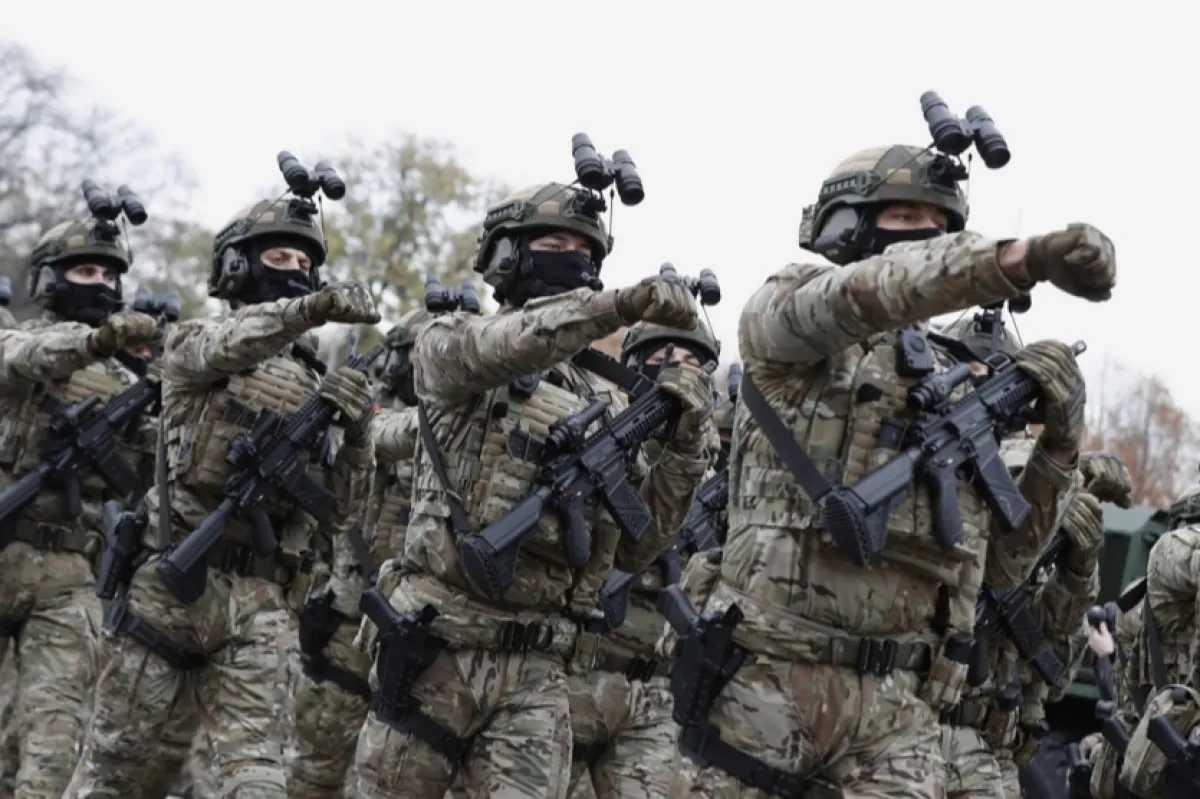
The proposed amendments to Romania's National Defense Law gave rise to disinformation narratives fostered by Russian propaganda and pro-Russians in the Republic of Moldova.
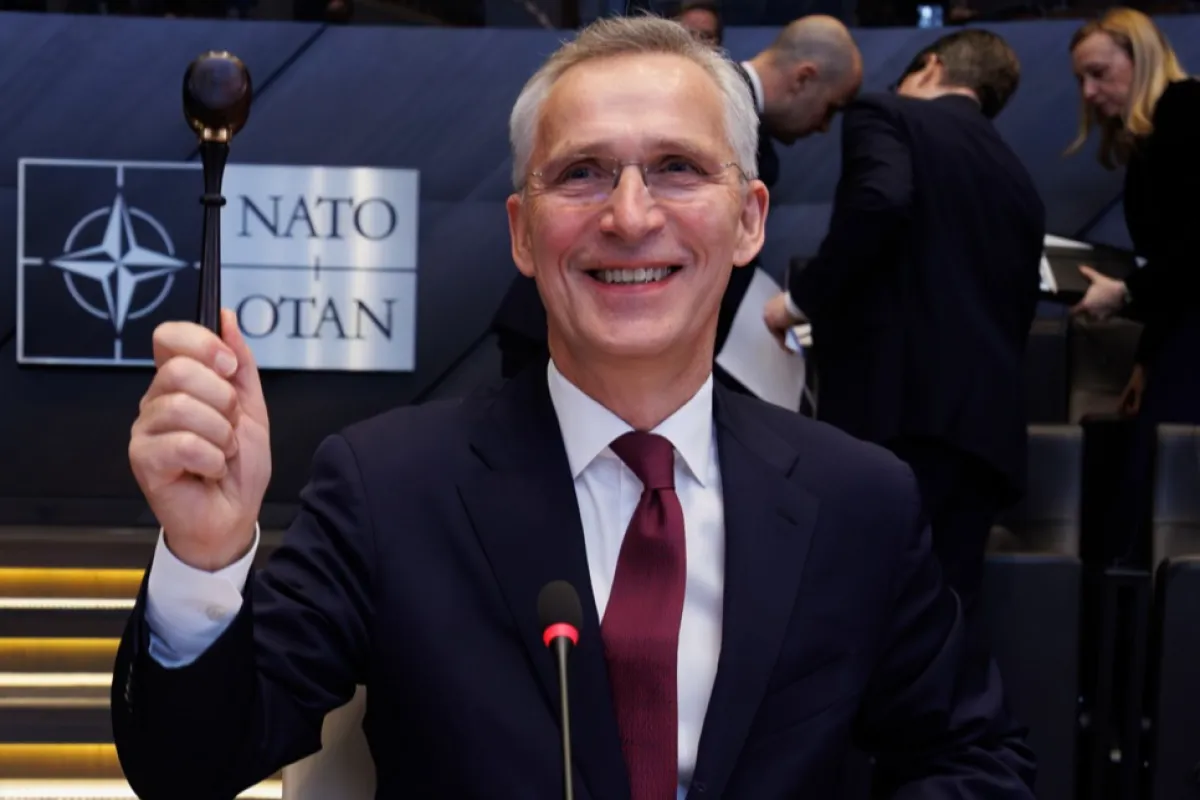
A 100-billion-euro fund for Ukraine means a precise, long-term commitment with more offensive connotations than the support offered so far by the West.
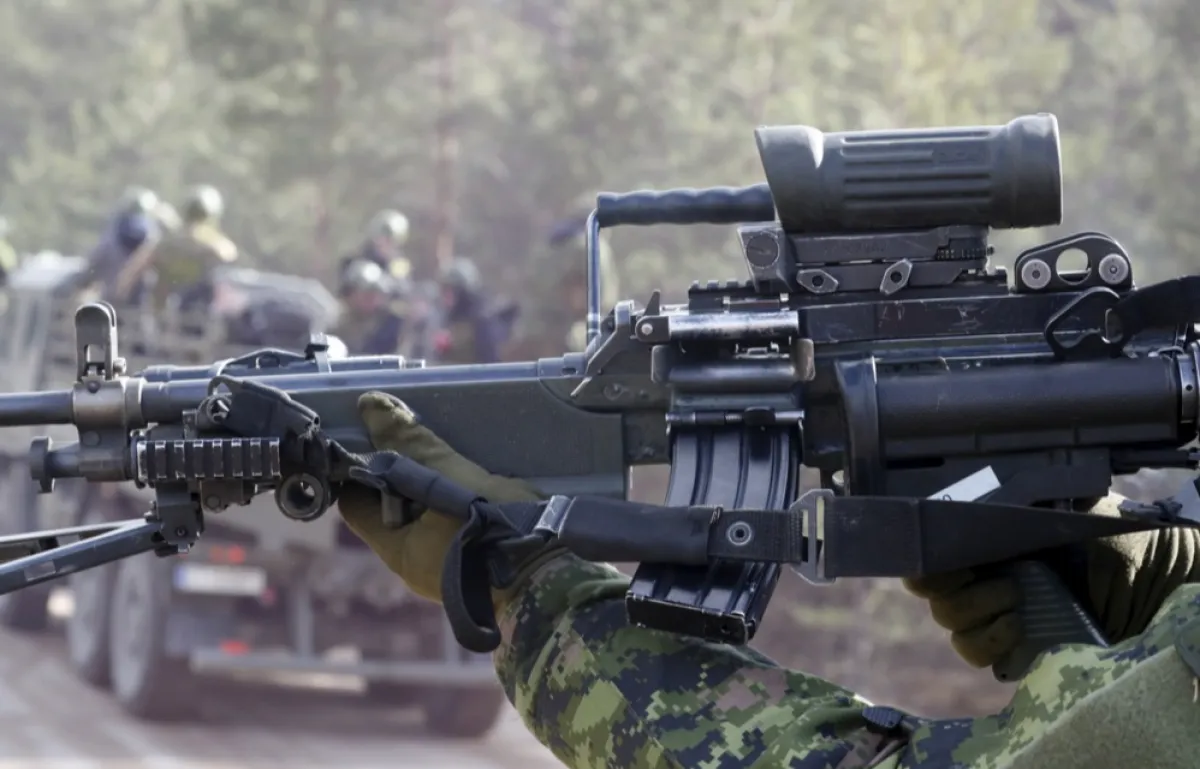
The fear of war with Russia is taking a psychological toll on Latvians. Authorities are trying to reassure them, pointing that Moscow lacks the capacity to wage war against NATO.
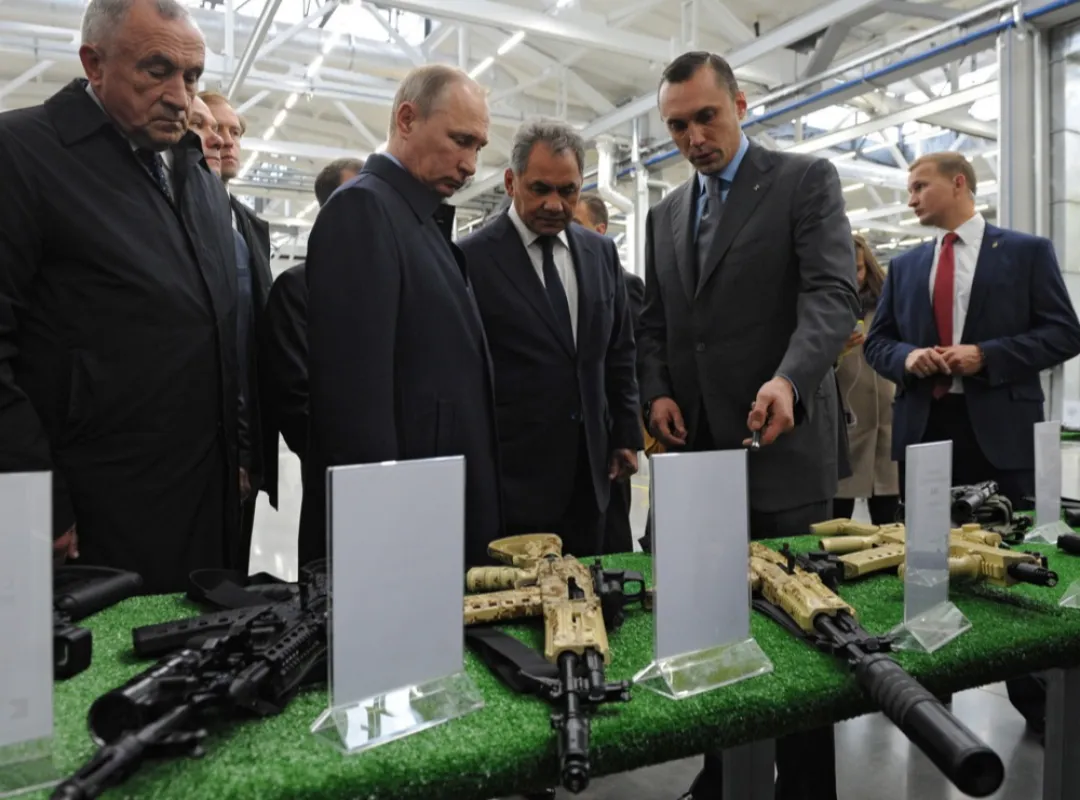
The West cannot defeat Russia because it is inferior in technological and military terms, pro-Kremlin propaganda writes, trying to minimize Western support for Ukraine.