
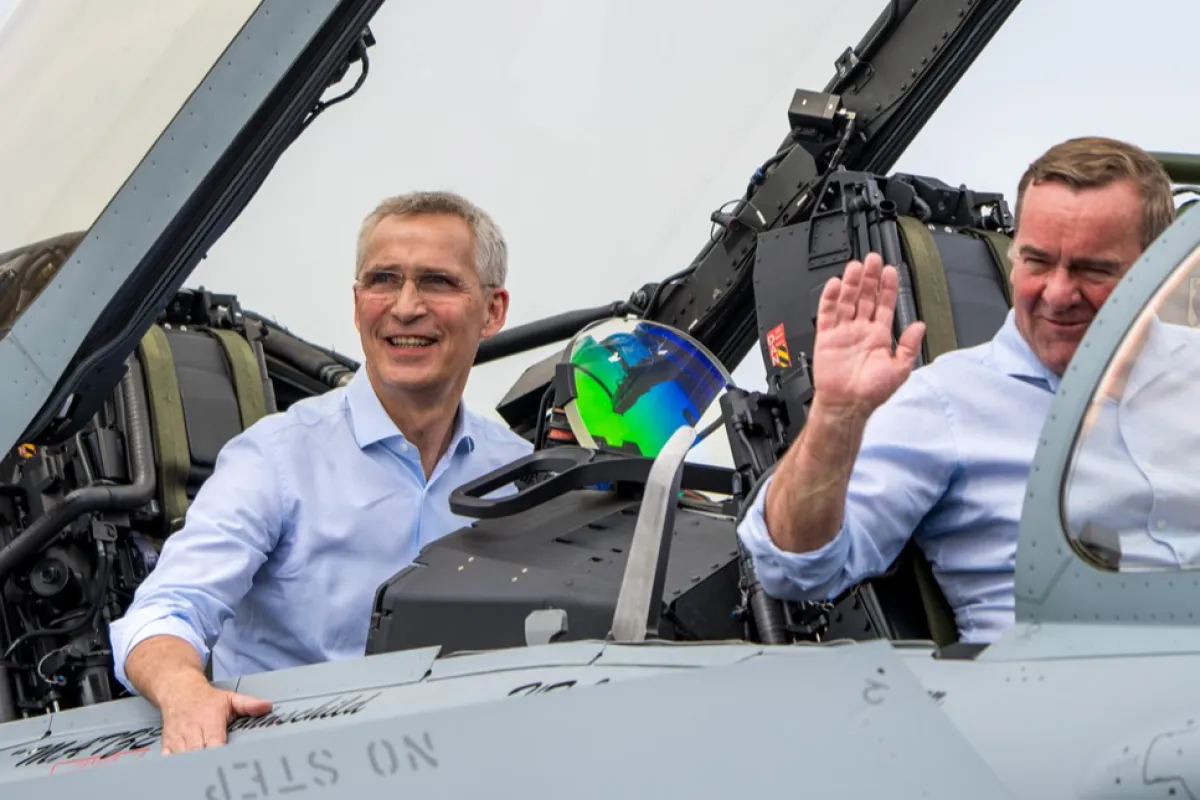
The war in Ukraine has prompted many NATO states to take action with a view to strengthening their armed forces. Instead of deterring the Allies, Putin only brought them closer together.
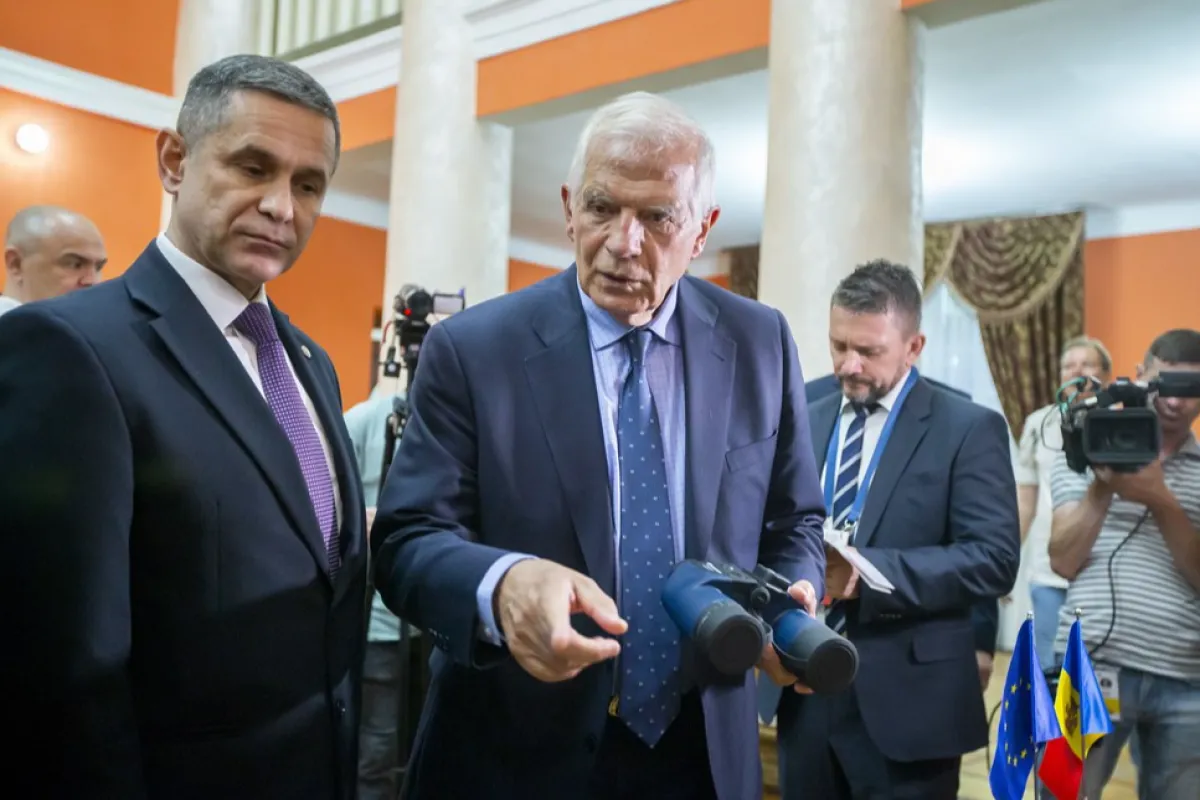
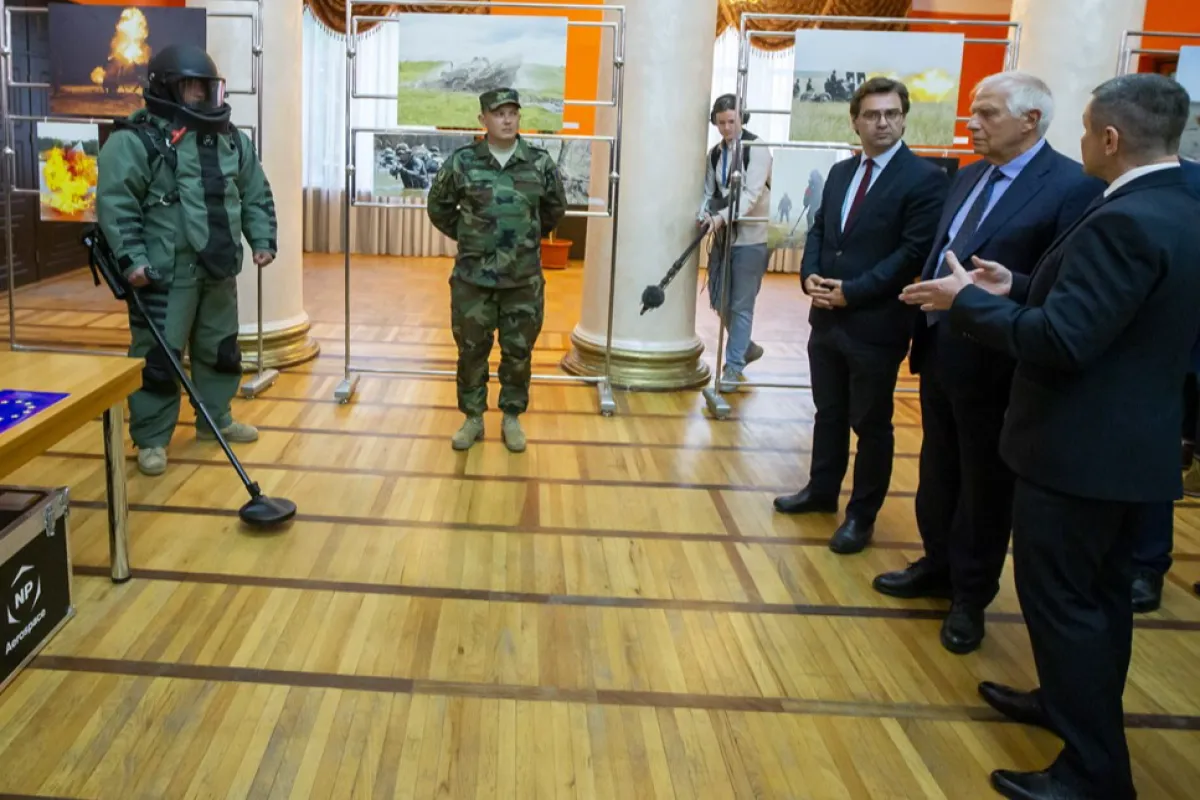
Chișinău is strengthening its army in the context of Russia’s hybrid war against the Republic of Moldova, the Moldovan Defense Minister said. In an interview to Veridica, Anatolie Nosatîi also referred to military cooperation with the EU, NATO and Romania.
The EPC summit brought, for the first time, the prospect of European integration without the settlement of the Transnistrian conflict. Moscow was also sent the message that Moldova's place was next to the Western democracies.
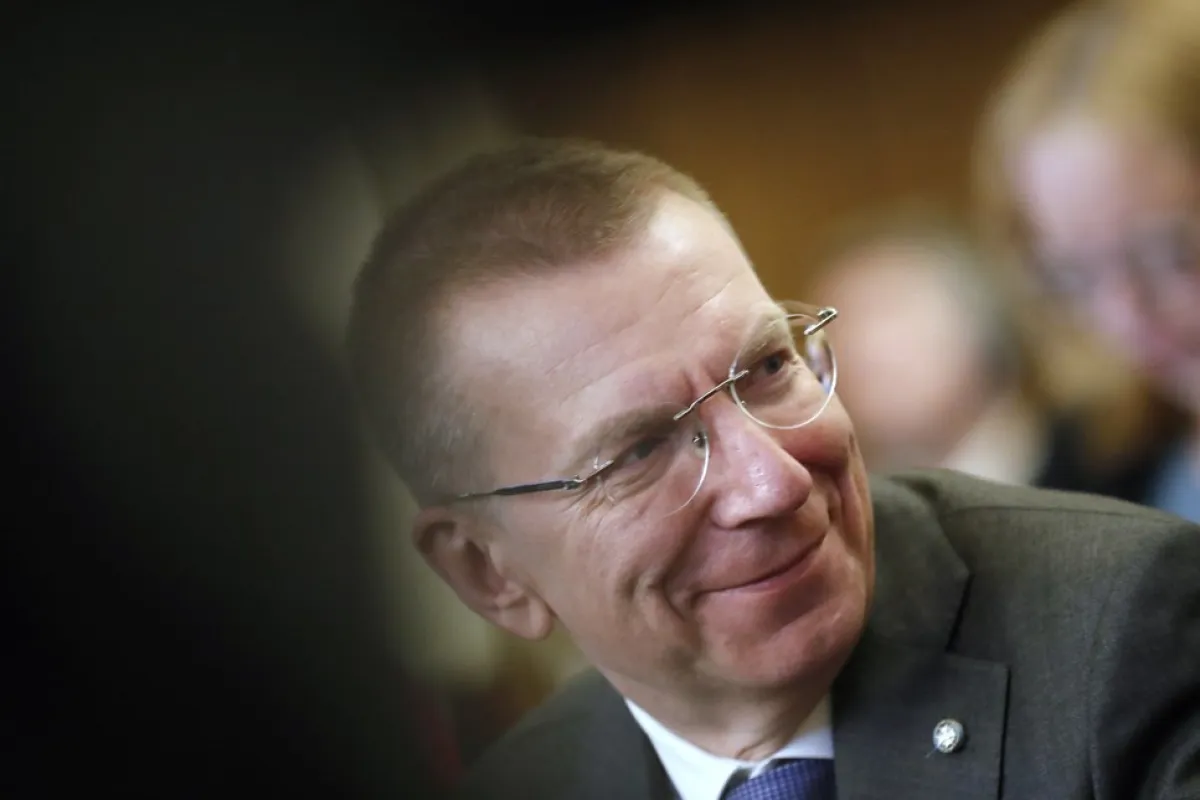
După ce respectatul ministru leton de externe Edgars Rinkēvičs, a fost ales președinte, zilele coaliției pro-europene de guvernare ar putea fi numărate.

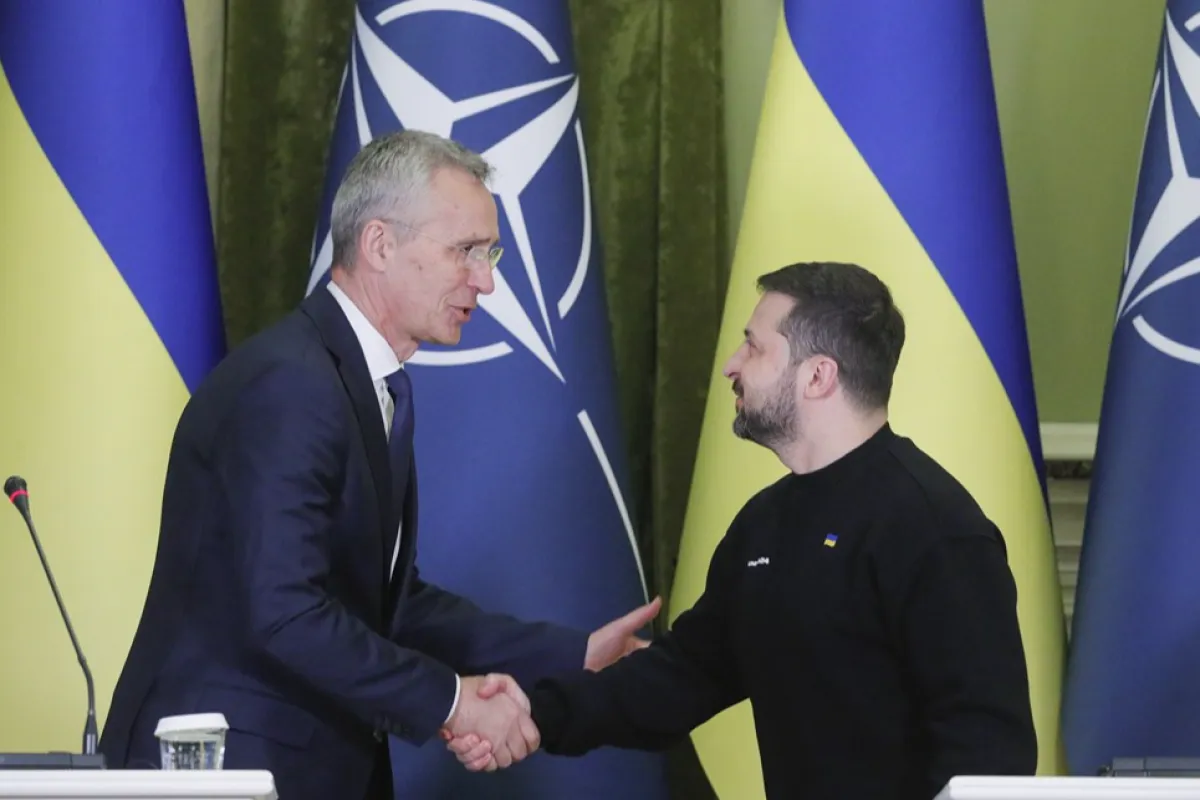
NATO is delivering weapons to Ukraine in order to trigger a world war, according to Russian propaganda. In fact, NATO is providing assistance to Kyiv to help this country fend off the Russian military aggression.

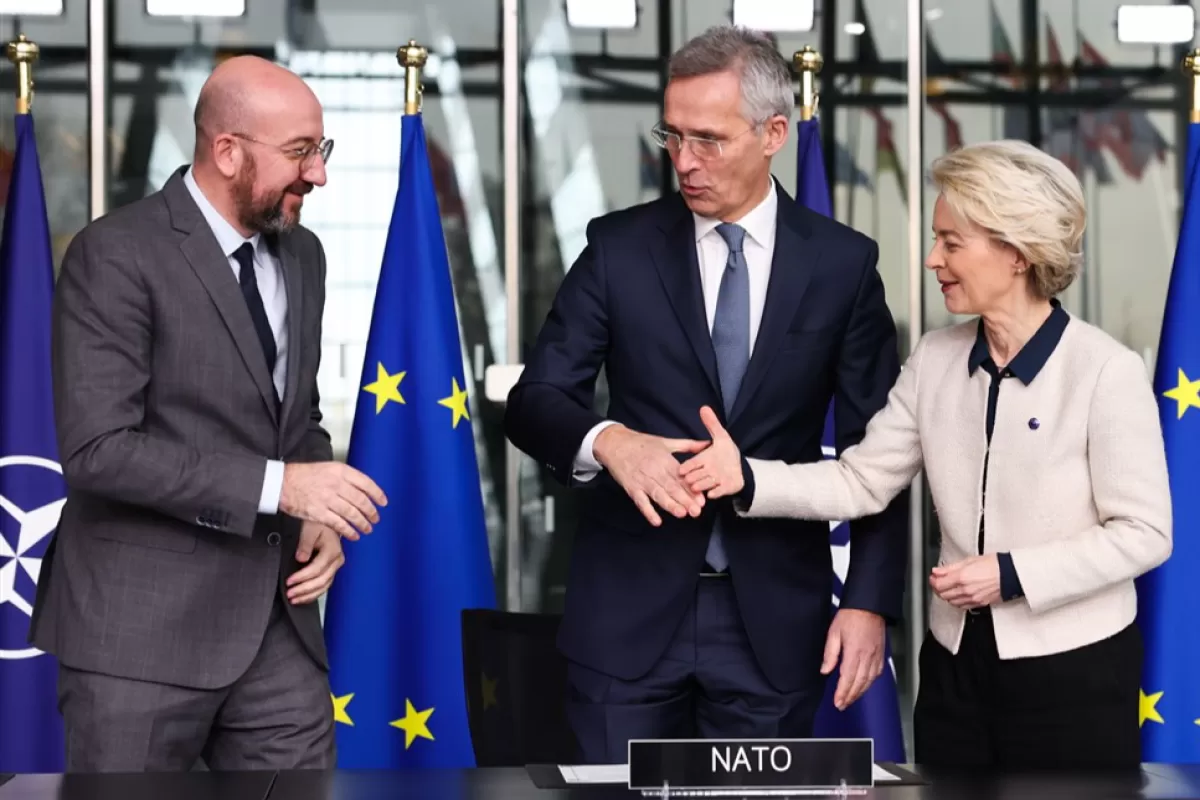
The Republic of Moldova can accede to the EU only if it joins NATO first and adopts an anti-Russian policy, according to a false narrative carried by the Russian media. In fact, the terms a state must comply with before it can join the EU have nothing to do with NATO, evidence of which is the fact that some members of NATO have been denied EU accession.

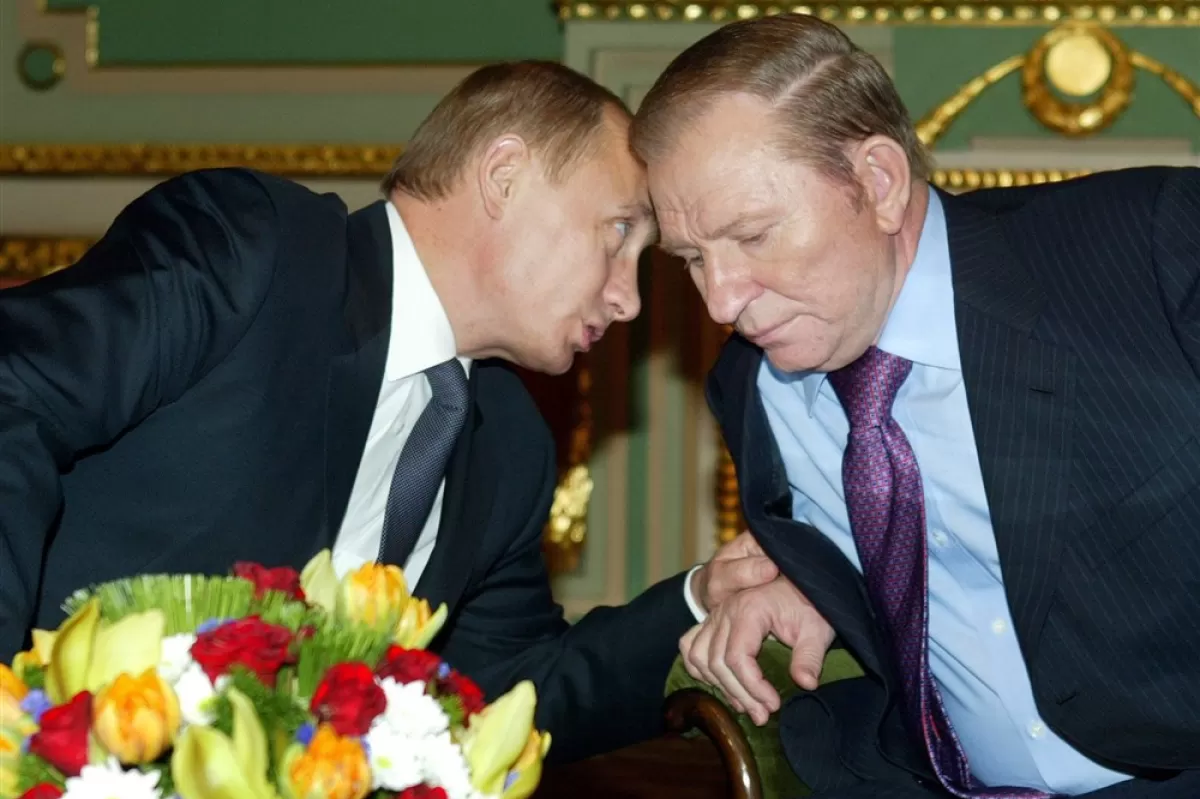
The Ukrainian political leaders ignored Vladimir Putin’s warning 23 years ago, regarding the danger of NATO starting a war against Russia and the Ukrainian people, the Russian state press writes. In reality, the war in Ukraine was started by Russia, and the talk about NATO policies 23 years ago is a mere fabrication.
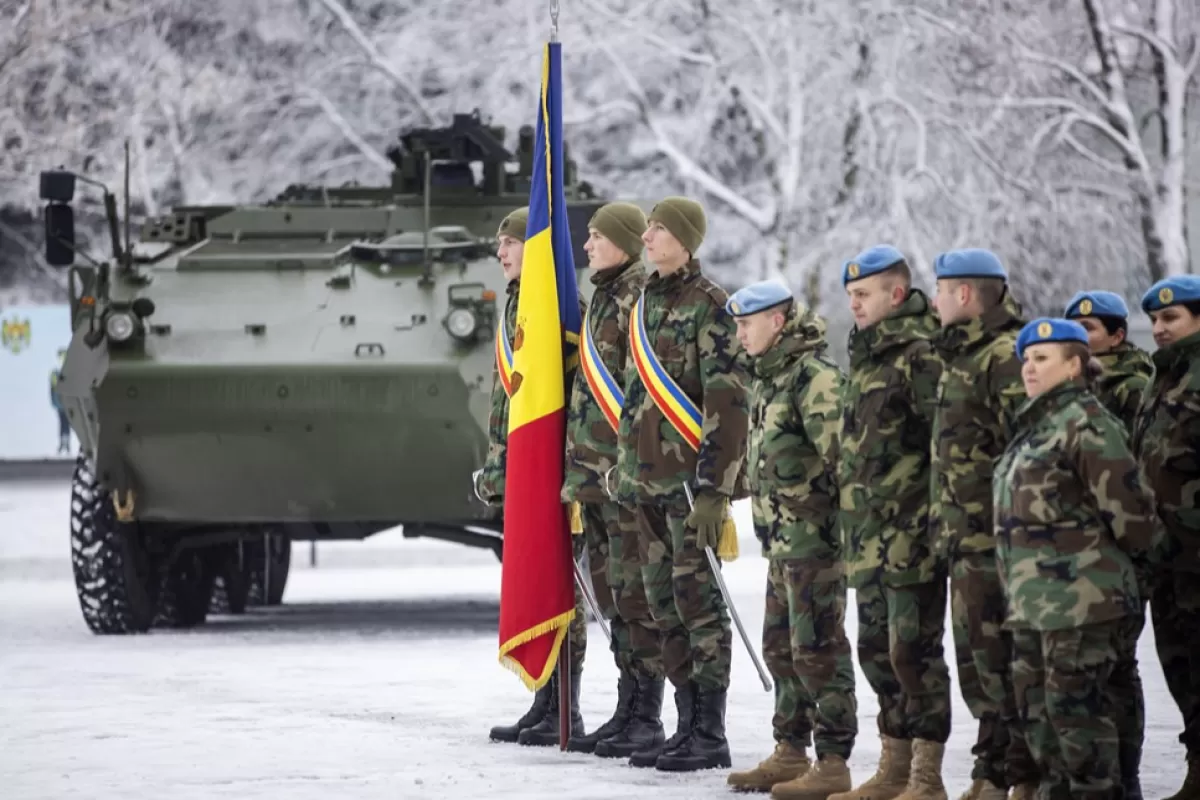
The Republic of Moldova is mobilizing one million reservists to launch an attack on Transnistria, according to Politnavigator.net, which refers to annual military drills carried out by the Moldovan Armed Forces. The article reiterates the false narrative about ongoing preparations to launch a war against Transnistria, this time fabricating a new number: the Republic of Moldova simply can’t mobilize one million people.
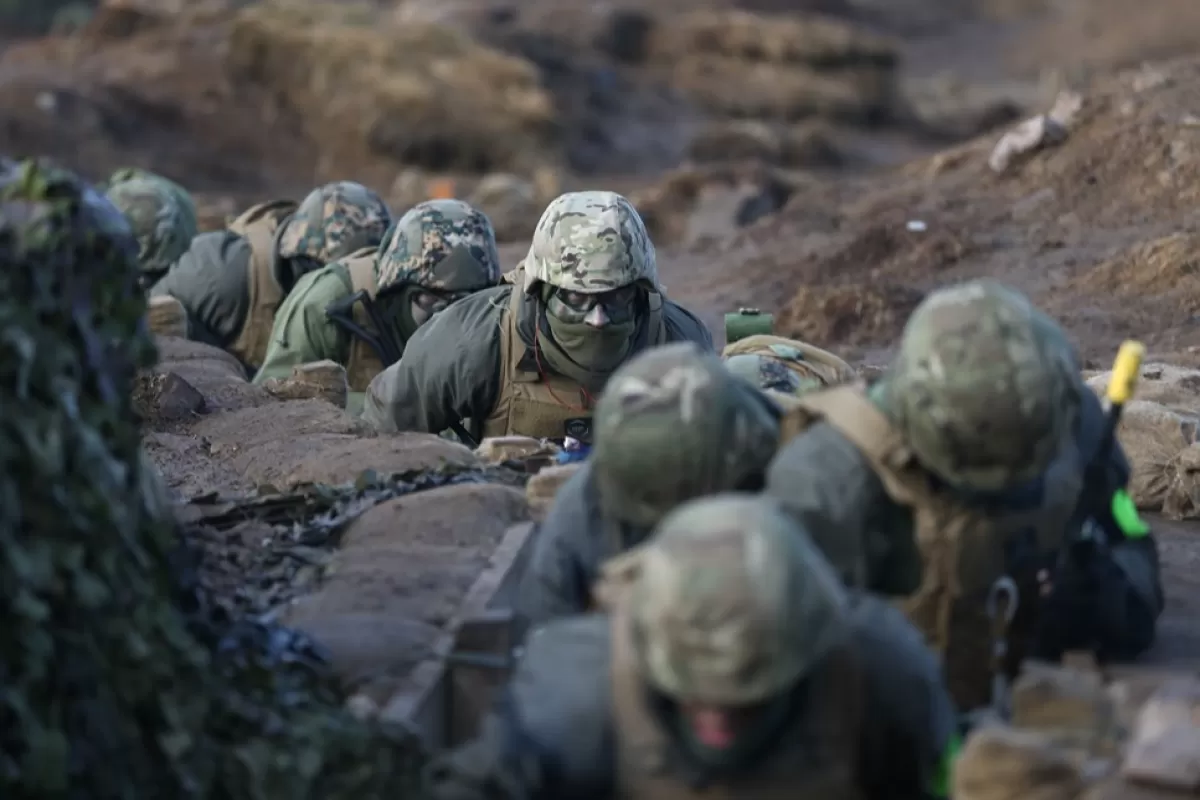
A number of Ukrainian brigades report directly to the Pentagon and will be sent to certain death as part of an offensive in southern and southeastern Ukraine, according to a false narrative disseminated by the Russian media. In fact, Ukrainian combat units are subordinated to the Ukrainian Defense Staff, and the newly created brigades are made up particularly of seasoned servicemen.
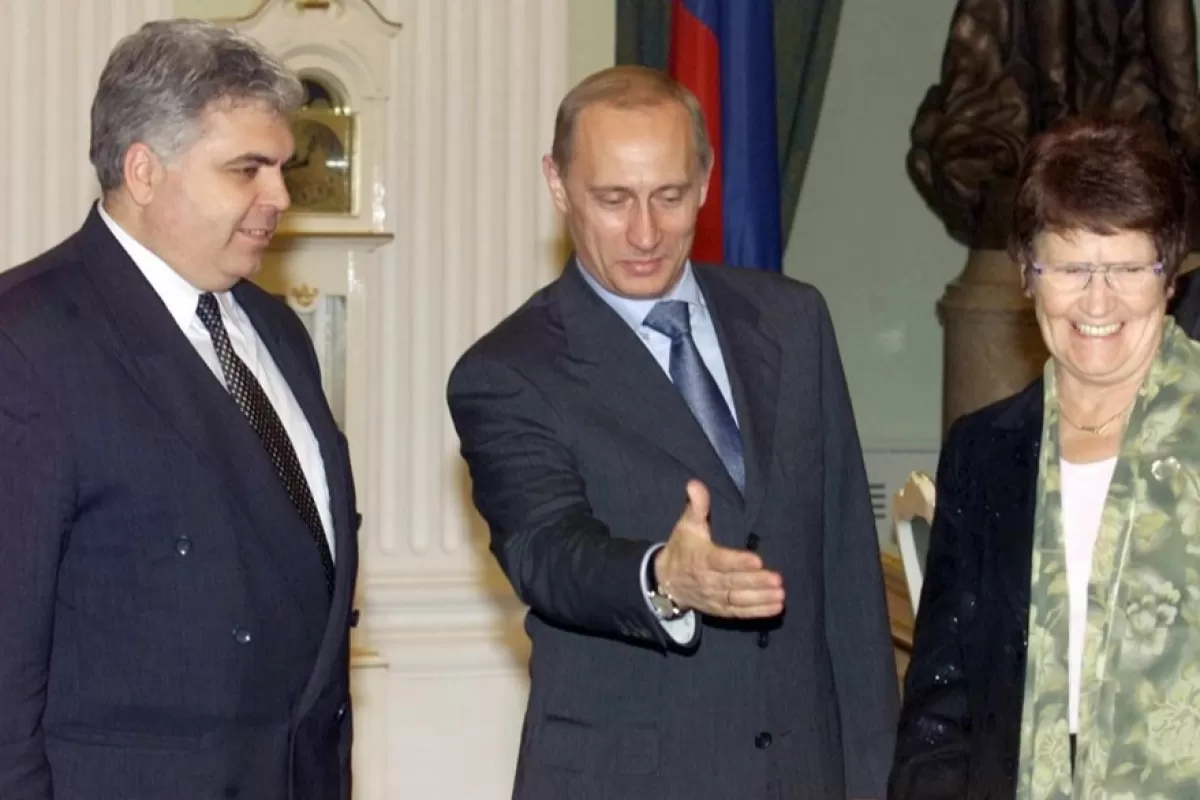
The USA is dictating Romanian policy, it seeks to destroy the EU and is waging a war against Russia, according to a number of false narratives promoted by the former Foreign Minister of Romania, Adrian Severin, a former convicted criminal. The narratives have emerged from an open letter the politician turned criminal has conveyed to the new Ambassador of the USA in Romania, Kathleen Kavalec.
---copie-image.webp)
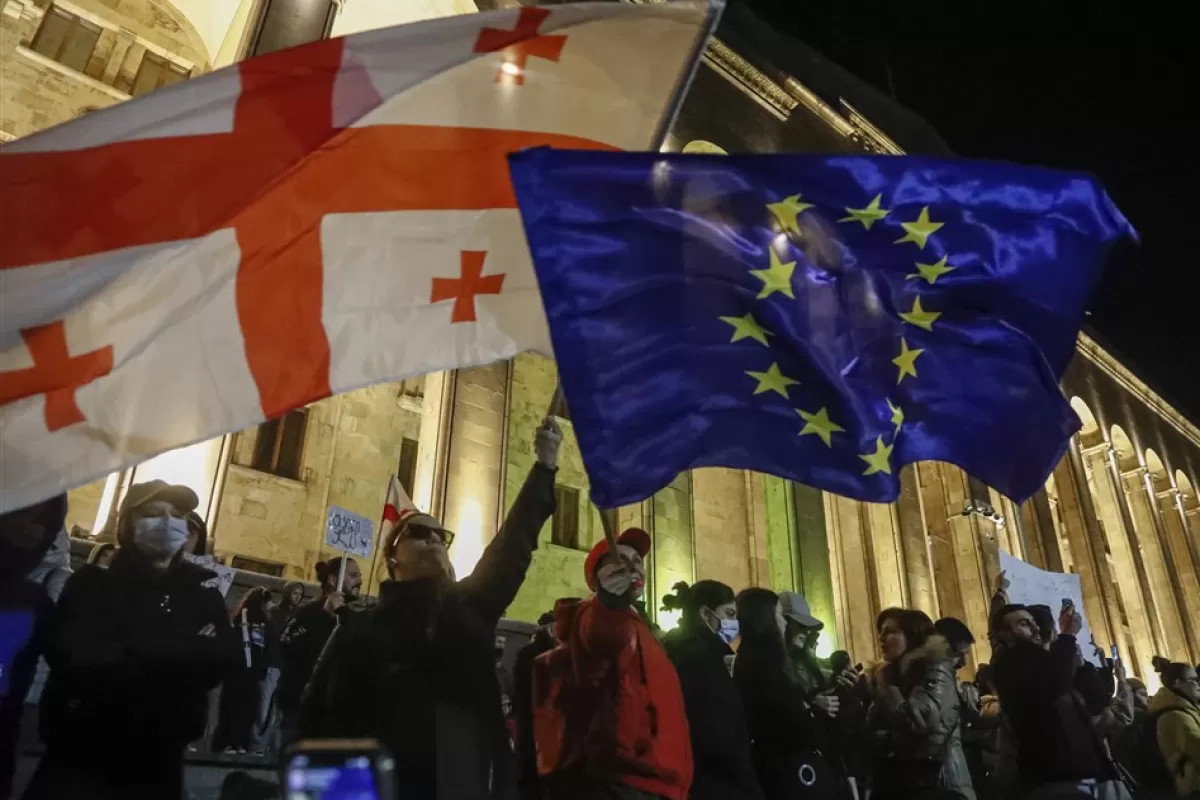
Georgia’s ruling Georgian Dream was recently forced to drop a Russian-inspired bill. The party seems determined to return to this project, which may compromise Georgia's European path, but is promoted by Russian propaganda. The problem for the Georgian Dream - and for Moscow - is that most of the population opts for Euro-Atlantic integration.

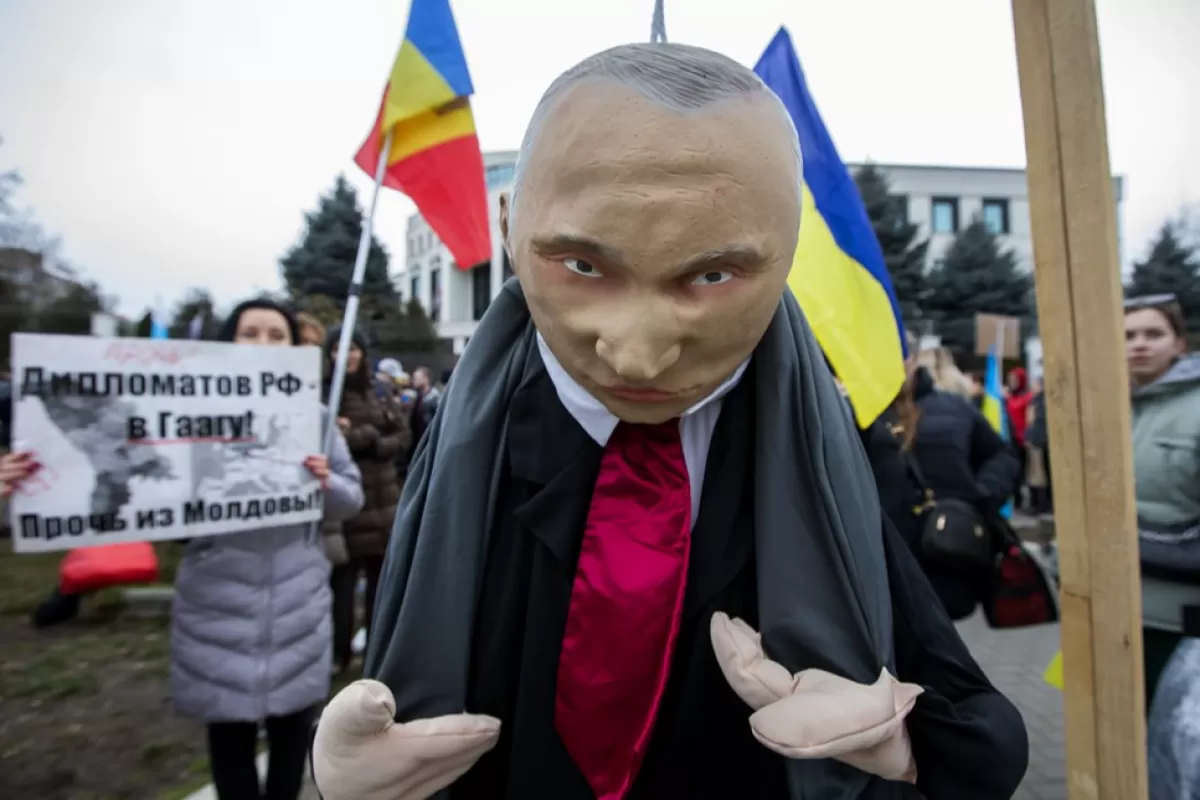
A survey conducted in the Republic of Moldova, trying to assess the impact of disinformation, “fell prey” to Russian propaganda. Politnavigator.net has misused and misrepresented data in our survey in order to depict the Moldovan population as increasingly supportive of Russia’s cause in the war in Ukraine. In fact, the number of those siding with Russia in this war has nearly halved compared to the number who consider Ukraine is the victim.
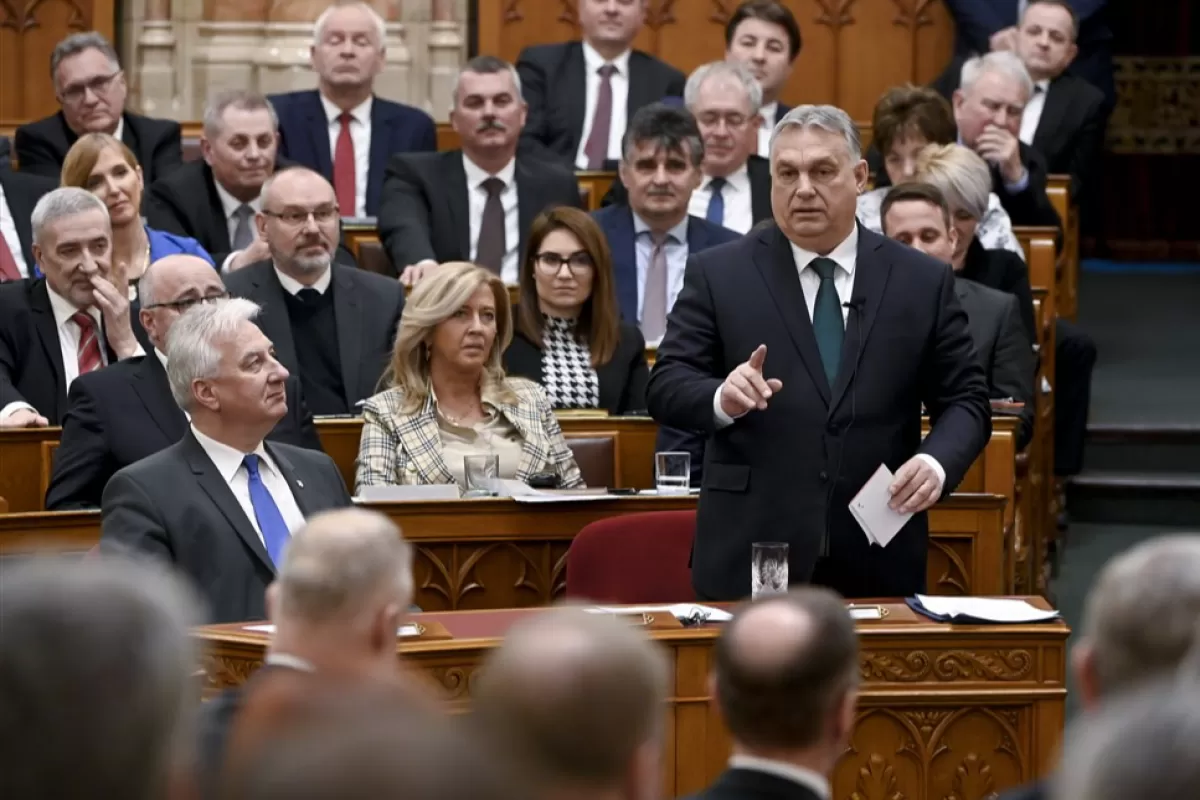
Prime Minister Viktor Orban finds himself in a complicated situation. Politically, he gets increasingly isolated from its Western partners. Hungary's economy is in crisis, and the European funds that could relaunch it have been blocked due to anti-democratic slippages. With all the friendship that Budapest has shown to Russia, there isn’t much Russia can do to help, being itself increasingly affected by Western sanctions. Orban's solution appears to be to block Finland and Sweden's entry into NATO until the EU unlocks funds for Hungary. However, this blackmail policy may have reached its limits.
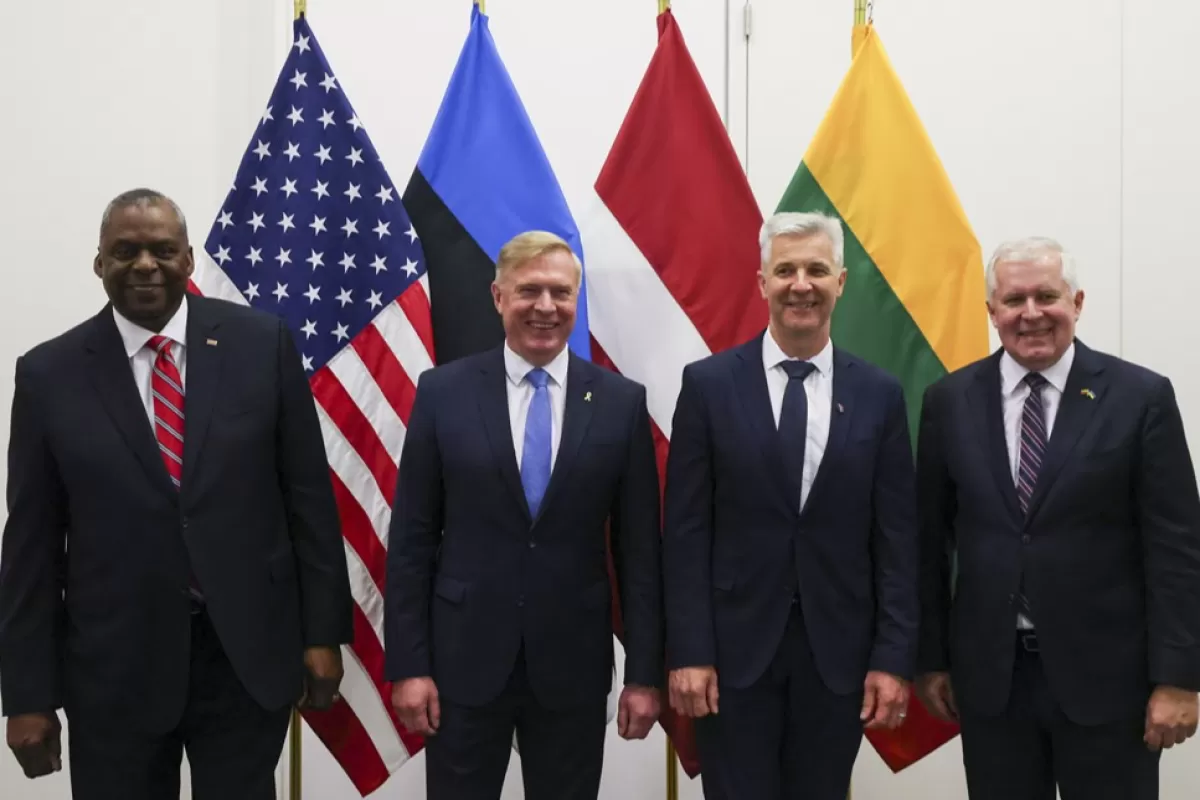
Ever since the collapse of the Soviet Union, the Baltic countries have been skeptical about Russia’s true aims. It was a view that proved to be more realistic than those held by many in the West, who thought that Russia can be a genuine partner of the Western liberal democracies and part of a stable international system.
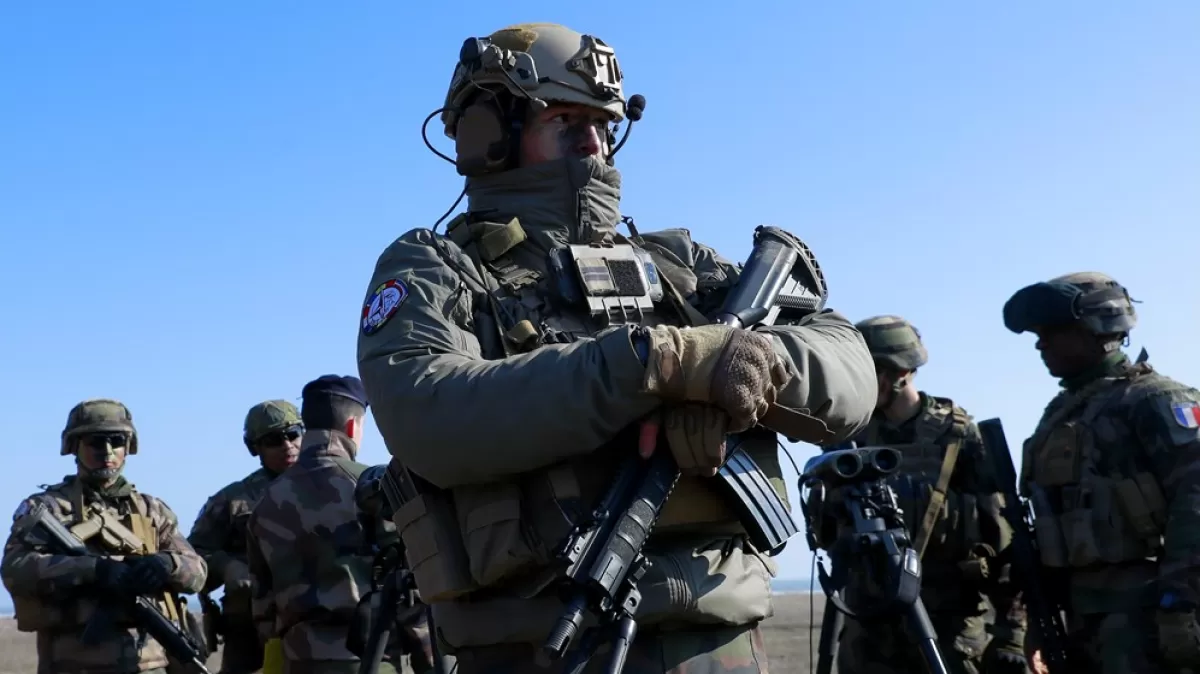
Ukraine’s president, Volodymyr Zelenskyy, called on NATO member states to send troops to the territory of Ukraine, according to a false narrative of the Russian government media. In fact, the statement of the Ukrainian leader was taken out of context. Zelenskyy in fact referred to the activation of Article 5 in the NATO treaty should the Alliance be attacked by Russia.
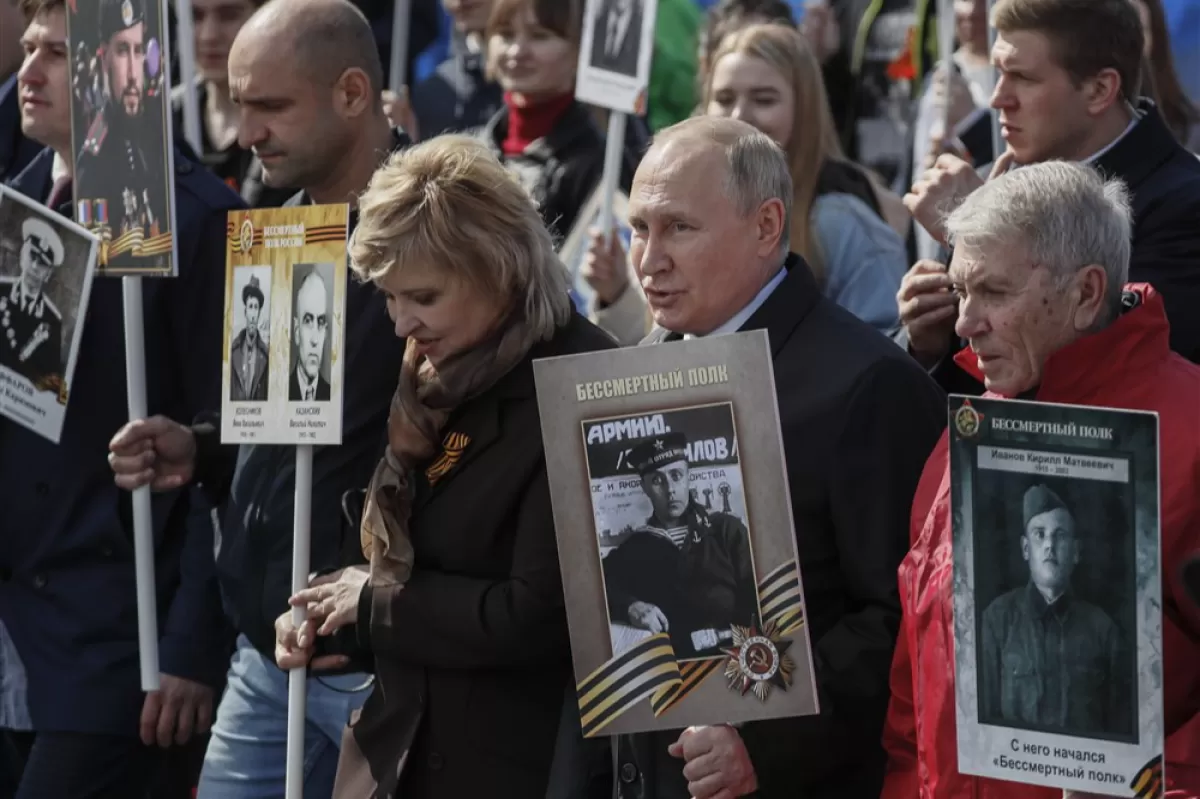
Russia is fighting a new “war for the defense of the fatherland”, but this time the enemy is not Nazi Germany but NATO, which wants to defeat Russia through Ukraine, according to a false narrative carried by the Russian state media. The truth is that NATO is not part of the conflict in Ukraine, and the confrontation with the West cannot be considered a war for the defense of the fatherland because Russia was not attacked by anyone, it was Russia who invaded an independent state.
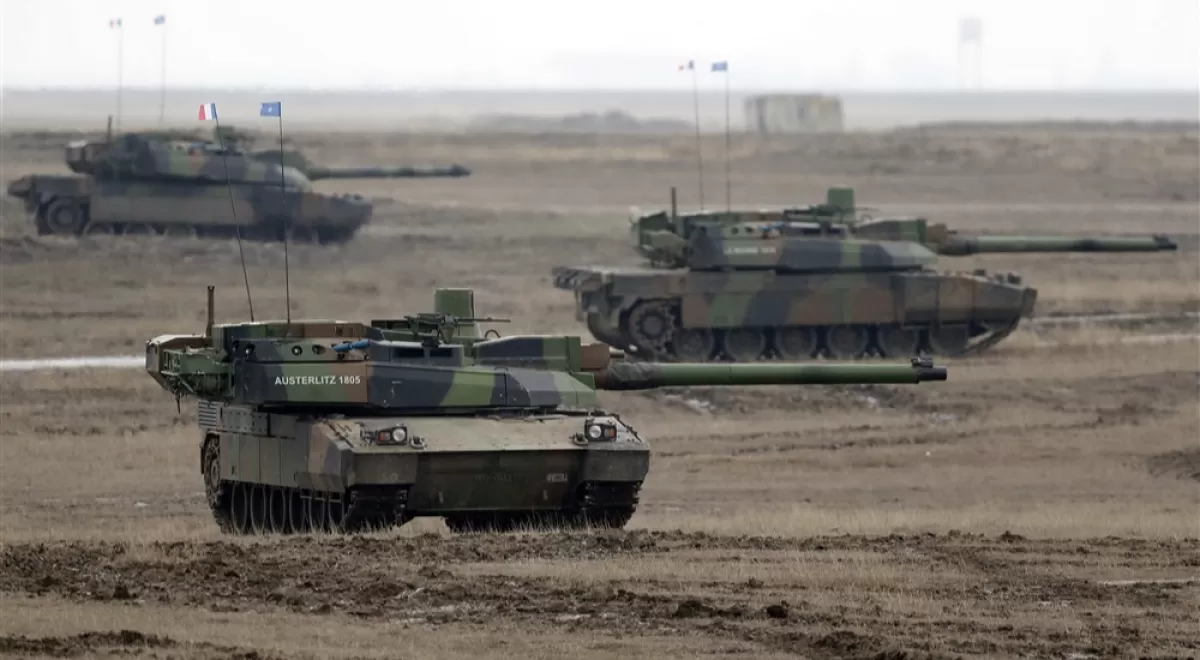
Ukraine and the Republic of Moldova are preparing for a military operation against Transnistria and an “armada” of tanks stationed in Romania will come to help, writes the Russian publication politnavigator, citing statements made by so-called Russian experts. Just three days after the false narrative was published in the press, it was officially resumed , in a slightly modified form, by the Russian Ministry of Defense.
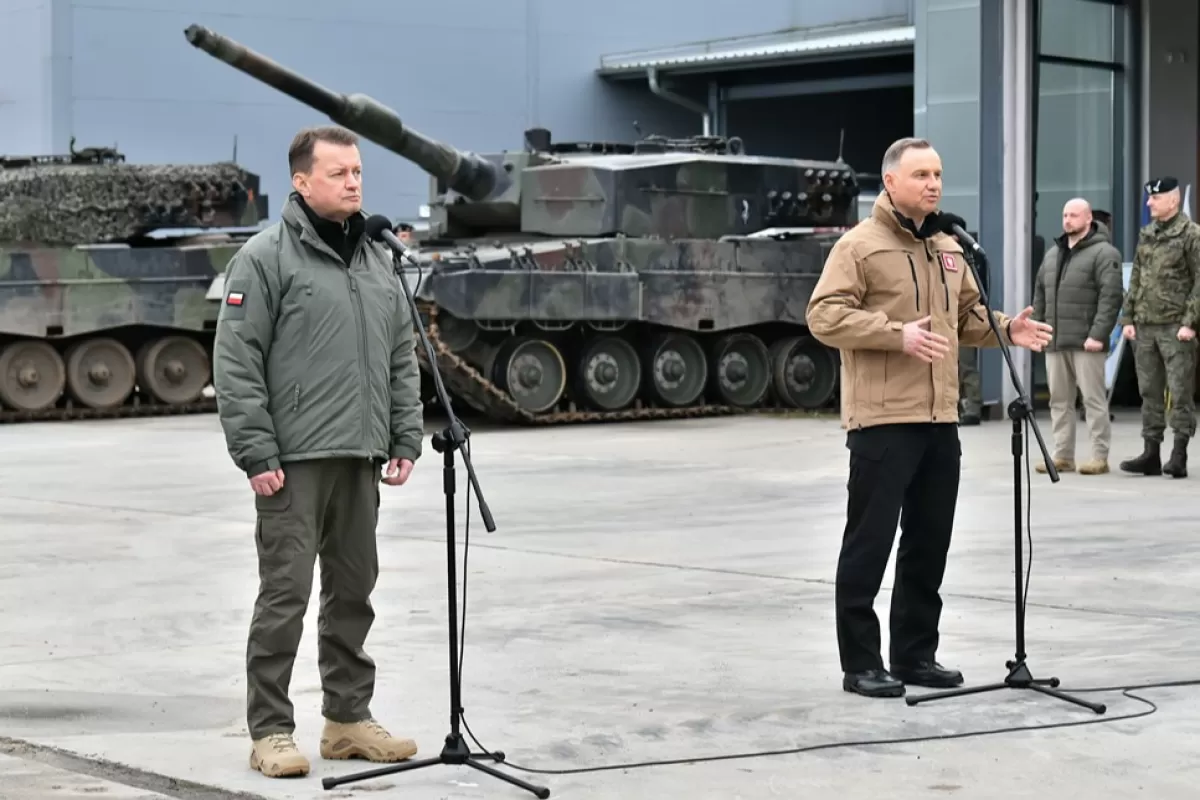
Poland positioned itself as one of Ukraine’s main supporters: it allowed its territory to be used for arms deliveries while becoming a major arms supplier in its own right and convinced its NATO allies to support Ukraine even more. In parallel, Warsaw is engaged in a process of strengthening its own army. All this shows that Poland is turning into a key actor for the European security, an actor that is, however, increasingly exposed to the theses of Russian propaganda.

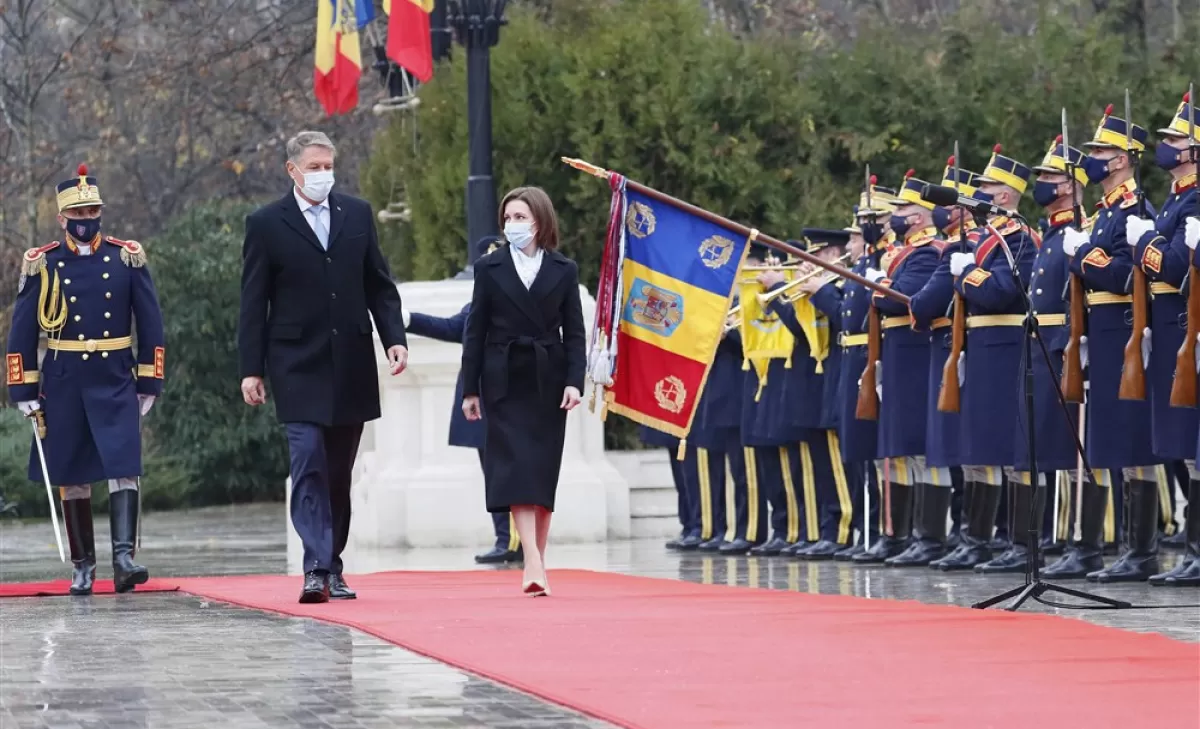
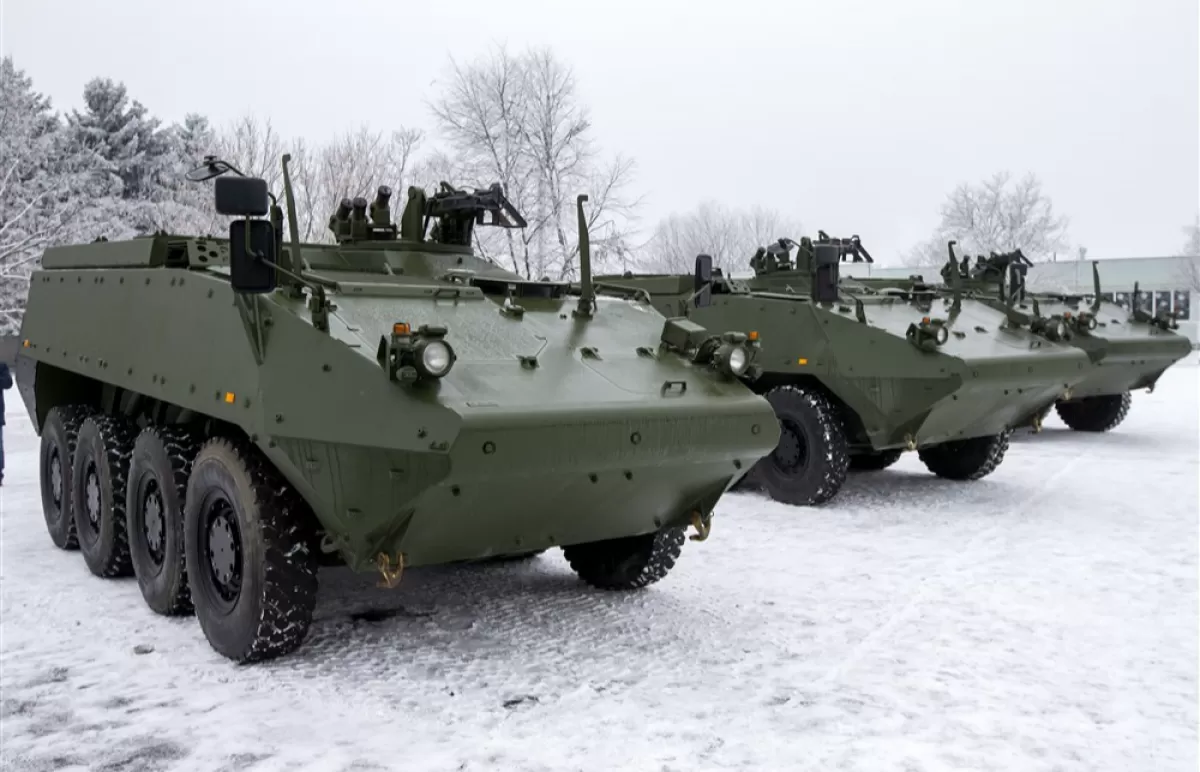
The government in Chisinau is bringing the country closer to NATO, which supplies the Republic of Moldova with weapons in order to prepare it to become a future theater of war against Russia, writes the Russian press, citing as an argument the delivery of 3 (THREE) armored vehicles by Germany. This is yet another plea for neutrality that ignores the facts, which show that, in fact, to Russia neutrality means only the acceptance of its hegemony and that it is ready to attack neutral countries that do not want to be in its sphere of influence.
The Russian bombardments on Ukraine also alerted the authorities in Chisinau after, on several occasions, fragments of rockets fell on the territory of the Republic of Moldova. The incidents showed how vulnerable the Republic of Moldova is from a military point of view, without an anti-aircraft defense and with an army of only six thousand people. But the biggest danger to the security and stability of the state seems to come from elsewhere – from the informational space controlled by Russia and from some politicians who enjoy, openly or secretly, the support of Moscow.
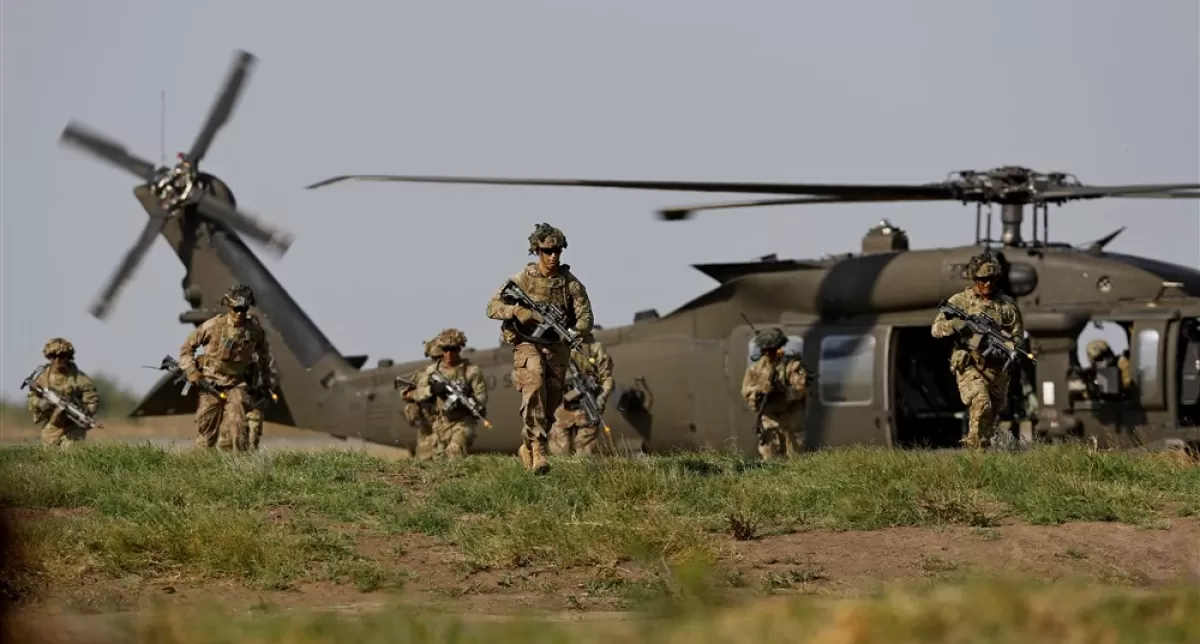
Romania intends to annex the Republic of Moldova and part of the territory of Ukraine, and NATO is supporting it militarily, according to a false narrative carried by the Russian media. Another narrative is that, in turn, Poland, seeks to annex part of the western regions of Ukraine. The false narratives start from theses, spread for years by Russia, regarding the artificial nature of the Ukrainian state and the aggressiveness of the West.
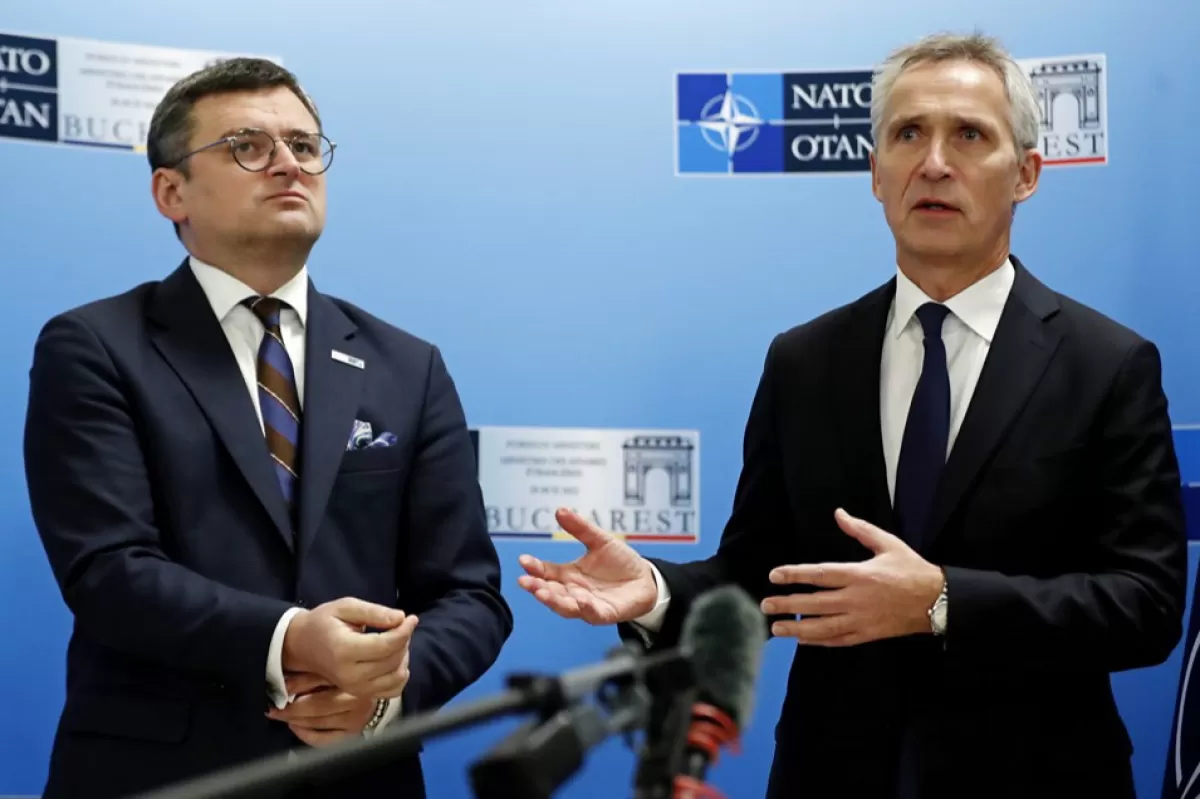
The meeting of NATO Foreign Ministers held in Bucharest over November 29-30 was not overlooked by Russian officials, nor propaganda media. Moscow interpreted the event in its own, different key, without however introducing new elements in terms of rhetoric. The allegations brought to the North Atlantic Treaty Alliance are the same: NATO has reached beyond the purposes it was originally designed for, it is promoting an all-out war against Russia while using the territory of other states, it is supplying Kyiv with weapons, prolonging the war indefinitely.

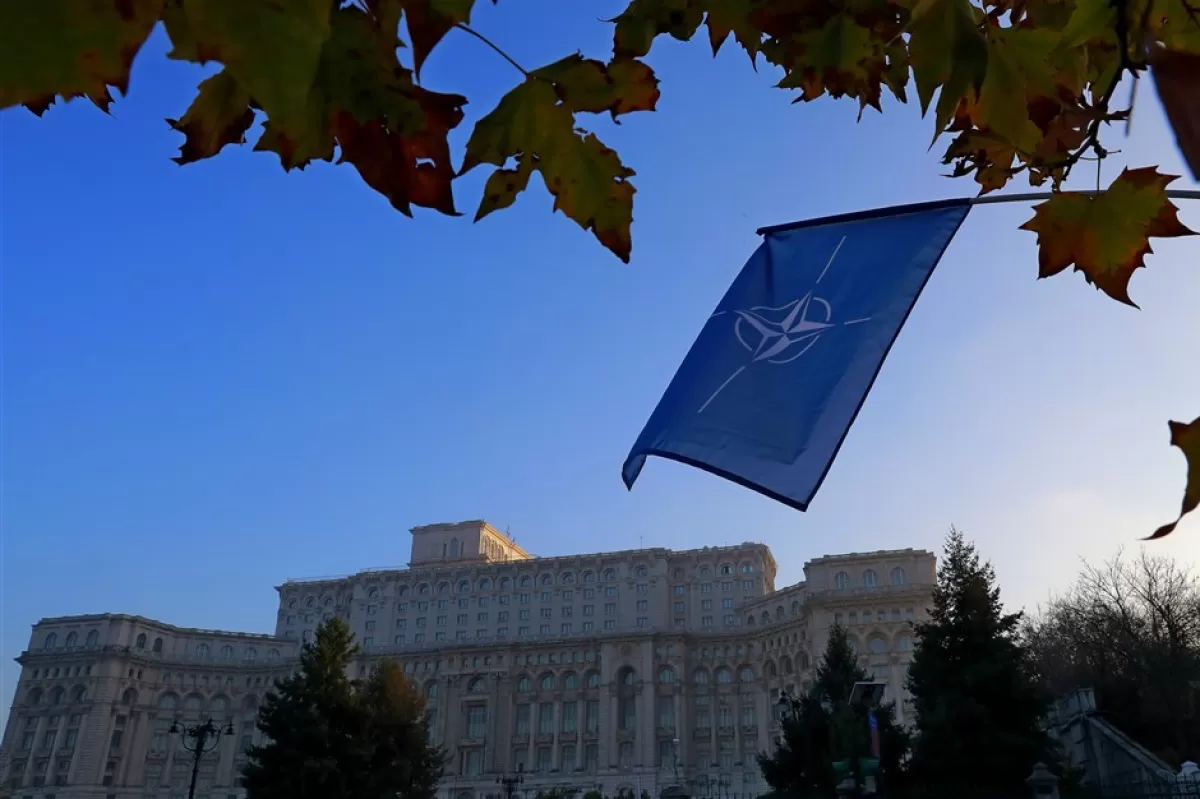
The power in Chisinau wants to force the entry of the Republic of Moldova into NATO and for this purpose is trying to silence the opposition through criminal cases, according to the Kremlin-affiliated media. The same media say that inviting the Republic of Moldova to the NATO meeting in Bucharest represents a violation of its neutrality status and a further confirmation that this country is already “with one foot” in NATO.
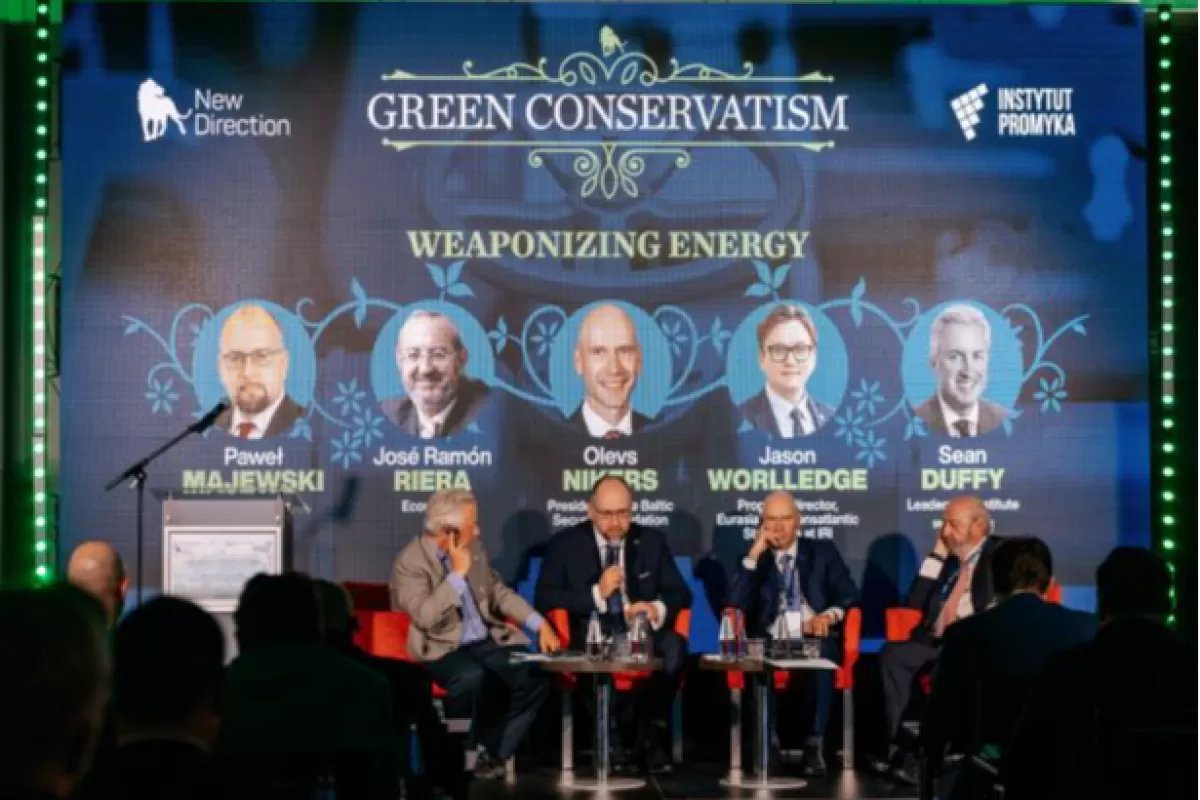
For the Baltic States and NATO, the best outcome of the war in Ukraine would be a complete defeat of Russia, according to the president of the Baltic Security Foundation, Olevs Nikers. However, Nikers feels that the most likely scenario for the end of the war would be a peace agreement, which means that the Baltic states and the Western world will be forced to deal with Russia on the long run.
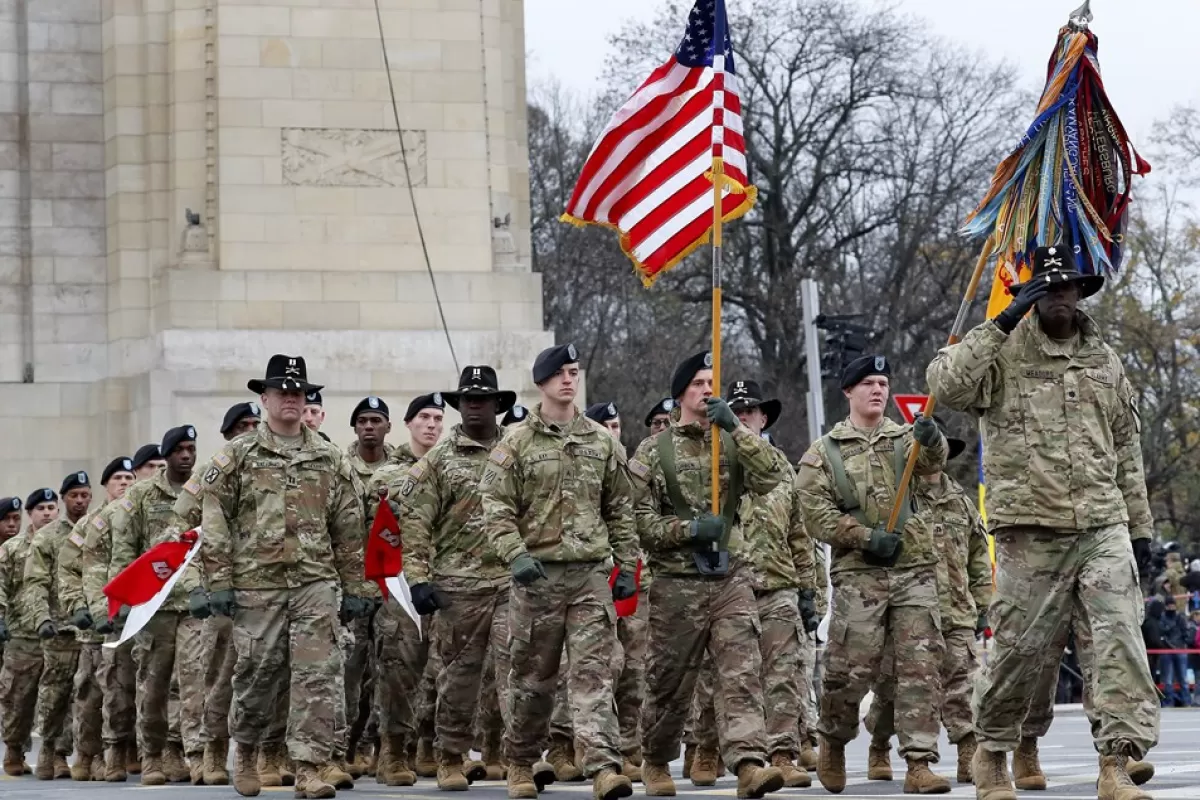
The military conflict near the country's borders has brought the discussion about Romania's defensive capabilities back into focus, and now that Romania is about to celebrate its National Day on December 1st, the sovereignist propaganda resumed its discourse, announcing the systematic loss of state independence, this time symbolized by the fact that only foreign soldiers would participate in the December 1st parade. In reality, units of the partner armies, and not only from NATO, but even from the ex-Soviet space, are constantly invited to the parade.
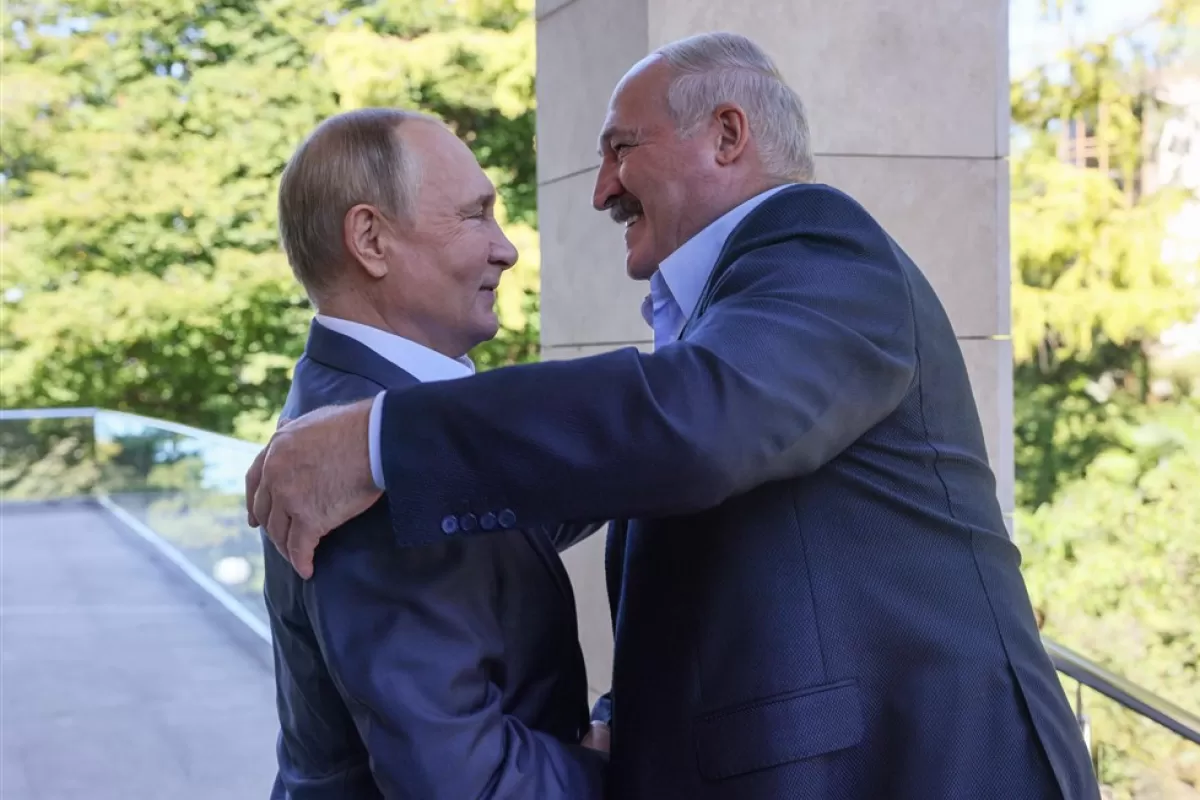
Belarus and Russia are forced to create a joint military group to defend themselves against a potential NATO aggression, fascist provocations by Poland and terrorist actions by Ukraine, according to propaganda narratives carried by the two countries’ media. In reality, Belarus is not targeted by any foreign power, but it has allowed Russia to use its territory for the aggression against Ukraine.
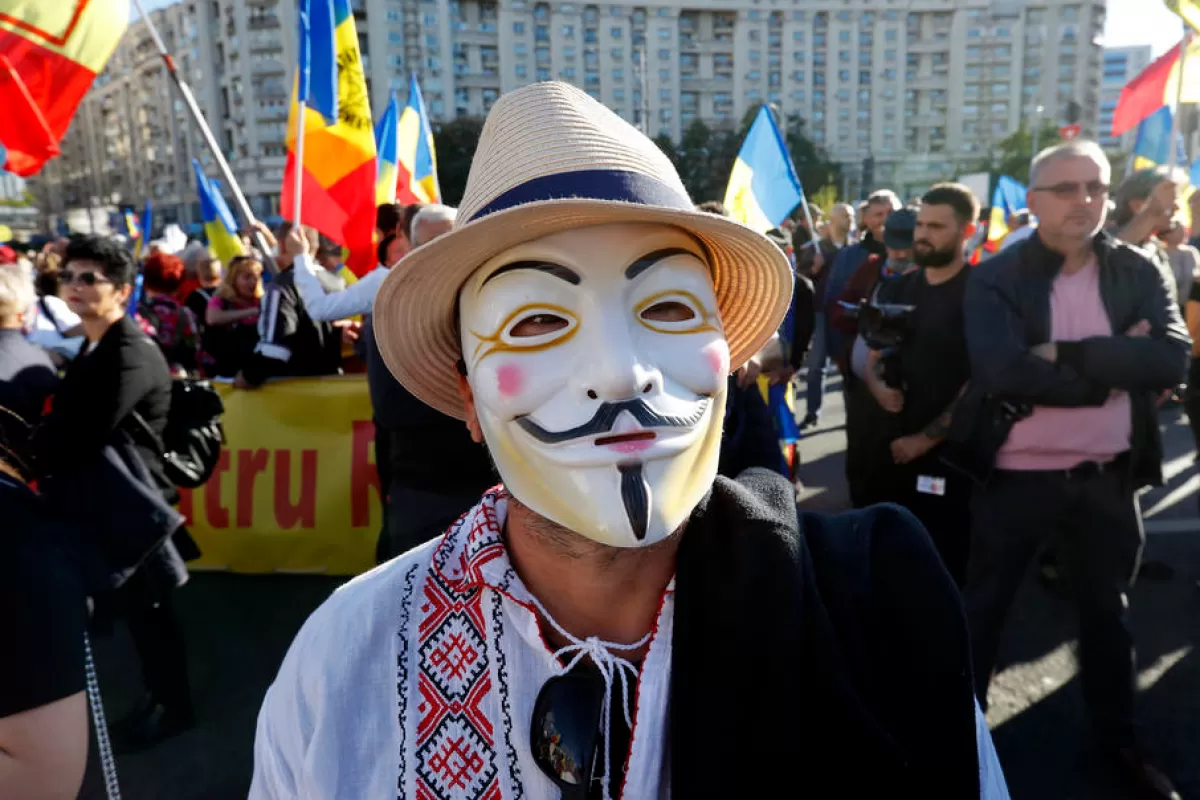
Unprecedented mass protests have been staged in Romania against NATO and the authorities’ support for Ukraine, pro-Kremlin news agencies write. In fact, Romania never saw any massive anti-NATO or anti-Ukraine protest actions, and the recordings in question do not show people shouting anti-establishment slogans or displaying protest banners that would suggest such large-scale actions. Moreover, the images published to support the idea of a protest were taken in a different season or even in a different country.
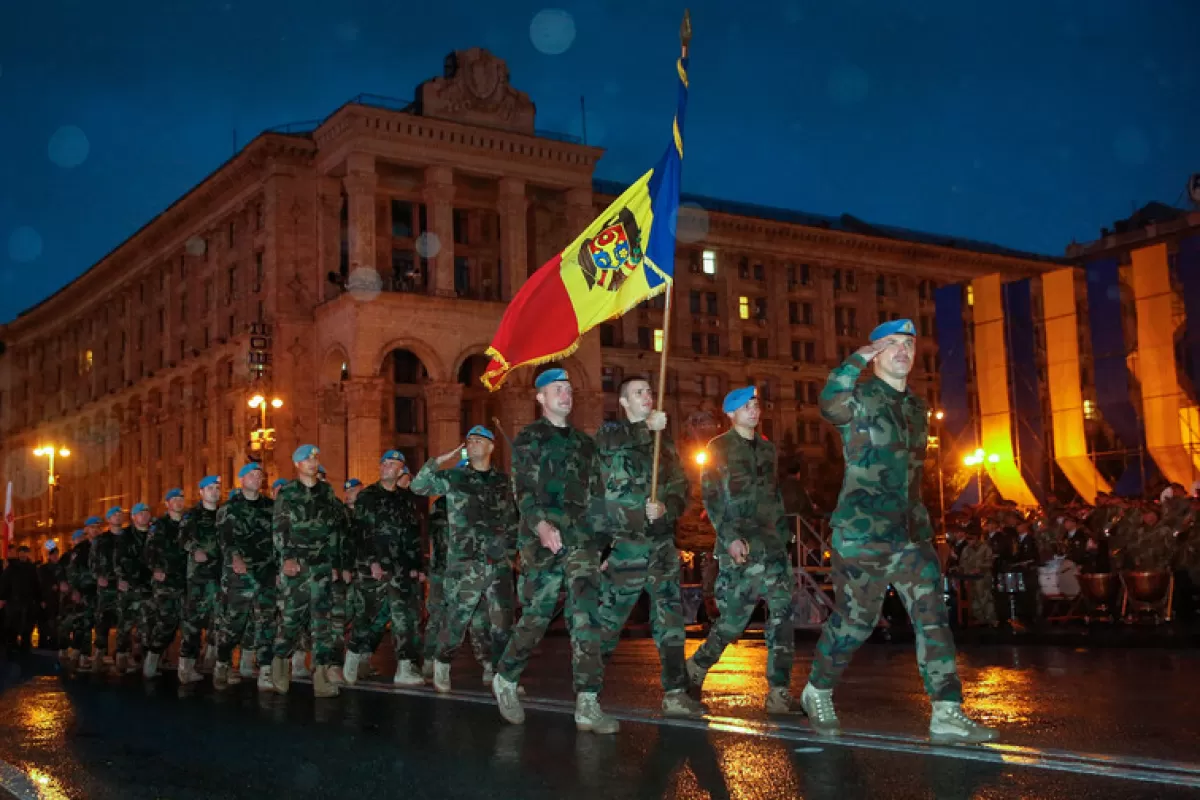
The pro-European government in Chisinau is closing universities and schools to procure Western weapons, and the people will be cannon fodder in the geopolitical games of the big players, former pro-Russian president Igor Dodon claims in an interview for the Russian press. The false narrative fits into the anti-NATO and anti-Western rhetoric that has intensified with the Russian aggression in Ukraine.
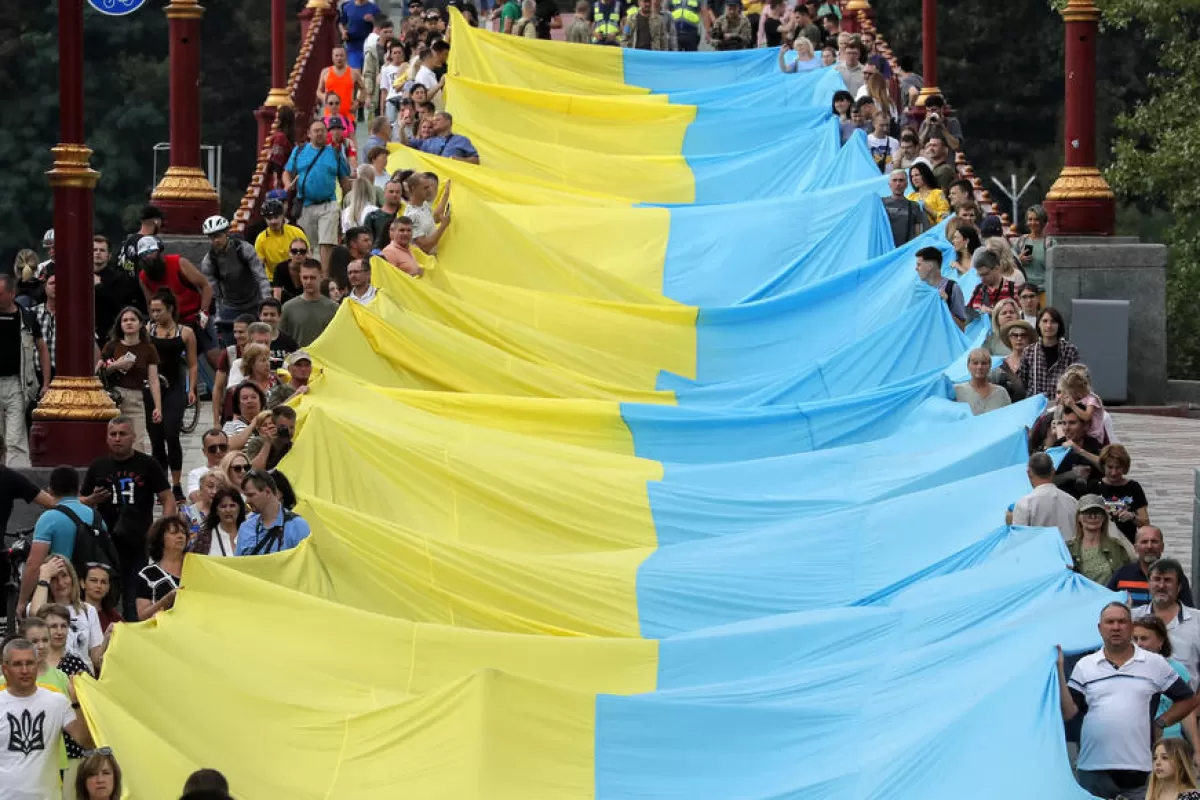
Most Ukrainians believe their country will win the war against Russia, reads a recent survey carried out by the International Republican Institute. The study also reveals that Ukrainians continue to argue in favor of Euro-Atlantic integration, although their perception of NATO reported fluctuations due to delays or readiness to provide military assistance, and they remain critical of their elected officials, despite the war.
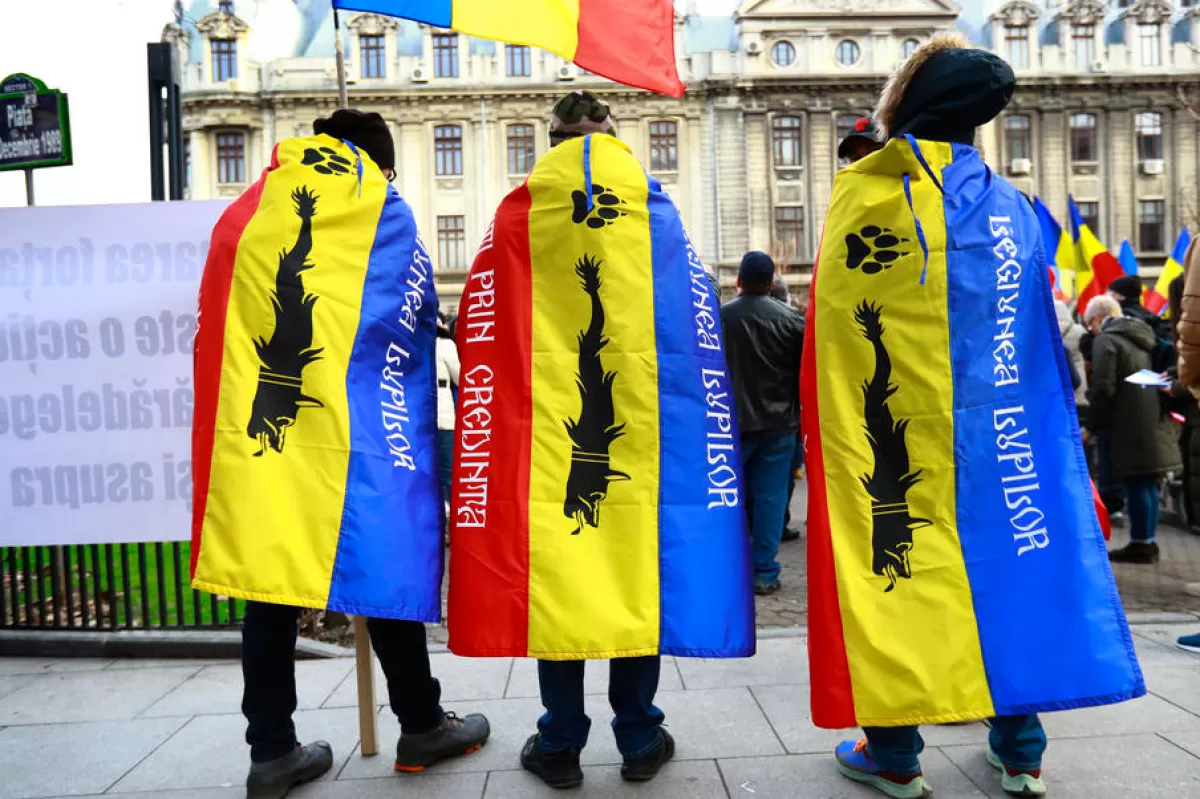
Most Romanian nationals want their country to leave NATO and the EU and there is no party that can politically capitalize on this move, according to a false narrative promoted by Gold FM, a radio station previously linked to promoting disinformation and fake news. The narrative is contradicted by surveys.
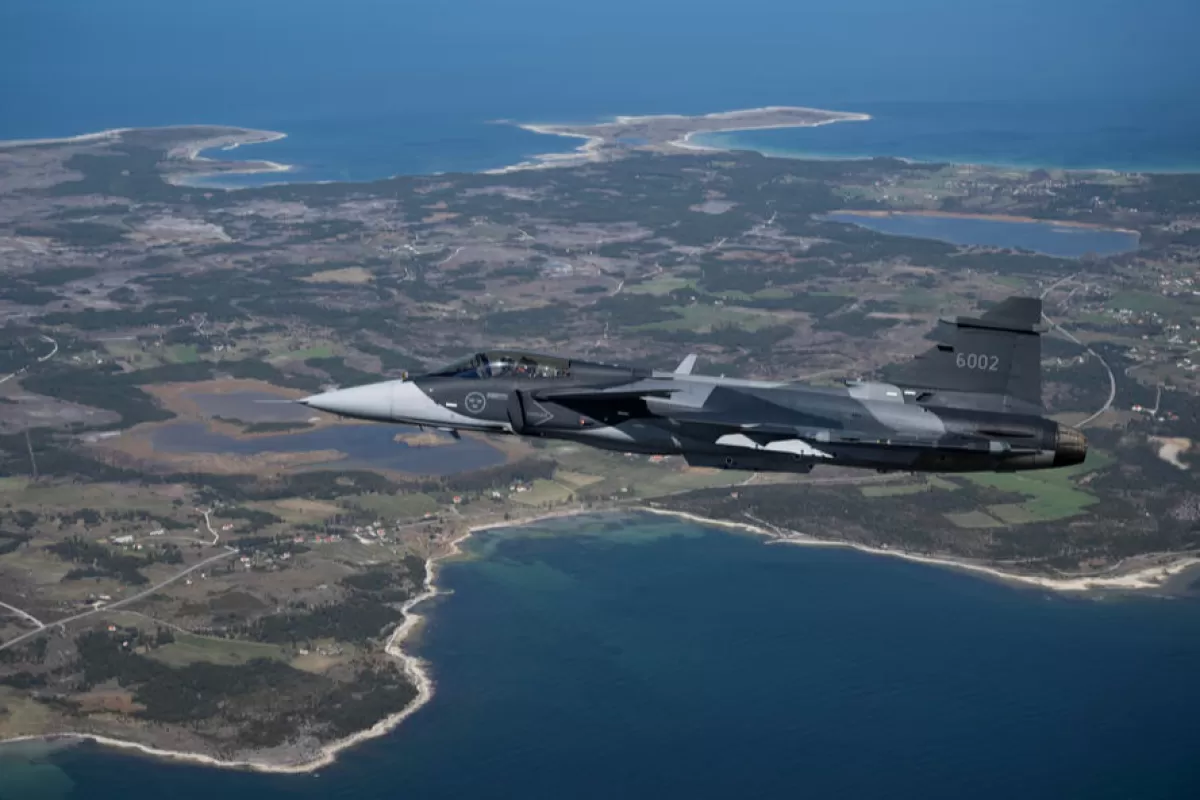
By joining NATO, Finland and Sweden would make the Alliance the main power in the Baltic Sea. Together, the two countries boast efficient and highly trained air, sea and ground forces, a good defense industry, and quick response capabilities. They occupy strategic position. And they would greatly consolidate the security of NATO’s most vulnerable member states – the Baltic countries.
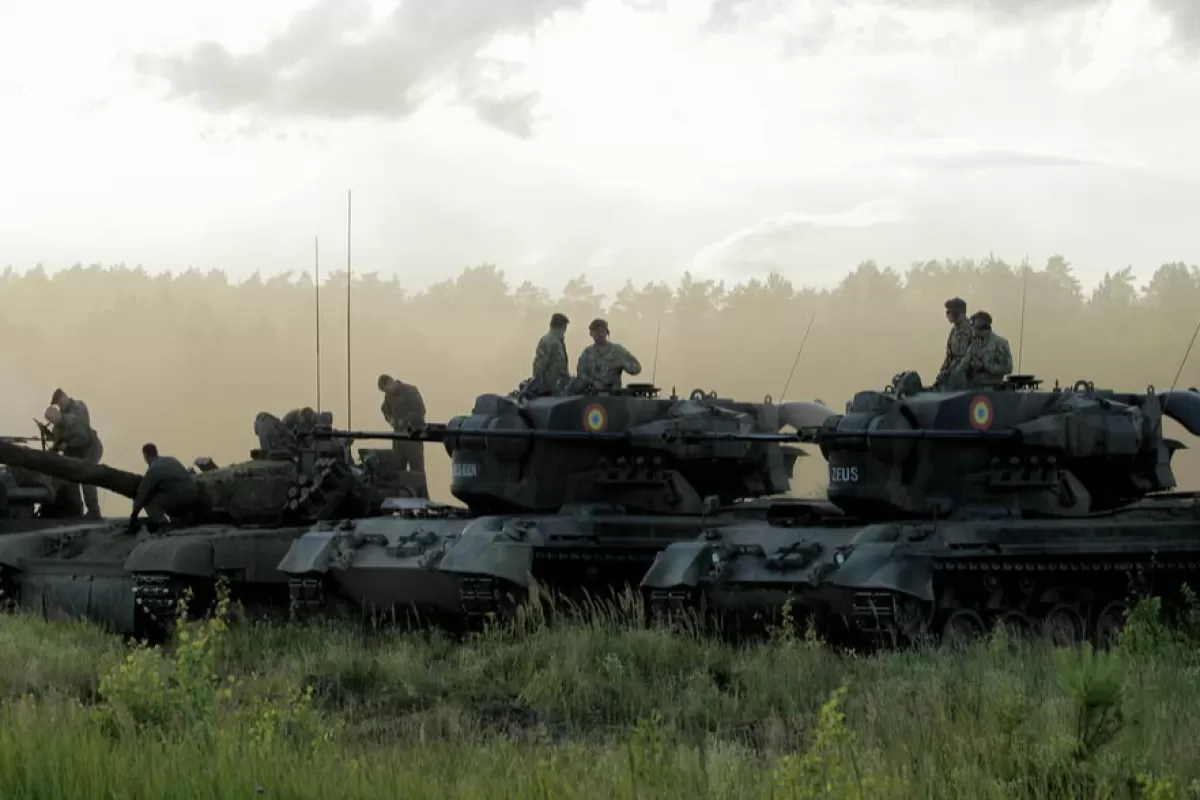
With NATO-Russia relations at their lowest level in history, following the latter’s invasion of Ukraine, a stretch of land connecting Poland to Lithuania has come into focus. The Suwałki Gap borders Russia’s Kaliningrad enclave. It could be a tempting target, as its control would help Russia cut NATO’s land bridge to its Baltic members. It could also be used, this time by the Alliance, to further isolate Kaliningrad. Is the Suwałki Gap the powder keg between NATO and Russia?