
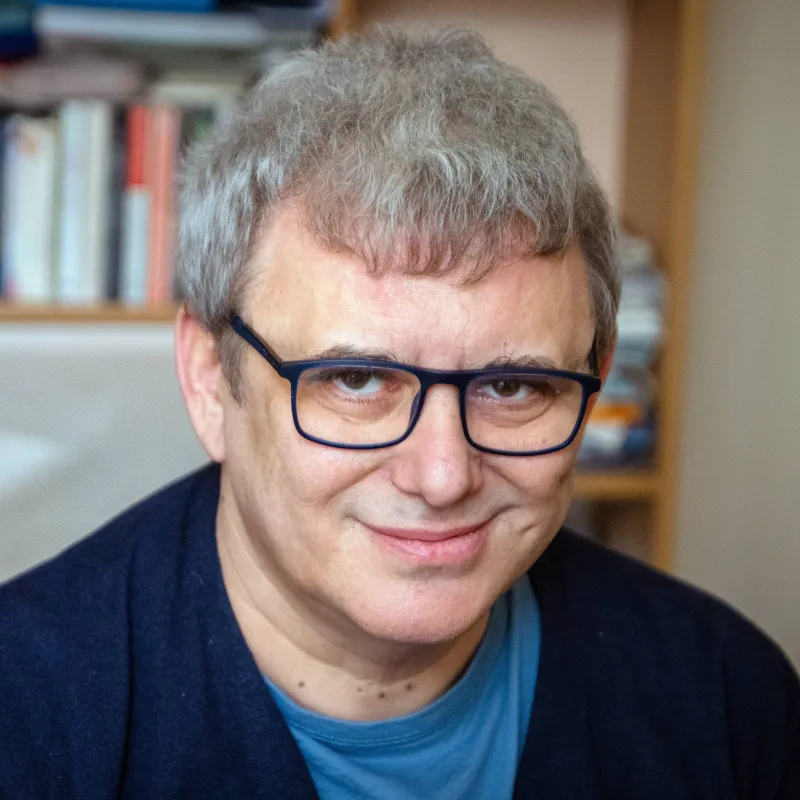
Iulian works for European institutions and politicians in Brussels via the company he set up, Comanescu & Partners. He switched to consultancy after a succesful career as a journalist spanning over 15 years, having worked for PRO TV, Evenimentul zilei or Mediafax. His blog, Comanescu.ro, has received two awards. He wrote a number of books, including a volume on mainstream media, new media and personal brands (Cum să devii un Nimeni – How to become a Nobody, Humanitas, 2009) or the biography of the most influential behind-the-scenes person in the country’s history (Mihnea Constantinescu, omul care a schimbat România fără ca noi să știm – Mihnea Constantinescu, the man who changed Romania without us knowing, Curtea Veche, 2019). He also works as translator and proof-reader for Humanitas, focusing on history, science and current affairs, in order to stay informed and inform others.

Russia's aggressiveness, China's expansion or the wars in the Middle East have all shown that the EU doesn’t have yet all it takes to be a relevant geopolitical player, although it aspires to this position.
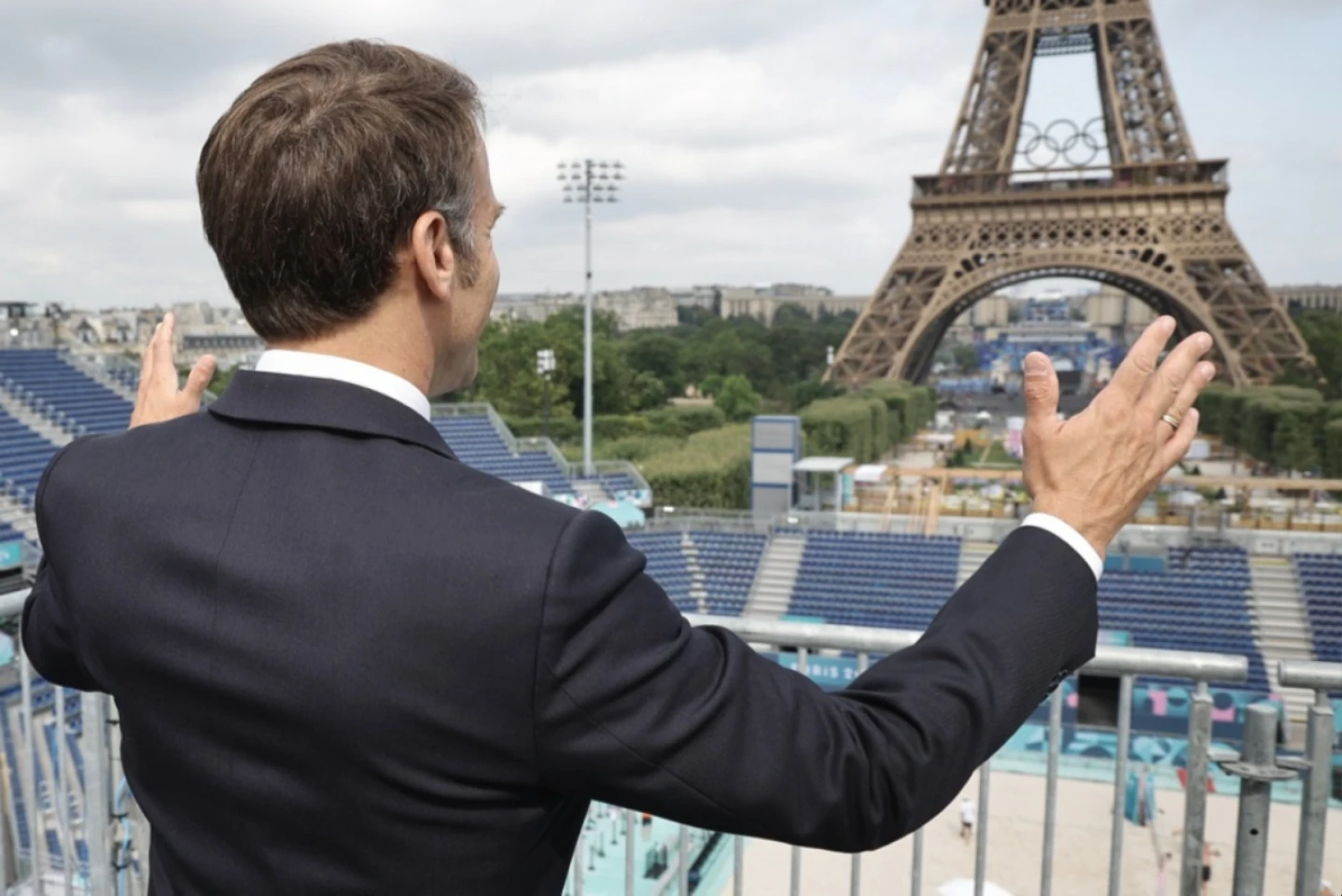
Politicians have always sought to take advantage of the prestige the Olympic Games bring, using it to get their messages across. Tyrants like Hitler and democratic leaders like Emmanuel Macron made no exception.

The launch of EU accession talks with Ukraine and Moldova shows there is political will in the EU for the two countries to join. The process itself, however, could be complicated and lengthy.
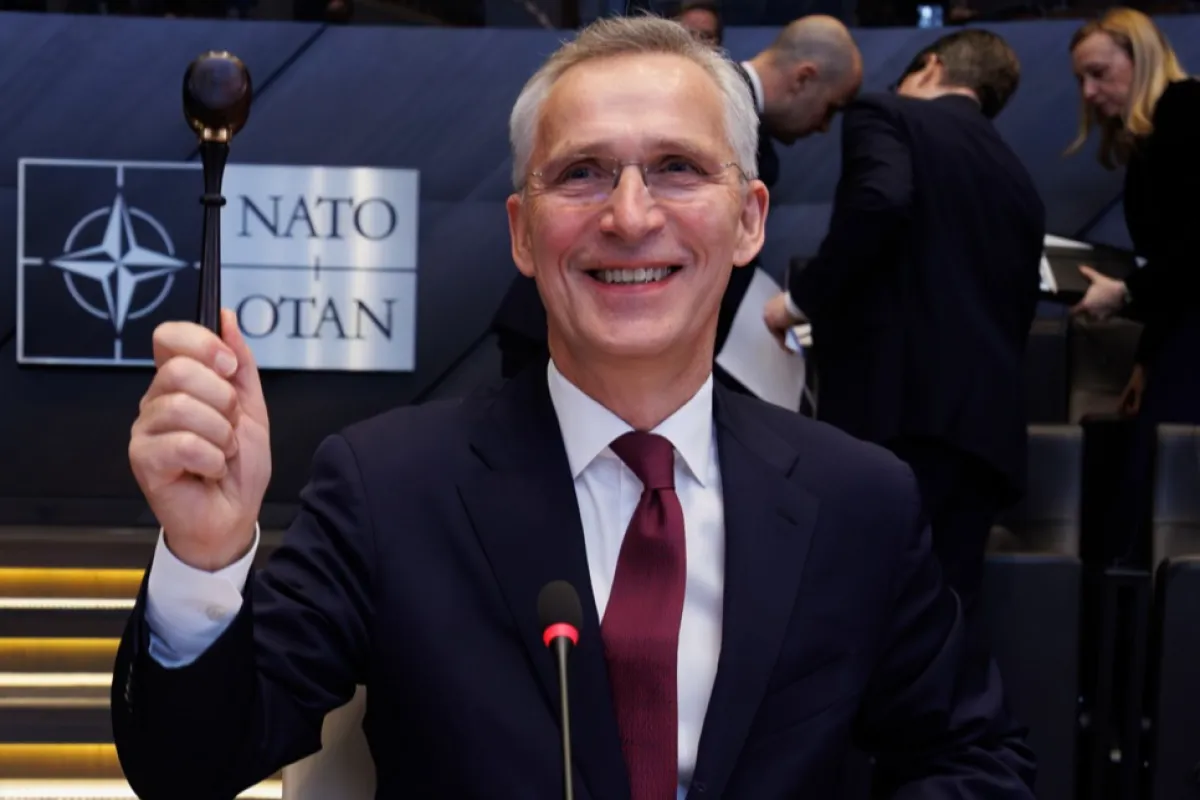
A 100-billion-euro fund for Ukraine means a precise, long-term commitment with more offensive connotations than the support offered so far by the West.
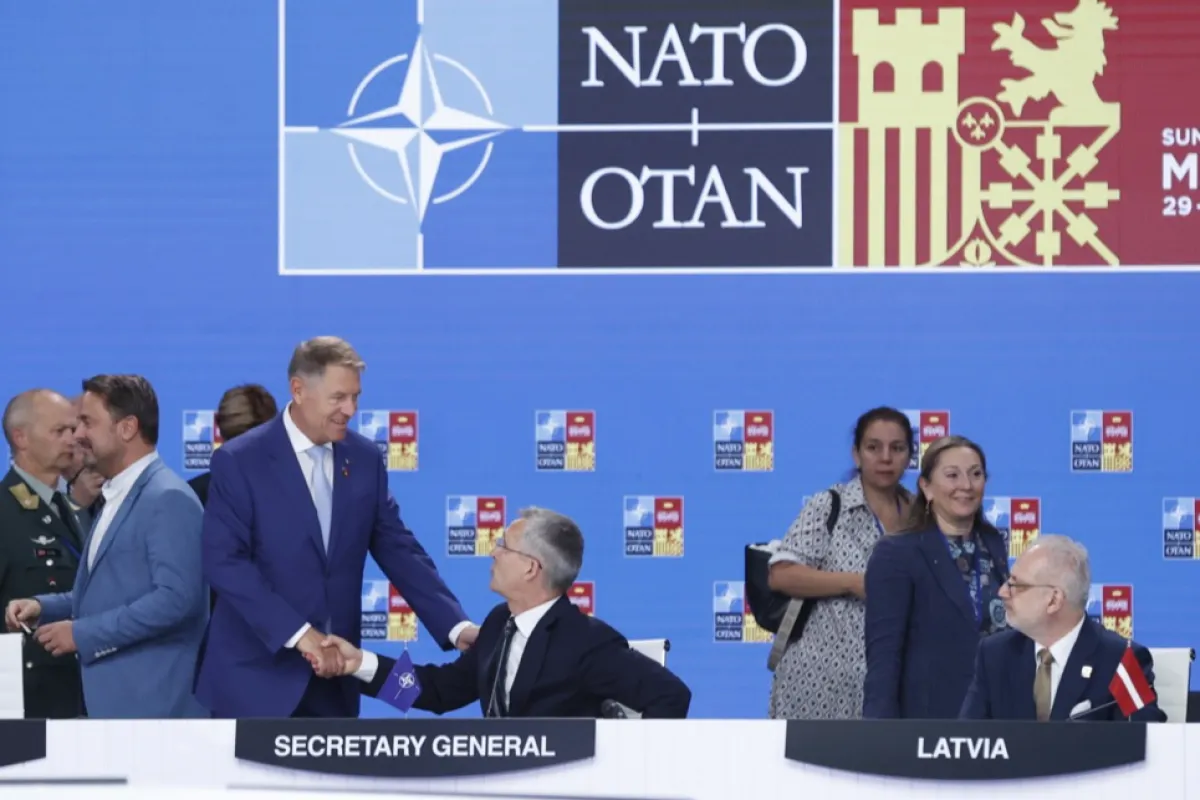
The candidacy of Klaus Iohannis for head of NATO can benefit Romania. Iohannis's chance lies in the differences of opinion between East and West regarding the strategy of the Alliance.
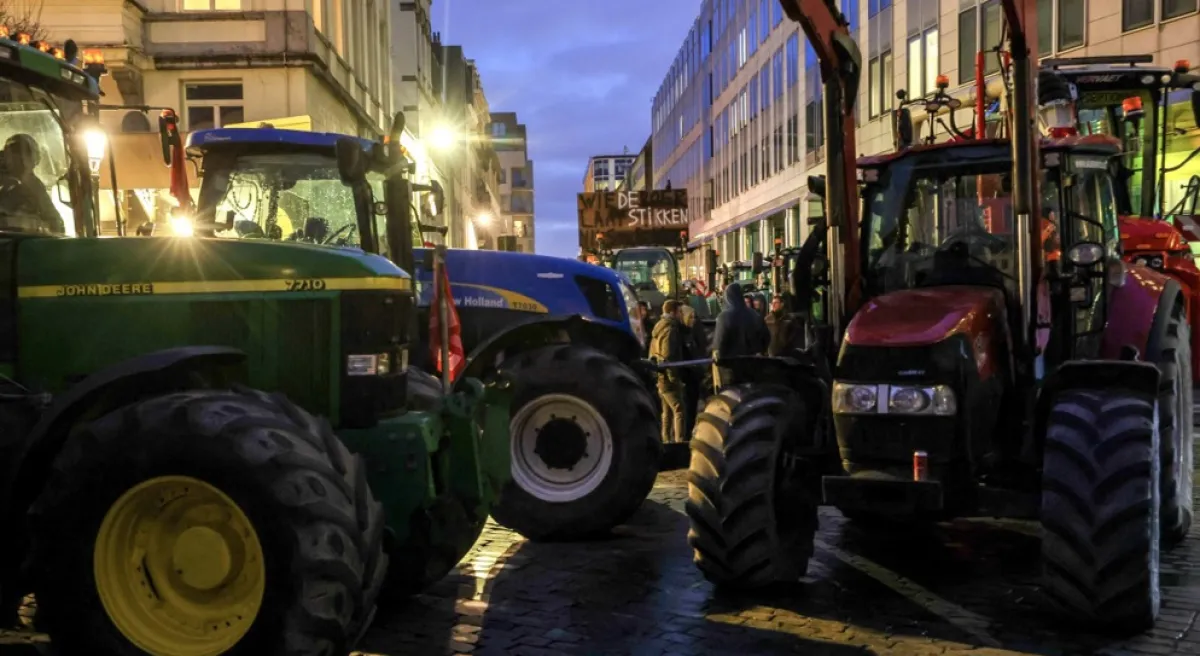
The von der Leyen Commission's plan for EU countries to transition to “green” economies was met with resistance from farmers and skepticism from some politicians who’ve already embarked on the European Parliament election campaign.
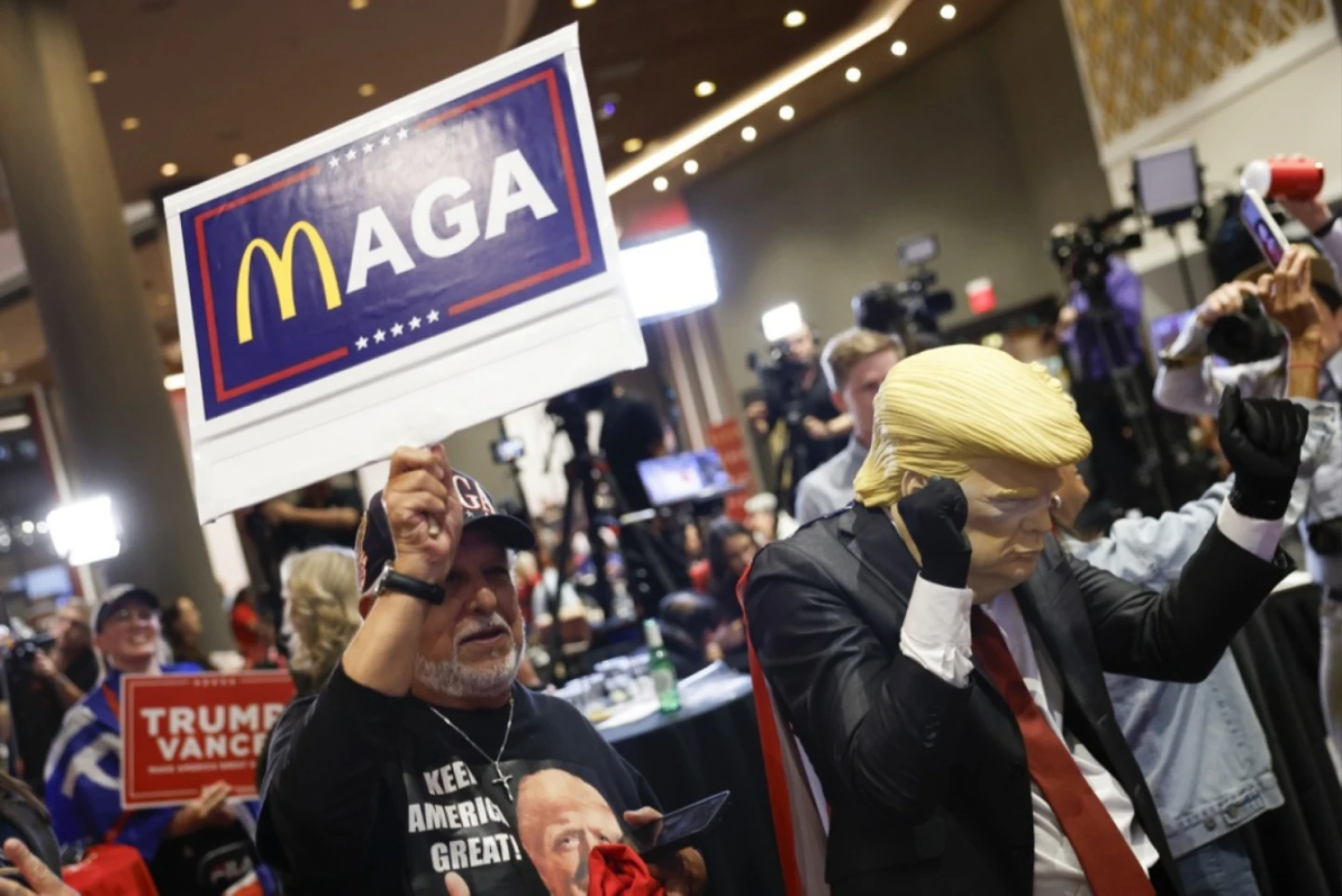
Donald Trump (re)winning the White House could give a long-term boost to the far right in Europe, but it could also encourage the EU to rely more on itself.
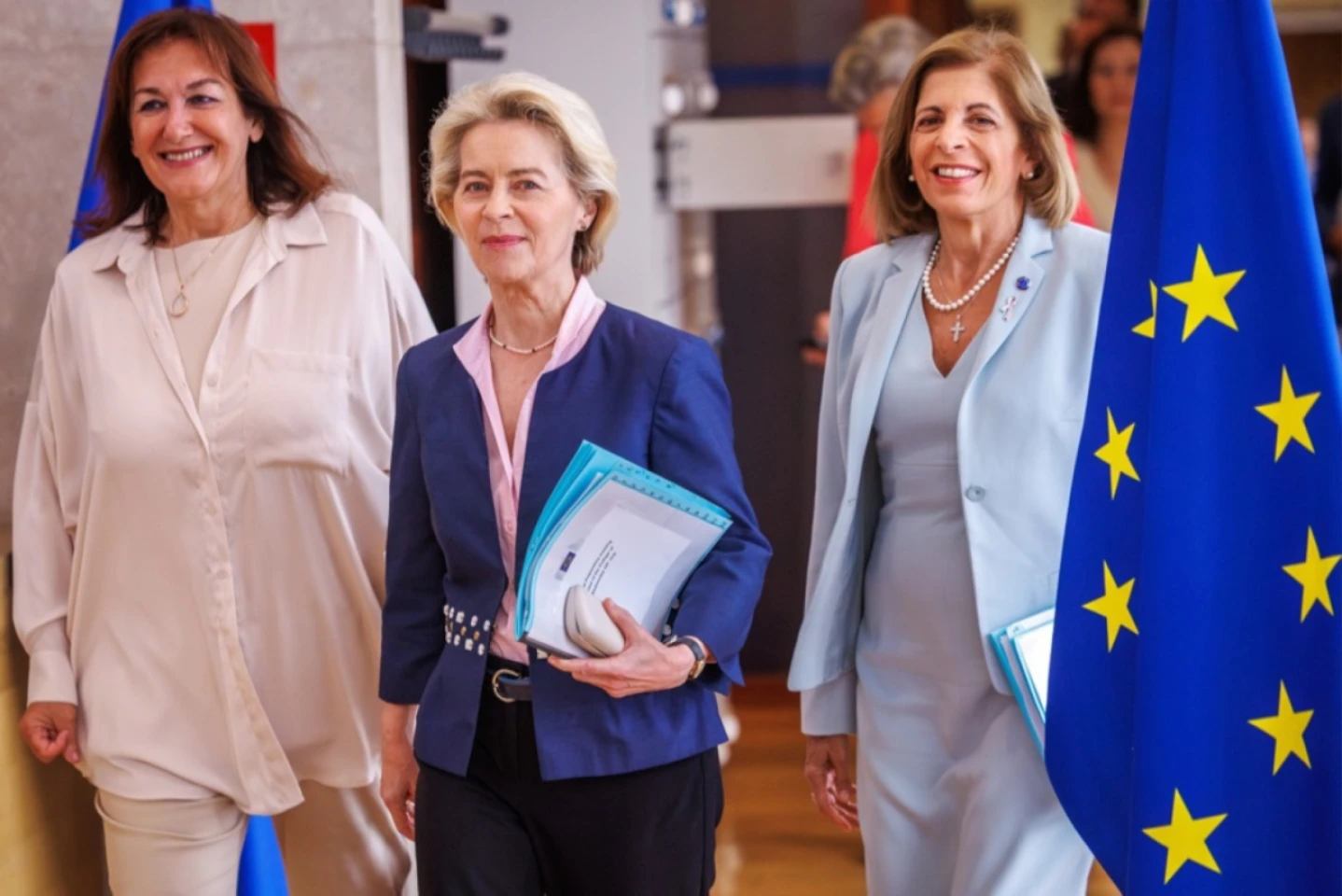
Ursula von der Leyen says there should be an equal number of female and male commissioners, but political priorities and the stalling of the EU's Franco-German engine put gender parity on the back burner.
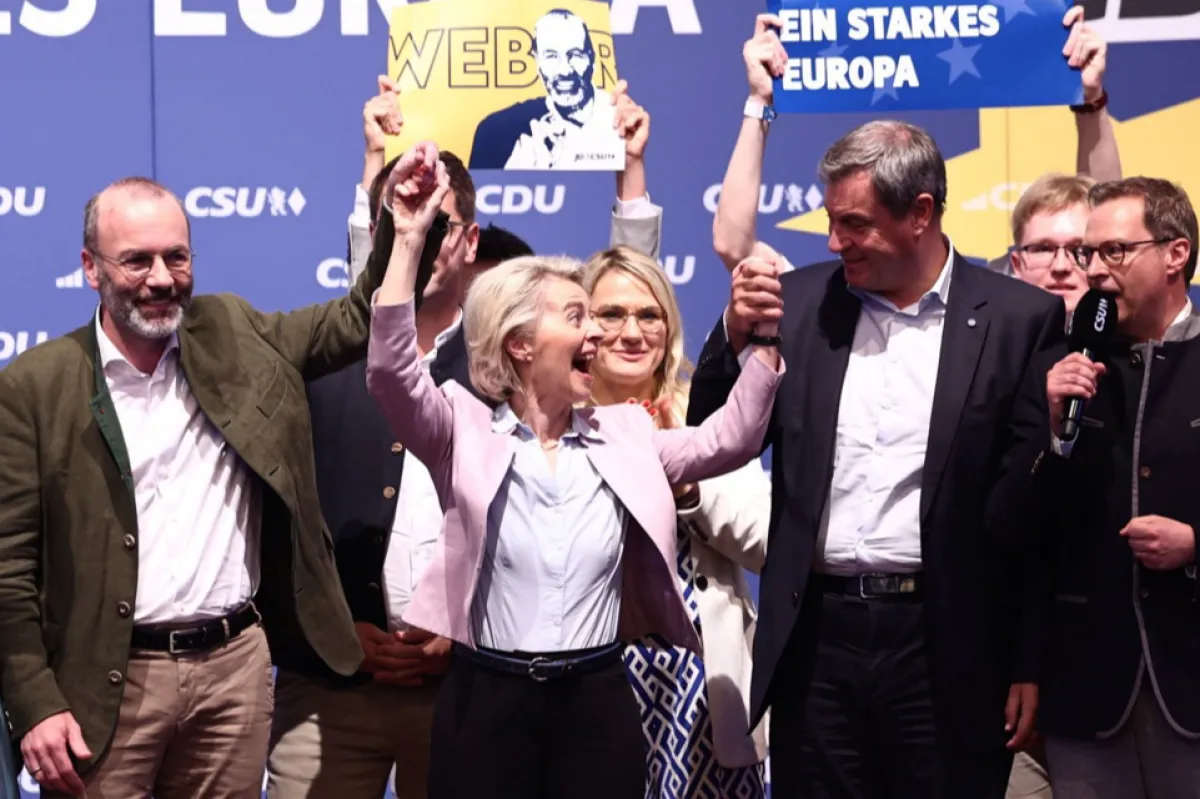
The rise of the far-right in certain EU Member States will be of little consequence in the coming years, as the European Parliament and the European Commission remain under the influence of center factions. New movements are likely to emerge in the long-term that might change the configuration of the EU.
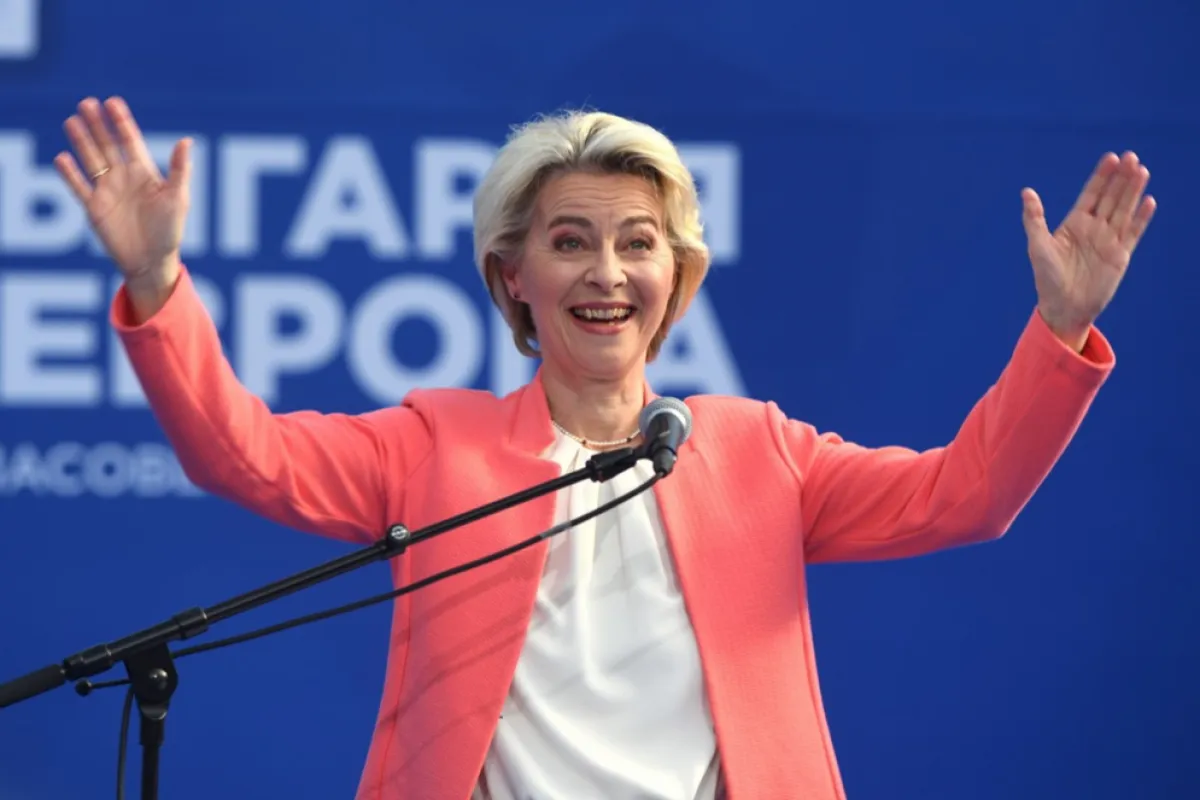
The European Commission will probably be formed according to the consensus reached by the center of European politics – People’s Party, the Socialists and ALDE/Renew - but it will confirm Europe's turn to the right.
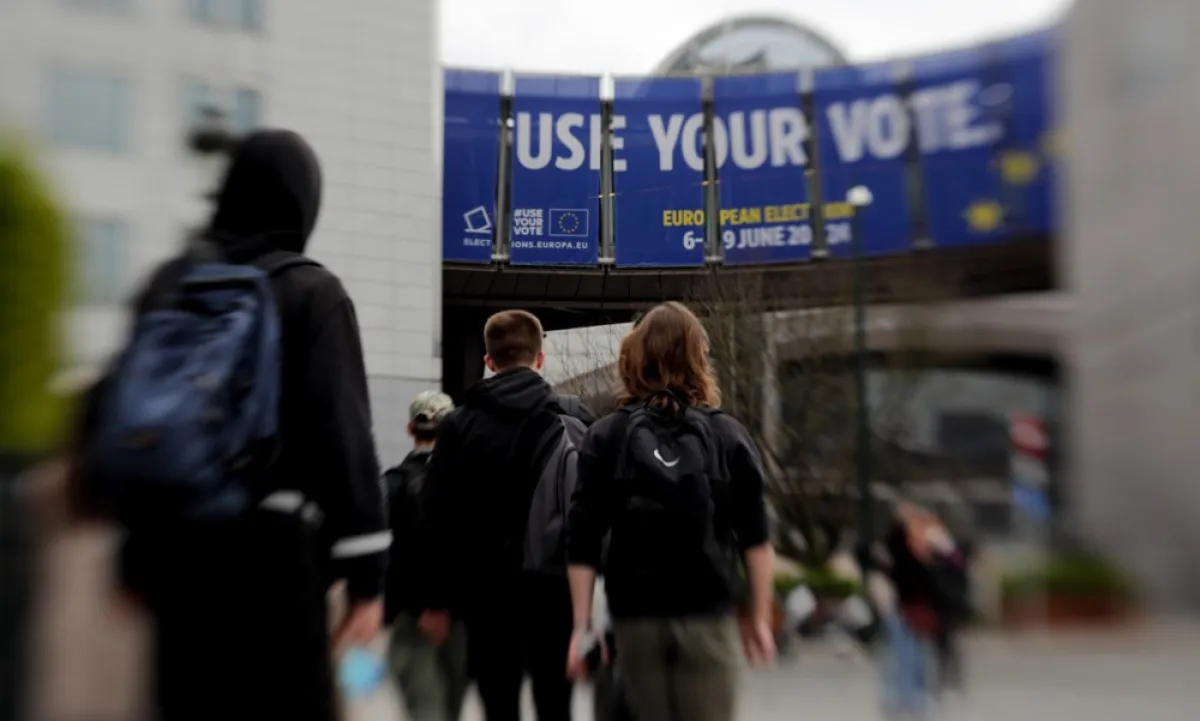
The lists, dominated by MEPs standing out for absenteeism and "awarded" for anti-performance and newcomers who rely on scandals and TV notoriety.
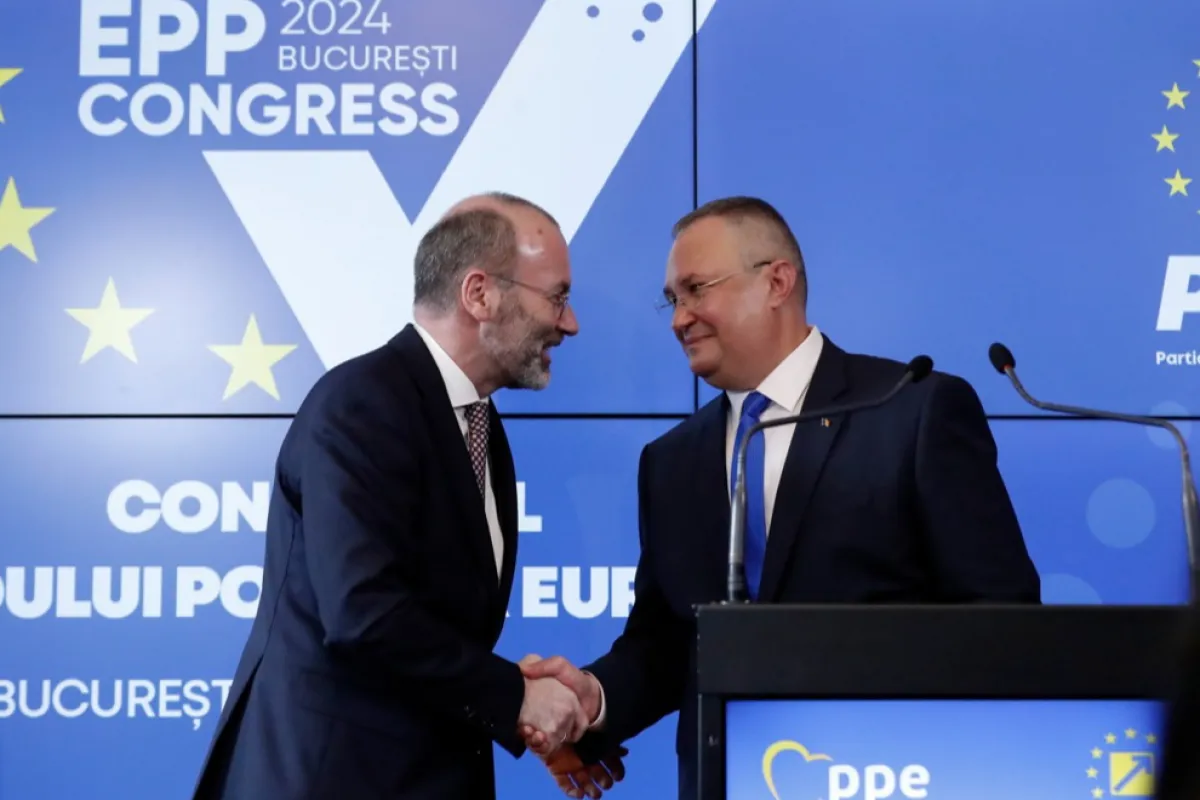
Leaders of the most powerful European political group are meeting in Bucharest. Their decisions might influence the EU and Romania in the years ahead, should the EPP win the European Parliament election again.