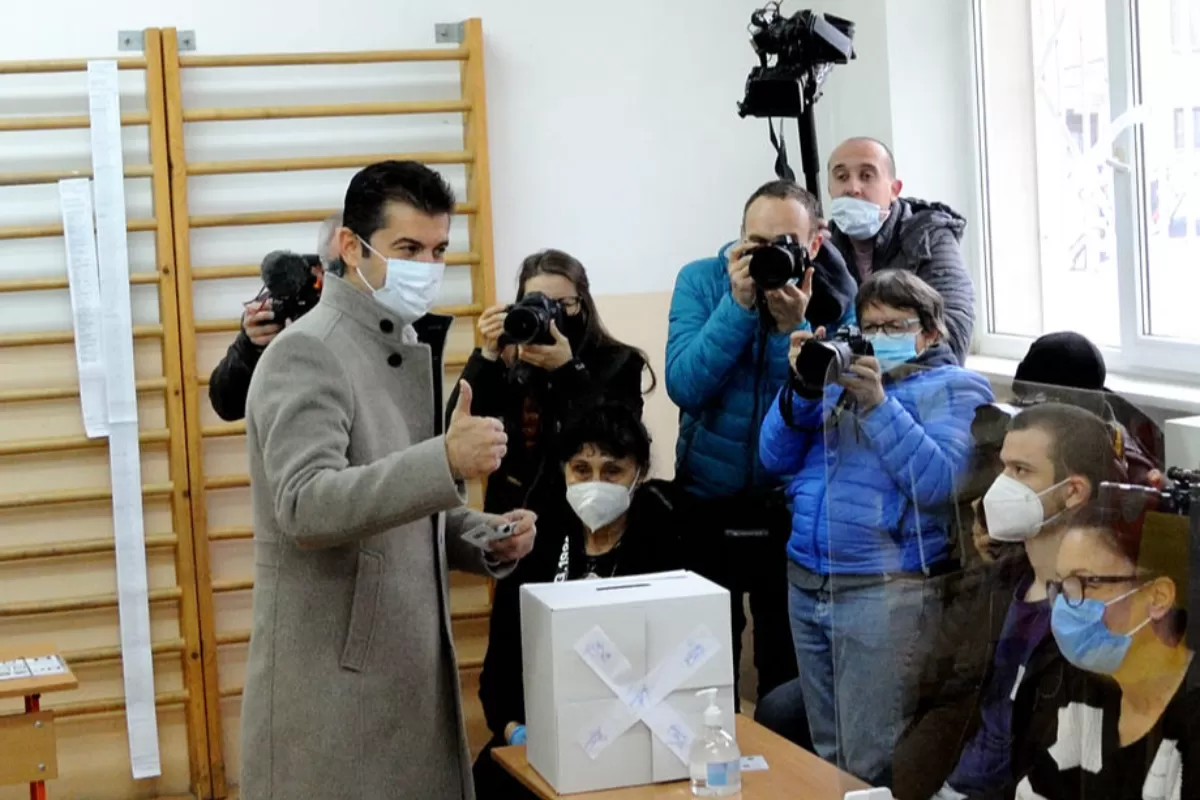
Bulgaria goes deeper into unpredictable territory following the November 14 joint elections. The general elections saw a new reformist party debuting on top against all odds, while in the Presidential run, Rumen Radev is set to be re-elected after mustering nearly 50 per cent of the vote in the first round.

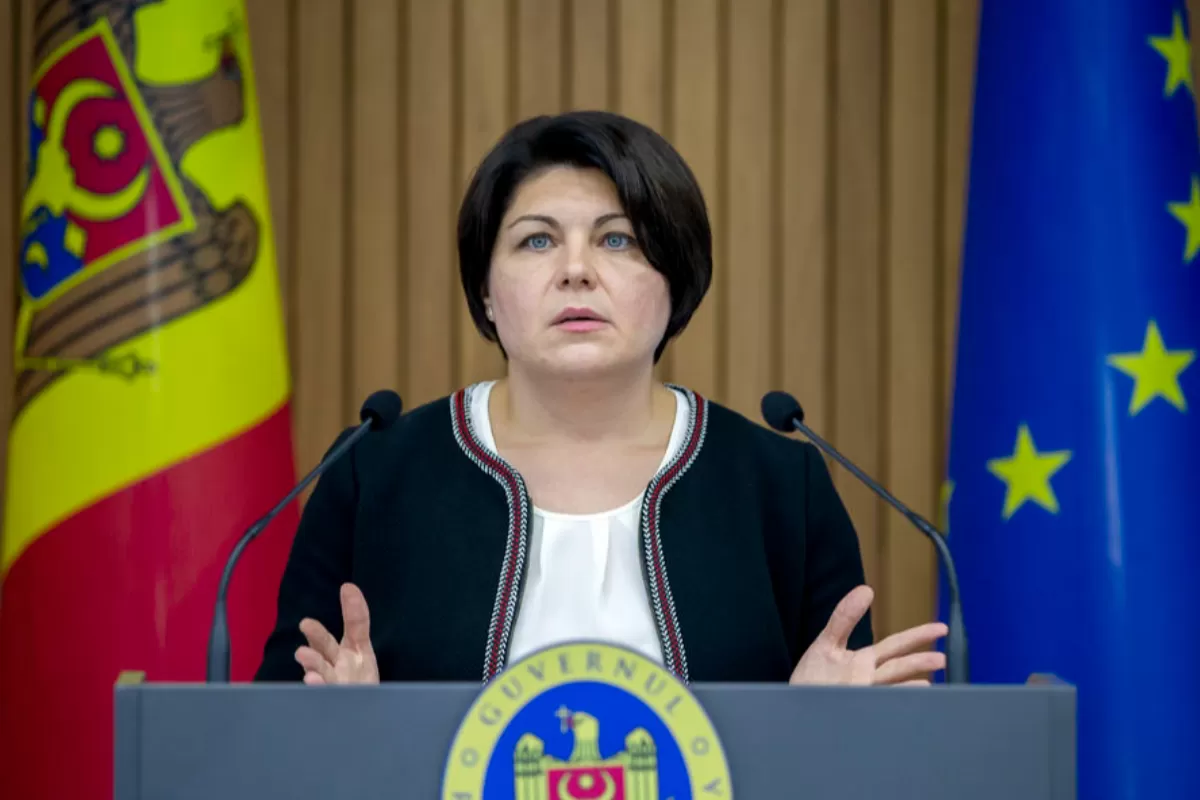
The PAS administration marked 100 days since it took office by publishing an activity report presenting its achievements. Overall, the Government in Chișinău had a number of accomplishments, but things are not as peachy as the aforementioned report suggests.
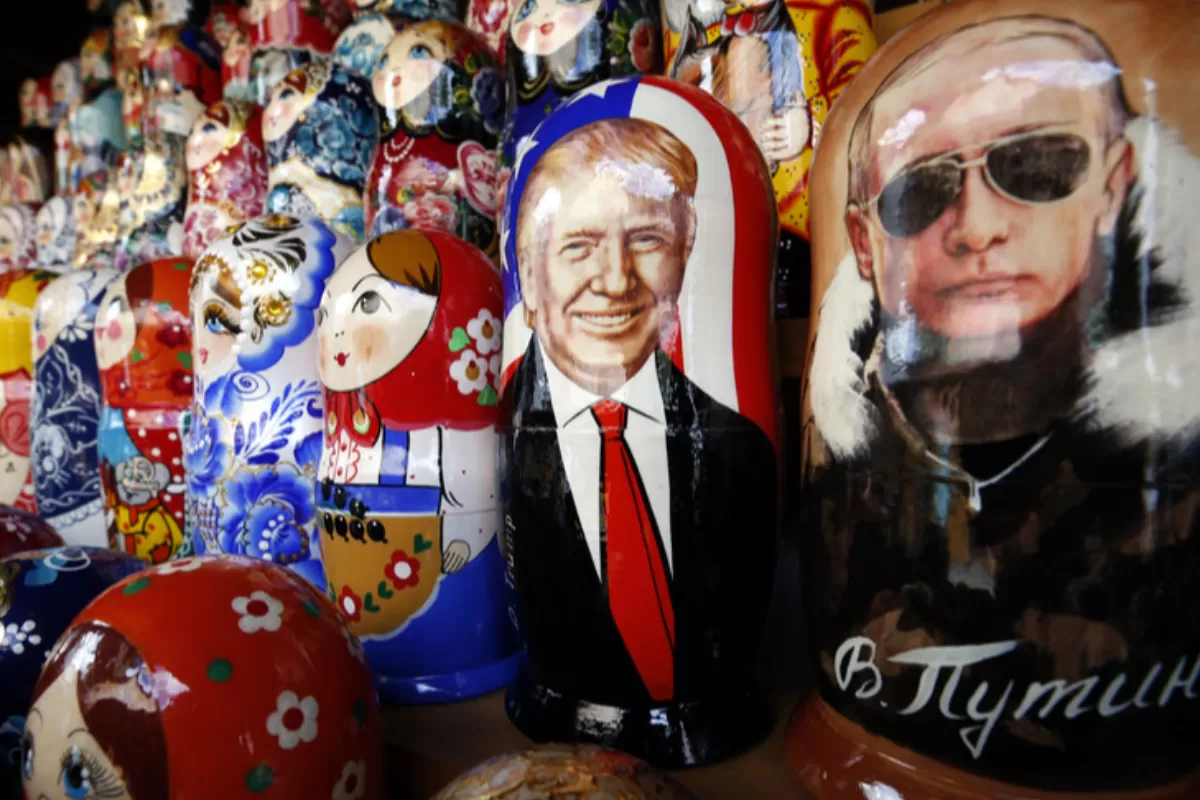
The coronavirus pandemic was accompanied by a genuine wave of fake news, the second in merely a decade. The false narratives in this wave are repurposed and updated: the disinformation they spread are disguised to come across as local topics and concerns. The Kremlin has thus adjusted its strategy for spreading disinformation to Romanians’ notorious Russophobia.
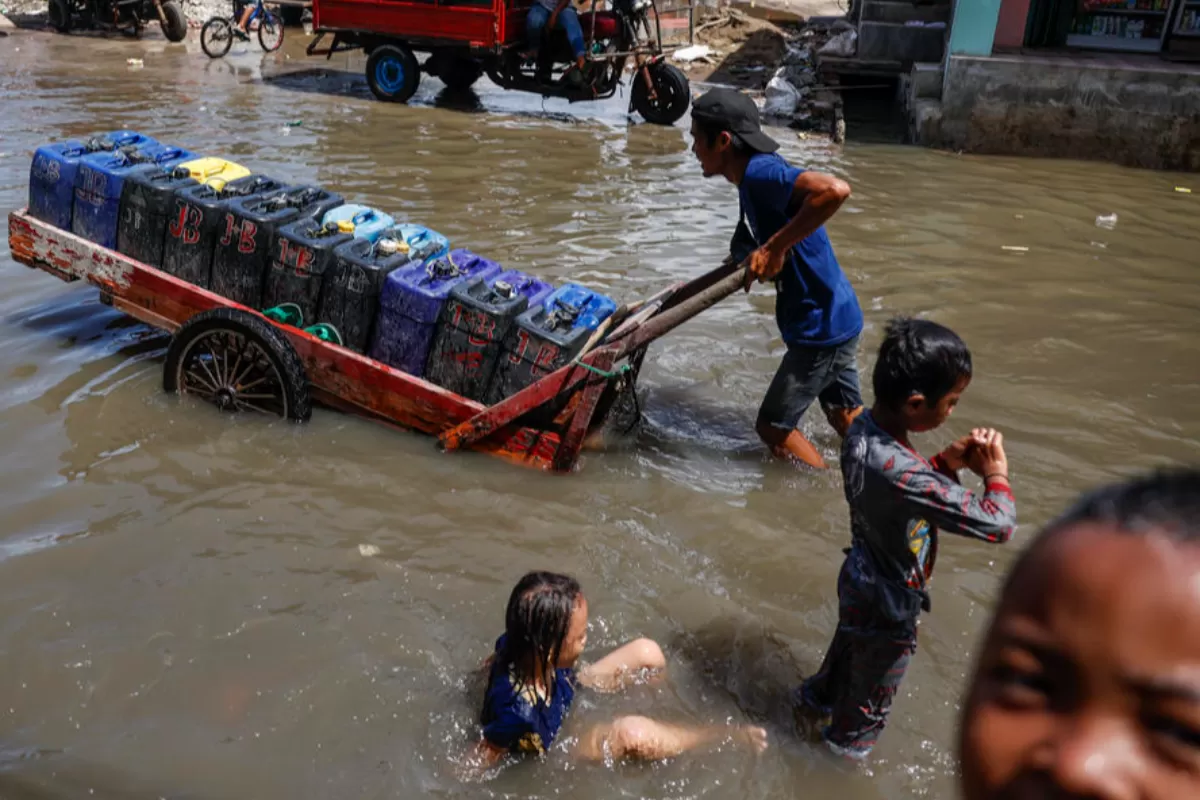
The summit on climate change, COP26, brings no breaking news: we already know that a critical point has been reached. However, just knowing it doesn't help. We need urgent measures and policies that can no longer be postponed if we want to give future generations a chance.
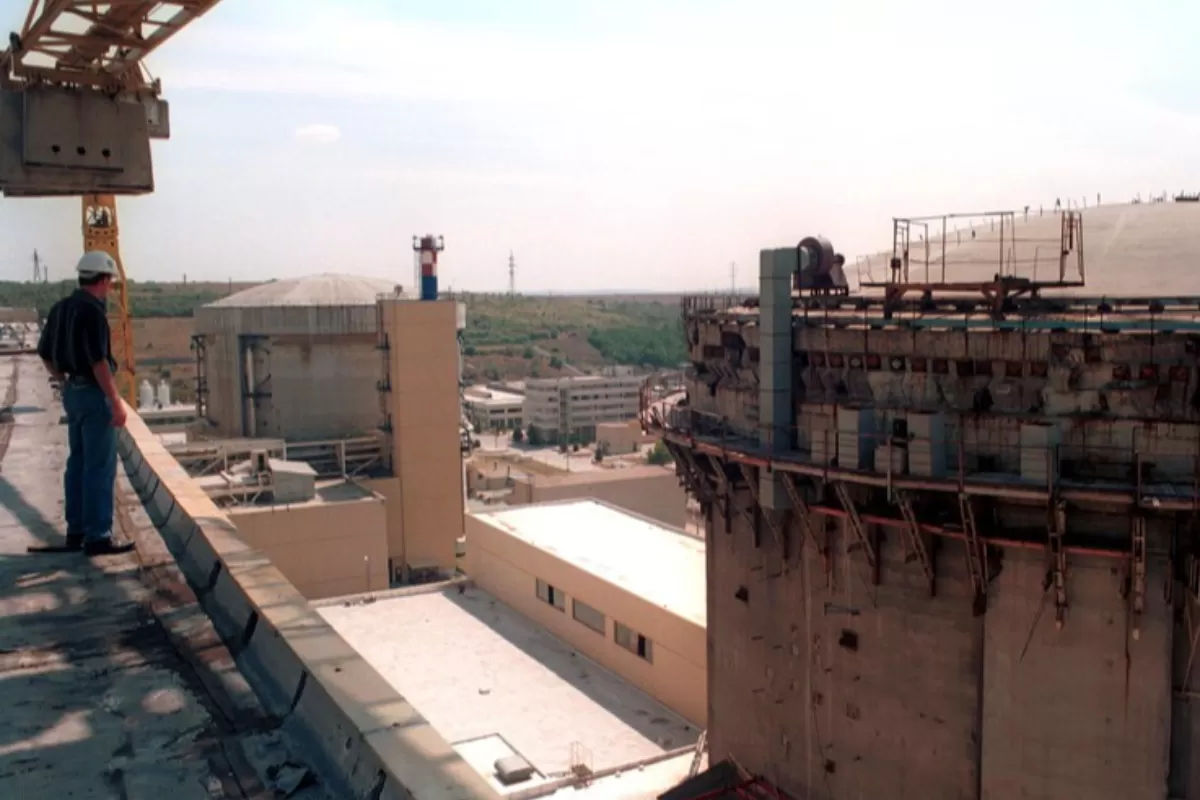
The strategic partnership between Romania and the USA will enter a new stage, after the signing last Thursday of a very important agreement between the Romanian state-owned company Nuclearelectrica and the US NuScale Power on the deployment in Romania of small modular nuclear reactors, known as SMR, which will give access to a new source of clean energy.
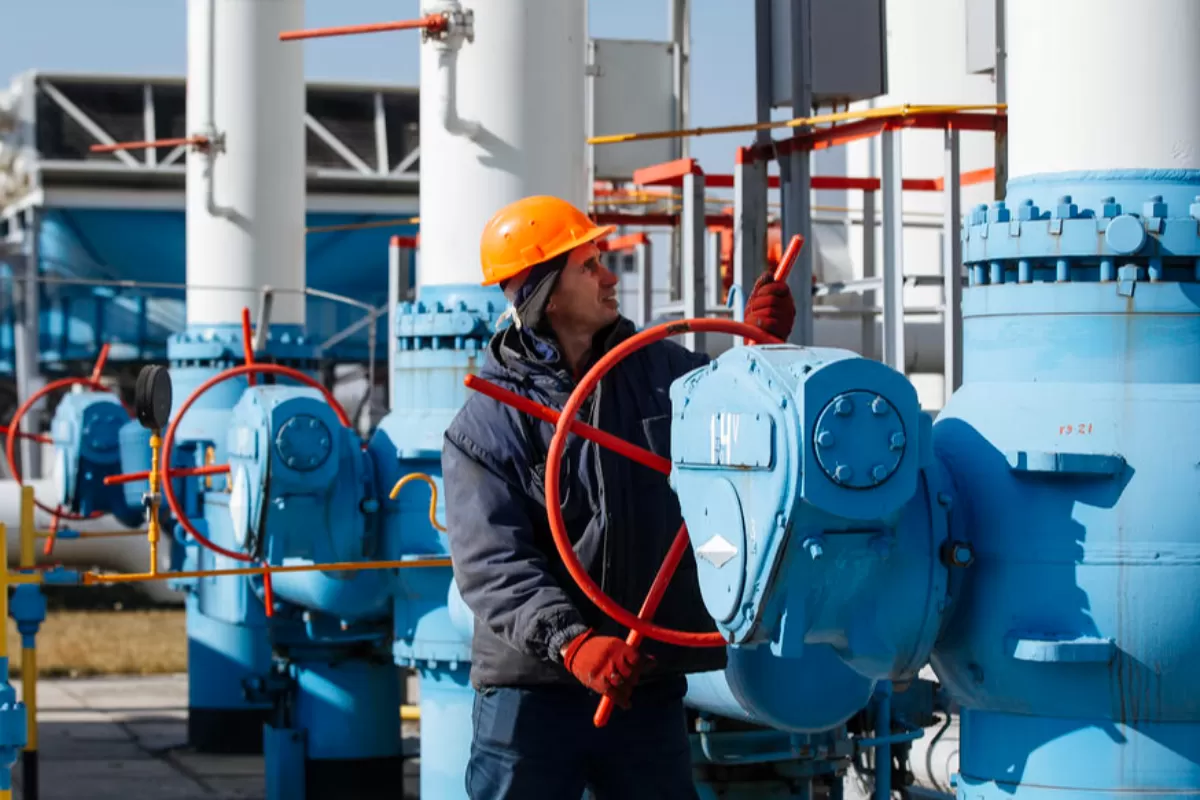
Russia has traditionally used gas as a weapon, and Ukraine has been a traditional target of Kremlin’s energy aggression. The events of autumn 2021 in Europe invite us to have a look at the previous so-called “gas-wars” and their impact, in order to be able to better predict Russia’s future actions and understands its tactis and motivations.
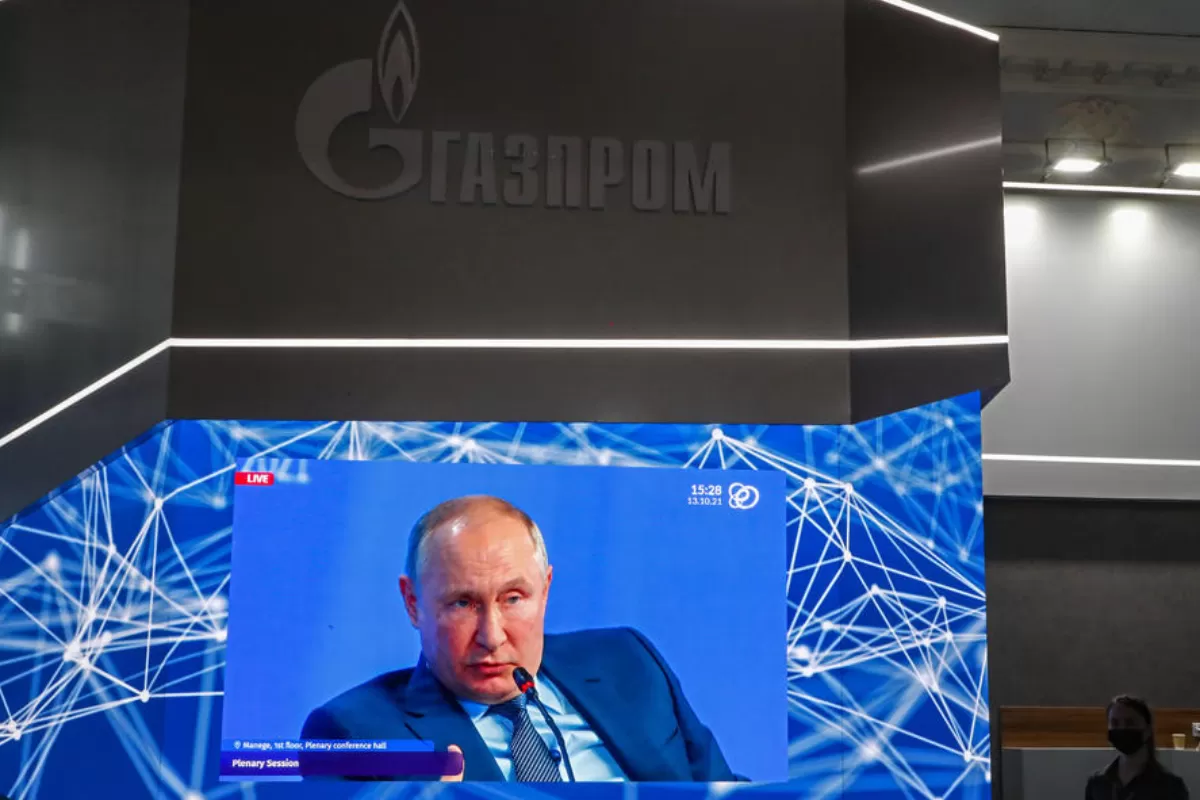
Vladimir Putin’s plans have two main goals: to take Ukraine out of the gas market, and thus silence any political regime in Kiev, and to destabilize the European Union by means of repeated natural gas crises.
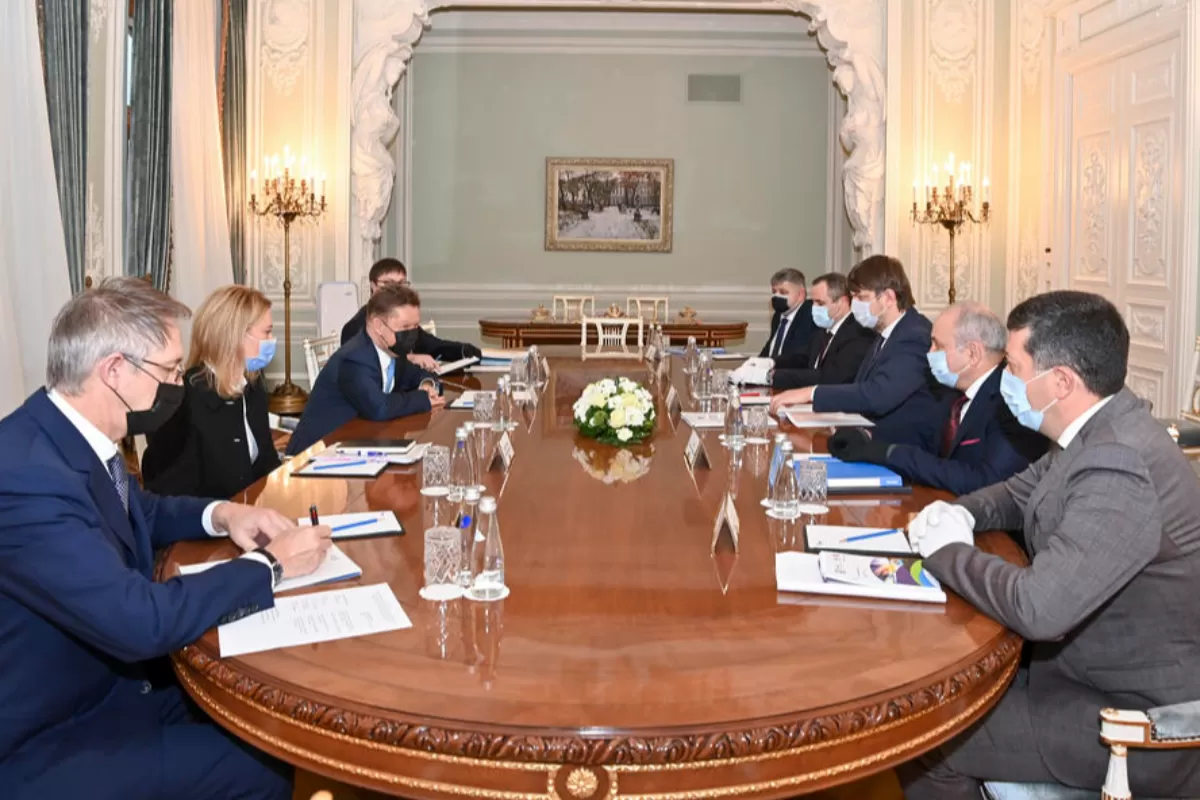
Announced with bells and whistles as a big thing achieved by the Republic of Moldova with regard to the gas supply from Russia, the new contract with Gazprom is not exactly a success, either economically or politically.
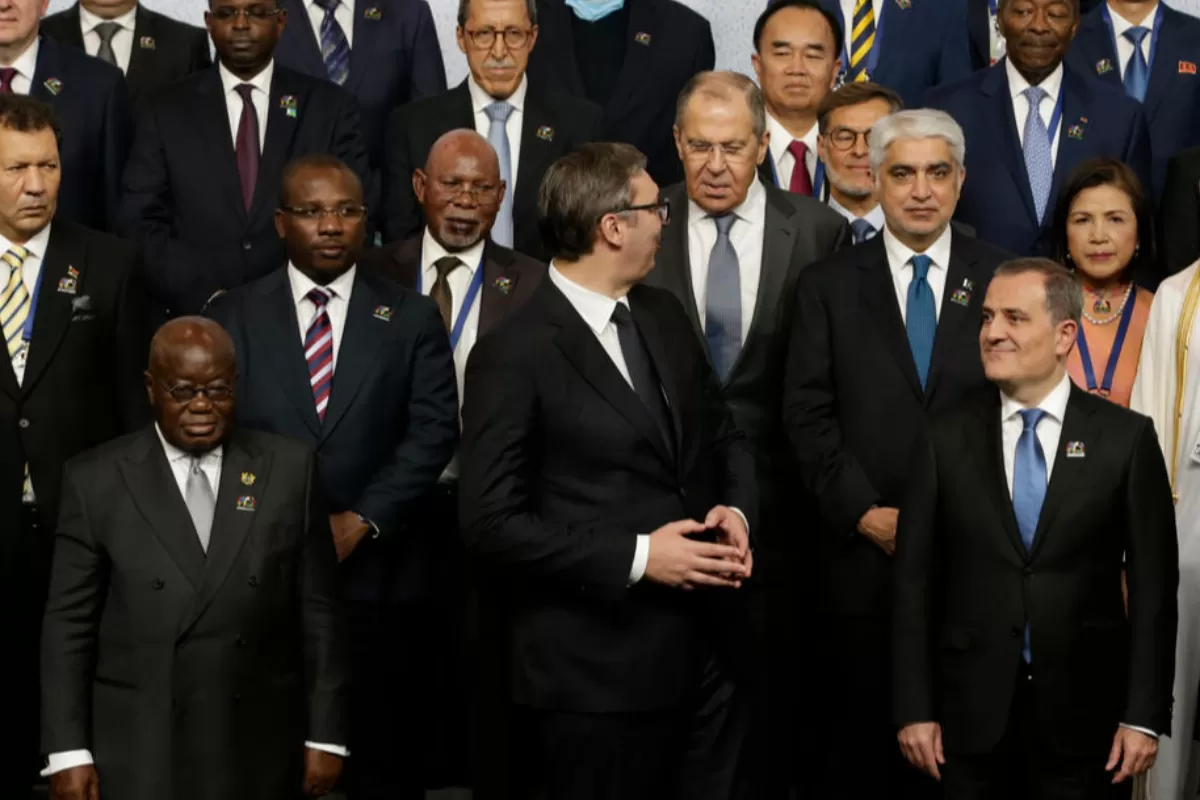
A Cold War era relic, the Non-Aligned Movement is still seen as useful by one of its founding members – Serbia – and a prospective new-comer, Russia. Both are aiming to project their soft power among the organizations 130+ members and observers. And both may be expecting too much from a Movement that never really managed to become a real alternative to the world’s power poles.
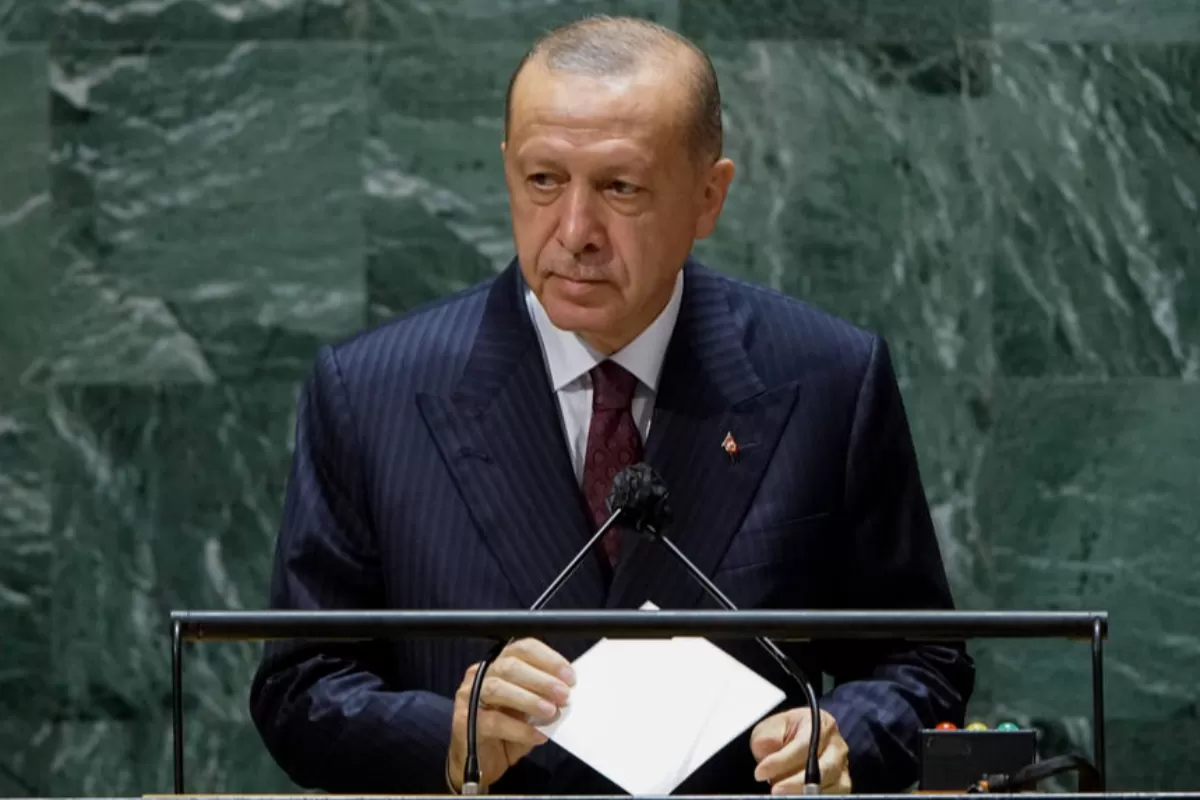
On October the 23rd, Turkish President, Recep Tayyip Erdoğan said that he had told his foreign minister to declare ten ambassadors persona non grata, after they asked for the release of an activist jailed for years. Seven of these were ambassadors from NATO allied countries, including the US and European heavyweights France and Germany. The crisis, which threatened to be the most severe between Ankara and its allies since Erdoğan came to power, was eventually eased, but nonetheless, it was indicative of Erdogan’s stance towards the West.
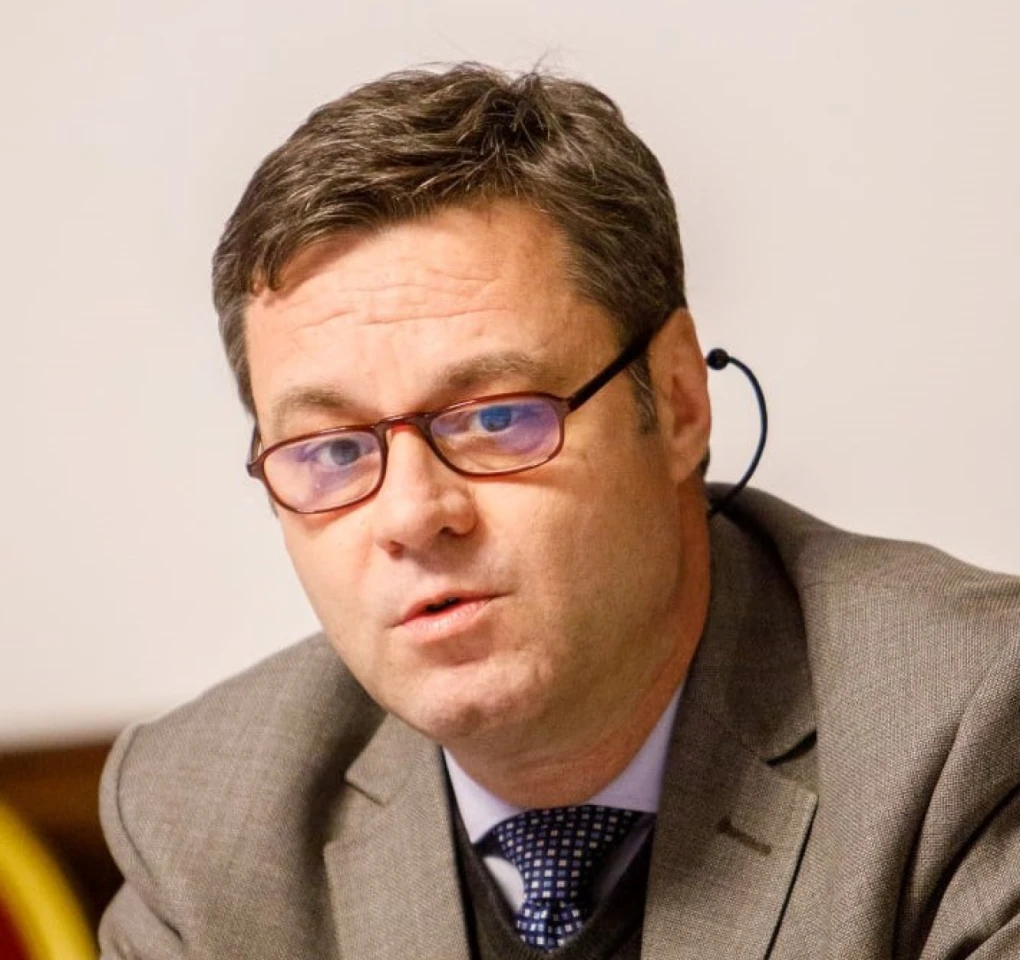
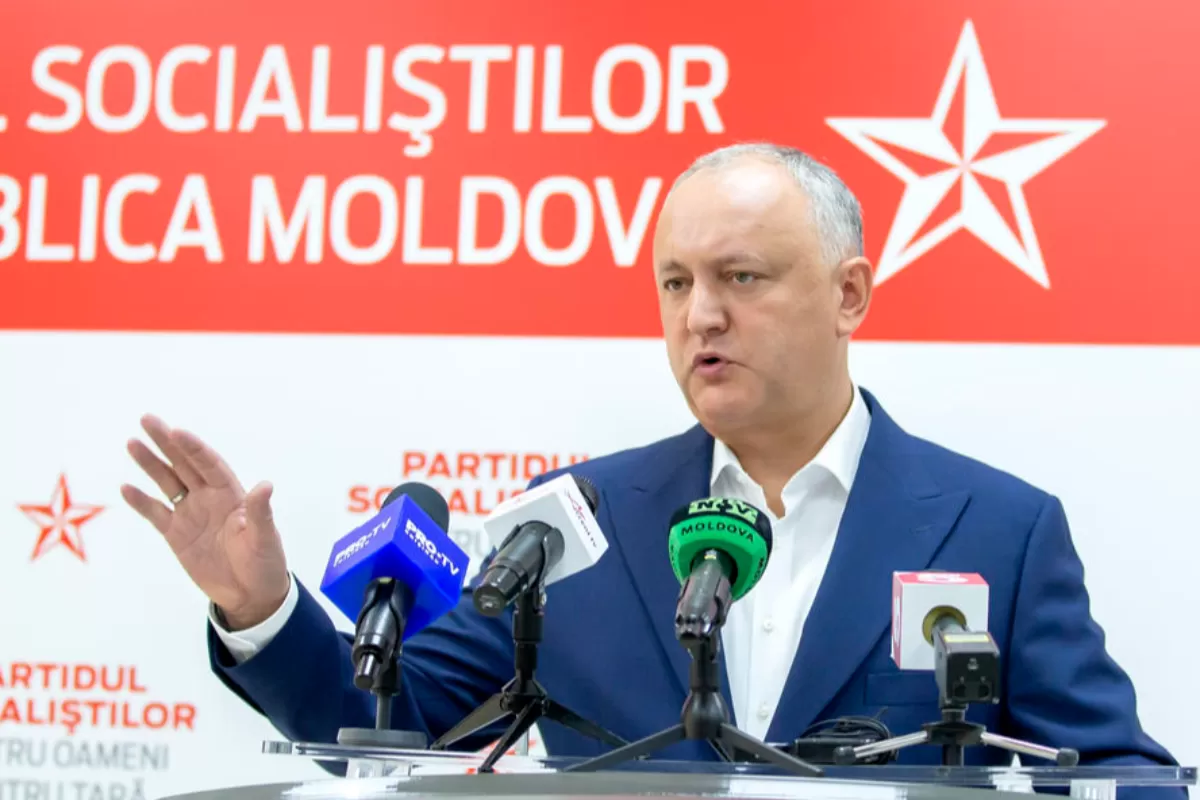
Igor Dodon’s surprising announcement about his withdrawal from political life and entry into business early last week raised a lot of questions regarding the former pro-Russian president’s actual endgame.
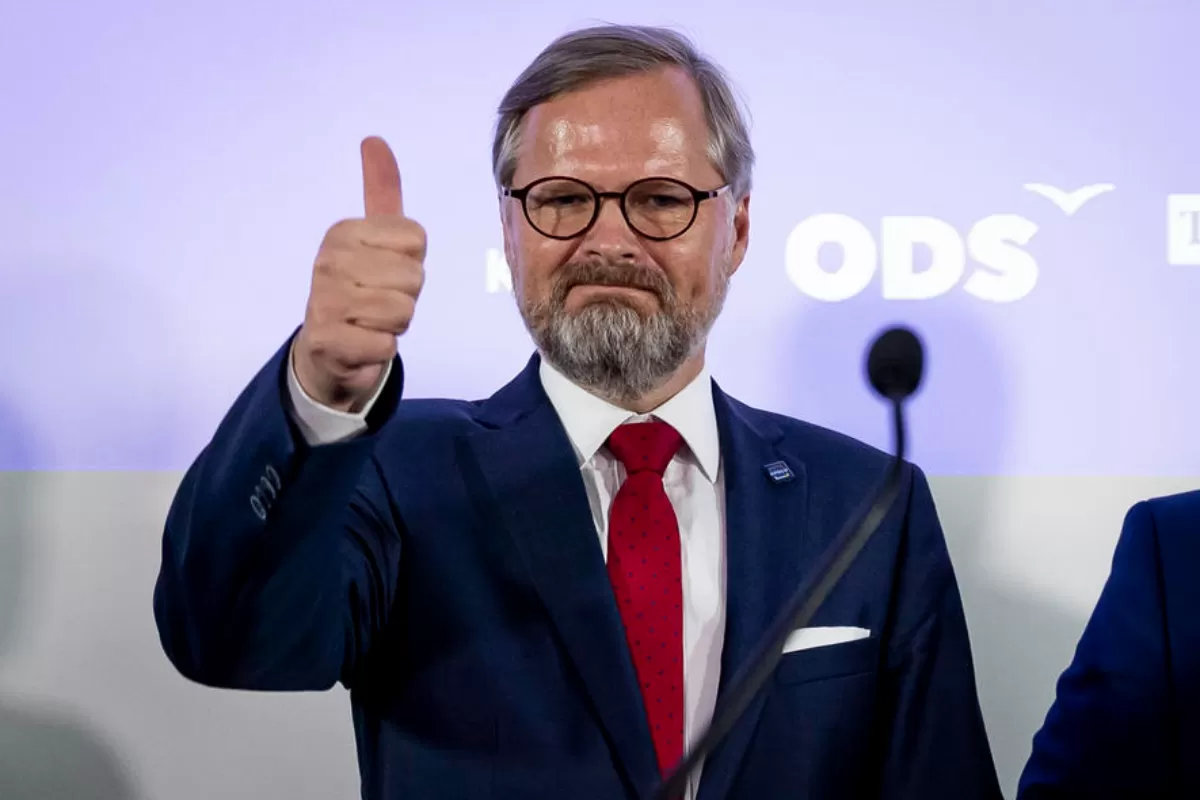
The recent parliamentary elections have redrawn the political map in the Czech Republic. The incumbent Prime Minister Andrej Babiš has lost power, a coalition of five very diverse parties will most likely govern, and voters of the traditional left-wing parties have lost their representation entirely. The post-election situation is further complicated by the fact that President Miloš Zeman is seriously ill and, according to the hospital where he is hospitalised, is unable to exercise his powers. Prague Castle, however, is silent about Zeman's condition.
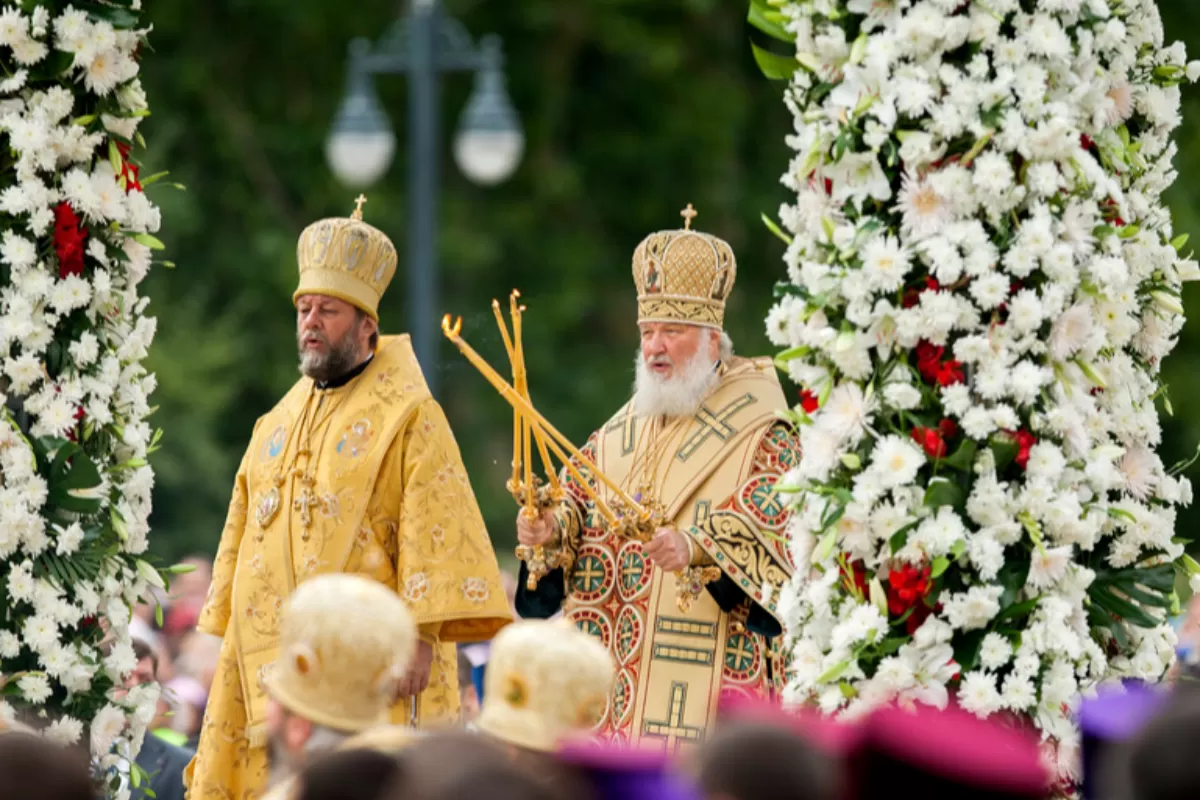
The Metropolitanate of Moldova is one of the instruments Russia is using to exert its influence in Chișinău. From backing pro-Russian politicians in election campaigns to blocking certain pieces of legislation that would take Moldova closer to Europe, the Metropolitanate has constantly shown that religion is hardly its sole concern.
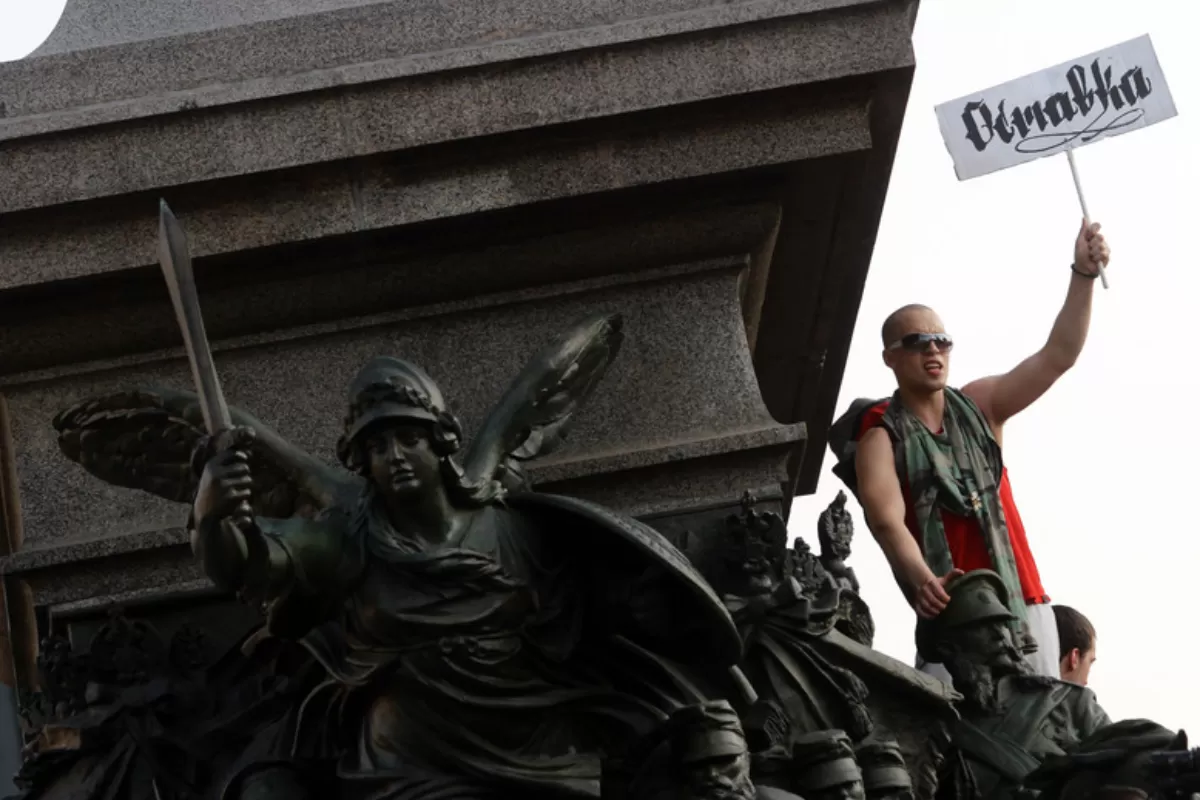
The Pandora Papers did not cause a major surprise in Bulgaria, a country accustomed to corruption scandals. It remains to be seen what will their impact be. For now, one of those exposed in the leaks, controversial oligarch Delyan Peevski, instead of hiding returned from Dubai to Bulgaria and announced his come back to the political scene.
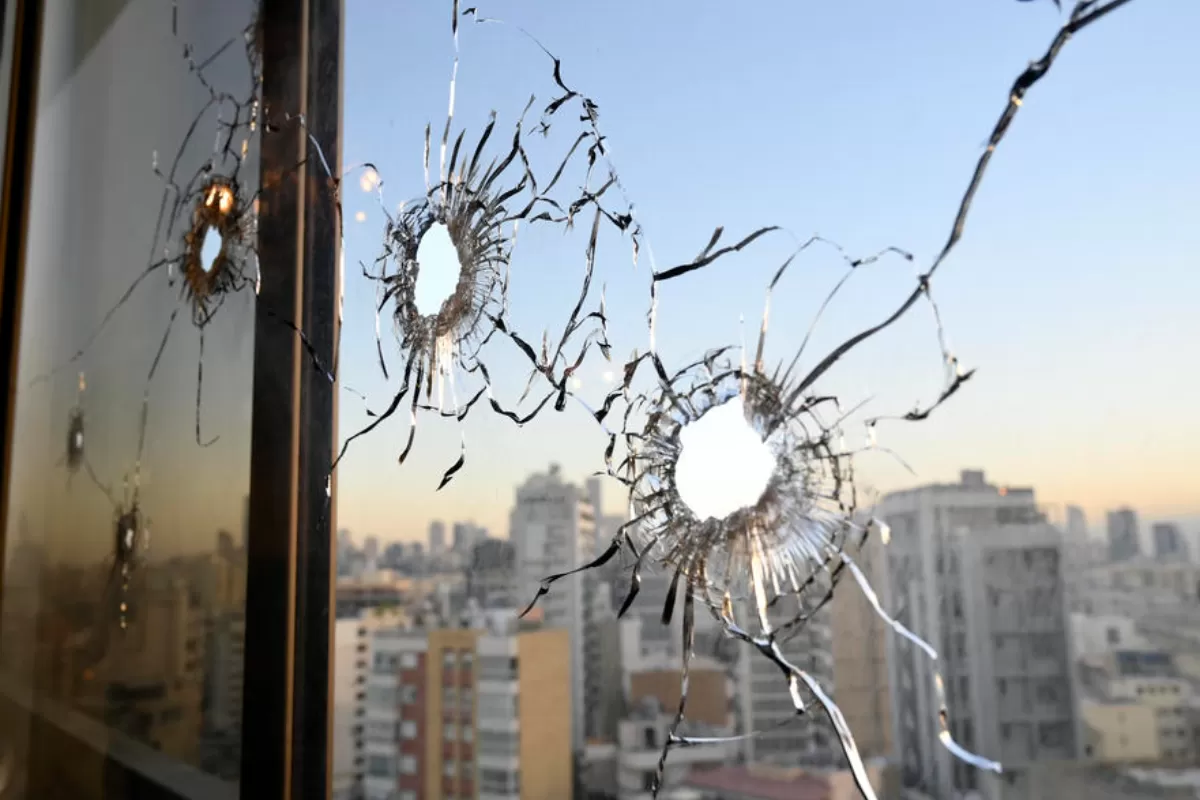
Events this week in Iraq, Lebanon and two European countries were a stark reminder that we still need to pay attention to the Middle East
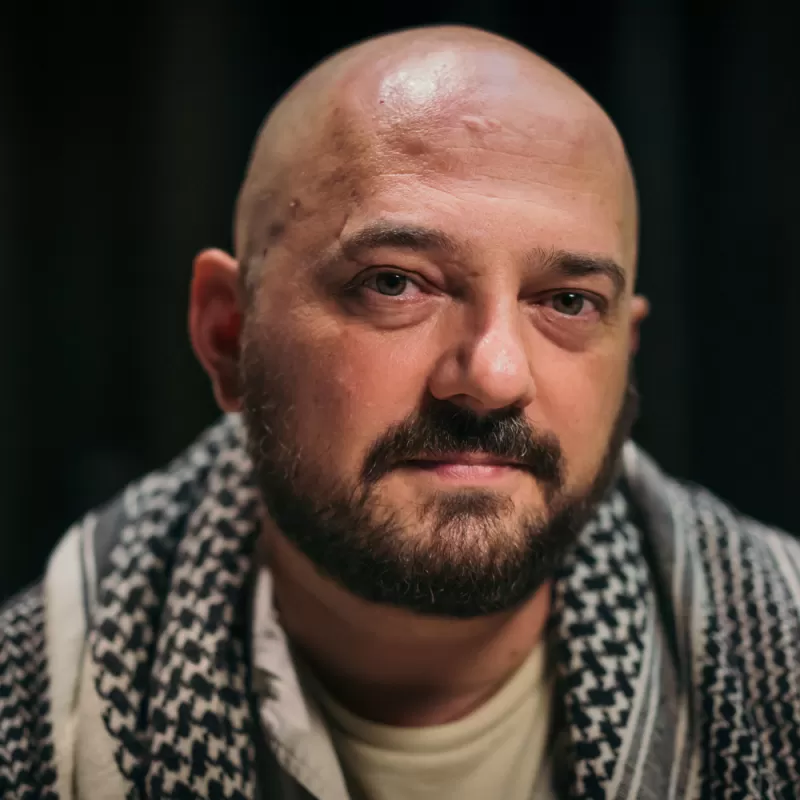
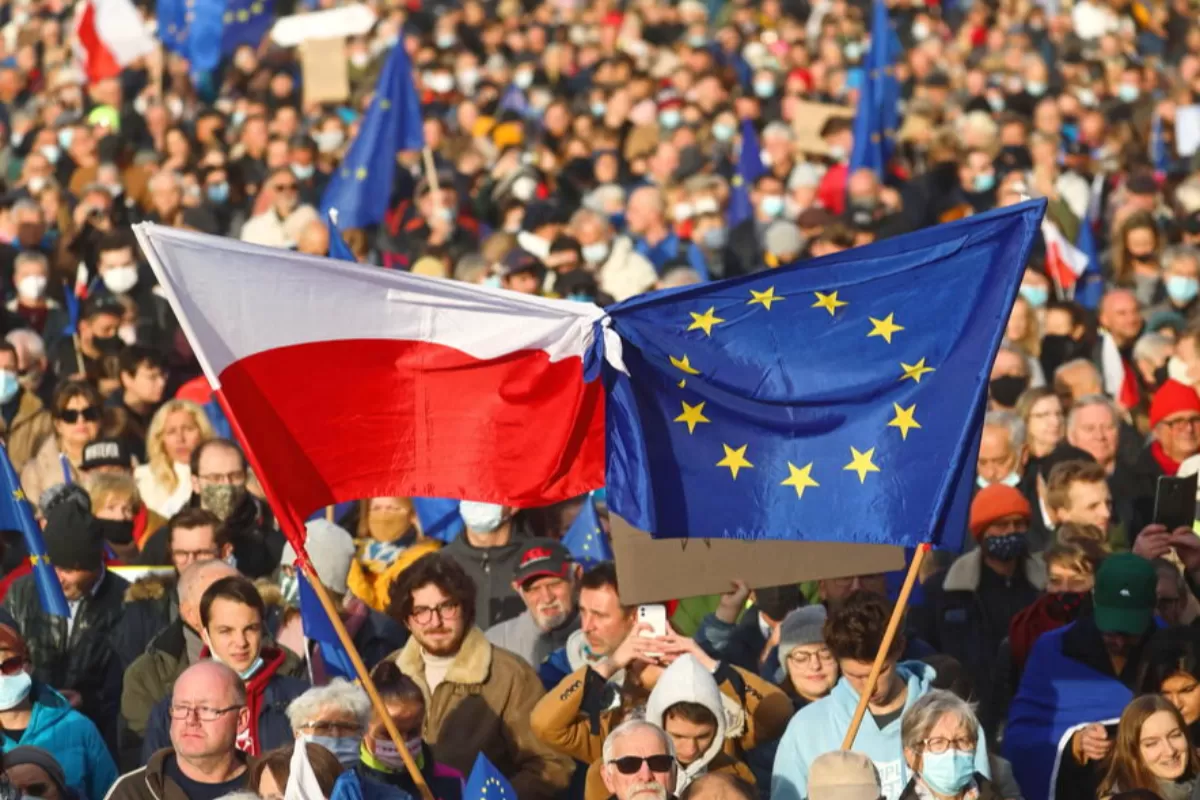
The Polish government is exacerbating the conflict with Brussels, and Poles are taking to the streets backing EU membership. But when we look at the matter in more detail, it turns out that it is not as simple as the Western media wants to see it.
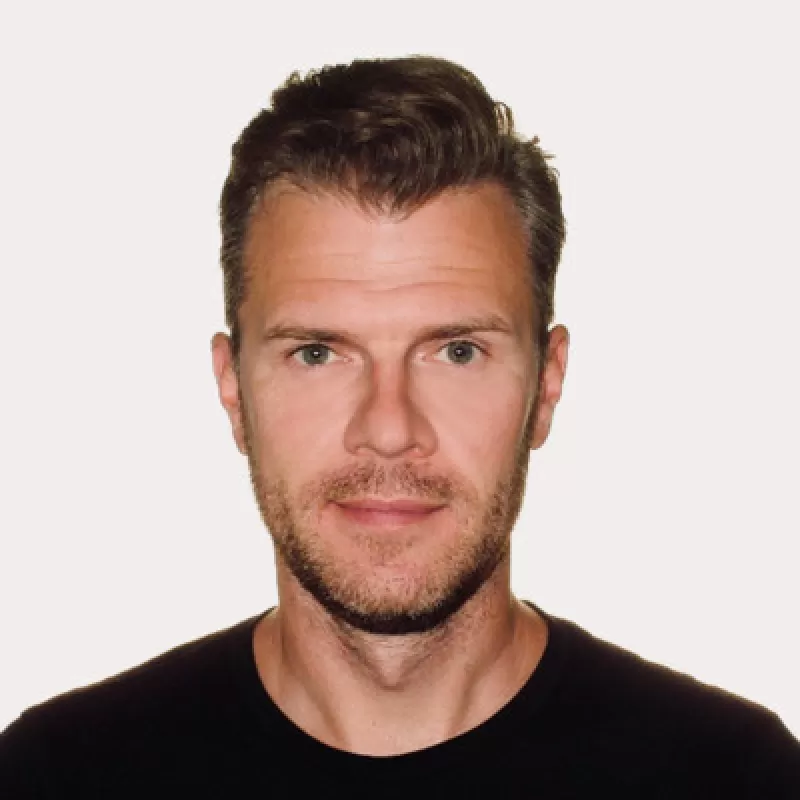
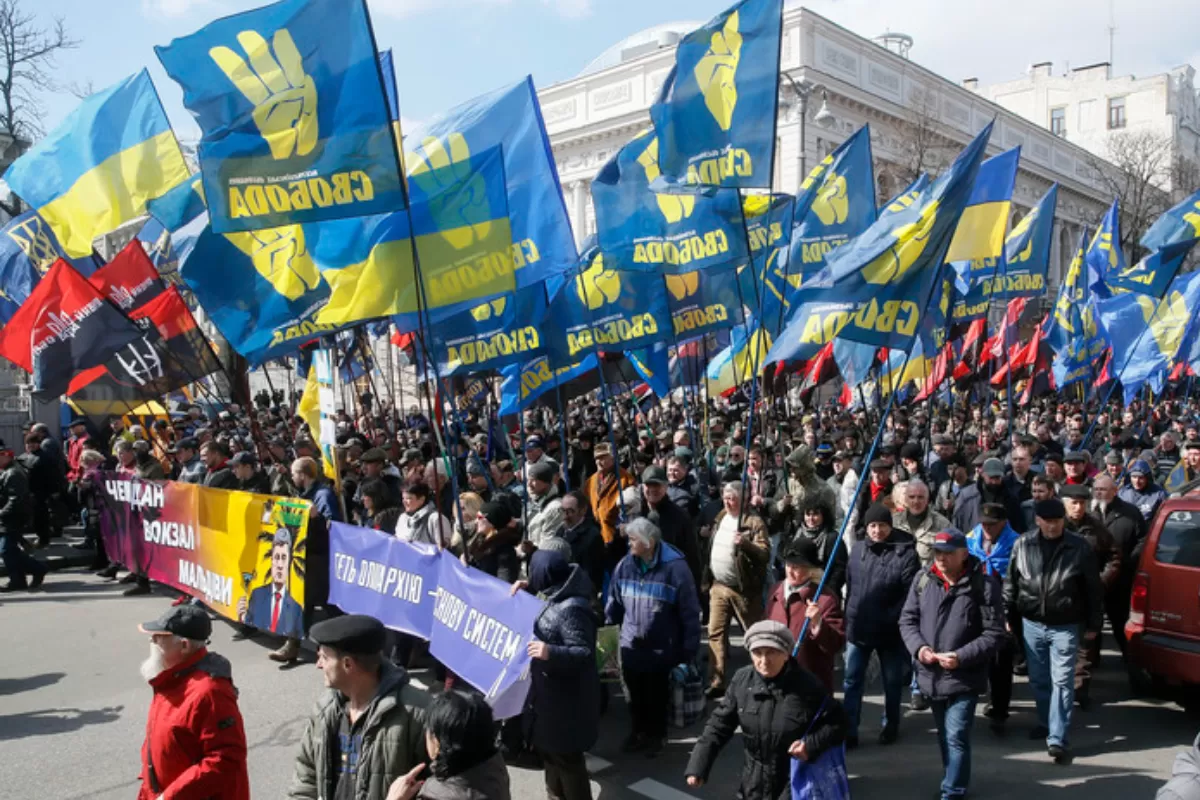
The Parliament in Kiev adopted a law aiming to curb oligarchs’ influence in politics. The piece of legislation comes at a time when Ukraine’s partners have warned Kiev authorities they are doing too little to limit the informal decision-making of groups of oligarchs. Despite having already been adopted, the law rather seems to be a sort of “window dressing” designed to boost Zelensky’s influence in the runup to the presidential election. No one really knows who exactly will be on the list of oligarchs who will have to abide by the new legislation and what the long-term implications will be.
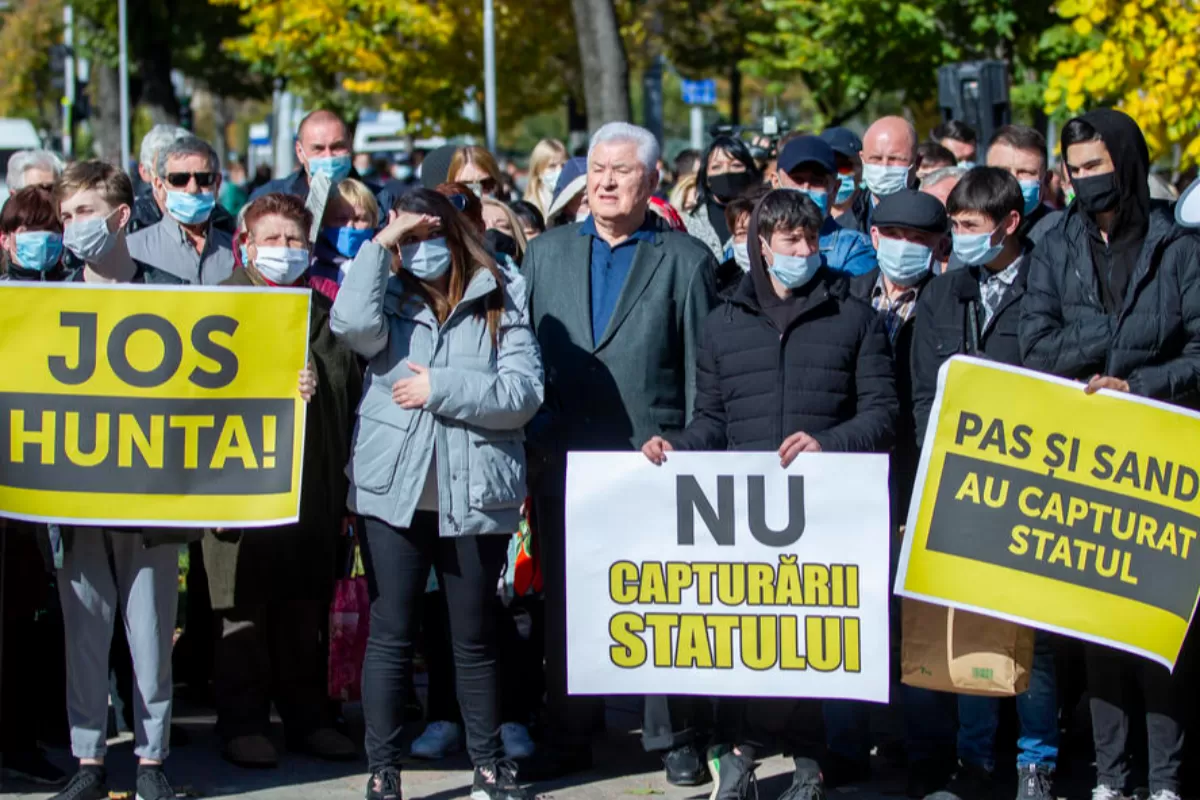
The pro-European government in Chisinau has entered a complicated period. Judicial reform has already begun in force and has already generated an internal crisis due to the detention of the prosecutor general, a measure that has been described as too harsh by some analysts, recalling a real "judicial blietzkrieg". This is exactly the kind of situation that Russia usually exploits, and Moscow has a few levers at its disposal to ensure that Moldova goes in the direction it wants.
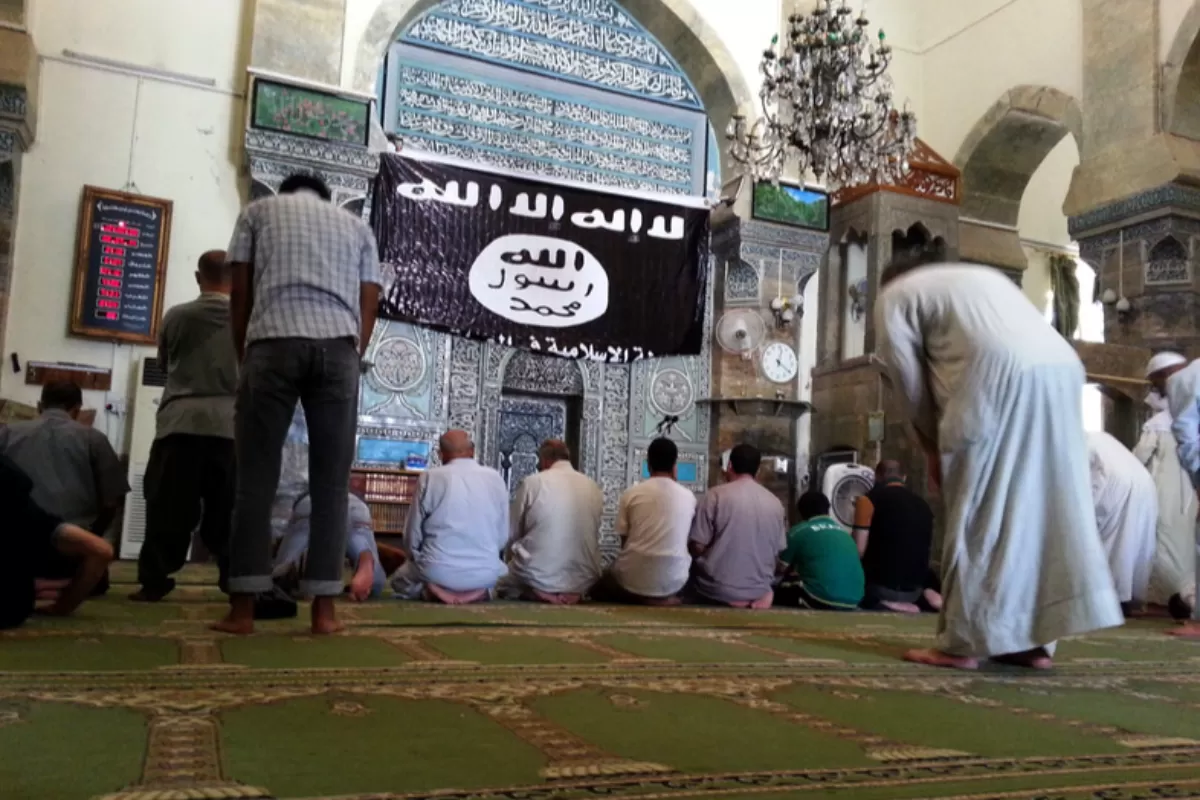
This war among Muslim extremists might seem peculiar. Their ideologies are strikingly similar. Most of their fighters originate from the same region and share the same cultural and ethnic background. Their number one enemy is the West, embodied by the United States, whose withdrawal from Afghanistan is perceived by many as a defeat. Rather, their rivalry is more nuanced and has to do with their divergent worldviews and their distinctive approach to religion and jihad. Their dispute is also highly political, as they both fight for supremacy and prestige. Finally, their clash reflects the old rivalry between al-Qaeda and the Islamic State.
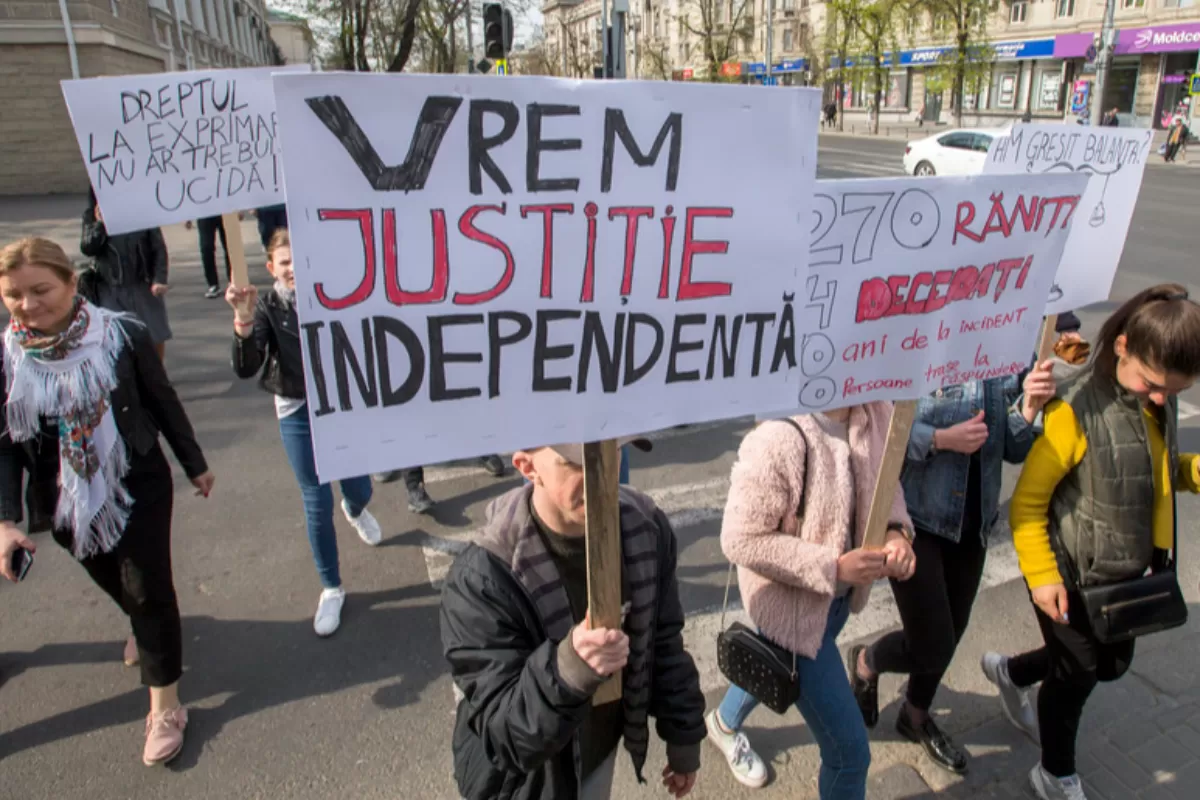
The Prosecutor General of the Republic of Moldova was arrested on October 5 for corruption. This is the latest in a series of scandals over this institution. Will it mark the true beginning of judicial reform, or are we dealing with a new stage in the war over the control of a vital institution?
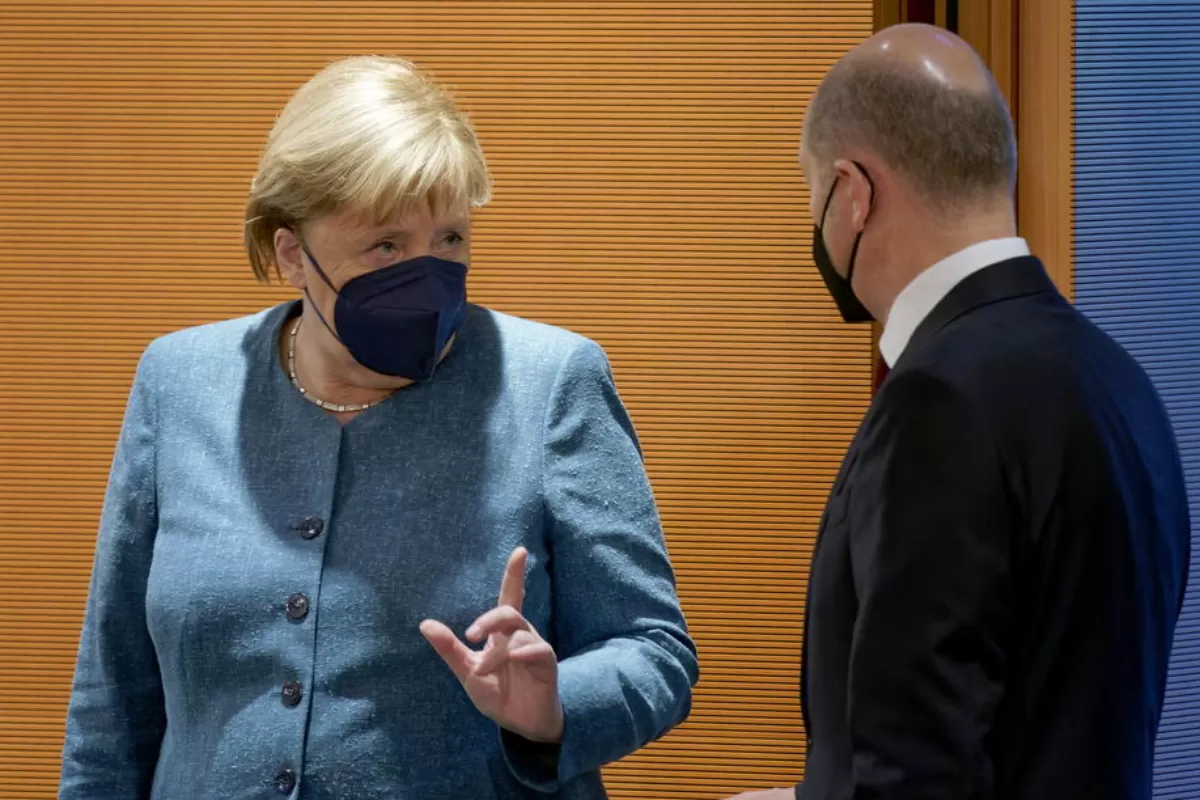
Who will be Germany’s next chancellor? Olaf Scholz, the Social-Democrat candidate, seems to be the favorite choice. And it wouldn’t be far from the truth either, if the German election system weren’t so intricate. Now, after the September 26 election, all options are still on the table.
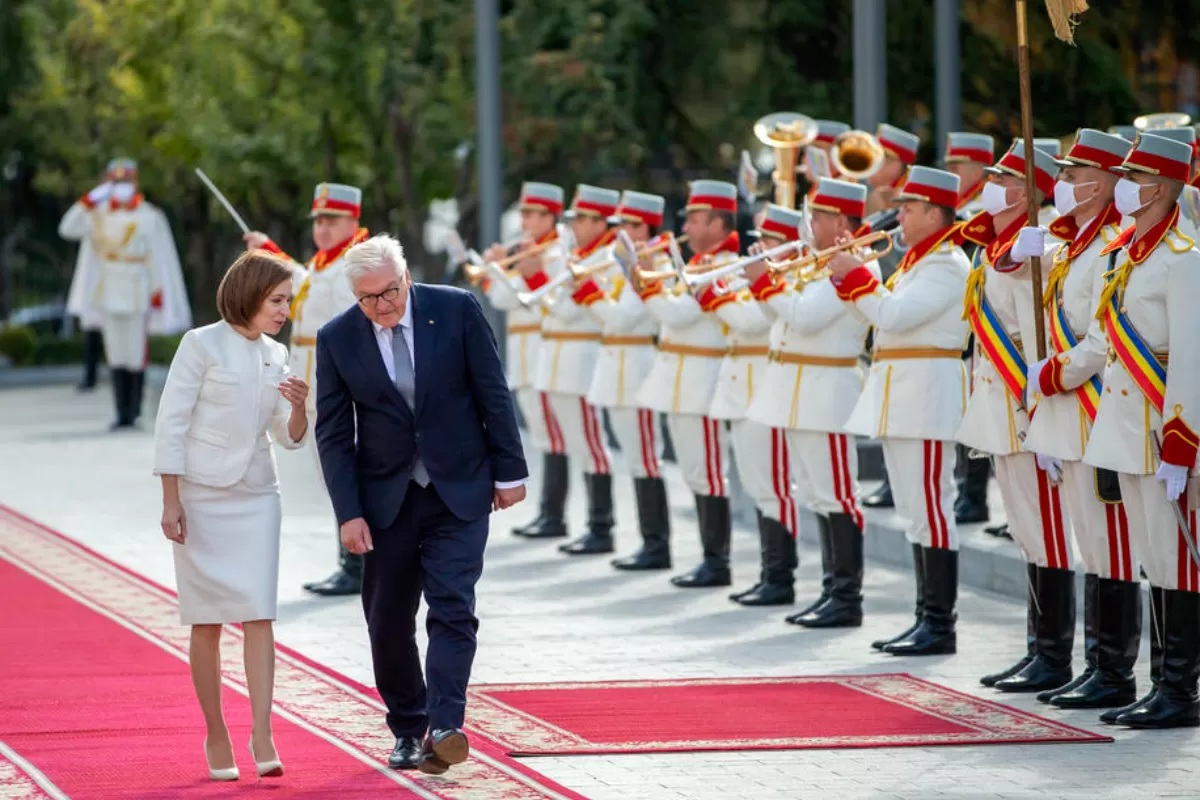
After Maia Sandu and PAS took over the reins of power, Chisinau started a genuine diplomatic offensive. There is openness towards the Republic of Moldova in the western chancelleries, as well as willingness to help, but that is no guarantee for success. A decade ago, the country was in a similar situation, but the failure of the governments that followed eventually led to years of isolation.
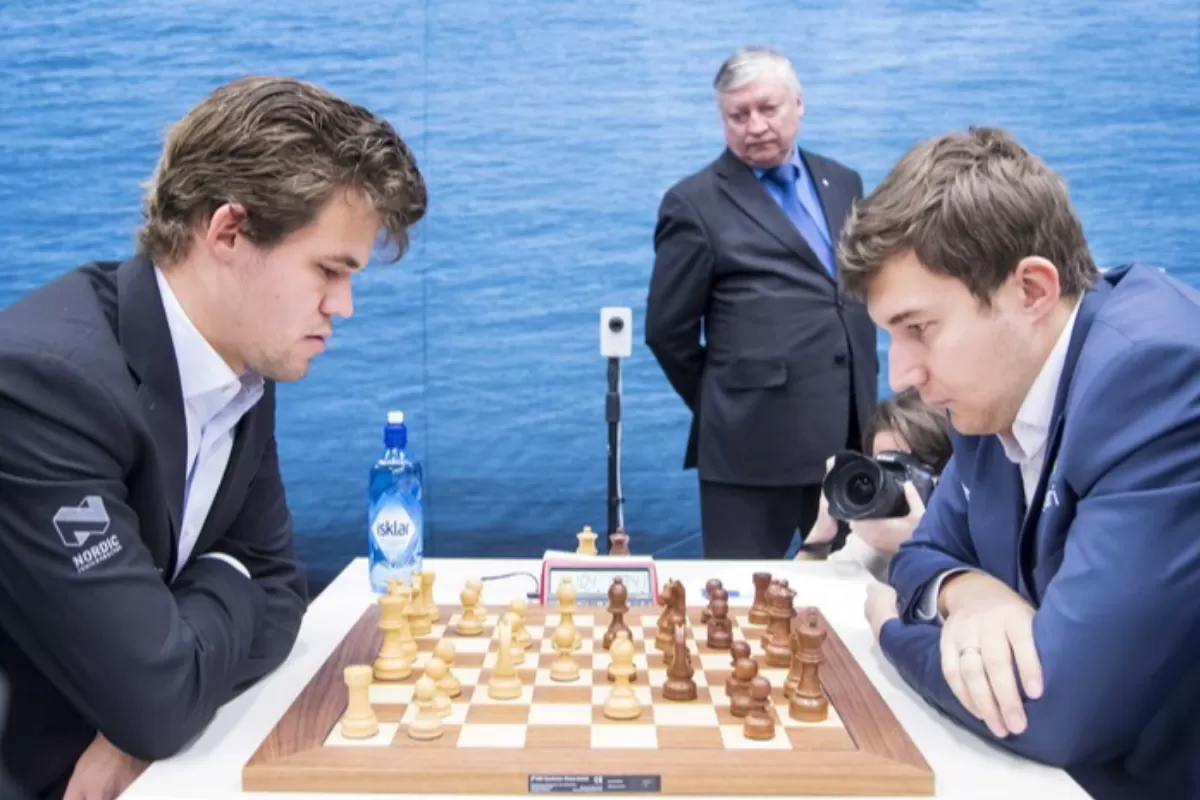
Since Lenin, many communist leaders have tried to play and promote chess. Most of the time, these leaders were pathetic players, who were not able to face a tournament of medium and even amateur level; except, perhaps, for one organized only among themselves, an event which, however, never took place, despite the socialist friendship between their peoples. But that did not stop the same communist leaders from turning chess into a powerful propaganda tool during the Cold War. And in this respect, the Soviets were indeed champions.
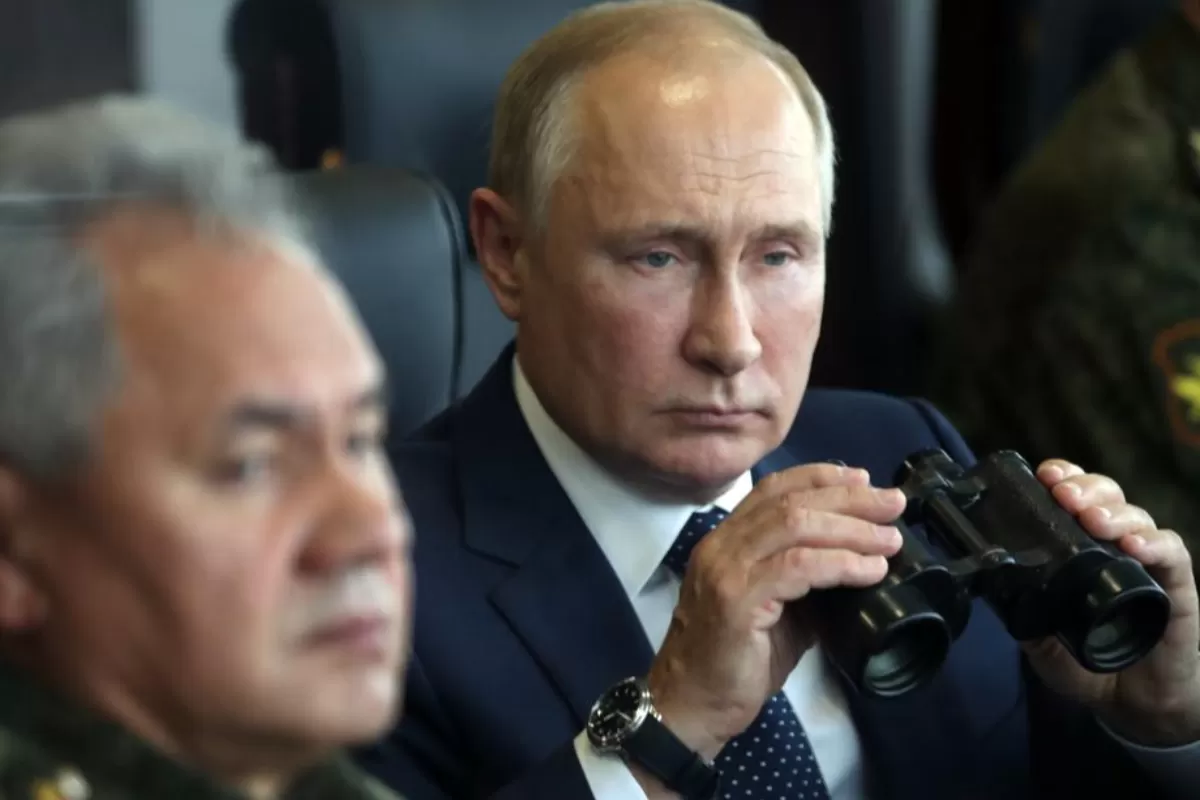
The Russian-Belarusian exercise "Zapad-2021" has become the object of increased attention from the neighbors of the two countries. But this event on the military-political map of Europe was only used as a distraction by the Kremlin.
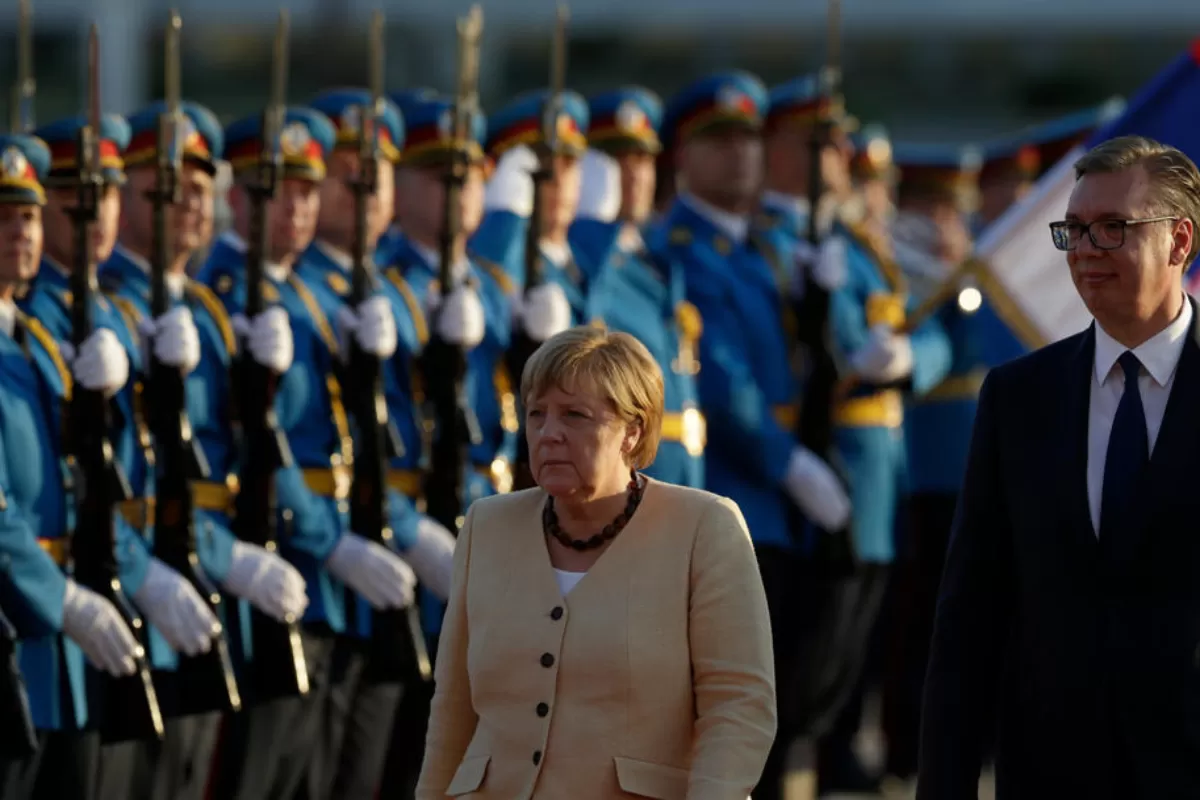
Outgoing German Chancellor Angela Merkel was, for years, the driving force behind Berlin’s – and EU’s – policies in the Western Balkans. As Merkel is exiting the scene, the region is still years away from EU integration, and some of its countries even took a turn away from their stated objectives of becoming consolidated liberal democracies.
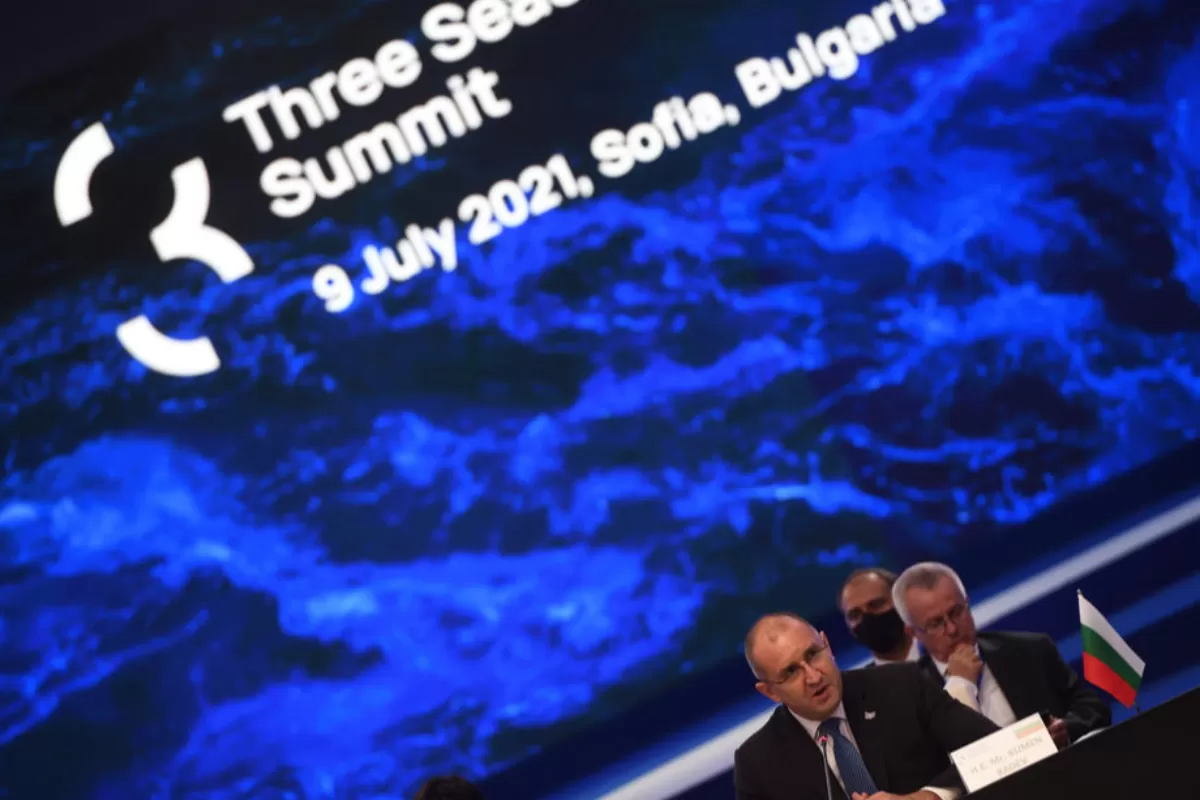
After the annexation of Crimea in 2014, Russia’s acts of aggression and its military-oriented stance on NATO’s eastern flank have inevitably become a reason for concern for a number of countries in Central and Eastern Europe, particularly those behind the former Iron Curtain under Russia’s sphere of influence. Efforts to connect European infrastructure from north to south may curb Moscow’s influence in the region, and inadvertently boost the collective security of central and east-European states.
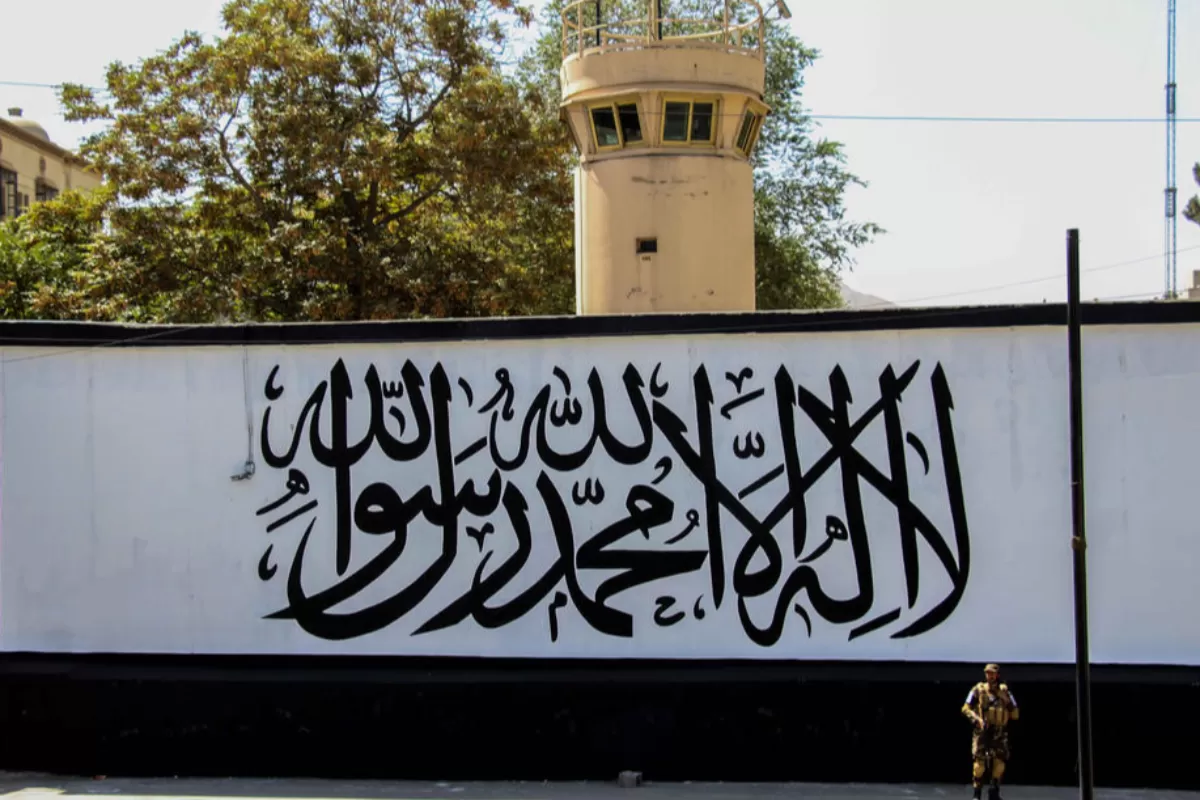
Following the hasty withdrawal of US and NATO forces from Afghanistan, an increasing number of analysts speak and write about weaknesses of Europe and Washington vis-à-vis illiberal, authoritarian regimes. Some even engage with the idea that the West may have in fact entered a process of decline. However, while the latest developments in Afghanistan could well be the symptom of profound change in the international arena, talking about the West declining in a logic of confrontation with the East is rather problematic.
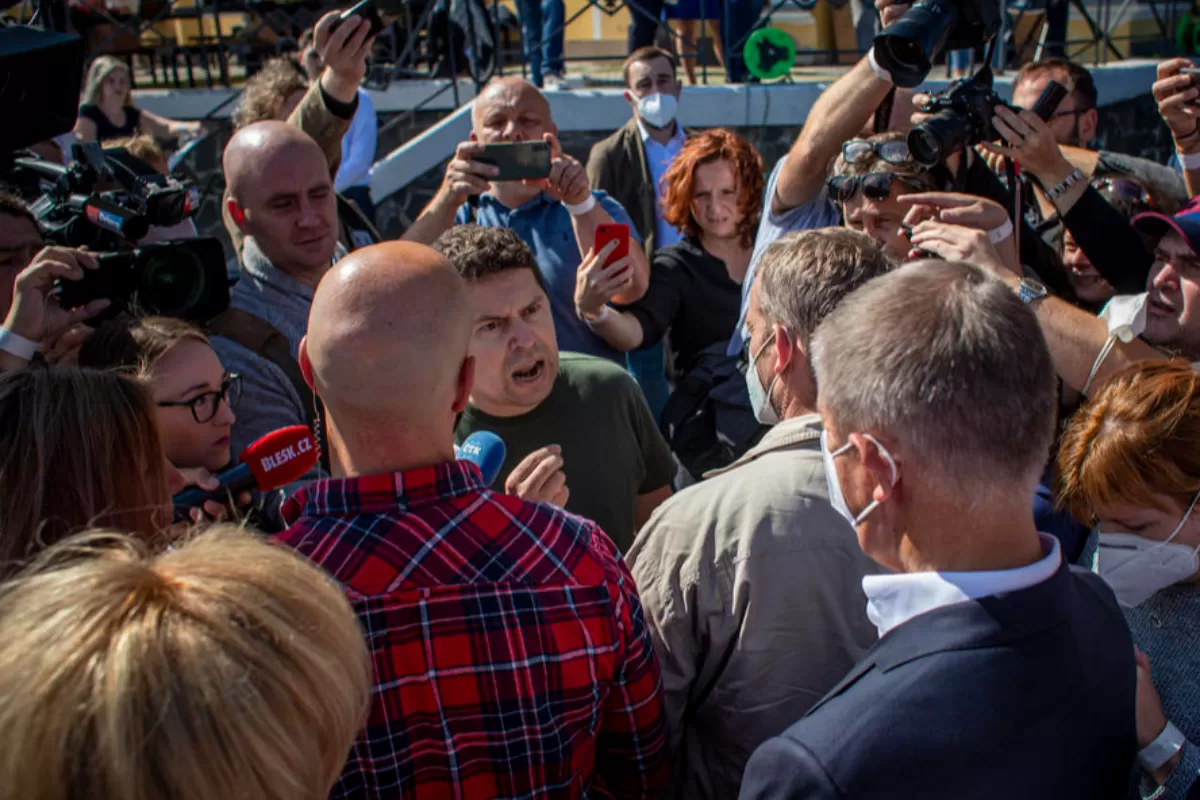
Just as the electoral campaign was beginning in the the Czech Republic, the public got a taste of a Greek tragedy when the incumbent Prime Minister, Andrej Babiš, was publicly challenged by his estranged son. The bizzare story, which involves even an alleged kidnapping of Babiš Jr. on his father’s orders, has some very real implications as it may be connected to a fraud involving European funds and a company owned by the Prime Minister.
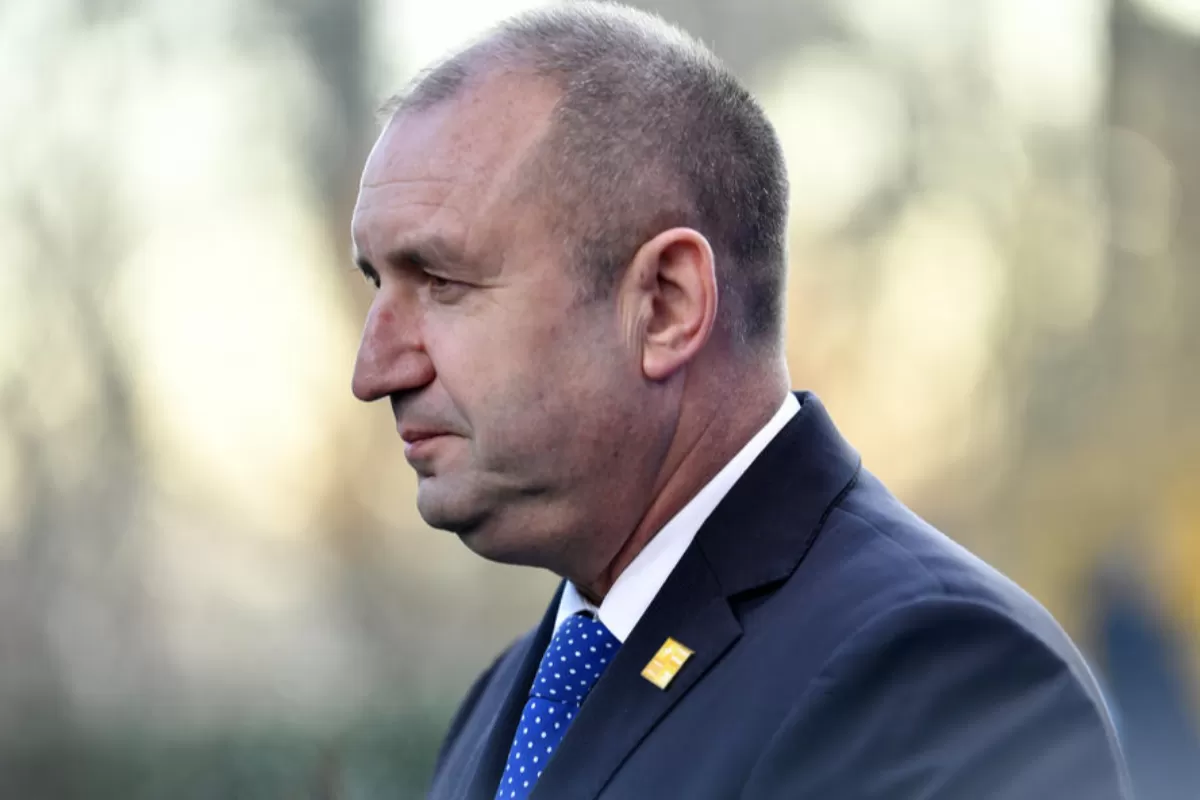
Two months before the Presidential elections, Radev is the only candidate, and with an approval rating soaring above 65%, he stands a good chance of being re-elected. Supported by parties opposing the local politics status-quo, Radev is trying to build a stronger persona and a long-term presence on the political scene
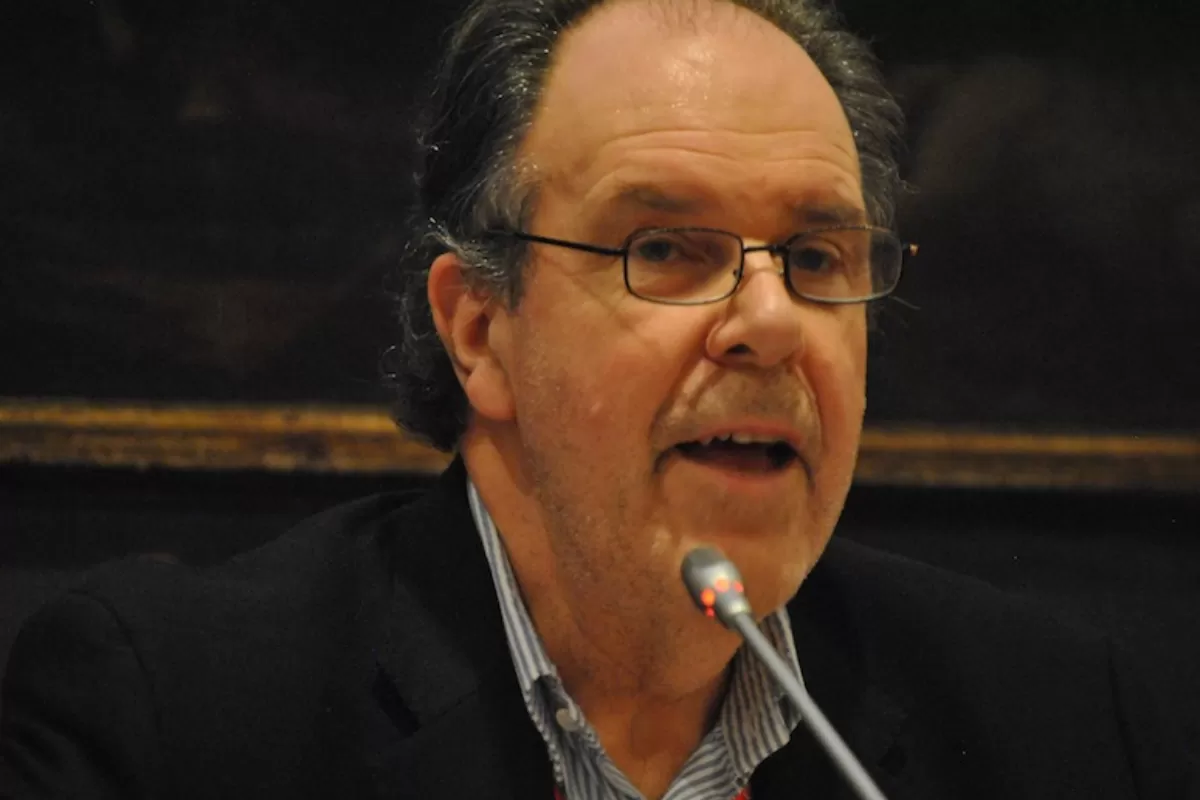
Russia is trying to regain influence in its former Eastern European empire through fake news and influence peddling, according to Financial Times journalist, John Lloyd. The former Moscow correspondent talked to Veridica about the way Moscow is using propaganda in pursuit of its foreign policy objectives.
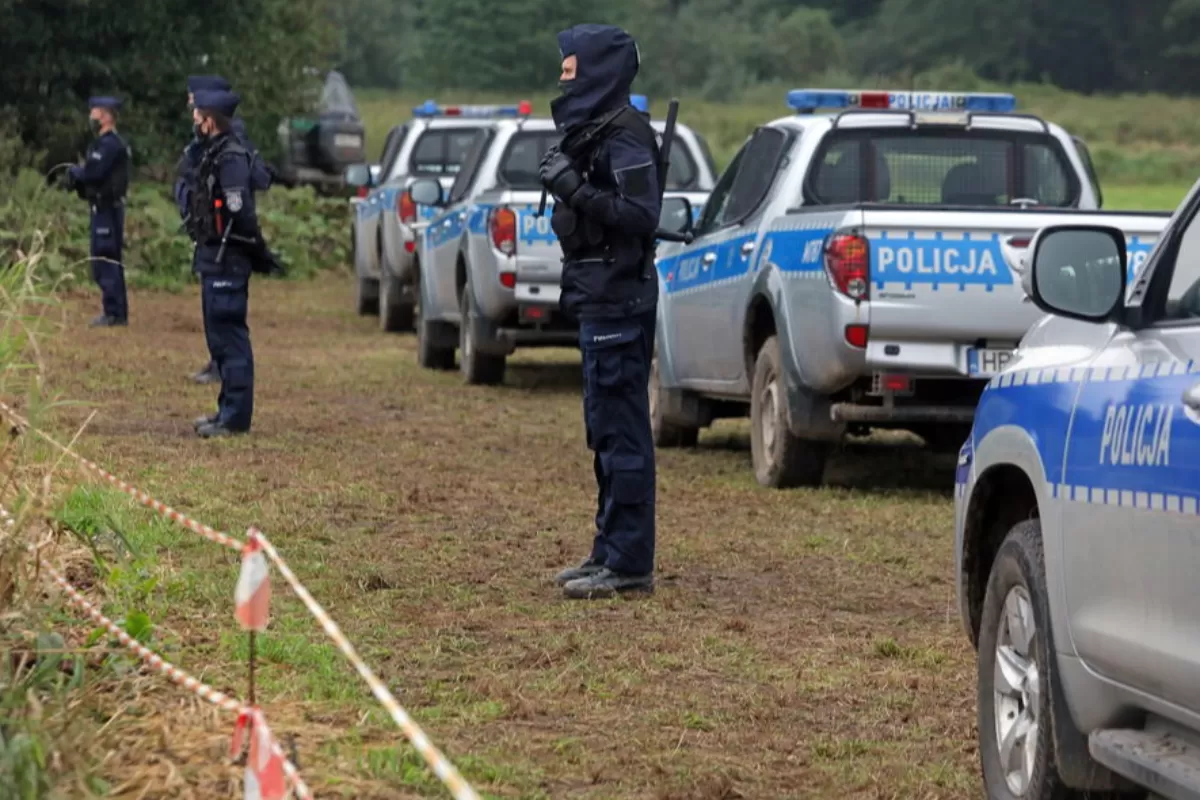
For a month now, the tragedy of 32 Afghan citizens, who have been stuck in no man's land on the Polish-Belarusian border due to the political game between Aleksandr Lukashenko and Jaroslaw Kaczynski, has been unfolding. Similar things are happening on the borders in Latvia and Lithuania. The Polish government seems to be the worst coping with the situation. Why is that?
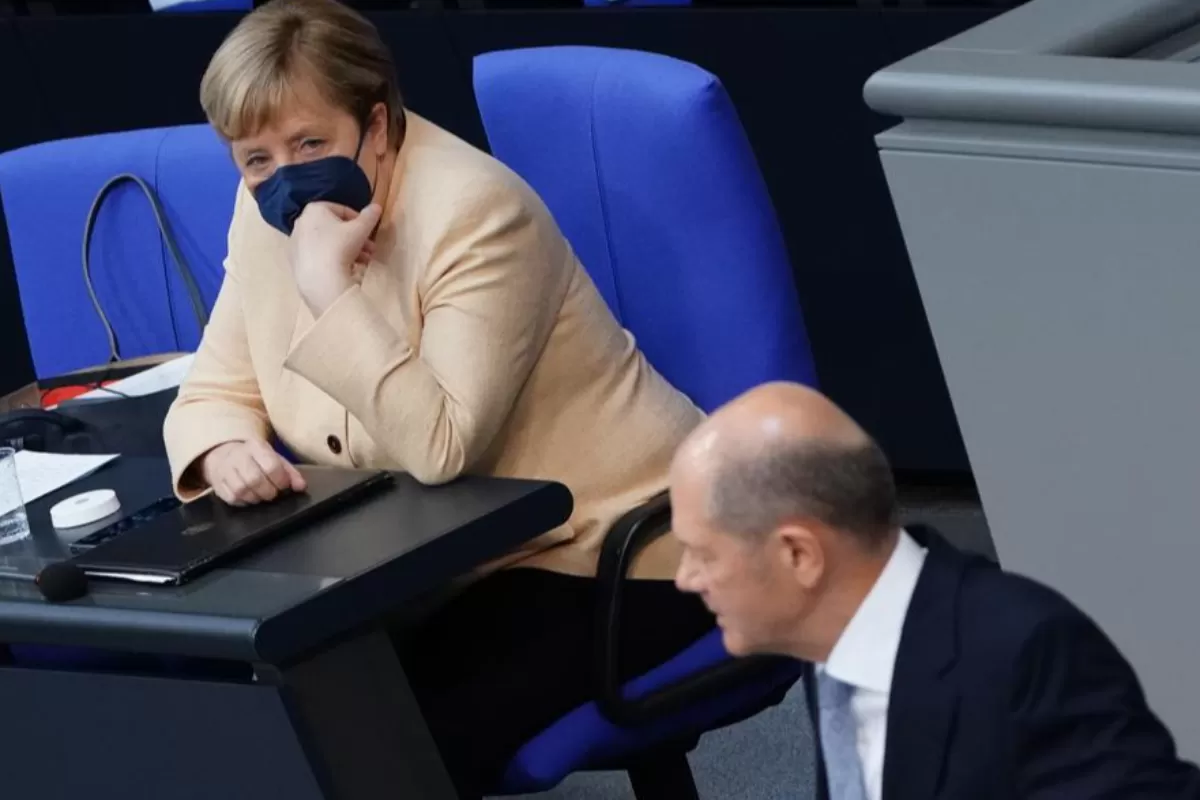
On September 26, 2021, the Germans go to the polls. An extremely difficult choice after 16 years with Angela Merkel at the helm of the country. A choice on which not only the future of Germany, but also that of the EU depends. The imprint left by Mutti, as the Germans have nicknamed Angela Merkel, will not make the mission of the future chancellor easy. The nearly two decades have not been easy at all, but Germany's first woman chancellor has managed to stay in power and, most importantly, impose her views domestically and internationally.