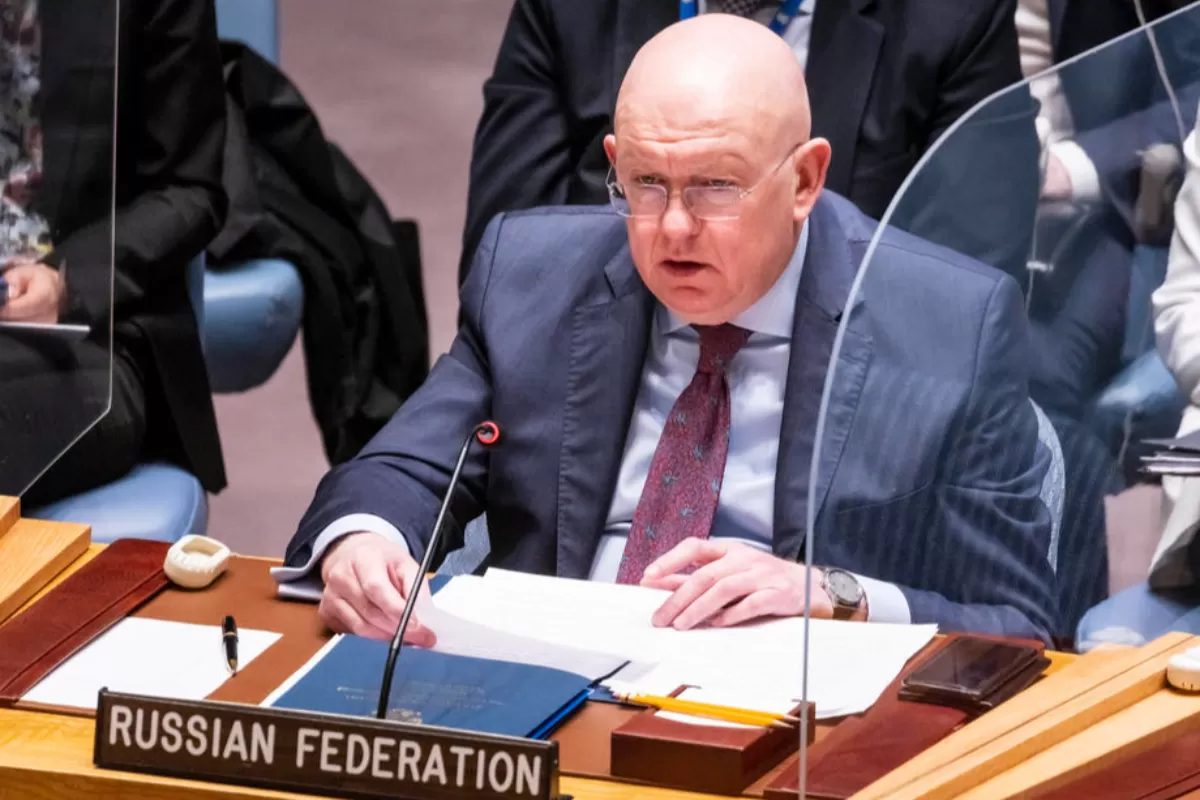
Viruses synthesized to target certain populations and areas transported by birds instead of missiles, an army of Satanists fighting on the side of Ukrainian forces and “delicate” bombings carried out by the Russian army – these are some of the weirdest narratives launched by Russian propaganda after the invasion of Ukraine.
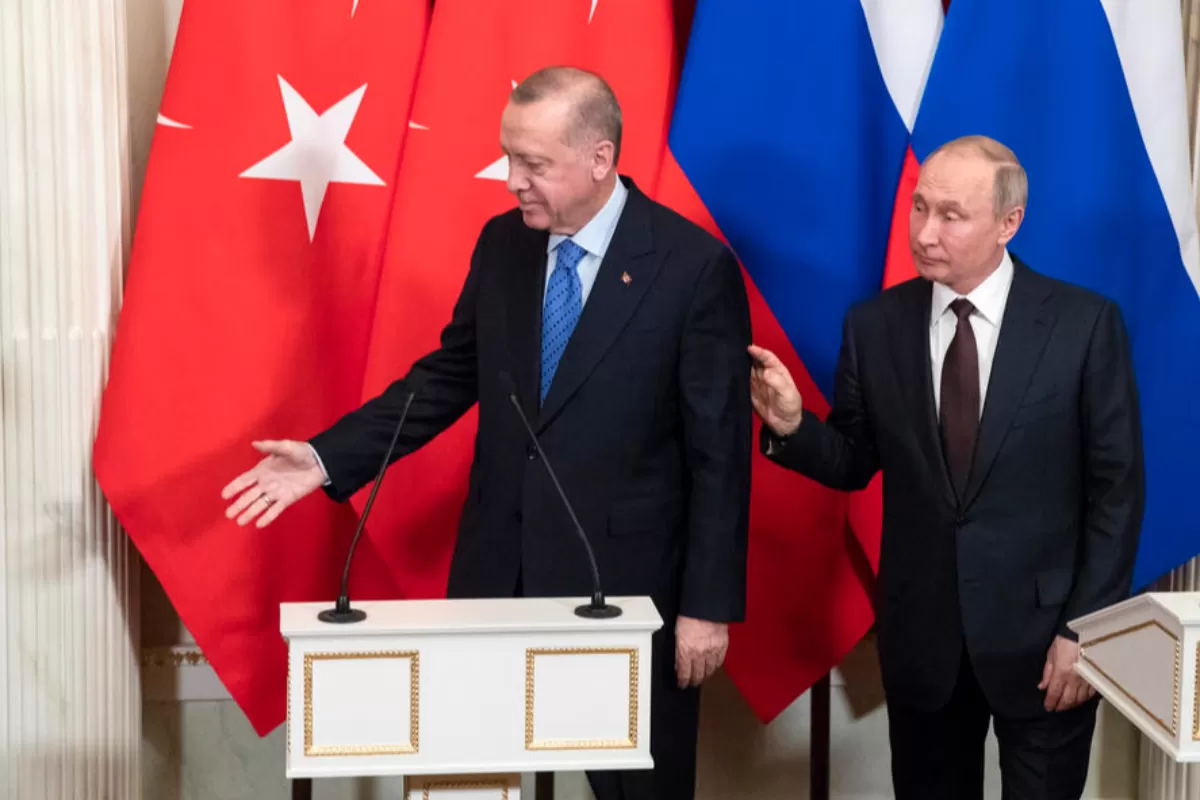
Against the backdrop of a worsening economic crisis, Turkey is trying to reconnect with its former allies, after years of pushing them away with its aggresive rhetoric and policies. However, Ankara must also take into account its relationship with Russia, given that it is dependent on that country for energy, agricultural products, tourism and trade.
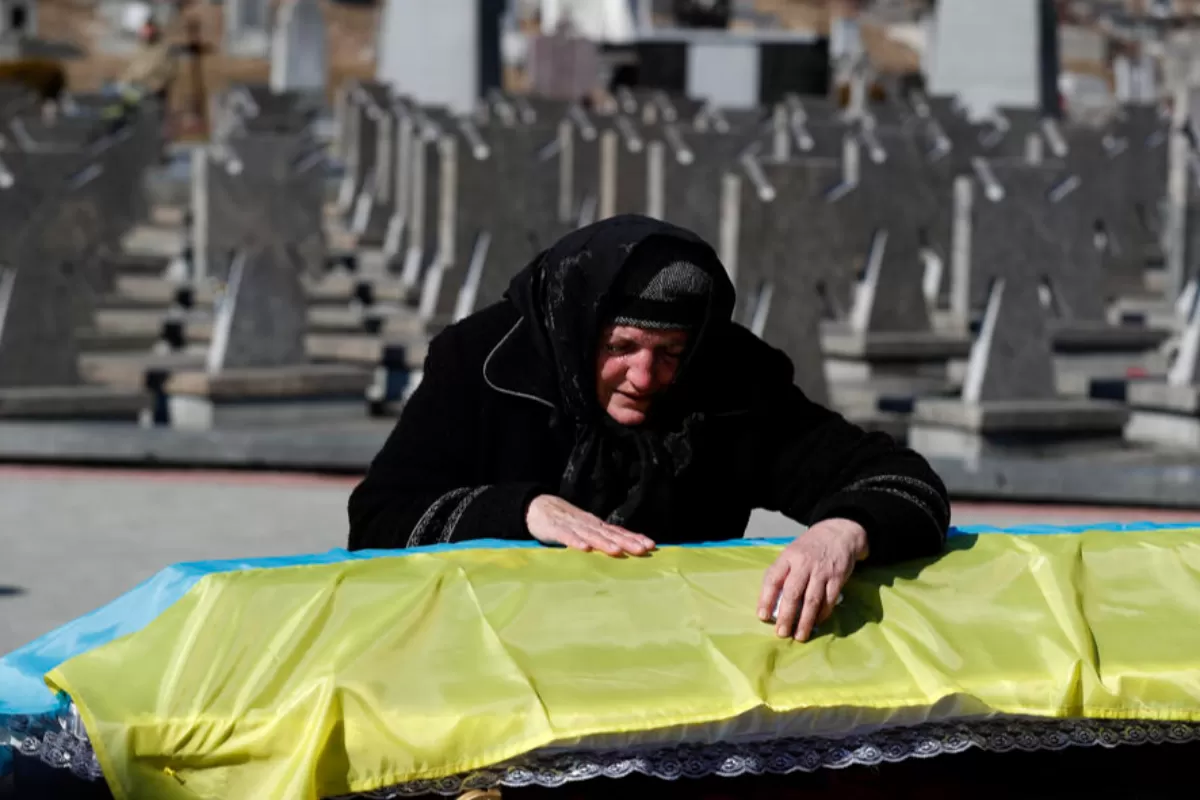
In the articles selected this week by Veridica, journalists are calling on their peers who sided with the Putin regime to tell the truth. They describe how war is being presented in schools across Russia and argue that information justifying the Russian aggression in Ukraine was introduced in school curricula a few years back.
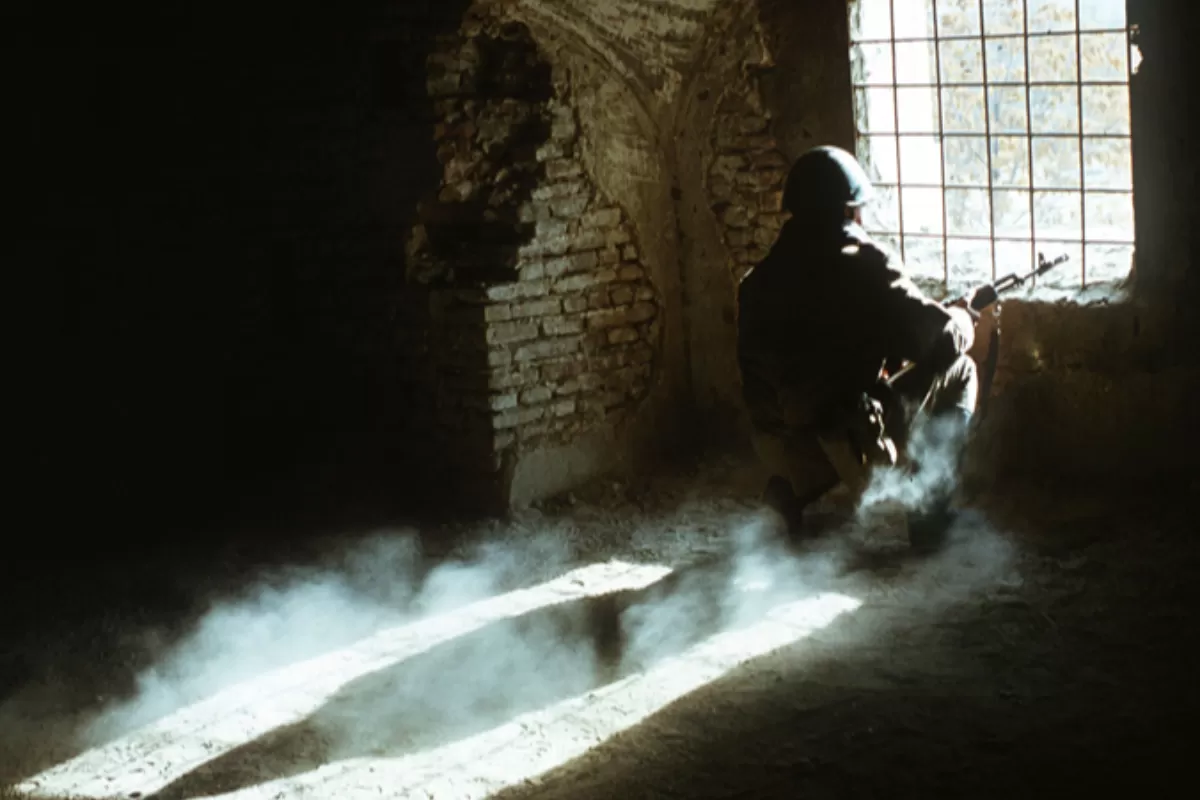
Through its tactics in Ukraine, the Russian military is reminiscent of the Soviet army in Afghanistan rather than a modernized force. Veridica spoke with Chisinau military historian and researcher Ion Xenofontov to see the similarities and differences between the two wars fought by the former USSR and its legal successor, Russia.
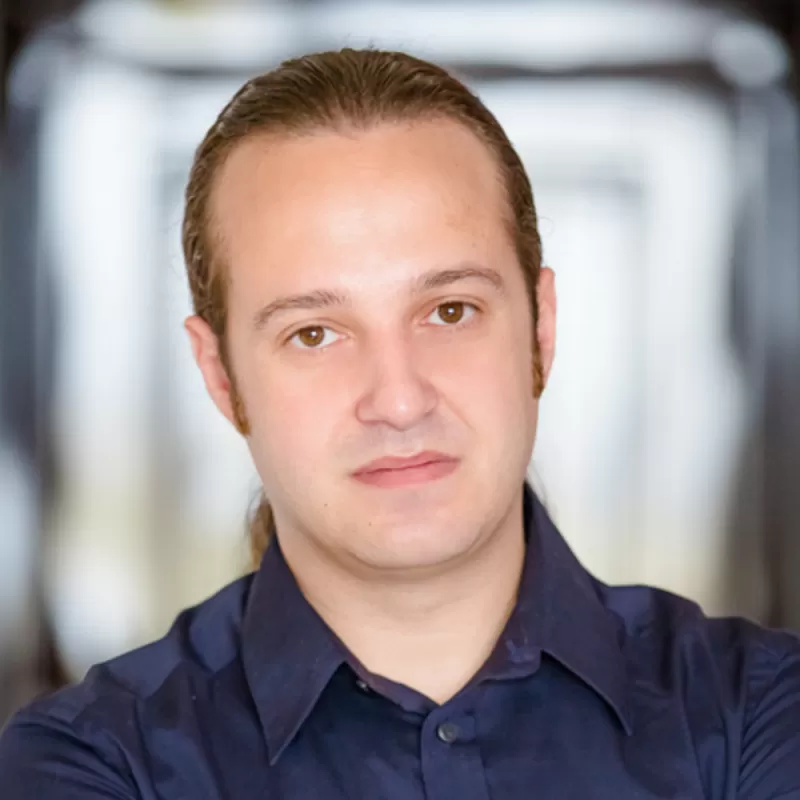
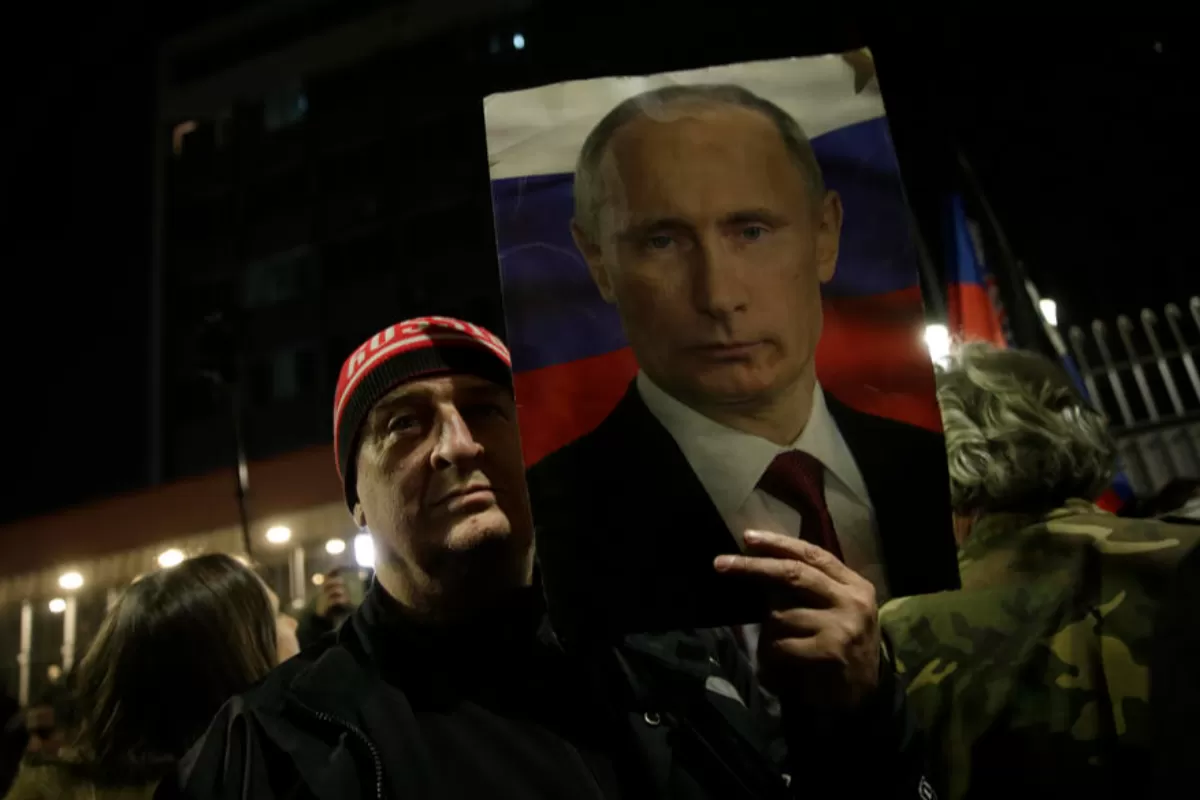
Russia has been trying for years to keep a foothold in the Western Balkans, especially through its connections with Serbia and Serb groups in the region. The war in Ukraine may now push Moscow’s allies closely in the Western camp.
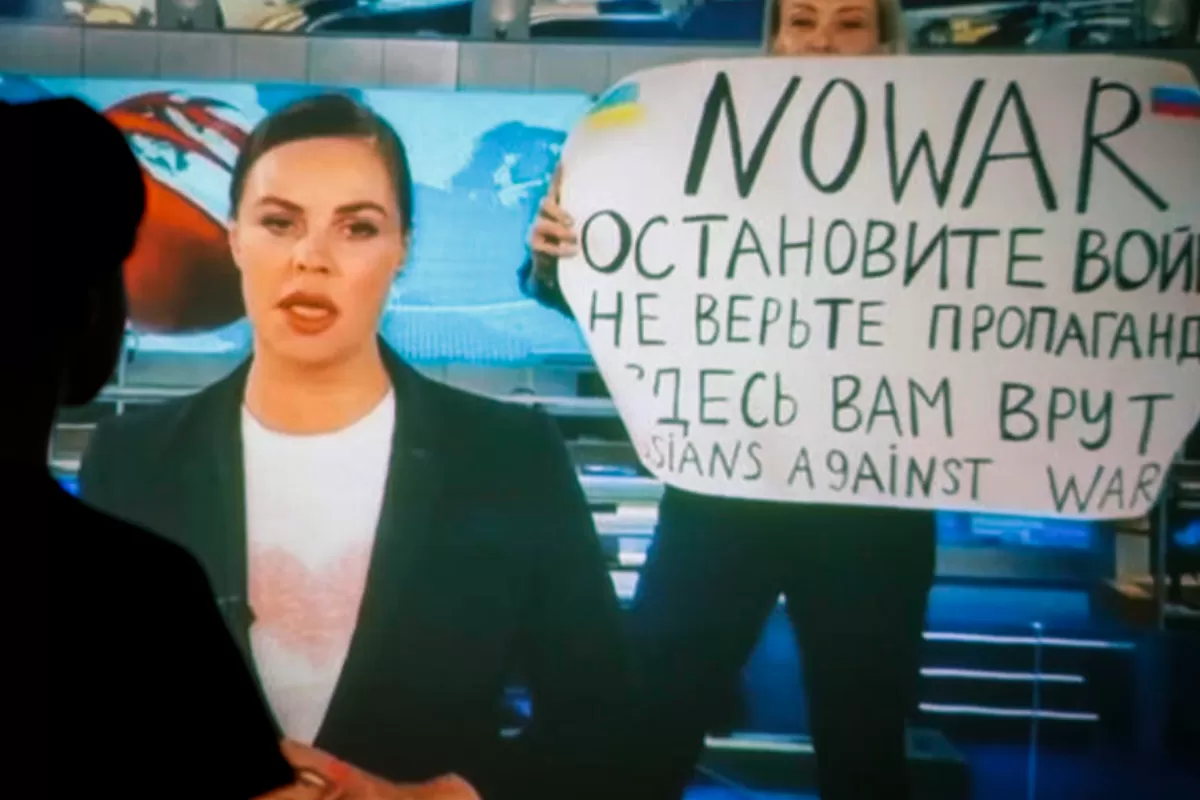
Among those, the obsession for imaginary “Nazis”, labeling anyone opposing Kremlin policy “traitors”, and criticism against the so-called LGBTQ “ideology”
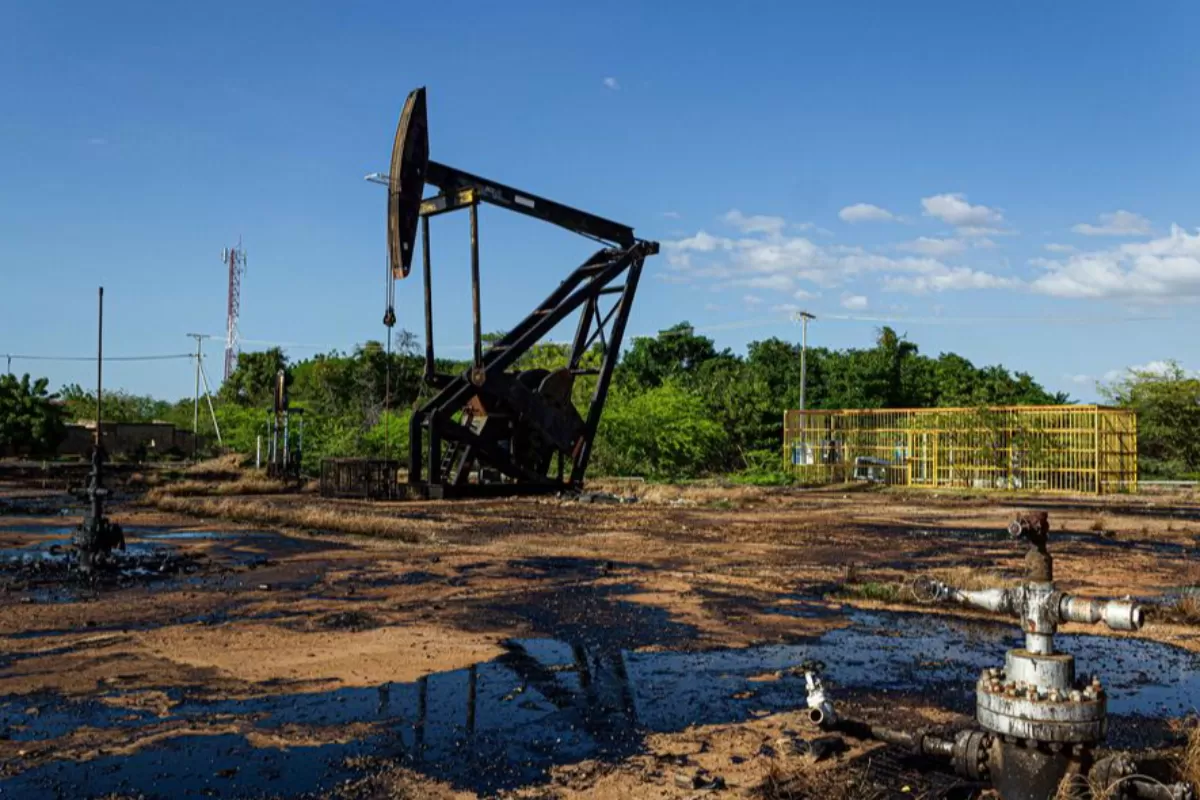
The war in Ukraine has pushed into the background the main threat facing humanity: climate change. On the other hand, it has become clear that energy dependence on Russia needs to be eliminated, which could lead to accelerated efforts to switch to alternative sources of energy.
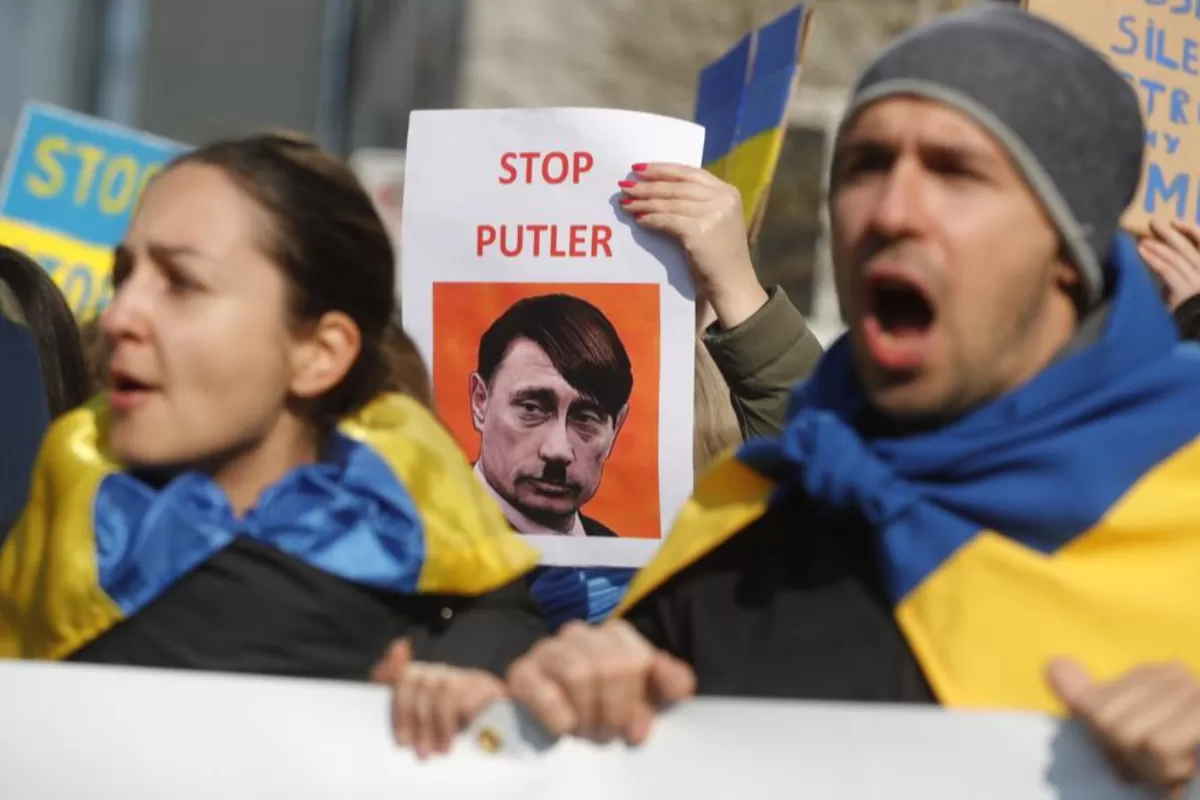
Ukraine is responding to the Russian propaganda by launching its own narratives, aimed at encouraging the population and demoralizing the enemy. So far, Kyiv and Ukrainians – since journalists and regular citizens are also pulling their weight – seem to be winning the information war.
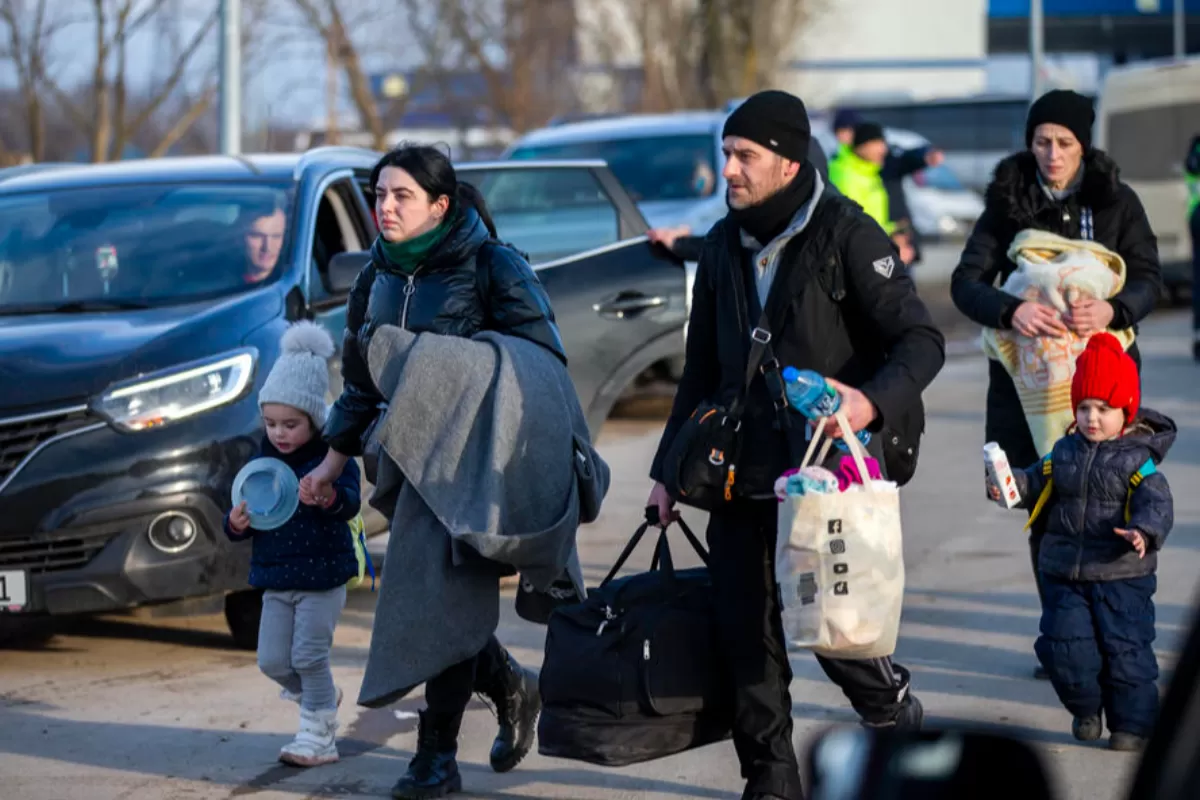
The Republic of Moldova has always been one of the easiest targets for the Russian propangada, which keeps working even if, against the background of the war in Ukraine, the Chisinau government has taken measures to contain and combat it. The narratives promoted in Moldova by Russia or pro-Russia entities and politicians are mainly about the war and seek to either present the Russian version of the war, or to discredit Ukraine and its citizens.
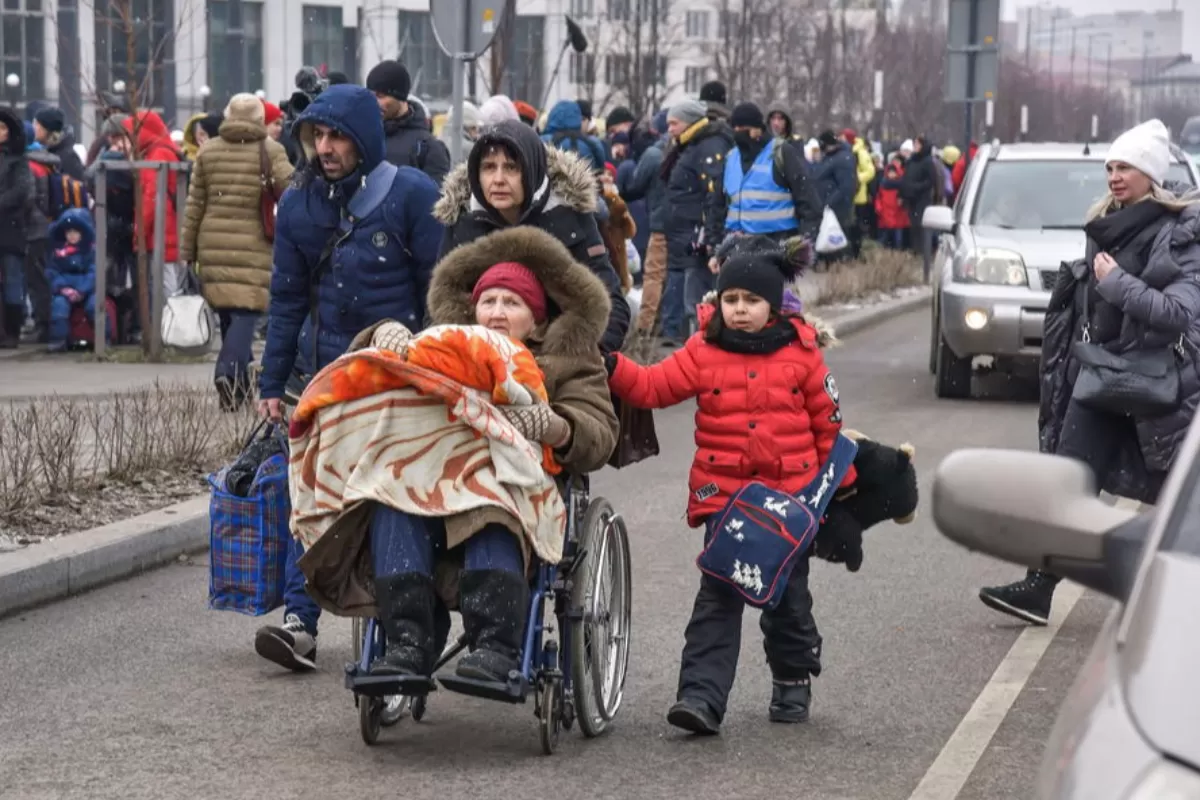
On Sunday, March 6, 11 days after the start of Russia's invasion of Ukraine, the number of Ukrainians seeking refuge in Poland exceeded one million people. What is happening at the border crossings, in the cities and is Poland ready to accept millions of refugees? Veridica’s Michal Kukawski reports from the epicenter of the Ukrainian refugee crisis, a crisis that may be on the verge of becoming dramatic.

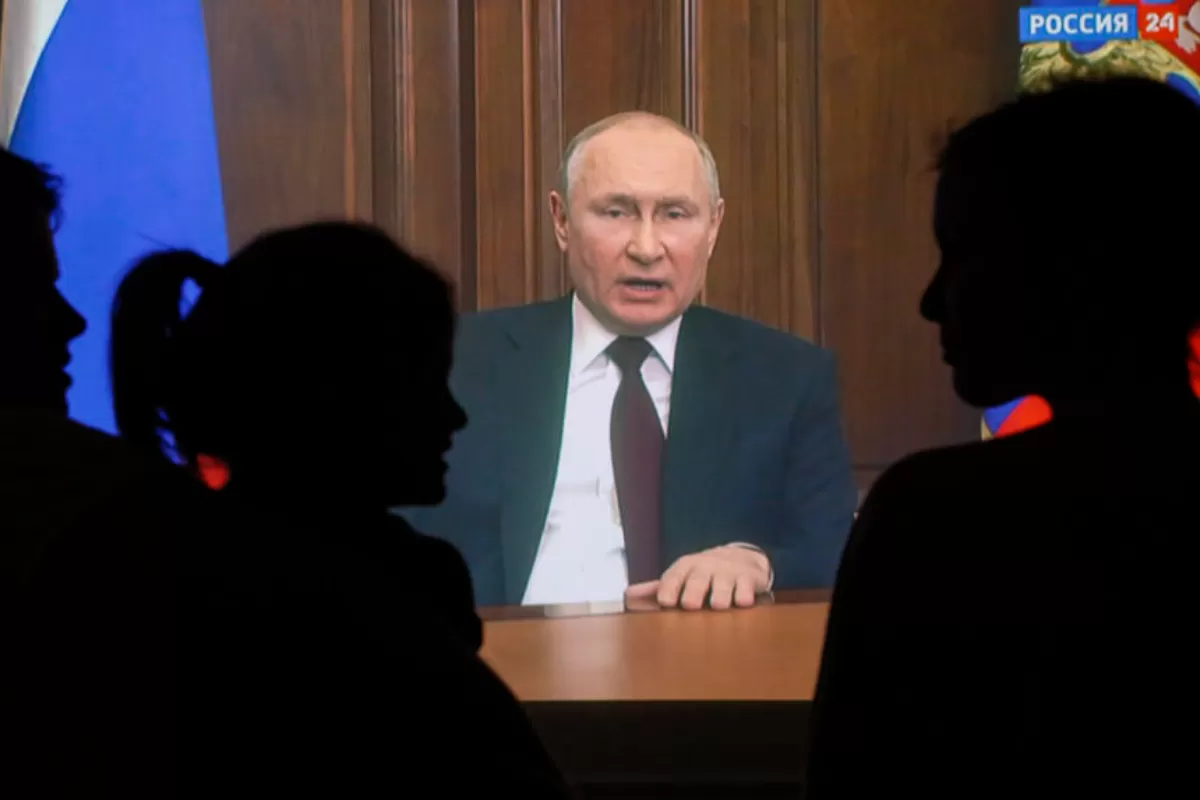
Putin wants to change the European Order, and he probably will, just not the way he imagined. The war in Ukraine, which has prompted a reaction in block in the West, throwing sanctions at Russia from all sides, might just be the last for Putin. But perhaps the most important development is the restructuring of NATO forces on the eastern flank.
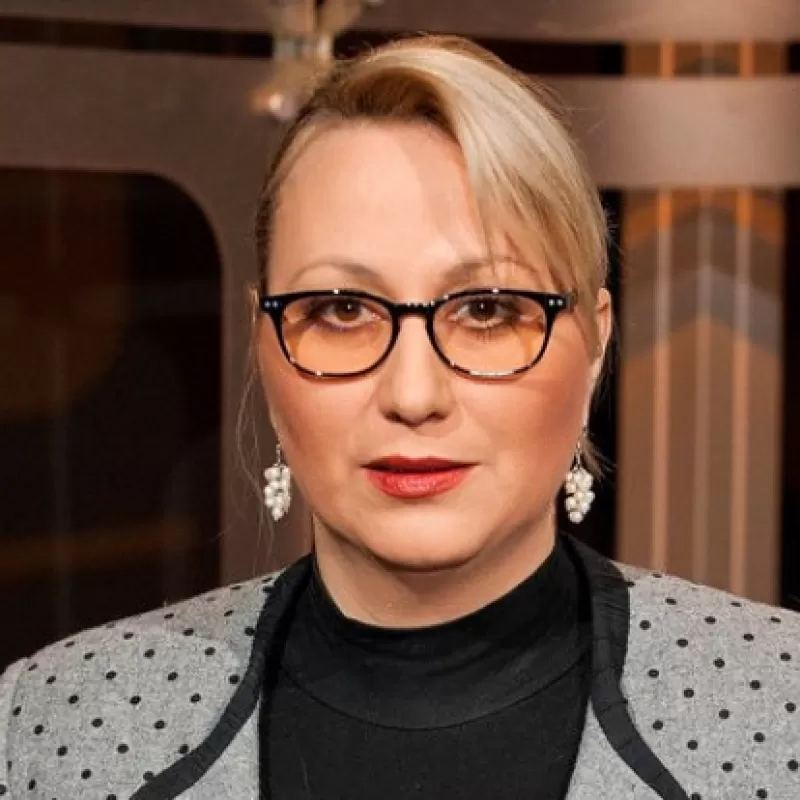
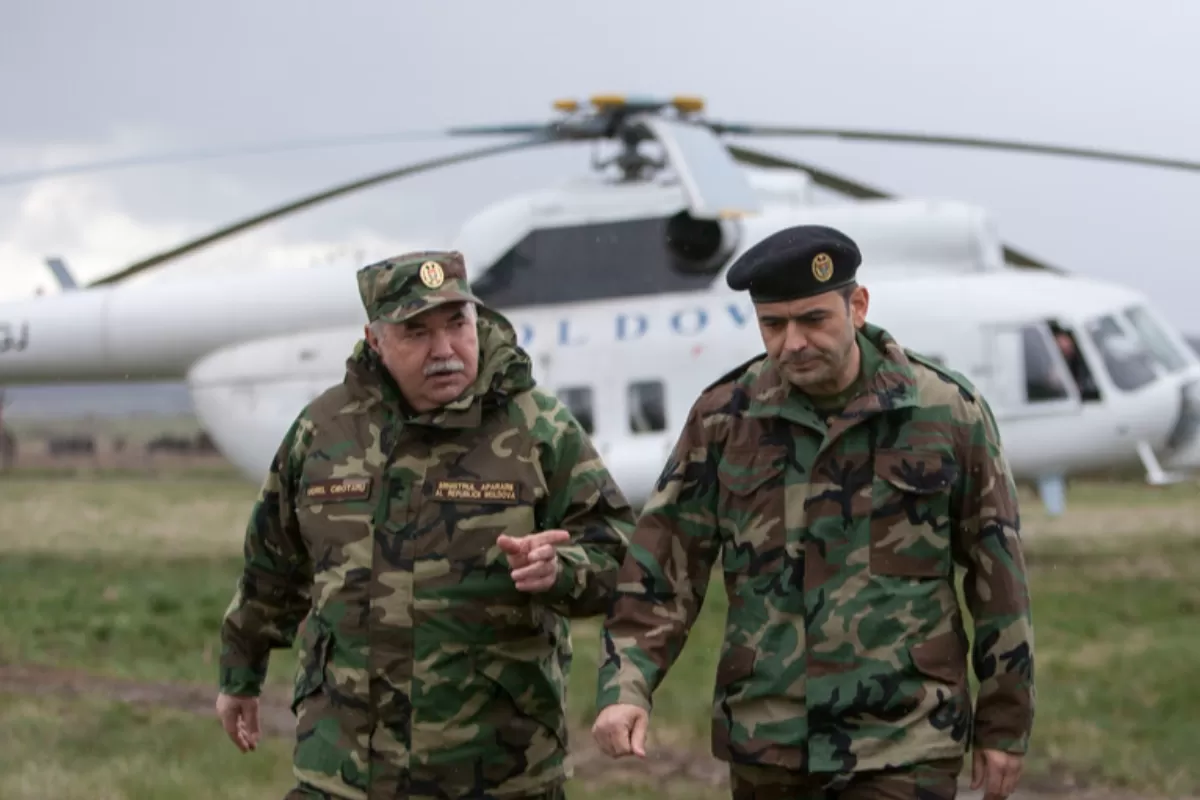
The former Minister of Defense, Viorel Cibotaru, currently a political and military analyst in Chisinau fought in the 1992 war on the Dniester between the Moldovan army and the Transnistrian paramilitary forces, helped by the Russian 14th Guards Army. Viorel Cibotaru explained for Veridica the starting point of the conflict, the role of the special services and of the Russian veterans, and the plan for the conservation of the defunct USSR in the former union republics.
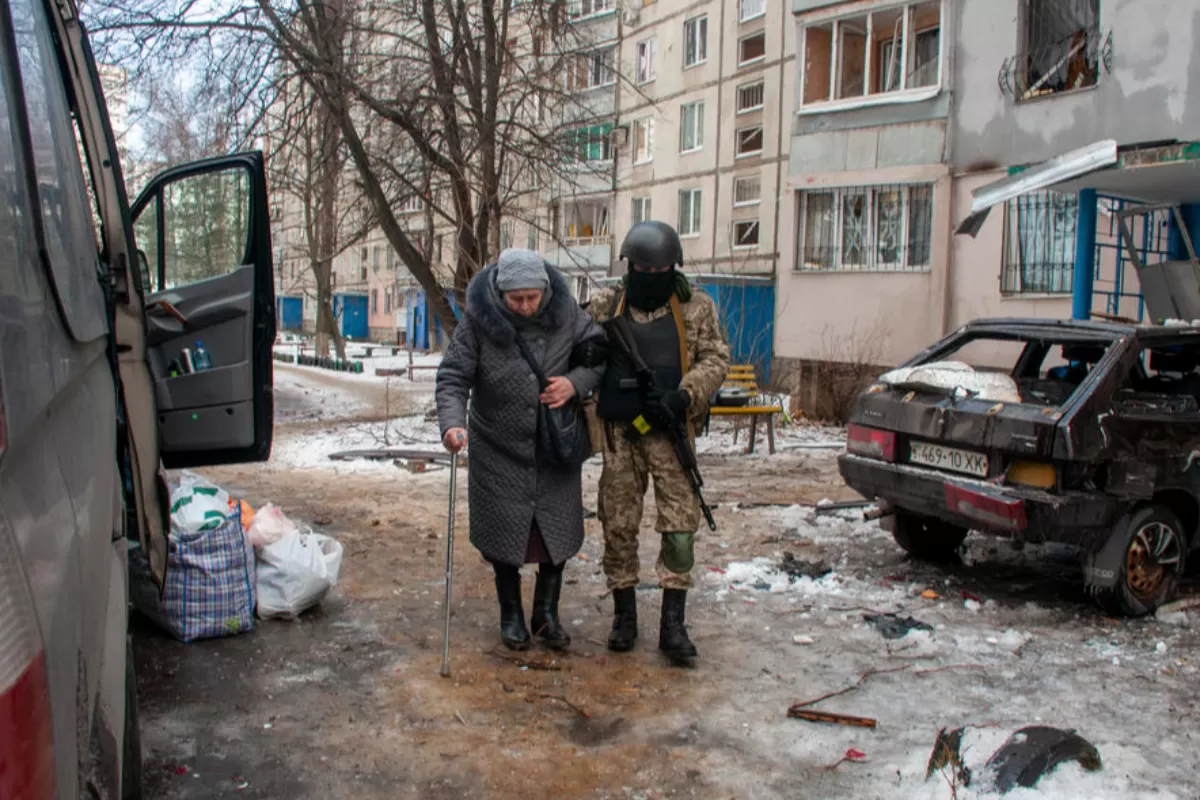
People previously promoted by Sputnik, who in the past were accused of defending the interests of Russia and/or were associated with the anti-vaxx movement, launched a number of anti-Ukrainian disinformation narratives after war broke out. Cozmin Gușă, Diana Șoșoacă and Iosefina Pascal are among those who promote these disinformation themes, ranging from false justifications for the invasion (the existence of laboratories manufacturing biological weapons), to complete denial of an actual war.

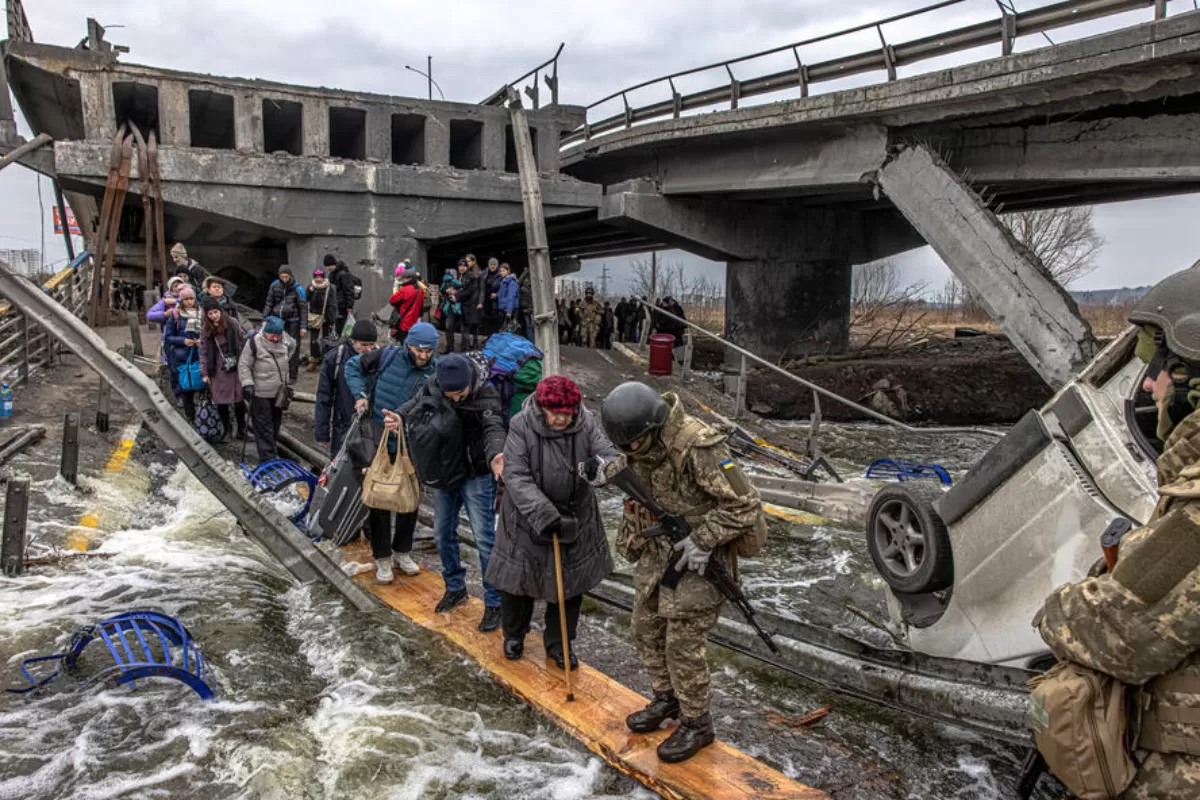
With the outbreak of war in Ukraine, the Kremlin has tightened its grip on information reaching the Russian public. The little independent press that still existed and was trying to provide information about what was really going on in Ukraine was practically silenced. Veridica flipped through independent media articles published just before total censorship was installed in Russia.
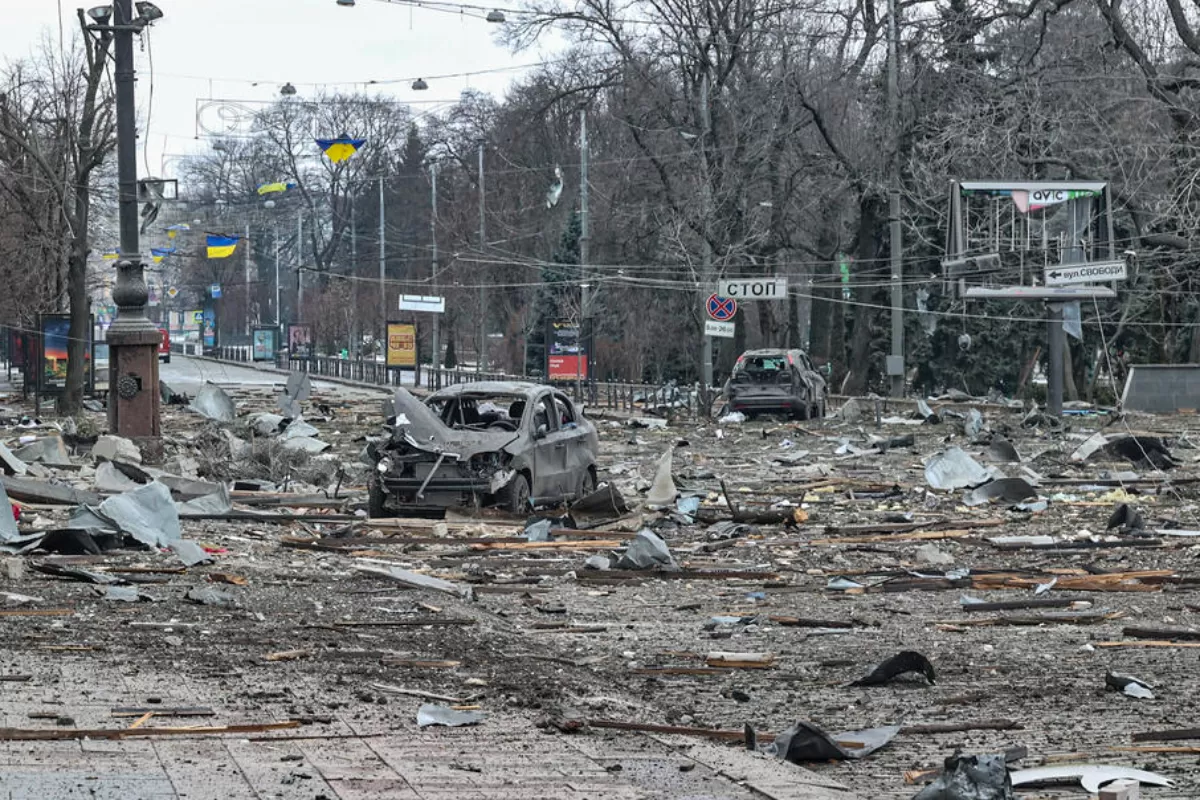
Russia’s invasion of Ukraine has mostly been condemned in Europe and beyond. However, there are a handful of exception, and Moscow’s main ally in the Balkans, Serbia, is one of them. Officially Belgrade spoke in favor of Ukraine’s integrity, but sanctions or even a harsh condemnation of Moscow are out of the question. Moreover, the media – which is mostly under some sort of government control or influence – is unabashedly showing its support for Putin.
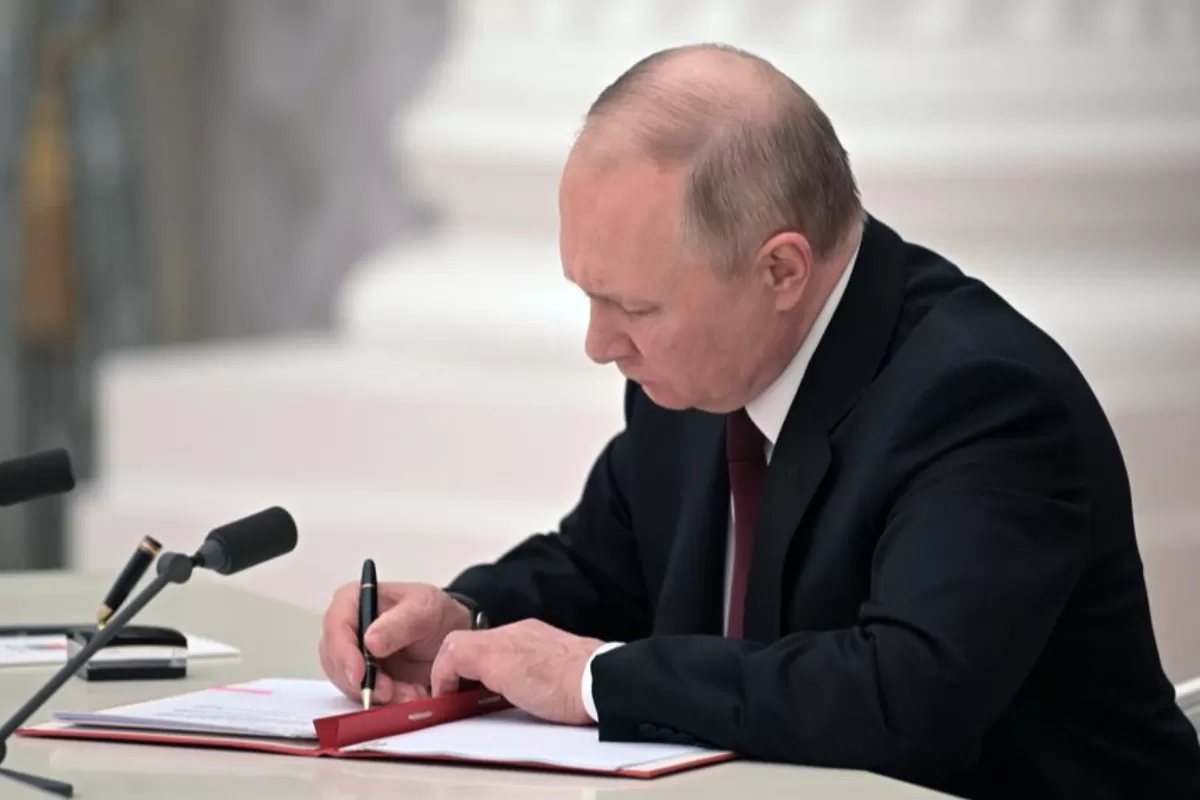
The recognition of the separatist republics in Donbass, which was an intermediate step towards the total invasion of Ukraine, could prove to be one of Putin's biggest mistakes and the beginning of the end for his regime.
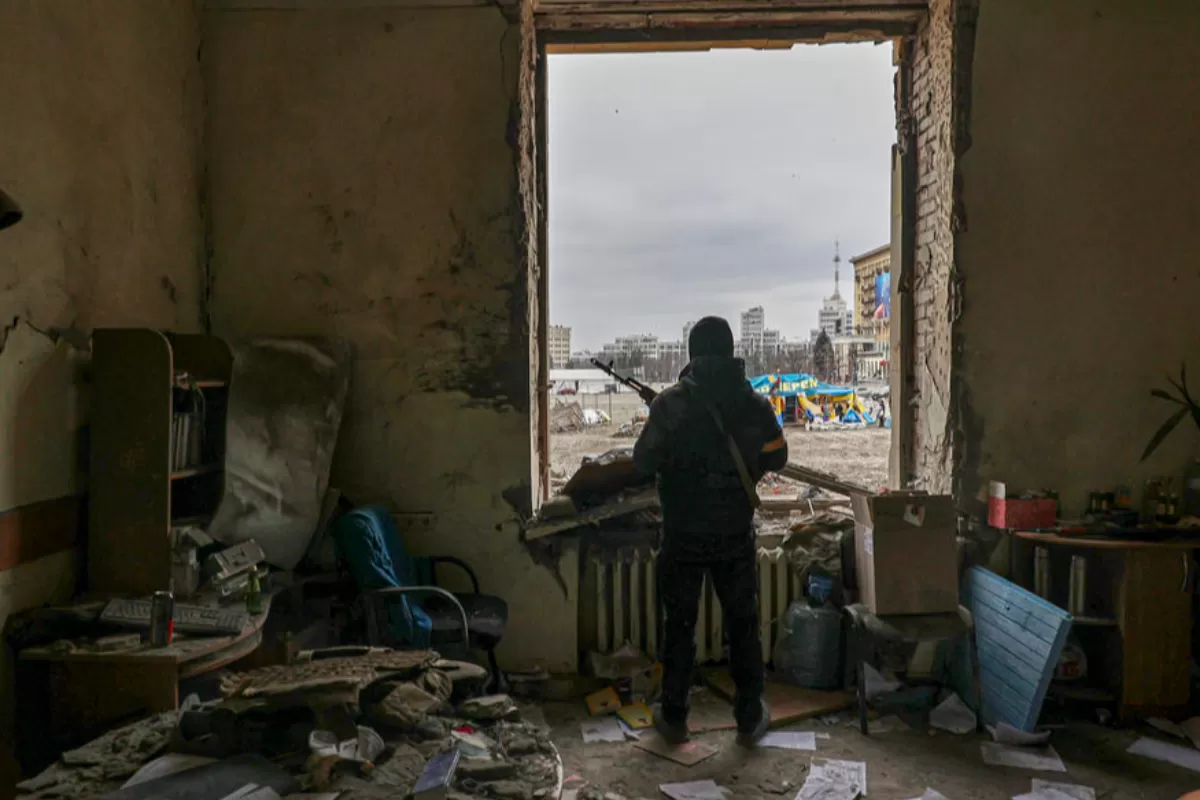
The media and social media users in Ukraine have mobilized in order to encourage the population to resist and spread information about the war from Kyiv’s perspective as much as possible, including in Russia. It is interesting to note how Ukrainians have intercepted messages and symbols used by the Kremlin’s propaganda, including in the information war against Ukraine.
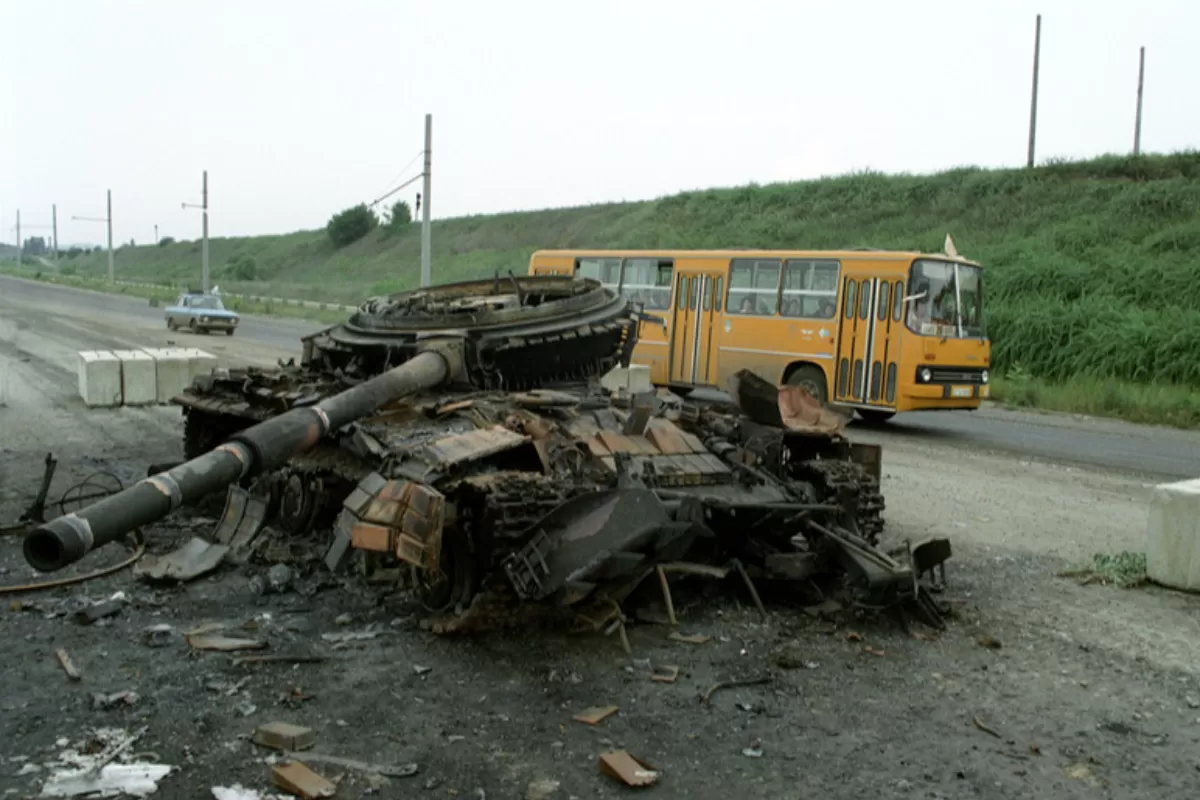
The Transnistrian war officially broke out on March 2, 1992, at a time when there had been violence for several months. The war was the last - and bloodiest - stage of a conflict in the former USSR between reformist forces, which in the republics had taken the form of national emancipation movements, and conservative ones, which wanted to maintain a Soviet empire with its capital in Moscow. The newly formed Russian Federation intervened in the war to maintain a bridgehead in the former province / Union republic.
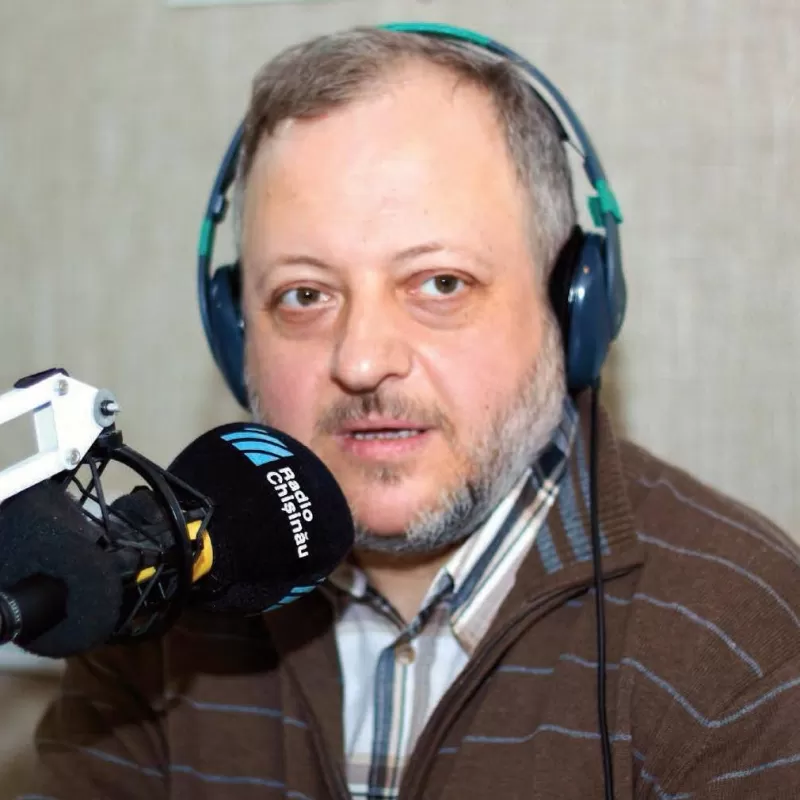
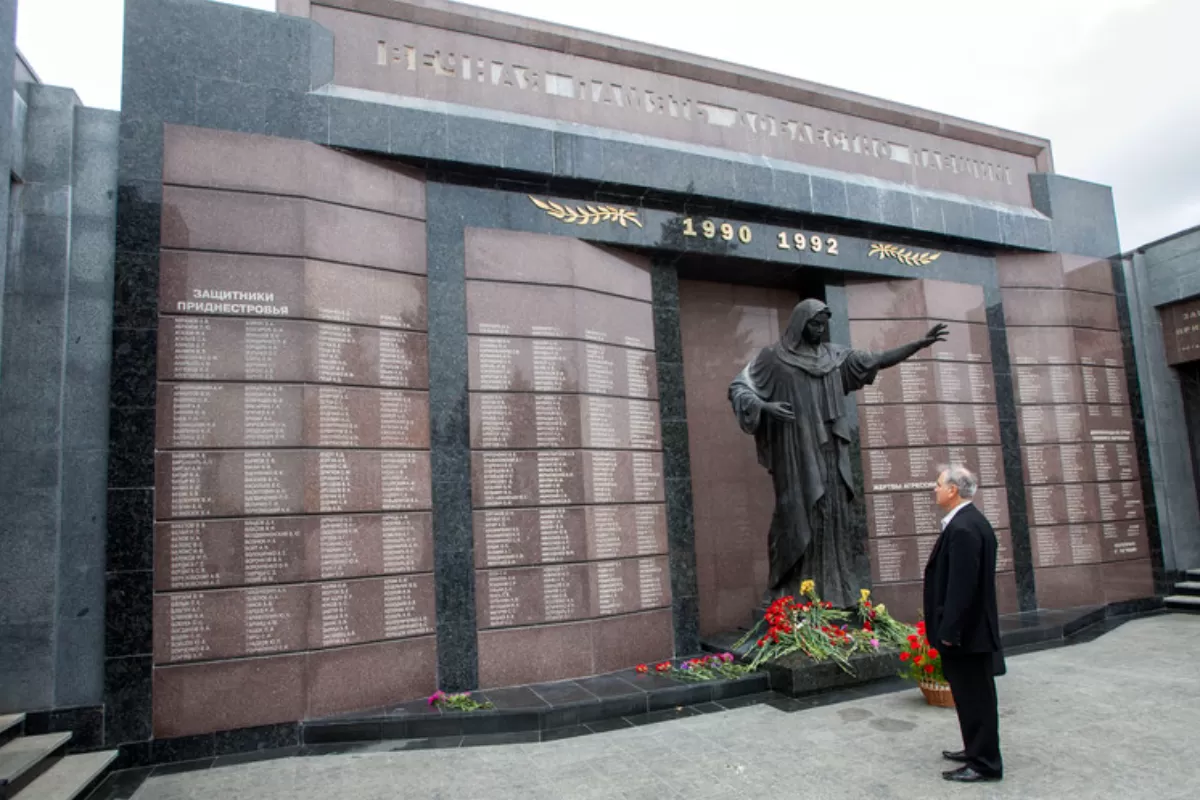
A neighbor of Ukraine, the Republic of Moldova is directly interested in the way the war in Ukraine is unfolding, for both military and humanitarian reasons.
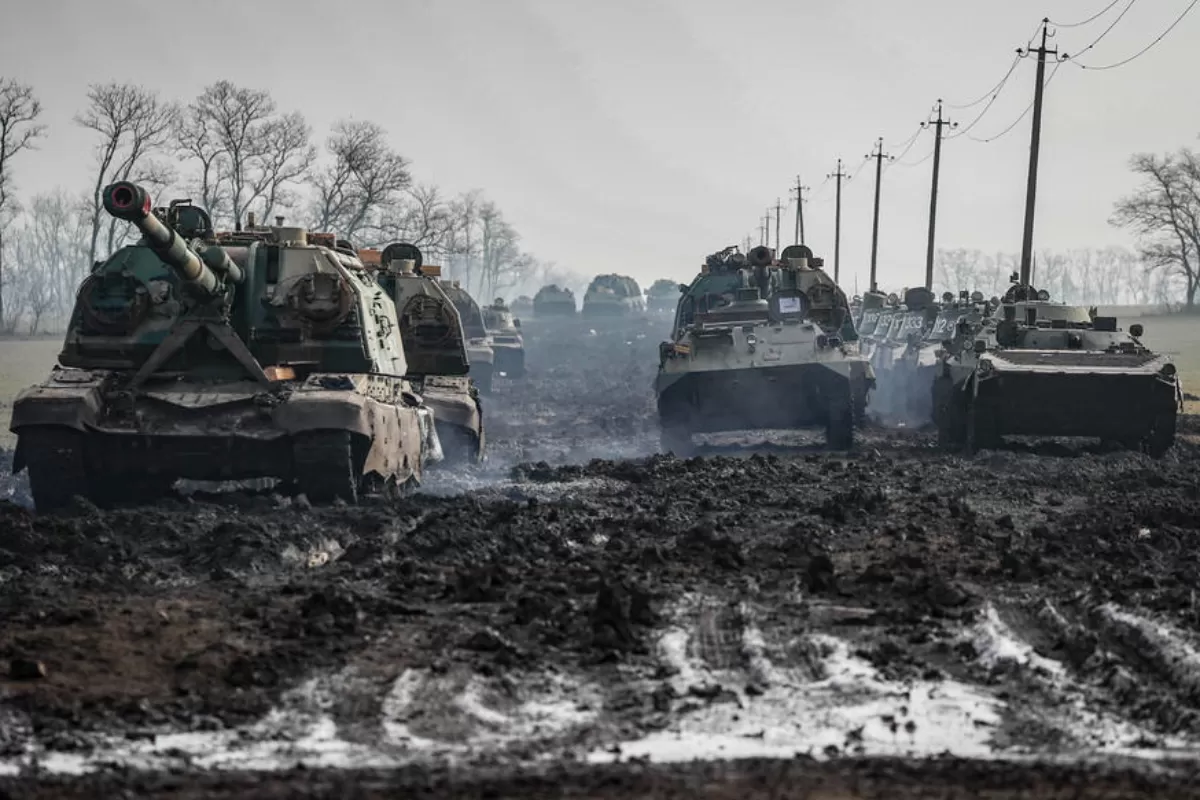
Despite the government's censorship and the triumphant image of the war that the Kremlin sells to the public, the Russian independent media is trying to accurately report on both what is happening on the ground and the possible consequences of Vladimir Putin's war.
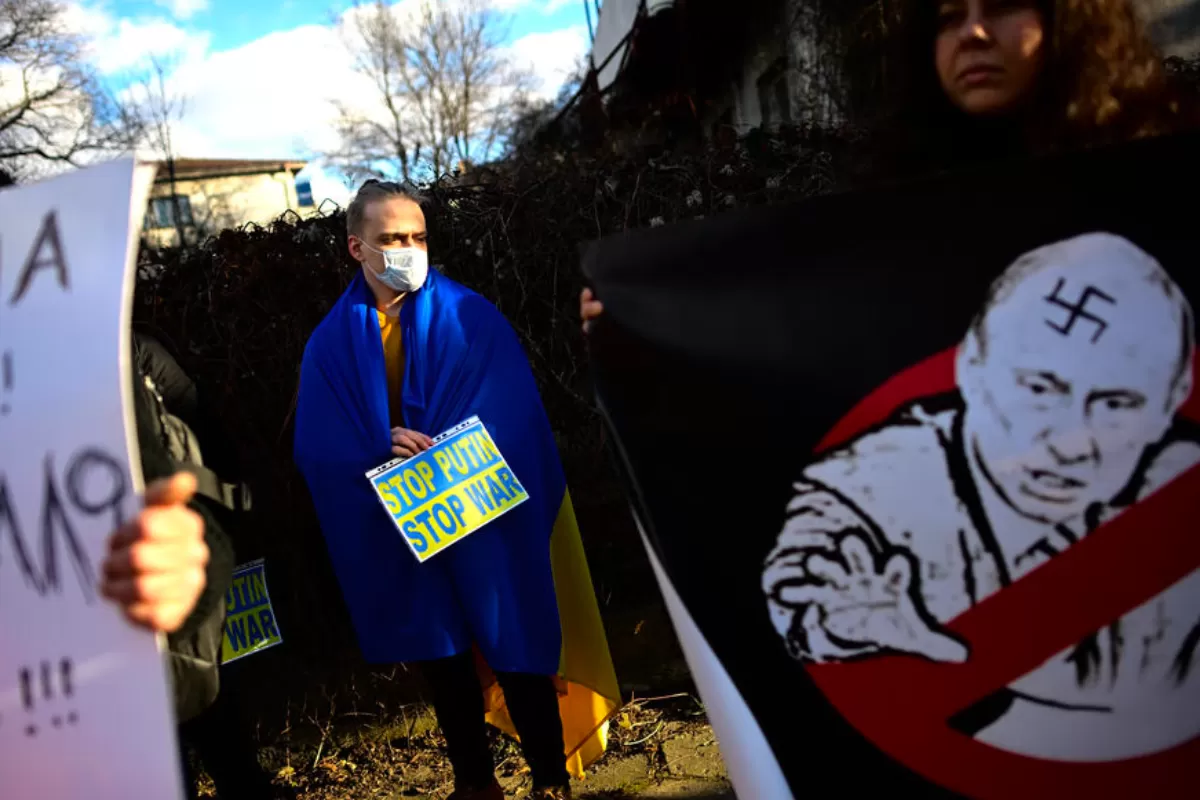
The tension between Russia and NATO put forward the question on how Bulgaria’s army can be reformed after decades of neglect and whether the country is the alliance’s “weak link”. PM Kiril Petkov looks like he’s on a solitary mission to prove this is not the case.

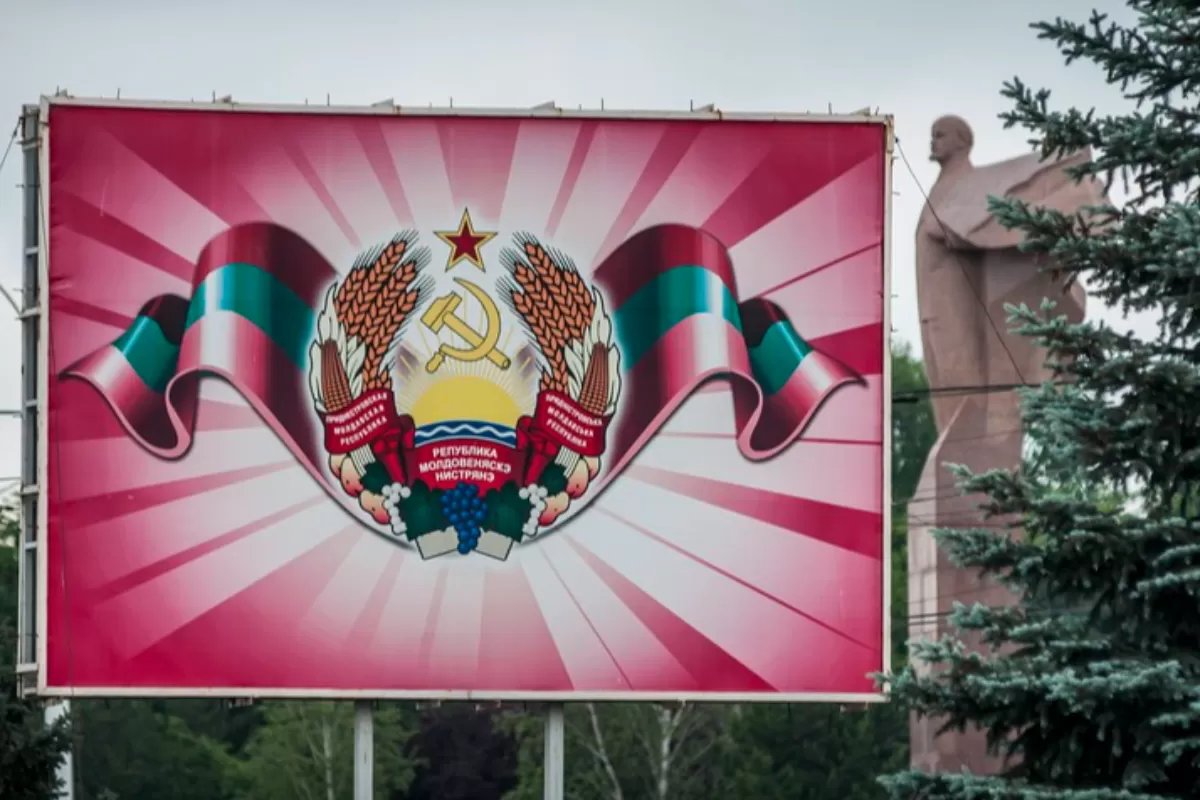
The Kremlin wants to strengthen its de facto power in Moldova’s separatist region of Transnistria by speeding up the procedure for granting Russian citizenship to residents of the region who have not acquired it yet. And while at it, Moscow is completely ignoring Chisinau.
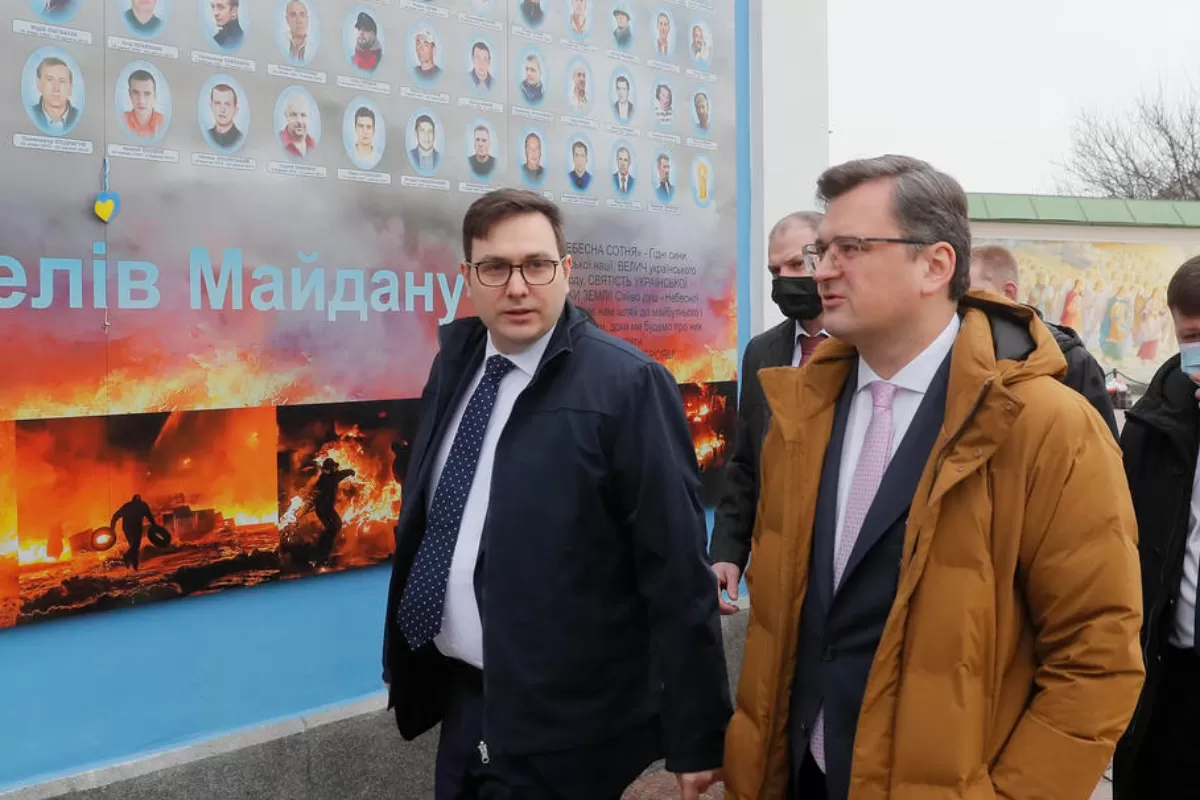
The threat of Russian aggression against Ukraine comes as an important test for the new Czech government of Petr Fiala – the first major international crisis it must face. It will not be easy, given that the current coalition has to share power with a pro-Russian president and is also facing a growing disinformation campaign.

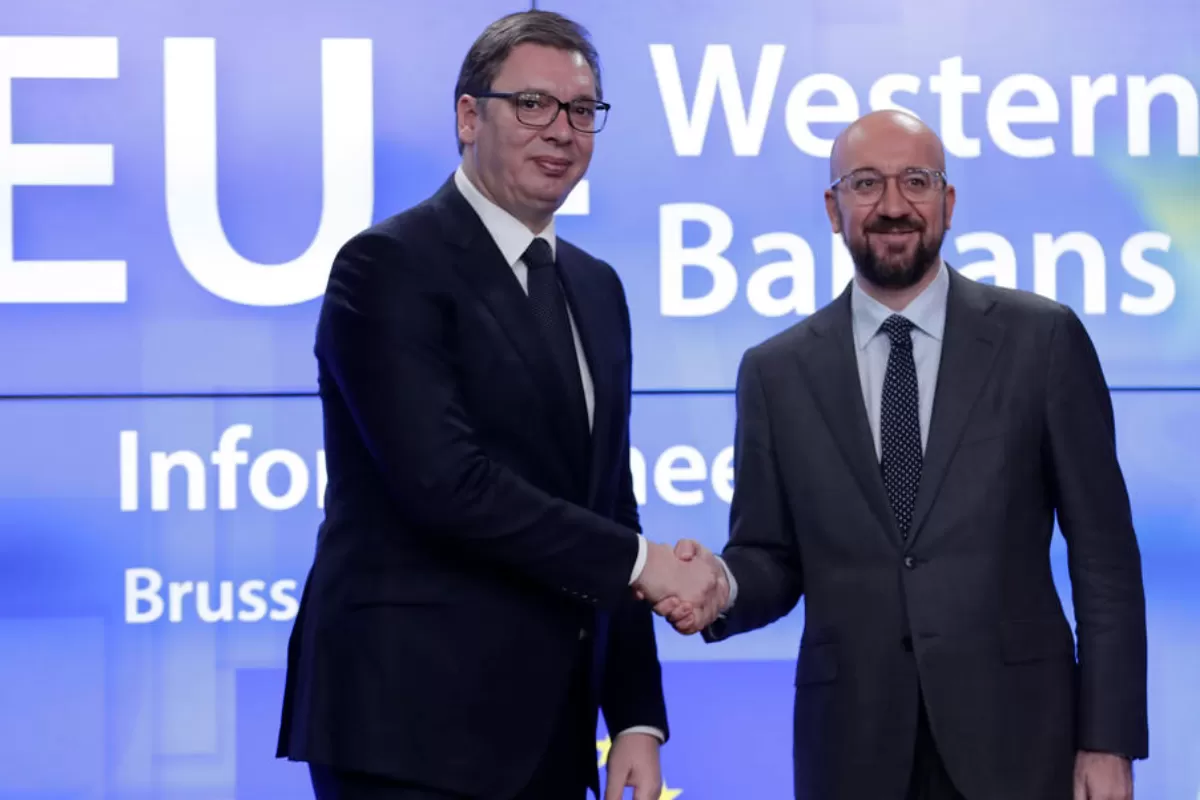
Countries in the Western Balkans have long expressed their desire to join the EU, but their inability to get through with the reforms required by Brussels, as well as the latter's hesitations, continue to prolong the pre-accession process. The answer to the stalemate could be a regional mini-Schengen.
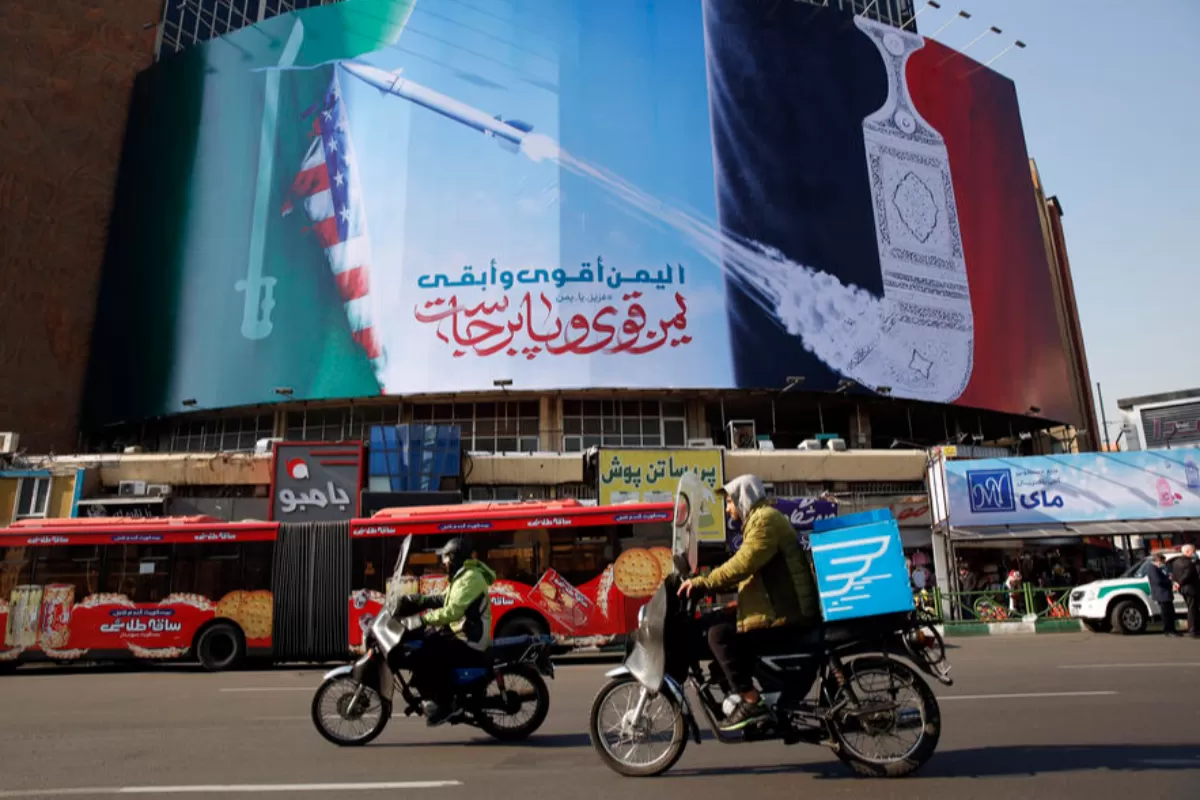
Even if Washington did return to the nuclear agreement and thus managed to ensure that Iran won’t be manufacturing an atomic bomb, odds are its main allies in the region, Israel and Saudi Arabia will not be happy with the result. For these states, Iran continues to be perceived as a threat.
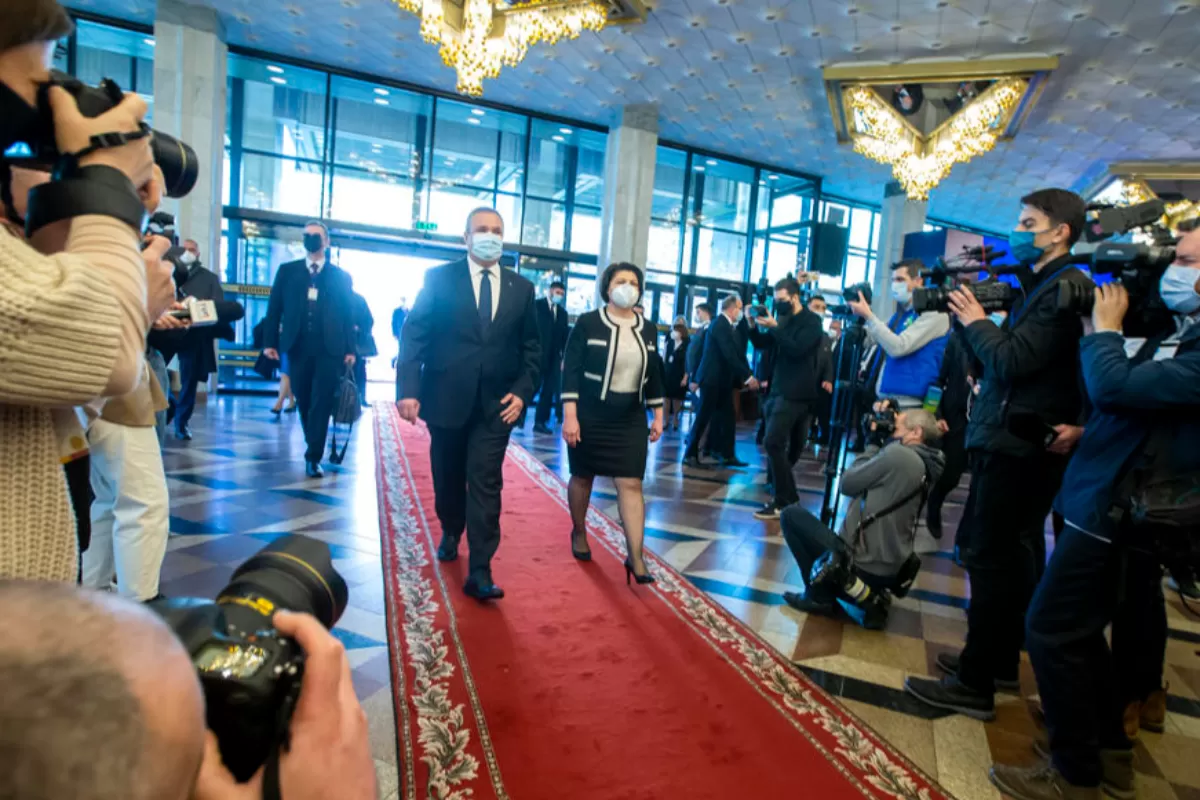
Bucharest has understood in the last decade that investments in the sentimental part of the relationship with the Republic of Moldova should be replaced by concrete and long-term support.
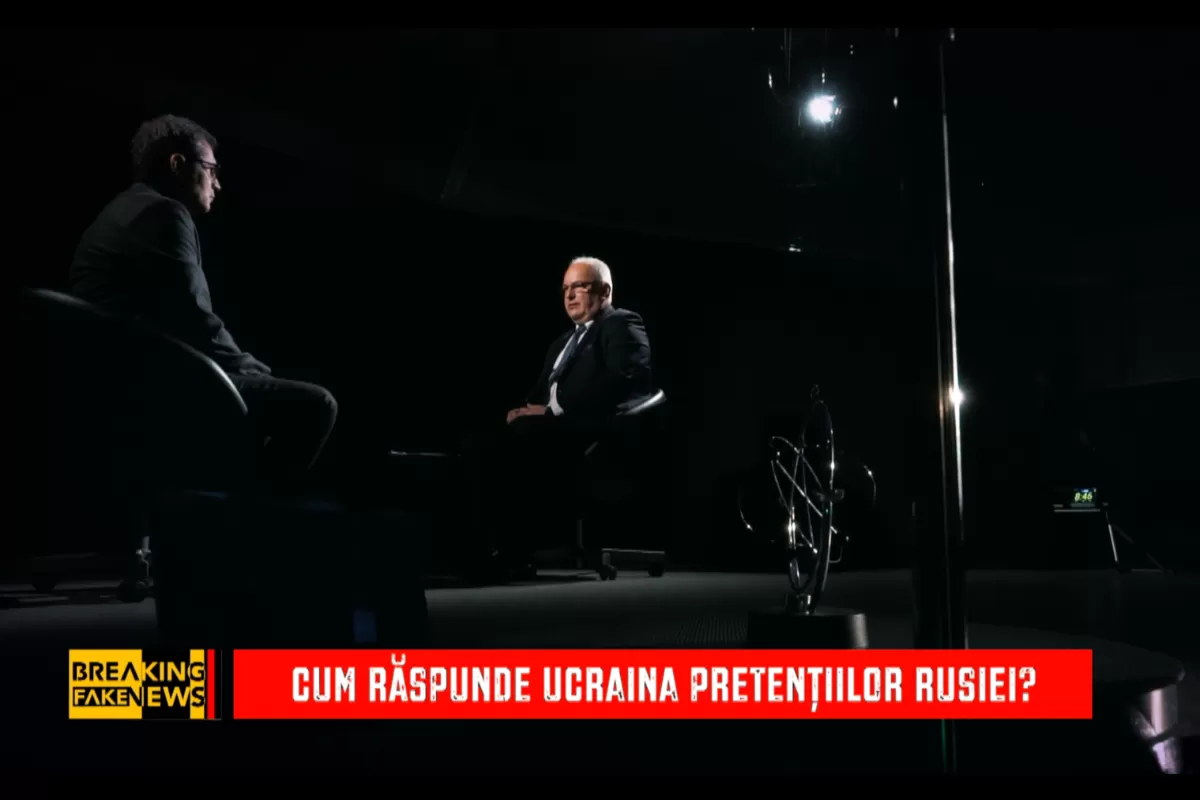
Ukrainians expect anything from Russia and know that if it attacks them again, they will have to defend themselves, not wait for help from elsewhere, according to the a.i. charge d’affaires of Ukraine in Bucharest, Păun Rohovei. In an interview granted to Veridica and Breaking Fake News, the diplomat warned that a new invasion would be extremely costly for Moscow.

The Catholic Church in Poland continues to be the Church with the greatest political influence in the Christian world. It has achieved most of its political goals, including the effective ban on abortion. Thanks to the support of the right-wing government (but also the ruling liberals in Warsaw), it is certainly even richer. What makes the Catholic Church so strong in Poland? And what price will it pay for it?
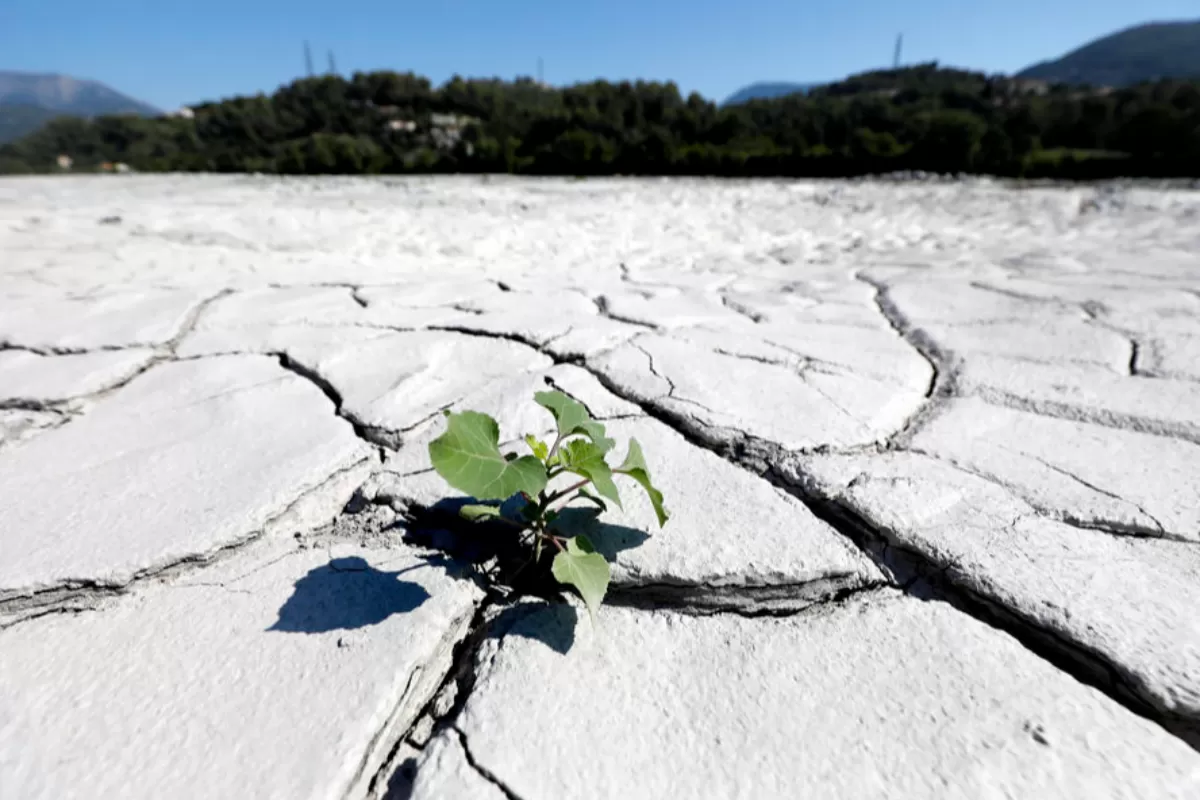
The coronavirus pandemic has been accompanied by a wave of fake news, disinformation and conspiracy theories. As the end of it is drawing to a near, conspiracy theorists and deniers will focus on a new goal: climate change.
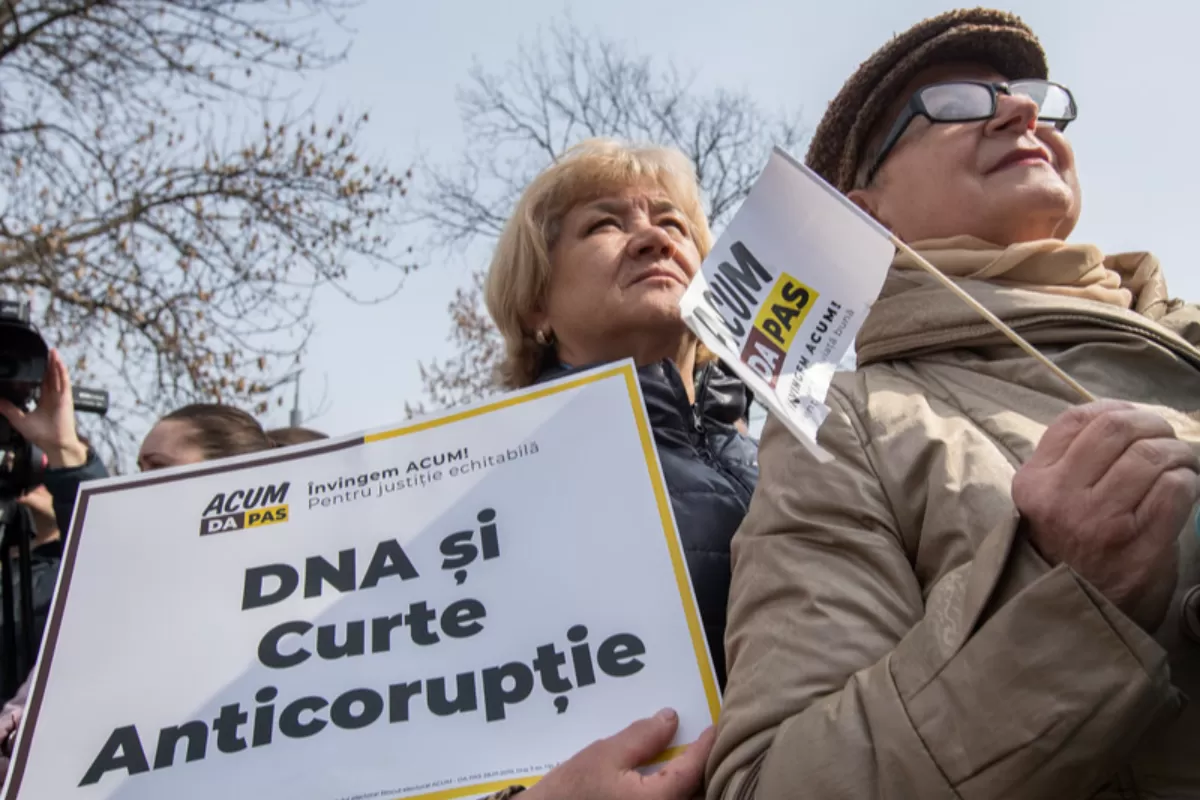
The pro-European government in Chisinau has pledged to fight corruption and reform the judiciary. Both are difficult processes and it remains to be seen how far they will go or whether they will rather opt for the more convenient “televised justice”, showing spectacular cases, meant to increase ratings and, implicitly, bring more votes.
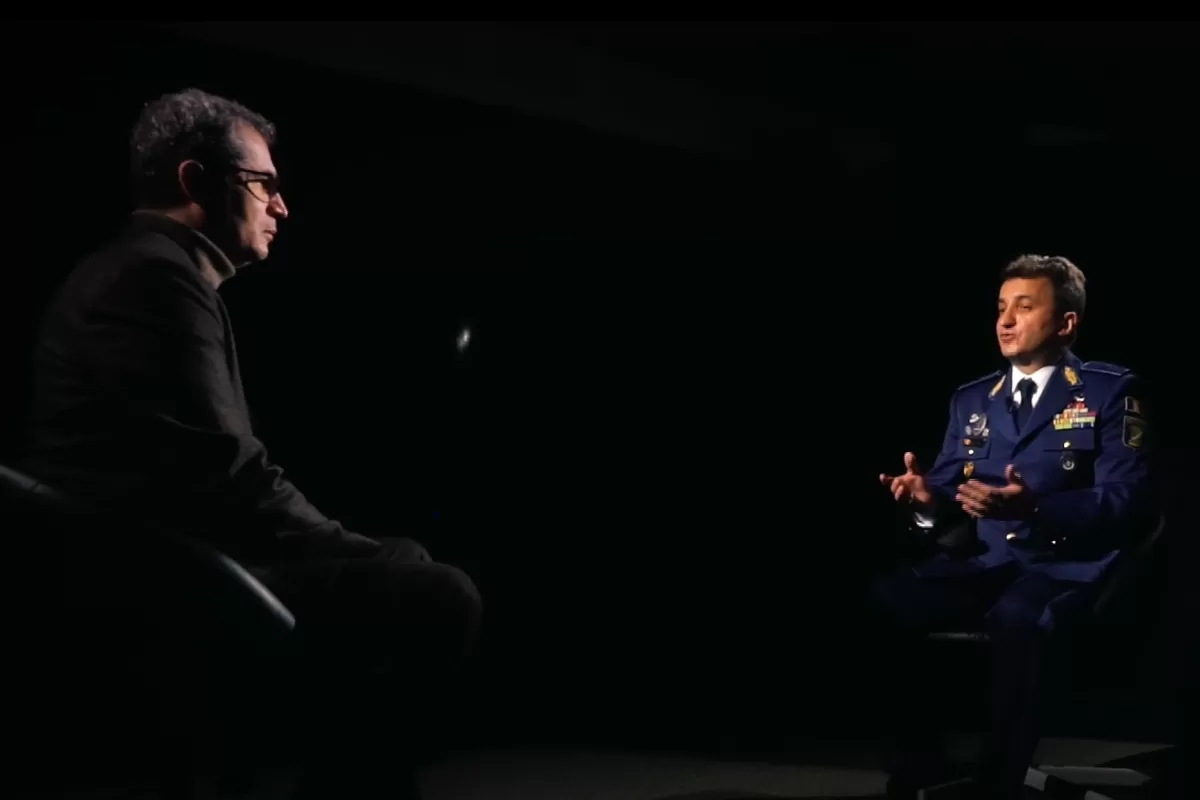
The crisis in Ukraine is also marked by an increased output of false narratives meant to discredit NATO and undermine confidence in it. Romania has also been the target of such narratives – claiming that it’s preparing for war, mobilizing its reservists, has a weak army, equipped with outdated equipment, etc. Veridica talked to the head of the Information and Public Relations Department of the Ministry of National Defense, Brigadier General Constantin Spînu, about the efforts made by the army to fight back the disinformation that targets it.
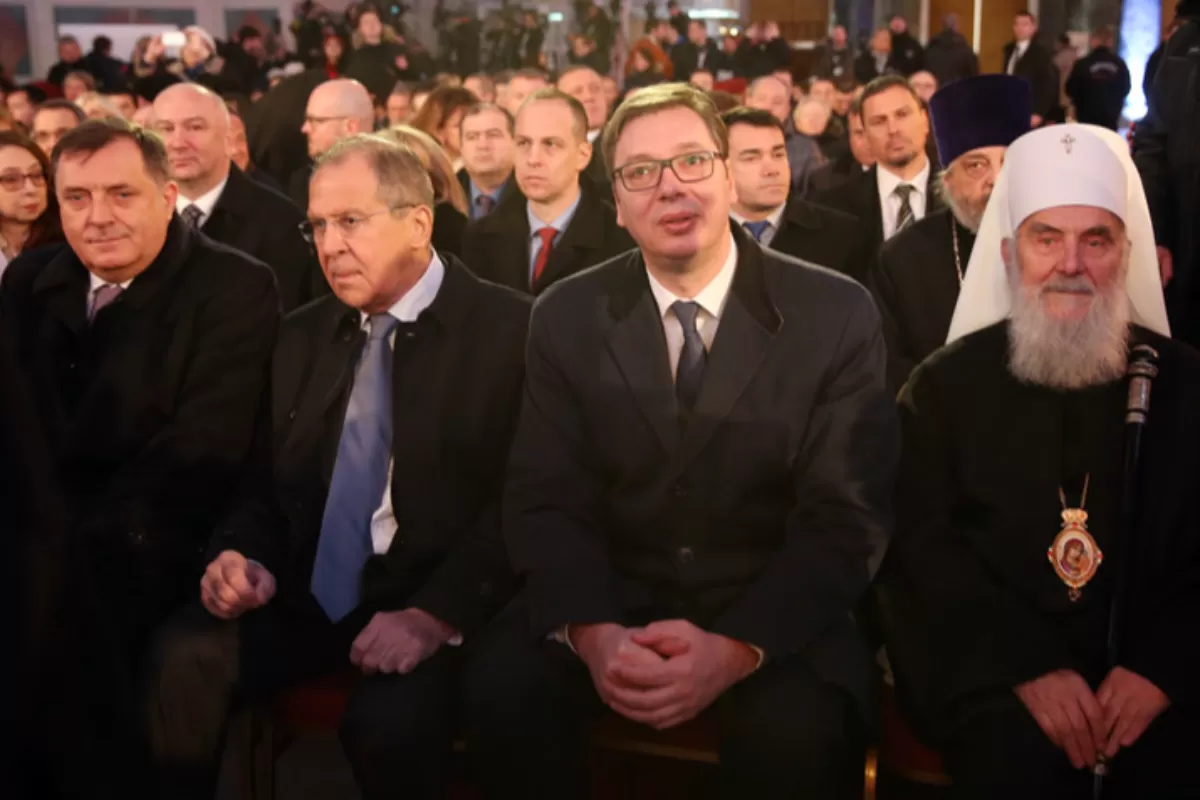
The Western Balkans appear to be playing an increasingly important role in Russia's plans. Through its leverage in the region, Moscow is able to generate enough problems that require the attention of the West and diminish its ability to manage crises elsewhere - for example in the former Soviet Union.