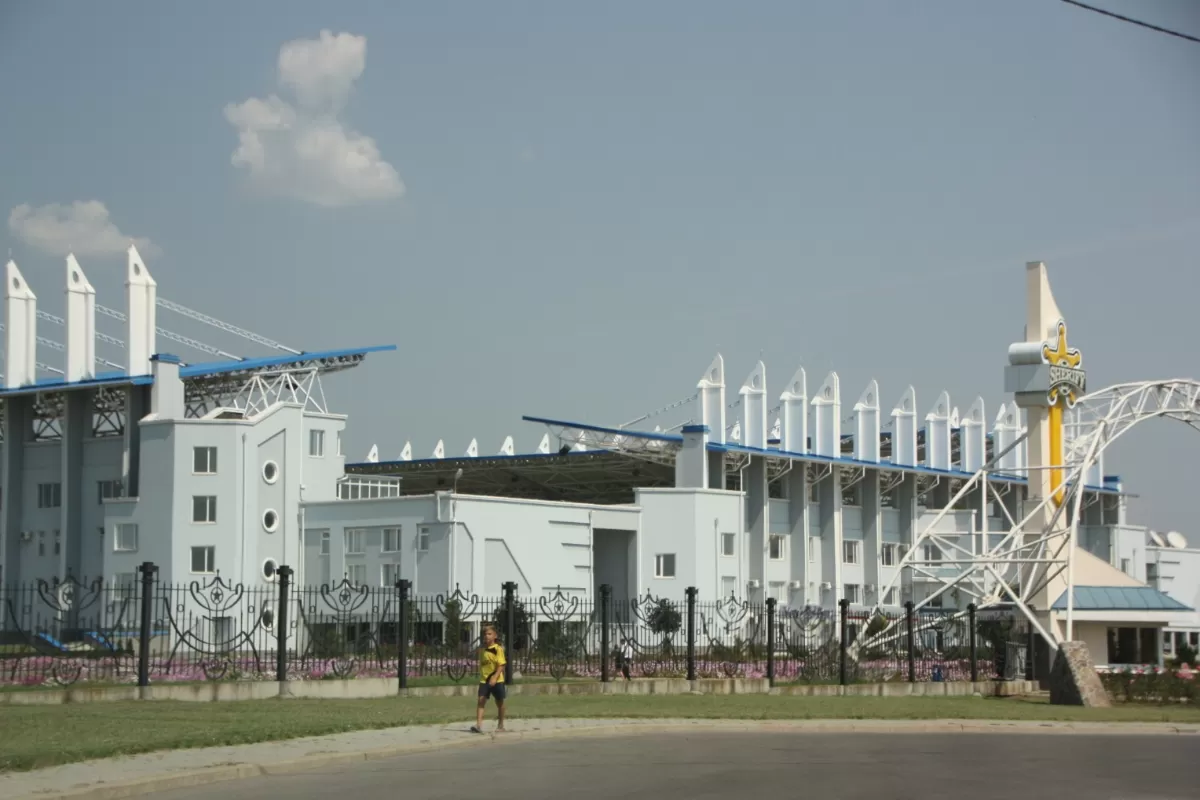
Sheriff Tiraspol, Moldova’s top football club, may be used by the regime in Transnistria to give some visibility to the separatist region and to try to gain a minimum of legitimacy on the international stage.
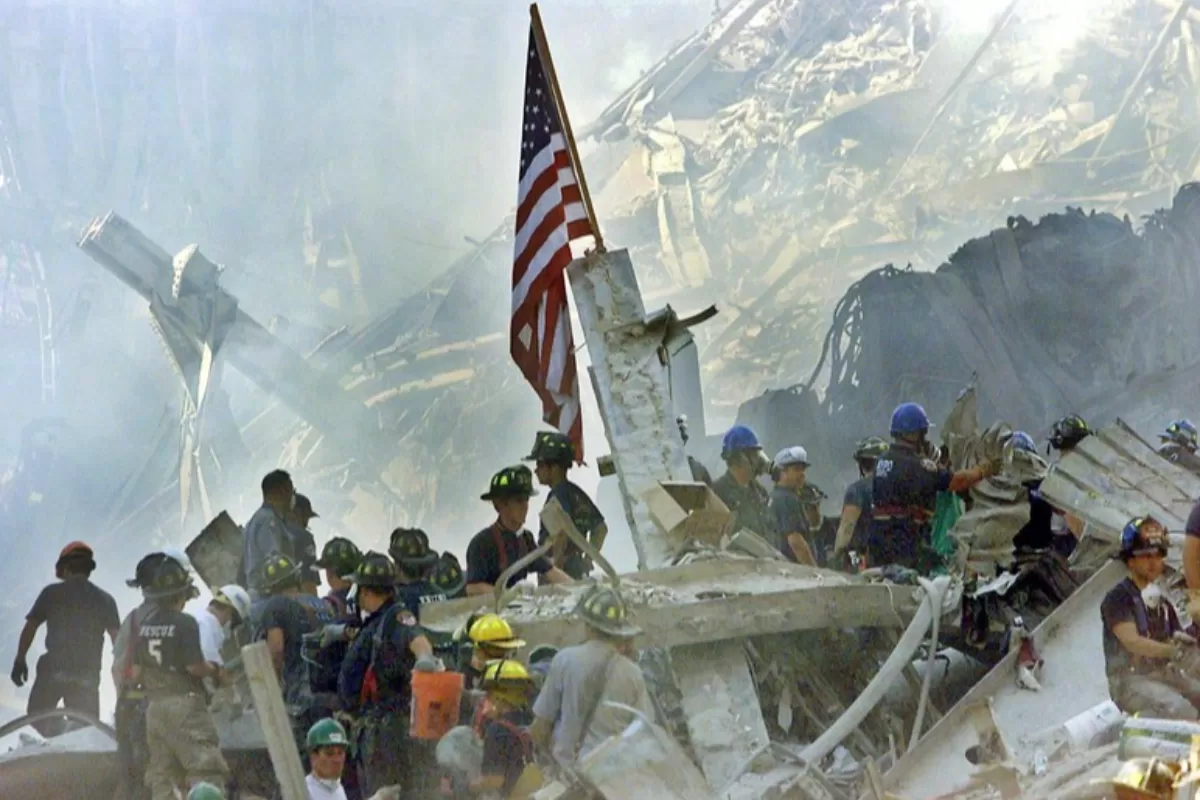
September 11, 2001 was the bloodiest landmark in the global jihad proclaimed by Osama bin Laden and his allies against the United States. Terrorists launched the attack in the name of liberating the holy sites which they claimed had been occupied by “crusaders” and “Zionists.” 9/11 convinced the Americans they had to hunt down jihadis all over the world. After 20 years and several wars, spanning from Central Asia and the Middle East to Africa, the global jihad continues.
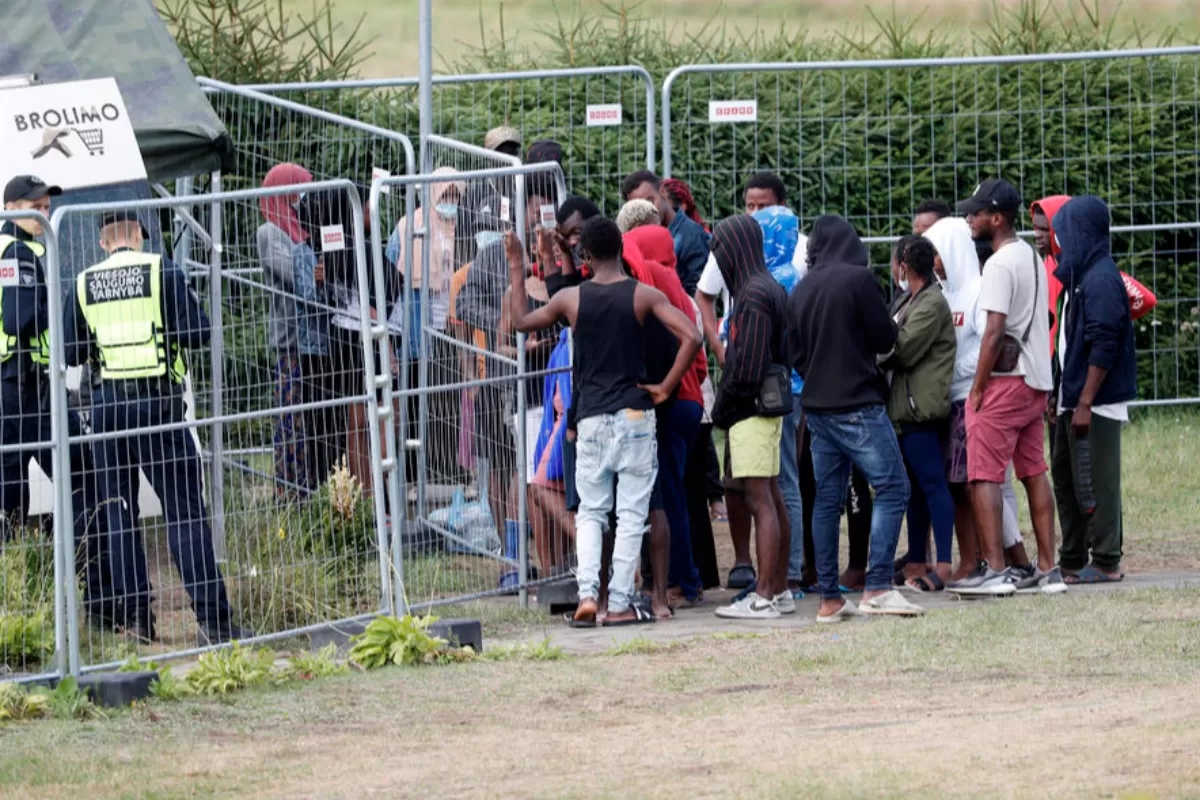
The refugee crisis that erupted in the summer on Belarus’ border with its western neighbors has several components. We are looking at new tactics in Russia's hybrid actions with the cynical use of an ally and the desire to strike at the most consistent criticisms of Russia.
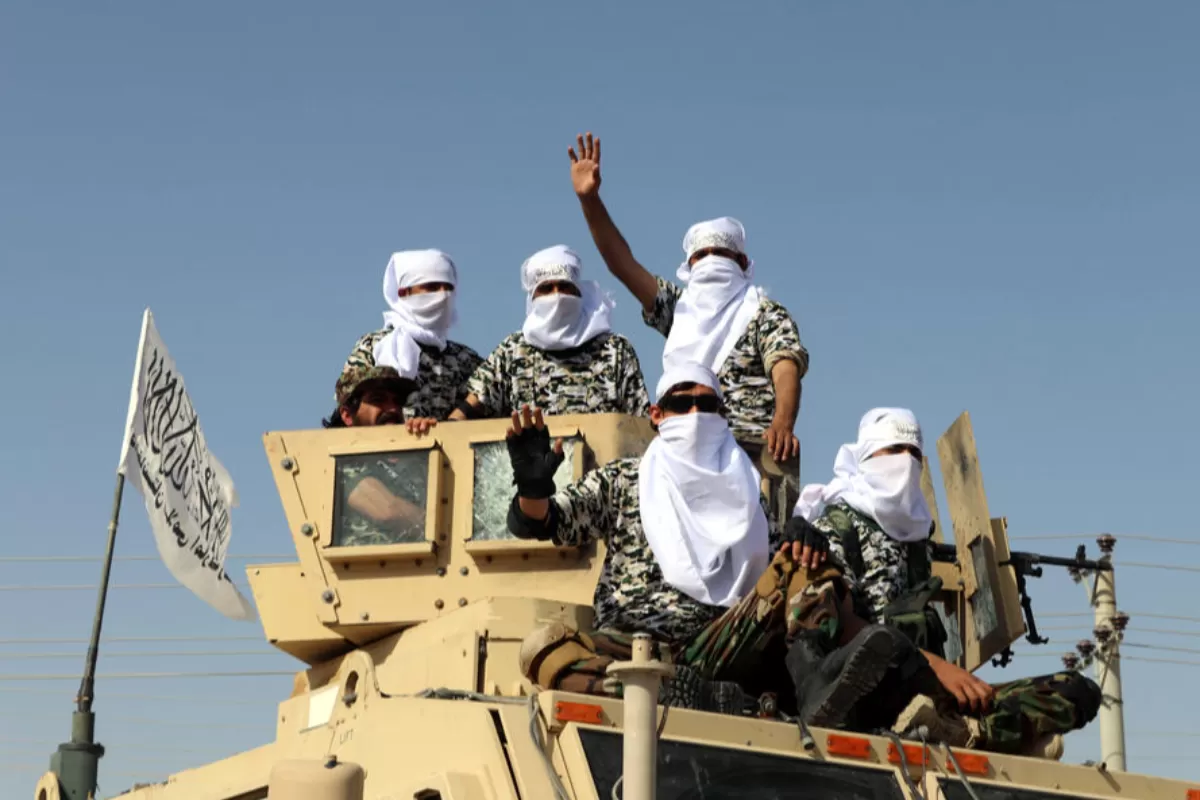
The United States made three big mistakes in Afghanistan - two before 9/11, and the third after invading the country. One every decade since the 1980s.
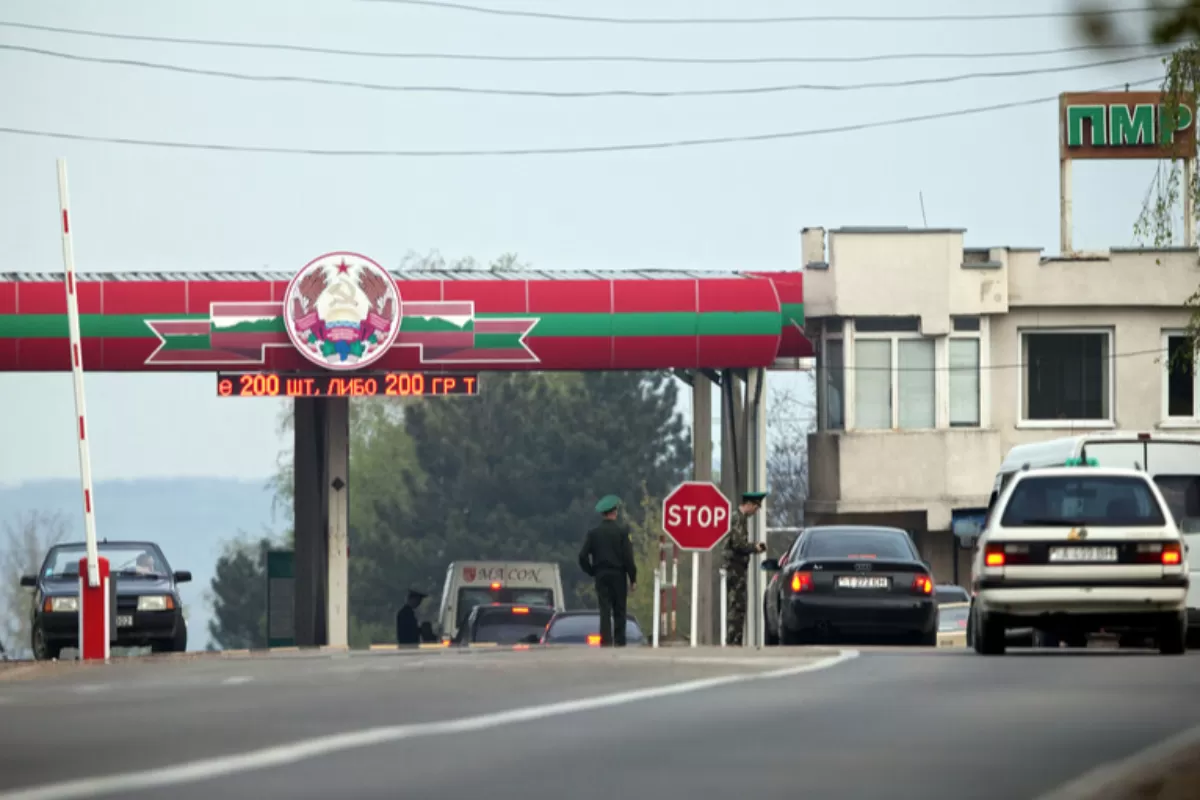
Ukraine’s policy towards Transnistria also impacts the agenda of the Government in Chișinău, which would rather focus on domestic reforms. Kiev decided to ban the access of all vehicles registered in Transnistria from entering its territory starting September 1, although Chișinău authorities wanted to delay the measure.
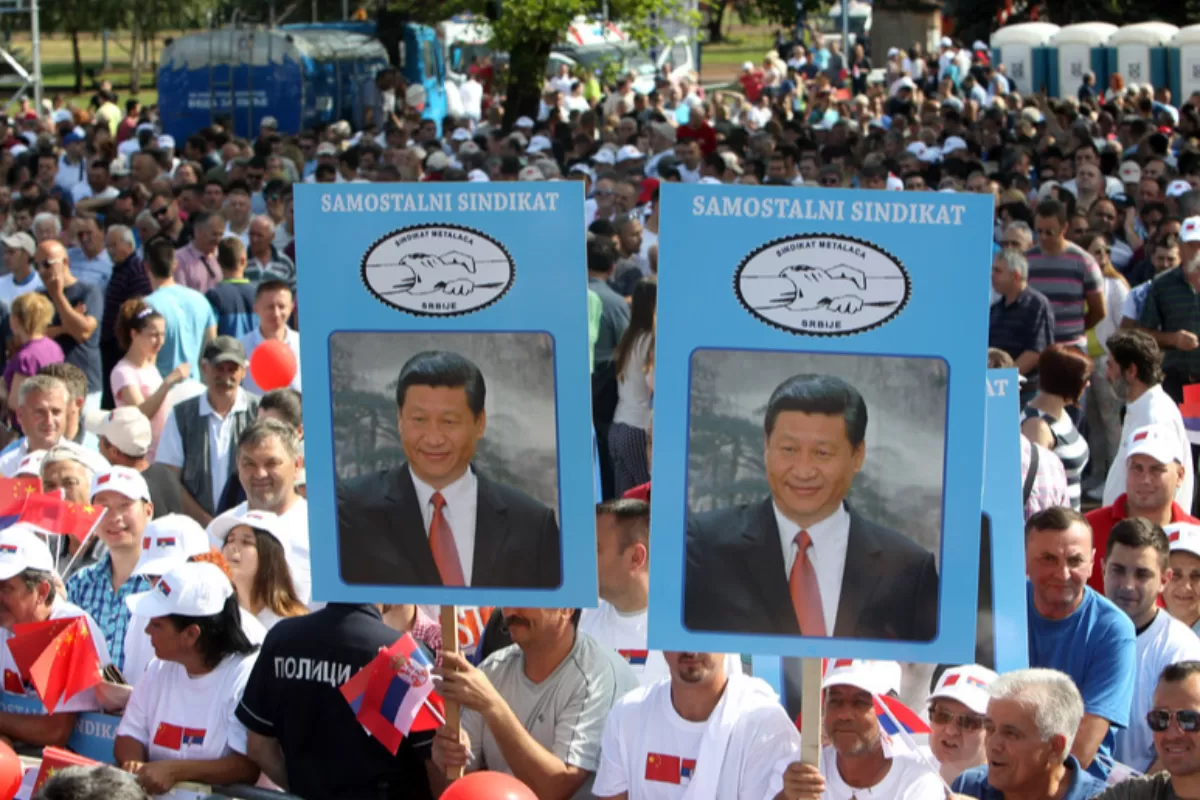
Authoritarian states like Russia and China use the capital to increase their political clout. However, their investments and the loans they grant are not as advantageous as they are advertised, and one of their hidden costs is the undermining of democratic values and standards.
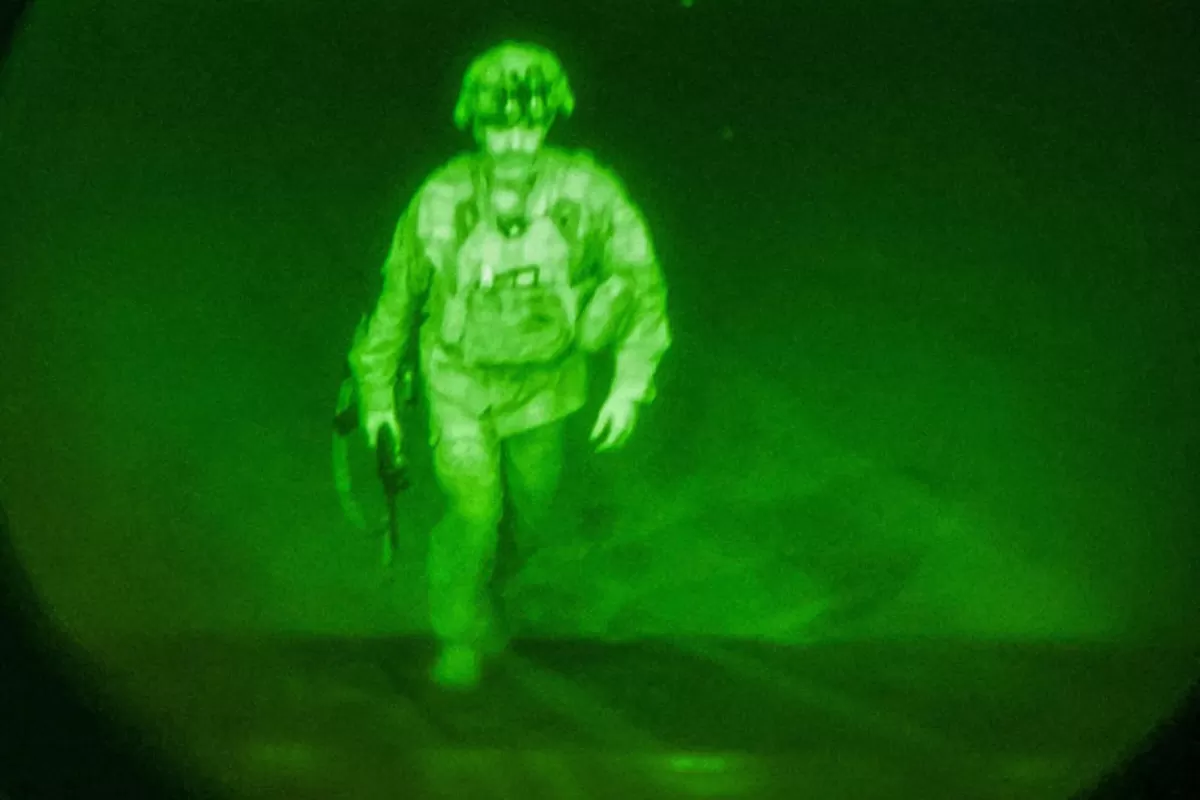
On August 30, late at night, the United States completed all operations to withdraw from Afghanistan, bringing an end to the longest war in its history.
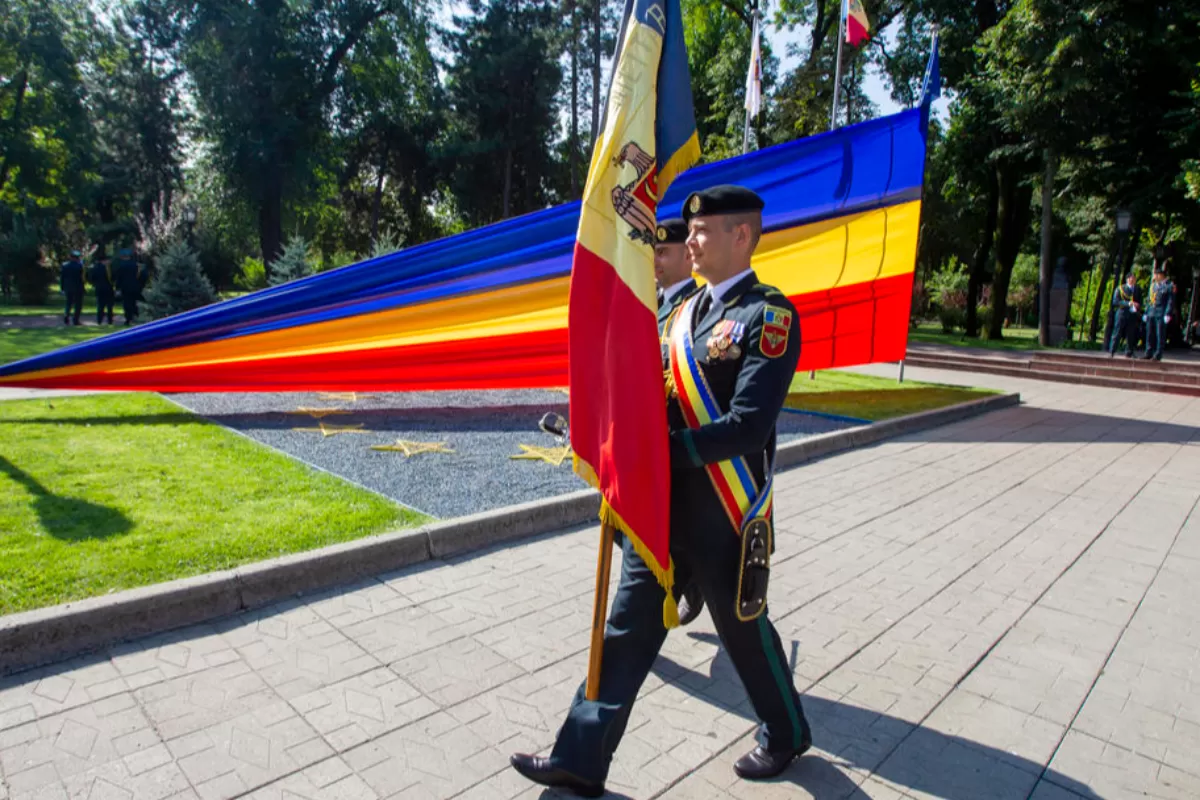
During the 30 years since the Republic of Moldova gained its independence, the language spoken in that country has been skillfully used not only as a bone of contention in domestic identity disputes, but also as a tool in the hybrid war waged by Russia on the territory of the Republic of Moldova and beyond.
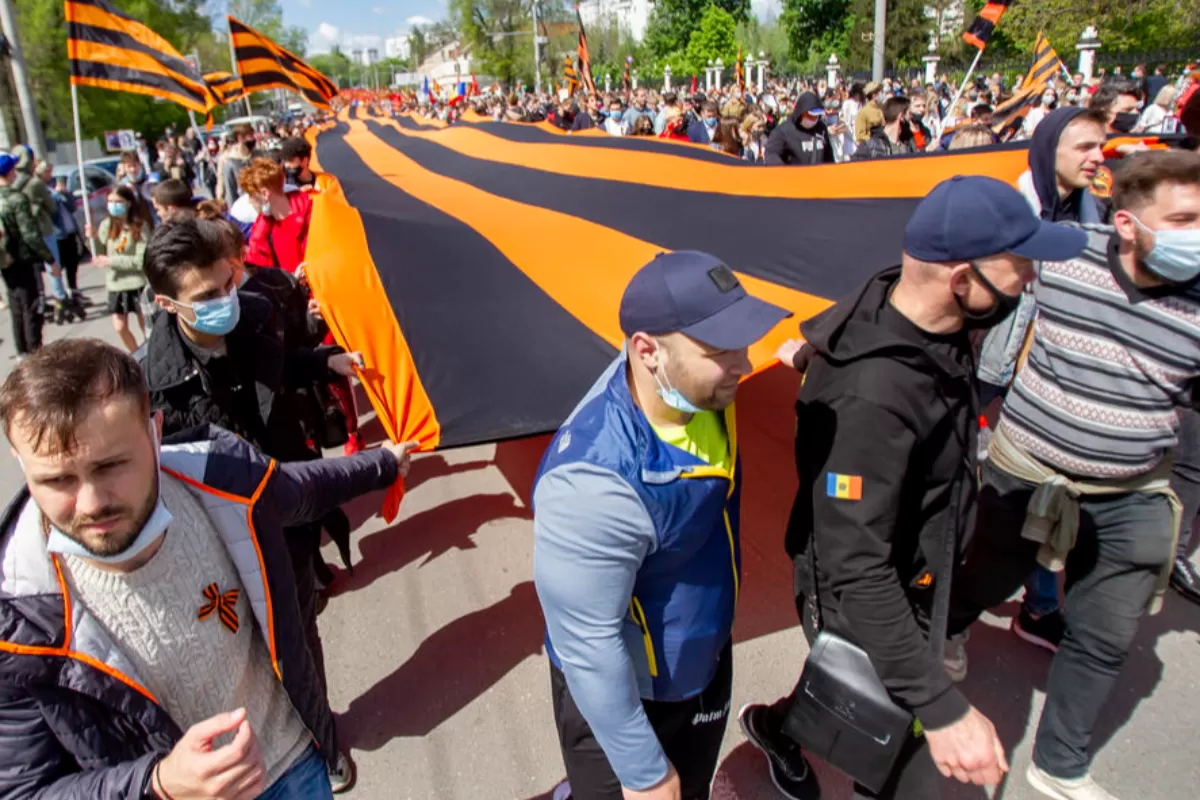
30 years after the proclamation of independence in the Republic of Moldova, the country still faces identity issues. Society is divided between those who describe themselves as Moldovans, Moldovan speakers – a tribute to Soviet legacy – and those who consider themselves Romanian and speak Romanian, those who feel they belong to the Russian world, and those who look towards Romania and the European Union.
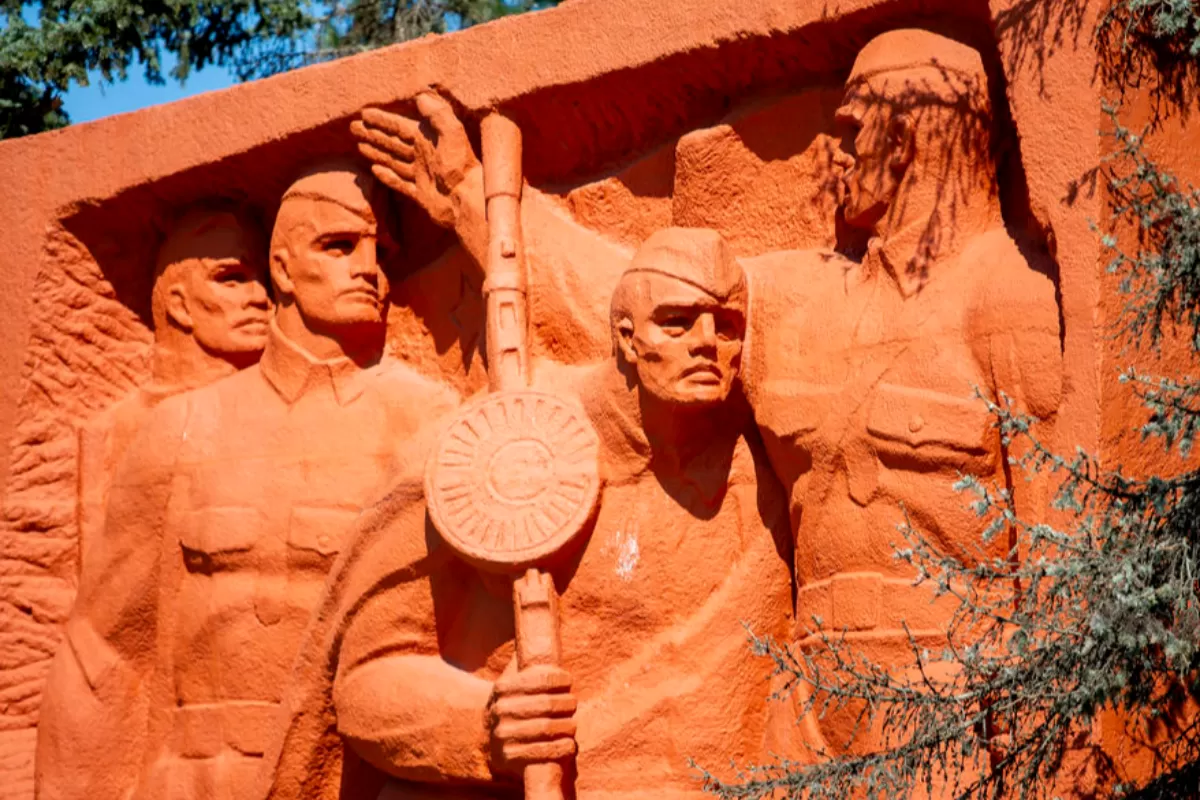
The Republic of Moldova proclaimed its independence in the wake of the breakdown of the USSR, but also as a result of the national rebirth movement at the end of the 1980s. In the 30 years that have since lapsed, Moscow has used a number of pressure points – a population with a doubtful identity, the frozen conflict in Transnistria, the monopoly on natural gas, its political clientele, etc. – in order to uphold its influence in the area between the Prut and the Dniester rivers.
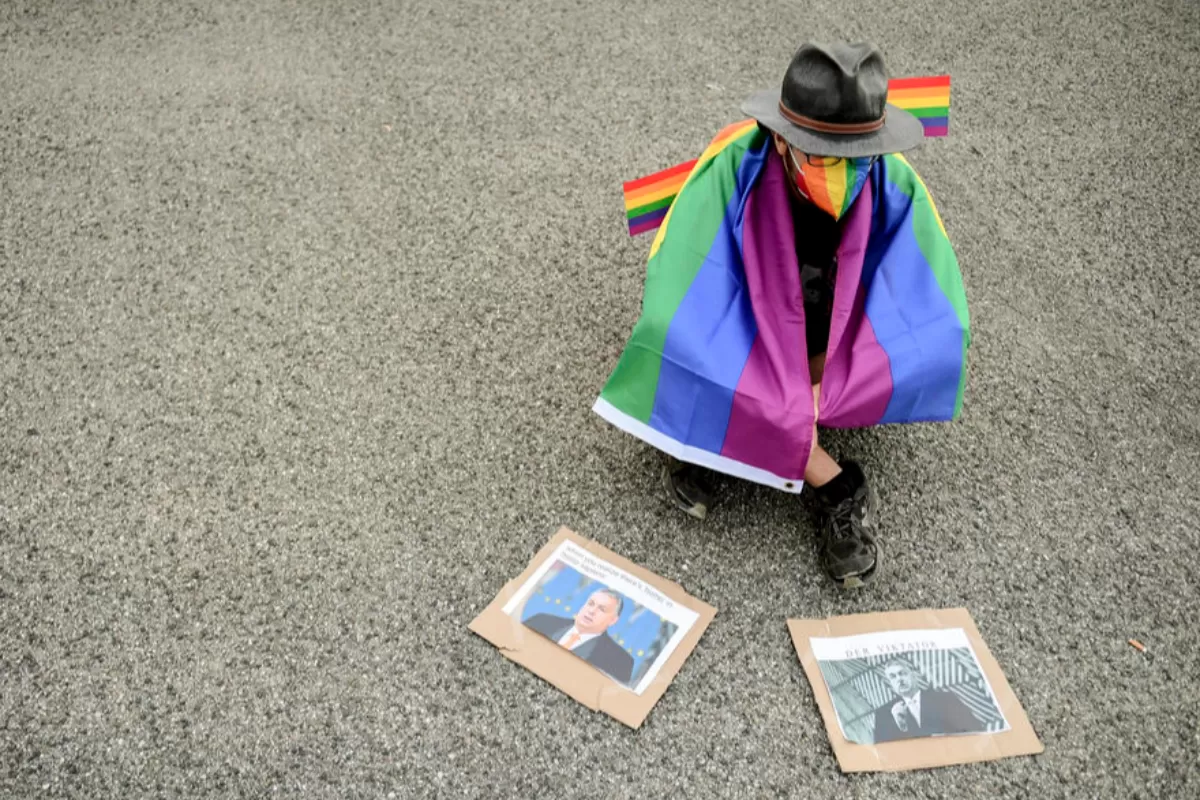
Viktor Orban’s domestic “pro-family” policies made him a champion for the conservatives engaged in the so-called “culture wars”.
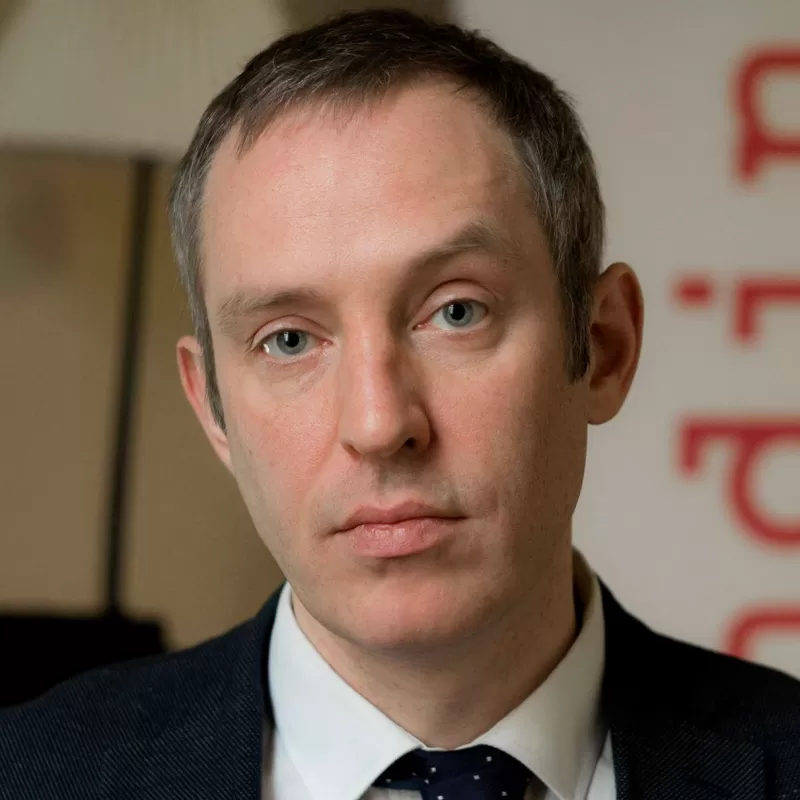
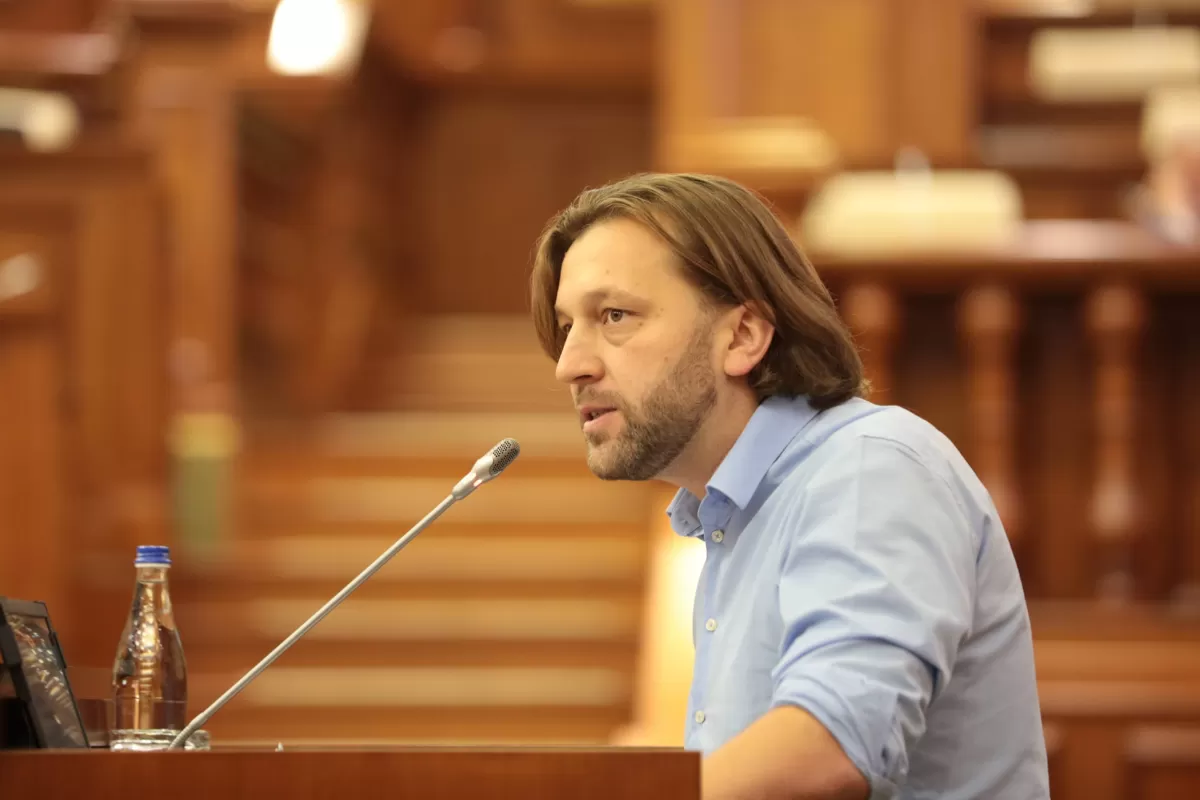
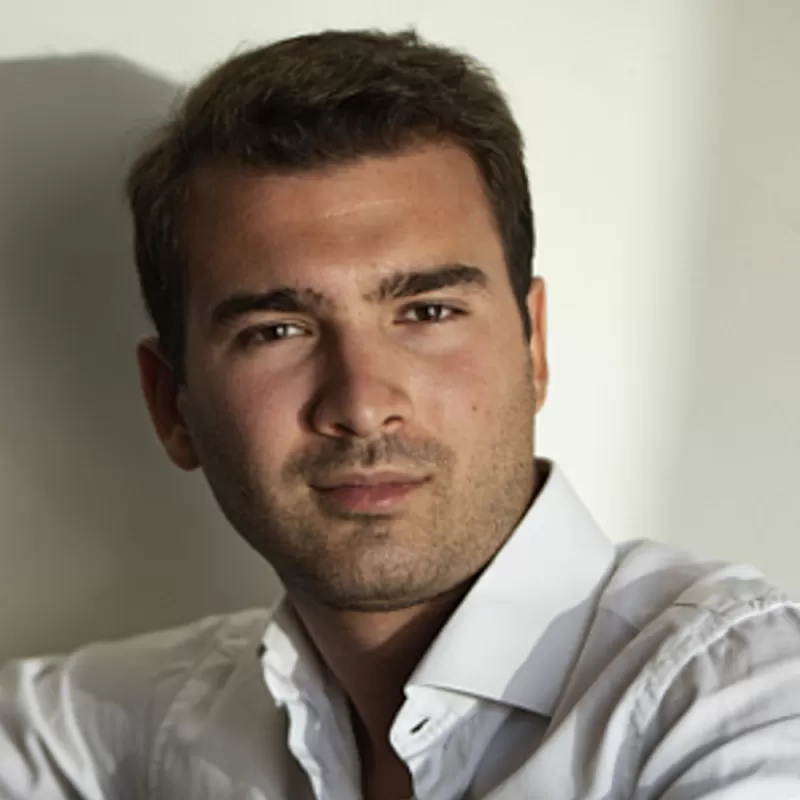
Dumitru Alaiba is one of the most vocal and visible deputies of the Action and Solidarity Party (PAS), which became the ruling party in Chisinau. On the eve of the 30th anniversary of the proclamation of Moldova's independence, Veridica spoke with Dumitru Alaiba about Russia's declining influence in Chisinau, the interests that link some Moldovan politicians to Transnistria, but also about corruption and the politics of the past 30 years.
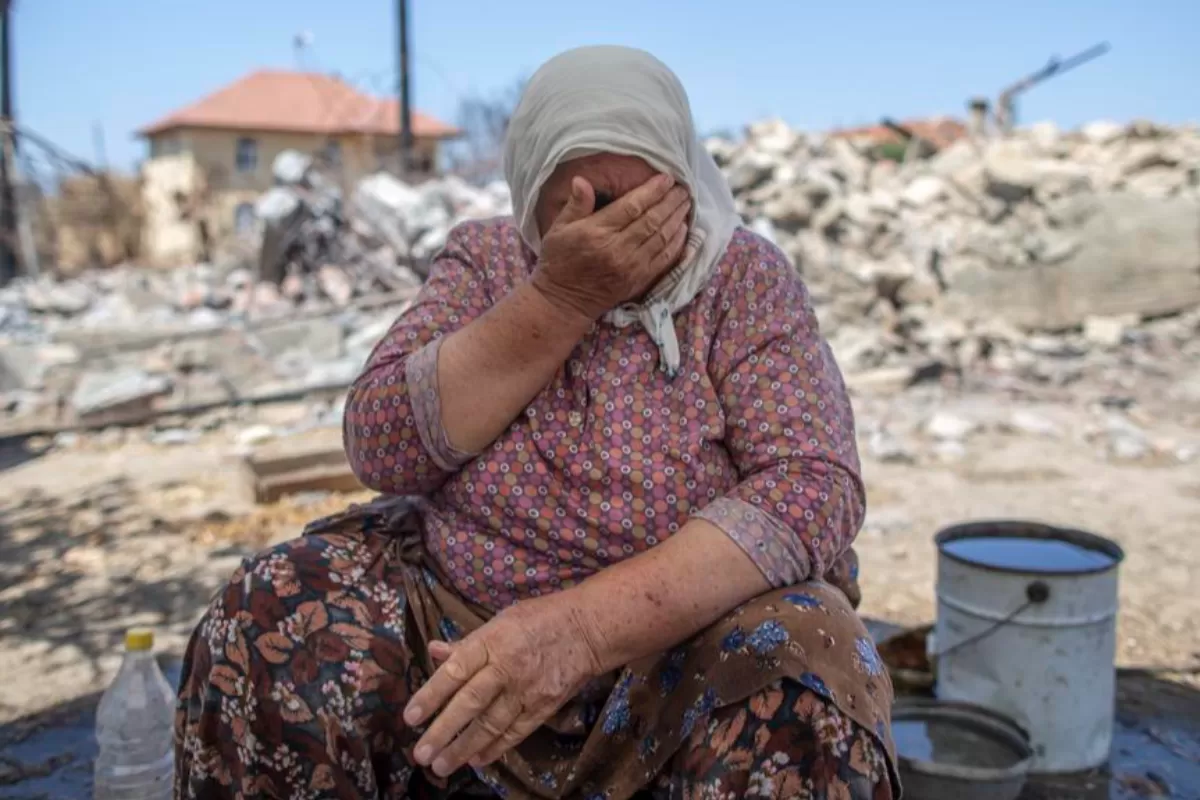
Returning to Turkey after one year, I found that the country continues its downward spiral. Life is getting harder, and many seem to be increasingly demoralised.
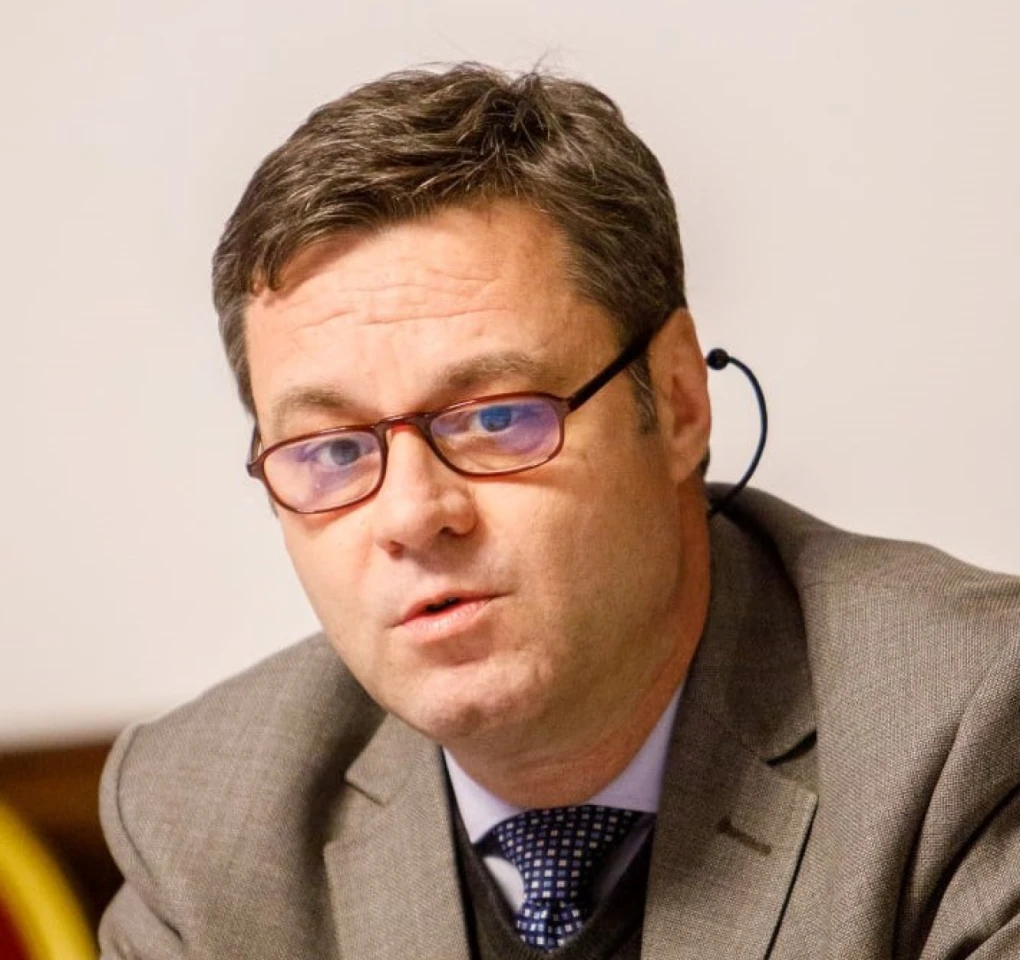
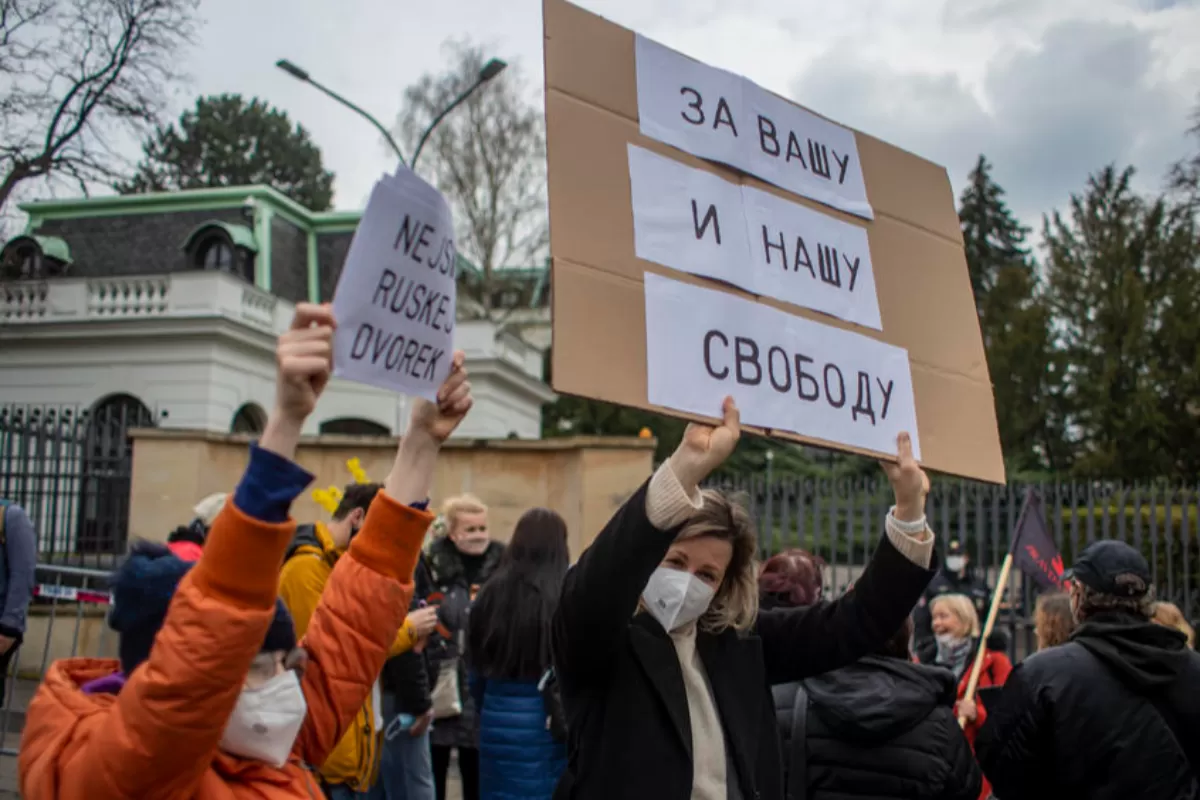
The pro-Russian Czech President seems determined to get rid of the country’s head of domestic intelligence, whose job is to stop Russian spies. The intelligence chief used to be supported by the Prime Minister, but with elections looming, the latter now needs the President by his side.
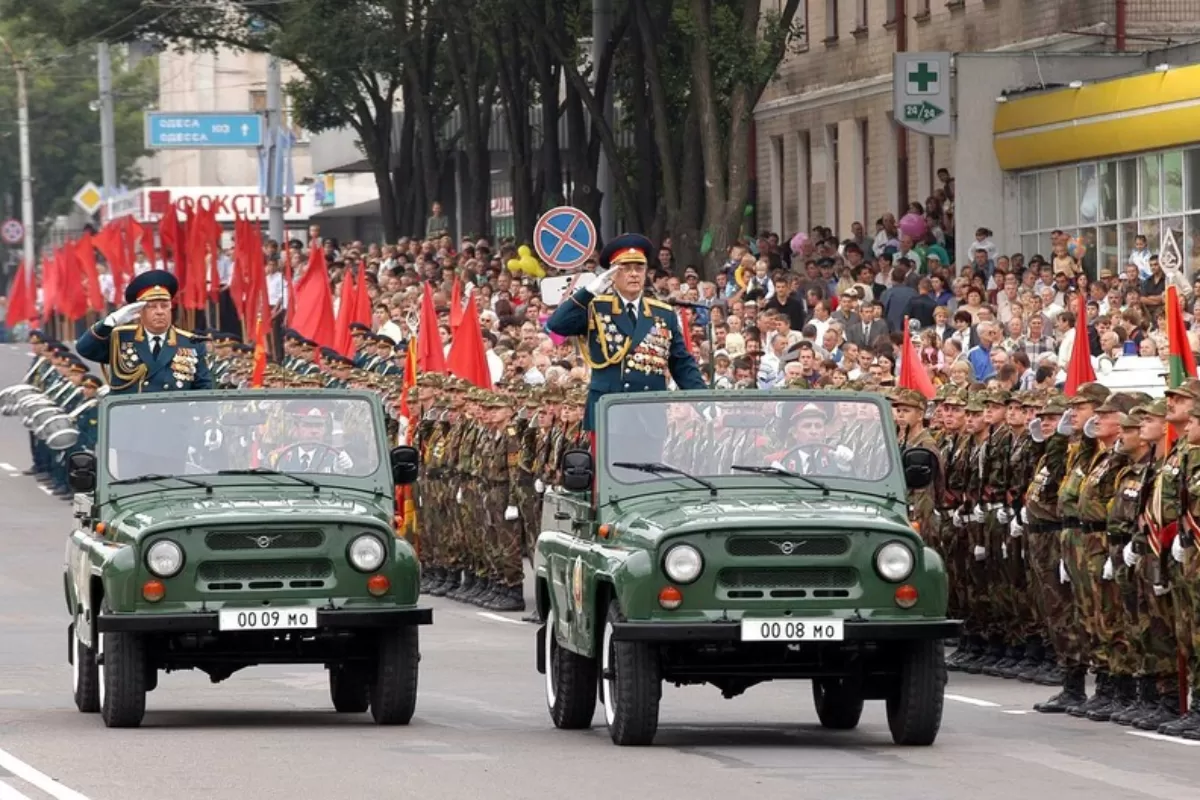
The possibility of destroying the ammunition of Soviet origin kept in depos in the village of Cobasna, in the Transnistrian separatist region, has aroused Moscow's interest, at least at a declarative level.
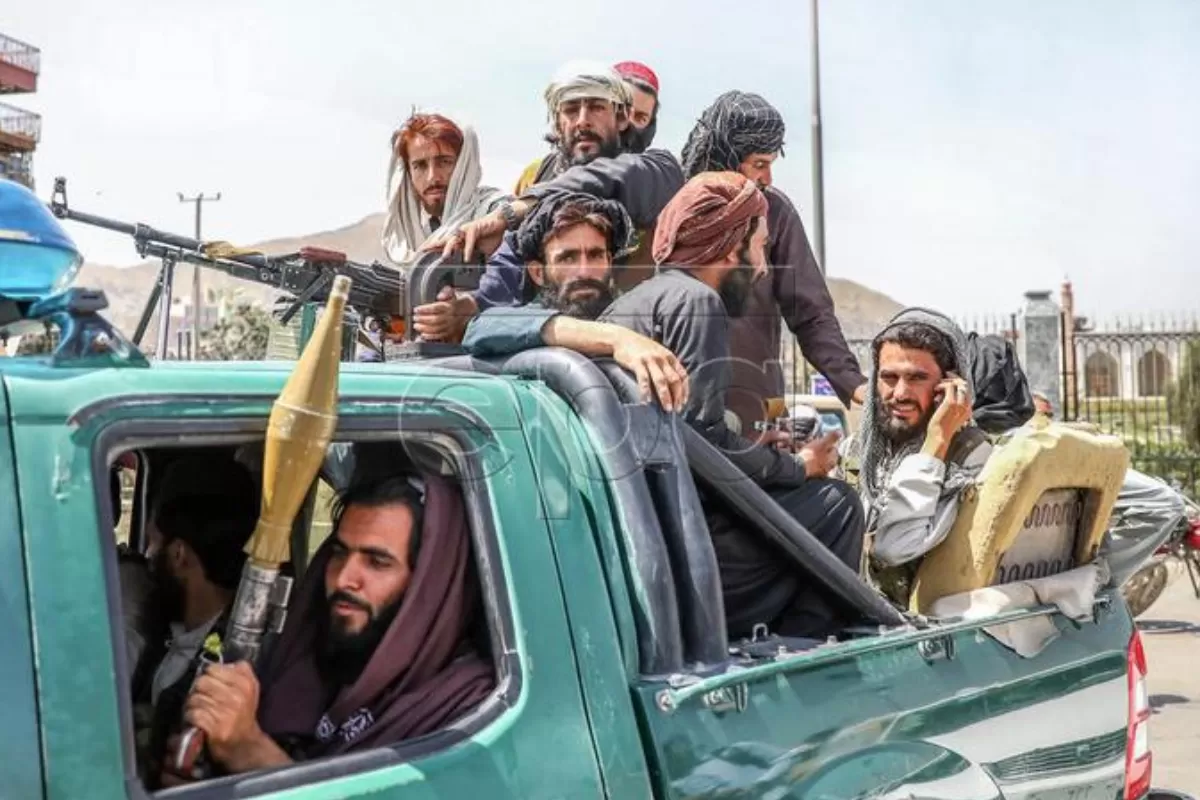
The Taliban have conquered Afghanistan again, almost 20 years after they were chased away by a US intervention. How was this possible and, especially, what awaits us?
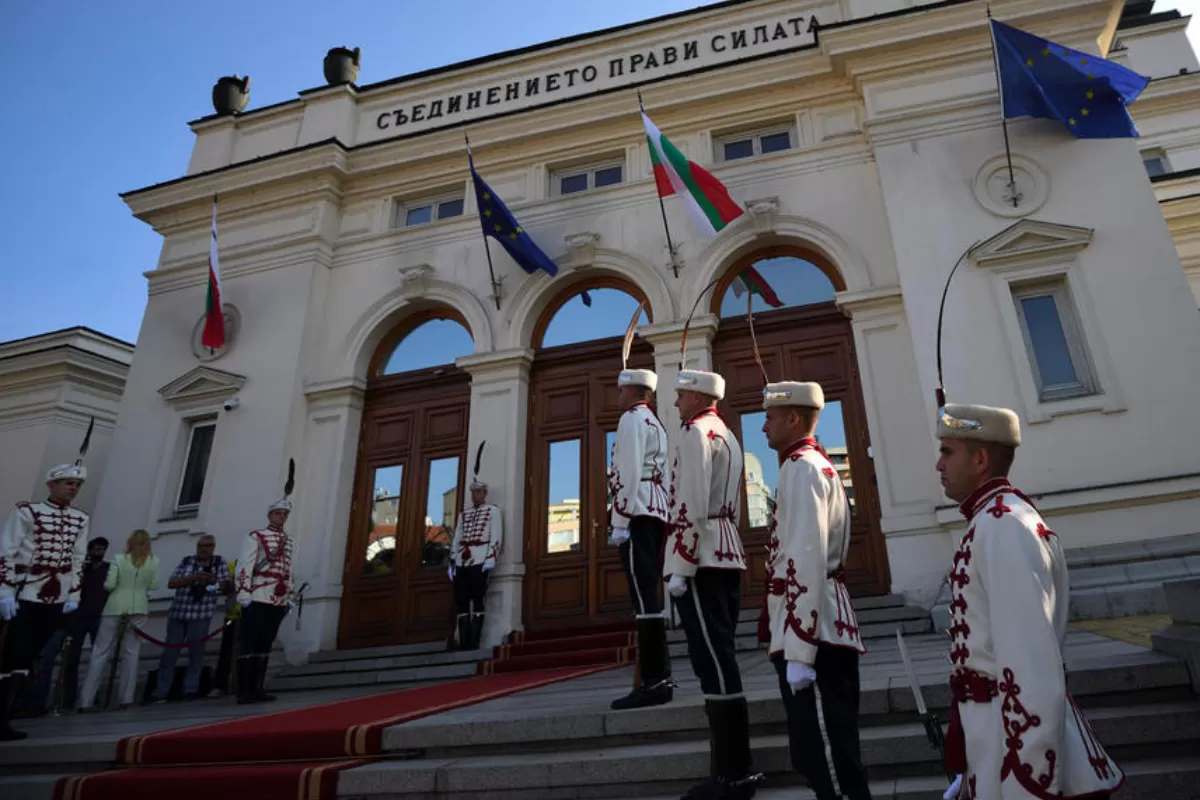
The desire to overthrow GERB and Boyko Borissov wasn’t enough: There is Such a Nation, the new party that won Bulgaria’s latest elections, made another U-turn on Tuesday by revoking its ministerial nominations amid rising controversies.

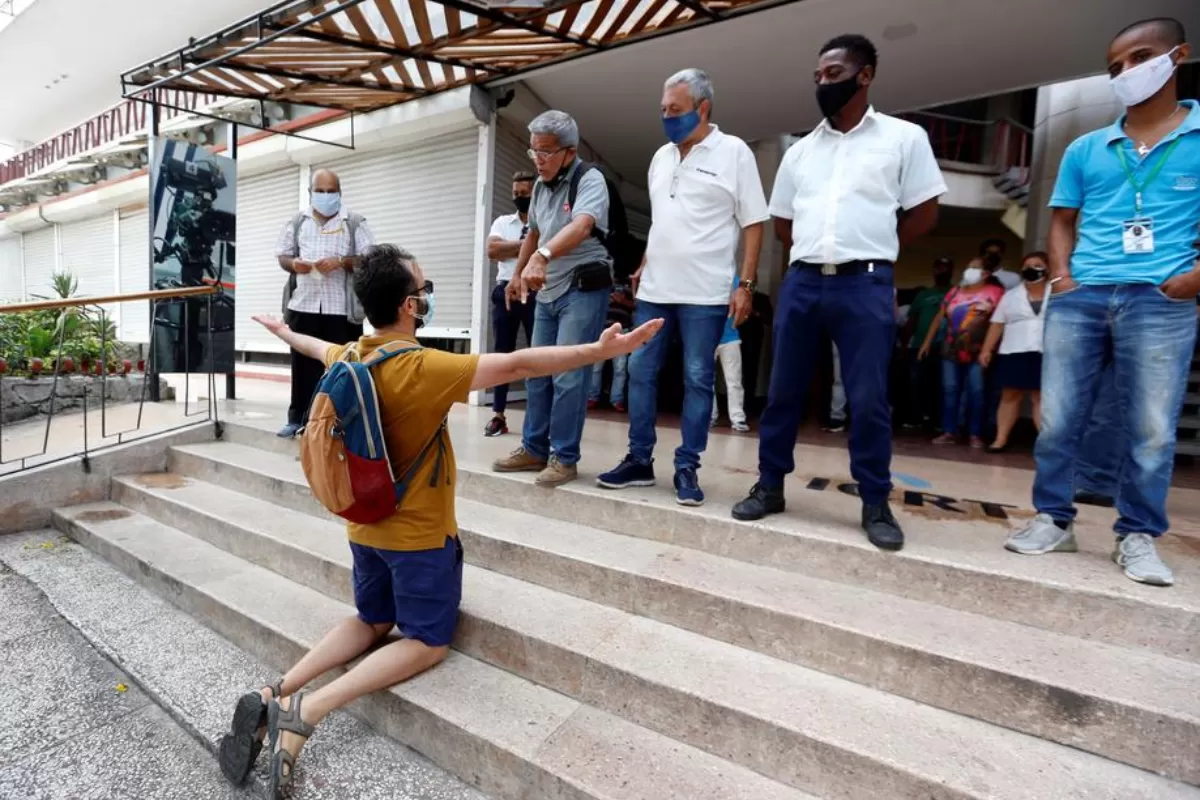
Cuba has recently faced its largest protests in three decades. The protesters used social media to mobilize. Is this the weapon that will bring down one of the longest-surviving communist regimes in the world - or at least force it to accept profound reforms?
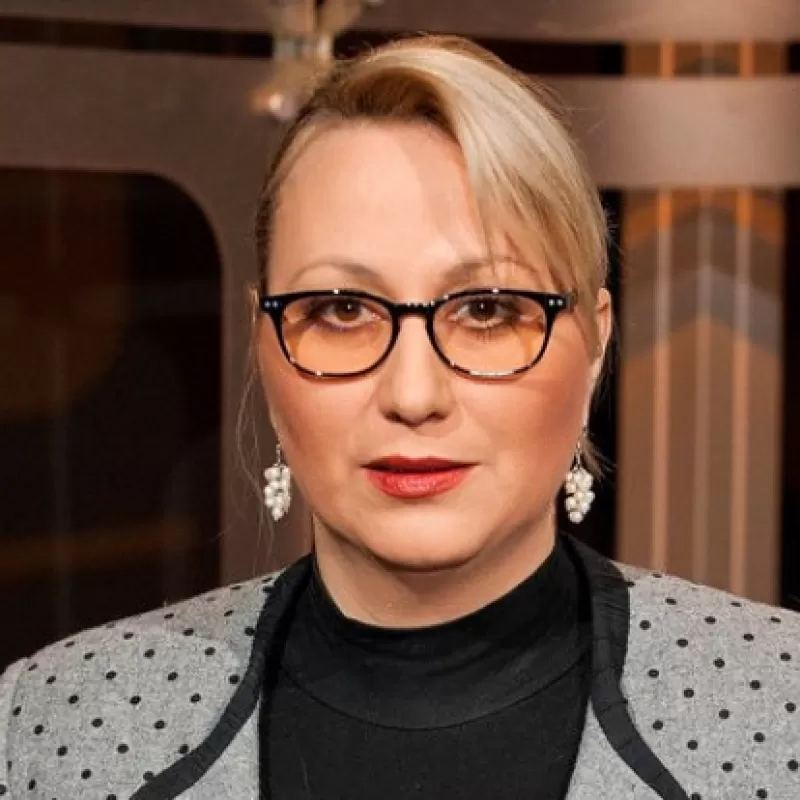
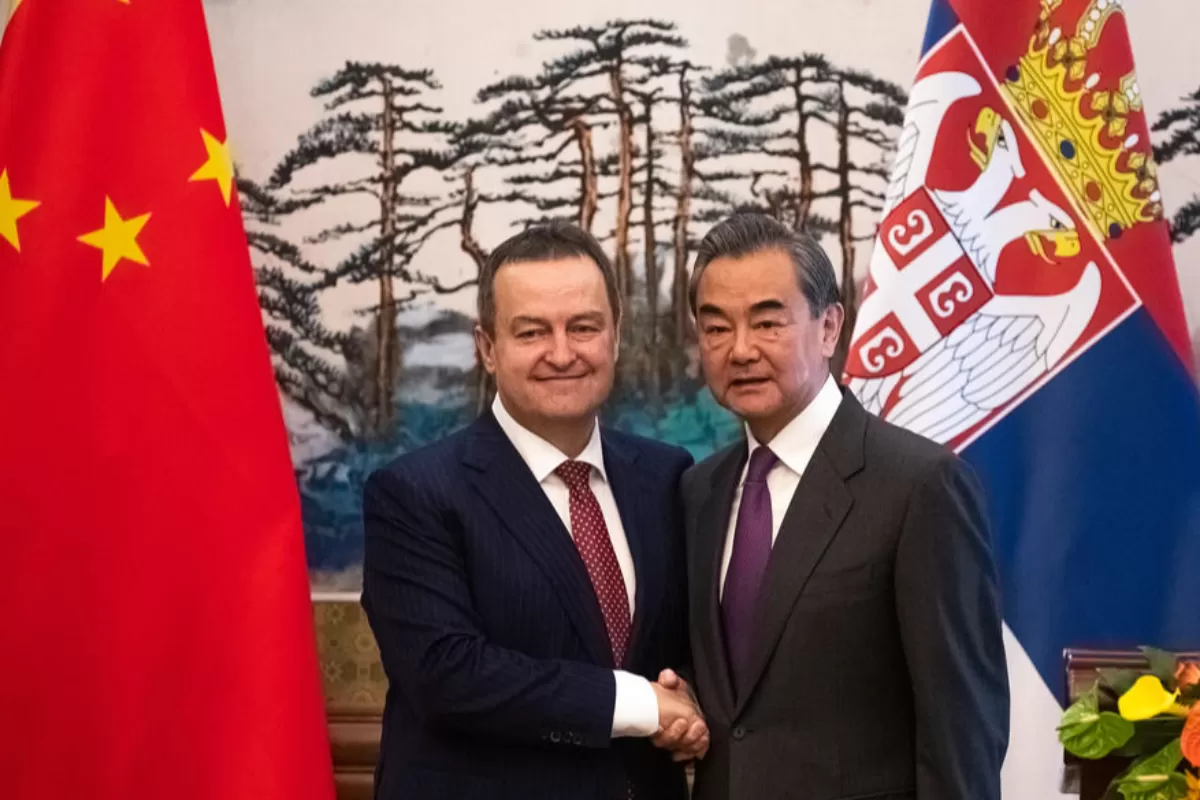
In the past few years, Chinese investments in Serbia have intensified, strengthening economic and strategic cooperation between the two countries. However, in addition to investing in production, new technologies, servicing old debts, some of these investments have brought with them harmful effects on the environment, but also a further collapse of the legal system and institutions.
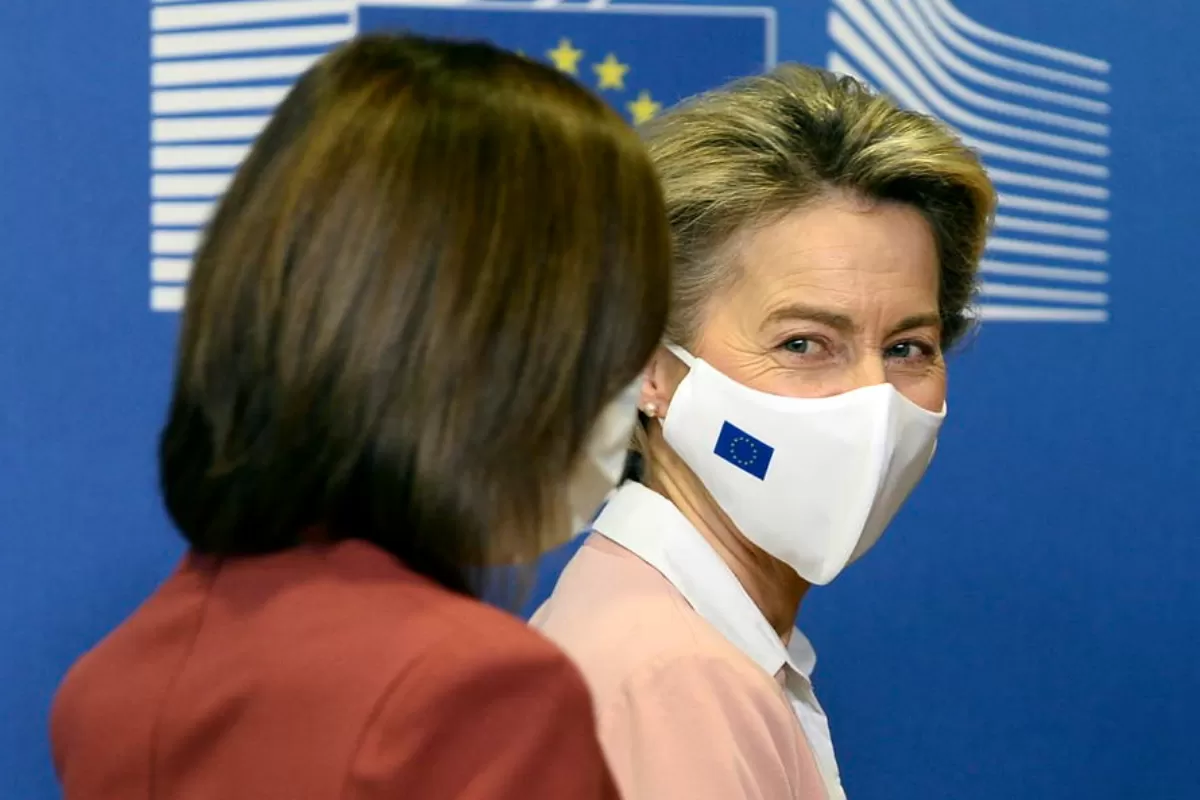
The Republic of Moldova has been presented with a historic opportunity, after pro-European forces, represented by the Action and Solidarity Party (PAS), have secured the Parliament, the Government and the Presidency. The post-Soviet period of transition may now be over, and the pro-European track, which has been in the limelight in Chișinău for three decades, may become irreversible.
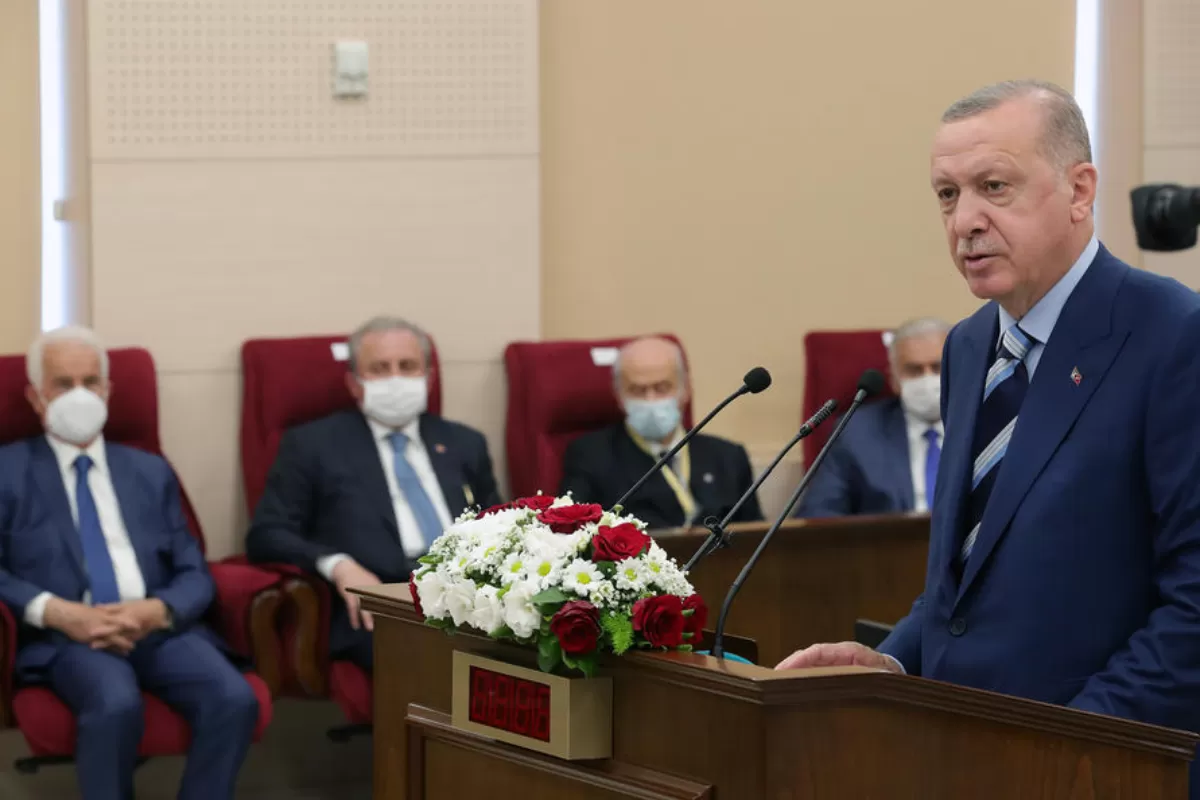
Turkey is increasingly in favor of a two-Cypriot solution and is working to persuade other states to recognize Turkish Cyprus. Recep Tayyip Erdoğan seems to have taken on the Cypriot cause in order to attract the nationalist electorate to his side in the run-up to the 2023 elections.
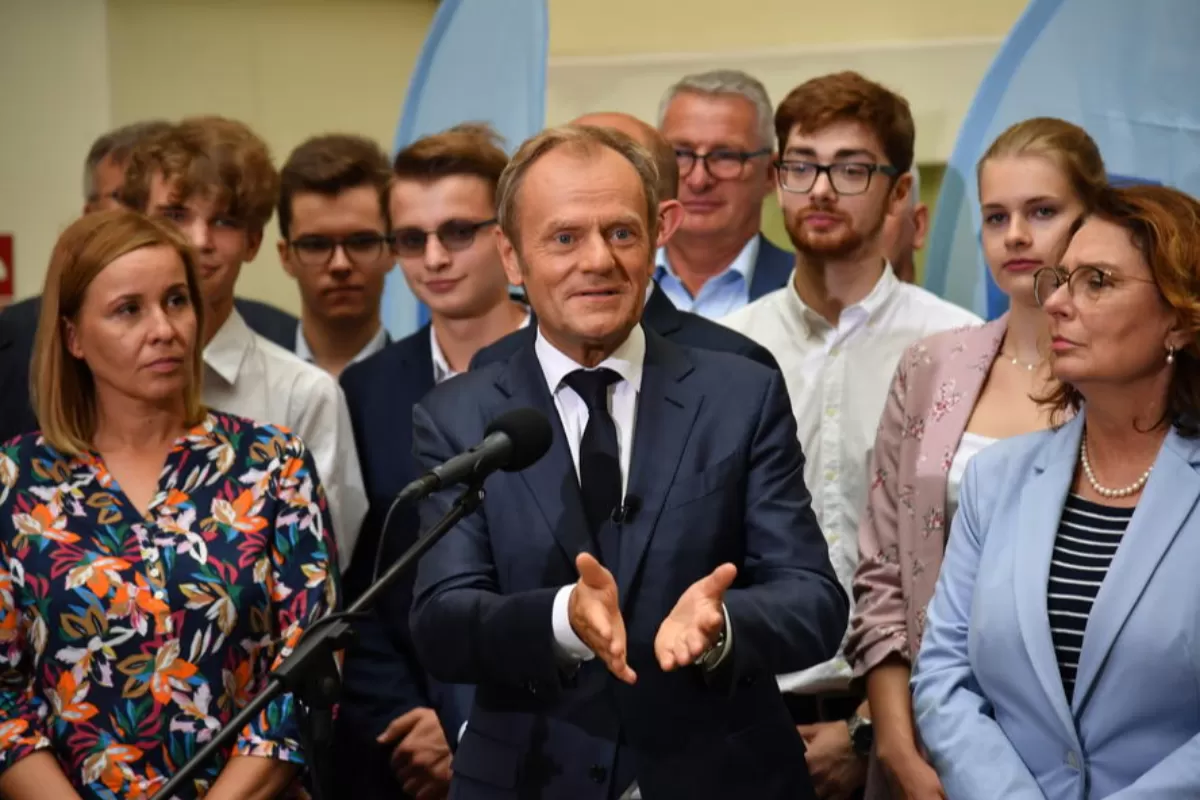
Donald Tusk returned to Poland. He's main goal is to take power from Kaczyński and the right-wing government of Law and Justice. How does he want to do it and what are his chances?
After winning the presidential elections, Maia Sandu has stabilized and secured the relations with the country’s closest neighbors - Romania and Ukraine. The legitimate question arises whether she has also managed to stabilize the complicated relationship between the Republic of Moldova and Russia, especially in the new context created by the recent parliamentary elections, won by the Action and Solidarity Party (PAS), which she has founded.
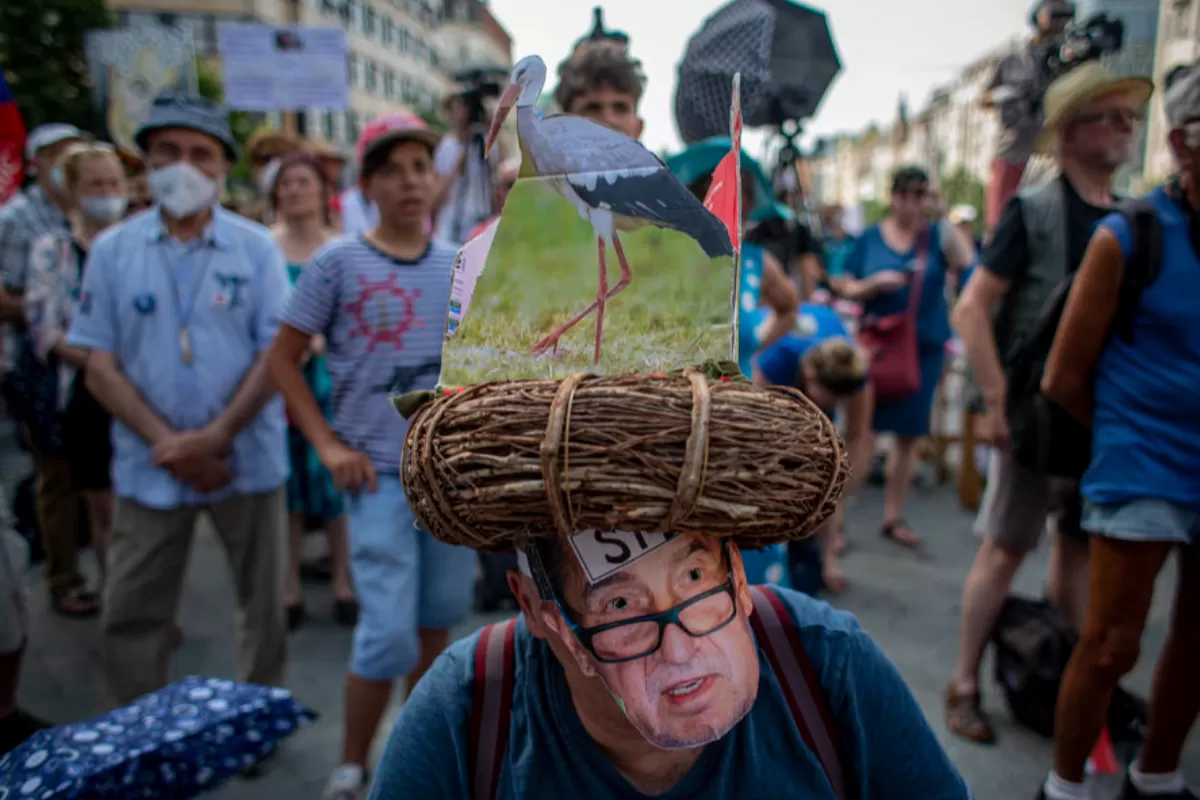
After the warm summer, a hot autumn awaits the Czech Republic. Elections to the Chamber of Deputies of the Parliament are held at the beginning of October and they could change the political landscape in the country. The current political hegemon Andrej Babiš and his ANO movement could lose their position, traditional left-wing parties – communists and social democrats – may not make it to the upcoming Chamber of Deputies and there are some new political forces, such as a party led by former anti-mafia policemen, which is growing and promising "justice".
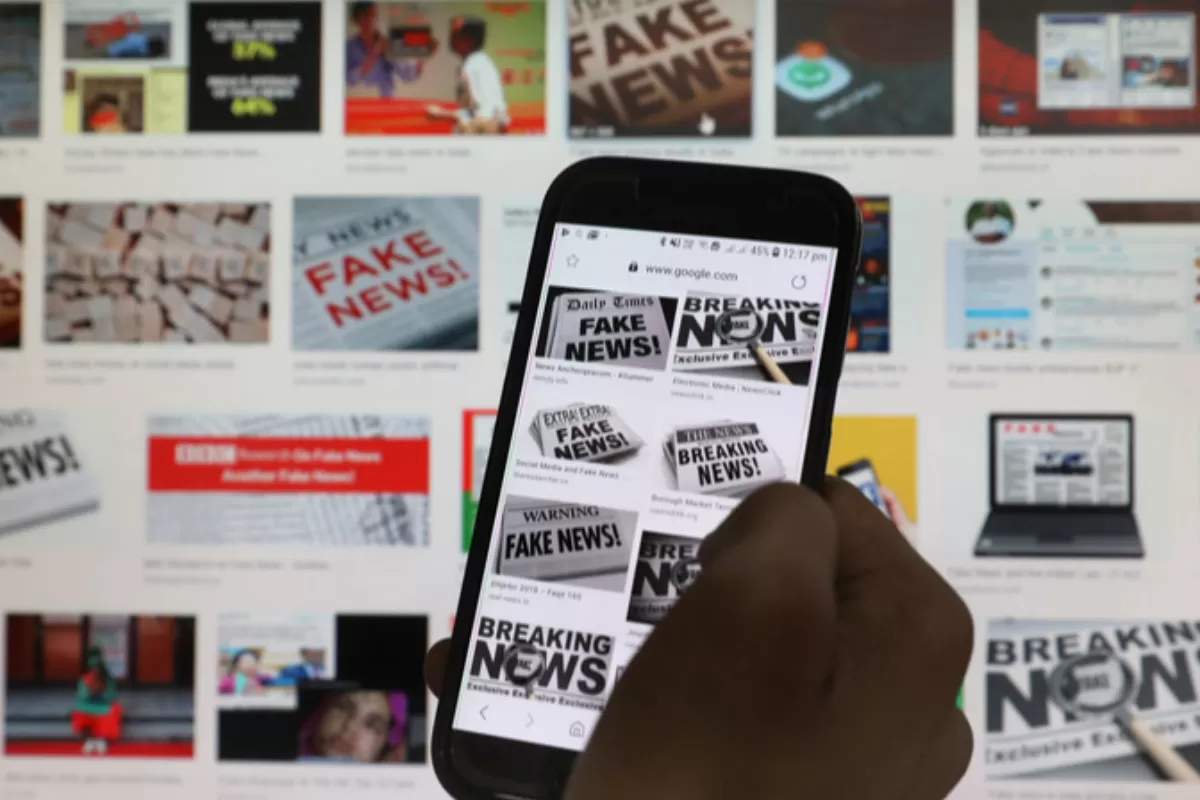
The study of hybrid impact tools and technologies for their application is now becoming a necessity for most European countries. It should be understood that their application lasts long enough to form the basis of the study, and the need for countermeasures will remain relevant for many years.
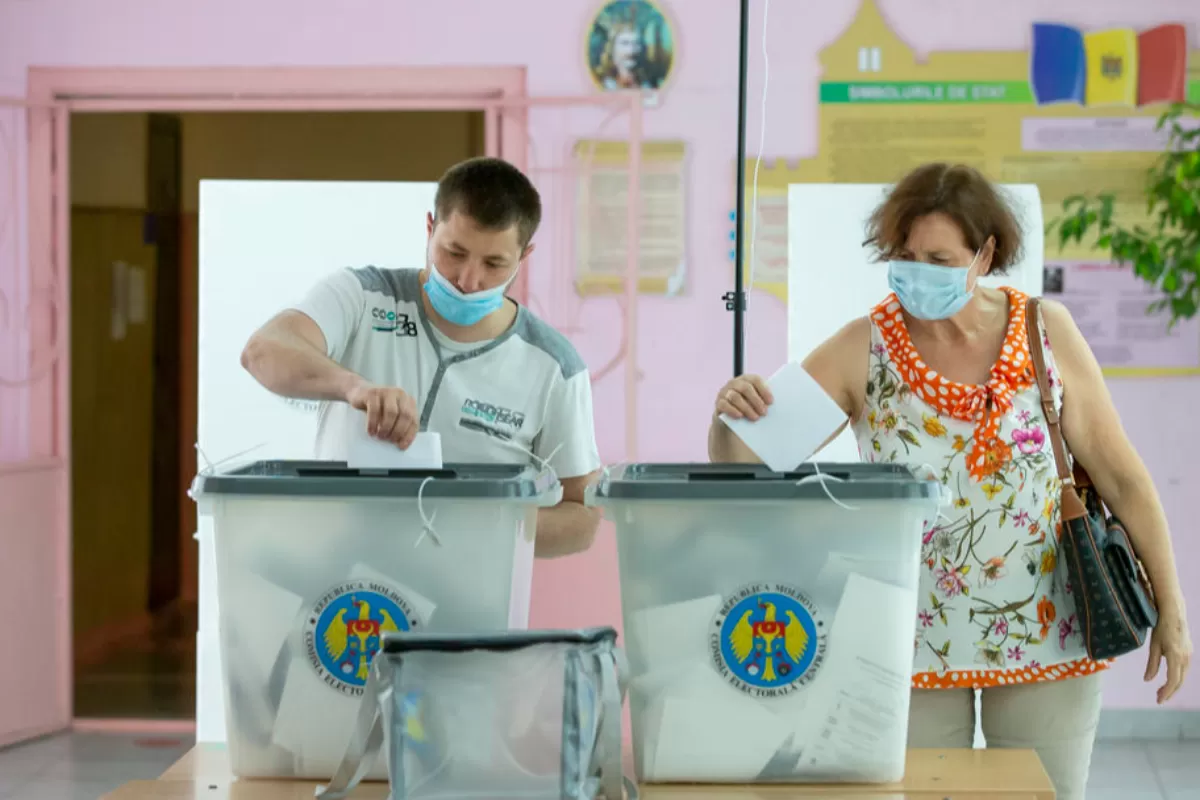
Not even the most optimistic supporters of the Action and Solidarity Party (PAS) were expecting a landslide victory in the early parliamentary election. PAS didn’t just face left-wing parties, represented by the Electoral Bloc of Communists and Socialists, but Russia itself, which tried to lend the latter a helping hand. Yet its victory is only the beginning: the real challenge for PAS lies ahead.
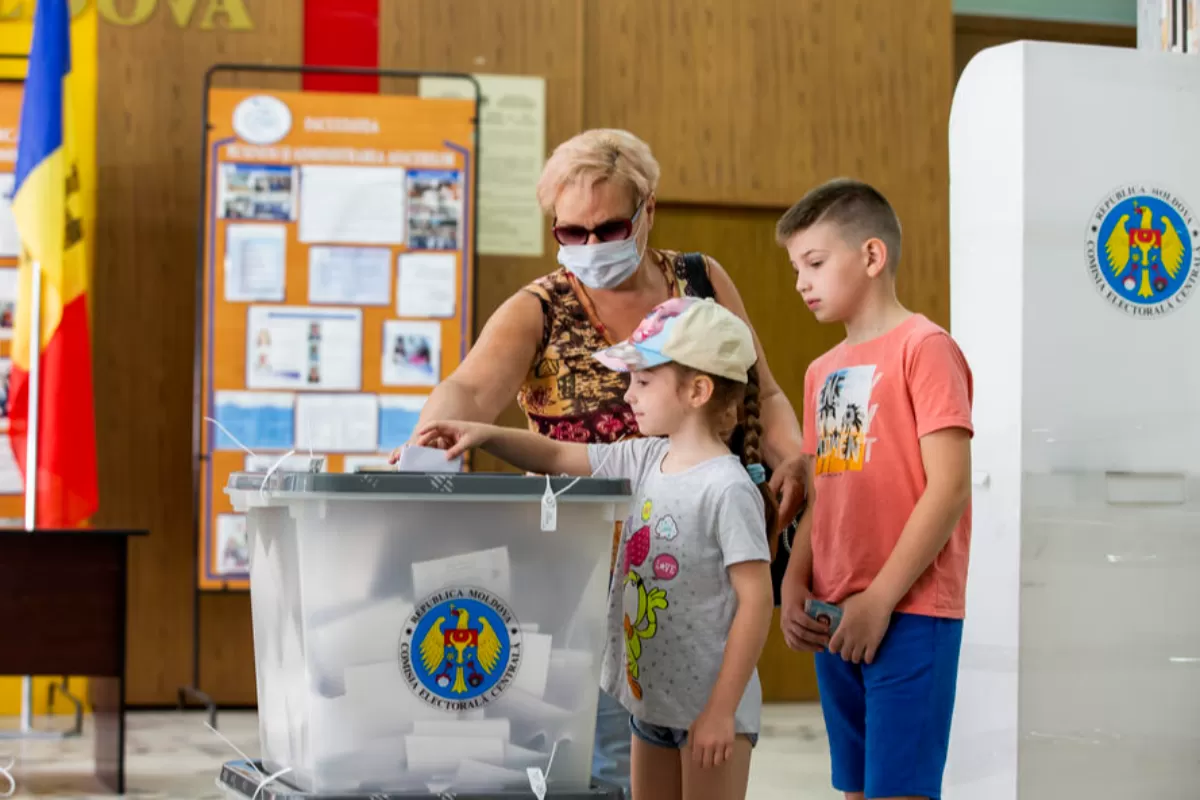
The alleged election fraud, including bribe-giving, was one of the hot topics in the Republic of Moldova on election day. While media outlets siding with pro-European parties revealed alleged cases of bribe reported on the left bank of the Dniester, the pro-Socialist press focused on offenses reported abroad. One the main “arguments” about influencing voters in the Diaspora was a short video filmed by a young girl queuing outside a polling station in Frankfurt, Germany. In the background one can hear a few people talking and laughing, mentioning 50 Euro. A large number of press institutions affiliated to the Socialists carried the piece of news, suggesting the video is evidence that voters got bribed. The person who shot the video subsequently said it was all a joke, and that the media made erroneous assumptions.
disinformation, manipulative stories and fake news continued to flood the media as usual. Maia Sandu, PAS and the West were again the favorite targets of disinformation and fake narratives. Fake news authors were pretty much unimaginative, as they have been over the course of the entire campaign, resorting to narratives they used before, both in the current campaign, as well as in previous ones: a victory for the right-wing would spell disaster for the country
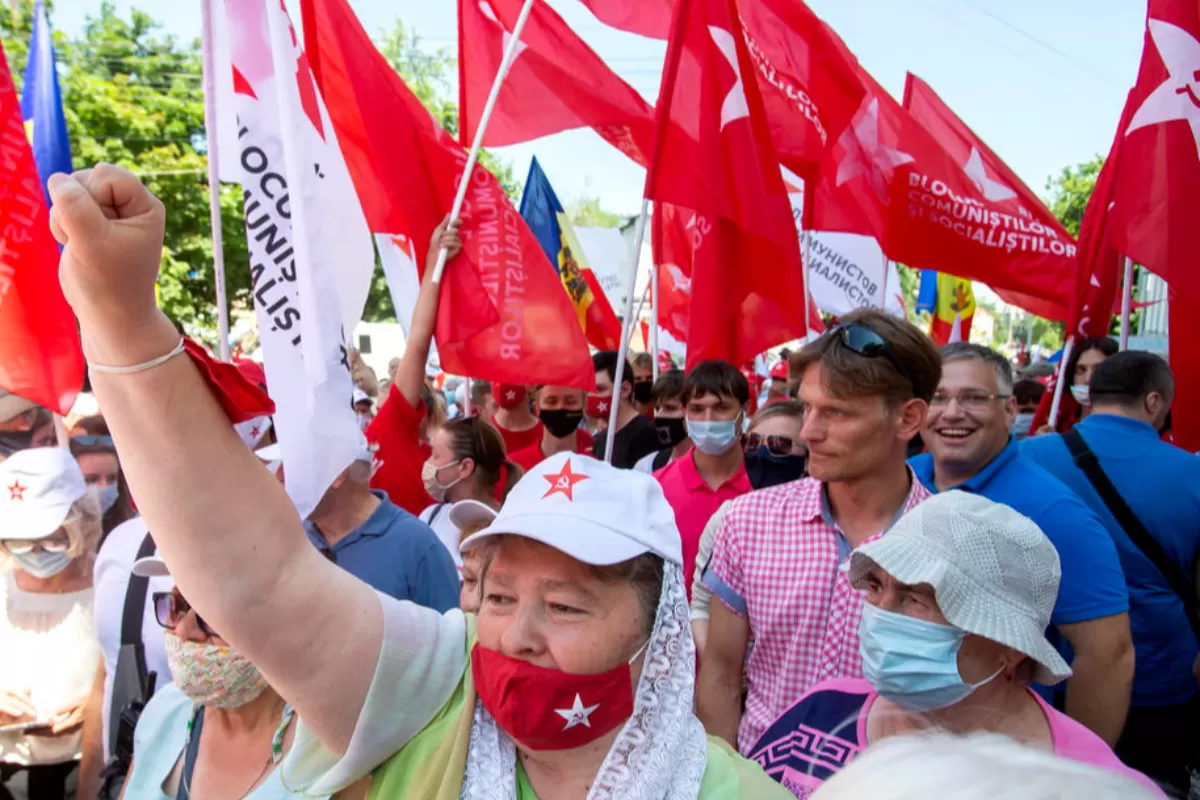
Much like most other election campaigns in the Republic of Moldova, this summer’s campaign for the parliamentary election of July 11 was ridden with disputes which, at times, went way beyond the limits of common decency. We’ve seen controversial figures getting the spotlight, a great deal of disinformation, and we’ve had our fair share of extraordinary and laughable moments. Foreign policy was, once again, a major topic of debate. Less than 30 years since Moldova proclaimed its independence, it’s still unclear whether the country is headed West or East. Another recurring theme in this campaign was the fight against corruption, which has been discussed for years, without seemingly rooting out the weed of corruption that has spread to the point of nearly suffocating the whole country. Veridica has reviewed some of the topics, episodes and characters that grabbed the headlines during this election campaign.
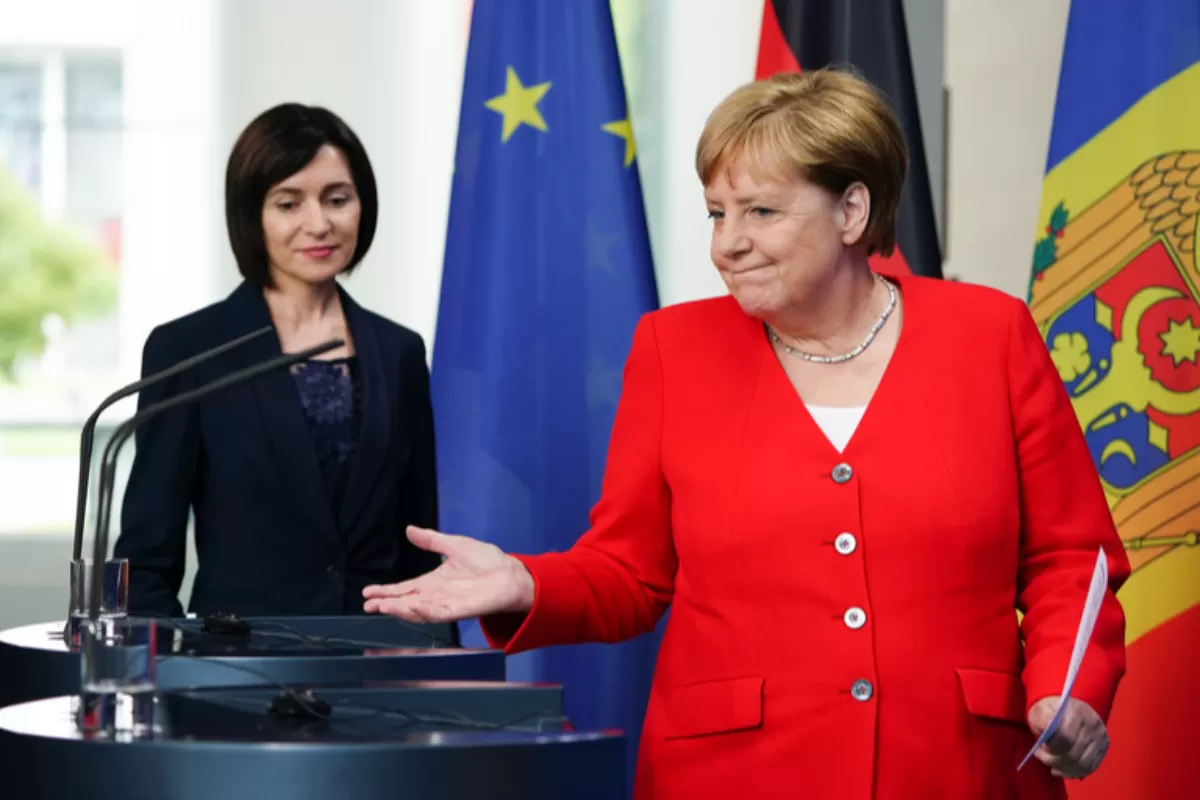
Maia Sandu’s friend, Chancellor Angela Merkel, doesn’t want the Republic of Moldova to accede to the European Union, PSRM-linked media claims, saying that the meeting between the German Chancellor and leaders of states in the Western Balkans is evidence that Moldova doesn’t have any chance of joining the European Union. However, Angela Merkel doesn’t make any reference to Moldova, and the news isn’t in any way tied to the Republic of Moldova. The narrative is aimed at weakening voters’ confidence in pro-European forces, especially in PAS and Maia Sandu, ahead of the parliamentary election of July 11.
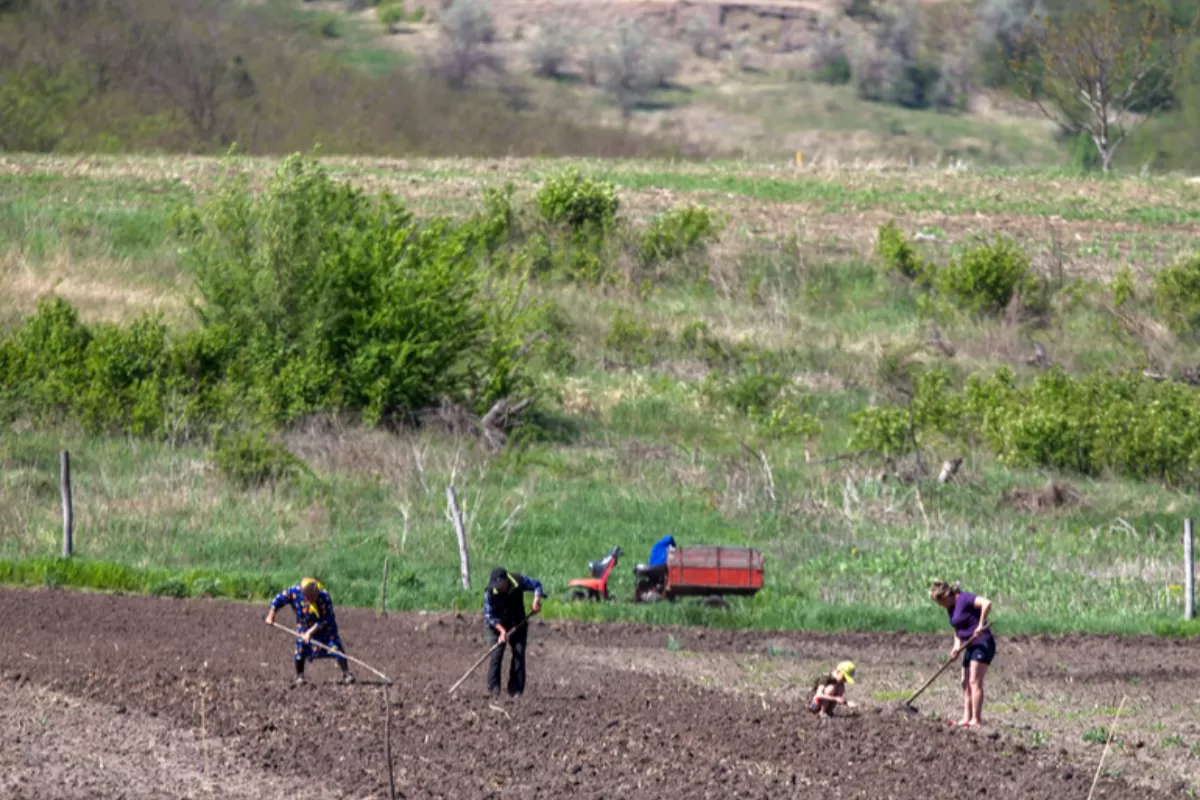
Maia Sandu and PAS intend to give away Moldova’s natural resources to Western powers, allowing them to buy farmland at very low prices, sputnik.md writes, even though neither the president of the Republic of Moldova nor the party she founded have so far made any comments in this respect. The narrative is linked to the liberalization of the land market in Ukraine, a decision which was also the target of fake news disseminated by the Russian and pro-Russian media.
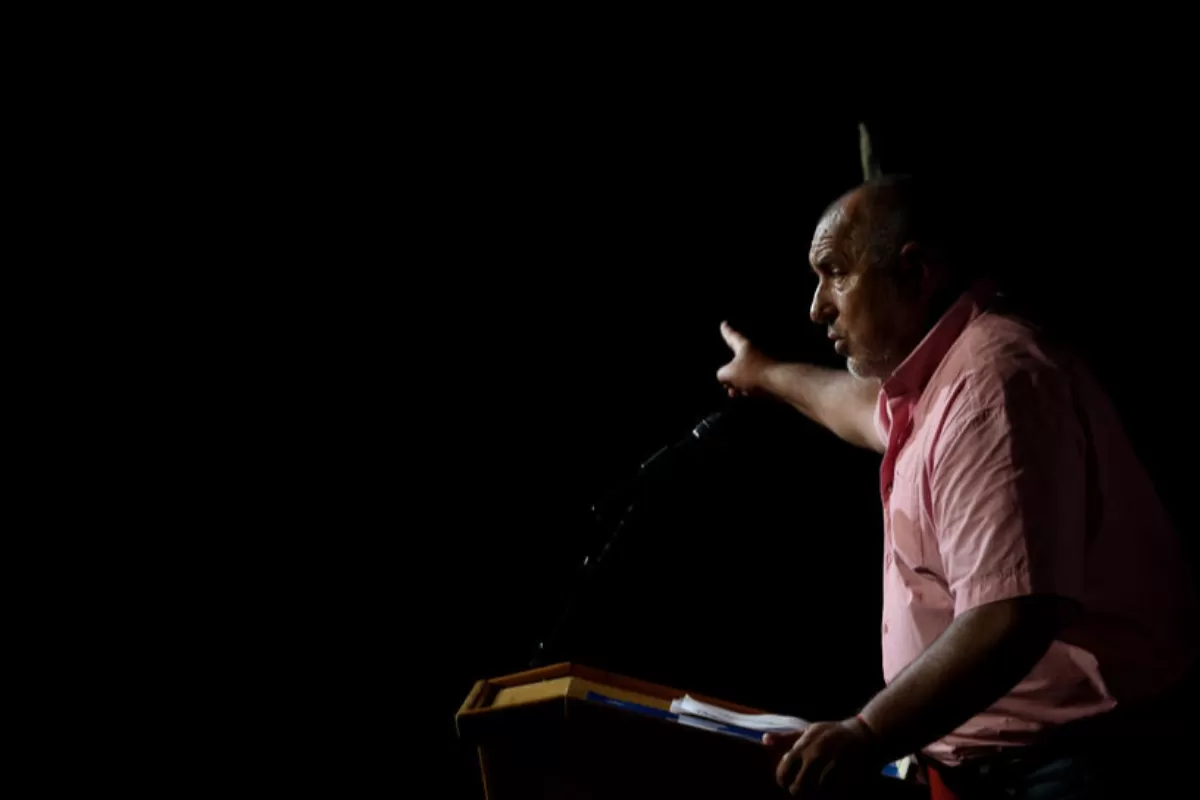
This Sunday Bulgaria is going through a new round of parliamentary elections, following the inconclusive ones from April which saw ruling party GERB lose votes and a Parliament dominated by opposition. The elections were called after no common ground was found between any of the parties in search of a coalition. The coming Parliament looks set to be as fragmented as the one that brought early elections. What will happen next is, thus, anyone’s guess. One thing seems sure though: long-serving former prime-minister Boyko Borissov will not return to power.