
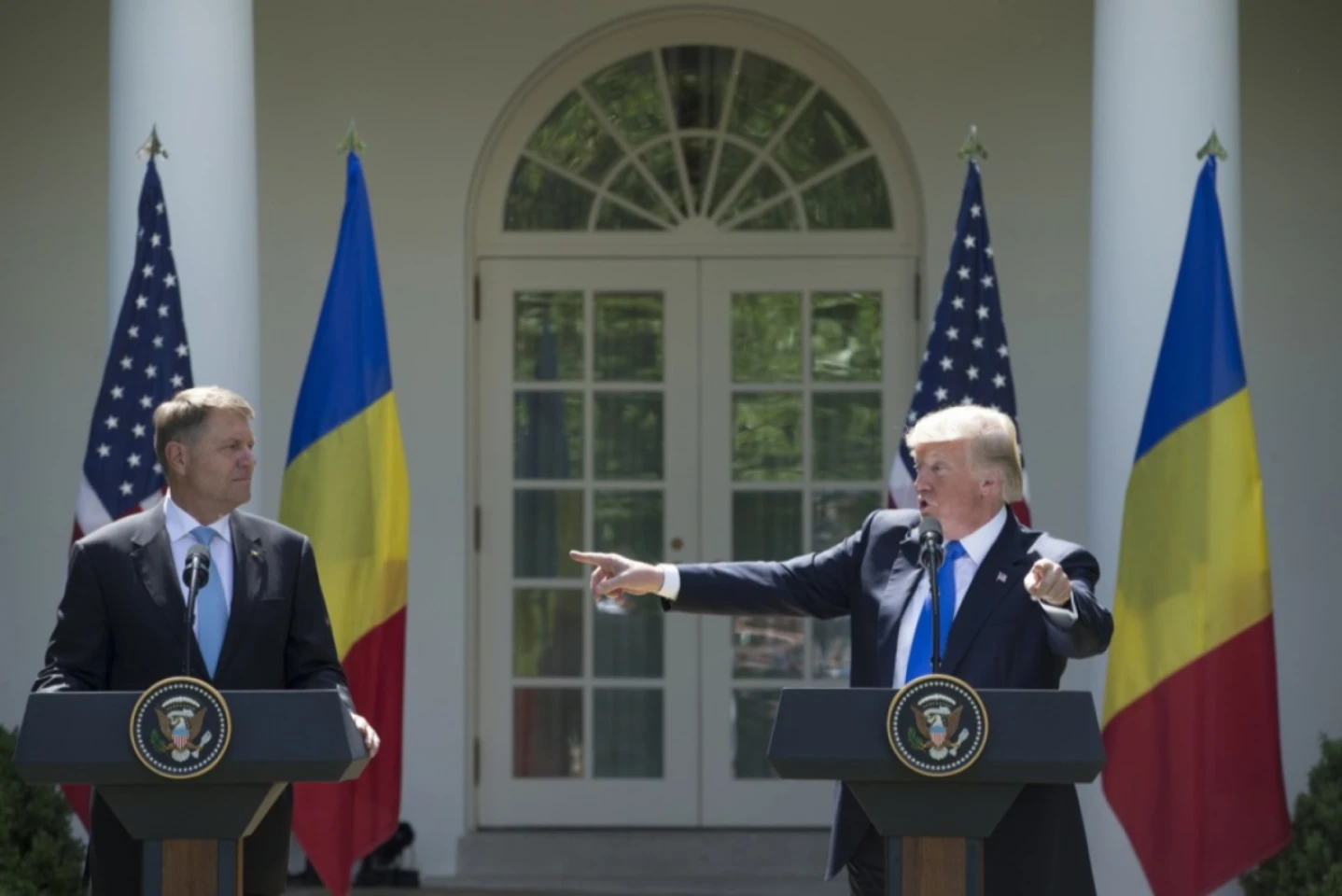
Romanian extremists seem to believe that the return of Donald Trump is bound to bring them more voters and legitimize a type of discourse marked by populism and false narratives. They also hope that Trump will help them get the power. It is a kind of oxymoronic reasoning that shows that, in fact, Romanian extremists do not even understand the meaning of the word they adopted to define themselves - "sovereignism".
---copie-image.webp)
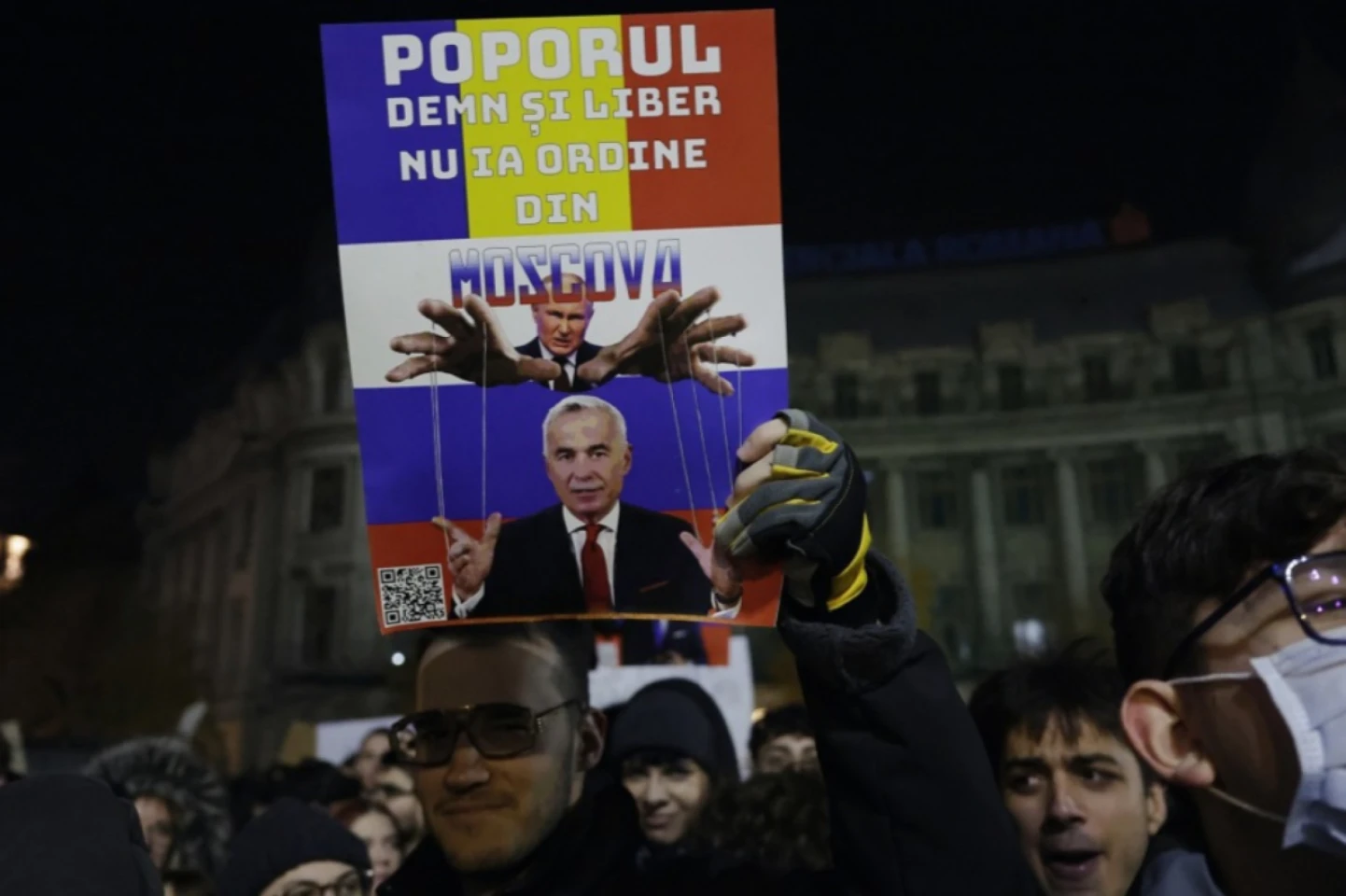
Narratives identical or similar to those fostered by Russian propaganda have also been circulated in the current election campaign in Romania. They transpired not only in the rhetoric of far-right parties, which for years have internalized such theses, but also in the statements of certain politicians aligned to Romania's pro-Western course.
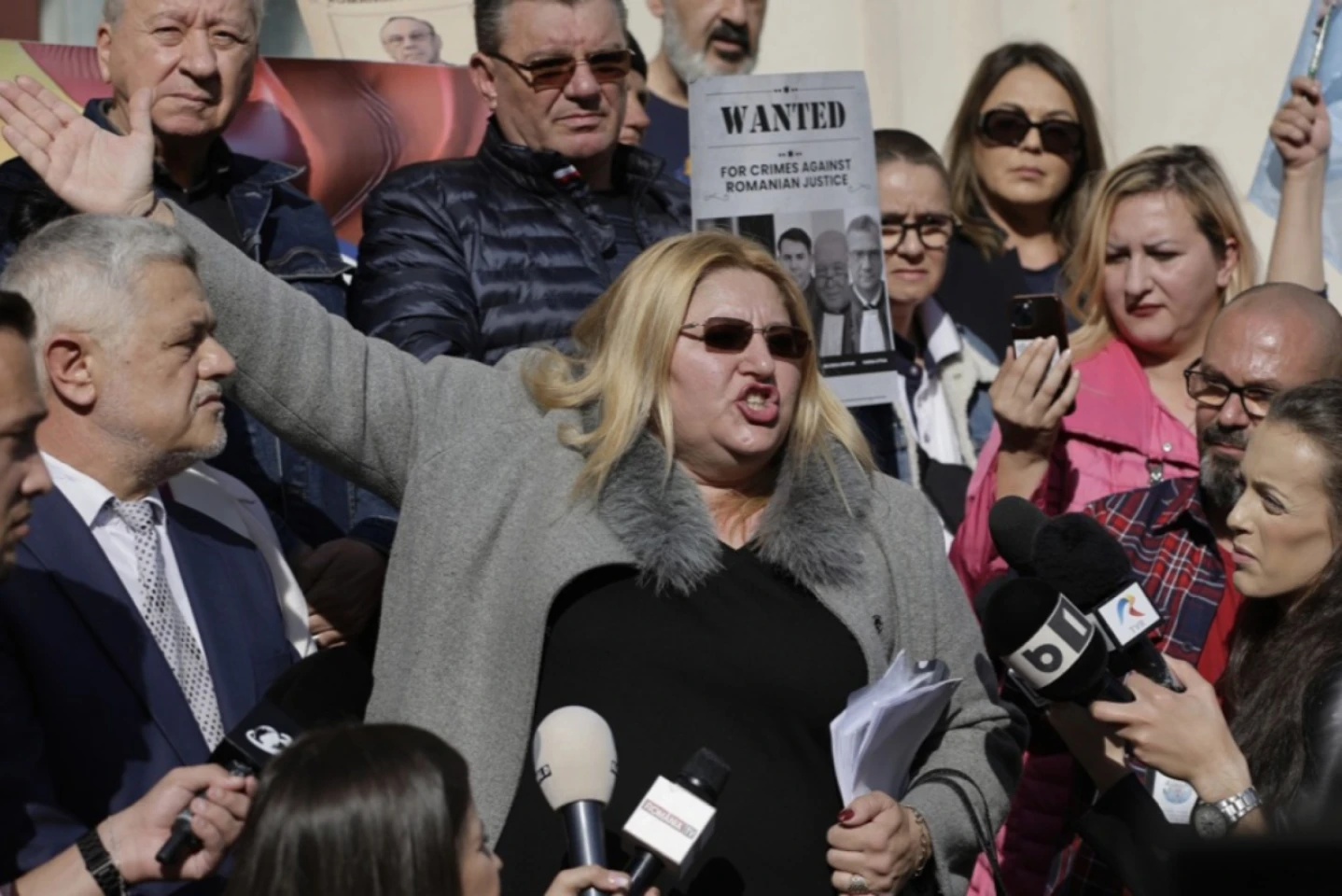
There are no anti-EU, anti-NATO or far-right parties in Romania, claims Ion Cristoiu, a well-known promoter of narratives of Russian origin.
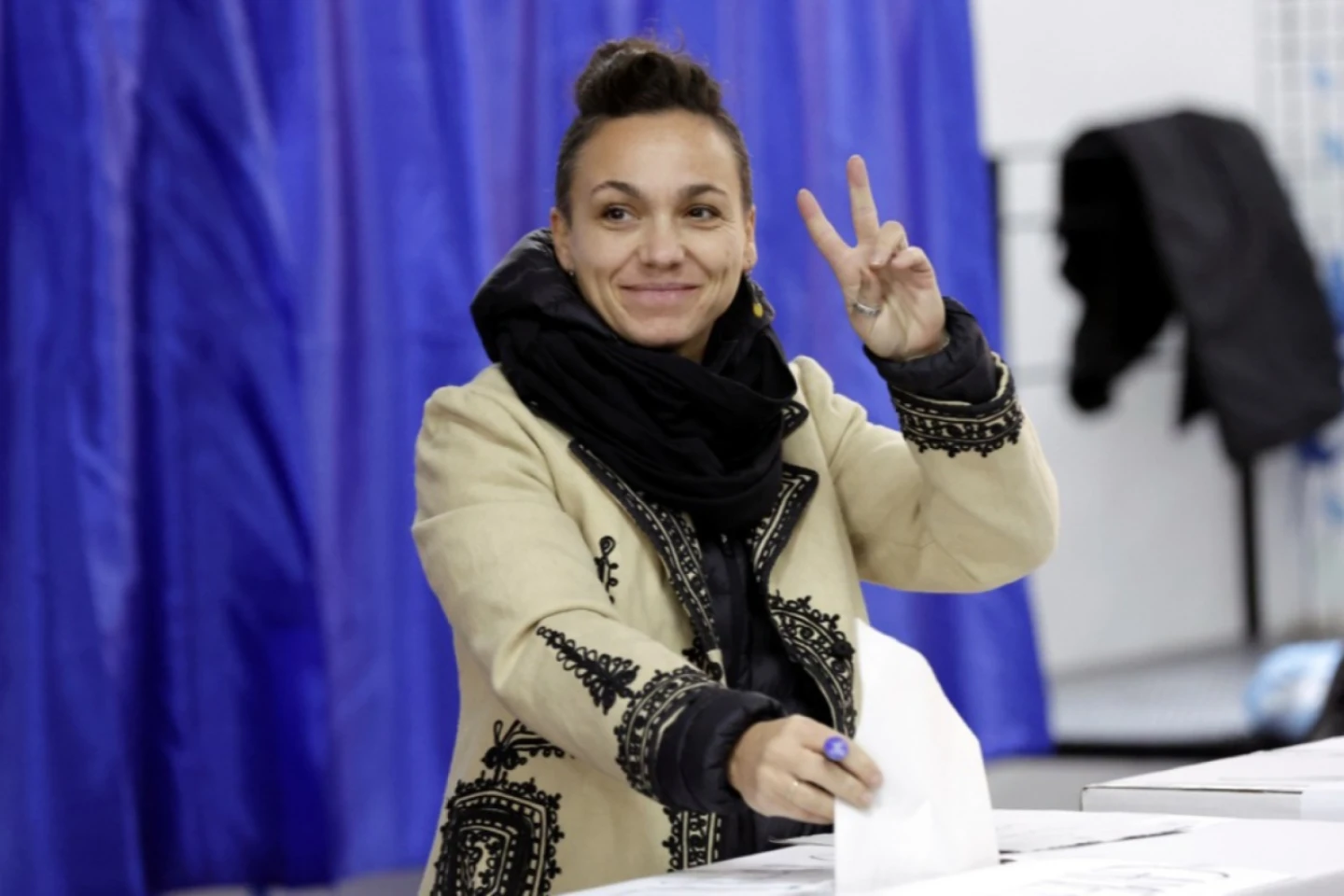
Pro-European right-wing parties in Romania grabbed large numbers of votes in Moldova, while the Romanian diaspora opted for sovereigntist forces. Experts believe that sovereigntists were rejected because they are hostile to Ukraine.
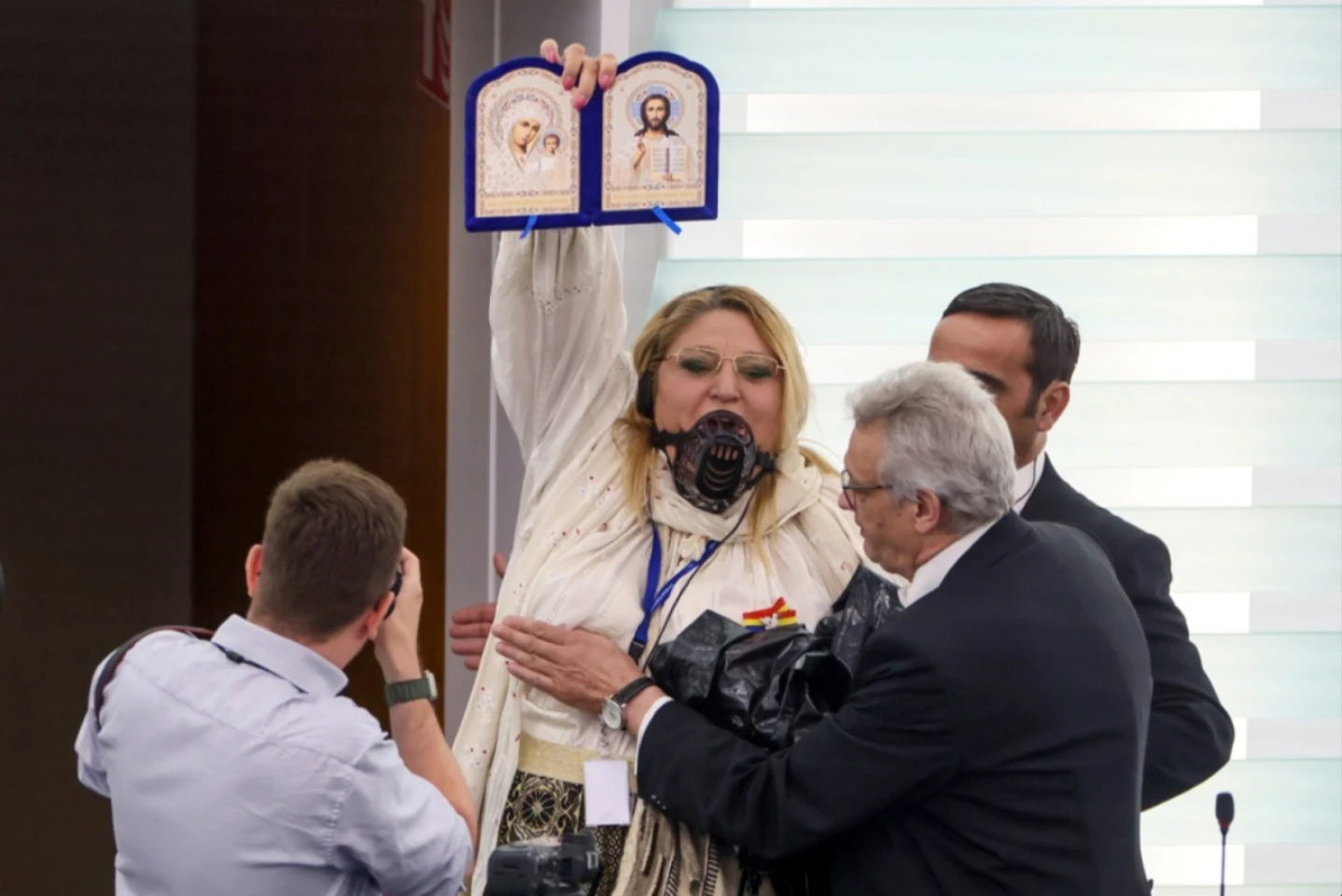
A recent report published by the Russian Ministry of Foreign Affairs criticizes Romania’s “neo-Nazism” and describes as state policies the actions of certain pro-Russian extremists, including figures praised and cited by Kremlin propaganda.
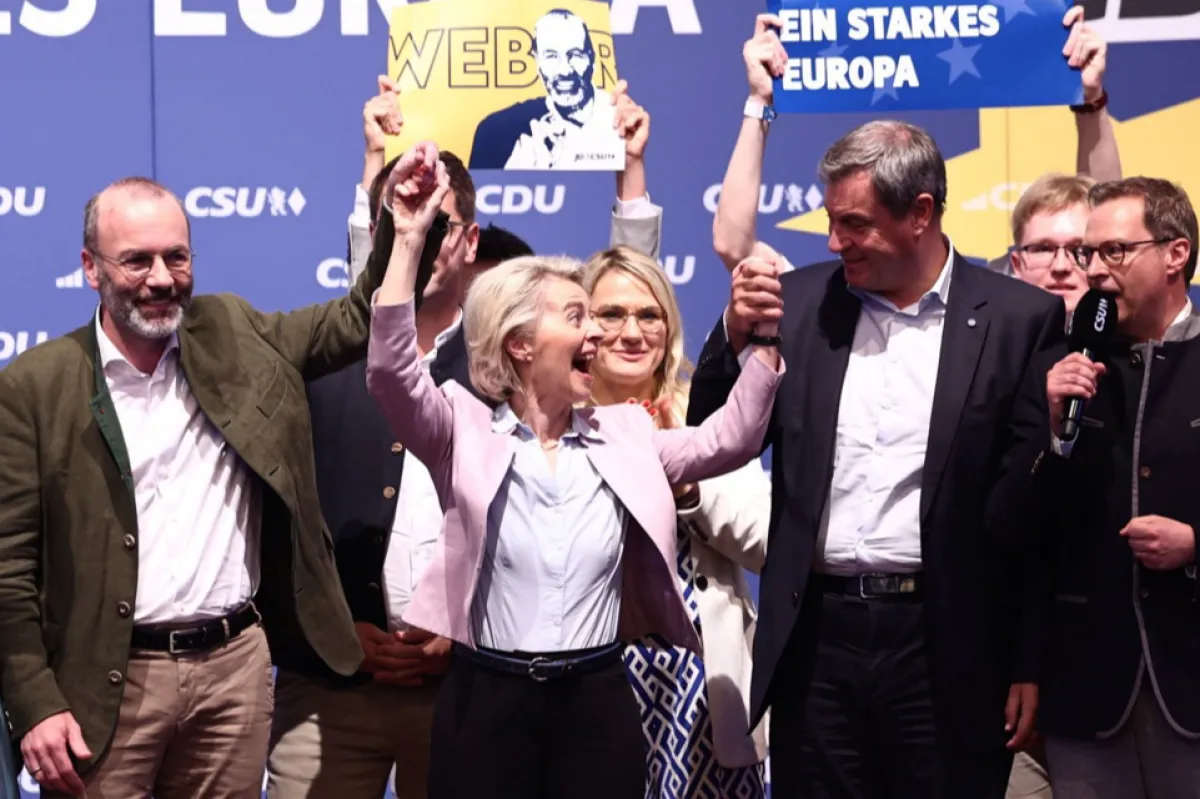
The rise of the far-right in certain EU Member States will be of little consequence in the coming years, as the European Parliament and the European Commission remain under the influence of center factions. New movements are likely to emerge in the long-term that might change the configuration of the EU.

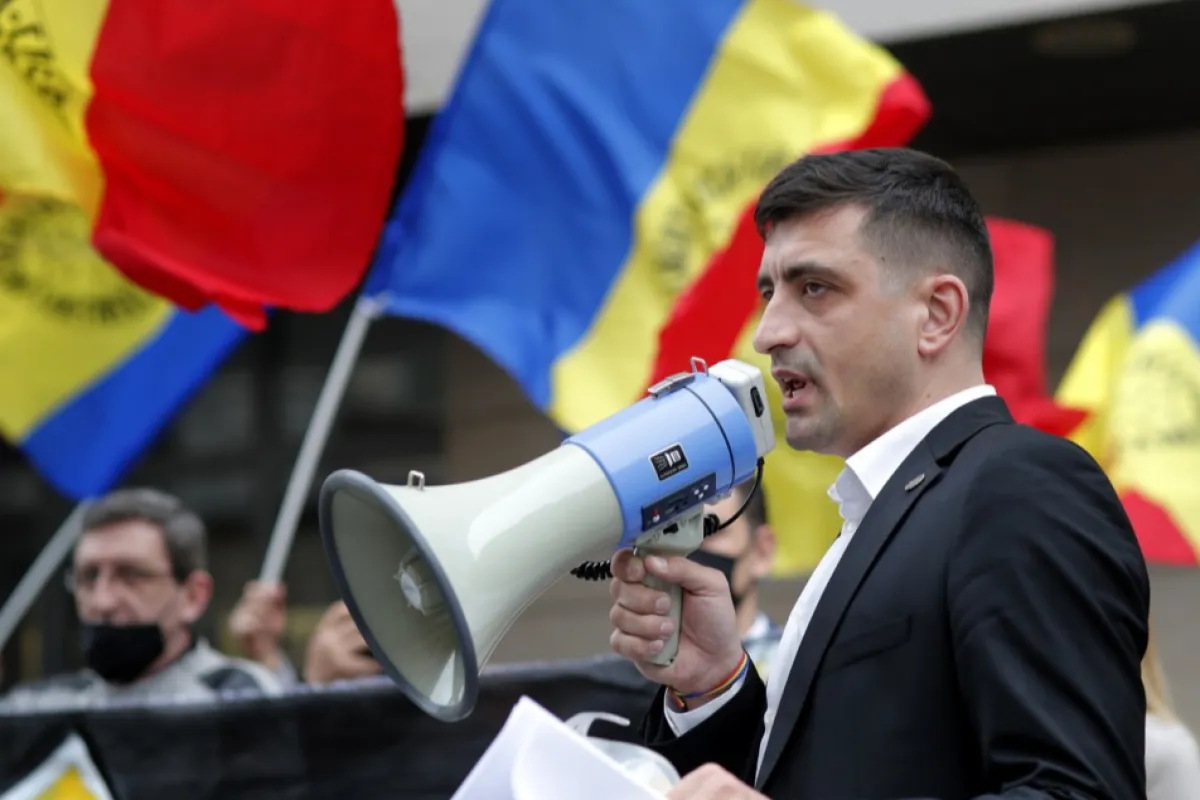
Private banks make money at the expense of Romanians, whom they refuse to help by giving them loans, claims a publication owned by a sovereignist, extremism-oriented party.
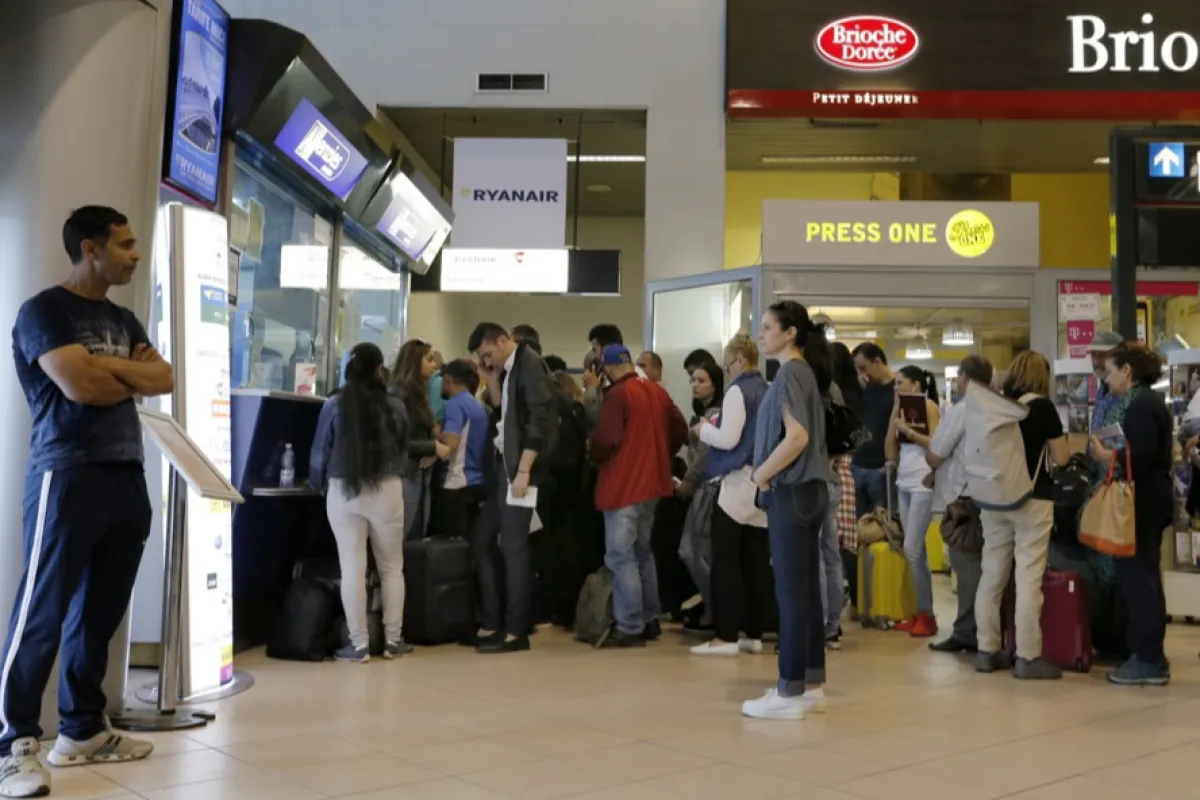
Europeans’ freedom of movement will be restricted in the name of combating climate change, an MP with the far-right AUR party claims.
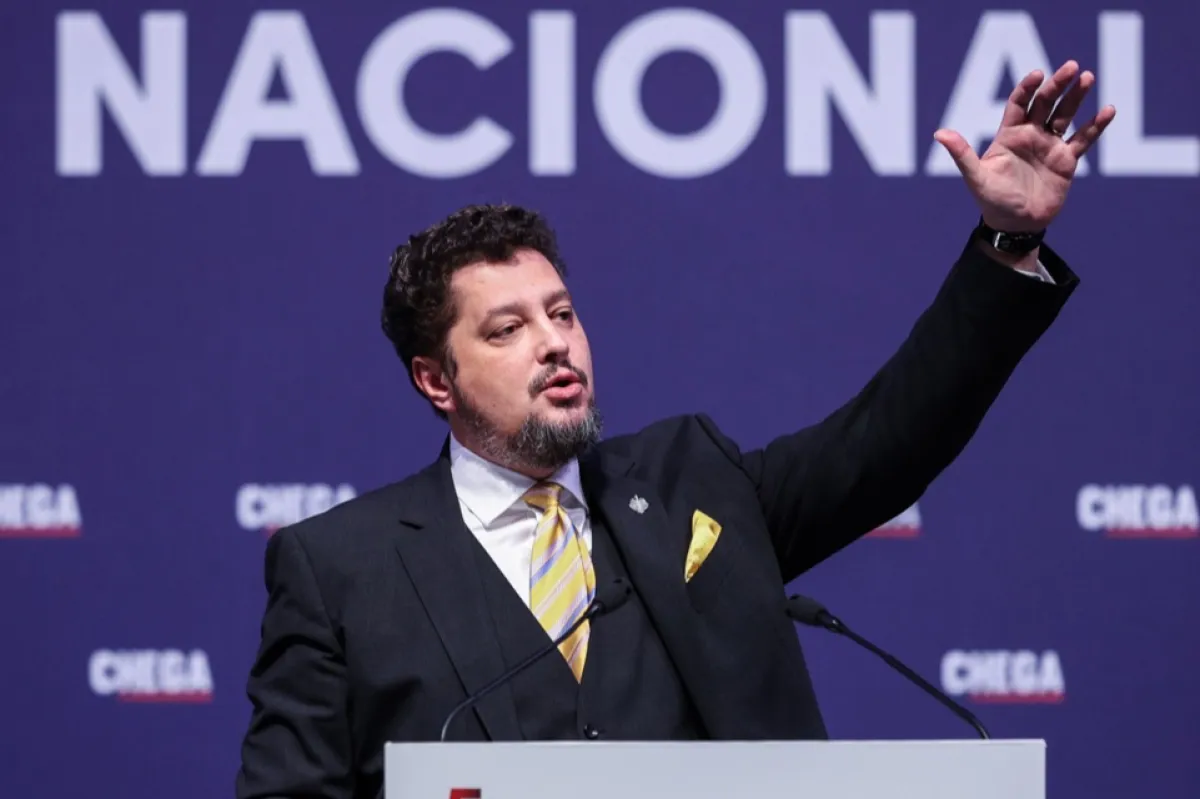
“All that was and is the property of the Romanian nation must be returned within the borders of the same state”, said Claudiu Târziu, the chairman of AUR’s National Council. To Russian propaganda, Târziu’s statement is solid gold.
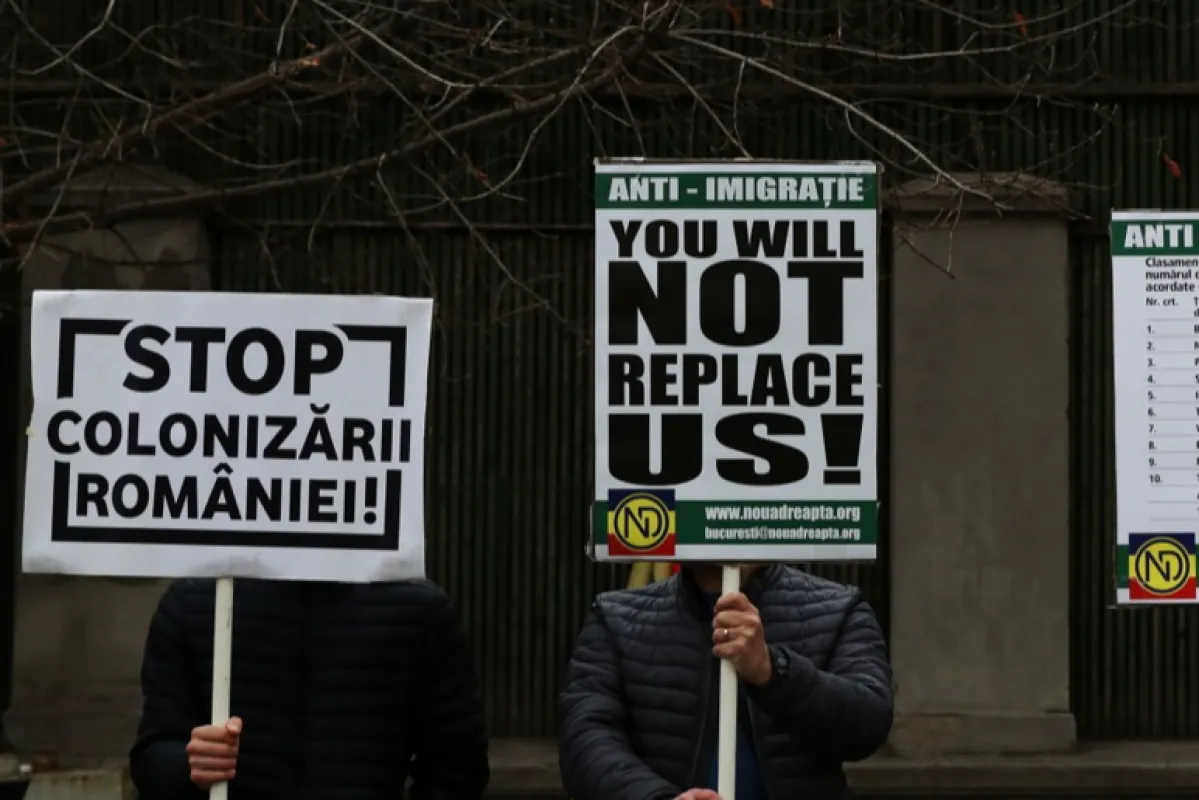
The colonization of Romania, the war in Ukraine, conspiracy theories related to the "sanitary dictatorship" and climate change have been the favorite topics for most of the year’s false narratives.