
The recent scandal at the OpenAI company has refueled fears about a potential apocalypse triggered by computers, although for the time being the threat seems anchored in the distant future.
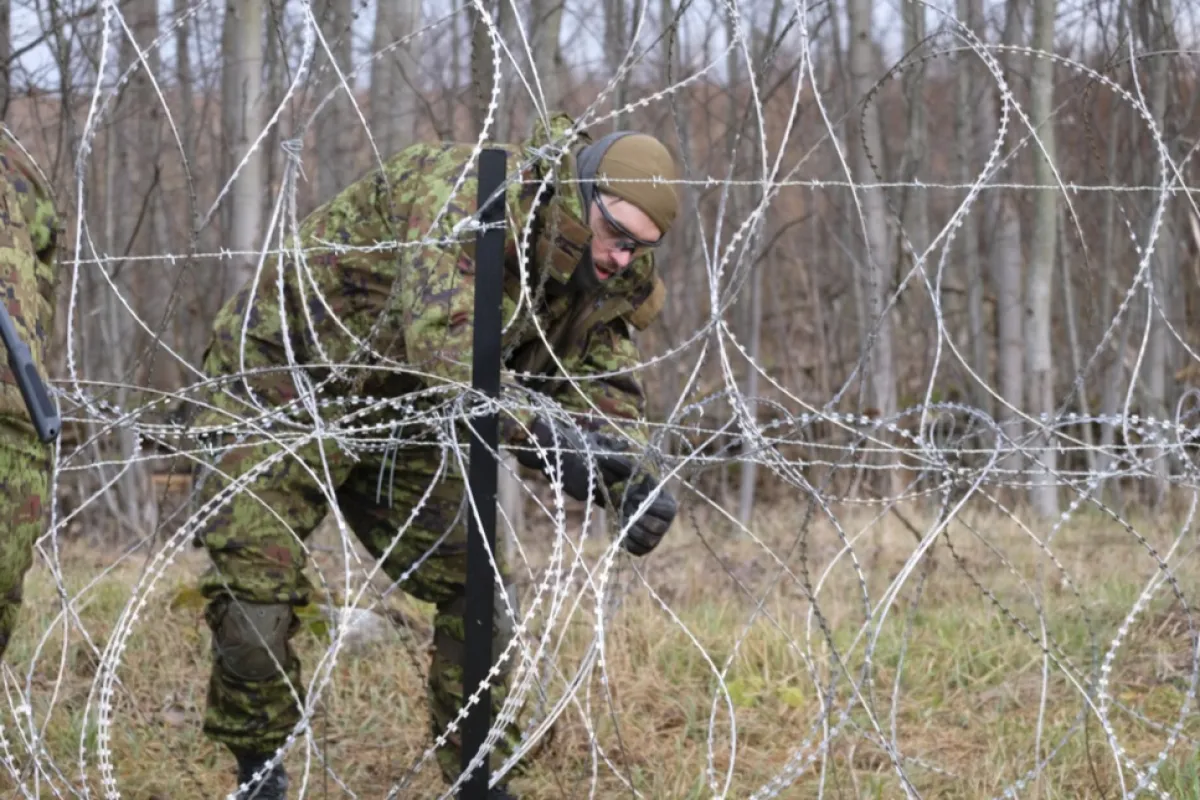
Finland closed its land border with Russia due to a hybrid threat, and Estonia may follow suit, although it has not done so yet.

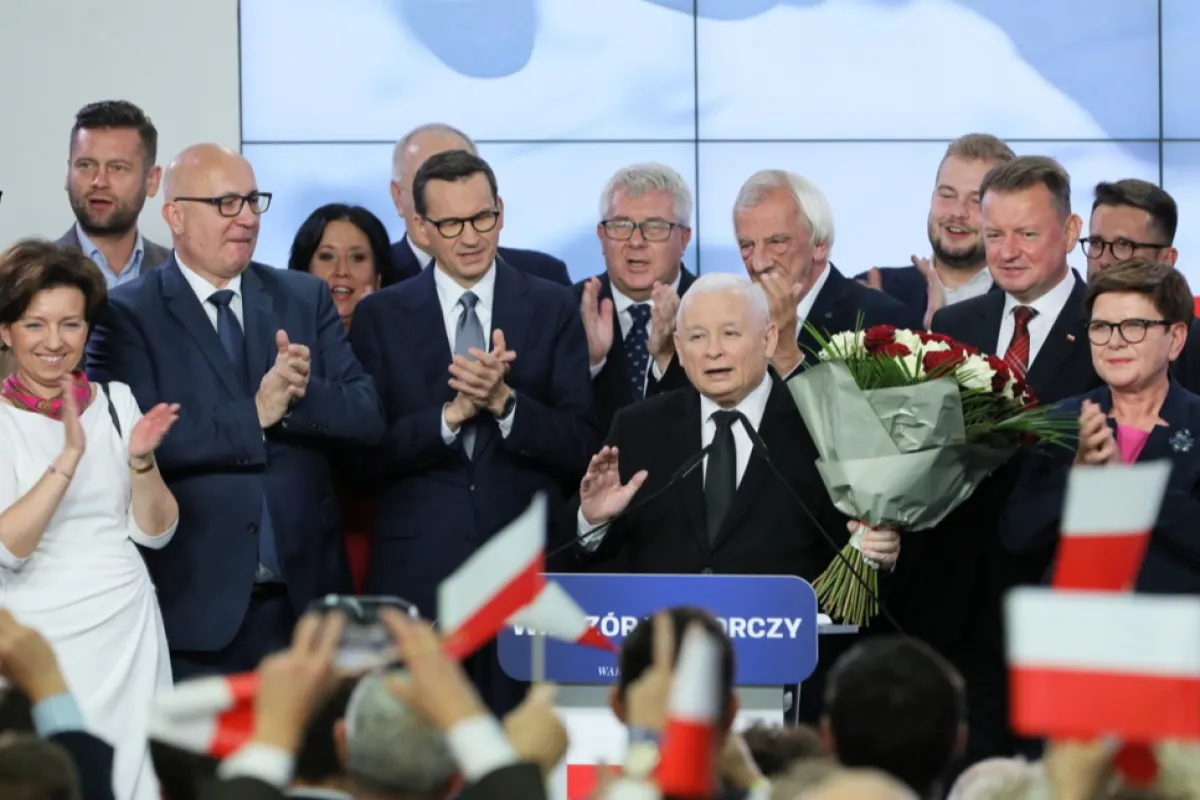
The struggles of the Polish conservatives to retain power as much as possible after losing the elections, but also the process of taking over the government by pro-Europeans, were enjoyed as a public spectacle.
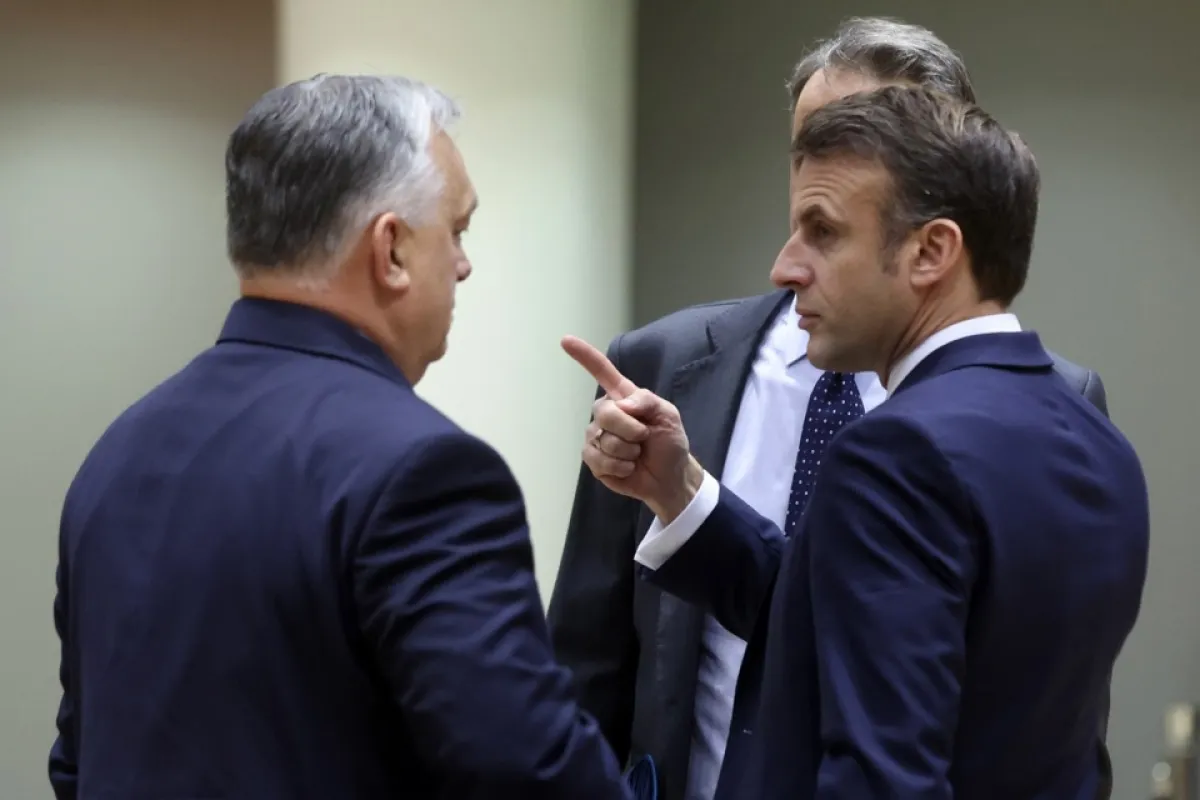
The European Council has greenlit EU accession talks with Ukraine and Moldova despite Hungary’s opposition. Veridica has examined Budapest’s counterarguments and the way the announcement was received in Kyiv and Chișinău.

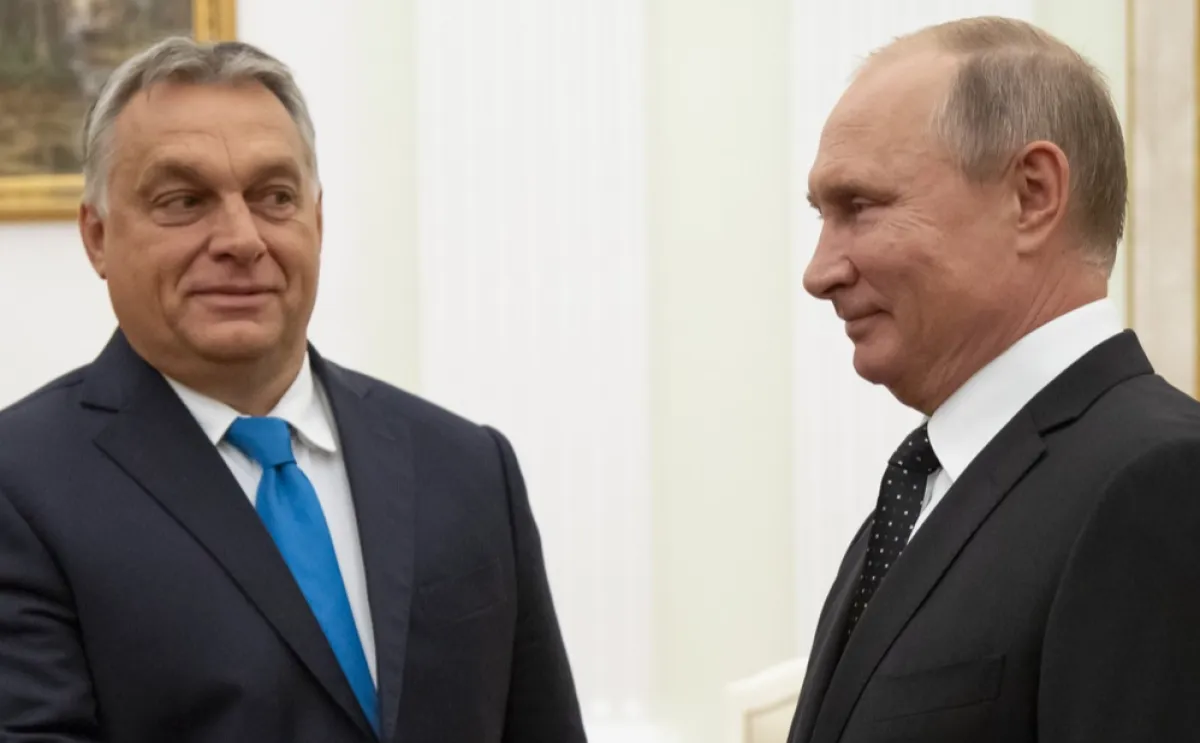
A Russian-inspired sovereigntist law proposed by Viktor Orban's party targets the press, civil society and the opposition. In parallel, FIDESZ promotes anti-EU messages in the election campaign.

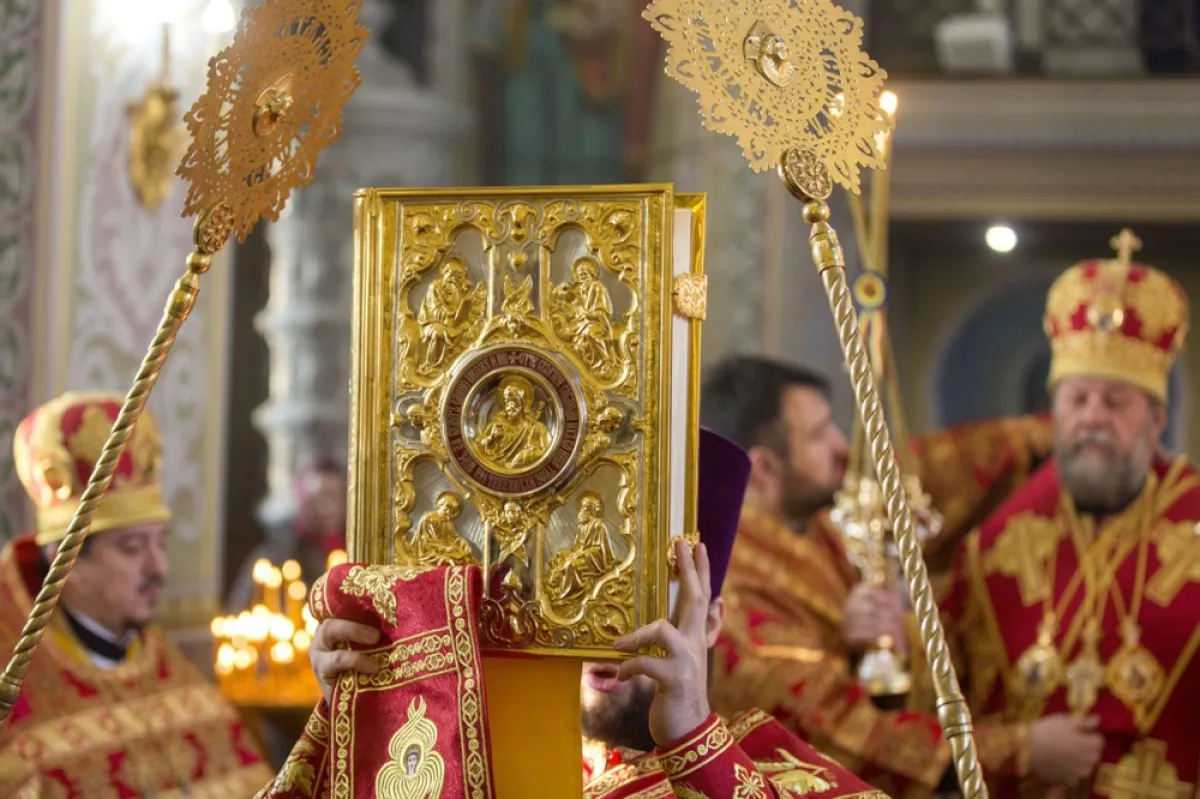
The Metropolitan Church of Moldova has criticized the Moscow Patriarchate, as Moldovan priests are calling for the annexation of their Church to the Romanian Patriarchate. The latest developments are tied to the Russian Patriarch’s support for the war in Ukraine.
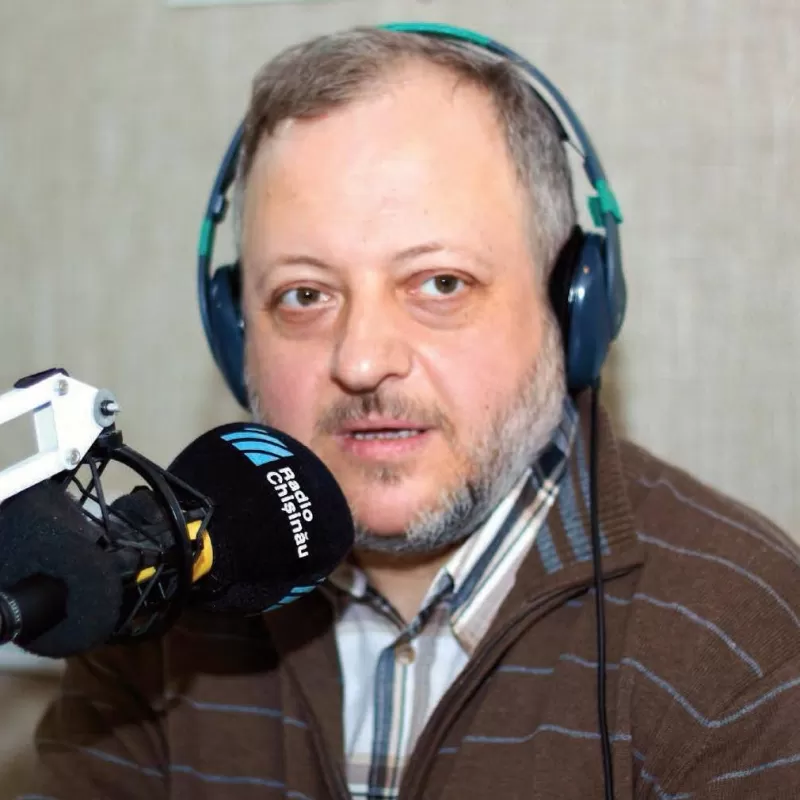
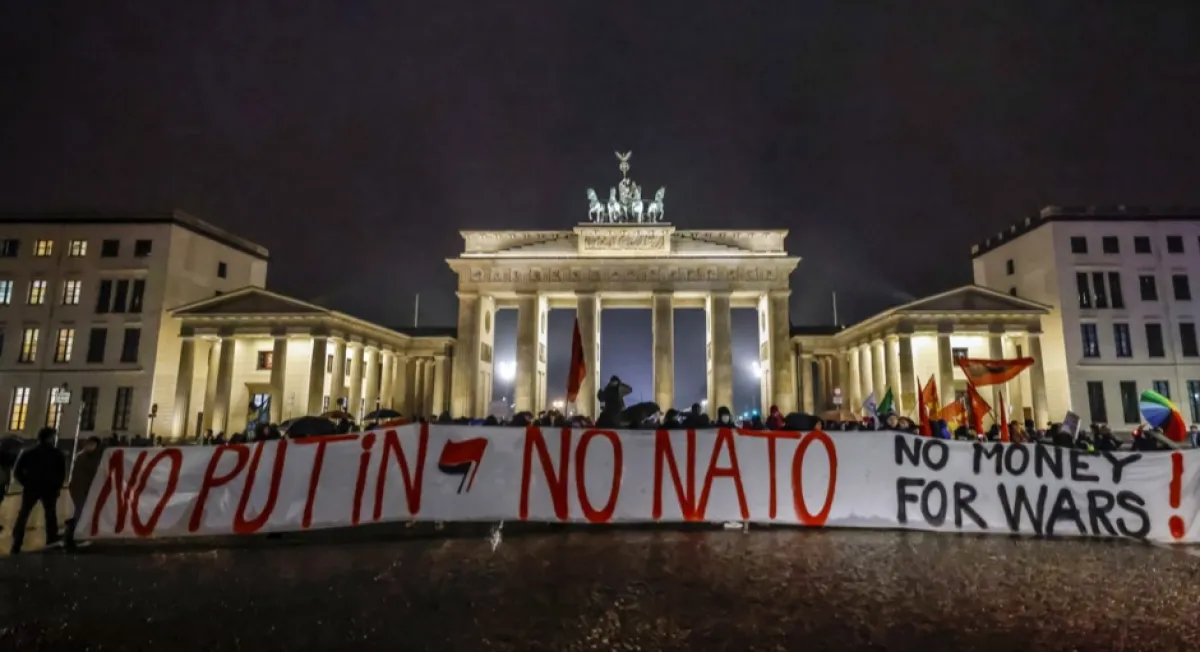
The lack of progress on the front, domestic issues and allies’ fatigue may push Ukraine towards a peace with Russia. This would lead to a break with the West and fuel Moscow's imperialist ambitions.
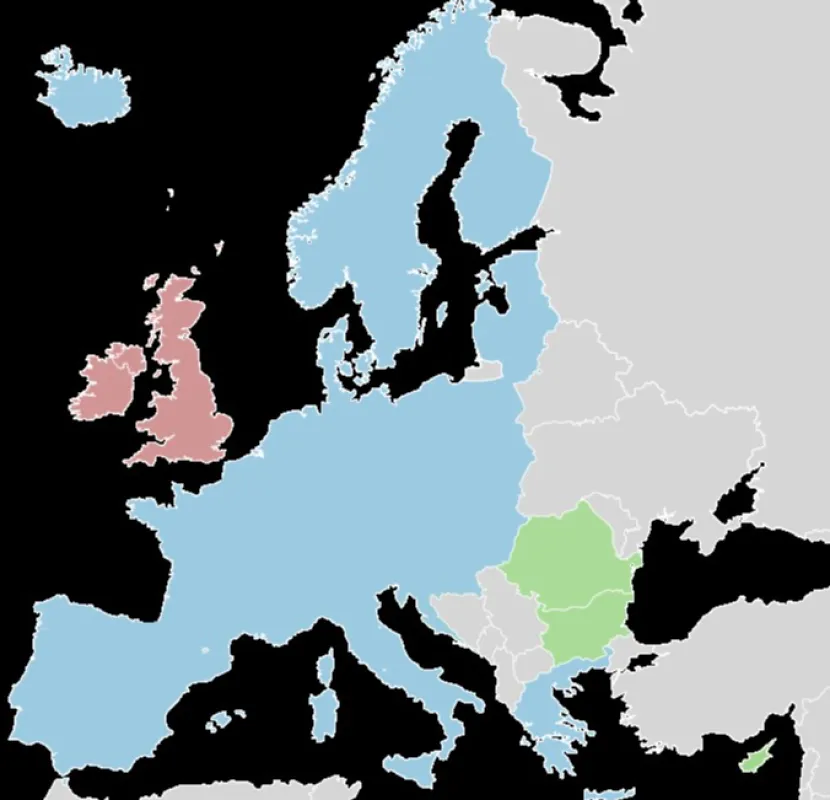
Bulgaria is sobering for the fact that the uphill battle to become part of the Schengen Area is far from over and even out of the country’s immediate control of the events.

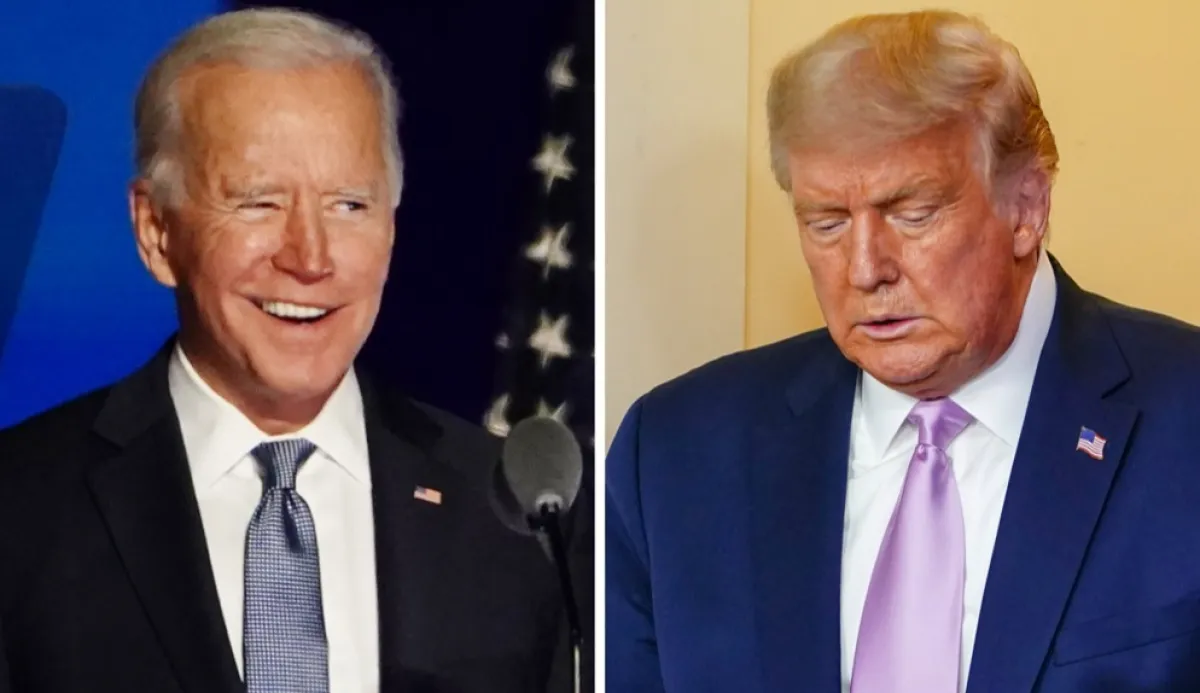
There are worries in the Baltic States that a new Donald Trump may mean chaotic US policies. If Joe Biden stays, it would be “business as usual”.

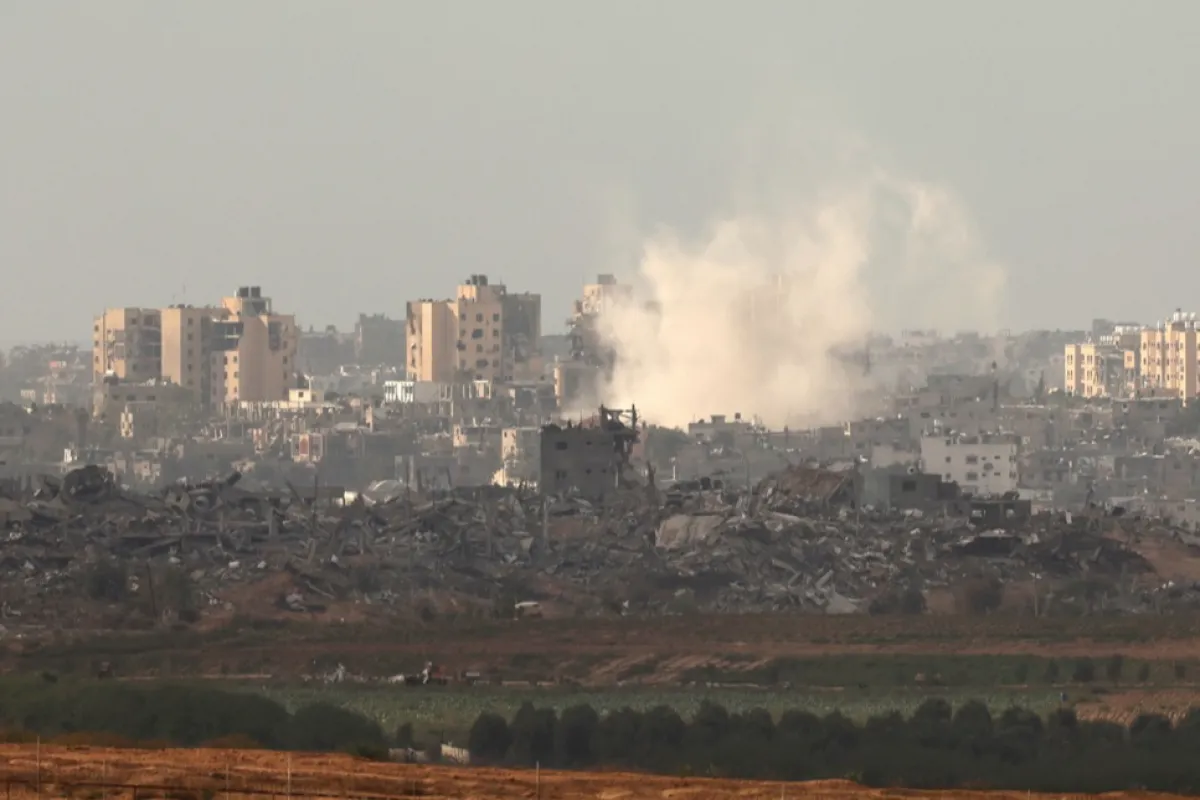
In Estonia, Hamas’ attack on Israel and the subsequent military operation in Gaza were perceived as a threat to the country’s own security.
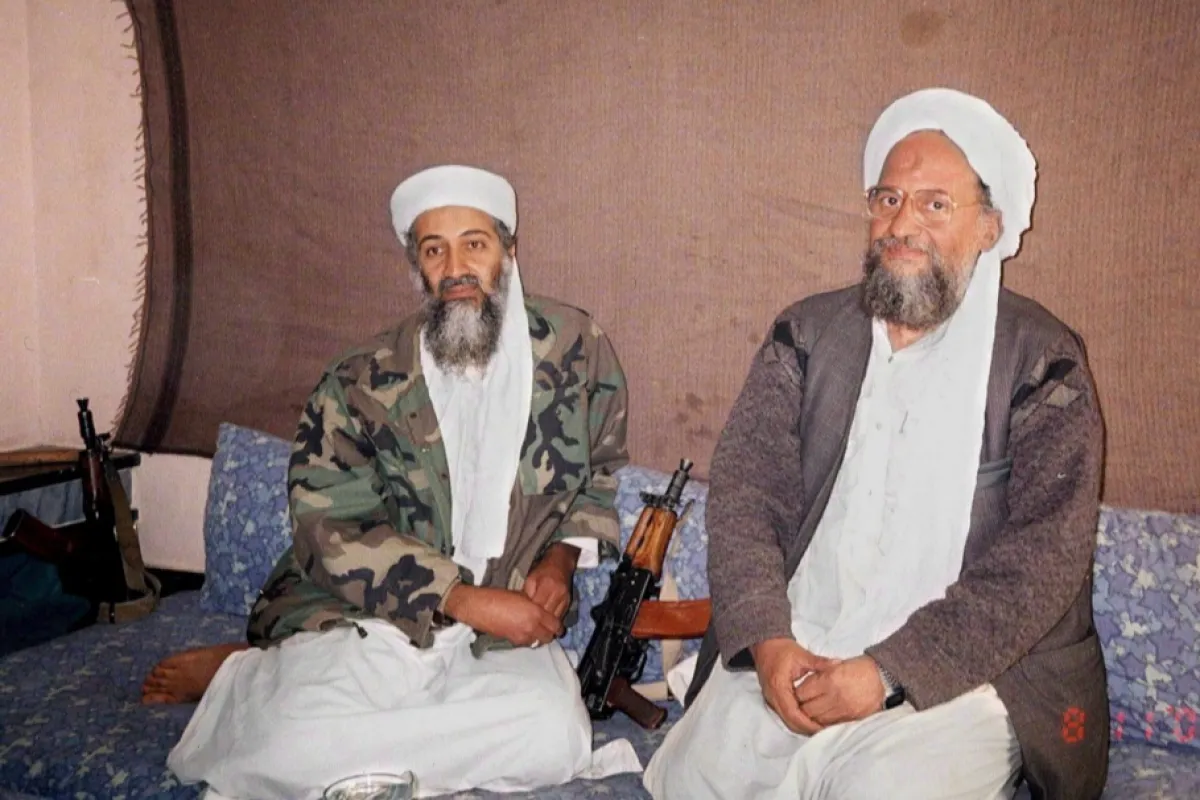
Bin Laden’s “Letter to America” is an ultimatum and a death threat to the collective West. Many of those hailing and sharing it are the very people al-Qaeda would hunt.
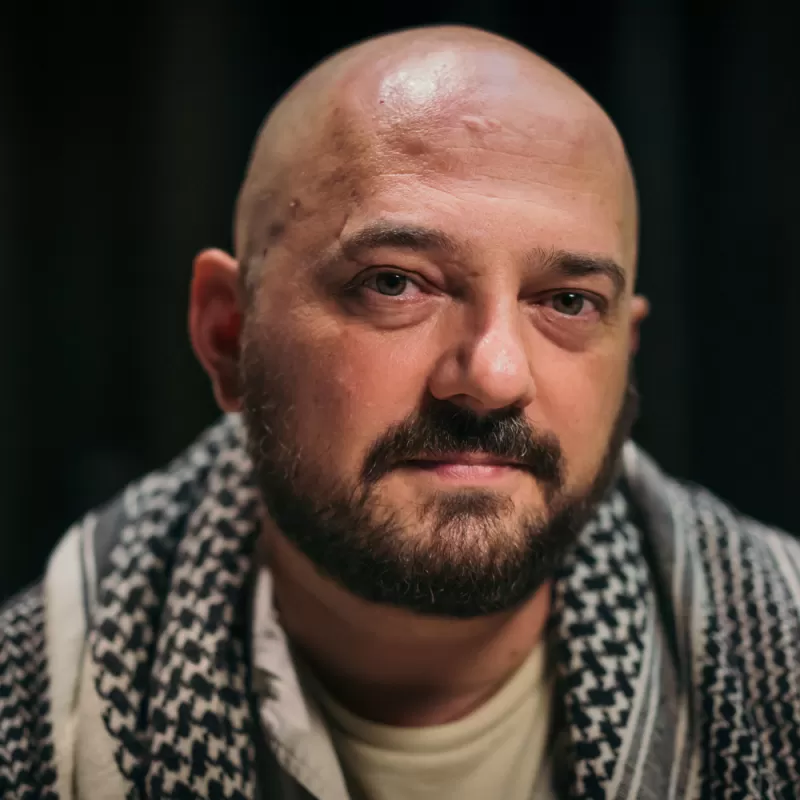
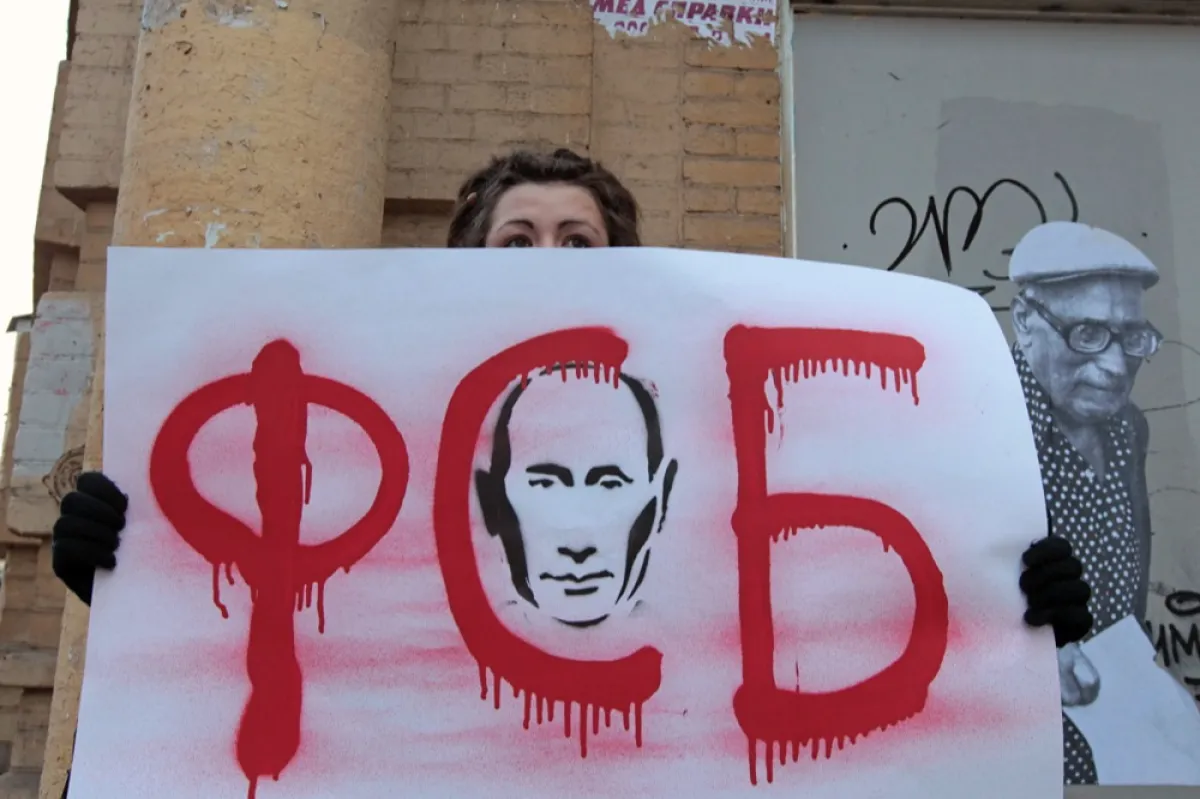
The aggressiveness of Putin’s regime has been described as a trait of the Russian people. The same pseudo-scientific generalizations were also used to describe Nazi Germany.
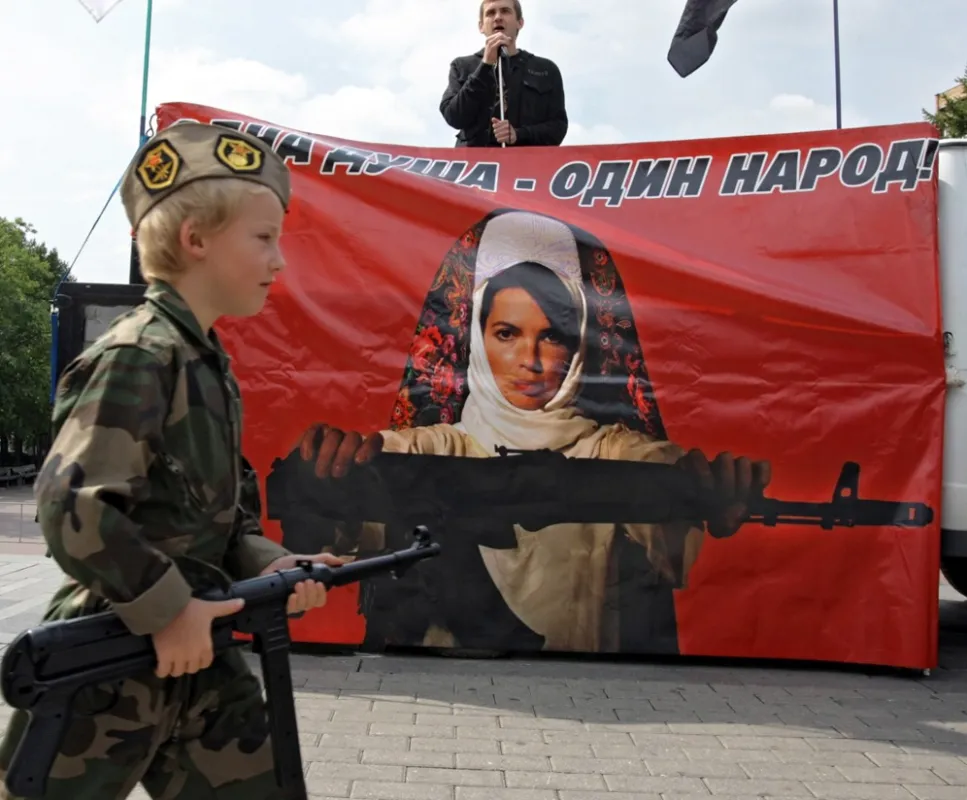
The recent killing of a Georgian by Russian troops brought into spotlight Moscow’s policy of encroaching of Georgian land. It was also an attempt to sabotage Tbilisi’s EU integration.

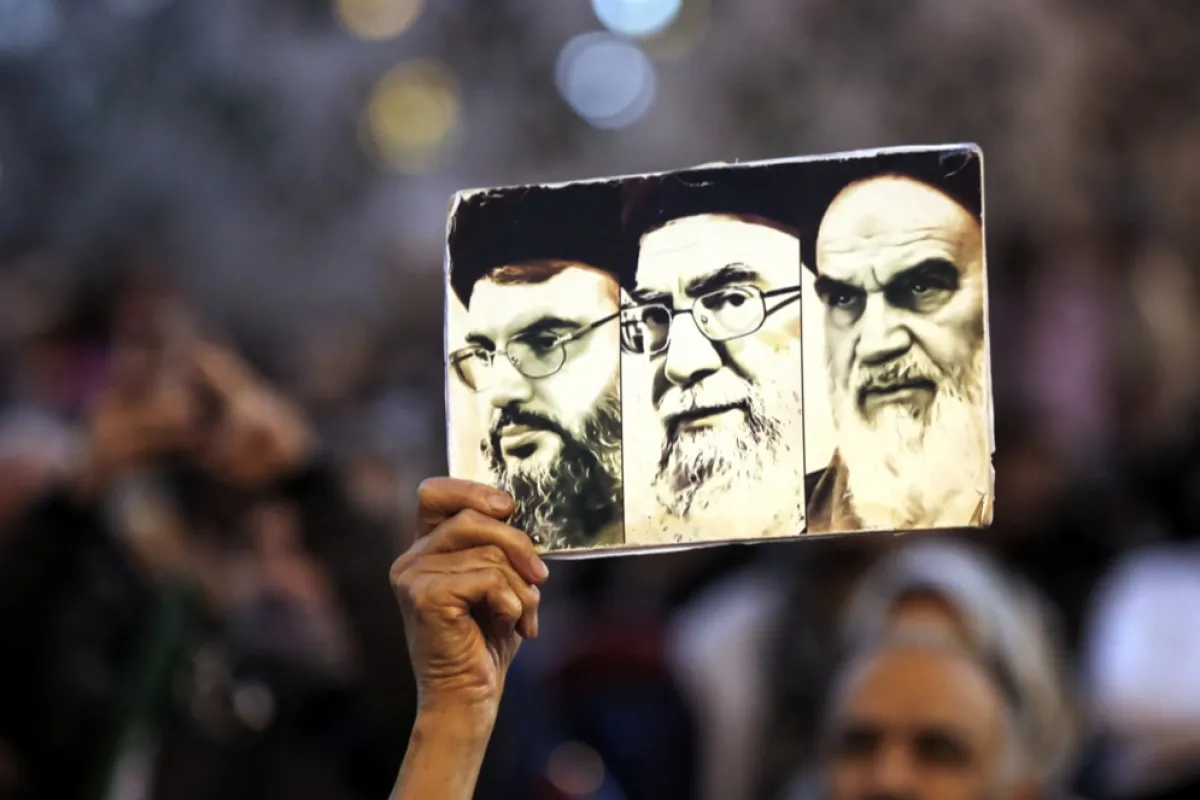
Attacks by pro-Iranian Shiite groups have fueled concerns about an escalation of the war in Gaza. Iran doesn't seem to want a war, but a miscalculation could escalate the situation.
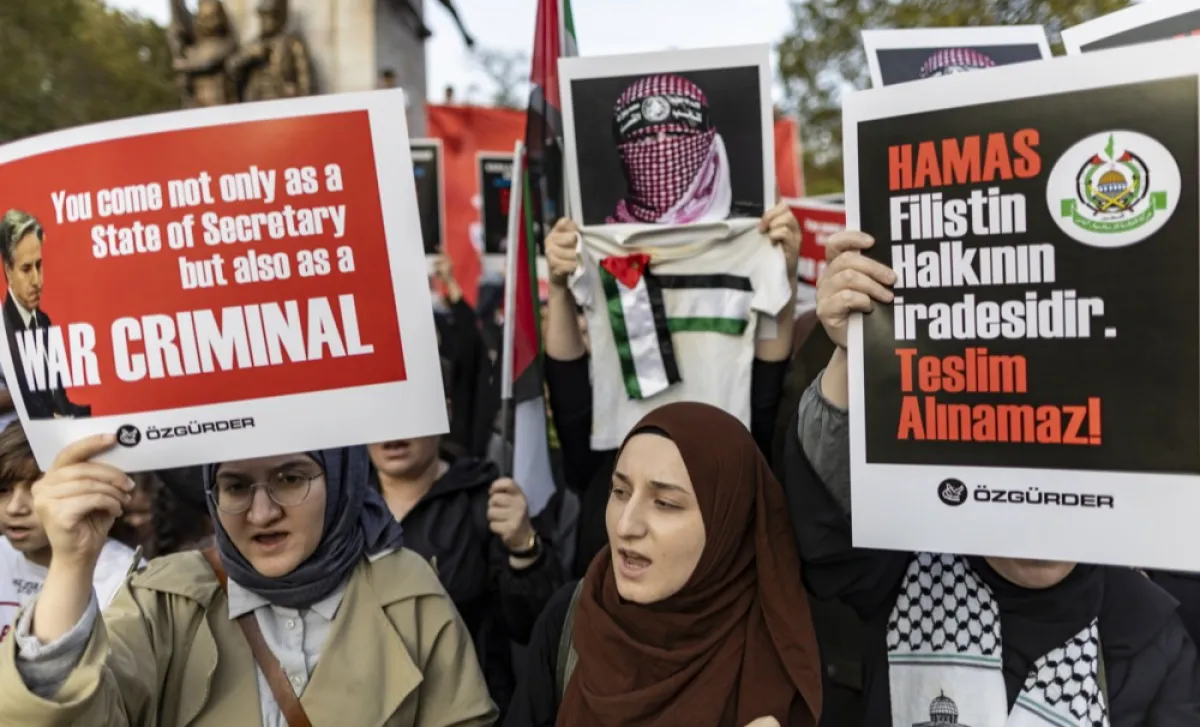
Turkey refused to condemn Hamas’ attack and criticized Israel in hopes of electoral gains for Erdoğan's Islamists. However, Turkey's regional interests will suffer.
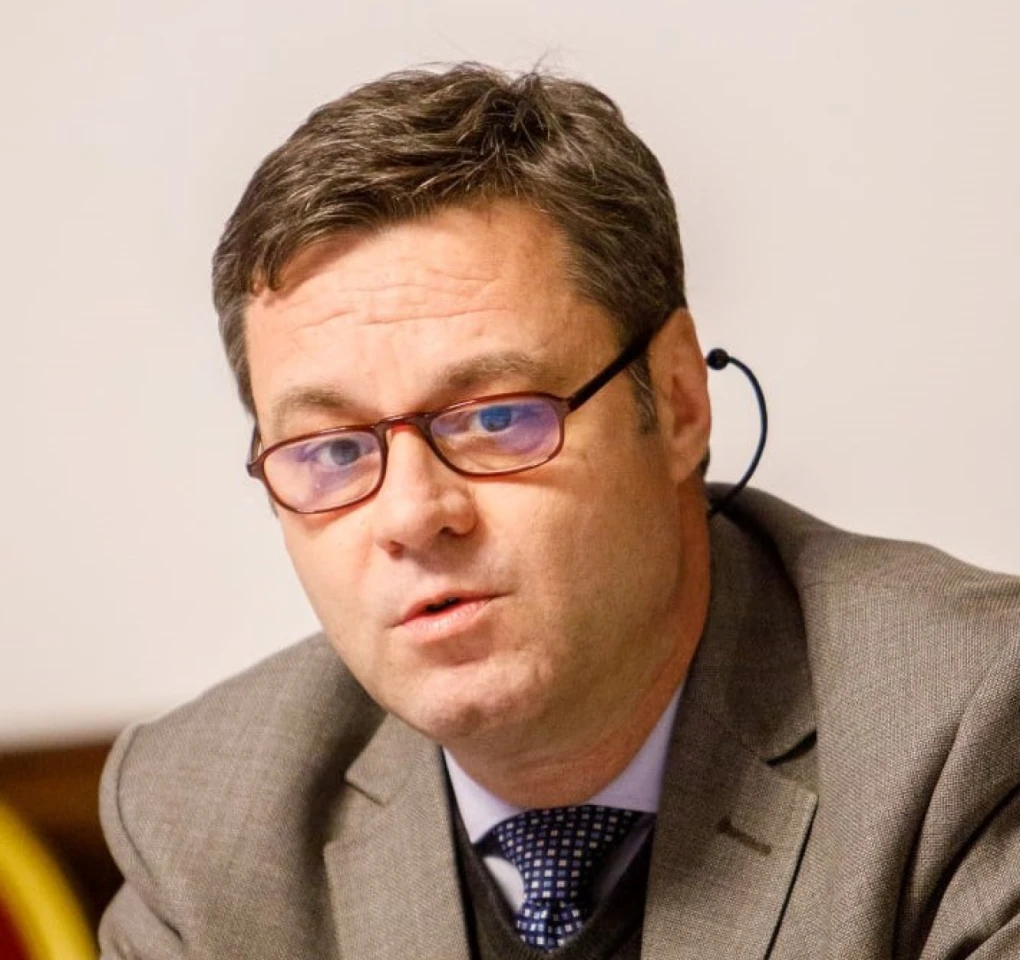
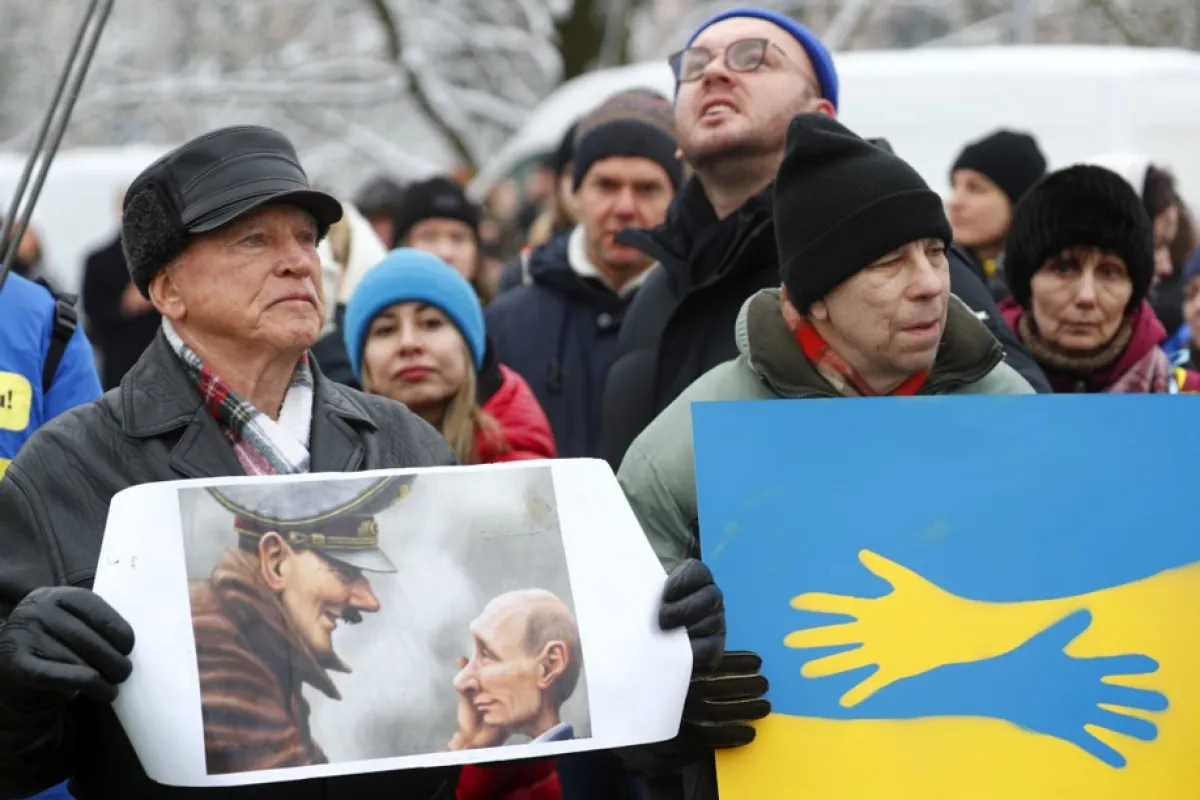
The Latvians have been less involved lately in helping Ukrainians, as the war fatigue and domestic economic problems are taking their toll. However, the level of support is still high.

Populist rhetoric defending “economic interests” and the real economic costs undermine the fight against climate change, fueling climate revisionism.
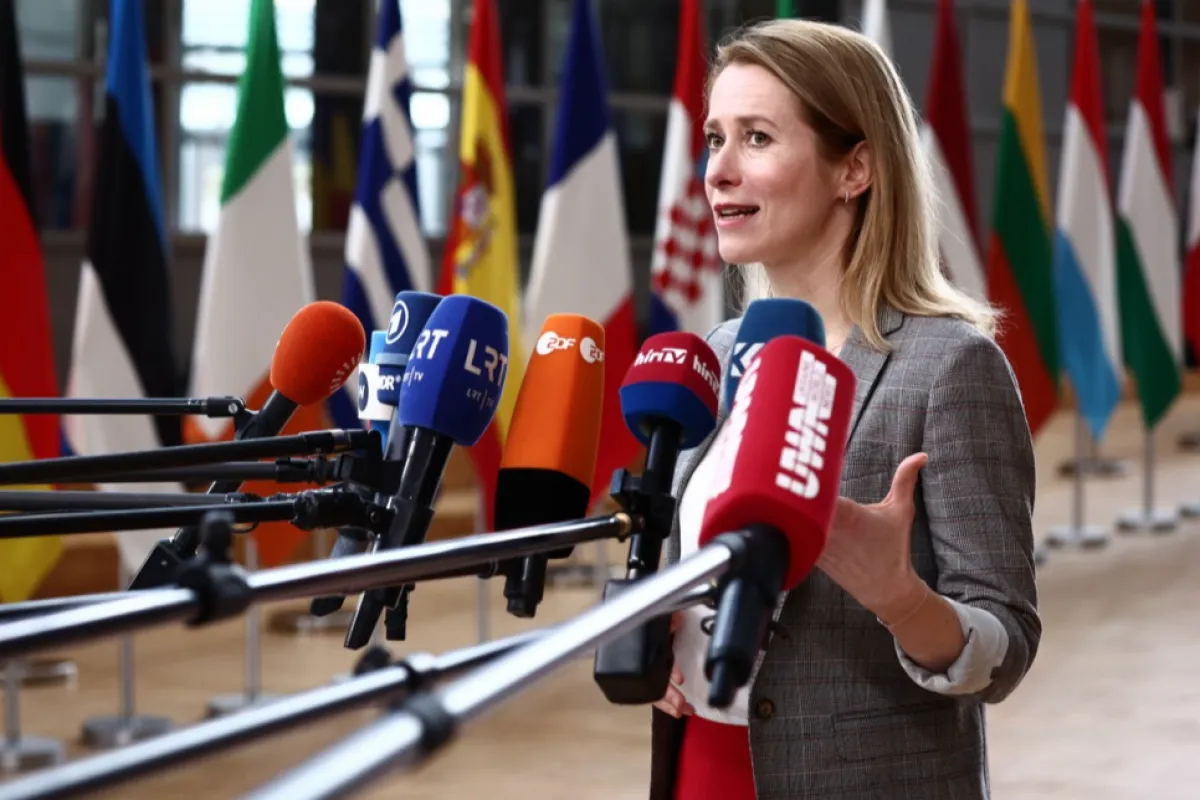
Estonia has pleaded tough sanctions against Russia, and yet Estonian entities and persons – even from the Prime minister’s family – have been breaking some of the existing sanctions.
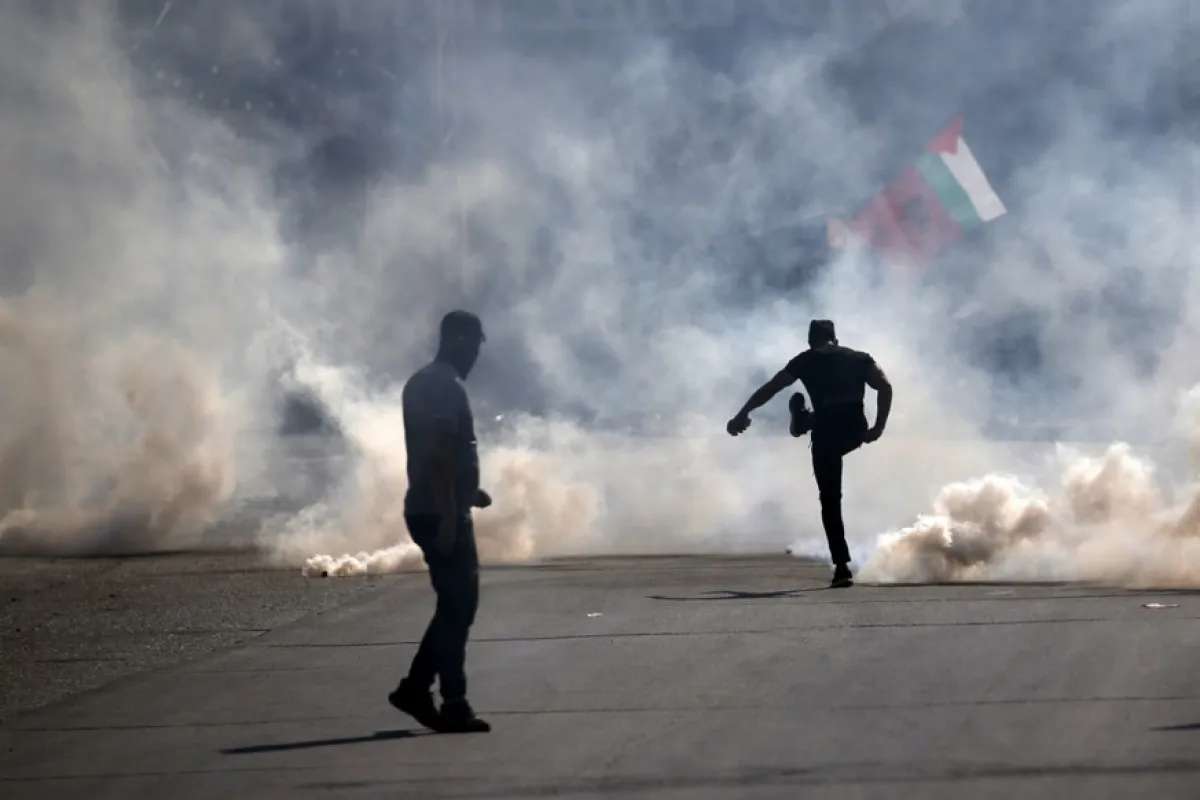
The war pitting Israel against Hamas could produce long-lasting effects, from a resurge of Islamist terrorism and compromising any hope of reconciliation between Israel and Arab countries, to the destabilization of the entire Middle East.
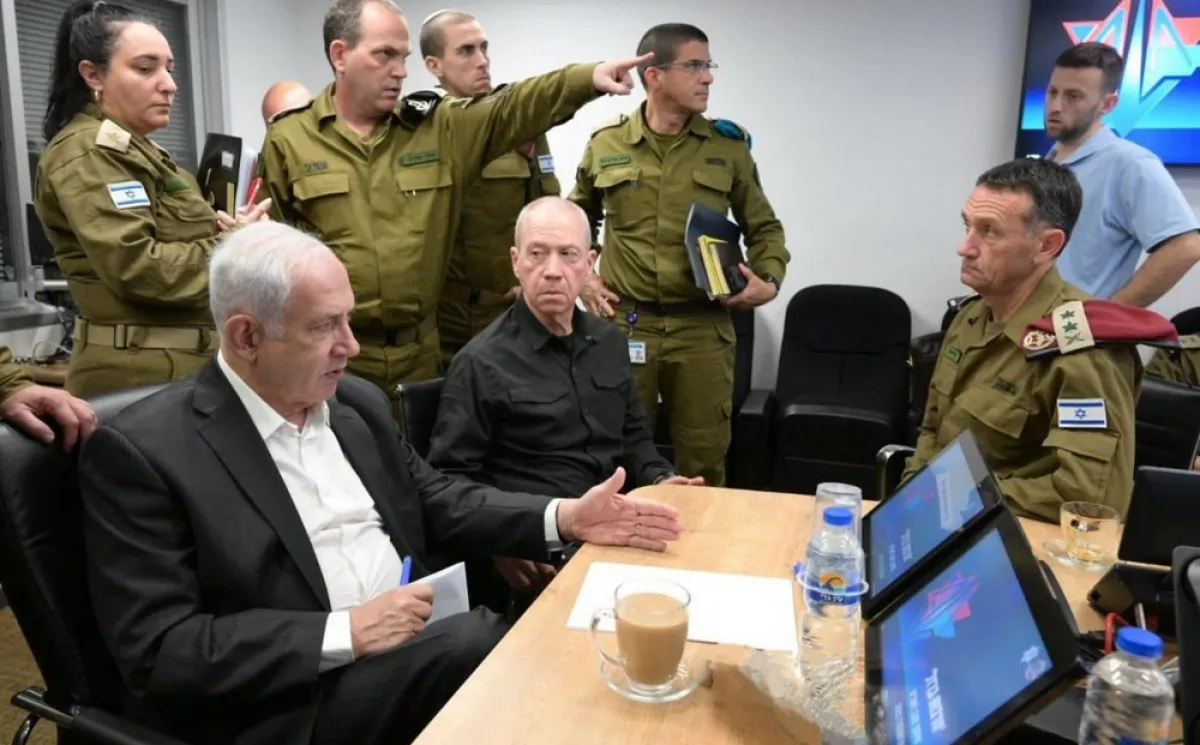
Israelis were shocked that Hamas had organized such a large-scale attack without the security services finding out. Will Netanyahu pay the political price for this failure, or will the formation of an emergency government save him?
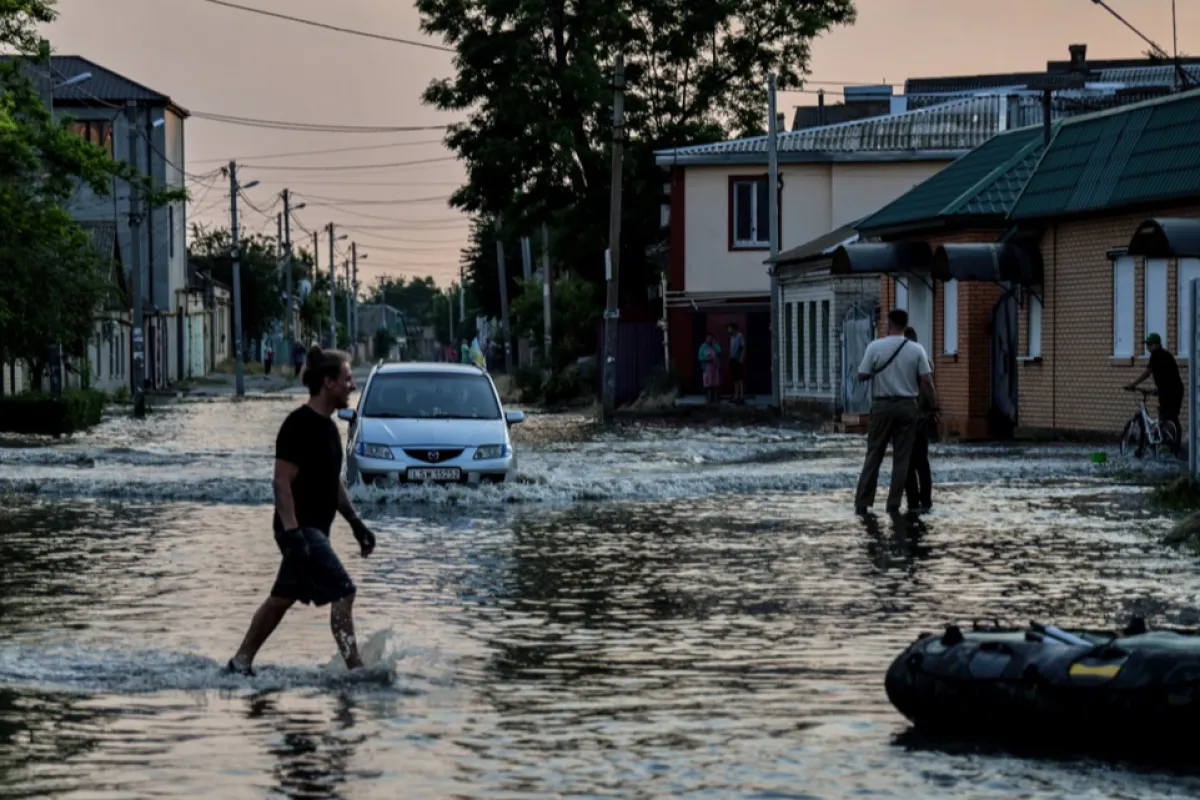
Russia has claimed for years that Ukraine has biological laboratories and says its attack was meant to destroy those labs. The narrative was also included in the disinformation about the destruction of the Nova Kakhovka dam.
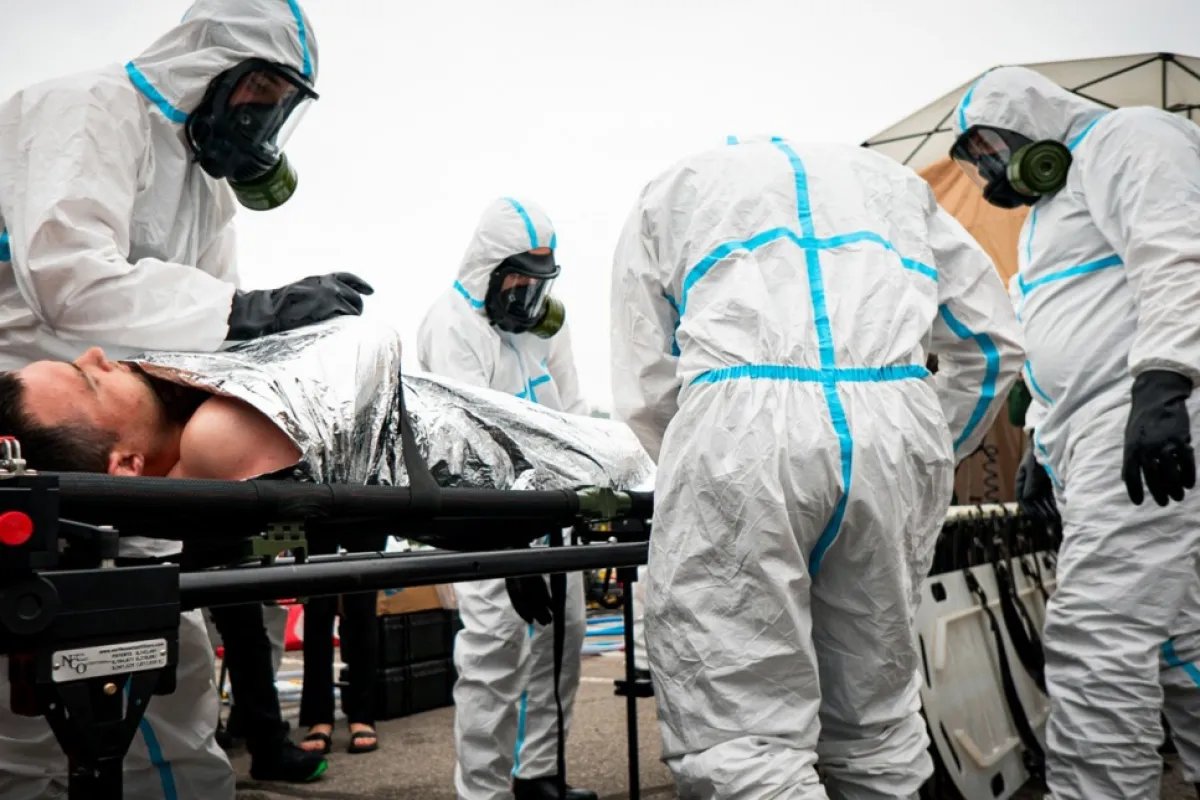
The (Pro)Russians claim that Ukraine will cause a nuclear incident. The narrative is meant to undermine support for Kiev and has been promoted in Eastern Europe as well.
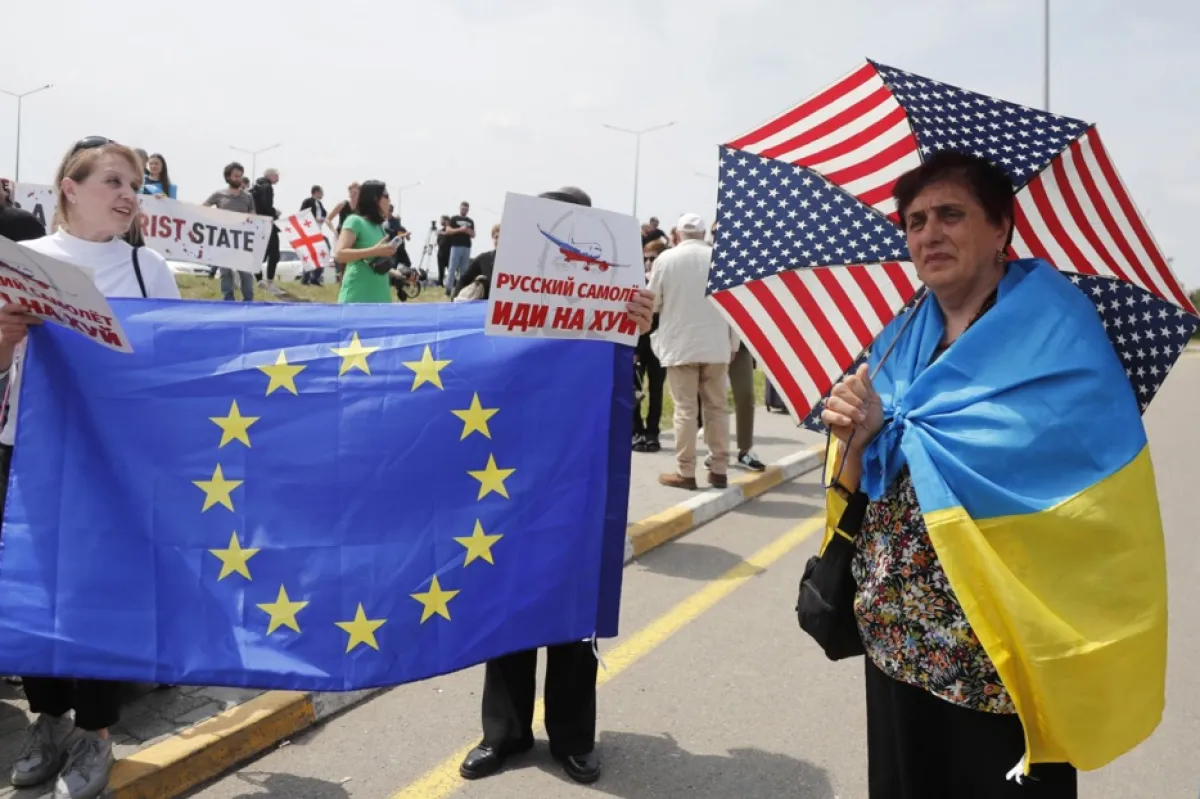
As experts warn that Georgia will not be granted EU candidate status this year, authorities allege there was a coup plot and the parliament impeaches the president.
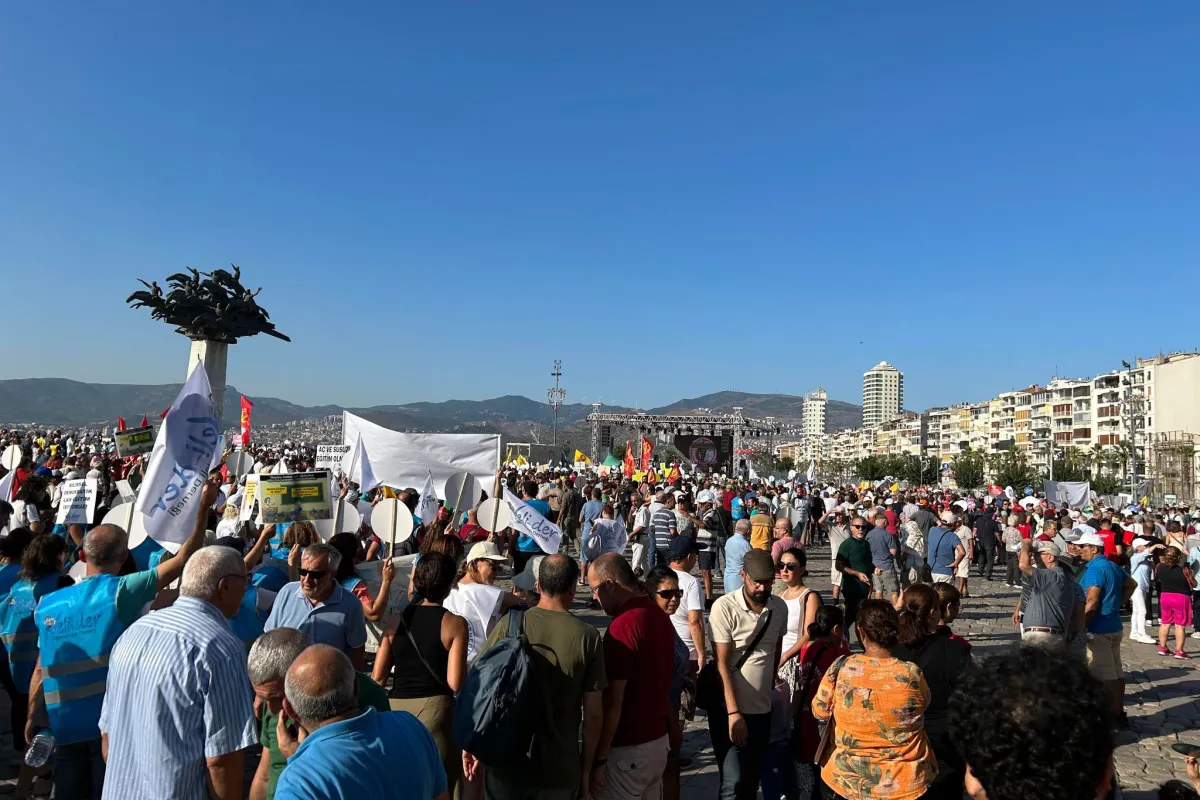
A century after its founding, the Turkish Republic is drifting further and further away from the secular values that formed its foundation, while ethno-religious nationalism is gaining ground.
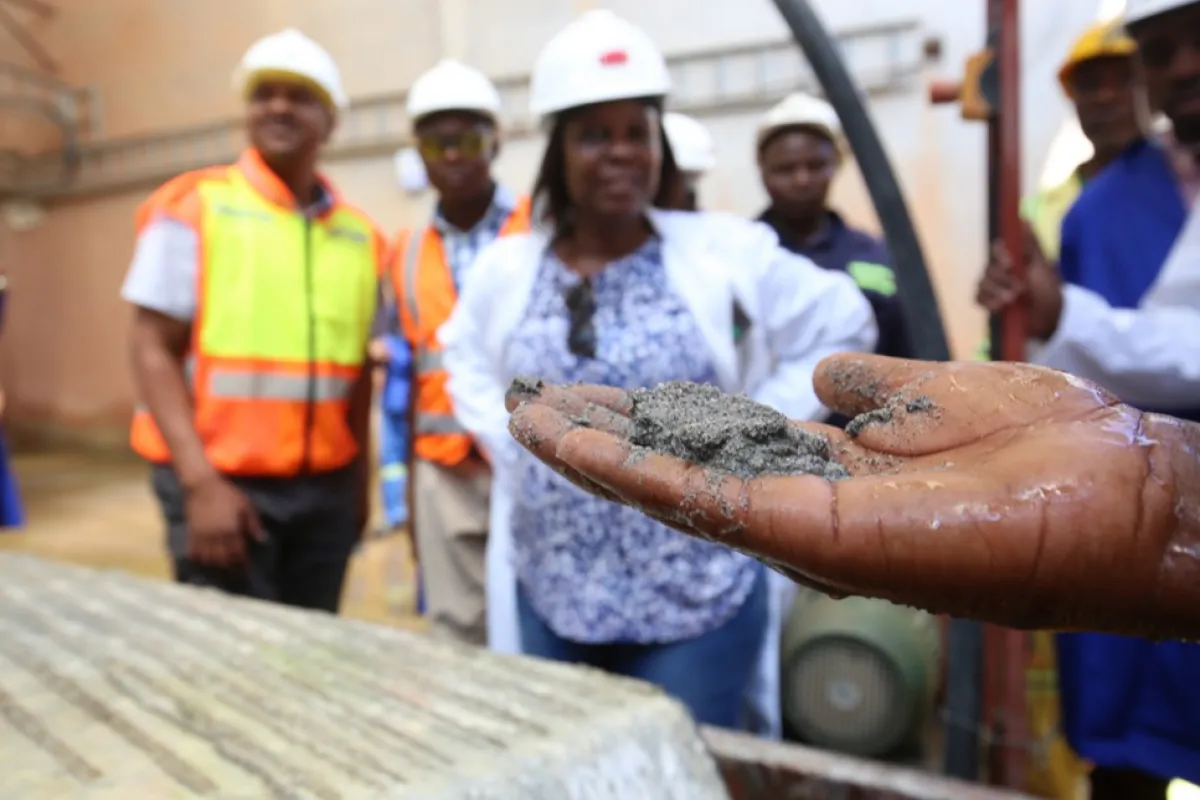
Estonia could become a powerhouse in the strategic rare earth metals industry. Environmental concerns, outside competition, and opposition to mining are threatening that potential.
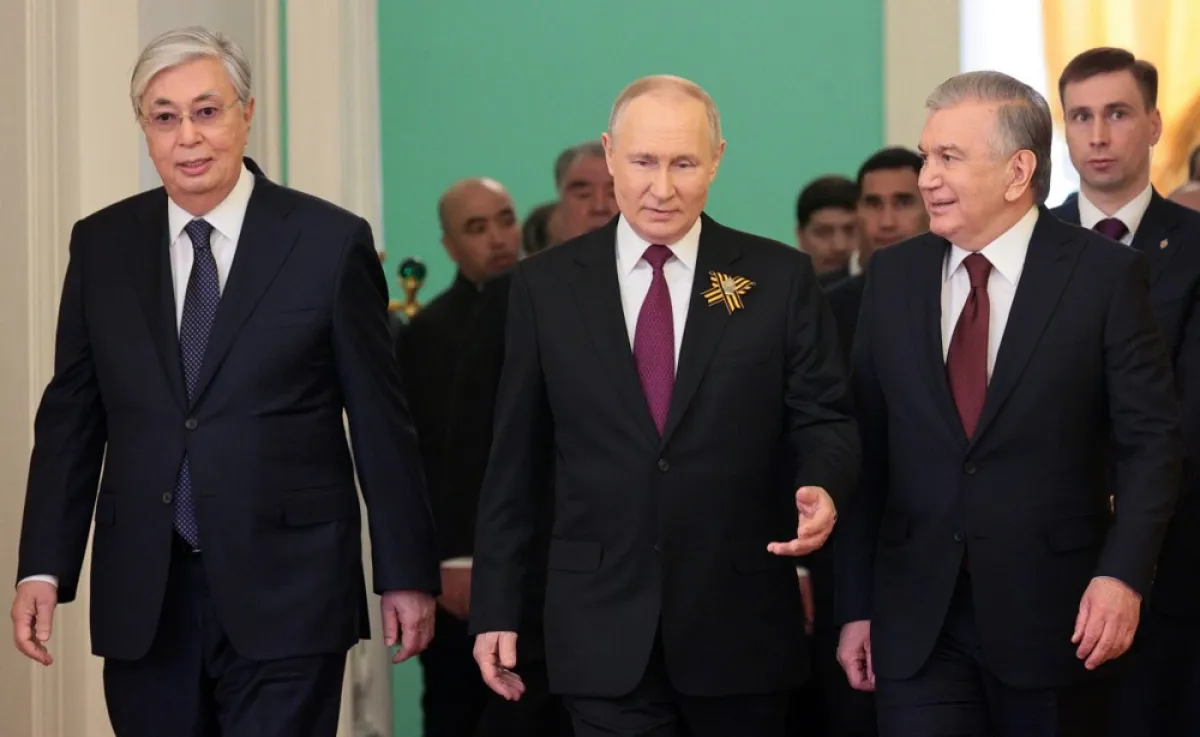
The protracted war in Ukraine has made Western countries willing to cooperate with Russia increasingly vocal. These countries persevere despite the sanctions, although they face countless other problems.
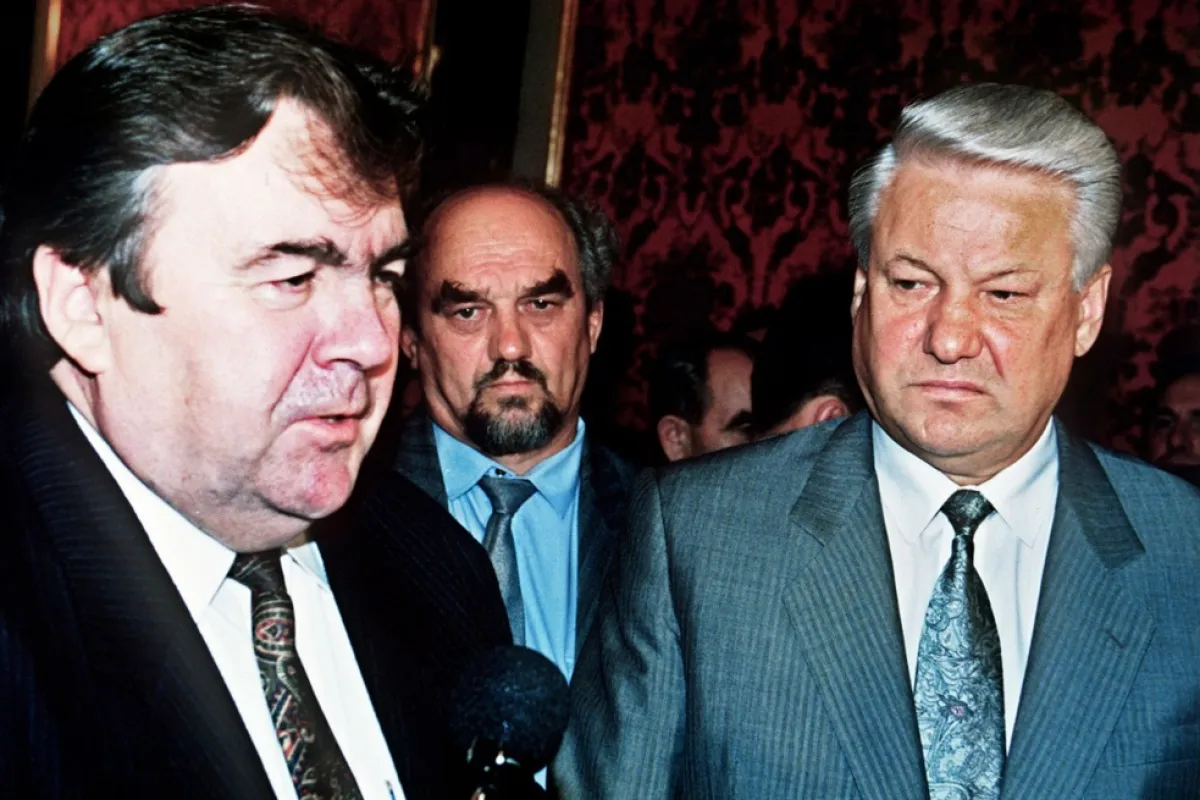
The first President of the Republic of Moldova, Mircea Snegur, died aged 83. He was praised for his role in achieving the independence, but he was also accused of being Russia’s inside man.
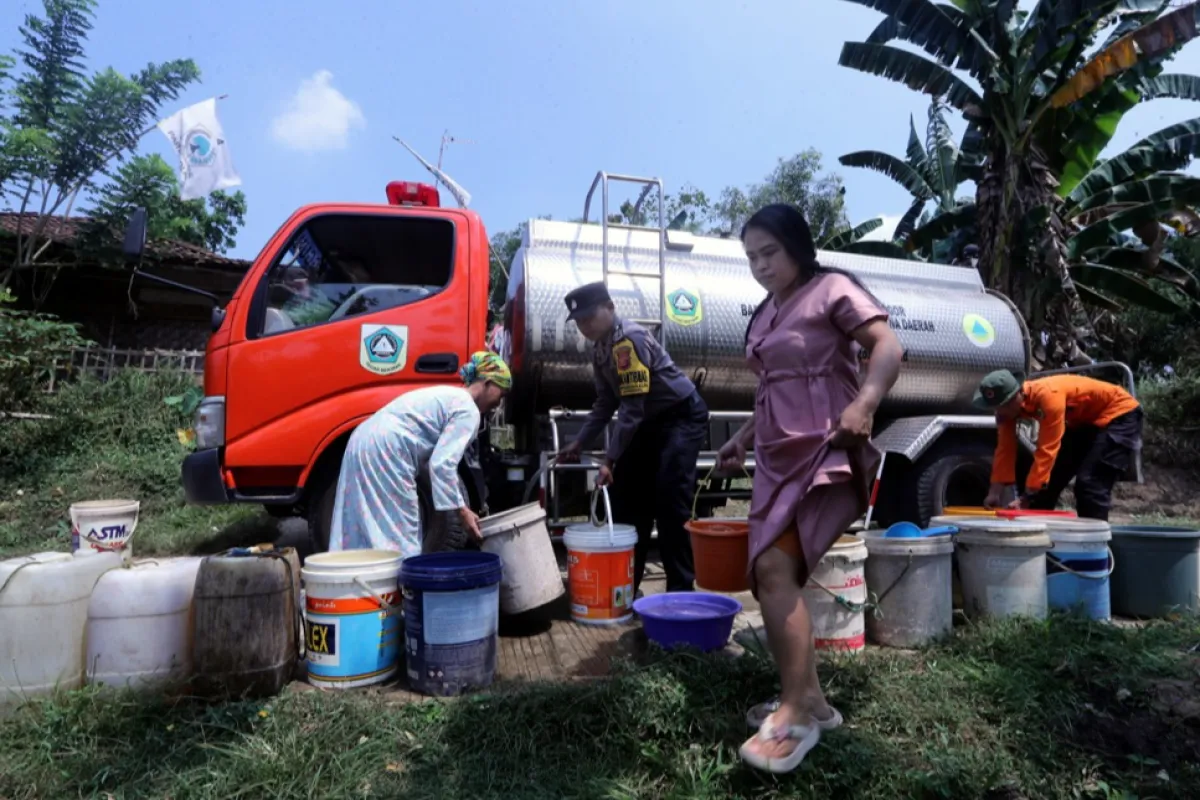
The heat records of 2023 will likely be broken in 2023, when the effects of the El Niño ocean warming phenomenon will be felt in full.
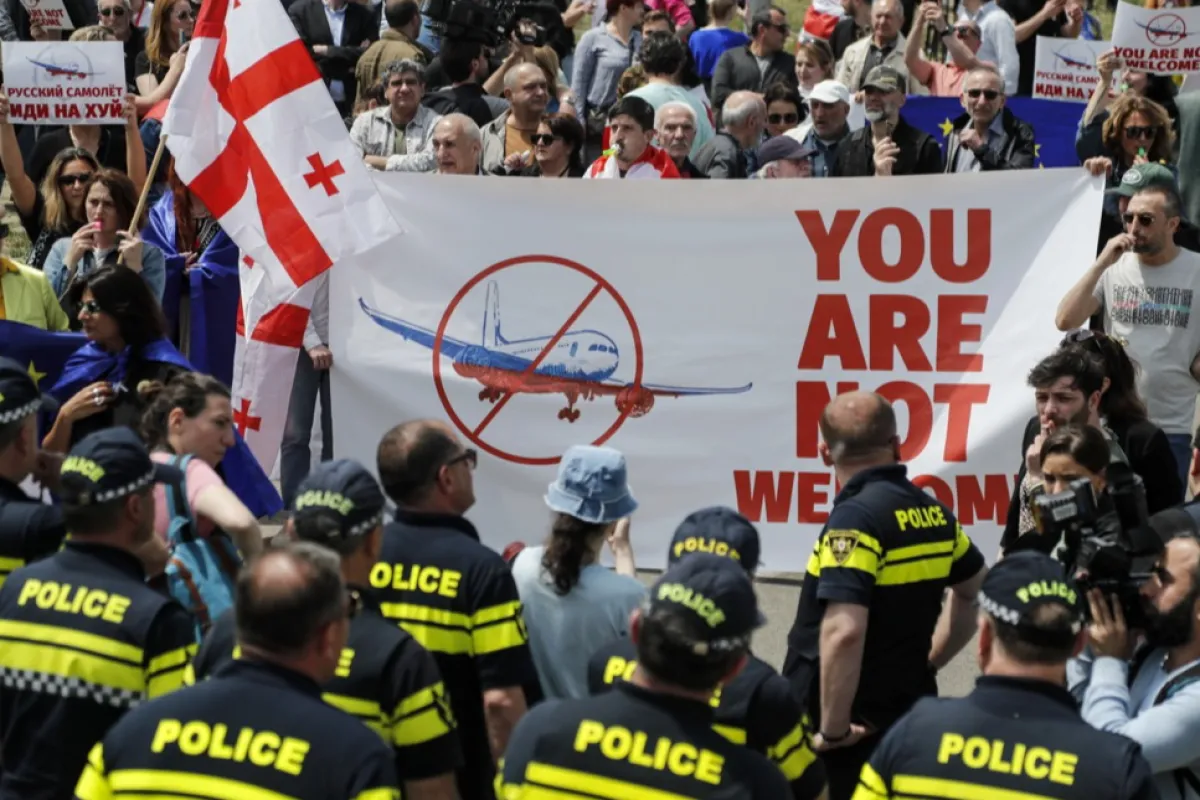
Georgia is increasingly economically dependent on Russia, which generates security risks for Tbilisi. There are also concerns that Moscow is circumventing Western sanctions through Georgia.
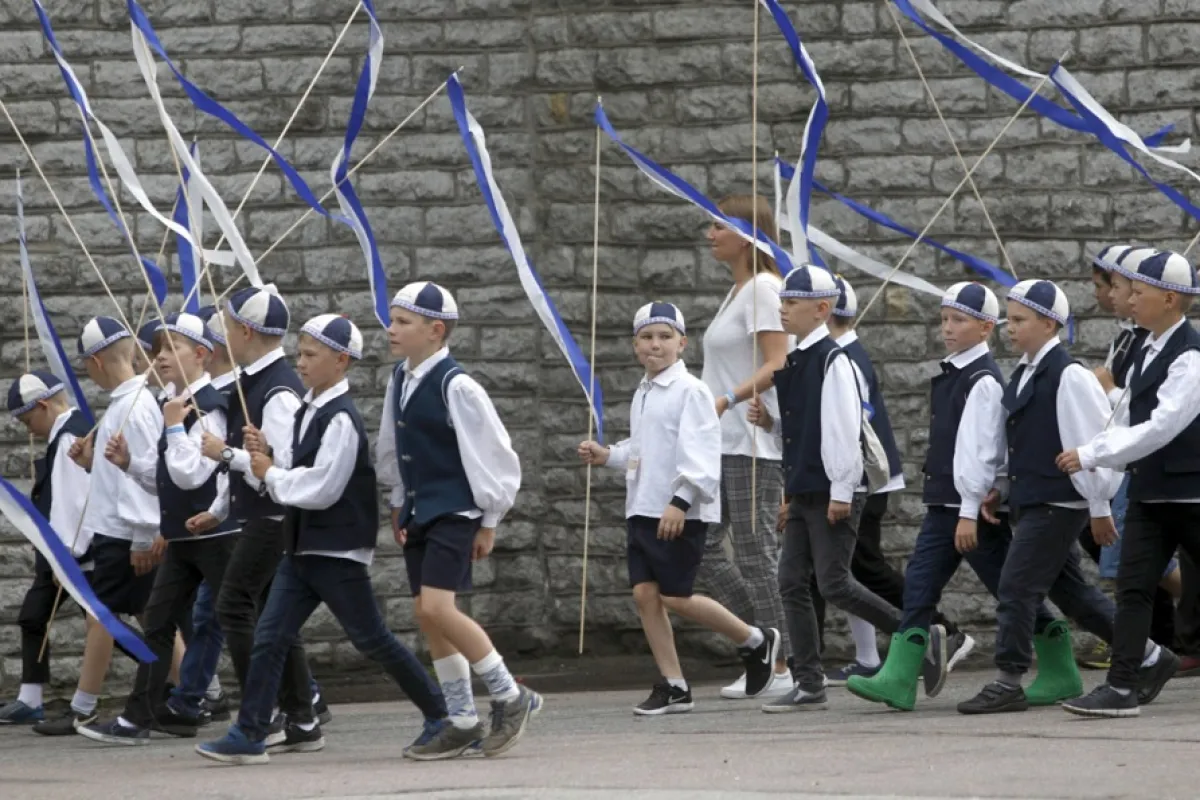
Estonia has one of the world’s best education systems but it’s only for Estonian speakers. There’s a parallel system for Russian speakers, which authorities now want to eliminate.
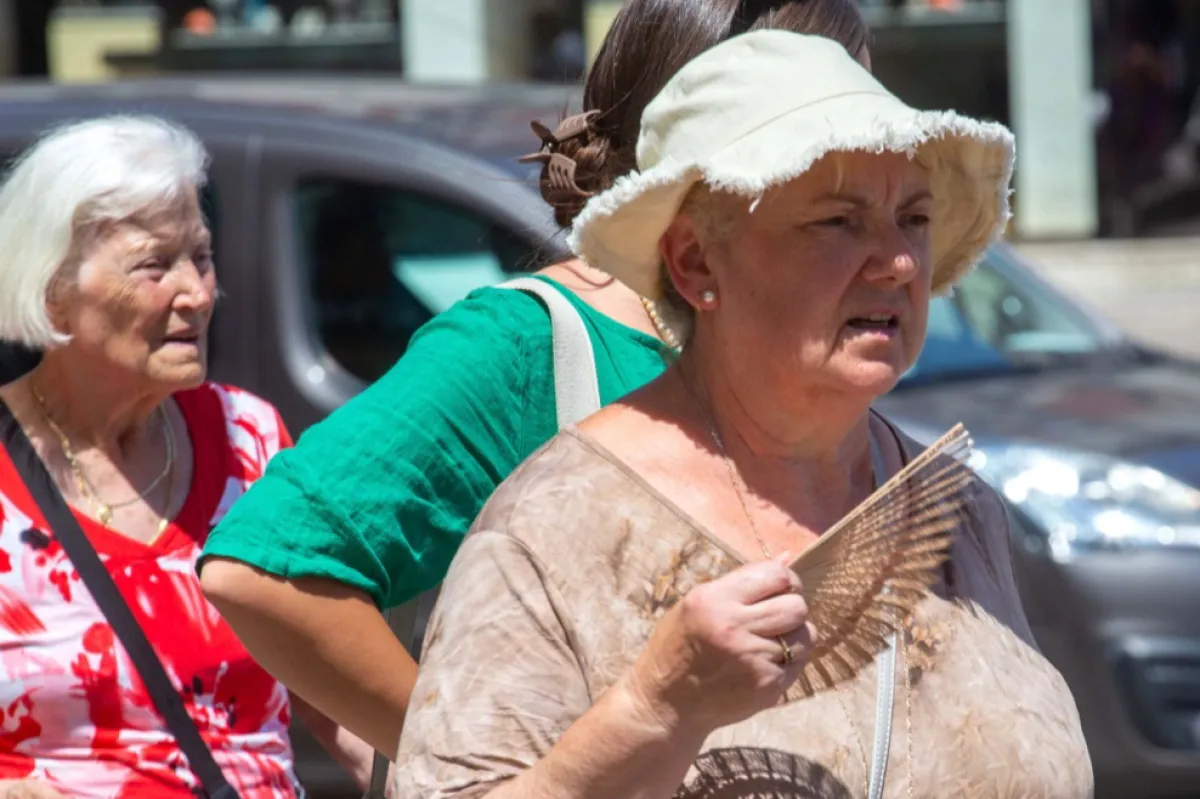
The record-high temperatures suggest global warming has picked up speed. It could be stopped by curtailing emissions, although other solutions are needed to cool down the Earth.
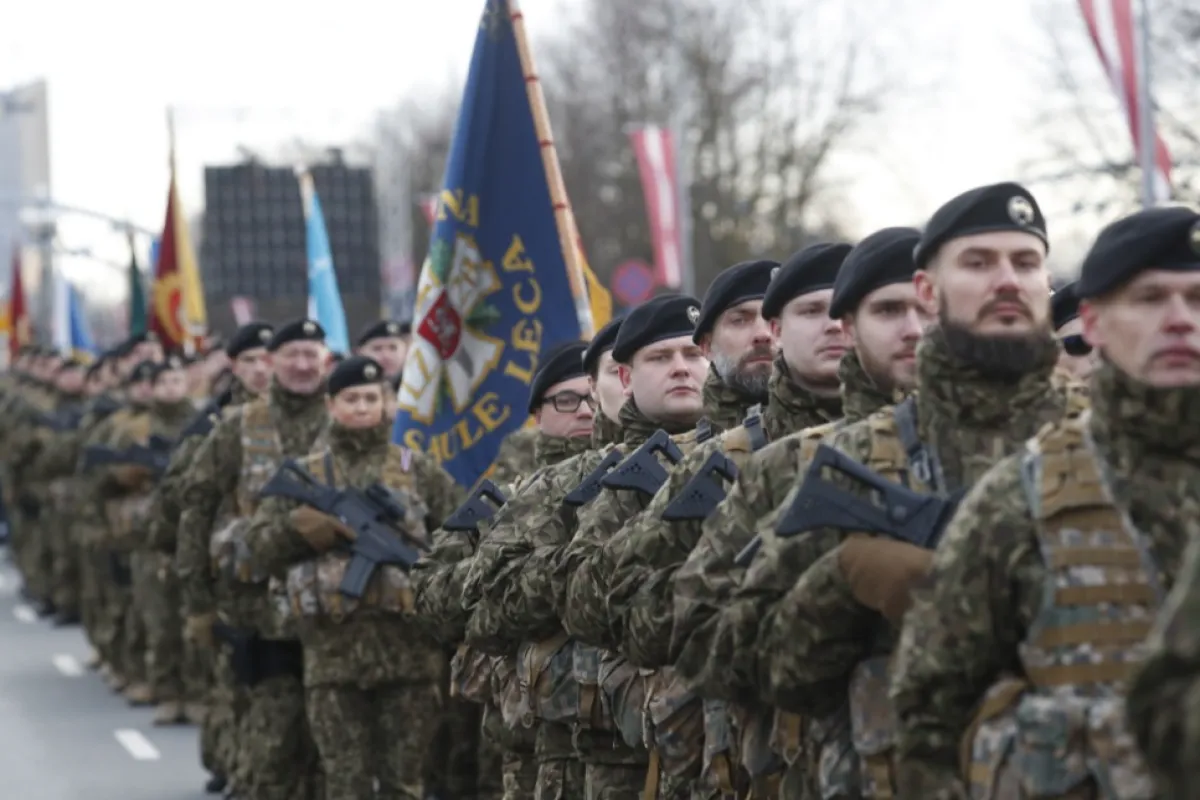
Latvia is making participation in the state defense service (SDS) mandatory, as part of a larger drive to strenghten its security.