An activist’s initiative to reduce the privileges granted to the Church and limit its interference in politics is presented as an assault by the Chisinau government on this institution. The Orthodox Church in the Republic of Moldova, largely subordinated to Russia, has often been involved in election campaigns, usually in favor of the left and against pro-Europeans, and the need to ban such actions has been talked about for years.
NEWS: „Maia Sandu’s pro-Western puppet regime wants to lock up the Moldovan Orthodox Church in a golden cage and have it listen to the new government and its Western masters”, according to politnavigator.net, which launched this narrative starting from a civic activist’s online post. The activist calls on the new government to pass several legislative changes that would cut down exemptions for the Church, ensure equal rights for all religious denominations and ban the involvement of the Church in politics. „There is no doubt that the post of the fighter against God Ion Andronache is only the first stone thrown in the courtyard of the Orthodox Church by the new pro-West secular regime”. [...]
"Furthermore, in the absence of reactions from the Church and the belivers, but also from the opposition deputies, bulldozers will follow, as in Ukraine", politnavigator.net writes, taken over by some media institutions in the Republic of Moldova.
NARRATIVES: 1. Maia Sandu and the new government will attack the Orthodox Church, as ordered by the West. 2. The pro-European government in Chisinau is anti-religious.
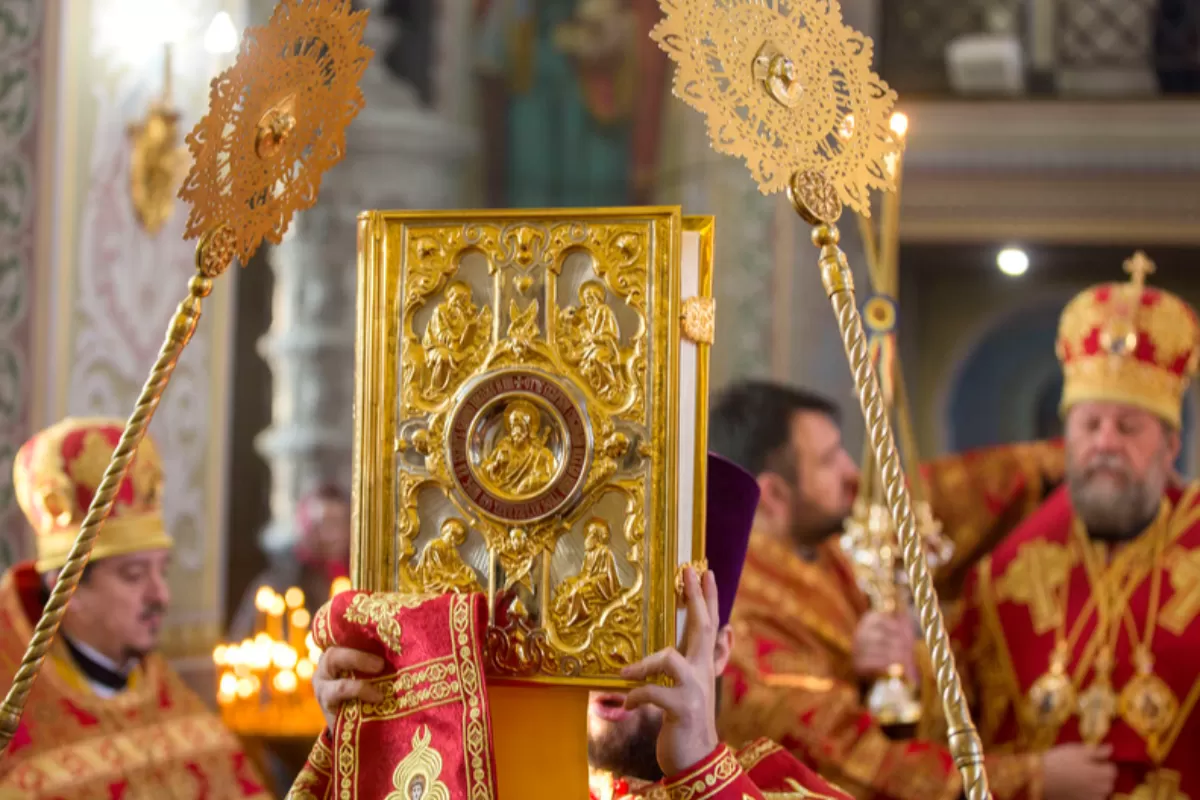
LOCAL CONTEXT/ETHOS: The Republic of Moldova is a state where the vast majority of the population (approximately 97%) say they are Orthodox (according to the 2014 census, of people who have declared their religion). According to all surveys, the Church is the institution that enjoys the greatest trust among the population. The Orthodox Church of the Republic of Moldova is divided into the Metropolitan Church of Moldova, subordinated to the Russian Orthodox Church, which owns most places of worship and has the largest share, and the Metropolitan Church of Bessarabia, subordinated to the Romanian Orthodox Church.
Politicians in the Republic of Moldova have always been tempted to ally with the Church. The former communist regime of 2001-2009 contributed to the renovation of several churches and monasteries, including by forcing companies to make donations, and granted favors to the Metropolitan Church of Moldova and its leadership. It had become a tradition for high-ranking officials to finance and / or accompany the bringing of the Holy Fire on Easter night.
The Metropolitan Church of Moldova and some priests have openly or indirectly supported certain political parties or politicians, usually from the left. The most controversial was the involvement of several representatives of the Church in the 2106 presidential election campaign, against Maia Sandu. The Constitutional Court then asked Parliament to ban the involvement of the church in election campaigns.
PURPOSE: To present the government in Chisinau as anti-religious, given that the Church enjoys the trust of the population. To emphasize the idea that the government in Chisinau is acting as ordered by the West.
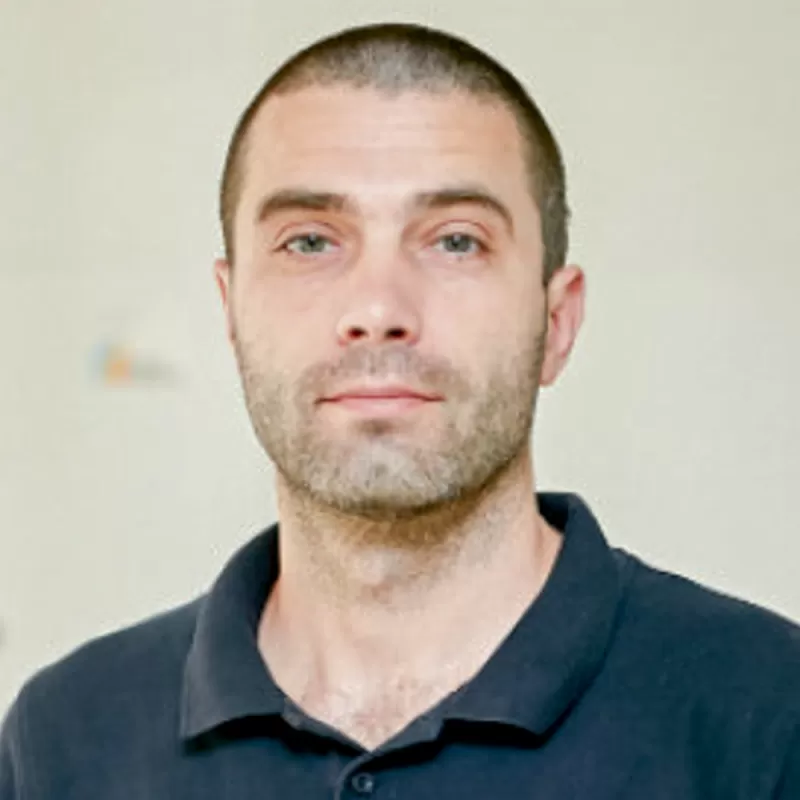
WHY THE NARRATIVES ARE FALSE: The comments about the attack that the government in Chisinau would prepare against the Orthodox Church started from a post by the civic activist Ion Andronache, a former student in theology, known for his criticism of the Church, which he considers responsible for a string of abuses. Andronache proposes that representatives of religious denominations be hired officials, pay taxes, and the involvement of leaders of religious communities in politics be banned. In general, he refers to all religious denominations, but mentions the need to cancel some benefits enjoyed by the Metropolitan Bishop of Moldova, such as the diplomatic passport and license plates with numbers that normally belong to government institutions.
Despite attacks by leaders of the Metropolitan Church of Moldova, Maia Sandu has never declared herself anti-religious or against the Church, even though she does not show up in places of worship for religious holidays, as did her predecessor, the Socialist Igor Dodon. After taking over the presidency, she was congratulated by the Metropolitan Bishop of Moldova, Vladimir, and had a meeting with him, as did the new President of Parliament, Igor Grosu, who, however, was criticized by some politicians and media institutions, given that the head of the Metropolitan Church of Moldova is considered pro-Russian and anti-Western.
Even if the new parliamentary majority will limit or ban the involvement of the Church in politics, this issue has been discussed for several years now and was even partially resolved in amendments to the Electoral Code voted in 2020, which were not adopted in final reading.
The separation of state and church is part of the foundation of modern democratic societies and does not translate into persecuting the church or taking measures against it.
A proposal made by an activist is not the same as a legislative initiative set forth by a political party. Andronache's initiative does not derive from the governing program and was not taken over in it.
GRAIN OF TRUTH: A civic activist is calling on the new government in Chisinau to limit the benefits and exemptions that the Church enjoys.
THE NARRATIVES BENEFIT: Moscow, the Bloc of Communists and Socialists, who thus feed the phobias and anti-western drives of part of the population.