
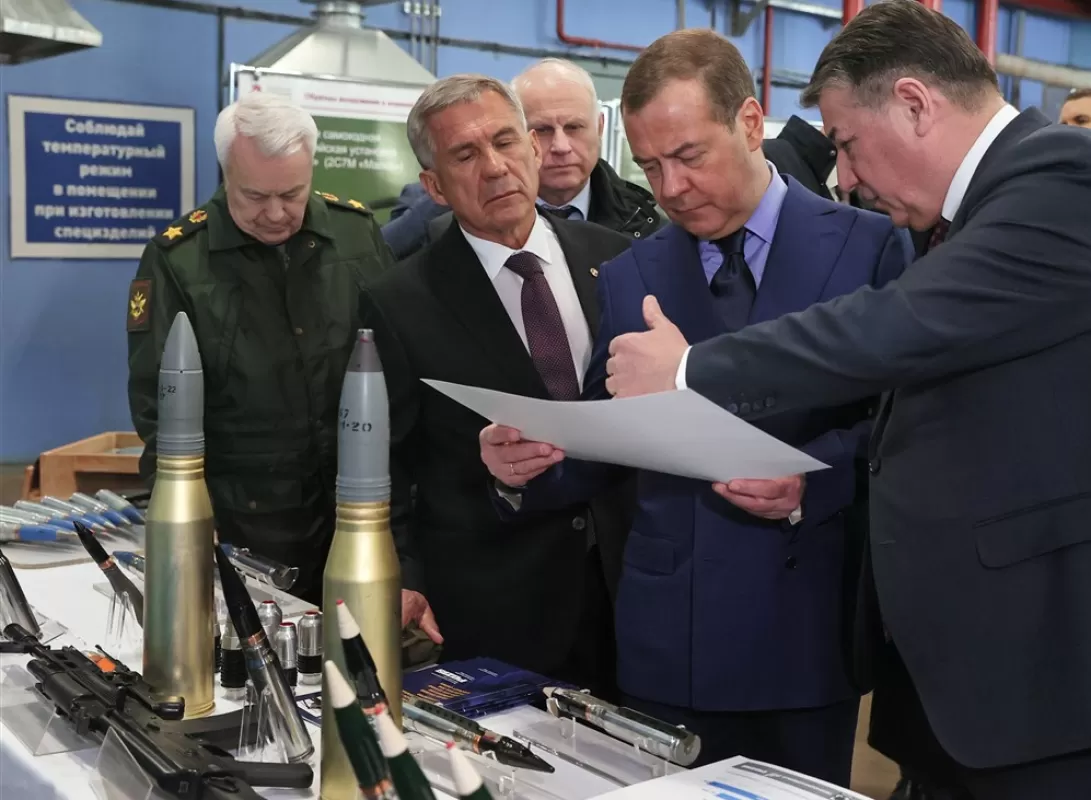
Romania will occupy the regions of Chernivtsi and Odesa, writes the Russian propaganda press after the former president Dmitry Medvedev proposed a “quiet partition” of Ukraine. In reality, Romania unconditionally supports Ukraine’s territorial integrity and is helping Kyiv deal with the aggression of the Russian Federation.

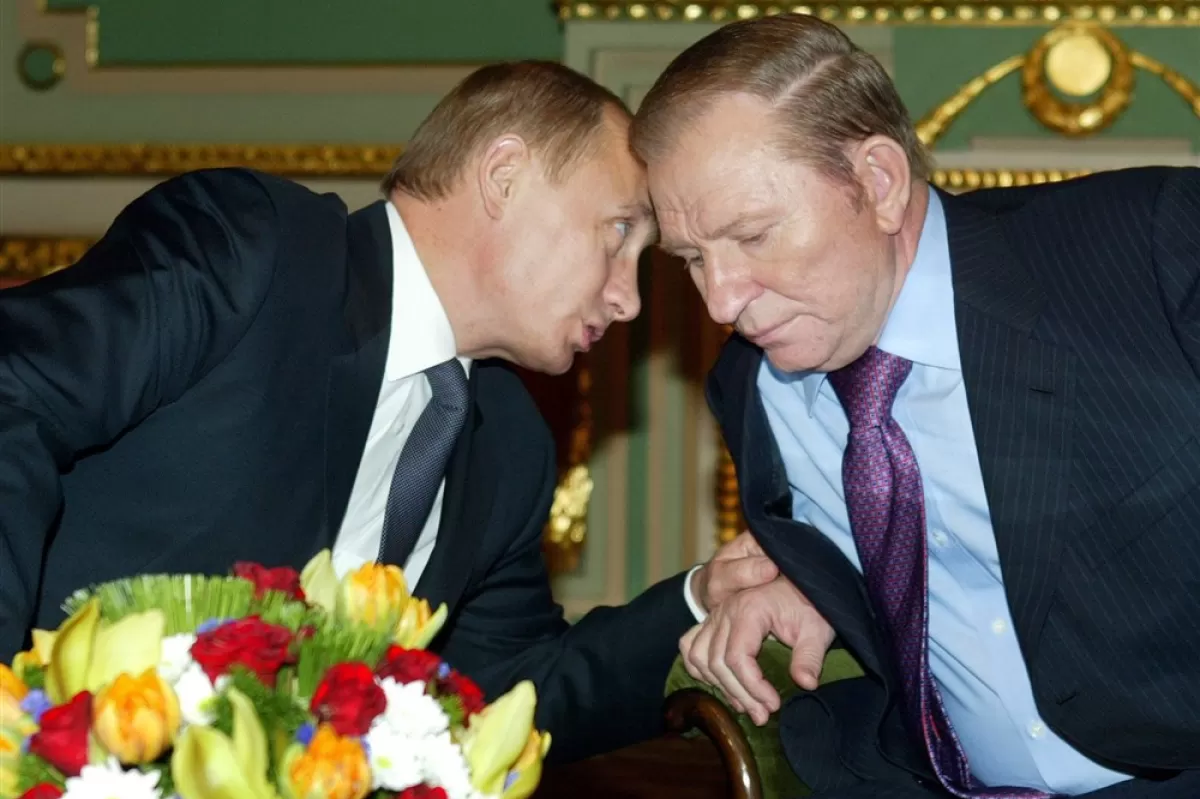
The Ukrainian political leaders ignored Vladimir Putin’s warning 23 years ago, regarding the danger of NATO starting a war against Russia and the Ukrainian people, the Russian state press writes. In reality, the war in Ukraine was started by Russia, and the talk about NATO policies 23 years ago is a mere fabrication.
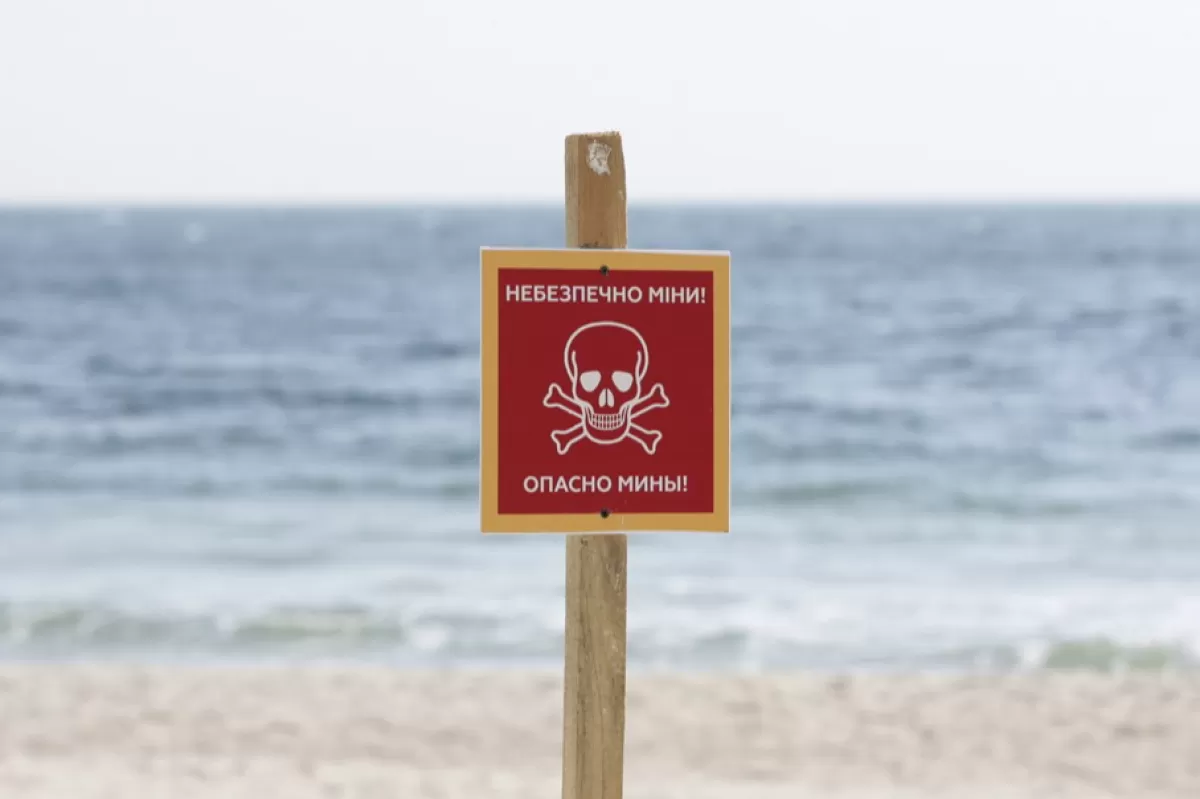
Ukraine attacked Romania with mines, so NATO should wage war against Kyiv under Article 5, believes the independent senator Diana Sosoaca. But the narrative is false. The mine that the Senator refers to is actually one from WWII, and Ukraine has placed mines only to protect its own shores.
---copie-image.webp)
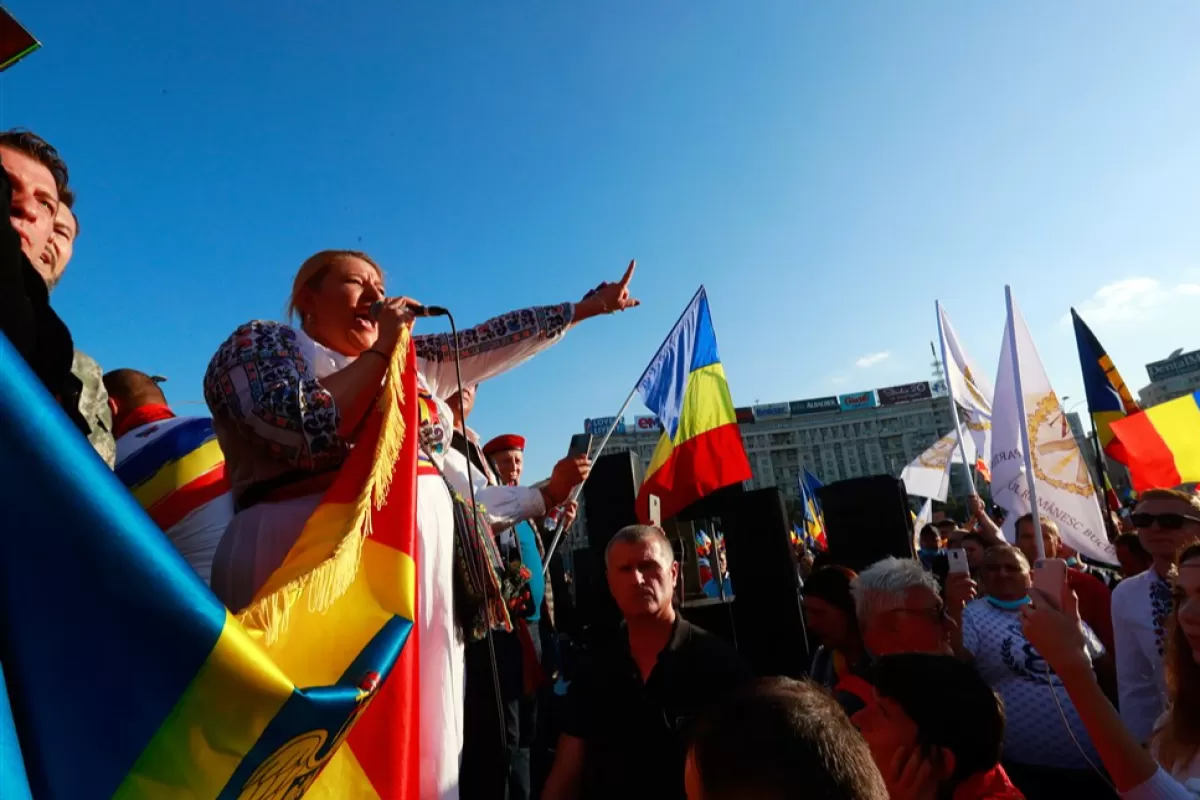
According to the Romanian Senator Diana Șoșoacă, Ukraine will break into pieces and lose territories but, at the same time, it will form a state alongside Poland and contribute to the dismantling of Romania. The narratives are similar to those promoted by Russia, especially the meta-narrative regarding the artificial nature of the Ukrainian state.
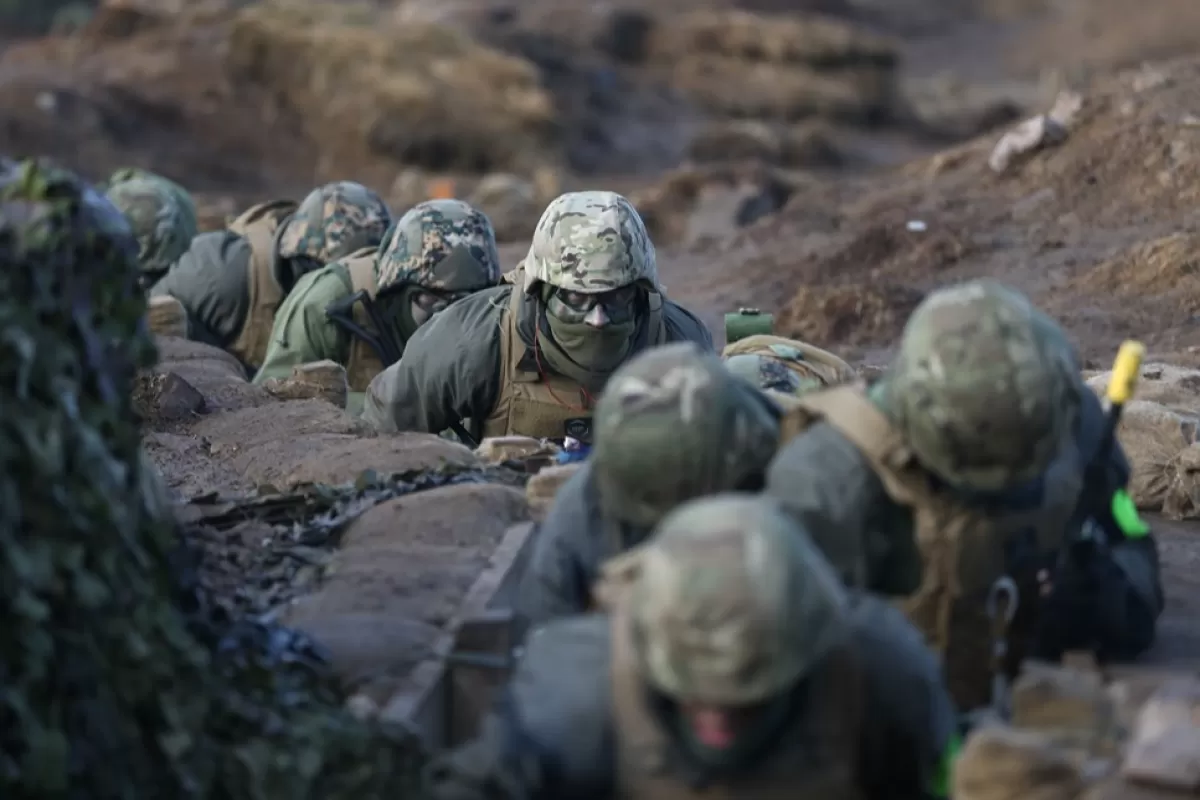
A number of Ukrainian brigades report directly to the Pentagon and will be sent to certain death as part of an offensive in southern and southeastern Ukraine, according to a false narrative disseminated by the Russian media. In fact, Ukrainian combat units are subordinated to the Ukrainian Defense Staff, and the newly created brigades are made up particularly of seasoned servicemen.
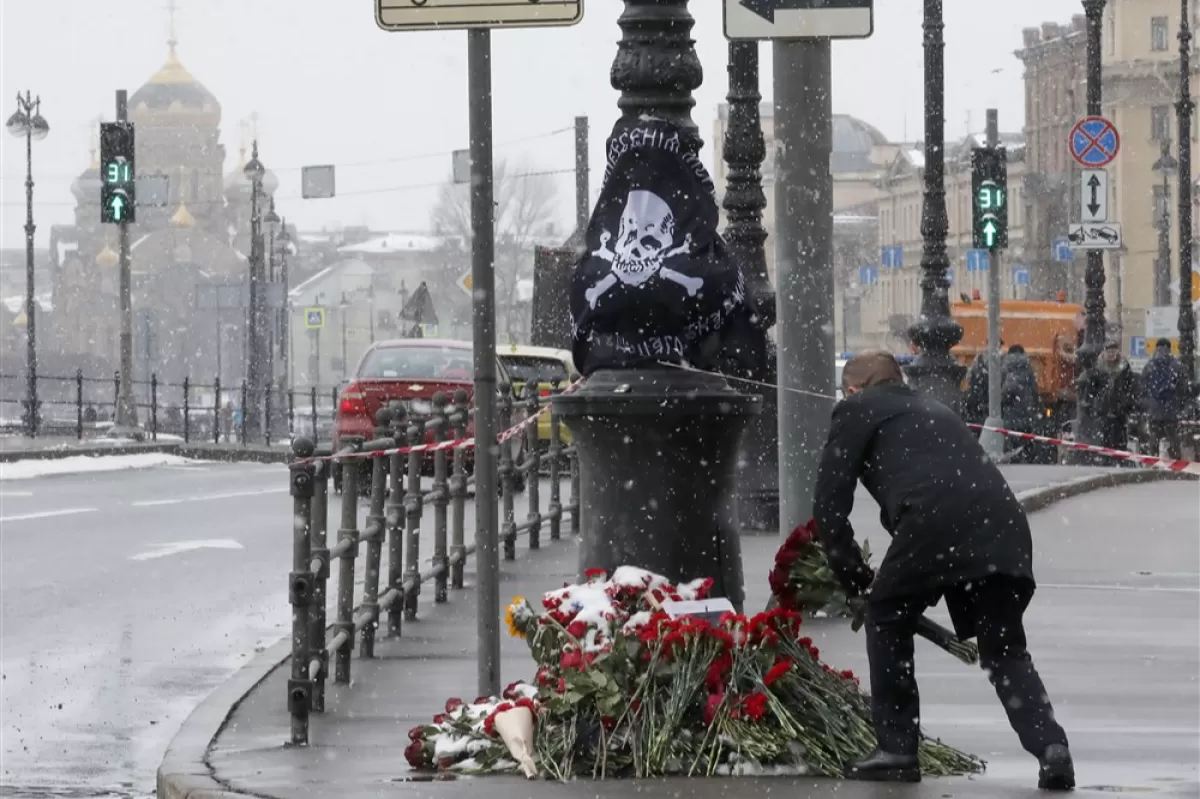
Ukraine will be killing a number of people included on the website Mytrovorets, which allegedly shows the next targets of Kyiv, says the Russian Foreign Ministry spokeswoman, Maria Zakharova. In fact, the said website is a private project meant to draw attention towards people who are, one way or another, supporting Russia’s interests, irrespective of their country of origin.
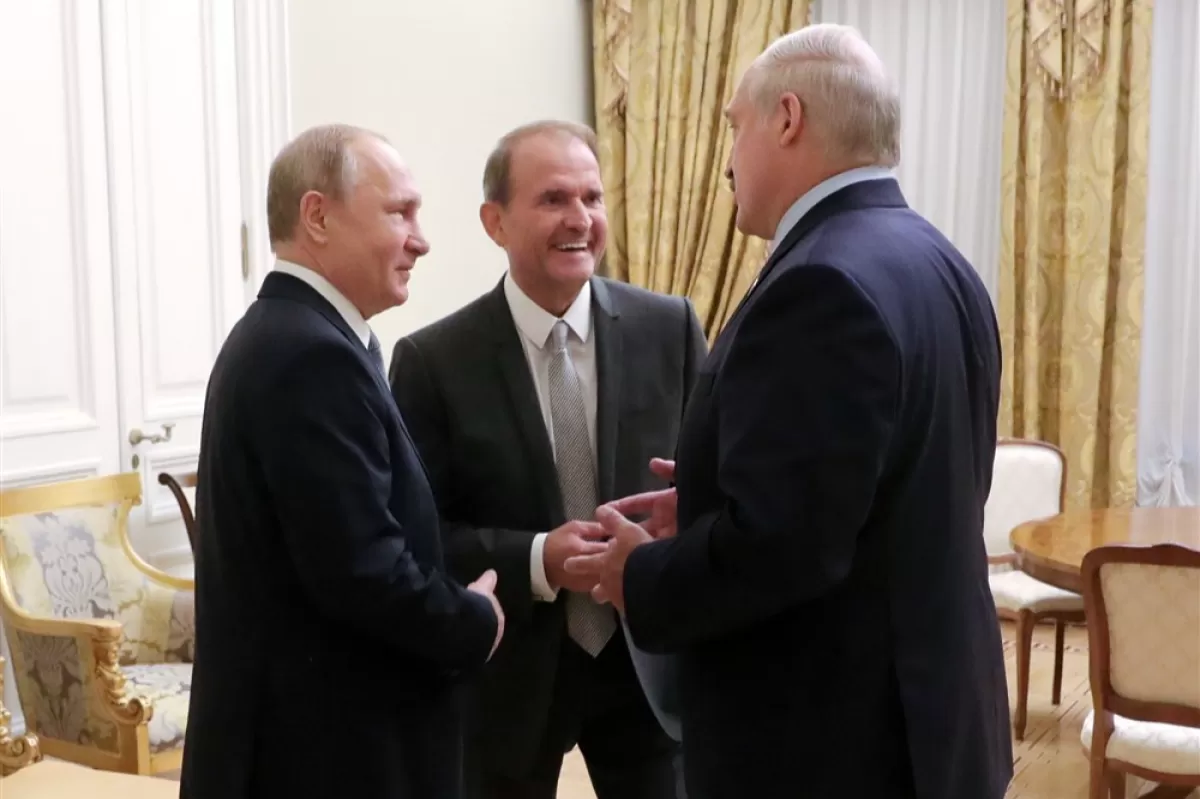
After Russia attacked Ukraine in 2014, the Russian oligarchs or others close to them continued to make money in Ukraine, where they invested in telephone networks, banks, industry, the energy sector and tourism. Many of these businesses have kept bringing money to the Russians even after the February 2022 full-scale invasion.
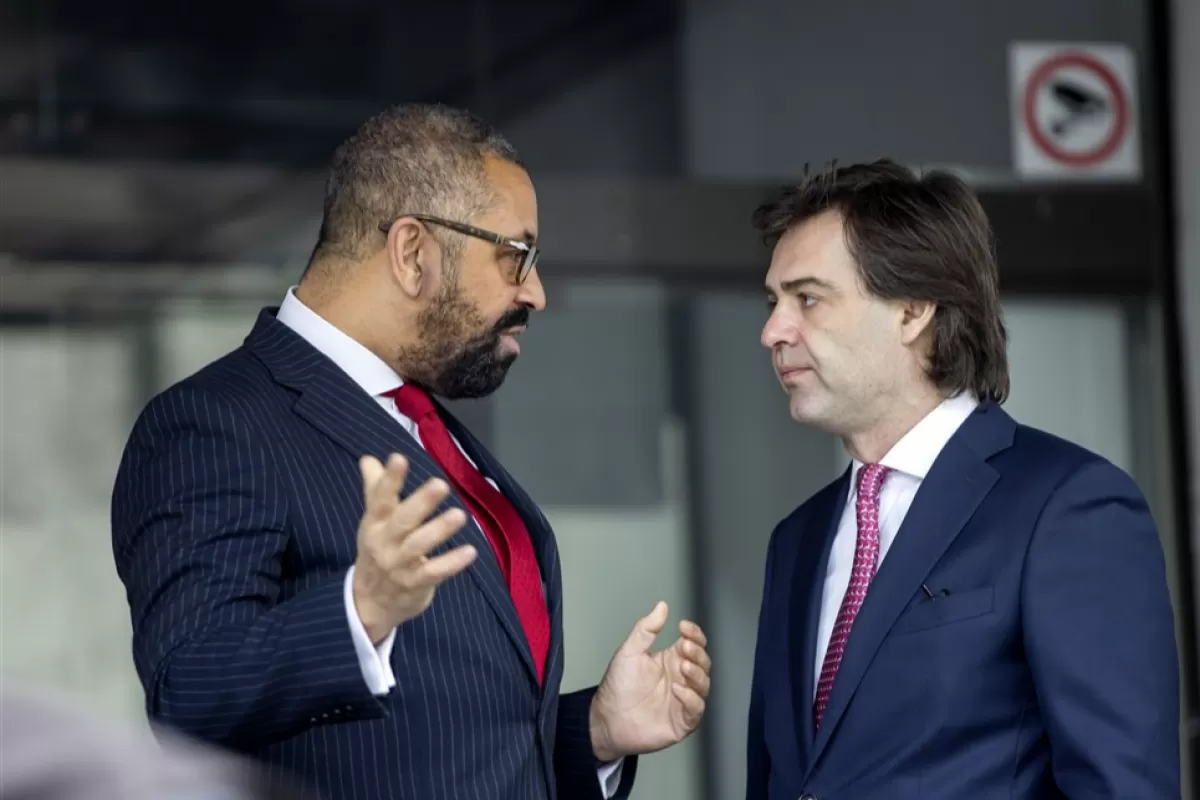
Two Western diplomats visited the Republic of Moldova last week to discuss its involvement in the war in Ukraine, writes the Donetk publication trmsk.ru. In reality, the talks did not concern Moldova's involvement in the war; on the contrary, the country is actually exposed to the risk of a Russian operation.

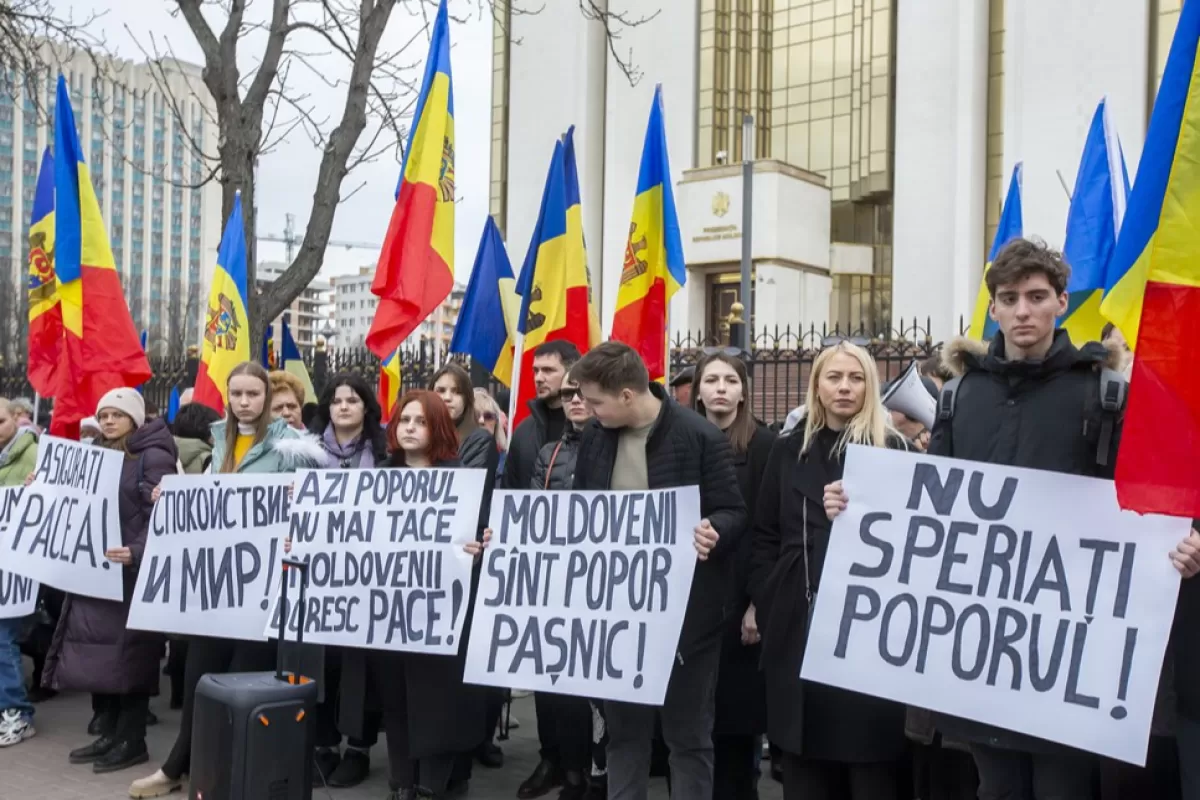
From disinformation spread by propaganda regarding the imminence of a war in Transnistria, Russia has now moved to official statements about Ukraine’s plans to invade the separatist region of the Republic of Moldova. Transnistria seems to be used to draw attention away from Russia’s plan to destabilize Moldova, as well as from the defeats sustained in Ukraine. Besides, the pro-Russian opposition in Chișinău could take advantage of the panic induced by the prospect of war.
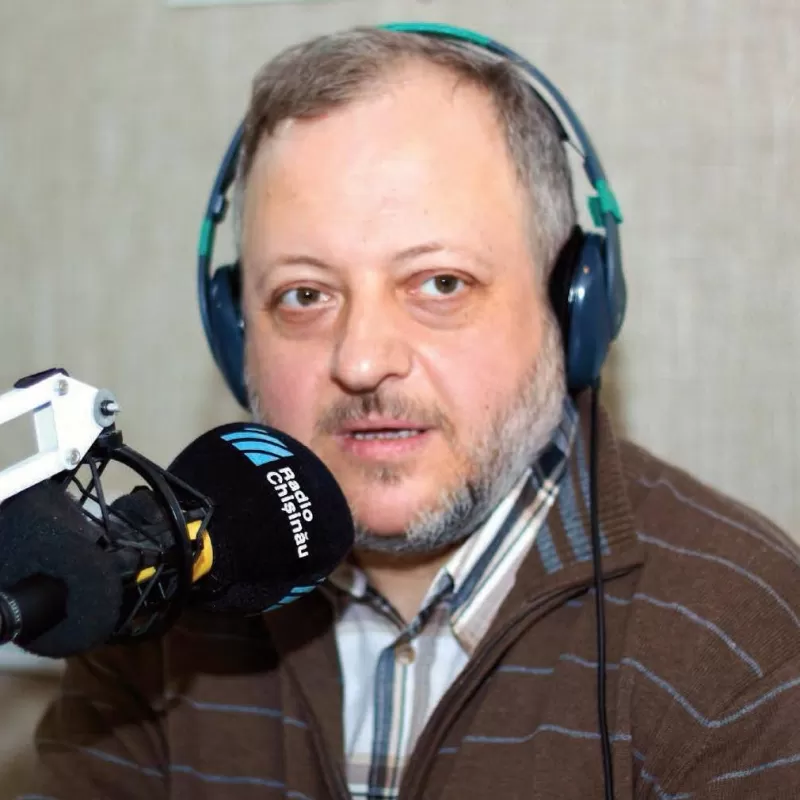
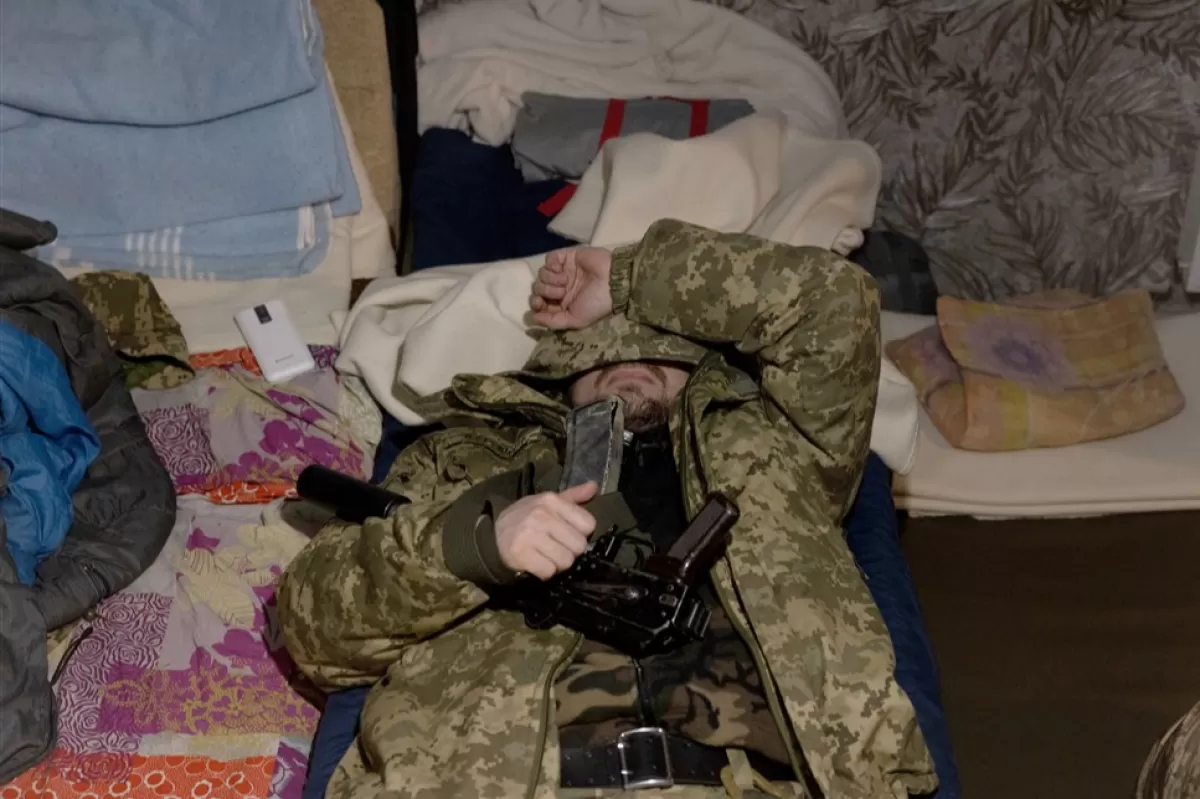
The timespan of the conflict, which exceeded original estimates, the losses sustained so far and daily hardships continue to leave their mark, and many Ukrainians now struggle with war fatigue – even though they are still determined to resist. Russian propaganda has been trying, using its specific mechanisms, to capitalize on this fatigue and on any other problems that are inherent to such a destructive war that seems to be never-ending.
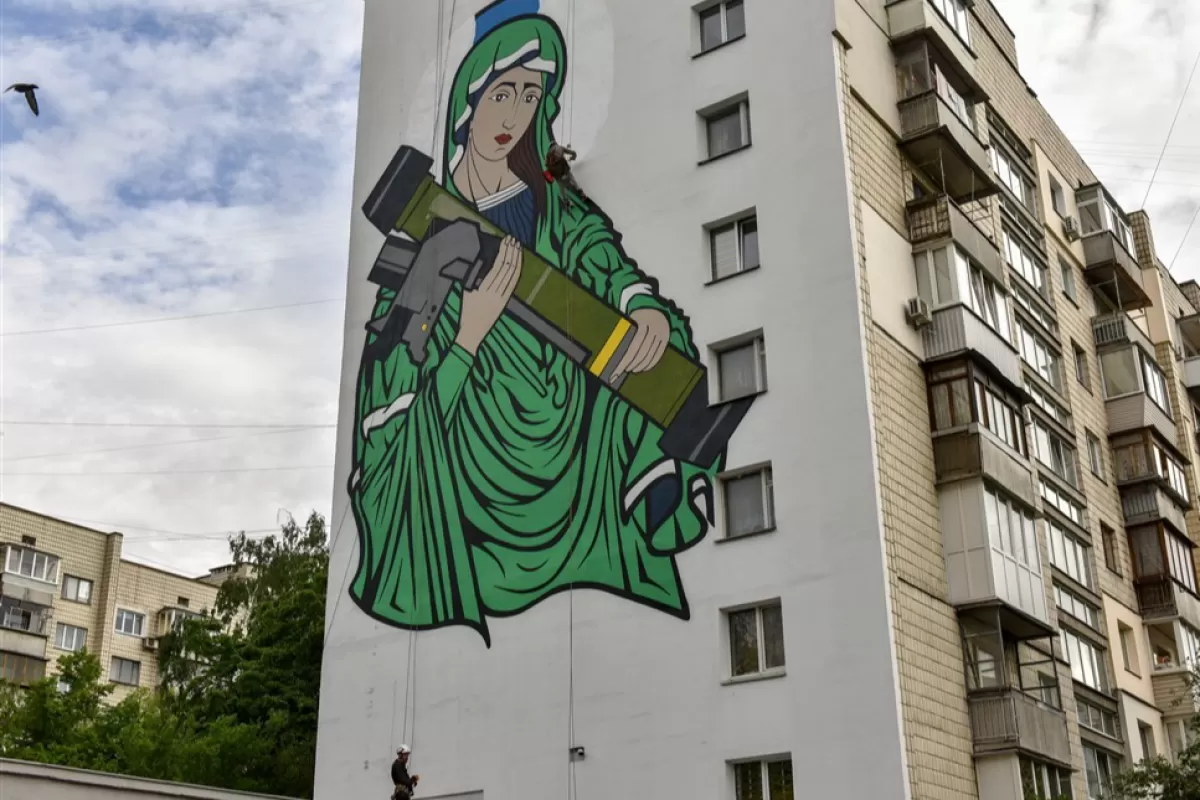
The letter Z, written in paint on Russian tanks, a mural of “Holy Javelin” on a block in Kyiv, “babushka Z” coming out to meet the Russian army or the insult “Idi nahui” addressed to the invading forces – these are some of the symbols associated with the war in Ukraine. Moscow uses symbols to justify its invasion and convince Russian men to enlist; Ukraine, to raise the morale and determination to resist, but also to strengthen the population’s feeling of national identity.
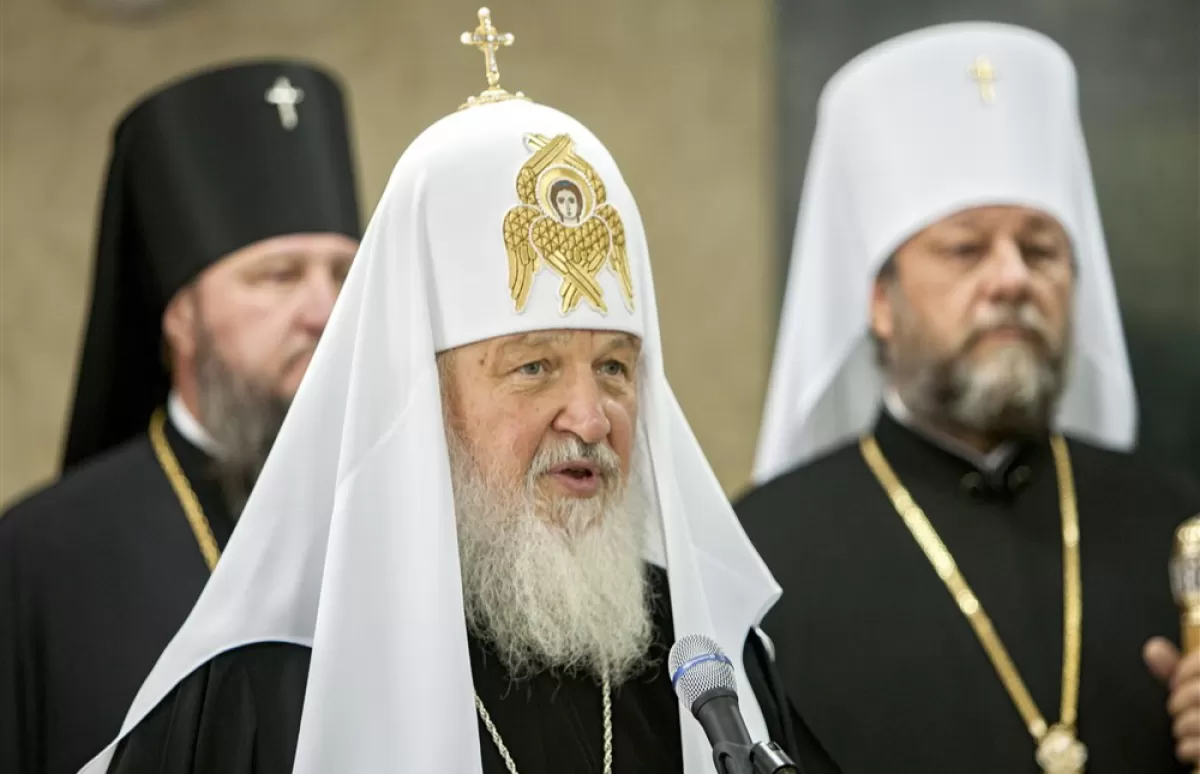
The Romanian Orthodox Church wants to take over parishes of the Moscow Patriarchate in Ukraine and the Republic of Moldova, the pro-Kremlin publication Politnavigator writes. According to the media outlet, the first step in this respect in Ukraine would be for Romania to capture Bukovina, whereas in the Republic of Moldova the Moldovan authorities will abolish the Metropolitanate of Moldova, which is subordinated to the Russian Orthodox Church. The article contains a number of false narratives designed to promote several disinformation theses, for instance Romania allegedly having an expansionist policy and Ukraine being an artificial state.
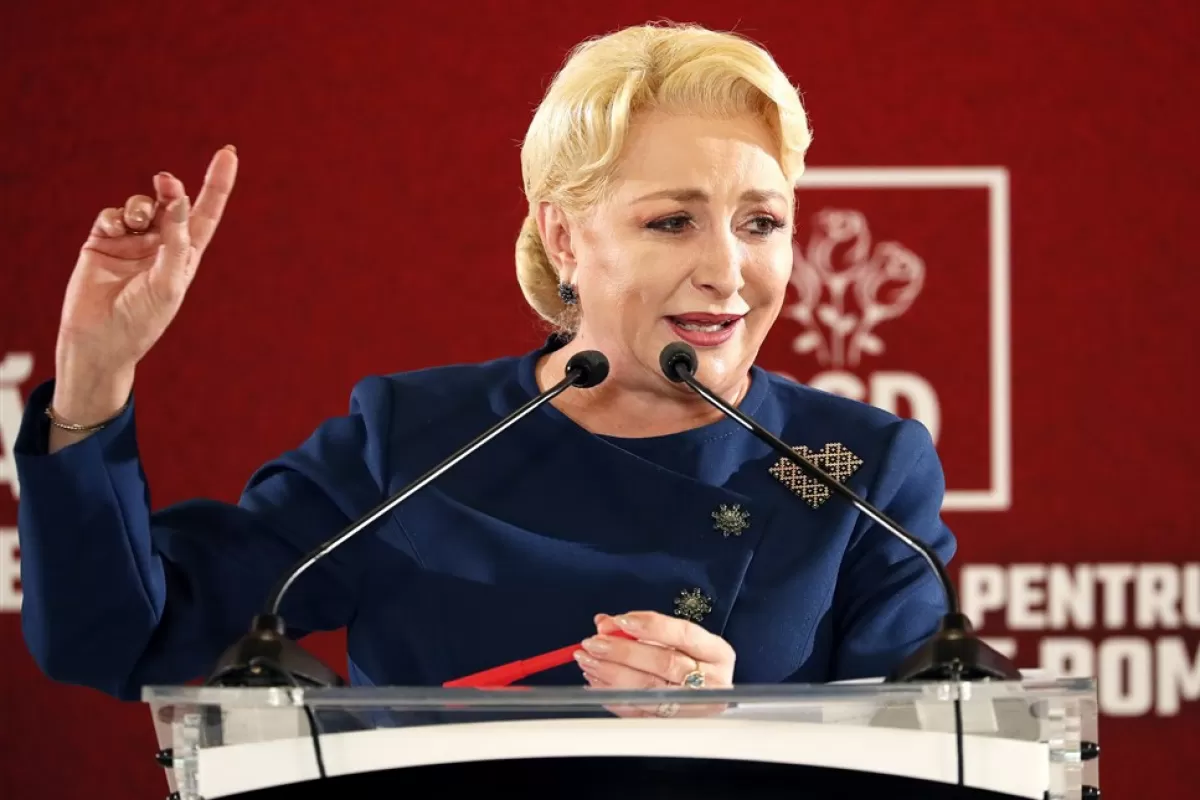
With its sovereignty at the mercy of the great Western powers, Romania is now turning itself into a doormat for Kyiv and dismissed its Minister of Defense, Vasile Dâncu, just because he spoke of peace, according to the former Prime Minister, Viorica Dăncilă. The narrative very much resembles Russia's, according to which Ukraine - the country under attack - is the one that does not want peace. Viorica Dăncilă has also promoted the false narrative that Ukraine undermines Romania’s agriculture and, implicitly, its economy.
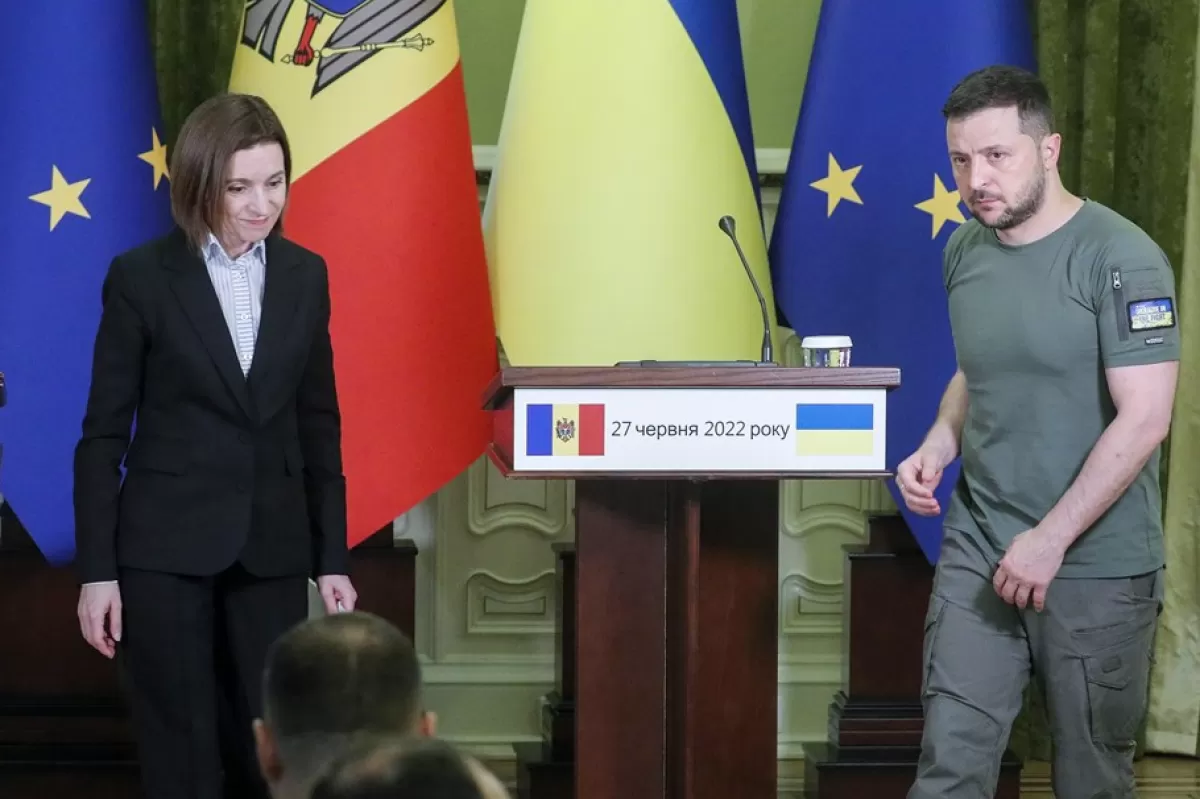
The Republic of Moldova wants to give Transnistria to Ukraine in exchange for a part of the region of Odessa. Kyiv might thus get its hands on the munition warehouse Russia is currently controlling in Transnistria, according to a false narrative disseminated by the Russian media. In fact, a territory exchange was never in the cards. As regards the munition storehouse, the Republic of Moldova has for many years asking that the munition be transferred to Russia and that this country withdraw from its territory.
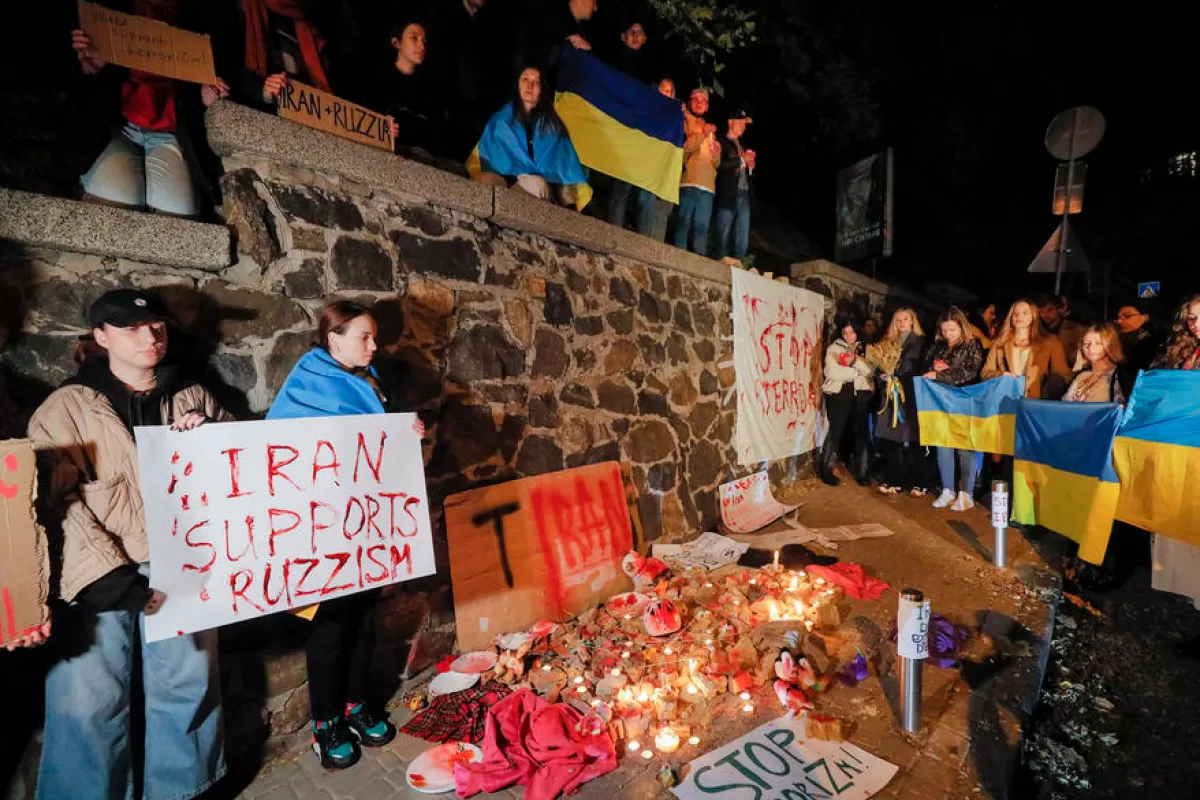
Israel will not provide Ukraine with weapons lest they should be sold to Iran, according to Kremlin-linked media, which deliberately misquotes former Prime Minister Benjamin Netanyahu. In fact, the Israeli politician’s statement is taken out of context, while Israel refused to supply weapons to Ukraine for different reasons.
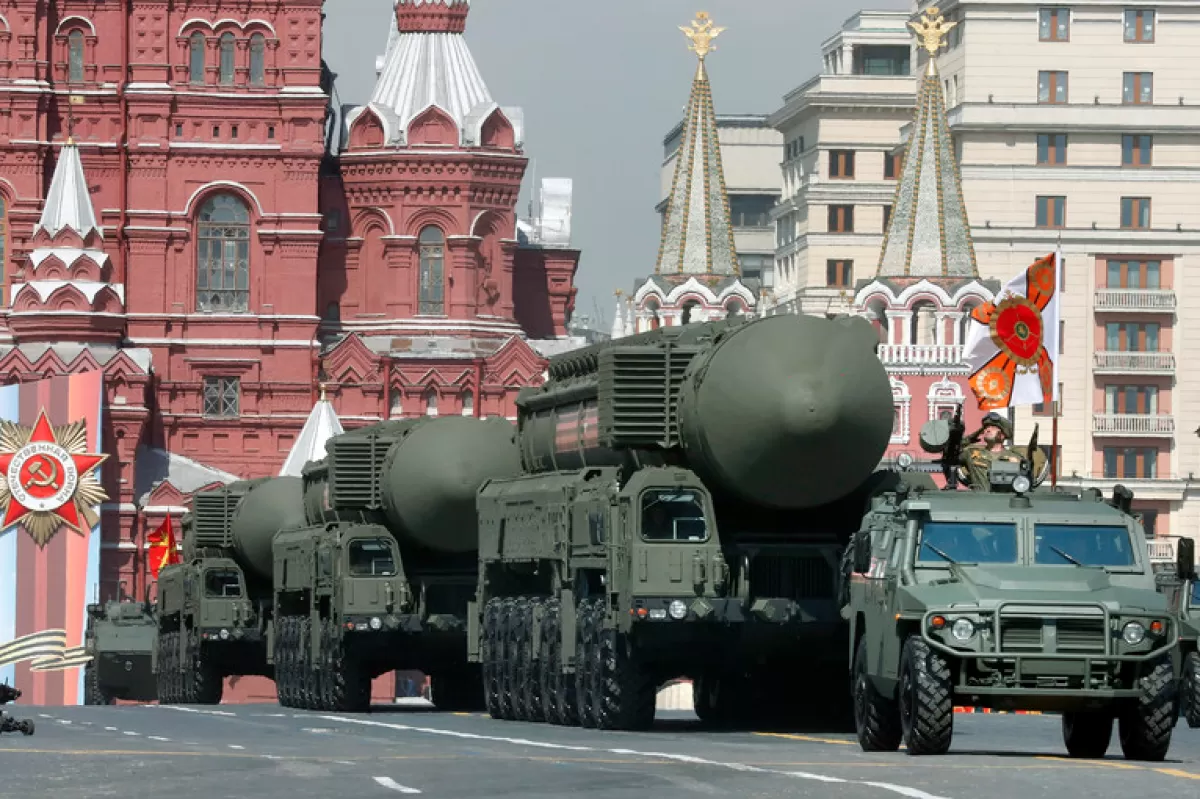
Starting February 24, Russia has been using nuclear blackmail increasingly often, either via propaganda or in the discourse of various officials, from president Putin to the Chechen leader Ramzan Kadyrov. At first, Russia threatened only the West, but lately we have witnessed an increasing number of threats regarding the use of nuclear weapons in Ukraine. Will Ukraine be capable of withstanding a possible nuclear attack and stay in the fight? Are Ukrainian authorities, the army and the people ready for this scenario?
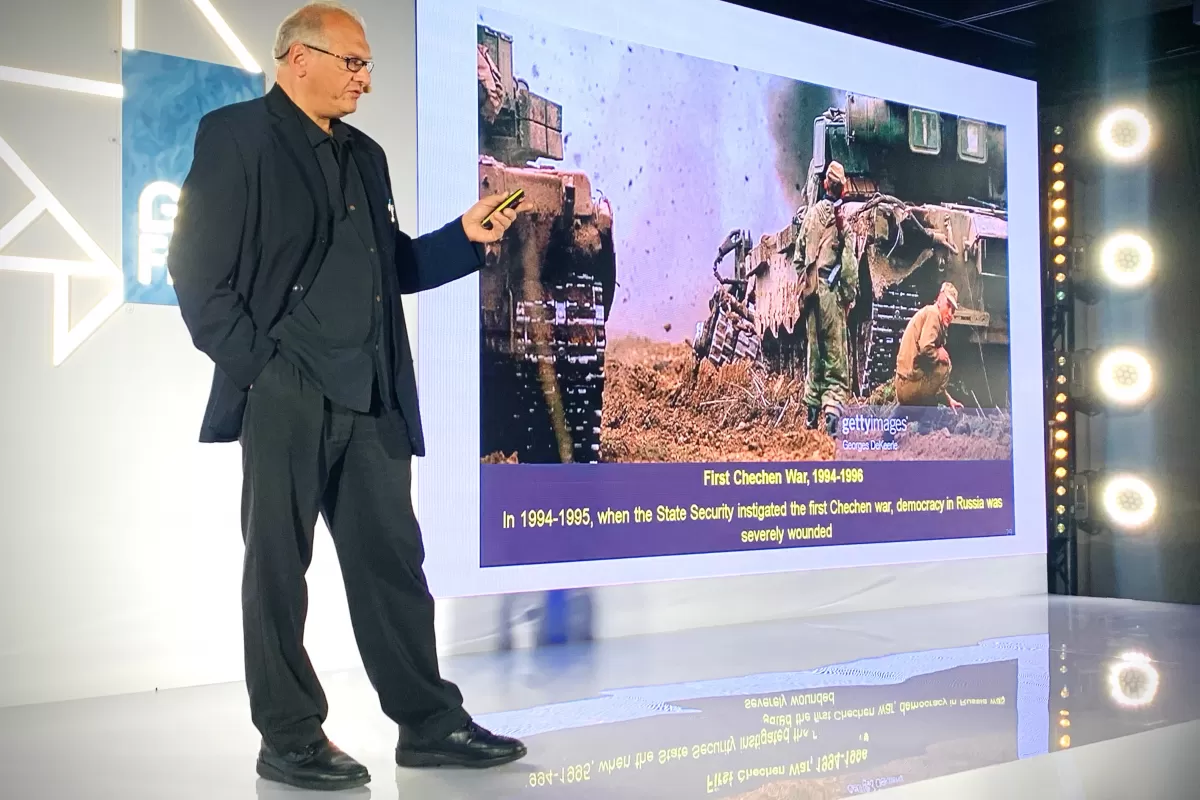
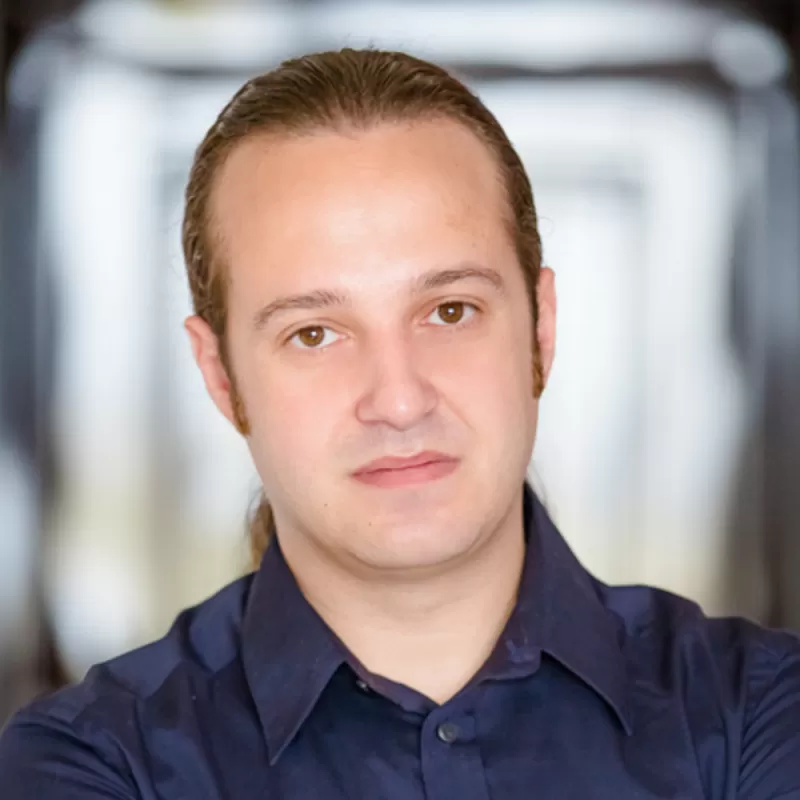
Vladimir Putin’s original plan was to subdue Ukraine without bloodshed and create a joint Russian-Ukrainian-Belarusian army that he could use to conquer Baltic States and the Republic of Moldova, the Russian-American expert Yuri Felshtinsky argues, adding that Moscow’s recent actions suggest, despite all the threats, that no nuclear weapons will be used against Ukraine.
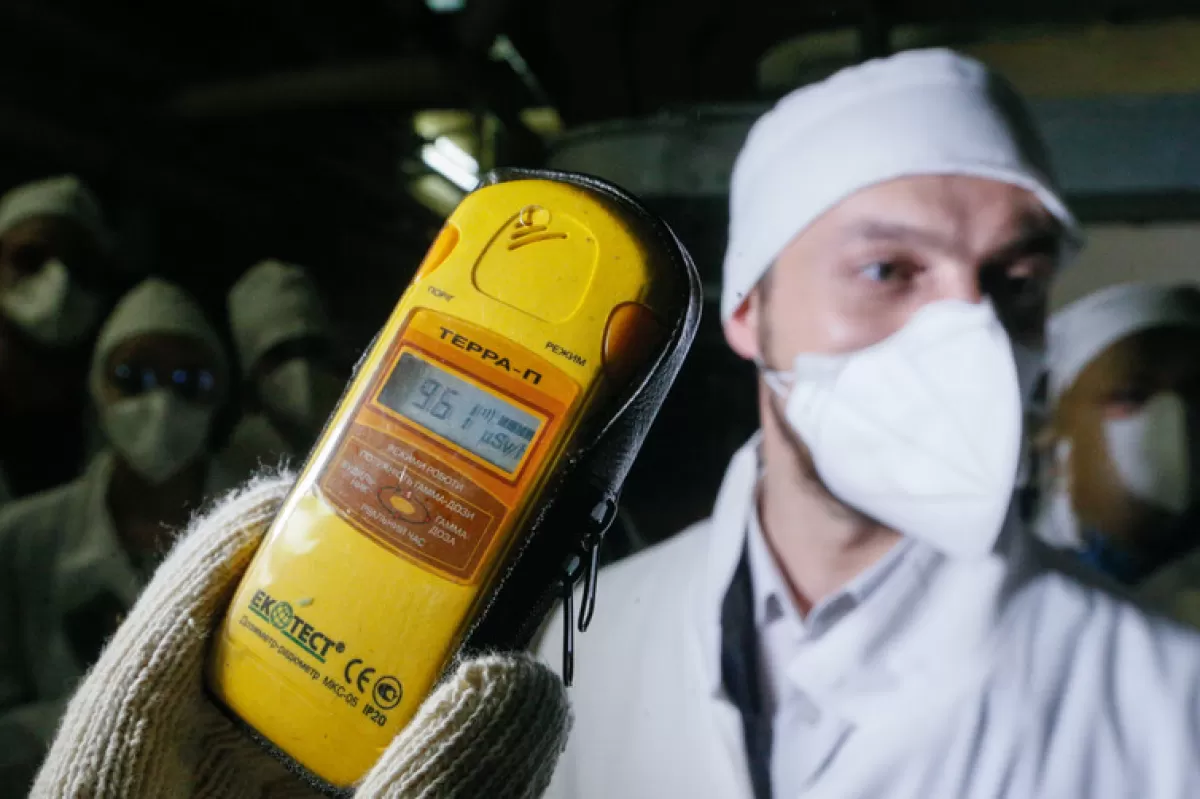
Ukraine's president has ordered the use of a so-called “dirty” bomb, which contains radiological material, in the south of the country, according to a Russian state media propaganda narrative. In reality, Ukraine does not produce dirty bombs, nor does it intend to attack its own population, while nuclear blackmail is increasingly present in the speeches delivered by Russian politicians.
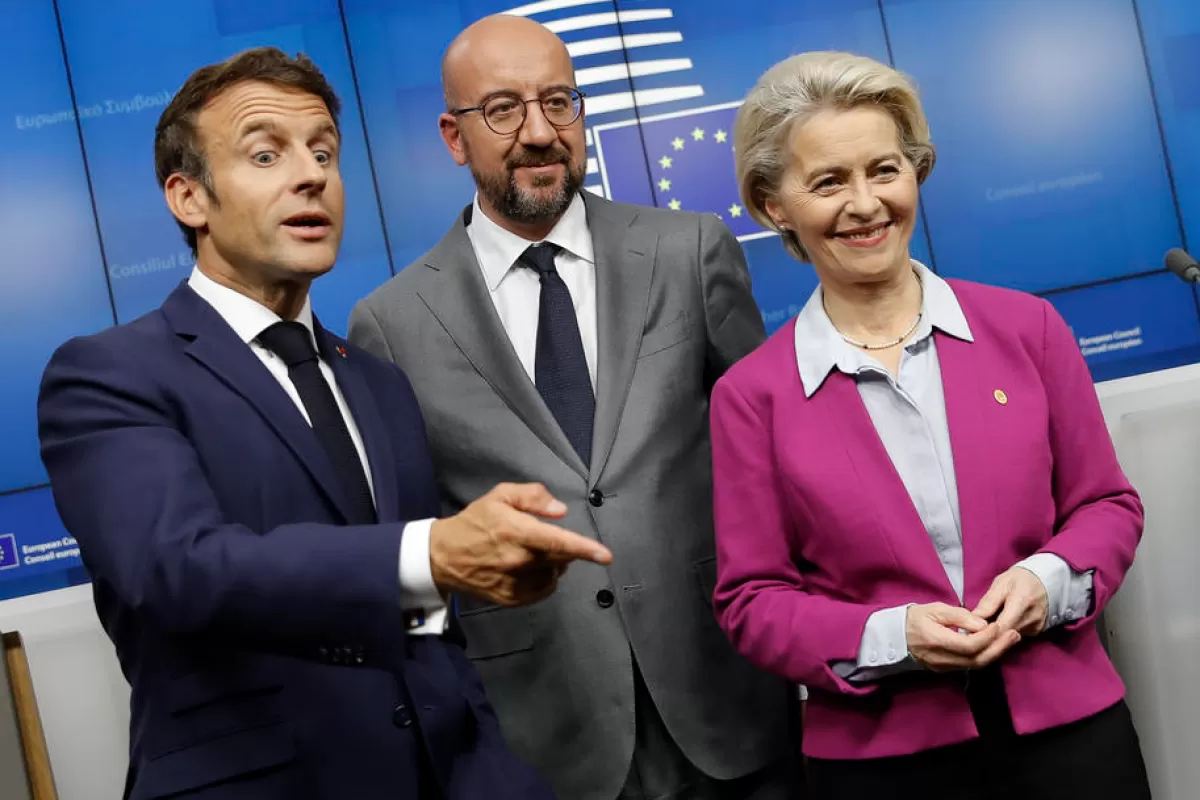
French President Emmanuel Macron's project for a “European Political Community” is back in the spotlight after months of not much talk about it. It is known that the project also targets partner states outside the EU, but it is not at all clear what it means for the countries that want to join the EU; there are fears that, through the formation of the Community, accession could be postponed indefinitely, that the executive in Brussels will support the French proposal.
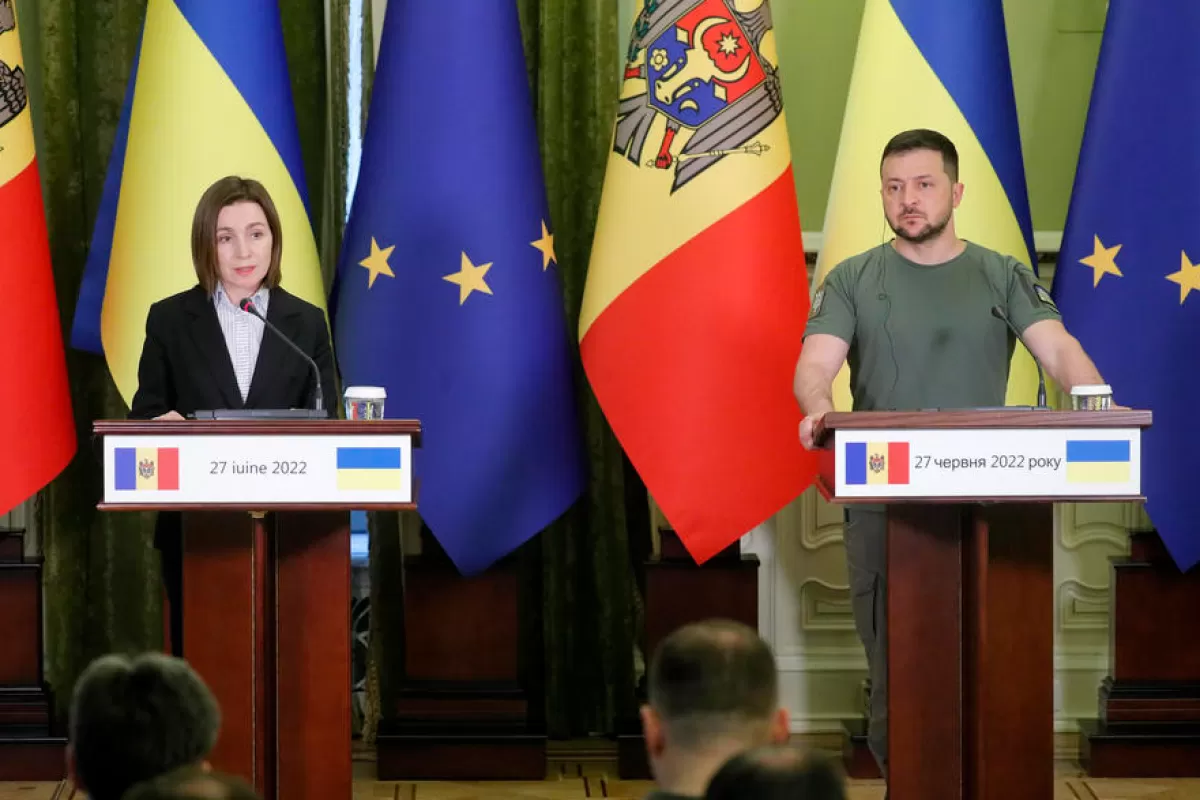
The Republic of Moldova wants to trade territories with Ukraine, conceding Transnistria in exchange for southern Bessarabia and Bukovina, according to a Russian publication that reinterprets a statement made by an MP representing the Moldovan Parliament majority. The same source also picks up on a number of older false narratives about the Republic of Moldova and raises the question of Moscow recognizing the independence of Transnistria.
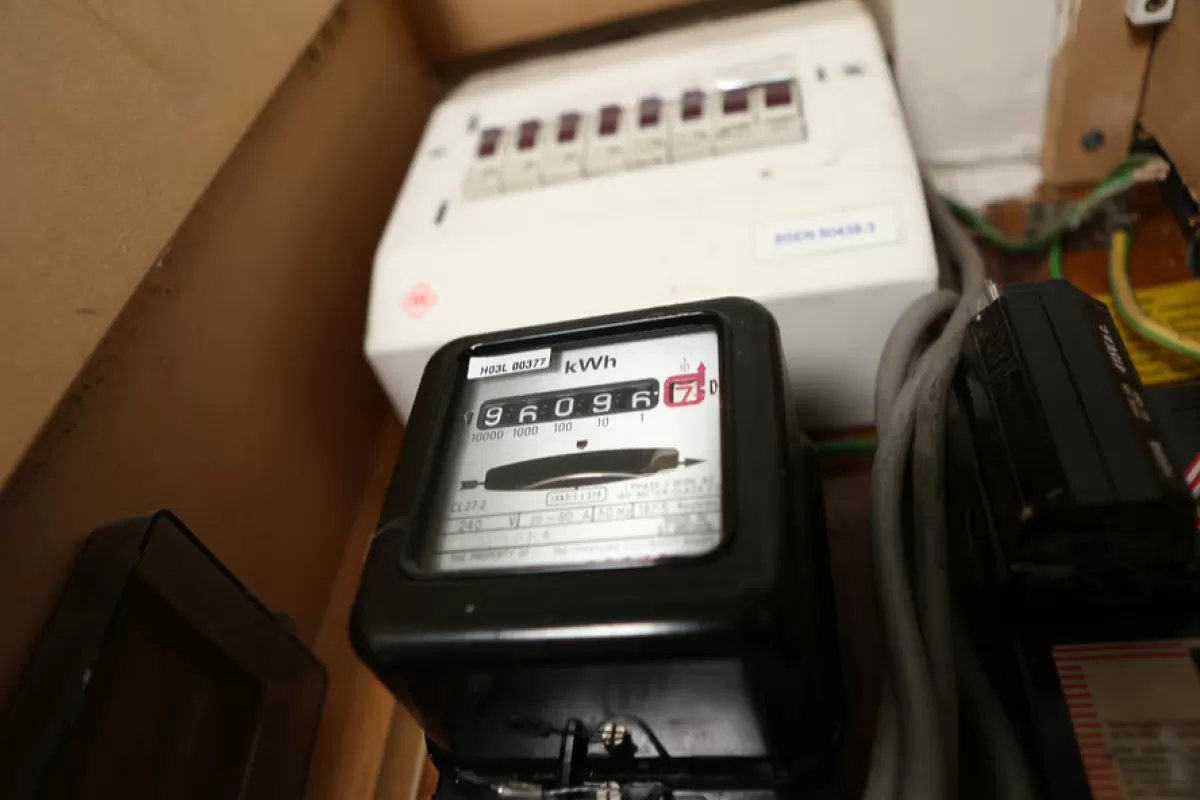
European Union Member States will abandon Ukraine ahead of the cold season lest Russia should suspend its gas deliveries and for fear of a nuclear threat coming from Moscow. To justify their decision, EU countries will play host to a number of protests with the help of the secret services.
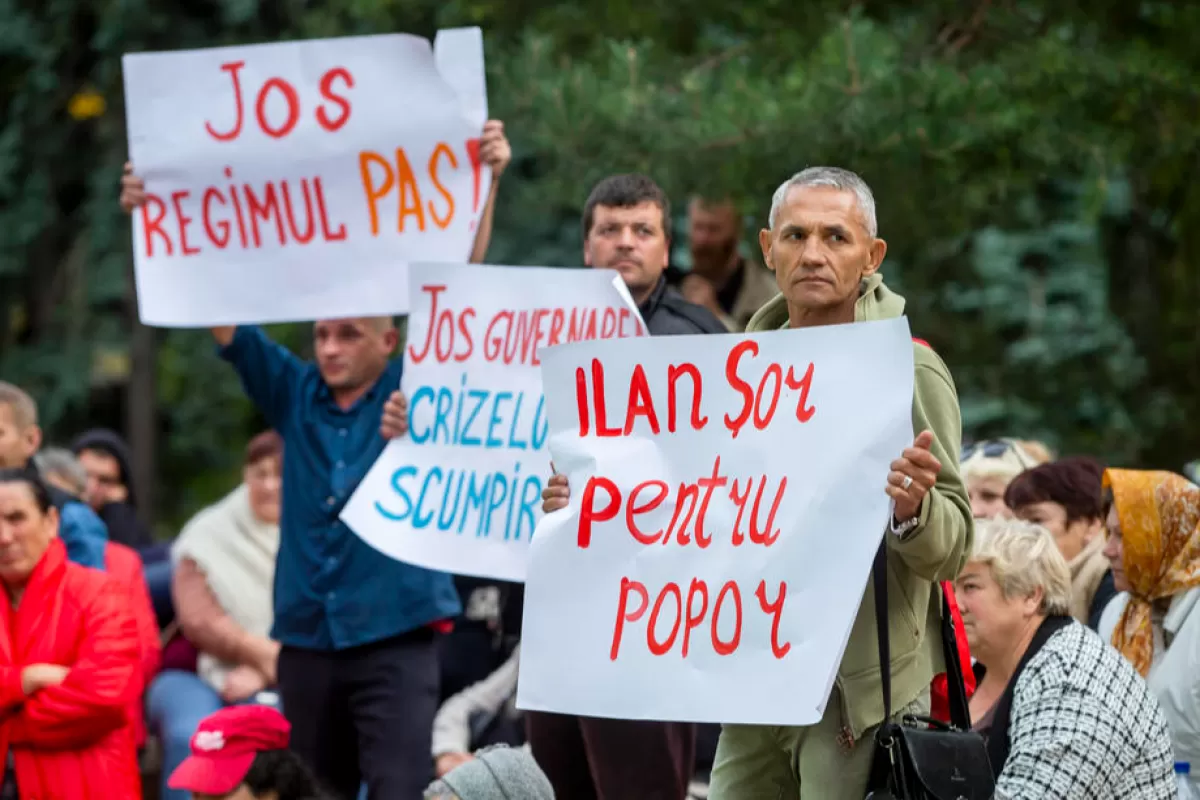
The internal stability of the Republic of Moldova is threatened by pro-Russian politicians who are trying to stir the pot by capitalizing on the numerous crises facing this country. The most vocal of them are politicians who’ve had run-ins with the law, such as Ilan Shor, the mastermind behind the “billion-dollar theft”, as well as former Socialist leader Igor Dodon, indicted on five distinct charges. Aware of their schemes, Moscow uses energy exports as blackmail.
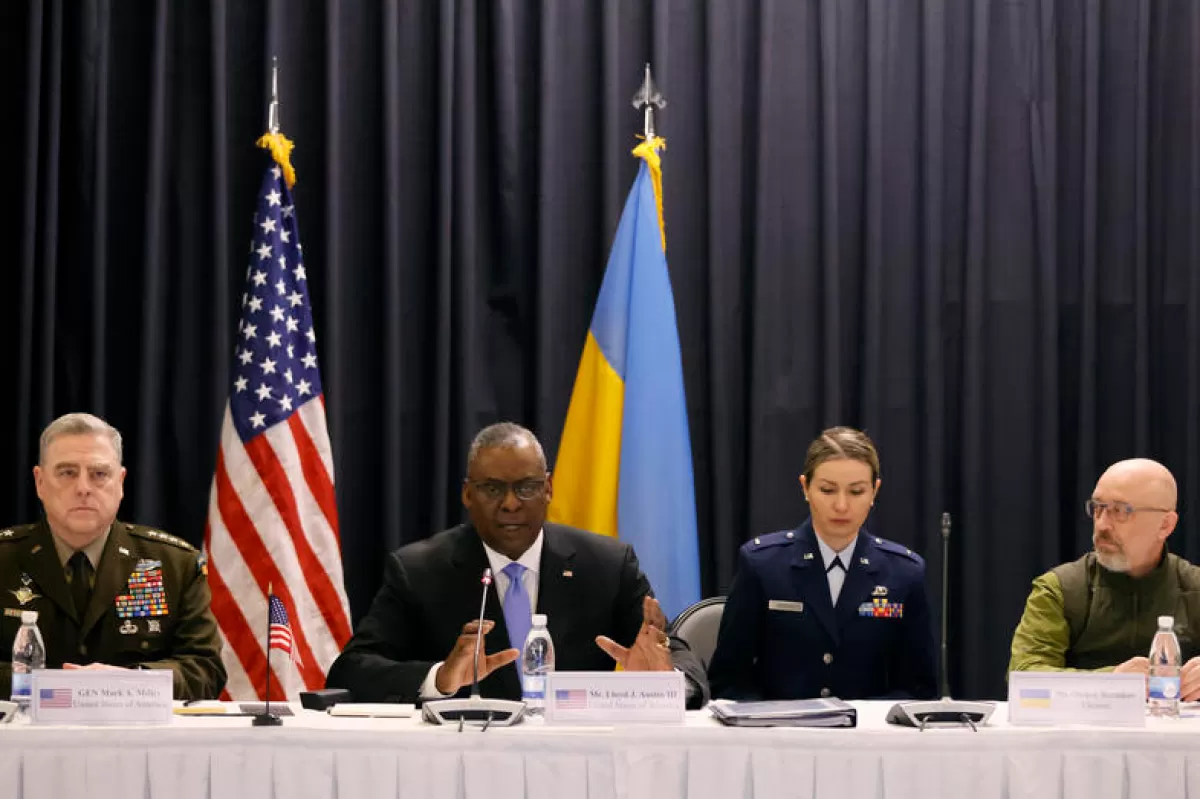
The Ukrainian Defense Ministry said it no longer trusts its Western partners, who don’t want peace in Ukraine, reads a propaganda narrative published by the Russian state media. Oleksii Reznikov’s statement was taken out of context. The Ukrainian official referred to a prospective multilateral peace agreement once Russia has surrendered and a constructive dialogue with the West.
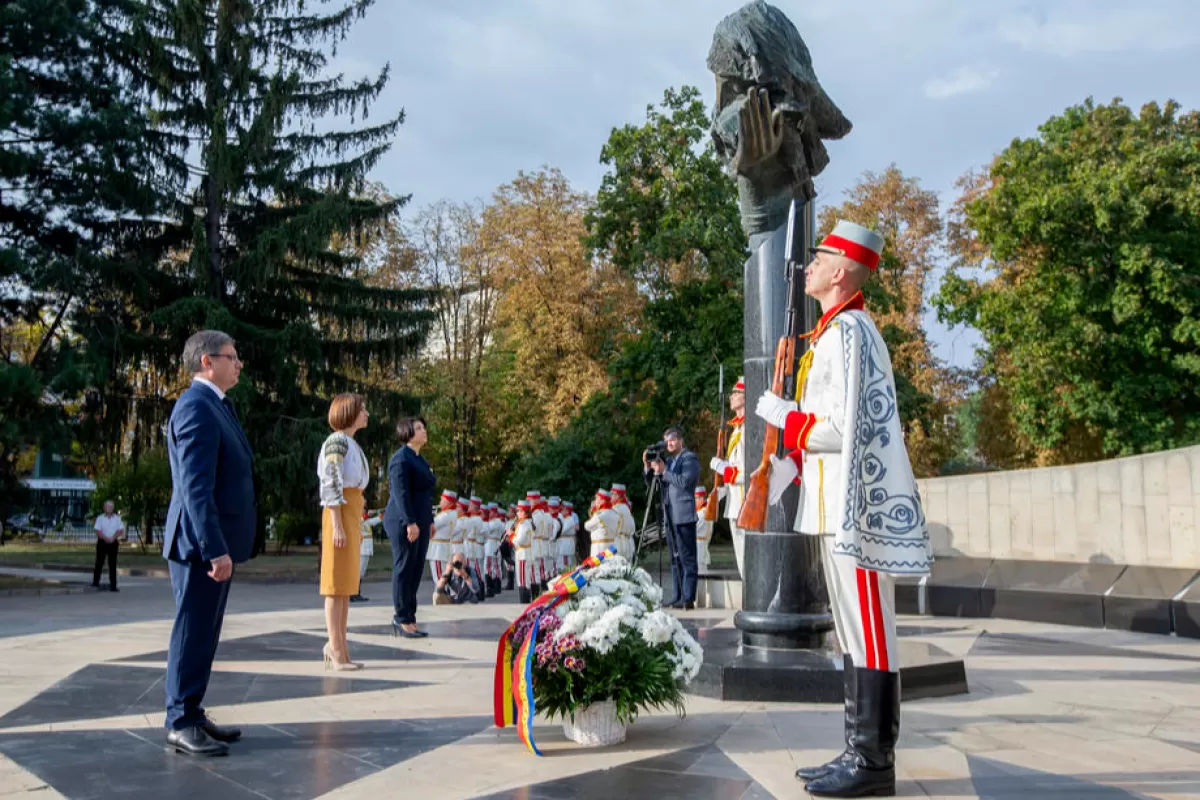
The Republic of Moldova has increasingly distanced itself from Russia since the pro-European forces came to power in Chisinau following the early parliamentary elections of July 2021. The new government has taken a series of measures to reduce Moscow's influence and the dependence on it and sought, at the same time, to get in line, as much as possible, with the Western stands.
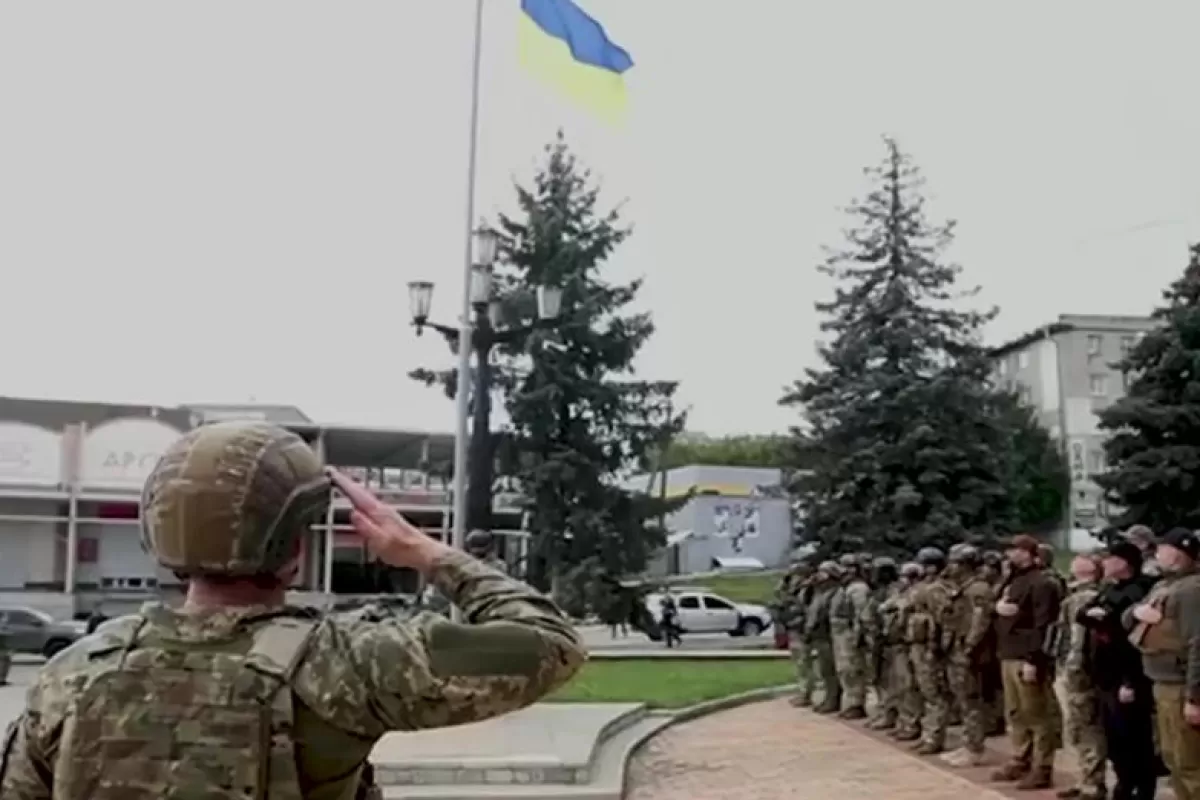
The successful counteroffensive of the Ukrainian armed forces in the Kharkiv region was not just the result of good tactical planning, but also a consequence of pro-Ukrainian sentiment at society level, determined by the country’s history, its invaluable cultural legacy and the positive experience of the first two phases of fighting off the Russian aggression.
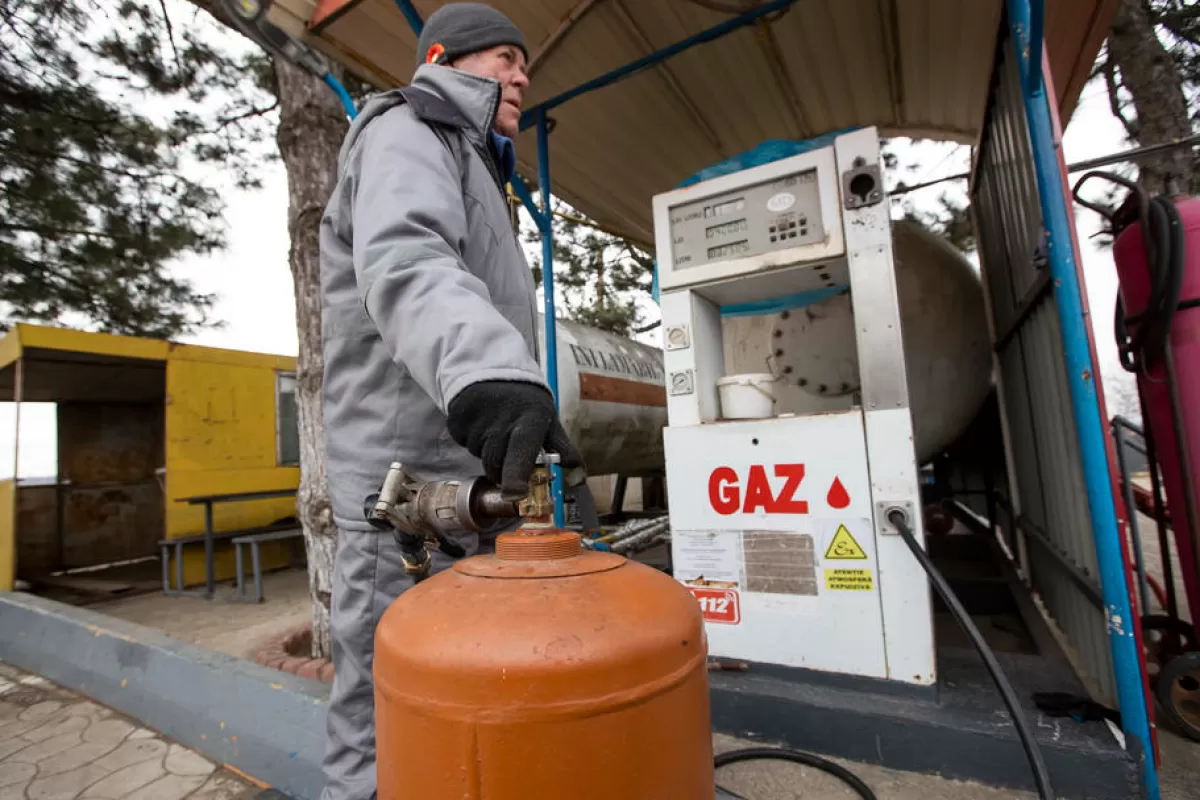
The Republic of Moldova could face a number of serious challenges this autumn, given that Russia wants to bring this country back into its orbit. At domestic level, Moscow is expected to use any leverage it has in the separatist region of Transnistria and in Găgăuzia. Adding to these pressure points will be the country’s energy concerns.
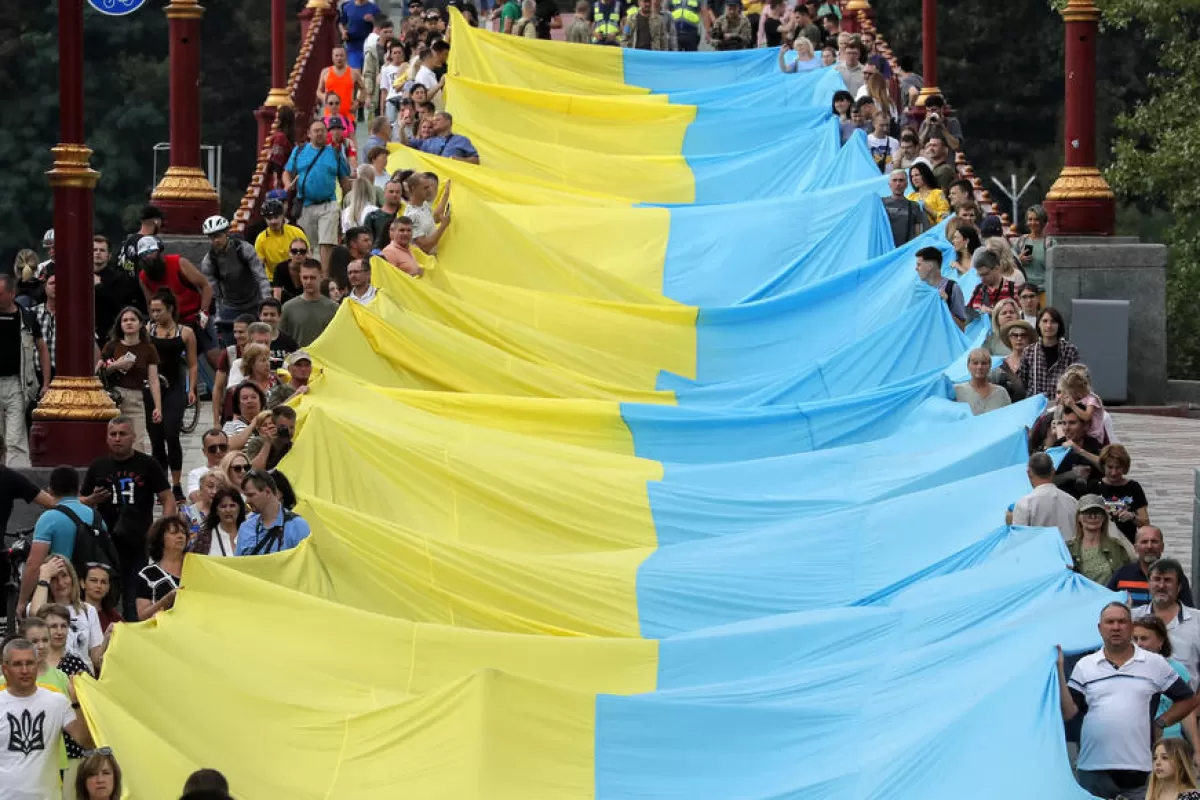
Most Ukrainians believe their country will win the war against Russia, reads a recent survey carried out by the International Republican Institute. The study also reveals that Ukrainians continue to argue in favor of Euro-Atlantic integration, although their perception of NATO reported fluctuations due to delays or readiness to provide military assistance, and they remain critical of their elected officials, despite the war.
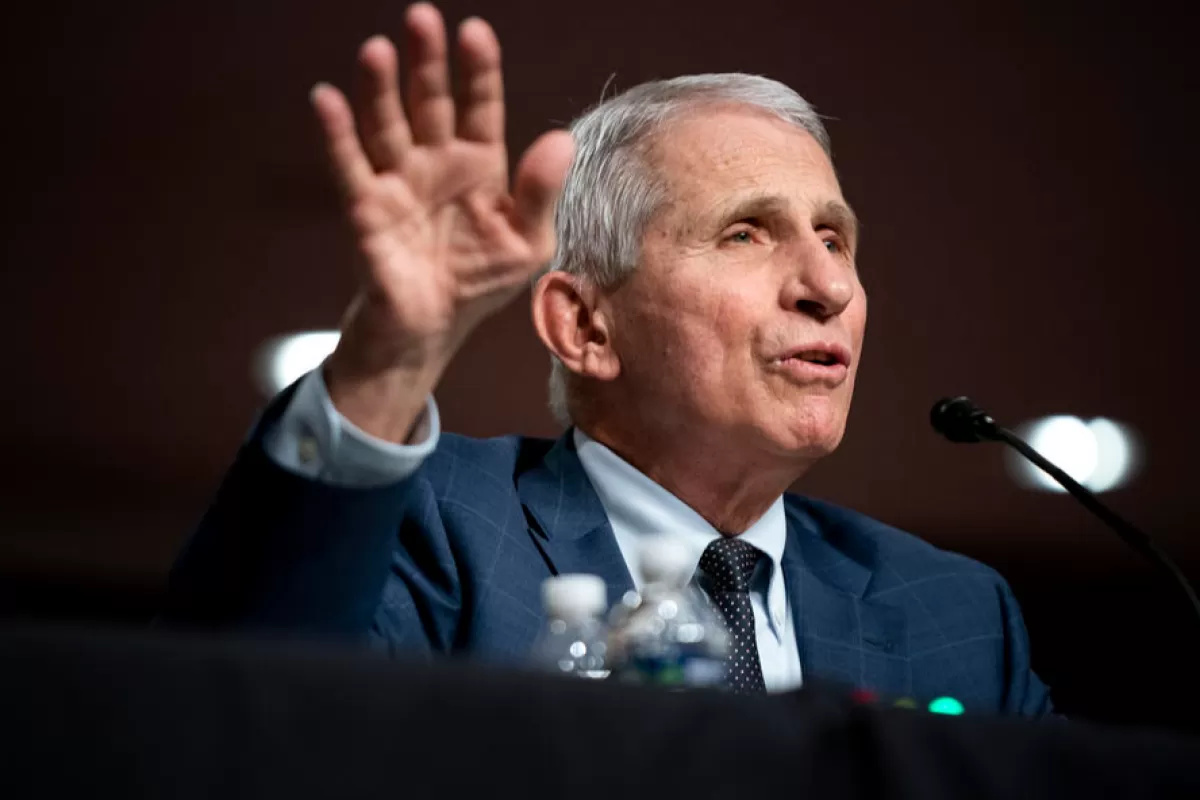
The former US chief epidemiologist has publicly admitted that US laboratories in Ukraine were involved in the production of the coronavirus, according to media in Russia and in the self-proclaimed Luhansk republic. The so-called news is a fabrication: there is no statement by Anthony Fauci regarding the production of viruses or other biological weapons in Ukraine.

Uncertainty linked to the official language of the Republic of Moldova, 31 years after this country proclaimed its independence, reflects just how hard defining and accepting a national identity has been. The country’s inability to settle linguistic disputes and break away from “Moldovenism”, a Soviet construct, is one of Chișinău’s many failures: after 31 years of independence, the country is still unable to fully control its territory and to ensure its energy and military security.
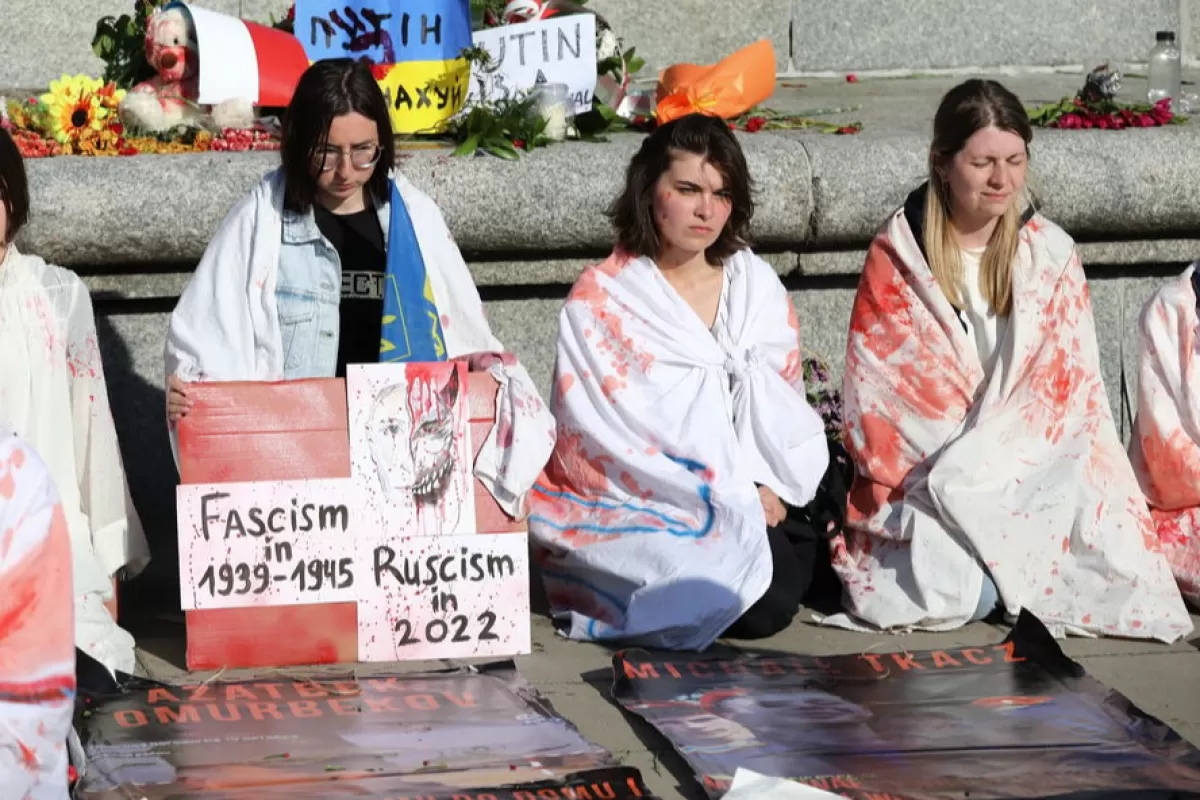
Due to Kyiv’s propaganda efforts in the last eight years, Ukrainians fail to understand that the Russian soldiers are there to liberate them, and mistakenly believe Russia is the occupier, according to false narratives promoted by Kremlin-linked media. In fact, Russia launched a conquest war, provoking the death of thousands of people and wide-reaching destruction.
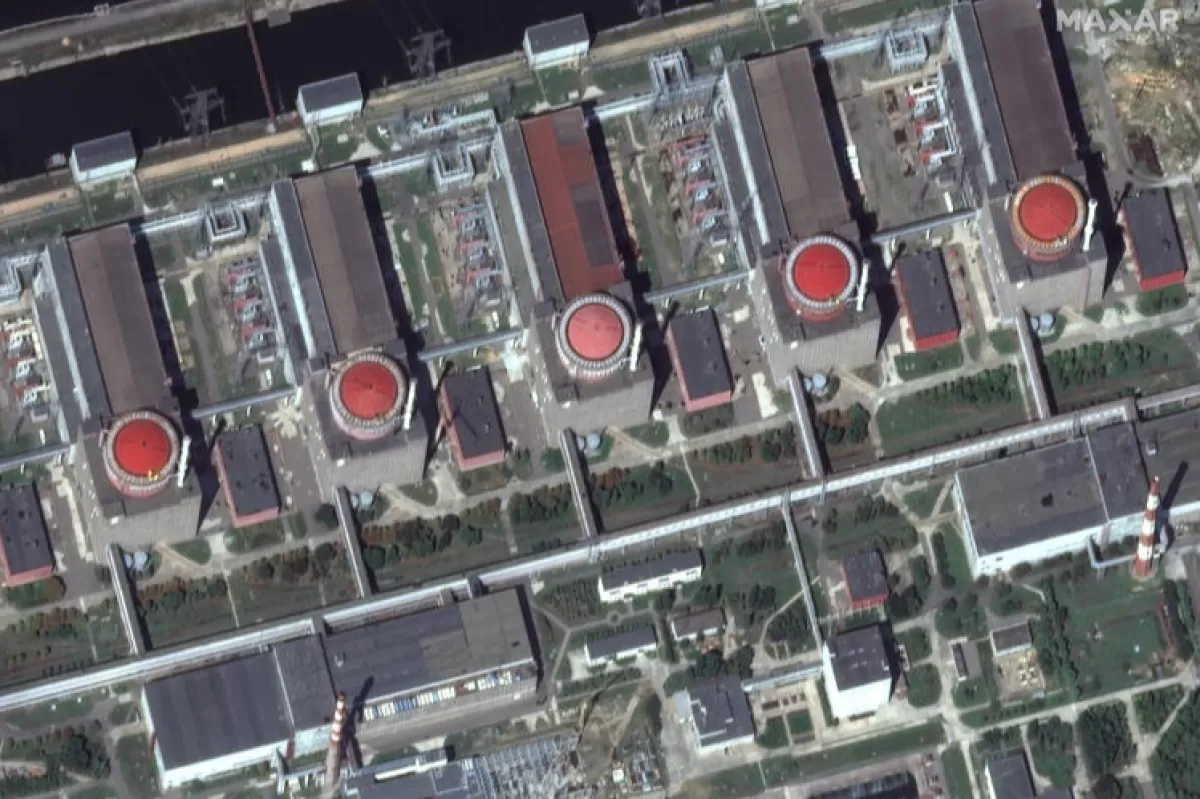
The United States wants a nuclear disaster to happen at the Zaporizhzhia NPP in order to wipe out any evidence of their biological weapons labs, reads a false narrative disseminated by the Russian government media. In fact, no Western state wants to see a nuclear incident, all the more so as it might have a powerful global impact, whereas the laboratories manufacturing biological weapons in Ukraine are a fabrication of Russian propaganda.
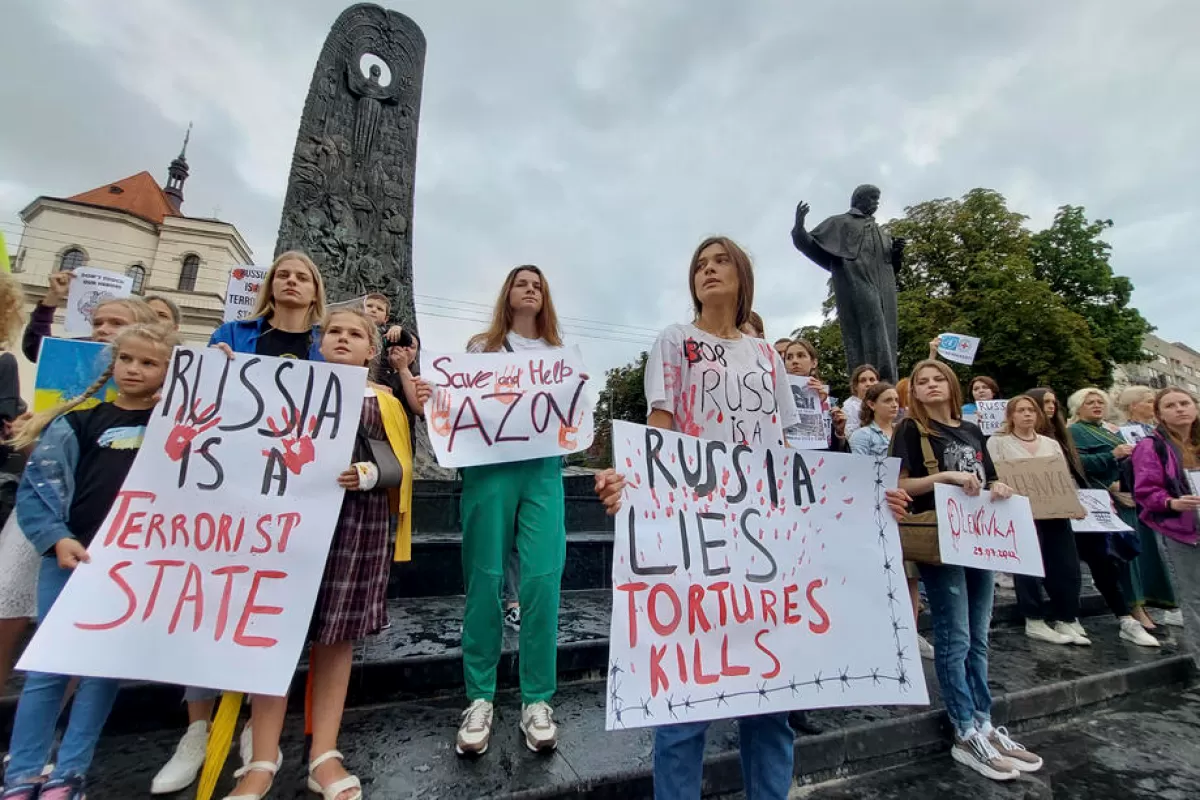
Putin's objective to bring the neighboring country back into Moscow's orbit and into the so-called “Russian world” seems, more than ever, doomed to failure: Ukrainians no longer believe in the possibility of a reconciliation with Russia even after the fall of the Putin regime. The majority of Ukraine's population now wants European integration, but does not seem willing to accept all the EU's conditions.