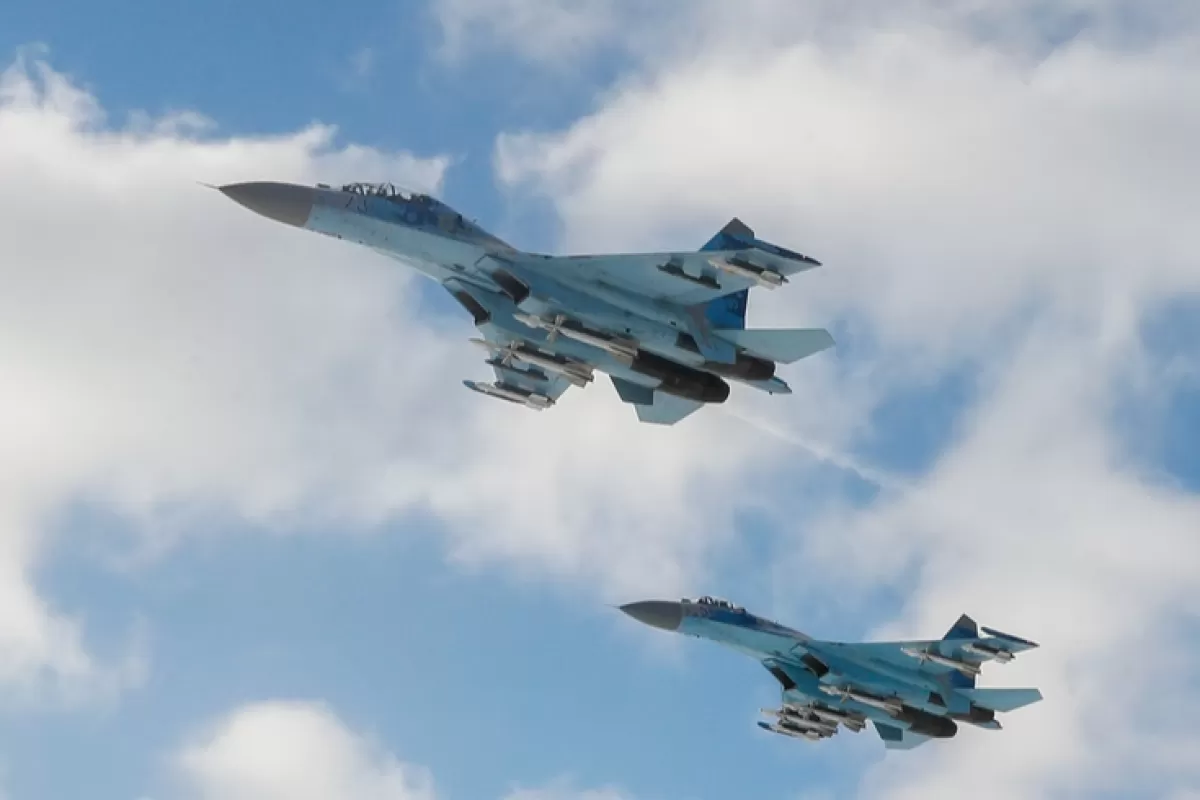
Romania will help Ukraine recapture Kherson by using the Ukrainian fighter jets on its territory, the Russian state media writes. In fact, Romania does not host any Ukrainian military aircraft, and Bucharest has shown no signs of considering getting involved in the war.
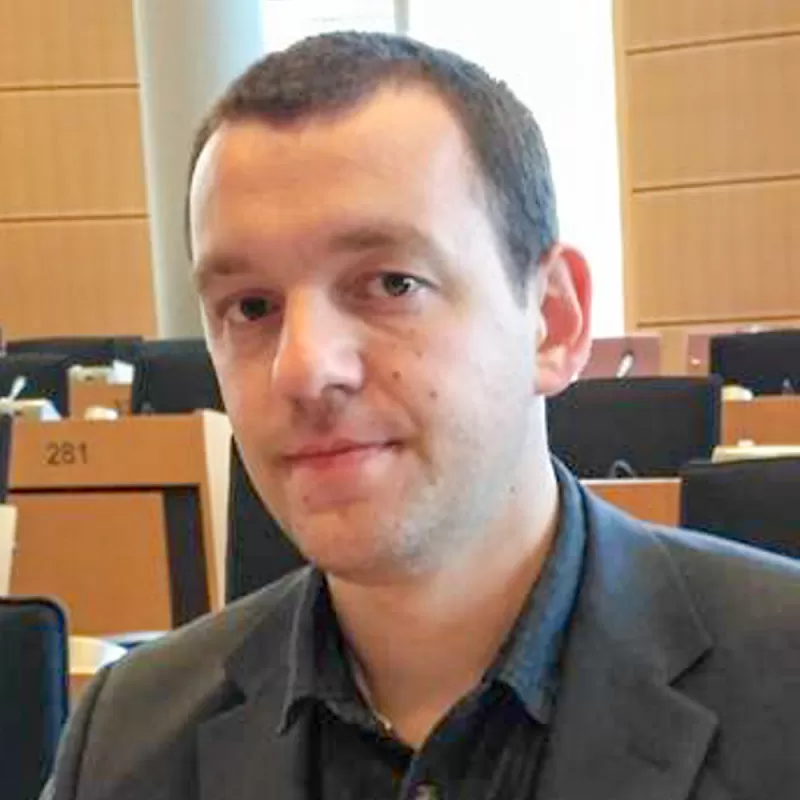
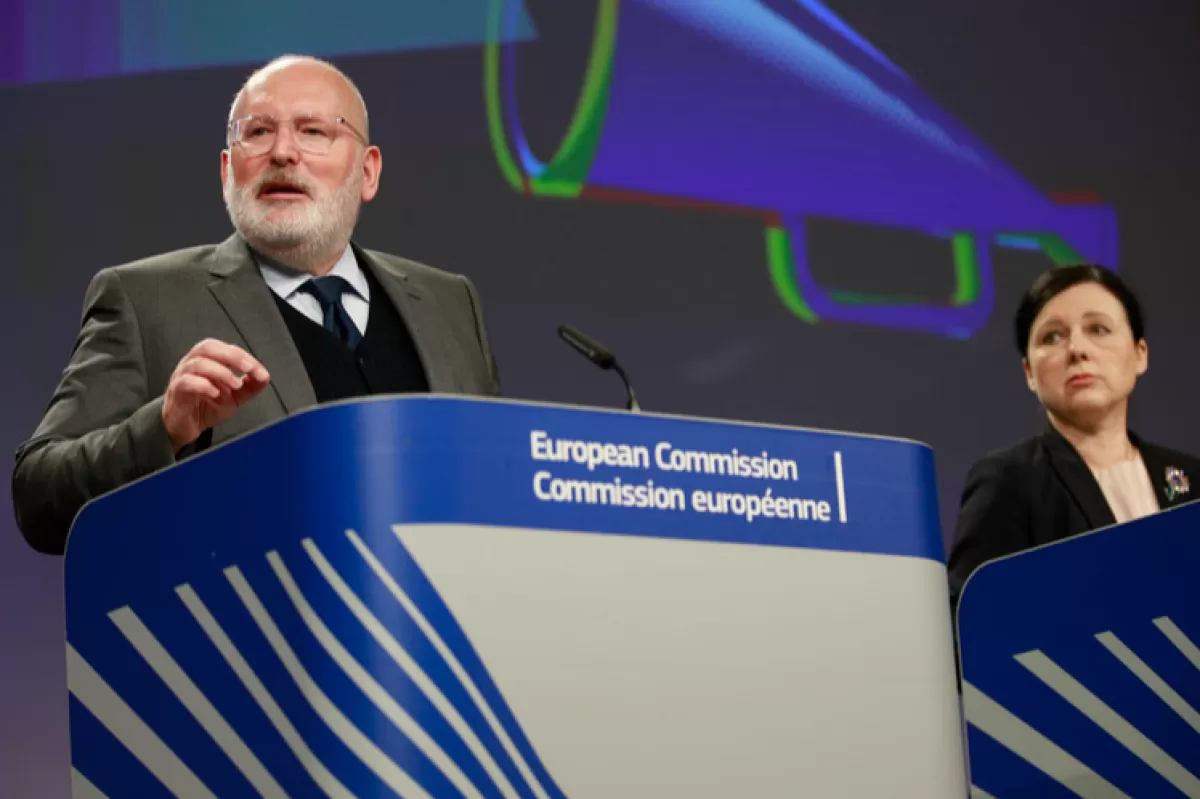
Whistleblowers are “snitches”, much like the former informers of the Securitate in the communist period, according to a false narrative promoted in Bucharest by an actual ex-informer, Sorin Roșca Stănescu. The narrative has been circulated in the context of the adoption of a whistleblower law by the Chamber of Deputies, robbing the former of whatever protection they were offered under EU law.
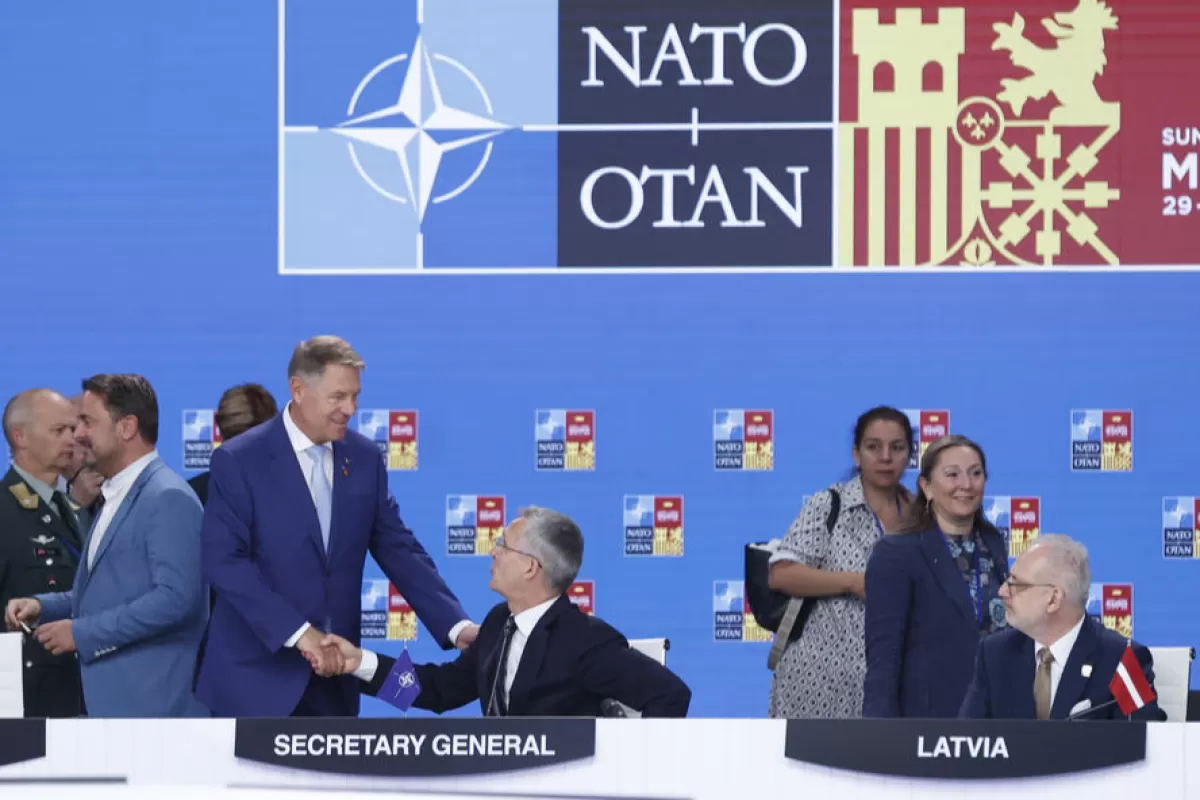
The regional context of the Russian invasion of Ukraine has inevitably led to a change in NATO's Strategic Concept. Accents have changed, and Russia has turned from a strategic partner of NATO into a “direct threat” to the security of the member states of the Alliance, as well as to some of their neighbors, including the Republic of Moldova.
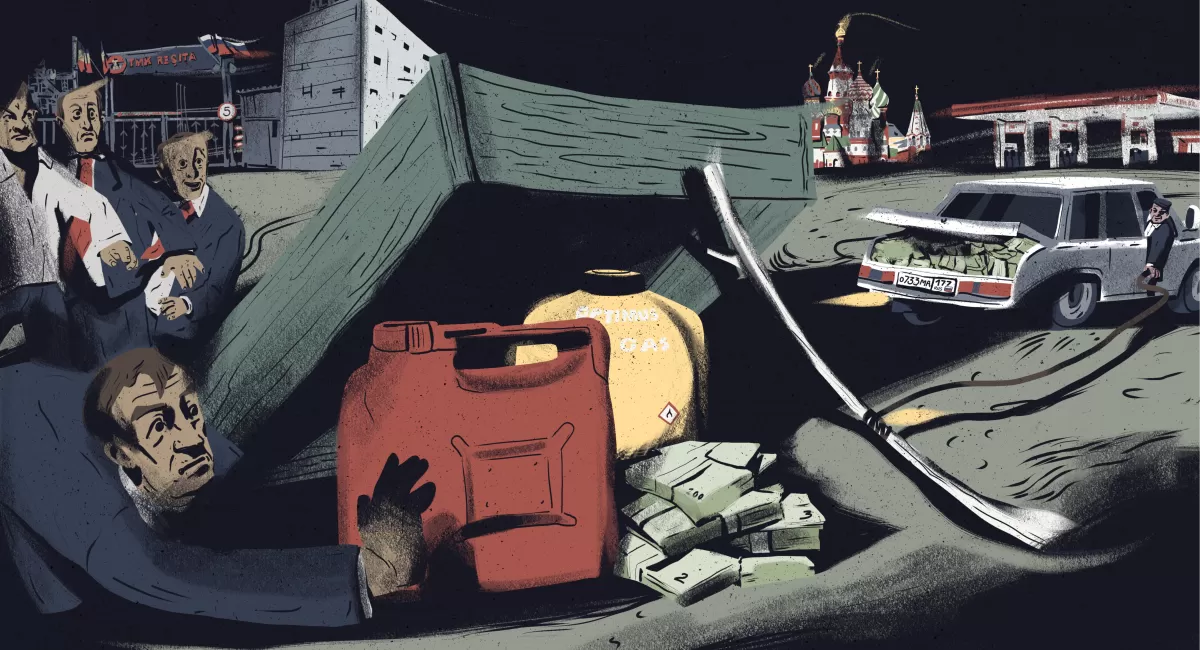
In theory, Romania is not overly reliant on Russia in economic terms. Trade relations are limited, the number of Russian companies operating on the Romanian market is relatively small, and Romanian imports of oil and gas from Russia are incomparably lower compared to those of other EU countries. Over the years, however, Russian oligarchs, most of whom are connected to the Kremlin, have taken possession of huge chunks of certain sectors of the Romanian economy. Adding to these economic levers are political ones too – there are Romanians who, consciously or not, are playing into Moscow’s hands. It’s a strategy Russia has been applying ever since the 1990s in most ex-communist states.
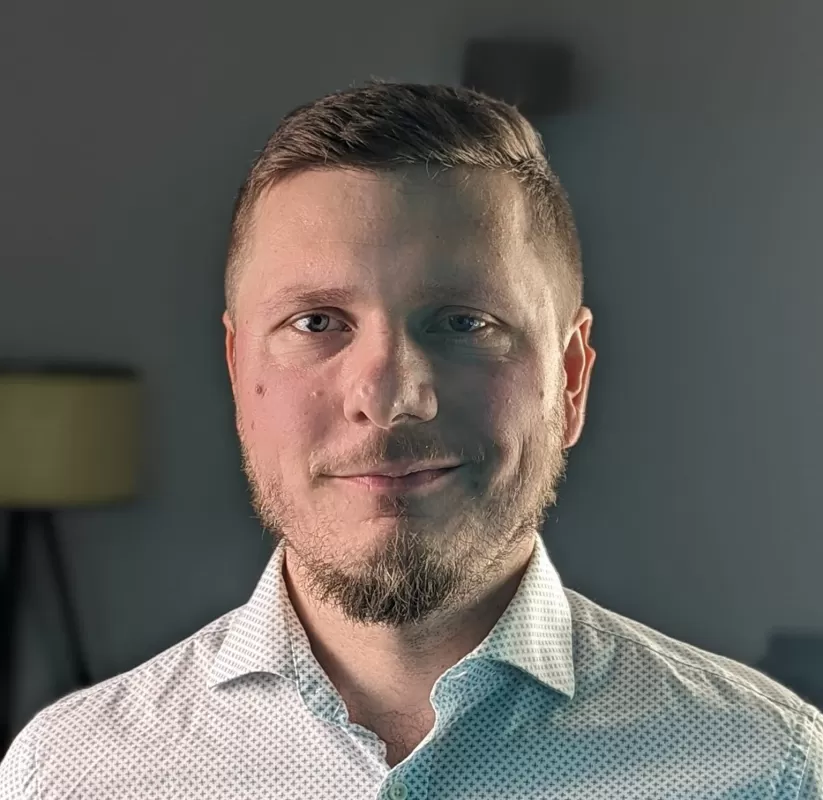
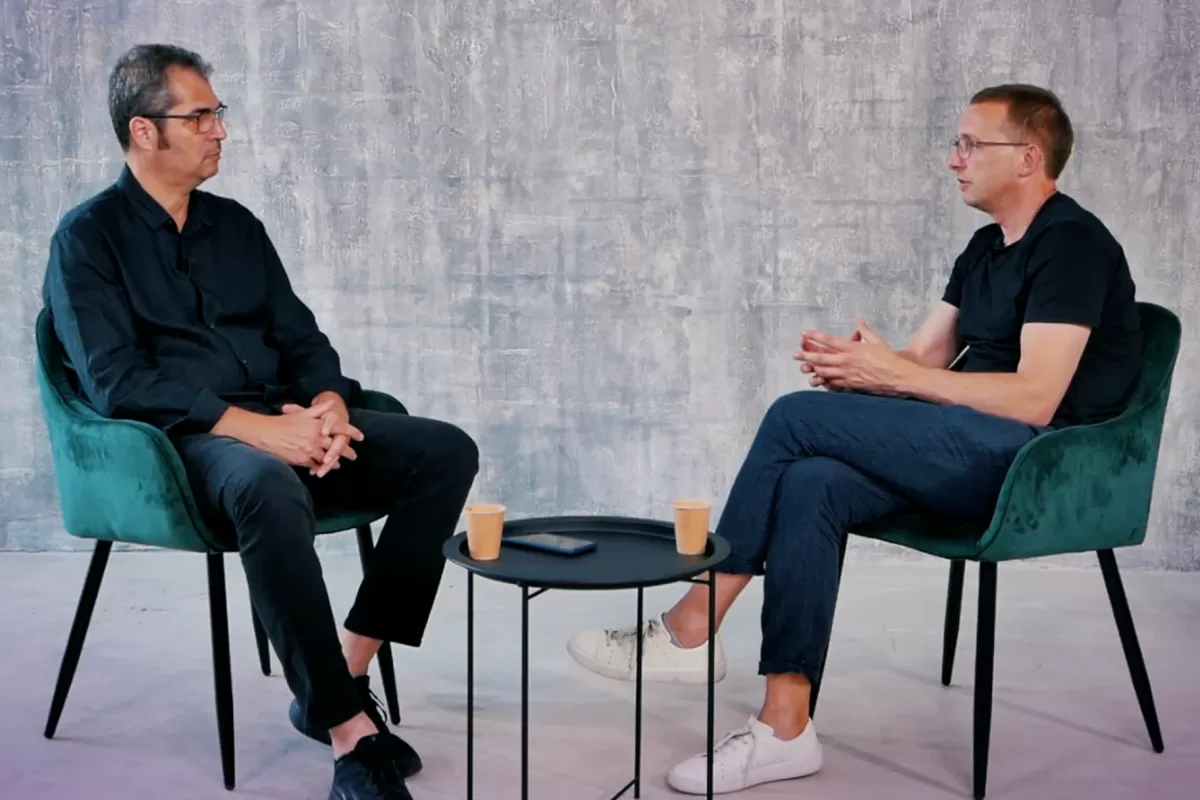
Vladimir Soloviov is a Russian journalist based in the Republic of Moldova. He writes for Kommersant. Veridica spoke with Mr. Soloviov in Chisinau about the political developments in the Republic of Moldova, Russia’s imperial claims and the war in Ukraine, but also about the almost non-existent relationship between Russia and Romania.
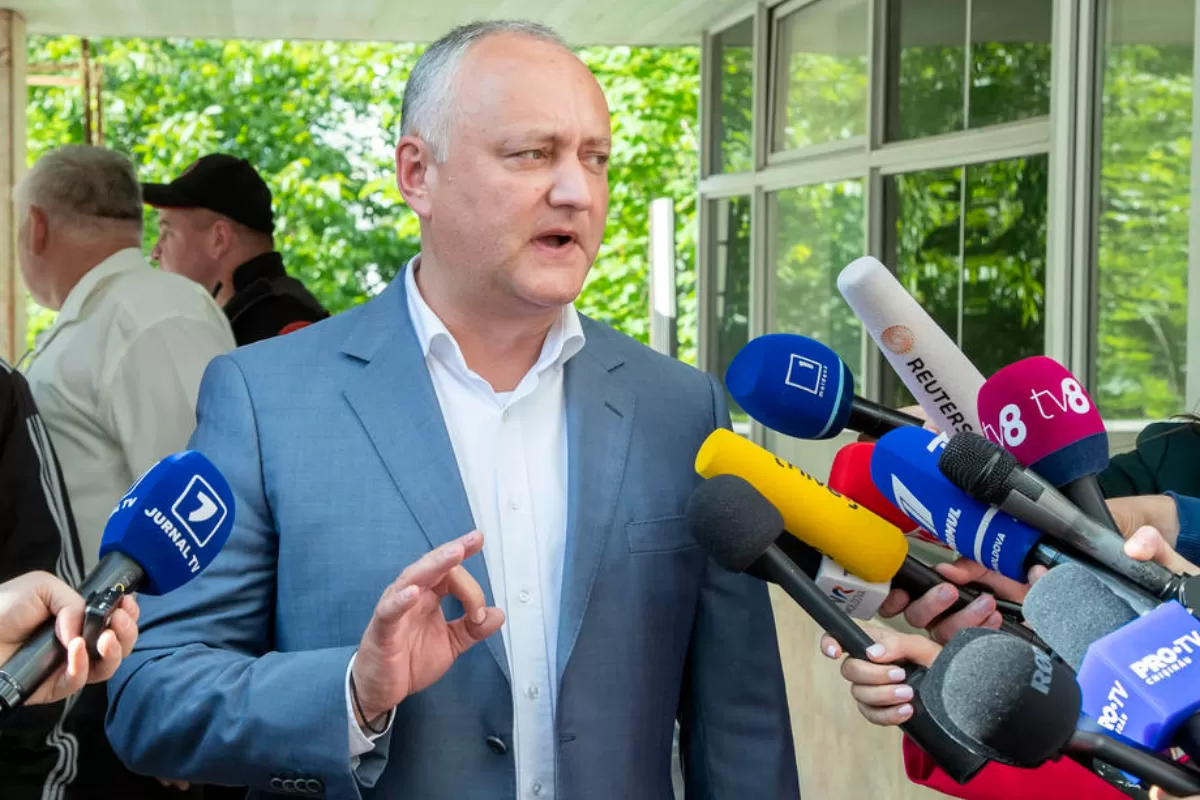
Moldova is undergoing an economic crisis, and the Government and the West is providing it with weapons for the war in Ukraine, while at the same time preparing the unification with Romania. The narratives were launched by former president, Igor Dodon, and were amplified by the pro-Socialist and Russian media.
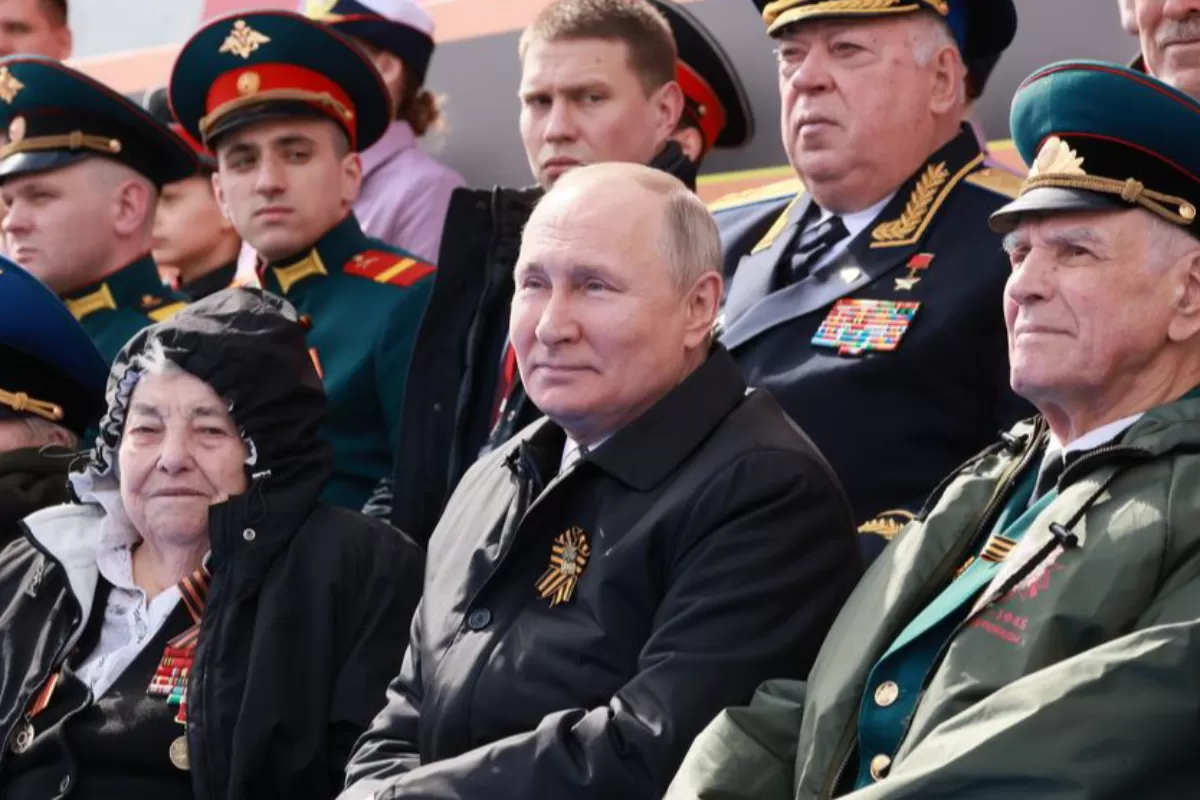
Outside Russia, Moscow’s representatives and supporters tried to mark Victory Day in ex-Soviet and ex-communist countries, but in most cases, their actions were overshadowed by protest actions against Russia’s acts of aggression or demonstrations of solidarity with Ukraine. Veridica’s contributors in ex-Soviet and ex-communist states have closely followed May 9 celebrations.
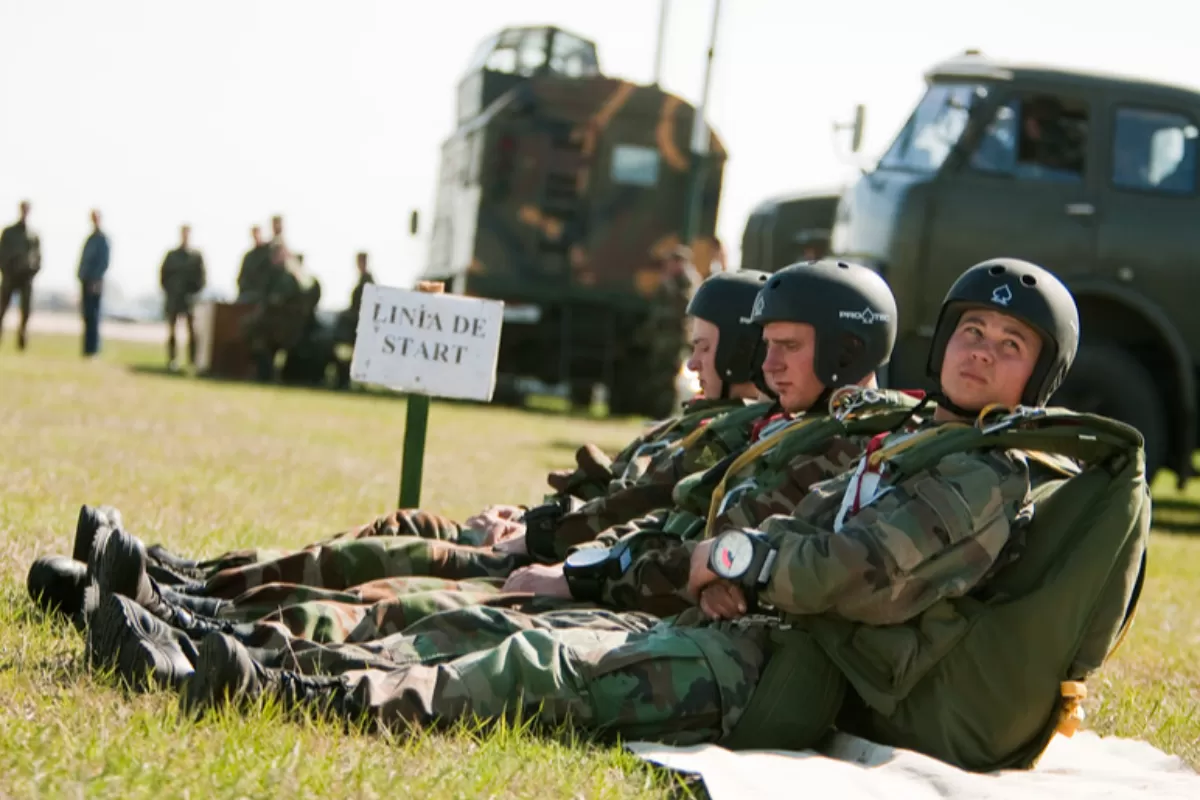
The Government in Chișinău wants to renounce the neutrality status of the Republic of Moldova, while the West is providing this country with weapons to turn it into a living shield against Russia, the pro-Kremlin website politnavigator.net writes, reiterating narratives about Romania’s military presence in the Republic of Moldova and military support Moldova is allegedly providing to Ukraine.

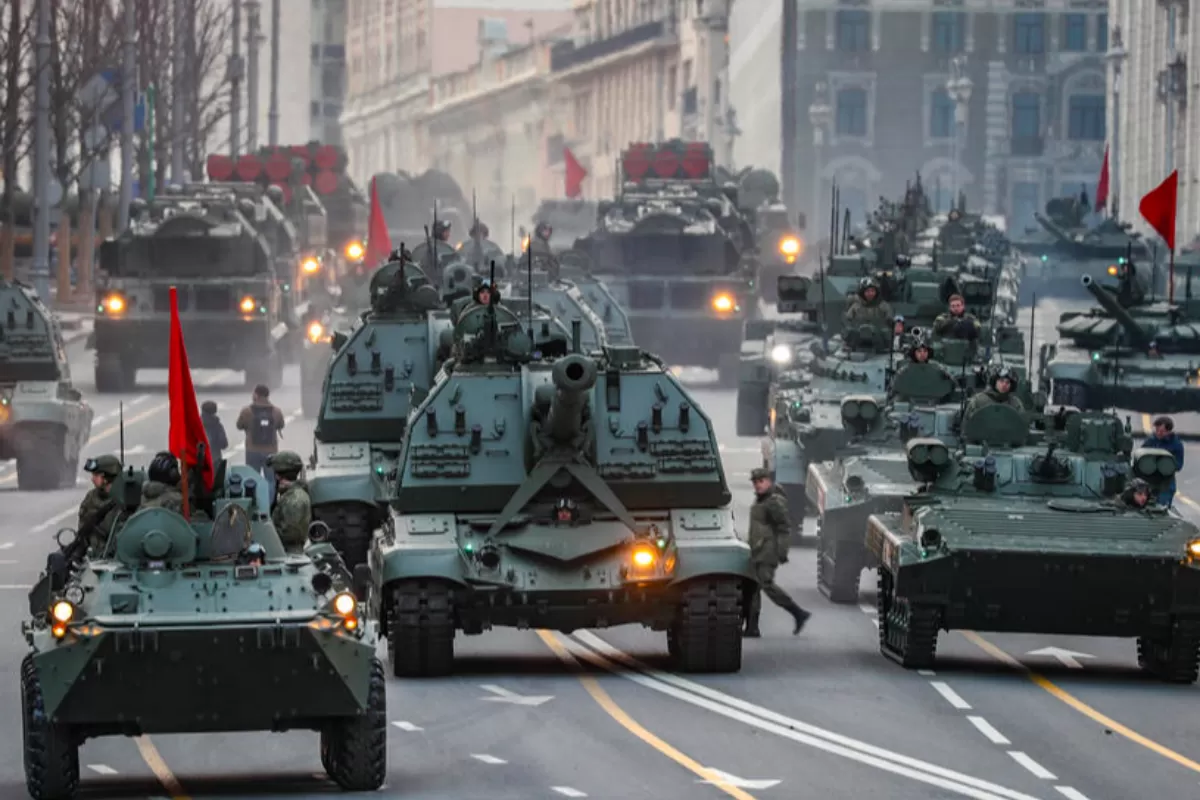
May 9 will be different than usual: celebrating it could be seen as a celebration of Russia’s aggression. While waiting for the events in Moscow and elsewhere to unfold, Veridica has set out to find out what May 9 may still mean in the former USSR and ex-communist countries, as reported by its correspondents in those countries.
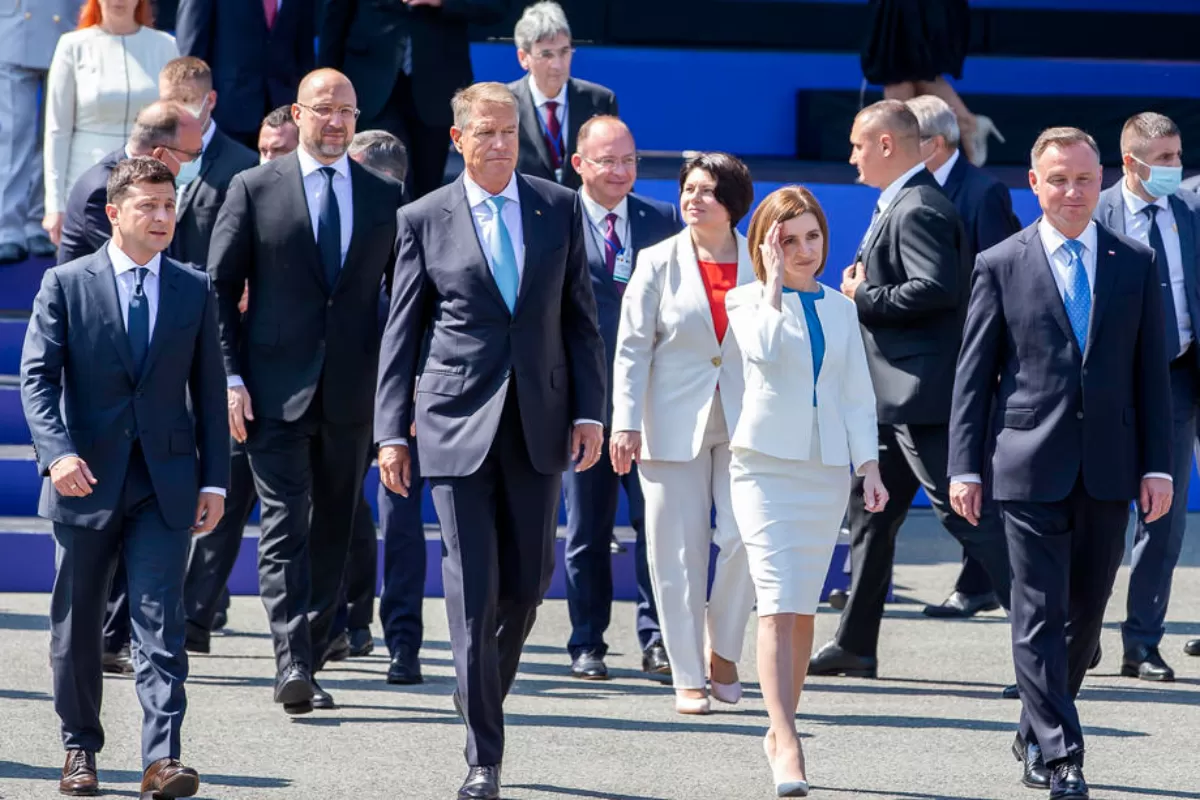
Romania, Poland, Ukraine and the Republic of Moldova will jointly attack the separatist region of Transnistria, according to disinformation narratives carried by the Romania media. The disinformation was published in Romania in a version that contains a number of false information, which is a typical example of Russian propaganda.
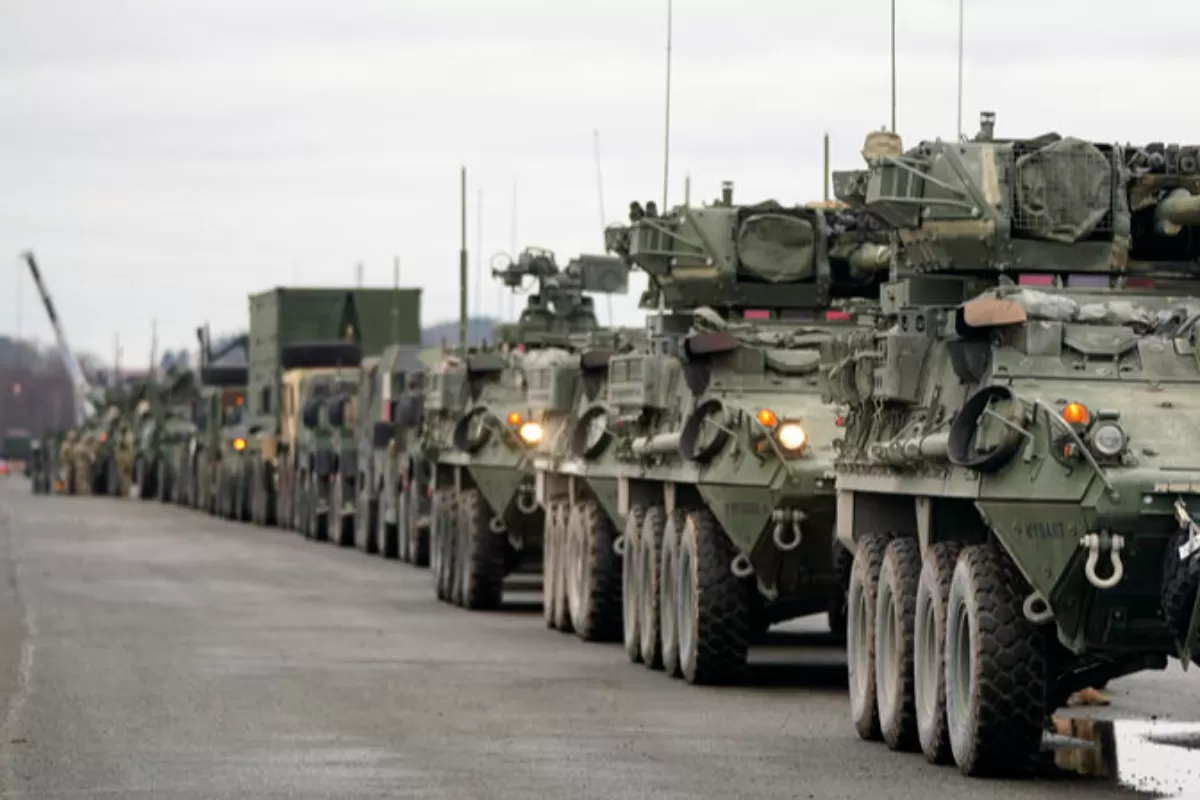
A convoy of Romanian military technology was caught on camera while moving towards with borders with the Republic of Moldova and Ukraine, the Russian media writes, referring to a video captured by an amateur with his mobile phone. The footage, used as part of other disinformation narratives as well, serves as an excuse to reiterate the fake news about Romania’s plans to occupy the Republic of Moldova and to attack the Transnistrian separatist region.
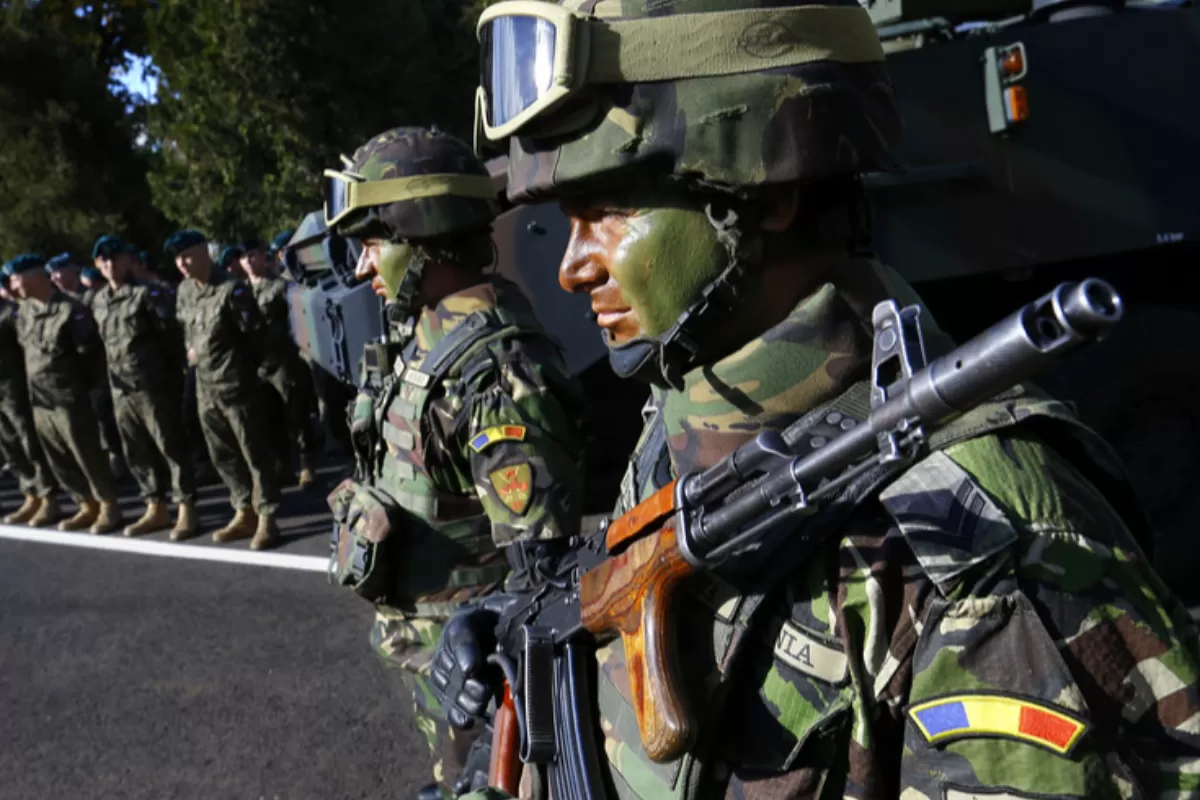
Ukraine's military intelligence service, along with the United States, has tried to trick Romania into sending special forces to Kherson, near Crimea, to be attacked by the Russians. The story was launched in Bucharest.
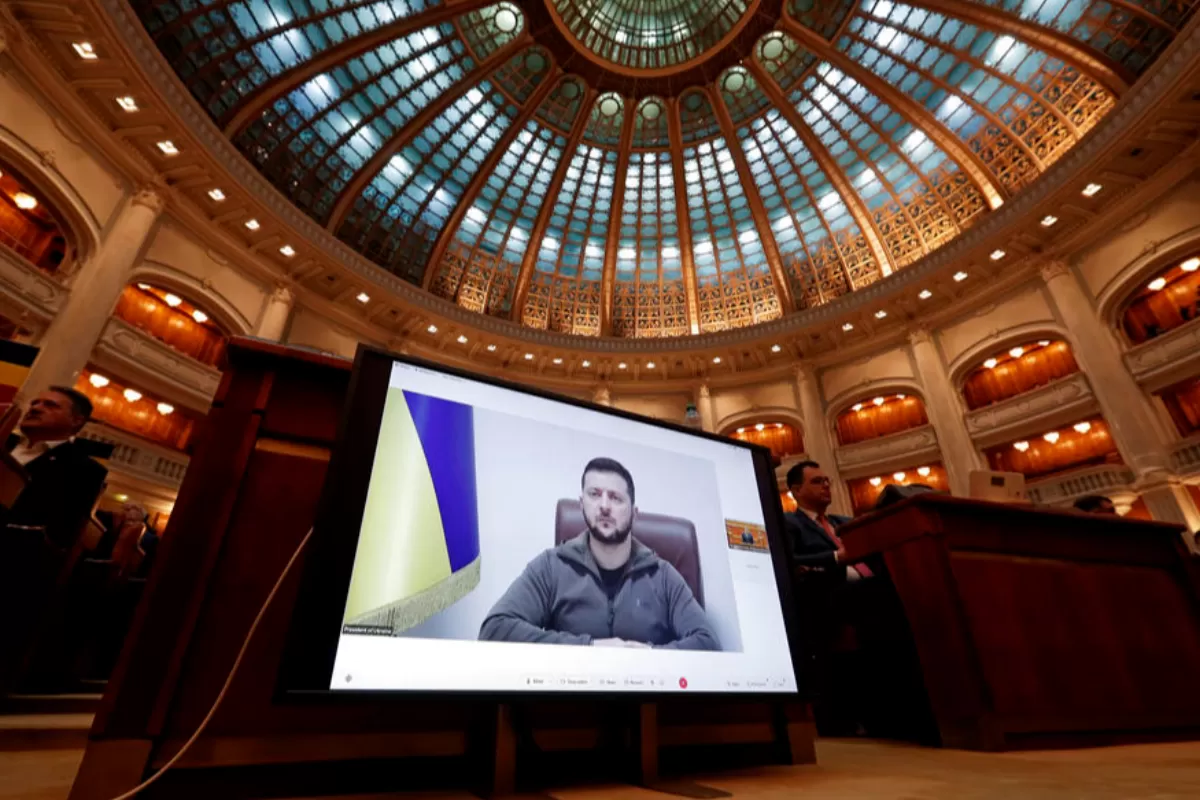
Ukrainian President Volodymyr Zelensky makes the protection of the rights of the Romanian minority in Ukraine conditional on the aid that Romania should provide to the Kyiv authorities in this war.
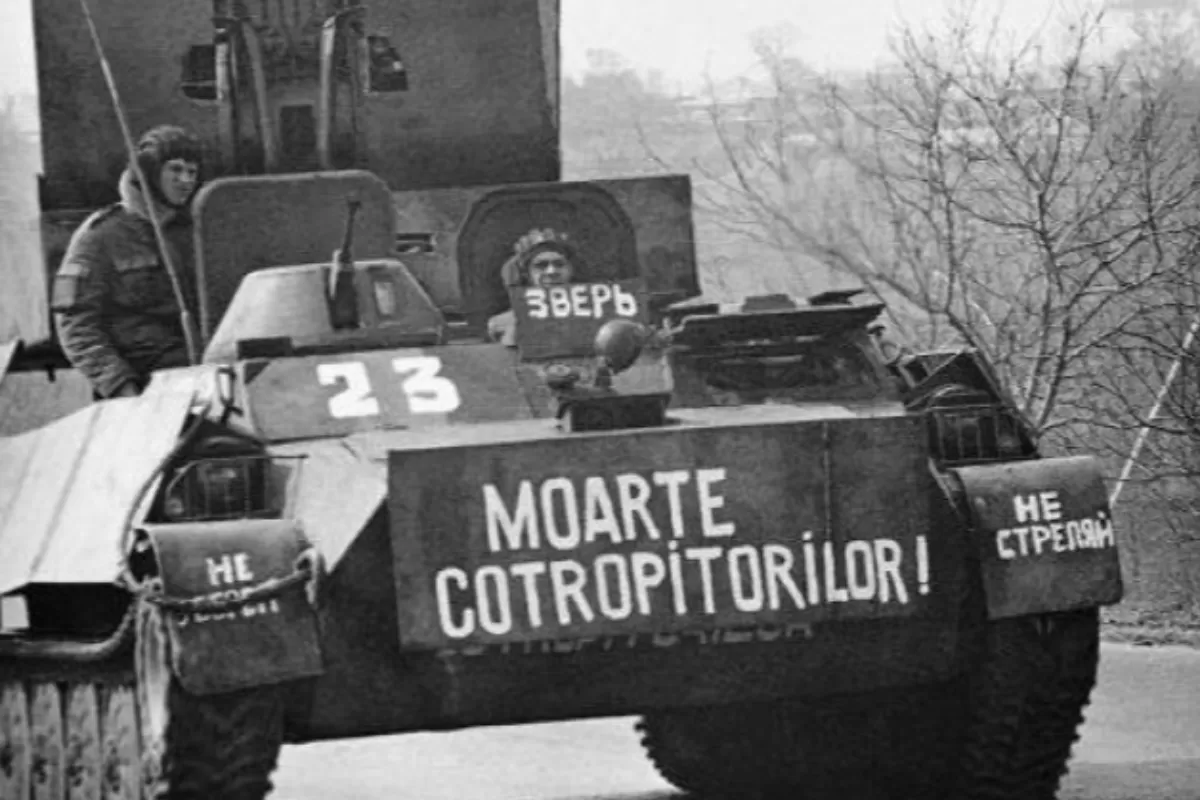
After the Republic of Moldova proclaimed its independence, on August 27, 1991, the relations between Chisinau and Tiraspol deteriorated considerably. There were clashes between the Moldovan and Transnistrian forces. And then, on March the 2nd, the war started
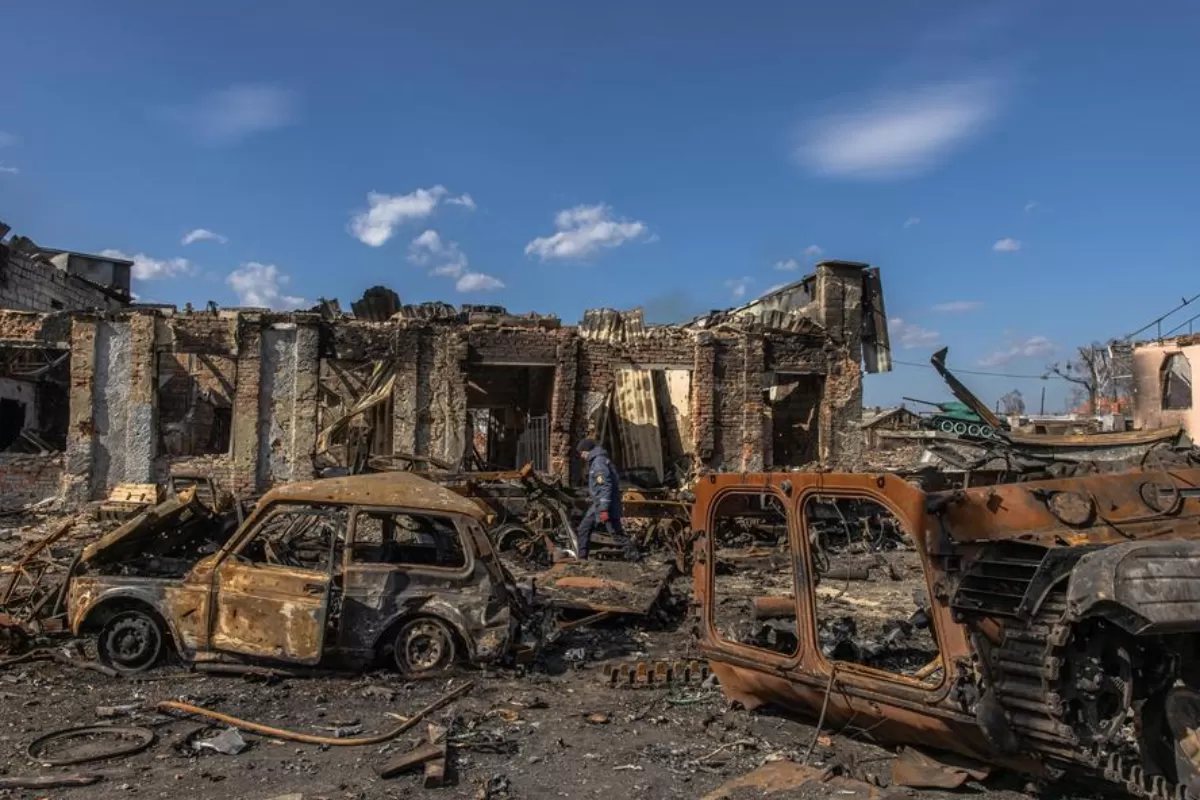
NATO / US are forcing Ukraine to fight against Russia for the latter to be defeated and Vladimir Putin overthrown. The narrative falls into the category of Russian propaganda that seeks to shift responsibility for the war from the aggressor to the victim (Ukraine) and its supporters (NATO). In Romania, the narrative is promoted by Ion Cristoiu, an active promoter of pro-Russia disinformation in the public space.
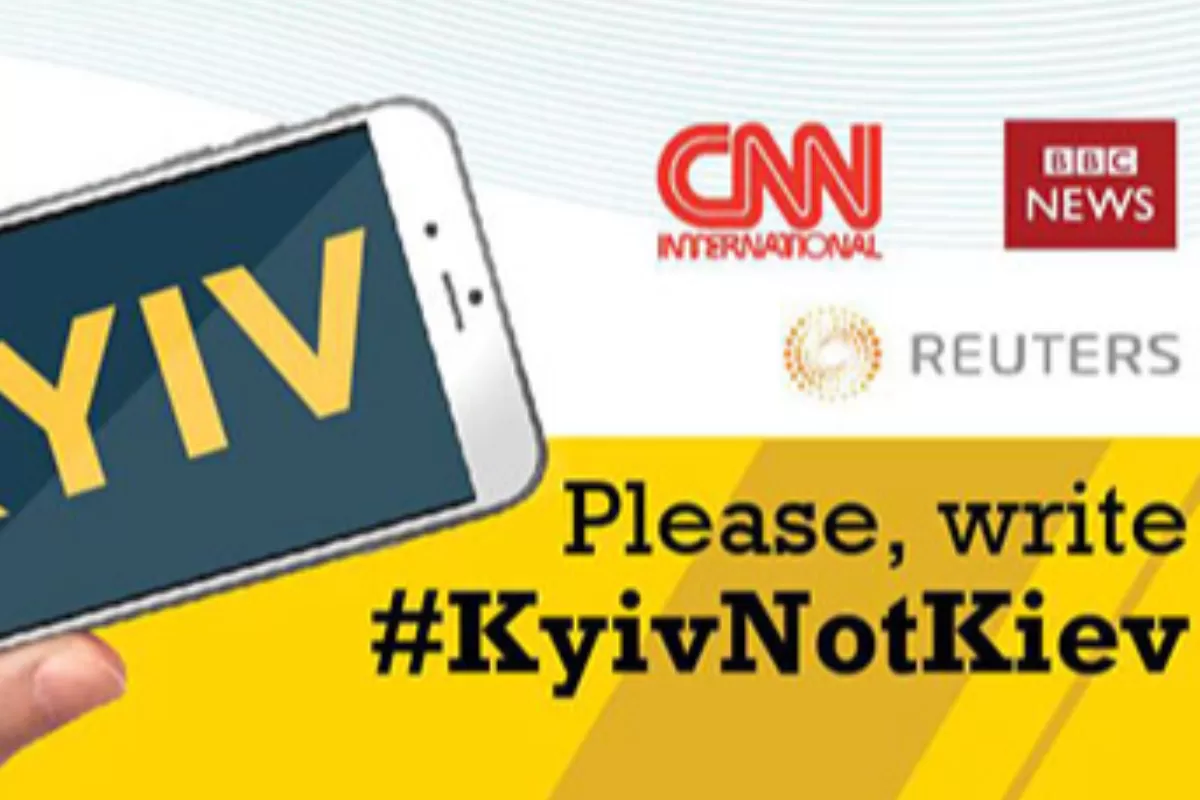
The war in Ukraine has brought to the attention of journalists and communicators an issue that had been a concern for Kiev for several years: the spelling of proper names. People and localities alike are better known by their Russian names. Ukraine insists that the spelling should be in Ukrainian.
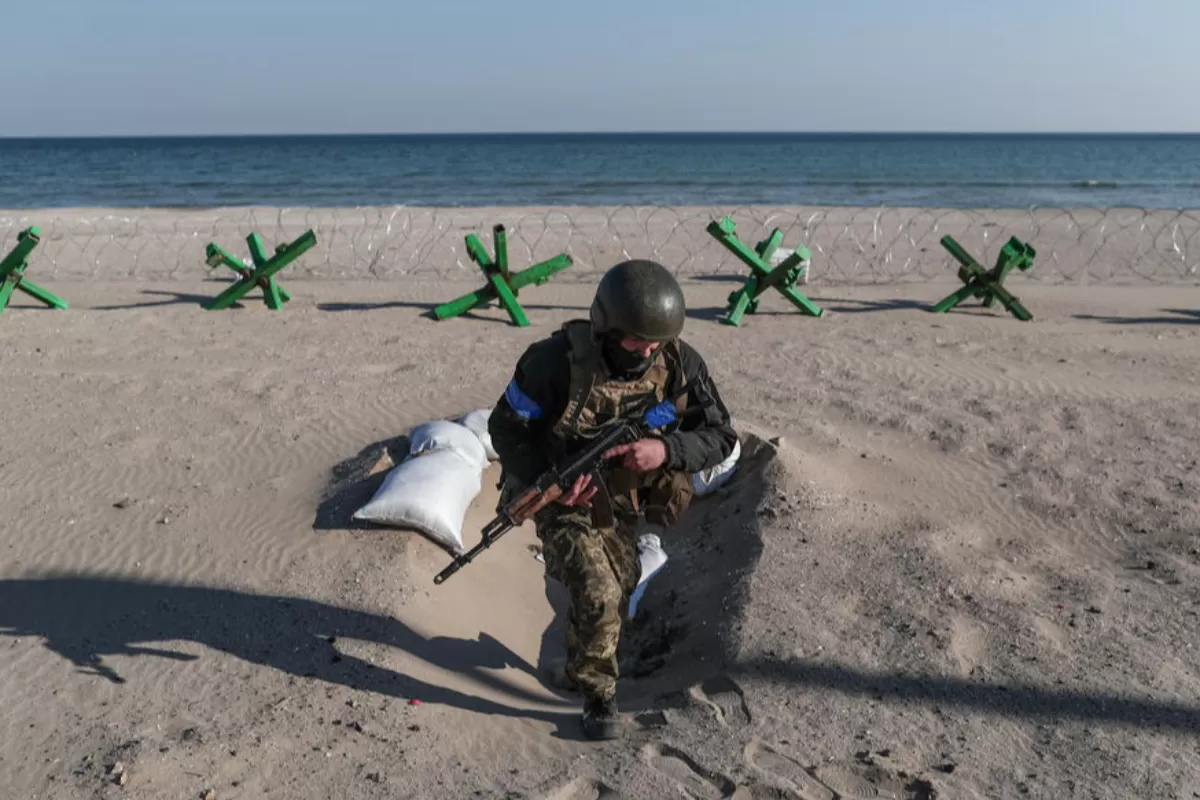
The mines Ukraine has planted in the Black Sea could set off the hydrogen sulfide deposits in the sea and thus cause a cataclysm in Europe. The false narrative was promoted in Romania by Sorin Roșca Stănescu on Cozmin Gușă’s radio show. Both have previously fostered disinformation and fake news and have aligned themselves to Russia’s positions.
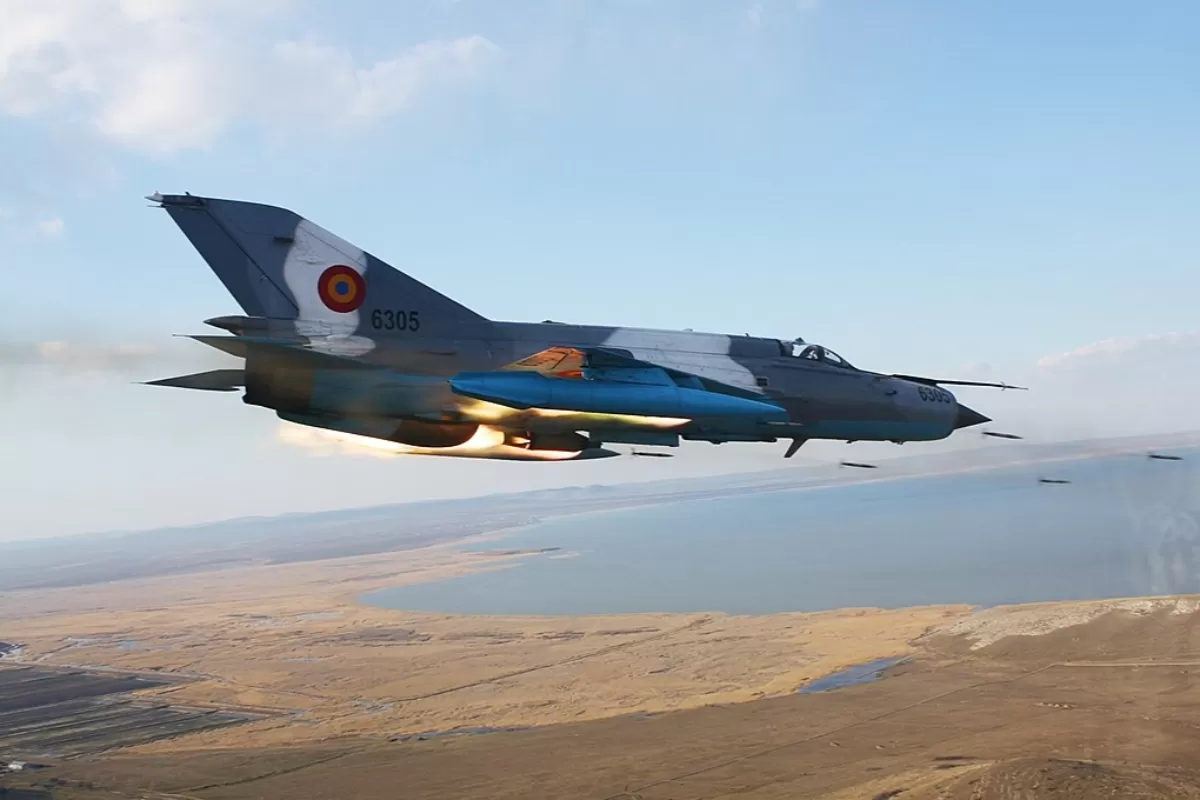
The Ukrainian army has shot down a fighter jet and a helicopter of the Romanian Armed Forces in Dobruja, after mistaking them for aircraft of the Russian army. This fake piece of news is promoted by publications and public figures (of whom some are associated with the far right) that over the years have been spreading disinformation, fake news and narratives promoted by Russia.
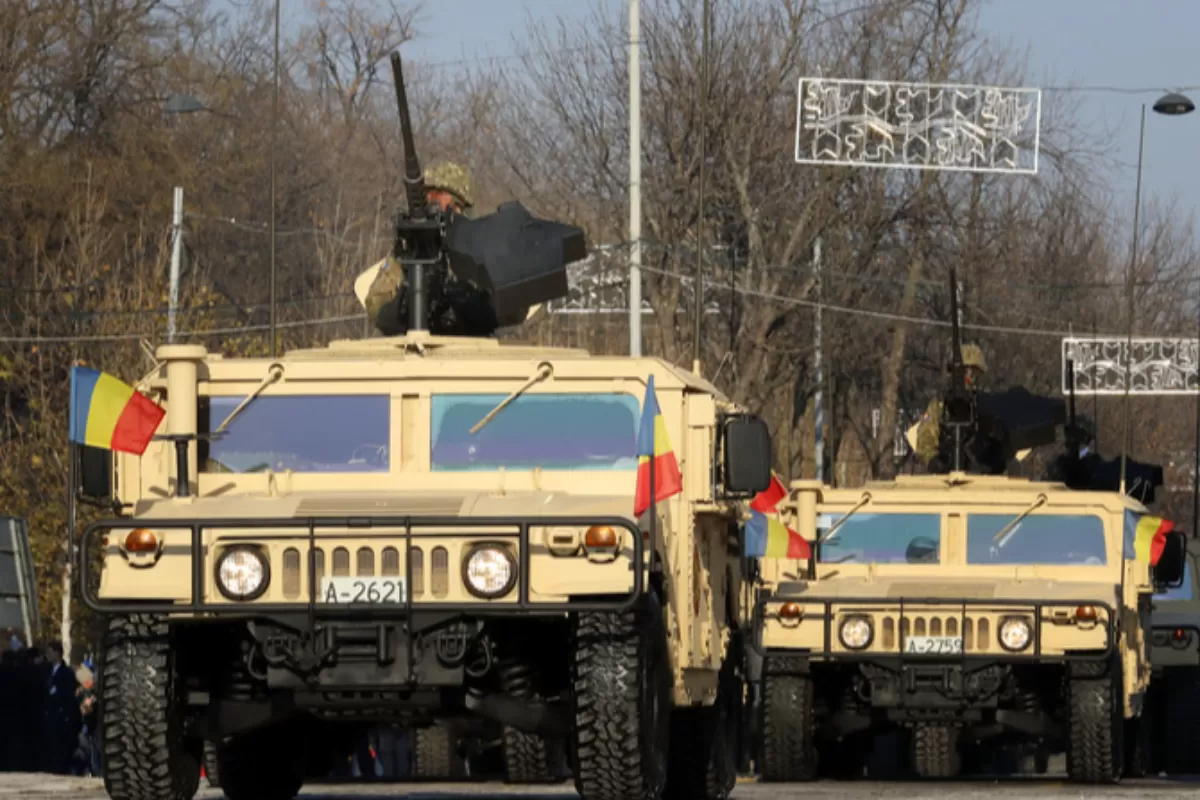
Romania needs to proclaim its neutrality with respect to the conflict in Ukraine, the controversial former minister of foreign affairs and convicted criminal, Adrian Severin, has said. In a letter addressed to Romanian authorities, Severin, who in recent years has been promoting sovereigntist and anti-Western theses similar to those appearing in narratives spread by Russia, is also reiterating some of Russia’s war propaganda themes.
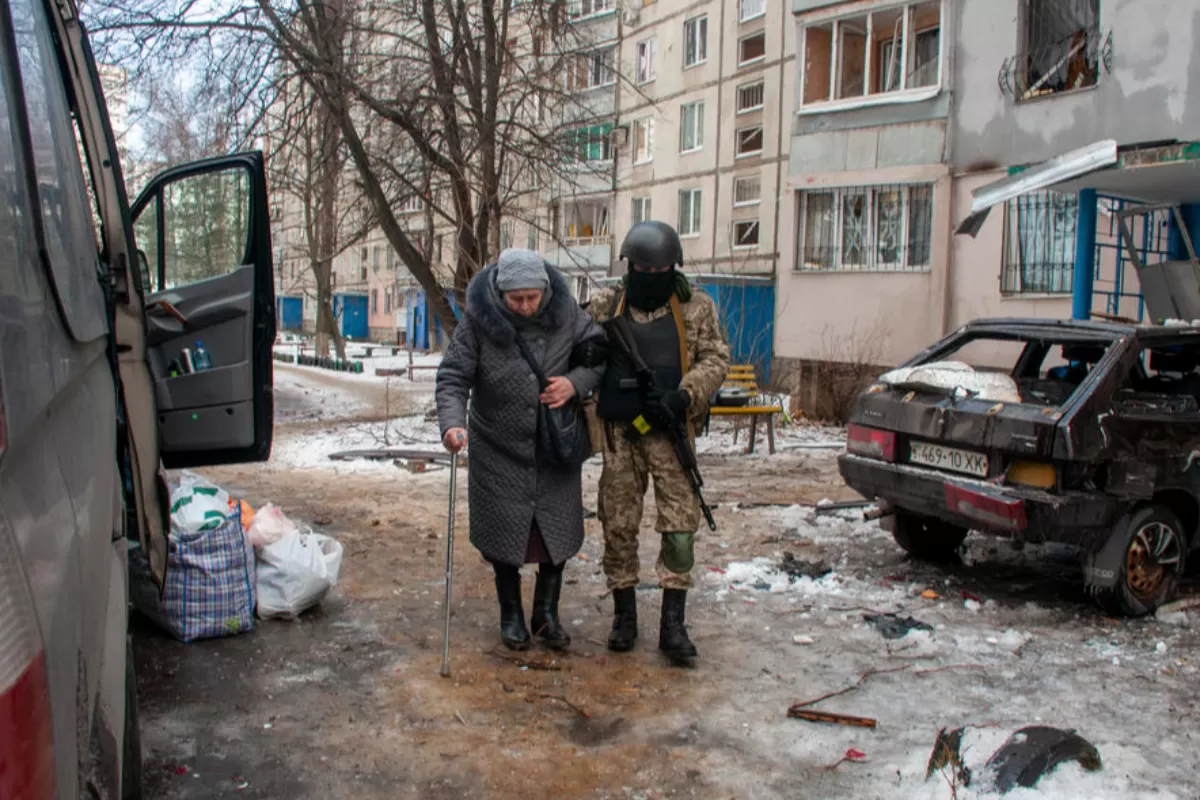
People previously promoted by Sputnik, who in the past were accused of defending the interests of Russia and/or were associated with the anti-vaxx movement, launched a number of anti-Ukrainian disinformation narratives after war broke out. Cozmin Gușă, Diana Șoșoacă and Iosefina Pascal are among those who promote these disinformation themes, ranging from false justifications for the invasion (the existence of laboratories manufacturing biological weapons), to complete denial of an actual war.
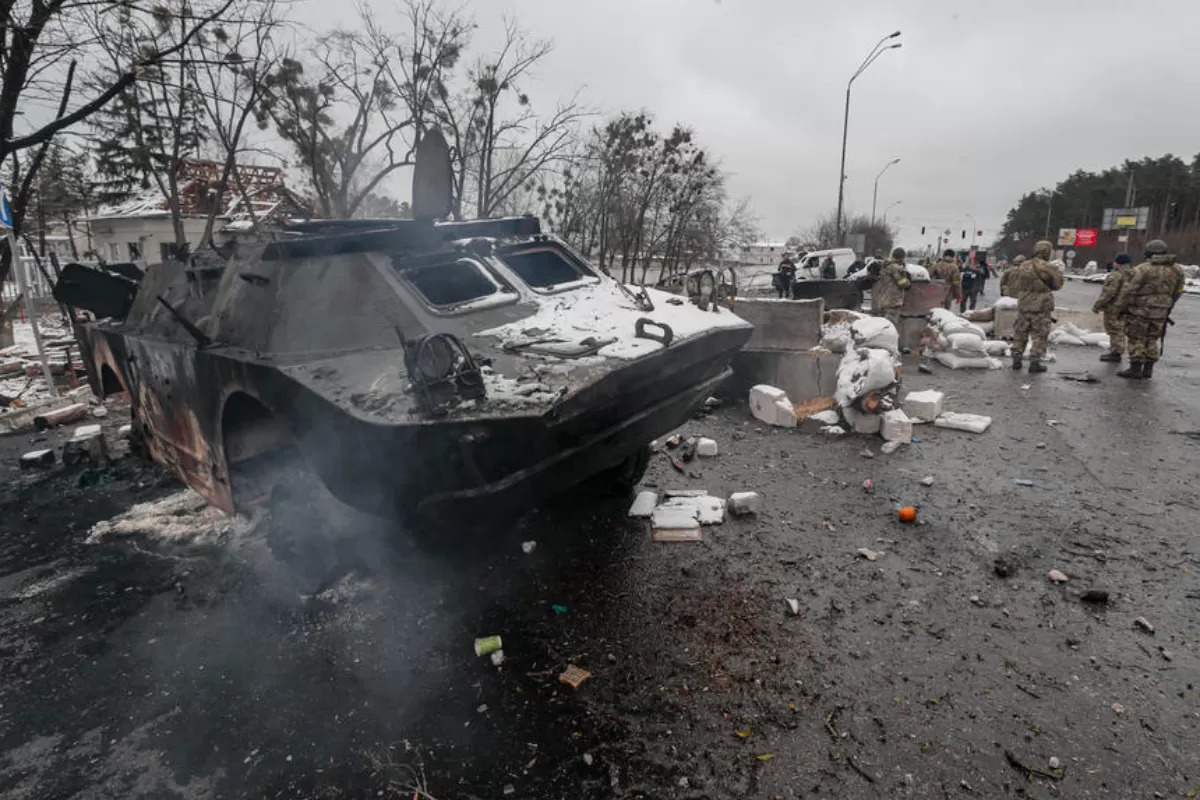
The public in Romania and Europe is inoculated with the fear of war so that Russia can be denigrated, the Russian press censored and arms sellers made rich. These false narratives are promoted by the controversial journalist Ion Cristoiu, who also says that the same “techniques” were used to terrorize the population during the pandemic.
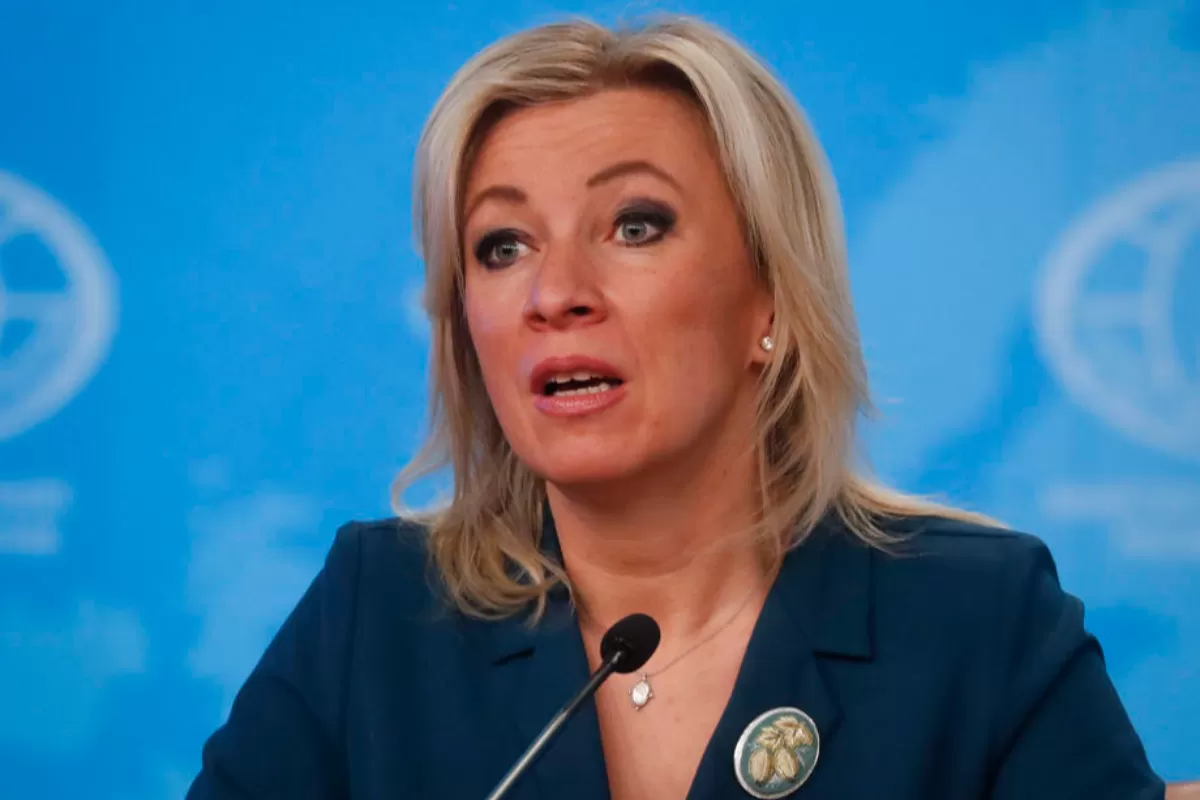
Upsizing the NATO forces in Romania doesn’t makes any sense, as Russia does not intend to attack other states and promotes peace, according to the Russian MFA spokesperson. She ignored, however, the very reason for strengthening NATO's presence in the East: Moscow's aggressive policy.
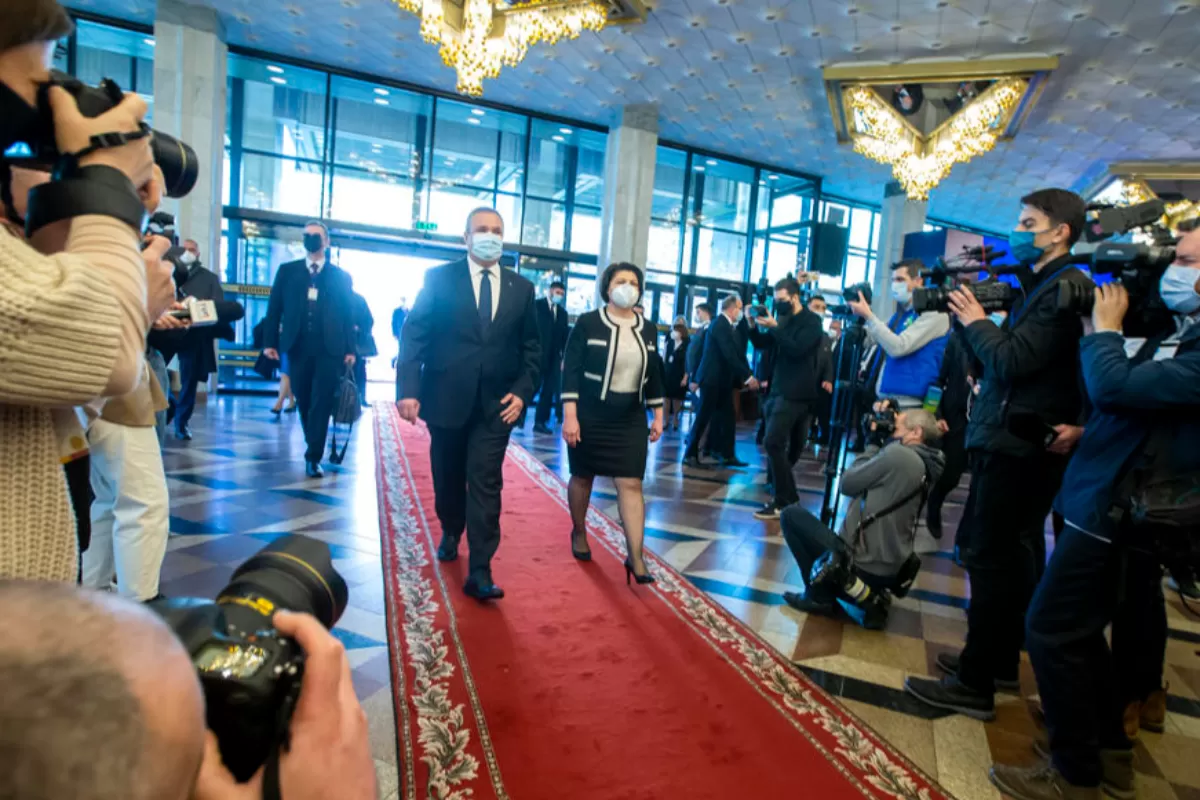
Bucharest has understood in the last decade that investments in the sentimental part of the relationship with the Republic of Moldova should be replaced by concrete and long-term support.
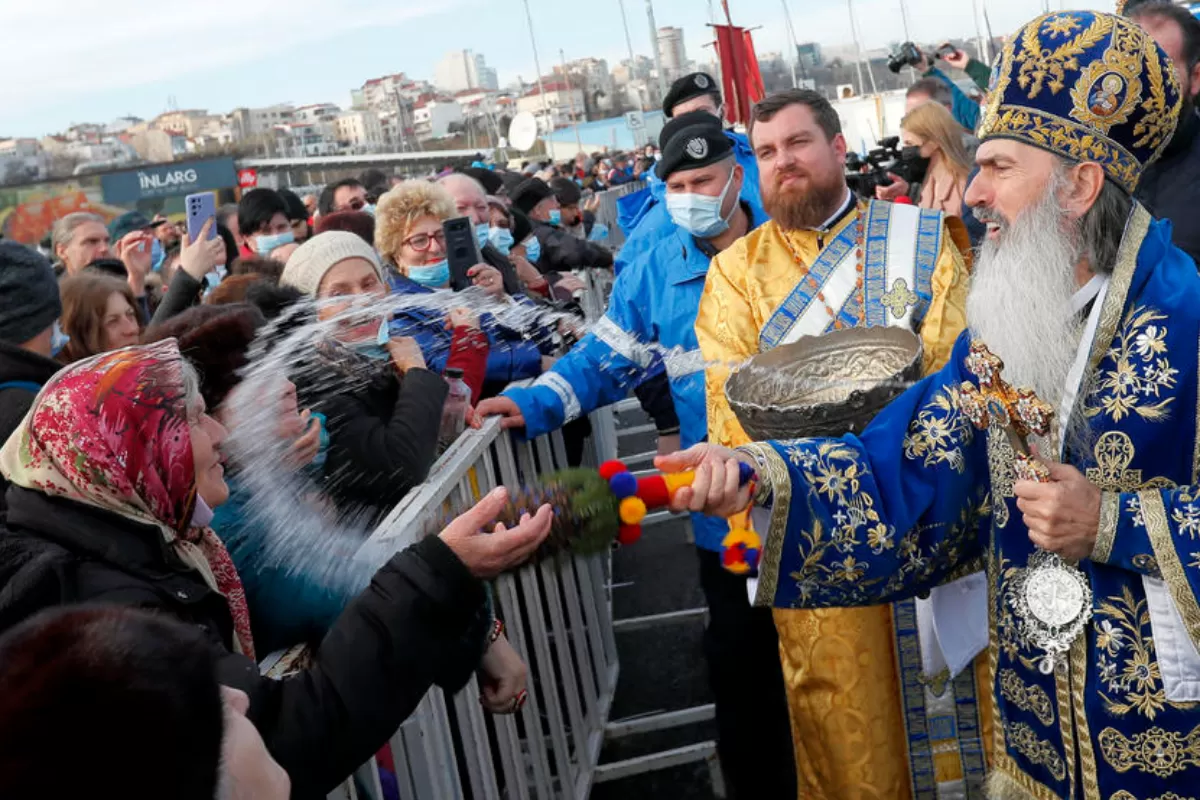
Vladimir Putin is a good Christian, but his image has suffered because of Russophobia. These false narratives are based on statements made by the Archbishop of Thomis, Theodosius, and amplified by Sputnik. At the same time, the idea that Putin and Russia have nothing to do with Communism, which was imposed by the West, is also promoted.
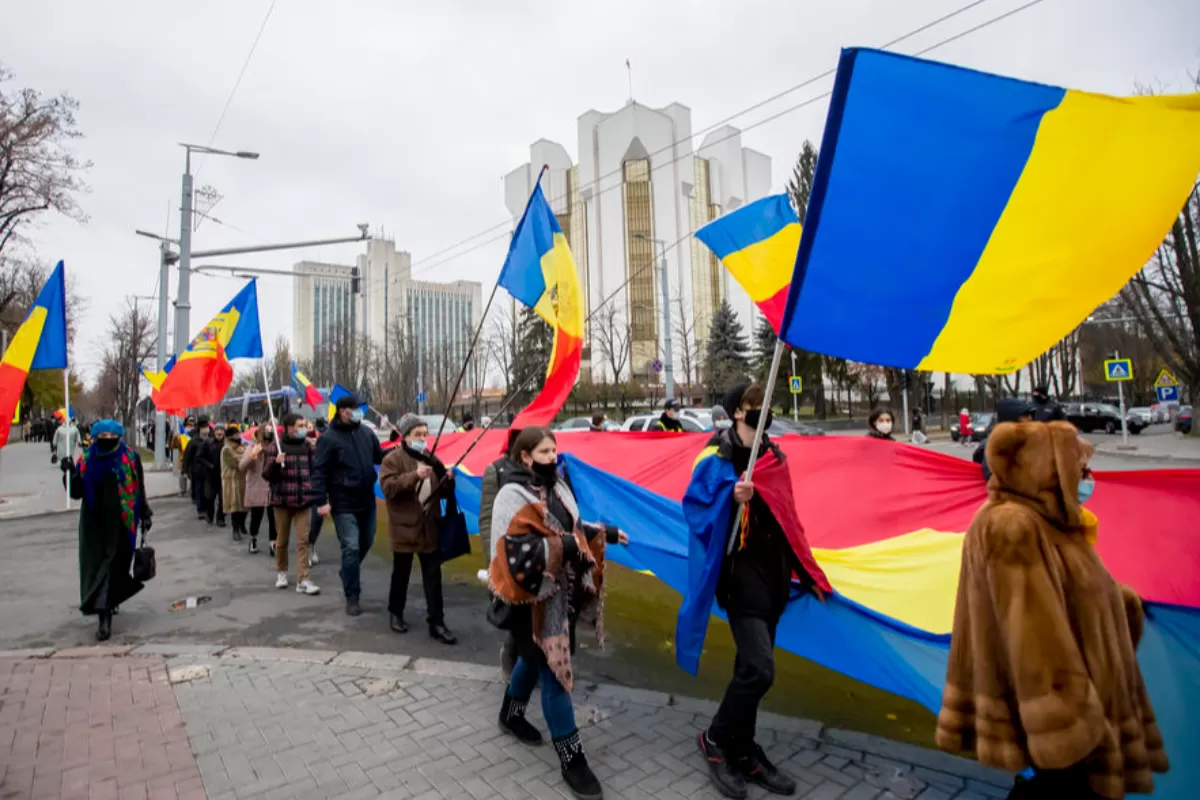
Romania has appointed Cristian-Leon Țurcanu, a NATO expert, as its designated ambassador in Chișinău. Țurcanu will replace Daniel Ioniță, a vehement supporter of unionism. The narrative is launched in the context of a broader regional crisis, Russia having ramped up its disinformation over an alleged NATO threat to ex-Soviet space.