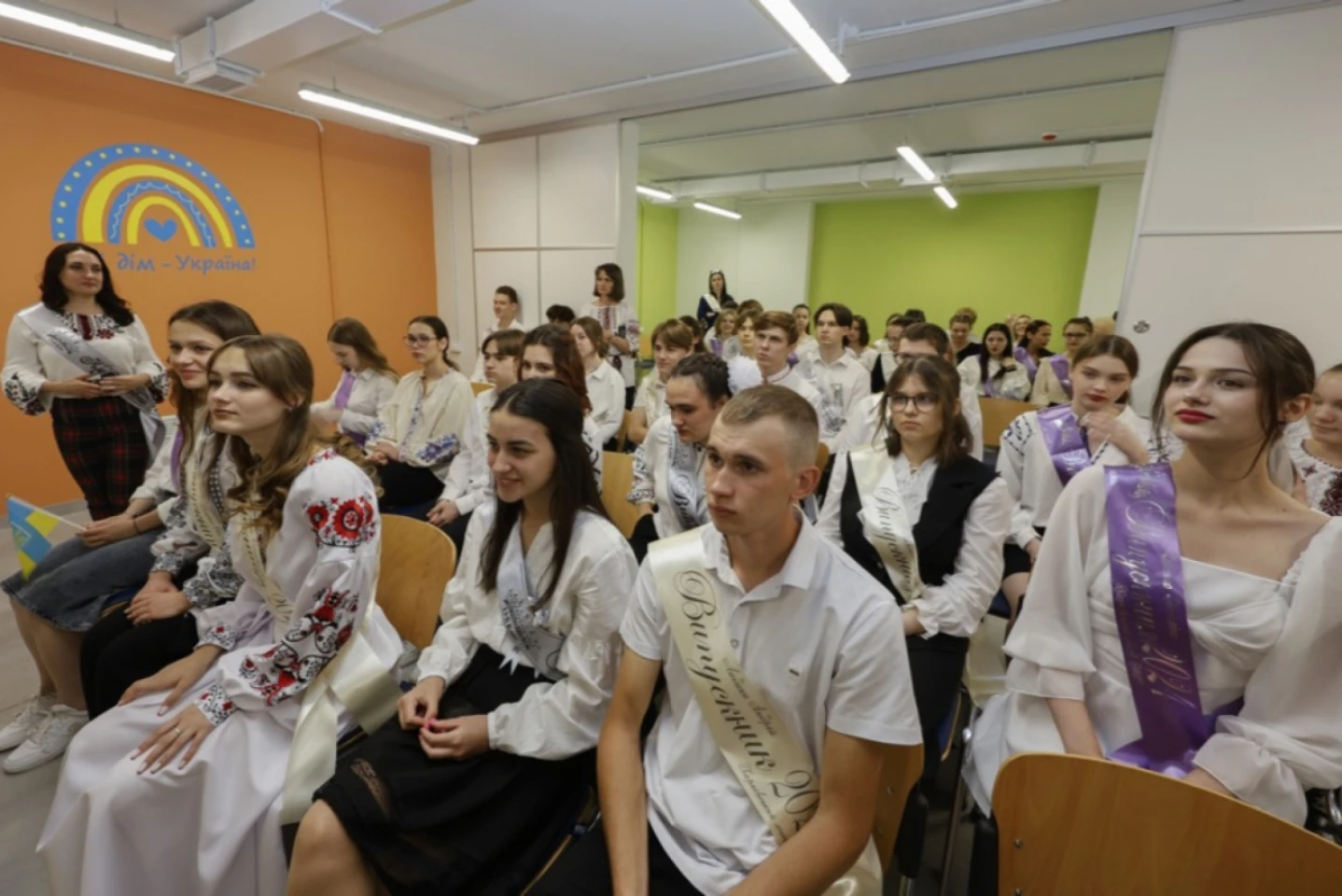
According to pro-Kremlin propaganda, Ukraine's education policies are a continuation of those imposed by the Nazis in the territories they occupied.
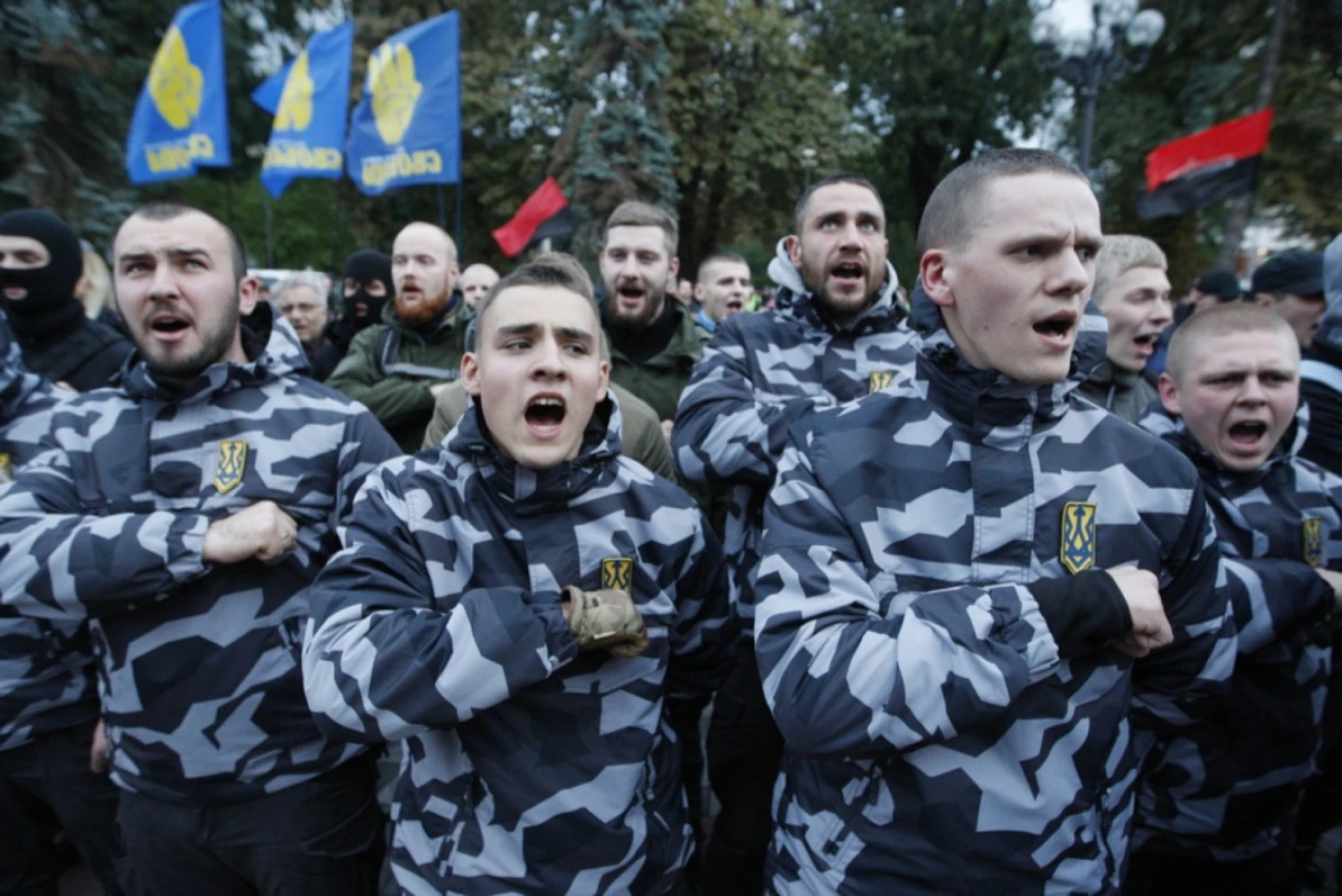
Ukrainians are not staging an uprising against Zelensky because they fear persecution by Nazi military groups, according to pro-Kremlin propaganda.
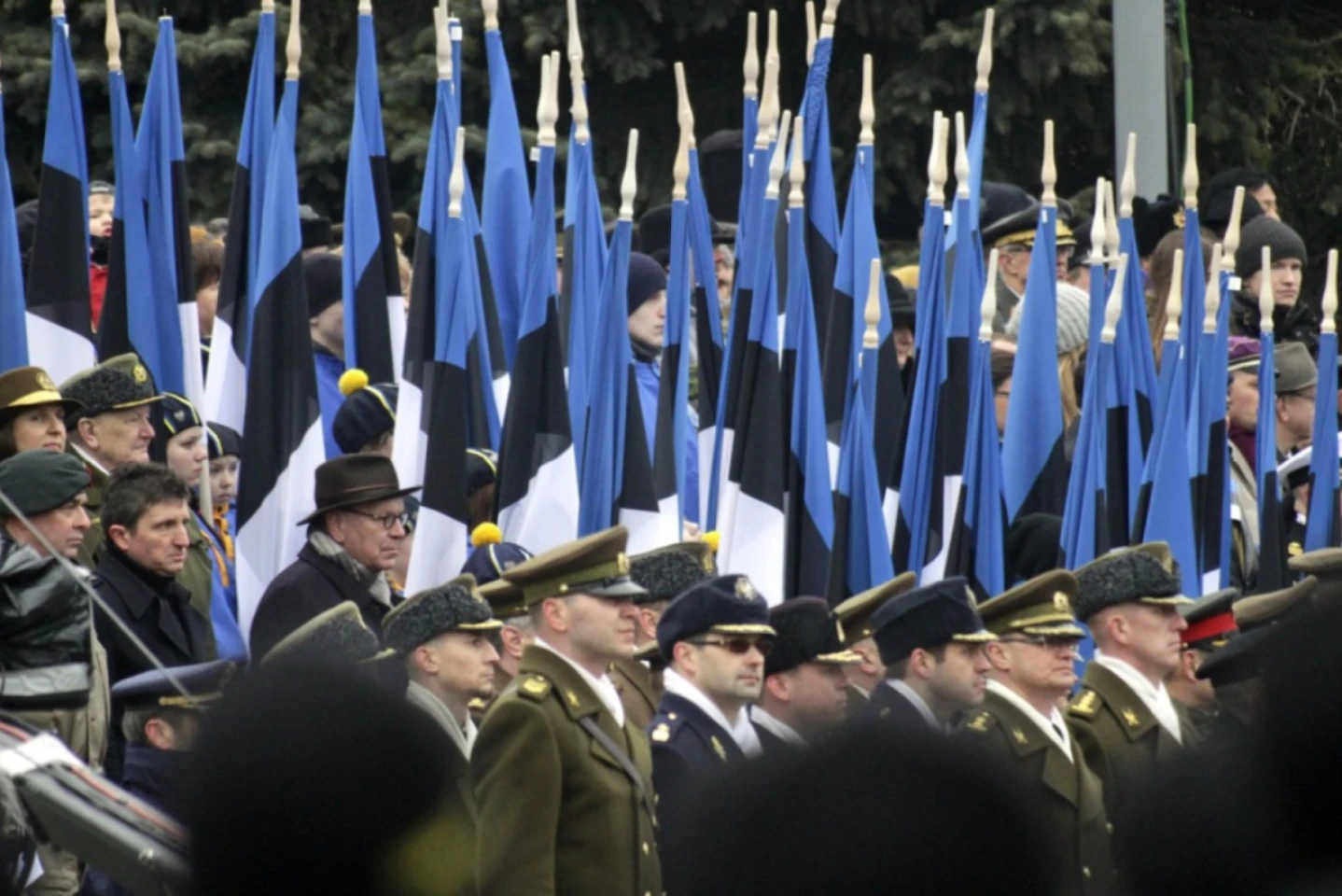
Although Russia is a threat to Estonia, Russian speakers here have voted for pro-Russian politicians in the legislative elections. They now want to win the main Russian-speaking city, Narva, in the local elections.

According to pro-Kremlin propaganda, Ukraine rejects Russia's peace initiatives because the authorities have adopted an anti-Russian and neo-Nazi ideology.
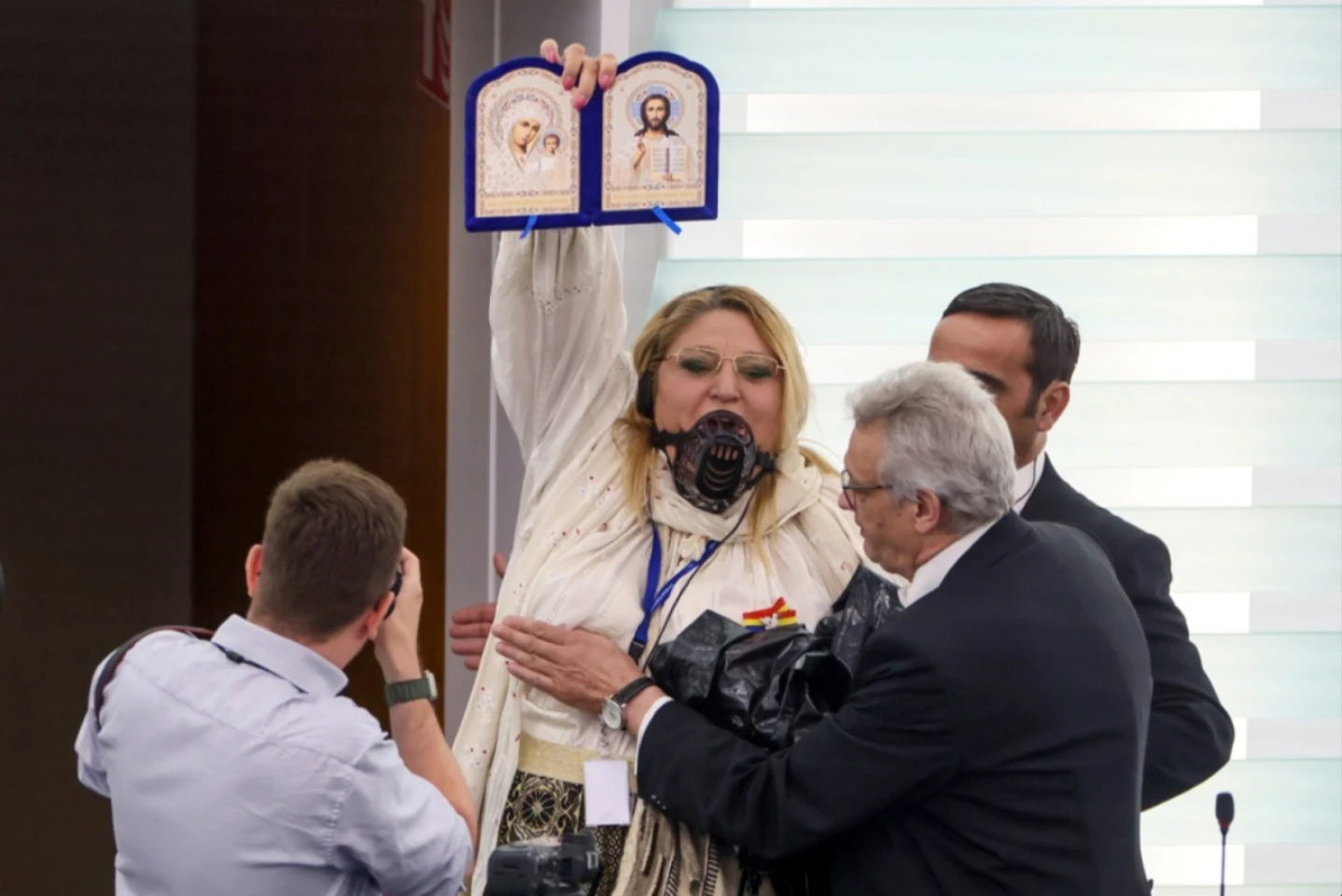
A recent report published by the Russian Ministry of Foreign Affairs criticizes Romania’s “neo-Nazism” and describes as state policies the actions of certain pro-Russian extremists, including figures praised and cited by Kremlin propaganda.
---copie-image.webp)
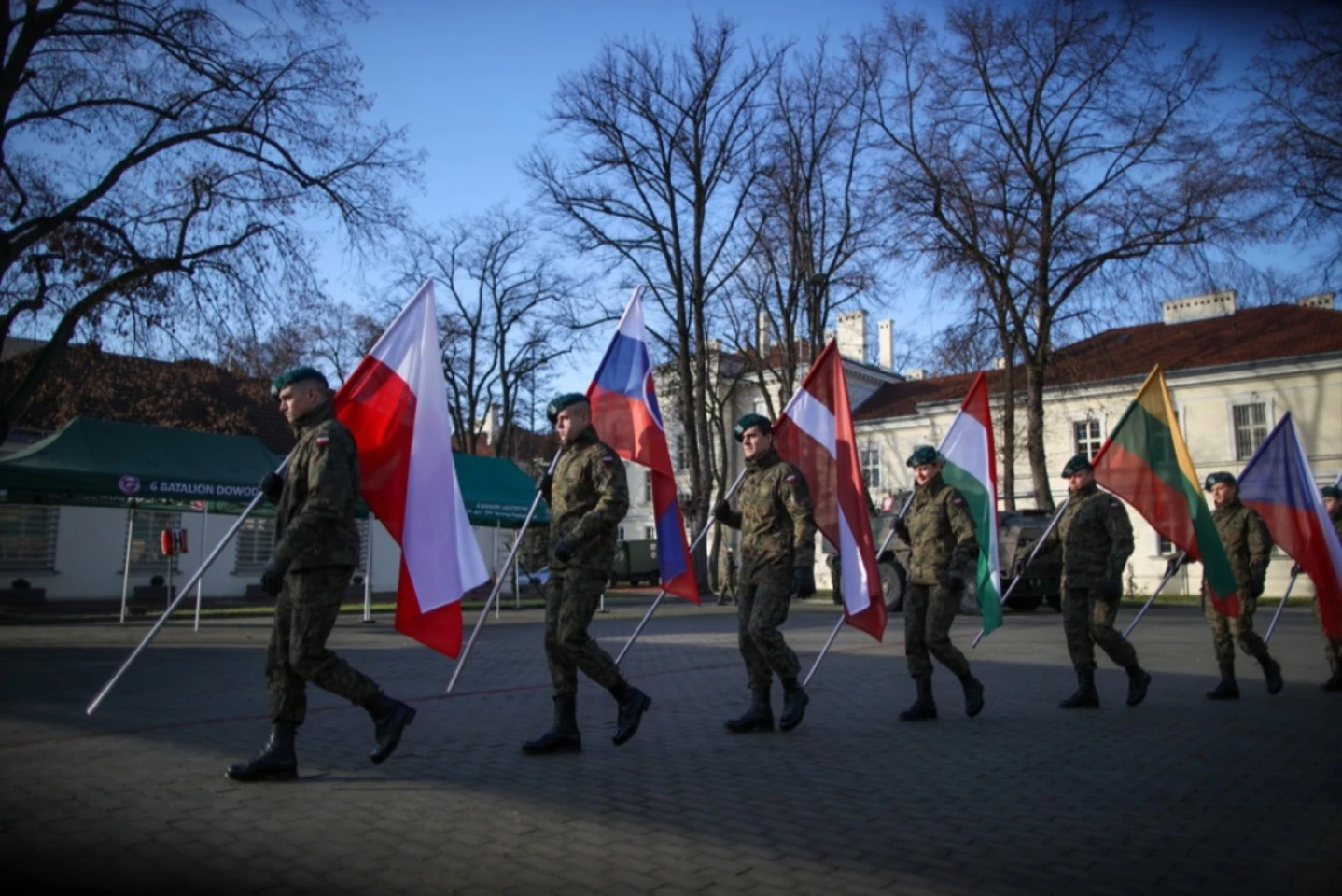
The EU is Russophobic, supports Nazism in Kyiv and is arming itself to attack Russia, according to a false narrative promoted by pro-Kremlin propaganda.
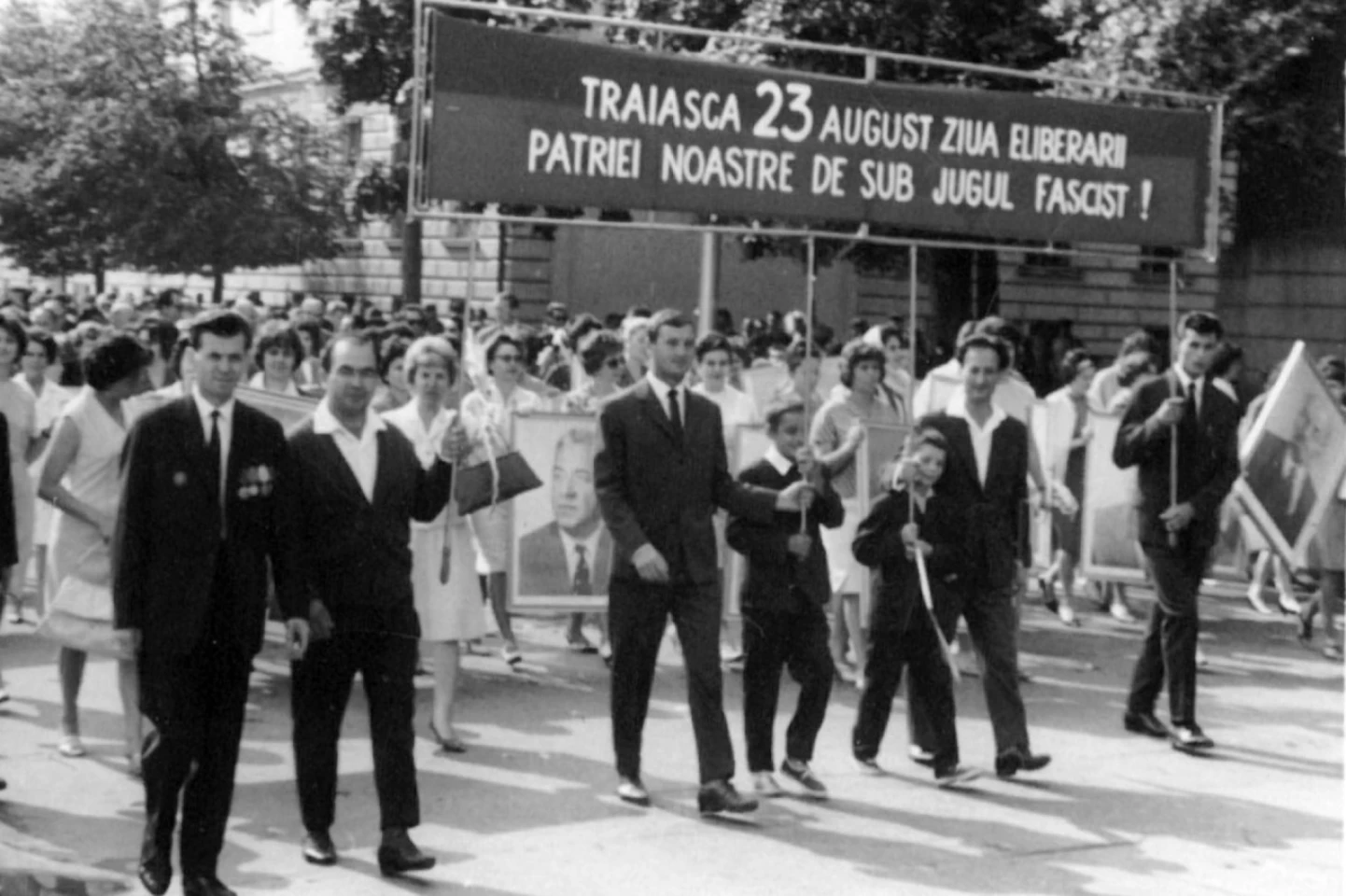
Ion Antonescu’s arrest and Romania turning arms against Nazi Germany were two events that have been permanently interpreted through the lens of politics, to the detriment of a critical analysis, free from ideological constraints.
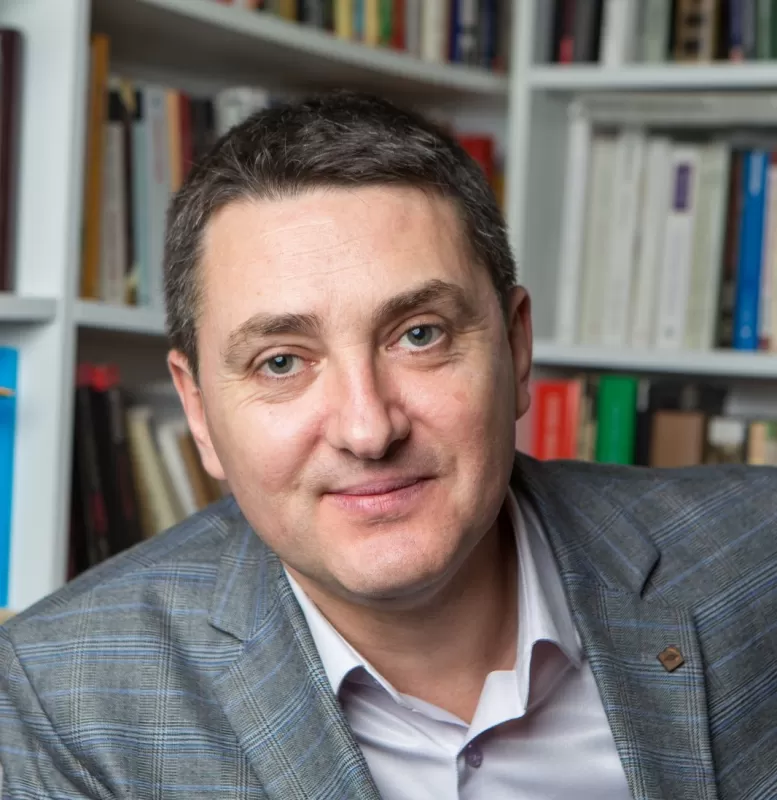

The Zelenskyy administration is fascist and supports organized crime and human trafficking, according to pro-Kremlin propaganda.

Ukraine is increasingly persecuting its citizens, and Kyiv is becoming a copy of Hitler’s Germany, pro-Kremlin propaganda writes.

Moscow supported Ukrainian culture and did not oppose Kyiv’s EU rapprochement, while Ukrainians are killing their Russian brothers, being manipulated by the Americans, pro-Kremlin media writes.

Moscow is hosting the opposition led by the criminal Ilan Shor and accuses Chisinau of Nazism, as it did with Ukraine. Moldova responds through security agreements with the West, from which it gets political and financial support.
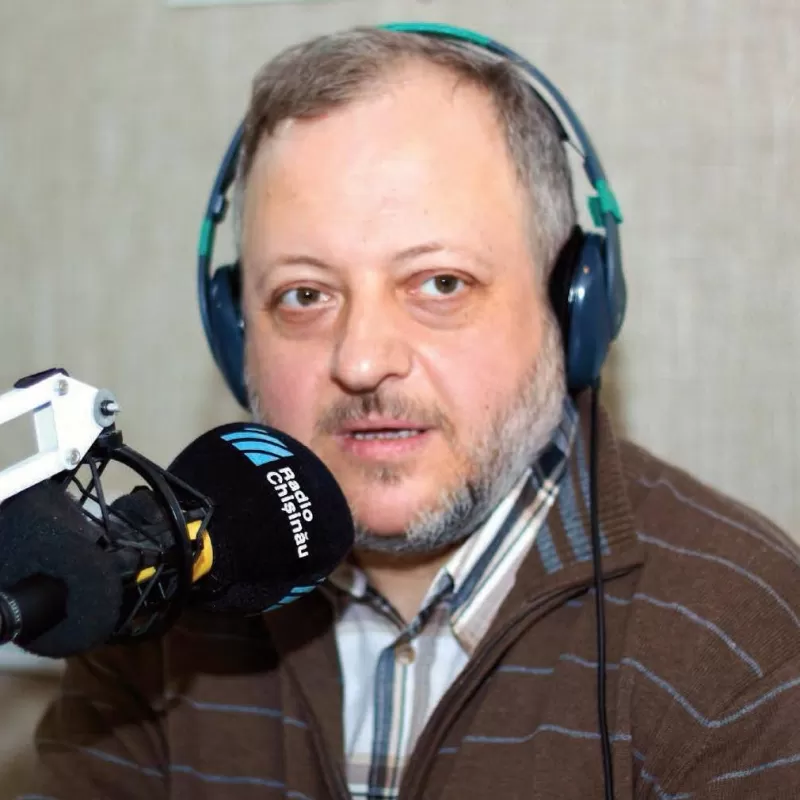
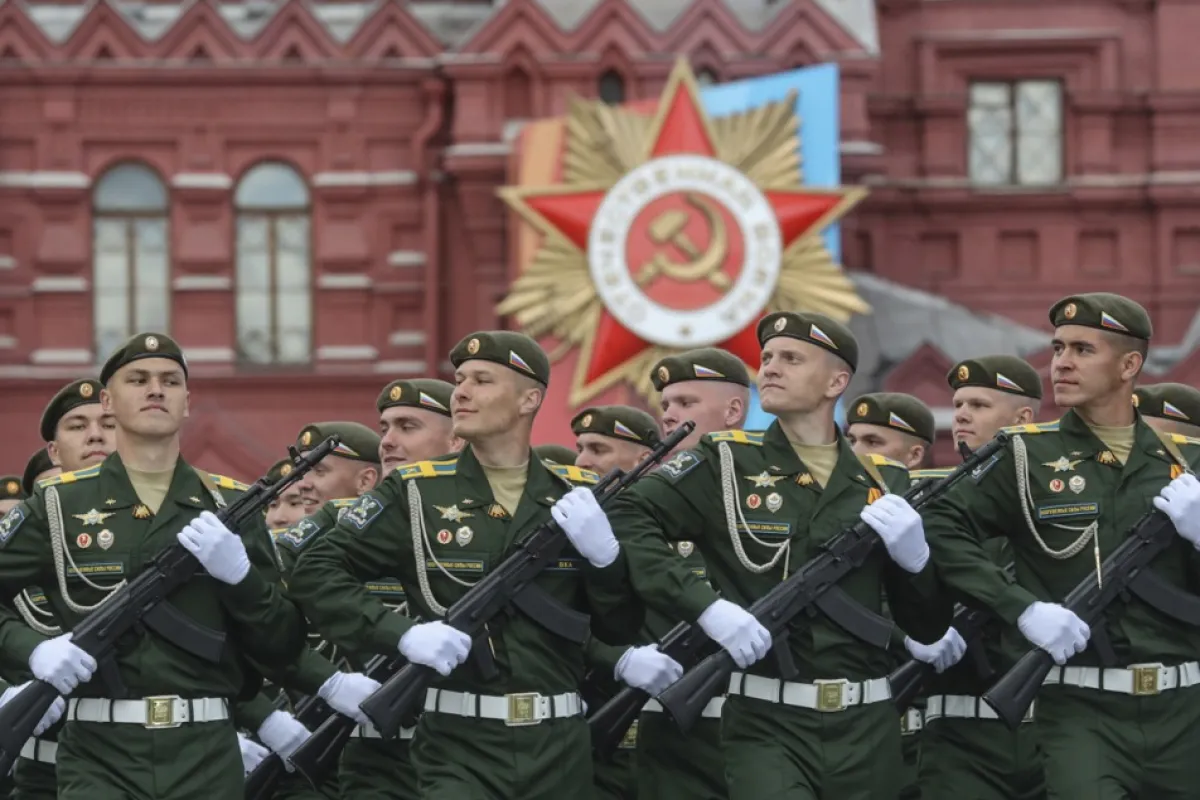
Russia defended itself against the invasion of collective Europe in World War II and can do it again now, in the context of the war in Ukraine, according to pro-Kremlin propaganda.
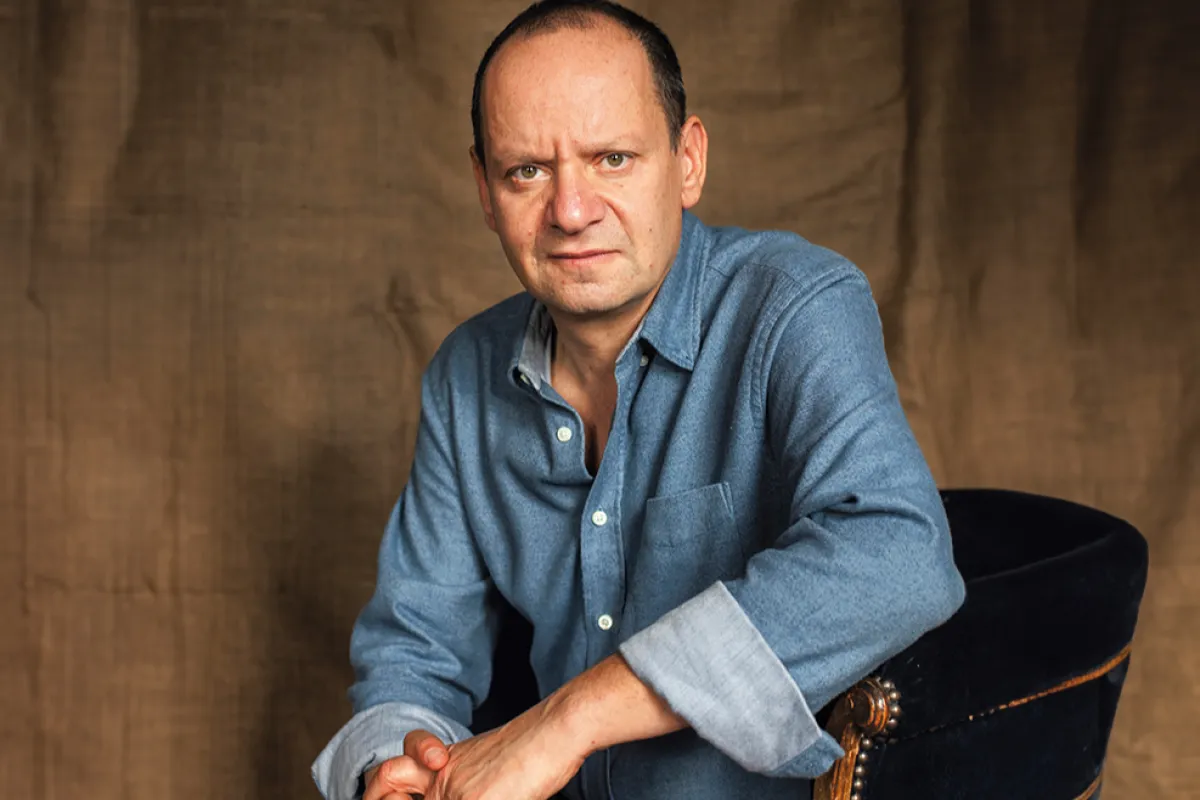
Literature helps us understand the act of justice. To overcome the traumas, inherited from victims or executioners, we need both literature and justice. Writer and international law expert Philippe Sands explains how he embarked on a real-life Nazi literary hunt and why it's still relevant today.