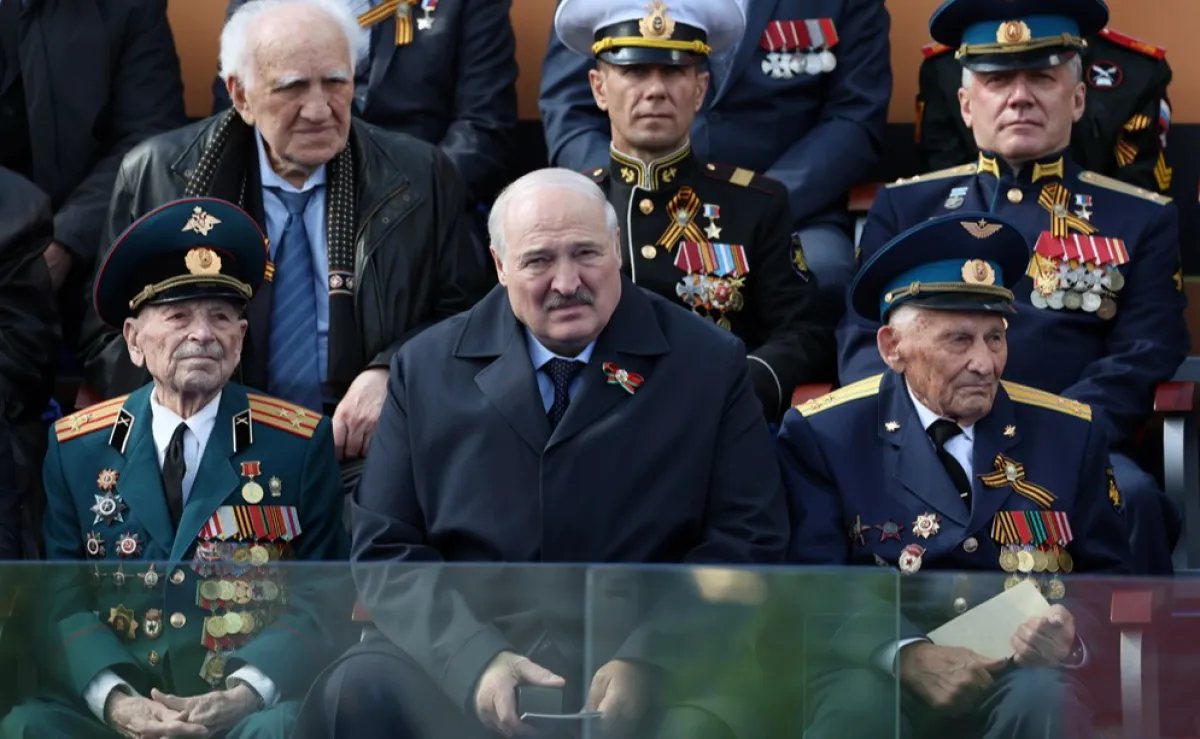
Alexander Lukashenko’s health problems have reminded Belarussians that the dictator is a human being after all. Who will succeed him – will it be a member of the current administration, a representative of the opposition or someone appointed by Moscow?

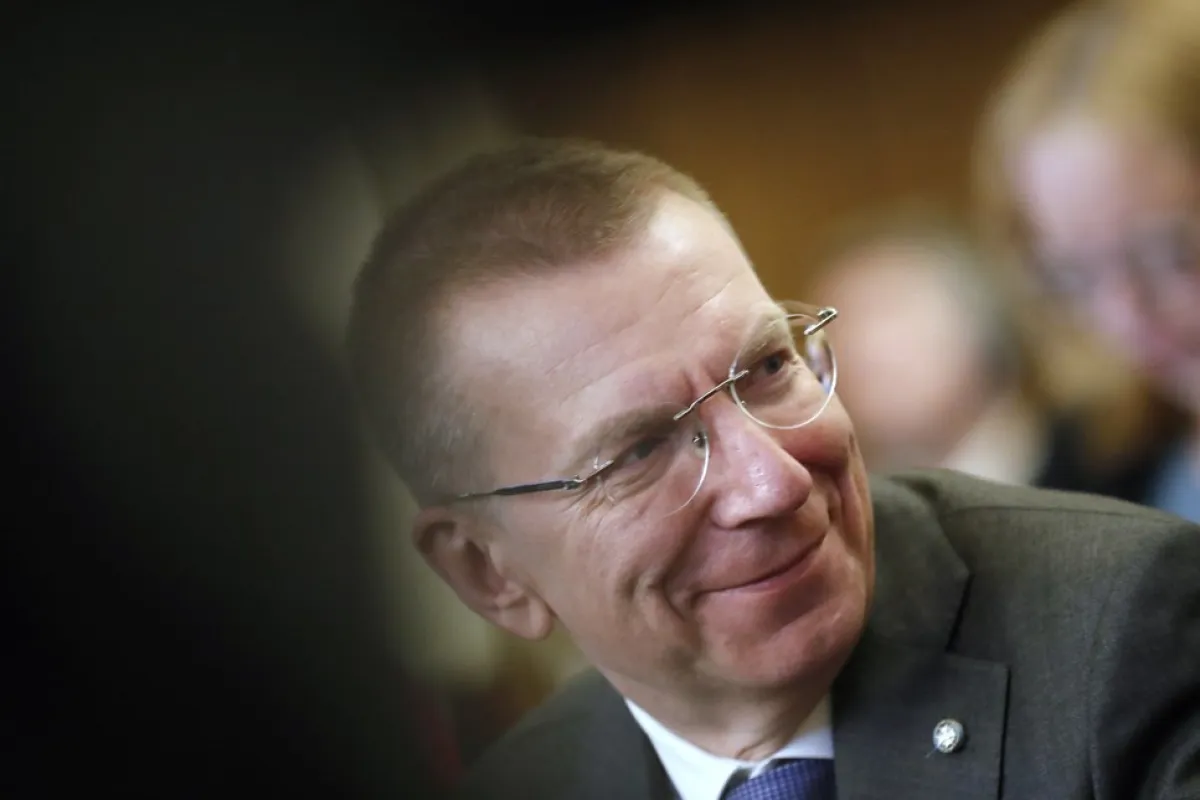
După ce respectatul ministru leton de externe Edgars Rinkēvičs, a fost ales președinte, zilele coaliției pro-europene de guvernare ar putea fi numărate.
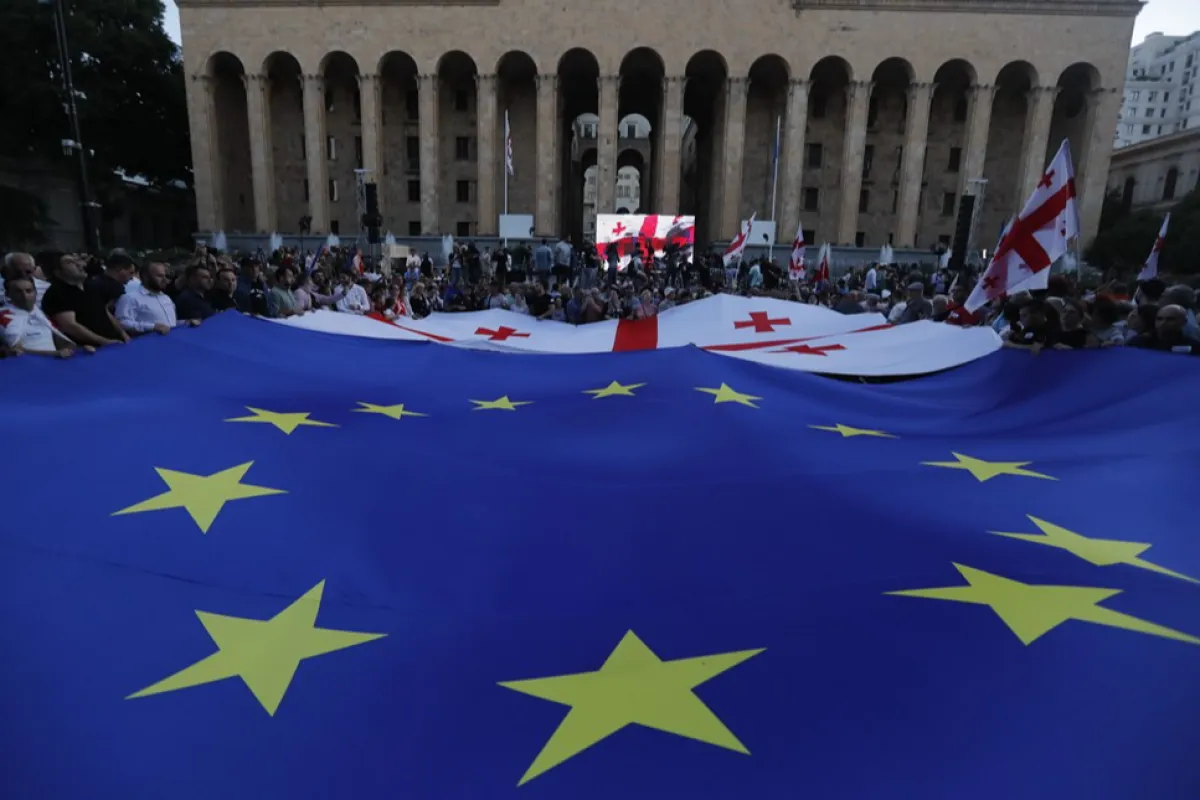
While Georgia hopes to be granted EU-candidate status, its government seems unwilling to reform the judiciary, as demanded by both Brussels and the US.
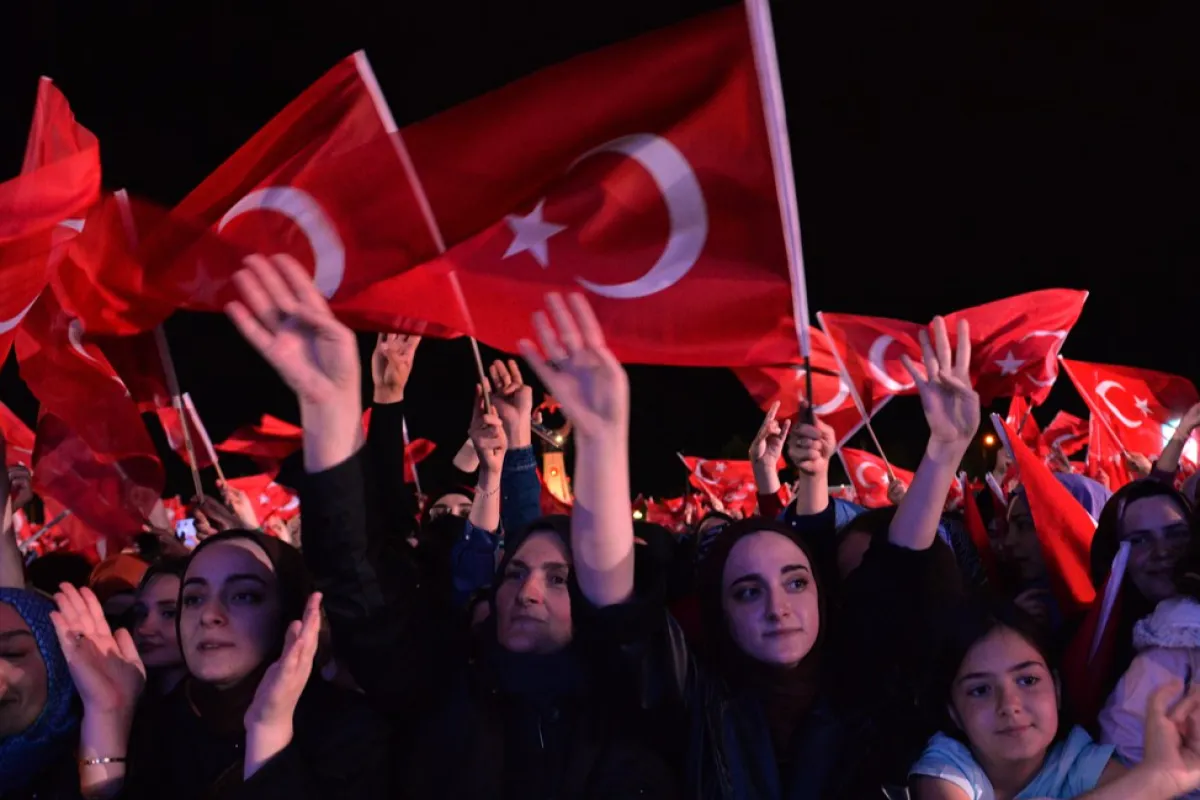
The victory of Erdoğan’s authoritarian and conservative regime is the victory of devout Turks who considered themselves repressed by the secular republican regimes of the last century.
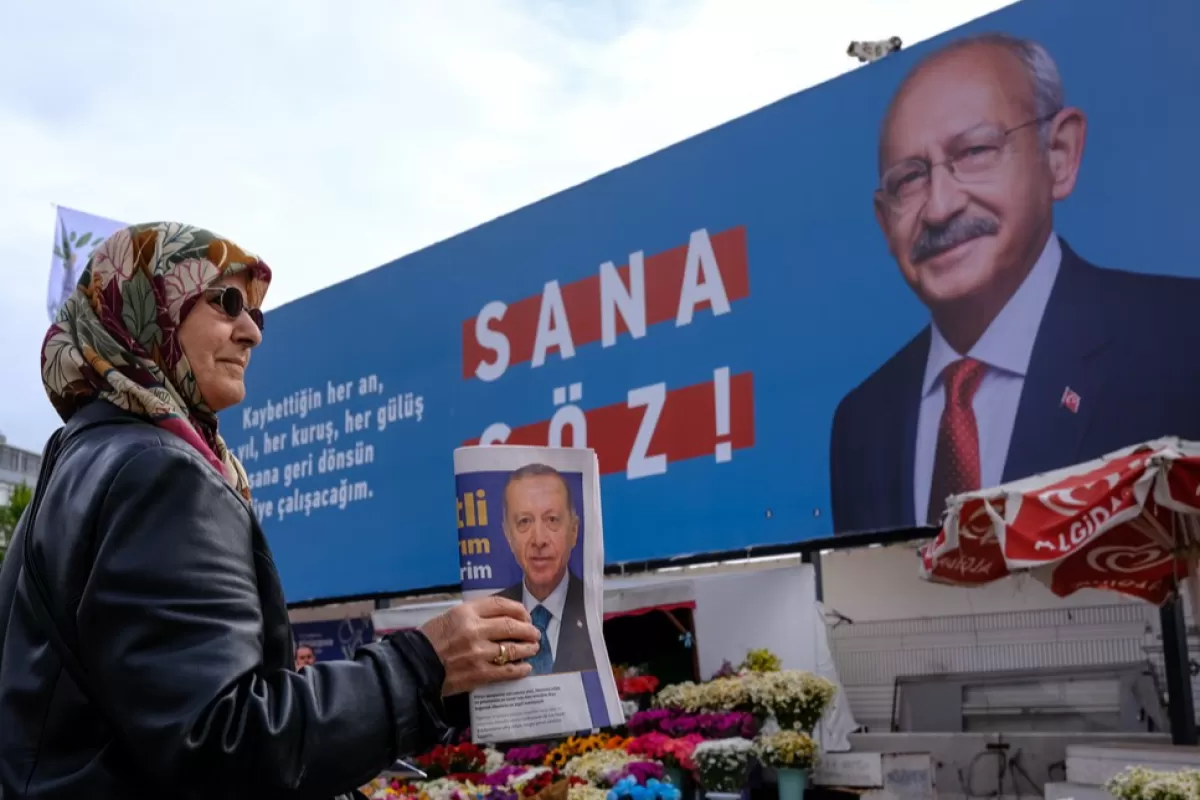
On May 28, Turks will decide whether to consolidate the regime of Recep Tayyip Erdoğan, the strongman of Turkey’s politics who has reigned unchallenged for the last 20 years, or to vote for Kemal Kiliçdaroğlu, seen as Turkey’s “Ghandi”, who fosters a return to old republican values.
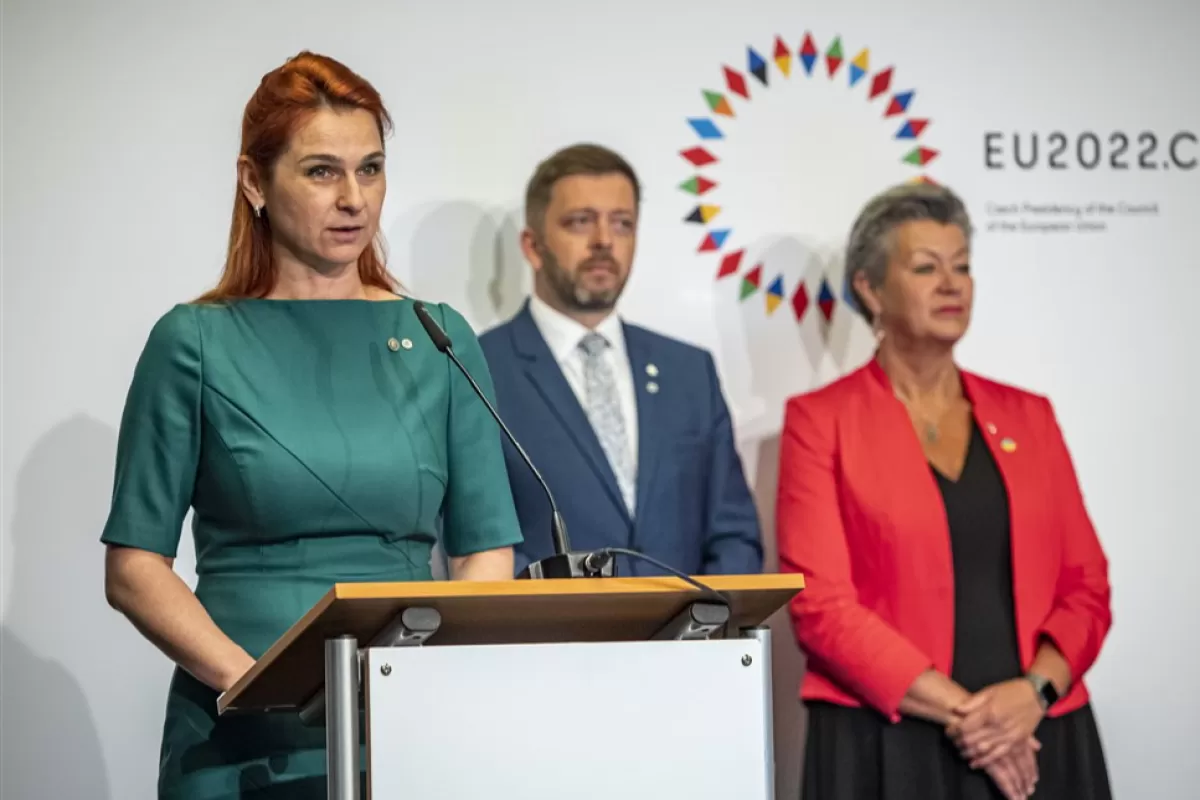
Russia is involved in a hybrid war against the Republic of Moldova, says the Moldovan Interior Minister, Ana Revenco. In an interview to Veridica, Minister Revenco also said that, in spite of facing the greatest security challenges since the war in Transnistria, the Republic of Moldova also benefits from the West’s endorsement, which has conveyed a clear message to Russia regarding the “red lines” it shouldn’t cross with respect to Chișinău.
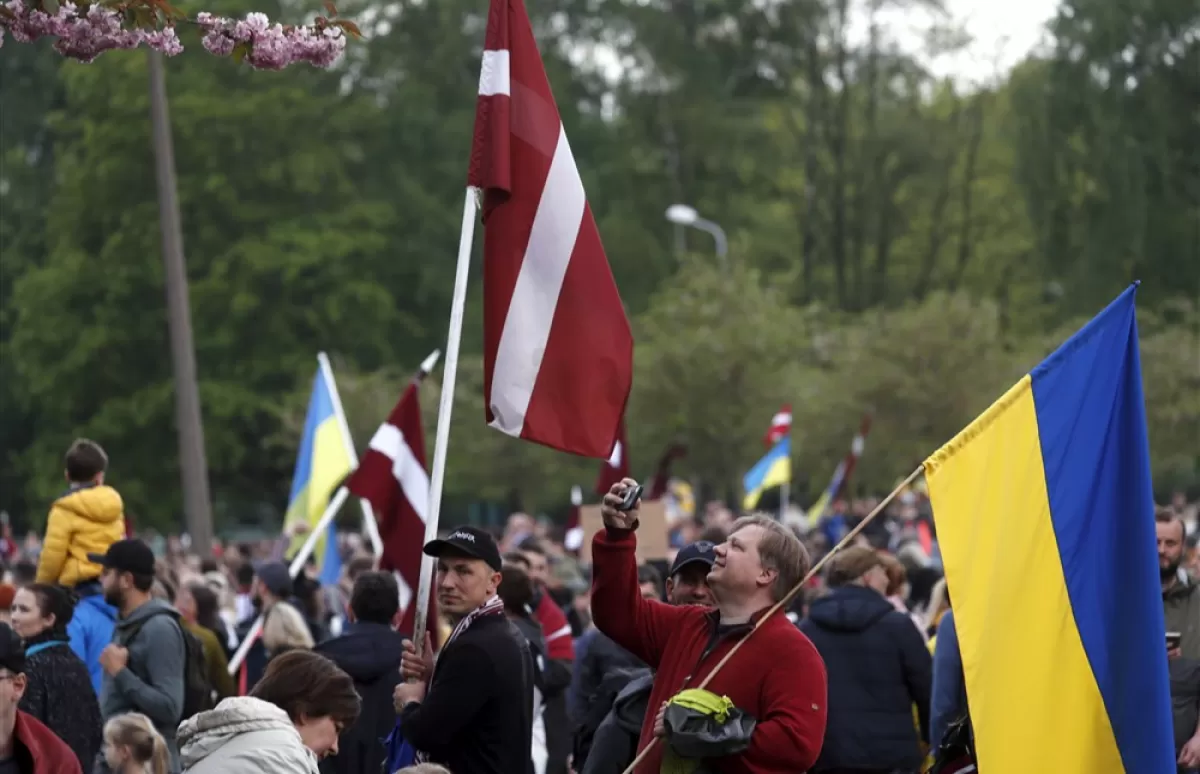
Russia has drawn plans for each Baltic country on how to influence local politics and society. The war in Ukraine seems to have derailed these plans, but that doesn’t mean that Russia’s long-term goals have changed.
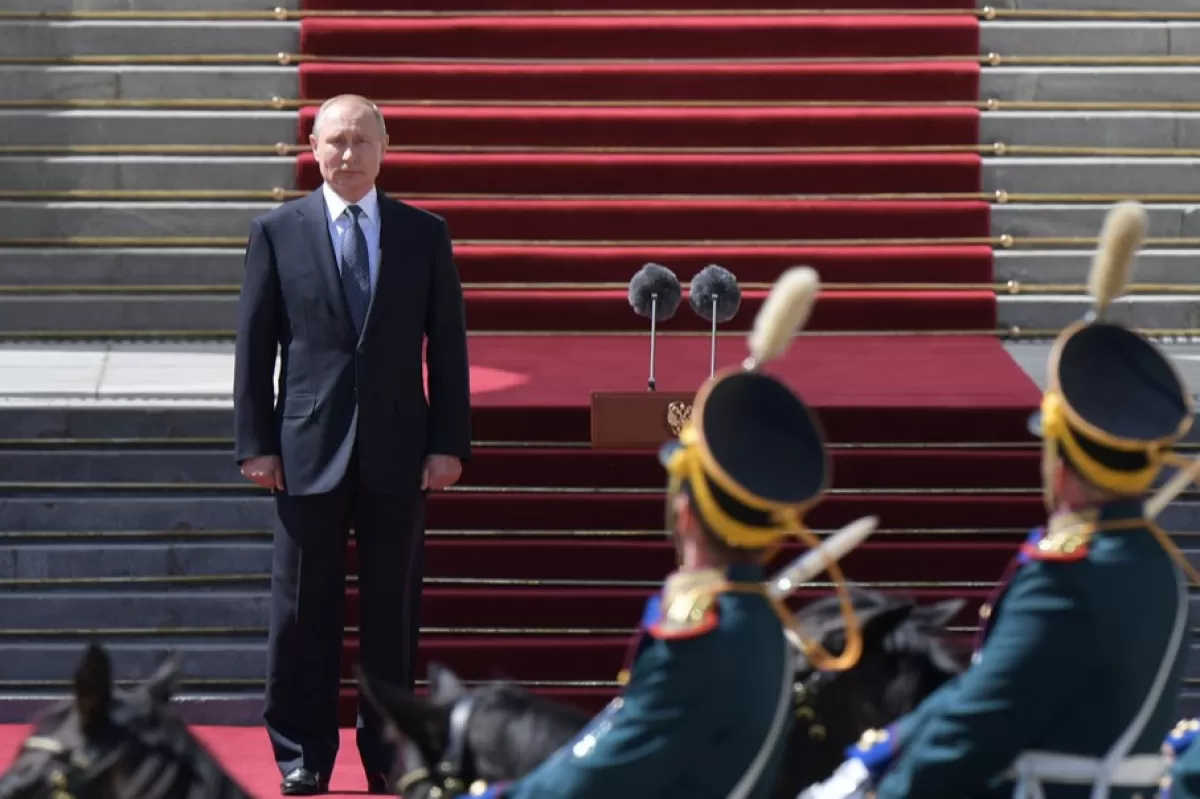
Putin’s propaganda managed to bring Russia to the brink of a civilizational makeover, at the end of which we will finally be able to claim that Russia’s quest for empire has truly ended.
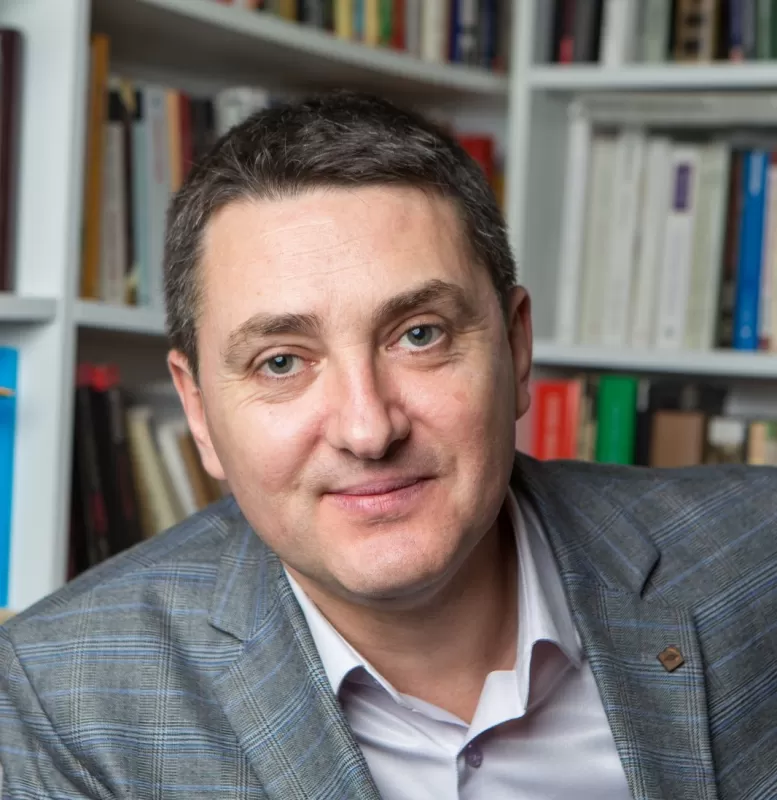
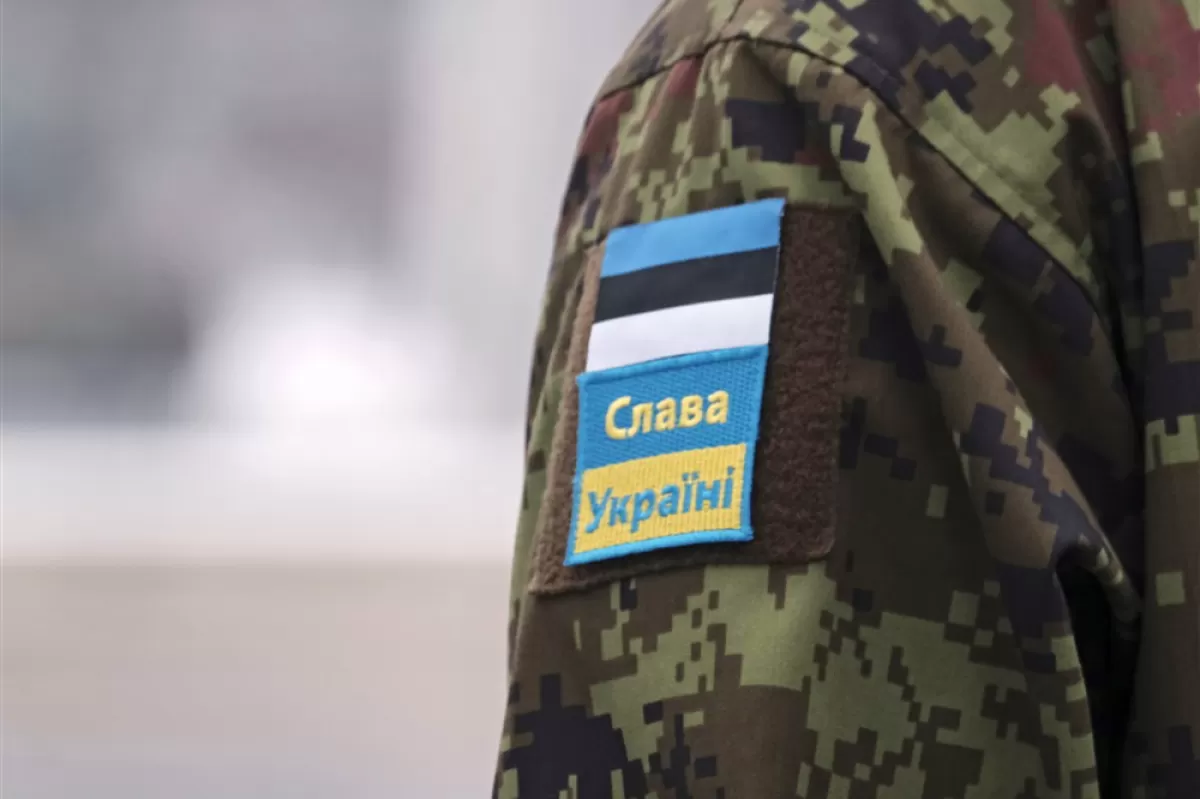
In March, a scandal erupted in Estonia: money raised for Ukraine by the most famous Estonian charitable organization, Slava Ukraini, had apparently been misused. This lead to a sharp decrease of donations for Ukraine and brought into spotlight that country’s rampant corruption.

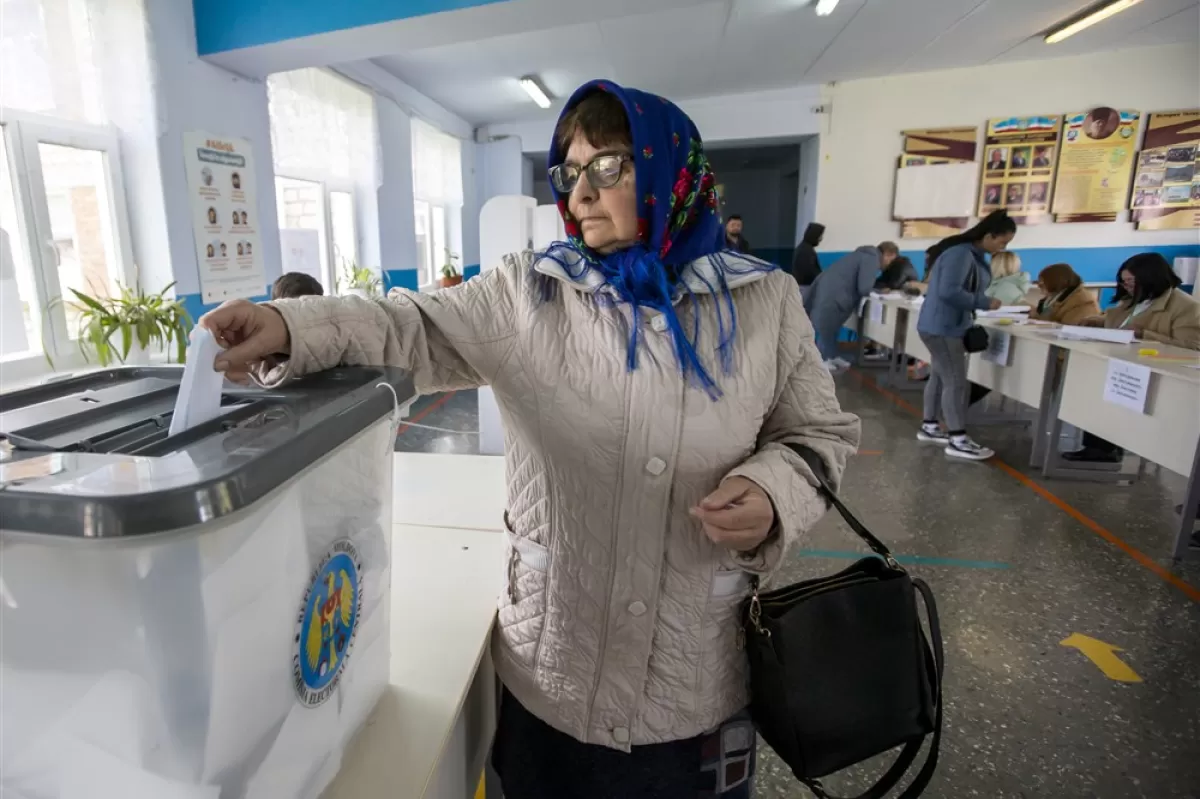
The candidates supported by the former president Igor Dodon, and the fugitive oligarch Ilan Shor respectively, got the largest number of votes in the first round of the elections for the office of Governor of Gagauzia. The campaign was marked by the promotion of Russian propaganda narratives, the involvement of some Russian politicians and artists, but also by a diplomatic scandal between the Republic of Moldova and Russia.

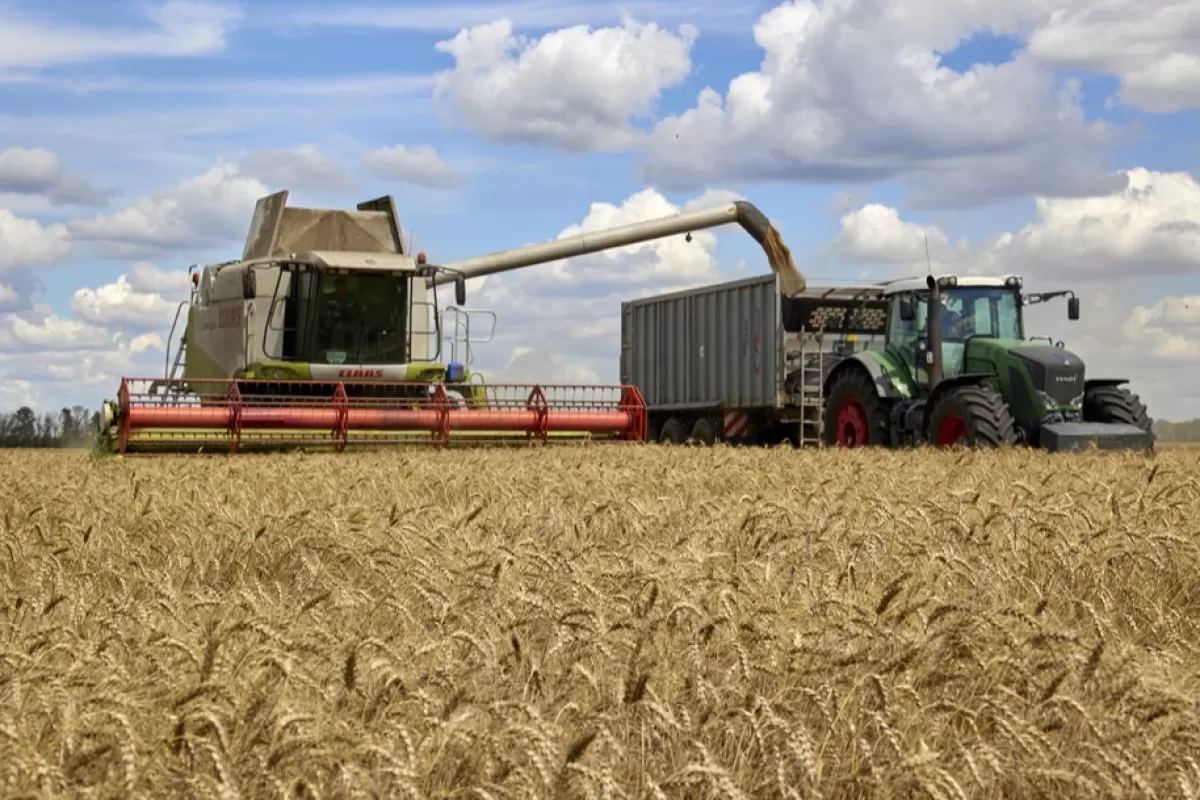
Like many other topics linked to Ukraine, the grain crisis was also used to discredit Kyiv and undermine international assistance to this country. Certain aspects about this story have been exaggerated or taken out of context, while quite a few false narratives have also surfaced in the region. Veridica has examined 12 burning questions about the Ukrainian grain crisis.
---copie-image.webp)
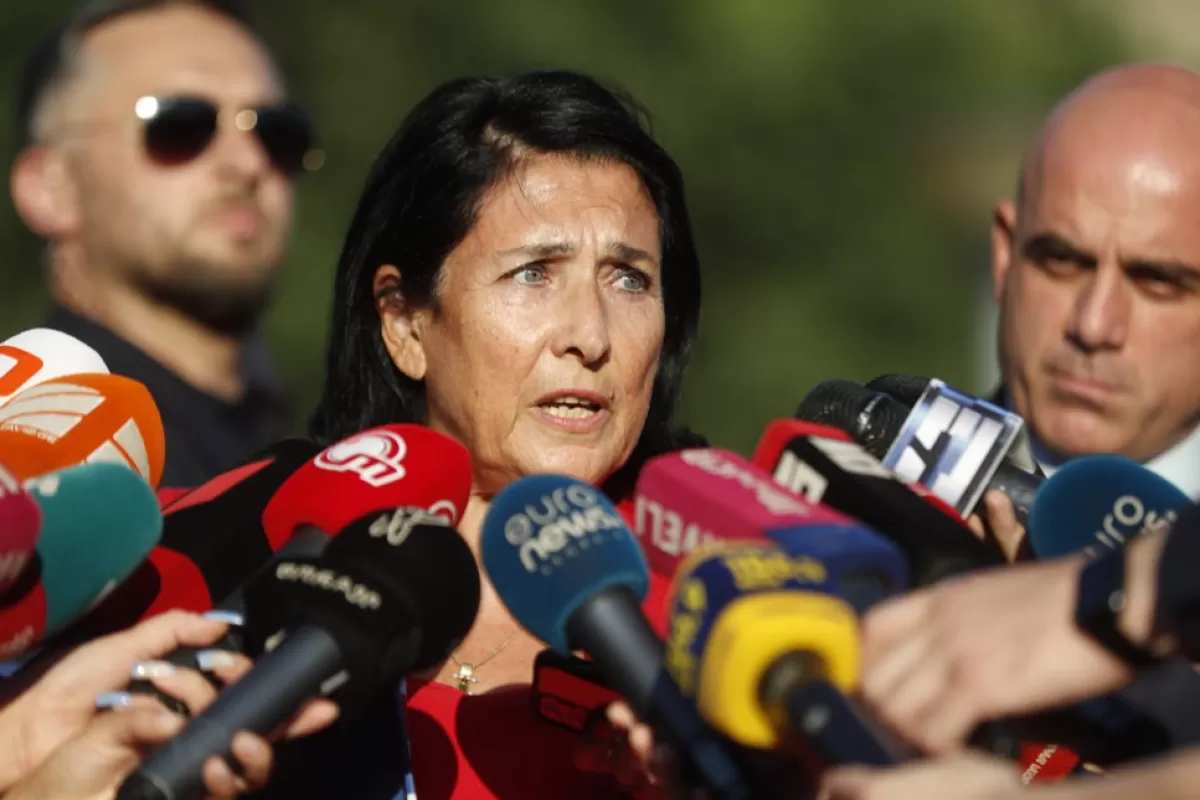
Georgian President Salome Zourabishvili is increasingly distancing herself from the ruling Georgian Dream party that helped her win the elections. Zourabishvili opposes the Georgian Dream increasingly anti-Western rhetoric and seems poised to challenge the Georgian Dream with a new political movement that would bring Georgia closer to the EU.
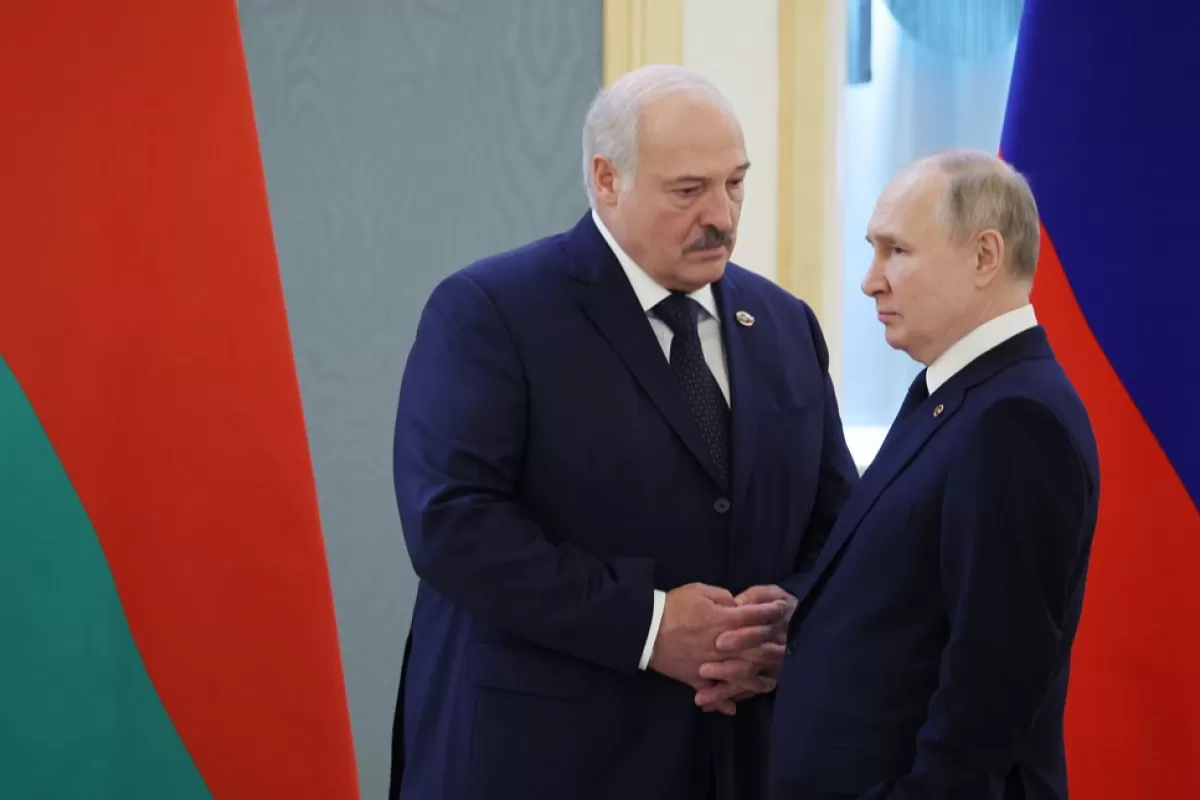
Alexander Lukashenko’s close ties to the Kremlin have made Belarus a co-aggressor in Russia’s war against Ukraine, which in the future might turn this country into a target of a possible nuclear retaliation. All that was made possible due to the barter Belarussian authorities consented to by allowing Putin to use a strategically important territory in exchange for keeping Lukashenko in office. Yet just how important a part does Belarus play in the Russian-Ukrainian conflict and what does that entail for the future of the region?
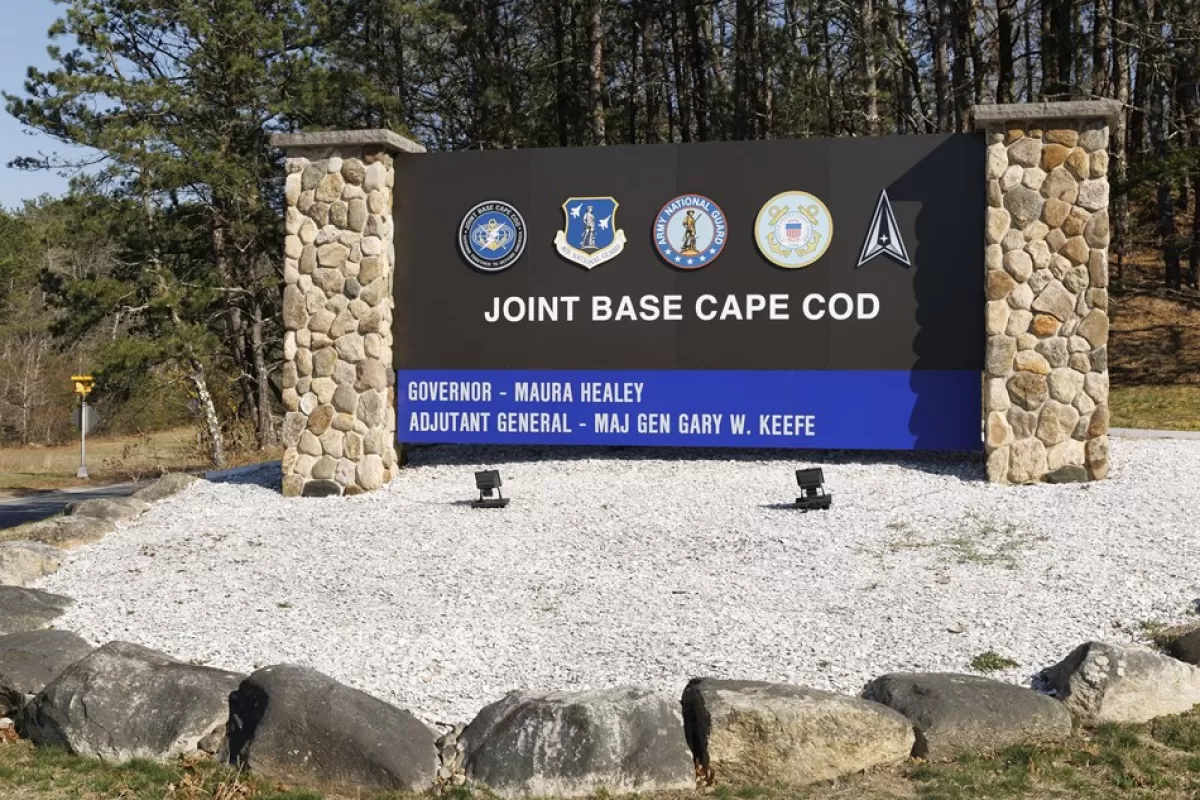
US authorities have arrested and indicted a suspect in the leaked Pentagon documents investigation. There are however questions the public expect to be answered, from how a 21-year-old was allowed to upload top-secret documents online, to the nature of the data itself – are we truly looking at classified information, or is this an elaborate form of disinformation?
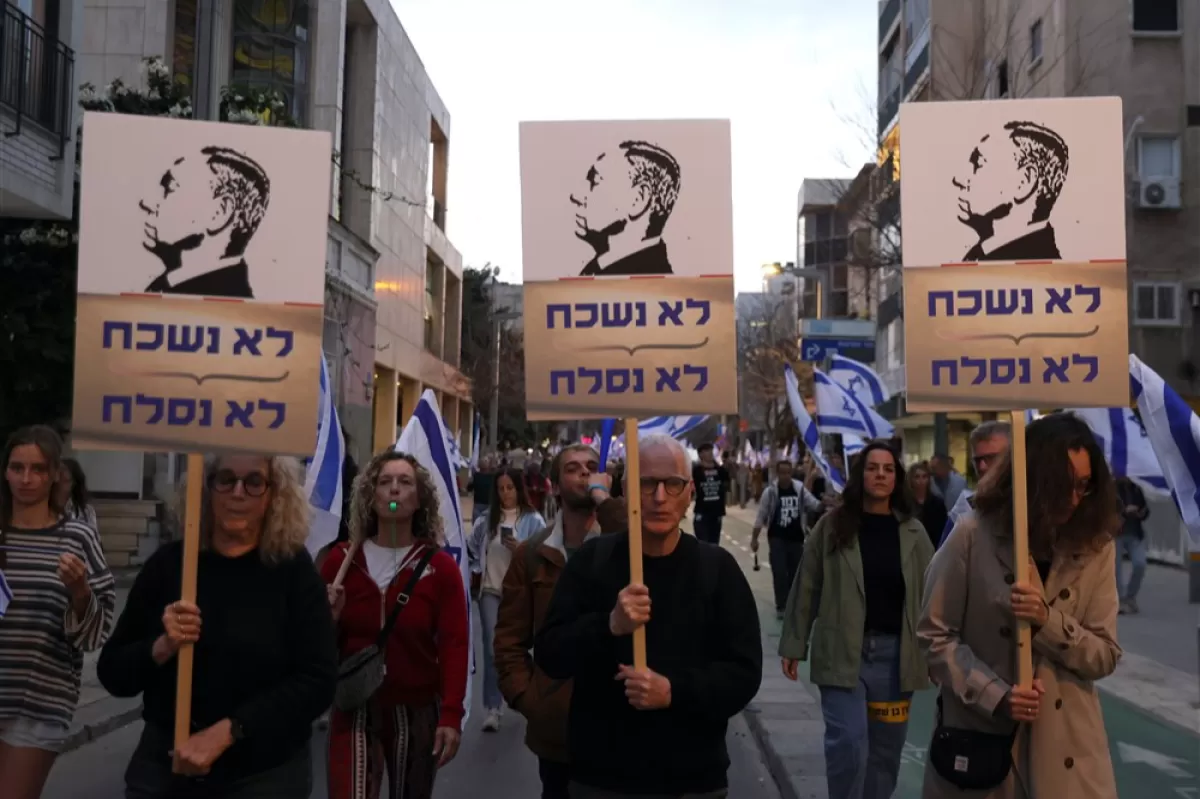
For a long time, the silent majority of Israelis have allowed the Netanyahu administrations to erode the democratic system and jeopardize the chances of peace with the Palestinians. But hundreds of thousands of people took to the streets to stop the justice reform that most Israelis see as a danger to the country's democratic institutions - but which is wanted by the extremists on whom the government depends.
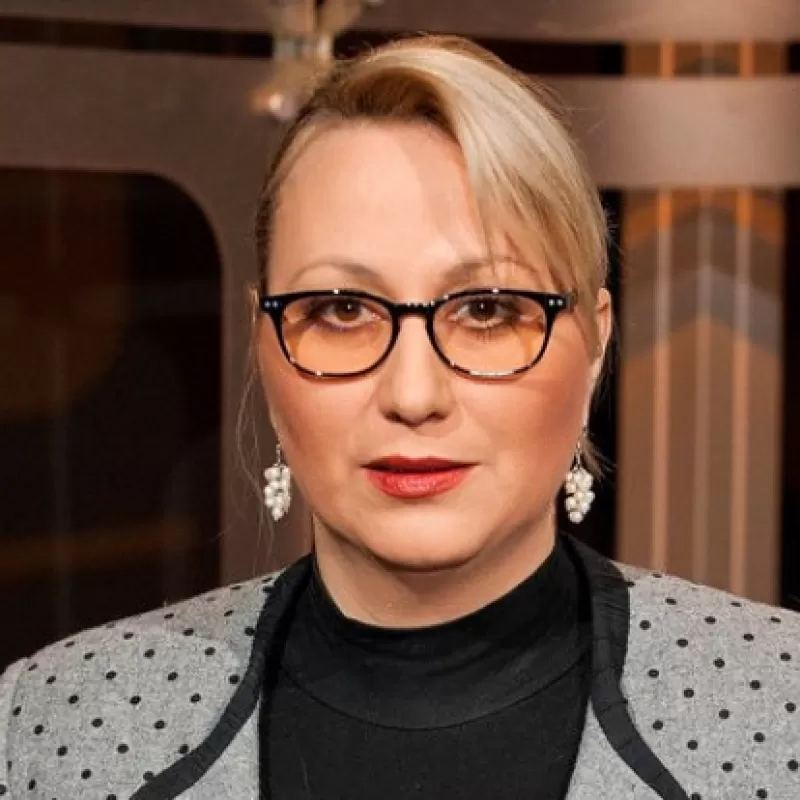
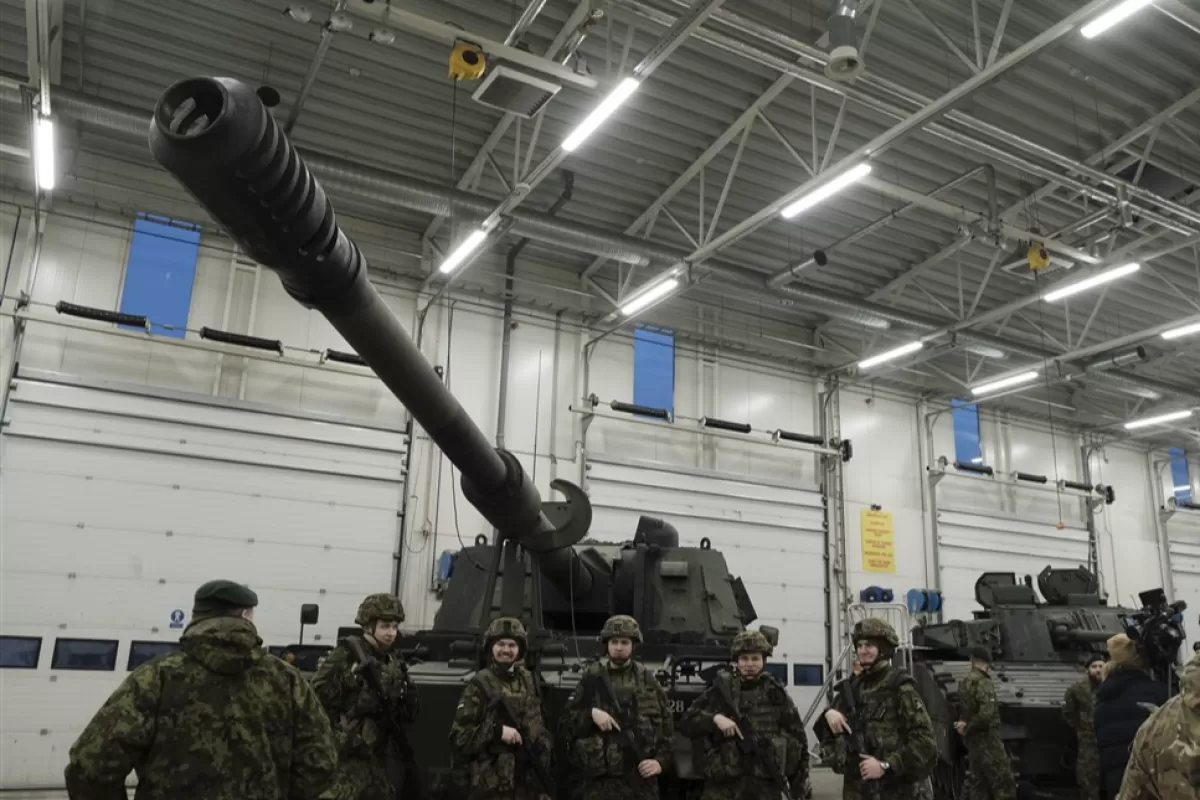
Estonia gave Ukraine old weapons, paid for with European money, but charged Brussels for new ones, according to European sources quoted by Politico. Many in Estonia’s political establishment categorically rejected the allegations, but some admitted there is some truth in them, explaining that the scandal has to do both with Tallinn’s self-righteousness towards its partners when it comes to helping Ukraine, and its desire to better arm itself.
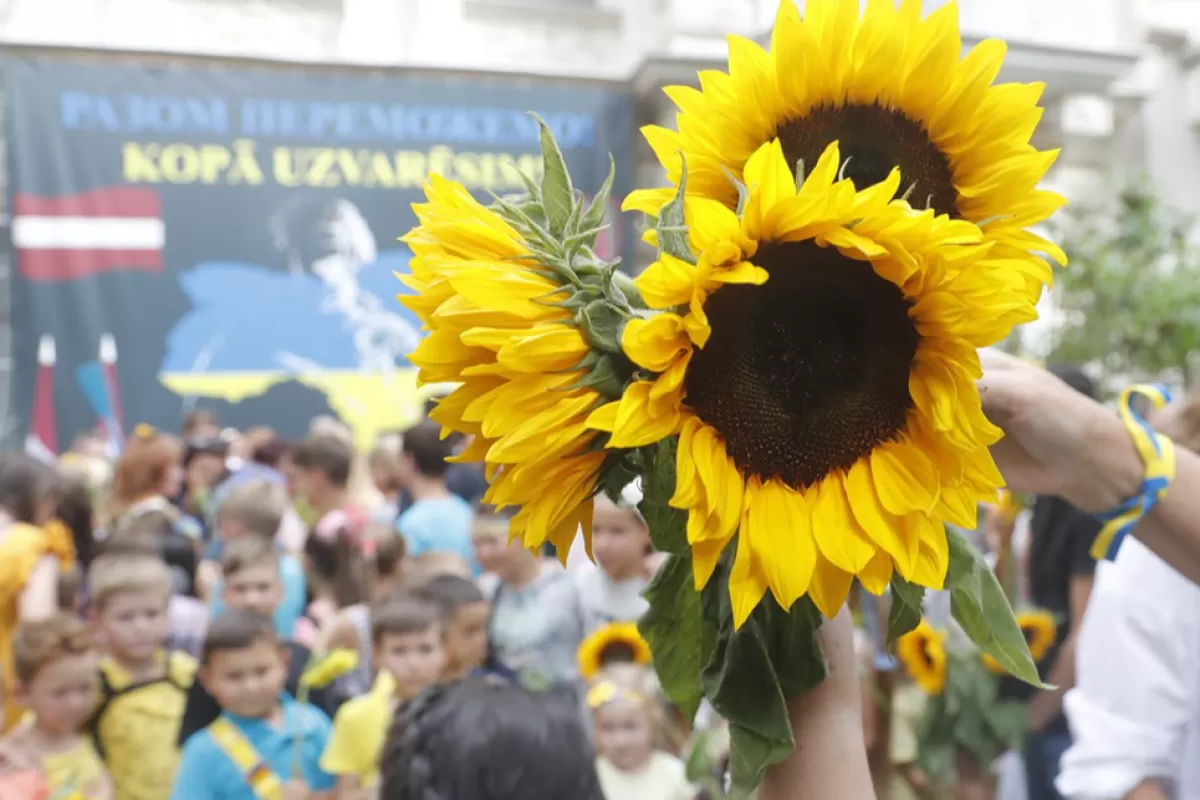
Latvia is a staunch supporter of Ukraine. However, around one quarter of its population is made up of Russian ethnics, and the number of those speaking Russian as a first language is higher. The war in Ukraine brought into focus the loyalties of that population – do they support Riga’s policy and Ukraine, or Russia’s aggression and president Vladimir Putin? No one seems to know the answer to that.
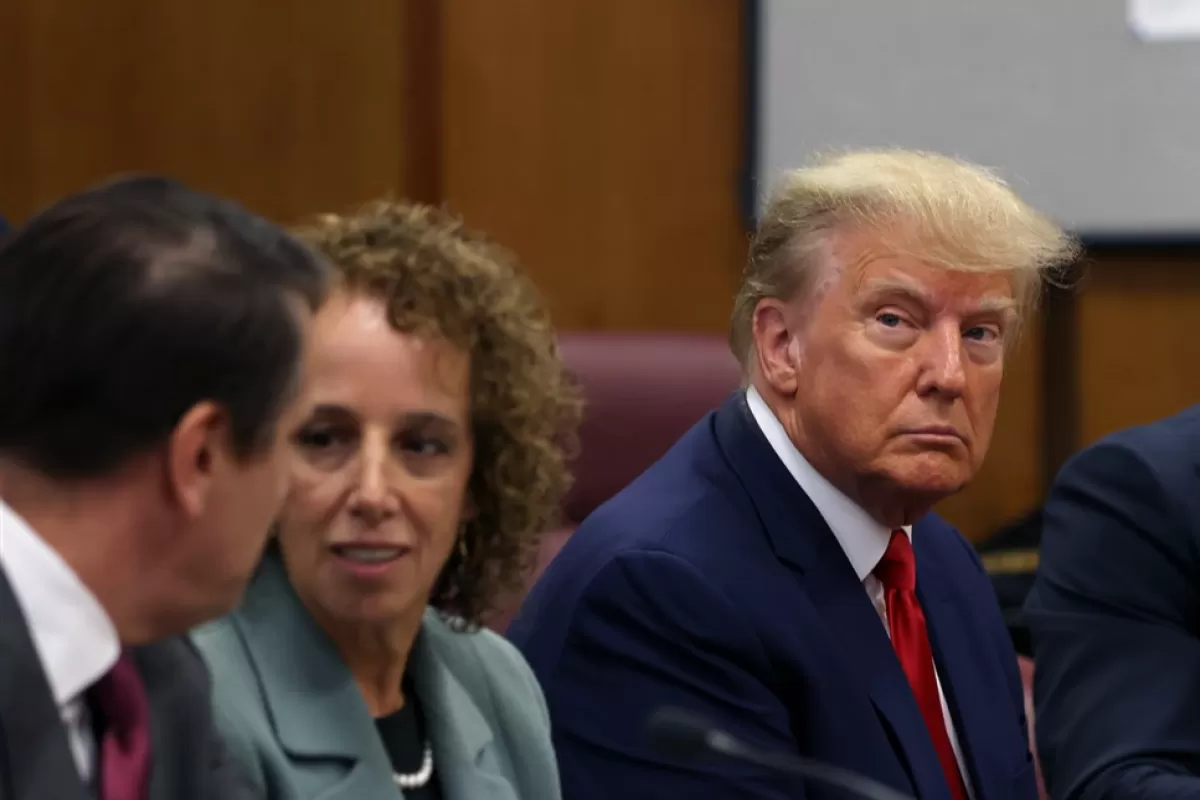
Donald Trump is the first former US president to be brought to court in a criminal investigation. How will the trial (and others that might follow) affect Trump’s political standing, given the ex-president has already announced his White House bid in 2024?
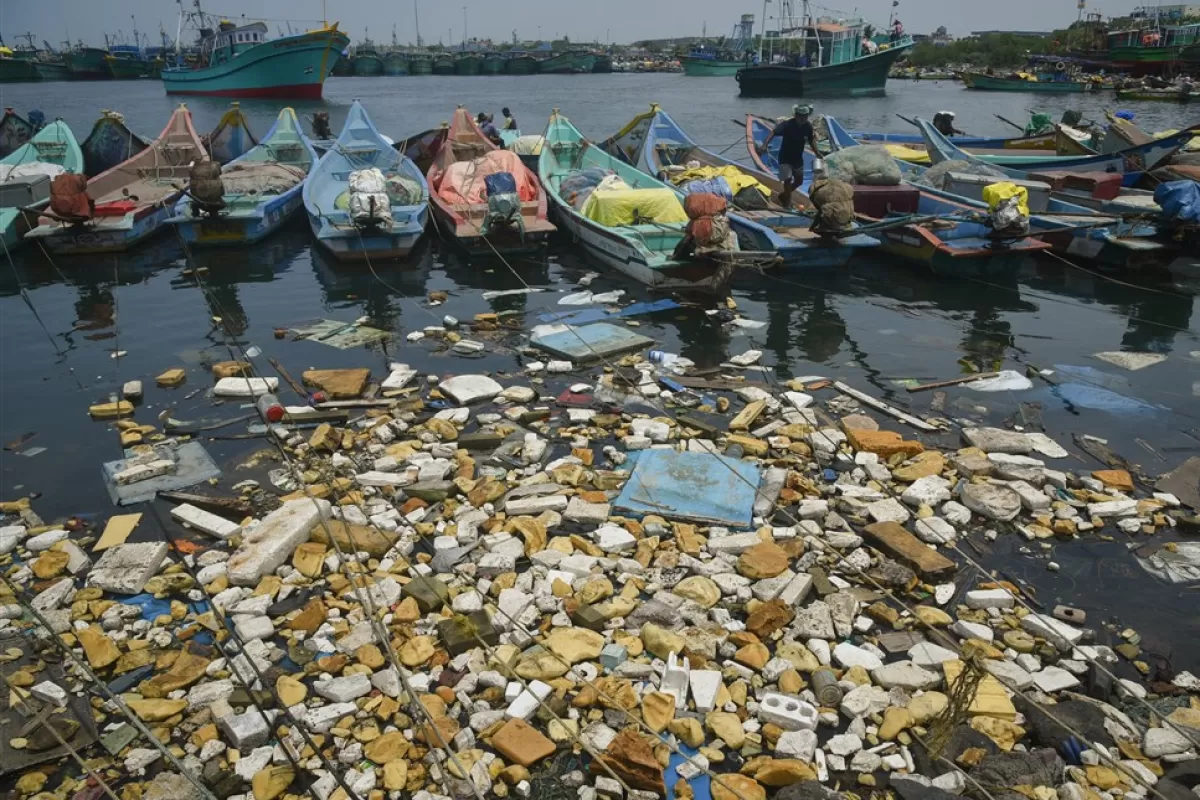
Carbon emissions, pollution and overfishing are putting the world's oceans at risk. They play a key role in maintaining the ecological balance of the Earth, but also in the global economy. Urgent measures to protect them and a better understanding of the phenomena that affect them are much needed.
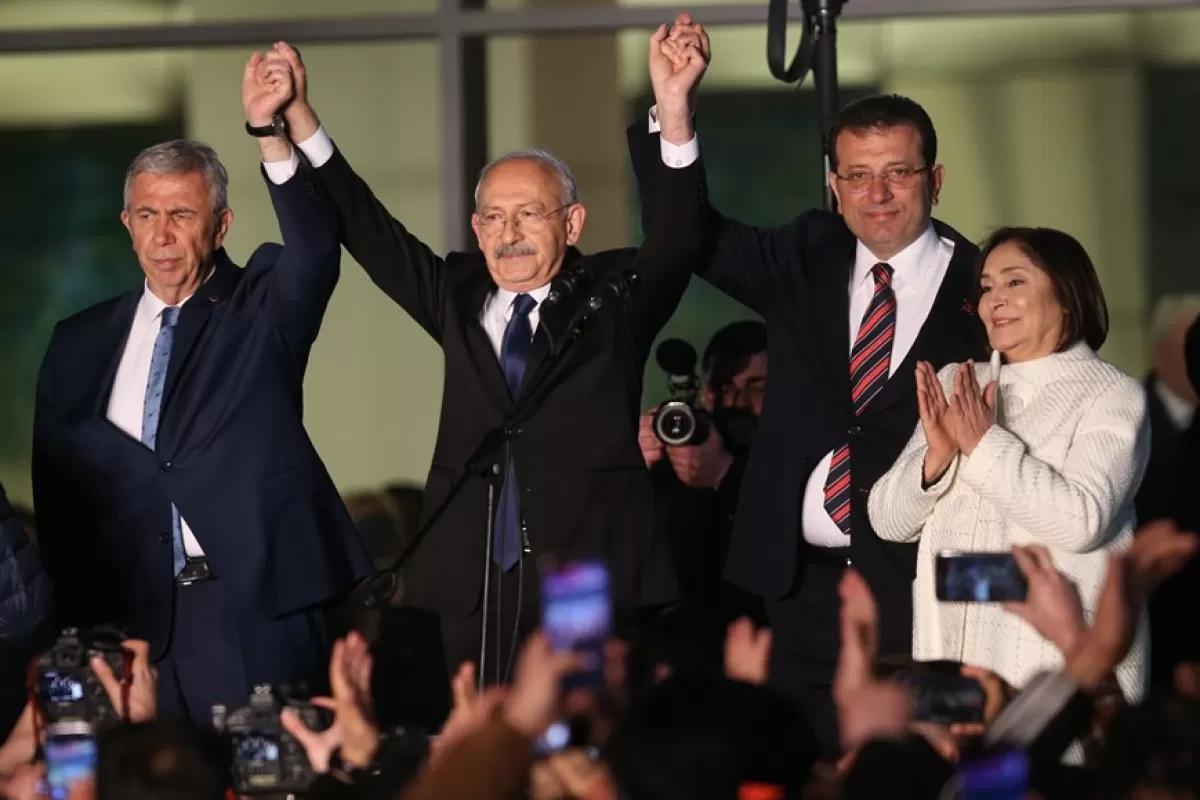
Recep Tayyip Erdoğan and his party, AKP, will face the most difficult elections in the last twenty years. The economic crisis, the February 6 earthquake, the opposition coalition and the possible mobilization of the Kurds diminish Erdoğan's chances of staying in power. The end of the Erdoğan era does not mean that Turkey will become a liberal democracy – but there is a chance that it will
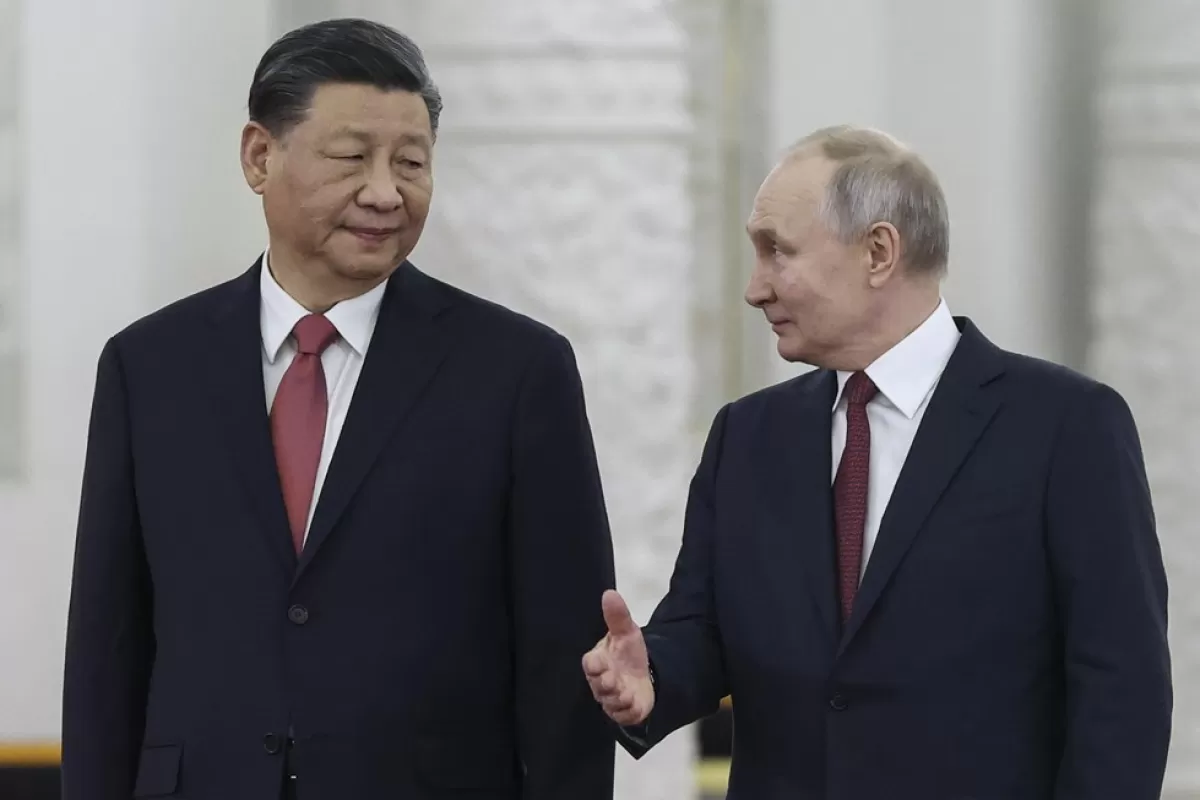
Xi Jinping visited “dear friend” Vladimir Putin in Moscow to promote his peace plan and sign deals that will take trade to $200 billion. For Putin, increasingly isolated internationally, the visit was a lifeline. For Xi, an opportunity to promote China's interests and his own image.
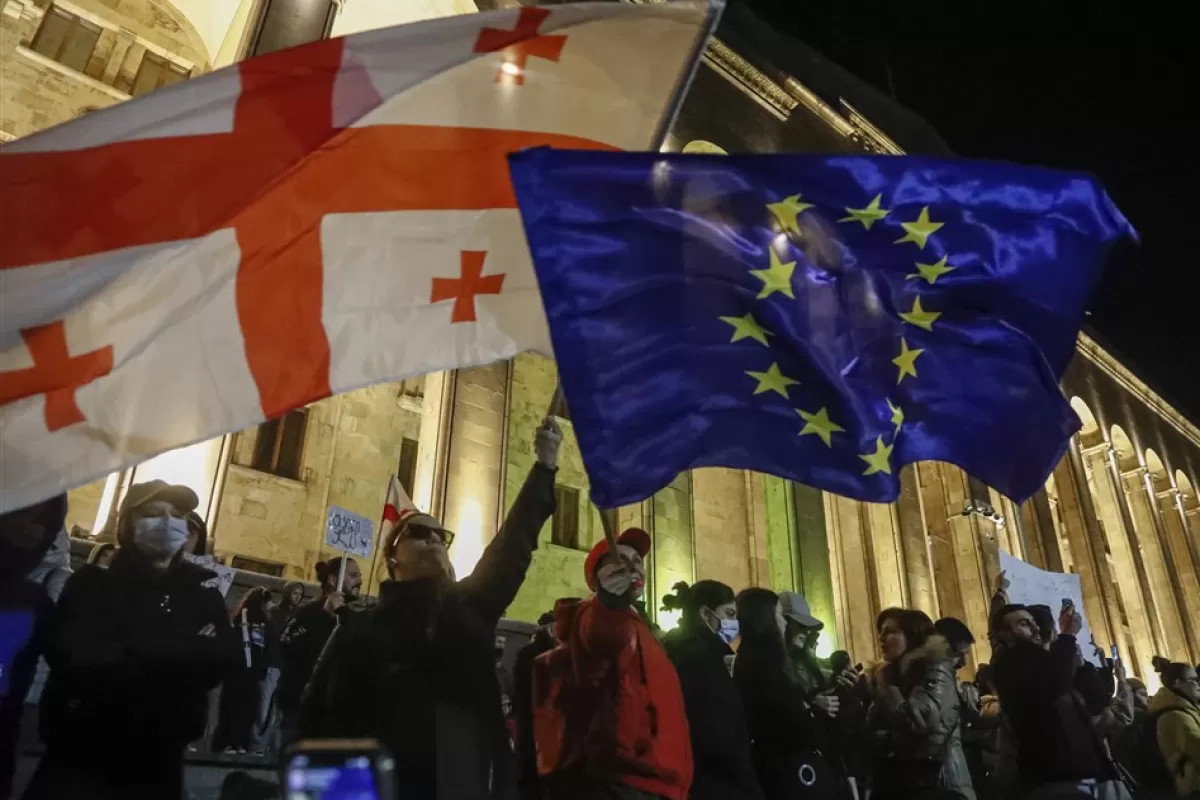
Georgia’s ruling Georgian Dream was recently forced to drop a Russian-inspired bill. The party seems determined to return to this project, which may compromise Georgia's European path, but is promoted by Russian propaganda. The problem for the Georgian Dream - and for Moscow - is that most of the population opts for Euro-Atlantic integration.
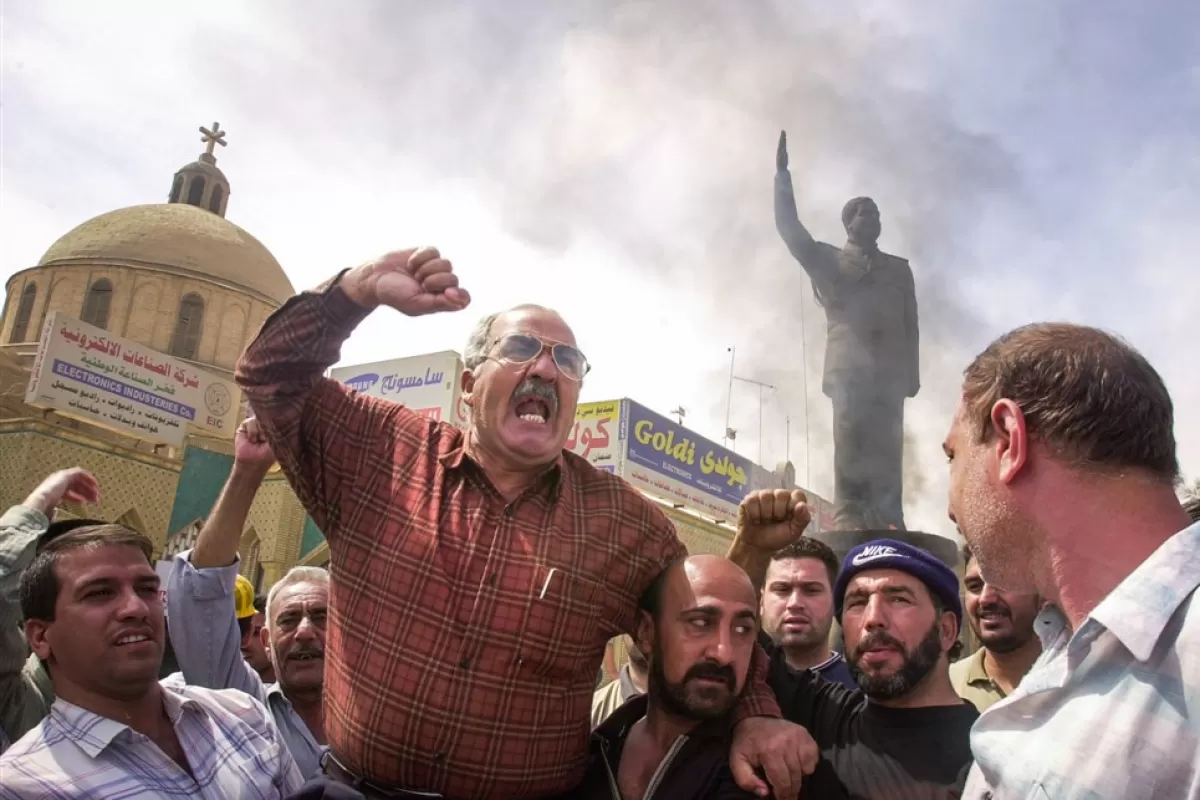
The war was launched to neutralize Iraq’s arsenal of weapons of mass destruction (WMDs) – which did not exist. It also sought to replace Saddam Hussein’s neo-Stalinist regime with a liberal democracy close to the United States. After twenty years and a series of serious mistakes, instead of a liberal democracy, Iraq got a rather authoritarian regime, despite the existence of political pluralism and free elections. The number one power that determines Baghdad’s policy-making is Iran, America’s biggest adversary in the region.
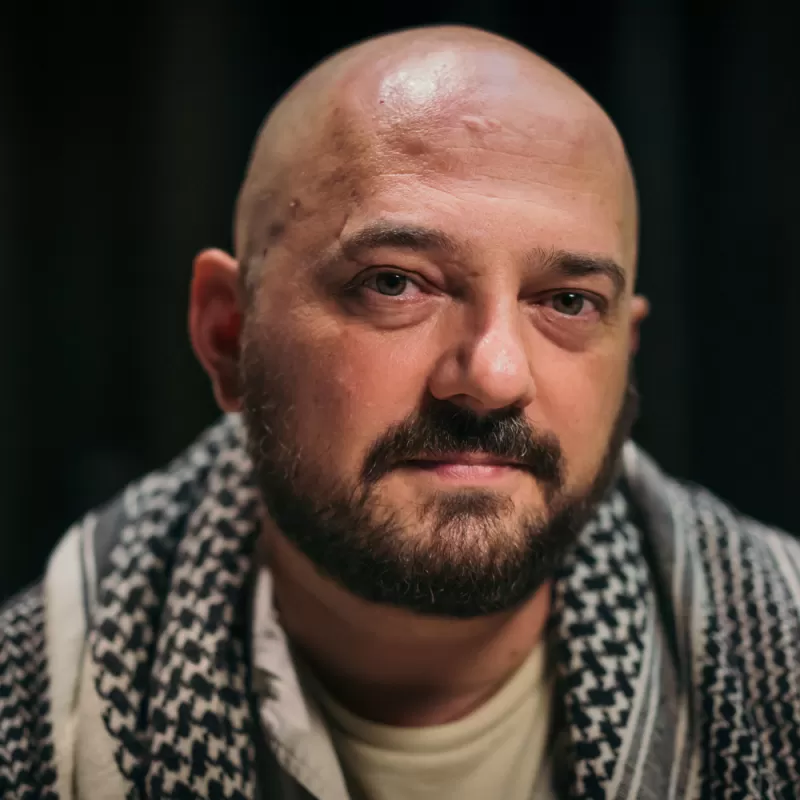
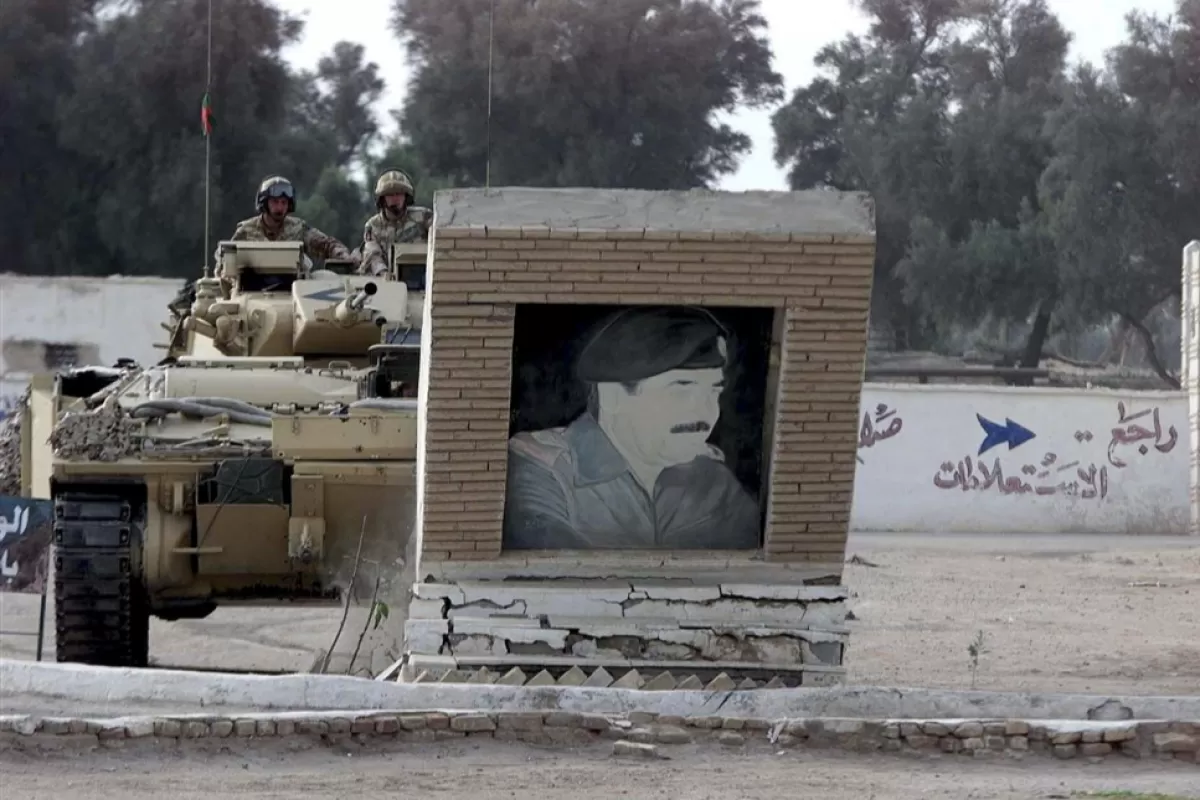
The war in Iraq started with a campaign against Saddam Hussein’s army and ended with the defeat of the Islamic State. In-between these milestones, the Sunnis and Shiites staged insurrections and started a civil war. Thousands of suicide bomb attacks were carried out during this period while battles left whole cities destroyed. Veridica presents the milestones of one of the most devastating conflicts in the Middle East.
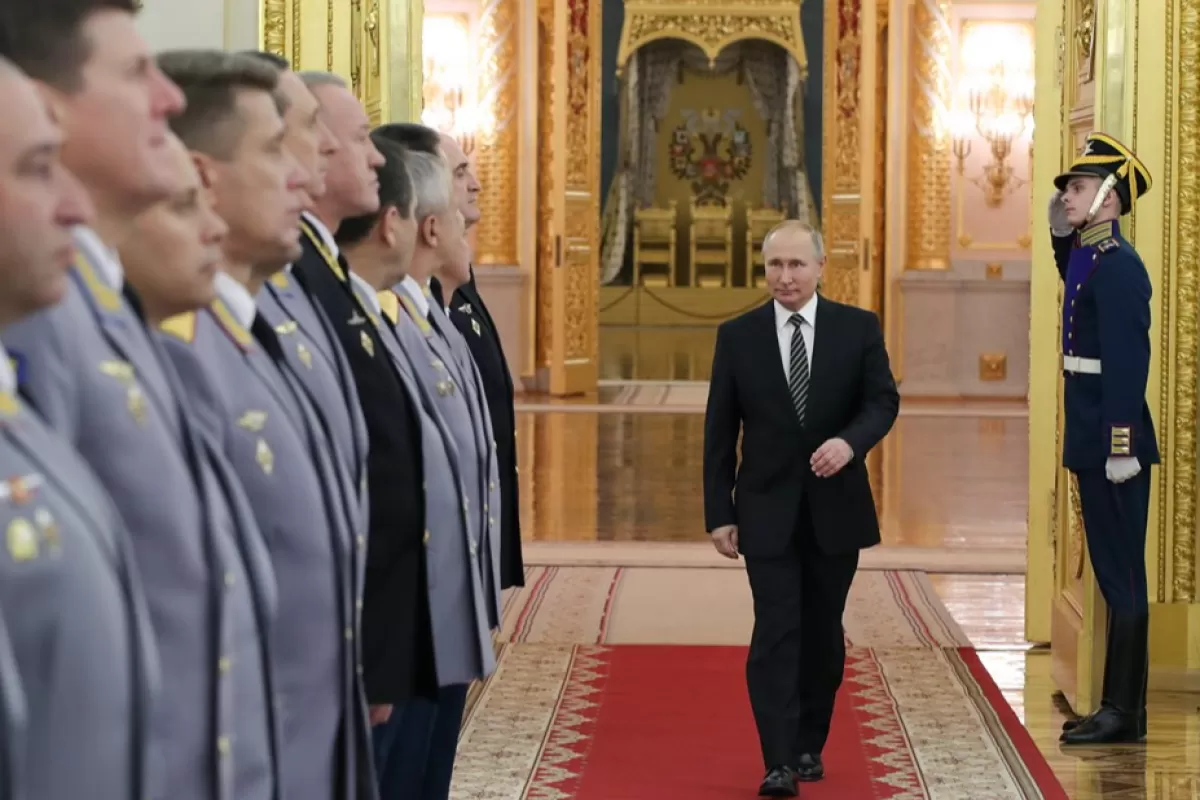
Putin’s Russia is a conglomerate of toxic residue carried over from successive historical eras. From Russia’s imperial past, Russia inherited the fixation of becoming a global power. From the Soviet era, Putin sought to capitalize on the symbolic remnants of the superpower status, to make Russians believe this chapter in Russia’s history represented the pinnacle of their political existence. He added to this legacy the cynical and cunning attitudes specific to the criminal underworld, and he wrapped them in the illusion of power and wealth, to conceal the ruin and rot of widespread corruption.
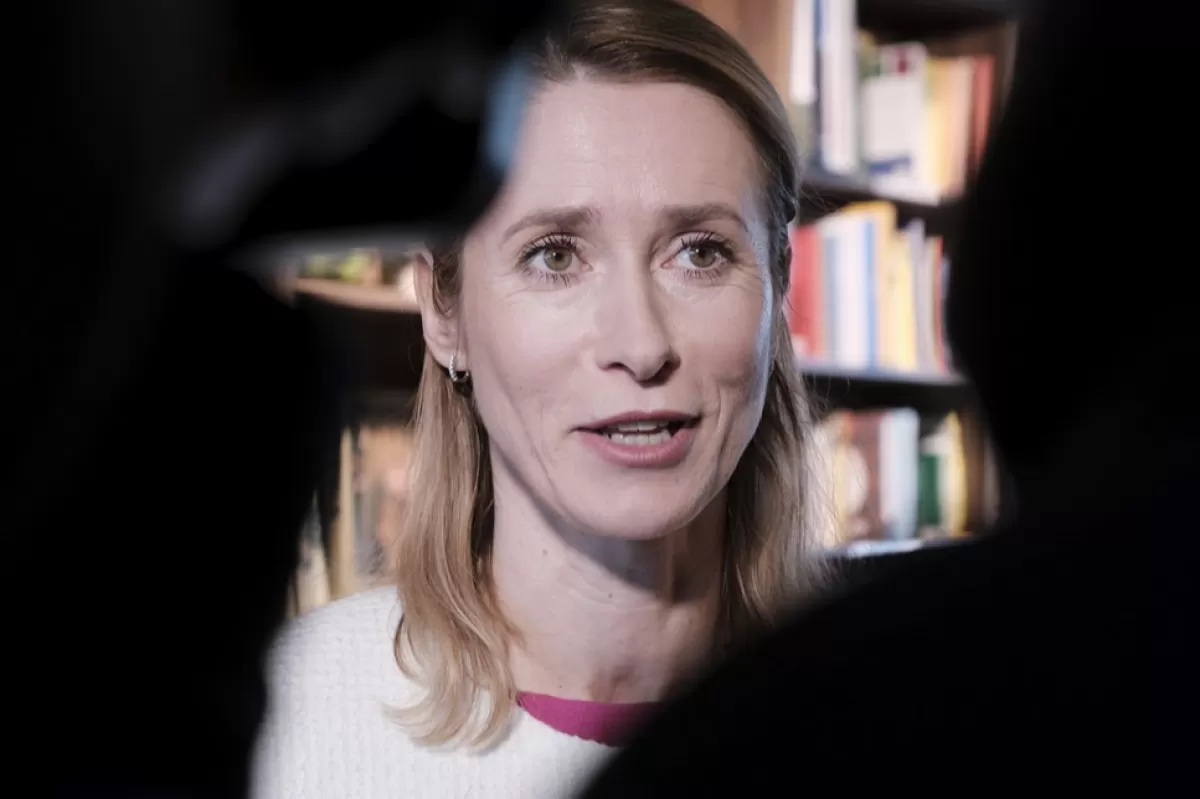
The parliamentary elections held in Estonia showed that in an extremely unstable geopolitical situation in Europe, with the war in Ukraine going on for more than a year, the population is aware of the risks and is ready to rally around those political forces that rely on the European Union and NATO. At the same time, there were also some unpleasant discoveries for Estonian society.
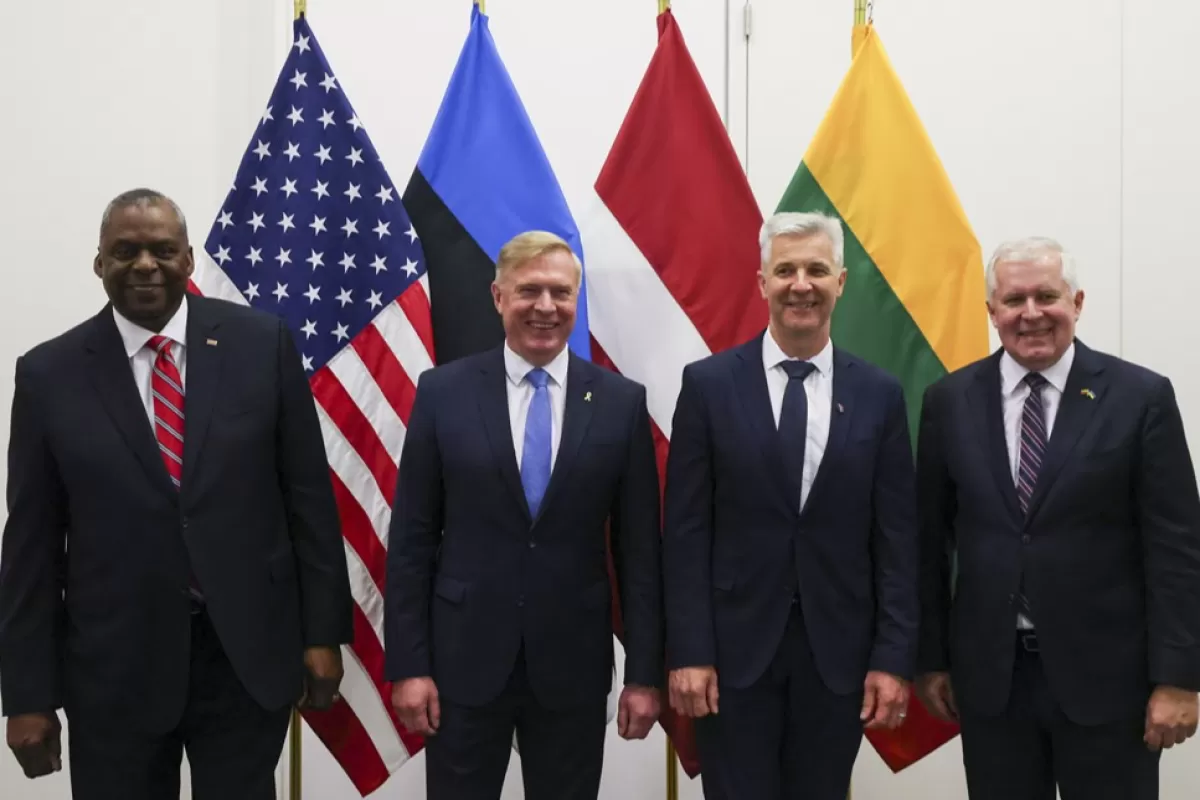
Ever since the collapse of the Soviet Union, the Baltic countries have been skeptical about Russia’s true aims. It was a view that proved to be more realistic than those held by many in the West, who thought that Russia can be a genuine partner of the Western liberal democracies and part of a stable international system.
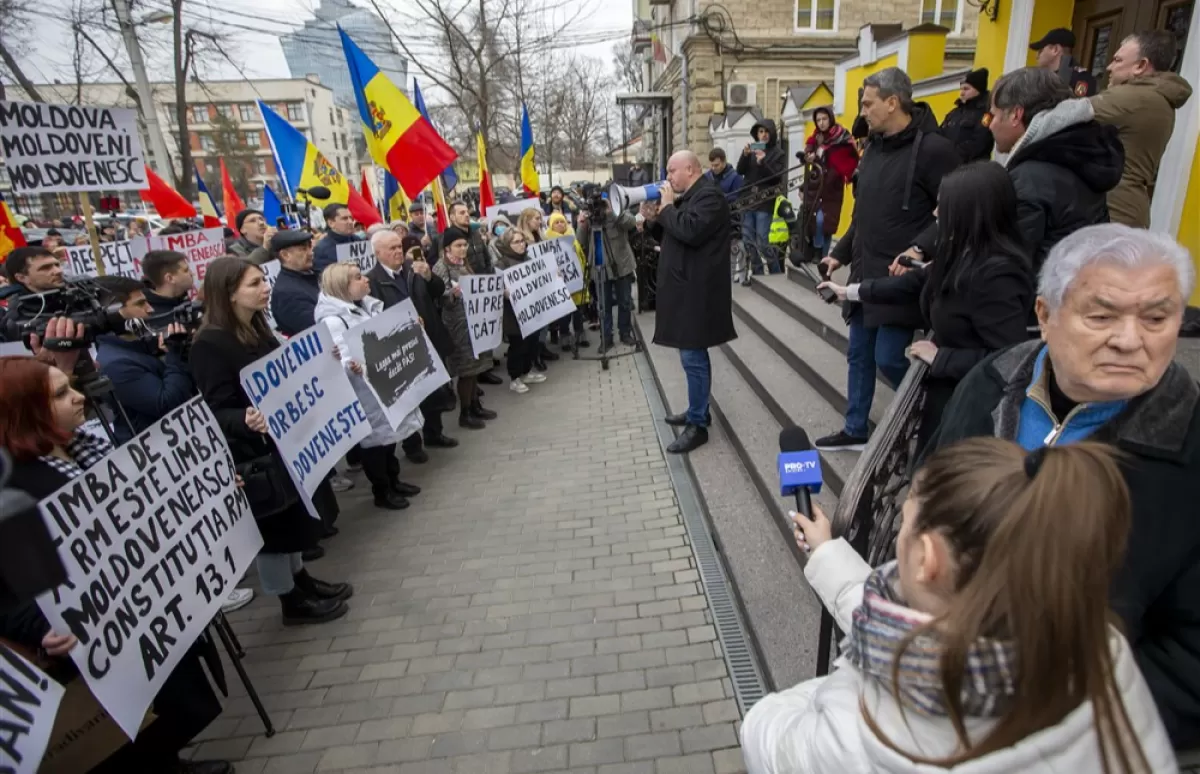
The linguistic and identity issue has persisted throughout the Republic of Moldova’s 30 years of independence. The most important claim during the national liberation movement of 1988-91 – the recognition of the Romanian language as the official language and the fact that Moldovans are part of the Romanian people – was hijacked in the following years by politicians from the old communist nomenclature, who also succeeded to include in the Constitution the phrase “the Moldovan language” as the state language.
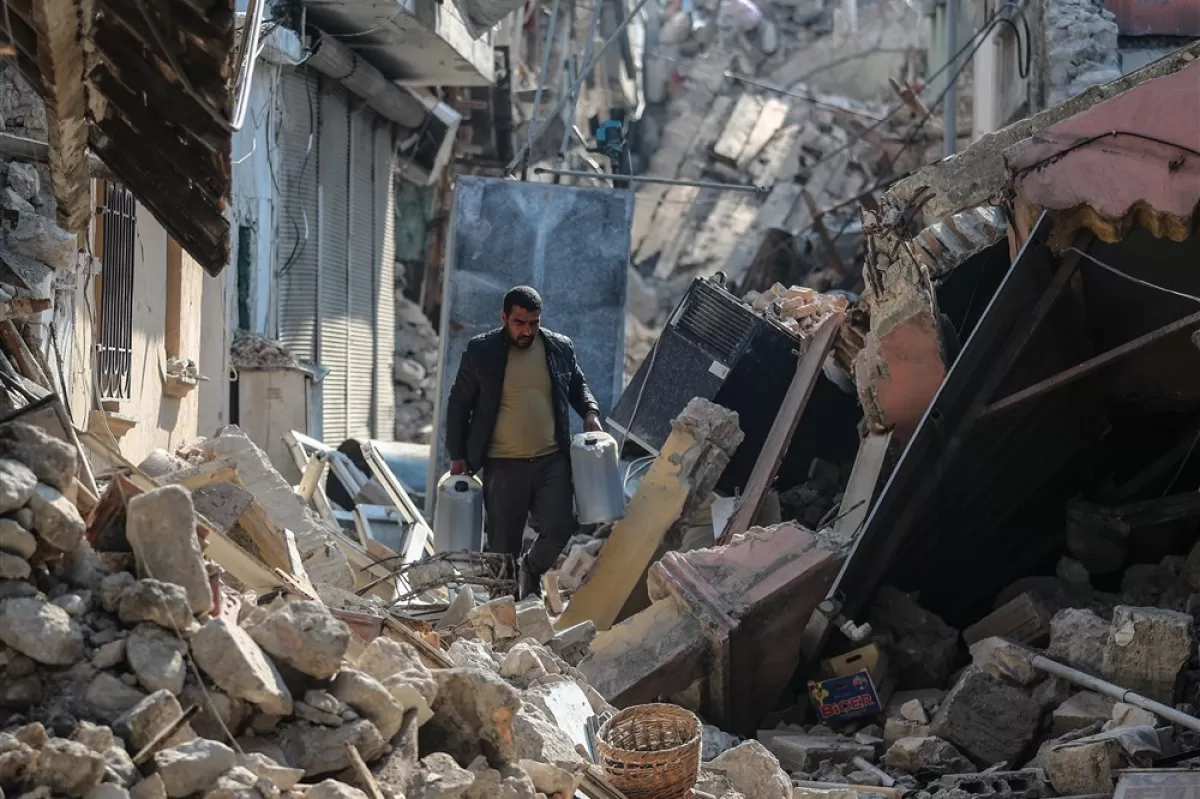
The February 6 quake could deal a heavy blow to the administration led by Recep Tayyip Erdoğan, commonly seen as the man responsible for the disregard of building safety codes. The Turkish president came under heavy criticism for the authorities’ sluggish response to this disaster, which affected primarily the Kurds and the Alevi. The quake might equally exert a heavy toll on Turkey’s foreign policy, considering that Ankara’s traditional enemies have shown solidarity with the Turkish people.
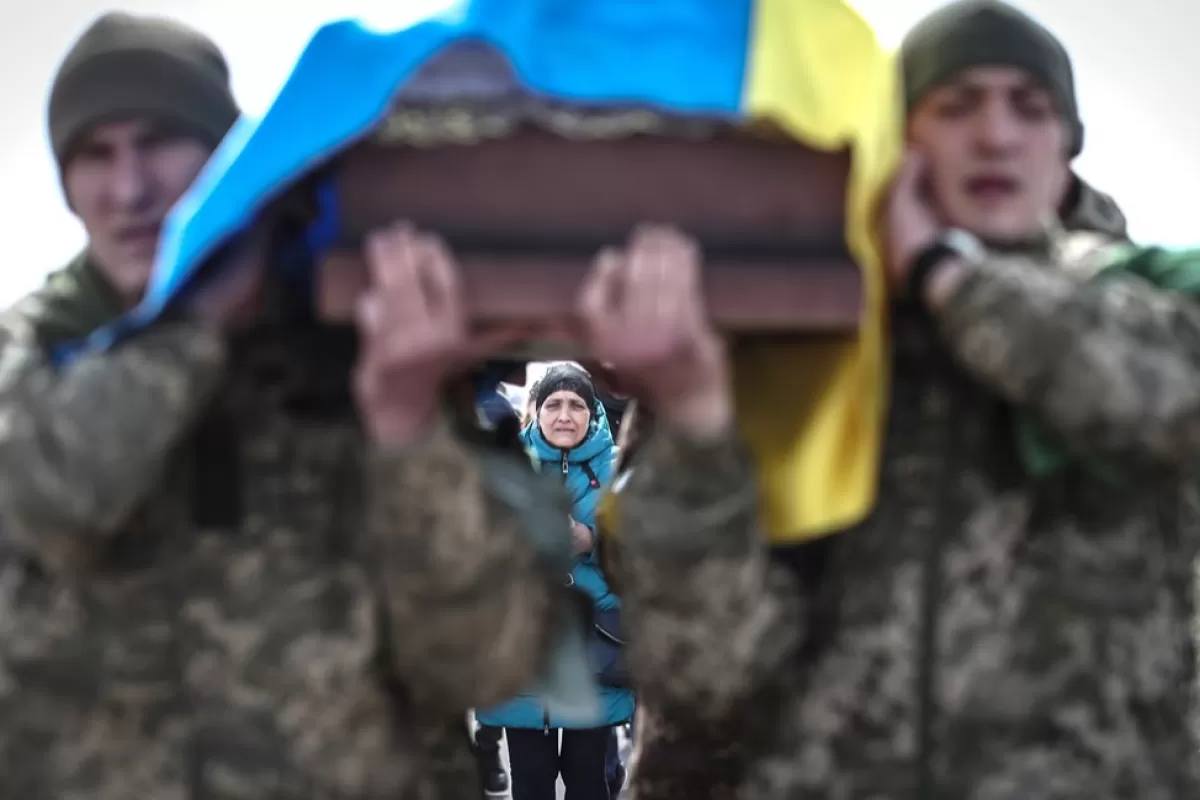
Russia launched its “special military operation” in the early hours of February 24. The scale and direction of the Russian attack show that Moscow was planning a blietzkrieg that would end with the beheading of the Ukrainian leadership and at least the seizing of the entire Black Sea coast to open the way to Transnistria. However, the Ukrainian resistance overturned Moscow's plans, and the conflict became a long-lasting one, in which both camps have scored successes, but also failures. Veridica presents 10 of the main moments of this war.
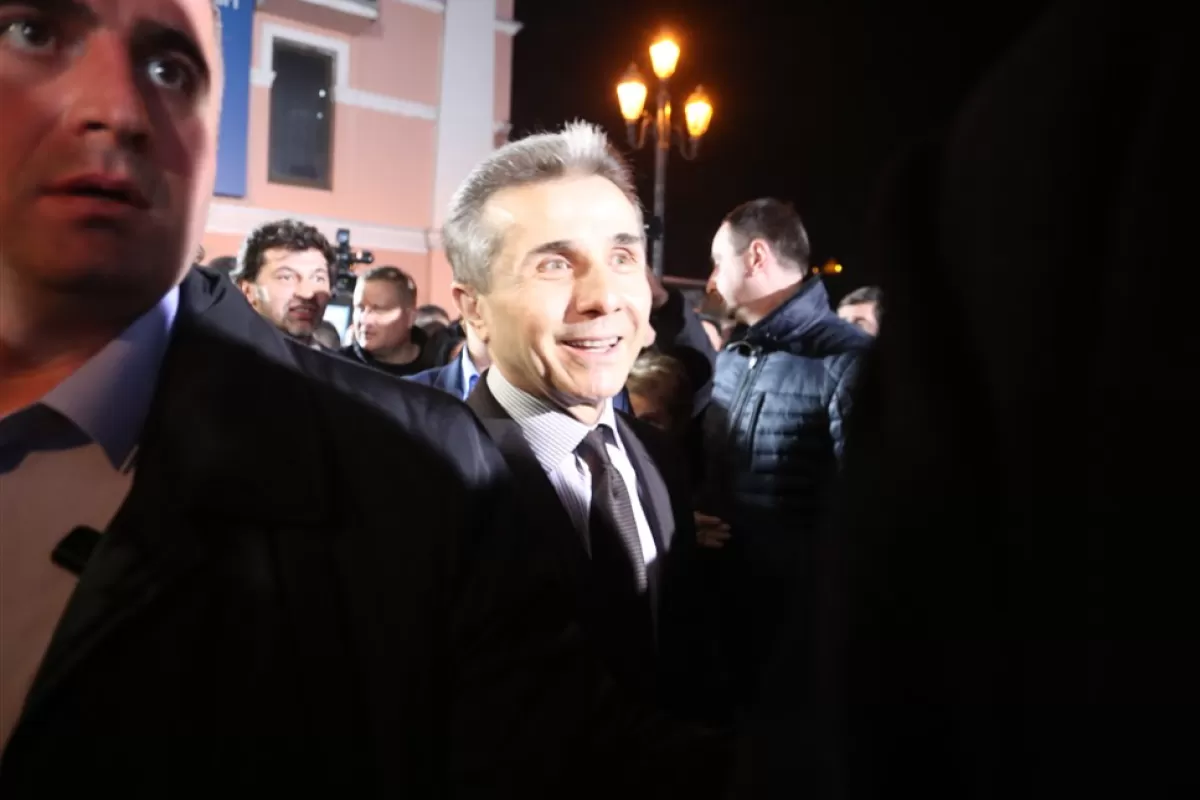
Formally, Tbilisi maintains its course towards integration into Euro-Atlantic structures, but the movement towards the West has been on inertia lately, while Moscow's influence is only growing. The ruling party, founded by oligarch Bidzina Ivanishvili, increasingly links national interests with his personal interests, be it political or business related. At a decisive moment for Georgia's future, such a policy may prove fatal.
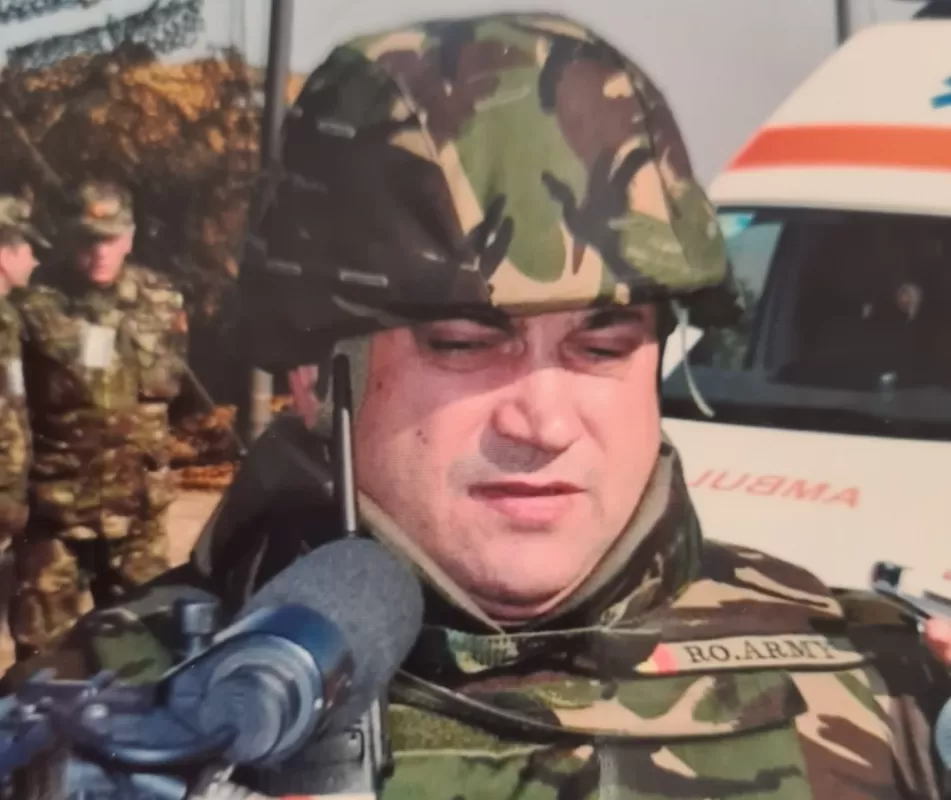
Ukraine would need two fully equipped mechanized divisions to push the Russian forces out of the four regions annexed in the fall, according to the reserve lieutenant general Cătălin Tomiță Tomescu, tank officer and former commander of the Multinational Corps South East (MNC-SE ), NATO’s regional command. General Tomescu warns, however, that its human and material resources are an advantage to Russia, as well as the fact that its leaders are indifferent to the huge losses they are experiencing on the front.