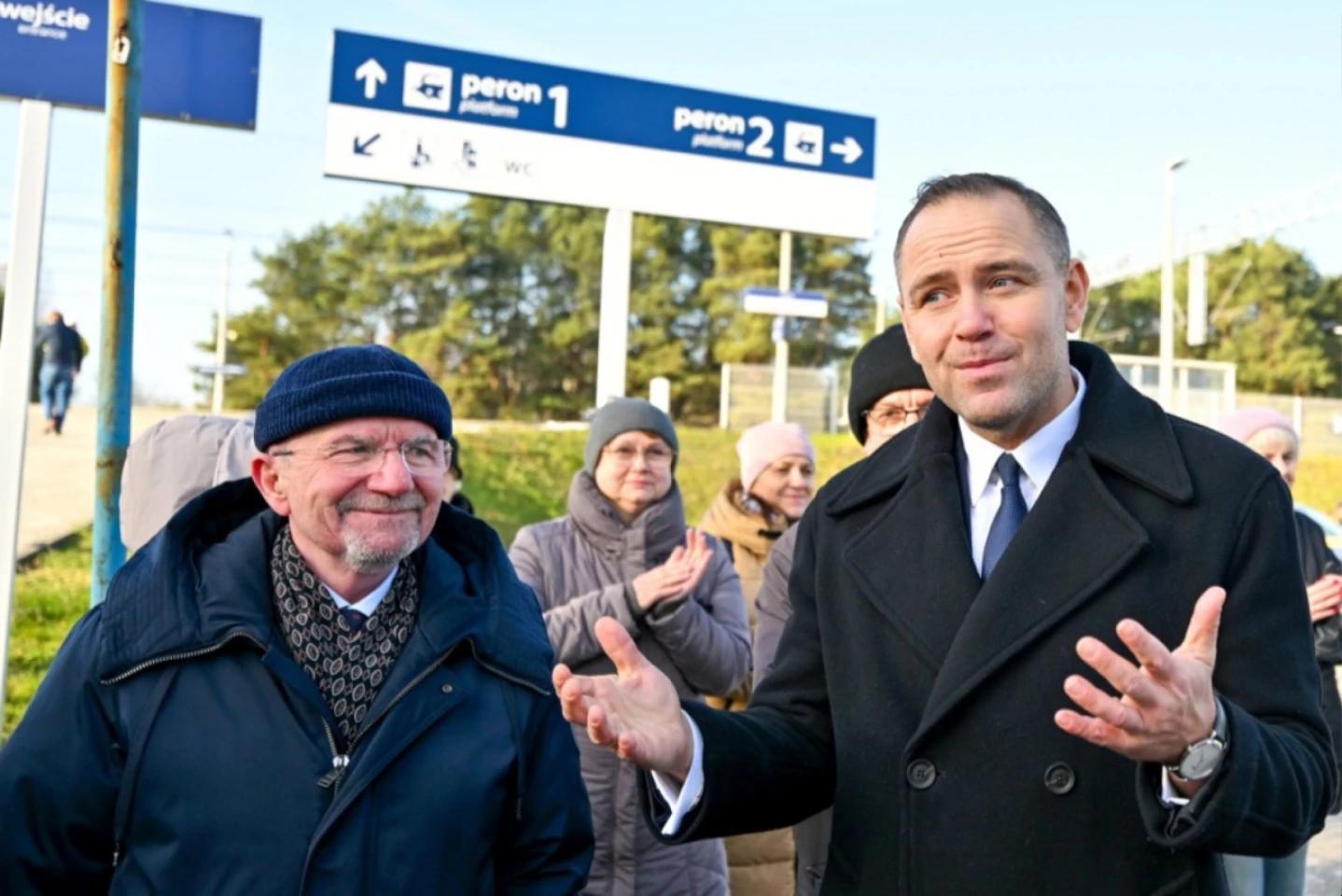
In 2025, presidential elections will be held in Poland. People are already saying that we need to take seriously the scenario in which Russia influences the outcome – as it happened in Romania.


Against the background of the war in Ukraine, Russia is stepping up hybrid attacks against NATO countries. Being at the forefront of Russia’s campaign, Poland has been facing an increasing number of sabotages.

Many of the changes promised by Poland’s pro-EU reformists are still to be seen. Insted, prime-minister Donald Tusk has started to talk in terms that remind of the conservatives his coalition defeated.

Law and Justice (PiS) is getting into more and more trouble – the party is shaken by scandals connected to its eight-year rule, financial problems, and increasingly strong internal conflicts.
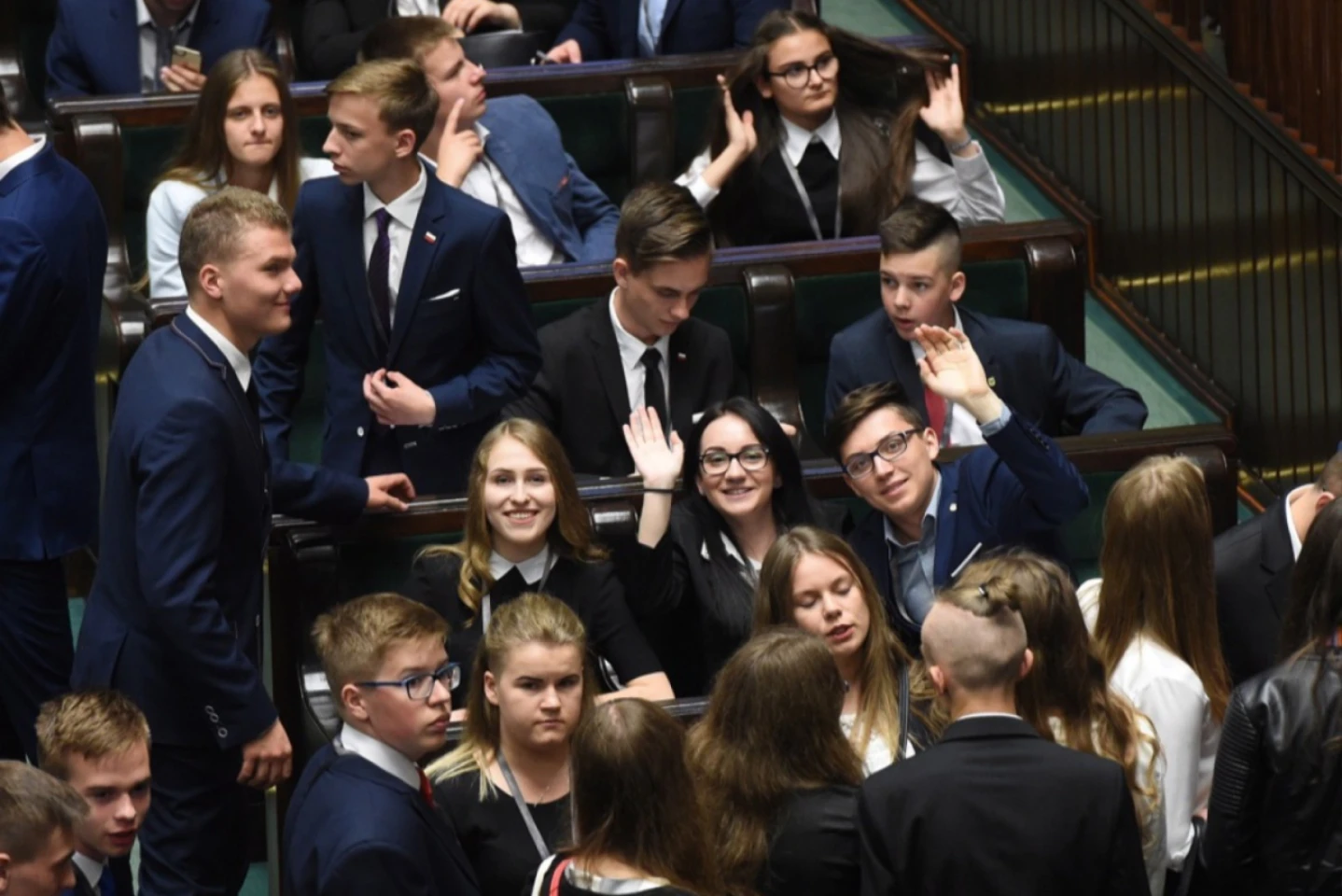
A little girl accredited as a journalist in Poland's parliament has sparked debates about the limits of freedom of expression, the involvement of children in politics and their manipulation by adults, including their own parents.

Pro-Russian communication channels have significantly infiltrated the Internet and social media platforms in Poland and Eastern European countries.

During PiS’ years in power, public money were funneled to the party, the Church, and various far-right groups. Some of those that benefited were openely pro-Russian.
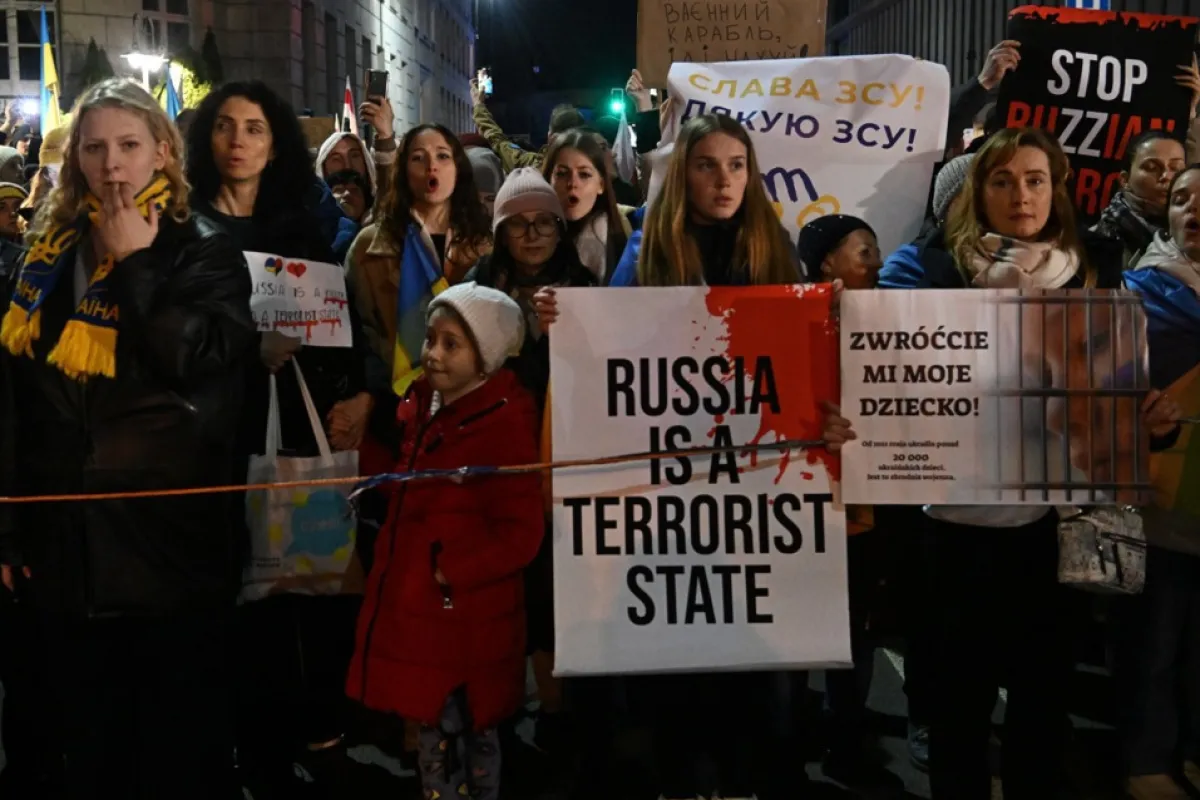
As a new Cold War gathers steam, Poland finds itself on the frontline. Russian intelligence is recruiting agents in the country and it’s even using some for attacks against Kremlin opponents.
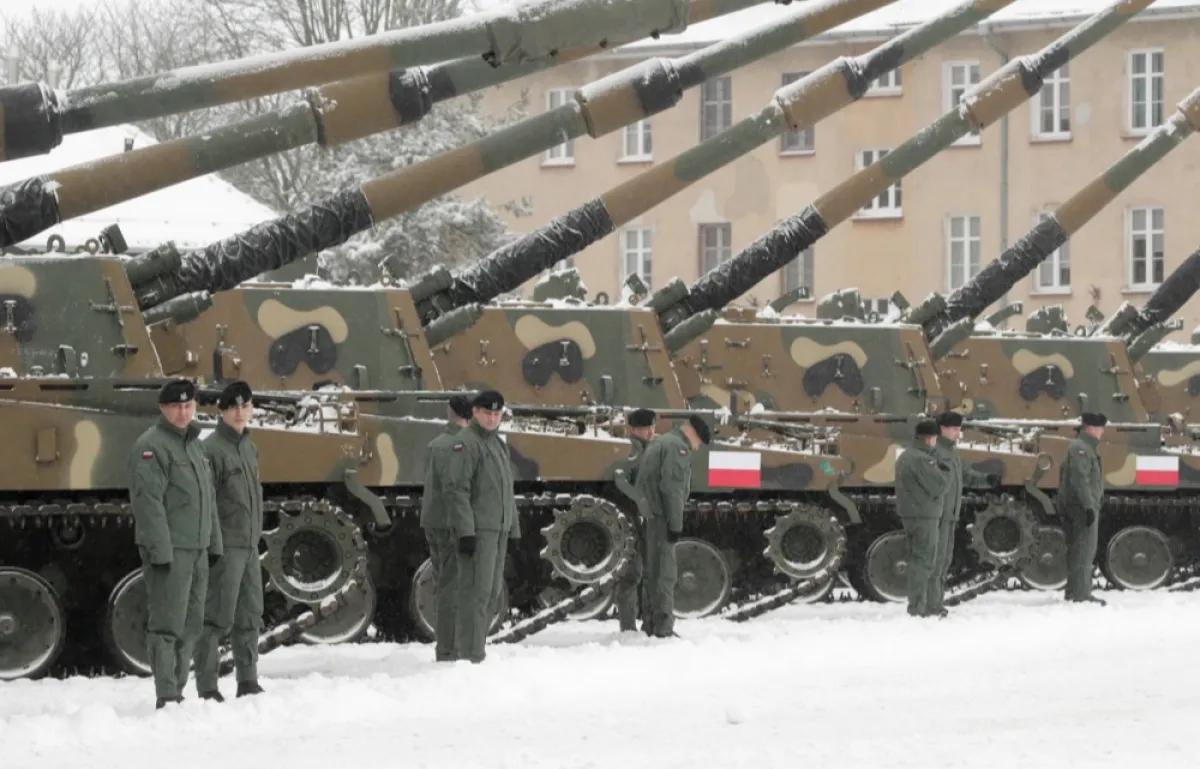
Two years since Russia’s invasion of Ukraine, many Poles fear their country may be next on Putin’s bucket list.
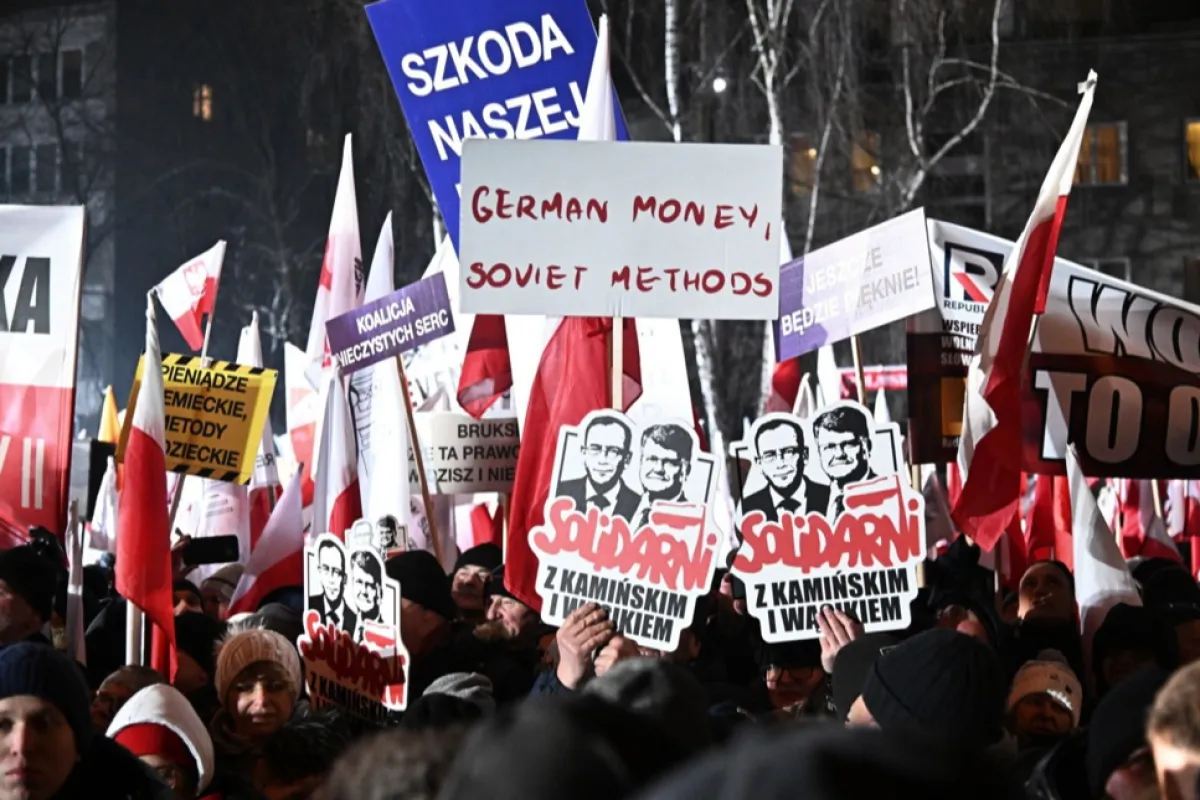
Polish conservatives are seething after losing control over public media and two PiS MPs were arrested. Is it the end of Kaczyński-style politics, or the beginning of a lasting political war?
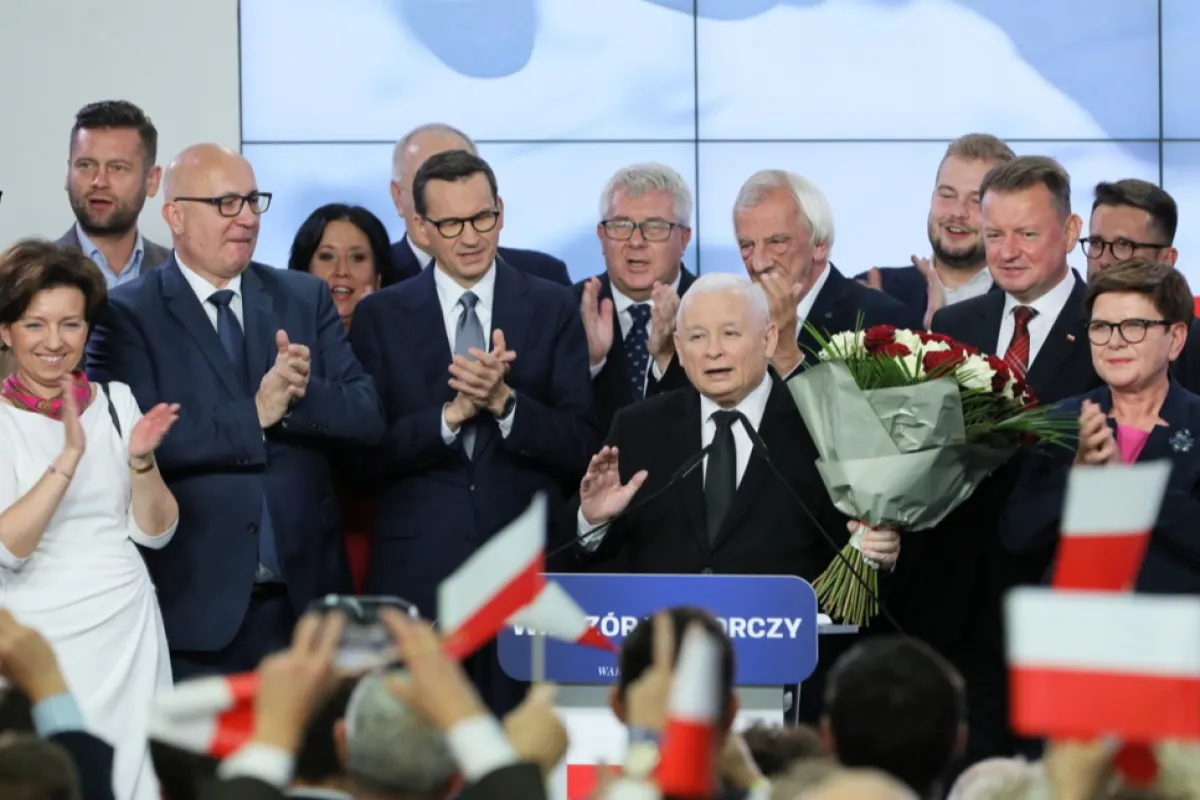
The struggles of the Polish conservatives to retain power as much as possible after losing the elections, but also the process of taking over the government by pro-Europeans, were enjoyed as a public spectacle.
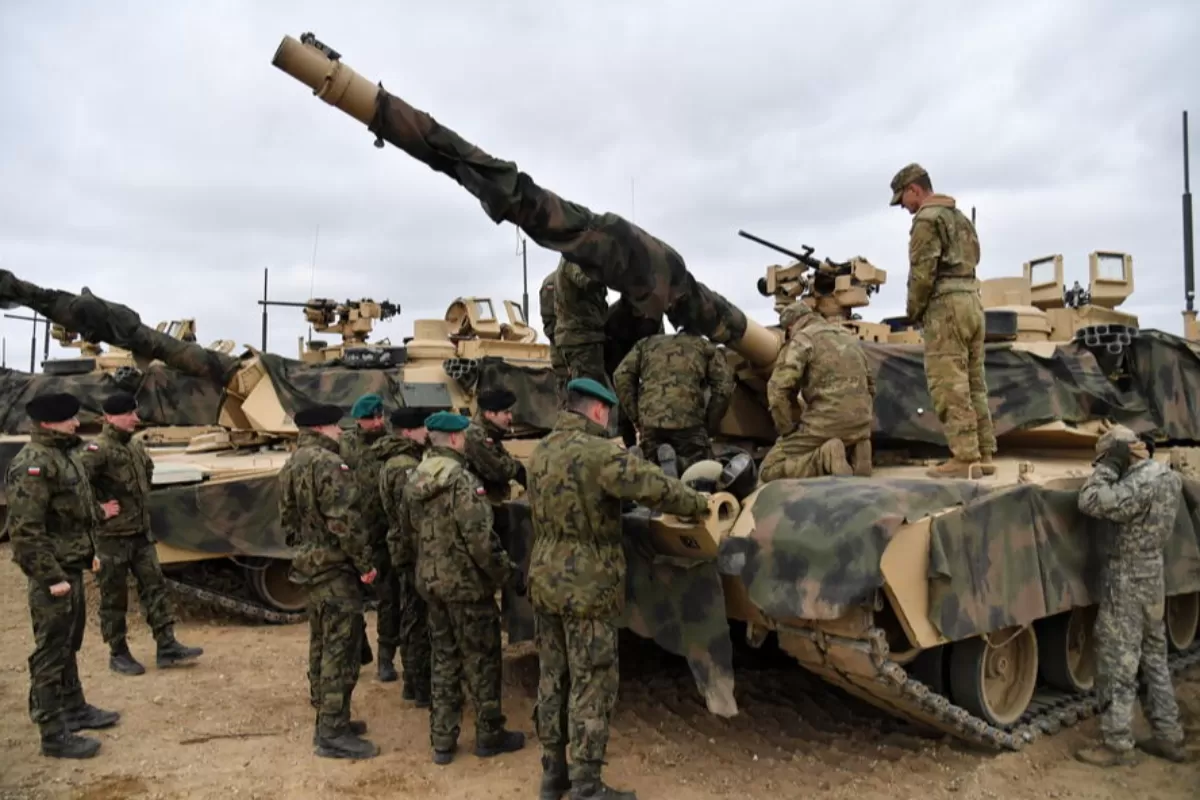
Poland is one of the NATO countries with the coldest relations with Russia. Concerned about Moscow's aggressive stance in the region, Warsaw called for a stronger NATO presence on the eastern flank and launched an ambitious program to equip its armed forces. But is Poland able to withstand enough attacks in the event of an attack?
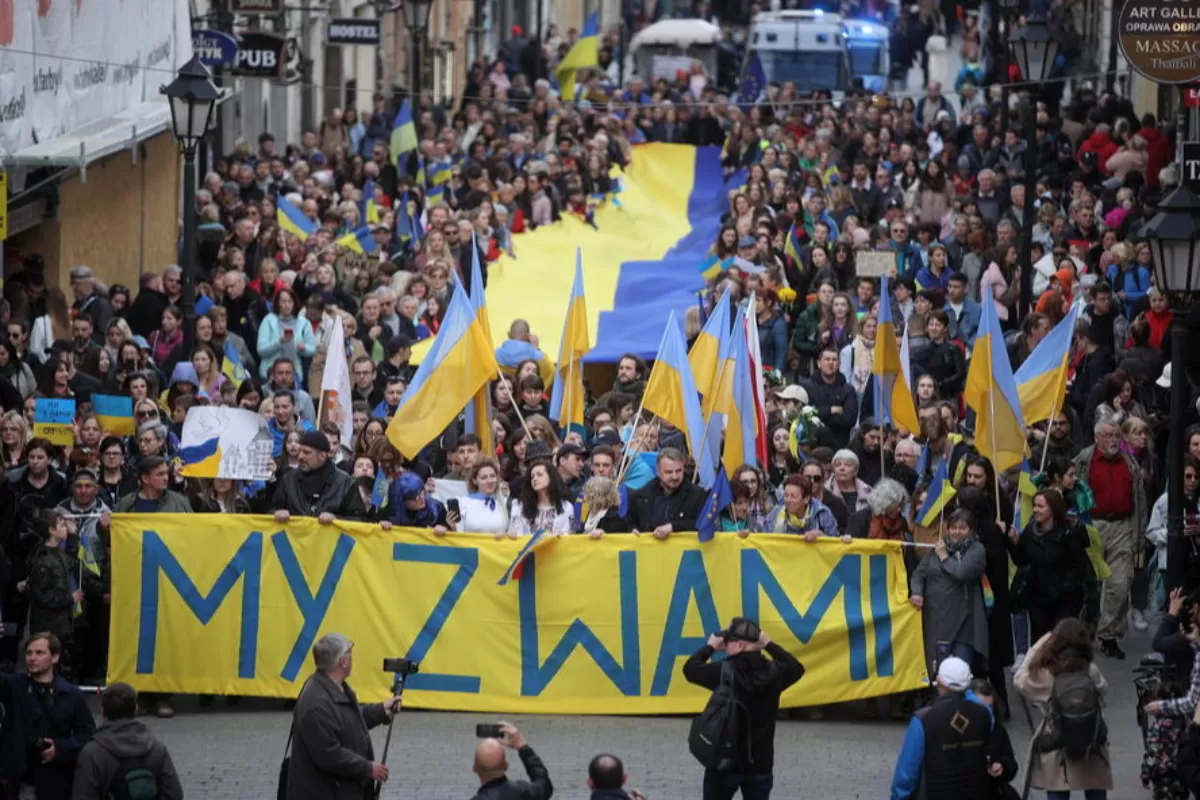
Poland's unequivocal support for Ukraine has overshadowed the tensions between Warsaw and its Western allies. However, the problems could return, given that Jarosław Kaczyński's Law and Justice Party does not seem to be giving up its ultra-conservative policies or its efforts to fully control the public agenda and the state institutions.
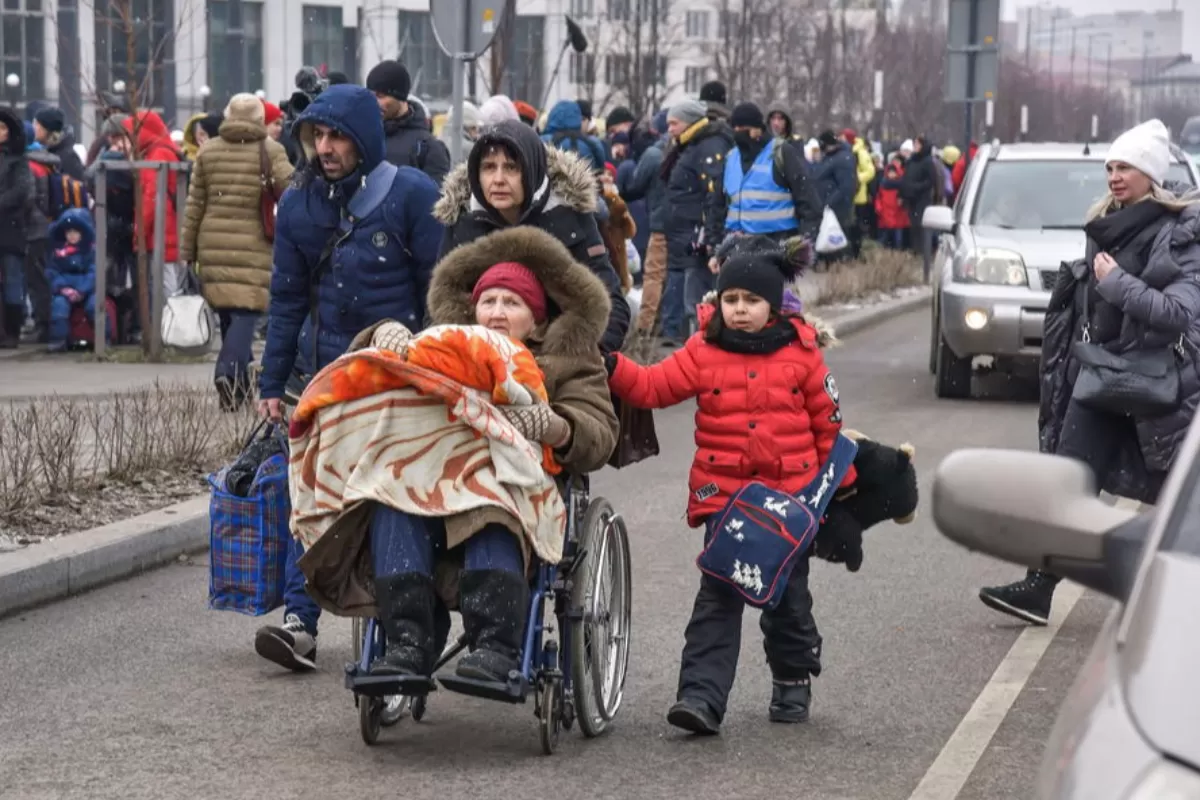
On Sunday, March 6, 11 days after the start of Russia's invasion of Ukraine, the number of Ukrainians seeking refuge in Poland exceeded one million people. What is happening at the border crossings, in the cities and is Poland ready to accept millions of refugees? Veridica’s Michal Kukawski reports from the epicenter of the Ukrainian refugee crisis, a crisis that may be on the verge of becoming dramatic.
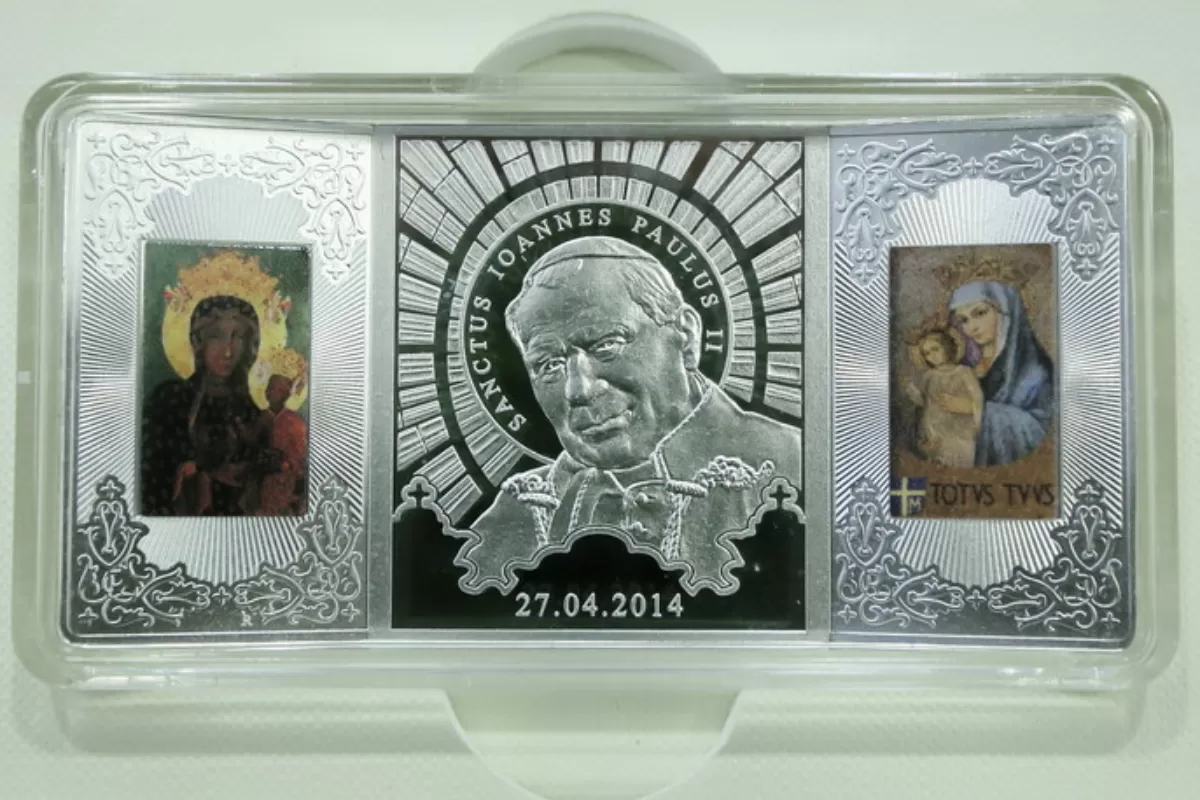
The Catholic Church in Poland continues to be the Church with the greatest political influence in the Christian world. It has achieved most of its political goals, including the effective ban on abortion. Thanks to the support of the right-wing government (but also the ruling liberals in Warsaw), it is certainly even richer. What makes the Catholic Church so strong in Poland? And what price will it pay for it?
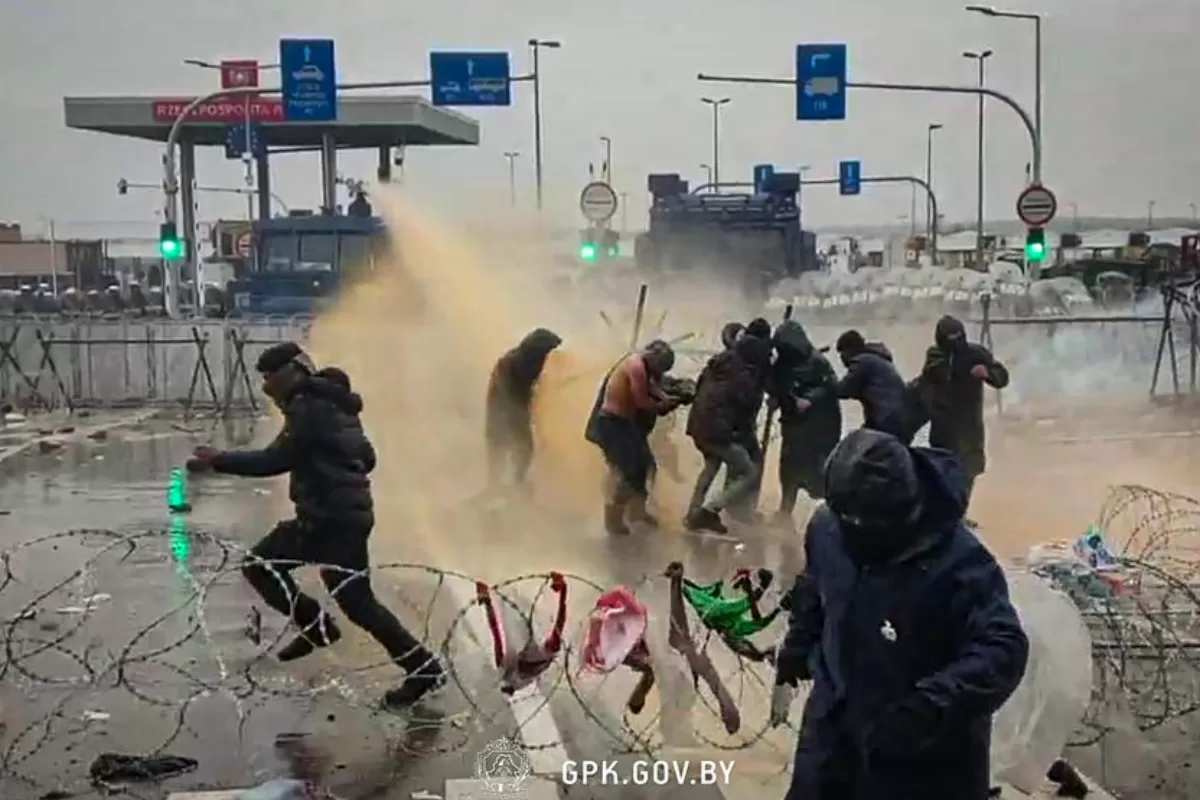
Thousands of migrants got trapped on the Poland – Belarus border between the two countries’ security forces. The EU and NATO denounced a hybrid attack, Belarus denies and relies on Russian support, and Putin makes his own game.
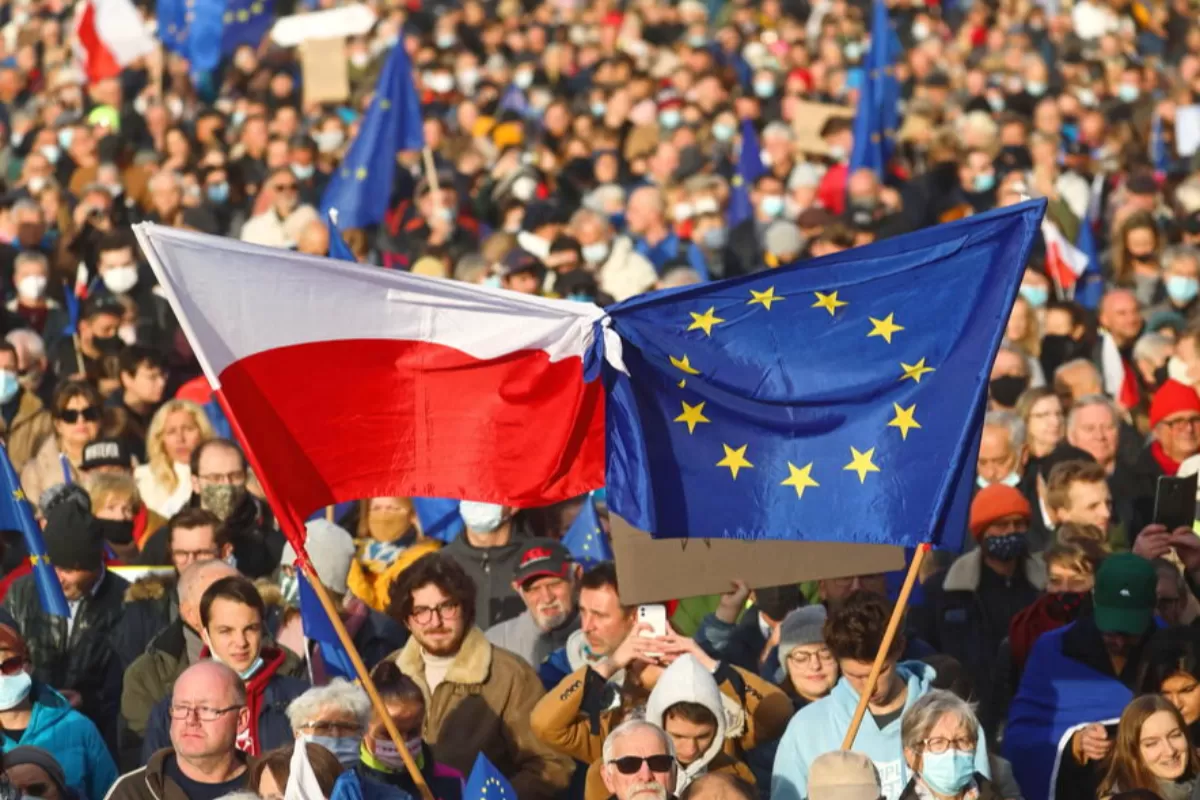
The Polish government is exacerbating the conflict with Brussels, and Poles are taking to the streets backing EU membership. But when we look at the matter in more detail, it turns out that it is not as simple as the Western media wants to see it.
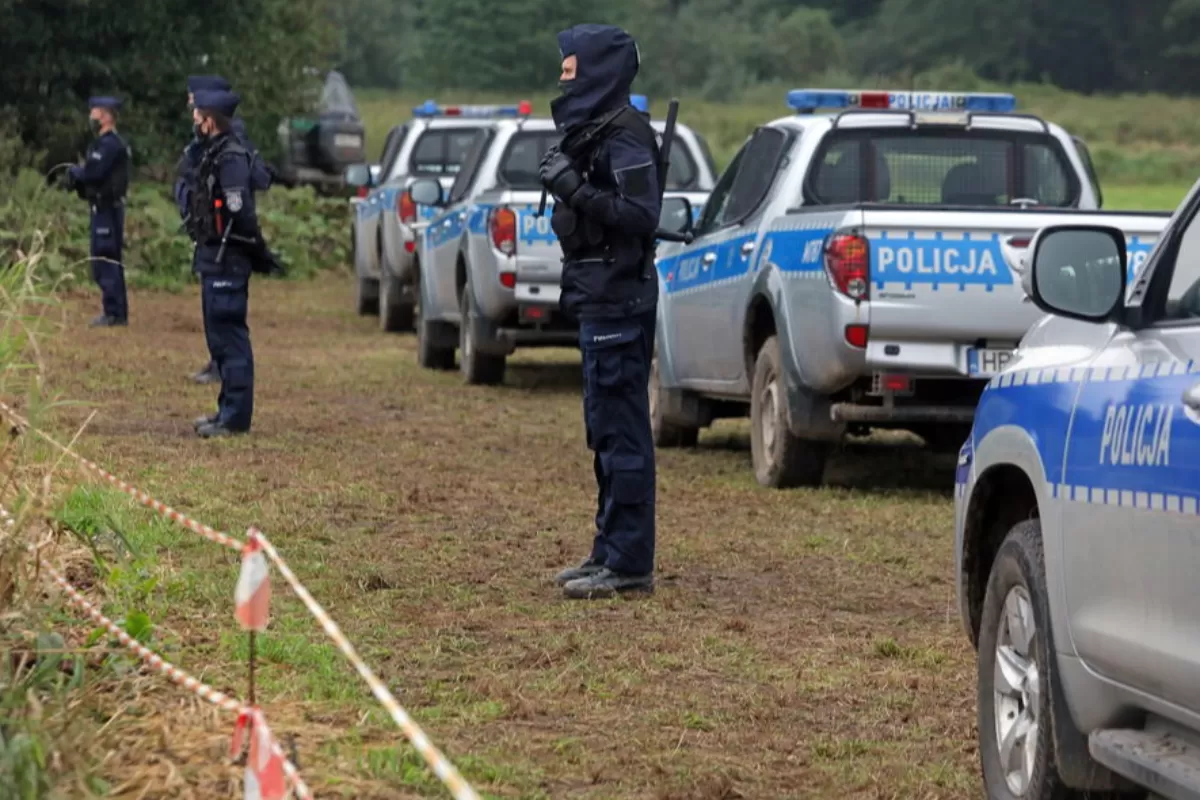
For a month now, the tragedy of 32 Afghan citizens, who have been stuck in no man's land on the Polish-Belarusian border due to the political game between Aleksandr Lukashenko and Jaroslaw Kaczynski, has been unfolding. Similar things are happening on the borders in Latvia and Lithuania. The Polish government seems to be the worst coping with the situation. Why is that?
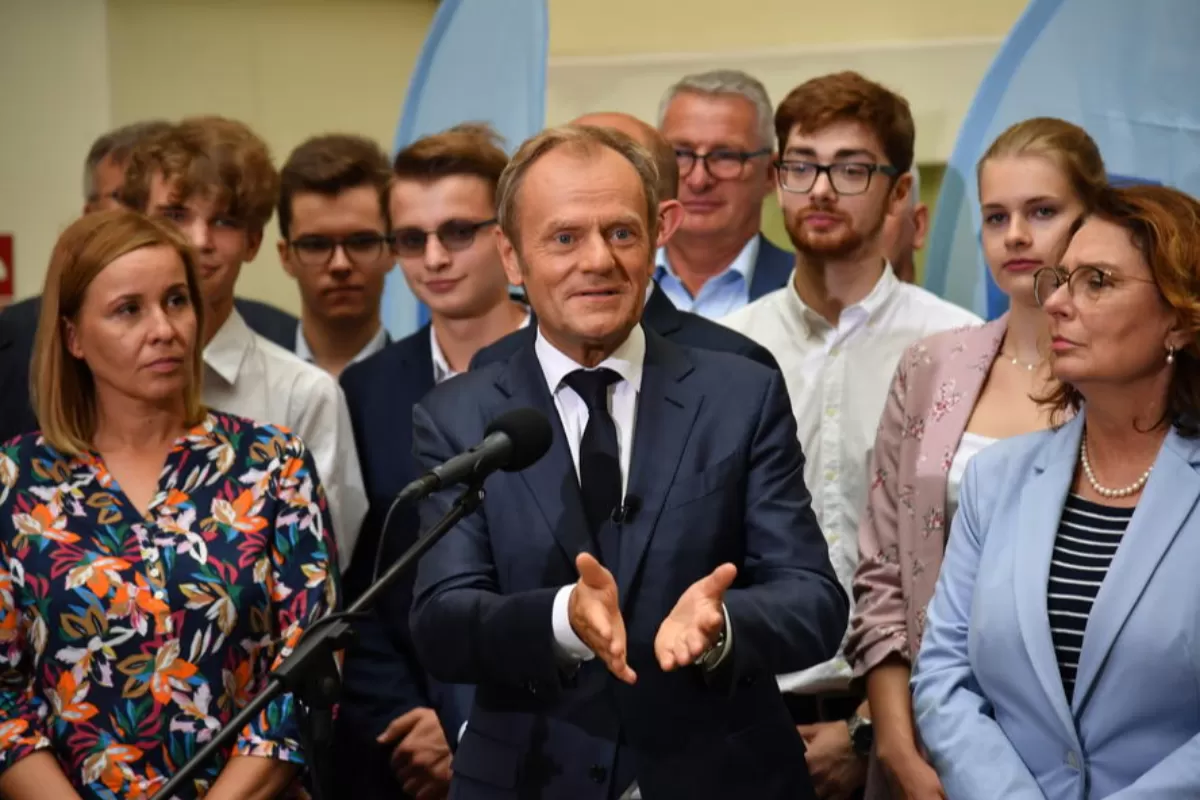
Donald Tusk returned to Poland. He's main goal is to take power from Kaczyński and the right-wing government of Law and Justice. How does he want to do it and what are his chances?
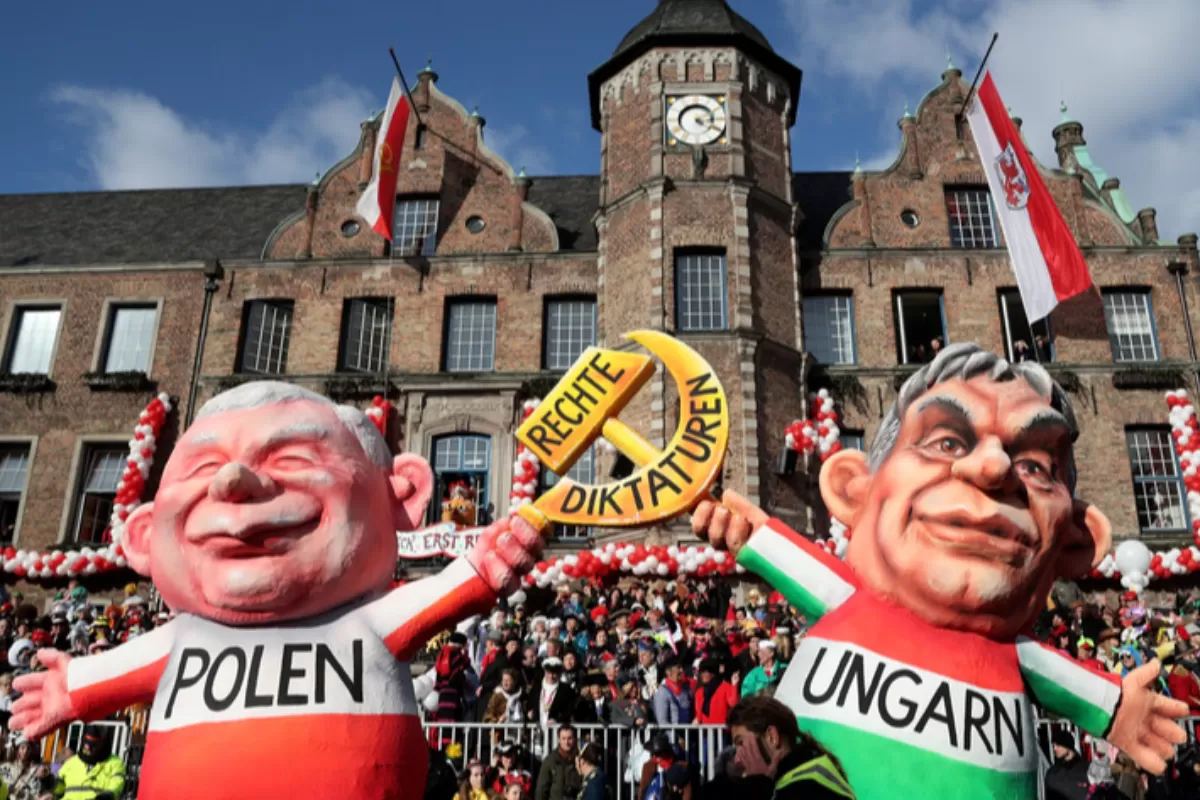
Alternative social networks have also emerged in the problem countries of the EU, Poland and Hungary, where the right and the far right are looking for platforms that do not restrict posting radical content. These networks have emerged as both the Kaczyński regime and the Viktor Orban regime already exercise significant control over the media in their countries.
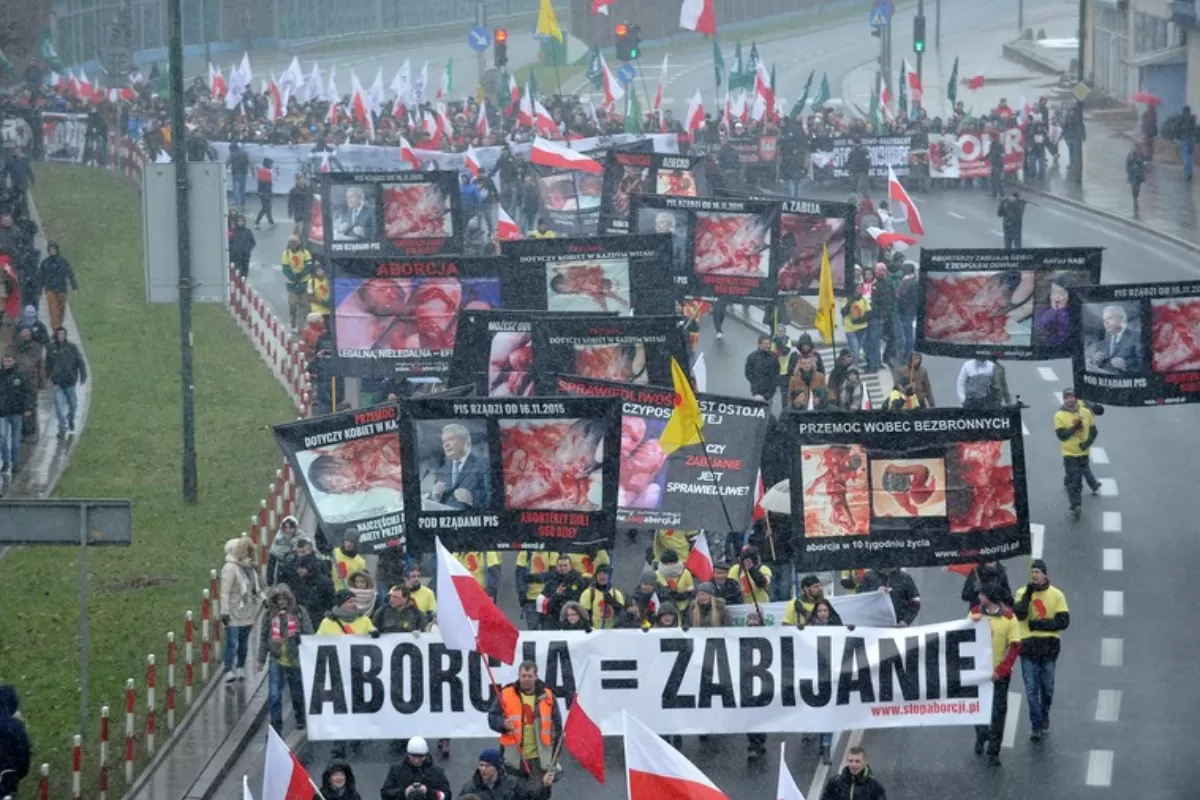
A religious movement in Poland, with ties in Brazil and ramifications within the Warsaw administration, is behind a drive to impose an ultra-conservative agenda in Catholic countries in the EU.
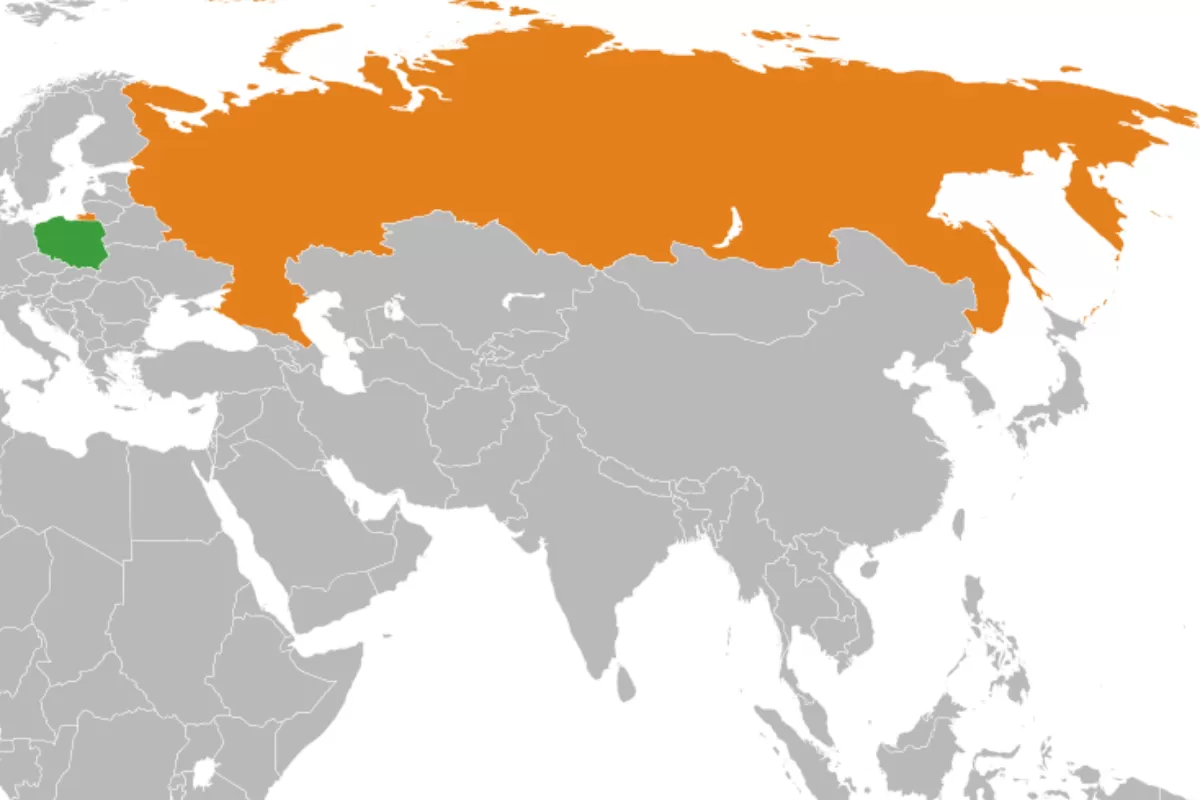
In recent years, relations between Poland and Russia have been marked by tensions over the interpretation of the history of the 20th century. Russia does not have a clear and attractive vision of its future, so it manipulates the past more and more boldly. But the Polish government also uses radical methods to force its own vision of history. What are the gains and losses from aggressive historical politics?
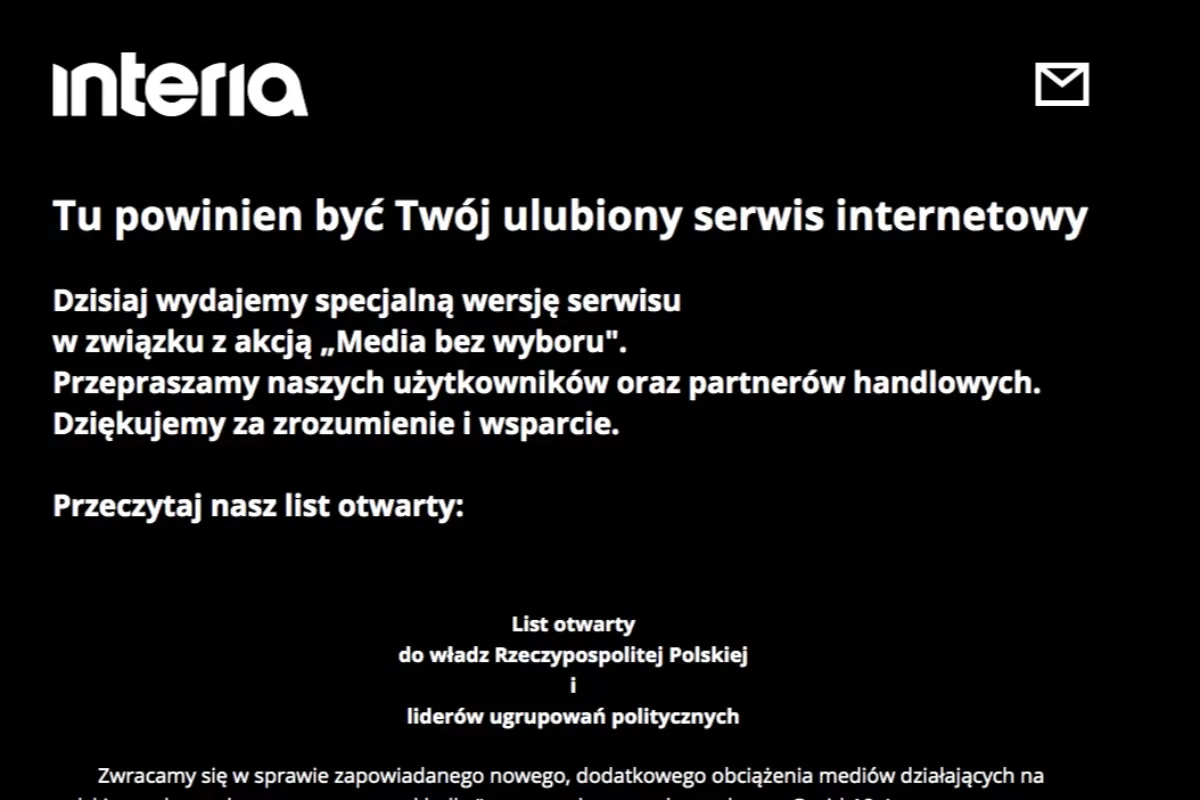
Poland is following the path marked out by Hungary and its Prime minister. After subjugating the Constitutional Tribunal and the Supreme Court to itself, the nationalist government of Law and Justice (PiS) party started to ruthlessly choke independent news organizations and restrict freedom of speech. Soon, the media mogul Tadeusz Rydzyk may become the most important unelected man in Poland and the strongest player on the media market, apart from the public broadcaster. He is a priest, businessman and close friend of many right-wing politicians.
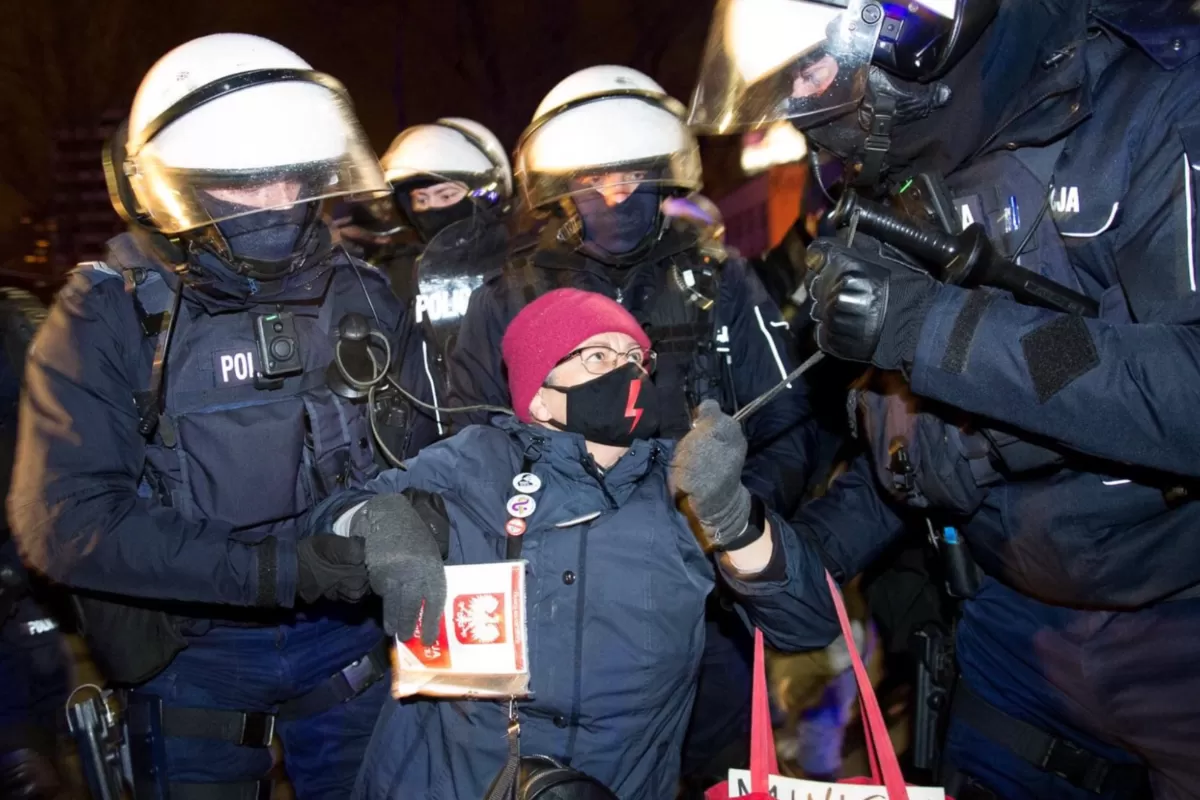
Protests by women and youth in Poland have been going on for three months now. At that time, the police intensified their actions against the demonstrators, sending to the streets uniformed officers who fight the most dangerous criminals in the country. The government, on the other hand, prepared a law forcing demonstrators to accept criminal fines. Effects: broken hands and legs, unlawful arrests, overburdened, ineffective courts and even greater rage in society.