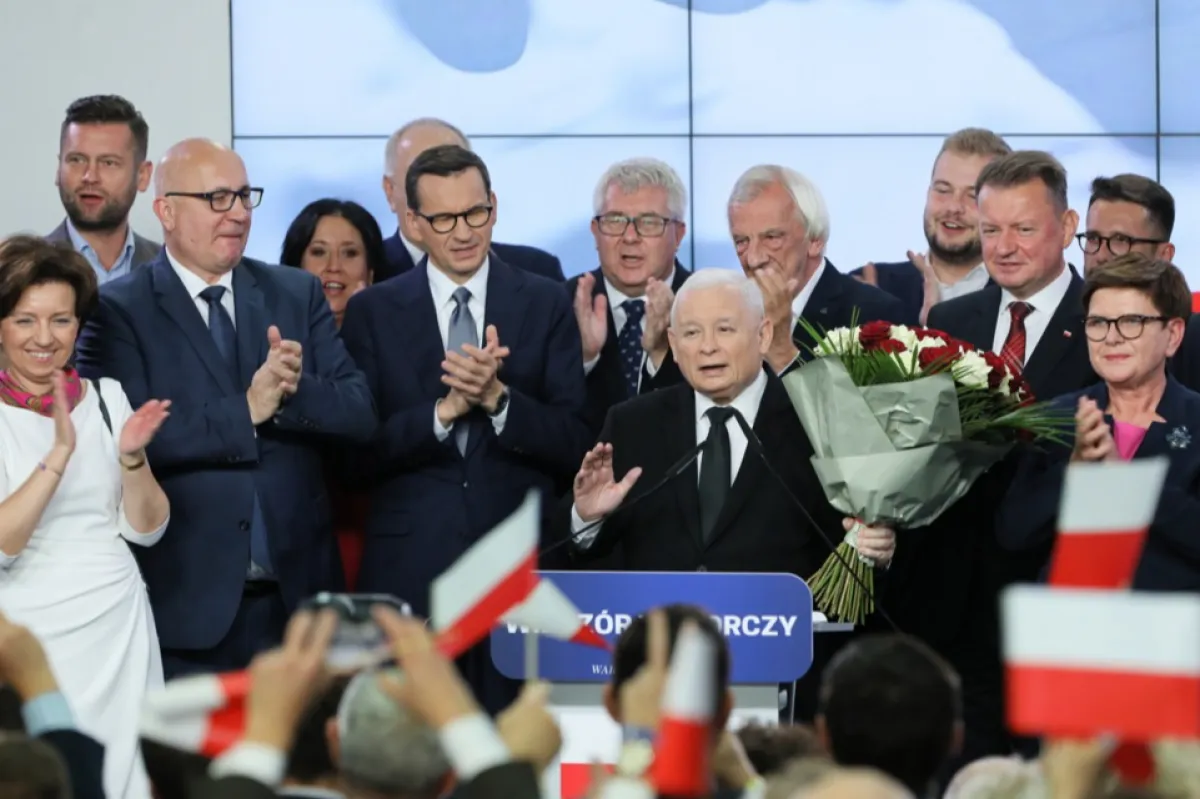
After years of conservative rule, most Poles voted for the opposition parties. The conservatives are nonetheless poised to remain influent through the public institutions they control.


Poland’s liberal opposition hopes to break the ruling PiS’ long spell in power at the October 15 elections. The conservatives are betting on harshening their tone towards Ukraine, and the EU.
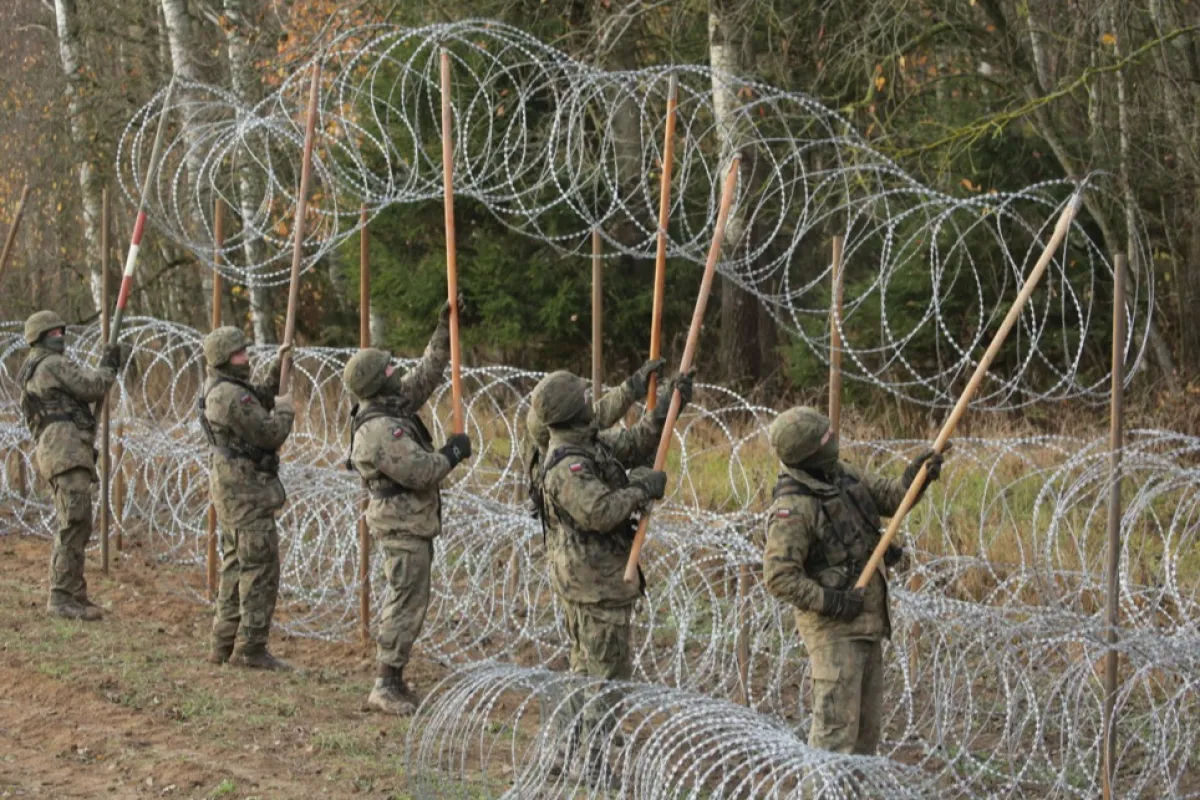
From cyberattacks to railway disruptions, Poland faced during the past several months a wave of incidents, many of them having the hallmarks of Russian intelligence.
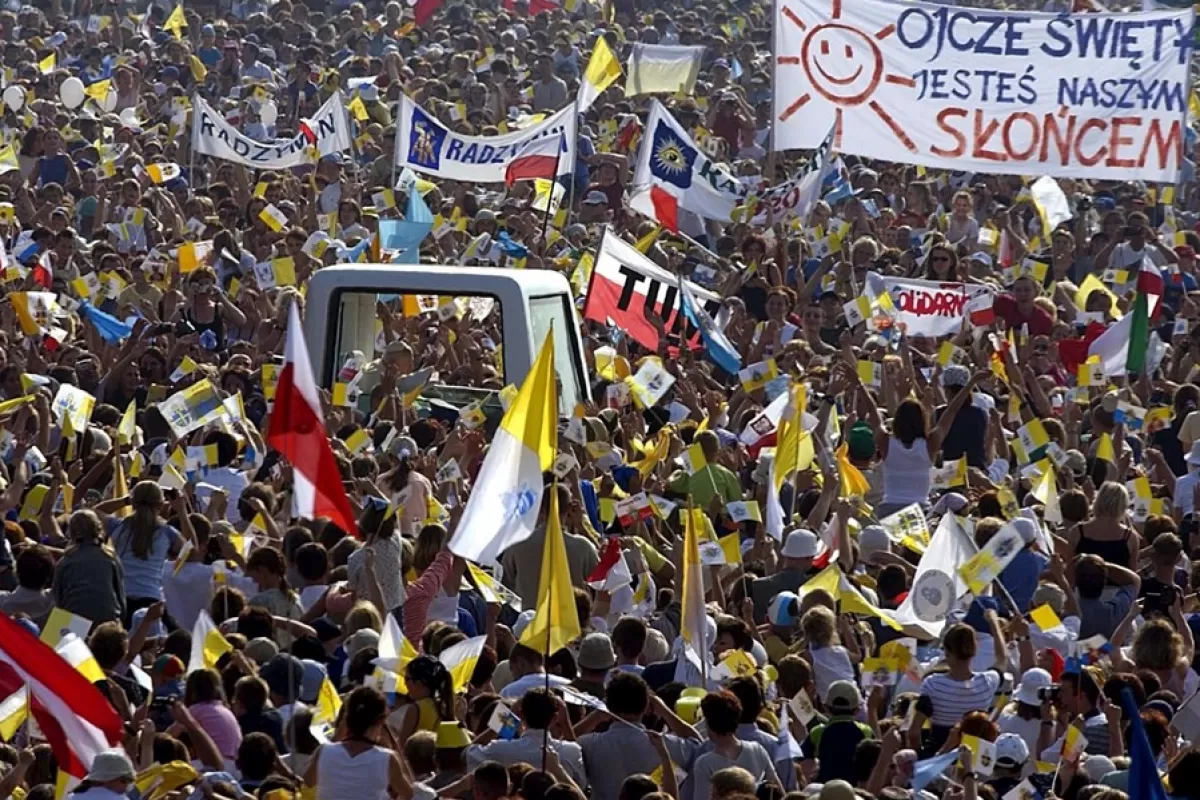
One book and a documentary film claiming that Pope John Paul II knew about and covered sexual abuses against children lead to a huge scandal in his native Poland, where the former Pontiff is revered. Conservatives and the far-right scrambled to "defend the good name" of John Paul II and seem poised to use the scandal to their advantage in the upcoming elections.
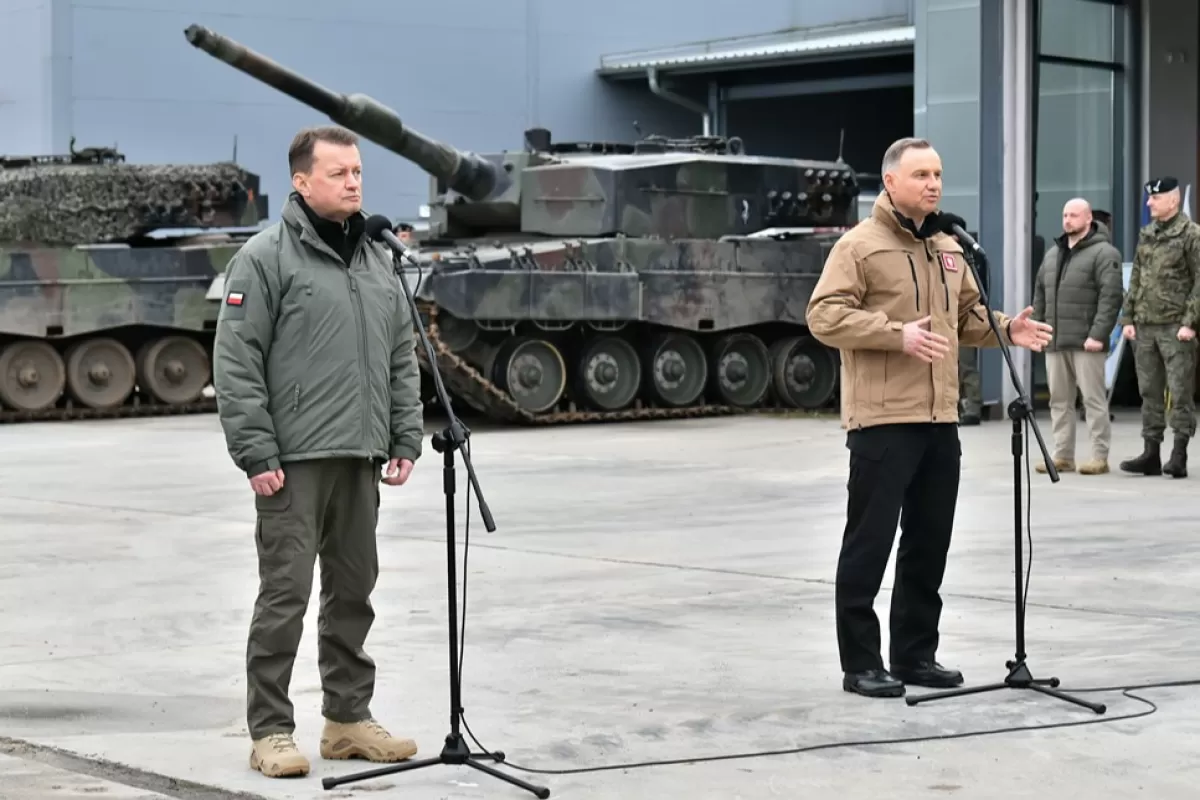
Poland positioned itself as one of Ukraine’s main supporters: it allowed its territory to be used for arms deliveries while becoming a major arms supplier in its own right and convinced its NATO allies to support Ukraine even more. In parallel, Warsaw is engaged in a process of strengthening its own army. All this shows that Poland is turning into a key actor for the European security, an actor that is, however, increasingly exposed to the theses of Russian propaganda.
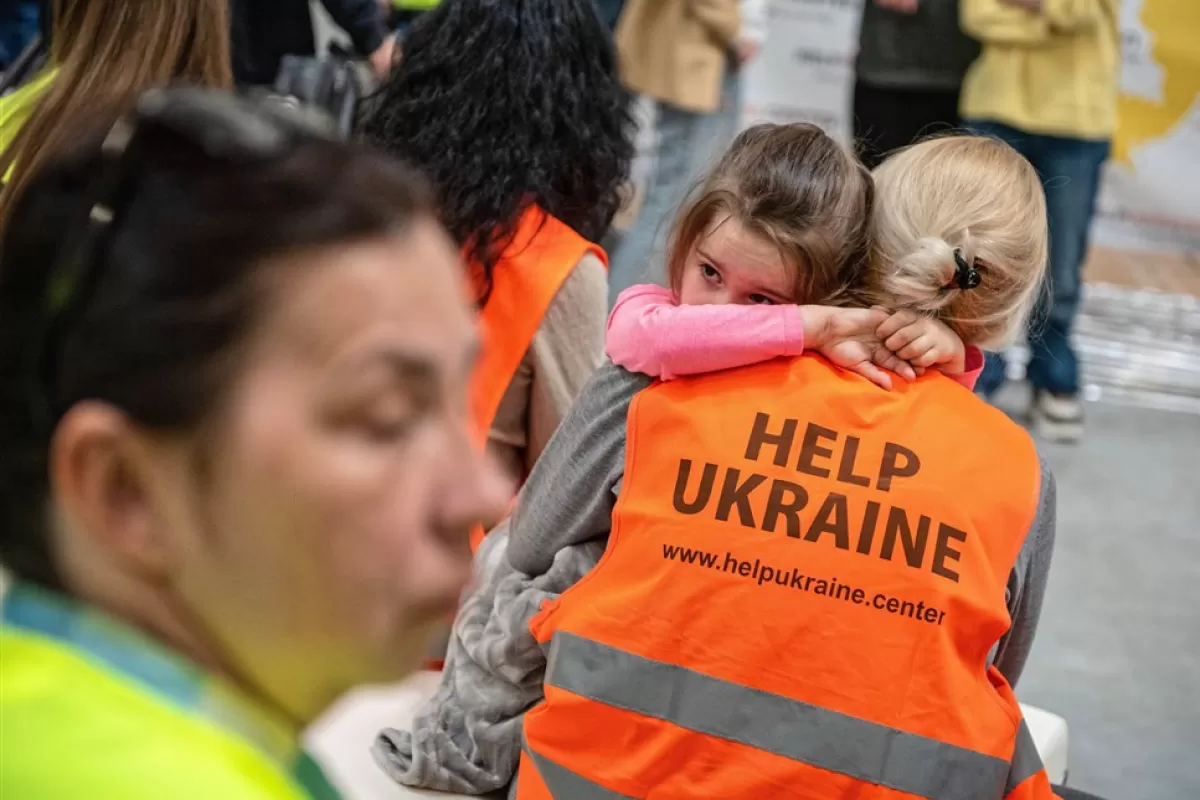
As Russia launched a massive attack on Ukraine in early 2022, millions of civilians fled the country and went West, out of harm’s way. Many chose to stay in Poland. They received some help from the state, but they mostly benefited from a network of volunteers providing everything from daily necessities to accommodation and jobs. Eleven months on, as some Poles are getting increasingly weary of refugees, the latter are still trying to adapt while dealing with the war traumas.
Poland ranks sixth in Europe regarding cyber threats. The targets are not only private firms and Internet users, but increasingly hospitals, transport companies, banks and all administration branches. Authorities warn that the number of attacks is increasing and allege that Russia is behind them, as it tries to destabilise Poland for the key role it plays in supporting Ukraine.
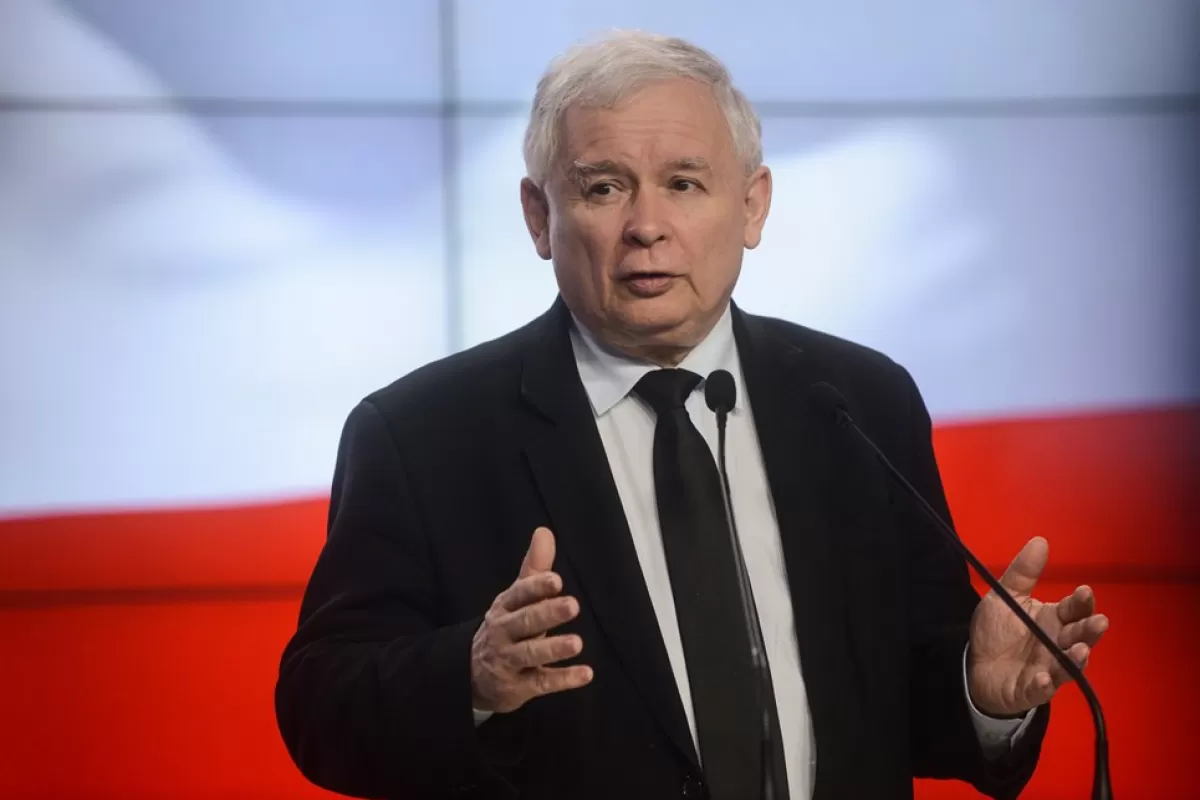
Poland's conservative government is increasingly critical to Germany, by virtue of a "historical" conflict that is largely imaginary. Anti-German sentiments are sometimes mixed with anti-EU ones, and even Russia, Poland's traditional enemy, is viewed more leniently. Could this be a first sign that a Polexit is being prepared?
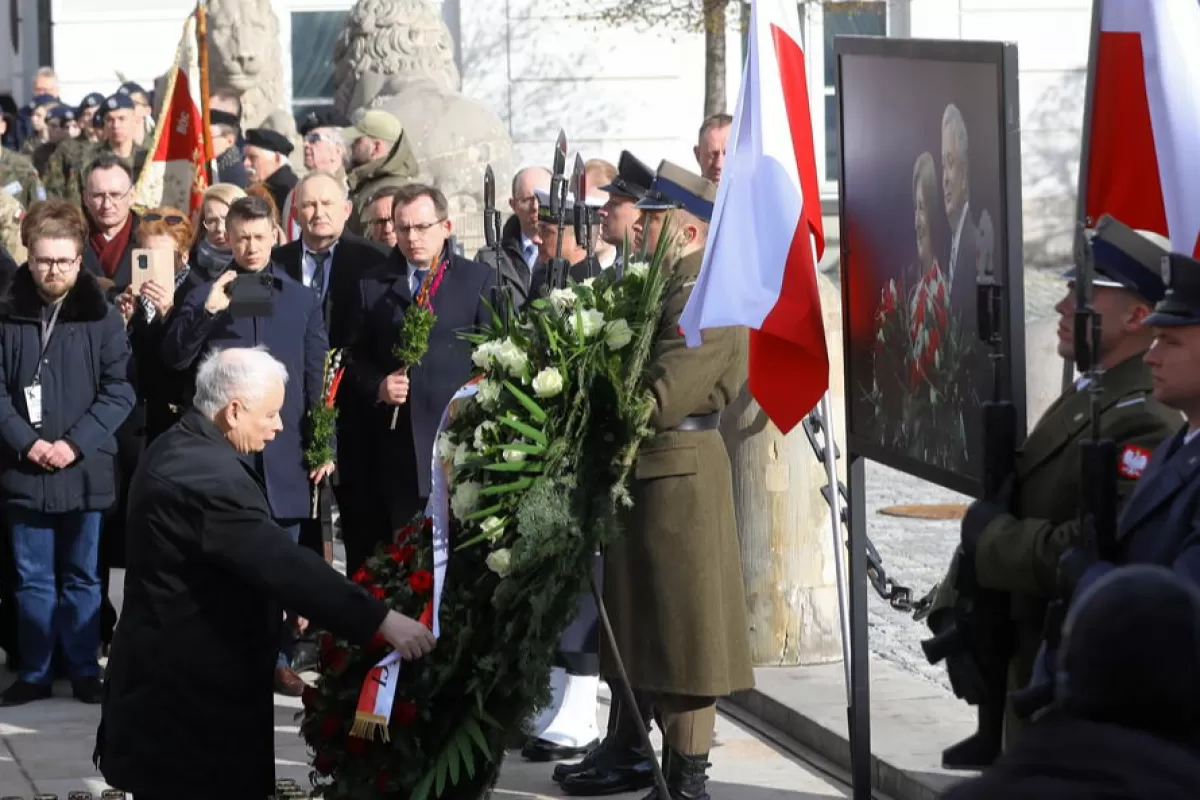
Polish conservatives have been among the most virulent critics of Russia in Europe for years. Beyond the rhetoric, however, their policies – and their ideology – are so similar to what Russia is promoting in EU member states that they seem to have been written in Moscow.
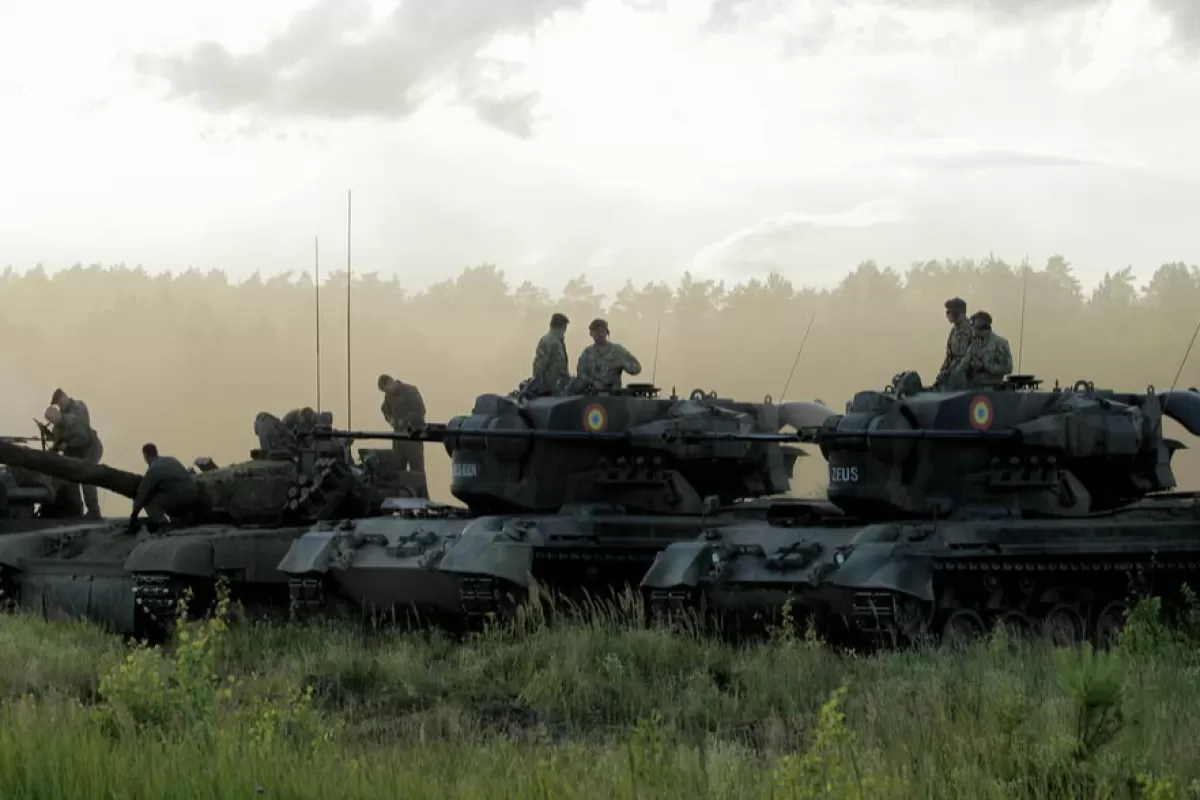
With NATO-Russia relations at their lowest level in history, following the latter’s invasion of Ukraine, a stretch of land connecting Poland to Lithuania has come into focus. The Suwałki Gap borders Russia’s Kaliningrad enclave. It could be a tempting target, as its control would help Russia cut NATO’s land bridge to its Baltic members. It could also be used, this time by the Alliance, to further isolate Kaliningrad. Is the Suwałki Gap the powder keg between NATO and Russia?