In the context of signing an agreement on gas deliveries from Russia to Hungary, bypassing the Ukrainian gas pipeline system, the Russian government-controlled media outlets have begun to promote “apocalyptic” messages about the future of the Ukrainian state. According to such disinformation messages, Ukraine might collapse because of Kiev's “phony” Western partners.
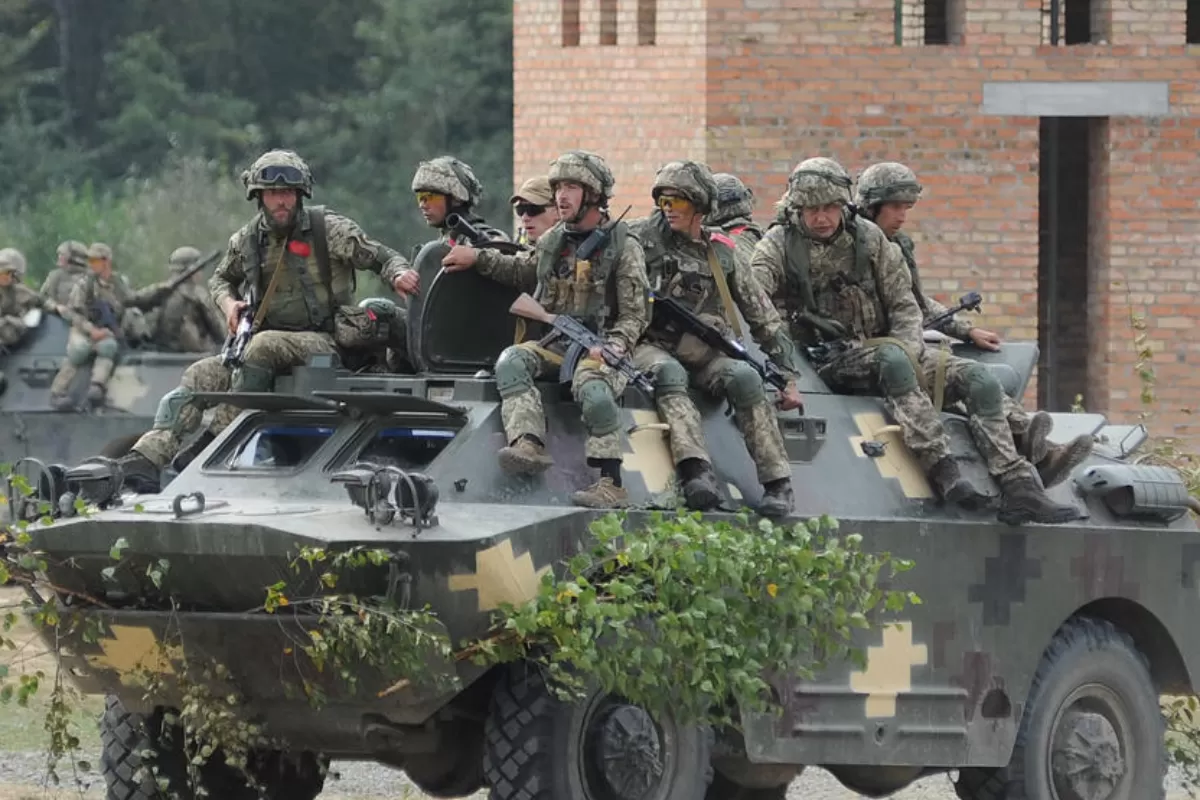
In the context of the “Rapid Trident 2021” military exercise taking place in Ukraine, with the participation of NATO member states, the Russian state media has reiterated some of its false narratives about Kiev’s Russophobic policies, about Ukraine being a colony of the West and about the war in Donbass, which allegedly favors NATO member states.
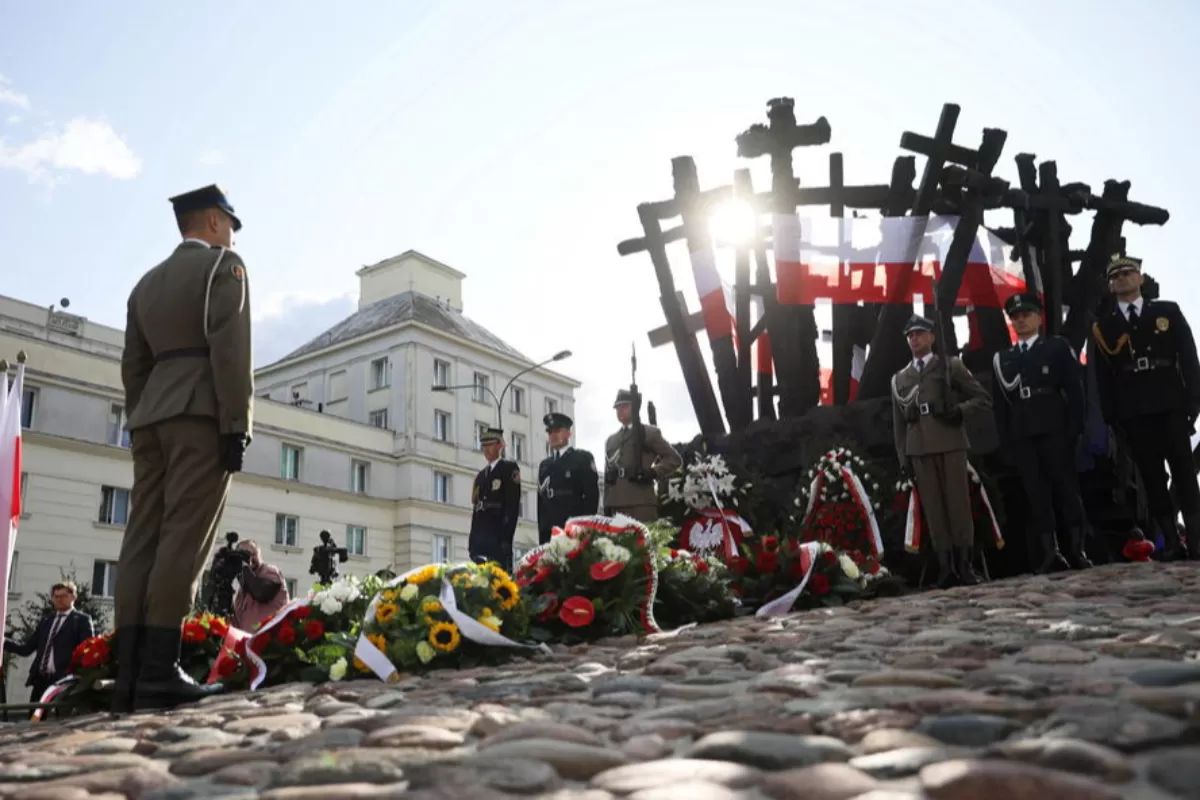
82 years after the USSR invaded Poland, which was already being attacked by Nazi Germany, the MFA and state press in Moscow call the 1939 aggression an “act of liberation” and accuse the West of spreading propagandistic theories against Moscow.
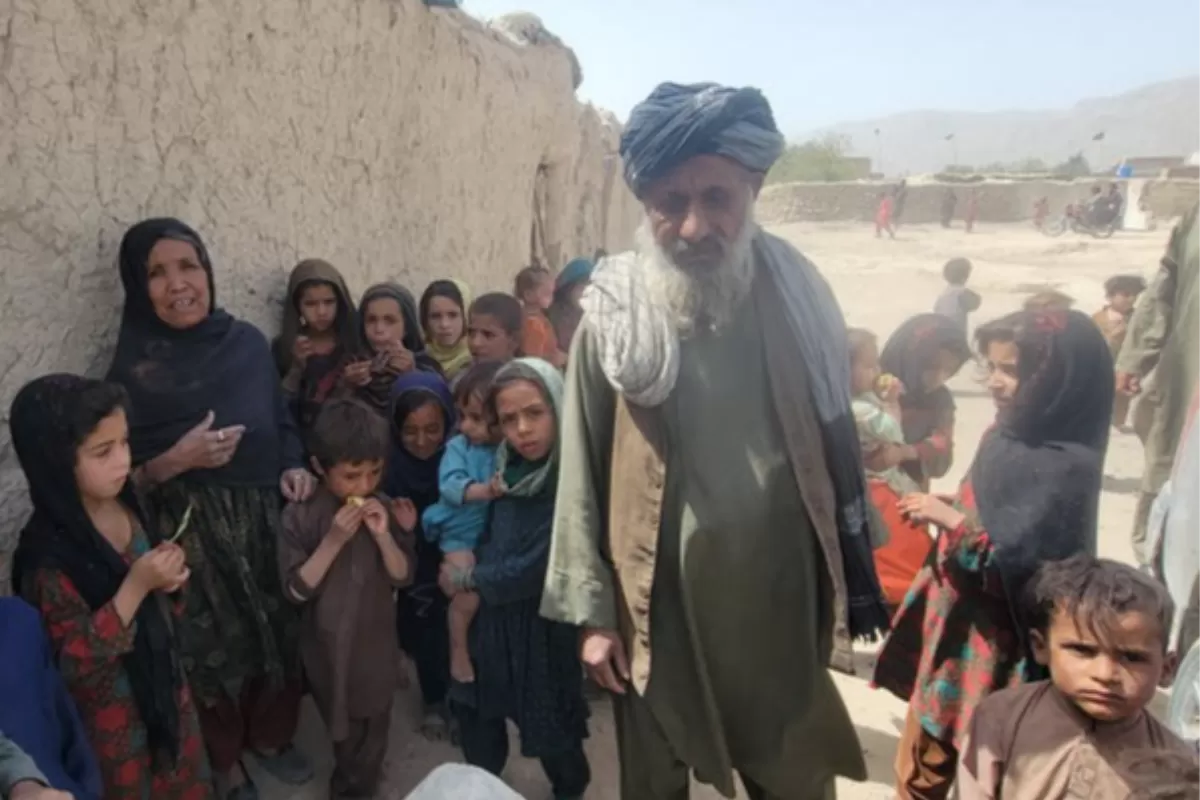
In the context of the Taliban taking power in Afghanistan after the withdrawal of the US troops, the Russian media continues to promote a series of narratives about the refugee danger to Europe, blaming NATO for directing the migrant flow to Moldova and Ukraine.
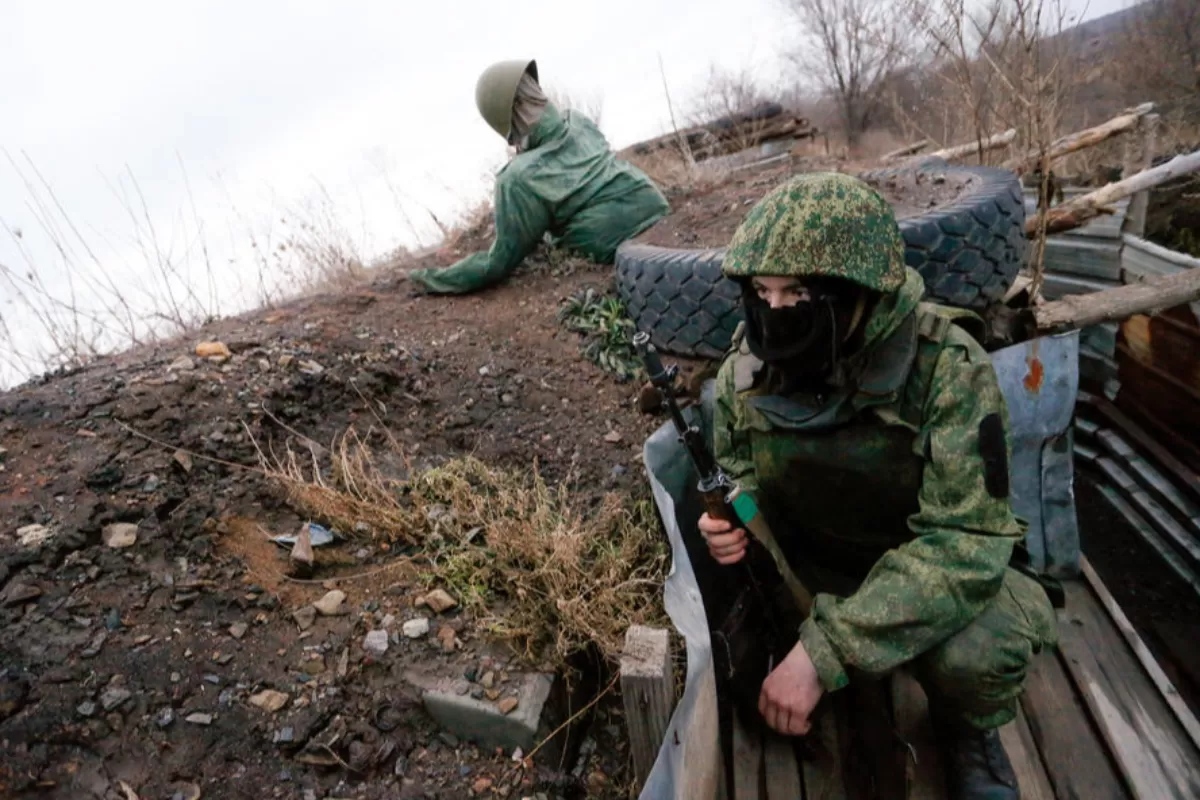
The seven-year anniversary of the signing of the Minsk protocol saw the revival of fake narratives that Ukraine doesn’t want peace in Donbass and that its policies, which are backed by the West, are motivated by Russophobia.
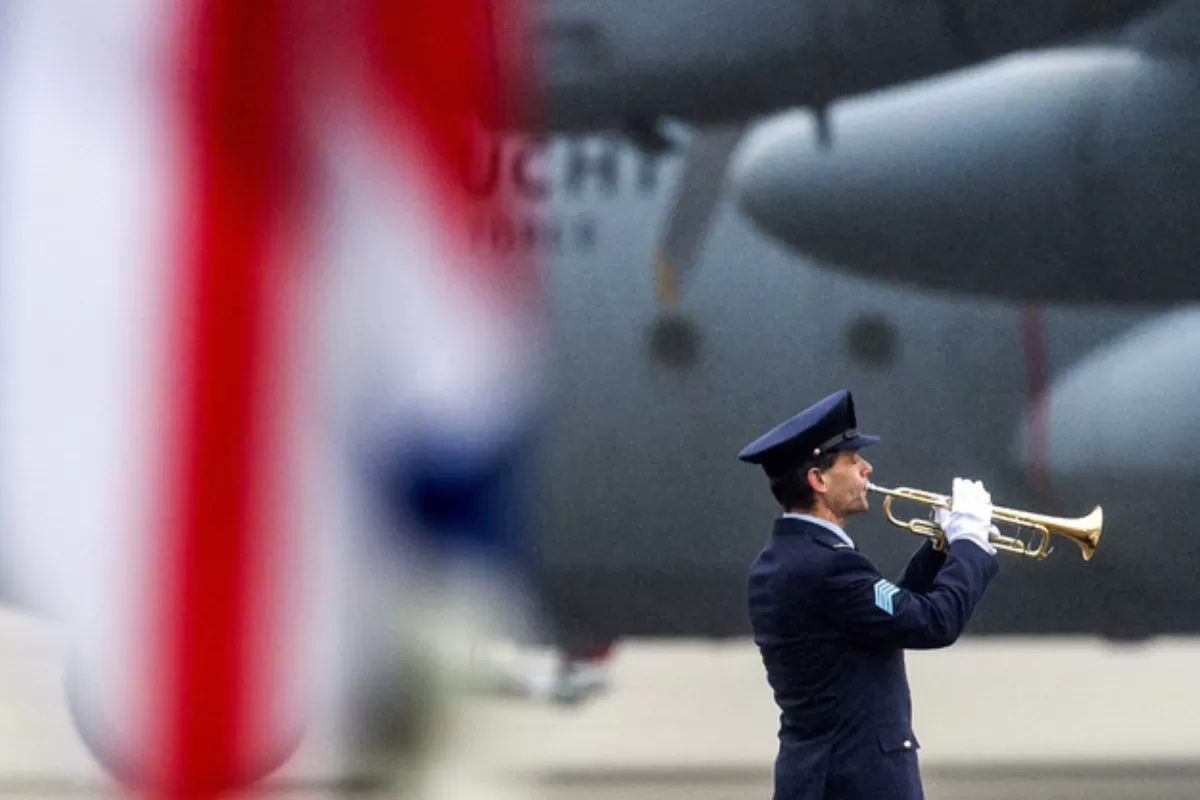
The Taliban are showing increased concern with the security of flights transiting Afghan airspace than the Ukrainians were back in 2014, when the MH17 flight was shot down. The narrative was launched by the Russian MFA spokesperson, Maria Zakharova, who interpreted an article carried by the Dutch media.
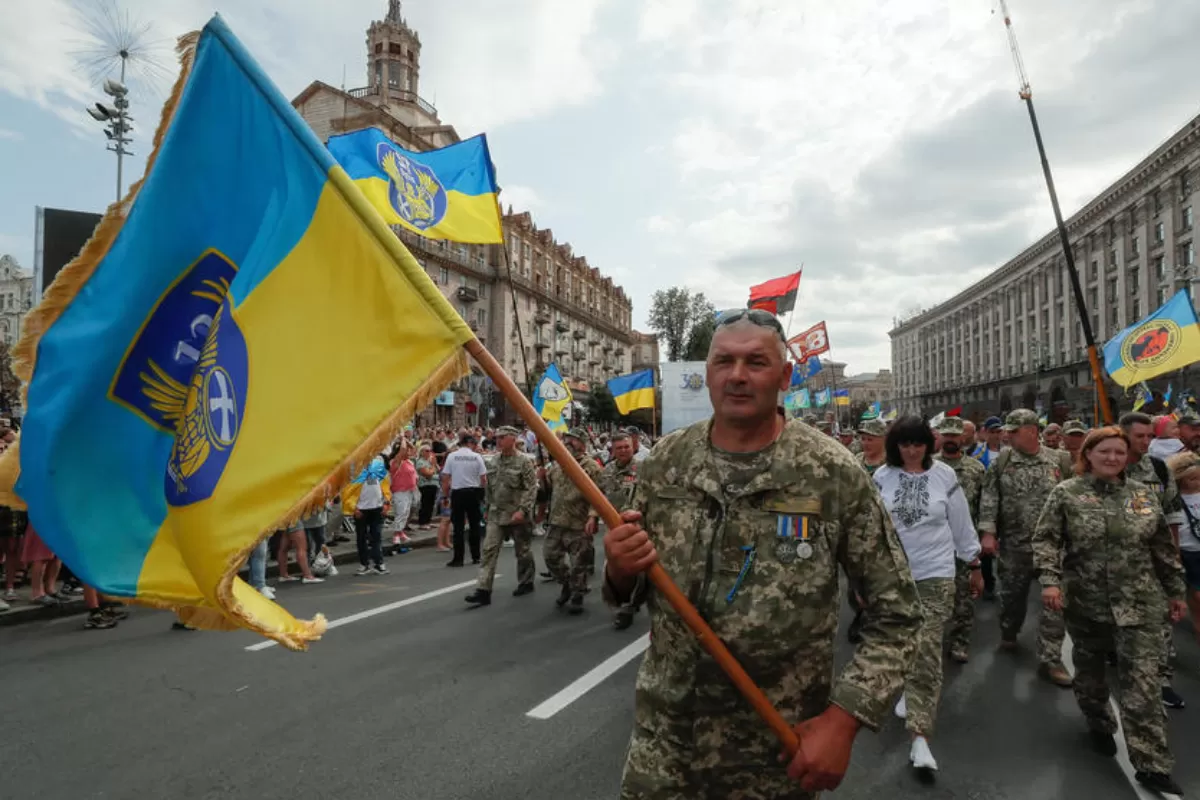
Ukraine is a failed and artificial state, with a fragmented population, that has recorded no progress in its 30 years of independence, according to a number of false narratives carried by the Russian media. The narratives had been used in the past as well, and are now rehashed on the occasion of Ukraine celebrating its independence anniversary.
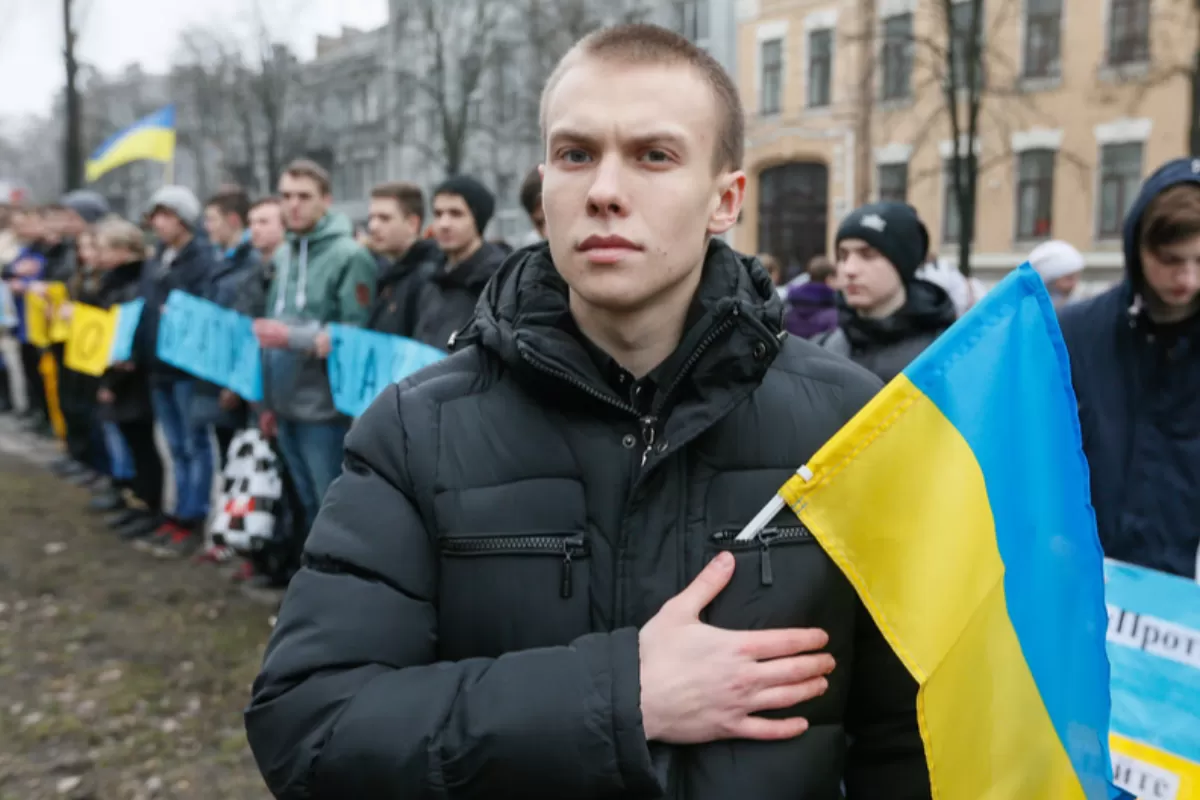
Students from Crimea and Donbass risk being persecuted in Ukraine, according to a disinformation campaign launched by the pro-Kremlin press.
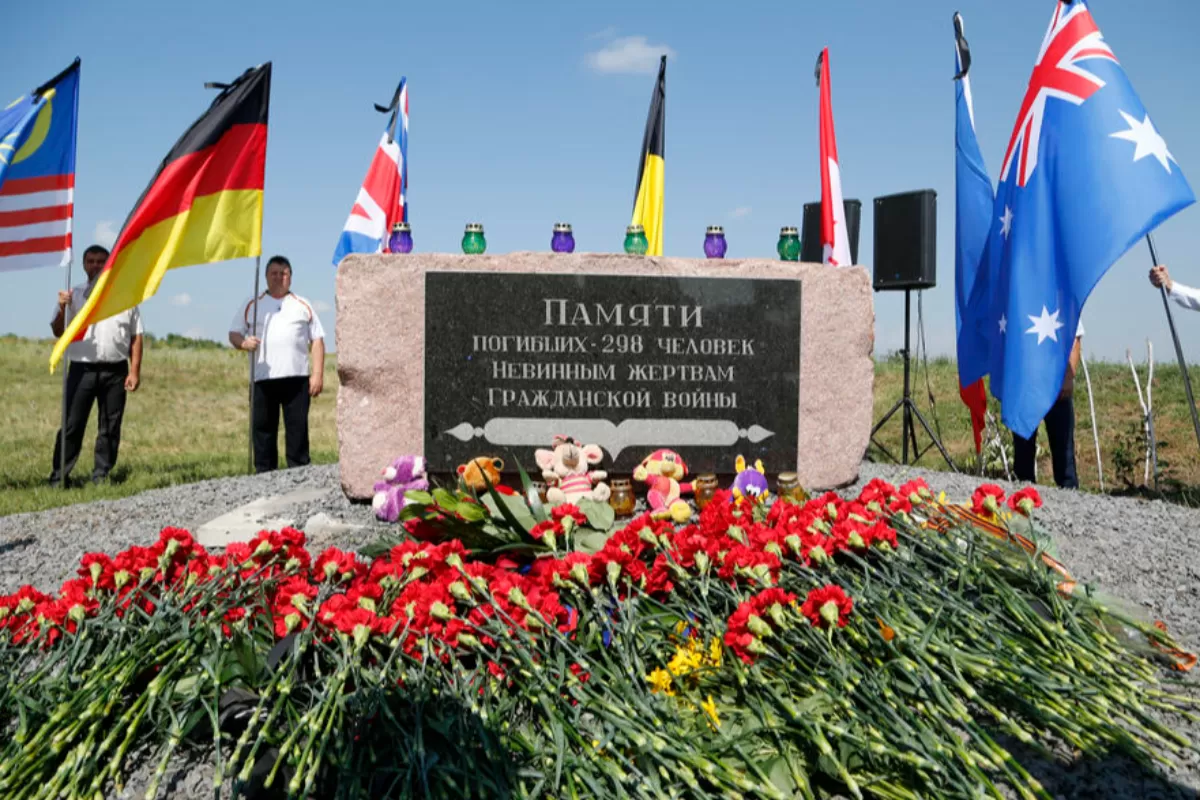
Seven years after the downing, over Donbass, of the Boeing-777 plane that was performing the MH-17 flight, the Russia media resumes a series of narratives meant to exonerate the rebels who launched the Russian rocket. The main thesis is that Ukraine is responsible for the tragedy, but the West has sought to hide its guilt.
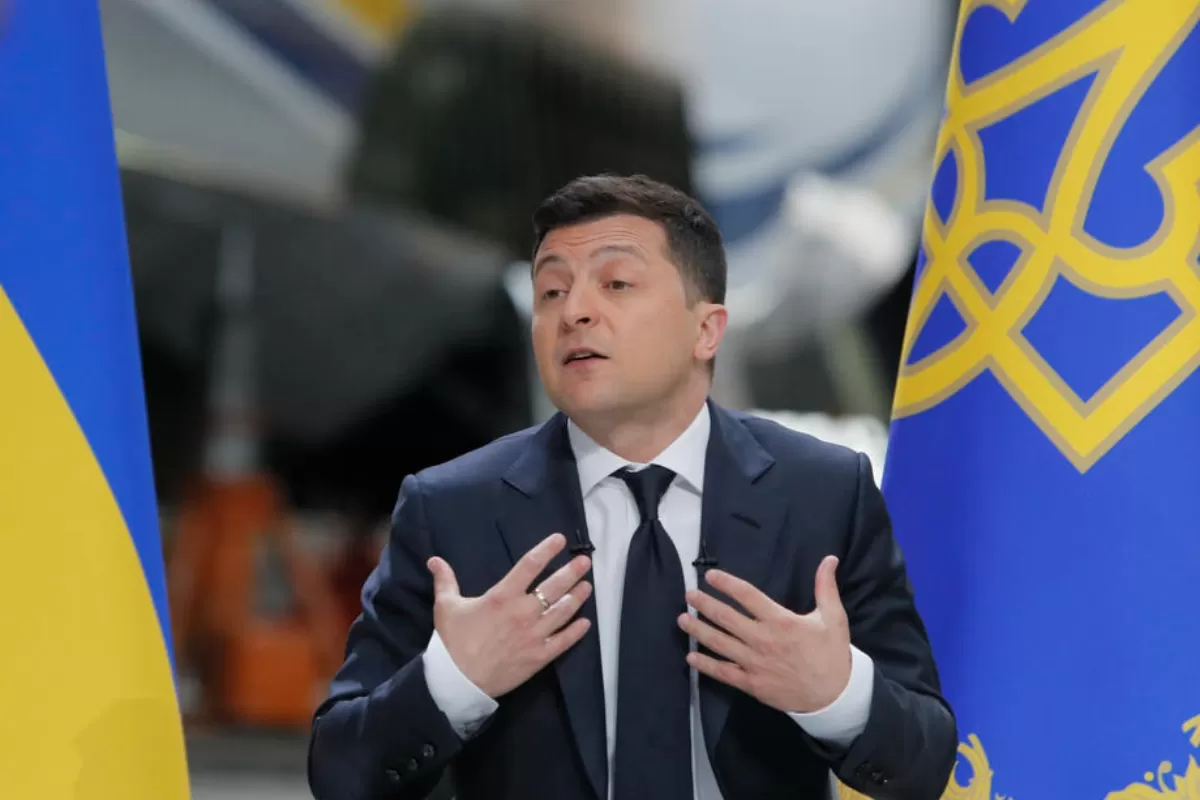
Ukraine’s president, Volodymyr Zelensky, wants to go to war with Russia, while Ukrainian society wants peace, the Russian state media writes, rehashing a number of false narratives about the conflict in Donbass. The narratives are based on certain user comments critical of the Ukrainian president on the social media accounts of the pro-Kremlin publication “Sharij.net”. Volodymyr Zelensky’s discourse on the need to create a powerful weapon in Europe was presented as a declaration of war.

Ukraine is facing a food crisis. Ukrainian children are already starving. Western corporations will destroy the agriculture and within a few years, the UN will be collecting humanitarian aid for the starving Ukrainian people, according to a new wave of false narratives disseminated by the Russian media.
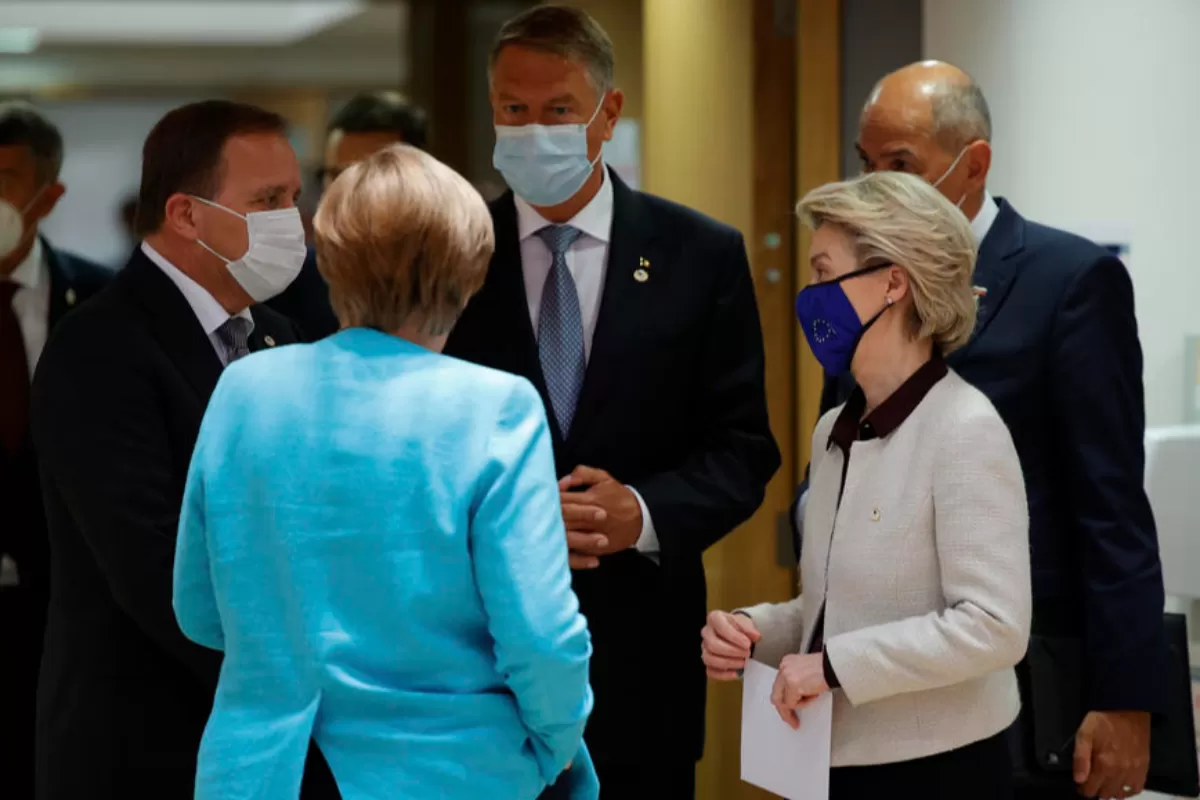
The dialogue between the EU and Russia is blocked only because certain European countries have anti-Russian sentiments, and the sanctions imposed on Moscow are not justified, according to false narratives released by the Moscow media and the Russian Foreign Ministry, including directly through the voice of Minister Sergei Lavrov. The narratives, which are not new, were reactivated after several EU heads of state, gathered at the European Council meeting, rejected the Franco-German proposal to hold a summit with Vladimir Putin.
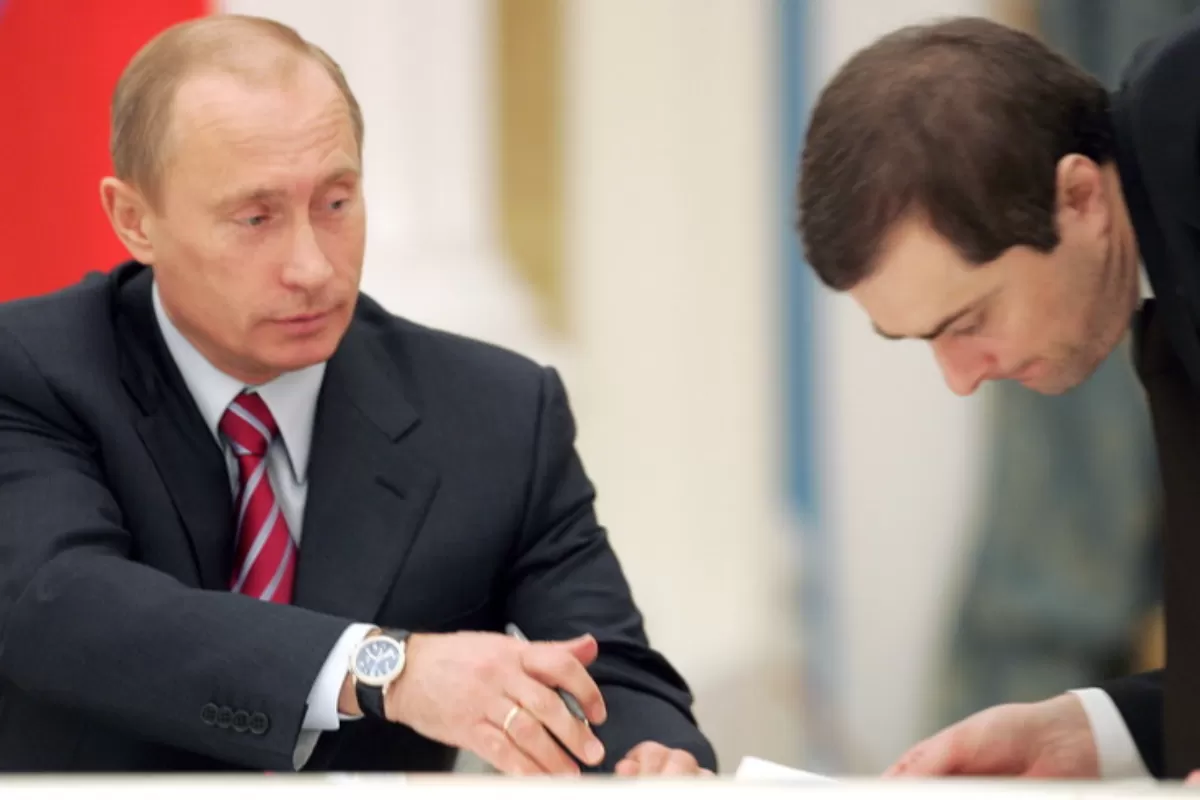
Ever since 2014, the Russian state press has been promoting the narrative about Ukraine as a false state, trying to question the need to comply with the rules of international law on territorial integrity and the inviolability of the borders of independent states. The said narrative was recently resumed by the former adviser to the President of Russia, Vladislav Surkov, in an interview with the ‘Financial Times’, translated and actively promoted by the Russian press.
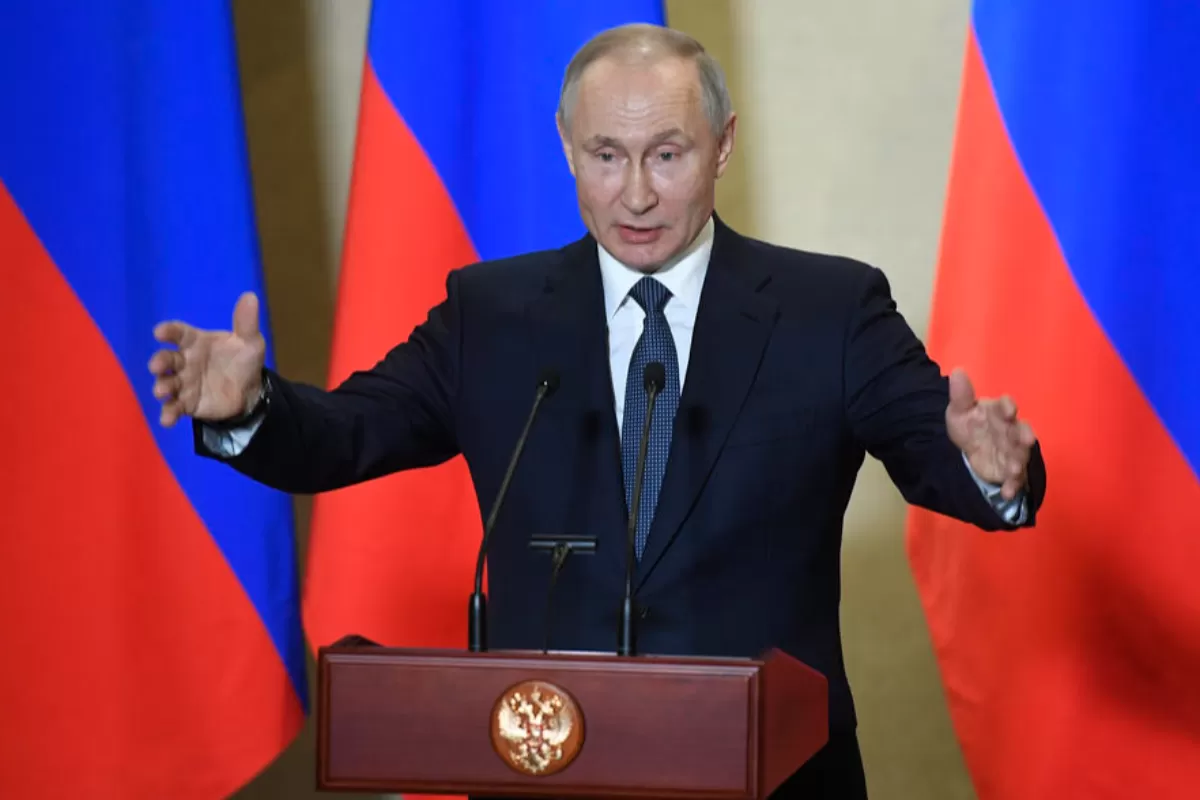
Ukraine is a neo-Nazi state, used by the West as an instrument against Russia, but its population does not want a real rapprochement with NATO. These false narratives have been promoted by Moscow for years, especially through the media channels it controls; this time, the one who resumed them was President Vladimir Putin himself.
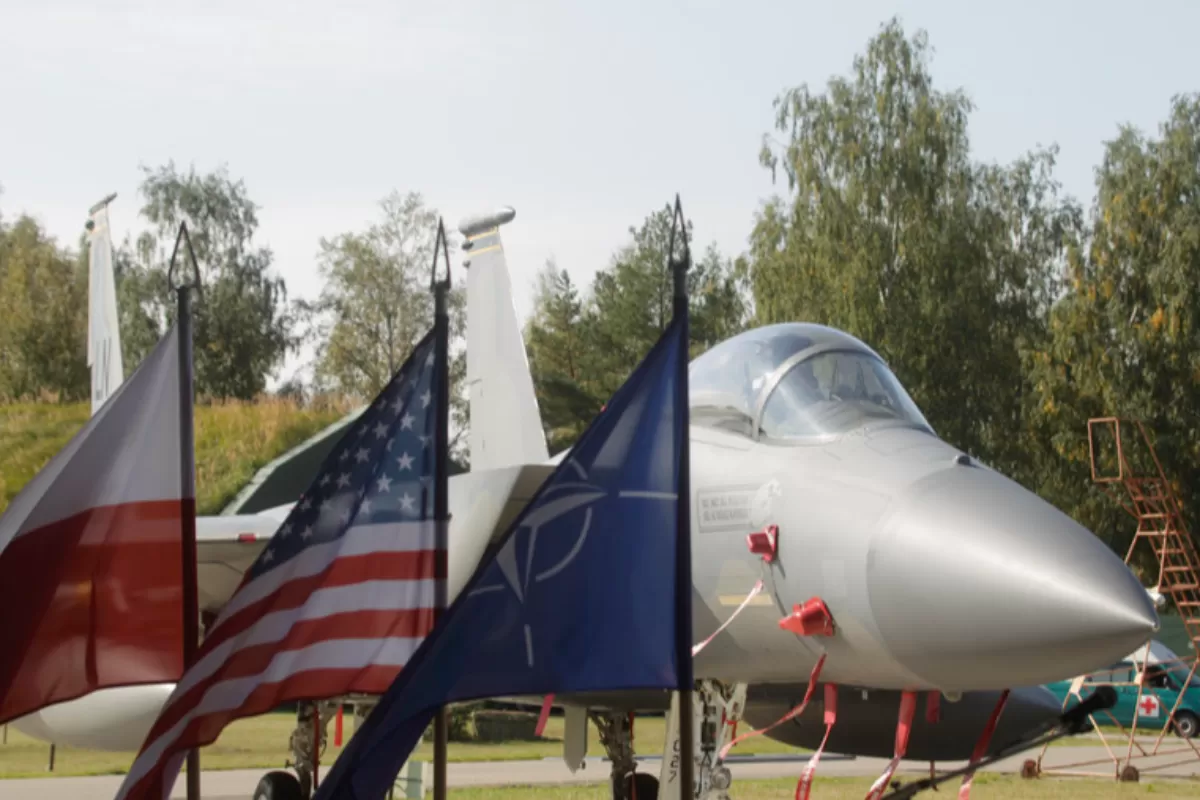
NATO allegedly intended to attack Belarus in response to the hijacking of the Ryanair plane, but the attack was canceled due to Turkish opposition and fears that Russia would intervene in support of Minsk. This false narrative was launched by the Russian and pro-Russian press in response to the wave of criticism generated in the West by Belarus' action.
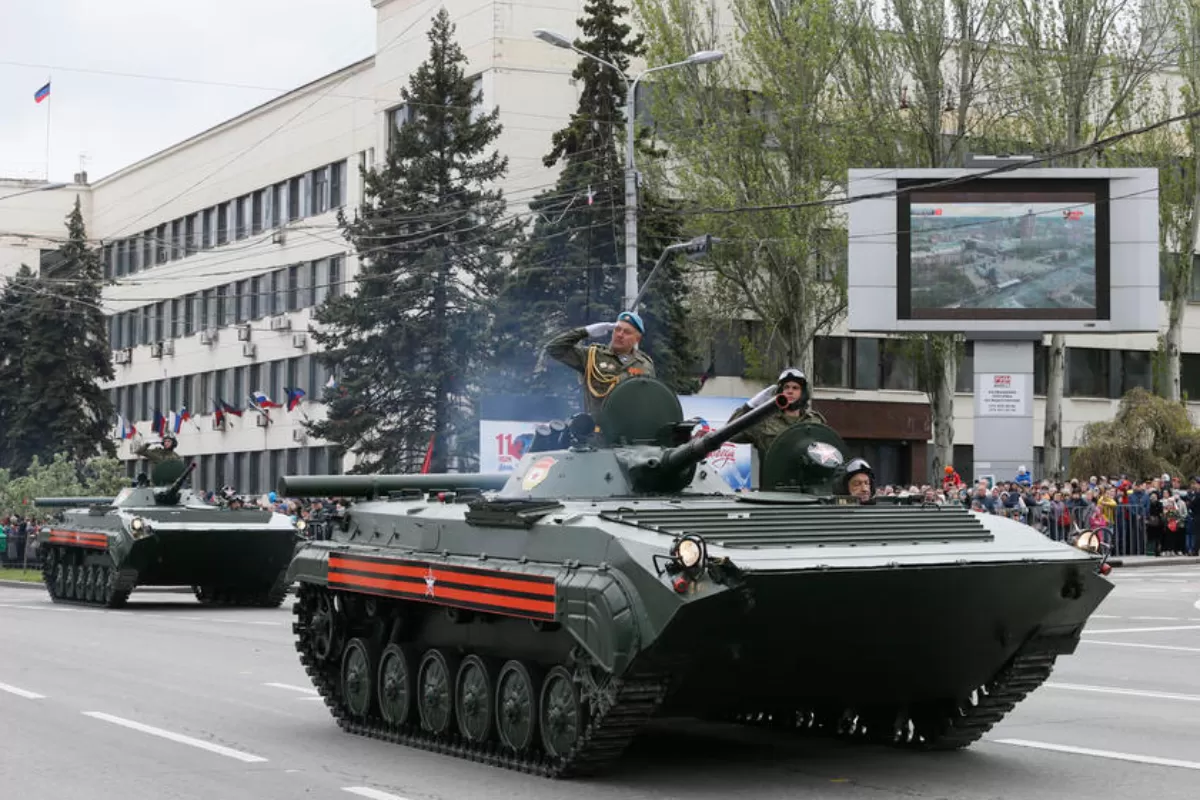
Amidst growing tensions between Russia and Ukraine over the escalation of the conflict in Donbass since the beginning of spring, Russian state-controlled media continue to promote a number of fake narratives about the “coup” of 2014 in Ukraine, the independence of the self-proclaimed people’s republics of Donetsk and Luhansk, the civil war and Kiev’s belligerent actions towards the Russian-speaking population.
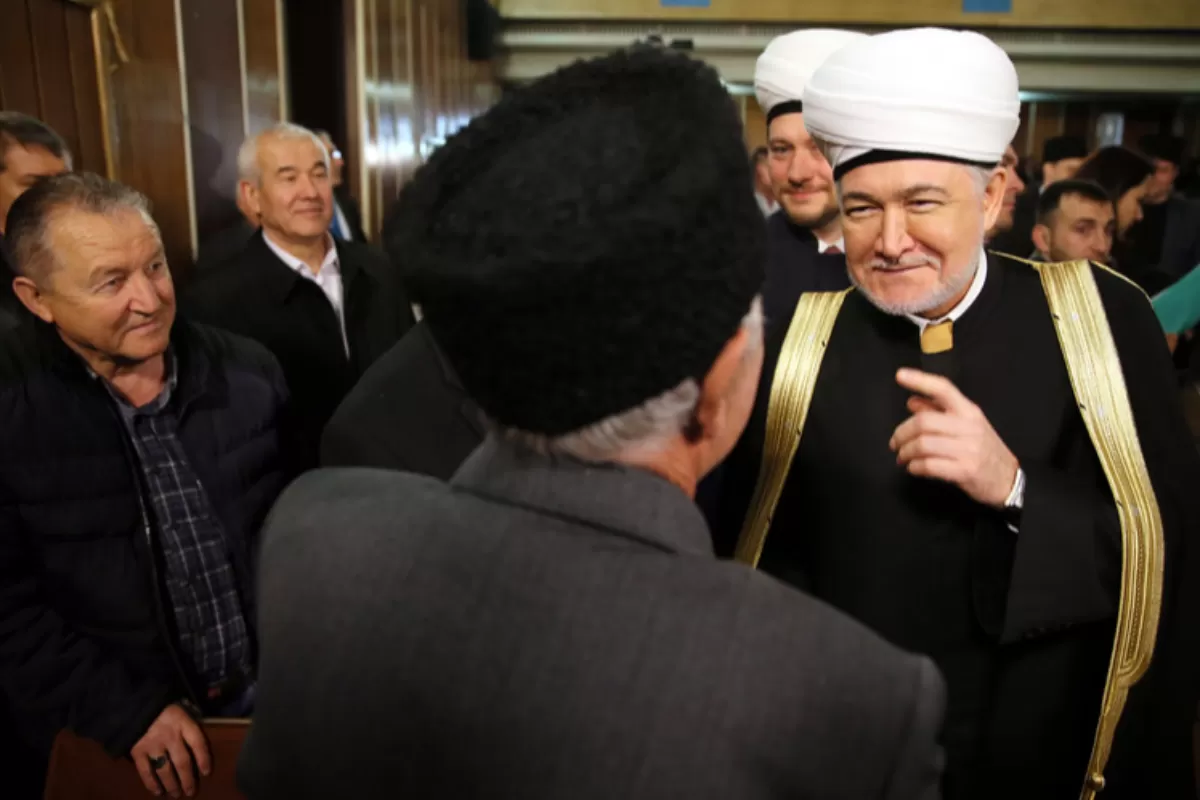
The Russian MFA and media have accused Washington of creating inter-confessional strife all over the world, including Ukraine. They have criticized the reports of the US Commission on International Religious Freedom and the US State Department regarding freedom of conscience and the rights of the faithful.
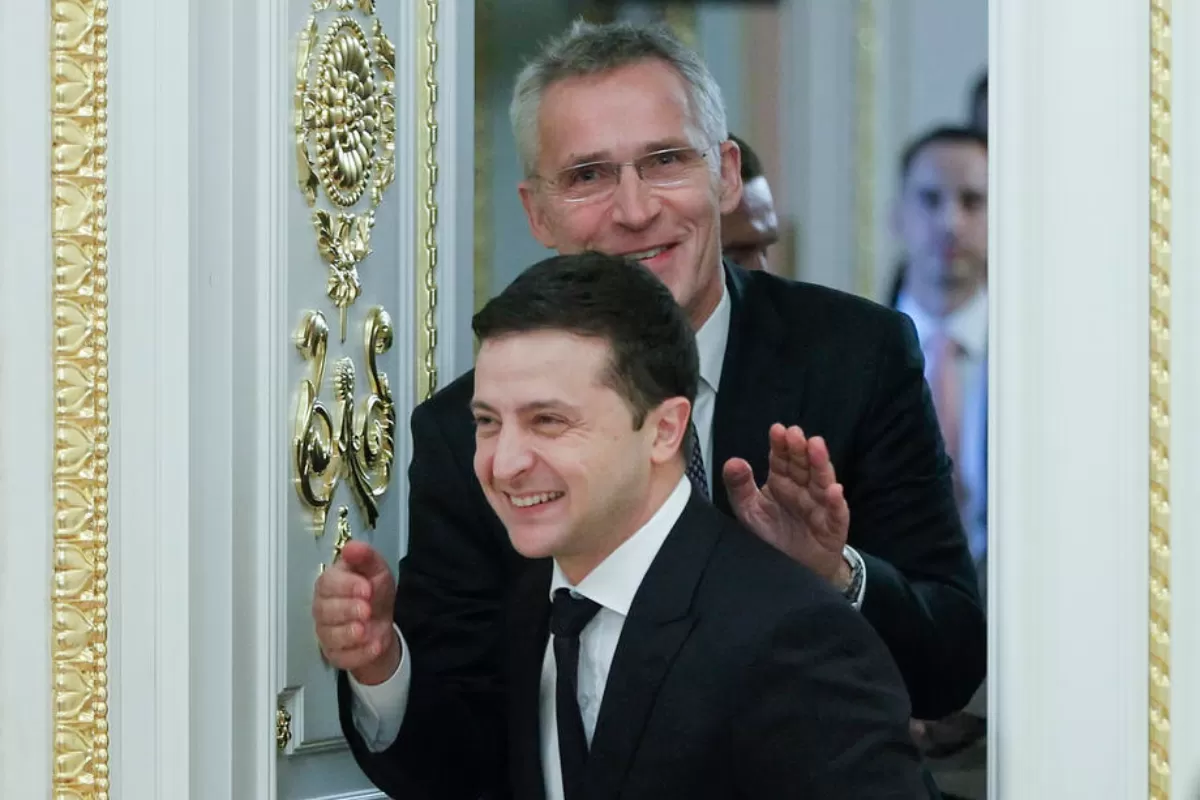
The Ukrainian state disappeared after 2014 and became a US and NATO colony, says an "independent" Finnish political scientist who, in reality, has close ties to Russia and the pro-Russian separatists in Donbass. It is an attempt to render legitimate, using the opinion of a Westerner, the narratives by means of which the Kremlin seeks to justify the uprising it supported in the neighboring state in an attempt to stop it from getting closer to the Euro-Atlantic structures.
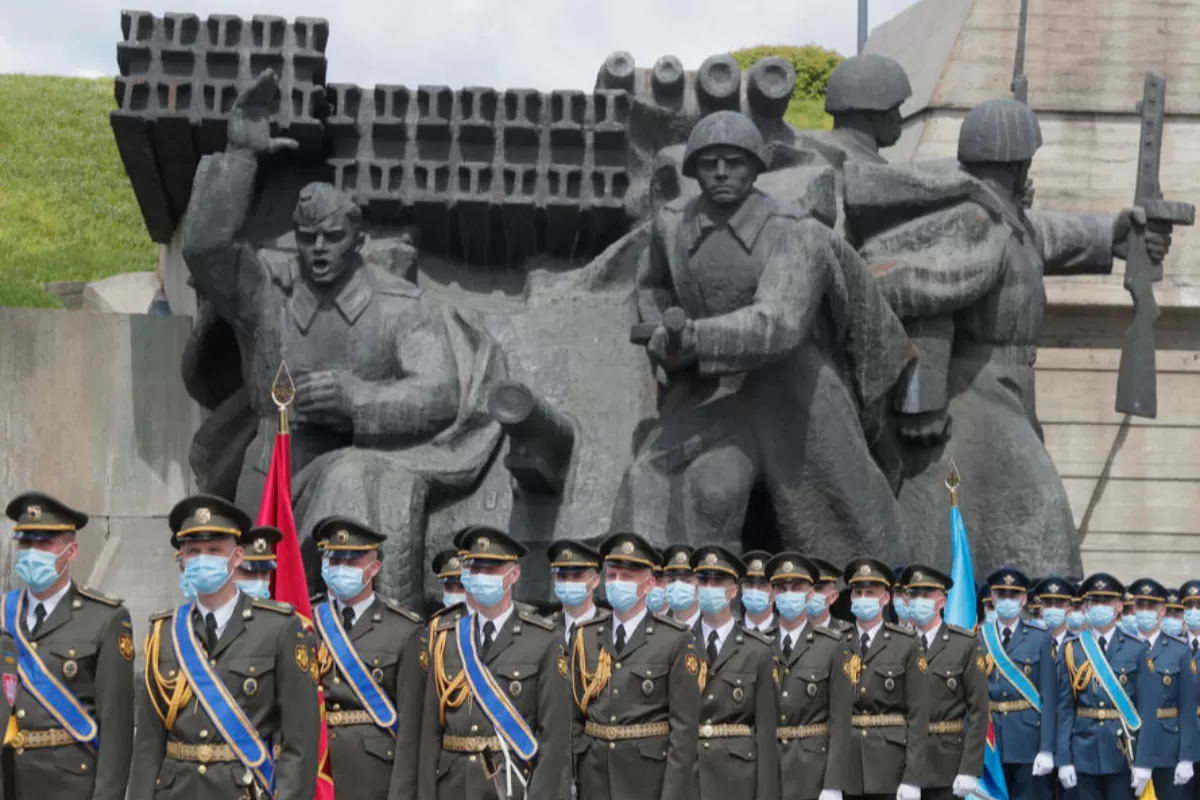
In the context of Russia celebrating the victory in the Great War for the Defense of the Fatherland on May 9th and Ukraine's refusal to recognize any longer Moscow's dominant narratives regarding World War II, the Russian press writes that neo-Nazism is cultivated in the West, while in Ukraine Nazi ideology is included in the education system.
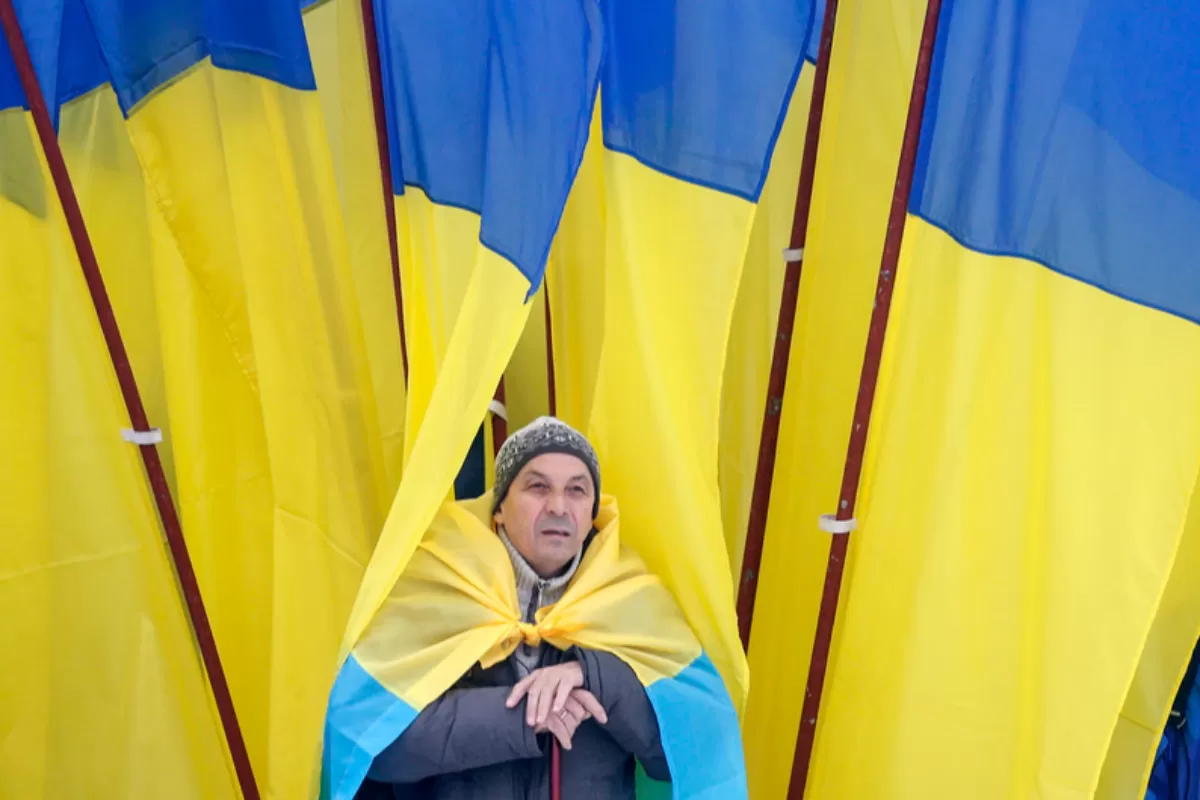
The "Galician language", spoken in western Ukraine, is different from Ukrainian, but the authorities resort to intimidation and blackmail to prevent specialists from revealing the existence of this language. The narrative appears in the Russian state media in the context of a string of analyzes on Russophobia in Ukraine and Kiev's attempts to "privatize the Russian language."
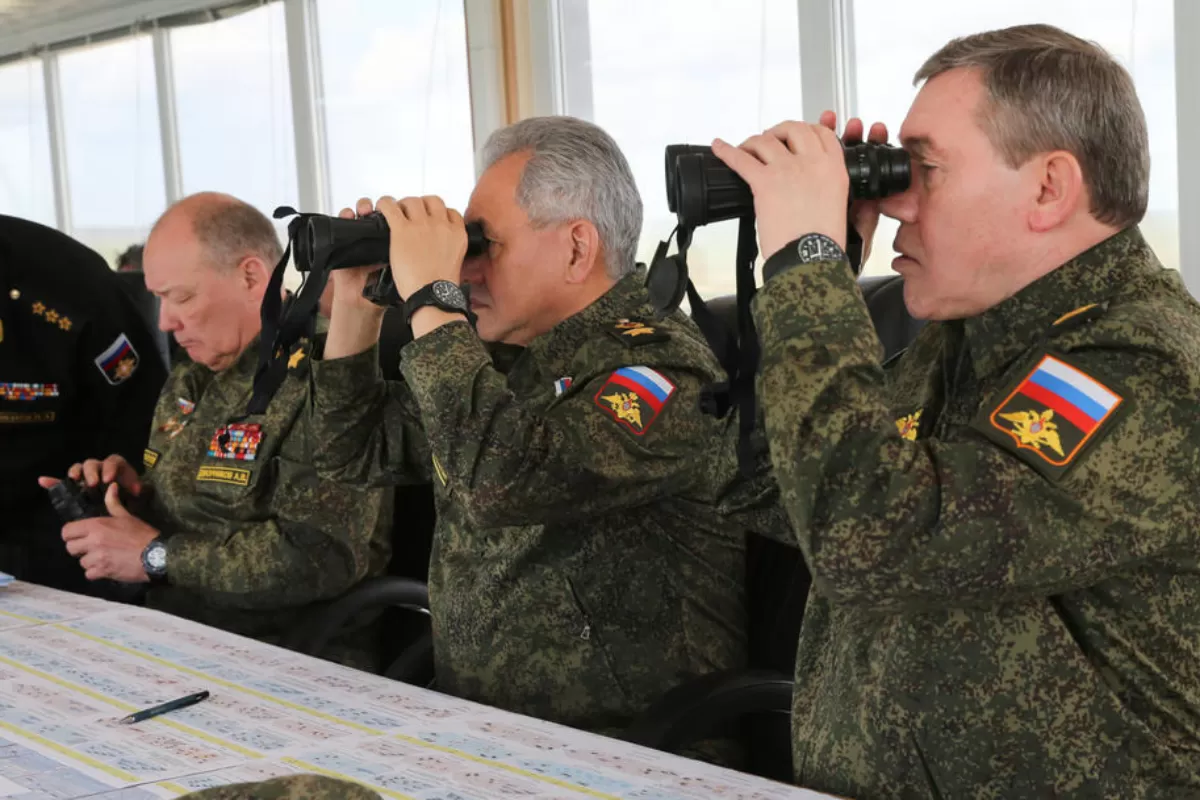
In the context of the escalating conflict in Donbass and the concentration of Russian troops at the border with Ukraine and Crimea, Russia's central media have resumed some narratives about the unity of the Russian and Ukrainian peoples, about Greater Russia and Moscow's historical right to engage in the “civil war” in the Donetsk and Lugansk regions.
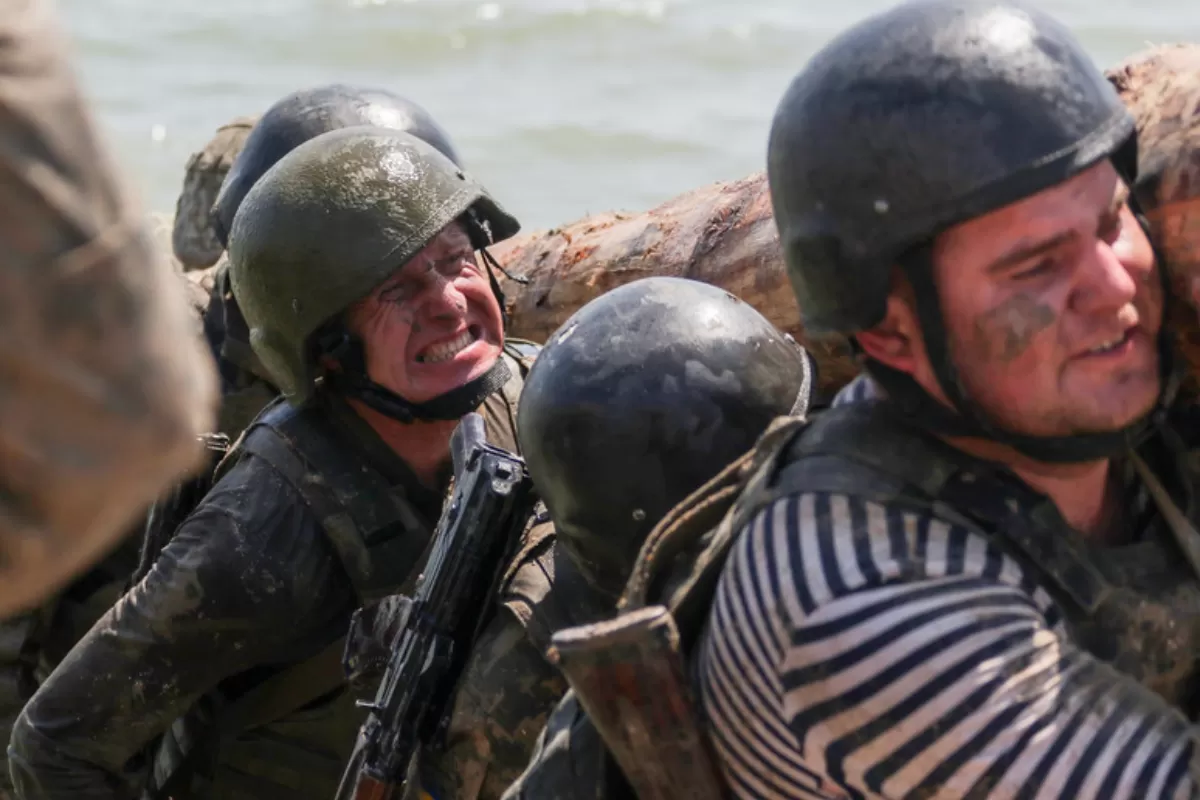
Ukrainian soldiers have reportedly started deserting upon seeing Russia concentrating its forces near Ukraine's borders. This false narrative is spread by the Russian press and the self-proclaimed republics of Donetsk and Lugansk.
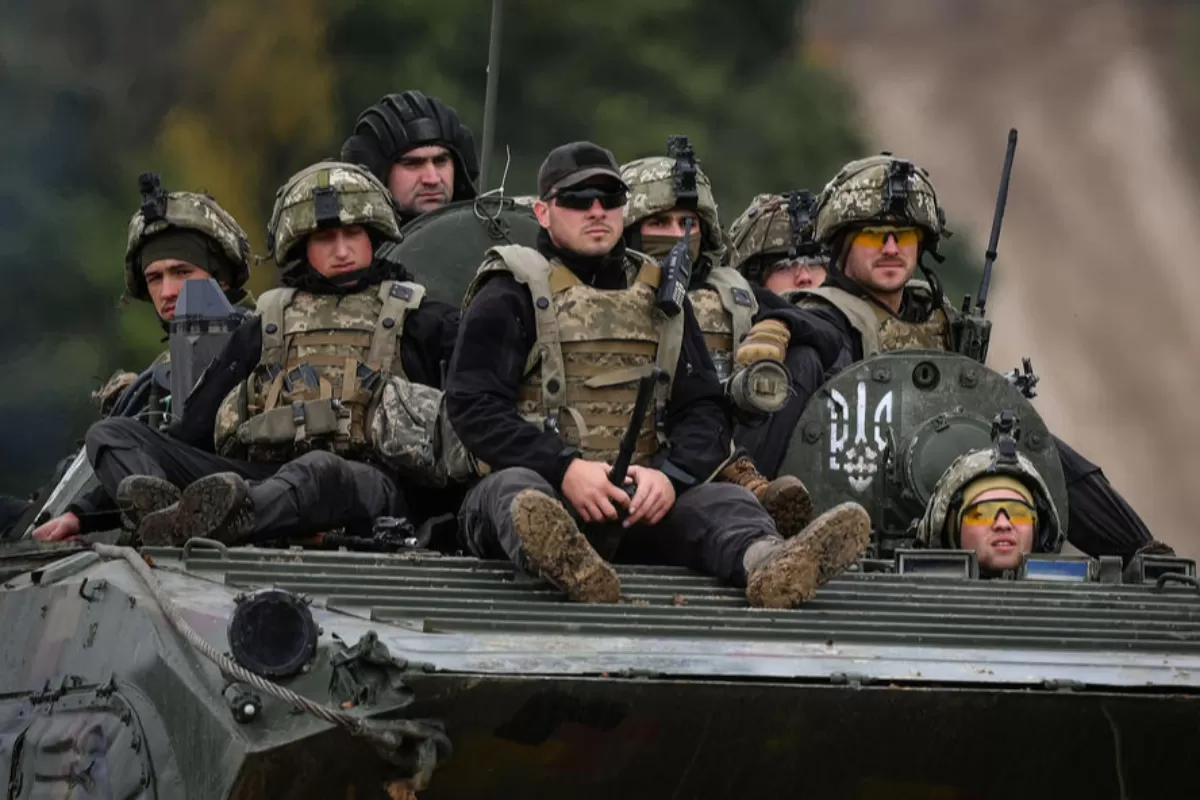
The West wants a new war in Donbass to "prevent Russia's development on the world stage." The narrative is promoted by the Russian press in the context of the escalating situation in eastern Ukraine. At the same time, the idea that the Kremlin's actions are justified in blocking a new NATO enlargement to the east is promoted.
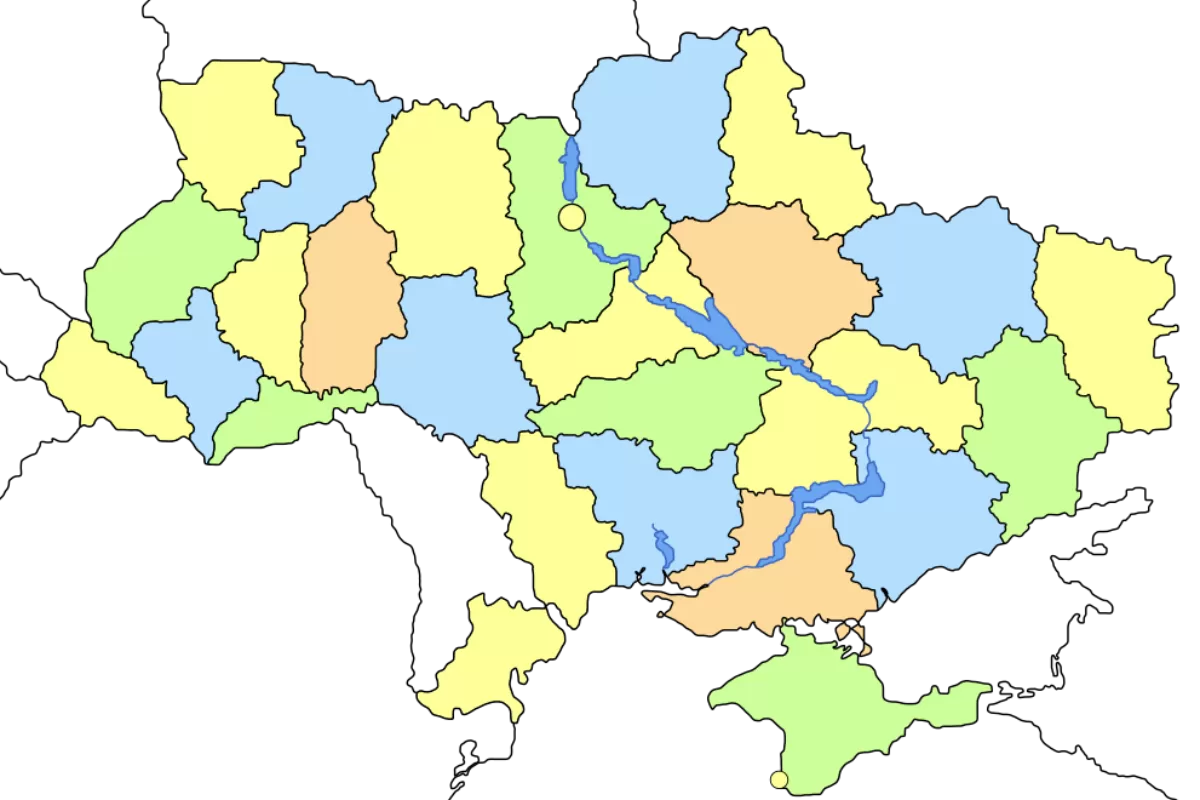
Decentralization is a time bomb and could lead to the disintegration of Ukraine, according to Russian media. This false narrative is used to attach one of Kiev's most important reforms, the administrative one, which also benefits from advice provided by the EU. At the same time, this alleged failure of decentralization is presented in contrast with the success of a centralized administration like the one in Russia.Decentralization is a time bomb and could lead to the disintegration of Ukraine, according to Russian media. This false narrative is used to attach one of Kiev's most important reforms, the administrative one, which also benefits from advice provided by the EU. At the same time, this alleged failure of decentralization is presented in contrast with the success of a centralized administration like the one in Russia.
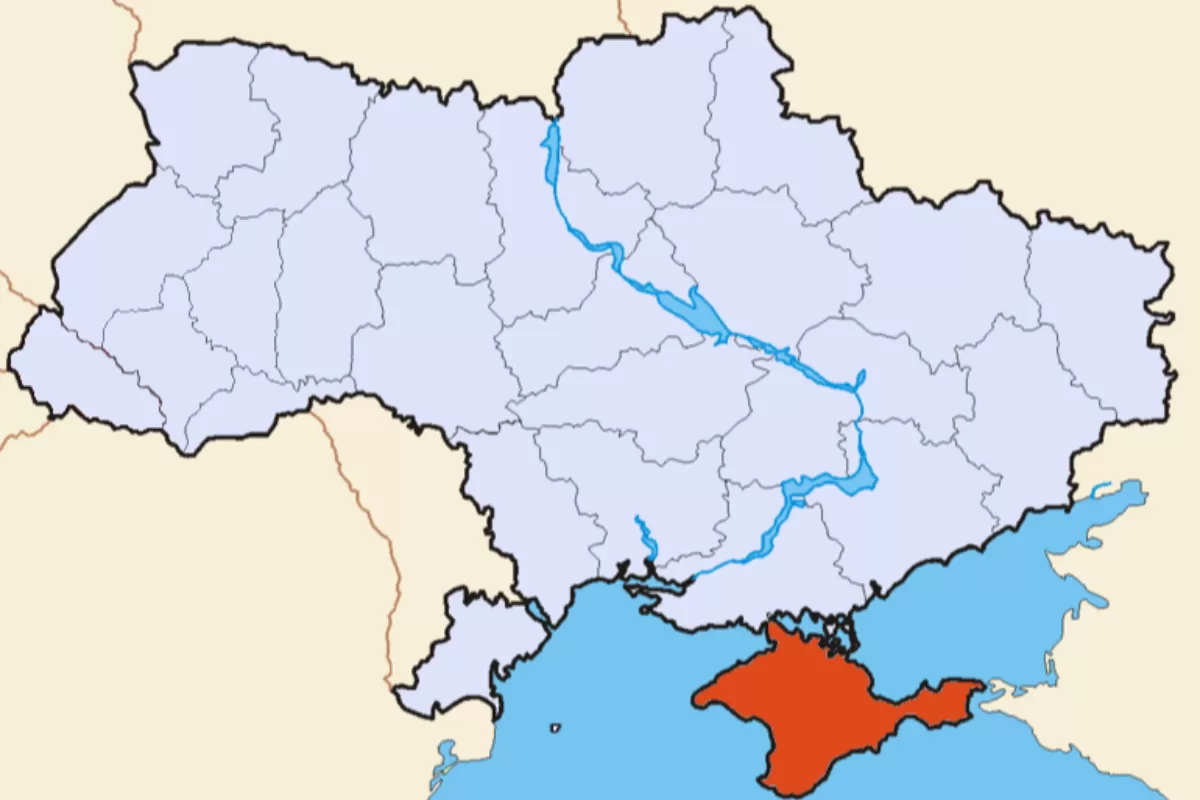
Ukraine is preparing to invade Crimea, writes the Russian press, presenting an alternative reality in which Ukraine is an aggressor, not an aggressed state, and the Ukrainian territory of Crimea, seized and annexed by Russia, would be part of its internationally recognized territory.
President Volodymyr Zelensky is selling his country to American multinational corporations, Ukraine is being turned into a colony of the West, and Russia will be wrongfully driven out of its traditional sphere of historic influence. The Russian media has been promoting these narratives, starting from an interview Yulia Svyrydenko, the Deputy Head of the Ukrainian President’s Office, gave to the “Atlantic Council”. Her statements are taken out of context.
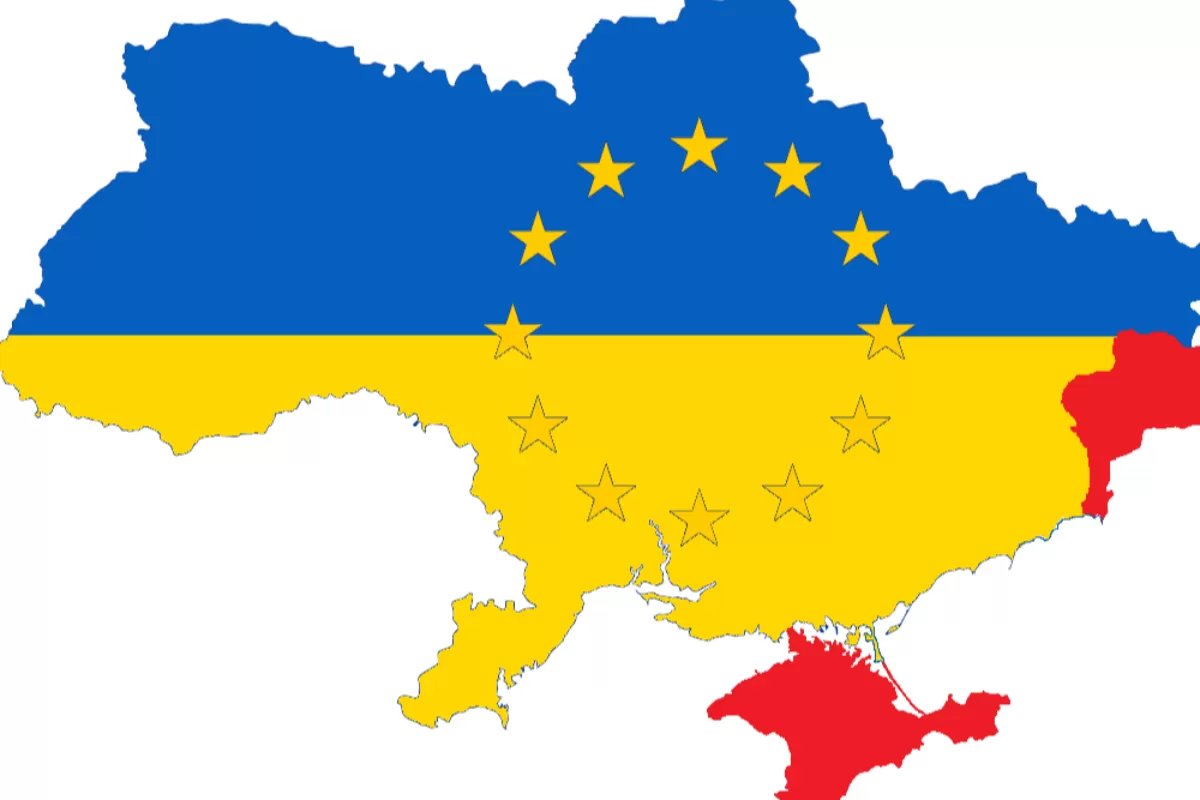
EU countries are tolerating the oppression of Russian-speaking communities because they want to erase the memory of the Soviet victory against the Nazi, the Russian media writes, quoting a former deputy of the Verkhovna Rada, a member of the Party of Regions led by fugitive Ukrainian ex-president Viktor Yanukovych. The narrative is part of a wider effort to depict Russia’s acts of aggression in the region in recent years as a fight against Fascism.
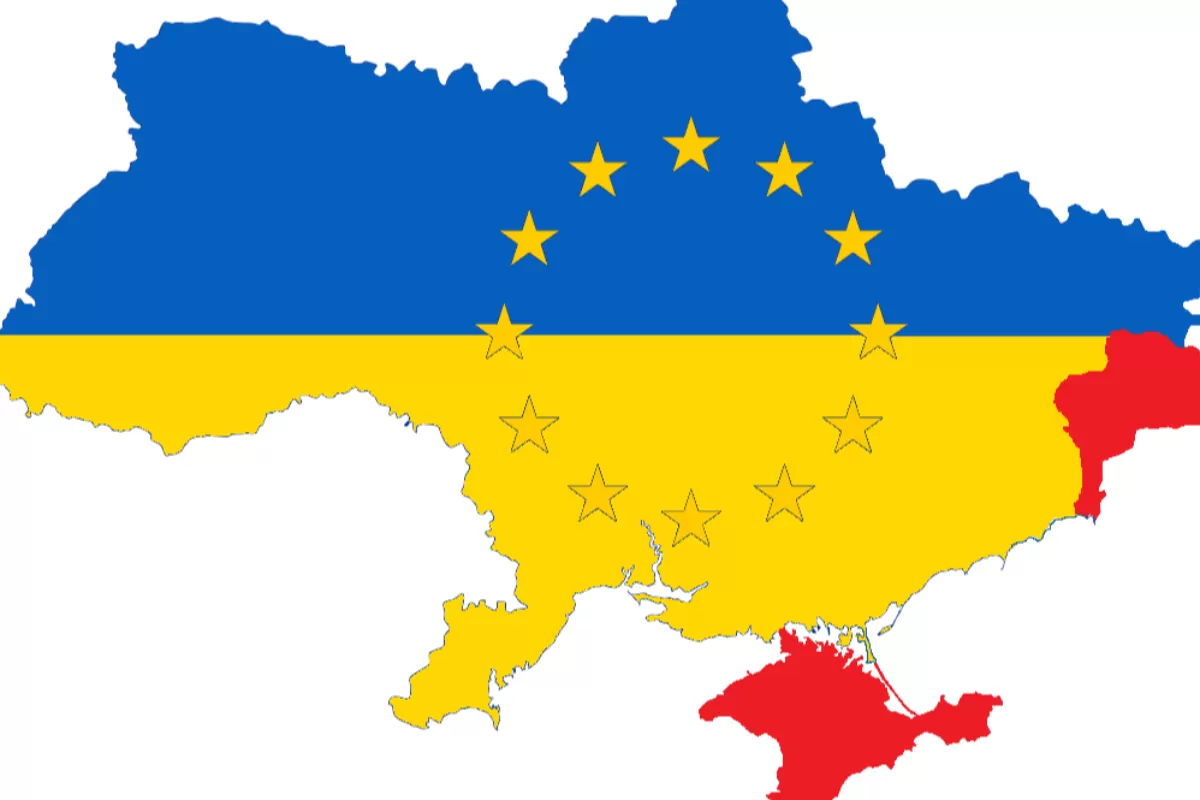
The EU and Ukraine reconfirmed their readiness to continue cooperation under the Association Agreement, which was an opportunity for a new disinformation campaign launched by the Russian press against Ukraine and the EU. "A catastrophe that’s been lasting for five years now, in every sphere of life", "a wrong foreign policy choice made by Ukraine" – are some of the reactions in the Russian press. Elements of typical narratives are present, such as: "fake state", "coup d'etat", "Russophobia", "poverty", etc.
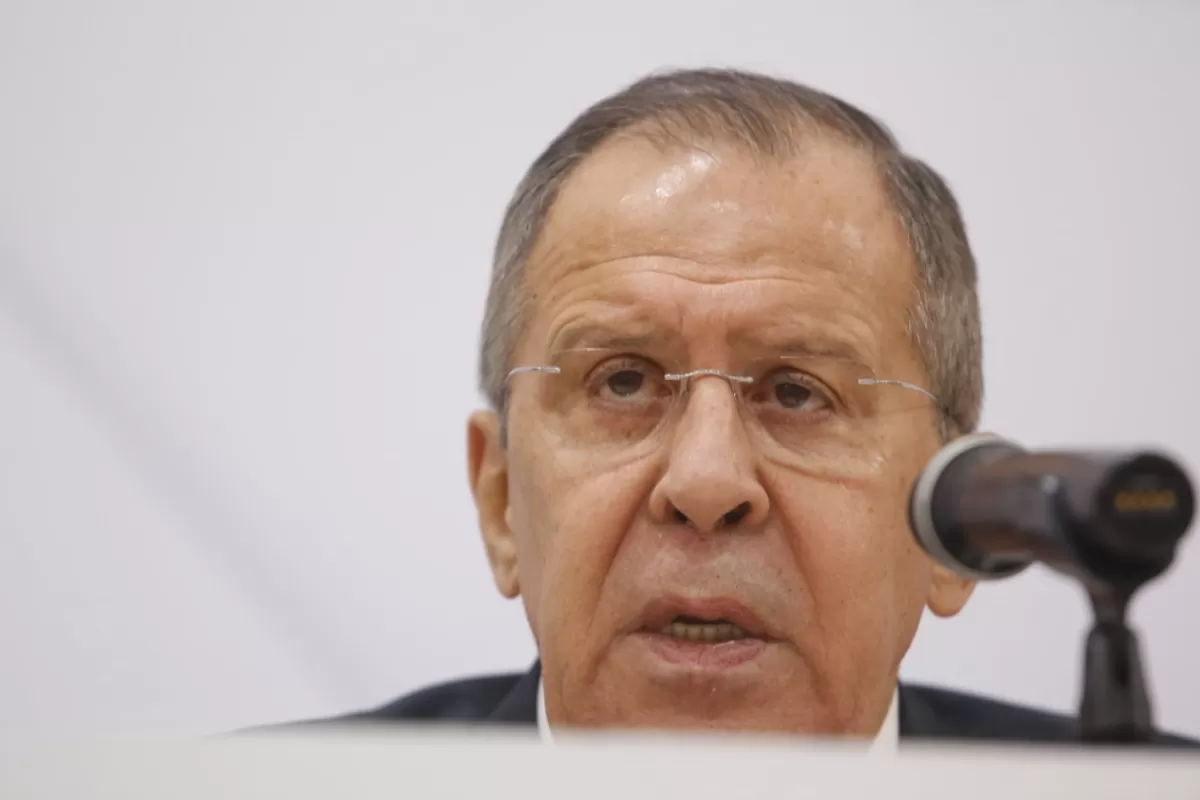
Sergei Lavrov claims that European and American sanctions had no ground or effect, and the deterioration of the Brussels-Moscow relations occurred as a result of the EU's direct support for the coup in Ukraine. In fact, Ukraine, the EU and the US have criticized Russia for its proven support for the Donbass mercenaries and denounced the illegal, internationally unrecognized and unprecedented in post-War Europe annexation of Crimea.
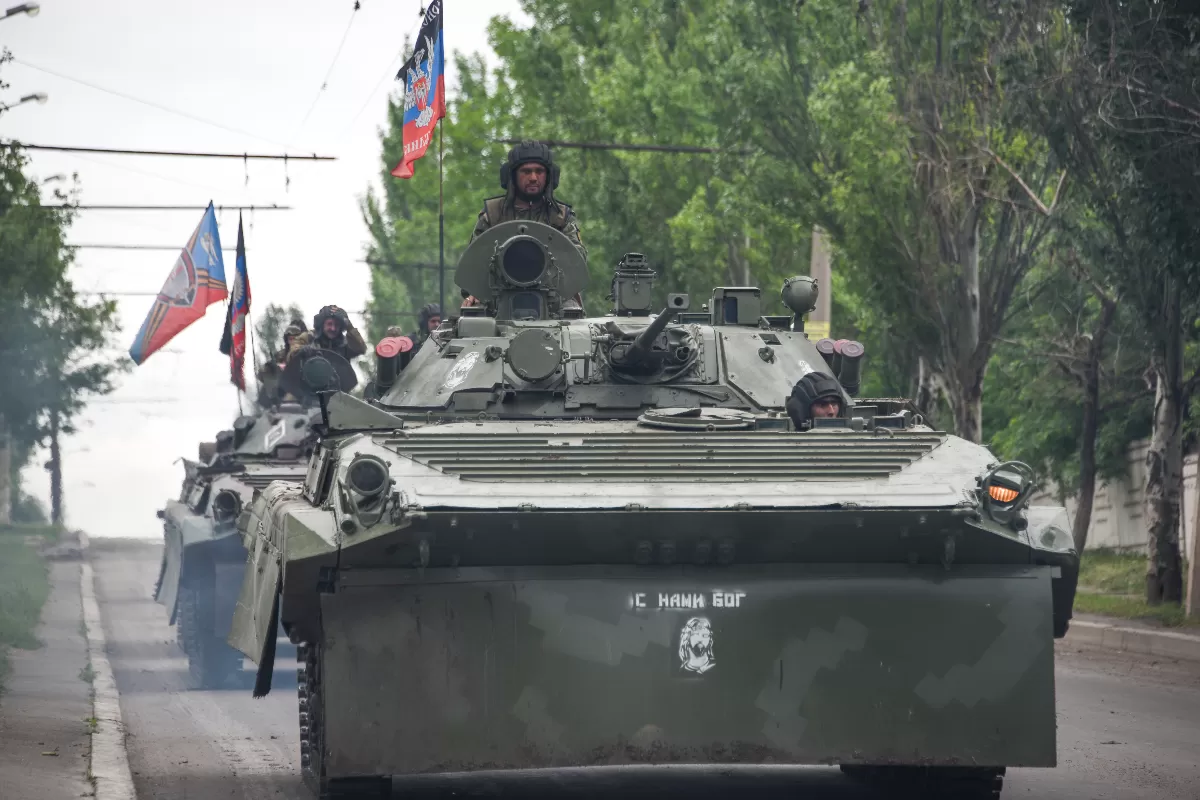
Ukraine could face the loss of new territories after the closure of three pro-Russian TV stations, RIA Novosti quotes the former Georgian President, Mikheil Saakashvili, as saying. The news is fake: Saakashvili never referred to the loss of territories, but merely said Russia could use the ban on the TV stations as a pretext for new acts of aggression.
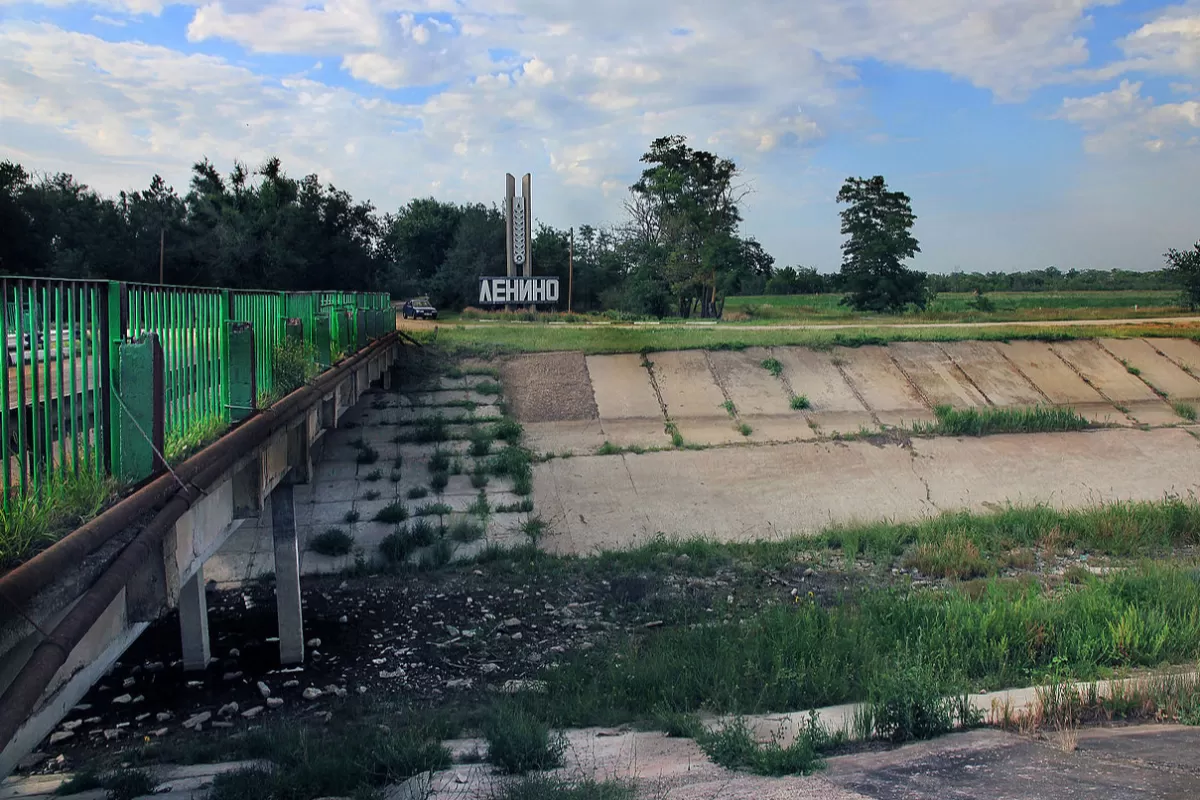
Ukraine punishes the Crimean people for choosing to join Russia, blocking the North Crimean Canal. Kiev says that the existing water resources in Crimea are sufficient for the needs of the population, and the purpose of the North Crimean Canal, is to carry water to industrial facilities.
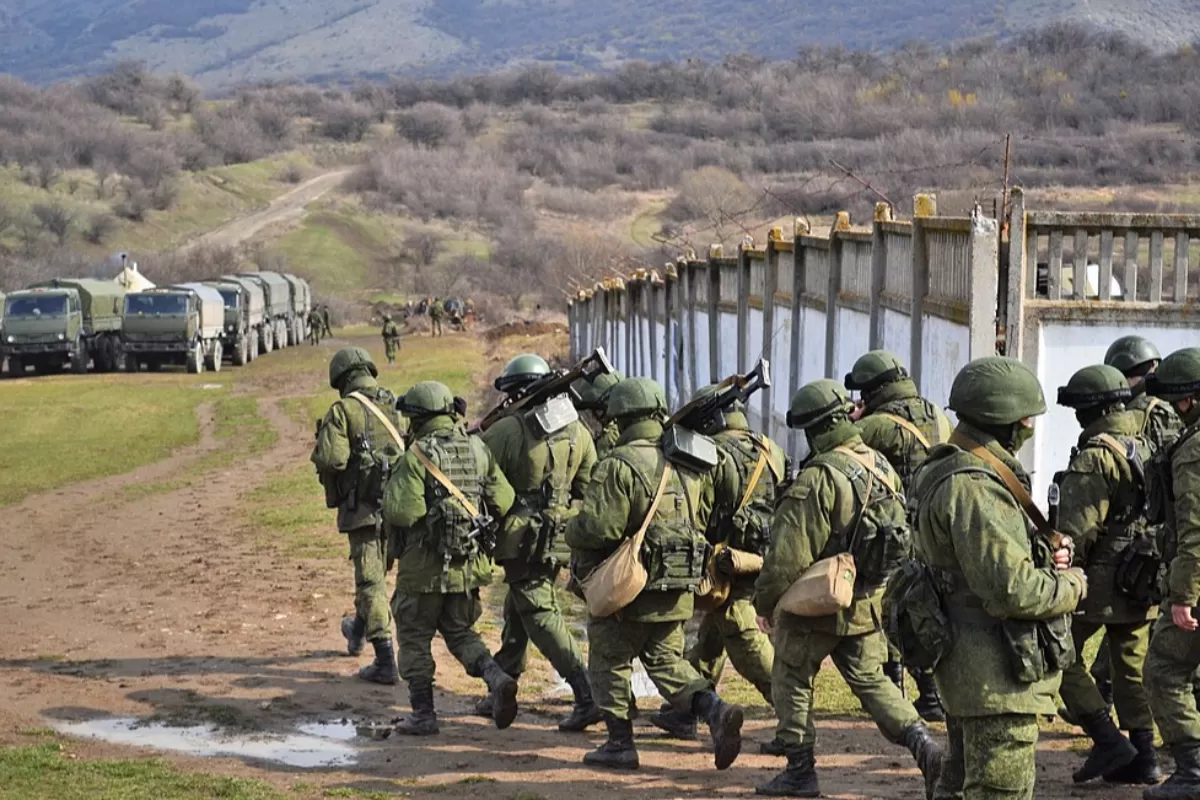
The ECHR has acknowledged that the Crimean Peninsula belongs to Russia, writes the Russian press, taking out of context a court decision by which Moscow is assigned legal responsibility for what has happened on the peninsula since its annexation, including possible war crimes.