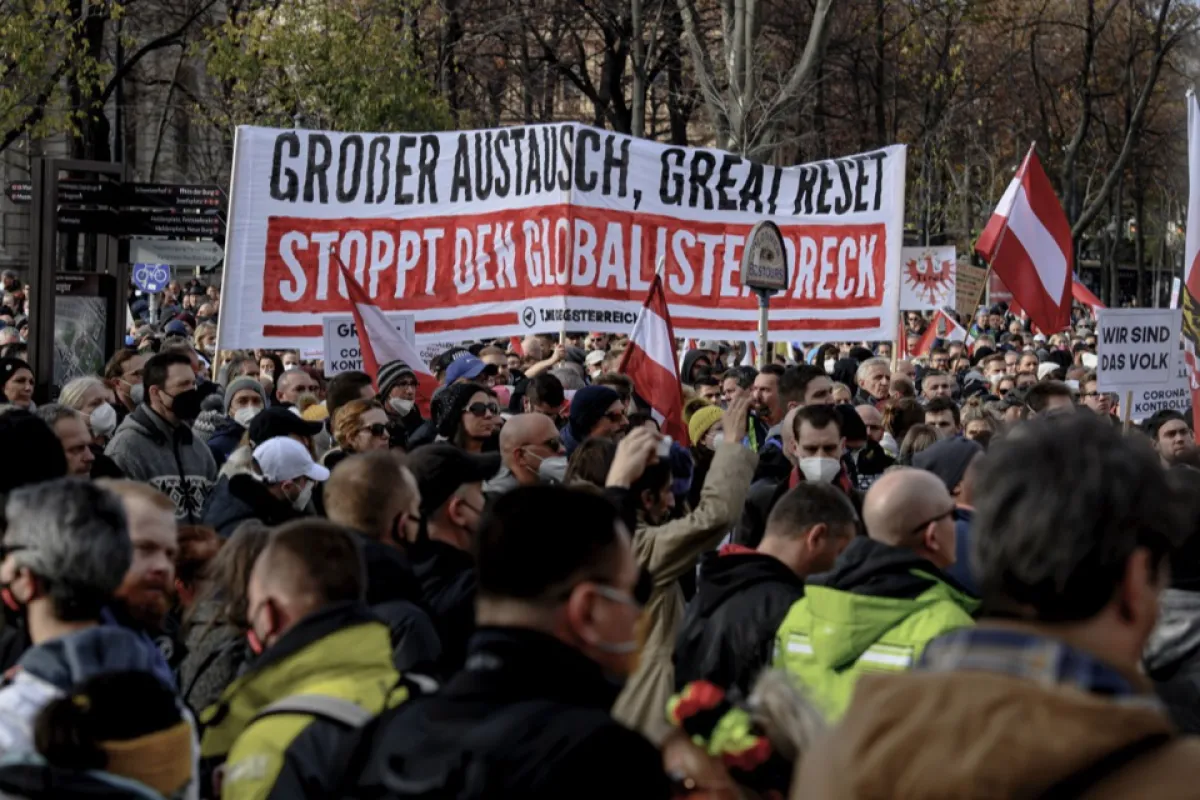
One of the most recently developed conspiracy theories is the one about the “Great Reset”, whereby the “World Government” is purportedly seeking to establish a totalitarian regime on a global scale.
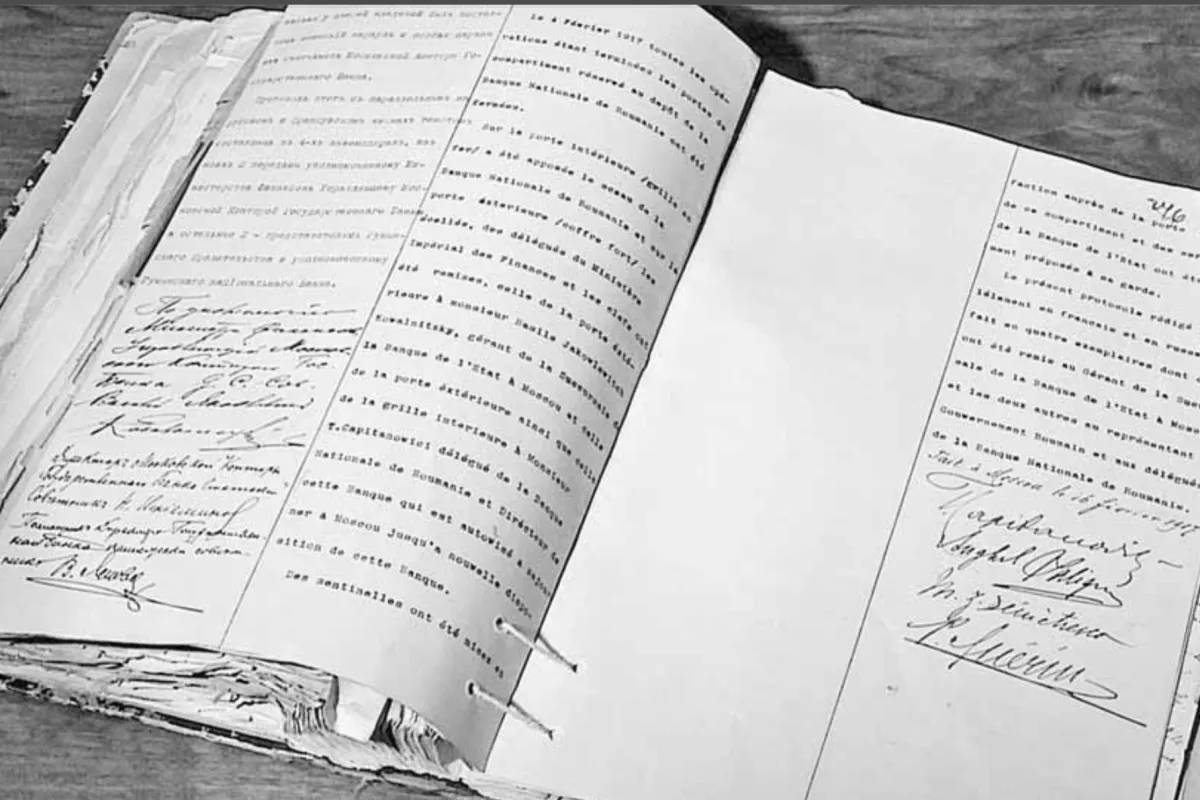
Românii au încercat timp de mai bine de o sută de ani să rezolve diferendul privind Tezaurul aflat la Moscova în diferite formate. Nu au reușit. Restituirile din 1935 (arhive) și 1956 (patrimoniul artistic) s-au datorat „bunăvoinței” și „mărinimiei” Moscovei, după cum arătau oamenii politici ai vremii, nu solicitărilor Bucureștiului. Acesta a încercat de câteva ori să internaționalizeze litigiul, reușind o singură dată, la Conferința de la Genova din 1922, dar fără urmări. Rezoluția Parlamentului European din 14 martie 2024 este al doilea act internațional de după 1917 care cere Rusiei să restituie României Tezaurul confiscat.
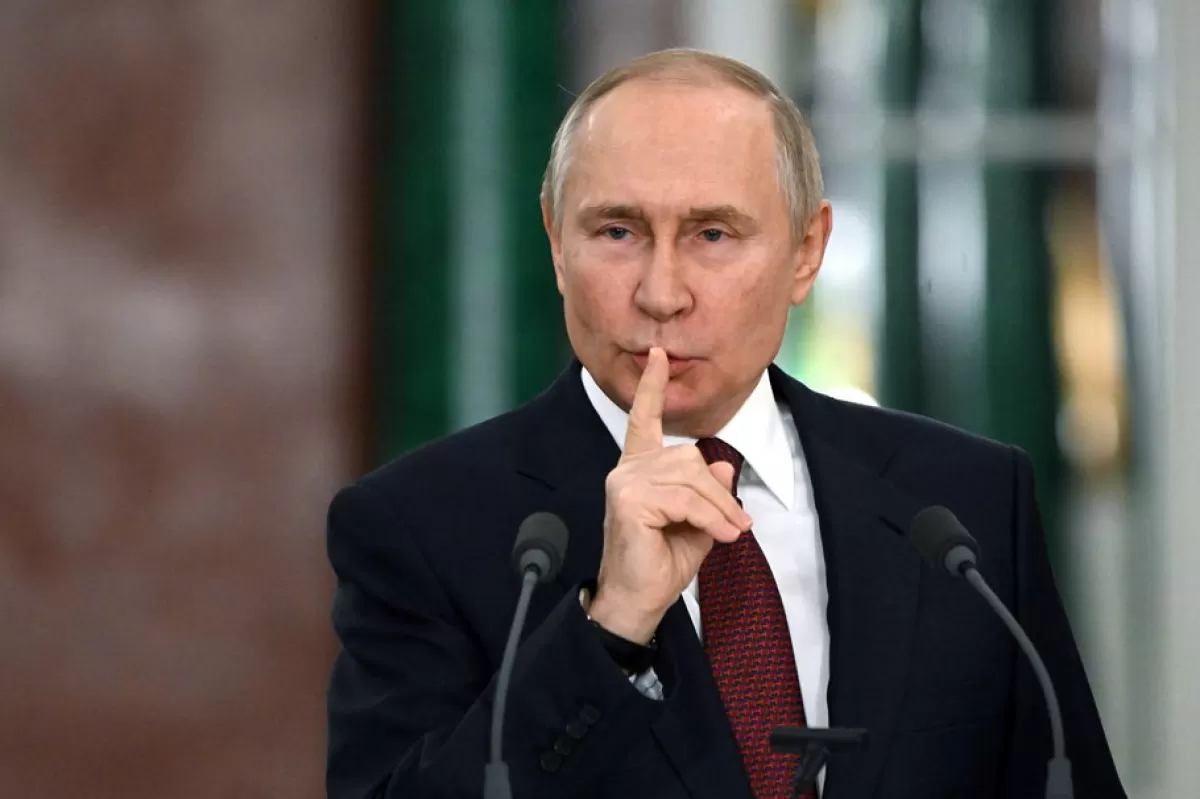
On February 24, 2022, the free world woke up to a dystopia. It had believed in peace more than it did in the signs of war, and had invested Putin with its good faith, just as it had done with Hitler in the years leading up to World War II. Russia has reintroduced large-scale war into a post-modern, hedonist society whose instincts were weakened by peace and prosperity, thus restoring evil to a global standing. Prior to the launch of the invasion, Europe hadn’t seen an interstate conflict in over 75 years. Any counterfactual examination is obviously pointless, but still, the question remains: how could the West fail again to foresee the predictable advent of a totalitarian regime with fascist overtones and the start of a new war in Europe?
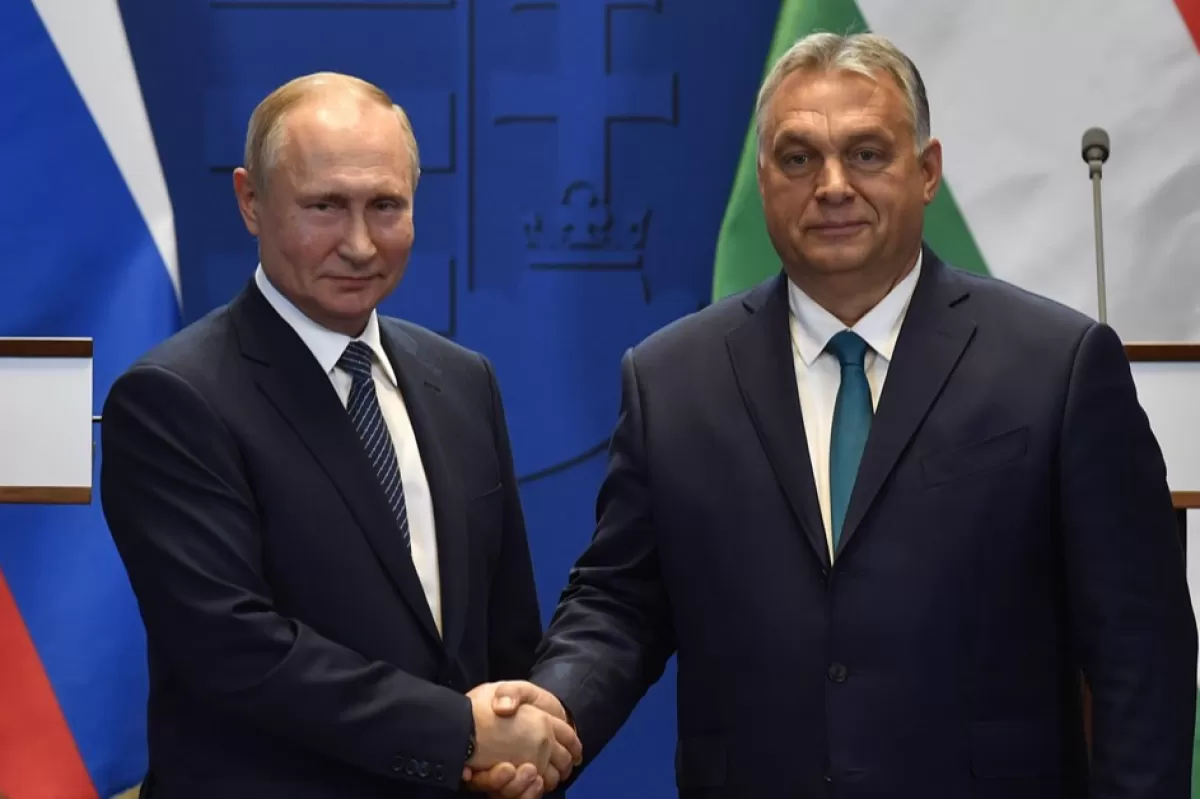
The decision of the four countries to leave the International Investment Bank (IIB), also known as the “Russian Spy Bank”, came within days of Russia invading Ukraine. The legal proceedings were cumbersome in certain countries, due to the financial risks such a move entailed. Set up in 1970, the Bank continues to operate today in Budapest, although key decisions are taken in Moscow.
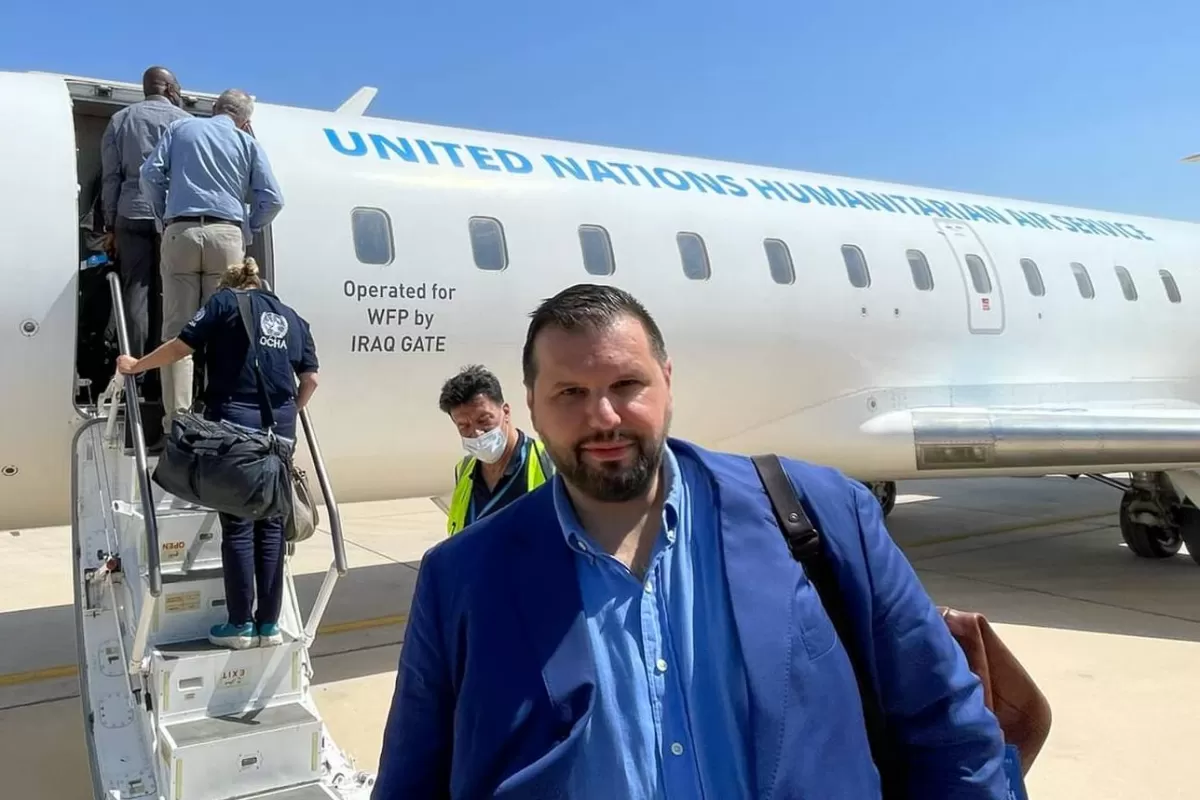
Syria remains a country ravaged by conflict and a deep humanitarian crisis, a place of conflicting interests of multiple state and non-state actors, says the Chargé d'Affaires of the European Union to Syria, Dan Stoenescu*. In an interview for TVR and Veridica, Dan Stoenescu explained that, although it doesn’t recognize the Assad regime, the EU keeps communication channels open in order to provide assistance to the Syrian people. The EU official also spoke about the link between the war in Syria and the one in Ukraine.
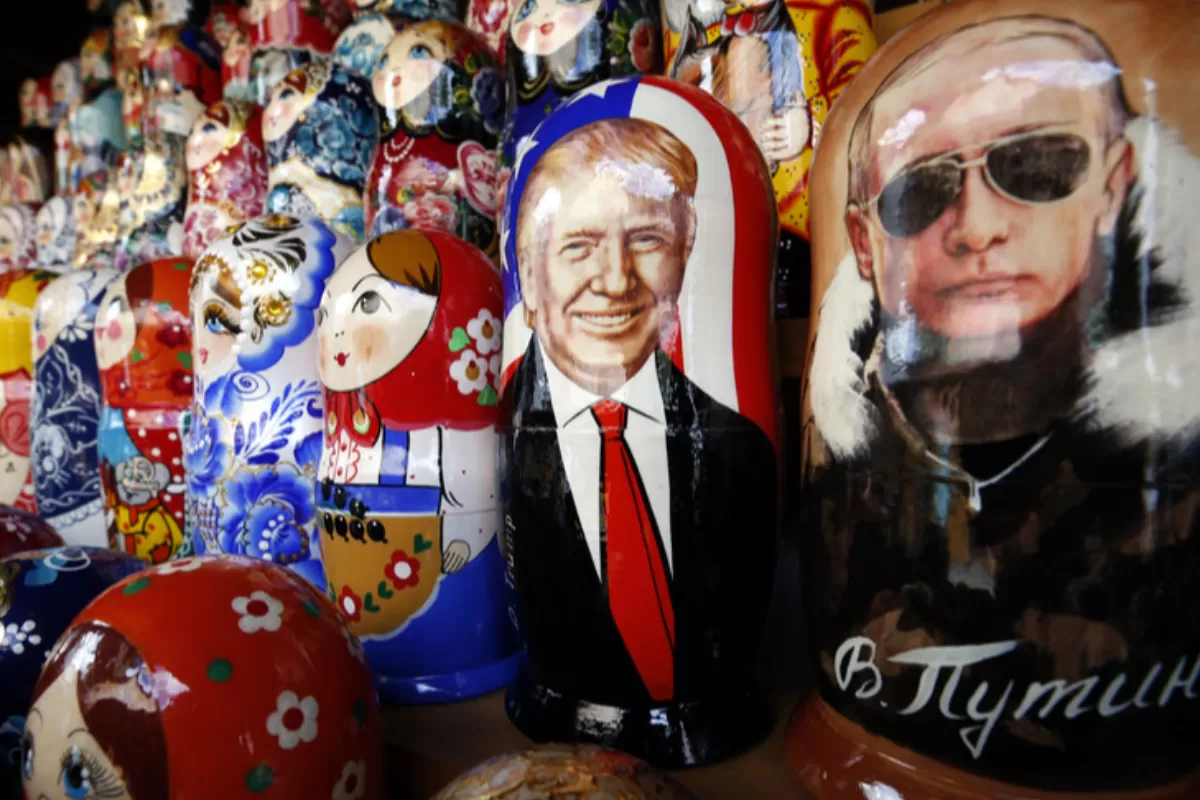
The coronavirus pandemic was accompanied by a genuine wave of fake news, the second in merely a decade. The false narratives in this wave are repurposed and updated: the disinformation they spread are disguised to come across as local topics and concerns. The Kremlin has thus adjusted its strategy for spreading disinformation to Romanians’ notorious Russophobia.
The massive disinformation campaign carried by Moscow in the West, in the former satellites of the Soviet Empire and also on its own territory, has its Achille’s heel: it is limited to a number of themes or narratives.
-image.webp)
The key moments in the recent history of post-communist Romania are unclear. The files of the Revolution, of miners’ raids and the conflict in Târgu Mureș have been classified and reopened periodically. The files have been moved from the military to the civil prosecutor's offices, and the other way round, evidence has disappeared, witnesses have died (some under suspicious conditions) or left the country. Media's efforts to investigate these events have always been marred by monstruous disinformation.
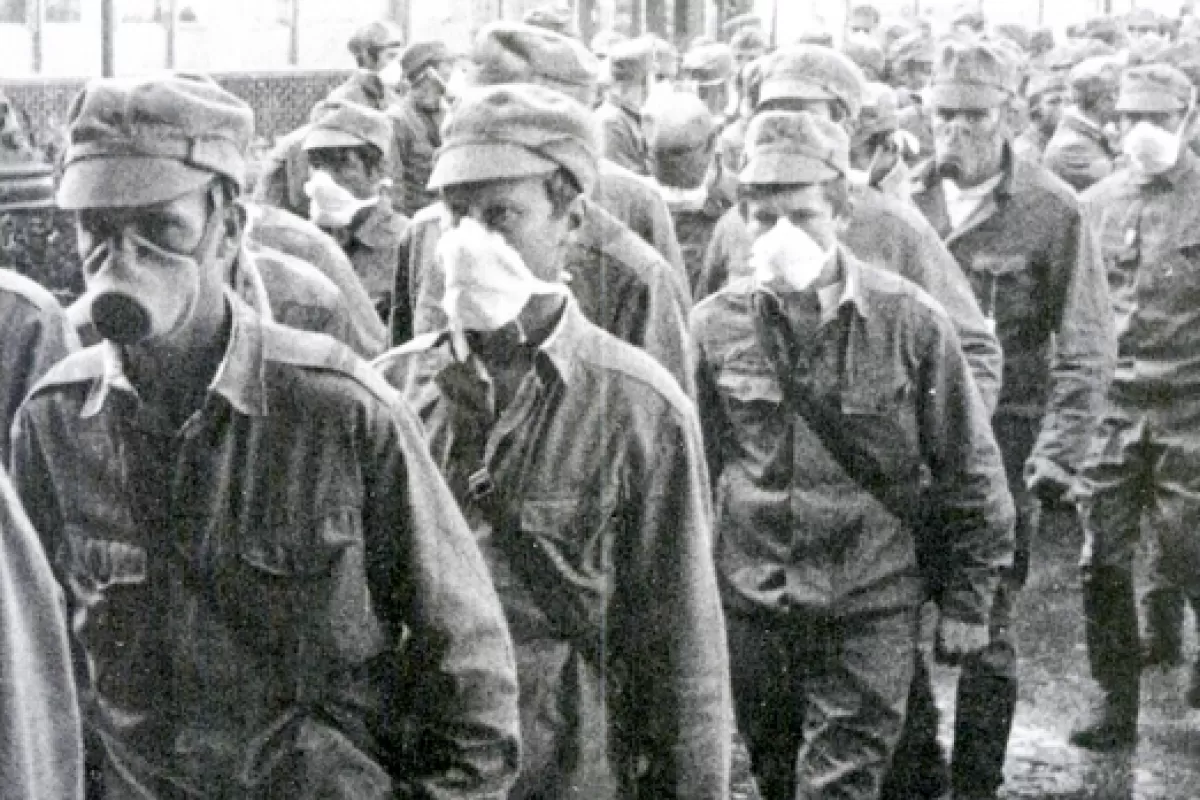
If after the Cernobil disaster silence was followed by disinformation and conspiracy theories, now the infodemic – an abundance of false and fake info – is making people no longer trust the media and the authorities.