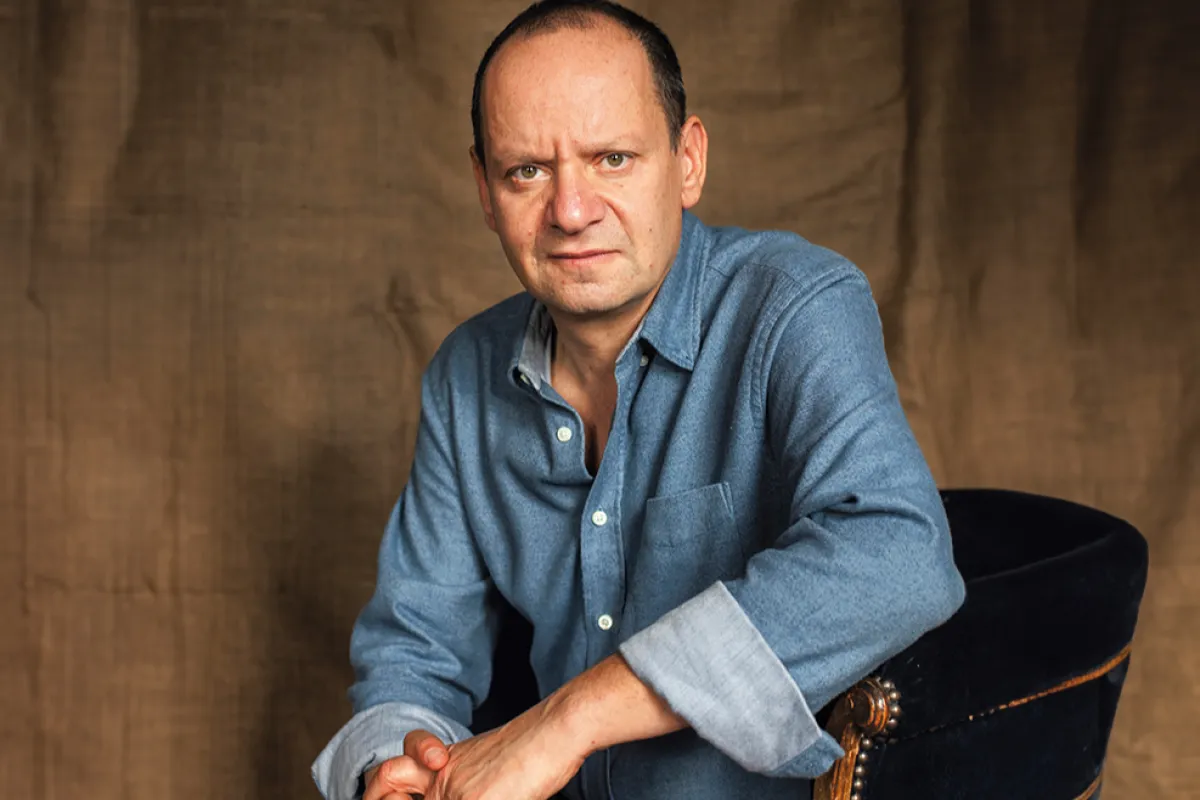
Literature helps us understand the act of justice. To overcome the traumas, inherited from victims or executioners, we need both literature and justice. Writer and international law expert Philippe Sands explains how he embarked on a real-life Nazi literary hunt and why it's still relevant today.
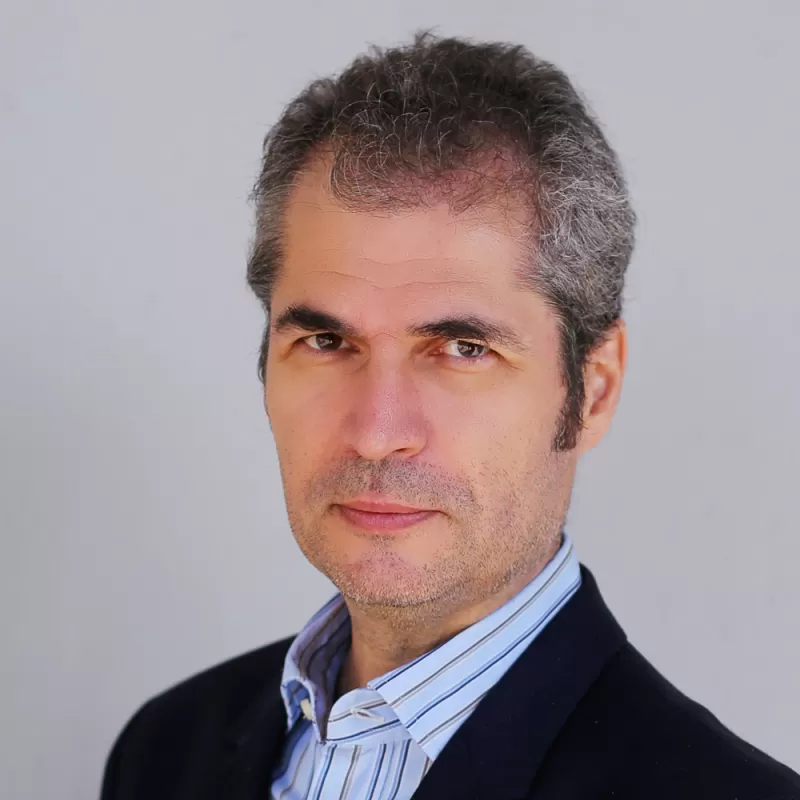
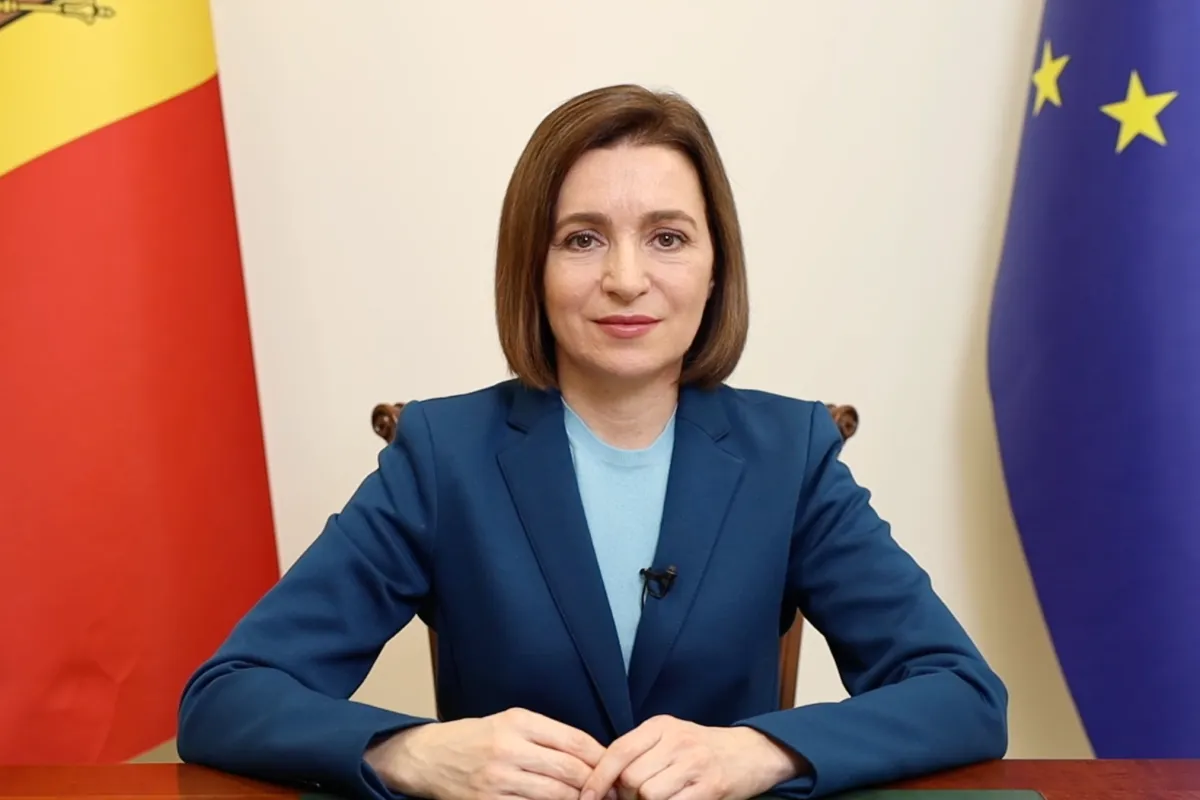
The Republic of Moldova will join the EU by 2030, believes President Maia Sandu. In an exclusive interview, Maia Sandu also spoke about Russia's pressure on Moldova.
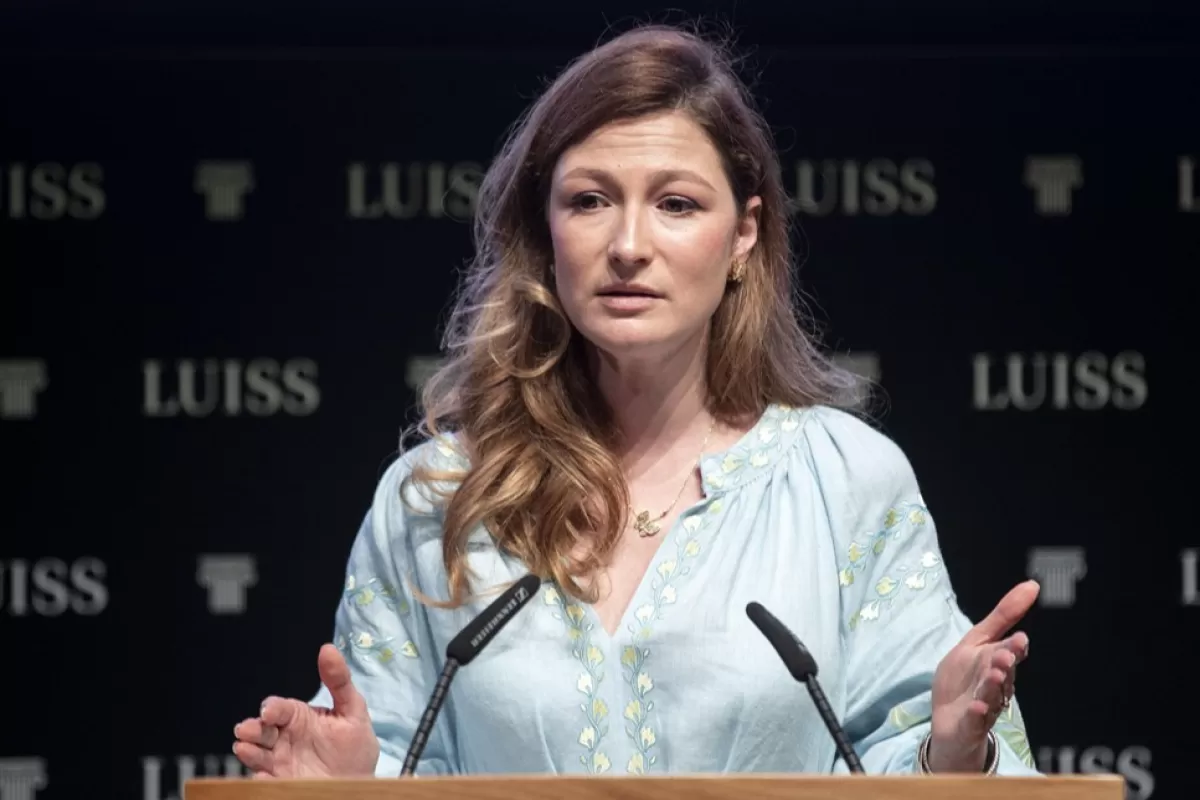
Crimean Tatars were the first victims of Russian aggression in Ukraine and continue to be persecuted by Moscow, according to Kiev's Deputy Foreign Minister Emine Japarova. In an interview with Veridica, Japarova, who coordinates the strategy of the Crimea Platform and is responsible, among other things, for public diplomacy and the relationship with international organizations, explained how Russia violates the Geneva Conventions and why its crimes in Ukraine can be considered a genocide.
Putin's Russia is becoming more and more like Stalin's Russia, according to journalist Andrei Soldatov, one of the most respected experts on the Russian secret services. In an interview with Veridica and TVR, Soldatov explained how Putin corrupted Russian society, why the FSB is the successor to the Soviet KGB, what the methods and mentality of intelligence officers are, and how they came to believe and trust him also convince Putin that a war in Ukraine was necessary.
Vladimir Soloviov is a Russian journalist based in the Republic of Moldova. He writes for Kommersant. Veridica spoke with Mr. Soloviov in Chisinau about the political developments in the Republic of Moldova, Russia’s imperial claims and the war in Ukraine, but also about the almost non-existent relationship between Russia and Romania.
Historian Mark Galeotti, who specializes in Russian history and politics and one of the Western experts who followed Vladimir Putin before he became president, believes that the Kremlin leader is primarily responsible for the strategic mistakes made by the Russian army in Ukraine. Professor Galeotti also spoke about the nature of power in Russia and the links between the state, oligarchs, secret services and organized crime.
Andrey Kurkov is one of the most important contemporary Ukrainian writers. He writes in Russian, but has been described as an "enemy of Russian culture." In an interview with Veridica, Andrey Kurkov spoke about Russia's return to the monarchy under "Tsar" Vladimir Putin, the decoupling - at least temporarily - from Russian culture, but also about Moscow's war against his country.
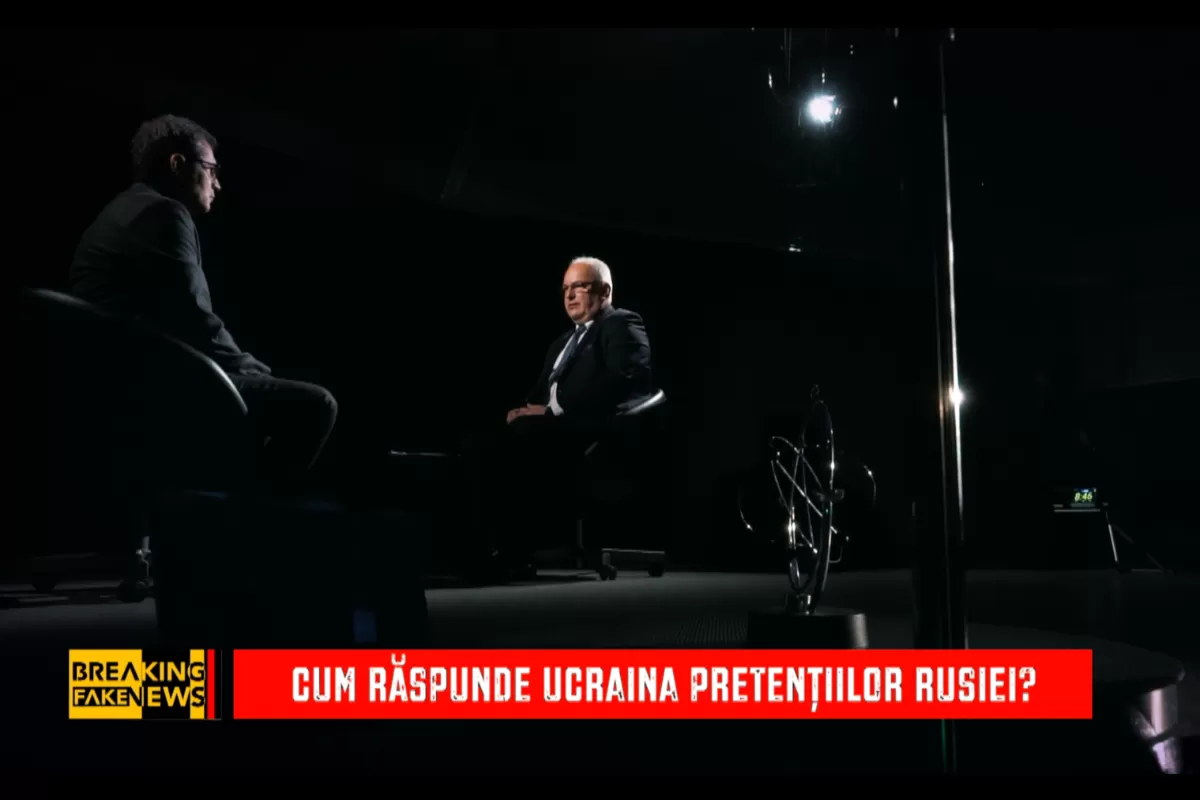
Ukrainians expect anything from Russia and know that if it attacks them again, they will have to defend themselves, not wait for help from elsewhere, according to the a.i. charge d’affaires of Ukraine in Bucharest, Păun Rohovei. In an interview granted to Veridica and Breaking Fake News, the diplomat warned that a new invasion would be extremely costly for Moscow.
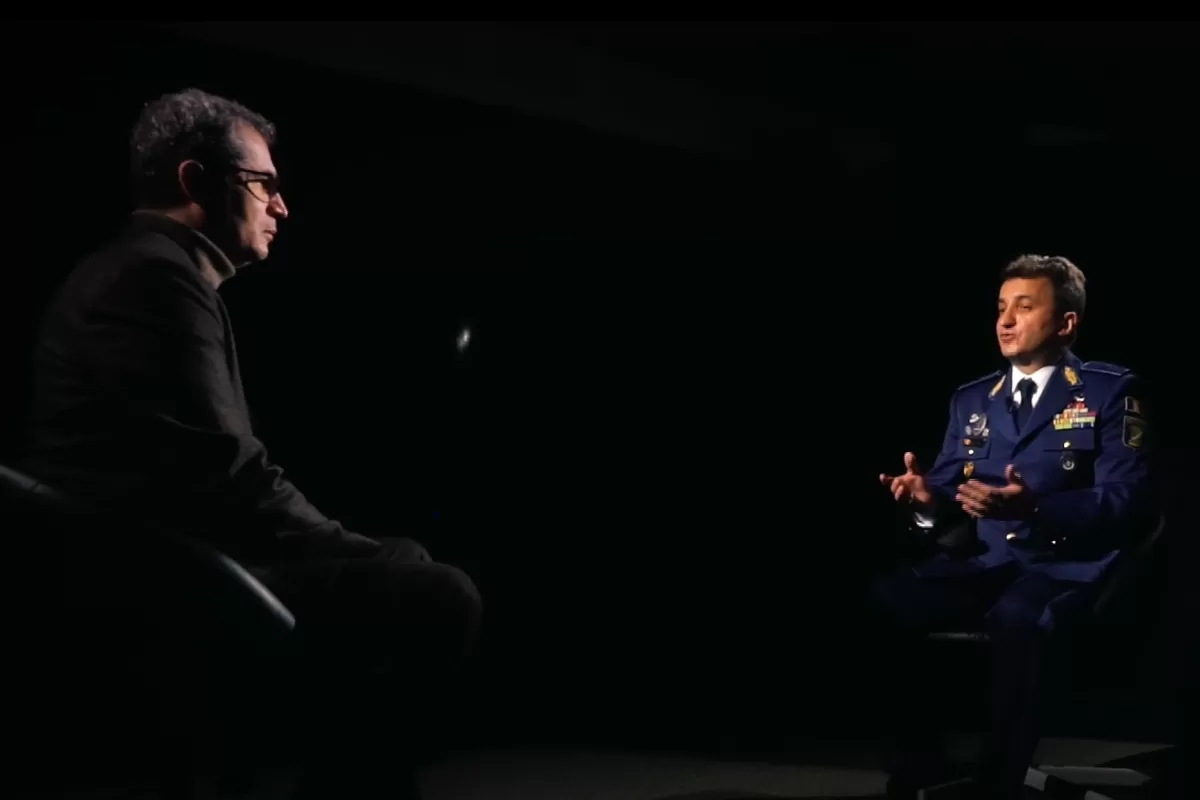
The crisis in Ukraine is also marked by an increased output of false narratives meant to discredit NATO and undermine confidence in it. Romania has also been the target of such narratives – claiming that it’s preparing for war, mobilizing its reservists, has a weak army, equipped with outdated equipment, etc. Veridica talked to the head of the Information and Public Relations Department of the Ministry of National Defense, Brigadier General Constantin Spînu, about the efforts made by the army to fight back the disinformation that targets it.
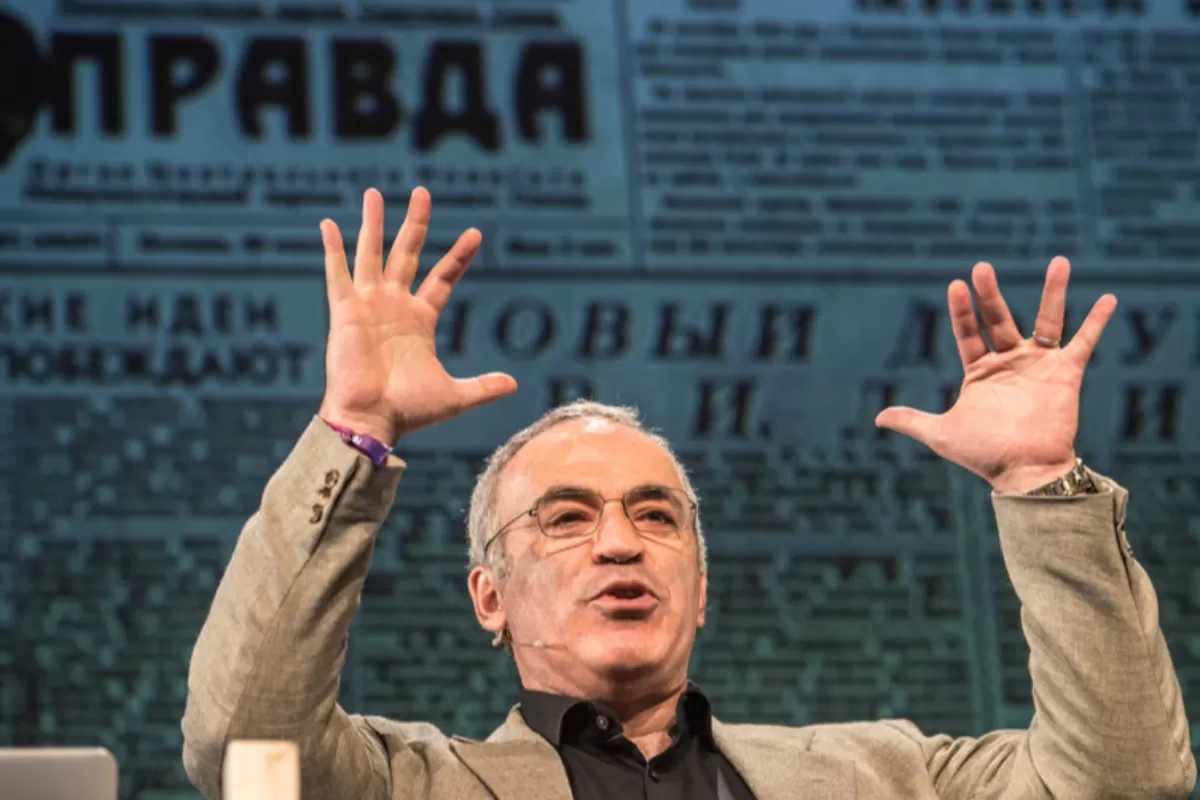
The chess great spoke with Veridica about his fight for democracy and human rights, the new type of totalitarianism in Russia and what the West should do to stop Putin. Garry Kasparov told us that he is not worried that the regime is trying to eliminate him from textbooks because, in the long run, it is not the dictators who write history. He also said that there is no point in fearing that he will be assassinated because “If someone like Putin decides that you are next on the list, it doesn’t matter if you have protection or not. You go.”