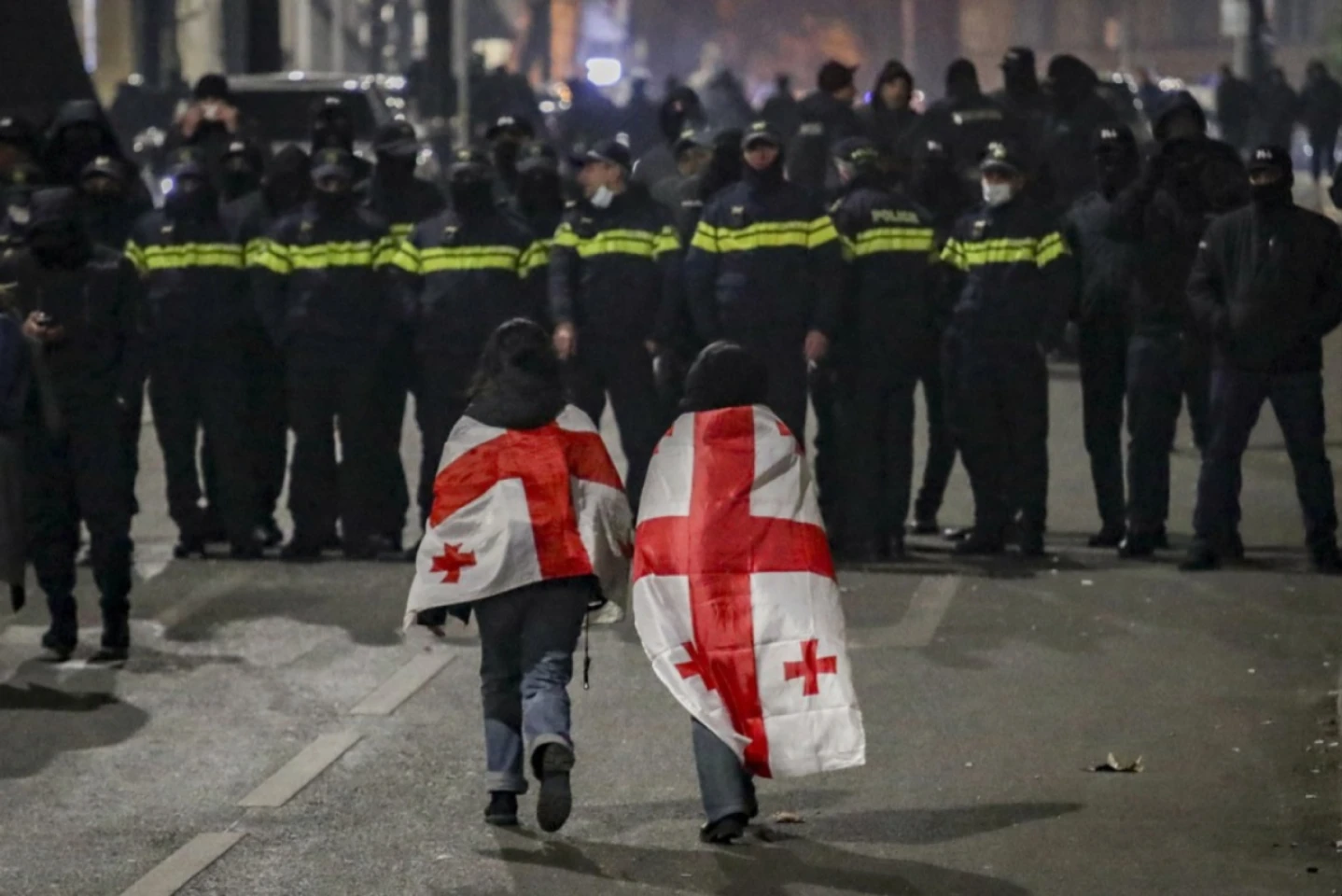
A battle between the people and the [ruling Georgian Dream] Party is being fought on the streets of Georgian cities. The stake: Georgia’s path towards the EU vs. a return to Russia’s orbit.


Georgia’s de facto leader Bidzina Ivanishvili wants Tbilisi to apologize for the 2008 war Russia waged against his country. In return he promises Georgia’s reunification under a scenario that would benefit Moscow.
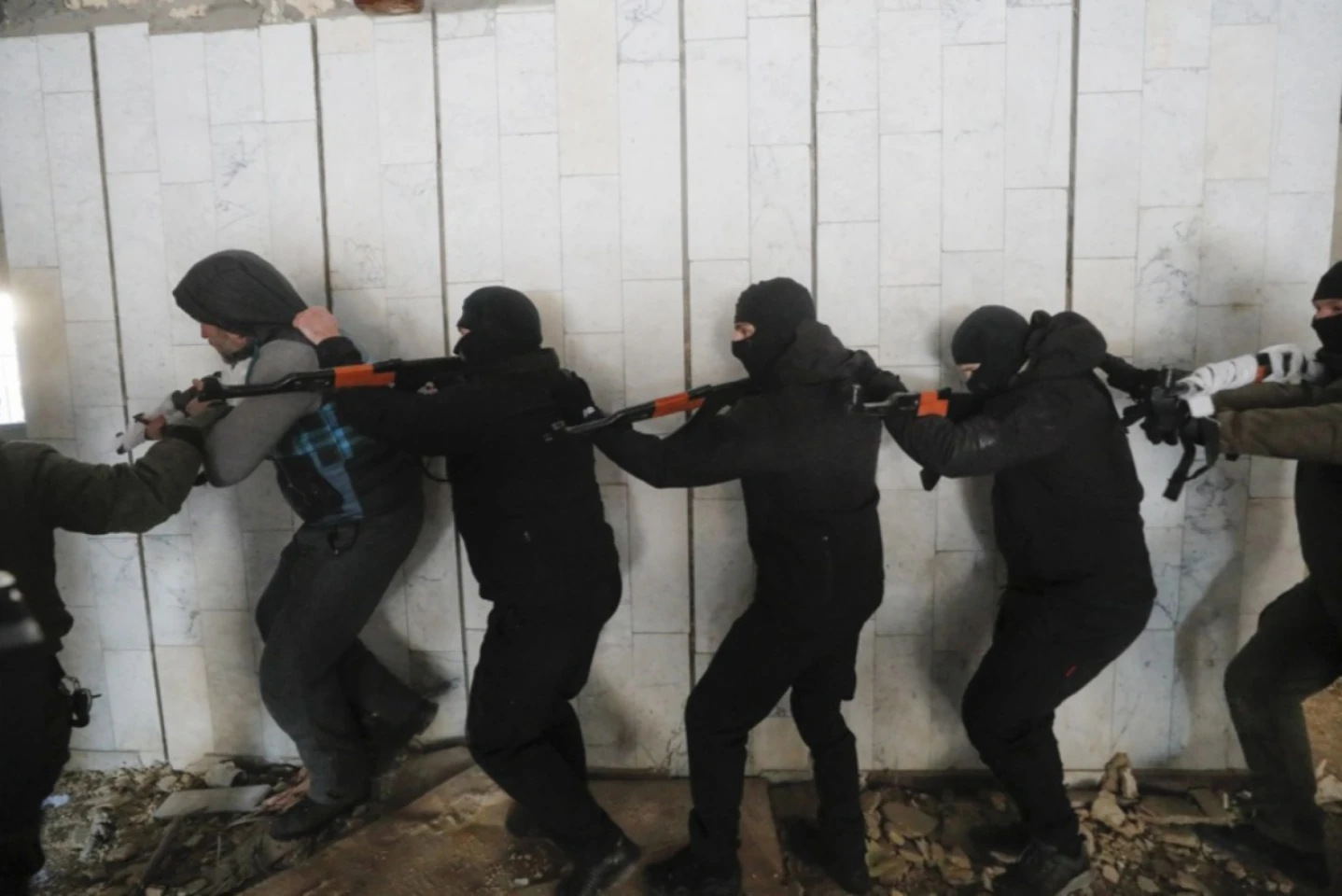
Tbilisi claims that oligarch Bidzina Ivanishvili was targeted for assassination by a cabal that also tried to kill Donald Trump and Slovakia’s Robert Fico. Georgia’s opposition says this is nonsense.
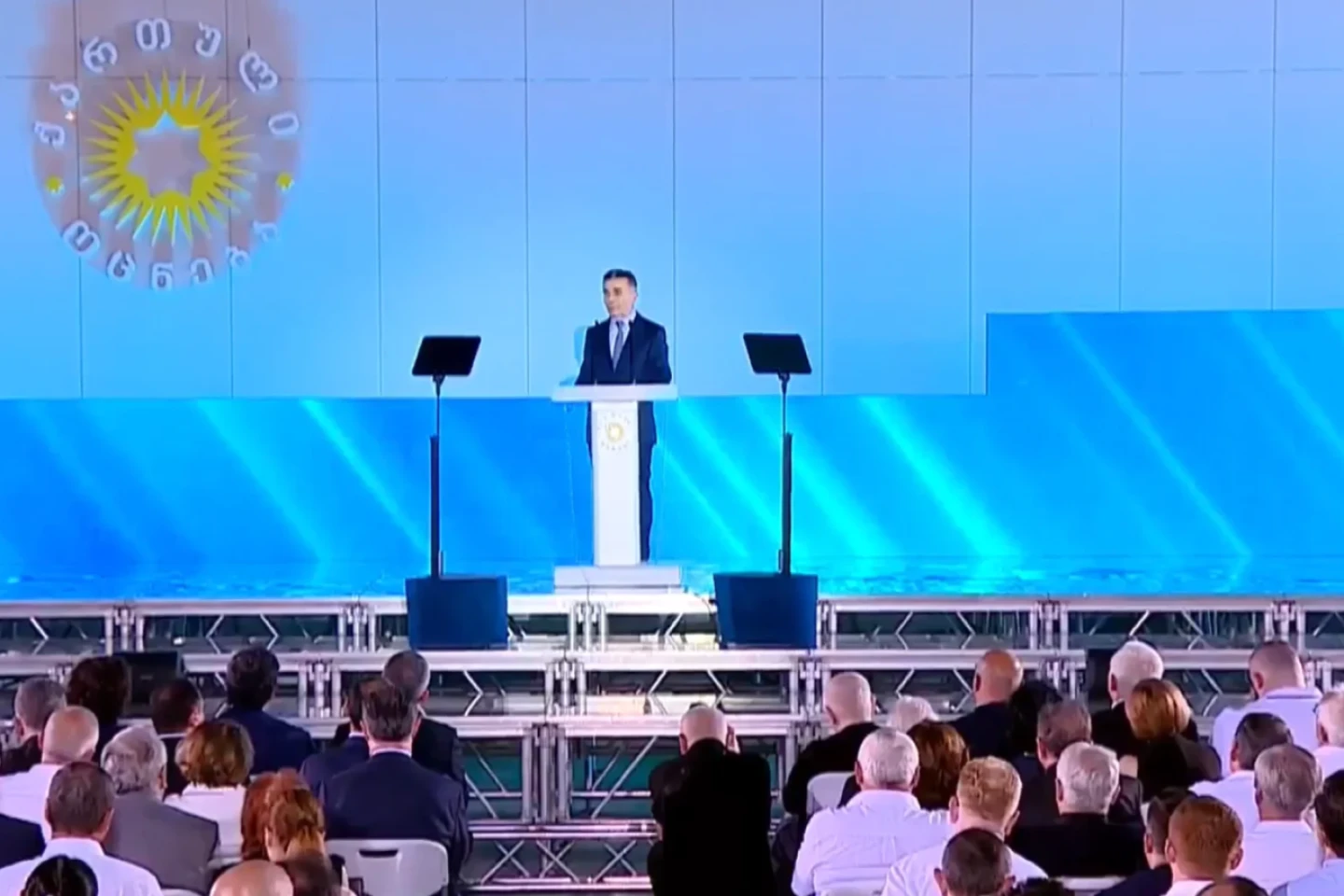
Following the US announcement to review bilateral relations with Georgia, the EU announced the suspension of the country's accession to the European Union. The party of billionaire Bidzina Ivanishvili will no longer be able to use the successes of European integration in the upcoming parliamentary elections.

Against the backdrop of a crisis in Georgia's relations with the West, Tbilisi is increasing ties with China, which is now building a strategic deep water port on the Black Sea.

Though most Georgians support Euro-Atlantic integration, the ruling Georgian Dream forced a Russian-inspired law to silence civil society and is increasingly critical of the West. Georgia's EU partners are warning that the law will hinder the country's path to European integration, while the United States is talking about revising bilateral relations and introducing personal sanctions against Georgian officials.
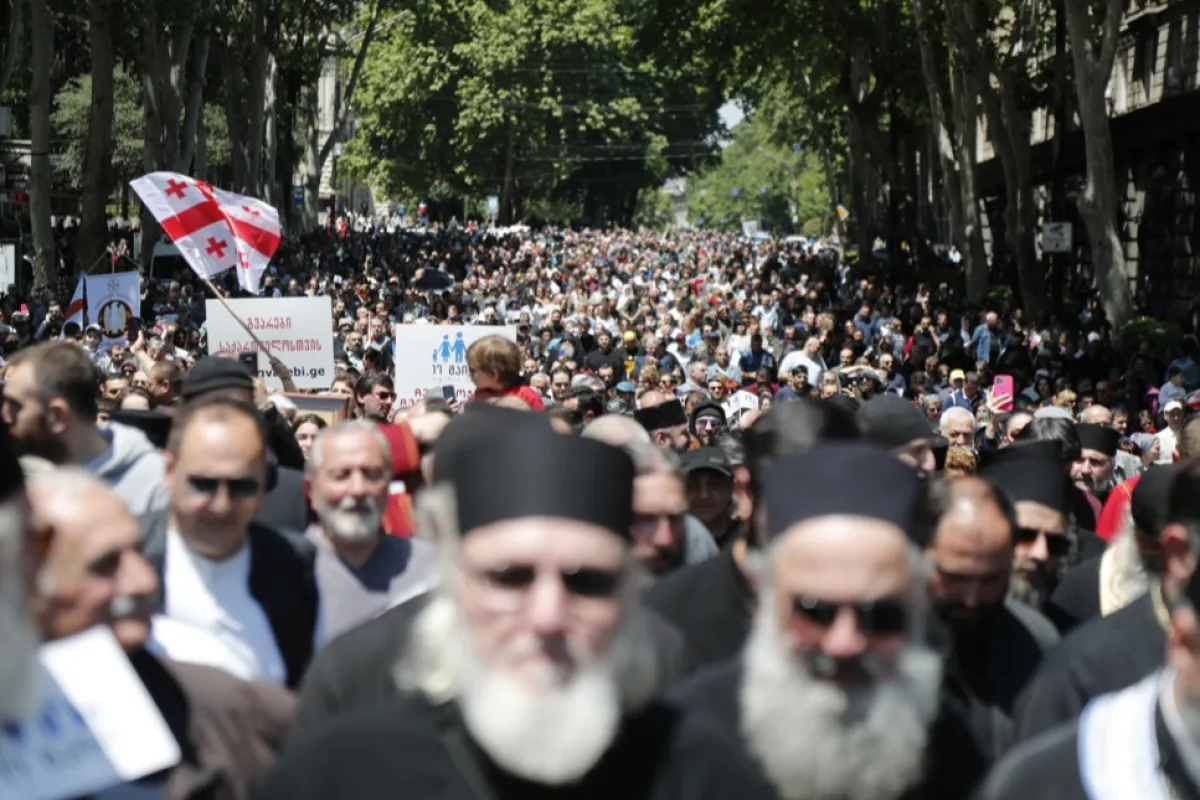
Georgia could restrict the rights of the LGBT community. The move would hinder the country’s European integration.
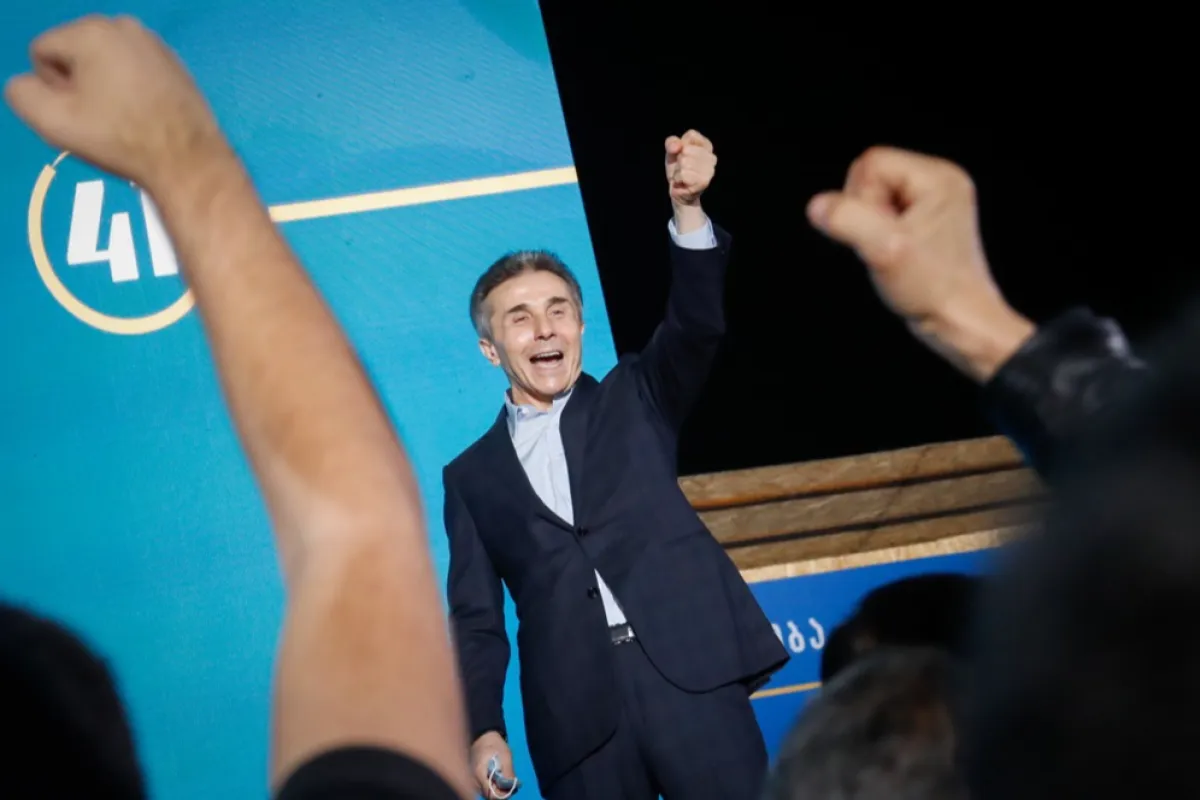
With elections looming this year, Georgia’s éminence grise, oligarch Bidzina Ivanishvili, returned to politics. Shortly after that, a new, pro-Russian premier was appointed.
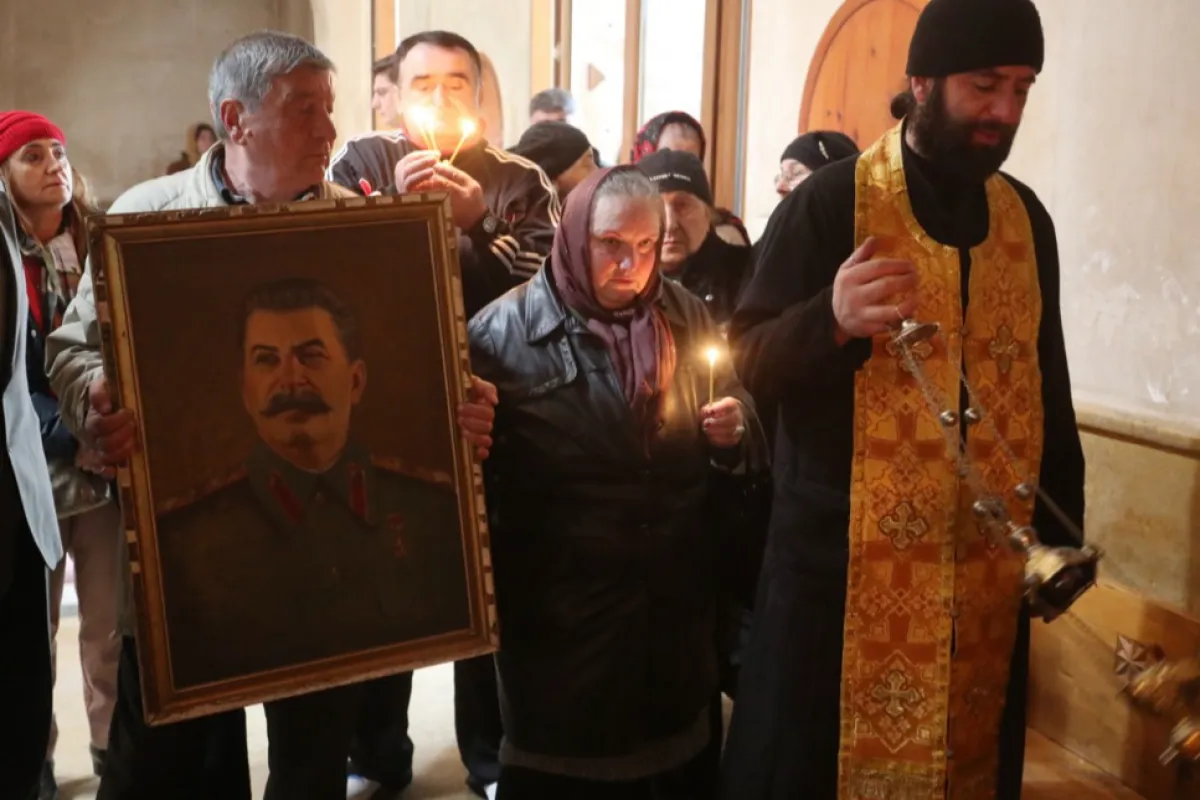
A scandal regarding an icon depicting Stalin in Tbilis’s main cathedral brought into spotlight efforts by pro-Russians and Russian propaganda to revive the cult of the former dictator. Following protests against the icon, the ruling Georgian Dream, which claims to be committed to Euro-Atlantic integration, unveiled Russian-inspired plans to criminalize religious insults.
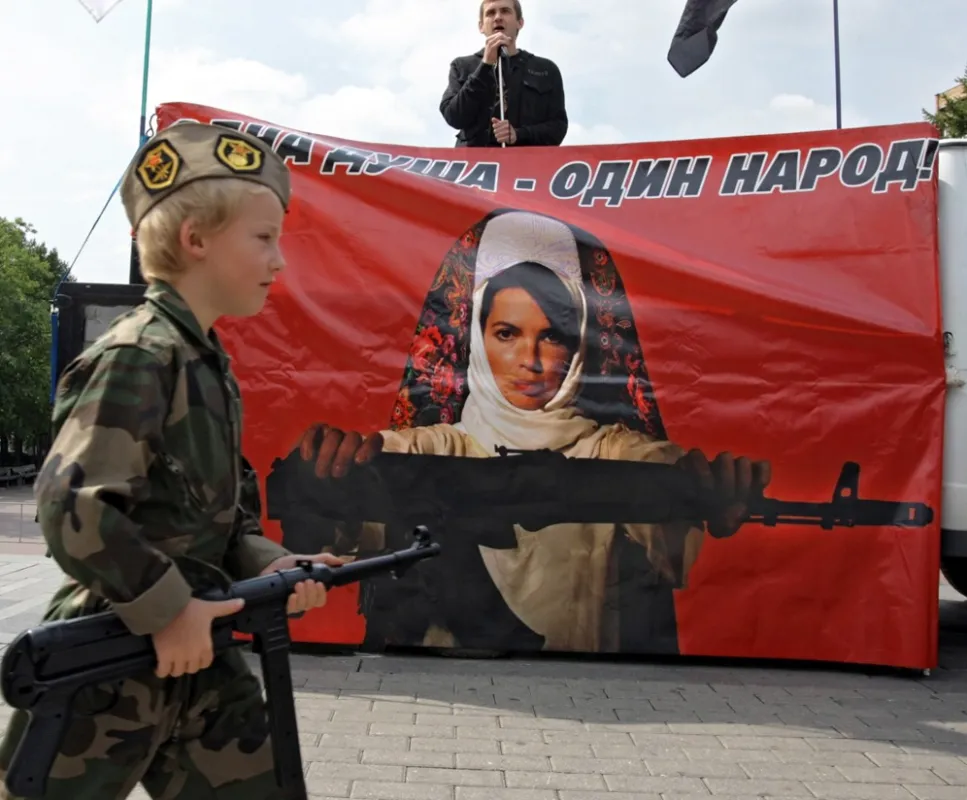
The recent killing of a Georgian by Russian troops brought into spotlight Moscow’s policy of encroaching of Georgian land. It was also an attempt to sabotage Tbilisi’s EU integration.
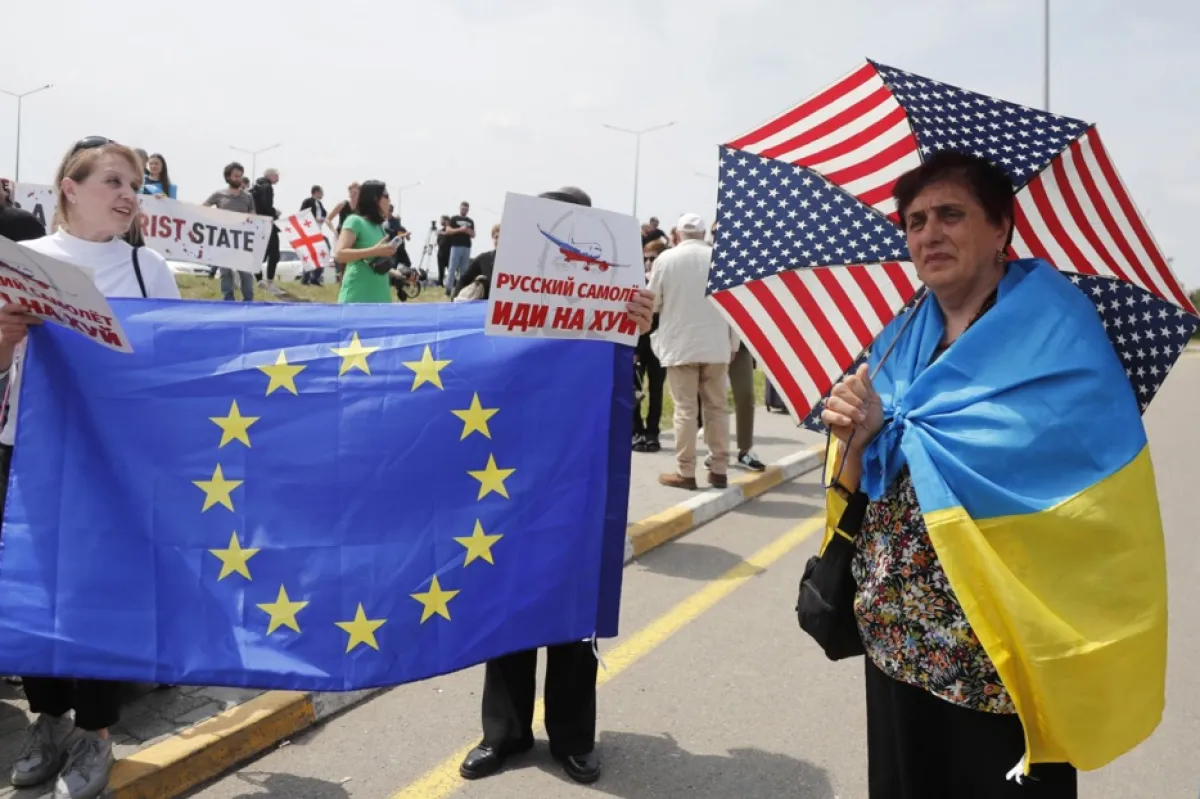
As experts warn that Georgia will not be granted EU candidate status this year, authorities allege there was a coup plot and the parliament impeaches the president.
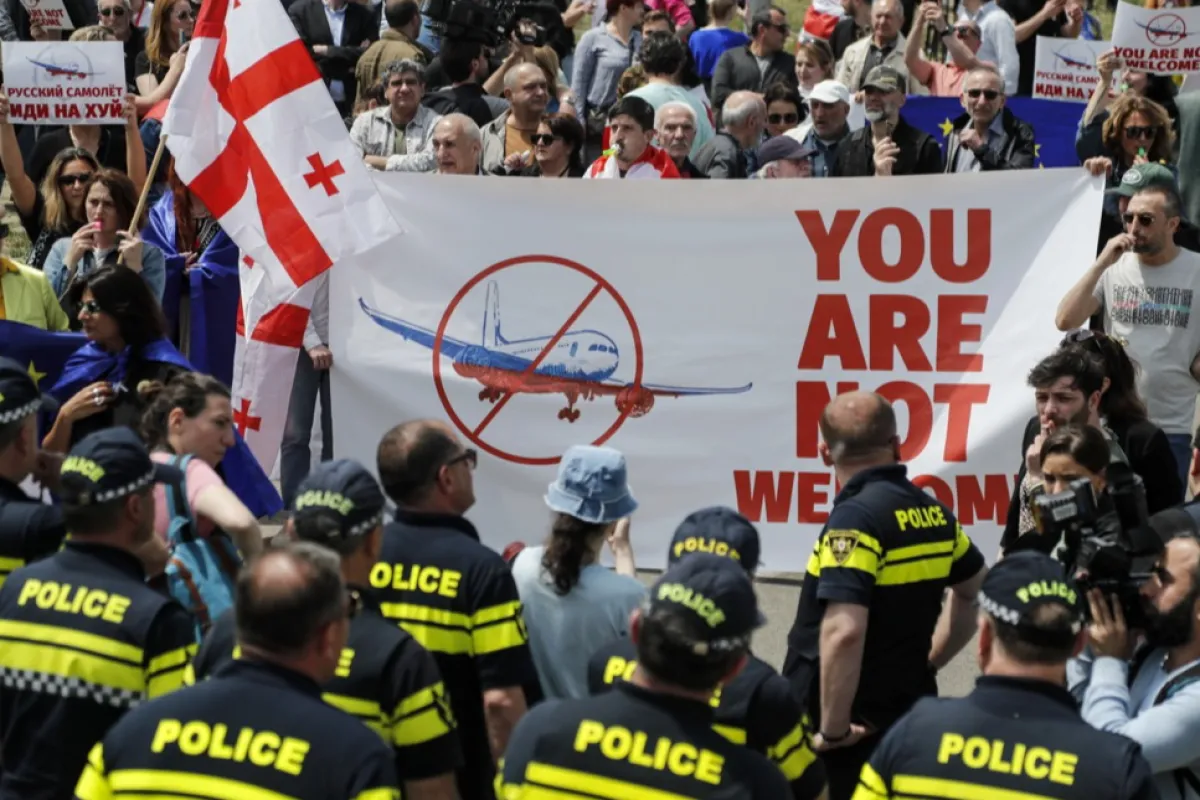
Georgia is increasingly economically dependent on Russia, which generates security risks for Tbilisi. There are also concerns that Moscow is circumventing Western sanctions through Georgia.
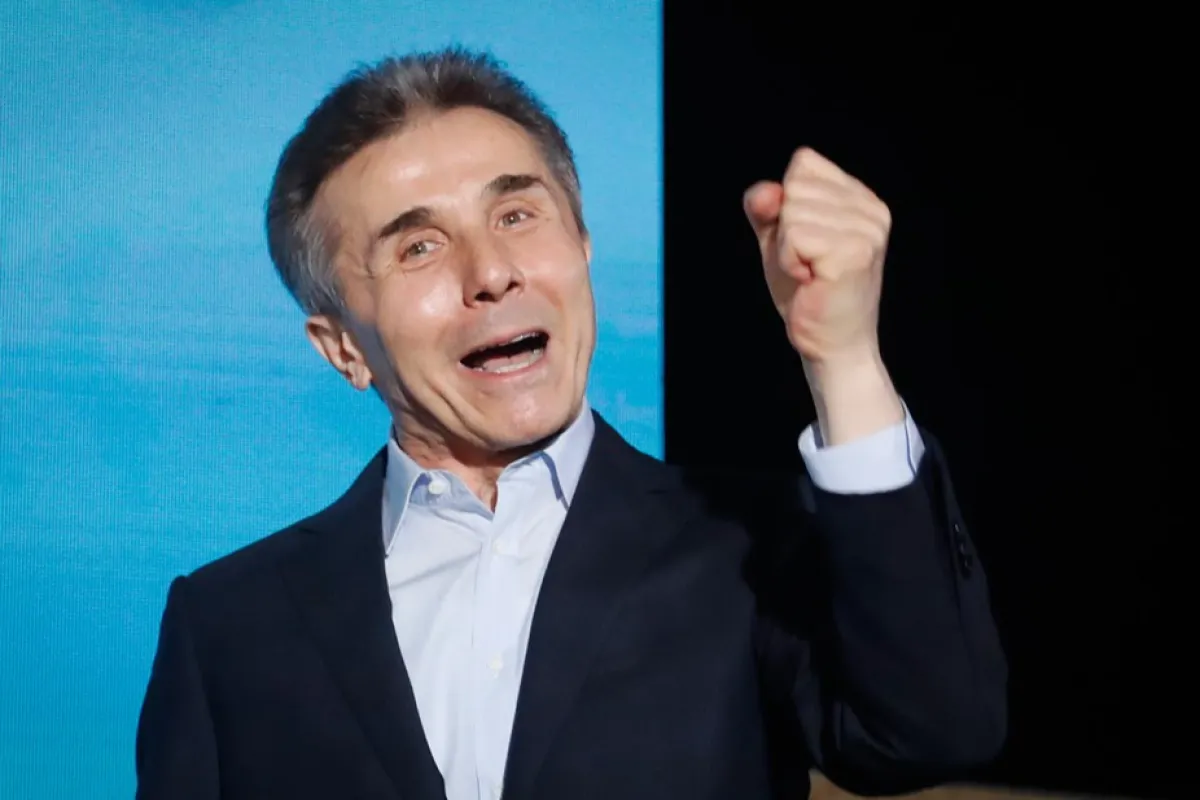
The Georgian Dream proposes an anti-oligarch law to unblock Georgia's path to the EU. The law protects Bidzina Ivanishvili and was criticized by the Venice Commission.
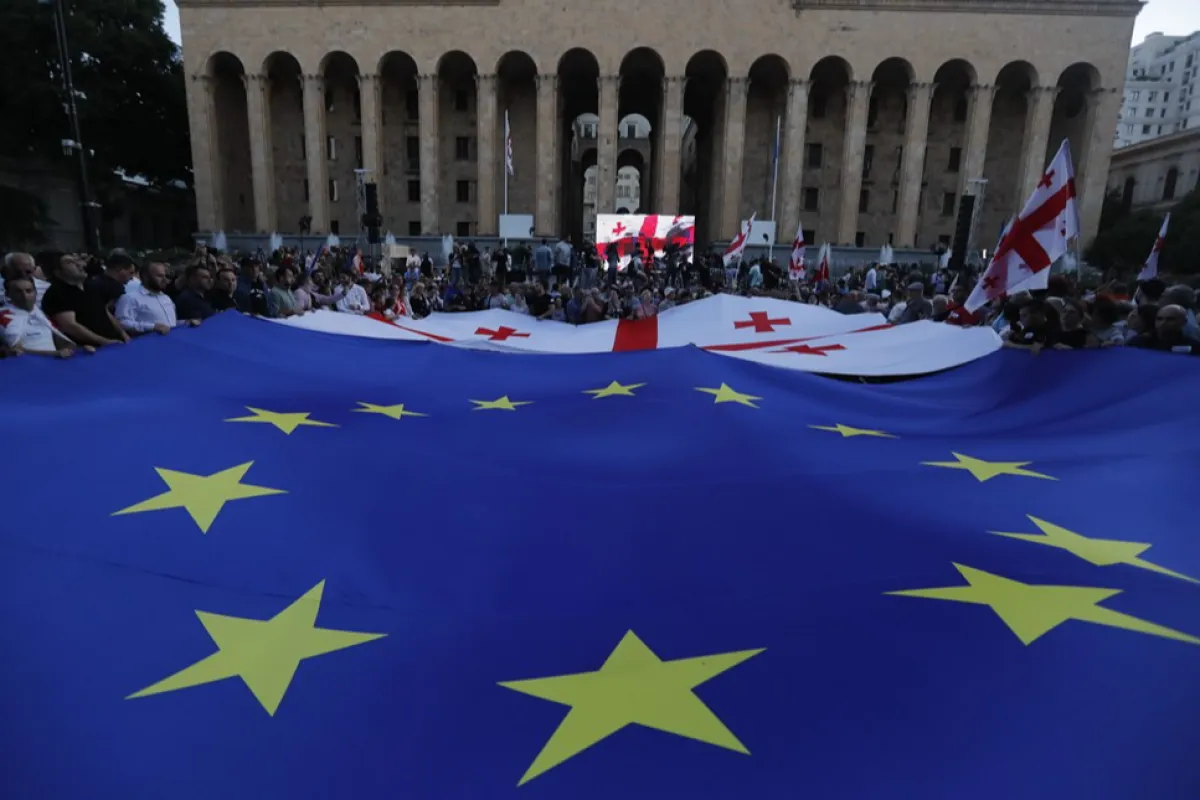
While Georgia hopes to be granted EU-candidate status, its government seems unwilling to reform the judiciary, as demanded by both Brussels and the US.
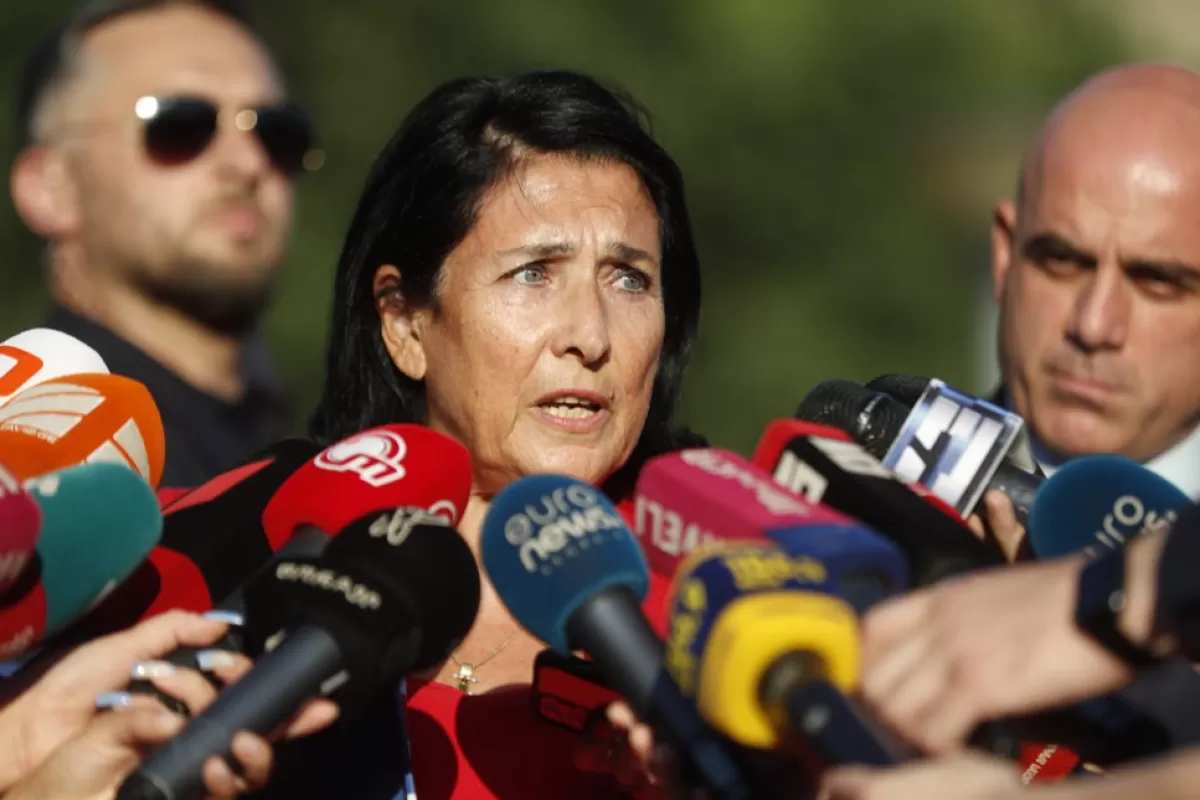
Georgian President Salome Zourabishvili is increasingly distancing herself from the ruling Georgian Dream party that helped her win the elections. Zourabishvili opposes the Georgian Dream increasingly anti-Western rhetoric and seems poised to challenge the Georgian Dream with a new political movement that would bring Georgia closer to the EU.
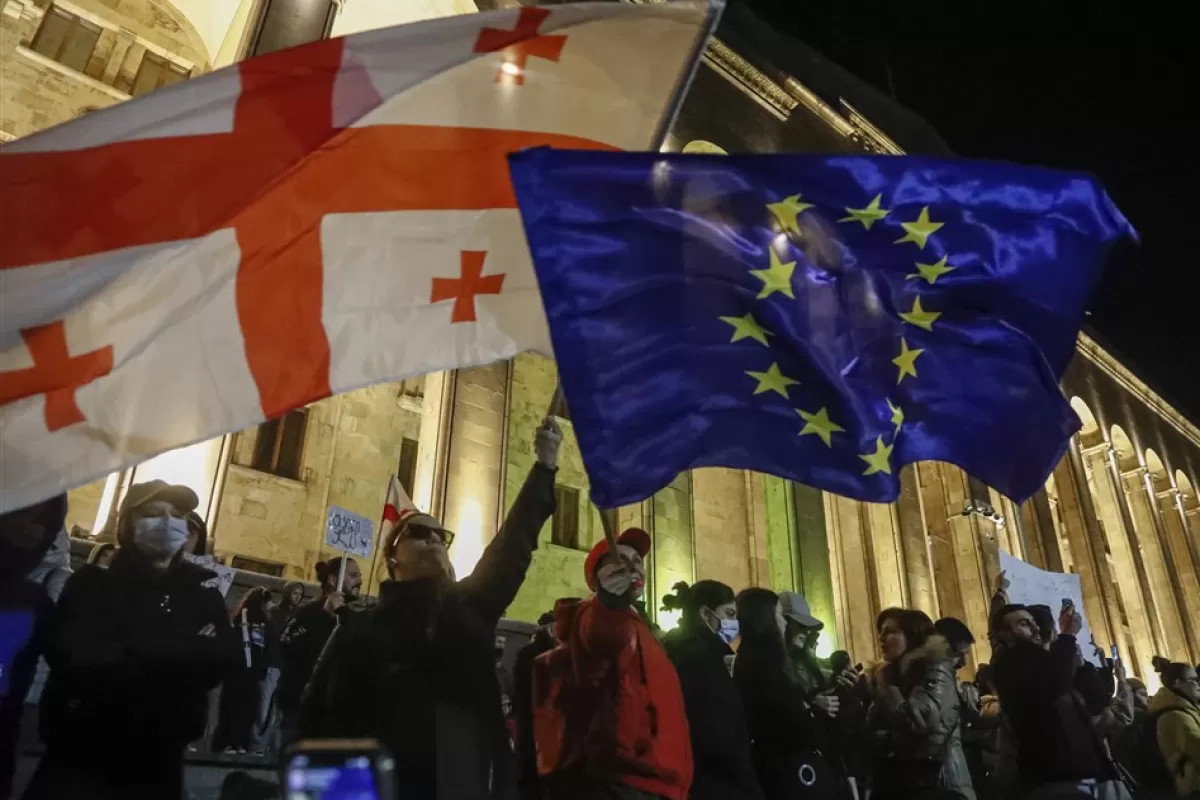
Georgia’s ruling Georgian Dream was recently forced to drop a Russian-inspired bill. The party seems determined to return to this project, which may compromise Georgia's European path, but is promoted by Russian propaganda. The problem for the Georgian Dream - and for Moscow - is that most of the population opts for Euro-Atlantic integration.
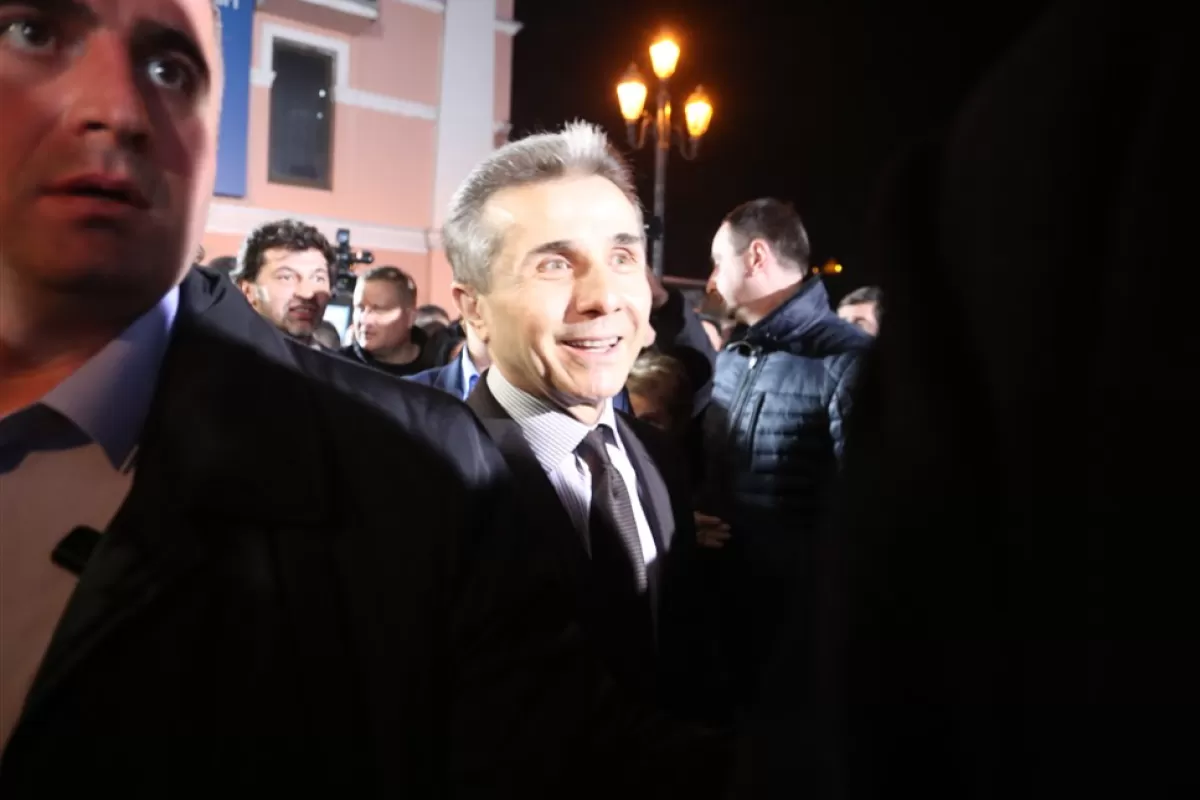
Formally, Tbilisi maintains its course towards integration into Euro-Atlantic structures, but the movement towards the West has been on inertia lately, while Moscow's influence is only growing. The ruling party, founded by oligarch Bidzina Ivanishvili, increasingly links national interests with his personal interests, be it political or business related. At a decisive moment for Georgia's future, such a policy may prove fatal.
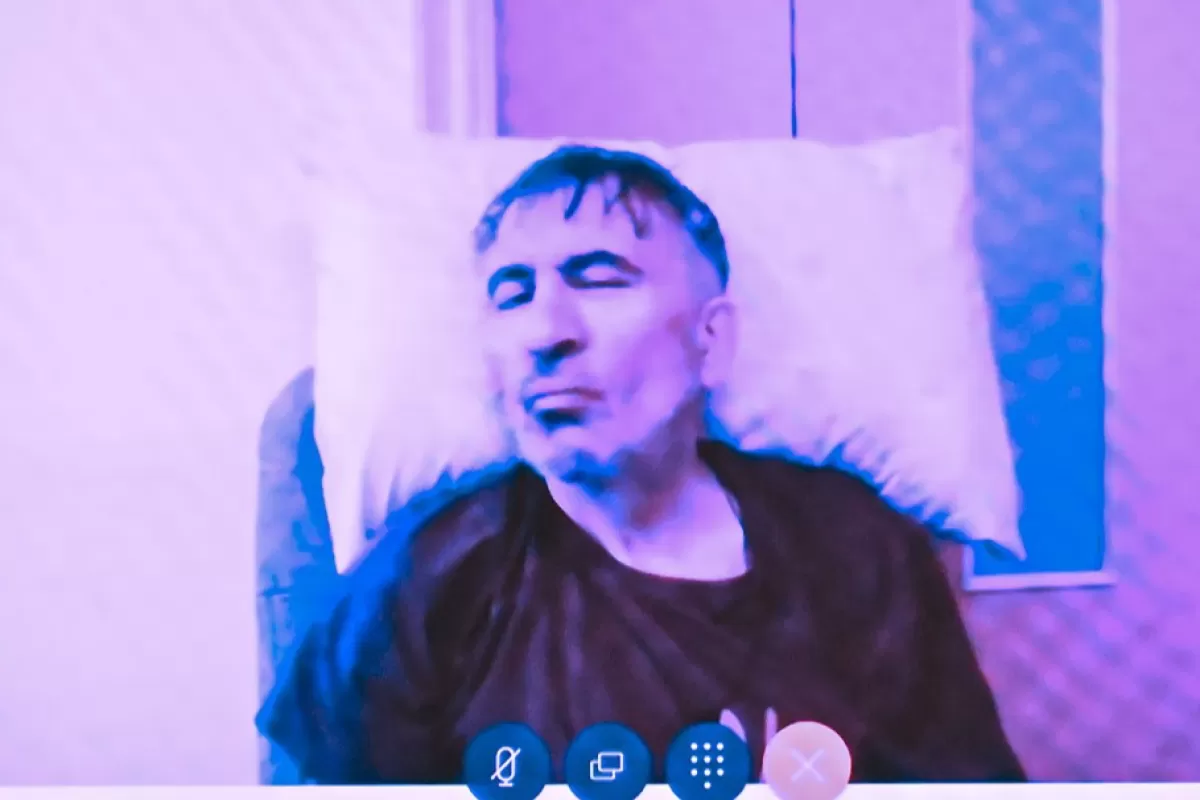
Over the past year, the health of the former Georgian President Mikheil Saakashvili, who is serving a six-year prison sentence, has been a major topic of political debate both inside and outside of Georgia. The opposition and Saakashvili's lawyers say he should be transferred to a European clinic to be treated for mental illness, personality deterioration and severe depression. The government claims that the former president is faking it. Finally, signals are coming from Brussels that if Mikheil Saakashvili dies in detention, Georgia's European future could be jeopardized.