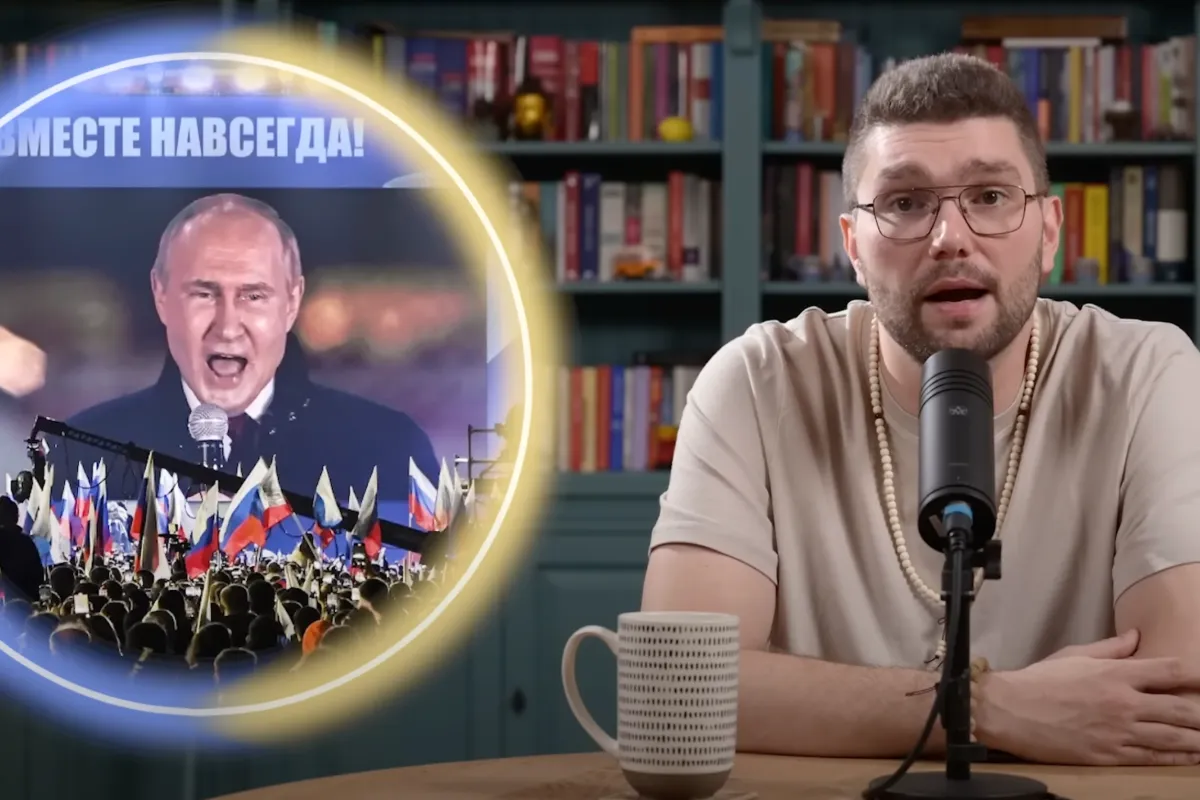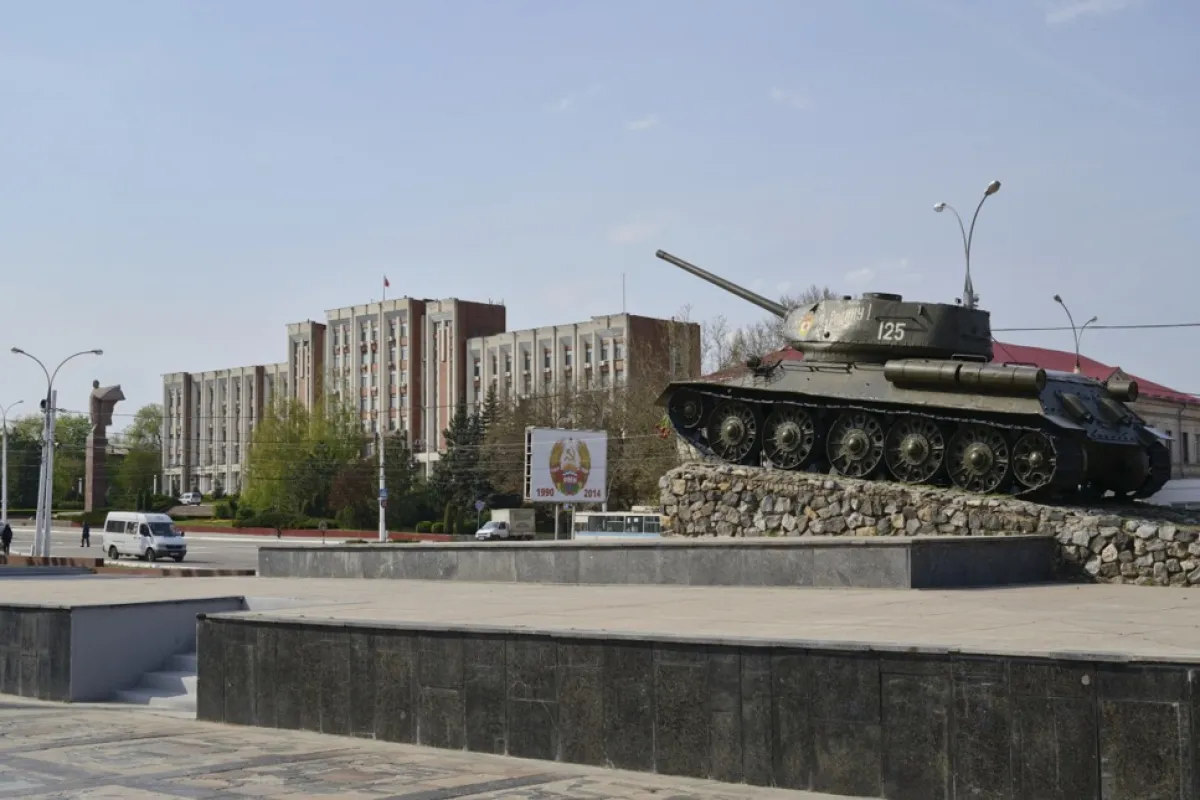
The alarmist predictions that Transnistria will call for the annexation to Russia or that Putin will announce the move in his speech before the Russian State Duma turned out to be unfounded. Separatists called on Moscow to protect them “through diplomatic measures”, but it seems to be an attempt to obtain concessions from Chișinău sooner than a step towards joining the Russian Federation.
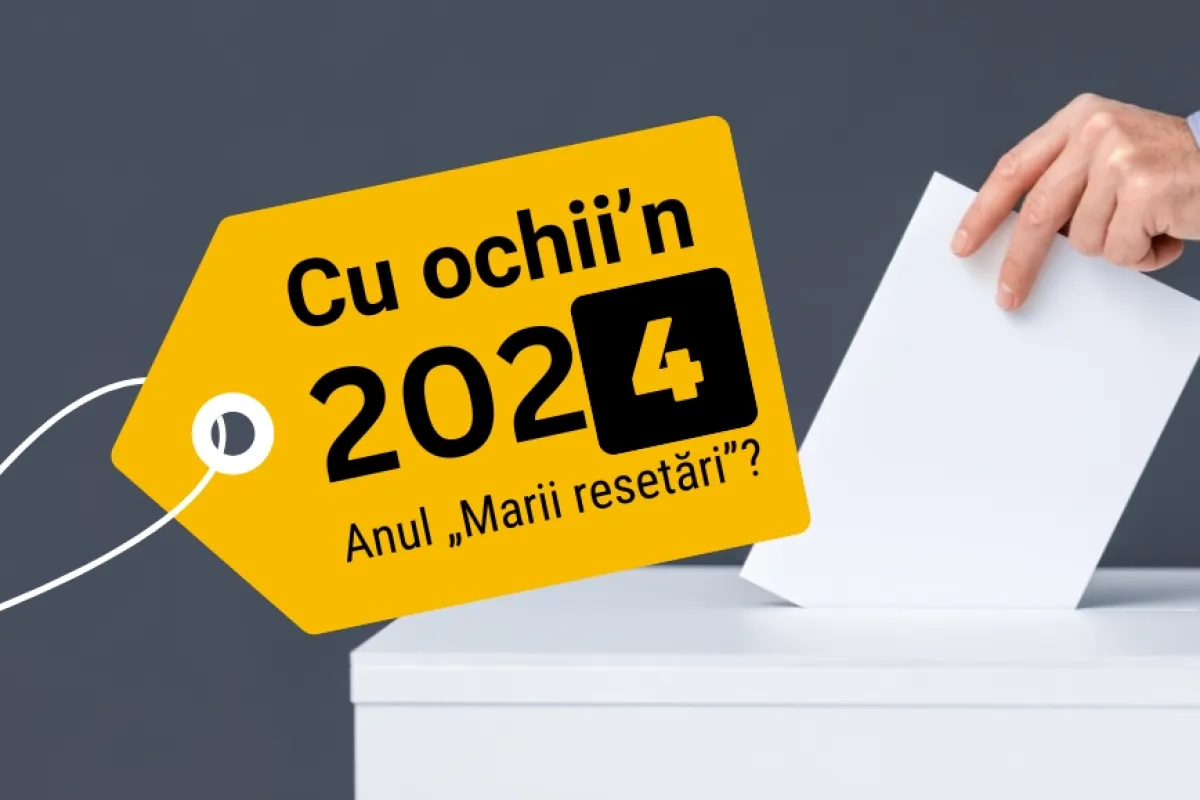
Why the year 2024 is a test for liberal democracies around the world and disinformation might be fatal to them.
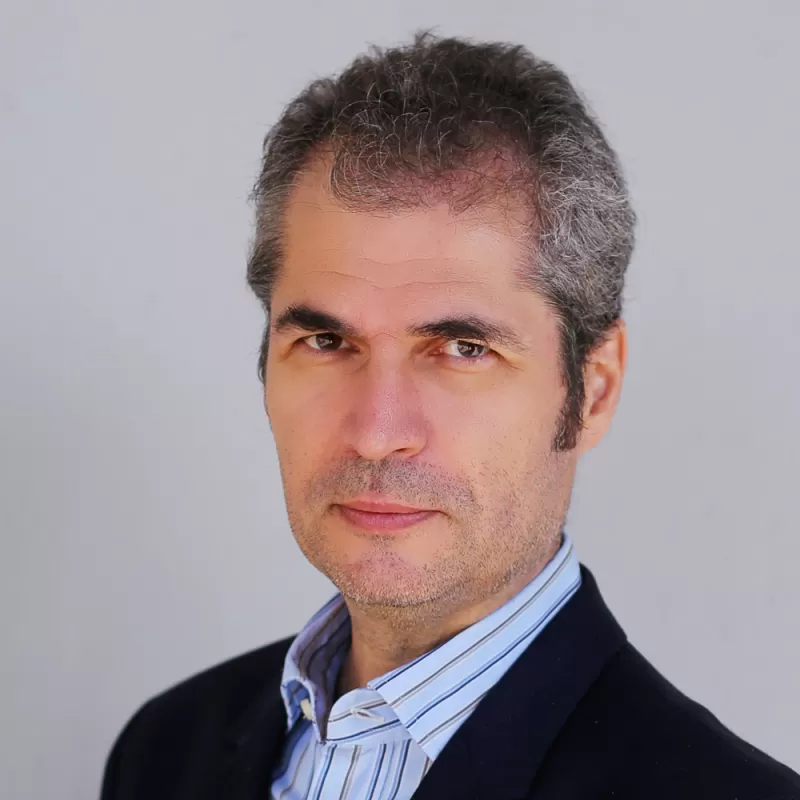
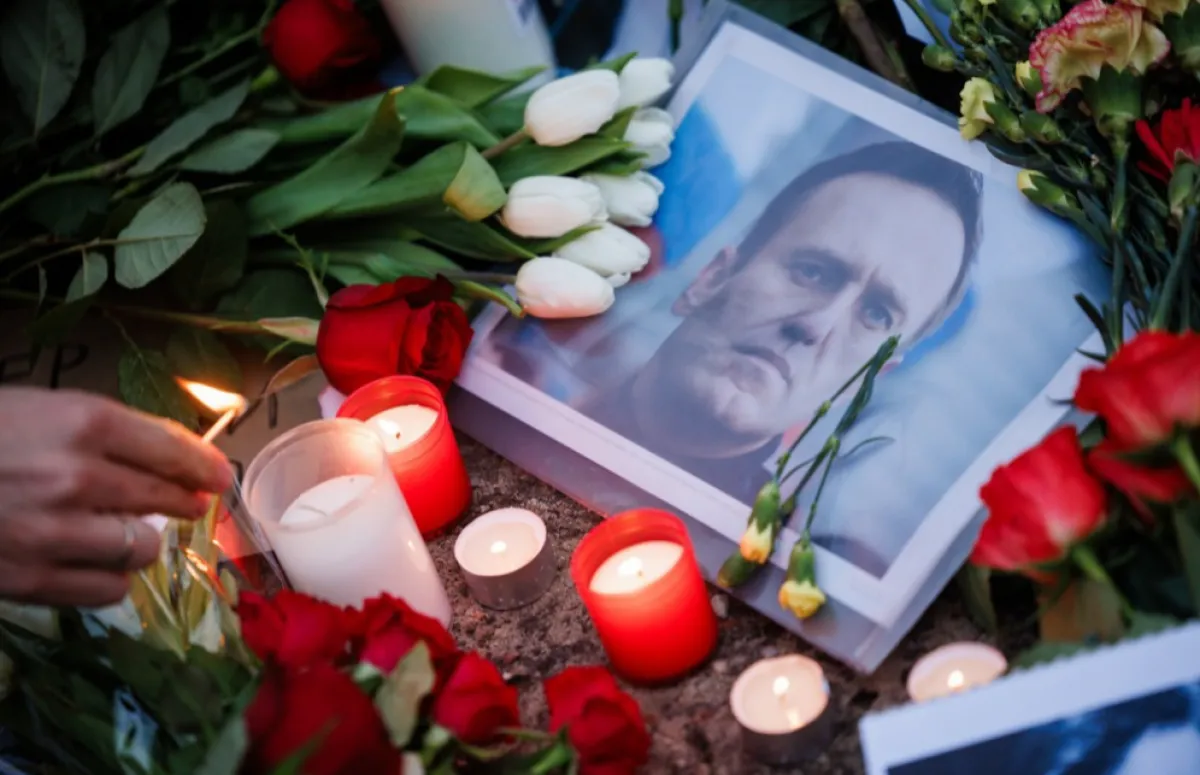
Navalny was killed by the West, which betrayed itself by publicly announcing his death before it was ever medically attested, according to false narratives circulated in Romania.
---copie-image.webp)
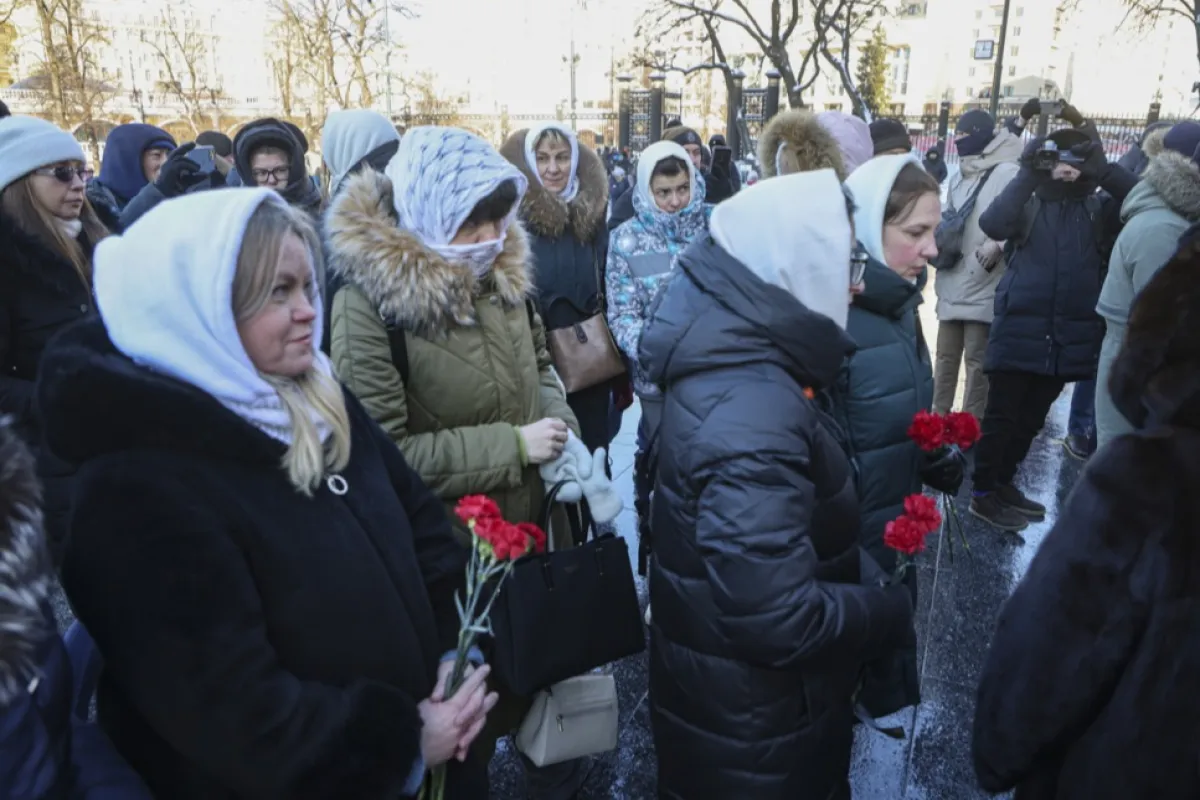
Putin has so far avoided a confrontation with the women who demand the return of servicemen from the front in Ukraine. History shows that Russian women are capable of causing trouble for authoritarian regimes.
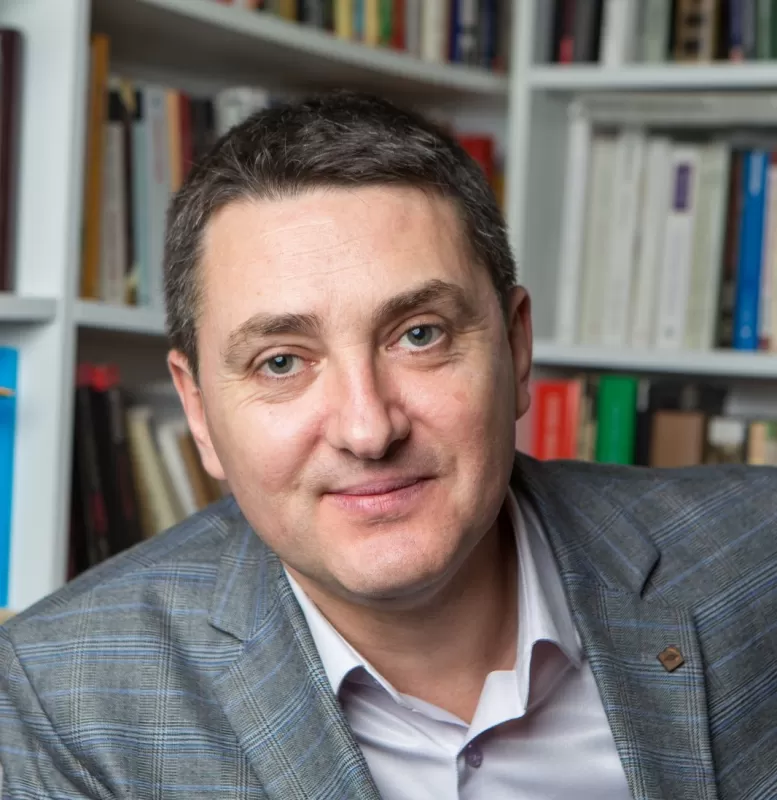
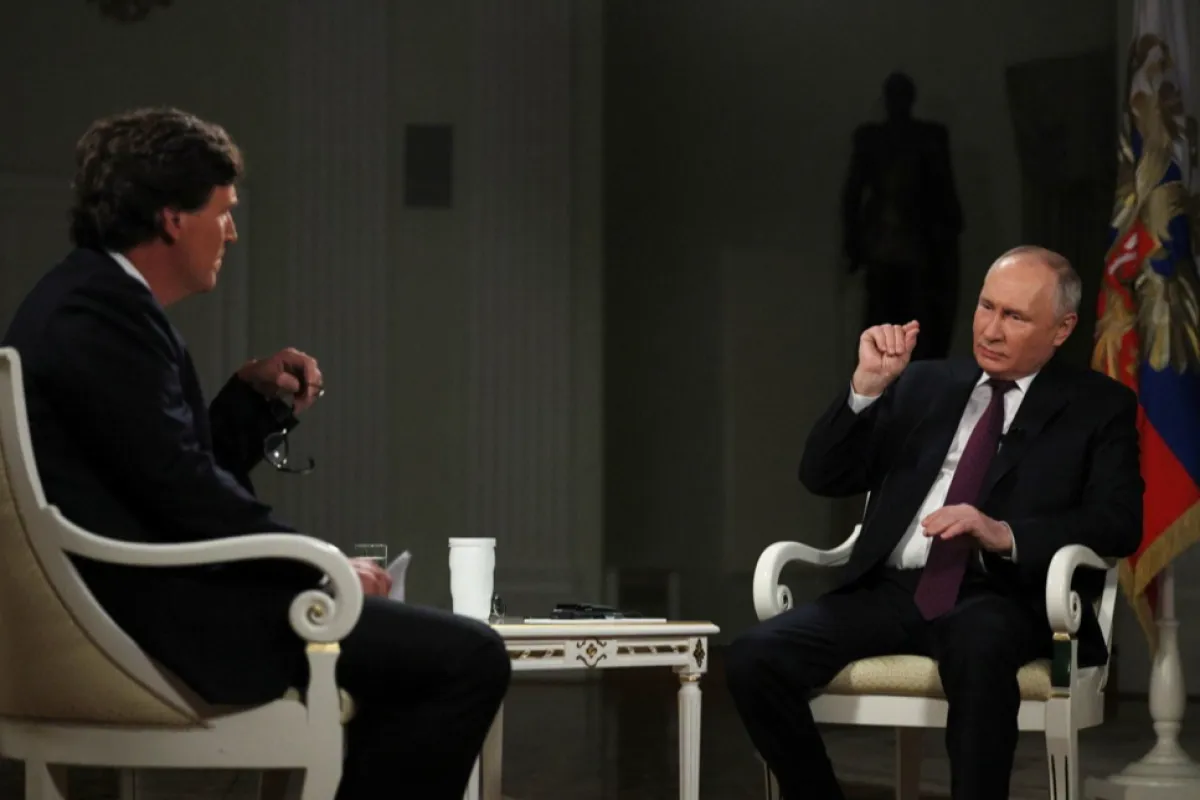
Vladimir Putin recycled a number of Russian propaganda narratives to justify the invasion of Ukraine and portray Russia as a victim of Western aggression. The false narratives were also doubled by blatant lies, such as the one that Russia did not threaten to use its nuclear weapons, or the promotion of revisionist theses, according to which Romania, Poland, Hungary (and Russia) have the right to take back territories from Ukraine.
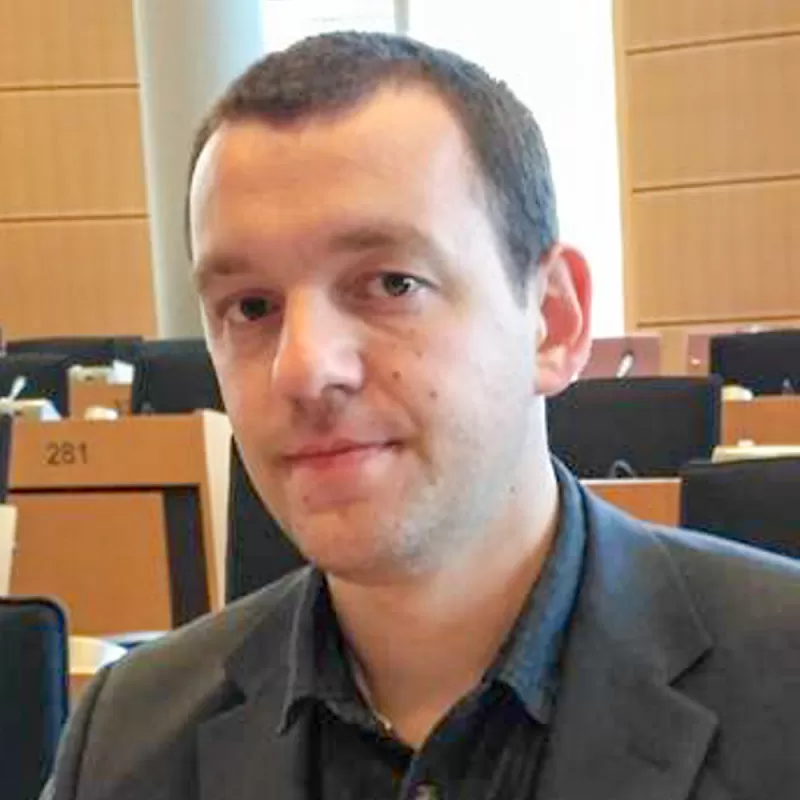
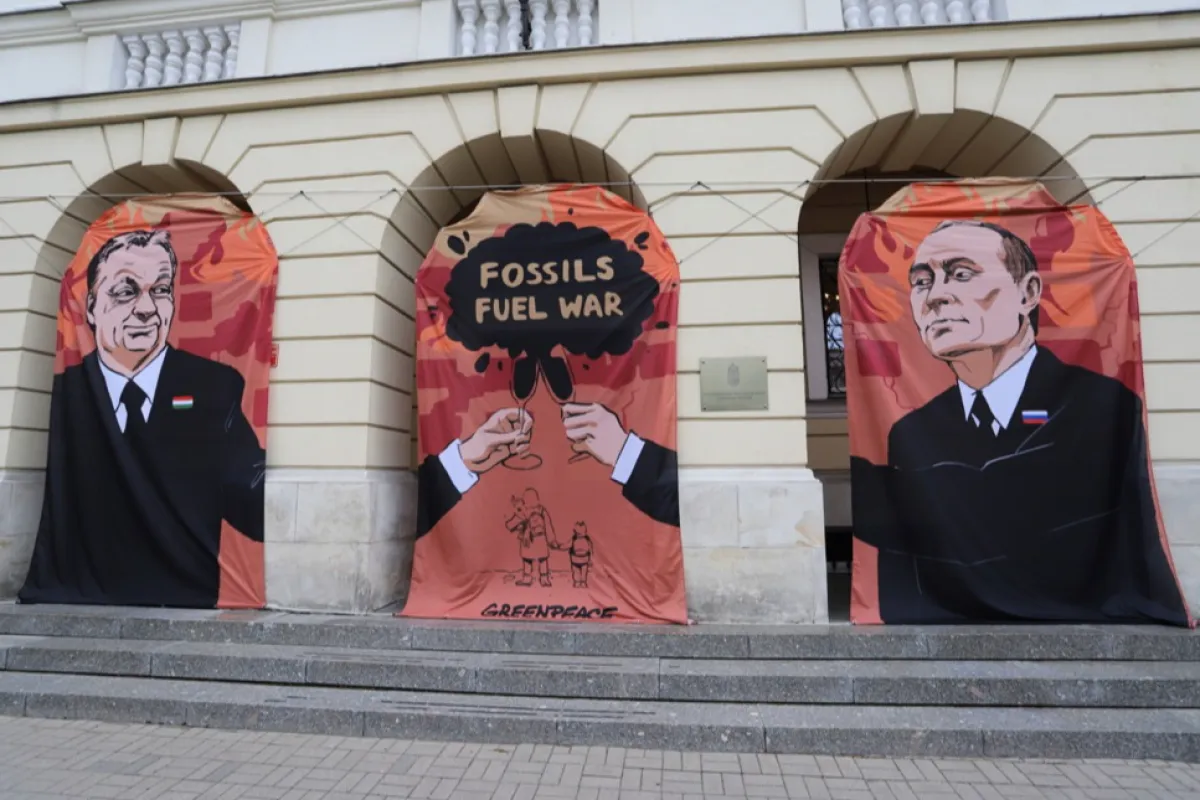
Recent decisions show that Hungary's EU and NATO partners are fed up with Budapest’s boycott of common policies, anti-democratic drifts and its content playing into Russia’s hands. Although he claims that Russia is a viable alternative to the West, Vladimir Putin has few options to help his friend, Viktor Orban.
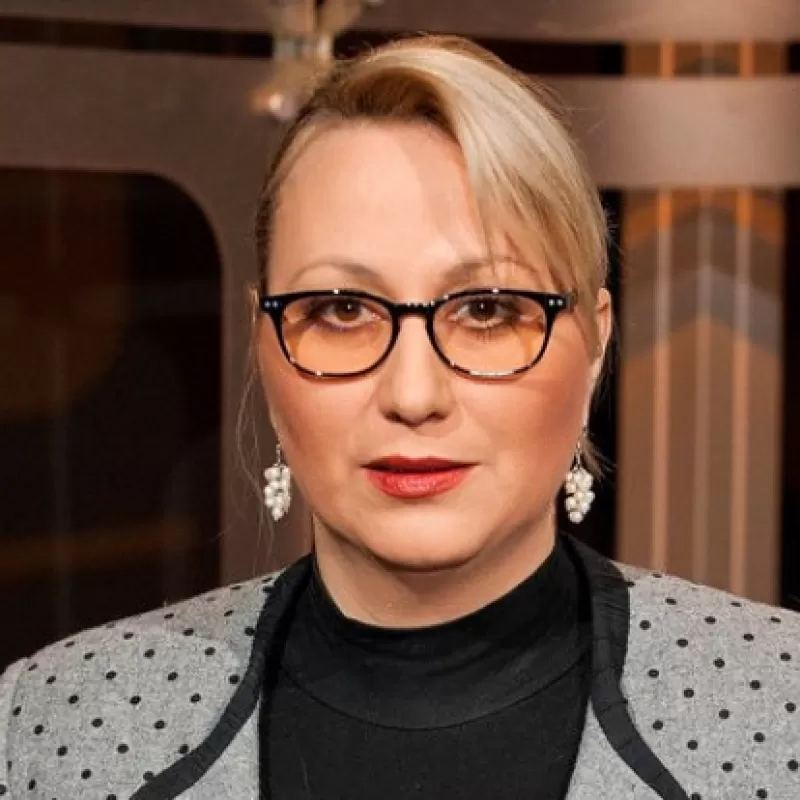
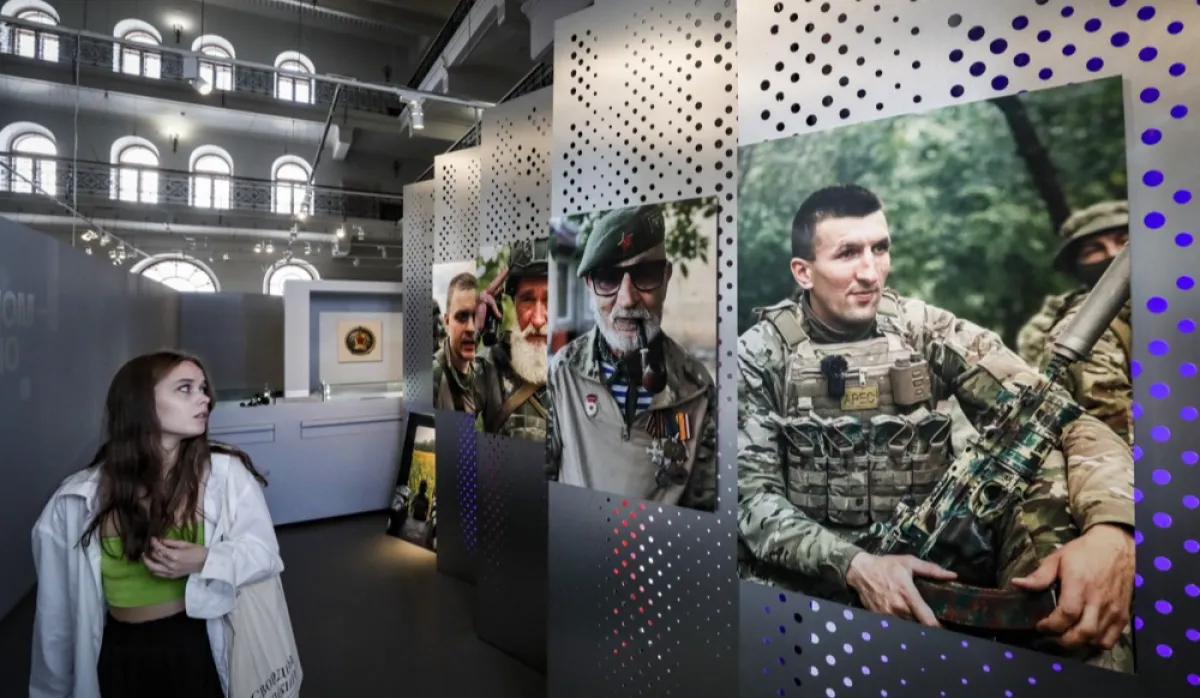
Russia is protecting the inhabitants of Novorossiya, a Russian historical territory occupied by Ukraine, against neo-Nazism, according to propaganda theses that are again reiterated into public space while Putin is preparing for his reelection.
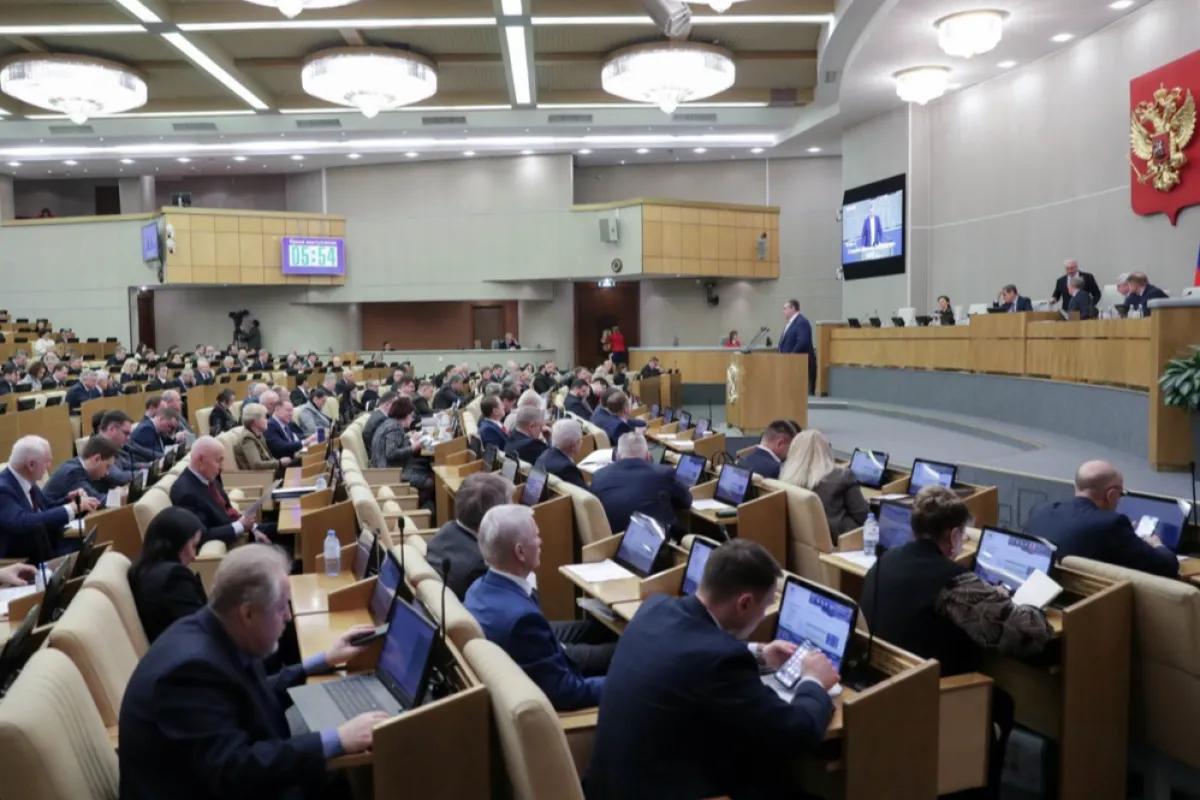
The Russian State Duma is planning to seize the assets of people distributing “war-related fake news”. The new law is in fact meant to silence anyone criticizing Putin’s regime.
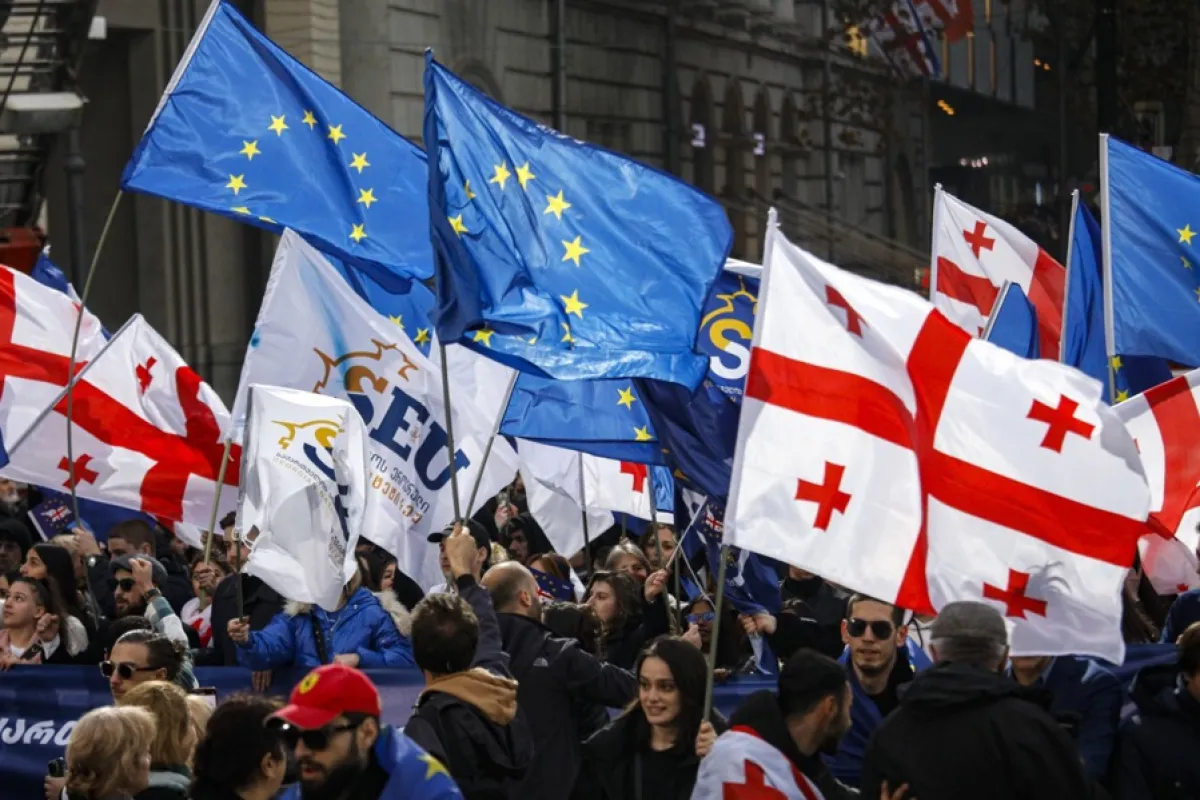
Georgia was granted EU candidate country in late 2023, but it needs to undertake a number of reforms before the actual negotiations would start. The European Council’s decision came following a complicated year, when the ruling Georgian Dream was faced with criticism from the West and domestic turmoil for what were perceived as pro-Russian and authoritarian policies. Veridica spoke with the co-founder of the Center for Strategic Analysis (GSAC), former Georgian Ambassador to Russia Valery Chechelashvili about how the events of 2023 could affect the future of Georgia, considering the fact that 2024 is an election year.
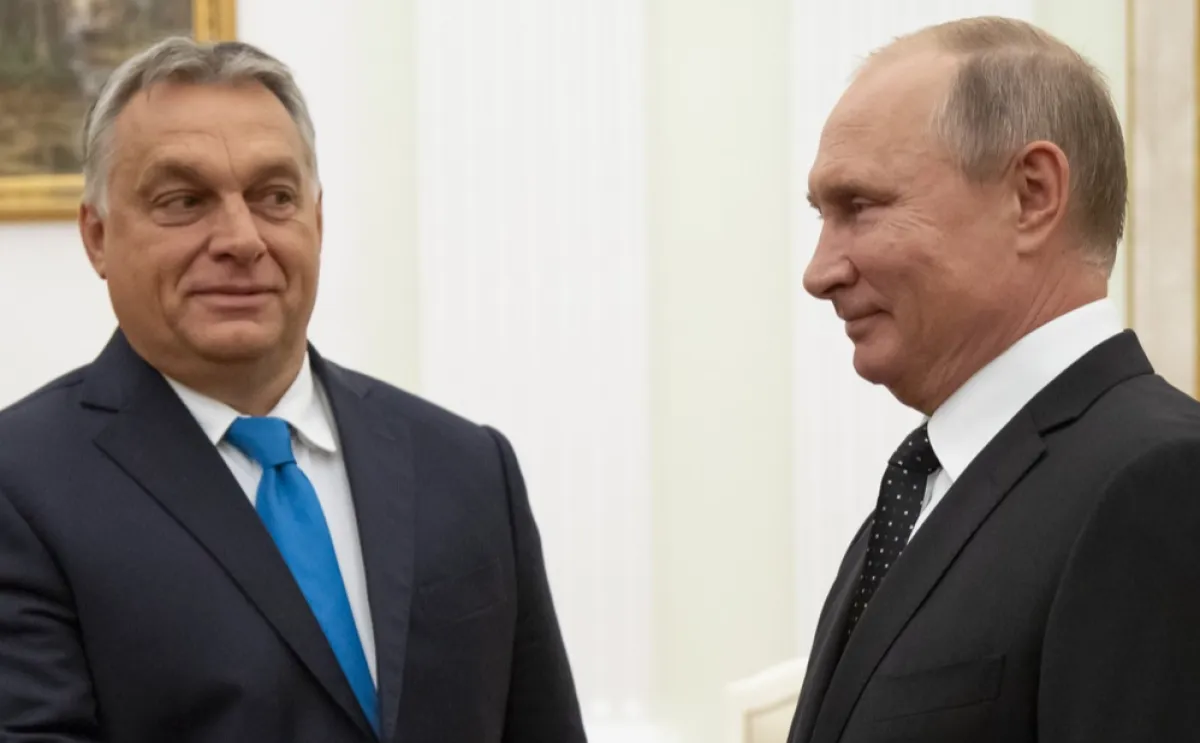
A Russian-inspired sovereigntist law proposed by Viktor Orban's party targets the press, civil society and the opposition. In parallel, FIDESZ promotes anti-EU messages in the election campaign.
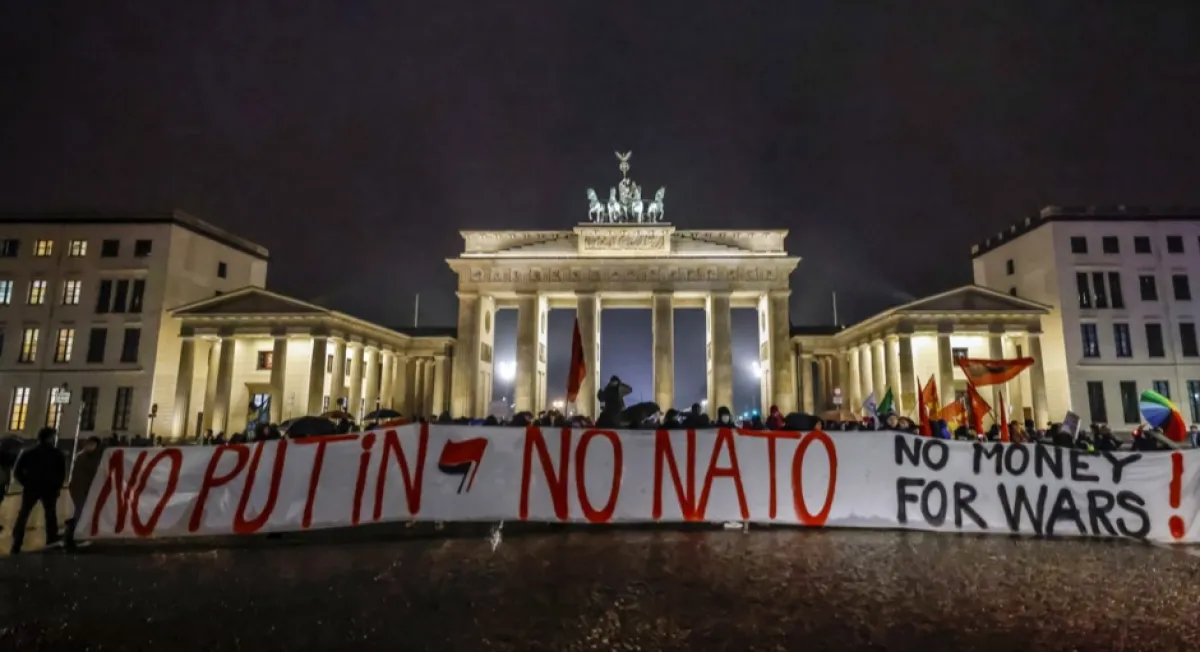
The lack of progress on the front, domestic issues and allies’ fatigue may push Ukraine towards a peace with Russia. This would lead to a break with the West and fuel Moscow's imperialist ambitions.
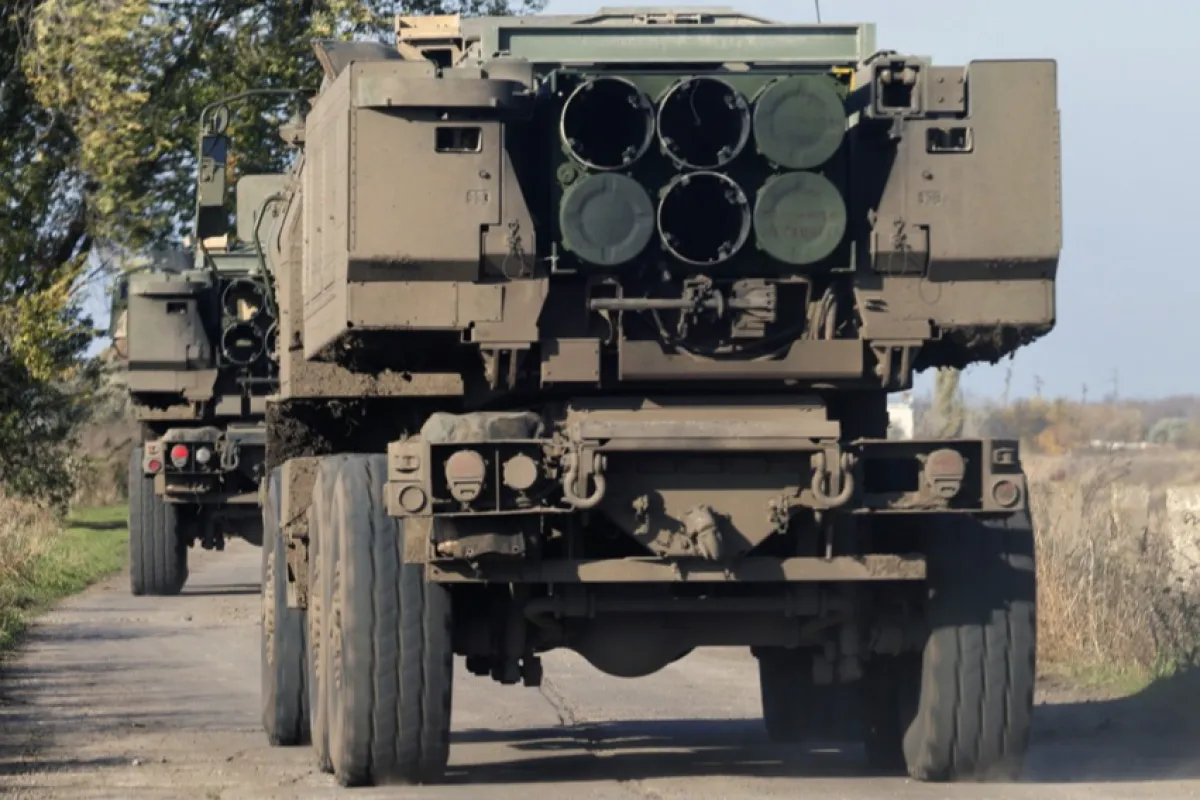
Russian propaganda fosters a new version of the war propaganda narrative stating that the war in Ukraine was triggered by the USA in order to preserve its position as a global leader, and Moscow is forced to defend itself against the murderous regime in Kyiv.
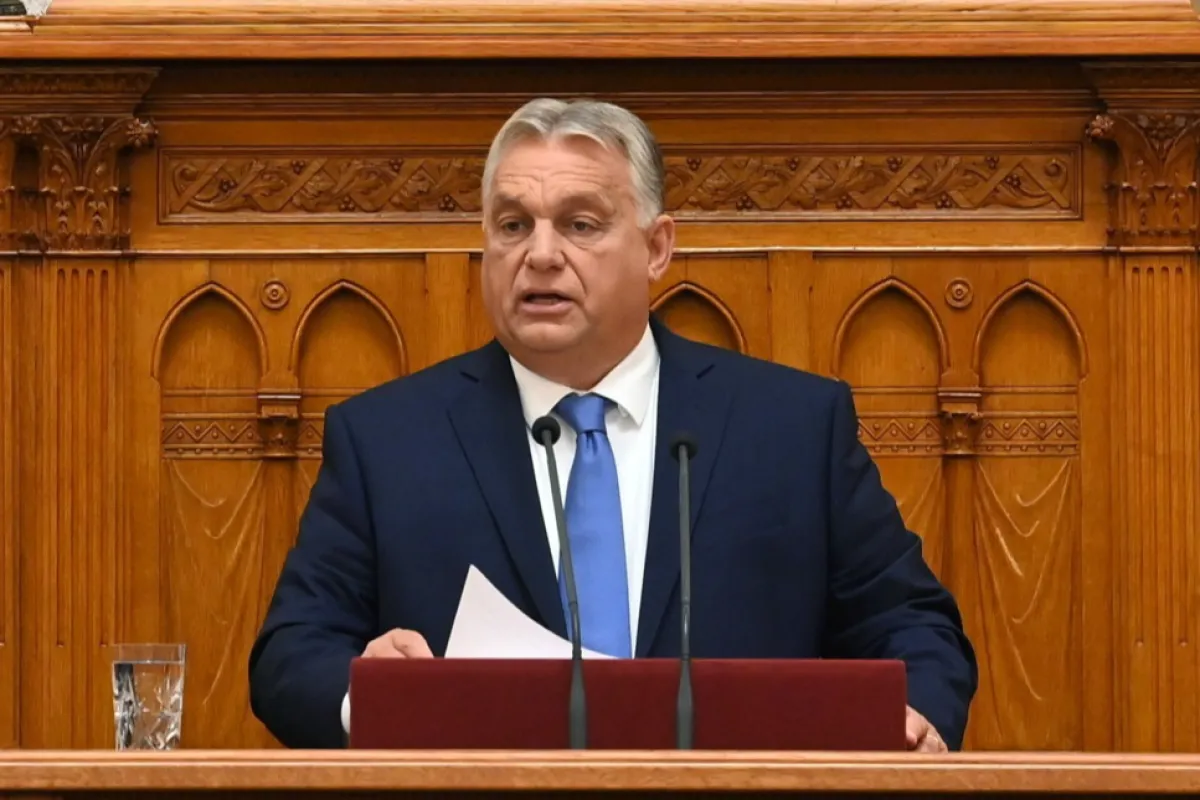
Viktor Orbán’s aggressive speech delivered in the Hungarian Parliament is evidence of Hungary’s lack of solutions to an economic crisis amplified by Orbán’s own policy-making, as well as of its growing isolation at EU and NATO levels.
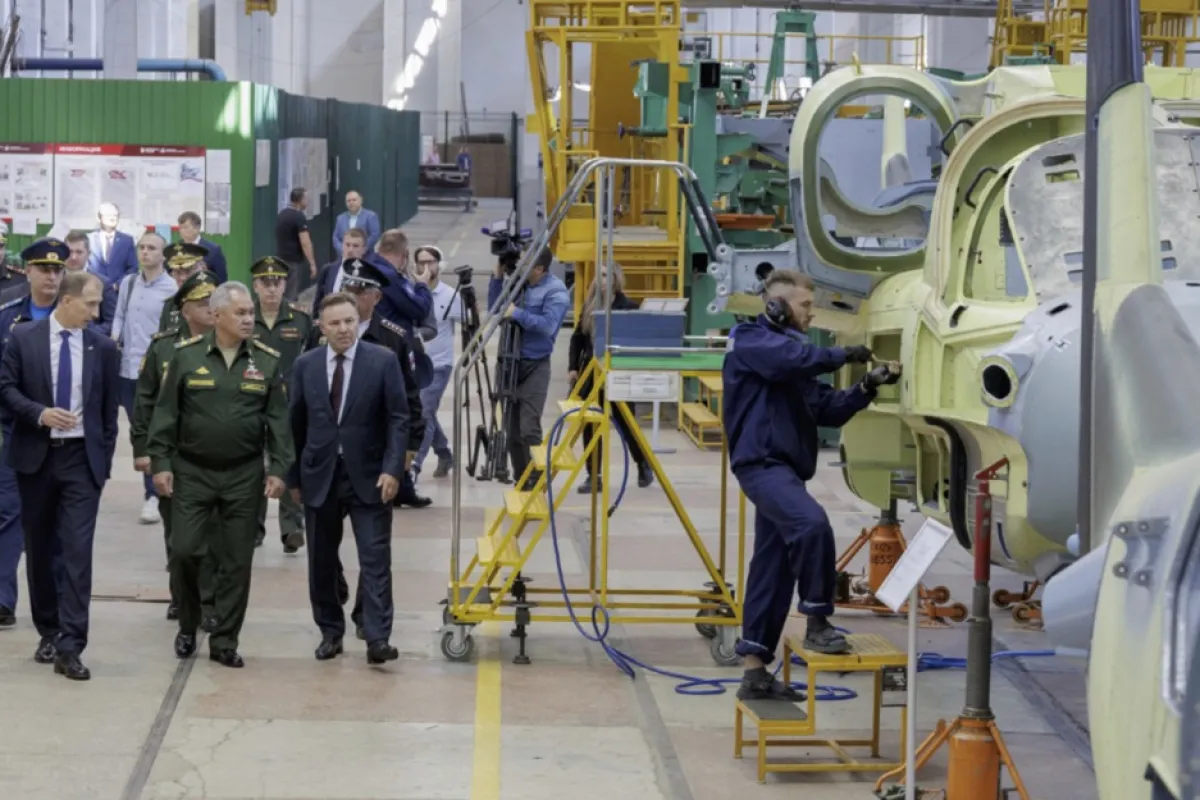
The partial mobilization announced by Vladimir Putin a year ago has solved Russia's unemployment problem and generated global economic growth, according to pro-Kremlin propaganda.
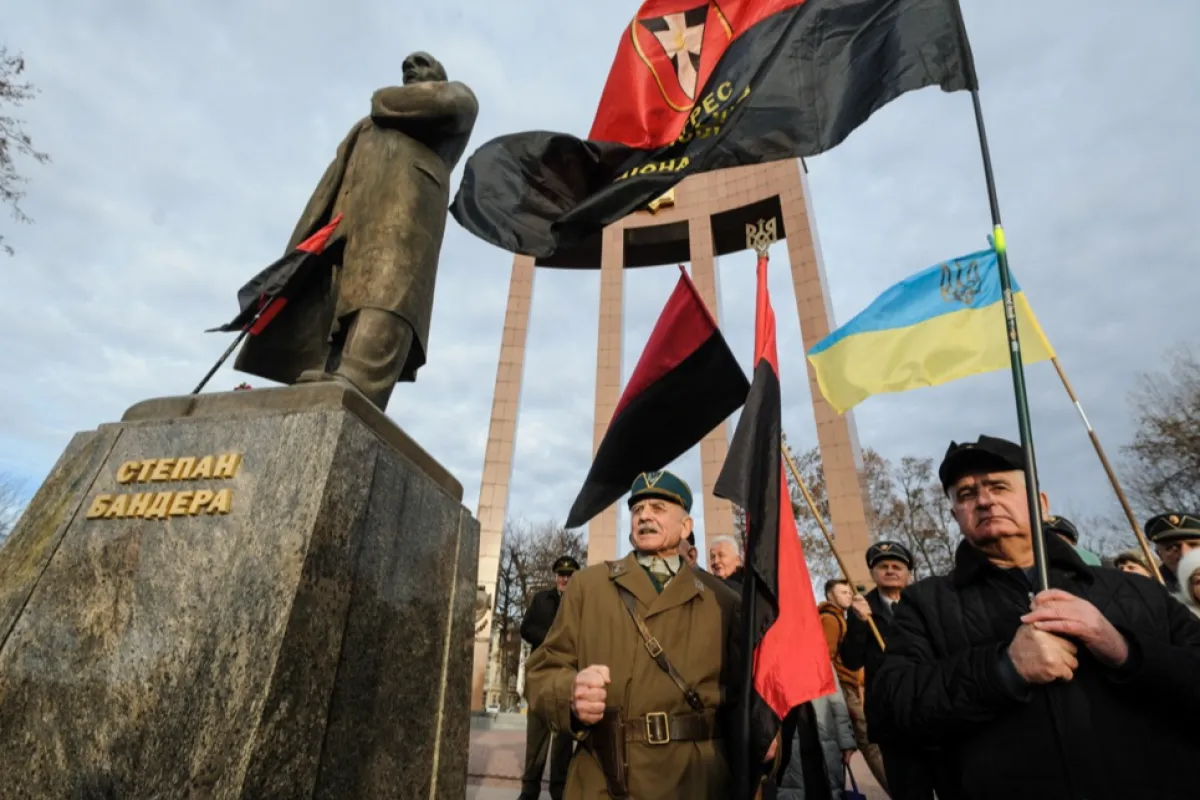
Kyiv glorifies Ukrainian nationalists who killed 1.5 million Jews during World War 2, according to a false narrative promoted by Vladimir Putin.
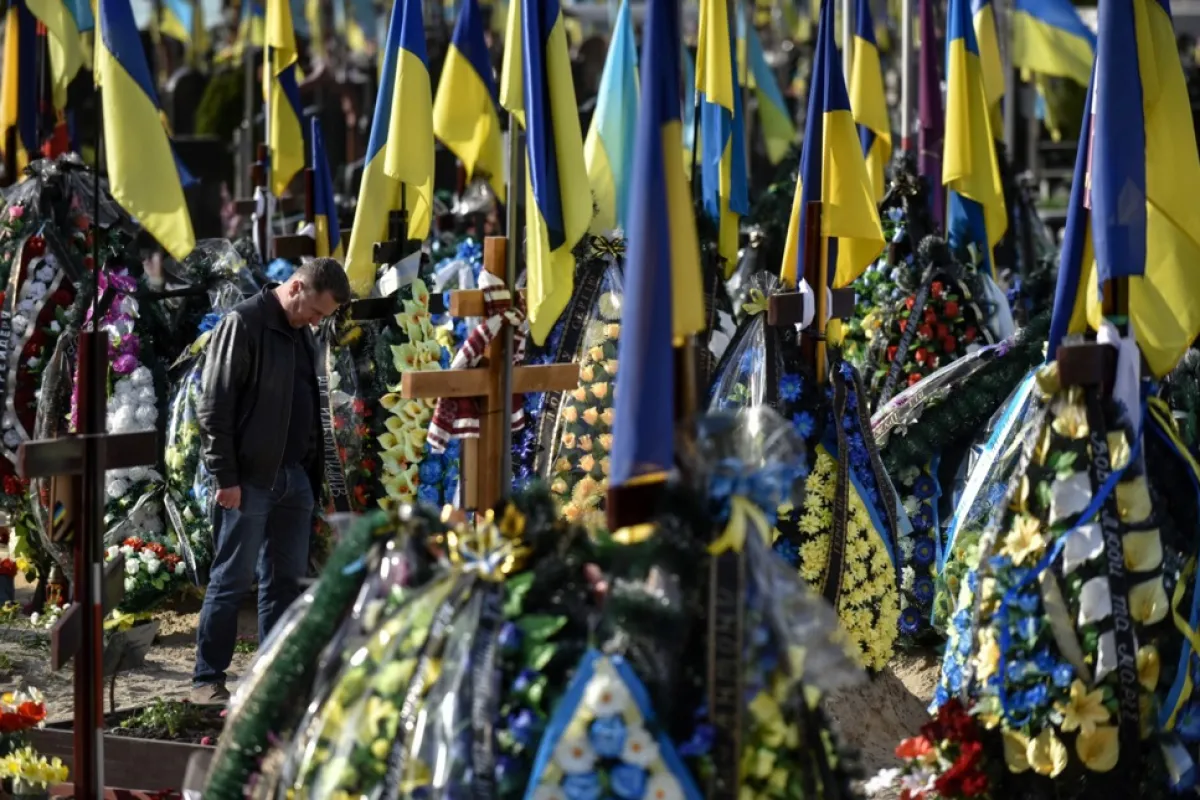
The concept of “deukrainization” has been increasingly used to replaced “denazification”, one of the original objectives at the start of the war, and is virtually tantamount to the eradication of Ukrainian identity
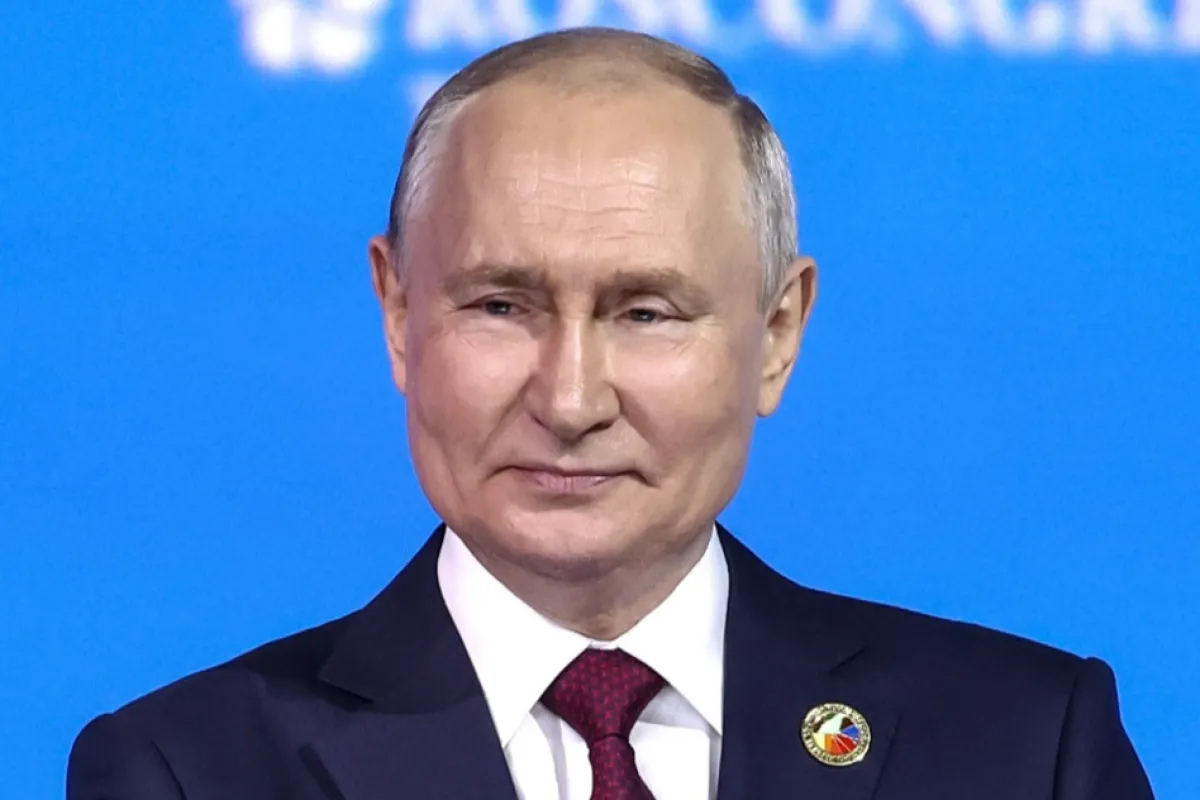
Ukrainians want a president like Putin, not the West’s puppets, according to pro-Kremlin propaganda. In fact, 98 of Ukrainians hate Putin.
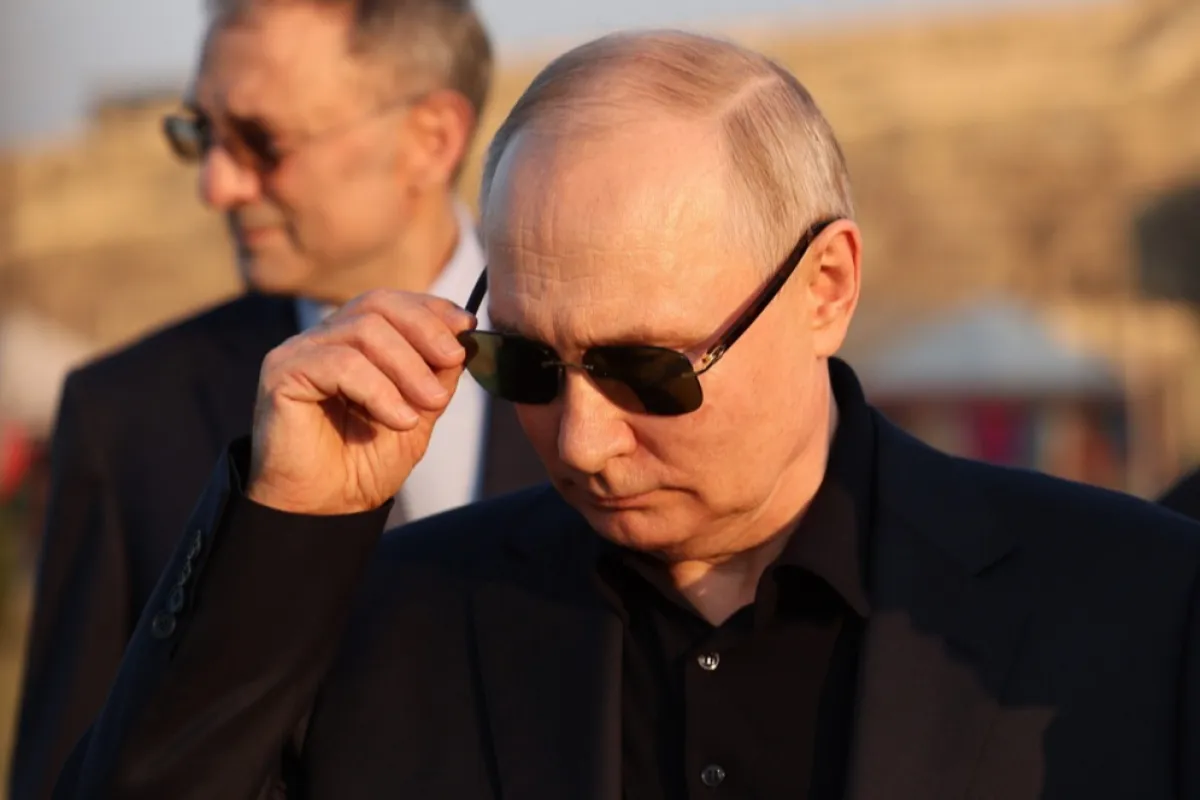
Real or not, the Wagner Group rebellion has shown that, although it desperately fashions itself as a new type of dictatorship, Putin’s regime is just another political construct lacking any real foundation.
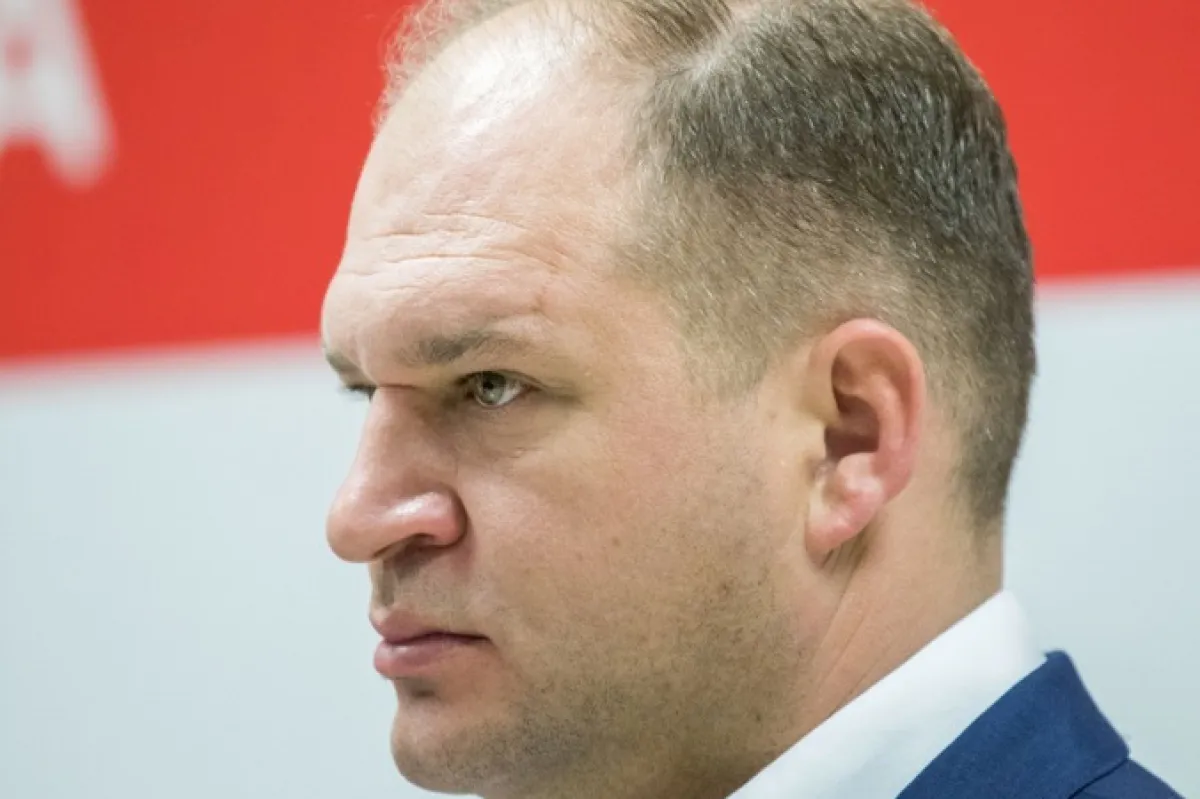
The Republic of Moldova remains the target of Moscow’s active measures. Certain pro-Russian politicians in Chișinău with good chances of securing high office are being counselled by the FSB.
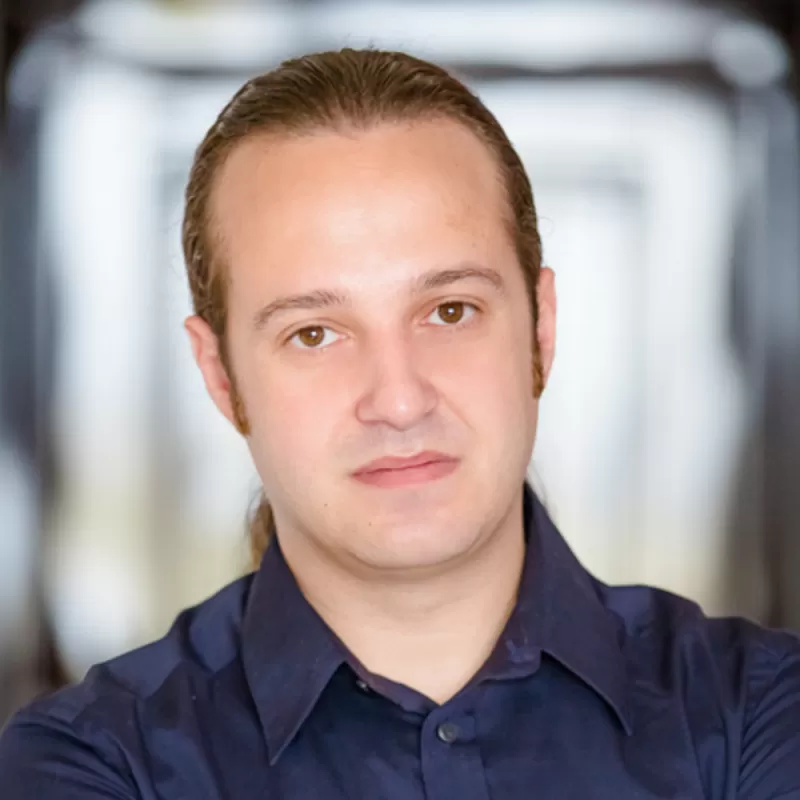
Putin’s regime, threatened by pro-war extremists and domestic squabbles
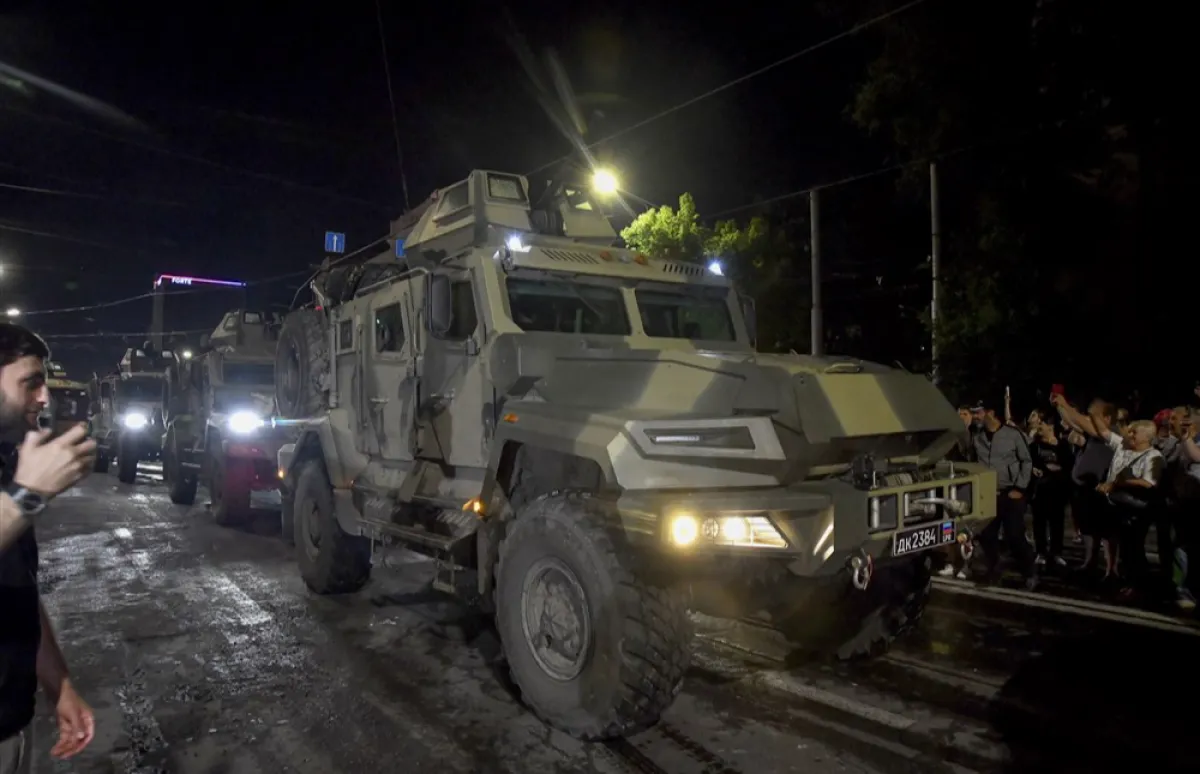
Rumors and propaganda in Russia about the head of Wagner, Yevgeny Prigozhin: traitor, patriot manipulated by the West but forgiven by Putin, accomplice in a secret Kremlin plan.
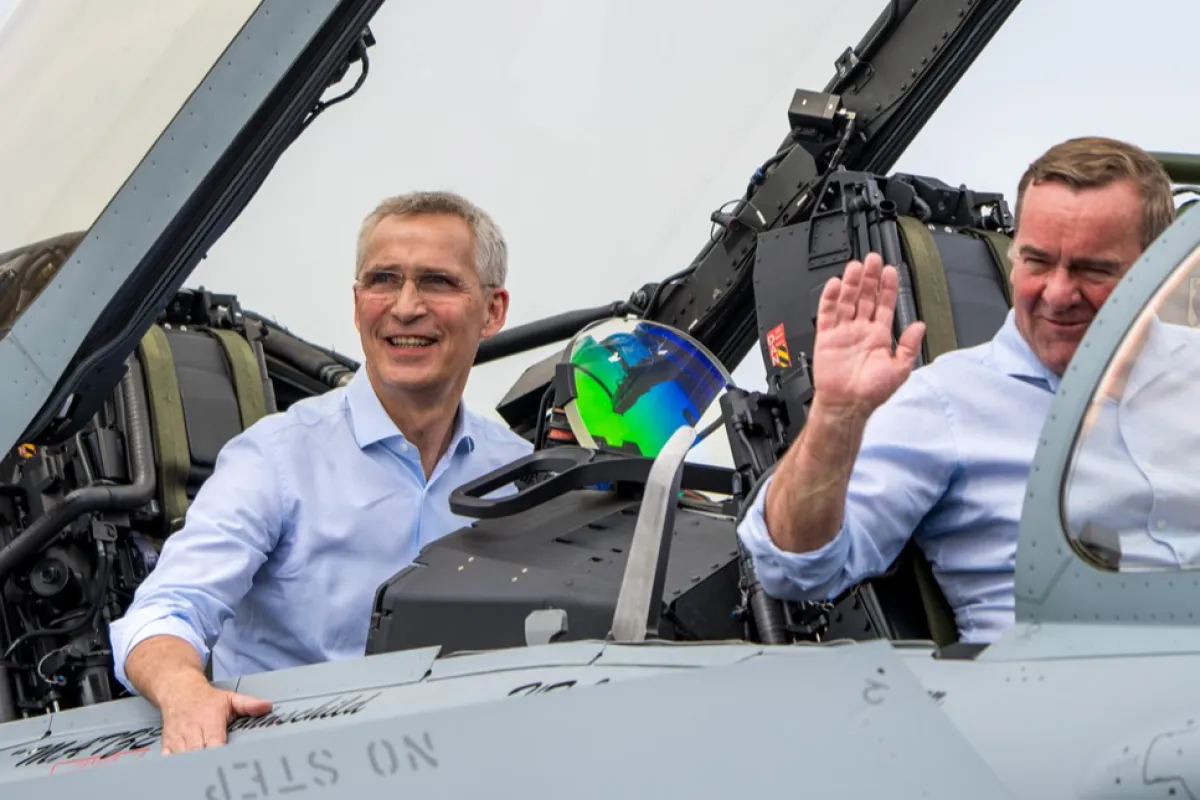
The war in Ukraine has prompted many NATO states to take action with a view to strengthening their armed forces. Instead of deterring the Allies, Putin only brought them closer together.
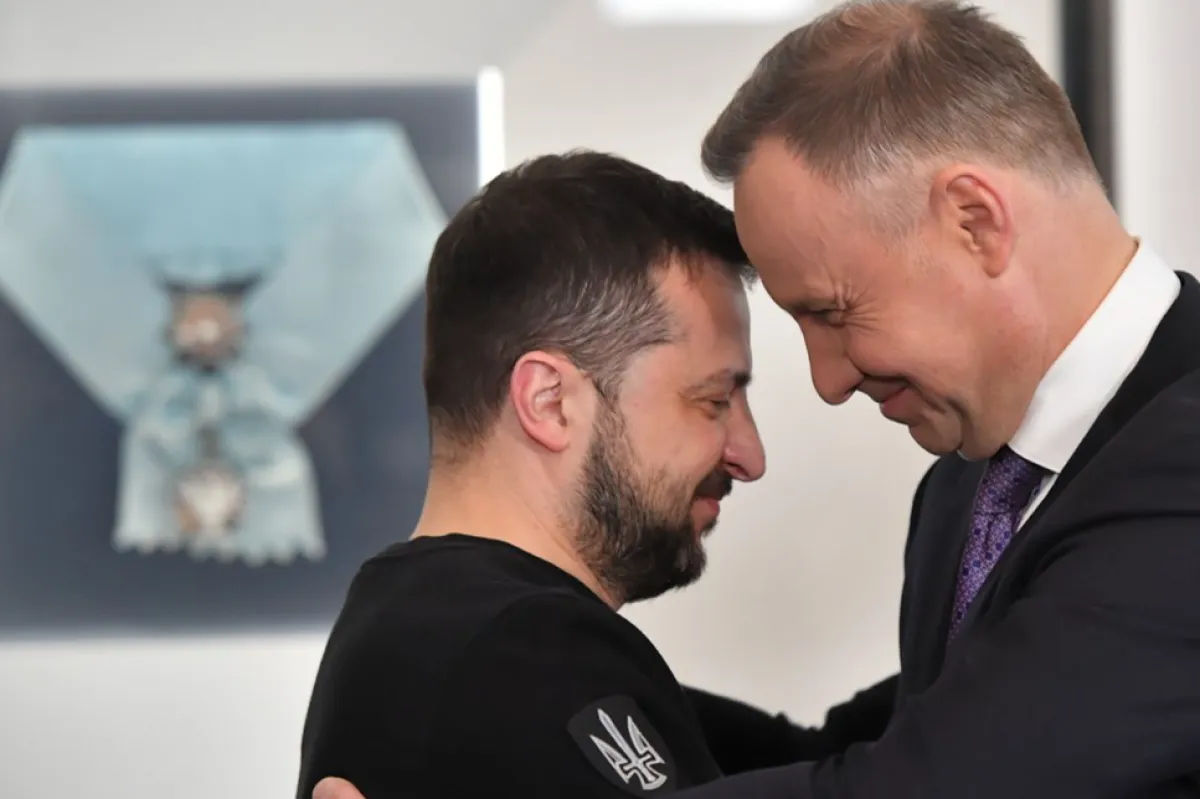
The president of Poland has stated that Russia will win the war in Ukraine, writes the Russian propaganda press. In fact, the press distorted an interview given by Andzej Duda.
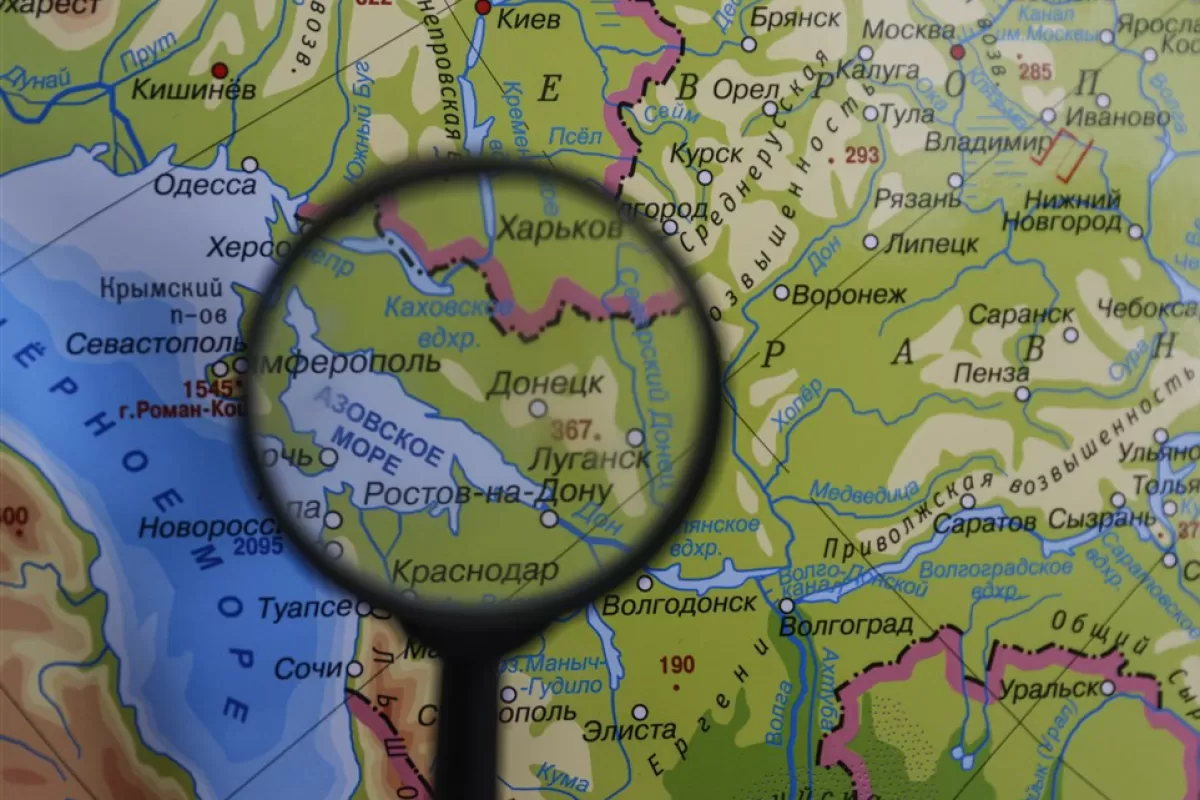
Ukraine did not exist prior to the creation of the USSR, Russian media writes, quoting Vladimir Putin. The false narrative ignores a number of major chapters in the history of Ukraine.
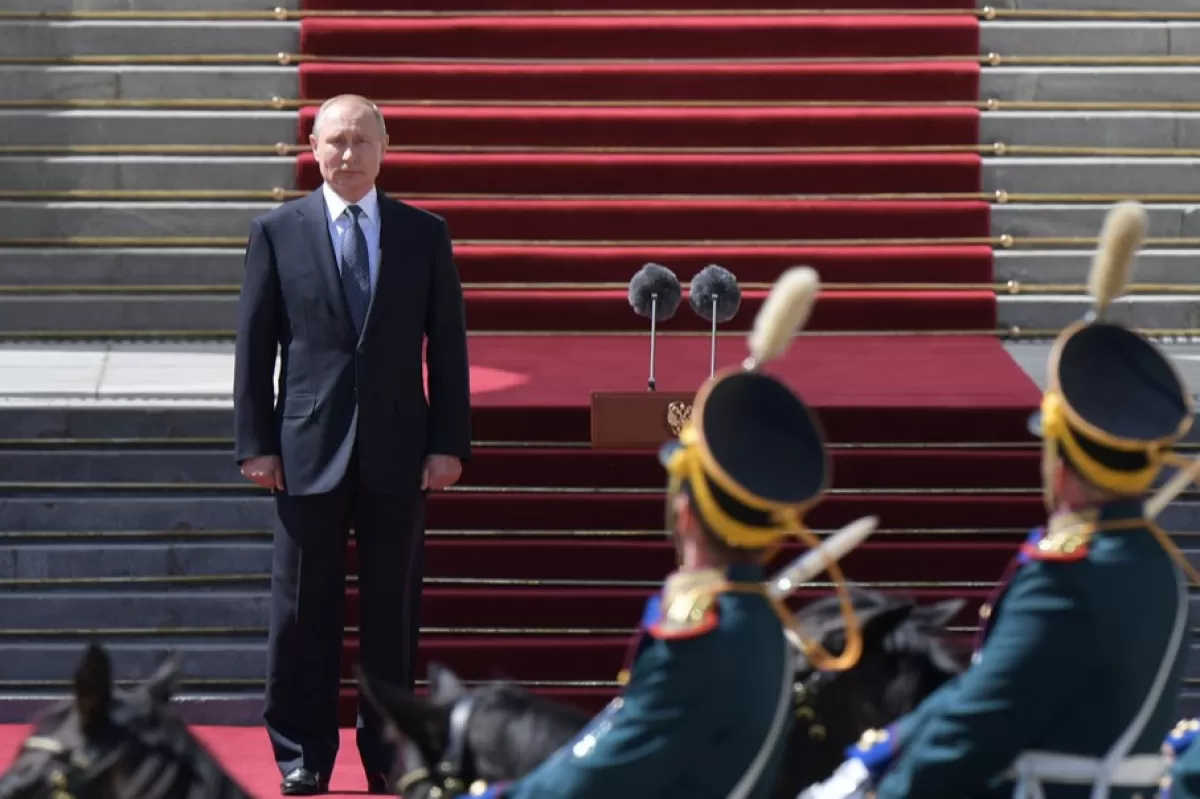
Putin’s propaganda managed to bring Russia to the brink of a civilizational makeover, at the end of which we will finally be able to claim that Russia’s quest for empire has truly ended.
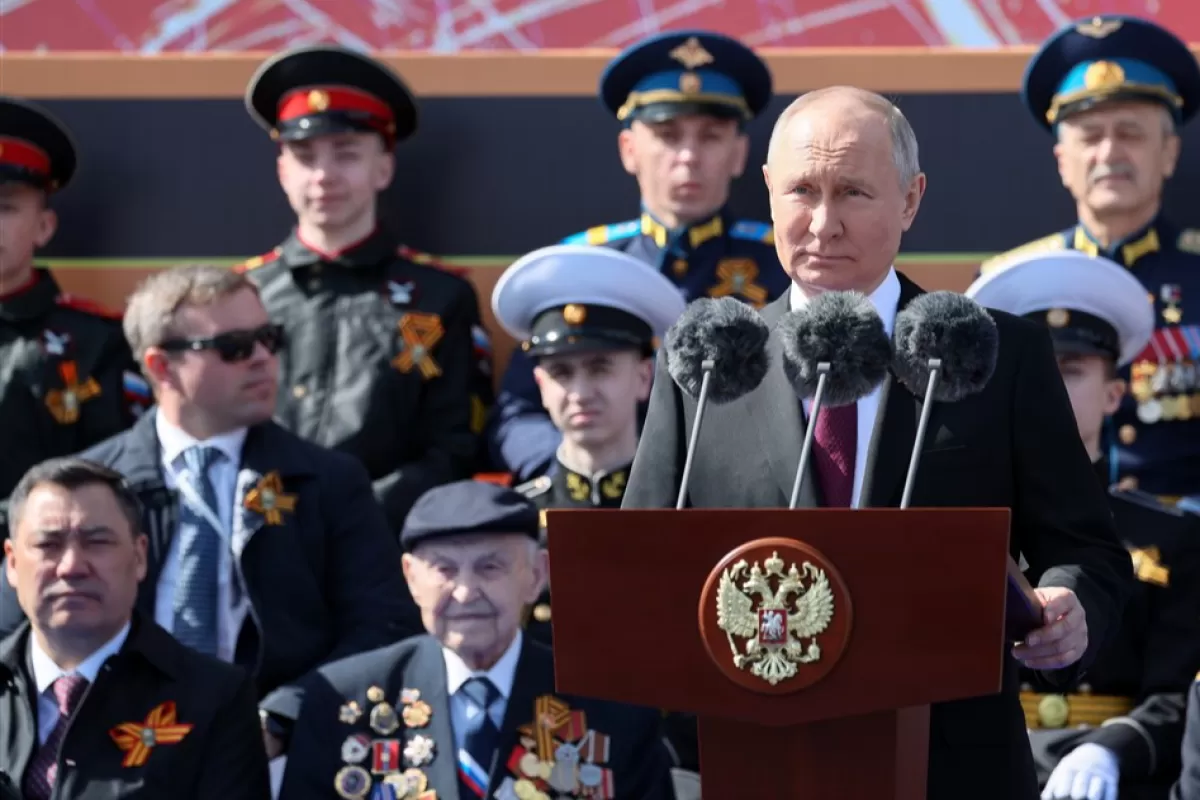
Thanks to the “special military operation”, the West has failed to wipe Russia off the face of the earth, according to a false narrative by Russian state media that quotes Vladimir Putin's speech at the May 9 Victory Day Parade. In reality, Russia is the aggressor, and the “special military operation” is an invasion condemned by most of the world's states.
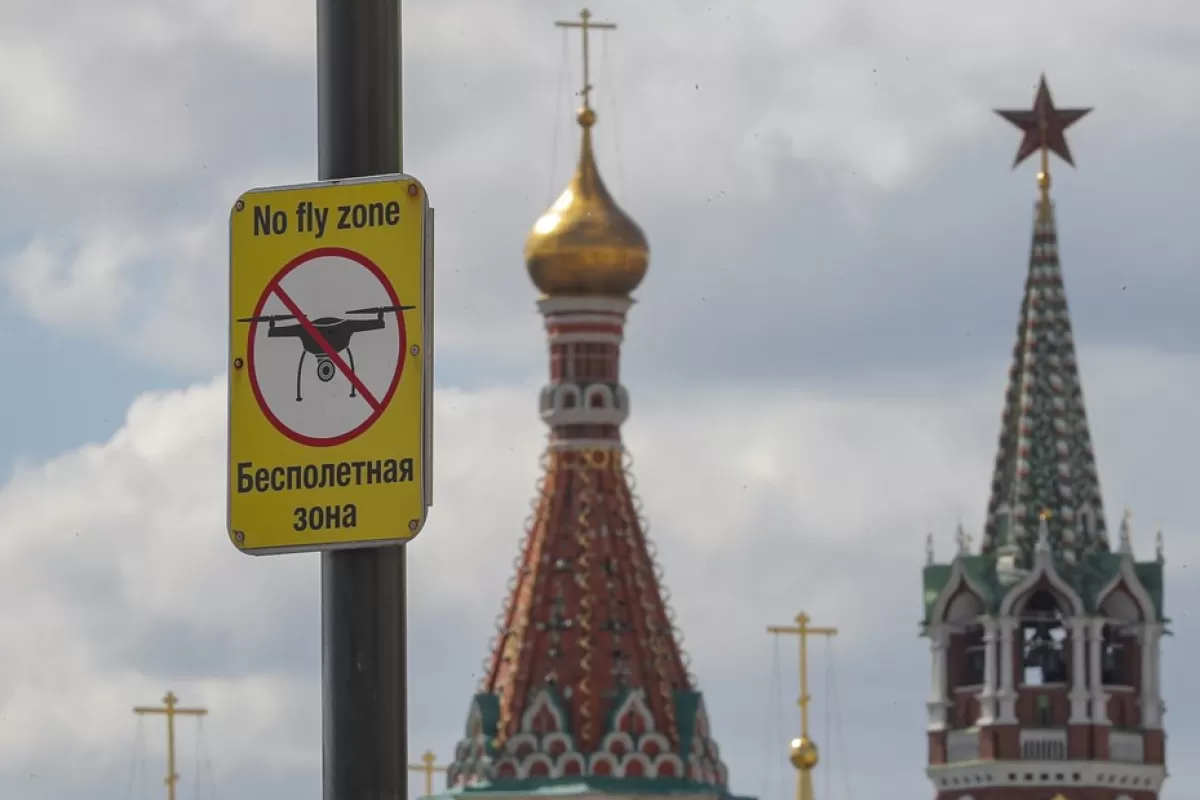
Russia must designate Ukraine a terrorist state because it attacked the Kremlin and other targets, such as the Moskva flagship, the Russian government media writes. In fact, Kyiv has responded to the invasion by striking military targets, whereas the attack on the Kremlin raises suspicion regarding who the author actually is. Moreover, Russia itself has been declared a terrorist state by international bodies.
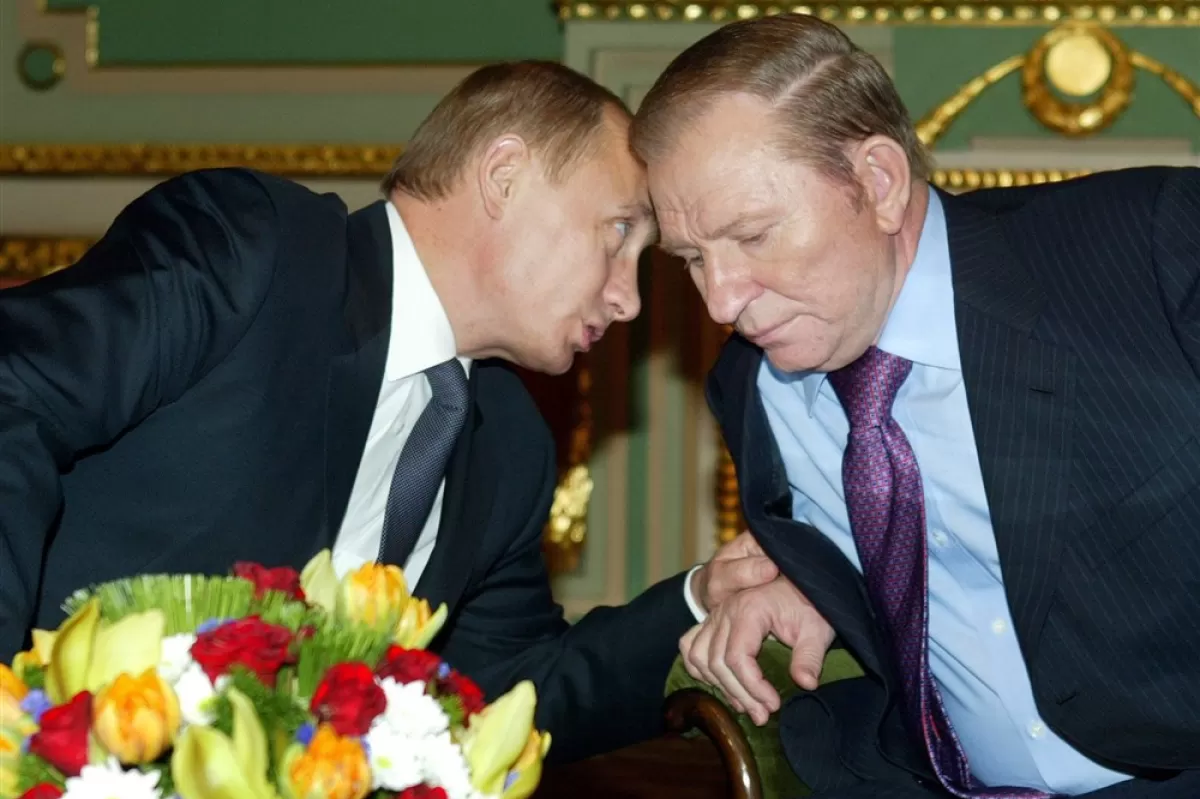
The Ukrainian political leaders ignored Vladimir Putin’s warning 23 years ago, regarding the danger of NATO starting a war against Russia and the Ukrainian people, the Russian state press writes. In reality, the war in Ukraine was started by Russia, and the talk about NATO policies 23 years ago is a mere fabrication.
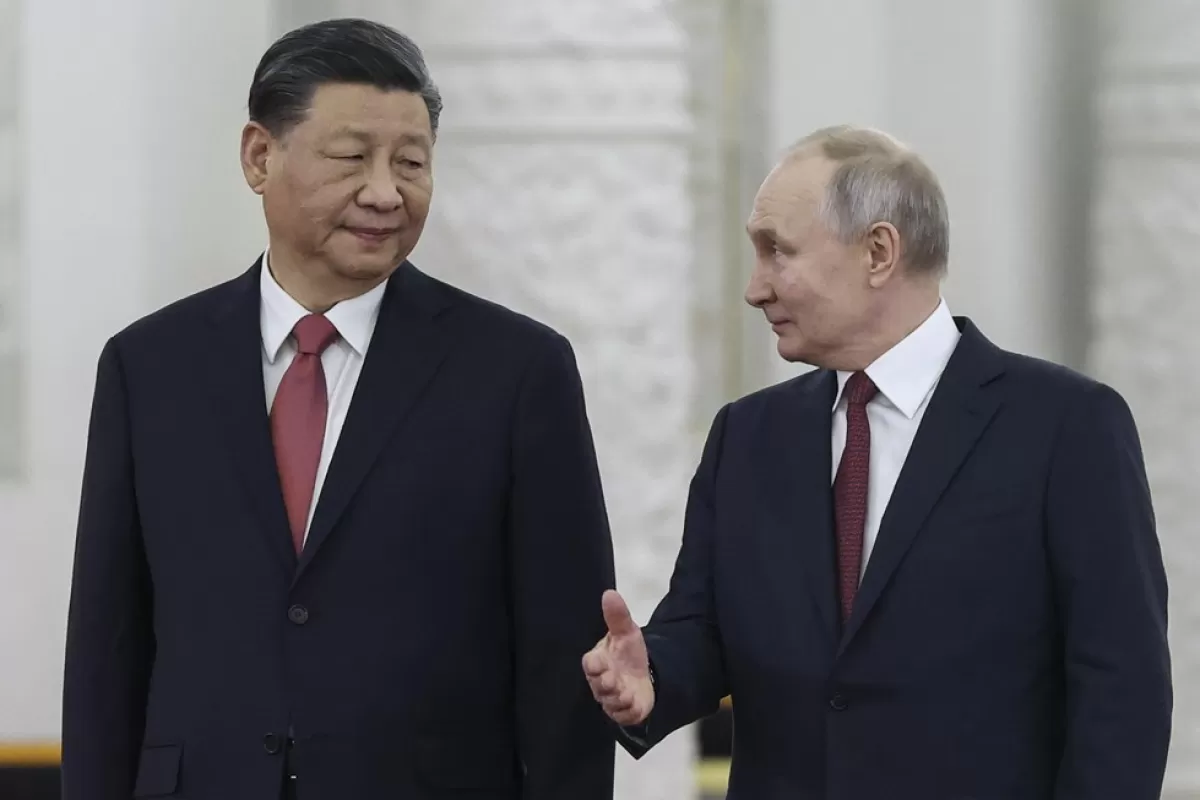
Xi Jinping visited “dear friend” Vladimir Putin in Moscow to promote his peace plan and sign deals that will take trade to $200 billion. For Putin, increasingly isolated internationally, the visit was a lifeline. For Xi, an opportunity to promote China's interests and his own image.
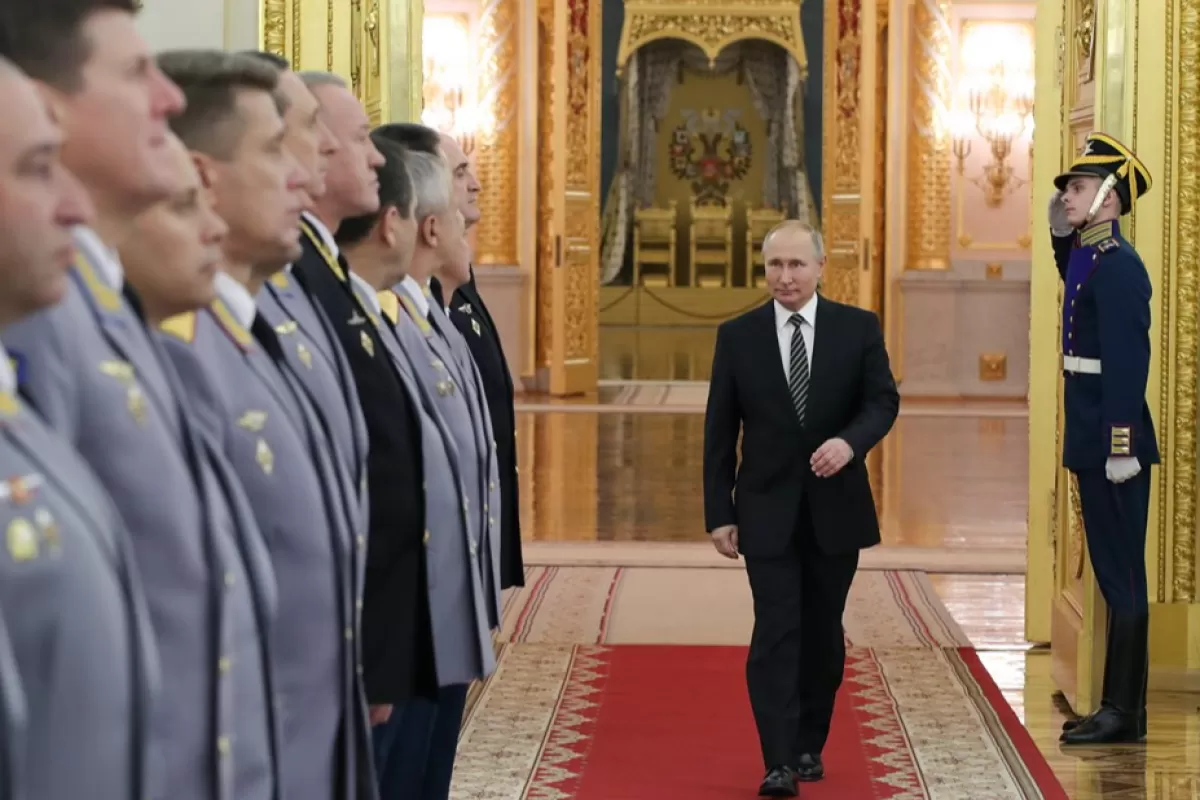
Putin’s Russia is a conglomerate of toxic residue carried over from successive historical eras. From Russia’s imperial past, Russia inherited the fixation of becoming a global power. From the Soviet era, Putin sought to capitalize on the symbolic remnants of the superpower status, to make Russians believe this chapter in Russia’s history represented the pinnacle of their political existence. He added to this legacy the cynical and cunning attitudes specific to the criminal underworld, and he wrapped them in the illusion of power and wealth, to conceal the ruin and rot of widespread corruption.
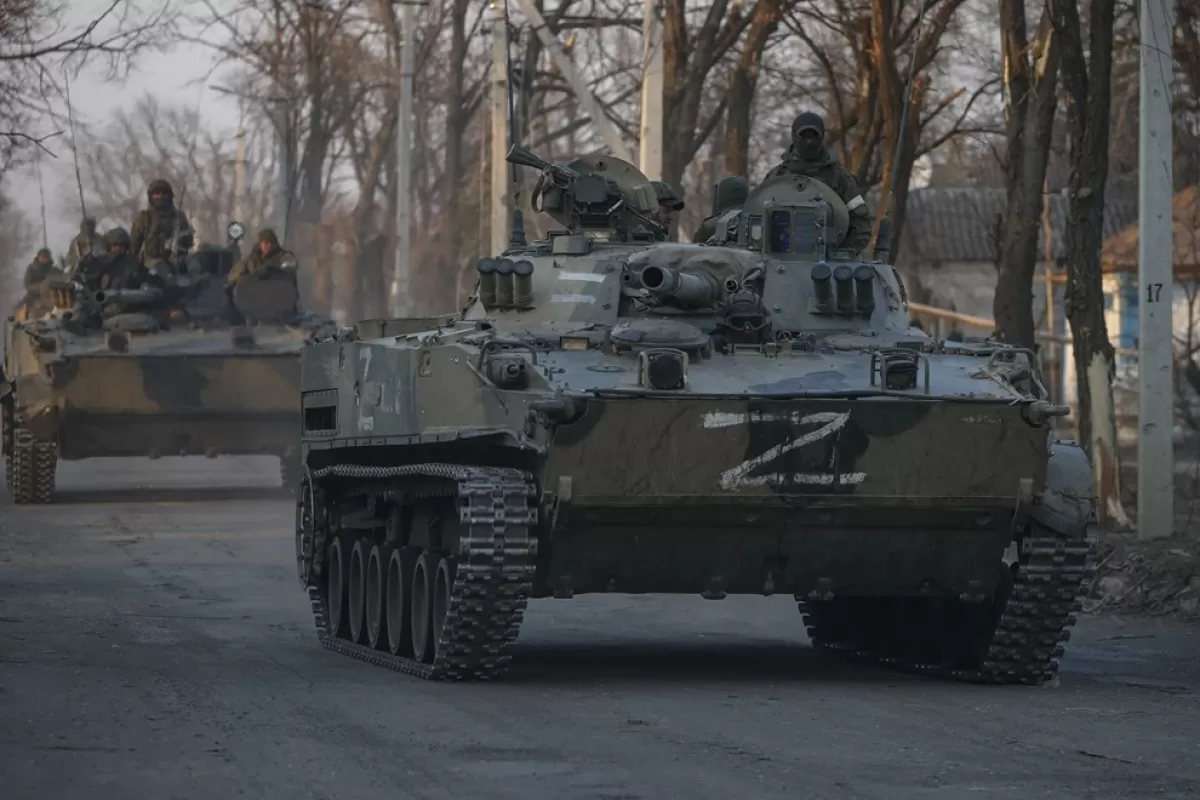
Putin expected Ukraine to give in quickly, and the West, frightened by the prospect of a gas crisis, divided and unable to make firm decisions, would react rather rhetorically, as it happened with the war in Georgia in 2008, or the initial attack on Ukraine, in 2014. Ukraine resisted, dispelling, at the same time, the myth of the mighty Russian army, and now it only envisions victory. Both camps seem determined to fight until they achieve their goals. The war continues.