
Russia is not to blame for the global rise in energy prices, it is the fault of an increasingly greedy Europe that has created “energy bubbles”. This false narrative, promoted in an online publication in Romania, repeats Russian propaganda and ignores Moscow's actions that actually led to the current situation.

The Republic of Moldova could face a number of serious challenges this autumn, given that Russia wants to bring this country back into its orbit. At domestic level, Moscow is expected to use any leverage it has in the separatist region of Transnistria and in Găgăuzia. Adding to these pressure points will be the country’s energy concerns.
Romania, just like the other European countries, will suffer terribly because of the gas price and Russia's decision to partially halt gas supplies to Europe, but this is only the fault of the European leaders, who punished Moscow for the invasion of Ukraine. The false narrative ignores the fact that Russia needs the Europeans’ money, and the latter have taken steps to avoid a major energy crisis.
The war in Ukraine brought back into focus an issue that had been known for a long time: Europe’s dependence on Russian gas. First, the possibility of European sanctions was raised, then Moscow reduced supplies, which caused panic in some Western capitals. What can Europeans do to escape Russian blackmail and how much should they fear the coming winter?
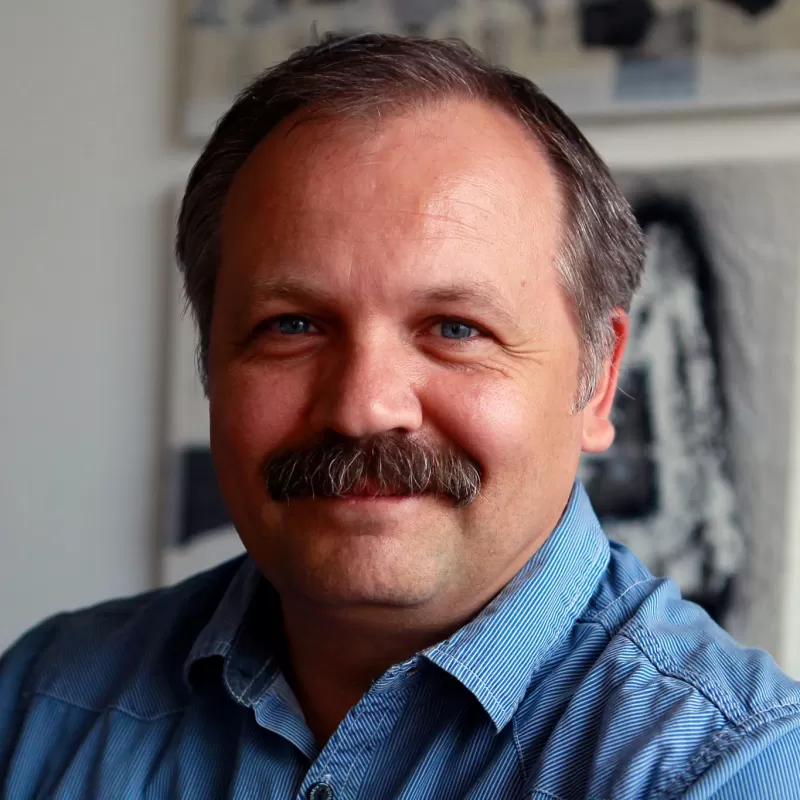
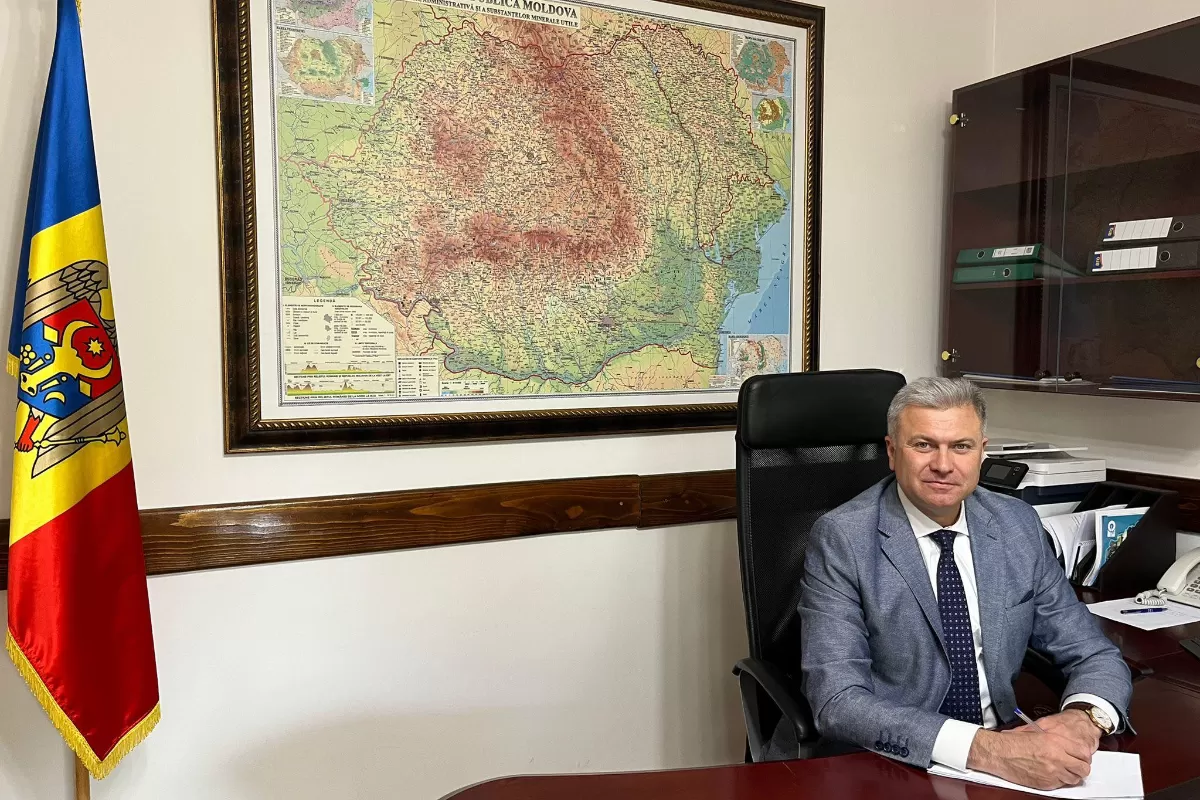
The Transnistrian is not an obstacle to the EU integration of Chișinău, says the ambassador the Republic of Moldova in Romania, Victor Chirilă. In an interview to Veridica, the Moldovan diplomat said that, should Ukraine win the war against Russia, Tiraspol leaders will become “more flexible”. Victor Chirilă analyzed the security risks for Chișinău, as well as the main projects carried out by the Republic of Moldova jointly with Romania.


Europe’s reliance on large energy imports from Russia prevents the adoption of sanctions meant to deprive Moscow of sizable revenues, which it can use to feed its war machine. The West is looking for replacements, but unfortunately these are more often than not “smaller Russias” – authoritarian regimes that also stand accused of violating human rights.
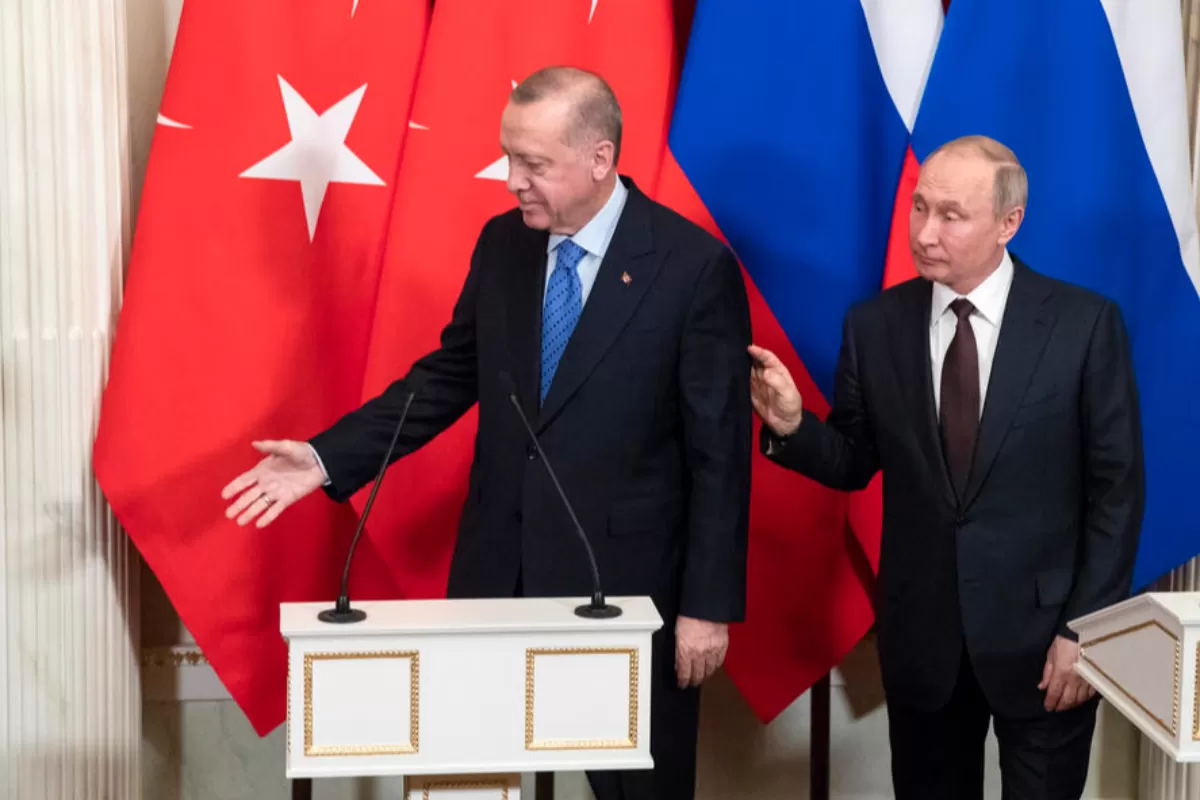
Against the backdrop of a worsening economic crisis, Turkey is trying to reconnect with its former allies, after years of pushing them away with its aggresive rhetoric and policies. However, Ankara must also take into account its relationship with Russia, given that it is dependent on that country for energy, agricultural products, tourism and trade.
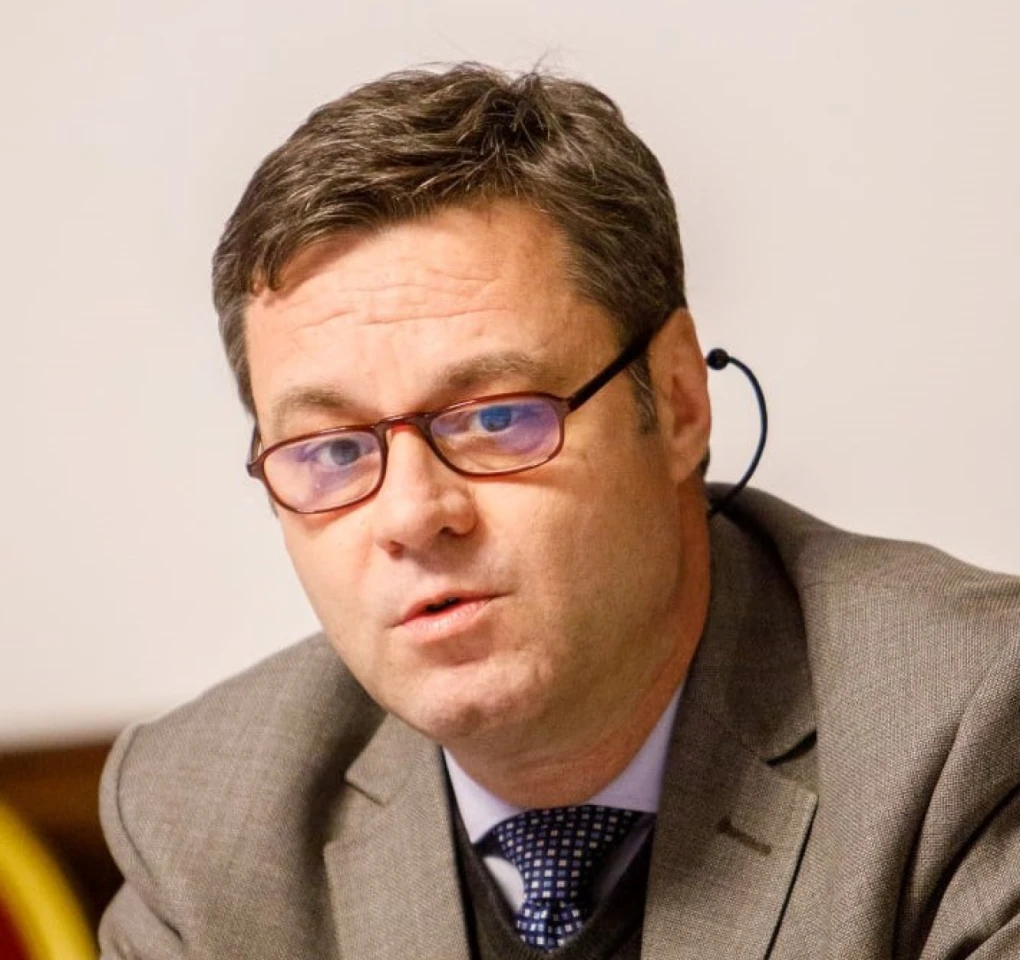
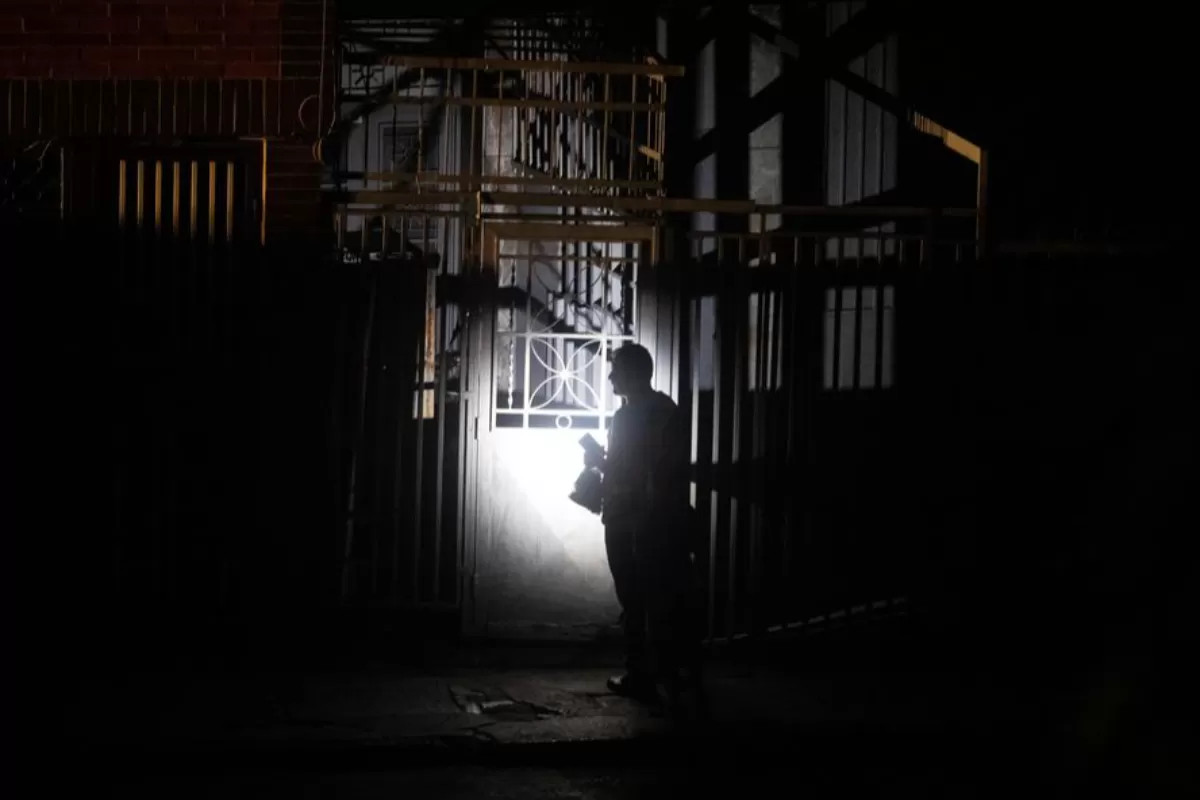
“A major power outage, which could last up to two weeks, is imminent in the European Union”, according to part of the Romanian media, referring to an alleged warning from the Austrian defense minister. In fact, the Austrian army only considers the possibility of a power outage as part of its crisis prevention program and has launched an information campaign for the population that is not at all unusual”.
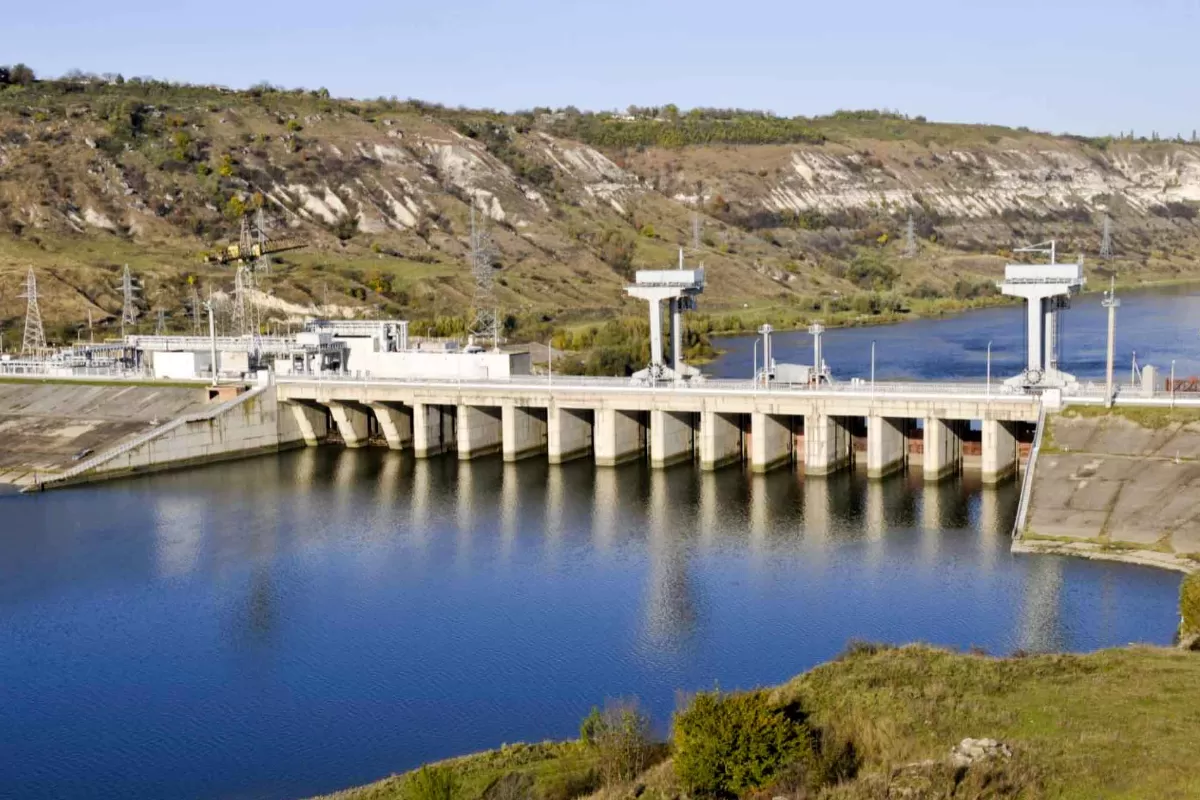
Ukraine wants to become an energy powerhouse at the Dniester, but this is affecting Moldova's water reserves and may even affect Romania