
As the Kremlin made it virtually impossible for independent media to work in Russia, many outlets and journalists took refuge abroad. The Baltics offered such a safe haven including to the famous TV Rain, which moved its main operations to Latvia. After broadcasting for several months, TV Rain’s license was revoked for not complying with the Latvian rules and showing sympathy for the Russian troops fighting in Ukraine. However, Riga’s decision, while considered too harsh by some, did not lead to an exodus of Russian independent media from the Baltics.


Estonian city Narva and Russia’s Ivangorod are connected by a Friendship Bridge, a name that sounds quite ironic nowadays when many Ukrainian refugees use the bridge to make their way to Europe. They had to go East, then North, as their route West was blocked by the fighting. A network of Russian and Estonian volunteers has been helping these refugees. While some continue towards other European countries, many decided to stay in the small Baltic country, which is starting to feel overwhelmed.


For the Baltic States and NATO, the best outcome of the war in Ukraine would be a complete defeat of Russia, according to the president of the Baltic Security Foundation, Olevs Nikers. However, Nikers feels that the most likely scenario for the end of the war would be a peace agreement, which means that the Baltic states and the Western world will be forced to deal with Russia on the long run.
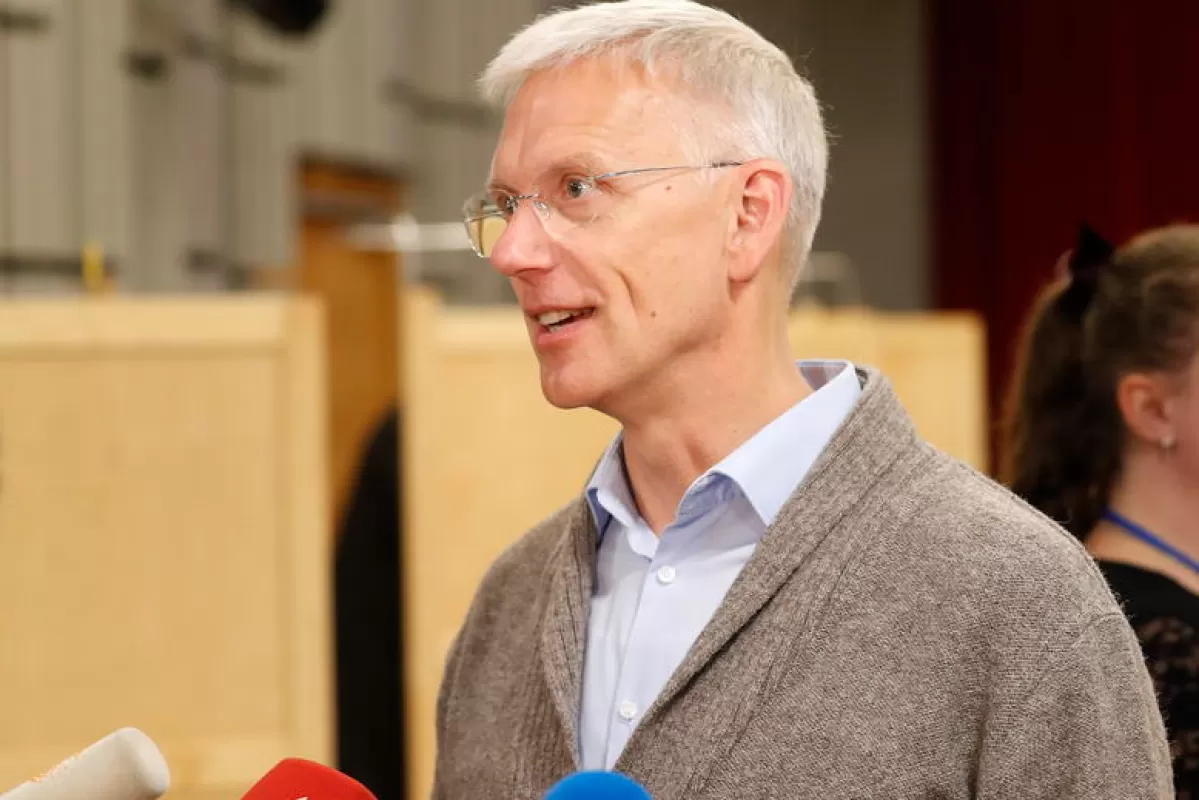
Despite causing heavy criticism and dissatisfaction with their response to the Covid-19 pandemic, taxes, and other issues, Prime Minister of Latvia Krišjānis Kariņš, and his party “New Unity” will most likely form the new government following the parliamentary elections held on October the 1st. However, the elections did significantly alter the landscape of Latvian politics.
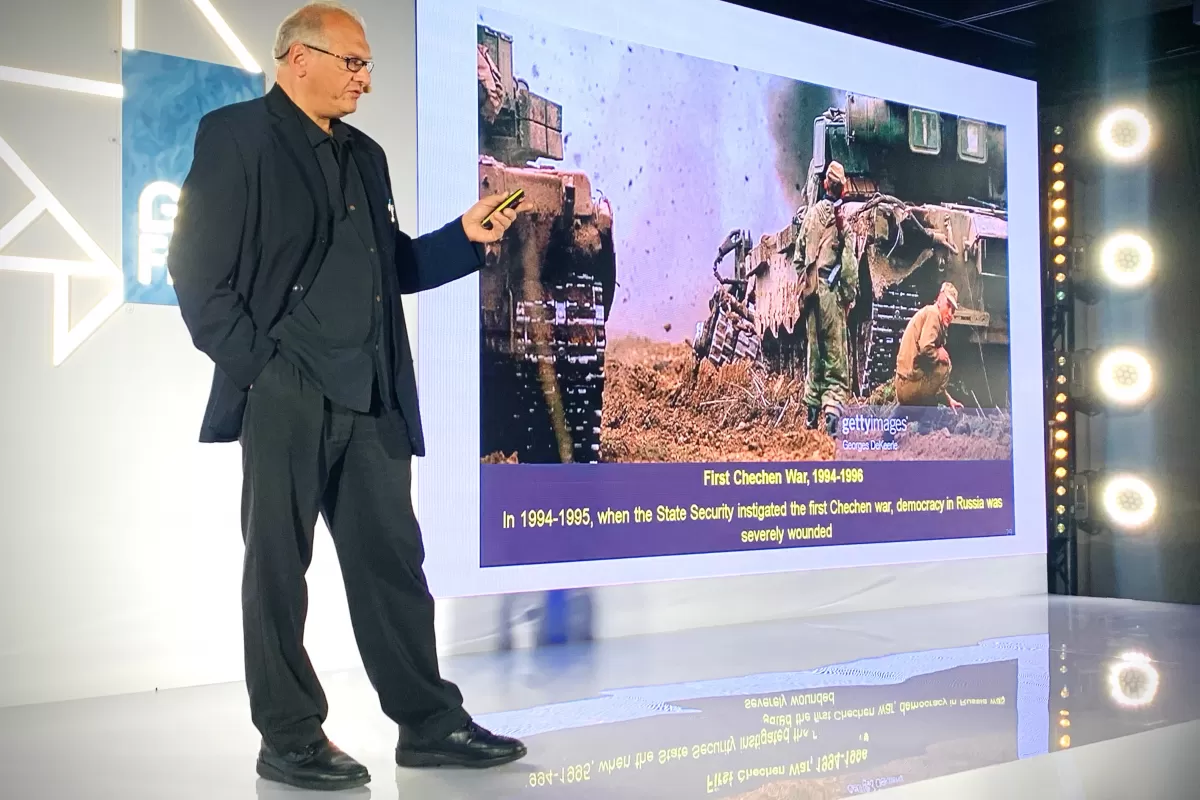
Vladimir Putin’s original plan was to subdue Ukraine without bloodshed and create a joint Russian-Ukrainian-Belarusian army that he could use to conquer Baltic States and the Republic of Moldova, the Russian-American expert Yuri Felshtinsky argues, adding that Moscow’s recent actions suggest, despite all the threats, that no nuclear weapons will be used against Ukraine.

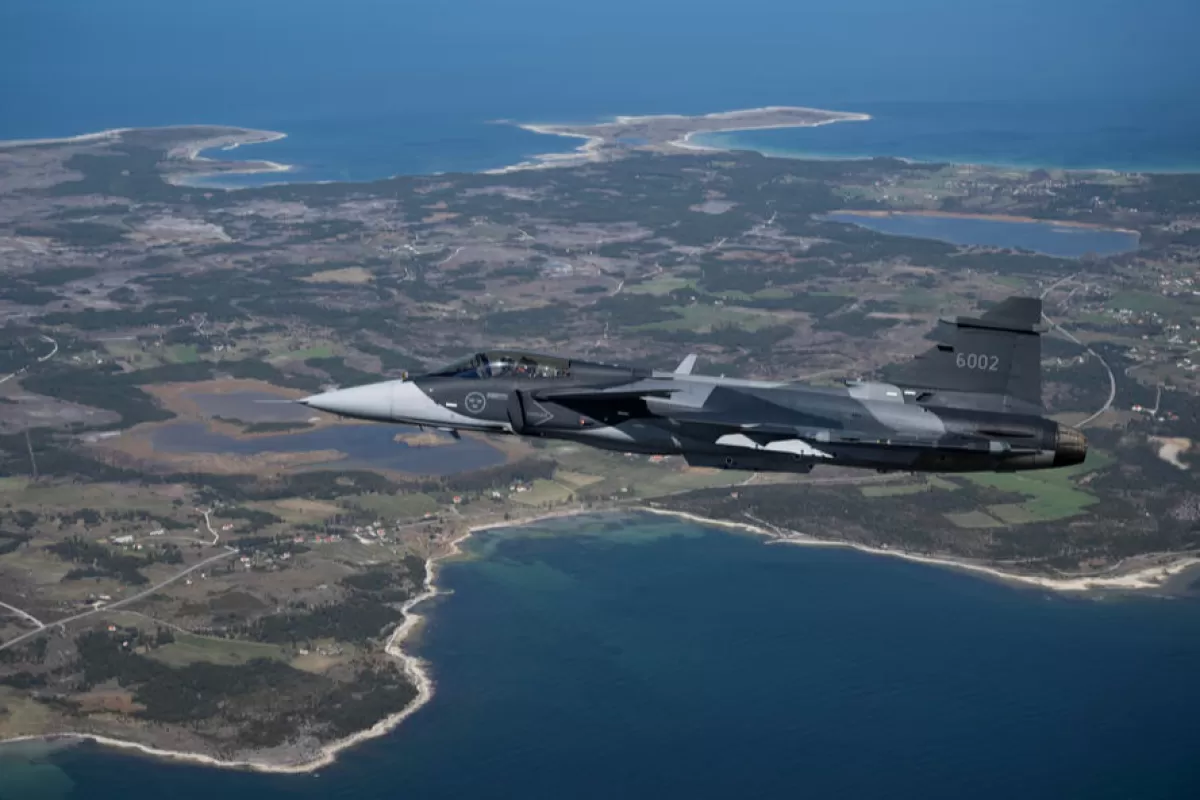
By joining NATO, Finland and Sweden would make the Alliance the main power in the Baltic Sea. Together, the two countries boast efficient and highly trained air, sea and ground forces, a good defense industry, and quick response capabilities. They occupy strategic position. And they would greatly consolidate the security of NATO’s most vulnerable member states – the Baltic countries.
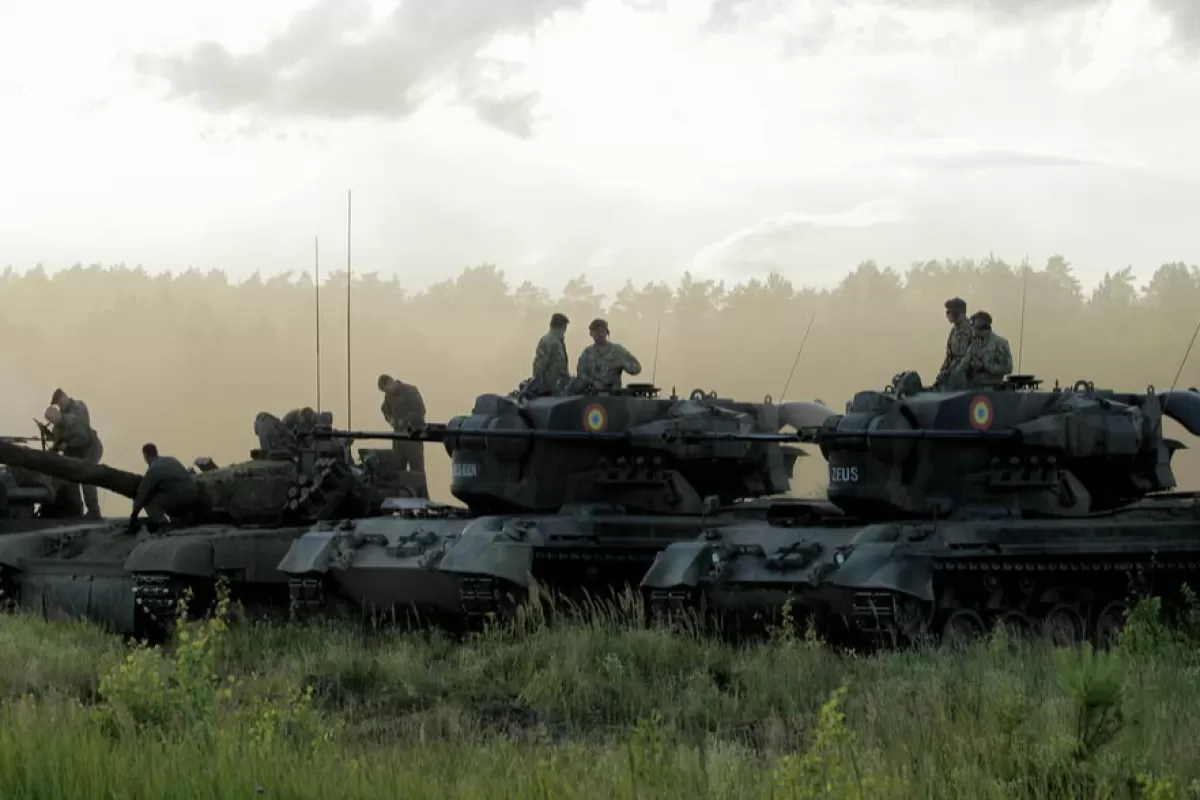
With NATO-Russia relations at their lowest level in history, following the latter’s invasion of Ukraine, a stretch of land connecting Poland to Lithuania has come into focus. The Suwałki Gap borders Russia’s Kaliningrad enclave. It could be a tempting target, as its control would help Russia cut NATO’s land bridge to its Baltic members. It could also be used, this time by the Alliance, to further isolate Kaliningrad. Is the Suwałki Gap the powder keg between NATO and Russia?

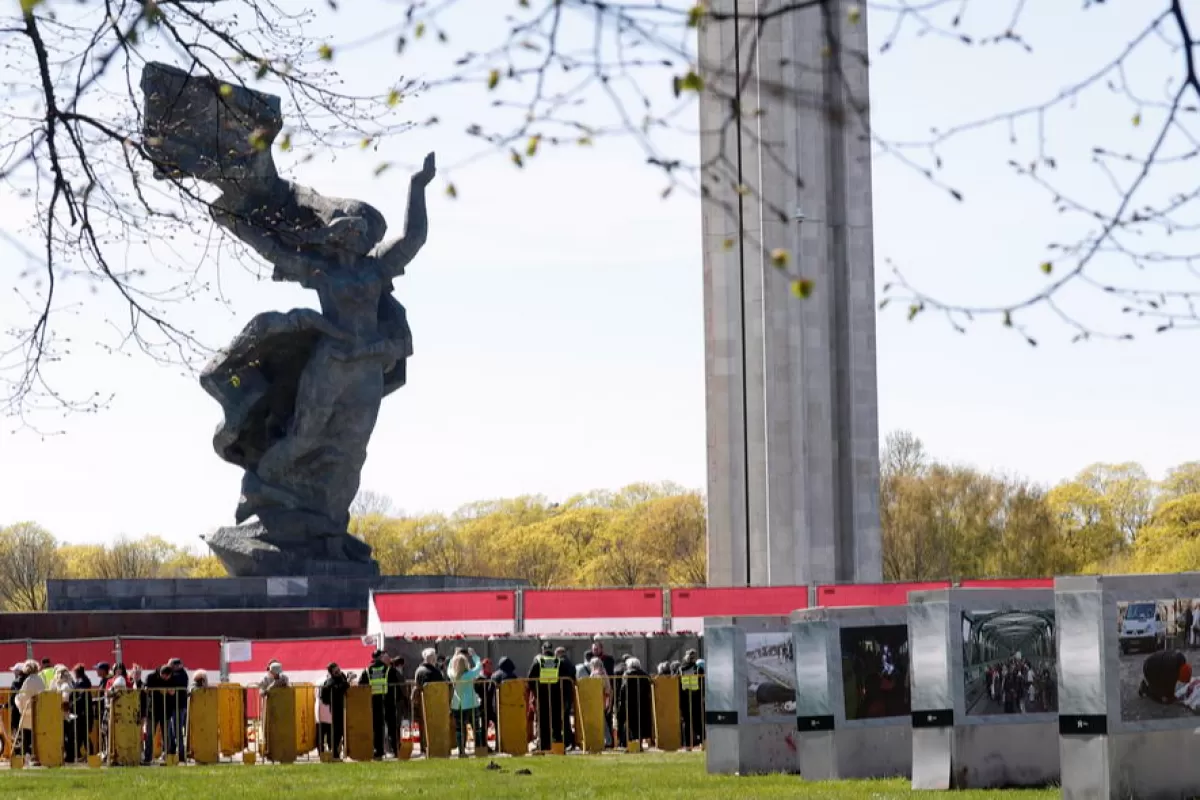
Respected and hated. Saw a lot of flowers, but was also cursed and even blown up. That’s the fate of the Monument of Victory in Riga which is, probably, going to be demolished as a consequence of Russia’s large scale invasion of Ukraine. Hundreds of other Soviet era monuments may soon follow
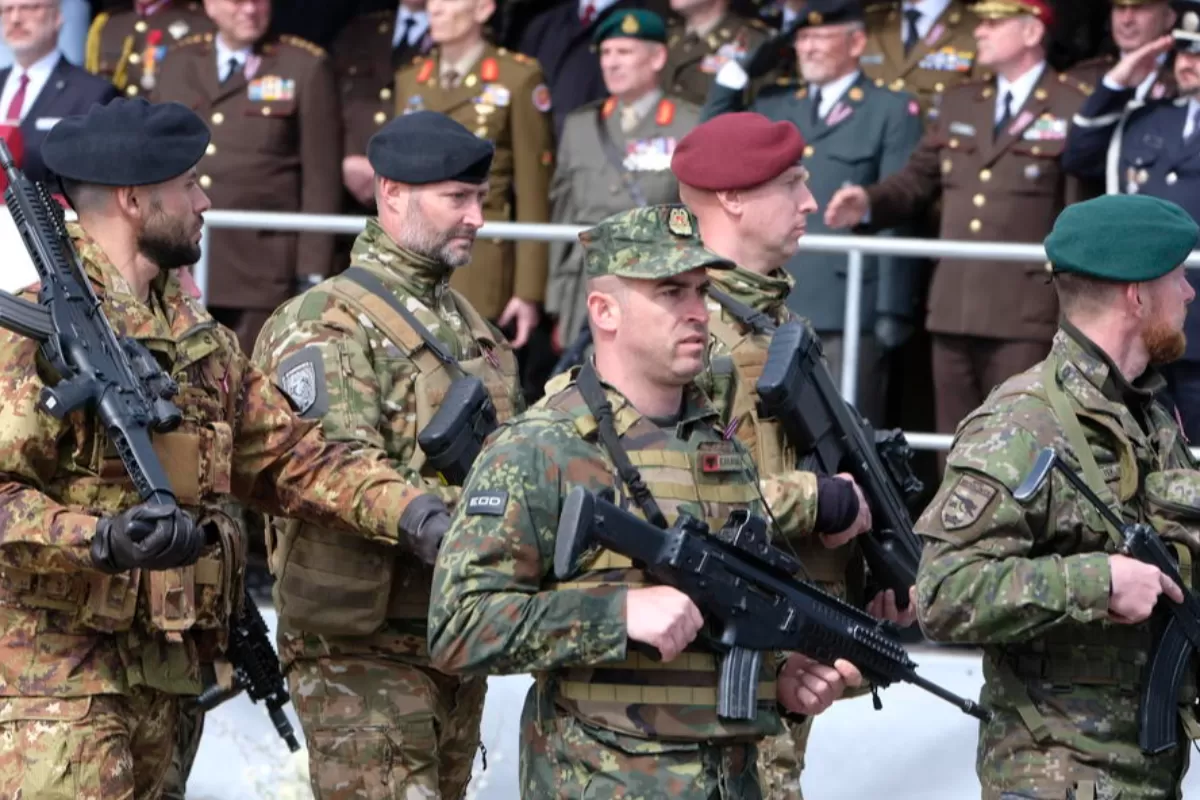
The Baltic states are probably among the NATO countries most exposed to a possible Russian attack and were among the first to express concern about the aggression of the Putin regime. Their NATO membership offers them protection, but experts feel that the Alliance needs to consolidate its position in the region.

Despite the fact that during the last eight years the Russian propaganda has targeted mainly Ukraine, Kremlin did not forget the Baltic States and Latvia. On the one hand Latvia itself was targeted, on the other propaganda and disinformation about Ukraine and NATO were promoted as well.
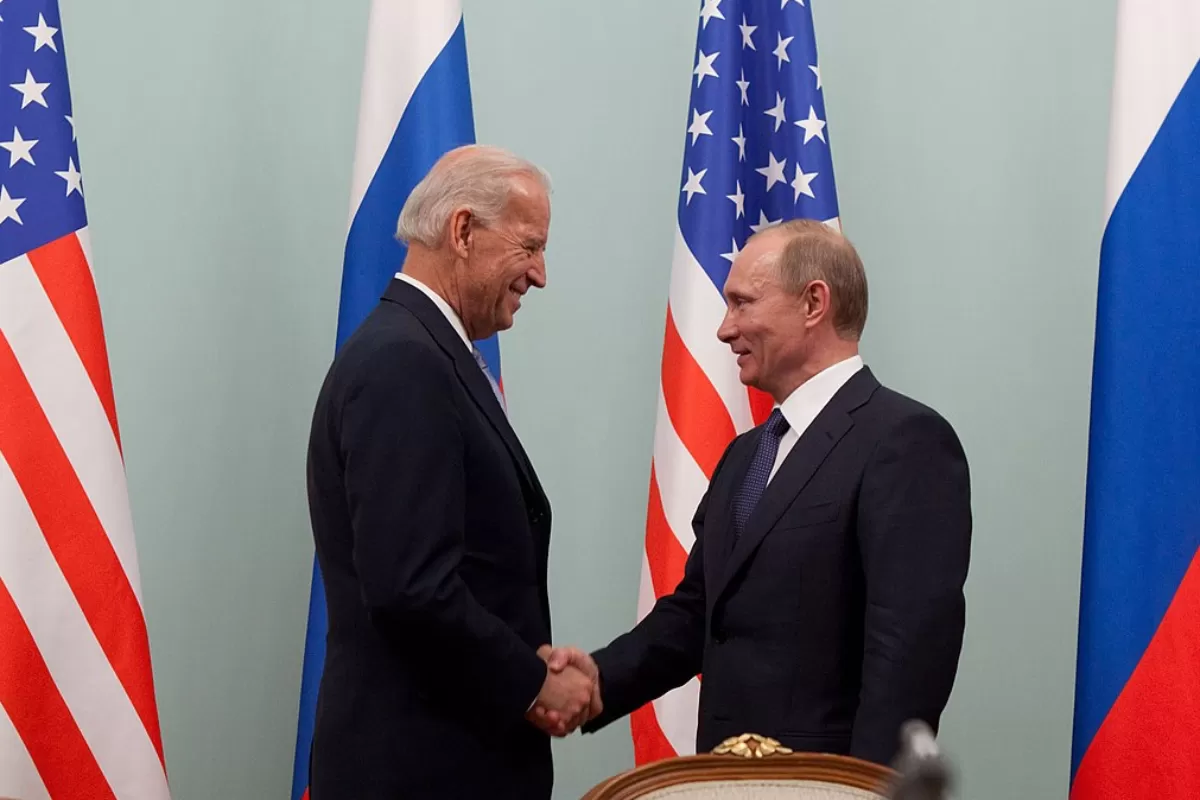
The latest tensions between presidents Joe Biden and Vladimir Putin are definitely giving political analysts from all over the world a headache, as they try to decrypt the discourses of the two presidents and somehow foresee where they’re leading. The United States and Russia have a number of imporant topics on their current agenda, such as the developments in Ukraine, Syria, the Iranian nuclear file or the situation in Northern Africa. USA and Russia also fell out over the poisoning and sentencing of opposition leader Alexei Navalny, the SolarWinds cyber-attacks scandal and Moscow’s bounties on US troops in Afghanistan.
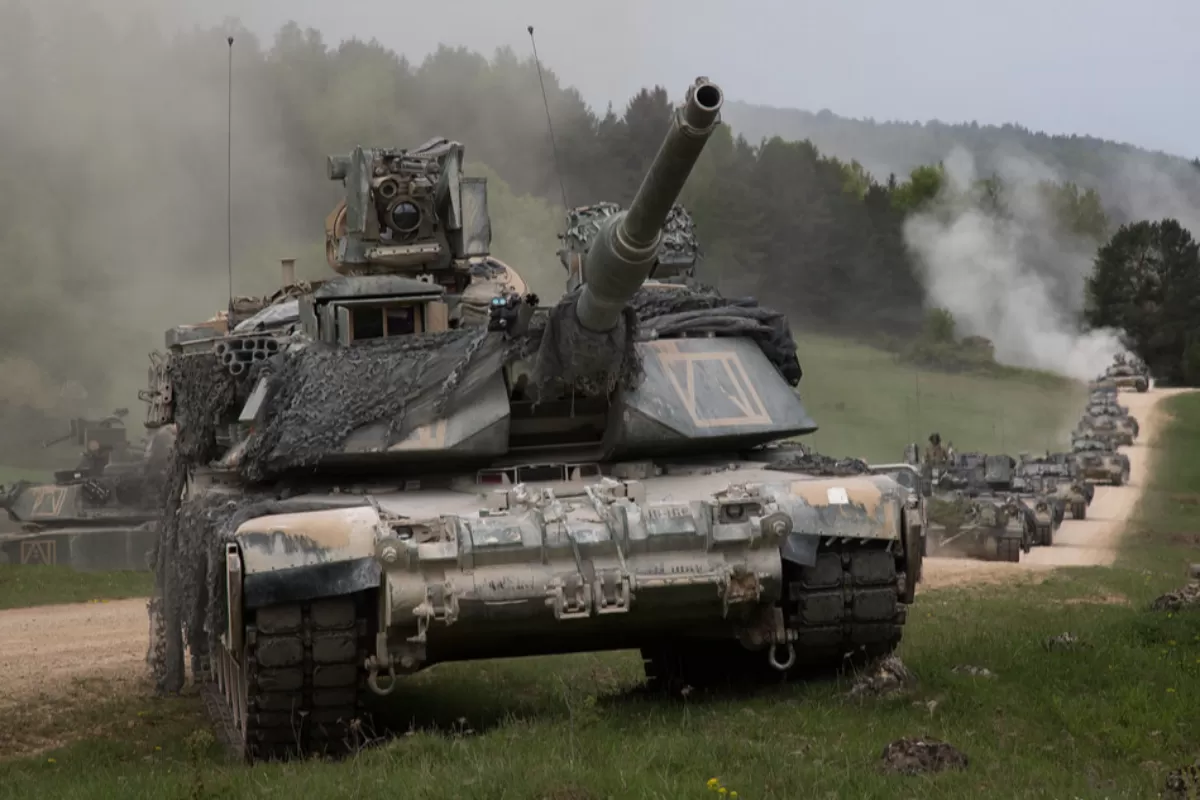
American tanks couldn’t invade Russia and would be facing the same difficulties German armored divisions did during the Second World War. This fake news underscores narratives about the attack plans of NATO and the USA, while also referring to metanarratives linked to the Second World War.
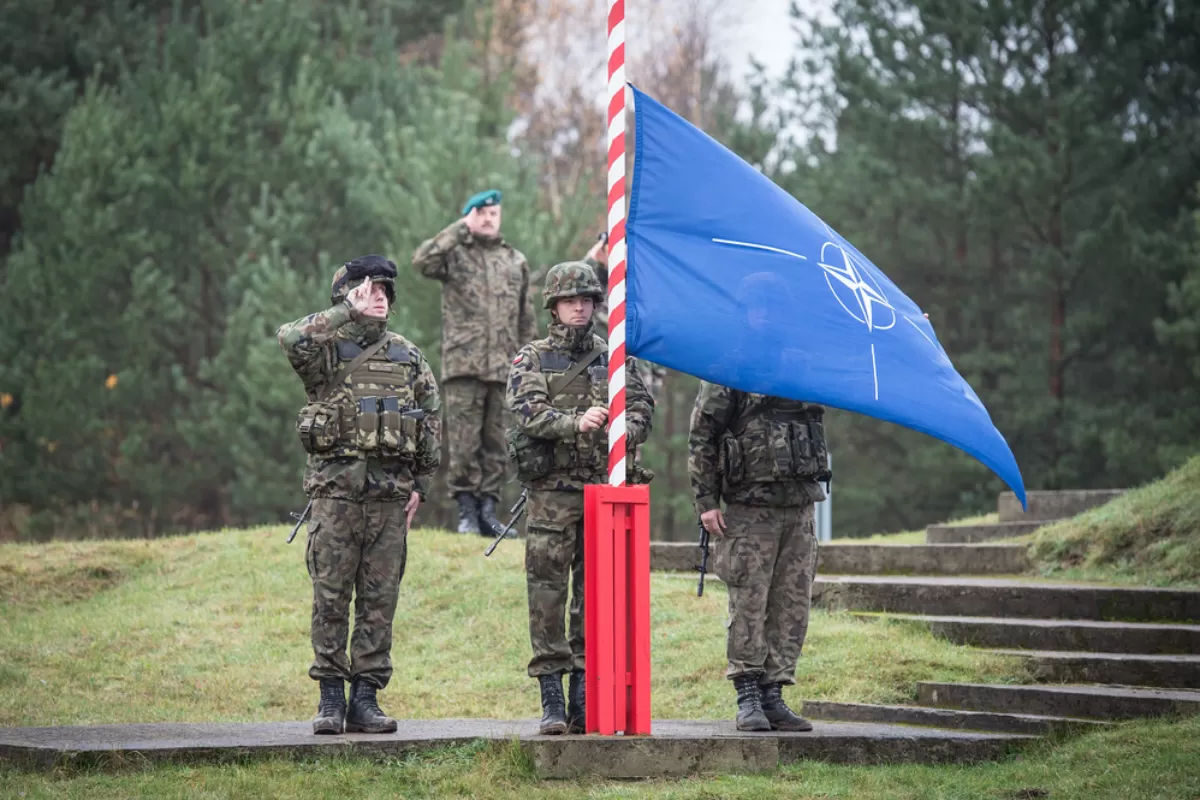
NATO has an aggressive stance towards Russia and is training to invade the region of Kaliningrad. However, the real goal of the Alliance is to make money for the big American defense corporations, claims the Kremlin’s propaganda arm, Sputnik.